Guides · Naples
10 Best Things to Do in Naples, Italy

CEO and co-founder
This guide ranks the 10 best things to do in Naples for travellers planning two to four days in the city in 2026. Each entry includes the exact street address, nearest metro or train station, distance from the historic centre, and a Pro Tip to skip queues, dodge tourist traps, or pair attractions efficiently. We have grouped the list so you can plan walking routes - the centro storico attractions (Spaccanapoli, Cappella Sansevero, Naples Cathedral, Naples Underground) cluster within a 20-minute walk, the seafront ensemble (Castel dell'Ovo, Royal Palace) sits 15 minutes south, and the Vesuvian sites (Pompeii, Mount Vesuvius) are reachable on a single Circumvesuviana train day.
Naples is Italy's most concentrated mix of UNESCO heritage, volcanic geography, and food culture. The city is the birthplace of pizza Margherita, the gateway to Pompeii, and the jumping-off point for Capri and the Amalfi Coast. Skip the buses with their fixed routes and instead use Metro Line 1 for the main museum hops - the stations themselves are some of the most beautiful in Europe. Reserve a slot for Pompeii at least 48 hours ahead in summer; Cappella Sansevero (the Veiled Christ) sells out a week ahead. Everything else can be walked in or queued.
1Pompeii - The Roman City Frozen by Mount Vesuvius
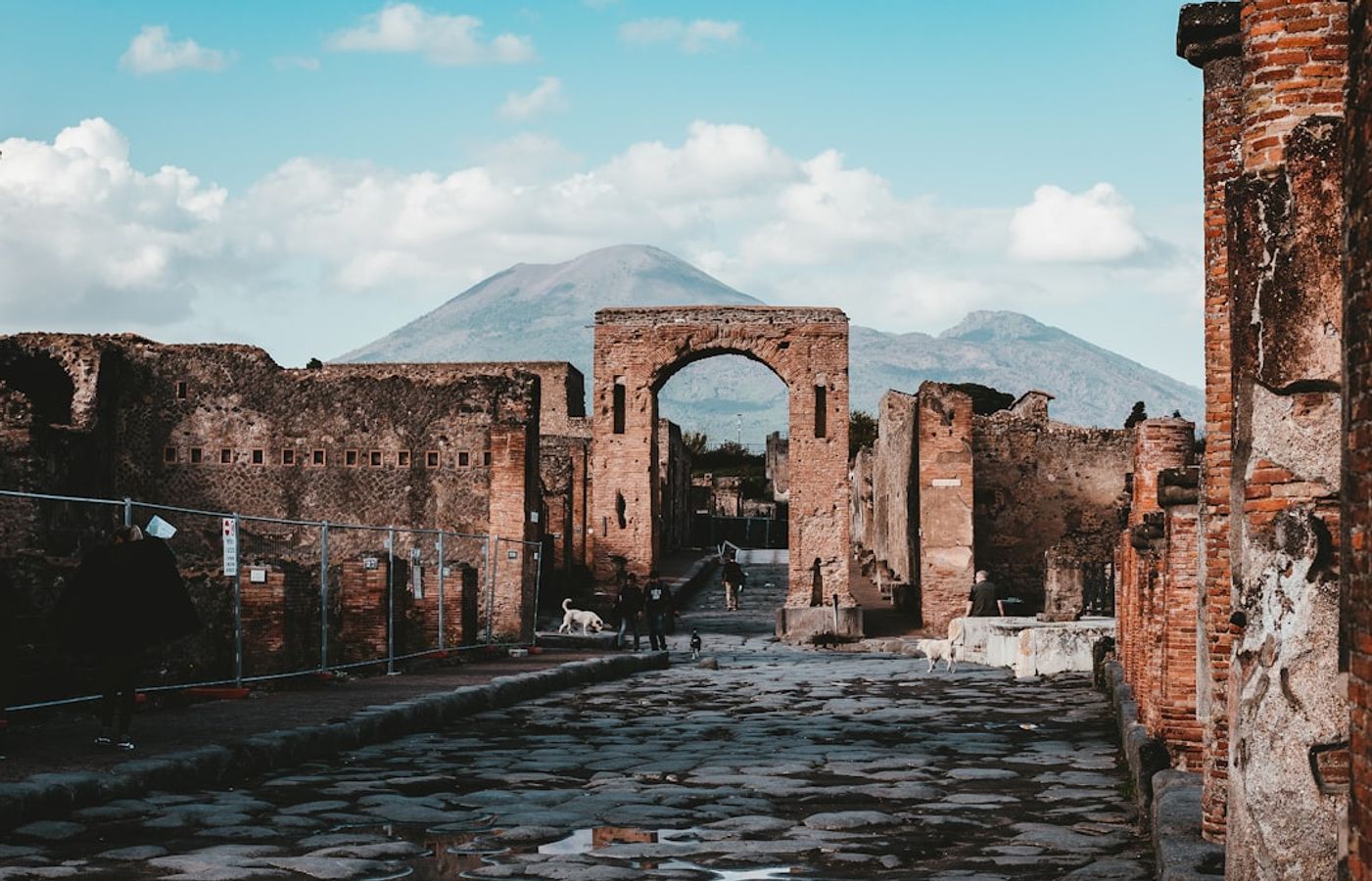
Pompeii ranks first on every list of things to do near Naples - a 64-hectare Roman city frozen by the eruption of Mount Vesuvius on 24 October AD 79. UNESCO inscribed the archaeological site in 1997 and ongoing excavations reveal new houses every year. The Forum, the House of the Faun, the Lupanare brothel, and the Garden of the Fugitives (with plaster casts of Vesuvius's victims) are the unmissable stops.
The site is huge and signage is patchy - download the official Pompeii Sites app or pre-book a guided tour. The Insula Occidentalis route, opened in 2023, includes recently restored frescoes from the House of Leda. Bring 2 litres of water, sun protection, and proper shoes - the Roman cobbles are brutal on flip-flops.
Pro Tip: Take the 9am Circumvesuviana from Napoli Garibaldi to arrive ahead of the cruise ship hordes from Sorrento. Exit at Pompei Scavi-Villa dei Misteri (not Pompei station) - it is 100 metres from the entry gate.
2Naples Underground - The Hidden City Below the Streets
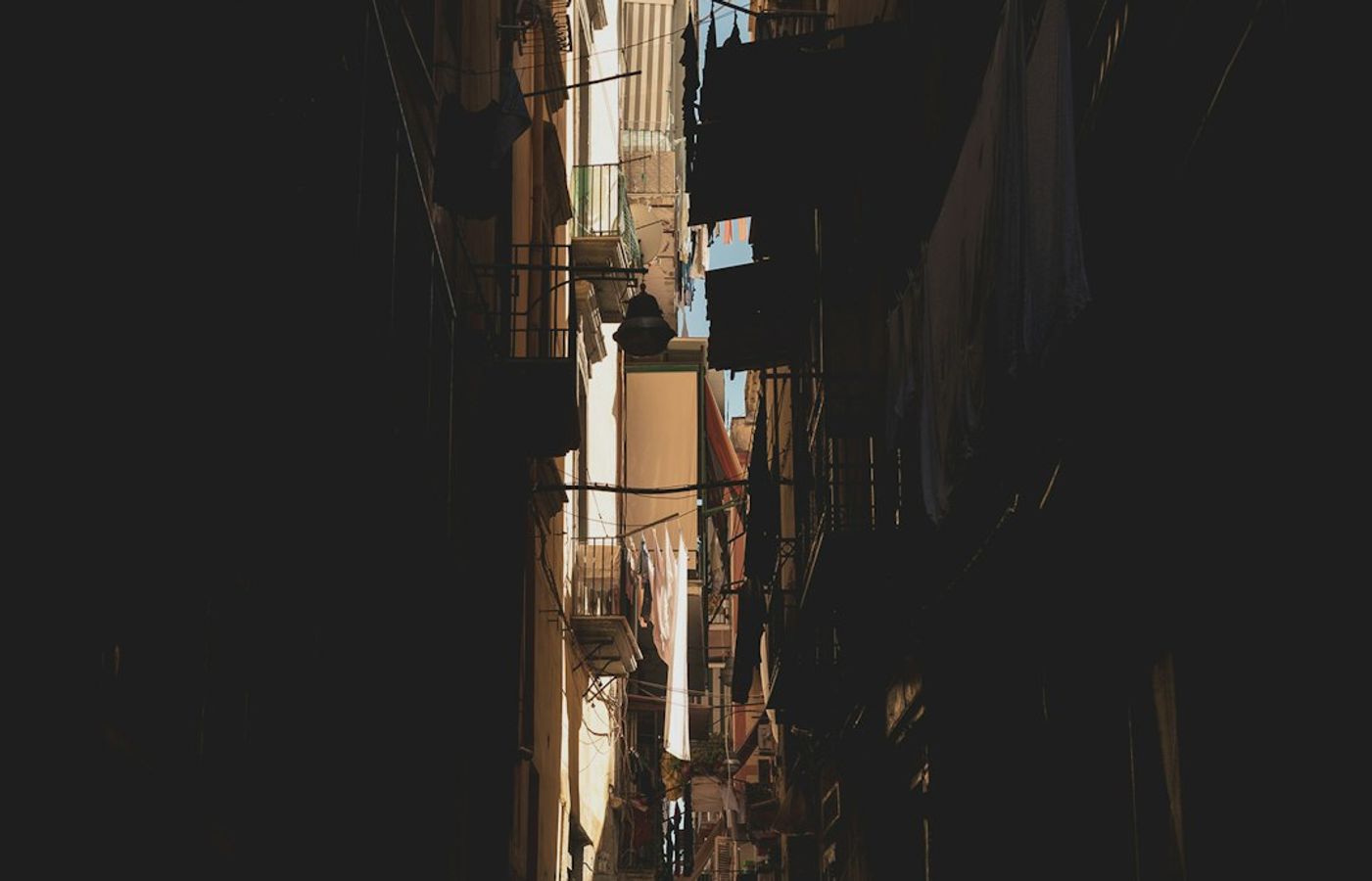
Forty metres below the city's chaotic streets, Napoli Sotterranea reveals 2,500 years of layered Naples - Greek tufa quarries from the 4th century BC, a Roman aqueduct that supplied water until the 1800s cholera epidemic, and World War II bomb shelters where 4,000 Neapolitans slept during the Allied bombings of 1942-43. The 90-minute guided tour winds through narrow passages, candle-lit chambers, and a small Roman theatre where Emperor Nero performed.
Entry is from Piazza San Gaetano in the heart of the historic centre. Tours run hourly in English between 10am and 6pm (EUR 12). Bring a light jacket - the underground stays at a constant 15 C. Claustrophobics should know that one section requires sideways shuffling through a 60-cm passage; an alternative route skips it.
Pro Tip: The 11am English tour is the quietest. Combine with Cappella Sansevero (5-min walk) and grab lunch at Tandem in Via Paladino for the city's best ragu napoletano.

3National Archaeological Museum (MANN) - The World's Greatest Roman Collection
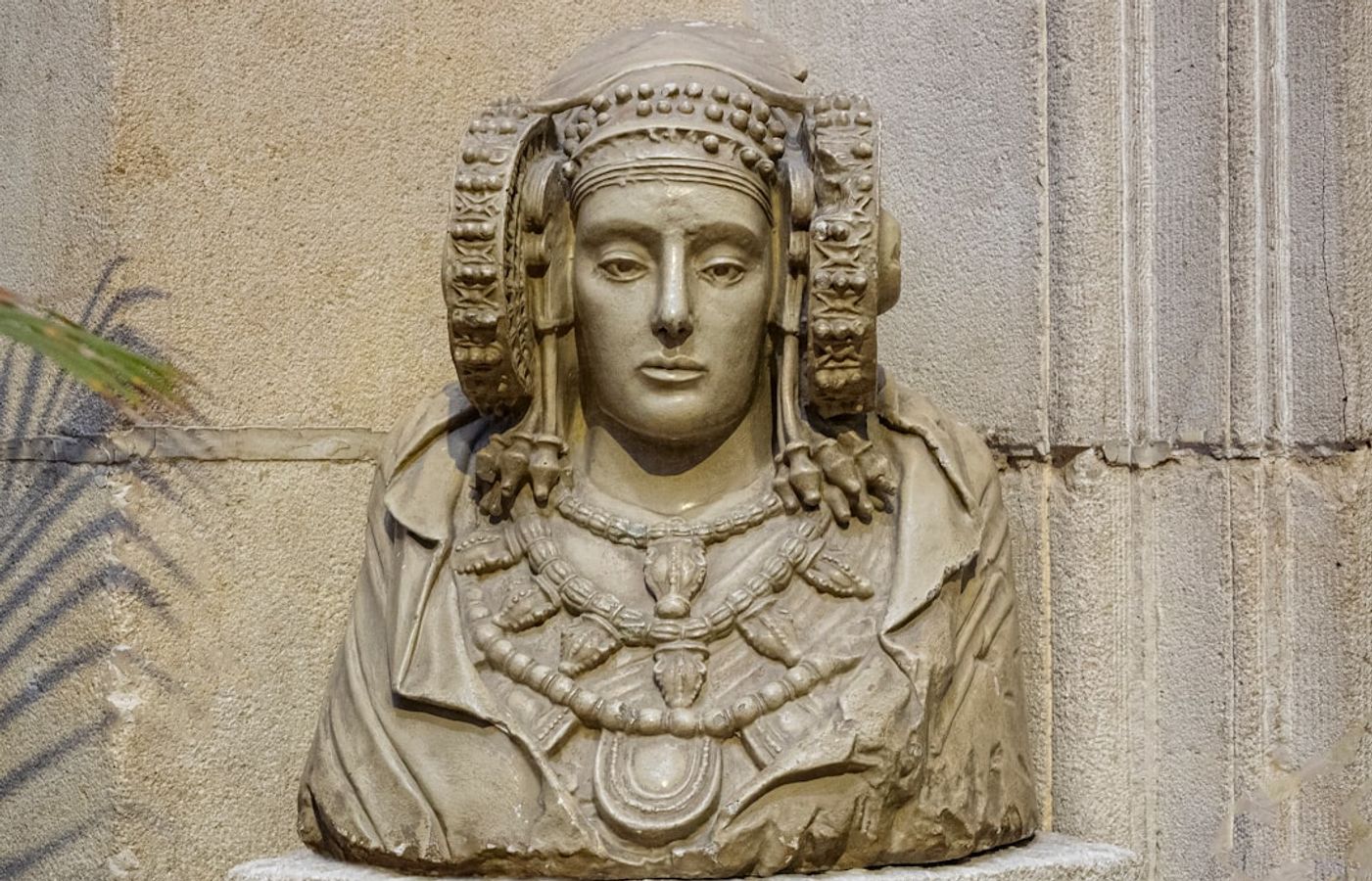
The Museo Archeologico Nazionale di Napoli holds the finest collection of Roman art on Earth - all of it excavated from Pompeii, Herculaneum, and the surrounding Vesuvian cities. The Farnese Hercules, the Alexander Mosaic from the House of the Faun, the Secret Cabinet of erotic Roman art, and the coloured frescoes from Villa of the Mysteries are housed in a converted 1750s Bourbon palace.
Allocate three hours minimum. The Alexander Mosaic was lifted whole from Pompeii and is the largest surviving from antiquity. The Secret Cabinet (Gabinetto Segreto) - originally locked away by 19th-century Bourbon kings - holds the explicit erotic art that Pompeian houses displayed openly. Entry is EUR 22, included on the Campania ArteCard.
Pro Tip: Visit before Pompeii, not after. Seeing the Alexander Mosaic and Villa of the Mysteries frescoes here gives context to what you will later see as bare rooms at the site itself. Open until 7.30pm Wednesday to Monday, closed Tuesday.
4Spaccanapoli - The Greek-Roman Street That Splits Naples in Two
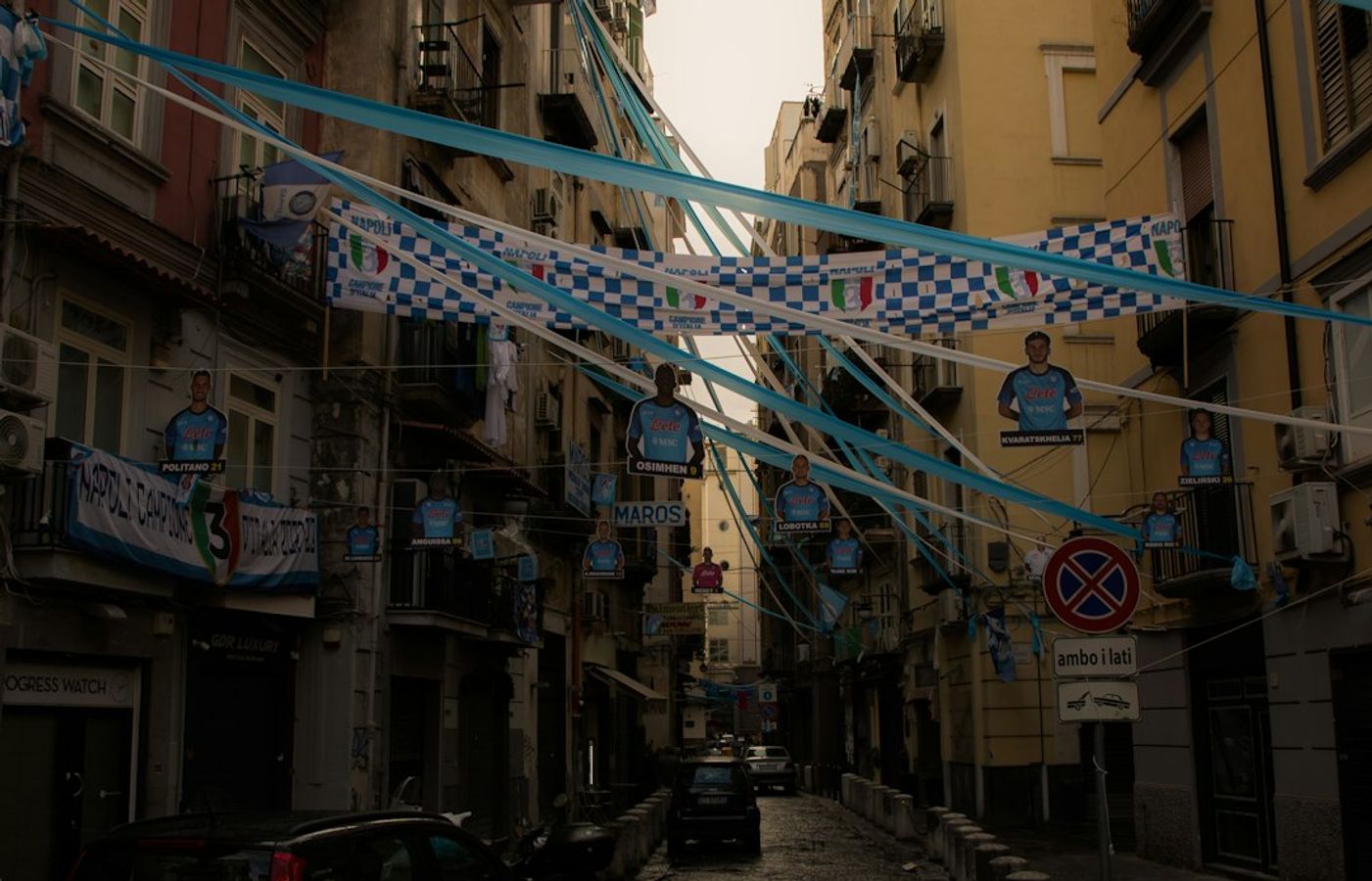
Spaccanapoli is the dead-straight Greek-Roman decumanus inferior that slices through the centro storico in an arrow-line you can see from Castel Sant'Elmo above. The street officially runs as Via Benedetto Croce, then Via San Biagio dei Librai, packed with churches (Santa Chiara, Gesu Nuovo), nativity-figure workshops on Via San Gregorio Armeno, and family-run cafes where espresso costs EUR 1.
Walk the full 1.5 km from Piazza del Gesu Nuovo to Forcella. Stop at Santa Chiara's majolica-tiled cloister, peek into Cappella Sansevero, queue for sfogliatella at Pintauro, and weave through Via San Gregorio Armeno even outside Christmas - the workshops here have made Neapolitan presepi for 600 years.
Pro Tip: Walk Spaccanapoli west-to-east (Piazza del Gesu to Forcella) so you arrive at lunchtime near Da Michele or Sorbillo. The street narrows progressively - it is most photogenic from Via San Biagio dei Librai onwards.
5Castel dell'Ovo - The Seafront Castle on Megaride Island
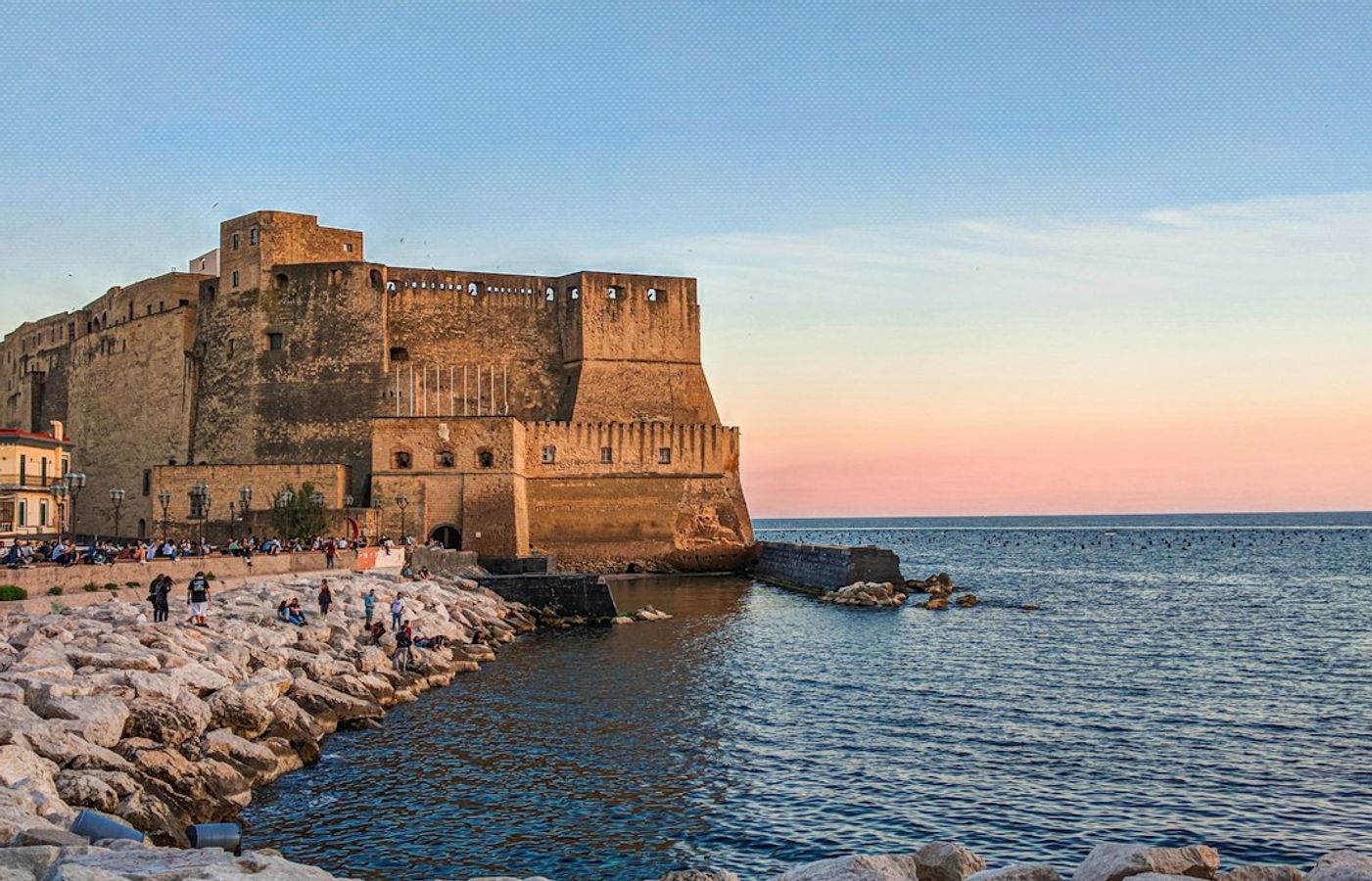
Naples's oldest castle sits on the tiny Megaride Island, joined to the seafront by a short causeway. Norman king Roger II started construction in 1140 on the foundation of a Roman villa that belonged to Lucullus. The name (Egg Castle) comes from a legend that Virgil hid a magic egg in the foundations - if it breaks, Naples will fall.
Entry to Castel dell'Ovo, the parapets, and the panoramic terrace is free, daily 9am to 7.30pm (4pm Sunday). The view spans the entire Bay of Naples from Vesuvius to Capri and is the city's best photo spot at sunset. The Borgo Marinari at the base - a tiny harbour of fishermen's houses turned into seafood restaurants - is pleasant for an aperitivo.
Pro Tip: Walk here from Piazza del Plebiscito along the Lungomare for the full seafront approach. The terrace gets crowded at sunset - go an hour earlier or 30 min before closing for empty parapets.
6Mount Vesuvius - The Volcano That Buried Pompeii
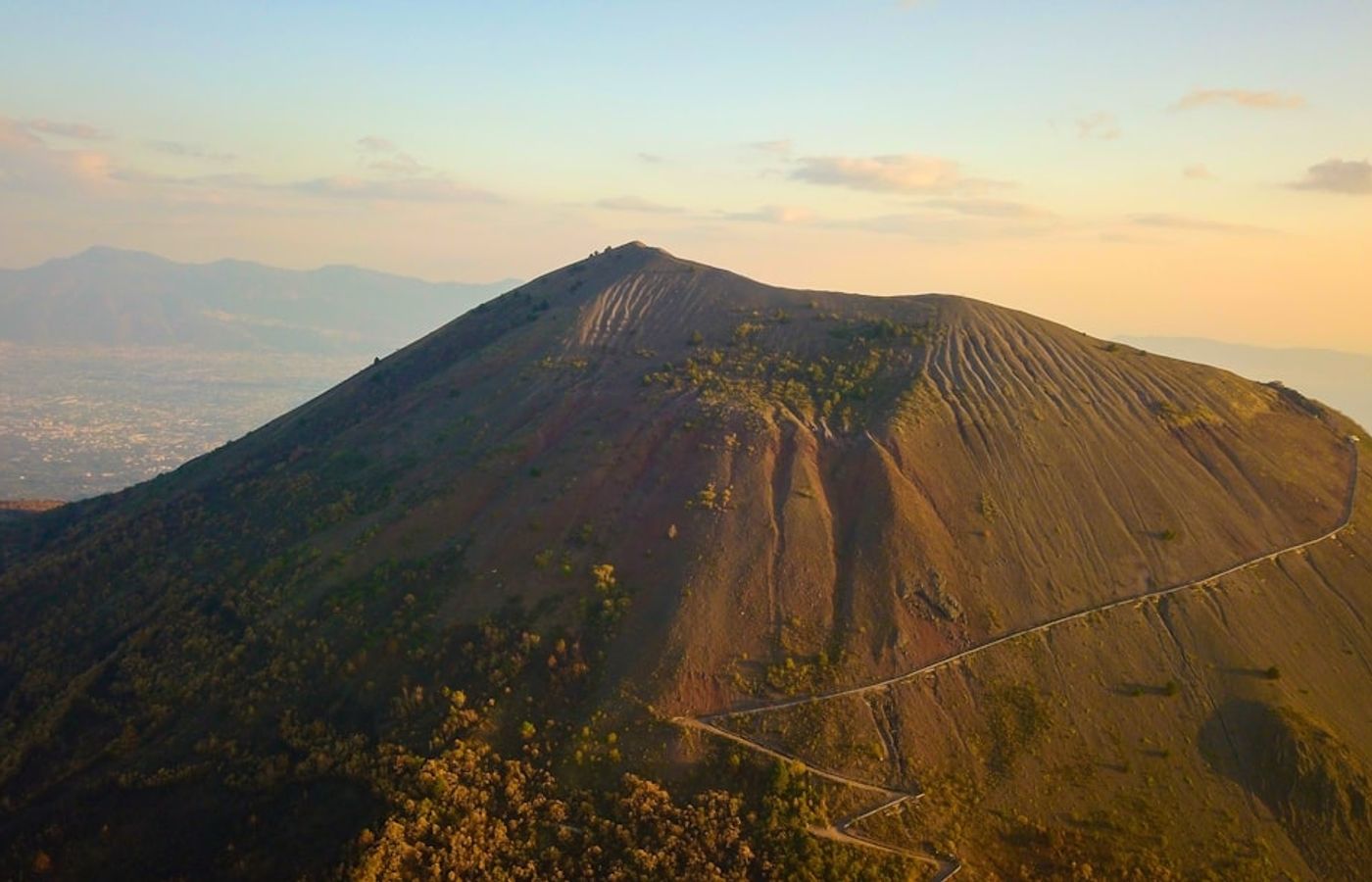
The volcano that destroyed Pompeii is still active, classified as one of the most dangerous in the world due to the 3 million people in the metro area. The summit crater (1,281 m) can be reached on foot from the Quota 1000 car park - a 30-minute switchback hike that ends with sulphur fumes drifting from the crater rim and a 1,000-metre-deep cone open below.
Vesuvius National Park requires advance timed tickets (EUR 10 plus EUR 2 reservation fee). EAV buses run from Pompei Scavi or Ercolano stations on the Circumvesuviana. The hike is steep but doable in trainers - no equipment needed. Pair Mount Vesuvius with Pompeii or Herculaneum for a long but logical day.
Pro Tip: Take a morning slot before clouds gather around the summit. The afternoon has a 50% chance of mist obscuring the bay view. The crater walk is fully fenced and family-friendly.
7Cappella Sansevero - Home of the Veiled Christ
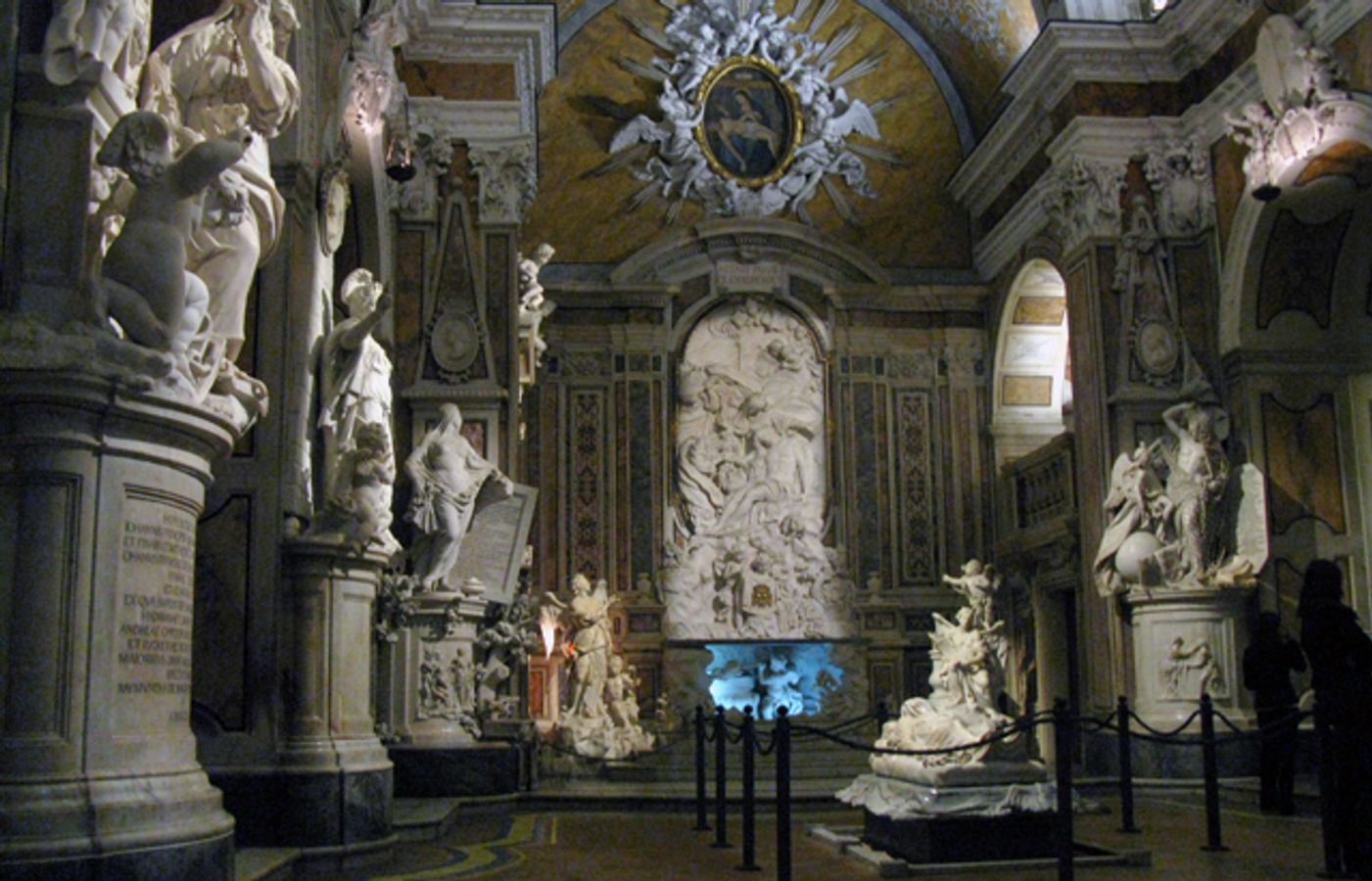
The Cappella Sansevero is a private noble chapel that holds Giuseppe Sanmartino's 1753 Cristo Velato - a single block of marble carved into a Christ figure draped in a translucent shroud so thin you can trace the wounds beneath. Tourists routinely return three or four times to look at it; the marble veil is impossible to believe at first sight.
The chapel was commissioned by Raimondo di Sangro, an 18th-century alchemist whose other commissions include the unsettling Anatomical Machines in the basement - two preserved human skeletons with their entire circulatory systems intact. Entry is EUR 10 with a timed slot. The chapel is small (one room) and gets crowded - book online at least three days ahead.
Pro Tip: The 9.30am opening slot is empty. Photography is forbidden inside, so commit to looking - five minutes in front of the Cristo Velato is the right amount of time. Audio guide is included with the ticket.
8Naples Cathedral (Duomo di San Gennaro) - Seat of the Miracle of Blood
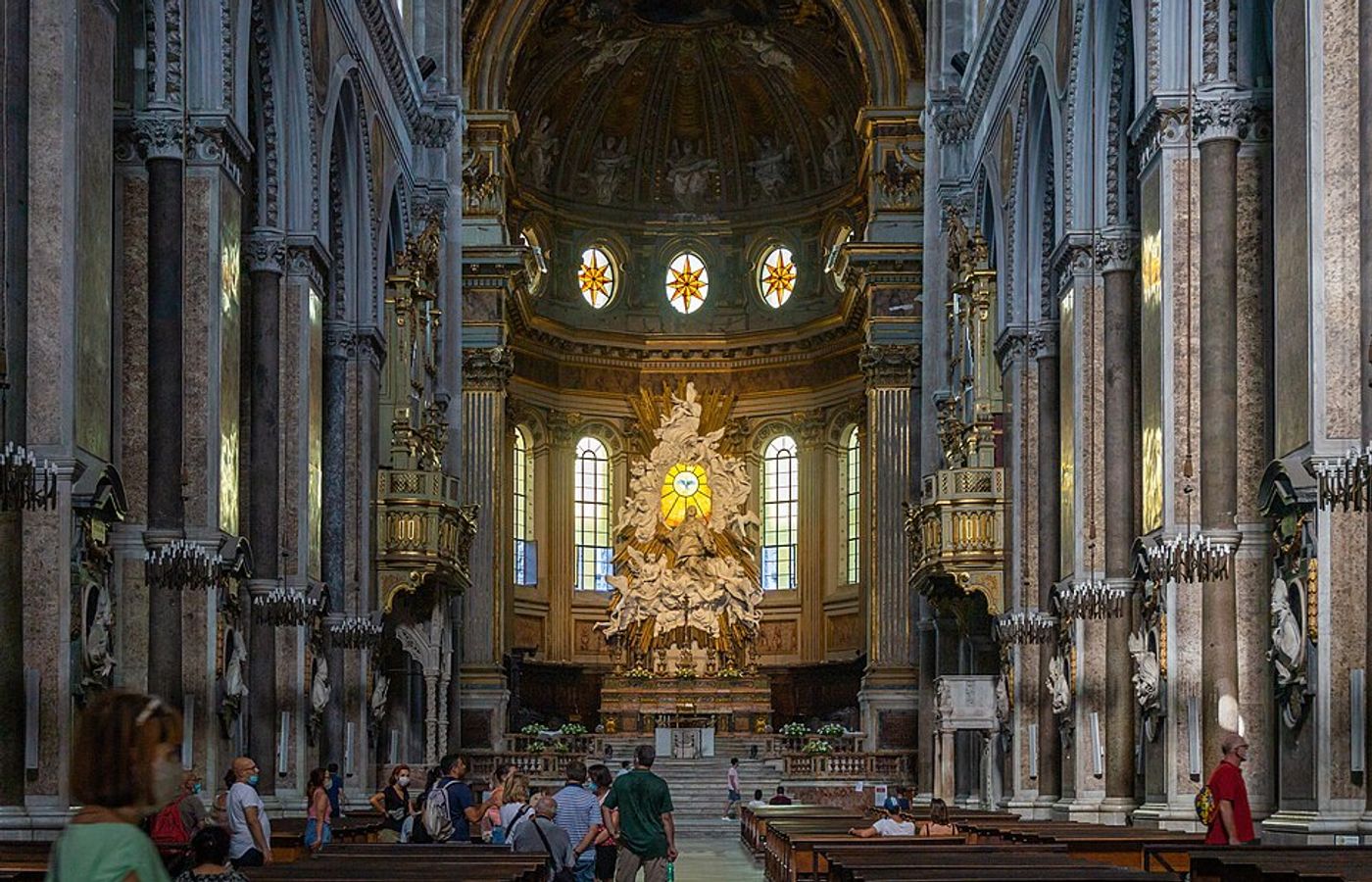
The Duomo di San Gennaro houses two glass ampoules of dried blood from San Gennaro, the city's patron saint, beheaded in AD 305. Three times a year - the first Saturday of May, 19 September, and 16 December - the blood is processed before crowds and, if it liquefies, signals a good year for Naples. The 14th-century Gothic cathedral also incorporates two earlier basilicas (Santa Restituta and the 4th-century Baptistry of San Giovanni in Fonte, the oldest in the Western world).
Free entry to the main cathedral; EUR 6 to access the Baptistry, archaeological excavations beneath, and the Royal Chapel of San Gennaro with its Caravaggio. Mass is held daily; tourist visits should avoid 11am-noon Sundays.
Pro Tip: If you are in Naples on 19 September, queue from 7am for the liquefaction ceremony at 9am - it is unlike anything else in Italian Catholicism. Otherwise, the archaeological tour beneath the Baptistry is the best EUR 6 in Naples.
9Royal Palace and Piazza del Plebiscito - Bourbon Heart of Naples
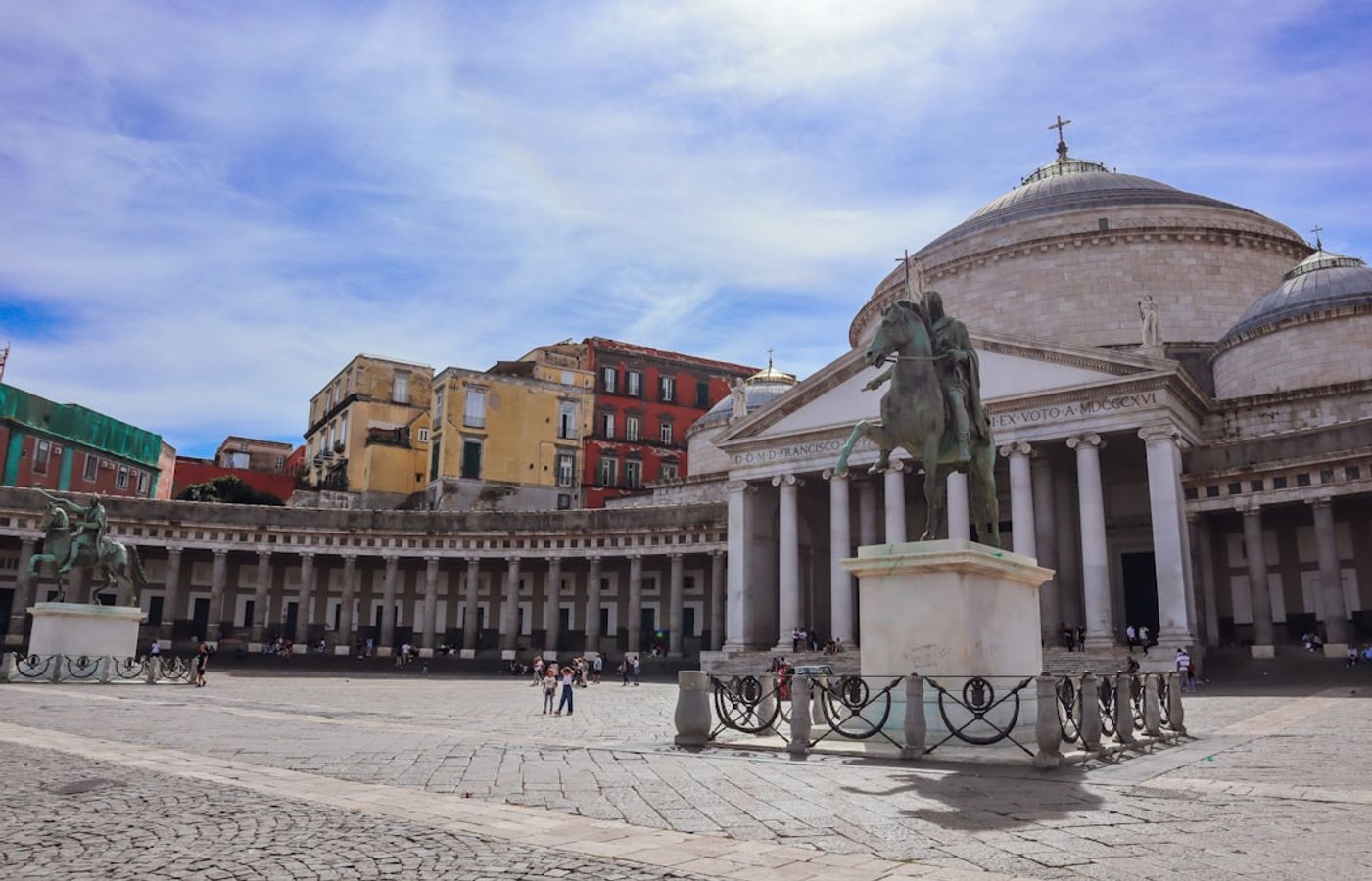
Piazza del Plebiscito is the largest square in Naples and the city's grandest civic space - a 25,000 sq m semicircle anchored by the neoclassical Basilica of San Francesco di Paola (modelled on the Pantheon) and the 17th-century Royal Palace of Naples opposite. The Royal Palace facade carries eight giant marble statues of Naples's rulers, from Roger the Norman to Vittorio Emanuele II.
The Royal Apartments run for 30 rooms of Bourbon-era frescoes, gilded thrones, and the Teatro di Corte private theatre (EUR 10). The piazza itself is free and used for concerts, fashion shoots, and a tradition where Neapolitans walk blindfolded between the two equestrian statues - locals say almost no one walks straight.
Pro Tip: Combine the Royal Palace with the adjacent Galleria Umberto I shopping arcade (free, glass-roof, beautiful) and Teatro San Carlo - Europe's oldest still-active opera house, built in 1737. A 30-min Teatro San Carlo tour costs EUR 9.
10Eat Authentic Pizza Margherita in the Centro Storico

Pizza Margherita was invented in Naples in 1889 by Raffaele Esposito for Queen Margherita of Savoy, who wanted a patriotic pizza in the colours of the Italian flag (red tomato, white mozzarella, green basil). UNESCO inscribed Neapolitan pizzaiolo as Intangible Cultural Heritage in 2017. The classic version uses San Marzano tomatoes, fior di latte or buffalo mozzarella, fresh basil, and olive oil, baked at 480 C in a wood-fired oven for 90 seconds.
Three historic pizzerias in the centro storico are mandatory: L'Antica Pizzeria da Michele (the original Margherita and Marinara, immortalised in Eat Pray Love), Sorbillo (more modern, Gino Sorbillo runs three branches in Via dei Tribunali), and Di Matteo (a favourite of Bill Clinton in 1994).
Pro Tip: Da Michele takes a numbered ticket from a kiosk outside - join the list, then go look at the Duomo for an hour while you wait. A Margherita STG costs EUR 5. Bring cash; many family pizzerias still don't take cards.

CEO and co-founder
Tomas is the co-founder and director of Trip1, an European company specializing in reservation services. He launched the company in 2025 with a focus on building scalable, efficient operations.
10 Best Things to Do in Naples, Italy - FAQ
No - one day is not enough. Pompeii alone needs 4-5 hours and Mount Vesuvius adds a half-day on top. A realistic plan covers 3-4 attractions per day. Three days lets you do the historic centre on day one, museums and the seafront on day two, and Pompeii plus Vesuvius on day three.
Group by geography. Day 1: Spaccanapoli, Cappella Sansevero, Naples Cathedral, and Naples Underground - all on foot in the historic centre. Day 2: National Archaeological Museum in the morning, then Royal Palace and Castel dell'Ovo on the seafront, ending with pizza in the centro storico. Day 3: Pompeii on the Circumvesuviana, then Mount Vesuvius if energy permits.
Pompeii, Cappella Sansevero (Veiled Christ), and the Royal Palace sell out fast - book online at least 48 hours ahead in summer. Mount Vesuvius requires a timed entry slot from the Vesuvius National Park website. The National Archaeological Museum, Naples Cathedral, and Castel dell'Ovo are walk-in. Top pizzerias like Da Michele do not take reservations - either queue or use a ticketed wait list.
Budget around EUR 90-110 per person for entry fees. Pompeii is EUR 22, the Royal Palace EUR 10, the National Archaeological Museum EUR 22, Cappella Sansevero EUR 10, Mount Vesuvius EUR 10, Naples Underground EUR 12, and Castel dell'Ovo is free. The Spaccanapoli walk and pizza are paid as you go. The Campania ArteCard 3-day all-inclusive (EUR 27) covers most of these.
Pompeii is the single best day trip from Naples and worth the entire journey from anywhere. The site covers 64 hectares of frozen Roman city with intact villas, frescoes, and casts of Vesuvius's victims. Allow 4-5 hours minimum, take the Circumvesuviana train from Napoli Garibaldi (40 minutes, EUR 3.20), and arrive by 9am to beat the cruise crowds and afternoon heat.
Yes, and walking handles most of them. The historic centre attractions cluster within a 20-minute walk of Piazza Dante. The National Archaeological Museum is 2 stops from Toledo on Metro Line 1. Castel dell'Ovo is a 15-minute walk from the Royal Palace. Pompeii needs the Circumvesuviana train and Mount Vesuvius requires the EAV bus from Pompei station - both are straightforward.
If you have a fourth day, consider Herculaneum (smaller and better-preserved than Pompeii), the Catacombs of San Gennaro under the Sanita district, Castel Sant'Elmo for the best panoramic view of the city, the Capodimonte Museum for Caravaggio and Titian, and a ferry to Procida (the smaller, quieter island that featured in the 2022 Italian Capital of Culture).