Guides · Kyoto
12 Top Places to Visit in Kyoto, Japan

CEO and co-founder
This guide ranks the 12 top places to visit in Kyoto for travellers planning three to four days in Japan's old imperial capital in 2026. Each entry includes the exact street address, nearest train or bus connection, distance from Kyoto Station, and a Pro Tip - whether to arrive at Fushimi Inari at sunrise, when to skip Kinkaku-ji's main viewpoint, or how to time the Arashiyama Bamboo Grove for empty photos. The list is grouped by quadrant (East/Higashiyama, West/Arashiyama, South, Centre) for efficient day-trips.
Kyoto holds 17 UNESCO World Heritage sites - more than any other city on Earth. Cherry blossom (late March to early April) and autumn foliage (mid-November) crowd these places to do in Kyoto with millions of extra visitors; book hotels 4-6 months ahead. The Kyoto City Bus & Subway One-Day Pass (JPY 1,100) is the most efficient way to cover everything. Fushimi Inari at sunrise is the single best 90 minutes you can spend in the city.
1Fushimi Inari Shrine - The 10,000 Torii Gates
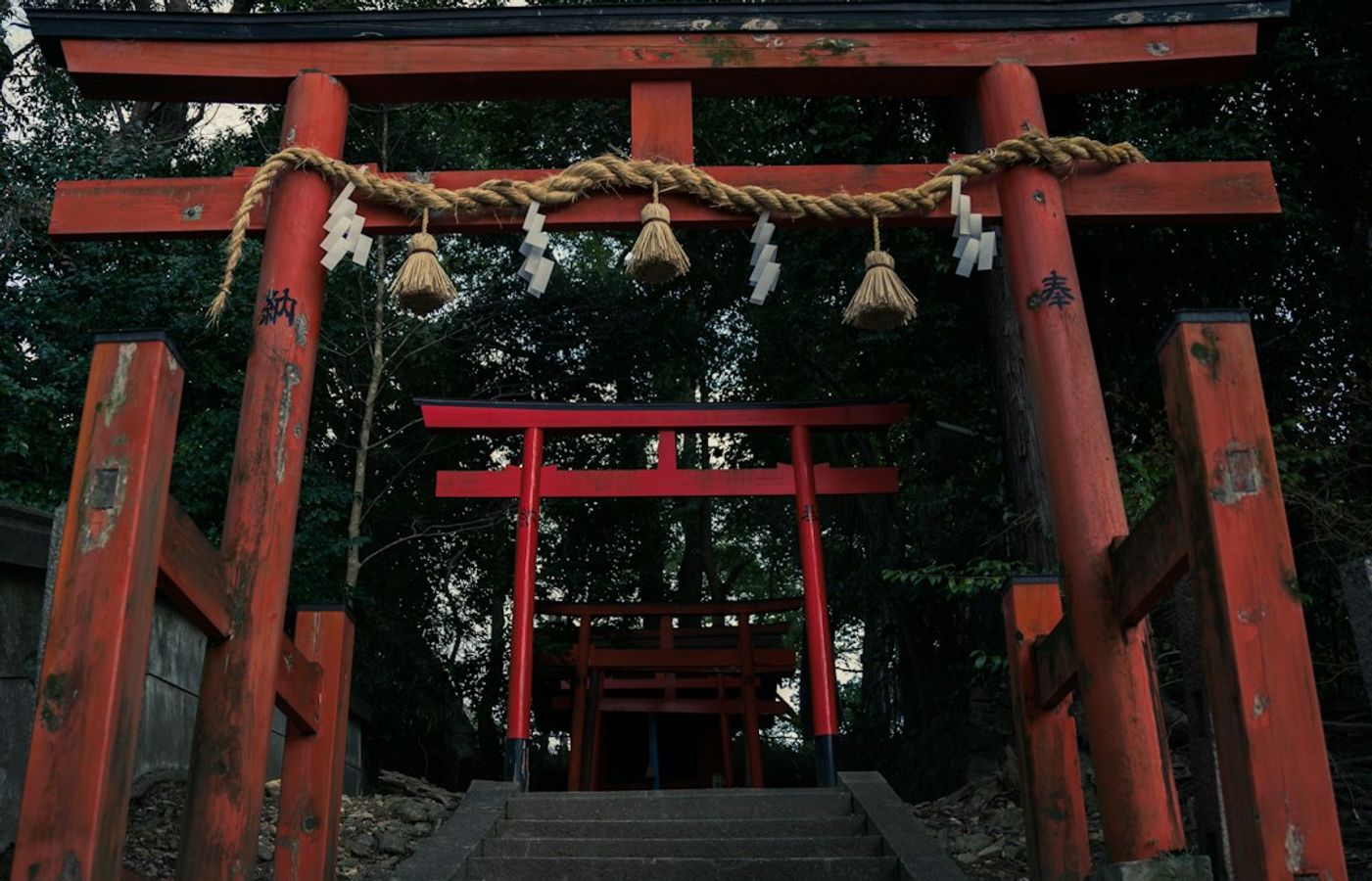
Fushimi Inari Shrine is Japan's most photographed Shinto site - the head shrine of Inari, god of rice and prosperity. Around 10,000 vermilion torii gates form covered tunnels that wind 4 km up the 233-metre Mount Inari. Each gate was donated by a Japanese business or family - dates and donor names appear on the back of every gate.
The shrine is free, open 24/7. The full mountain loop takes 2-3 hours; the Yotsutsuji intersection (halfway up, 30-40 min hike) gives a panoramic view of southern Kyoto and is where many people turn back. Fox statues (kitsune, Inari's messenger) appear at every shrine sub-altar. Souvenir mini-torii gates start at JPY 500.
Pro Tip: Arrive at sunrise (5-6.30am in summer, 6.30-7.30am in winter) for empty torii corridors and silent forest. By 9am the lower paths are packed three-deep with selfie sticks. Inari station is 5 minutes on the JR Nara Line from Kyoto Station - the first train leaves at 5.18am.
2Kinkaku-ji - The Golden Pavilion
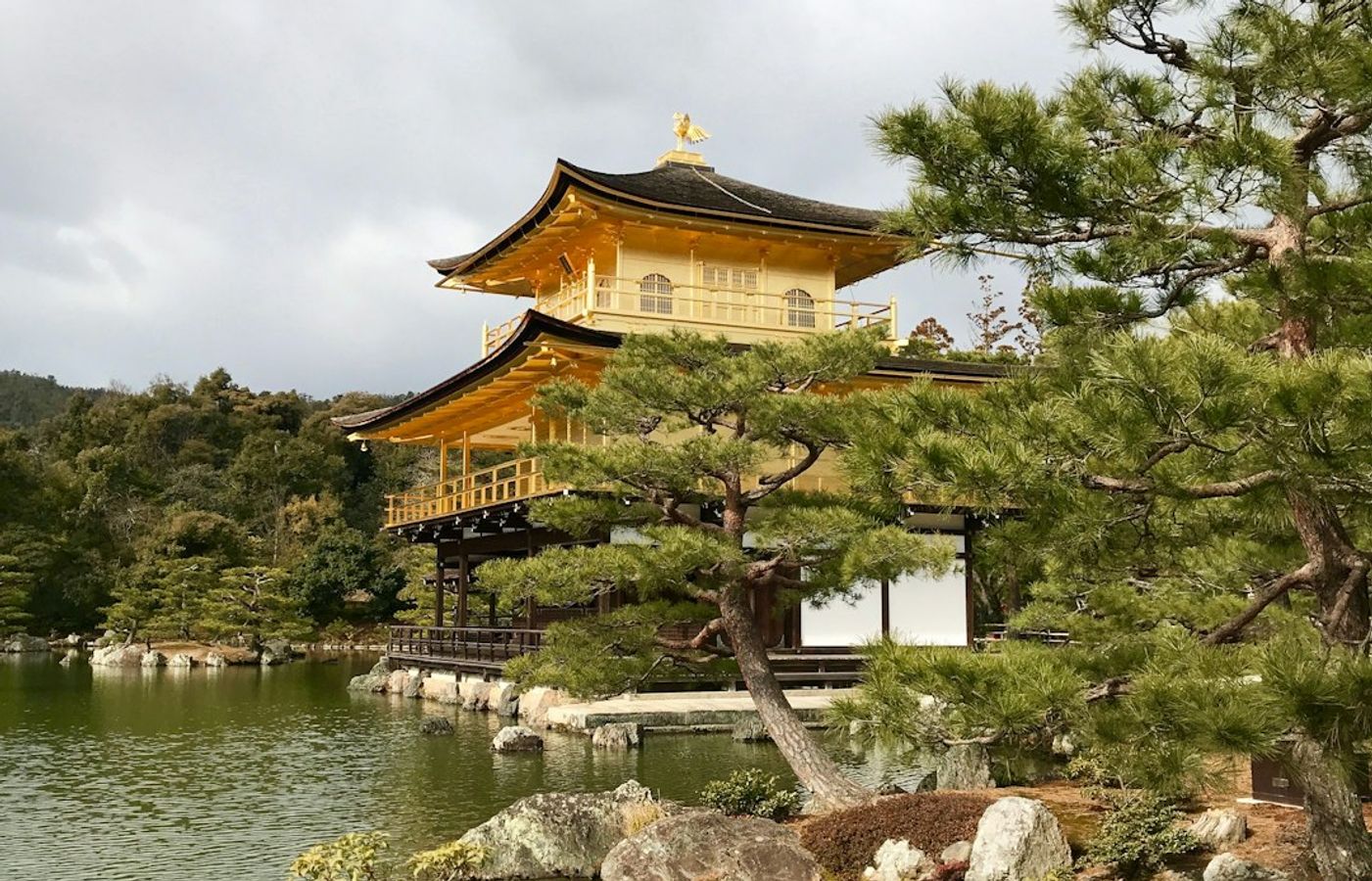
Kinkaku-ji (the Golden Pavilion) is the most iconic image of Kyoto - a three-storey Zen pavilion completely covered in gold leaf, reflecting in a still pond ringed with pine trees and meticulously raked white-pebble paths. Originally built as a 1397 retirement villa for shogun Ashikaga Yoshimitsu, it became a Rinzai Zen temple after his death.
The current building is a 1955 reconstruction; the original was burned down in 1950 by a young monk (the inspiration for Yukio Mishima's novel). Entry is JPY 500 with a unique paper amulet ticket. The viewing path is one-way, takes 30-45 minutes, and the famous front-pond viewpoint is unavoidably crowded.
Pro Tip: Visit Kinkaku-ji at the 9am opening or after 4pm to avoid coach groups. The pavilion glows brightest with afternoon light reflecting off the pond. Combine with Ryoan-ji (15-min walk) on the same morning before the buses arrive.

3Arashiyama Bamboo Grove - The Sagano Bamboo Forest
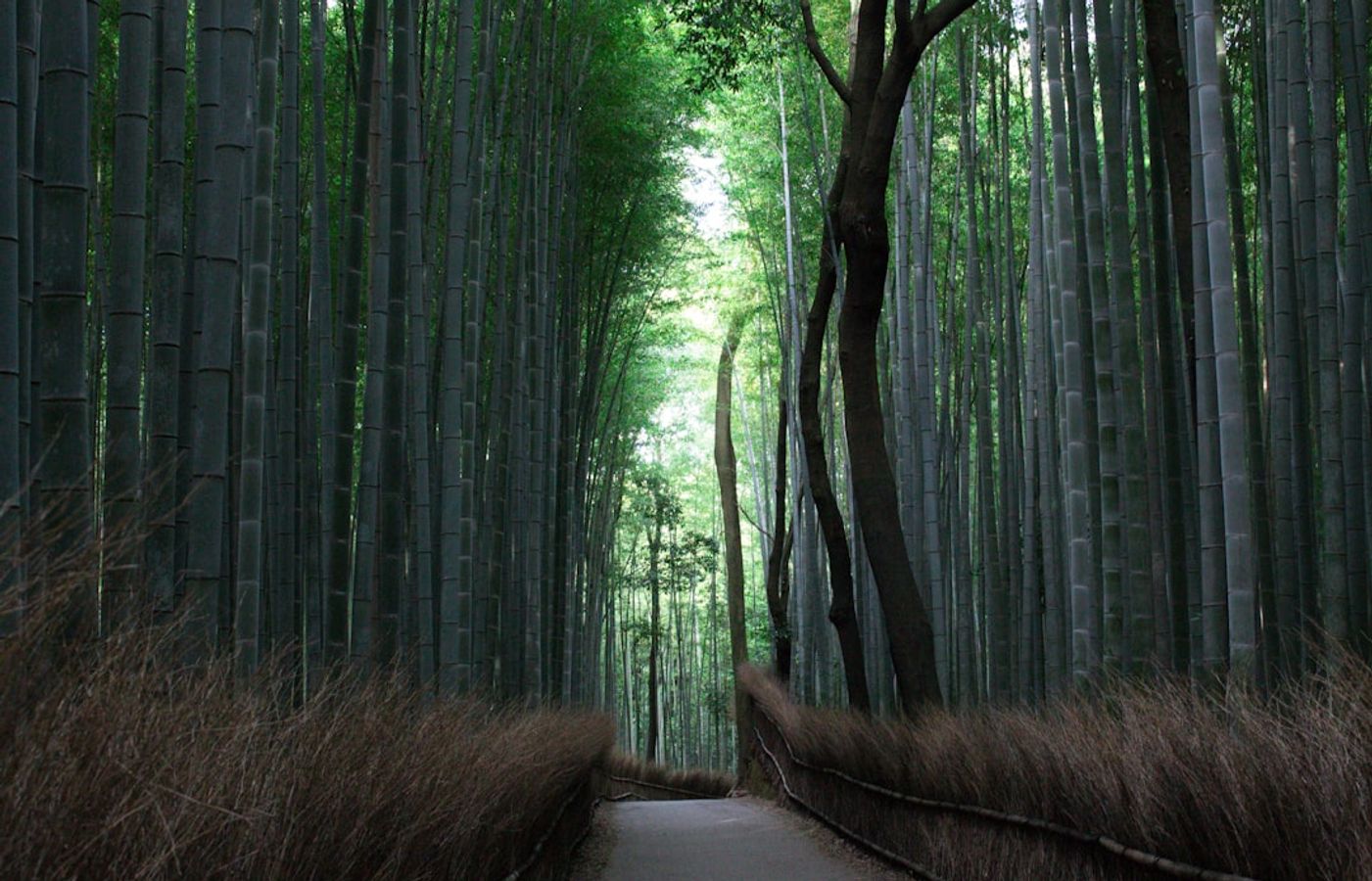
The Arashiyama Bamboo Grove is a 500-metre stone path through dense moso bamboo so tall (up to 18 metres) the canopy turns daylight green. The Japanese Ministry of Environment has recognised the bamboo's distinctive sound - the creaking, knocking, and rustling - as one of the country's 100 Soundscapes to Be Preserved.
The grove is free, open 24/7. The main path runs from Tenryu-ji's north gate to Okochi Sanso villa. It takes 15-20 minutes to walk through. Combine with Tenryu-ji temple (UNESCO, JPY 800), Iwatayama Monkey Park, and the Togetsukyo Bridge over the Hozu River. Sagano Bamboo Forest pairs with the Sagano Romantic Train along the Hozu River.
Pro Tip: Arrive at the bamboo grove before 7.30am - by 9am the path is gridlock. Saga-Arashiyama Station is 15 minutes from Kyoto on the JR Sagano Line; the first train leaves Kyoto Station at 5.41am. Stay overnight in Arashiyama for sunrise photos.
4Kiyomizu-dera - The Pure Water Temple
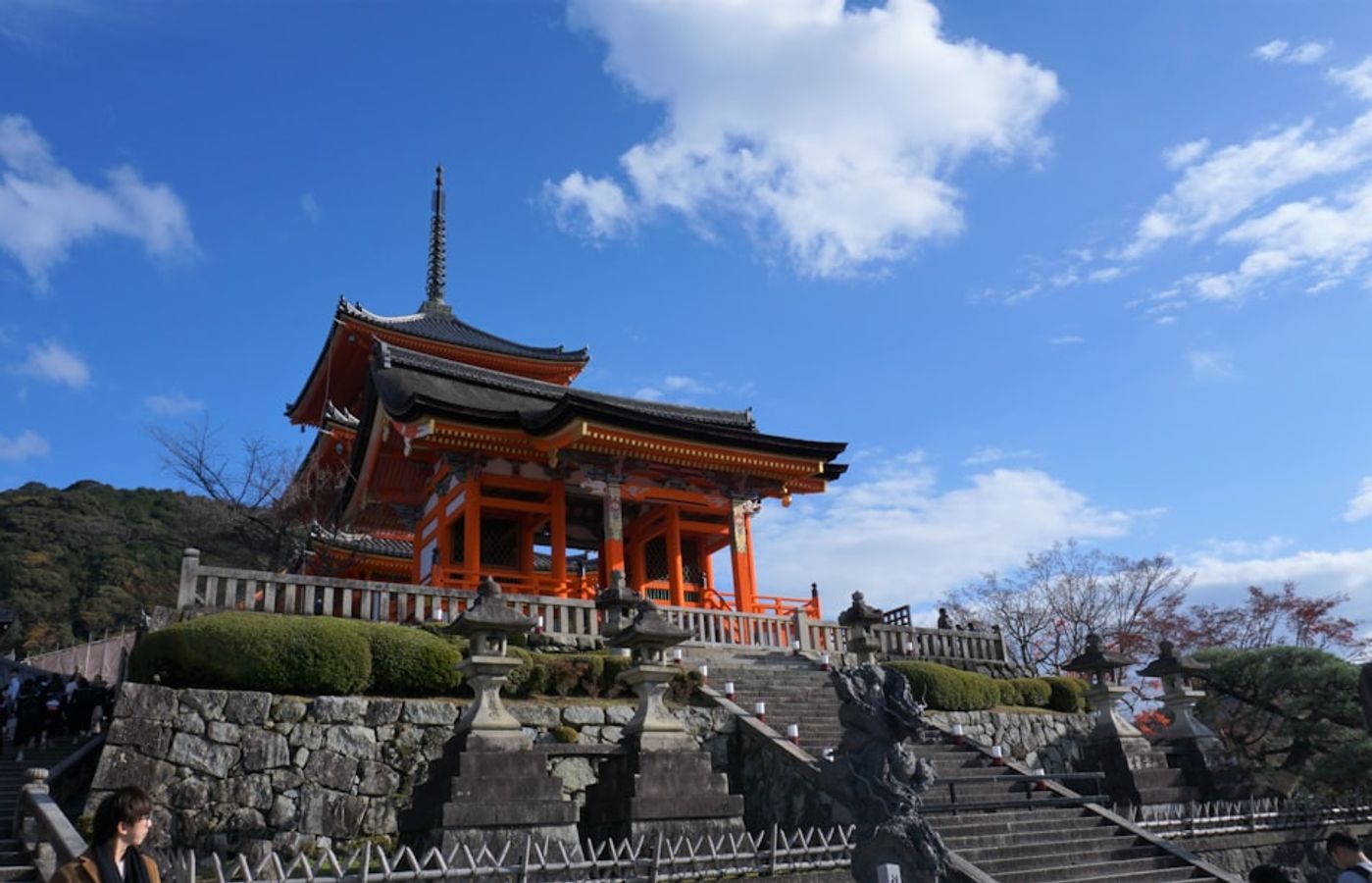
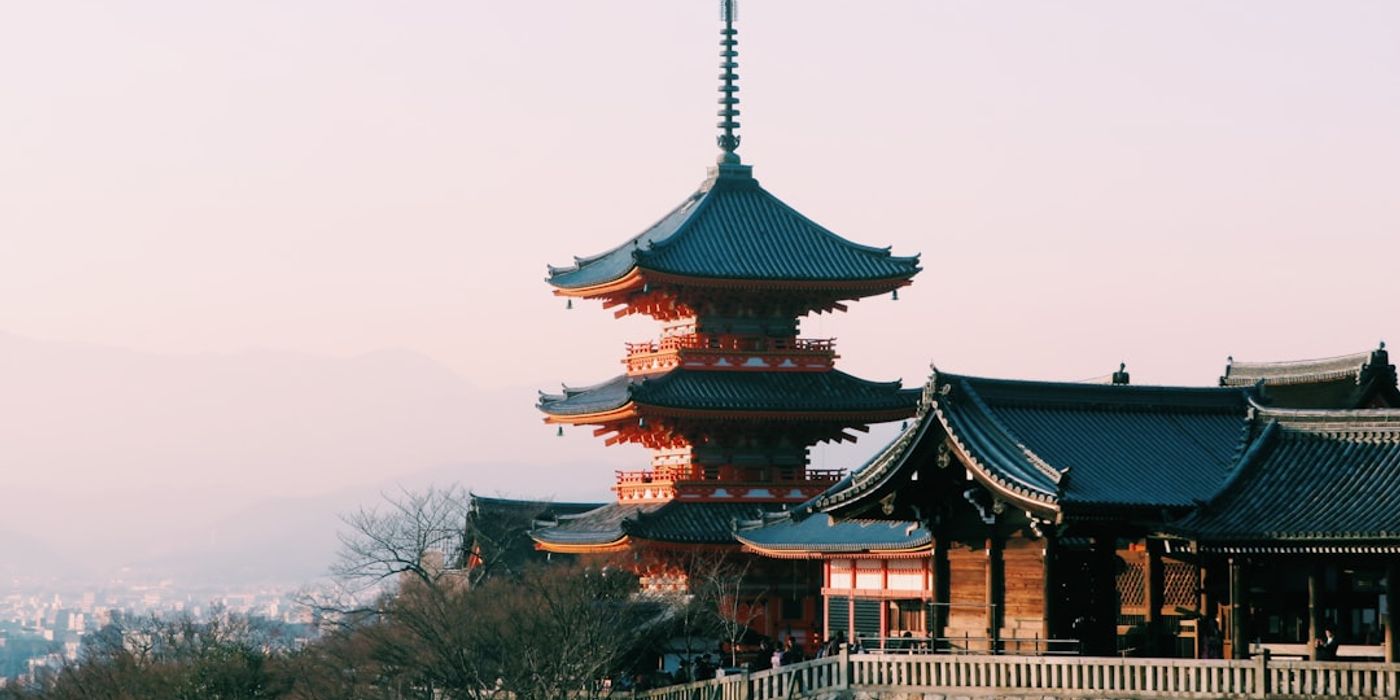
Kiyomizu-dera (literally 'Pure Water Temple') is a UNESCO-listed Buddhist temple founded in 778 AD on the slopes of Mount Otowa. The main hall (1633) is built on a wooden platform 13 metres above the hillside, supported by 168 zelkova-wood pillars without a single nail. The Otowa Waterfall under the platform divides into three streams said to grant health, longevity, and academic success.
Entry is JPY 500. The approach via Sannenzaka and Ninenzaka stone-stepped streets - both lined with traditional machiya wooden townhouses, tea shops, and souvenir stores - is as much a draw as the temple itself. The terrace view across Kyoto is best at sunset and during the spring and autumn night illuminations (extra fee).
Pro Tip: Arrive at the 6am opening for empty terraces and the best photos of the wooden platform from outside. Walk down through Sannenzaka, stop at Ninenzaka, and continue to Yasaka Pagoda - the whole Higashiyama walk takes 90 minutes and ends in Gion.
5Gion - Kyoto's Geisha District
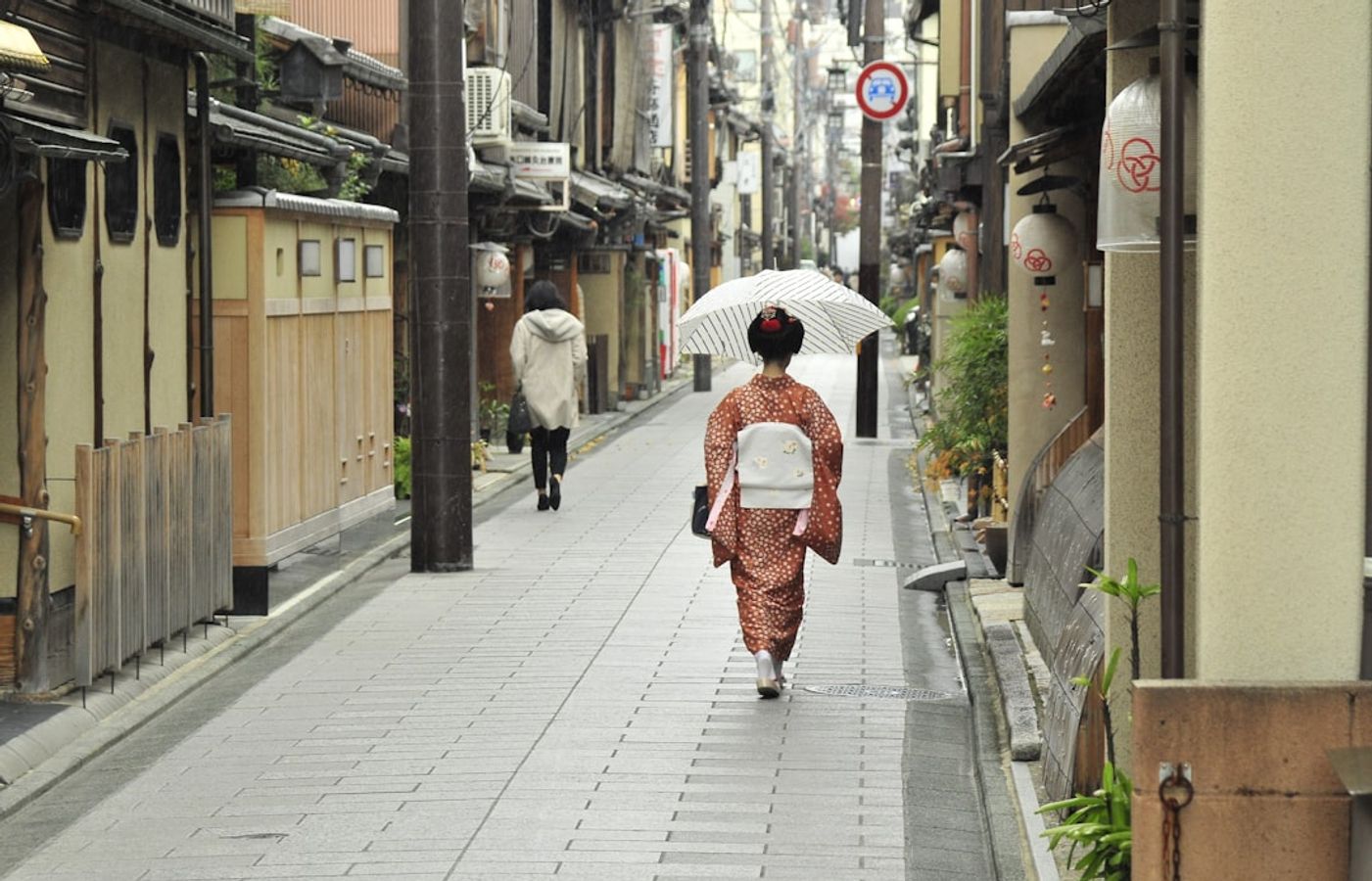
Gion is Kyoto's most famous geisha district (in Kyoto, geisha are called geiko and apprentices maiko). The narrow lantern-lit streets - especially Hanamikoji, Shimbashi, and the willow-fringed canal at Shirakawa - preserve 17th-19th century wooden ochaya teahouses where geiko entertain guests with dance, song, and conversation.
Walking is free; just dusk is the best time when geiko emerge for evening engagements. Photographing geiko on private alleys is illegal (JPY 10,000 fine since 2024). For an authentic experience, attend a tea ceremony at Maika or a public Miyako Odori (April geiko dance show, JPY 5,500). The Yasaka Shrine and Kennin-ji temple anchor the district.
Pro Tip: Walk Gion at 5-6pm in autumn / winter (geiko emerge in dusk) or 6.30-7.30pm in summer. The Shirakawa canal alley north of Shijo is quieter and more photogenic than Hanamikoji. Most people you see in kimono are tourists - real geiko walk fast and rarely make eye contact.
6Ginkaku-ji and the Philosopher's Path
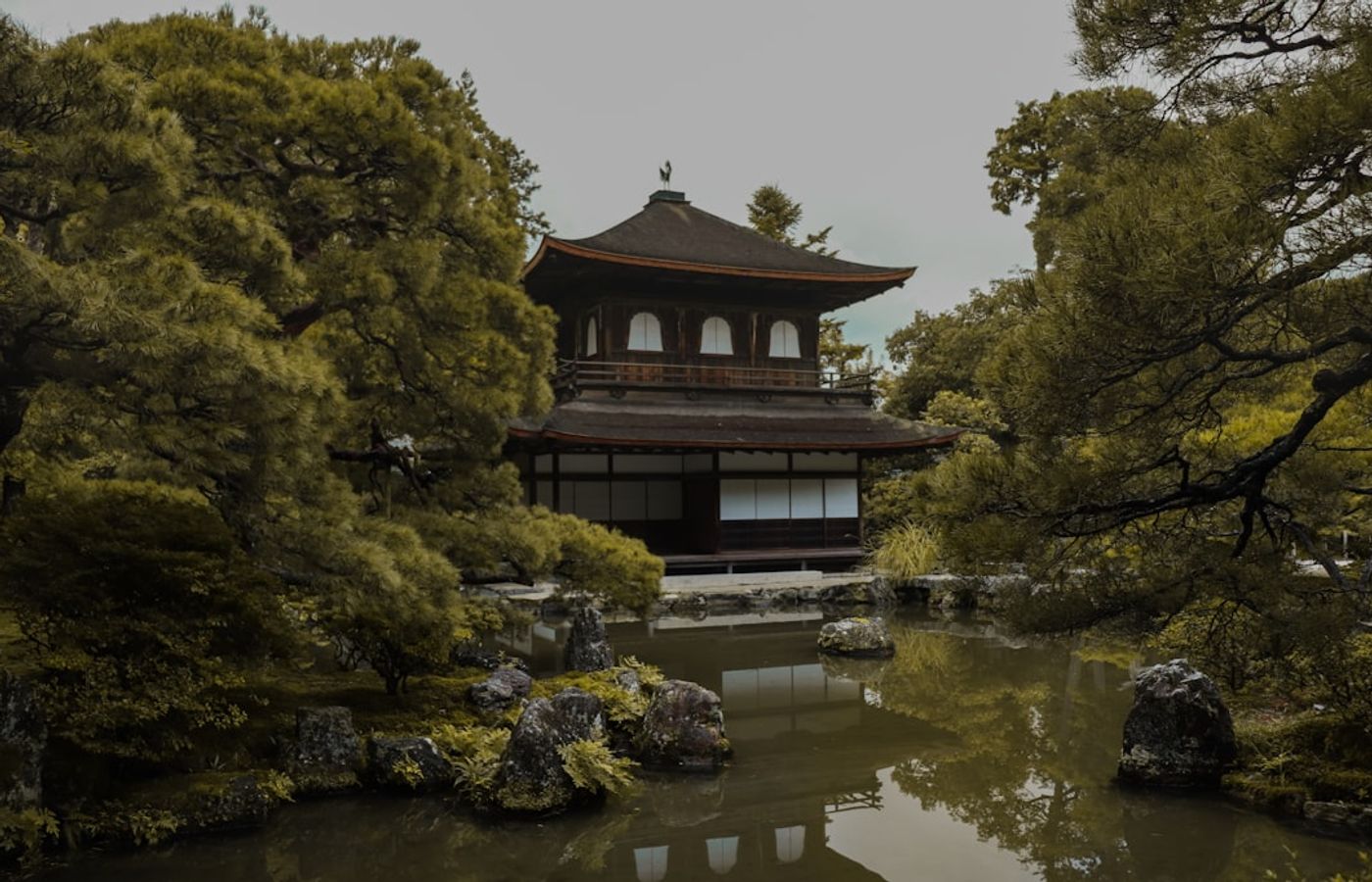
Ginkaku-ji (the Silver Pavilion) was built in 1482 as a retirement villa for shogun Ashikaga Yoshimasa - intended to be silver-leaf clad like its golden cousin Kinkaku-ji but never finished. The wabi-sabi austerity of the dark wood pavilion, the sand garden's perfectly raked Mount Fuji cone (Kogetsudai), and the moss garden combine to define Higashiyama-culture aesthetics.
Entry is JPY 500. From the temple gate, the 2 km Philosopher's Path (Tetsugaku-no-michi) follows a cherry-tree-lined canal south to Nanzen-ji, passing dozens of small temples and craft cafes. Named after Kyoto philosopher Nishida Kitaro, who walked it daily. The 30-minute walk is the prettiest in Kyoto during cherry blossom (early April).
Pro Tip: Combine Ginkaku-ji with the Philosopher's Path and Nanzen-ji as a half-day walk. Stop at Honke Owariya (since 1465) for soba lunch, or Yojiya for Kyoto's most famous matcha cafe.
7Nijo Castle - The Shogun's Kyoto Residence
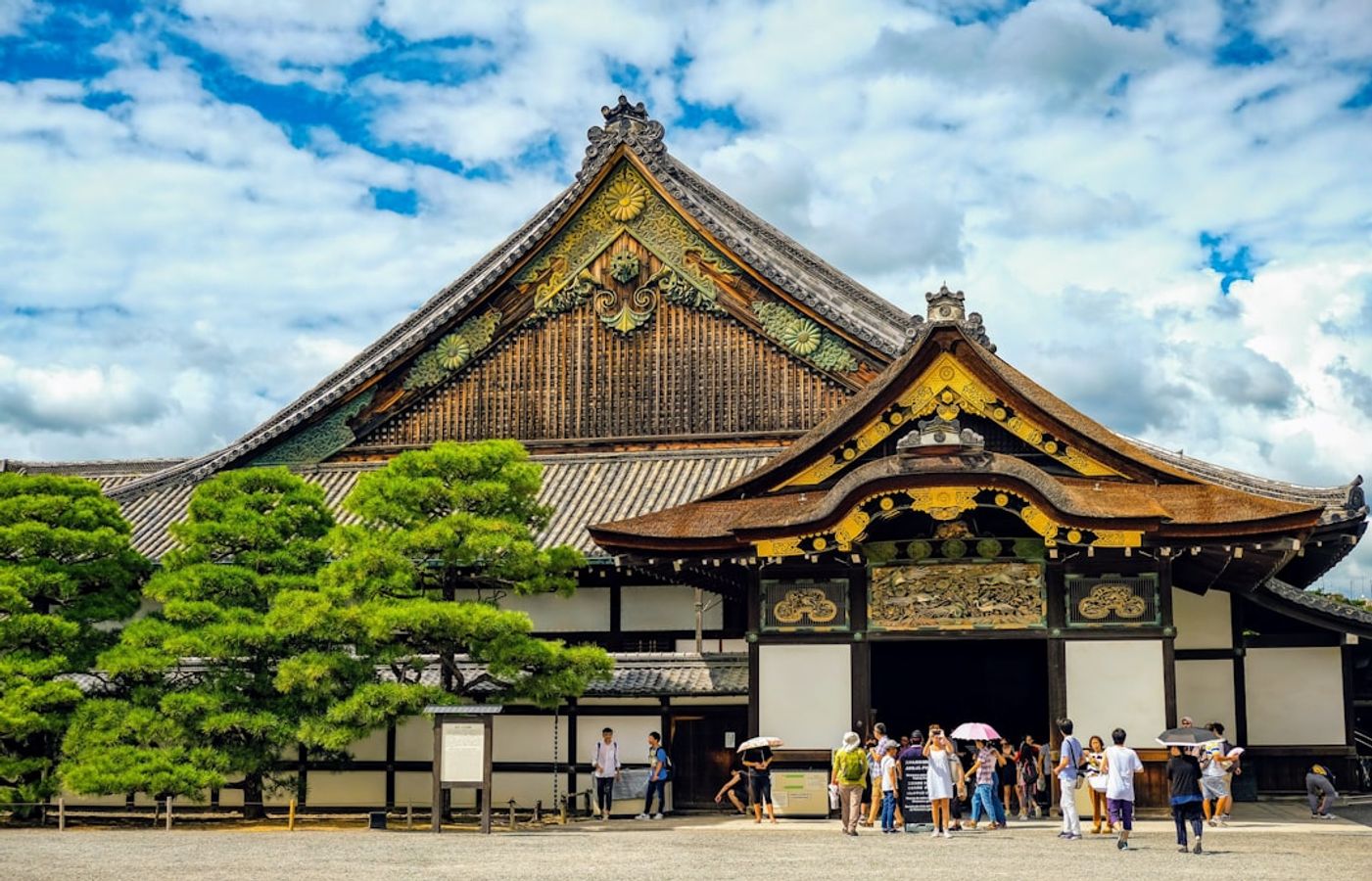
Nijo Castle is the 1603 Kyoto residence of Tokugawa Ieyasu, founder of the Tokugawa shogunate. The Ninomaru Palace contains 33 rooms with painted gold-leaf walls by the Kano school - including the audience hall where the last shogun resigned in 1867, ending 700 years of feudal rule. The famous 'nightingale floors' chirp under footsteps as a security measure against assassins.
Entry is JPY 1,300 (timed-entry tickets in April and November - book 1-2 weeks ahead). The castle includes the Honmaru Palace (currently under restoration), the Seiryu-en garden, and the moat ramparts. UNESCO inscribed Nijo Castle in 1994. Allow 2 hours.
Pro Tip: Buy the audio guide (JPY 600) - the Ninomaru Palace's room-by-room story makes it twice as interesting. Closed every Tuesday in January, July, August, and December. Cherry blossom illuminations in April are the prettiest in Kyoto - separate evening ticket required.
8Ryoan-ji - The World's Most Famous Zen Rock Garden
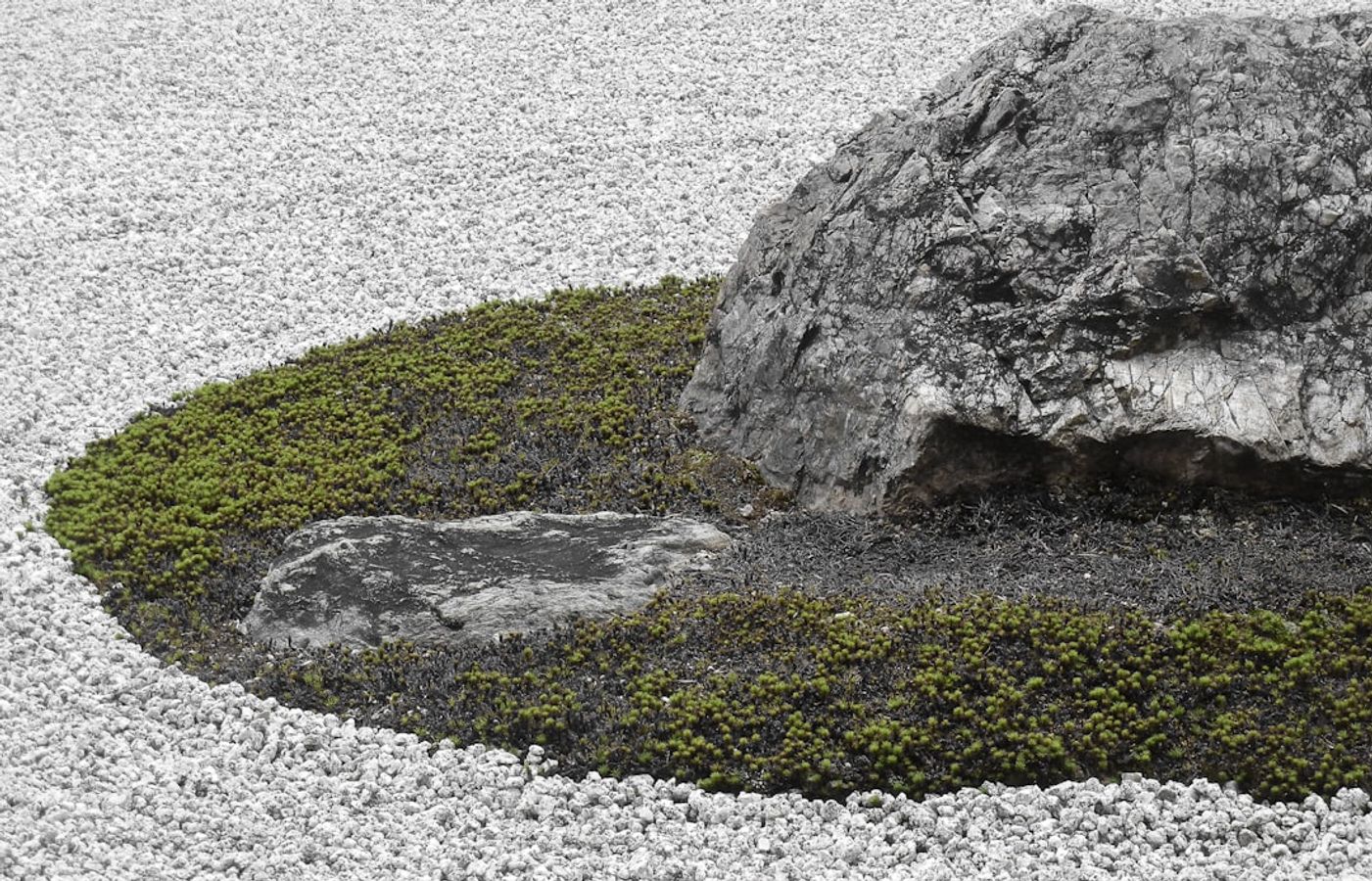
Ryoan-ji's karesansui (dry landscape) garden is the most famous Zen rock garden in the world - 15 stones arranged in five groups across a 248 sq m rectangle of raked white gravel, surrounded by a low clay wall. From any viewing position on the wooden veranda, only 14 of the 15 stones are visible at once. The author and date of the design (15th-16th century) are unknown.
Entry is JPY 600. The temple complex includes the Kyoyochi pond garden (12th century, predating the rock garden) and a tea house. The viewing platform is small and crowded; allow 15-20 minutes for the rock garden plus another 30 for the surrounding temple grounds. UNESCO-listed since 1994.
Pro Tip: Sit in silence on the veranda for at least 10 minutes - the meditation only works once your eyes adjust. Visit at 8am opening before tour buses arrive. Combine with Kinkaku-ji (15-min walk south) for one efficient northwest morning.
9Nishiki Market - Kyoto's Kitchen
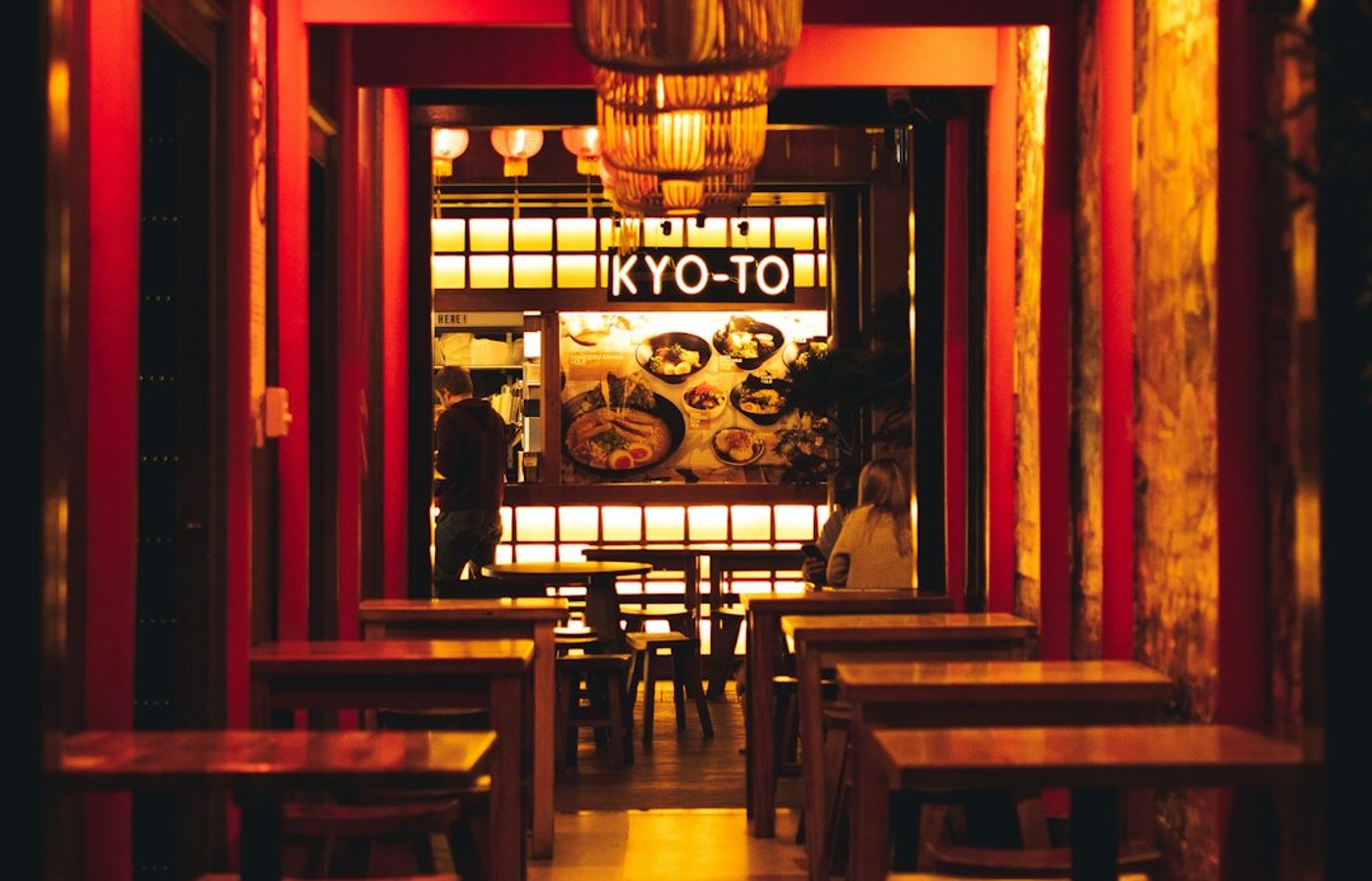
Nishiki Market is a 400-metre covered shopping street known as 'Kyoto's Kitchen' - 130 small shops, most family-run for 4-5 generations, selling everything that ends up in Kyo-ryori. Look for tako tamago (baby octopus stuffed with quail egg), Kyoto pickles (tsukemono), yuba (tofu skin), grilled mochi, fresh wagashi sweets, and matcha gelato.
The market is free, open 9am-6pm (some shops close by 5pm). Tasting samples are common; eating while walking is officially discouraged but locals do it anyway. The Nishiki Tenmangu shrine at the eastern end is the market's patron shrine. Aritsugu's hand-forged knives (since 1560) are mandatory for any cook.
Pro Tip: Visit at 10-11am before the lunch crowd. Take a guided food tour (JPY 6,500-9,000) if you only have one shot - many shops only have Japanese signage. Avoid 12-2pm and 5-6pm peak gridlock.
10Sanjusangen-do - The Hall of 1,001 Kannon Statues
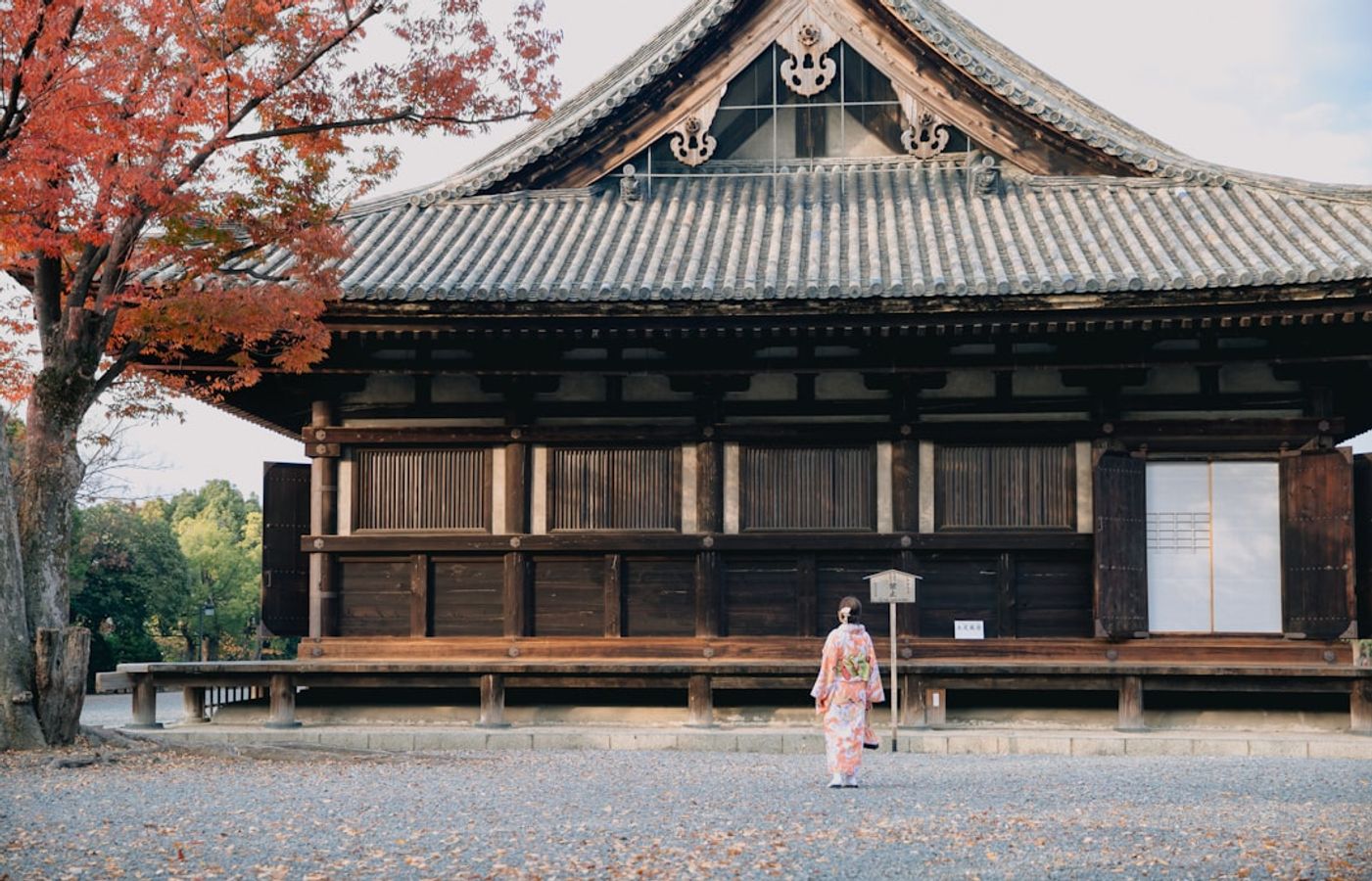
Sanjusangen-do is the longest wooden building in the world - 120 metres of cypress, completed in 1266, holding 1,001 life-sized standing statues of the Thousand-Armed Kannon (the Buddhist goddess of mercy). The central seated Kannon, surrounded by 28 guardian deities and 1,000 standing Kannon in 50 columns of 20, is one of the most overwhelming religious spaces anywhere.
Entry is JPY 600. No photography allowed inside the main hall. The annual Toshiya archery contest in mid-January sees archers shoot down the 120-metre veranda. Allow 45 minutes. The temple sits opposite the Kyoto National Museum (worth a separate half-day for its art collection).
Pro Tip: Visit on a weekday morning - the silence with 1,001 statues is the whole point and groups break the spell. Combine with the Kyoto National Museum (10-min walk) and Kiyomizu-dera (15-min walk uphill) for a full Higashiyama afternoon.
11Tofuku-ji - Zen Temple and Autumn Maples
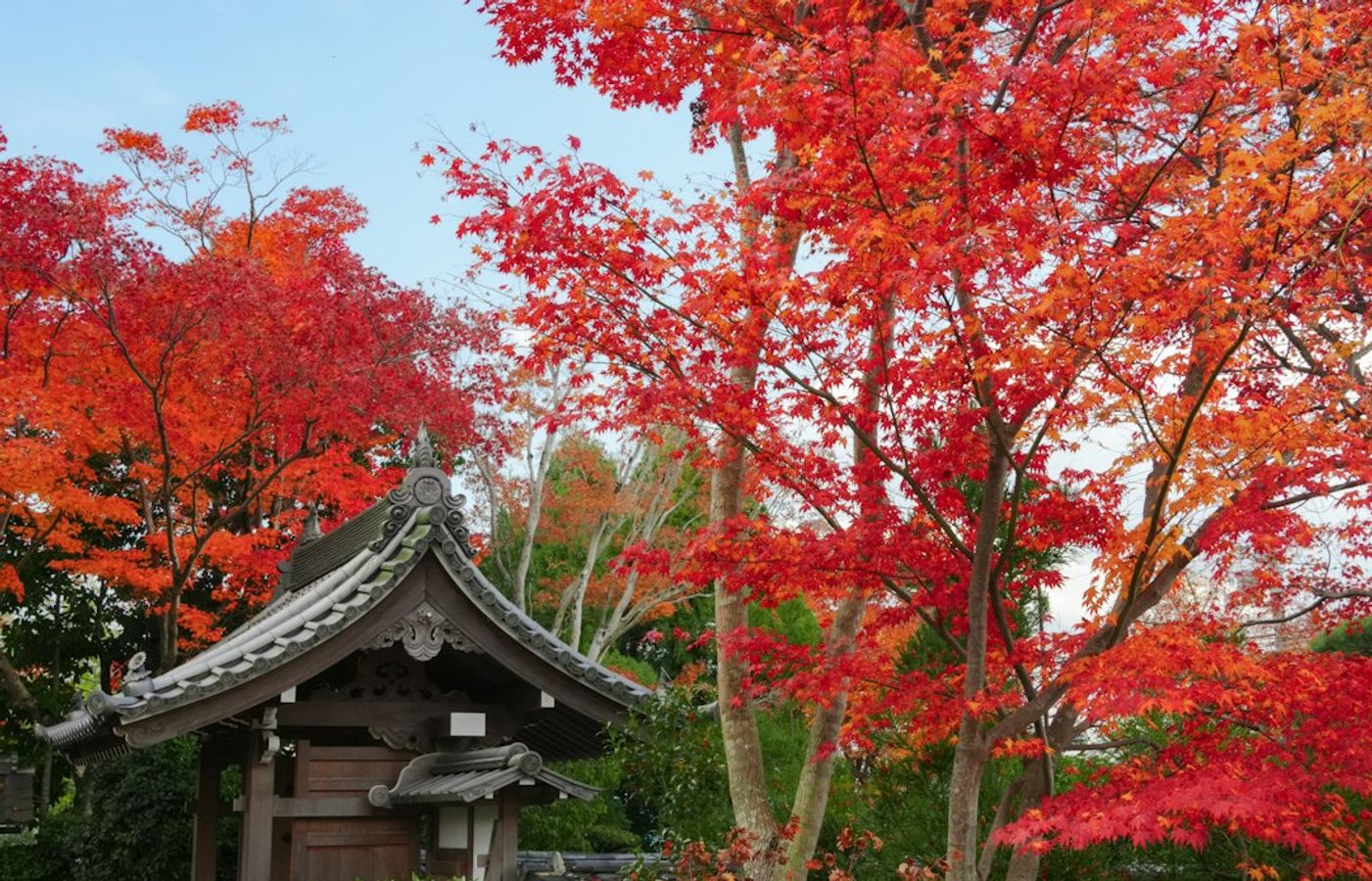
Tofuku-ji is one of Kyoto's five great Zen temples - founded in 1236 and famous for the Tsutenkyo Bridge that spans a maple-filled valley below. In mid-November, the 2,000 maple trees turn vermilion and orange and the bridge becomes the single most photographed autumn scene in Japan. The temple's Hojo abbot's hall has four moss-and-stone gardens by Mirei Shigemori (1939) - the most important modern Japanese garden design.
Entry is JPY 600 (Hojo gardens) plus JPY 600 (Tsutenkyo Bridge during koyo season). The site is huge - 25 sub-temples spread across 50 hectares. Tofuku-ji's main gate (Sanmon, 1425) is the oldest Zen gate in Japan and a National Treasure.
Pro Tip: Visit Tofuku-ji at 8.30am in mid-November when the maples peak - by 10am the Tsutenkyo Bridge becomes a slow-moving photo queue. Outside autumn, Tofuku-ji is one of Kyoto's emptiest major temples and the gardens are still beautiful.
12Pontocho Alley - The Riverside Geisha Lane
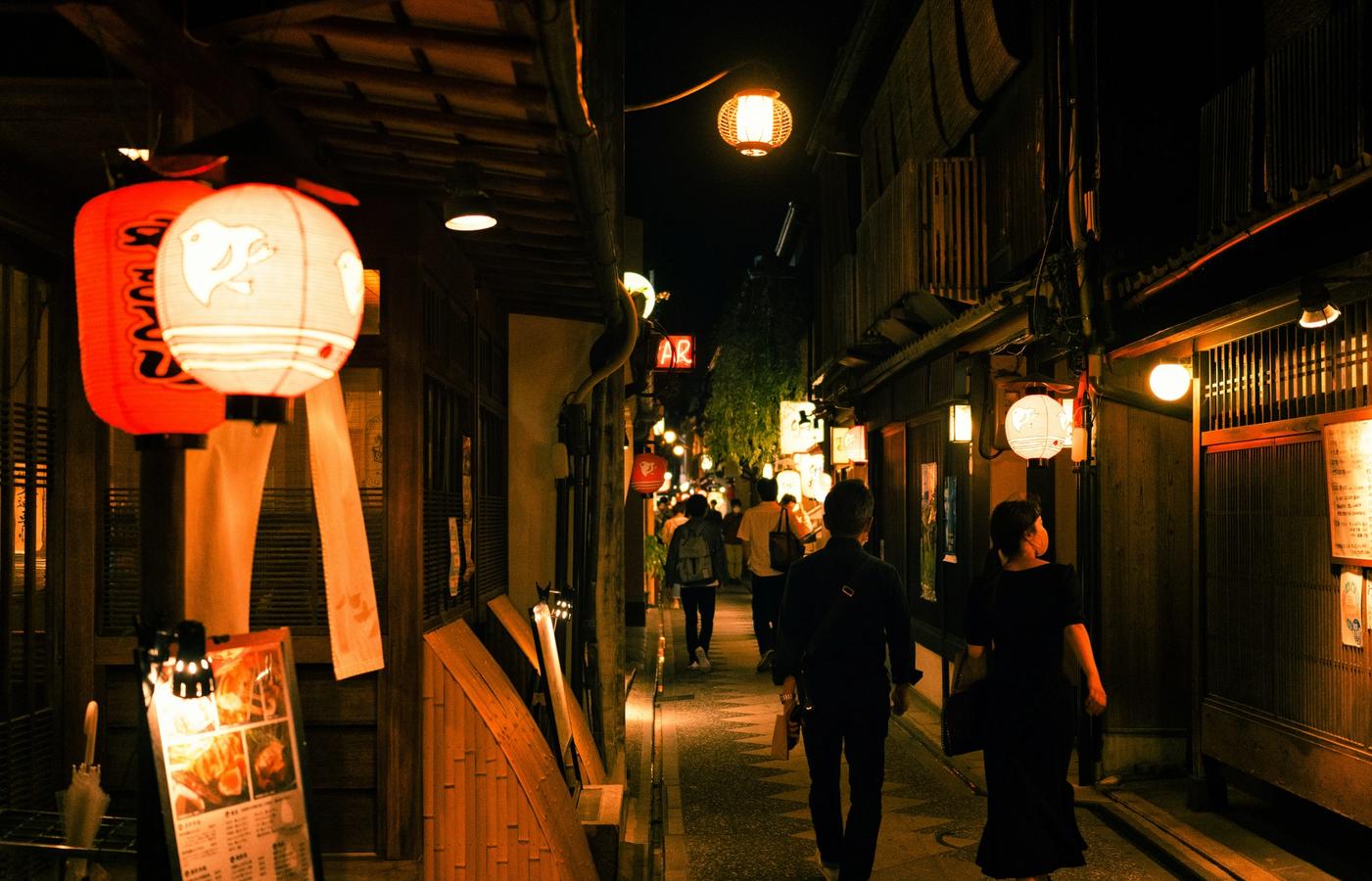
Pontocho is a narrow stone-paved alley running parallel to the Kamogawa River between Sanjo and Shijo bridges - just 6 metres wide, lined with 17th-19th-century wooden buildings now housing 80 restaurants and bars. From May to September, restaurants build kawayuka decks over the river - one of Kyoto's iconic summer dining experiences.
Walking the 600-metre alley is free and pedestrian-only after 5pm. Spot the Pontocho geiko district crest (a chidori plover bird) on lanterns. Restaurants range from JPY 2,000 yakitori to JPY 30,000 kaiseki. Many high-end establishments require a Japanese-speaker introduction; English-friendly options include Pontocho Robin and Issen Yoshoku.
Pro Tip: Walk Pontocho at 6-7pm when the lanterns light up but most diners have not yet sat down. Book a kawayuka river-deck table 1 month ahead for May-September; the breeze from the Kamogawa drops temperatures 5 C below the city's summer humidity.

CEO and co-founder
Tomas is the co-founder and director of Trip1, an European company specializing in reservation services. He launched the company in 2025 with a focus on building scalable, efficient operations.
12 Top Places to Visit in Kyoto, Japan - FAQ
No - Kyoto's sights are spread across the city in three quadrants and one day is impossible. A realistic plan covers 4 attractions per day. Three full days is the minimum - one for Higashiyama (east), one for Arashiyama (west) plus Kinkaku-ji and Ryoan-ji, one for Fushimi Inari plus central sights. Cherry blossom and autumn add 30-40% to walking times due to crowds.
Day 1 (East / Higashiyama): Kiyomizu-dera at 6am opening, Sannenzaka and Ninenzaka stone streets, Yasaka Pagoda, Gion, Ginkaku-ji + Philosopher's Path, dinner in Pontocho. Day 2 (West / Arashiyama + North): Arashiyama Bamboo Grove at 7am, Tenryu-ji, lunch, then Kinkaku-ji + Ryoan-ji. Day 3 (South + Centre): Fushimi Inari at sunrise, Tofuku-ji, Sanjusangen-do, Nishiki Market, Nijo Castle.
Most temples are walk-in. Nijo Castle (JPY 1,300) introduced timed-entry tickets in 2024 during peak seasons - book 1-2 weeks ahead in April and November. Kinkaku-ji and Ryoan-ji are walk-in but queue 30-60 min during peak season. Fushimi Inari is free, open 24/7, and best at sunrise to avoid crowds. Geisha tea ceremony (Maika or Camellia) requires booking 1 week ahead. Most temples take cash only.
Budget around JPY 5,500-7,000 (~EUR 33-42) per person for entries. Major fees: Kinkaku-ji JPY 500, Ryoan-ji JPY 600, Kiyomizu-dera JPY 500, Ginkaku-ji JPY 500, Nijo Castle JPY 1,300, Sanjusangen-do JPY 600, Tofuku-ji JPY 600. Free: Fushimi Inari, Arashiyama Bamboo Grove, Gion, Pontocho, Nishiki Market. Add JPY 1,100 / day for the bus pass and JPY 200-500 for incense / charms / fortune slips.
Yes - Fushimi Inari is the single most photographed spot in Japan and the must-do shrine in Kyoto. The 10,000 vermilion torii gates climb 233 metres up Mount Inari in a 4 km loop that takes 2-3 hours round trip. The shrine is free, open 24/7. Visit at sunrise (5-6.30am) or after 8pm in summer to walk through empty corridors. Mid-day in cherry blossom season is worst - allow 60% extra time.
Yes - all 12 are reachable on Kyoto's bus and train network. Higashiyama sites (Kiyomizu, Gion, Ginkaku-ji) link by City Bus 100 / 206 from Kyoto Station. Arashiyama is 15 min on the JR Sagano Line. Kinkaku-ji and Ryoan-ji share City Bus 59. Fushimi Inari is on the JR Nara Line (5 min from Kyoto Station). The Kyoto City Bus & Subway 1-Day Pass (JPY 1,100) is the most efficient option.
If you have a fourth day, add Tofuku-ji's autumn maples (best in mid-November), Eikan-do for night illuminations, the Kyoto International Manga Museum, the Saiho-ji moss garden (advance reservation only by mail), Daitoku-ji's sub-temples (Zen rock gardens), or a sunrise visit to Daigo-ji (one of the most authentic temples, but a 30-min subway ride from the centre).