Guides · Toronto
10 Top Things to Do in Toronto

CEO and co-founder
This guide ranks the 10 top things to do in Toronto - the iconic CN Tower, lakefront islands, Victorian Distillery District, world-class museums, and Niagara Falls day trip that genuinely deserve a place on your itinerary whether you have 3 days or a full week in Canada's largest city. Each entry includes the exact address, nearest subway, and a practical Pro Tip drawn from how locals and seasoned visitors actually navigate Toronto in 2026.
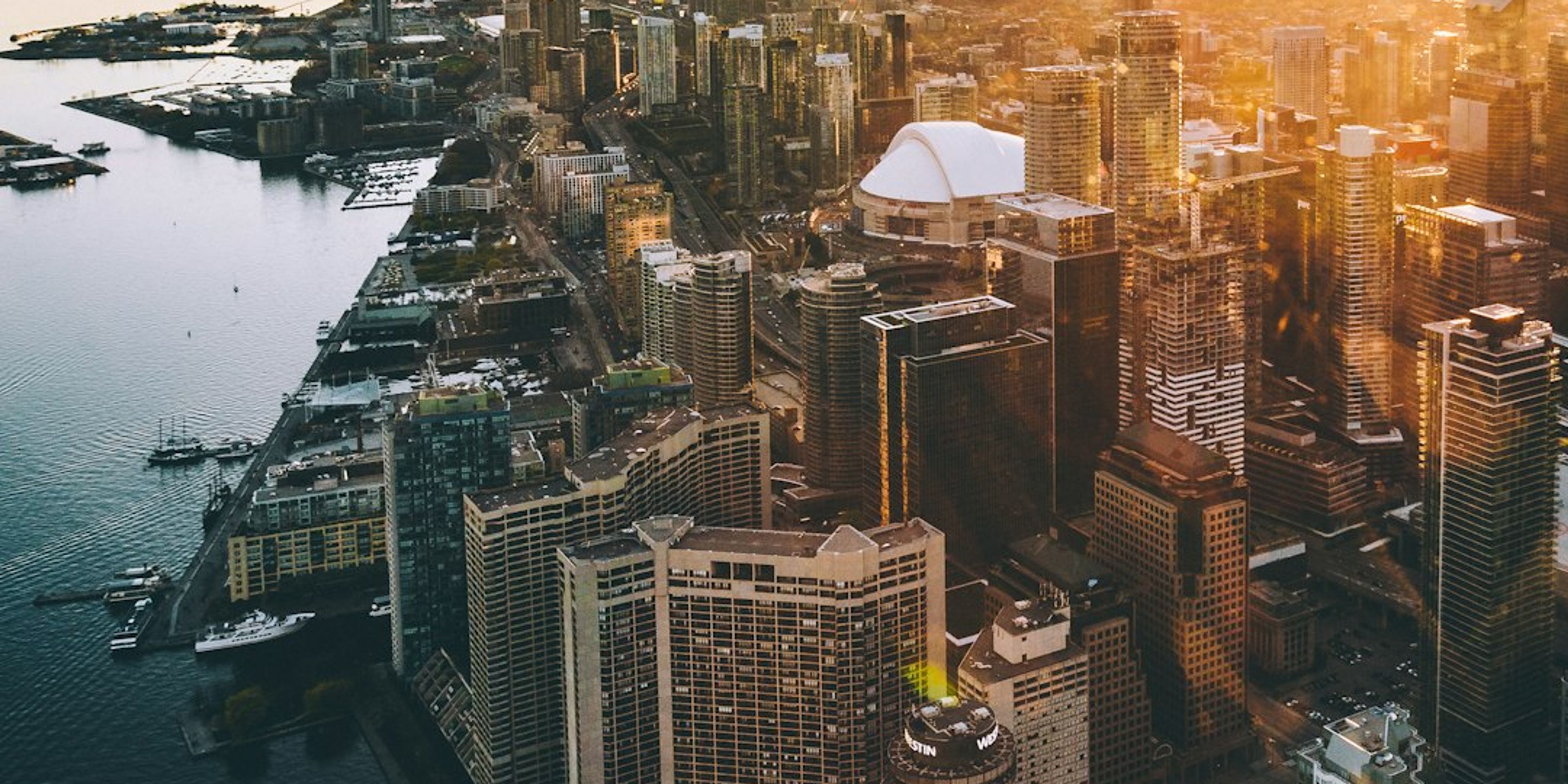
Toronto is Canada's largest city with 3 million in the centre and 6 million across the wider Greater Toronto Area. The list clusters efficiently around Union Station (CN Tower, St Lawrence Market, Distillery District), the Yonge Street museum strip (ROM, AGO), and the lakefront (Toronto Islands ferry). Casa Loma sits in the Annex neighbourhood; Kensington Market in Spadina; Niagara Falls 130 km south needs a full day. Plan 4 days minimum.
May-October is the optimal visit window. The TTC subway reaches every attraction in this list. Toronto is highly multicultural - 51% of residents were born outside Canada. The food scene reflects this with the world's best Chinatown, Little India, Greektown, Koreatown, and Little Portugal all within the city. Plan around a baseball game (Blue Jays) or Toronto FC match if your dates align.
1CN Tower - Toronto's Iconic 553-Metre Tower
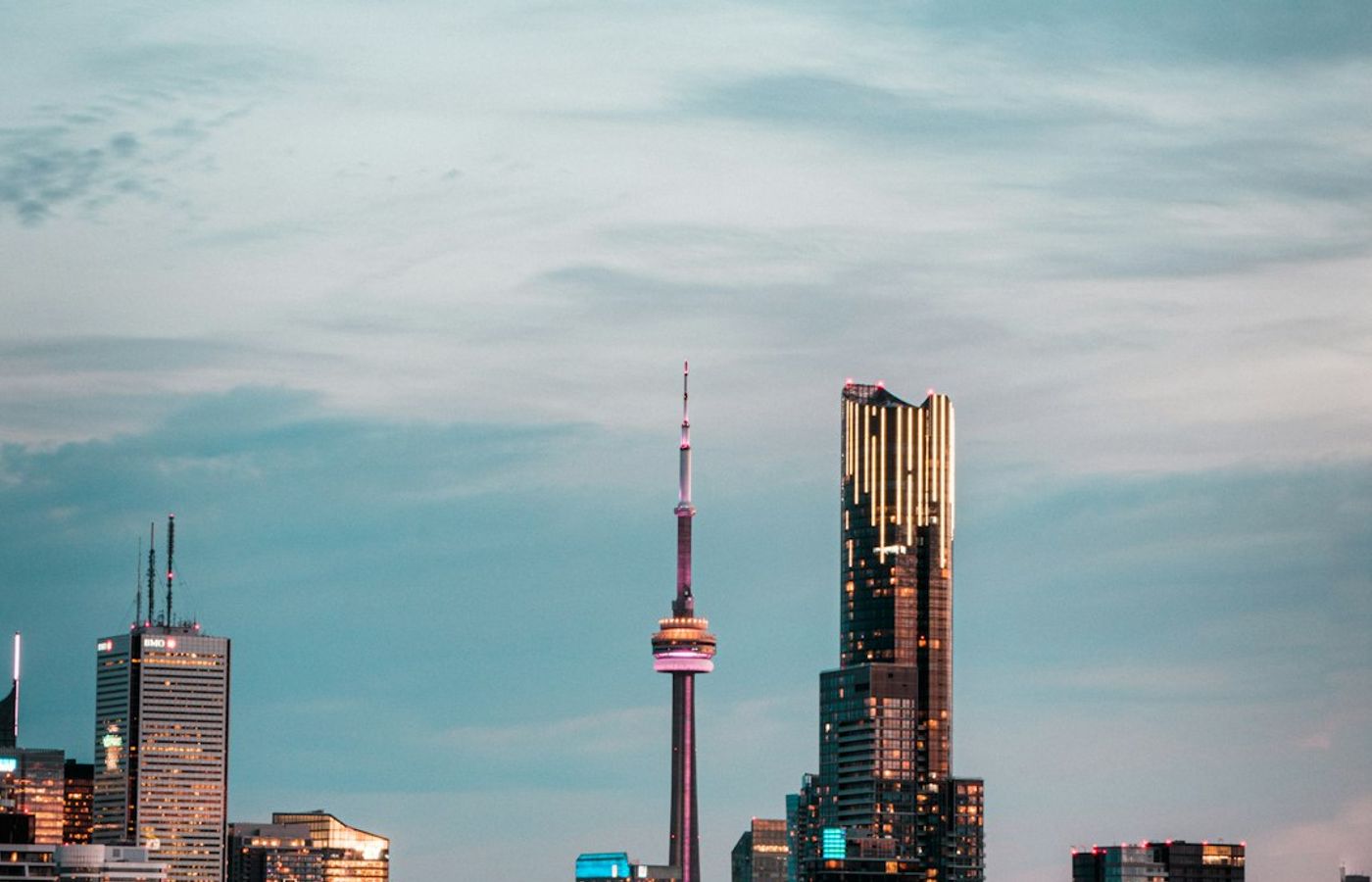

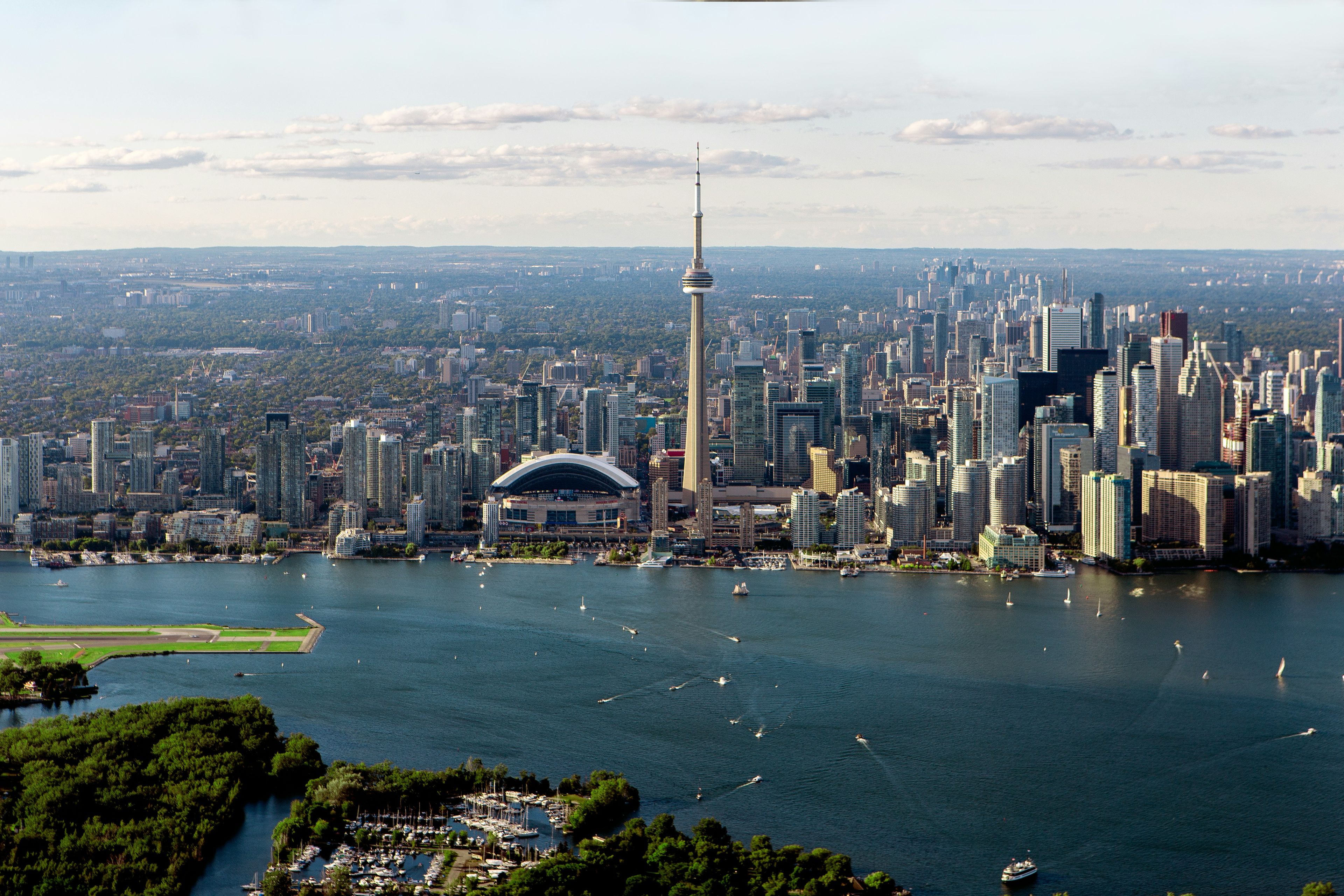
The CN Tower is Toronto's most recognisable landmark - a 553-metre telecommunications and observation tower completed in 1976. It held the world's tallest free-standing structure title from 1975-2007 (before Burj Khalifa surpassed it). Three observation levels: the LookOut Level at 346 metres (with the famous Glass Floor), the Outdoor SkyTerrace, and the SkyPod at 447 metres (an additional 18 CAD).
The EdgeWalk experience (225 CAD) lets visitors walk around the outside of the LookOut at 356 metres tied to overhead safety rails - the world's highest hands-free walk on a building. The 360 Restaurant rotates a full revolution every 72 minutes at 351 metres; main 65-95 CAD with no separate observation ticket needed. Standard admission 43 CAD adult. Open daily 10:00-22:00. Allow 90 minutes for a tower visit.
Pro Tip: Book a 17:30 dinner at the 360 Restaurant - the elevator ride is included in the dinner price (saving 43 CAD on admission), the restaurant rotates fully during dinner, and you catch sunset at altitude. Reserve 2-3 weeks ahead for Friday/Saturday dinners.
2Toronto Islands - The Lakefront Park Archipelago
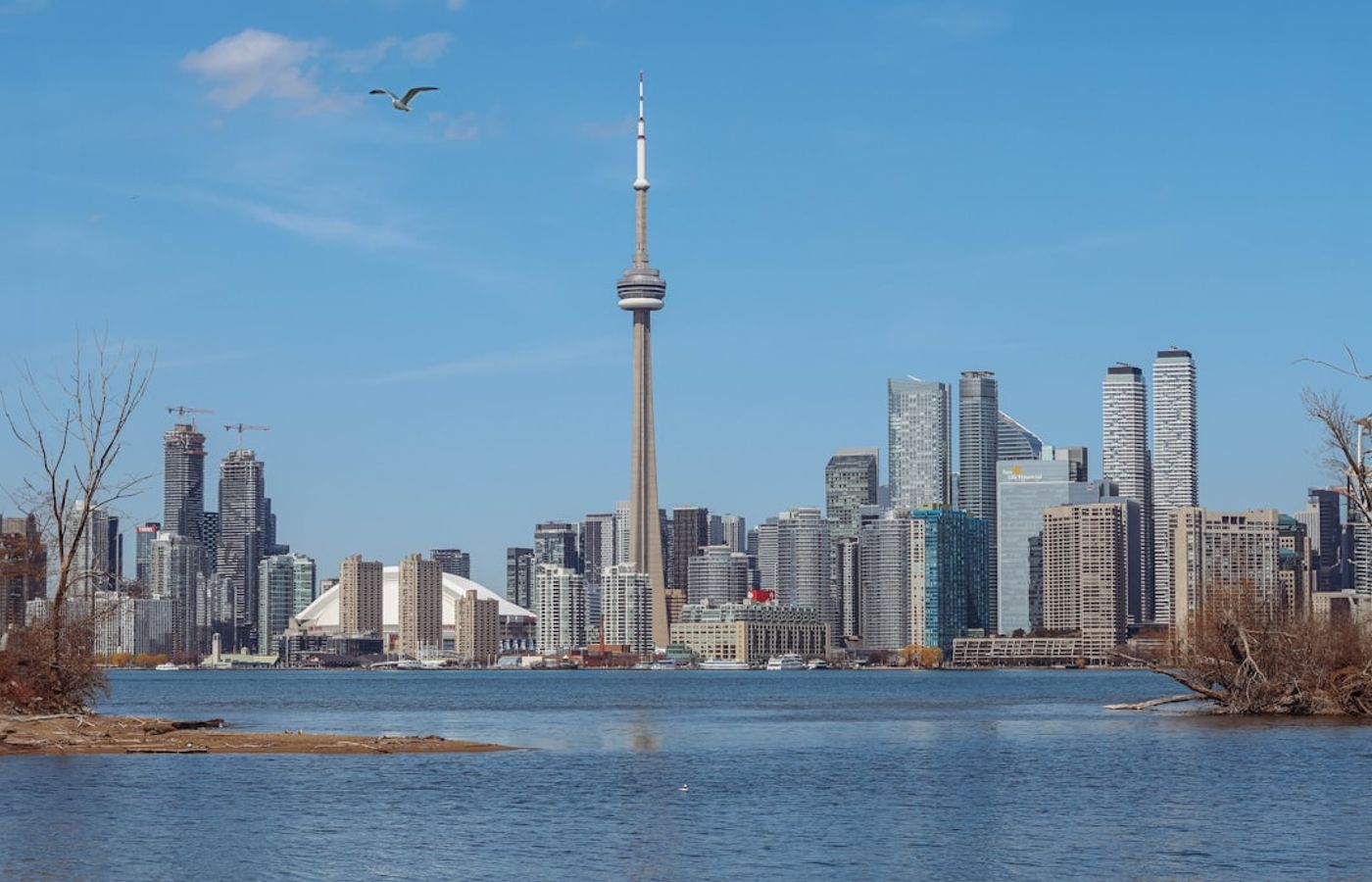

The Toronto Islands are a chain of 15 small connected islands in Lake Ontario immediately south of downtown - the largest car-free urban islands in North America, reached by a 15-minute ferry from the Jack Layton Ferry Terminal. The islands include 5 beaches (Hanlan's Point is clothing-optional), 600+ residents in tiny island homes, the Centreville Amusement Park for kids, and the most photographed view of the Toronto skyline.
Ferry departures every 15-30 minutes; round trip 8.50 CAD adult. Three ferry destinations: Centre Island (most attractions), Hanlan's Point (beach), Ward's Island (residential). Bike rentals (15-20 CAD/day) at Centre Island let you ride the 5 km island chain. Sailing, kayaking, and paddleboarding available at the Harbourfront. Free island entry; ferry-only cost. Best weather May-September.
Pro Tip: Take the Ward's Island ferry rather than Centre Island - drops you on the quietest, most residential island. Walk west along the boardwalk towards Centre Island; you'll pass tiny island homes, swimming beaches, and the famous skyline view photo spot just past Algonquin Island. Buy ferry tickets online to skip queue.

3Distillery District - Victorian Industrial Pedestrian Quarter
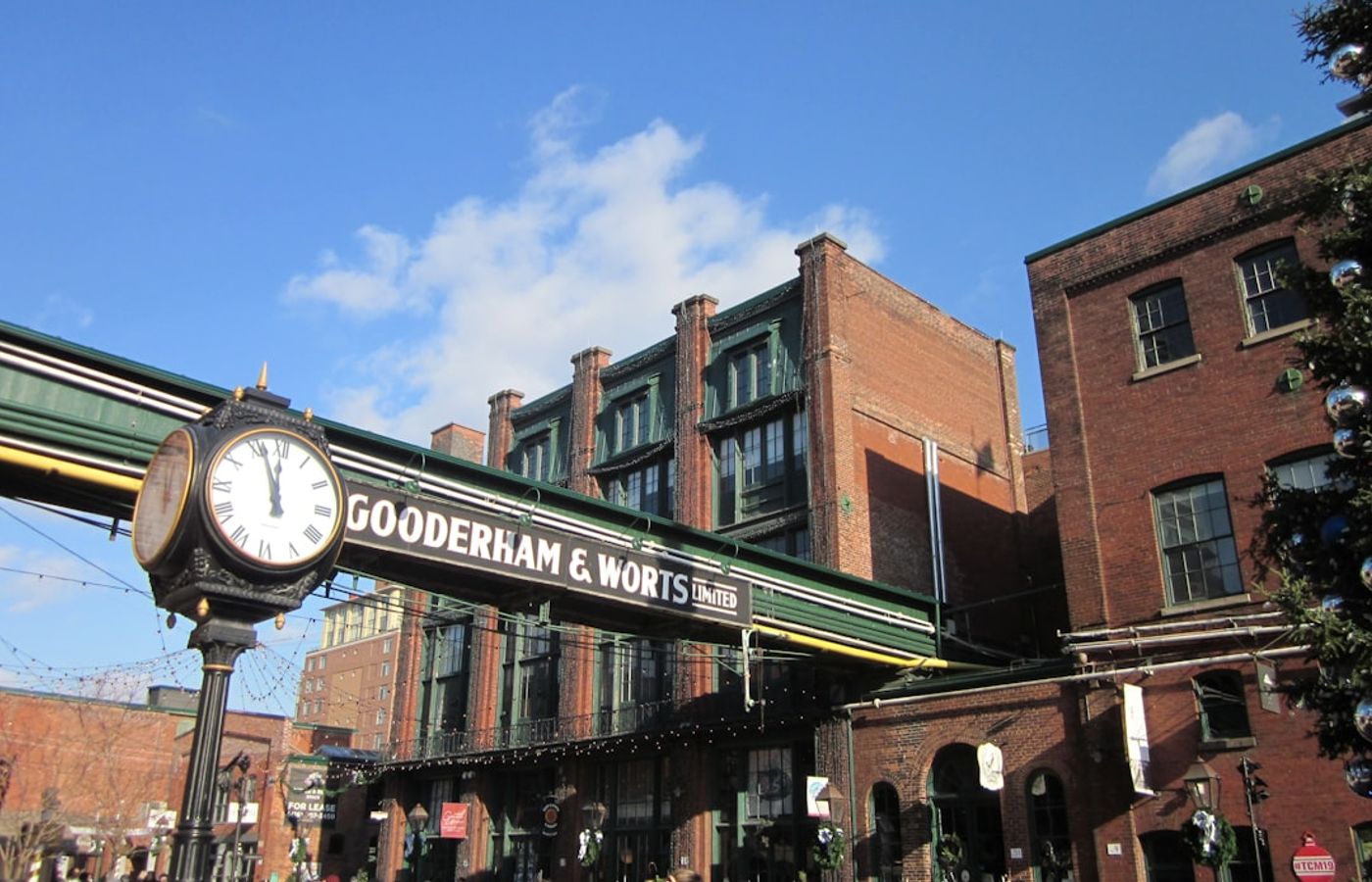

The Distillery Historic District is a 5-hectare pedestrian-only neighbourhood east of downtown - a Victorian-era distillery complex (the Gooderham & Worts Distillery, opened 1832) converted in 2003 into a cultural and entertainment quarter. The 47 preserved red-brick buildings now house 70+ shops, art galleries, design studios, theatres, and restaurants. It is North America's largest collection of preserved Victorian industrial architecture.
Highlights: the Toronto Christmas Market (mid-November to late December - among North America's most photographed Christmas markets), the Soulpepper Theatre, Mill Street Brewery taproom, Soma Chocolatemaker (locally roasted single-origin chocolate), and dozens of independent design boutiques. Free to walk; bring CAD for shopping. Open daily; restaurants 11:00-late, shops 11:00-19:00.
Pro Tip: Visit at Christmas (mid-November to late December) for the Toronto Christmas Market - the cobbled streets fill with light displays, mulled wine, German-style stalls, and one of Toronto's best free seasonal experiences. Otherwise the summer Sunday market on Trinity Street is the second-best time.
4St Lawrence Market - North America's Best Food Market
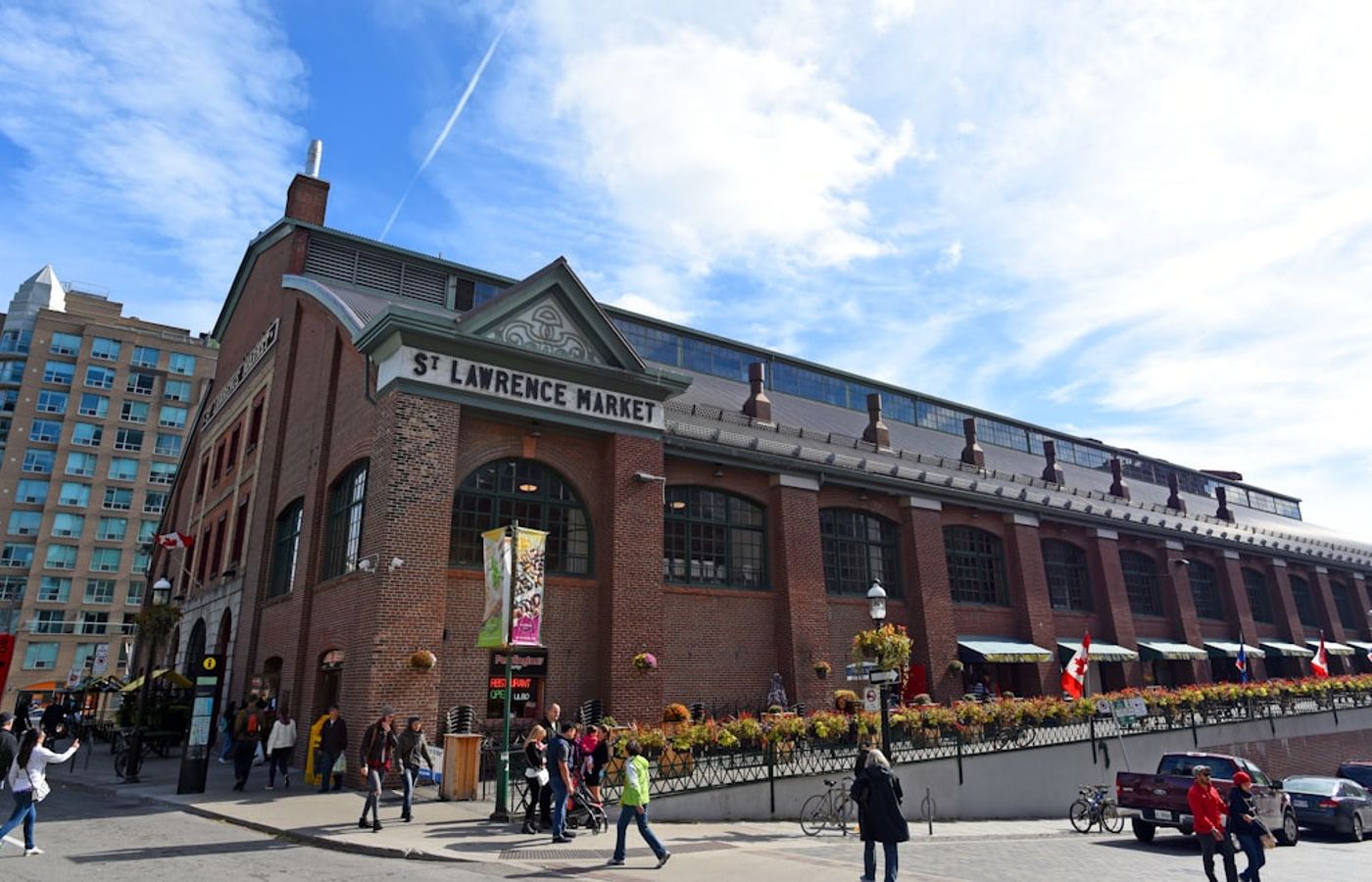
St Lawrence Market has operated continuously on this site since 1803 and was voted the world's best food market by National Geographic in 2012. The Beaux-Arts South Market building (1845) houses 120+ vendors selling fresh fish, meat, cheese, baked goods, prepared foods, and produce. The neighbouring North Market hosts the Saturday farmers' market and Sunday antique market. Combined, the markets are Toronto's most important food destination.
Iconic stalls: Carousel Bakery (the original peameal bacon sandwich, 10 CAD - Toronto's signature dish), Buster's Sea Cove (Atlantic lobster rolls), Uno Mustachio (Italian sandwiches), and St Urbain Bagels (Montreal-style bagels). The Market Kitchen on the 2nd floor runs cooking classes. Free to wander. Open Tuesday-Friday 09:00-19:00, Saturday 07:00-17:00; closed Sundays and Mondays.
Pro Tip: Order the peameal bacon sandwich at Carousel Bakery on the upper level - Toronto's signature dish (cornmeal-crusted back bacon on a roll), 10 CAD. The Saturday morning farmers' market opens at 05:00 - serious shoppers and chefs arrive before sunrise.
5Casa Loma - The Gothic Revival Castle
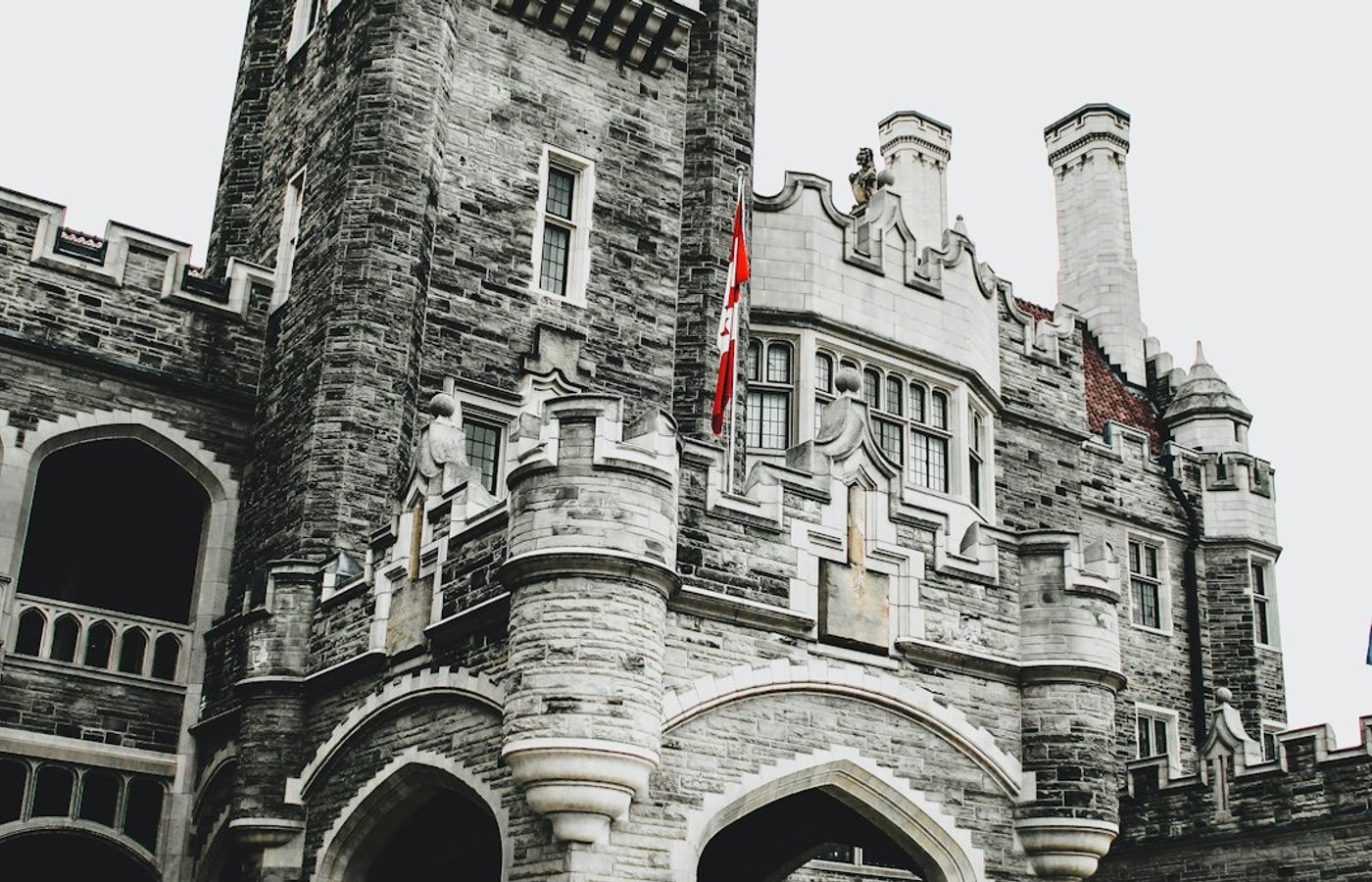
Casa Loma is North America's only authentic Gothic Revival castle - built 1911-1914 by Toronto financier Sir Henry Pellatt at a cost of 3.5 million Canadian dollars (an extraordinary sum for the era). The 98-room mansion includes the Great Hall (15-metre ceiling), an 800-foot underground tunnel to the carriage house, a private bowling alley, an indoor swimming pool, and the largest residential pipe organ in Canada. Pellatt lost his fortune in 1923; the city took ownership in 1933.
The 2-hour self-guided tour covers all major rooms with audio commentary (free with admission). The gardens (5 acres) are accessible May-October only. The castle hosts seasonal events including a Halloween Haunt (October), Christmas at Casa Loma, and the Symphony in the Gardens summer series. Admission 32 CAD adult; family pass 110 CAD. Open daily 09:30-17:00.
Pro Tip: Visit during May-October to walk the underground tunnel from the castle to the carriage house - the most atmospheric section. The Halloween Haunt night experience in October (separate ticket 50 CAD) is the most popular Toronto Halloween attraction.
6Royal Ontario Museum (ROM) - Canada's Largest Museum
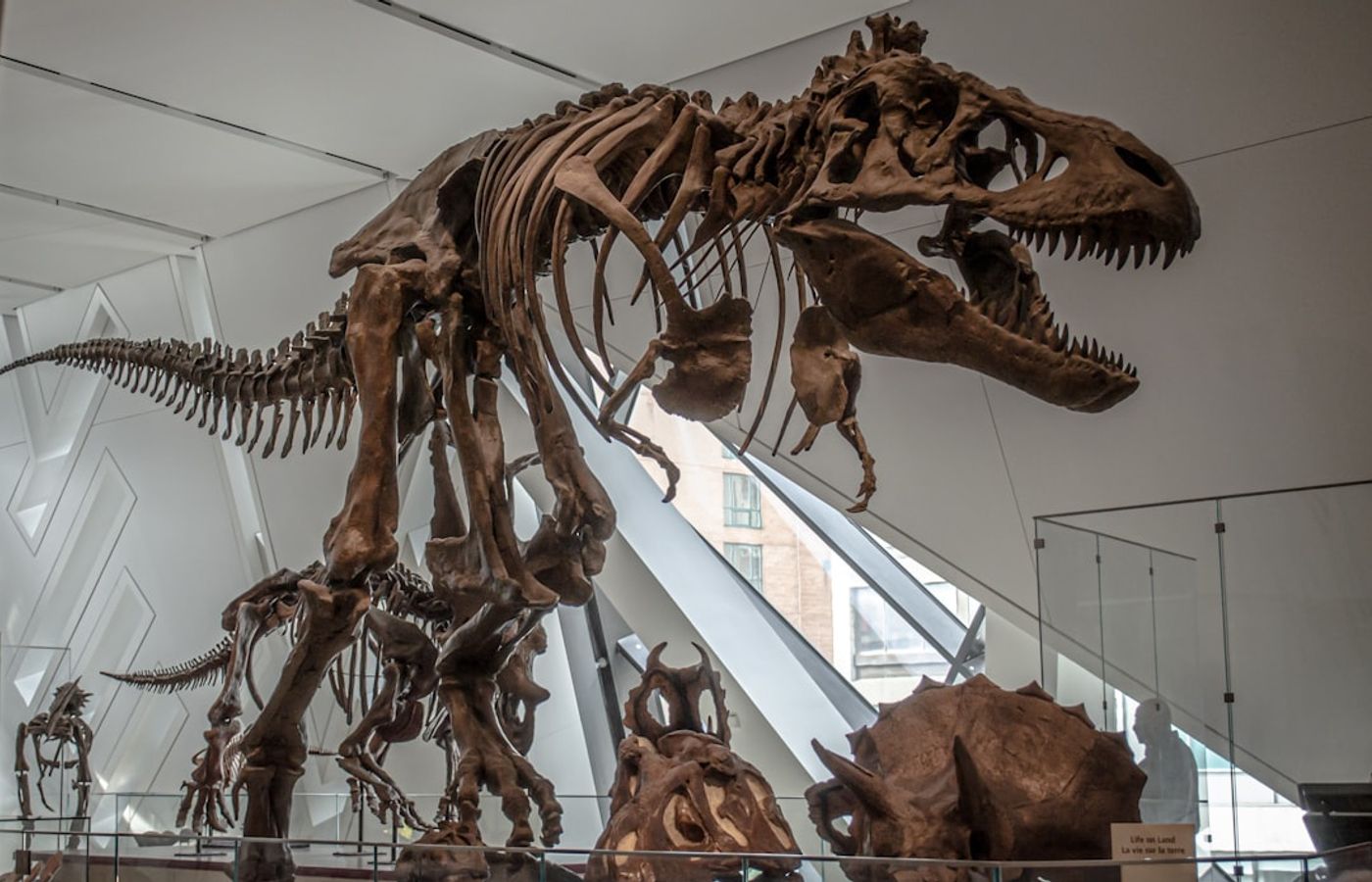
The Royal Ontario Museum is Canada's largest museum - 6 million objects across natural history, anthropology, and art covering 4 floors. Founded in 1912, the ROM is famous for the controversial 2007 Daniel Libeskind Crystal addition - a series of angular prismatic glass forms cutting into the original 1912 Edwardian building. The dinosaur halls hold a complete Tyrannosaurus rex skeleton and the largest Burgess Shale fossil collection outside the Smithsonian.
Standout galleries: the Bat Cave (a recreated 8-metre Jamaican limestone cave with 800+ bat models), the First Peoples gallery (Indigenous Canadian art and artefacts), the Chinese Imperial Treasures (rare Ming-dynasty pieces), and the Egyptian galleries with 2 mummies. Adult ticket 26 CAD; free general admission 17:30-20:30 first Tuesday of each month. Open daily 10:00-17:30.
Pro Tip: Visit on the first Tuesday evening of each month for free admission 17:30-20:30 - dramatically fewer crowds than weekend daytime visits. The ROM Friday Night Live programme (every other Friday October-April, 21 CAD) adds DJs and cocktails in the galleries.
7Niagara Falls - Day Trip to the Iconic Waterfall
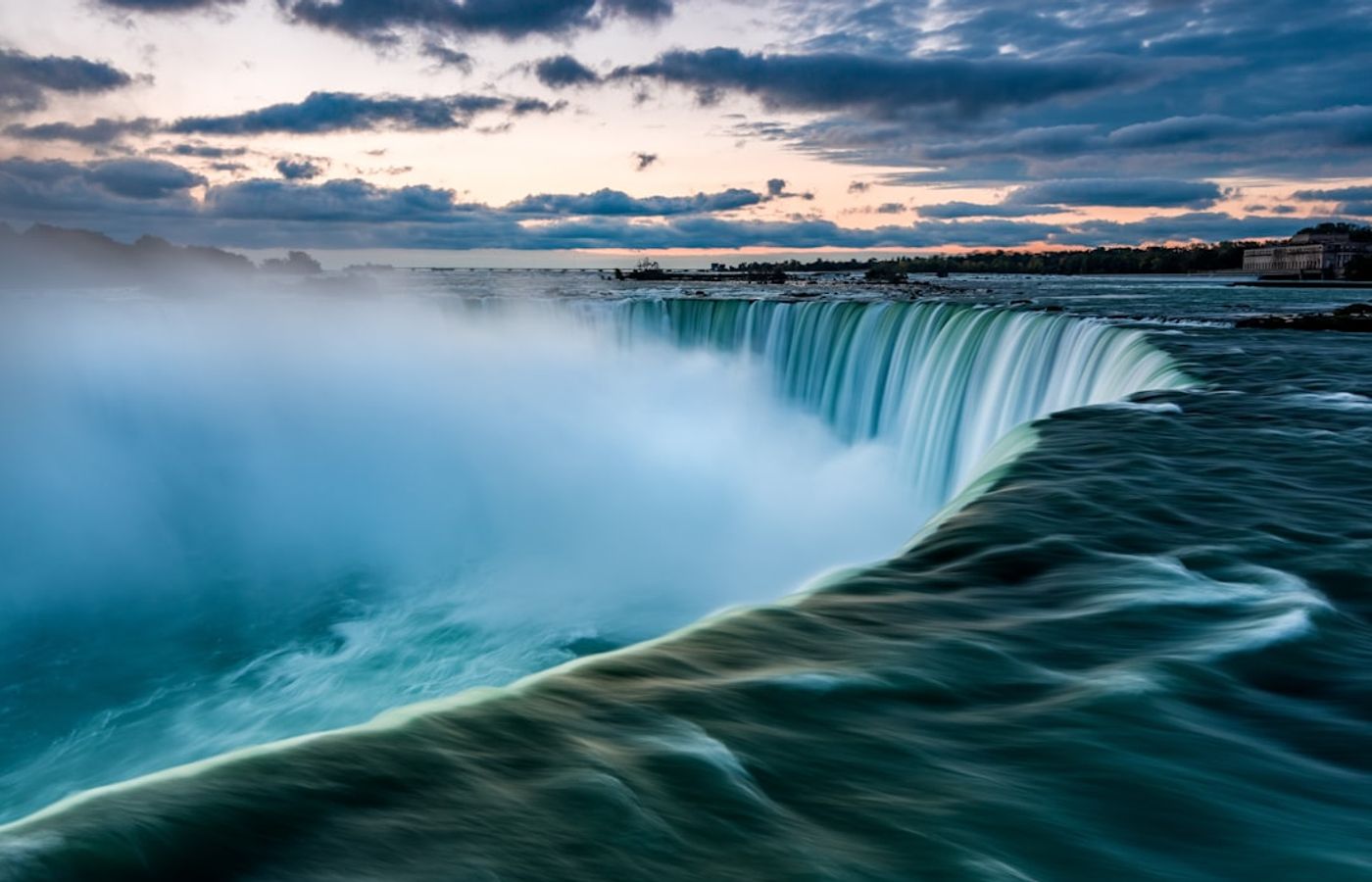
Niagara Falls sits 130 km south-west of Toronto on the Canada-US border - among the world's most-visited natural attractions with 3 separate falls totalling 2400 cubic metres per second of water flow over 50-metre drops. The Canadian Horseshoe Falls is the largest (790 m wide, 57 m high) and the standard photograph; the smaller American Falls and Bridal Veil Falls flow from the US side. Day trips from Toronto take 8-10 hours total.
Standard tour includes the Hornblower boat ride (30 CAD; replaces the older Maid of the Mist on the Canadian side - the boat goes directly to the base of the Horseshoe Falls), Journey Behind the Falls (24 CAD), Skylon Tower observation deck, and Niagara-on-the-Lake Victorian village. Day tours from Toronto 120-180 CAD. Self-drive via GO Train + WeGo bus also works. Falls illumination nightly from sunset to midnight.
Pro Tip: The Hornblower boat ride at 30 CAD is the must-do experience - you get genuinely soaked from the spray. Visit the Skylon Tower observation deck at sunset, then stay for the falls illumination from 19:00 onwards. The Niagara Falls Fireworks every Friday and Sunday at 22:00 (May-September) is the summer bonus.
8Kensington Market - Toronto's Most Eclectic Neighbourhood
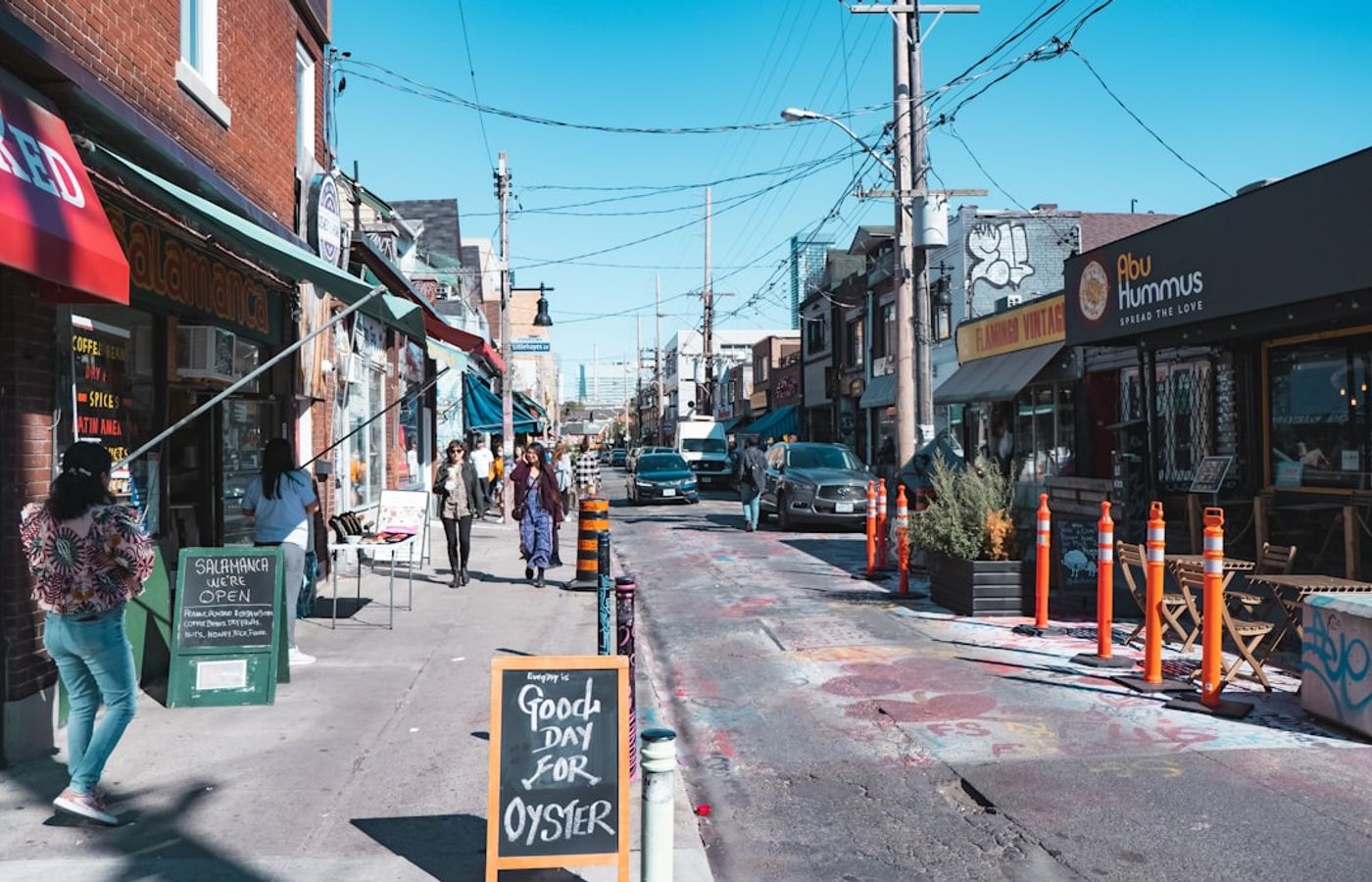
Kensington Market is a small 7-hectare neighbourhood west of downtown - Toronto's most authentically multicultural and bohemian district. The area developed as a Jewish-immigrant market in the early 20th century; subsequent waves of Portuguese, Caribbean, East Asian, Latin American, and South Asian immigrants have layered their cuisines and shops without displacing earlier ones. The neighbourhood preserves its 1900s-1920s wooden Victorian housing and remains stubbornly resistant to development.
Standout stops: Wanda's Pie in the Sky (cult bakery, 8 CAD apple pie), Otto's Berlin Doner (Berlin-style kebabs), Pancho y Emiliano (Mexican corner store with the city's best tortilla chips), Augusta House (small live-music bar), and the dozens of independent vintage clothing shops along Augusta Avenue. The neighbourhood closes streets to traffic the last Sunday of each summer month for Pedestrian Sundays - a major street festival.
Pro Tip: Visit on the last Sunday of May, June, July, August, or September for the Pedestrian Sundays street festival - the entire neighbourhood goes car-free with street musicians, food stalls, and local artisans. The combined Kensington and Chinatown walk (Spadina Avenue south) is one of Toronto's best urban afternoons.
9Hockey Hall of Fame - Canada's Most Important Sports Museum
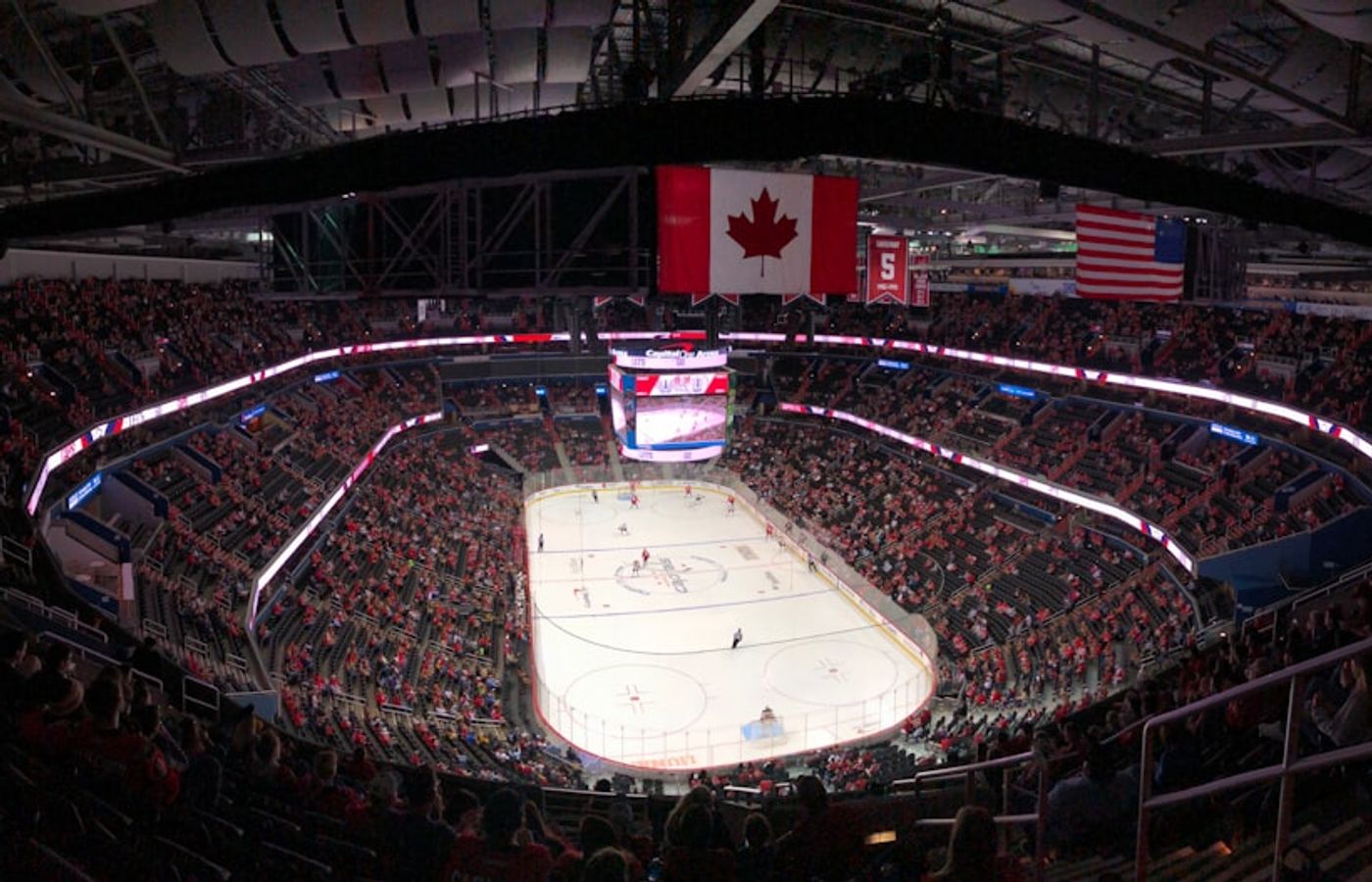
The Hockey Hall of Fame is the official museum of professional ice hockey - housed in the former 1885 Bank of Montreal building at Yonge and Front Streets in downtown Toronto. The 5570 square-metre museum displays the Stanley Cup itself (the most important trophy in North American sport), the rings and jerseys of every Hockey Hall of Fame inductee since 1945, and interactive exhibits letting visitors take penalty shots and call play-by-play.
Highlights include touching the actual Stanley Cup, viewing the 1972 Summit Series Soviet jerseys, and the NHL Zone with regular Hall of Famer meet-and-greets. Adult admission 25 CAD. Open daily 09:30-18:00. Allow 2-3 hours. Located inside Brookfield Place; entrance off the Pubs of Yonge Street strip. Combine with a Toronto Maple Leafs game at Scotiabank Arena 2 blocks away if your trip dates align.
Pro Tip: Photo with the actual Stanley Cup is the standout experience - they pull it out hourly for visitor photos. Combine with a Toronto Maple Leafs game (only if you can secure tickets at Scotiabank Arena - usually 300+ CAD on the secondary market).
10High Park - Toronto's Largest Public Park
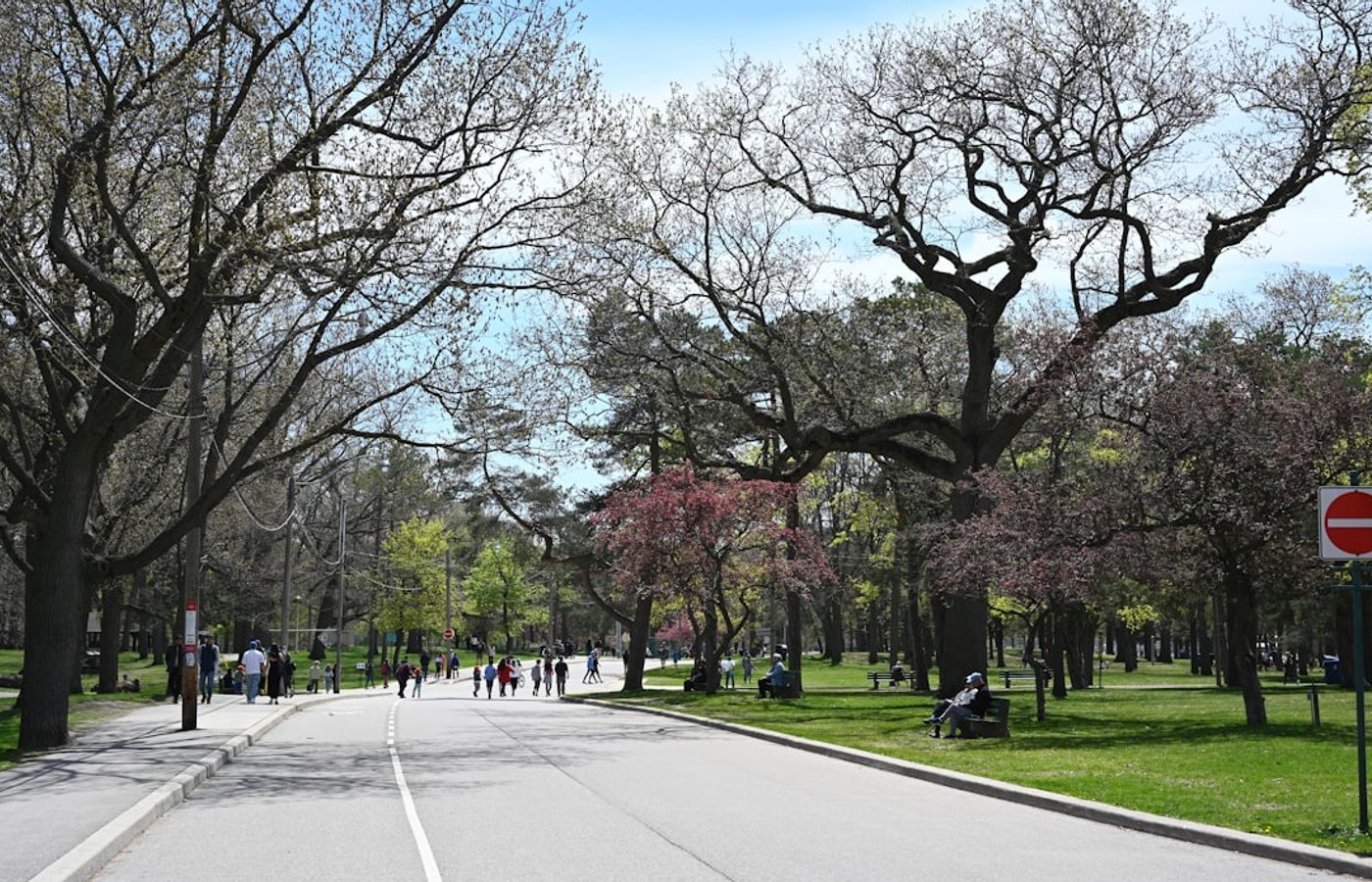
High Park is a 161-hectare west-end park - Toronto's largest public park and most celebrated green space. Originally the country estate of Toronto land surveyor John Howard (donated to the city in 1873), the park includes hiking trails, sports fields, a small zoo (free entry), the Grenadier Pond (with paddleboats in summer), and the most famous Sakura cherry trees in Canada (planted as a 1959 gift from the Japanese government).
The cherry blossoms peak briefly in late April or early May (varies by weather) - tens of thousands of Torontonians flood the park for the 7-10 day bloom. The Shakespeare in High Park outdoor festival runs July-August (free outdoor performances on the High Park stage). The free zoo includes bison, llamas, peacocks, and Canadian highland cattle. Free park; open dawn to dusk. Allow 3-4 hours for a full visit.
Pro Tip: Time your visit for late April/early May to catch the cherry blossom peak - check the High Park Cherry Blossom Watch website for live updates. The free zoo and Grenadier Pond make this a perfect family outing year-round. The free Shakespeare summer evenings are an underused Toronto highlight.

CEO and co-founder
Tomas is the co-founder and director of trip1, an European company specializing in reservation services. He launched the company in 2025 with a focus on building scalable, efficient operations.
Climate averages · 1991–2020
When is the best time to visit Toronto?
The best time to visit Toronto is between May and October, the most comfortable stretch of the year on these averages.
Best time · May–OctoberRainfall
- Jan-4°
- Feb-3°
- Mar1°
- Apr7°
- May12°
- Jun18°
- Jul21°
- Aug21°
- Sep17°
- Oct10°
- Nov5°
- Dec0°
More of Canada
10 Top Things to Do in Toronto, Canada - FAQ
No - plan 3-4 days. CN Tower, Distillery District, and St Lawrence Market cluster as a downtown day. Toronto Islands and Casa Loma each need half-days. The Royal Ontario Museum and AGO art gallery absorb 2-3 hours each. Niagara Falls day trip takes a full day. Kensington Market is best for an afternoon.
Day 1 CN Tower morning, St Lawrence Market lunch, Distillery District afternoon. Day 2 Toronto Islands (15-min ferry) for the postcard skyline view. Day 3 Casa Loma, Royal Ontario Museum, Kensington Market. Day 4 Niagara Falls day trip. The TTC subway makes city sites efficient. Reserve a clear day for Toronto Islands - weather matters.
CN Tower benefits from online tickets (43 CAD, 1-2 day advance). Royal Ontario Museum sells timed tickets that fill on weekends (26 CAD). Casa Loma 32 CAD walk-up. Niagara Falls day tours best booked 2-3 days ahead (120-180 CAD). Toronto Islands ferry pre-book online ($8.50 CAD return). Distillery District, Kensington Market, and St Lawrence Market are free.
Budget around 350-500 CAD (230-330 EUR) per person. CN Tower 43 CAD. ROM 26 CAD. Casa Loma 32 CAD. Niagara day tour 150 CAD. Toronto Islands ferry 8.50 CAD. TTC weekly pass 51 CAD (saves money over single rides). Toronto is expensive by Canadian standards - meals 25-50 CAD, beer 8-12 CAD. Tip 15-20% standard.
Yes - Toronto Transit Commission (TTC) operates 4 subway lines, streetcars, and buses. CN Tower at Union Station (Line 1). St Lawrence Market at Union Station (3-min walk). Distillery District is a 15-min walk from Union or King station. Casa Loma at Dupont (Line 1). ROM at Museum (Line 1). Toronto Islands by ferry from Jack Layton Ferry Terminal. Niagara Falls needs the GO Train + WeGo bus or a day tour.
May-October is optimal - warm summer days (25-30 degrees), the Toronto Islands swim season opens, and the major festivals happen (Pride in June, TIFF film festival in September). November-March is cold (-5 to -15 degrees) with frequent snow but indoor attractions remain excellent. Skip mid-July/August for high humidity. The PATH underground city allows winter exploration of 30 km of connected downtown shops without going outside.
Worth adding with extra time: Art Gallery of Ontario (AGO, with the Henry Moore collection), Hockey Hall of Fame, Toronto Eaton Centre for shopping, High Park (with cherry blossoms in May), Ripley's Aquarium (next to CN Tower), Black Creek Pioneer Village, Toronto Zoo, and an Algonquin Provincial Park day trip (3 hours north for canoeing and moose viewing).

Related travel guides
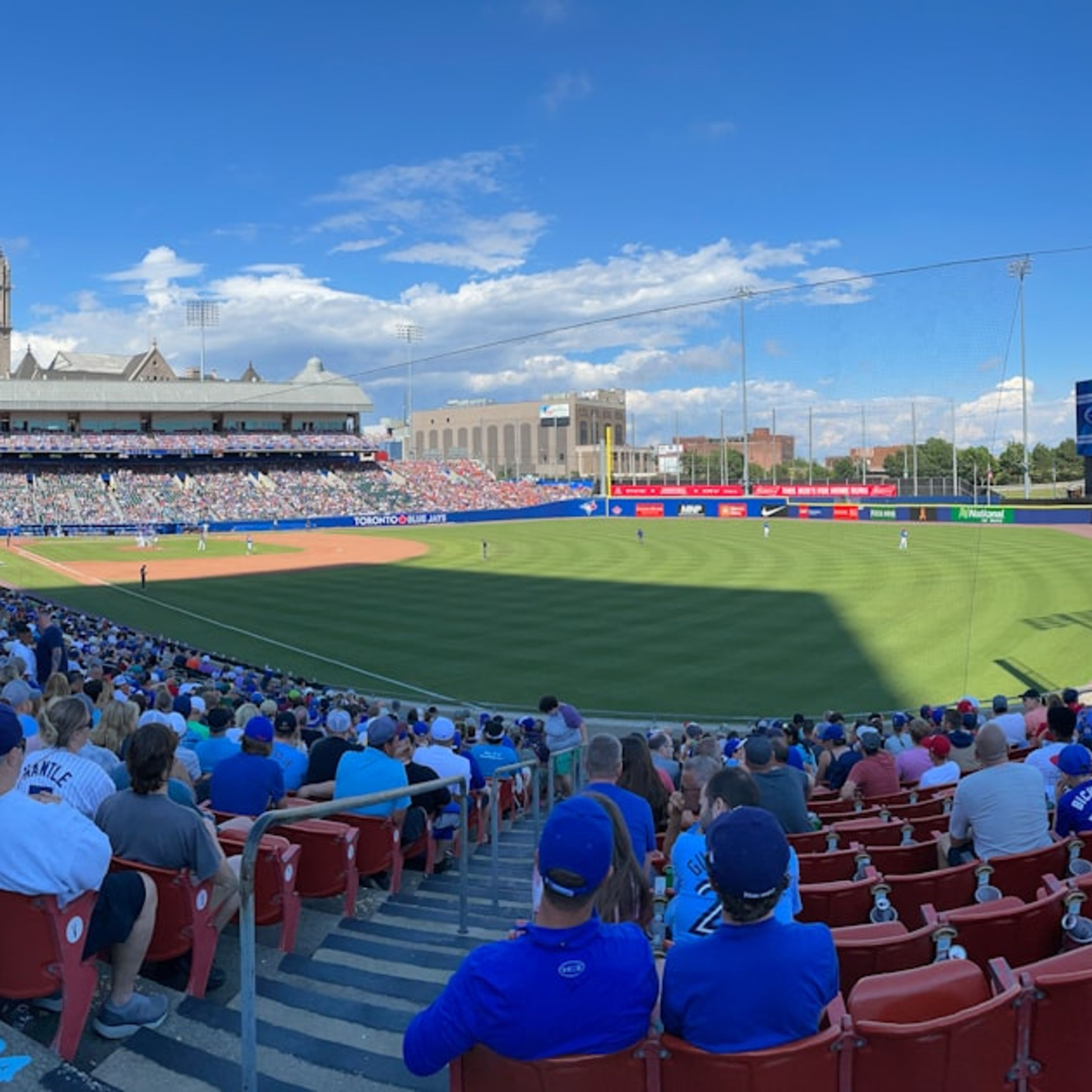
Best Hotels in Toronto for FIFA World Cup 2026
Find the best hotels in Toronto for FIFA World Cup 2026. Compare areas near BMO Field and Downtown Toronto, with transit times and match-day routing.
5 Best Waterfall Hikes Near Vancouver
The 5 best waterfall hikes near Vancouver for 2026, with trail distance, elevation gain, waterfall heights, trailhead addresses and transit.