

Guides · Montreal
10 Top Places to Visit in Montreal, Canada

CEO and co-founder
This guide ranks the 10 top places to visit in Montreal - the French colonial Old Town, the central mountain park, world-class markets, and the Olympic legacy that genuinely deserve a place on your itinerary whether you have 3 days or a full week in Canada's second-largest city. Each entry includes the exact address, nearest metro station, and a practical Pro Tip drawn from how locals and seasoned visitors actually navigate Montreal in 2026.
Montreal is North America's most European city - founded by the French in 1642, with a 60% French-speaking population and 350+ years of layered French, British, Quebecois, and immigrant cultures. The list clusters efficiently: Old Montreal (Notre-Dame, Old Port, Place Jacques-Cartier), the central Mont-Royal mountain, the Plateau and Mile End neighbourhoods, and the eastern Olympic Park district. Plan 3-4 days minimum.
Summer Montreal (May-October) is the popular season with outdoor festivals (Jazz, Just for Laughs, Osheaga) and patios. Winter Montreal (November-April) embraces the cold with skating rinks, the indoor Underground City, and the Igloofest electronic music festival. The metro is efficient; STM weekly passes save money. Most attractions on this list are within a 30-minute metro ride.
1Old Montreal (Vieux-Montréal) - The 17th-Century French Quarter
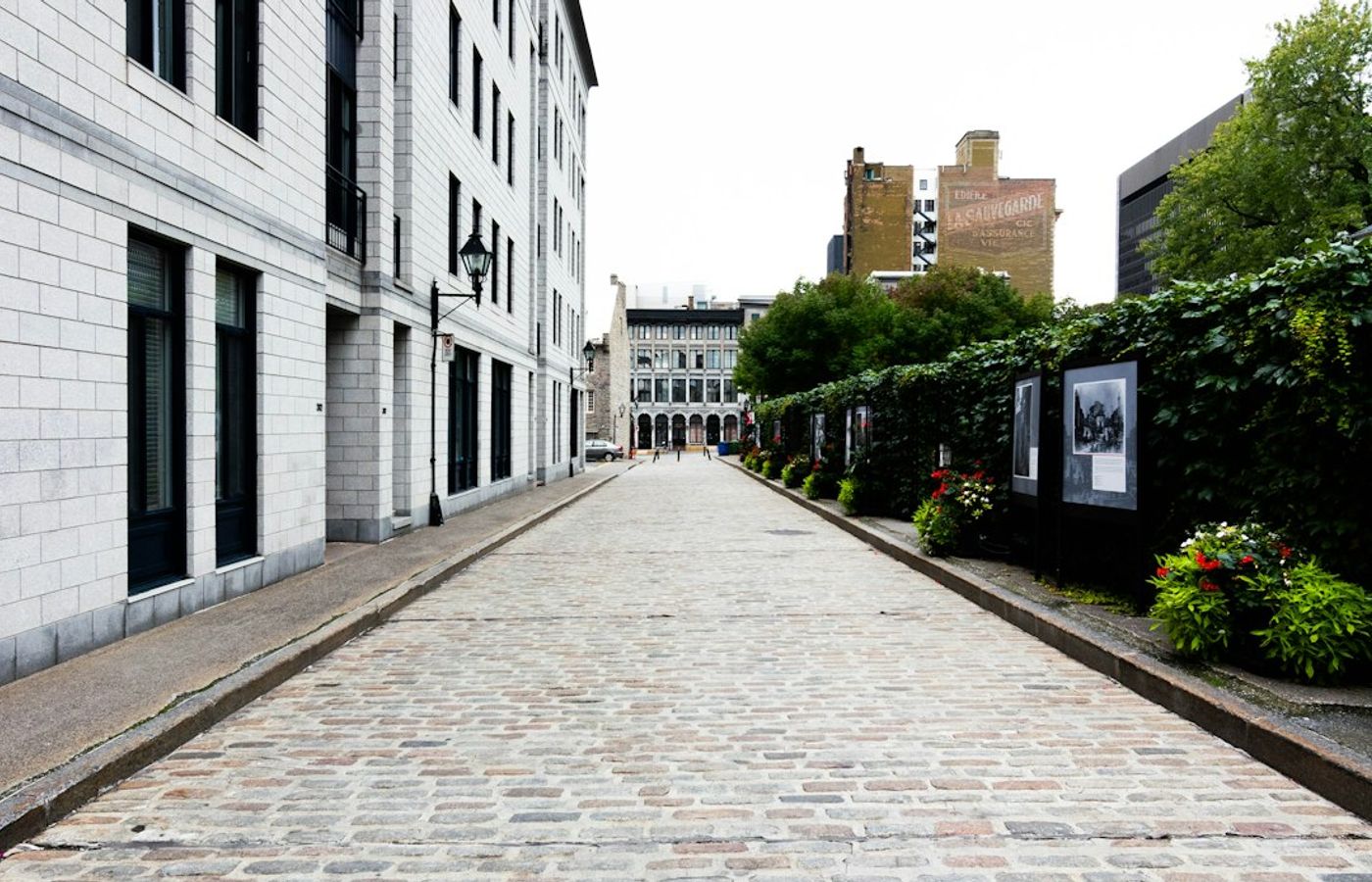

Old Montreal is the original 1642 French colonial settlement at the foot of Mont-Royal - a 25-hectare district of cobbled streets, 17th-19th century stone buildings, and the heart of Montreal's tourist scene. The area was nearly demolished in the 1950s but preserved by 1960s heritage activism. Today it operates as a pedestrian-friendly mix of historic sites, museums, hotels, and restaurants. The neighbourhood feels more European than North American.
Anchor sites include Notre-Dame Basilica (the most-visited attraction in Canada), Place Jacques-Cartier (a sloping cobbled square with cafes and buskers), the Old Port waterfront, City Hall (1878 Second Empire architecture), and Pointe-a-Calliere Archaeological Museum. The Saint-Paul Street pedestrian section is the most-photographed walking route. Free to wander; museums 15-25 CAD entry. Best 09:00-11:00 before the cruise crowd.
Pro Tip: Walk Old Montreal at 08:00 before the crowds arrive - the cobbled streets are empty and the morning light hits the limestone buildings perfectly. Stop at Olive et Gourmando on Saint-Paul Street for breakfast - one of the city's most beloved cafes since 1998.
2Mont-Royal Park - The Central Mountain
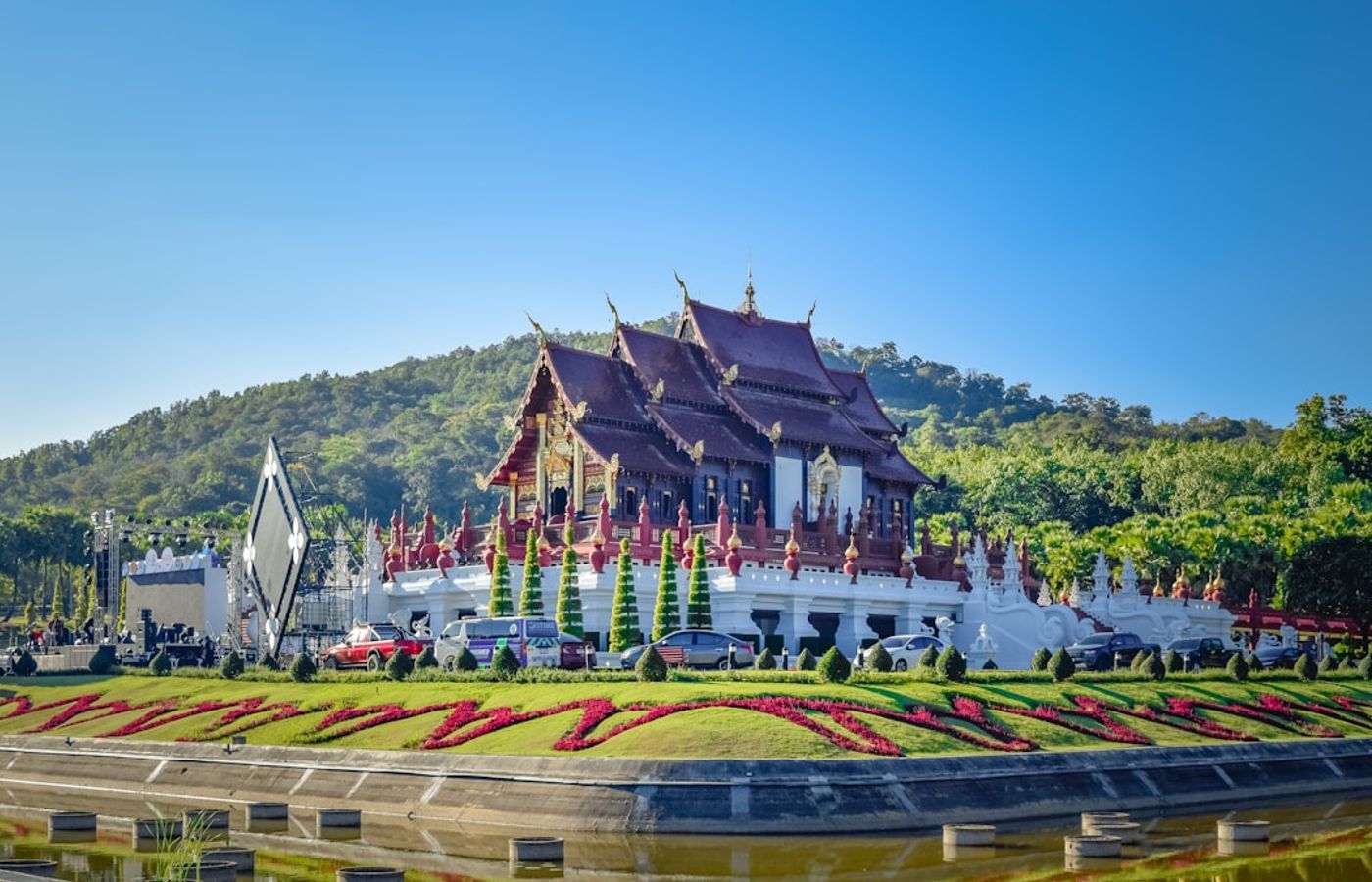

Mont-Royal (the hill that gives Montreal its name) is a 233-metre forested mountain rising in the centre of the city - the lung of Montreal designed in 1876 by Frederick Law Olmsted (also the designer of New York's Central Park). The 200-hectare park covers the entire mountain and includes hiking trails, the lakeside picnic Beaver Lake, Mount Royal Cemetery, and the Kondiaronk Belvedere - a 200-metre-long stone terrace built 1906 with the city's most photographed panoramic view.
Sunday Tam-tams (May-September, free) is Montreal's most beloved tradition - drum circles, dancers, and crowds gather around the Sir George-Etienne Cartier monument on the eastern slope from noon to sunset. Cross-country ski trails operate December-March (free, BYO equipment). The 30-minute walk up from the metro Mont-Royal station is steep but doable; bus 11 from the Mont-Royal metro reaches the Belvedere. Free; open dawn-dusk.
Pro Tip: Sunday Tam-tams from noon to sunset (May to September) is the must-experience Montreal weekly event - drum circles, dancers, hash brownies (legally available since Canadian cannabis legalisation), and the most authentic local atmosphere in the city. The Belvedere panorama is best at sunset.

3Notre-Dame Basilica - The Gothic Revival Catholic Cathedral
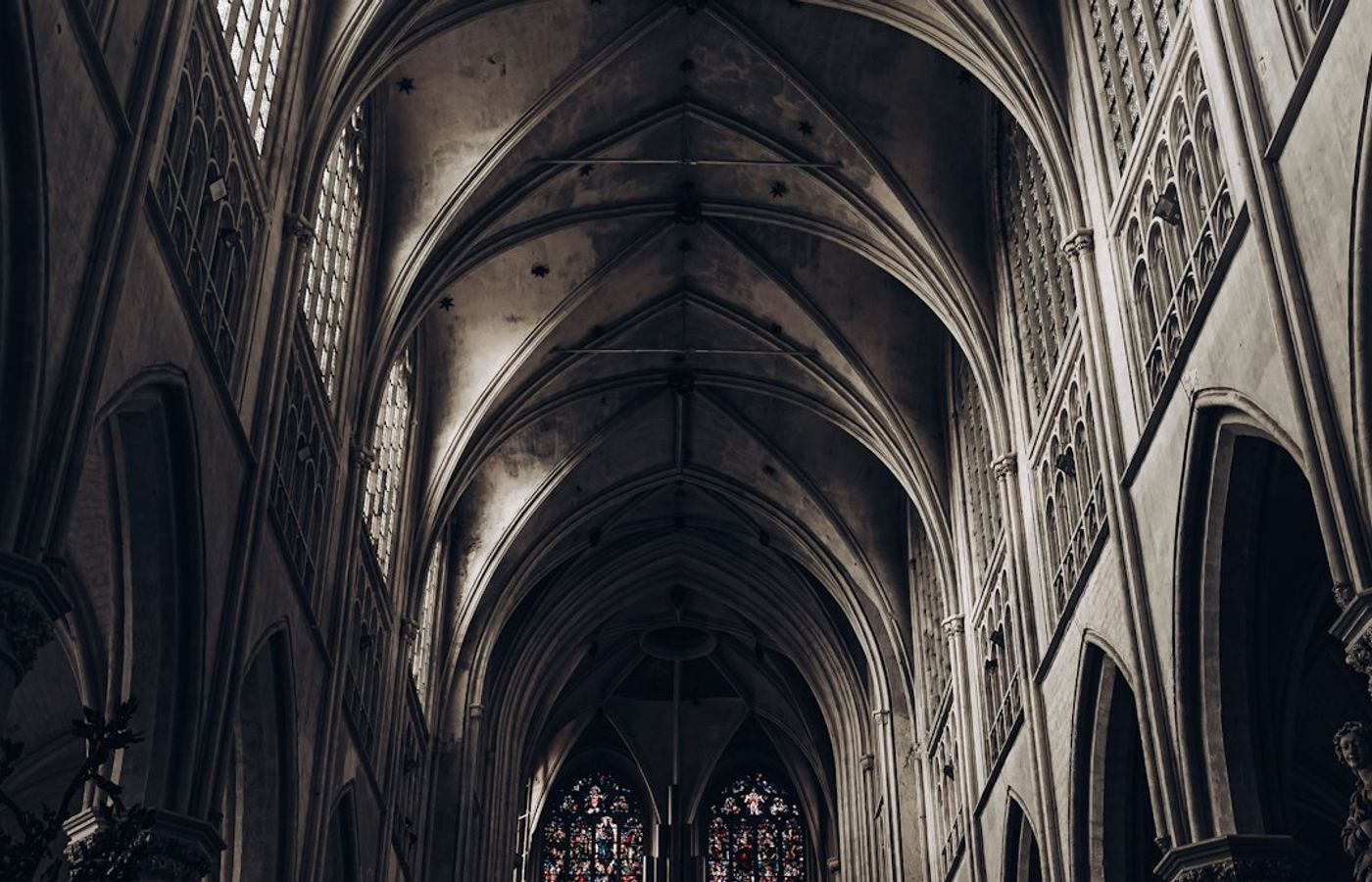

Notre-Dame Basilica is Montreal's most-visited attraction - a 1829 Gothic Revival Catholic cathedral on Place d'Armes in Old Montreal. The interior contains some of the most elaborate religious decoration in North America: a 27-metre-high blue-and-gold vaulted ceiling with thousands of carved star motifs, a 6772-pipe Casavant Freres organ (one of the largest in the world), and the famous Sacred Heart Chapel rebuilt in 1982 after a fire (locally nicknamed the Wedding Chapel).
The basilica hosts daily Catholic masses (free attendance). The Aura sound-and-light show transforms the interior nightly with projected images and music - 37 CAD per ticket, 45 minutes, multiple departures 17:00-21:00. Daytime visits 16 CAD (free during weekend masses). The Casavant organ recital series runs Thursday-Saturday evenings October-May. Allow 90 minutes.
Pro Tip: The Aura light show at 19:00 or 20:00 is the must-do Montreal evening experience - book online 1-3 days ahead via basiliquenotredame.ca. The free Sunday 10:00 high mass with the Casavant organ playing at full volume is the alternative free option.
4Jean-Talon Market - North America's Largest Open-Air Market
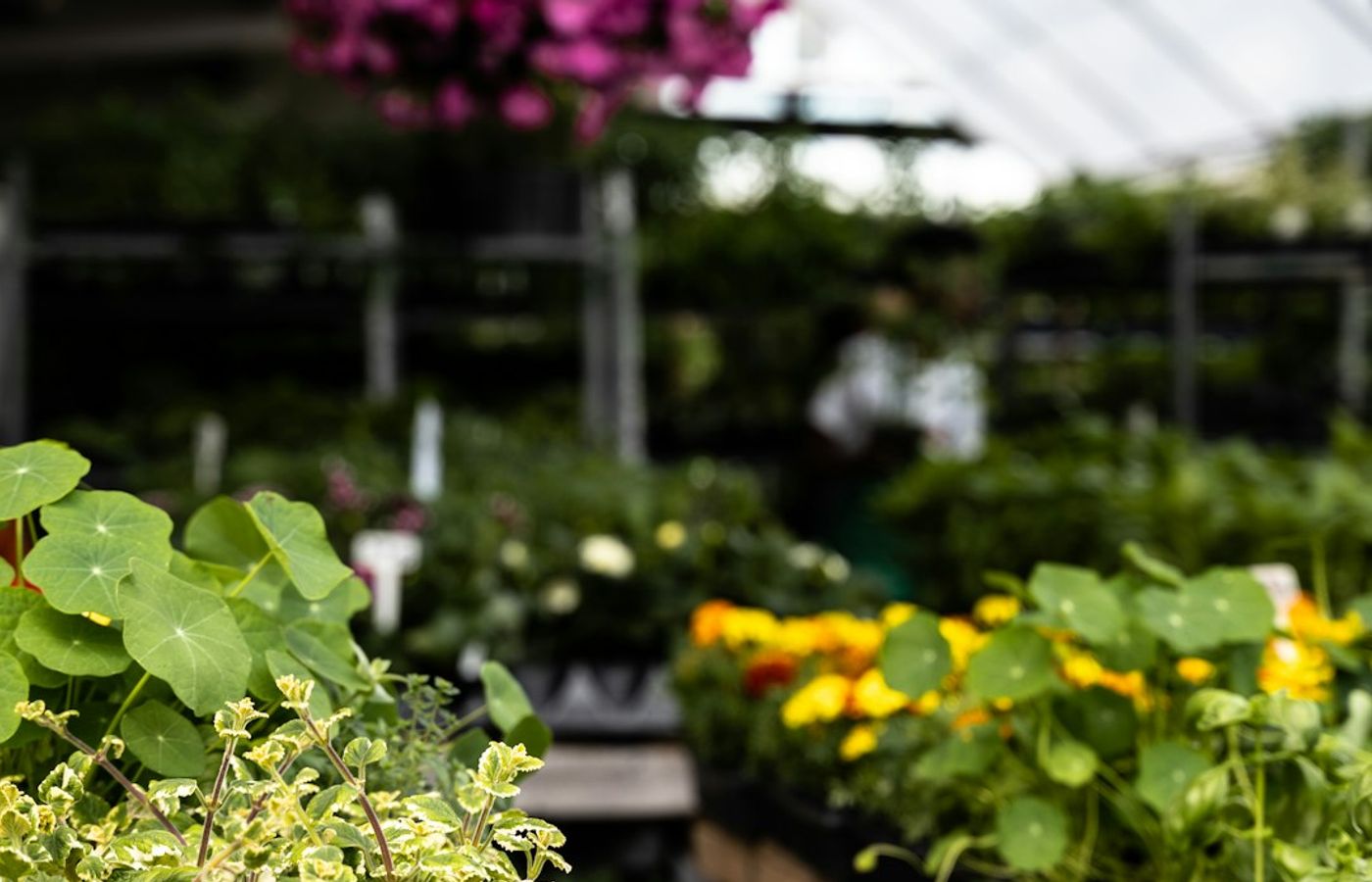
Jean-Talon Market is North America's largest open-air market - 1500+ Quebec producers selling fresh produce, cheese, meat, baked goods, prepared foods, flowers, and crafts in the Little Italy district. The market dates from 1933 (built on a former lacrosse field). The covered central halls house permanent vendors; the seasonal outdoor stalls operate May-October only. The market is the centre of Montreal's serious food culture.
Standout stalls: La Fromagerie Hamel (Quebec cheese selection including the cult Lait Cru aged), Olives et Epices (Mediterranean spices and oils), Marche Au Boeuf (Quebec wagyu and game meat), and Le Mas des Oliviers (the city's best charcuterie). Many stalls have small tasting bars. The Marche Jean-Talon restaurant on the western edge serves the best inexpensive Quebecois lunch (poutine 14 CAD). Free; open Sunday-Saturday 09:00-18:00.
Pro Tip: Visit Saturday morning 09:00-11:00 for the most active market - Montreal chefs and serious food enthusiasts are shopping then. The Mile End neighbourhood 10 minutes south has the city's best bagels (St-Viateur and Fairmount, the eternal rivals) - buy a dozen of each for the great Montreal bagel taste test.
5Olympic Park - The 1976 Olympic Legacy Complex
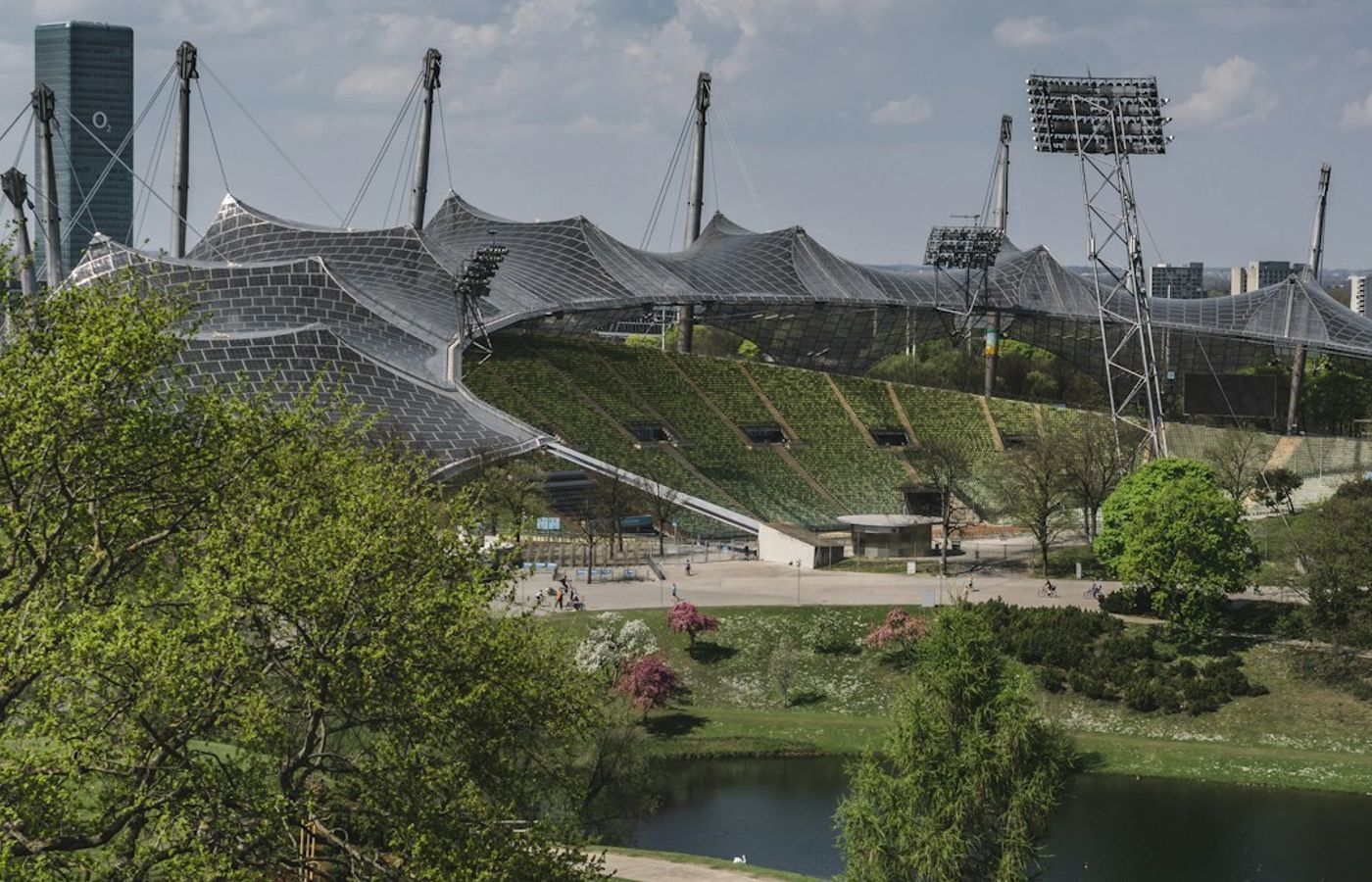
Olympic Park is the 1976 Montreal Olympics legacy complex 5 km east of downtown - dominated by the 175-metre Tour Montreal (the world's tallest inclined tower at 45 degrees). The complex includes Olympic Stadium (still used for major events), the adjacent Biodome (4 recreated ecosystems from the Americas in a glass dome - Tropical Rainforest, Laurentian Maple Forest, Gulf of St Lawrence, Sub-Polar Regions), the Planetarium, and the Insectarium.
The Tour Montreal observation deck (28 CAD adult) offers panoramic views from a glass-floored funicular ride up the inclined tower. The Biodome (22 CAD) is the standout - walk through a tropical rainforest one moment and an Arctic landscape the next, all under one dome. The Botanical Garden adjacent (75 hectares of themed gardens including a Japanese garden, a First Nations garden, and the Chinese Garden) costs 27 CAD. Combined pass 65 CAD covers all venues.
Pro Tip: The Botanical Garden's Gardens of Light installation (mid-September to late October) lights up the Chinese, Japanese, and First Nations gardens with thousands of paper lanterns - the most photographed Montreal autumn experience. Buy the Espace Pour la Vie 4-attraction pass (65 CAD) for the best value.
6Old Port (Vieux-Port) - The Reborn Waterfront
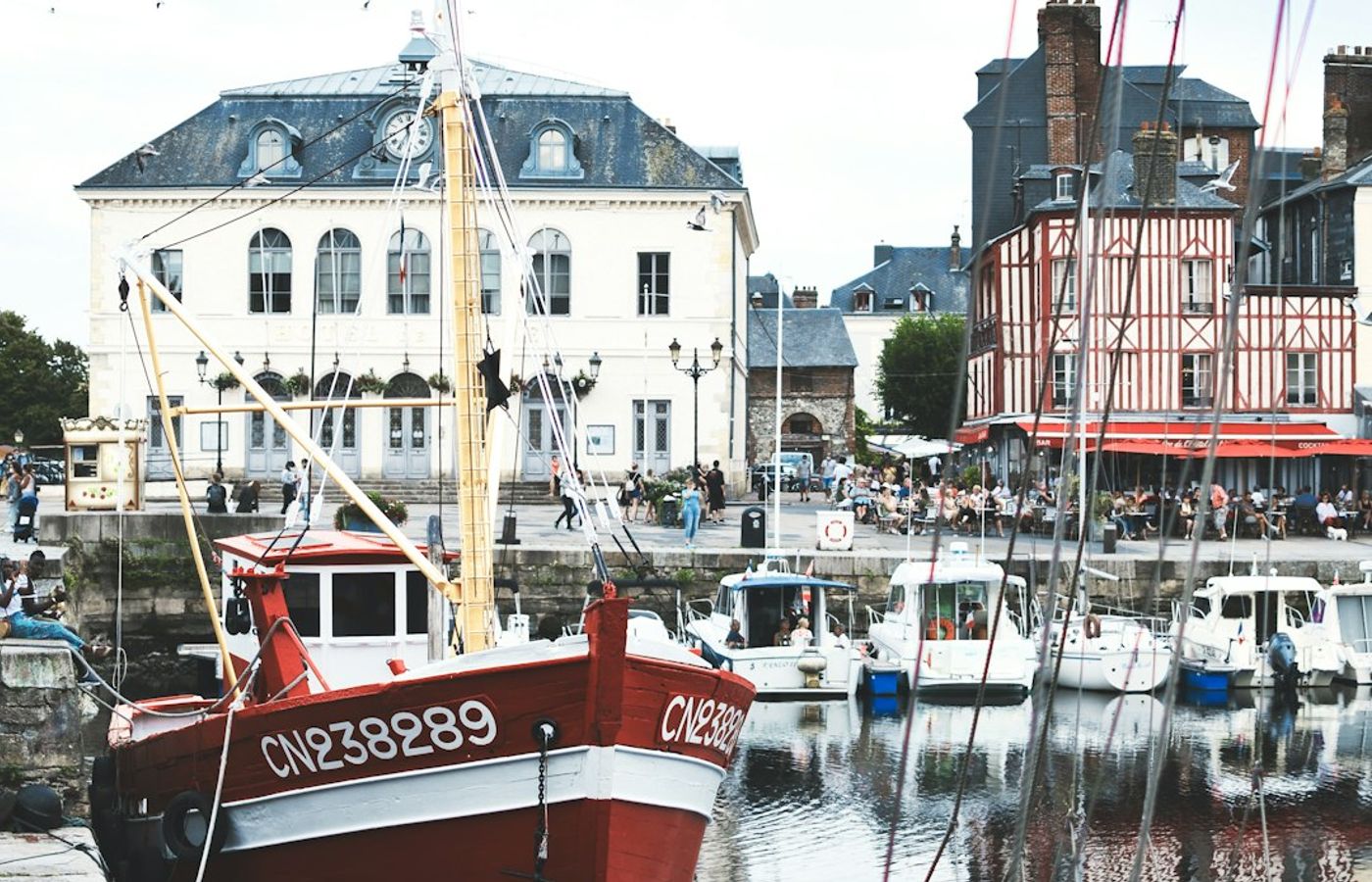
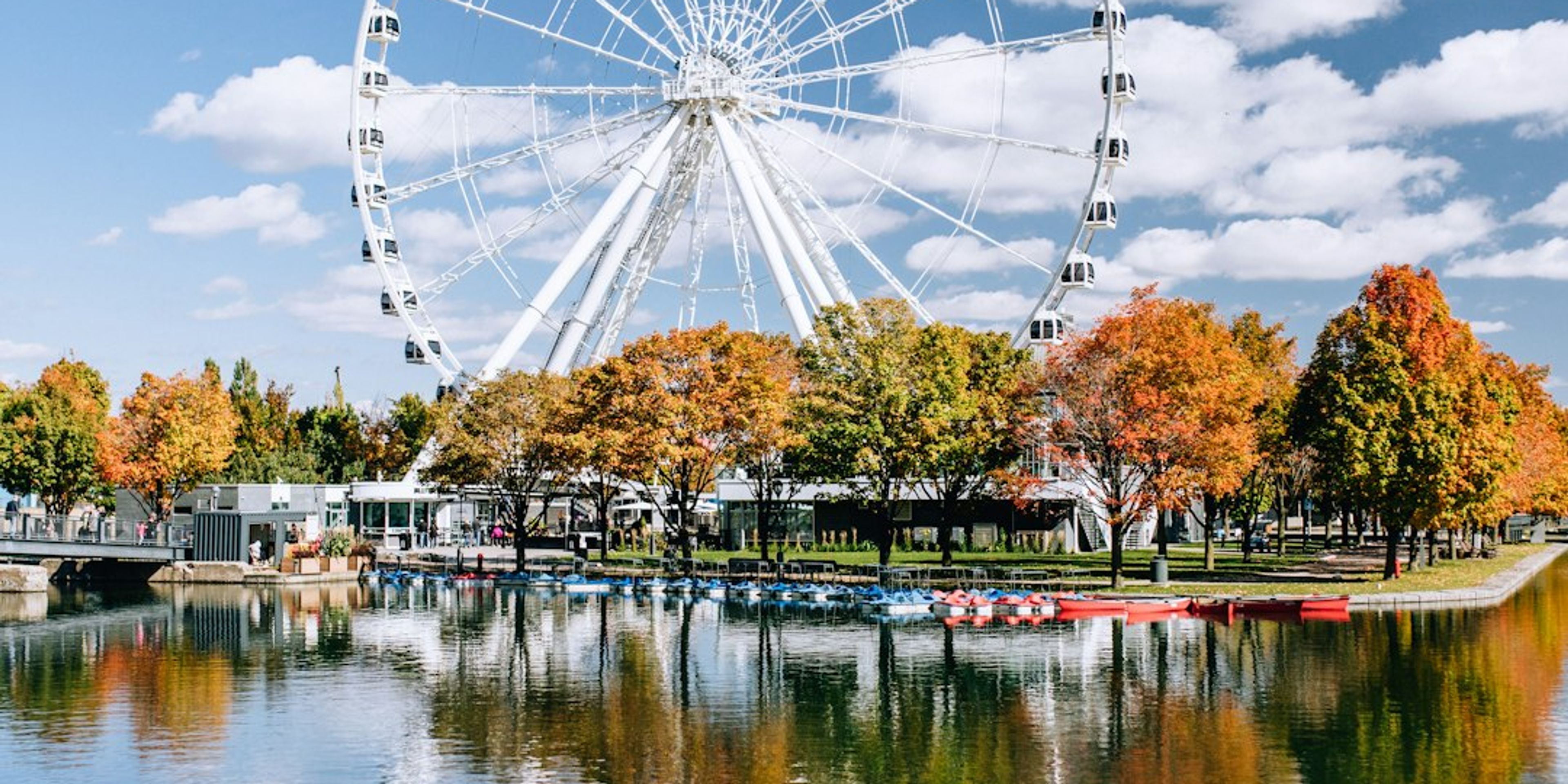
The Old Port is Montreal's 2.5 km waterfront promenade along the St Lawrence River - a former working harbour redeveloped since 1991 as the city's main outdoor leisure zone. The promenade connects Old Montreal to the western Habitat 67 architectural icon (Moshe Safdie's 1967 modular housing development originally built for Expo 67). Attractions include the Montreal Science Centre, the Grande Roue Ferris wheel, the SOS Labyrinthe maze, and the seasonal beach (May-September).
Winter transforms the port: the Bonsecours Basin freezes into one of Canada's largest outdoor skating rinks (free with own skates, 10 CAD rental, December-March). Summer hosts the Cirque du Soleil tent residencies, the Igloofest electronic music festival (the only outdoor electronic festival in -20-degree weather), and the regular fireworks shows. Free to walk; individual attractions 10-30 CAD. Open year-round.
Pro Tip: Walk the Old Port from east to west finishing at the Bota Bota floating spa (boat-based spa, 80 CAD day pass) - a unique floating sauna and pool experience. The summer fireworks (Wednesday and Saturday evenings, July-August) are free to watch from the Old Port.
7Plateau Mont-Royal - The Bohemian Neighbourhood
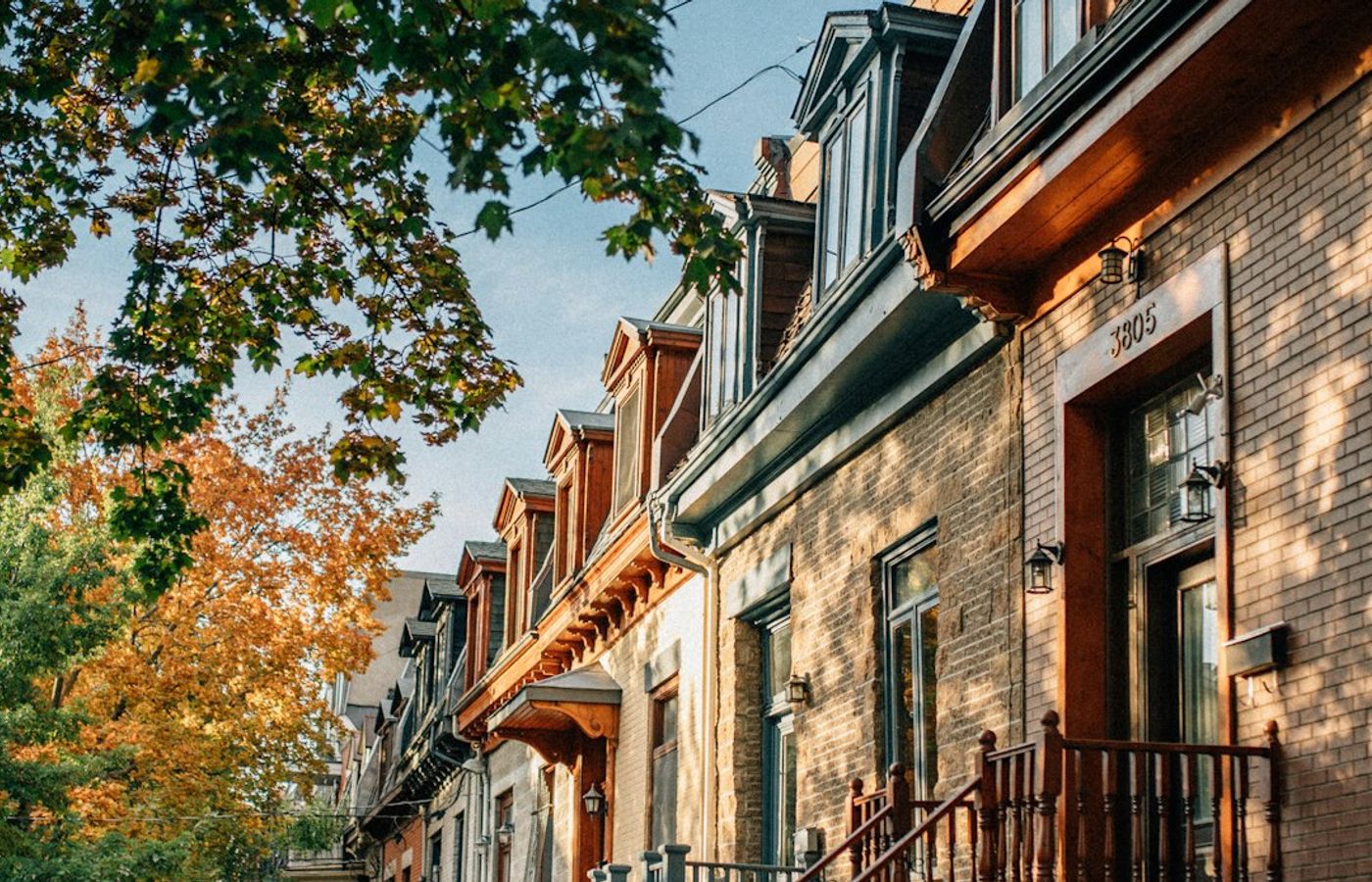
Plateau Mont-Royal (or just the Plateau) is Montreal's most beloved neighbourhood - 8 square km of low-rise housing east of Mont-Royal Park dominated by the wrought-iron exterior staircases that became the area's signature architectural feature in the late 19th century. The Plateau hosts the city's main French-language bohemian culture: cafes, design boutiques, second-hand bookshops, and the densest concentration of Bring Your Own Wine restaurants in Canada.
Standout streets: Saint-Denis (Quebec independent designer boutiques and bookshops), Saint-Laurent Boulevard (The Main - the historic dividing line between French and English Montreal, now hipster bars), Avenue du Mont-Royal (the spine of the neighbourhood with cafes and the Tam-Tams entrance), and Avenue Duluth (smaller restaurants). The Plateau's painted-stair brownstones are most-photographed on Carre Saint-Louis. Free to wander.
Pro Tip: Eat the smoked meat sandwich at Schwartz's Hebrew Delicatessen at 3895 Saint-Laurent (operating since 1928, the original Montreal smoked meat institution, 13 CAD). The 30-minute queue is non-negotiable; expect to share a table with strangers. The Avenue Mont-Royal walk east from Saint-Denis is the best Plateau introduction.
8Underground City (RESO) - The 33 km Indoor Network
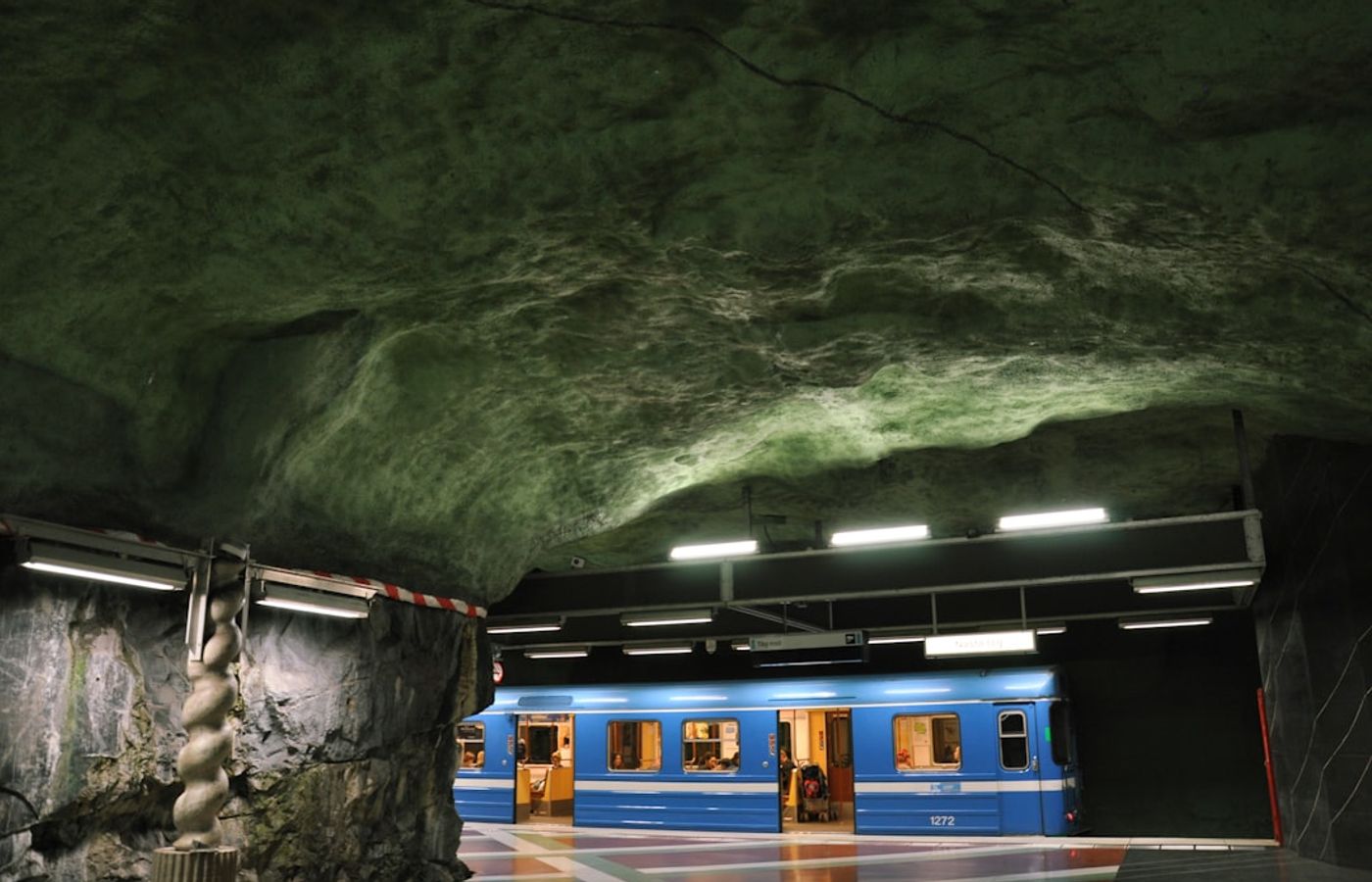
The Underground City (locally called RESO from the French for network) is the world's largest underground urban complex - 33 km of connected indoor passages, 200+ shops, restaurants, hotels, museums, the Bell Centre arena, and 33 metro stations all linked beneath downtown Montreal. Built in stages since 1962, the network was designed to let Montrealers conduct daily life during the harsh winters without going outside.
Key entry points: Bonaventure metro (the central RESO hub), McGill metro, Place-des-Arts metro, and the underground concourses of the major office towers and shopping malls (Place Ville-Marie, Eaton Centre, Place Montreal Trust). Free to walk; shops at all price points. Most useful November-March when above-ground temperatures hit -20 degrees. Maps available at any tourist information centre.
Pro Tip: Walk the underground route from Place Ville-Marie to the Bell Centre on a -20 degree day - 1.5 km of indoor walking through 4 major malls without going outside once. Get a RESO map from the Bonaventure metro information desk for the best routes.
9Montreal Museum of Fine Arts - The Top Free Art Museum
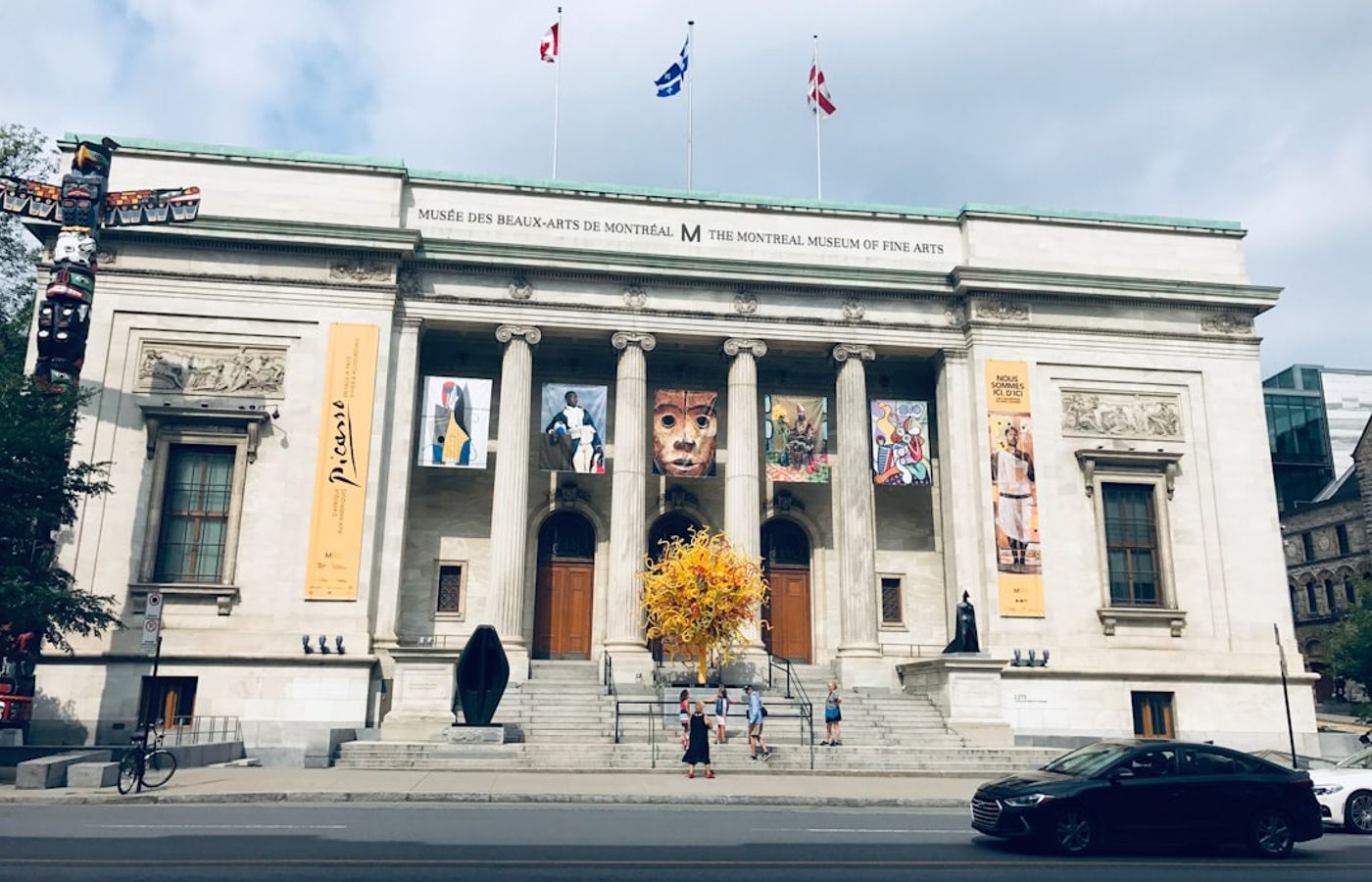
The Montreal Museum of Fine Arts (Musee des beaux-arts de Montreal, MMFA) is Canada's oldest art museum - founded in 1860 and now spread across 5 pavilions on Sherbrooke Street West holding 45000+ works. The collection emphasises Quebec and Canadian art, Indigenous art, decorative arts, and 19th-20th century European masters (Picasso, Monet, Cezanne). Permanent collection admission is free - a rare gift among major North American art museums.
Special exhibitions (typically 24 CAD) draw international artists - past shows have included Yoko Ono, Yayoi Kusama, and Picasso retrospectives. The Bourgie Hall concert series (50-80 CAD tickets) hosts chamber music in the converted Erskine and American Church next door. Open Tuesday-Sunday 10:00-17:00; closed Mondays. Allow 3-4 hours for a full visit. Located on Museum Mile within walking distance of McGill University.
Pro Tip: The free permanent collection is one of the best free art museums in the world - prioritise the Inuit Art gallery (largest collection in the world) and the Quebec Pavilion for Canadian art. The Bourgie Hall chamber music concerts in the converted neighbouring church are the city's most atmospheric music venue.
10Quebec City - The Day Trip from Montreal
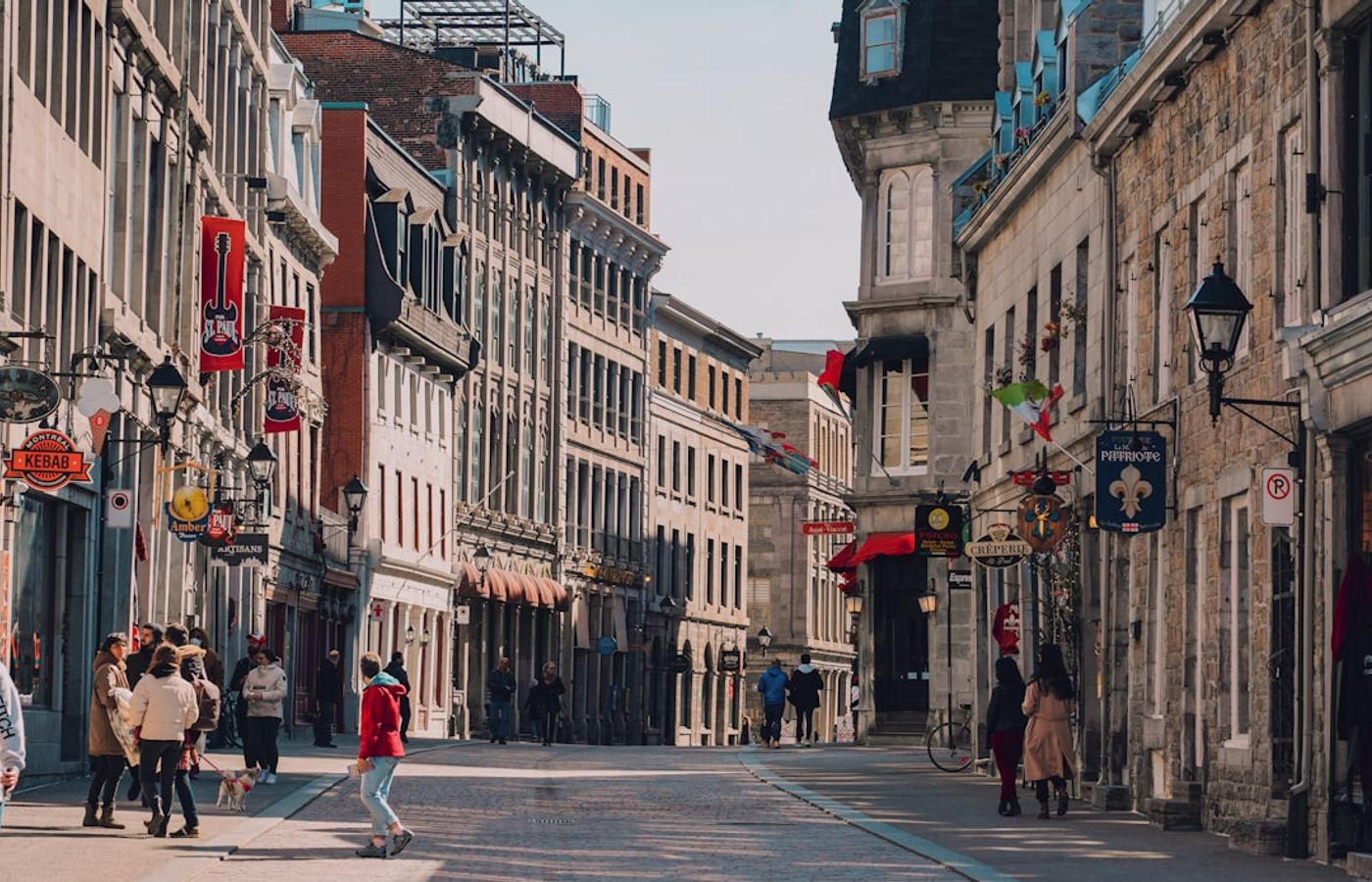
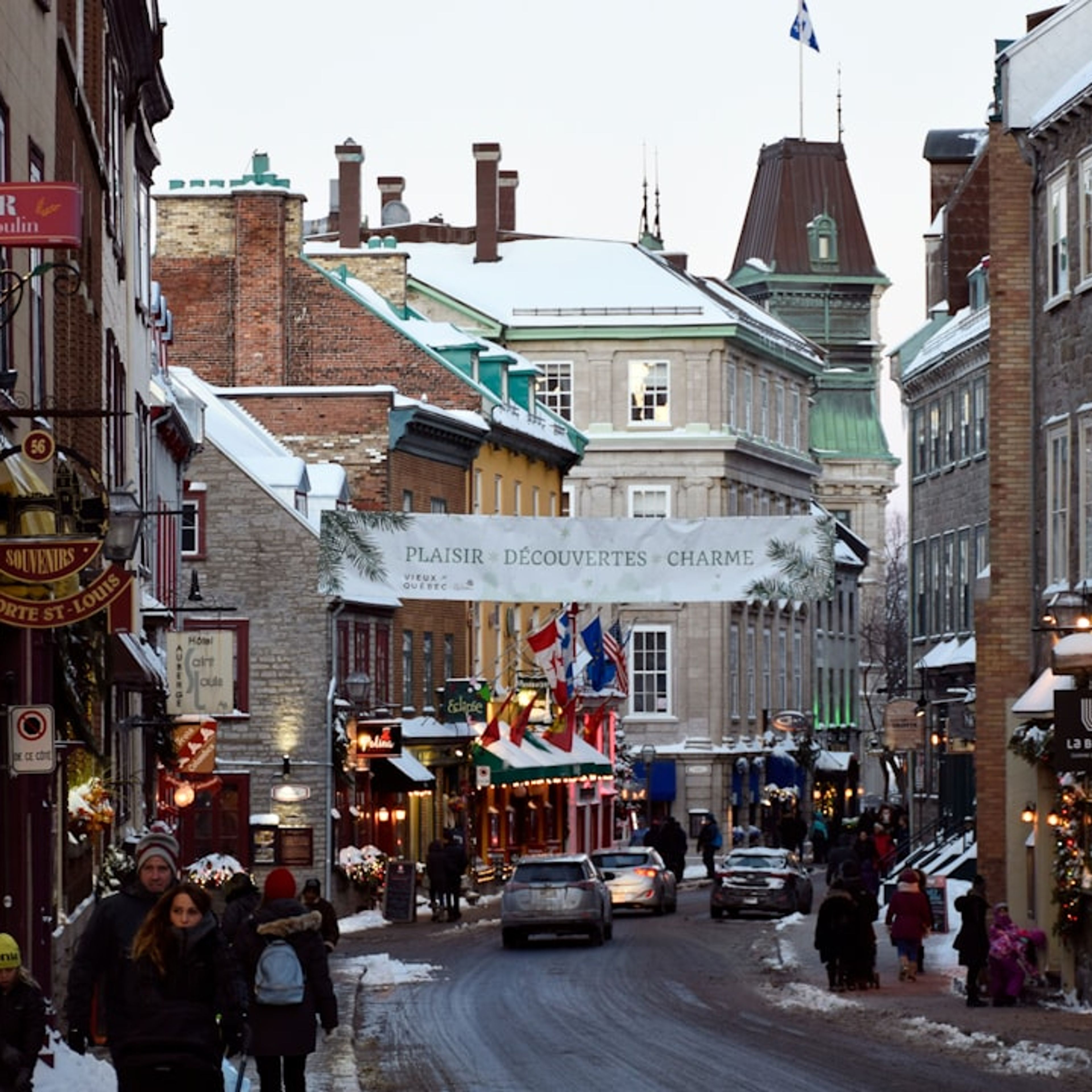
Quebec City (Quebec's capital, 250 km north-east of Montreal) is the only walled city in North America north of Mexico - founded in 1608 by Samuel de Champlain and still surrounded by 17th-century stone fortifications. The UNESCO-listed Vieux-Quebec (Old Quebec) feels more European than any North American city, with the Chateau Frontenac hotel dominating the skyline. The Petit Champlain quarter at the base of the cliff has the most photographed cobbled streets in the country.
Day trips from Montreal 200-280 CAD per person including 3.5-hour bus or train each way and 4 hours in the Old City. VIA Rail trains 50-90 CAD each way; the train is faster (3 hours) and more comfortable than buses. The walled city, Chateau Frontenac terrace, Place Royale (the oldest square in North America, 1608), and the Plains of Abraham battlefield park are the standard stops. Winter visits include the Carnaval de Quebec (mid-January-February).
Pro Tip: Stay overnight in Old Quebec rather than day-tripping - the Old City is at its most magical at night when day-trippers have left. Take the early VIA Rail train (departs Montreal 07:30, arrives 10:45) and stay 1 night for the best experience. The Chateau Frontenac terrace is free to walk without staying at the hotel.

CEO and co-founder
Tomas is the co-founder and director of trip1, an European company specializing in reservation services. He launched the company in 2025 with a focus on building scalable, efficient operations.
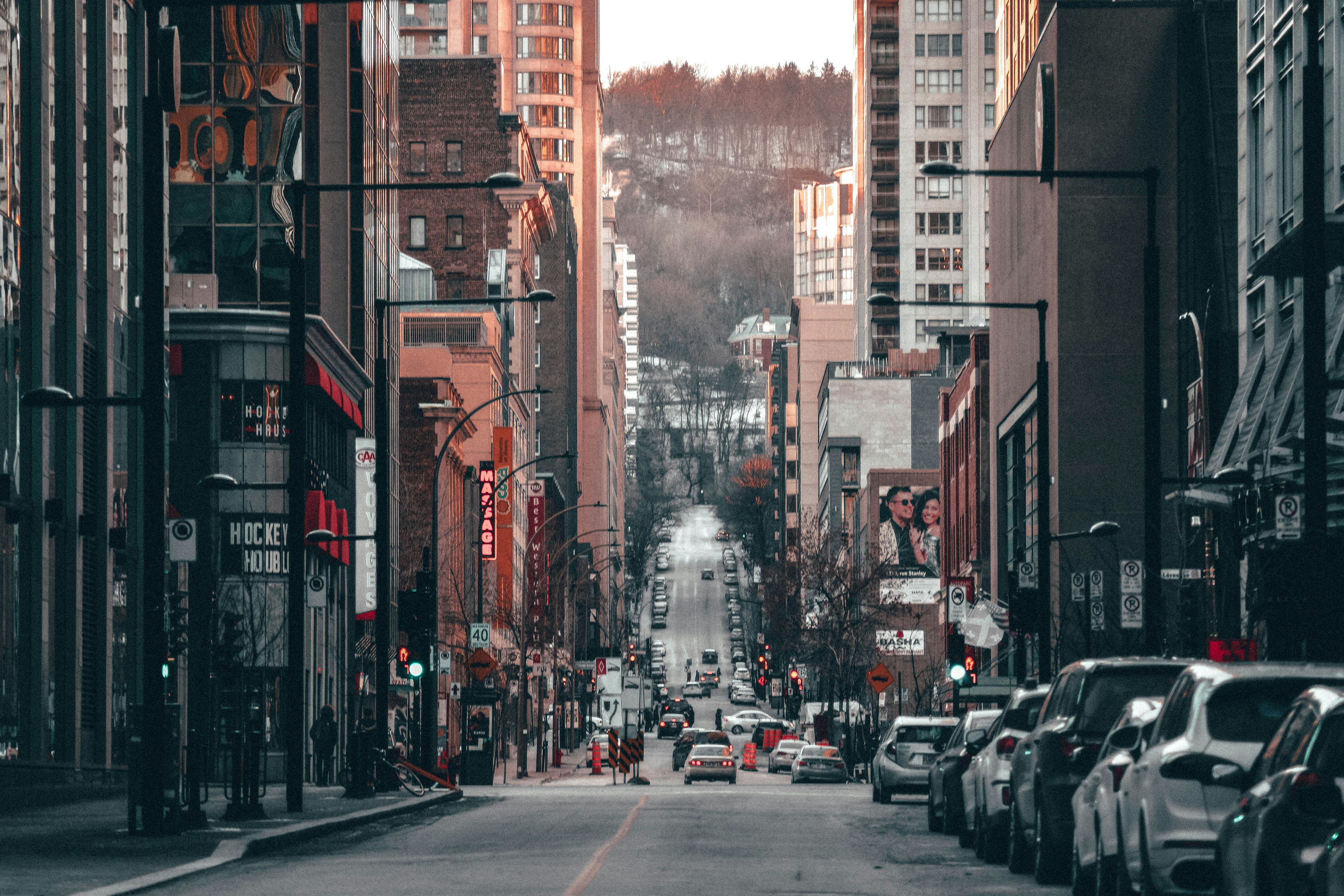
Climate averages · 1991–2020
When is the best time to visit Montreal?
The best time to visit Montreal is between May and October, the most comfortable stretch of the year on these averages.
Best time · May–OctoberRainfall
- Jan-10°
- Feb-8°
- Mar-2°
- Apr6°
- May13°
- Jun18°
- Jul21°
- Aug20°
- Sep15°
- Oct8°
- Nov2°
- Dec-5°
More of Canada
10 Top Places to Visit in Montreal, Canada - FAQ
No - plan 3 days minimum. Old Montreal, Notre-Dame Basilica, and the Old Port cluster as one walking day. Mont-Royal Park and the Plateau neighbourhood pair as a second day. Jean-Talon Market, Olympic Park, and the museums fill a third day. Add winter days for the Underground City (RESO) and ice skating at the Old Port.
Day 1 Old Montreal walking - Notre-Dame Basilica, Old Port, Place Jacques-Cartier. Day 2 Mont-Royal Park morning hike or tam-tam Sunday drumming, Plateau Mont-Royal afternoon. Day 3 Jean-Talon Market for lunch, Olympic Park afternoon. Underground City exploration on a snowy day. Time the Notre-Dame Aura light show for the evening of Day 1.
Notre-Dame Basilica Aura light show sells out 1-3 days ahead (37 CAD); regular daytime visit walk-up (16 CAD). Olympic Park observation tower at the Saint Helen's Island Biosphere benefit from online tickets. Mont-Royal, Old Port, Place Jacques-Cartier, Jean-Talon Market are free. Most attractions accept walk-up purchases except the popular Aura light show.
Budget around 300-450 CAD (200-300 EUR) per person. Notre-Dame Basilica day visit 16 CAD; Aura show 37 CAD. Olympic Park Tower 28 CAD. Biosphere 22 CAD. Mont-Royal and Old Port free. STM transit 3-day unlimited 22 CAD; week pass 31 CAD. Restaurant meals 25-50 CAD. Tip 15-18%. Montreal is significantly cheaper than Toronto for hotels, food, and drink.
Yes - the STM metro has 4 lines covering all major attractions. Old Montreal at Place-d'Armes (Orange Line). Mont-Royal at Mont-Royal (Orange Line) plus 15-min uphill walk. Jean-Talon Market at Jean-Talon (Orange/Blue Lines). Olympic Park at Pie-IX or Viau (Green Line). Notre-Dame Basilica at Place-d'Armes. The Underground City (RESO) connects 33 metro stations underground - essential for winter visits.
Yes - Montreal embraces winter rather than hiding from it. The Old Port ice skating rink (free with own skates, 10 CAD rental) operates December-March. The Underground City lets you walk 33 km of connected indoor passages between attractions. Igloofest electronic music festival runs January-February. Mont-Royal hosts free cross-country skiing. Bring serious winter clothing - temperatures regularly hit -20 degrees.
Worth adding: Montreal Museum of Fine Arts (free), Habitat 67 architectural icon, Schwartz's Hebrew Delicatessen smoked meat sandwich (a Montreal institution), the Notre-Dame-de-Bon-Secours Chapel, the Biodome at Olympic Park, a Quebec City day trip (3-hour drive east), and the Eastern Townships wineries on a 2-day road trip. Catch a Montreal Canadiens hockey game at Bell Centre if your dates align.

Related travel guides
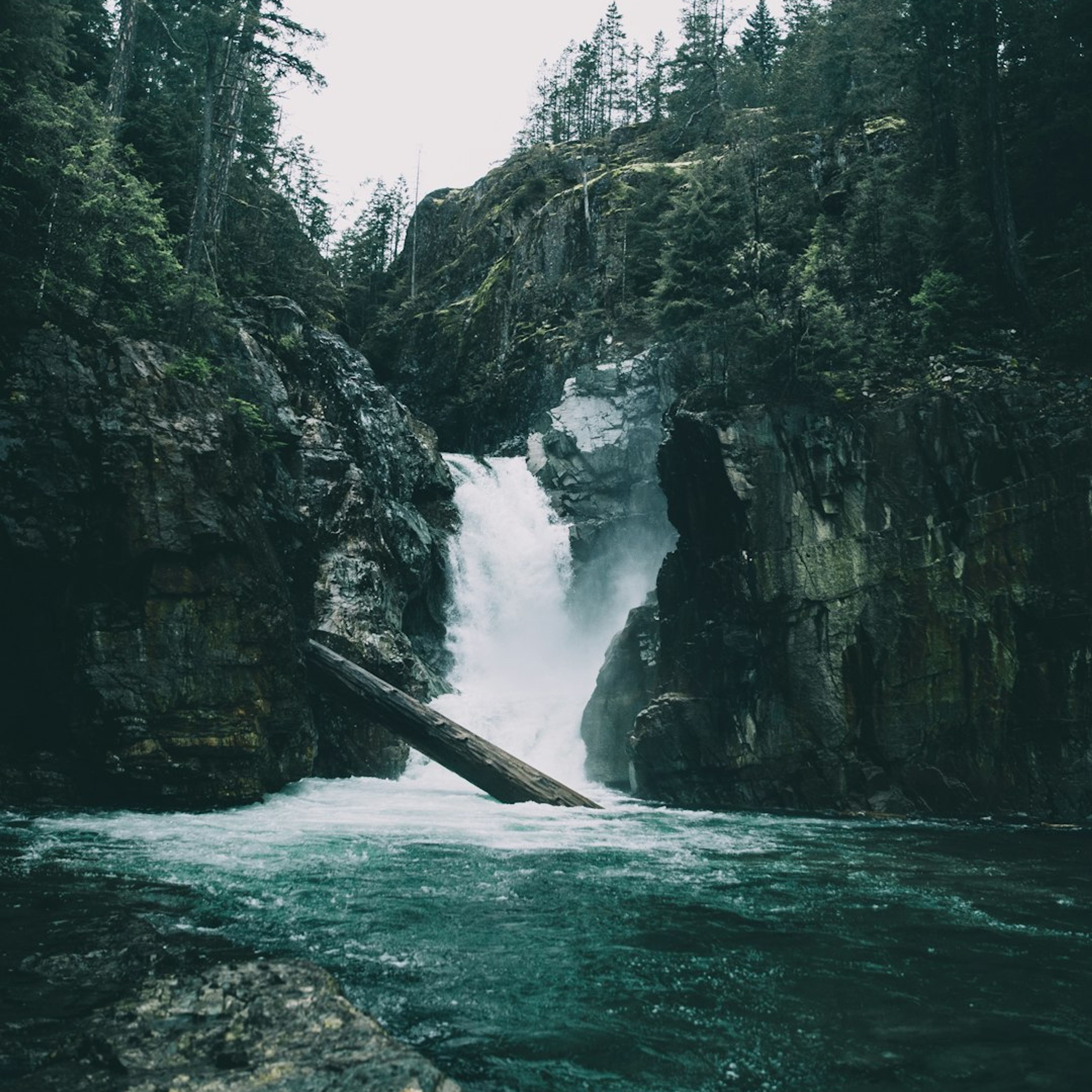
5 Best Waterfall Hikes Near Vancouver
The 5 best waterfall hikes near Vancouver for 2026, with trail distance, elevation gain, waterfall heights, trailhead addresses and transit.
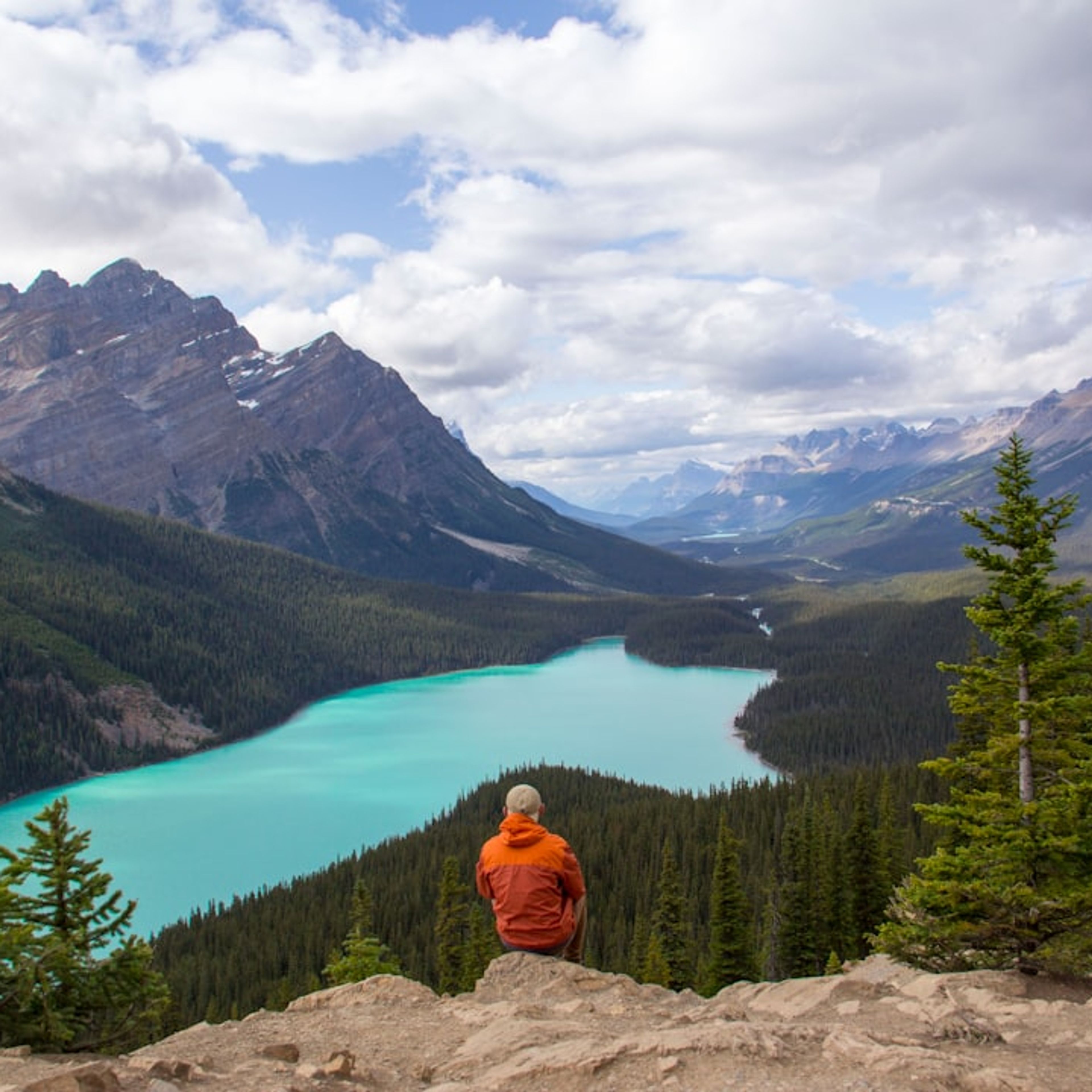
10 Best Hikes in Banff National Park
The 10 best hikes in Banff National Park for 2026, with distance, elevation gain, time and difficulty for each, plus park pass, shuttle and bear rules.