

Guides · Hvar
10 Top Things to Do in Hvar

CEO and co-founder
This guide ranks the 10 top things to do in Hvar - the sights and experiences that genuinely earn a spot on your Croatia 2026 itinerary, whether you're stopping for two nights between Split and Korcula or settling in for a full week of beach days and boat trips. Each entry comes with the exact address, nearest transit or boat connection, and a practical Pro Tip drawn from on-the-ground experience.
We've ordered the list to help you plan efficient routes around the island. Hvar Town's old quarter sights cluster within a 10-minute walk of the harbour, so the Spanish Fortress, St. Stephen's Square, the cathedral and the Franciscan Monastery can be combined into a single morning or afternoon. The Pakleni Islands sit immediately offshore for half-day or full-day boat trips. Inland and east, Stari Grad, Vrboska and Jelsa make a natural day-trip loop, with the lavender route at Velo Grablje slotting in along the way.
Expect marble streets, clear Adriatic water, and prices that climb steeply in July and August. Visit in late May, June, September or early October for the same sunshine without the cruise-ship crowds, and you'll find Hvar at its best.
1Spanish Fortress (Fortica) - The Iconic Hilltop Lookout Over Hvar Town

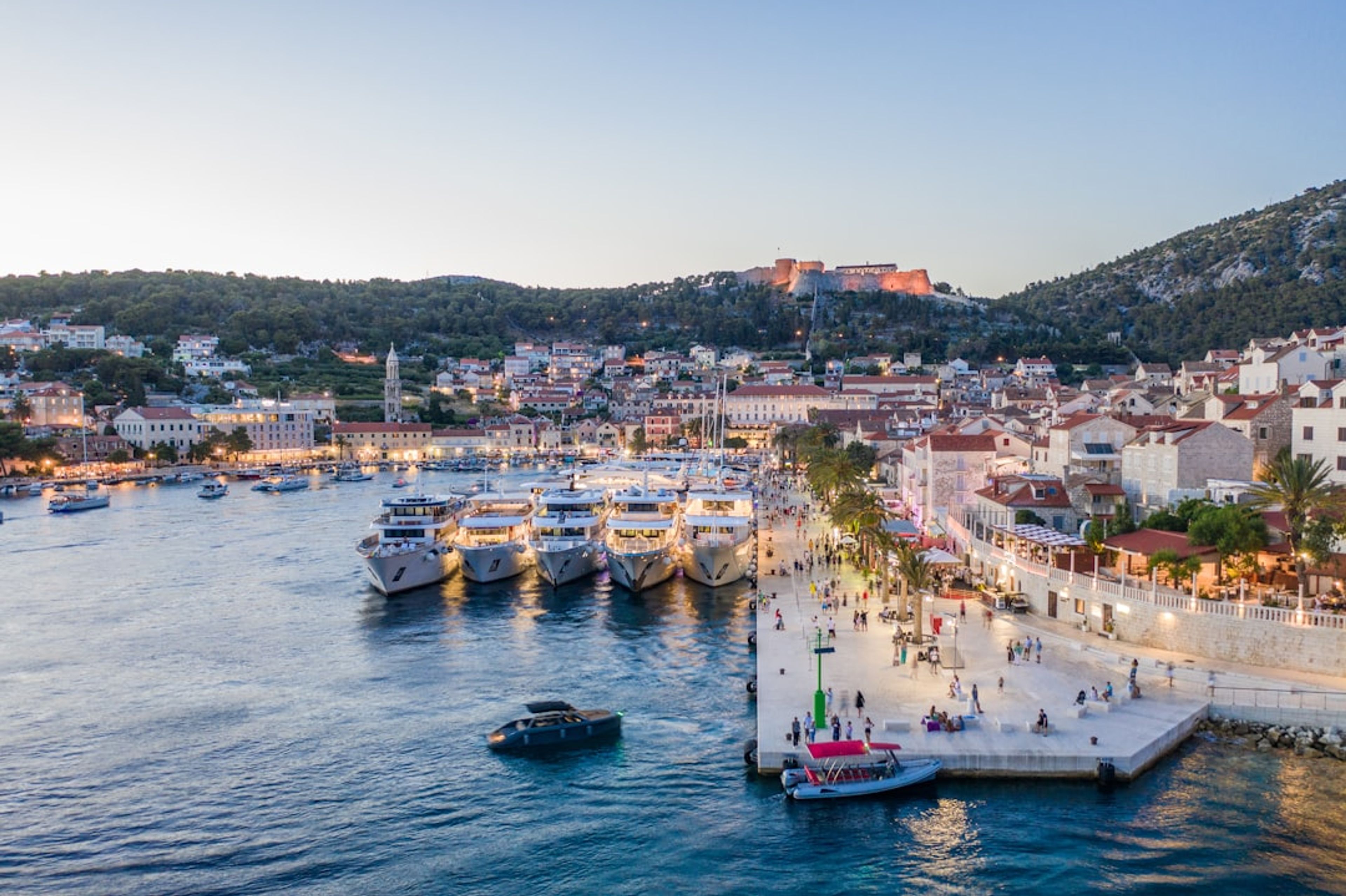
Topping every list of things to do in Hvar, the Spanish Fortress (Fortica or Tvrdava Spanjola in Croatian) is the cliffside fortification that hangs above Hvar Town's red-tiled rooftops. The original 13th-century structure was rebuilt in the 1550s after a Venetian arsenal explosion, with Spanish military engineers shaping much of what stands today, which is where the local nickname comes from.
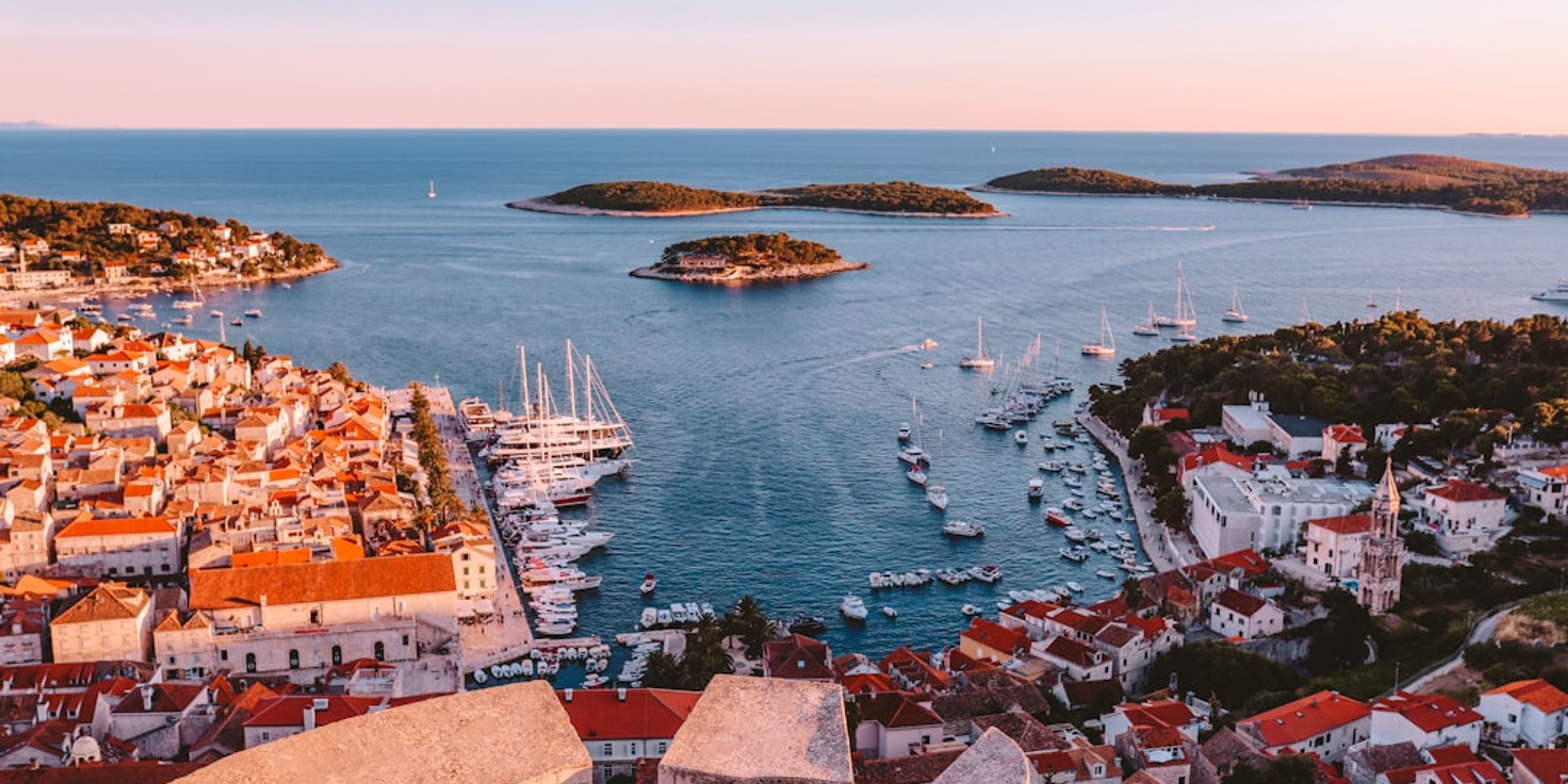
Inside, you'll find a small archaeological collection with amphorae from Greek and Roman shipwrecks, a dungeon, and a cafe with the best view on the island. The terrace looks straight down onto the harbour, the cathedral bell tower, and the Pakleni archipelago across the channel. Entry costs around EUR 10 in 2026 and the walk up takes 15-20 minutes from the main square via stepped lanes signed 'Fortica'.
Pro Tip: Go up an hour before sunset, order a drink at the terrace cafe, and stay for the golden hour. Skip the midday climb; there's no shade on the steps and the queue at the gate stretches long after 11am in July and August.
2Pakleni Islands - Hvar's Offshore Beach and Boat-Trip Playground
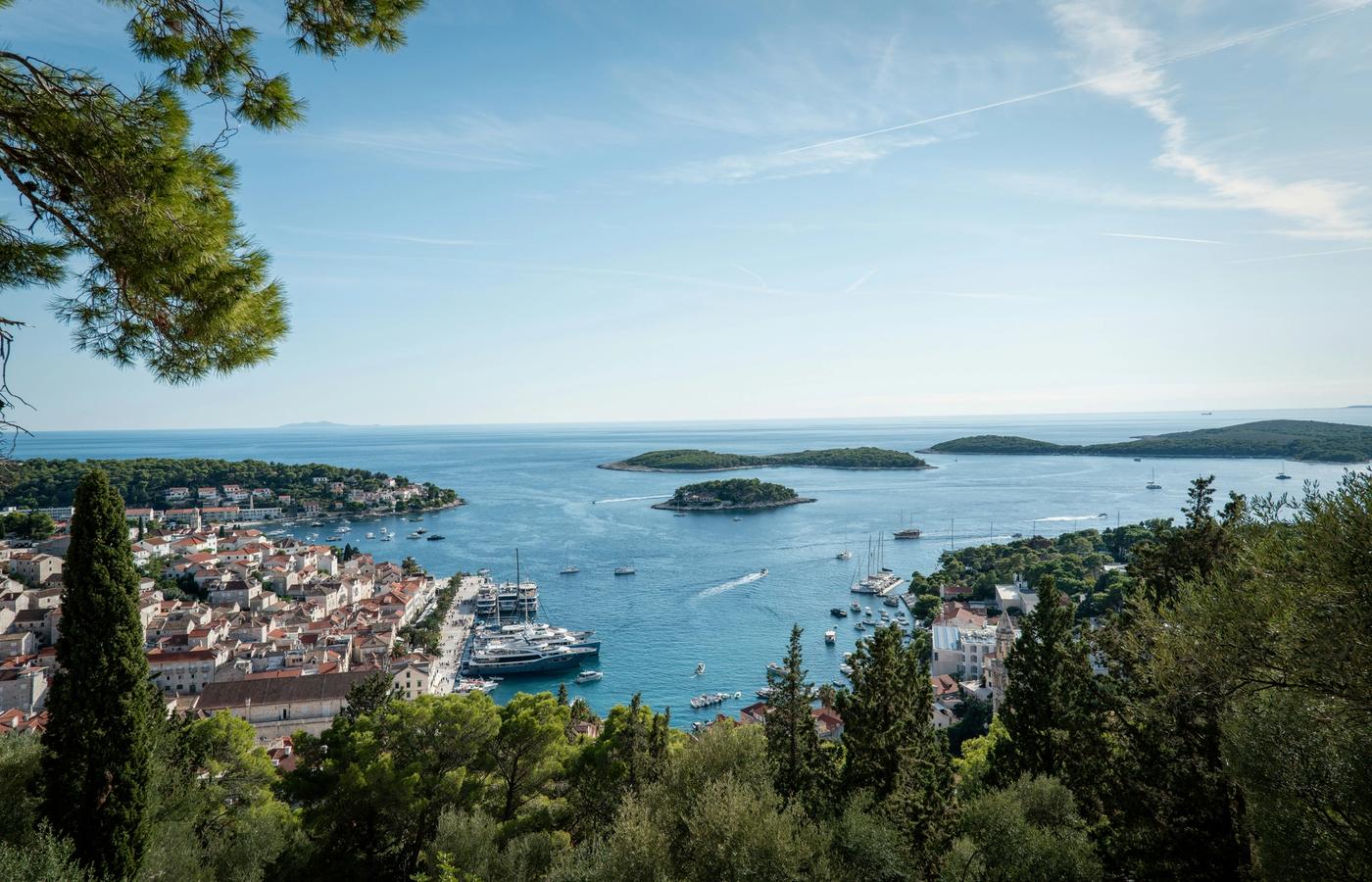

The Pakleni Islands (Paklinski otoci) are a string of 20-plus pine-covered islets that sit just south of Hvar Town, with the closest only a 10-minute water-taxi ride from the harbour. They're the main reason Hvar consistently ranks among the Mediterranean's best sailing destinations - clear turquoise water, sheltered coves, and a string of seafood konobas right on the sand.
Palmizana on Sveti Klement is the largest hub, with a small marina, a botanical garden and a cluster of restaurants. Smaller islands like Jerolim, Stipanska and Marinkovac have quieter beaches plus the famous Carpe Diem Beach Club on Stipanska. Water taxis depart from the eastern side of Hvar Town harbour from around 9am until early evening, with one-way fares around EUR 8-10 in 2026.
Pro Tip: Take the first taxi out at 9am to claim a spot at Palmizana before the day-trippers arrive, then island-hop back via Jerolim around 3pm when the light is at its best for swimming and photos.

3St. Stephen's Square (Pjaca) - The Living Heart of Hvar Town
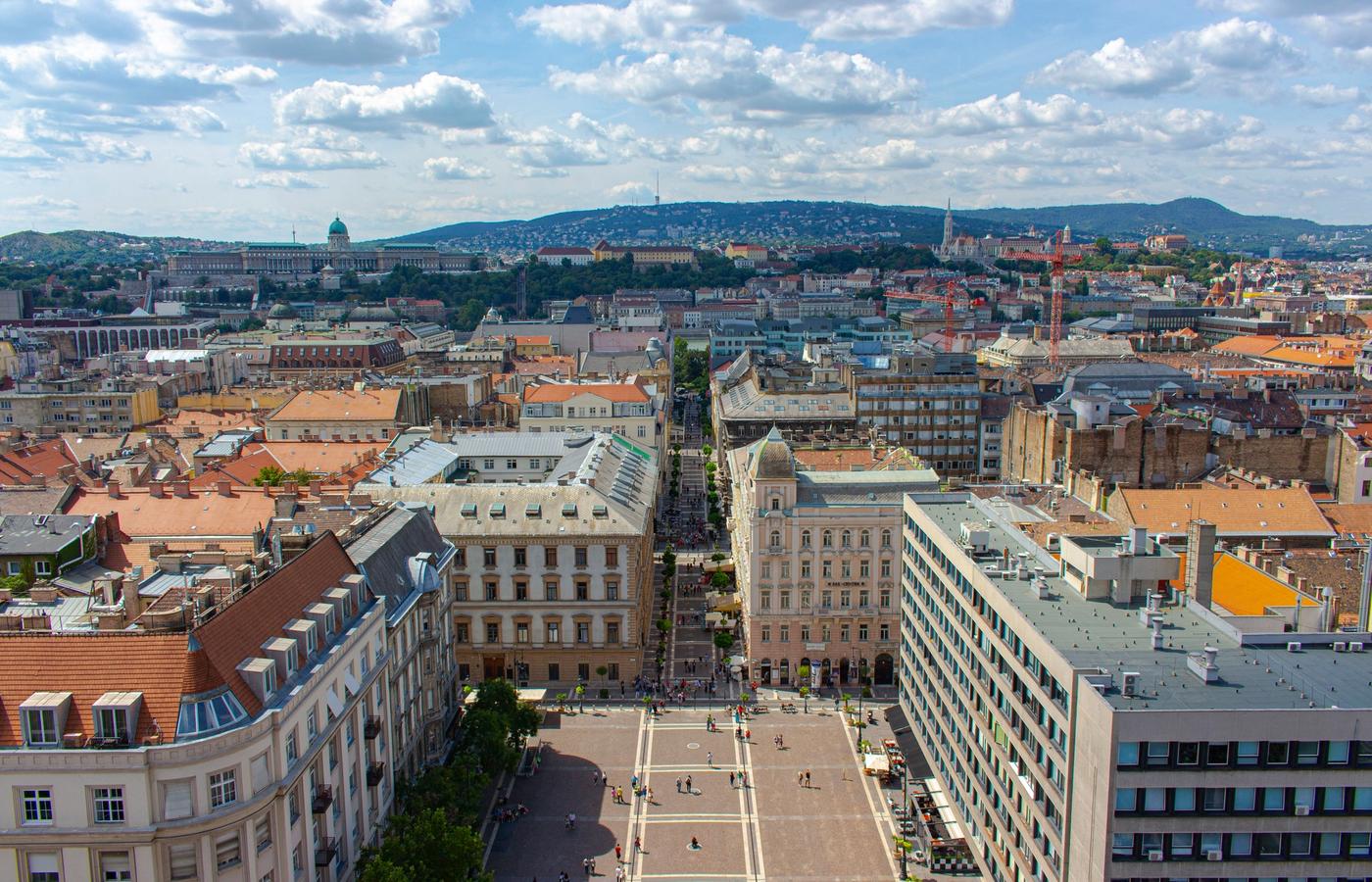

St. Stephen's Square, known locally as Pjaca, is one of the largest old town squares in Dalmatia at 4,500 square metres, and the social heart of Hvar Town. Paved in the same pale Brac marble that lines most of Hvar's lanes, it slopes gently down toward the harbour, framed by the 16th-century Arsenal at one end and the cathedral bell tower at the other.
The square hosts everything from morning espresso at the historic cafes to summer concerts at the Hvar Theatre, one of the oldest public theatres in Europe, opened in 1612 above the Arsenal building. Stop for a coffee on the marble steps, watch yachts come and go, and use the square as the natural starting point for exploring the surrounding lanes.
Pro Tip: Visit at 7am to see the square scrubbed clean and entirely empty; locals call it Pjaca at first light and it's a photographer's dream. Return after 11pm in summer for the buzz of post-dinner strolling.
4Hvar Cathedral (St. Stephen's Cathedral) - Dalmatian Renaissance on the Main Square
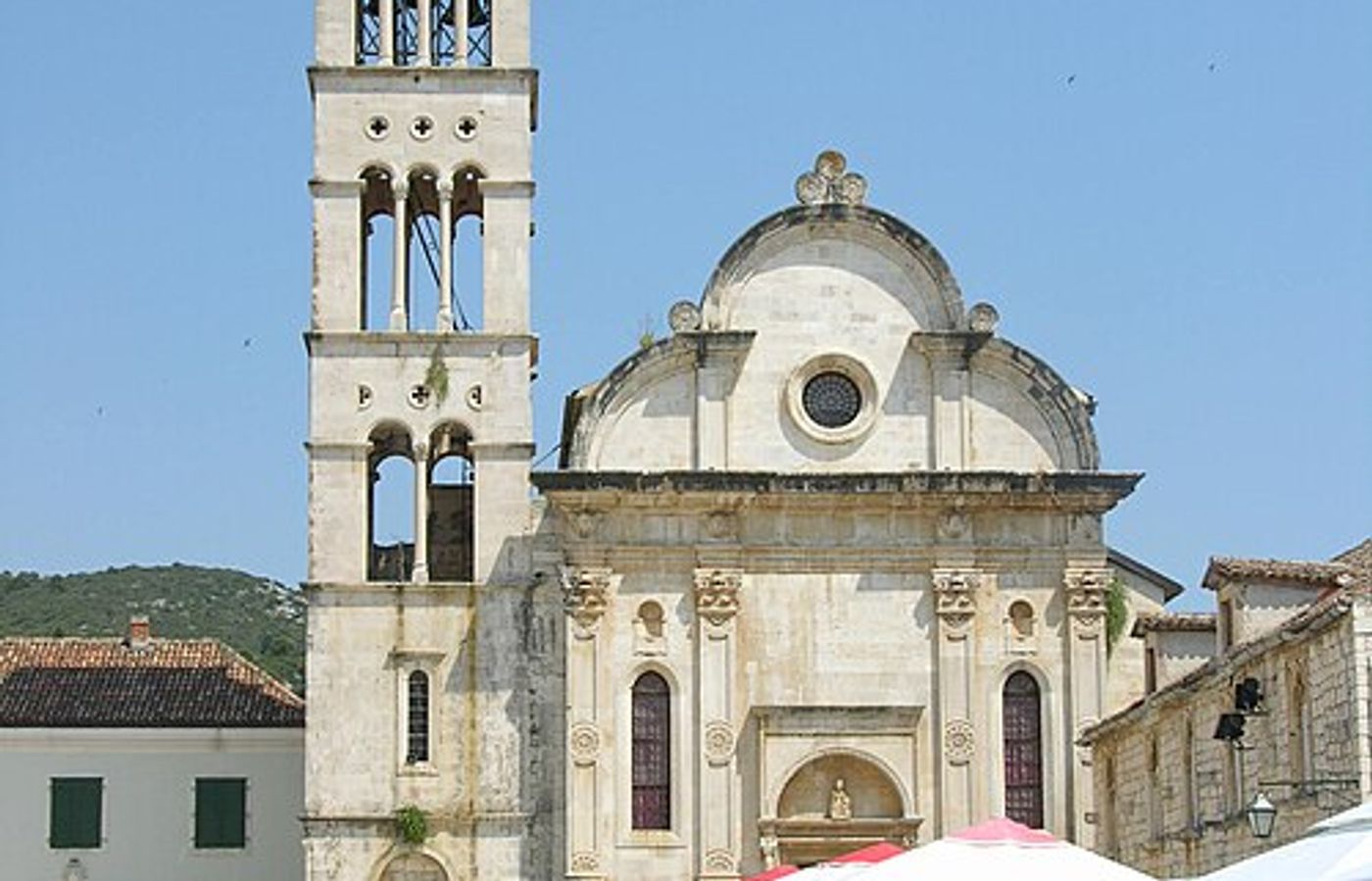
At the eastern end of Pjaca, the Cathedral of St. Stephen (Katedrala Sv. Stjepana) closes off the square with a three-aisled facade in pale Brac stone and a free-standing 16th-century bell tower. The current building dates from the late 16th and 17th centuries, replacing earlier churches lost during Ottoman raids, and shows a mix of late Renaissance and early Baroque elements typical of Dalmatian church architecture.
Inside, look for the 13th-century icon of the Madonna and Child known as Our Lady of Hvar, a polychrome wooden choir, and the marble high altar. The adjoining Bishop's Treasury museum holds a small but rich collection of liturgical silver, a Gothic crucifix and illuminated manuscripts. Entry to the cathedral is free; the treasury charges around EUR 4 in 2026.
Pro Tip: Time your visit for late afternoon when the western sun lights up the bell tower in gold and the cathedral interior fills with soft cross-light through the side windows. Dress modestly, with shoulders and knees covered.
5Franciscan Monastery and Museum - Cypress Trees, Cloisters and a Last Supper
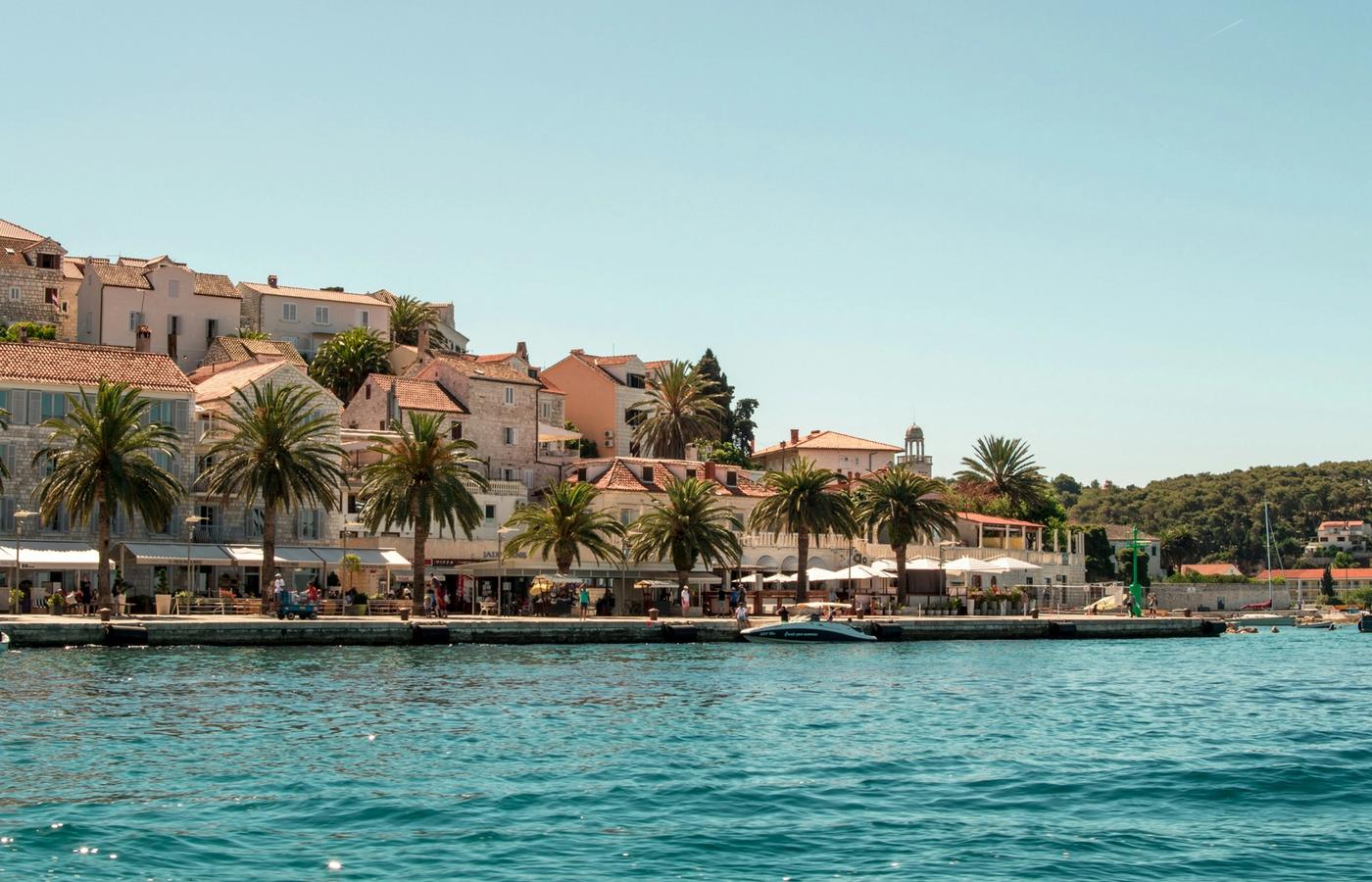
A 5-minute walk south along the harbour promenade, the 15th-century Franciscan Monastery sits at the tip of a small peninsula shaded by a 400-year-old cypress tree planted by sailors as a votive offering. The setting alone is worth the visit: a tranquil cloister, a small bell tower, and views straight back toward Hvar Town's marble waterfront.
The monastery museum holds the headline draw: a vast Last Supper painting from the late 16th century, attributed to Matteo Ingoli of Ravenna. The collection also includes Greek and Roman coins, a Cretan-school polyptych and fragments of the original Hvar choir books. The church next door has a Renaissance painted ceiling and a 16th-century Crucifix by Leandro Bassano. Entry to the museum costs around EUR 5 in 2026.
Pro Tip: Combine this with a sunset drink at Hula Hula or Cliff Bar a little further along the same promenade. The walk between them takes 5-10 minutes and follows the prettiest stretch of Hvar's seaside path.
6Stari Grad and Stari Grad Plain - UNESCO Roots of the Island
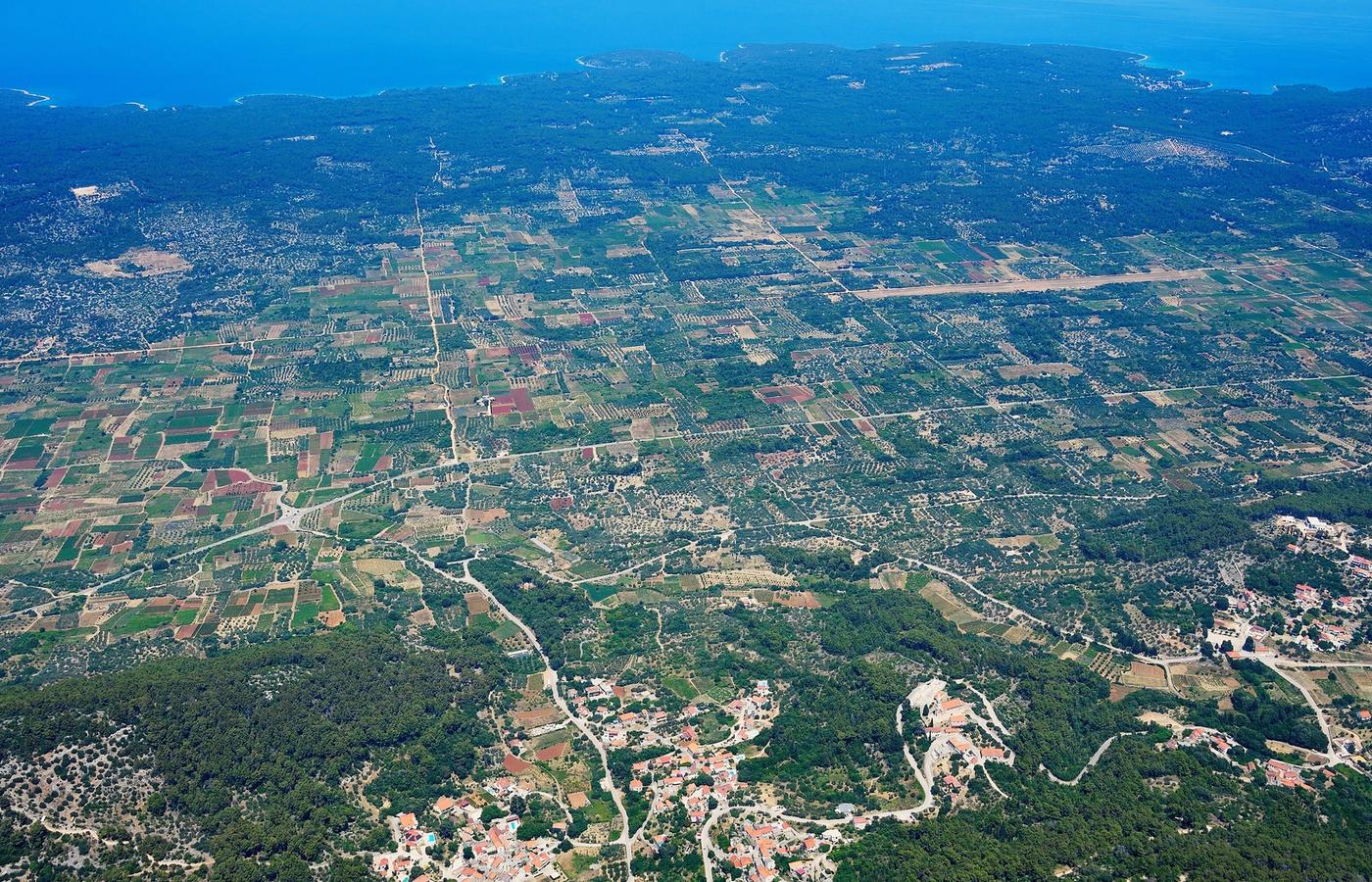
Stari Grad (literally Old Town) is one of the oldest continuously inhabited towns in Europe, founded as Pharos by Greek colonists from Paros in 384 BC. Its small harbour, narrow stone lanes and shaded squares make it a quieter, more local-feeling alternative to Hvar Town and the natural base for exploring the eastern half of the island.
The town's two unmissable sights are Tvrdalj Castle, the fortified summer residence of 16th-century poet Petar Hektorovic, with its rectangular saltwater fish pond and Latin inscriptions; and the Dominican Monastery with a small museum that includes a Tintoretto. Just outside town, the Stari Grad Plain is a UNESCO World Heritage Site, an agricultural landscape laid out in stone-walled parcels by the Greeks in the 4th century BC and farmed almost unchanged for 2,400 years.
Pro Tip: Rent an e-bike in Stari Grad and ride the marked paths through the UNESCO plain at golden hour. Stop at a small producer for olive-oil tasting straight from the source.
7Velo Grablje and the Lavender Route - Purple Hills and Abandoned Villages
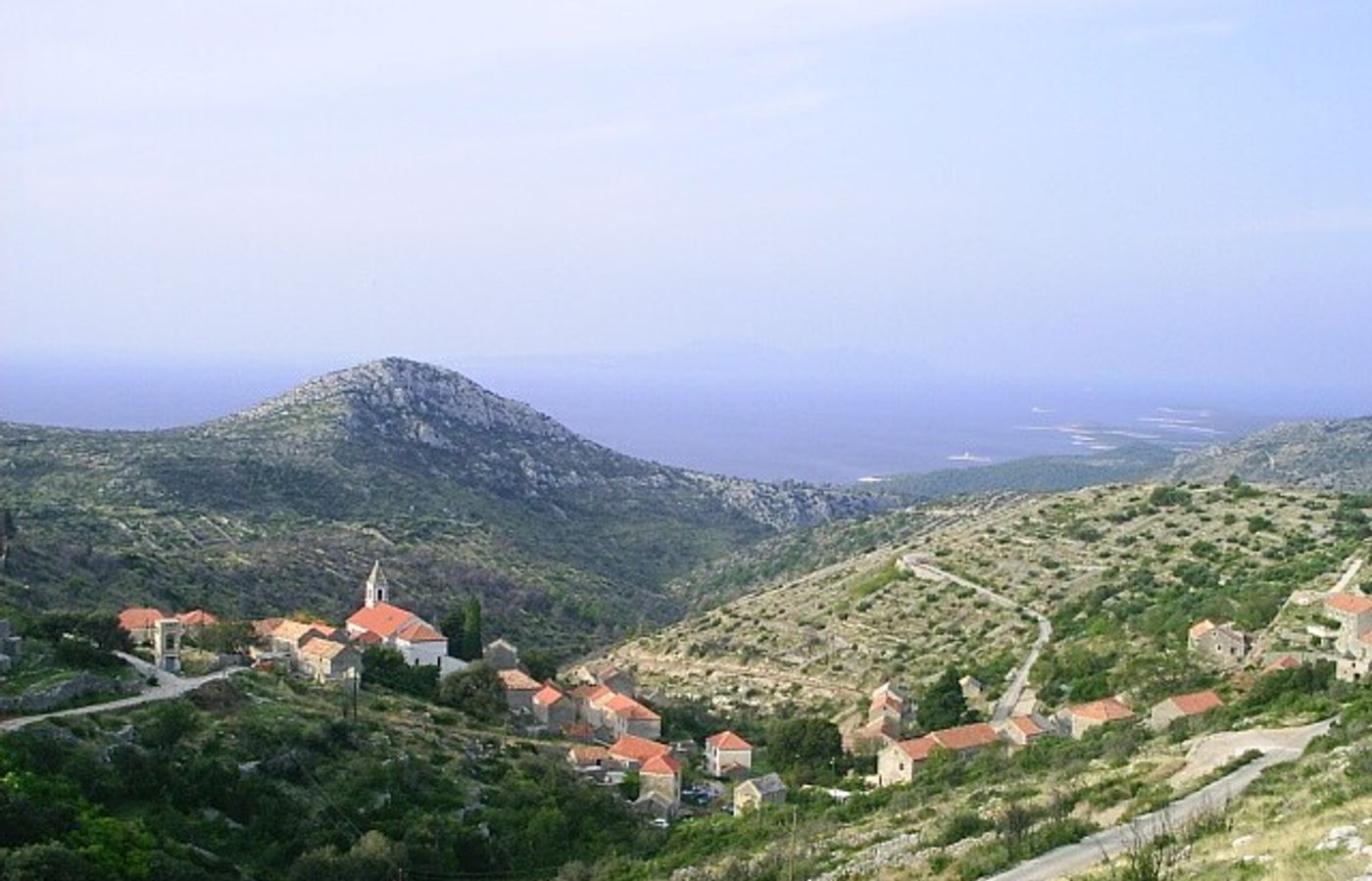
Hvar's interior is laced with lavender fields planted across rocky karst terraces, the legacy of a 19th-century perfume industry that briefly made the island one of Europe's largest essential-oil producers. The best concentration sits around the half-abandoned hamlet of Velo Grablje, perched at 350 m elevation along the old road between Hvar Town and Stari Grad.
The village itself is partially restored and walkable in 30 minutes, with stone houses, a tiny church and a community-run lavender festival in late June. Surrounding hillsides bloom from late May through early July, filling the air with the sweet, resinous scent that has become a Hvar trademark. Several family producers along the route sell oils, dried bouquets and lavender honey from roadside stands.
Pro Tip: Drive the old Hvar-Stari Grad road, not the modern tunnel route, for the best lavender views and stop at the Pitve viewpoint for a panorama over both coasts of the island. Bloom peaks in mid-June; by August the fields have been harvested.
8Dubovica Beach - The Postcard Cove East of Hvar Town
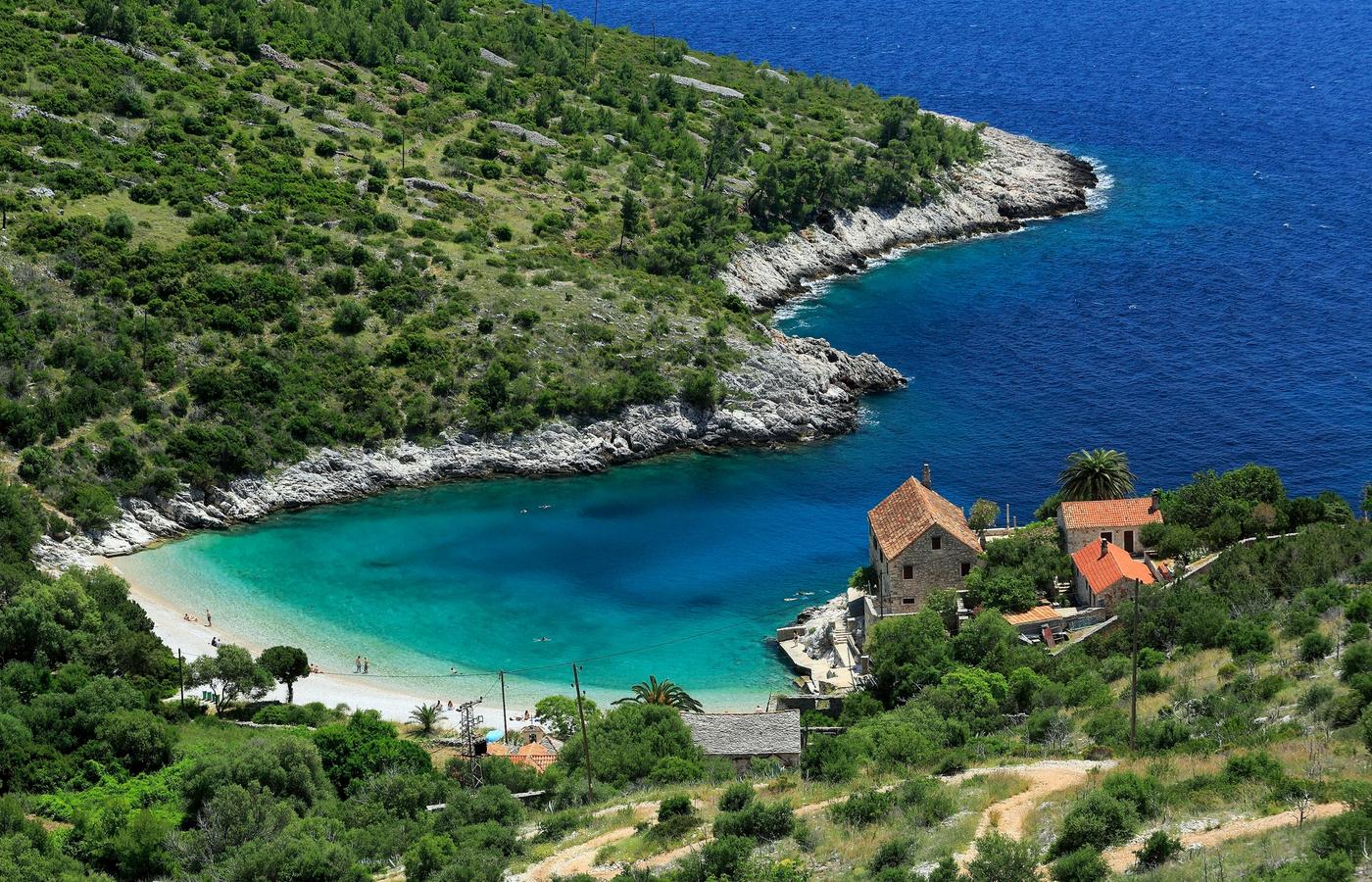
Dubovica is the Hvar beach you've seen on postcards: a horseshoe of pebble shore tucked under olive-covered hills, with a single 18th-century stone house at the back and water so clear you can see fish six metres down. It's a 10-minute walk down a stepped path from a small roadside car park, which keeps it quieter than the in-town beaches.
There's a small konoba on the beach that opens through summer, serving grilled fish and chilled white wine from the surrounding vineyards. The bay faces south, so it gets sun all day and the water stays warm well into October. Bring water shoes for the pebbles and an umbrella, since the cove has almost no natural shade after midday.
Pro Tip: Arrive before 11am to find parking and a sunbed-free patch of beach. Pair it with a stop at Sveta Nedjelja further east for a cliff-edge wine tasting at Zlatan Otok winery.
9Jelsa - A Quieter Harbour Town and the Island's Wine Country
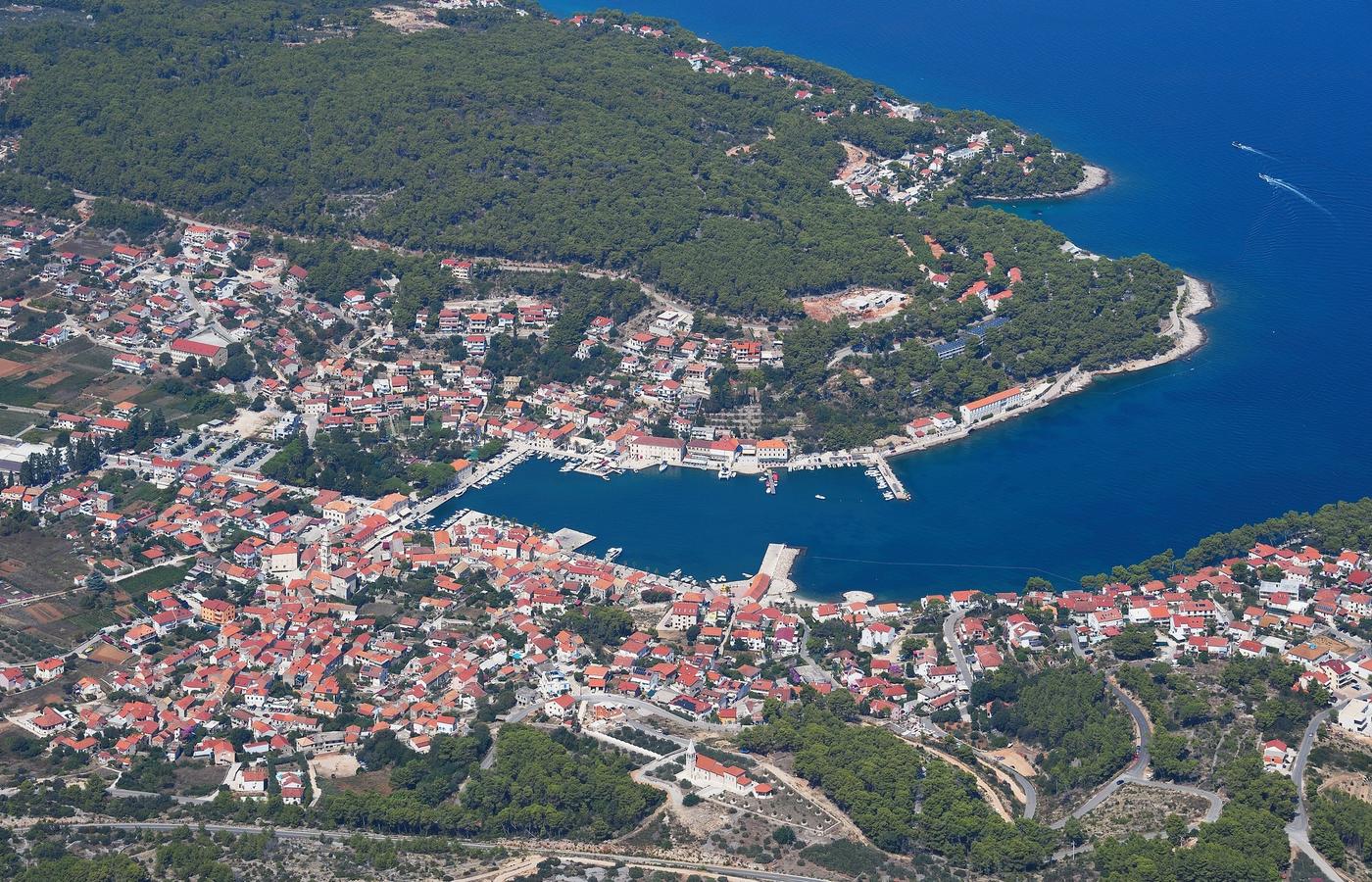
Jelsa is the third major town on Hvar Island and the gentlest of the three: a working harbour wrapped around a palm-lined waterfront, with a small Renaissance core and a string of pebble beaches within a 15-minute walk in either direction. It draws fewer day-trippers than Hvar Town or Stari Grad and feels more like daily Croatian life, with kids fishing off the pier, locals playing chess in the square, and fishing boats unloading at dawn.
The town is the gateway to the Plame Plain wine villages of Vrisnik, Pitve and Svirce, where small family wineries press Plavac Mali grapes into some of Croatia's best reds. From Jelsa you can also catch a seasonal passenger ferry to Bol on Brac Island for a day trip to the famous Zlatni Rat beach.
Pro Tip: Time a visit for a Tuesday or Friday morning when Jelsa's small open-air market sets up on the square, with fresh figs, sheep cheese from Brac, and home-pressed olive oil at fair prices. Avoid Sundays when most of the town shuts down.
10Vrboska - The 'Little Venice' of Hvar Island
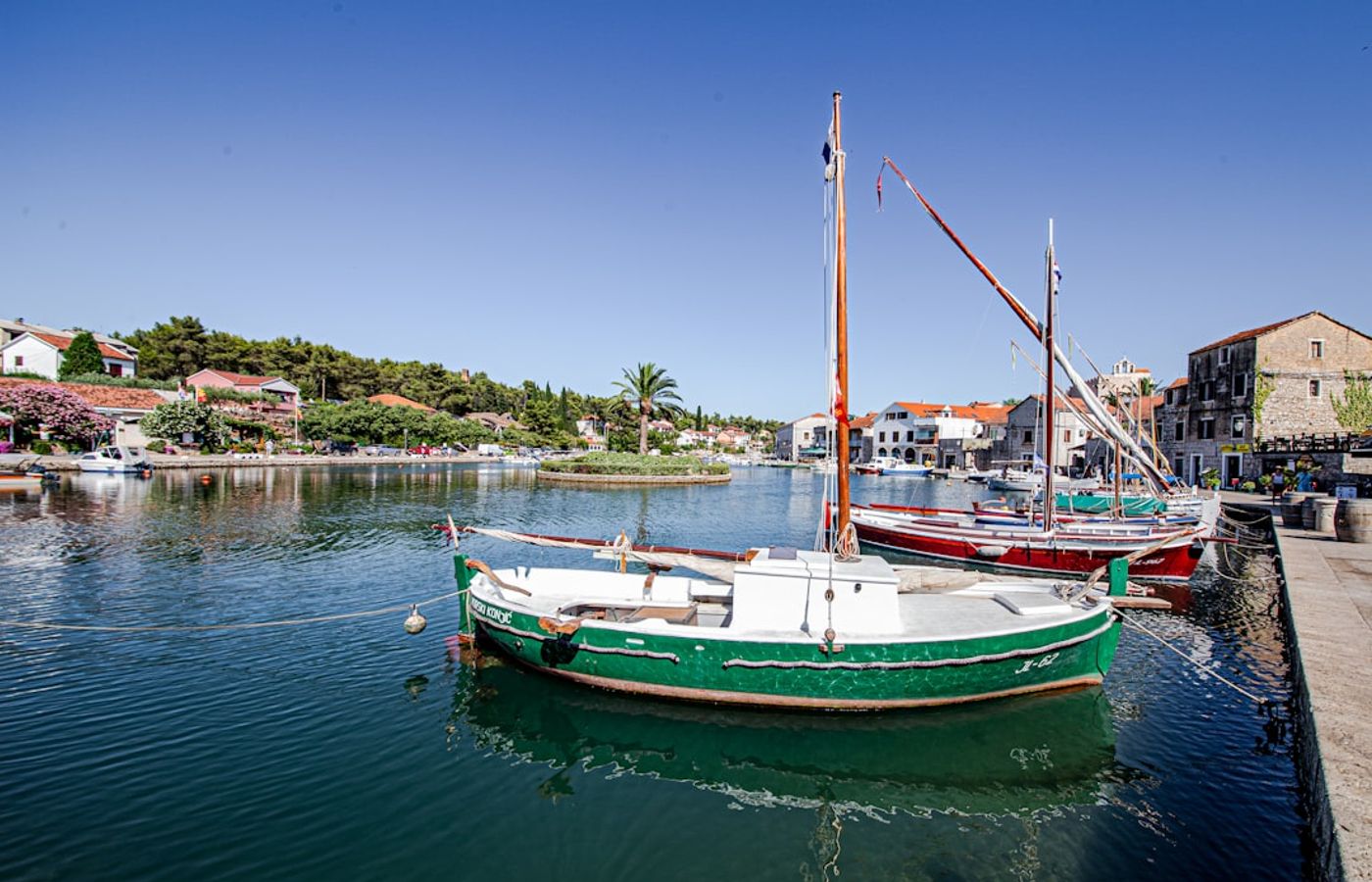
Vrboska is a fishing village built around a long, narrow inlet crossed by three small stone bridges, which is why locals call it Mala Venecija (Little Venice). With around 500 permanent residents, it's the smallest of the island's main settlements and one of the most photogenic, with stone houses leaning toward the water and fishing nets drying on the quay.
The fortified Church of St. Mary (Crkva Sv. Marije), built in the 16th century to double as a refuge during Ottoman raids, dominates the village. Its battlements and roof terrace are open in summer for around EUR 3 and offer the best view in town. Vrboska sits at the head of a sheltered bay with several small beaches in walking distance, plus a long, shaded pine-forest beach (Soline) about 1 km east.
Pro Tip: Visit on a weekday morning, eat lunch at one of the konobas overlooking the inlet, then walk the 20-minute coastal path to Jelsa for an afternoon swim. The route stays low along the water and is mostly shaded.
Get hotel deals for Hvar
Price drops, new stays and local tips for Hvar, straight to your inbox.
No spam, unsubscribe anytime.

CEO and co-founder
Tomas is the co-founder and director of trip1, an European company specializing in reservation services. He launched the company in 2025 with a focus on building scalable, efficient operations.
10 Top Things to Do in Hvar, Croatia - FAQ
The view from the Spanish Fortress above Hvar Town at sunset, St. Stephen's Square and the cathedral, and a water taxi to the Pakleni Islands for swimming and seafood. Beyond Hvar Town, see Stari Grad and its UNESCO-listed plain, farmed since the Greeks laid it out in the 4th century BC, and the lavender fields around Velo Grablje in June.
Yes. Hvar combines a Venetian-era harbour town, some of the clearest water in the Adriatic, the Pakleni Islands just offshore and quieter towns like Stari Grad, Jelsa and Vrboska. Give it at least three days, and go in late May, June, September or early October for the same sunshine with fewer crowds and lower prices than July and August.
It still has nightlife, but Hvar Town is moving away from party tourism. Drinking in public and wearing swimwear in town can each bring a fine of up to 600 euros, and the town has put limits on loud amplified music. Hula Hula's sunset sets and Carpe Diem Beach on the Pakleni island of Stipanska are still the best-known spots.
By water taxi from the eastern side of Hvar Town harbour: the closest islands are about 10 minutes away, boats run from around 9am until early evening, and one-way fares are about 8 to 10 euros in 2026. Palmizana on Sveti Klement is the main hub, with a marina, a botanical garden and restaurants.
Late May, June, September or early October: the same sunshine as summer without the cruise-ship crowds and peak prices of July and August. Go in mid-June if you want to see the lavender in bloom; by August the fields have been harvested.