
Get up to €50 off your staySubscribe and get up to €50 off your next stay
Browse and explore the best travel guides in Montenegro.
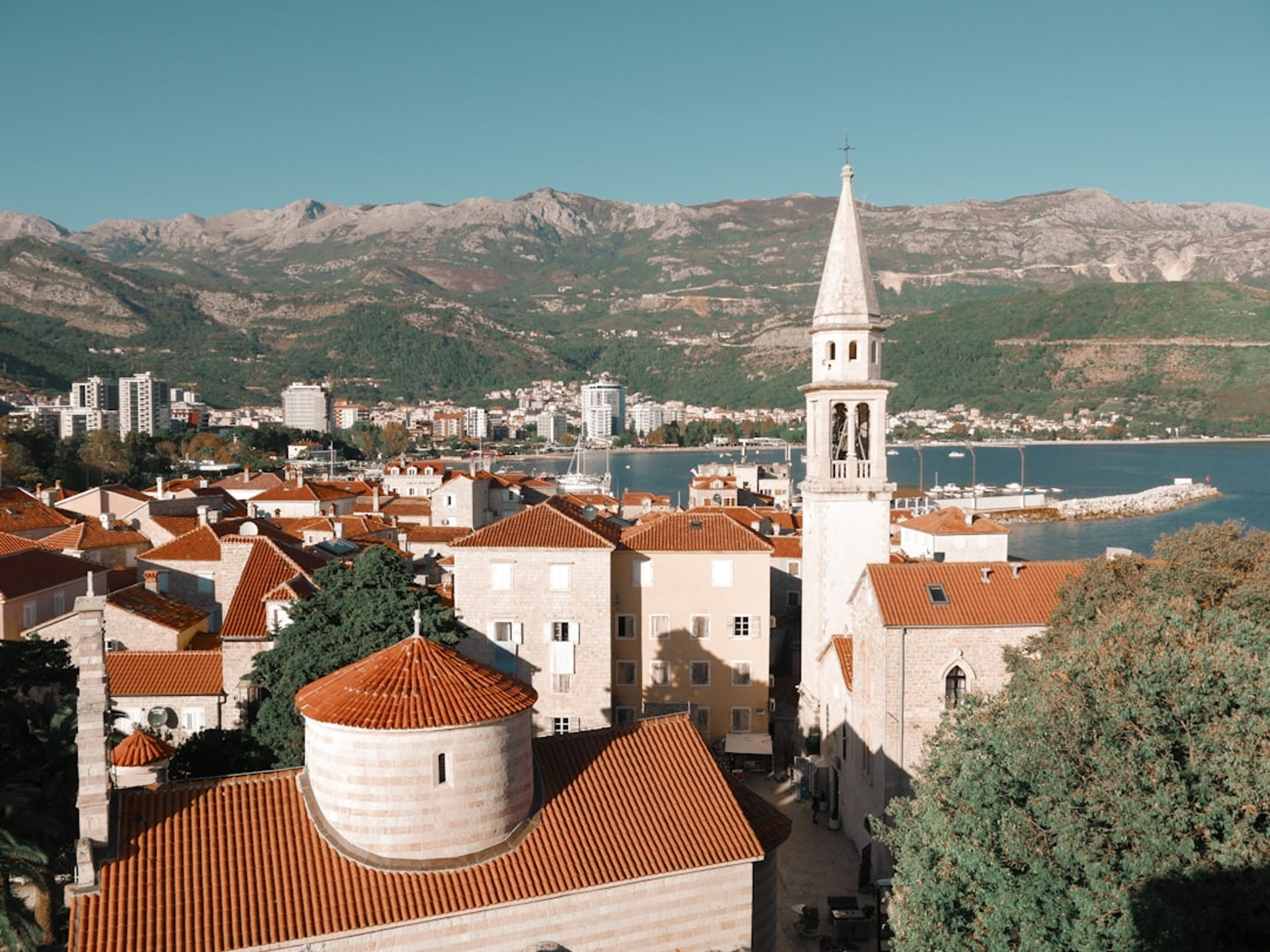
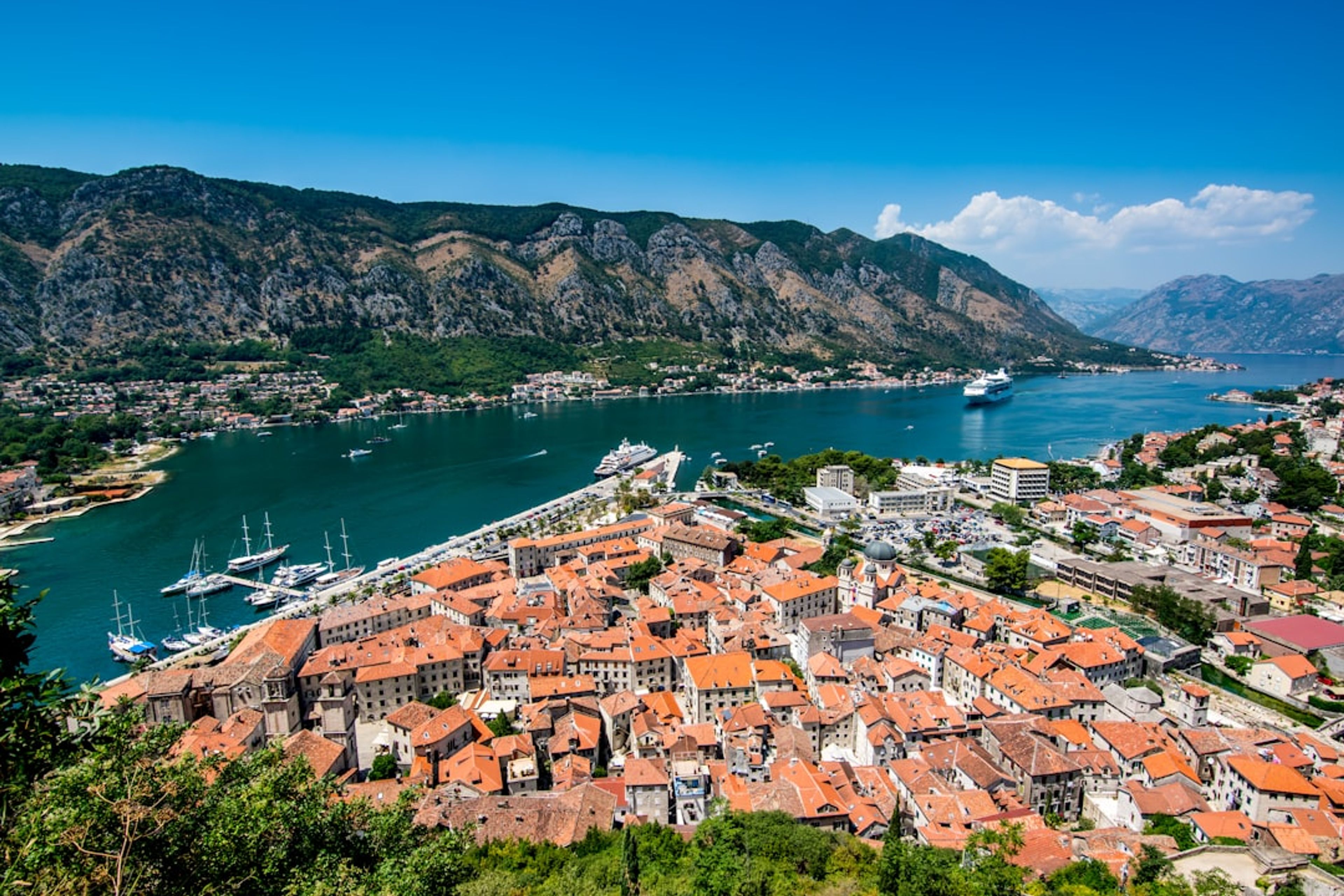
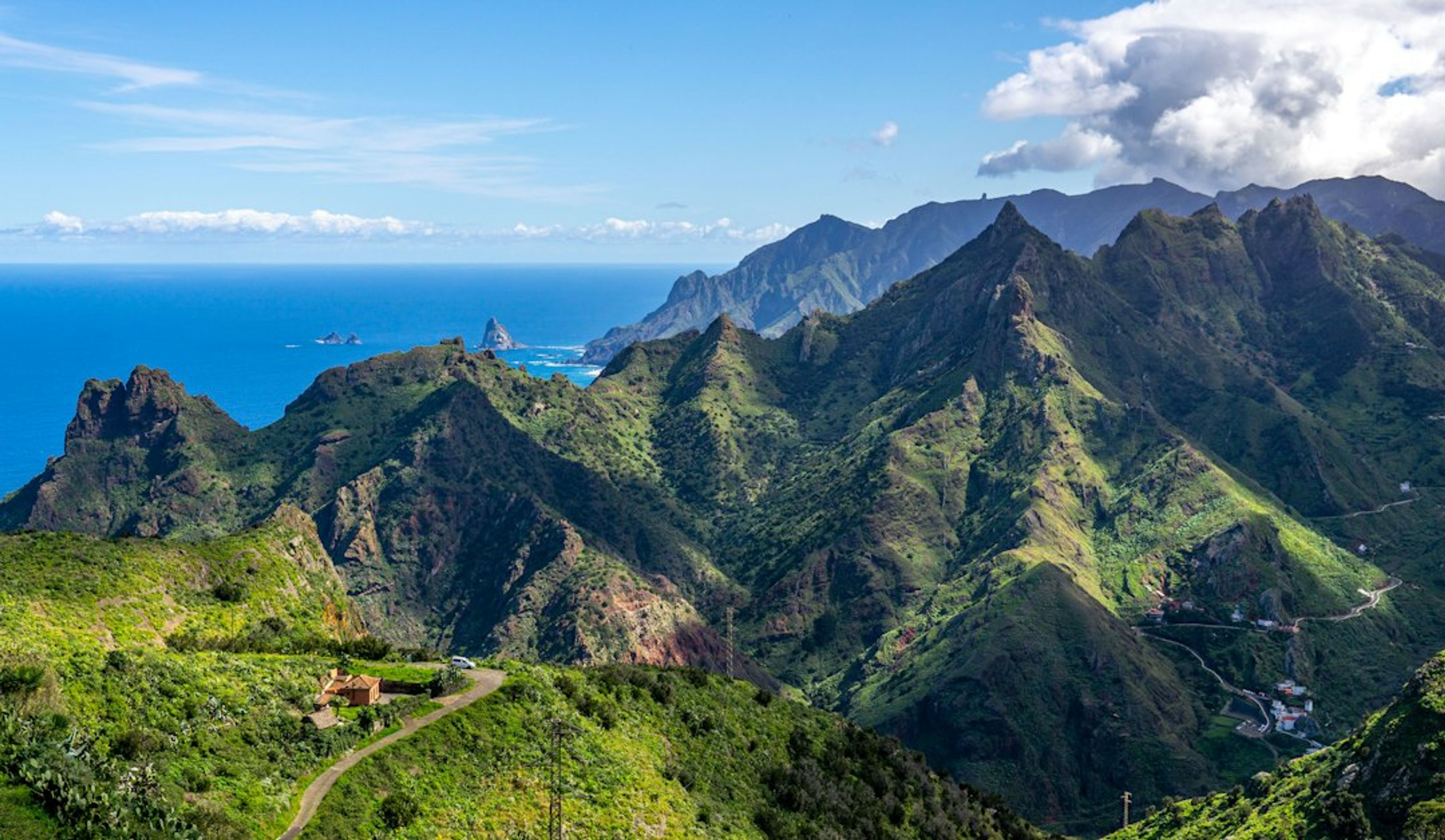
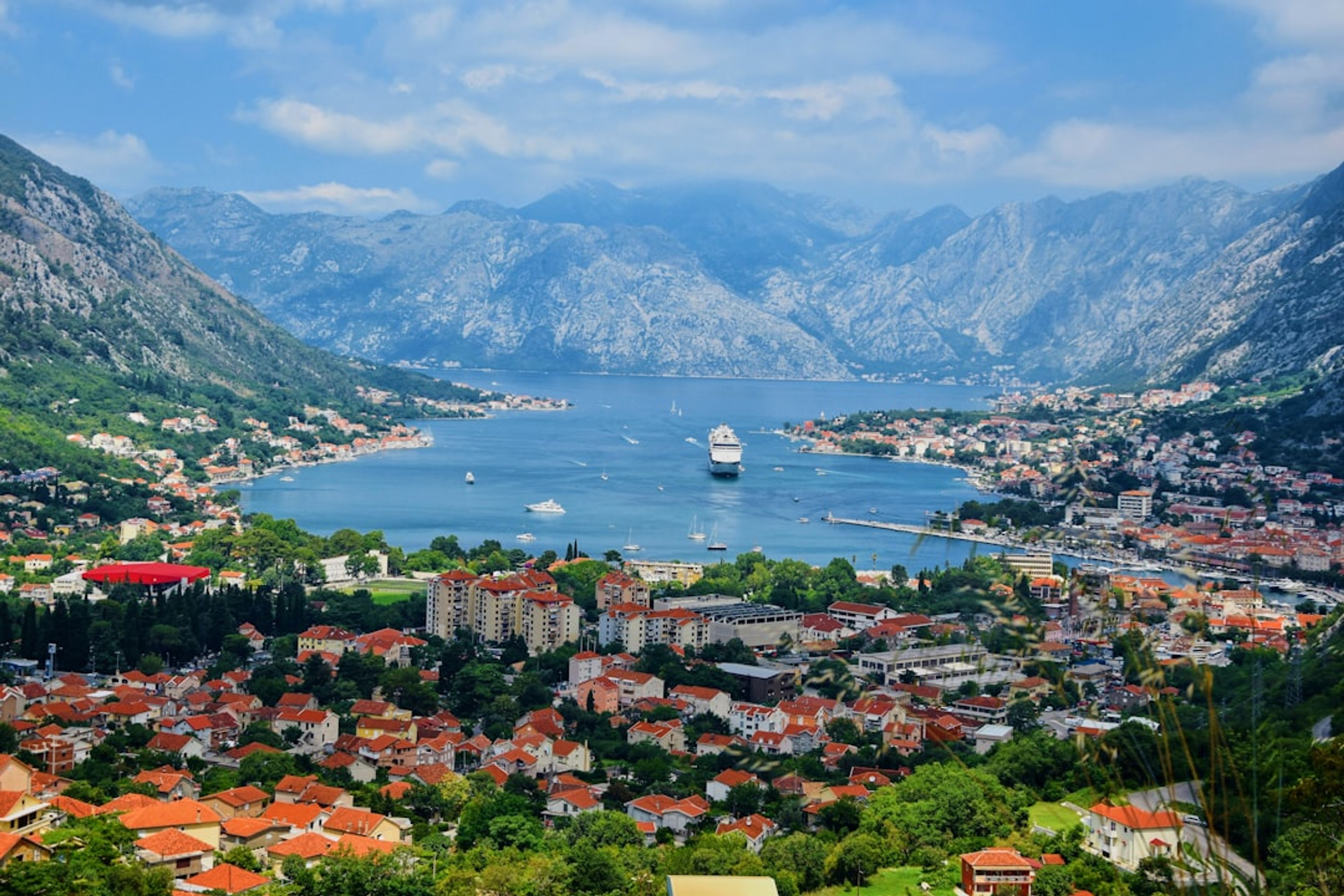
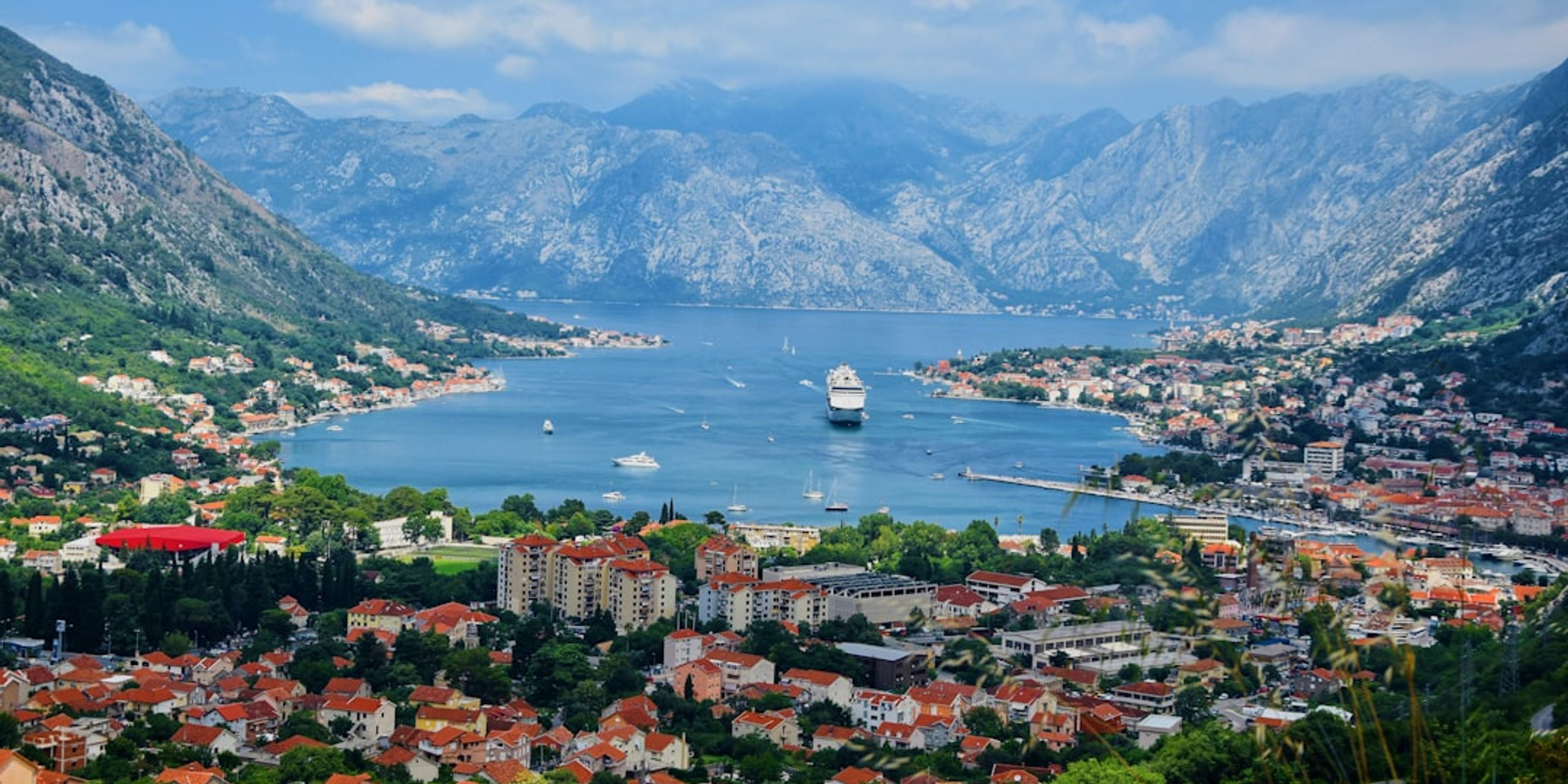
Montenegro is a small Adriatic country in the western Balkans, packing dramatic mountains, deep glacial lakes, medieval coastal towns, and one of Europe's most striking fjord-like bays into roughly 14,000 square kilometres. Travellers come for the sweeping coastline of Budva, Kotor, and Sveti Stefan, the rugged Durmitor and Prokletije national parks, and the easy mix of Mediterranean food, Slavic culture, and Ottoman and Venetian history that defines its old towns.
Capital
Podgorica
Population
~620,000
Area
13,812 km²
Time Zone
CET (UTC+1) / CEST (UTC+2)
Currency
Euro (EUR)
Languages
Montenegrin (Serbian, Bosnian, Albanian also spoken)
Main Airports
TIV (Tivat), TGD (Podgorica)
Visa
Visa-free for EU, UK, US, and many others (up to 90 days)
Best For
Adriatic coast, medieval towns, mountains, hiking
Typical Cost Level
Mid-range
Get the latest deals, new destinations, and travel tips delivered straight to your inbox.
No spam, unsubscribe anytime.
Entry rules, stay length and passport validity by nationality.
Most travellers do not need a visa for short visits to Montenegro. Citizens of the EU, UK, US, Canada, Australia, and many other countries can enter visa-free and stay up to 90 days within a 180-day period. You will need a passport valid for at least the duration of your stay. Travellers from countries that do require a visa can apply at a Montenegrin embassy or consulate; check the latest rules with the Ministry of Foreign Affairs of Montenegro before you travel.
Late spring and early autumn are generally the best times to visit Montenegro. May, June, and September bring warm weather, swimmable Adriatic seas, and far fewer crowds than the peak July-August window when coastal towns like Kotor and Budva can get packed. Winter is quieter and cheaper on the coast and is the main season for skiing in the mountains around Kolašin and Žabljak.
Montenegro is generally a safe destination for tourists, with low rates of violent crime. The usual common-sense precautions apply: watch for pickpockets in busy old-town areas and at bus stations, be careful on narrow coastal and mountain roads, and only swim from beaches with visible safety flags. Emergency services can be reached on 112, and most coastal towns have a tourist police presence in summer.
Montenegro uses the Euro (EUR) as its official currency, even though it is not part of the Eurozone or the EU. ATMs are widely available in cities and tourist areas, and cards are accepted in most hotels, restaurants, and larger shops. Carry some cash for small cafes, taxis, market stalls, and rural villages.
On trip1, you can book hotels across Montenegro and pay with over 120 cryptocurrencies including Bitcoin, Ethereum, and USDC. trip1 covers 3 million+ hotels in 190+ countries, making it easy to find and book accommodation with crypto.
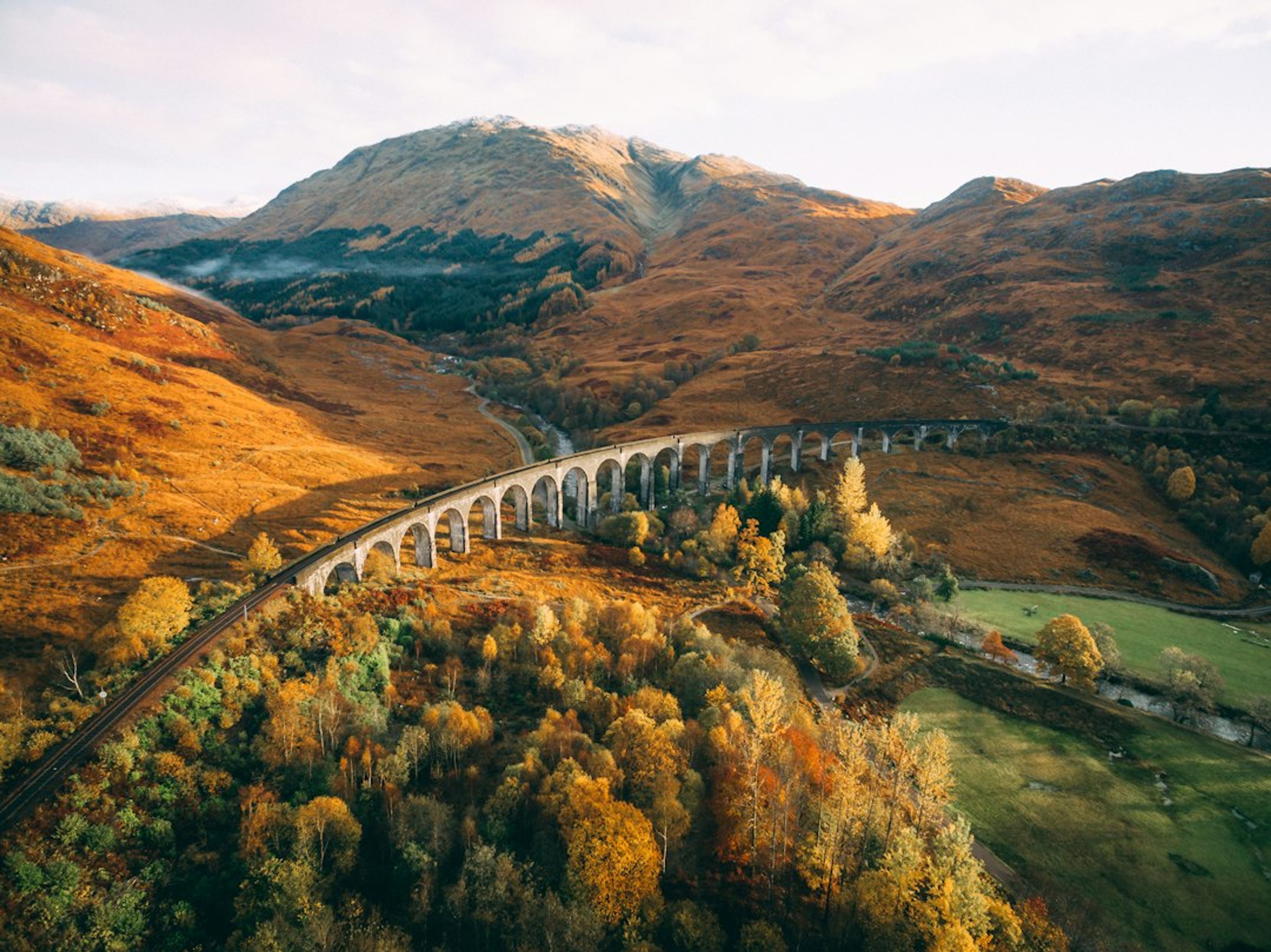
Renting a car is the easiest way to see Montenegro, especially if you want to combine the coast with mountain national parks. Buses connect most towns reliably and cheaply, with frequent services along the Adriatic coast between Herceg Novi, Kotor, Budva, and Bar. A scenic single-track rail line runs from Bar to Podgorica and on toward Belgrade. Distances are short, but mountain roads can be slow and winding, so always pad your driving times.