Guides · Warsaw
10 Top Things to Do in Warsaw

CEO and co-founder
This guide ranks the 10 top things to do in Warsaw - the sights that genuinely earn a place on your itinerary whether you have a weekend or a full week in the Polish capital. Each entry includes the exact address, nearest metro or tram stop, and a practical Pro Tip drawn from how locals and seasoned visitors actually move around the city in 2026.
We have ordered the list to help you plan efficient routes. The Old Town, Royal Castle, Royal Route, and Palace of Culture and Science cluster within a 30-minute walk and make one strong day. Łazienki Park and Wilanów Palace pair as a southern-suburbs day reached by tram and bus. POLIN Museum, the Warsaw Uprising Museum, and Copernicus Science Centre each demand 2-3 hours indoors - ideal for grey-weather days that Warsaw gets plenty of.
Warsaw is a city of layered history - medieval reconstruction sitting beside Stalin-era monumentalism and post-2010 architecture. The list mixes UNESCO heritage, modern museums, baroque palaces, and the bohemian Praga district across the Vistula so you see the full sweep, not just the postcard centre.
1Warsaw Old Town - The UNESCO-Listed Reconstructed Heart of the City
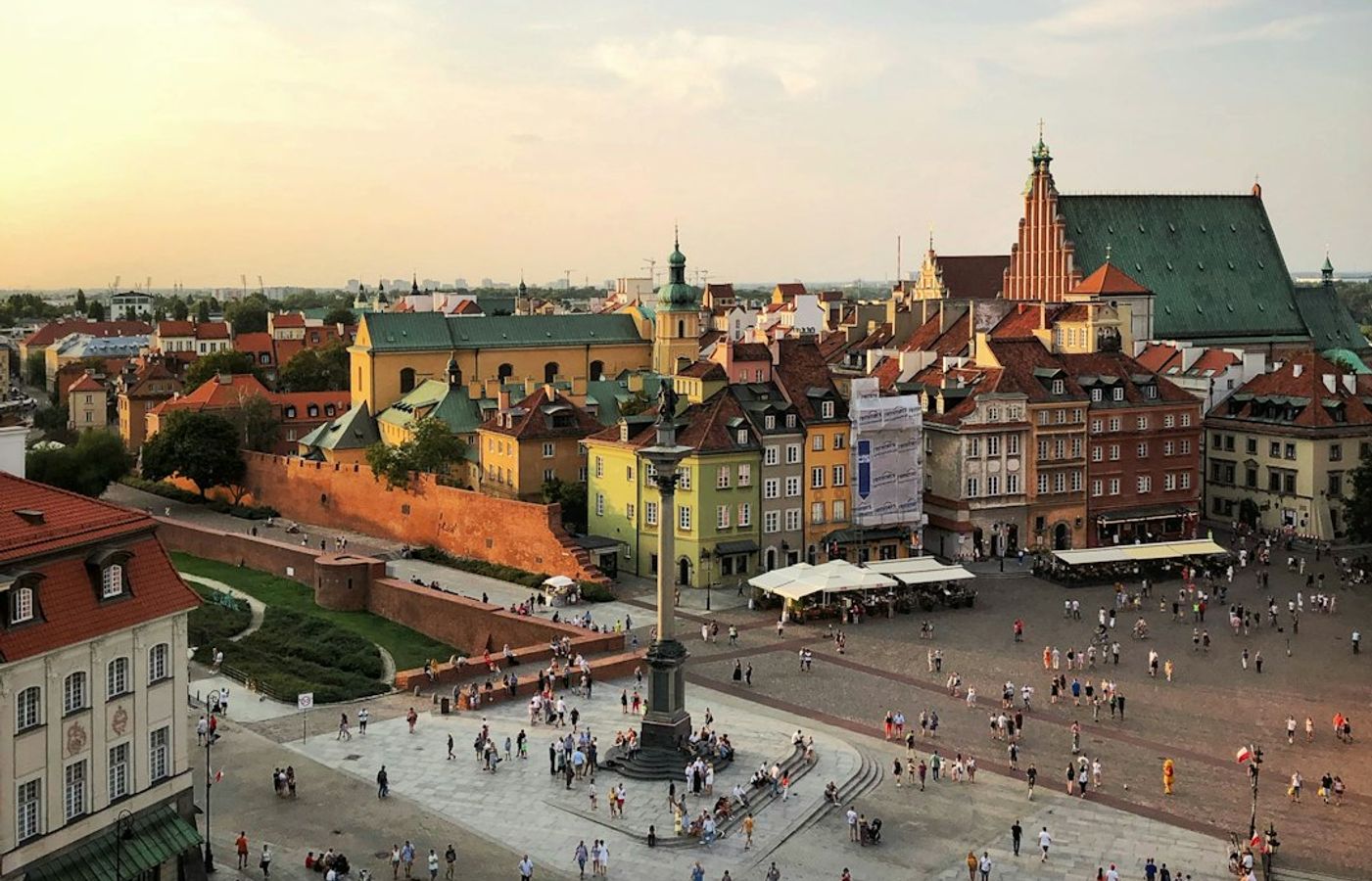
Topping every list of things to do in Warsaw, the Old Town is a UNESCO World Heritage Site inscribed in 1980 for its meticulous post-war reconstruction. Razed by German forces in 1944, it was rebuilt 1945-1962 using paintings by 18th-century artist Bernardo Bellotto as references. The result preserves the medieval street plan and Gothic-Renaissance facades almost exactly as they stood before the war.
The Old Town Market Square (Rynek Starego Miasta) is the social heart, ringed by pastel-coloured townhouses and centred on the Mermaid of Warsaw statue, the city's symbol. Walk the perimeter walls along Podwale Street to find the Barbican gate, then follow Piwna and Świętojańska streets to St John's Archcathedral. The compact district is fully pedestrian - allow 90 minutes for a slow circuit.
Pro Tip: Climb the bell tower of St Anne's Church (5 PLN, open 10:00-19:00) on Krakowskie Przedmieście for the best free-ish panorama of the Old Town. It is overlooked by most tour groups who only photograph from the Castle Square below.
2Royal Castle - The Restored Seat of Polish Kings
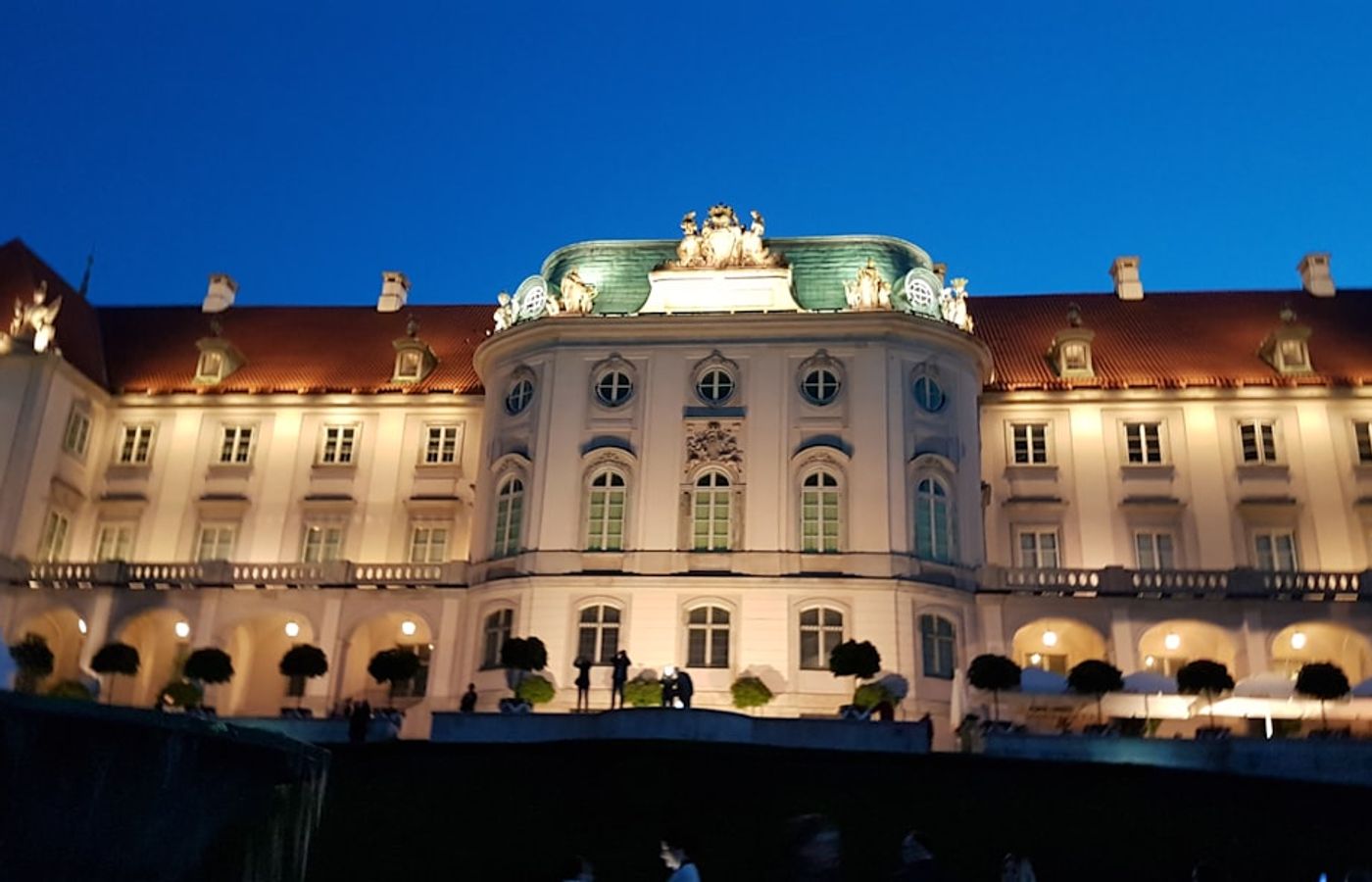
The Royal Castle (Zamek Królewski) on Castle Square dominates the southern edge of the Old Town. The original Mazovian-Polish royal residence dated to the 14th century; the 1944 Nazi demolition reduced it to rubble. Reconstruction took until 1984, funded entirely by donations, and the interiors now display the original paintings, sculptures, and furniture that staff and citizens smuggled out before the destruction.
The Great Apartment, Senators' Hall, and the Canaletto Room (named for Bellotto's 22 cityscapes that aided the post-war rebuild) are the highlights. Two Rembrandts hang in a small dedicated gallery. The castle's bronze Sigismund's Column outside on Castle Square dates to 1644 and is Warsaw's oldest secular monument. Allow 90 minutes inside.
Pro Tip: Wednesdays are free admission days but you still need a timed-entry ticket booked online the night before - drop-ins are turned away by 11:00 on free days.

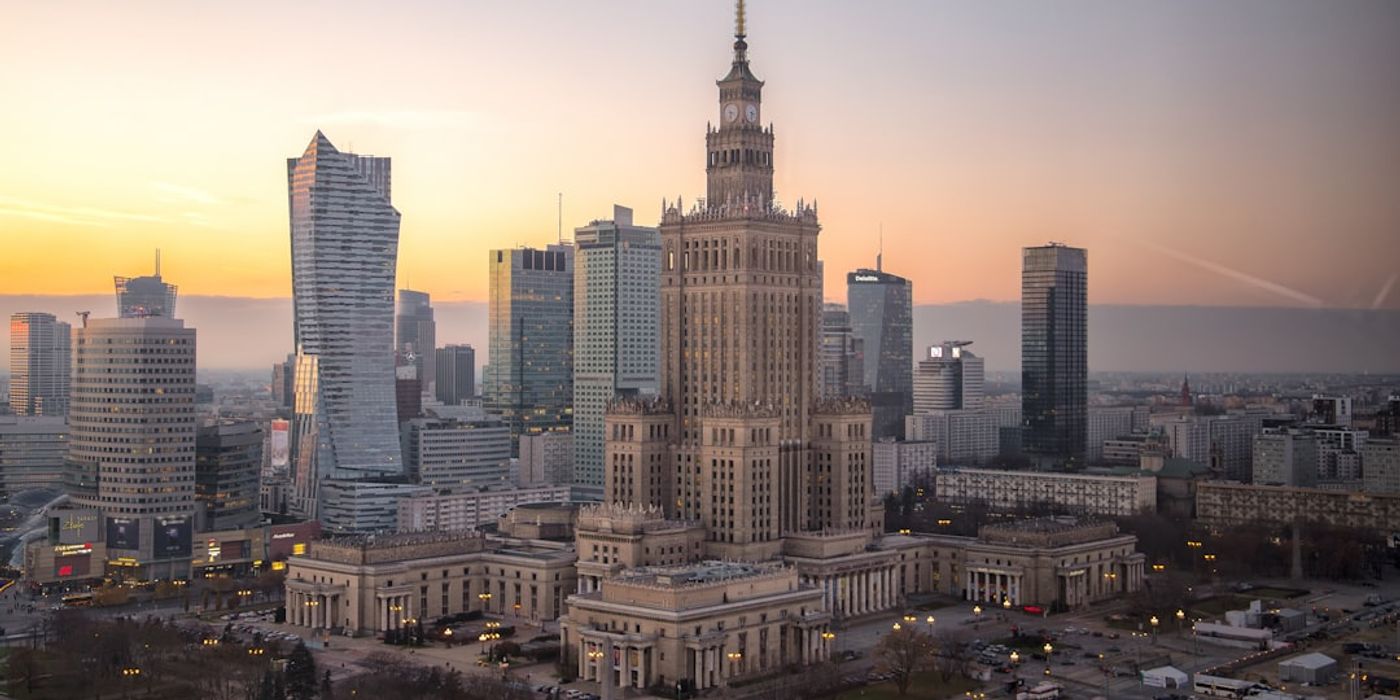
3Palace of Culture and Science - Warsaw's Most Divisive Skyscraper
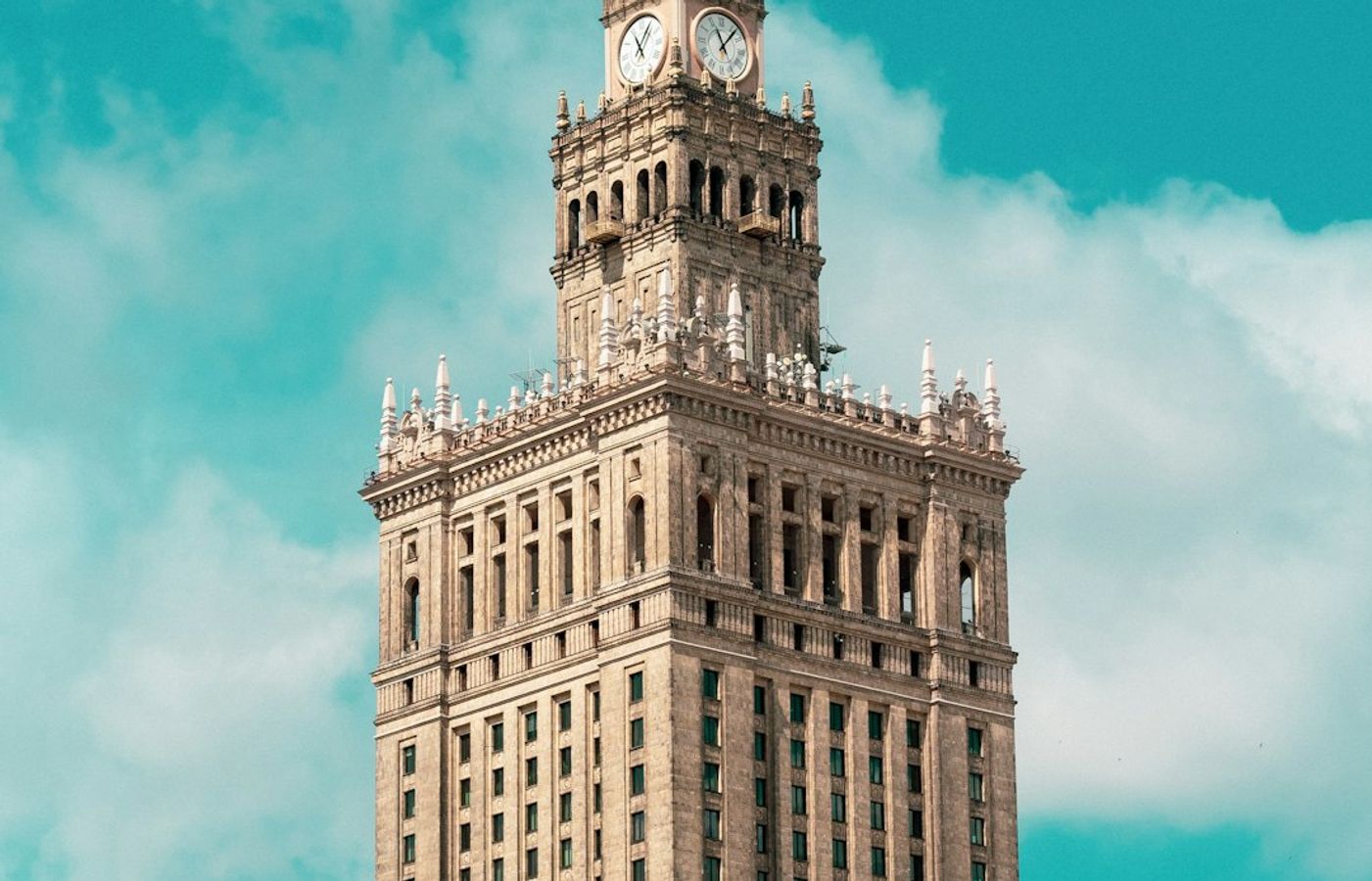
Stalin's 1955 gift to the People's Republic of Poland still towers at 237 metres over central Warsaw - the tallest building in the country and an unmissable, complicated landmark. Locals nickname it Pałac (the Palace) and opinions remain split between affection and resentment. Architecturally it is Socialist Realism mashed with Polish Renaissance details, a deliberate Soviet design choice to make the gift feel local.
The 30th-floor observation terrace at 114 metres opens daily 10:00-20:00 (later in summer). Tickets are 25 PLN. The view spans the entire city, with the Vistula River, Old Town, and the new Wola district skyline visible on clear days. Inside the building you will also find 4 theatres, a cinema, the Museum of Technology, and a 3000-seat congress hall.
Pro Tip: Visit 30 minutes before sunset for the best photographs - the modern Warsaw skyline glows to the west and you can stay for the lights coming on without queuing twice.
4Łazienki Park - Warsaw's Royal Garden
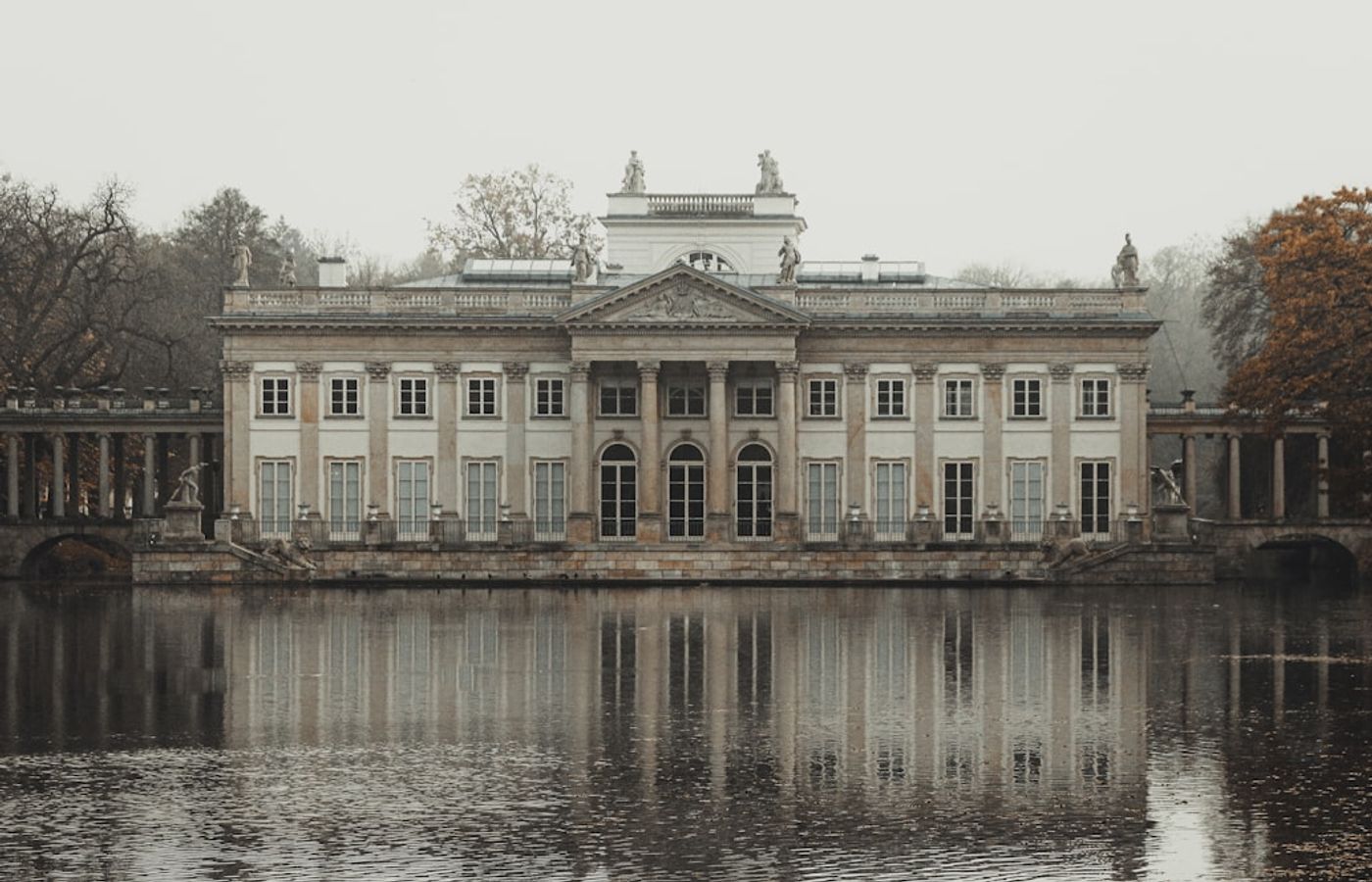
Stretching 76 hectares along the Royal Route south of the centre, Łazienki Park (Park Łazienkowski) is the largest park in Warsaw and the most beloved by locals. Originally a private hunting ground, King Stanisław August Poniatowski transformed it into a landscaped royal garden in the 1770s. The central Palace on the Isle (Pałac na Wyspie) sits on a man-made lake and houses a small but excellent collection of 17th-19th century European paintings.
The Chopin Monument on the western edge hosts free open-air piano concerts every Sunday at 12:00 and 16:00 from mid-May through September - one of Warsaw's best free experiences. Peacocks roam the grounds, and the Old Orangery and Roman-style amphitheatre add architectural variety. Entry to the park is free; palace admission costs 30 PLN.
Pro Tip: Enter from the southern Belweder gate rather than the main Agrykola entrance to walk the park north-to-south - you exit at the Belvedere palace closer to tram lines back to the centre.
5Wilanów Palace - The Polish Versailles
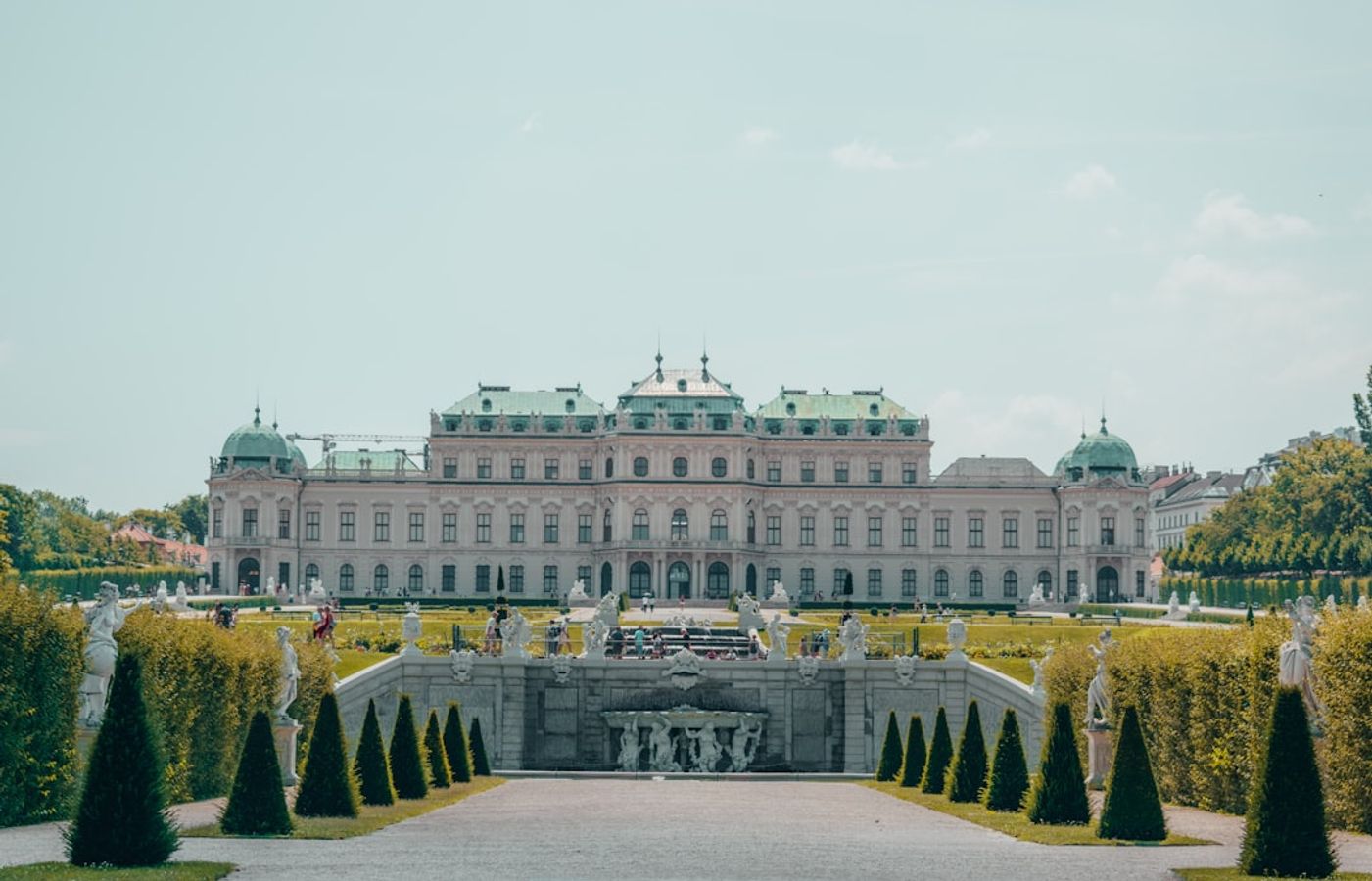
Wilanów Palace (Pałac w Wilanowie), 10 km south of central Warsaw, is the most lavish baroque residence in Poland. Built 1681-1696 as the summer home of King Jan III Sobieski (the king who lifted the Ottoman siege of Vienna in 1683), it survived both World Wars largely intact - a rarity in Warsaw. The interiors display original tapestries, the king's military trophies, and family portraits across 40+ rooms.
The 45-hectare gardens span French formal parterres, an English landscape park, and a Chinese pavilion - free to enter and excellent for a 90-minute stroll. The Poster Museum on the same grounds (separate ticket, 15 PLN) holds Poland's national collection of graphic-design posters, including the Polish School of Posters work from the 1950s-1970s. Palace admission is 35 PLN.
Pro Tip: The Royal Garden of Light installation runs the gardens from mid-November through February - the entire estate is lit with millions of LEDs and runs until 21:00. Locals book a slot for this even if they have visited the palace dozens of times.
6POLIN Museum of the History of Polish Jews
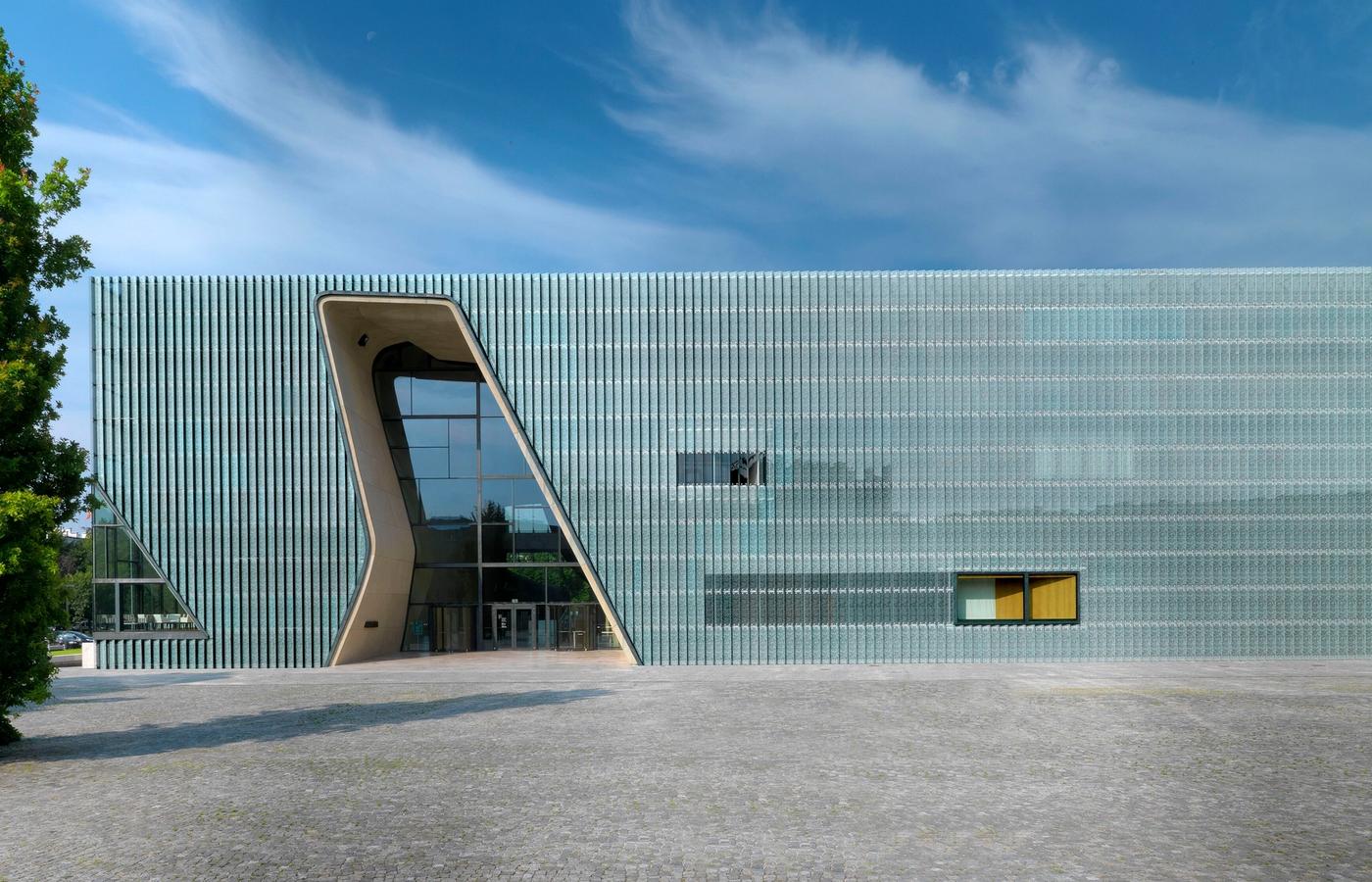
POLIN opened in 2013 on the site of the former Warsaw Ghetto and is among the most acclaimed history museums in Europe - winner of the European Museum of the Year Award in 2016. The permanent exhibition tells the 1000-year story of Polish Jews from medieval settlement through the post-war communist period, ending with the present day. Eight chronological galleries take a slow visitor 3 hours minimum.
The standout is the reconstructed timber ceiling of the 17th-century Gwłaźdze synagogue, hand-painted by a team of conservators over 2 years. Architecturally the building itself is striking - a sand-coloured cube split by a winding glass chasm representing the parting of the Red Sea. The Ghetto Heroes Monument by Nathan Rapoport stands directly outside. Admission is 45 PLN; free on Thursdays.
Pro Tip: Rent the audio guide (10 PLN) - the exhibition labels are dense and the audio adds vital context, especially in the medieval and Holocaust galleries. Allocate 3-4 hours; this is not a 90-minute museum.
7Warsaw Uprising Museum - The 63-Day Insurrection Against German Occupation
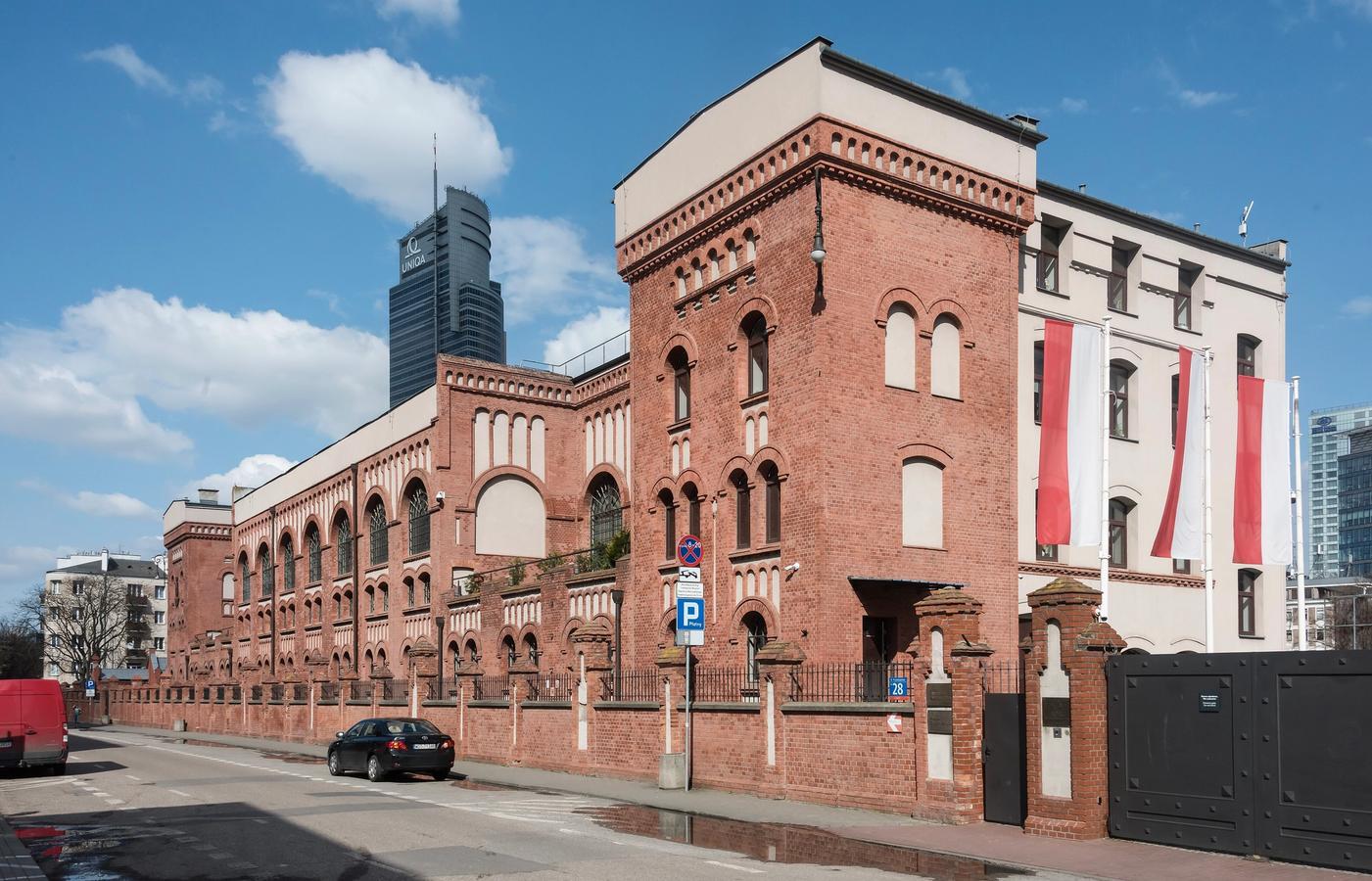
Opened in 2004 to mark the 60th anniversary of the 1944 Warsaw Uprising, this museum is housed in a former tram power station. The Uprising lasted 63 days, ended in catastrophic civilian losses (around 200,000 dead), and led directly to the destruction of the city. The exhibition uses multimedia, original documents, weapons, and reconstructed sewers (used by insurgents to move between districts) to tell the story chronologically.
The B-24 Liberator bomber replica in the main hall is the visual centrepiece - Allied planes flew supply drops from Italy to support the insurgents. The Hall of Names lists every known fallen fighter on slowly rotating columns. The cinema shows a 3D city flyover reconstructing 1945 Warsaw in ruins, projected onto a screen the size of a small theatre. Standard ticket 35 PLN; free on Sundays.
Pro Tip: The museum is emotionally heavy - schedule something light afterwards. The neighbouring Wola district has good bars and cafes around Plac Europejski 10 minutes away by foot.
8The Royal Route - Warsaw's Grand Historical Promenade
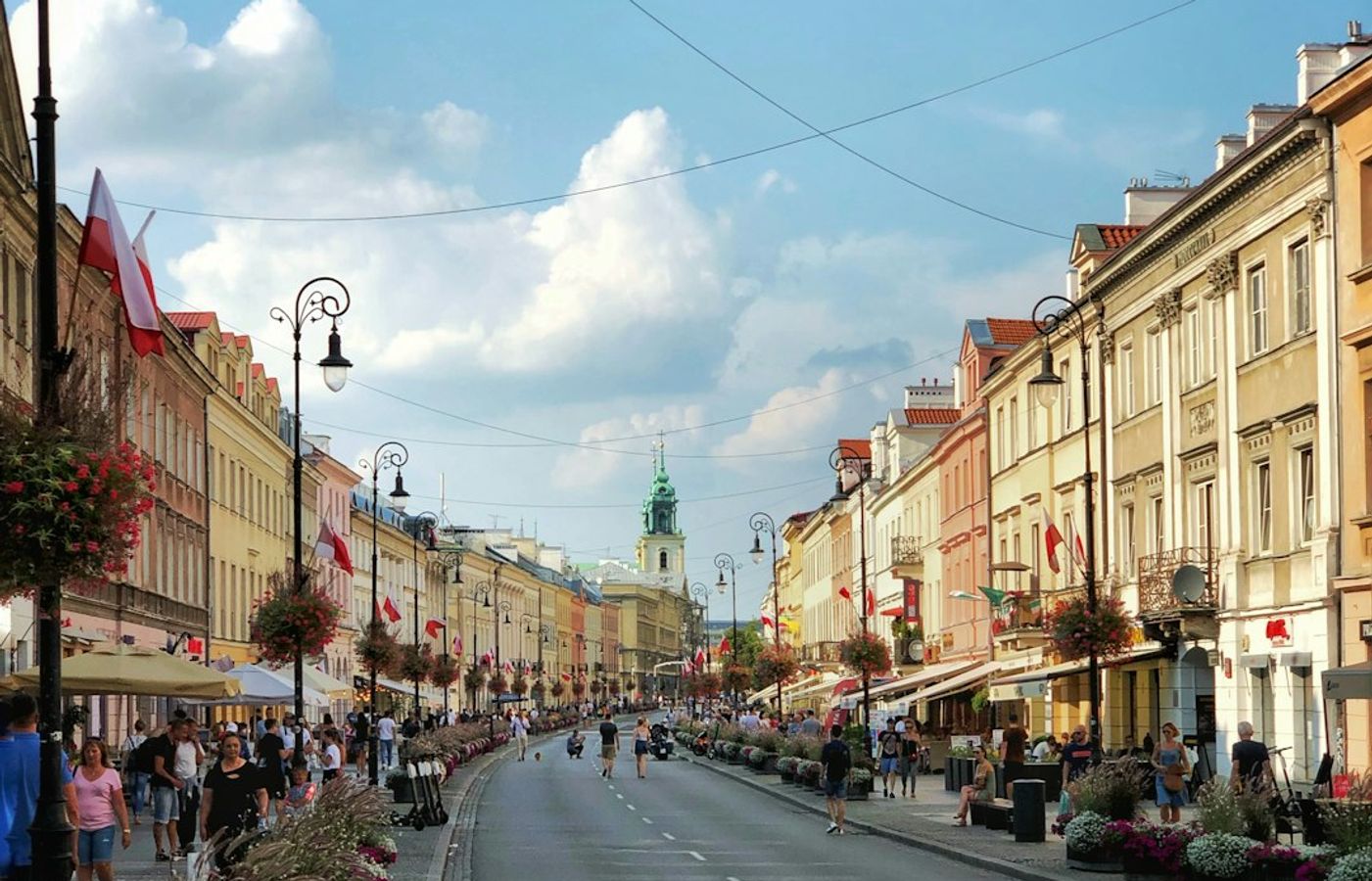
The Royal Route (Trakt Królewski) is the 4 km north-south axis connecting the Old Town to Wilanów Palace, passing through Krakowskie Przedmieście, Nowy Świat, and Aleje Ujazdowskie. It is Warsaw's most historic street and the easiest way to see the city's pre-war architectural ambitions. The northern stretch is largely pedestrianised in summer.
Highlights along the walk include the Holy Cross Church (heart of Chopin buried in a pillar), the University of Warsaw main gate, the President's Palace, and a string of 19th-century town palaces now serving as embassies and ministries. Nowy Świat between Piękna and Świętokrzyska is the city's smartest cafe and restaurant strip. Allow 2 hours for a slow walk from Castle Square to Three Crosses Square (Plac Trzech Krzyży).
Pro Tip: Stop at A. Blikle on Nowy Świat 33 for a pączek (Polish doughnut) - the bakery has operated continuously since 1869 and the rose-jam version is the original. 6 PLN each.
9Copernicus Science Centre - The Hands-On Family Favourite
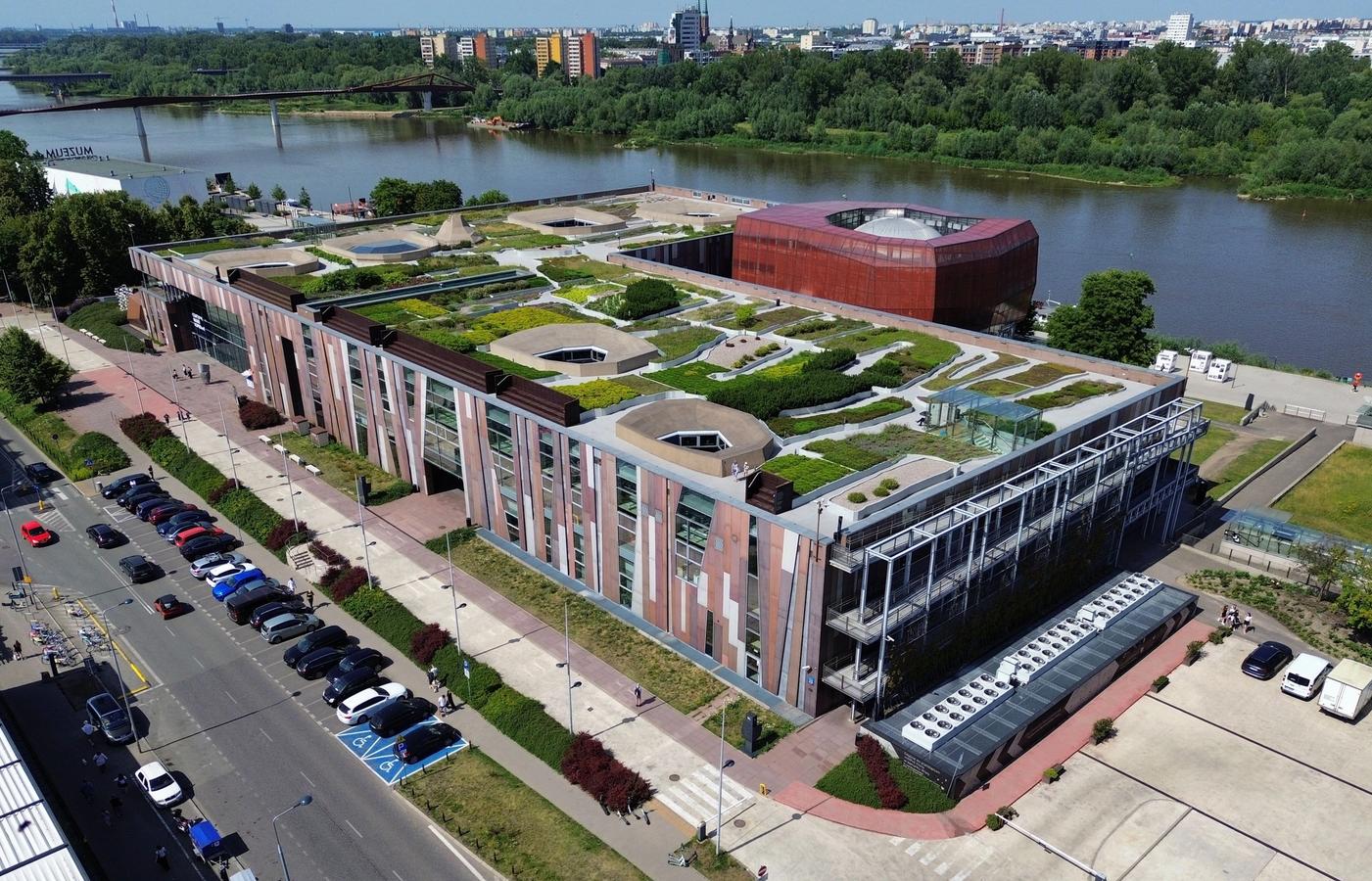
On the Vistula river embankment north of the centre, Copernicus Science Centre (Centrum Nauki Kopernik) opened in 2010 and is one of the best-funded interactive science museums in Europe. Over 450 hands-on exhibits across 6 themed galleries cover human biology, physics, robotics, civilisation, and a children's section for under-6s. It is Warsaw's most family-friendly attraction by a wide margin.
The on-site planetarium runs 6-7 shows daily on a 16-metre dome screen (a separate ticket is needed). The rooftop garden is open in summer and offers free views over the Vistula and Old Town in the distance. Adult ticket 38 PLN, planetarium 26 PLN. Weekends and school holidays sell out - book online at least 3 days ahead.
Pro Tip: Visit weekday afternoons after 15:00 when school groups have left. Adults-only evenings called Kopernik for Adults run several Friday nights per month from 19:00 - significantly less crowded and includes a glass of wine.
10Praga District - Warsaw's Bohemian Right Bank
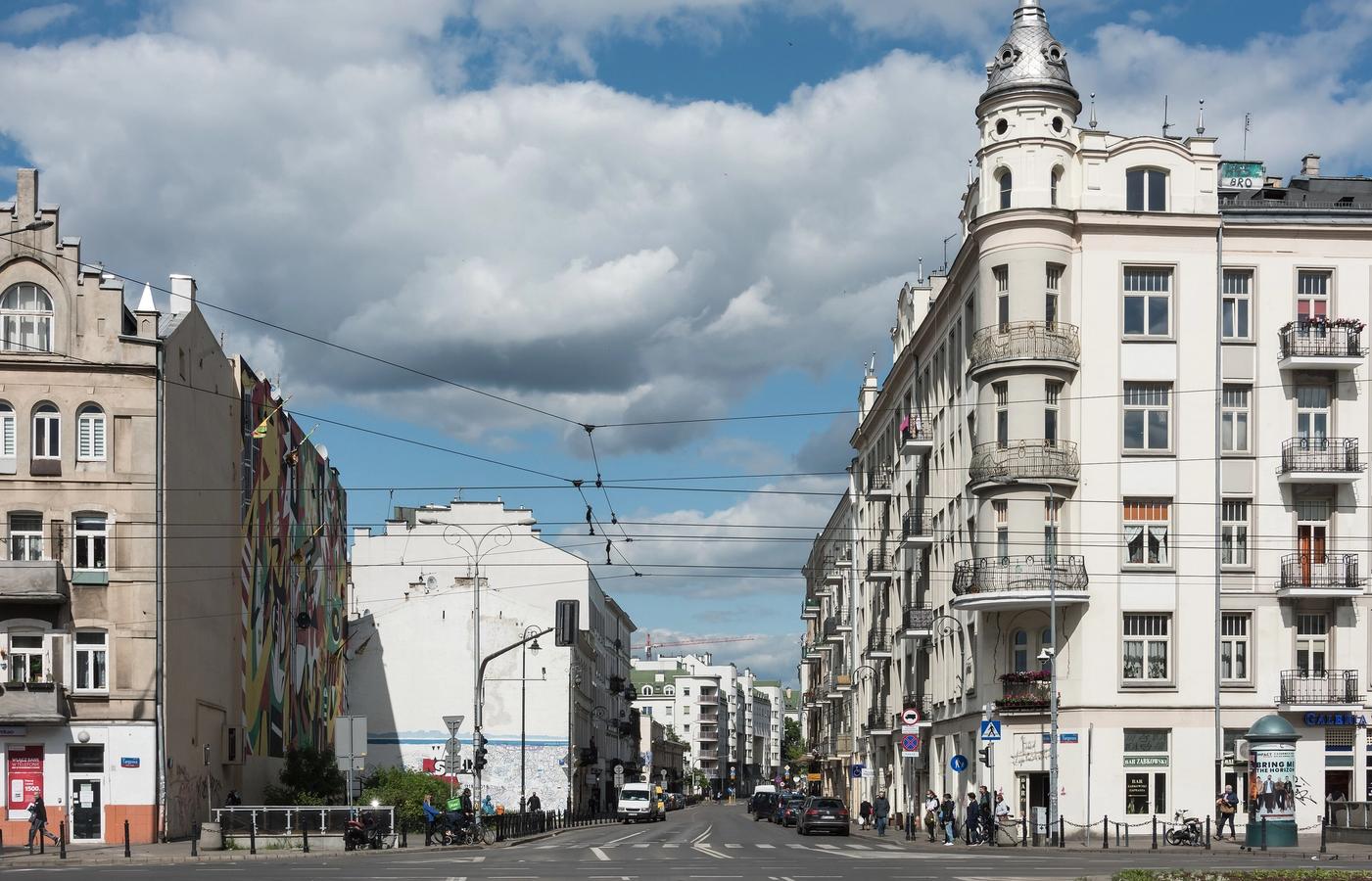
Across the Vistula from the Old Town, Praga is the district that survived the 1944 destruction largely intact - which is exactly why it now contains the city's most original 19th-century tenements, courtyard shrines, and pre-war factories. It was rough until the mid-2010s. Today it is the centre of Warsaw's contemporary art scene, with galleries, vinyl bars, and rooftop venues lining ul. Ząbkowska, ul. 11 Listopada, and around Plac Hallera.
Praga Koneser Center, a converted vodka distillery, anchors the eastern end and houses the Polish Vodka Museum (35 PLN, includes a tasting). The Neon Museum nearby preserves Poland's cold-war-era neon signs in a working warehouse. The Russian Orthodox Cathedral on Solidarności shows the area's pre-WWII religious mix. Walking the district takes 3-4 hours; pair it with lunch at Warszawa Wschodnia food hall.
Pro Tip: Cross from the centre using the new Bulwary Wiślane footbridge (opened 2024) rather than the Poniatowski Bridge - the views of the Old Town from mid-river are dramatic and the bridge lands you right at the Praga riverside park.

CEO and co-founder
Tomas is the co-founder and director of trip1, an European company specializing in reservation services. He launched the company in 2025 with a focus on building scalable, efficient operations.
10 Top Things to Do in Warsaw, Poland - FAQ
No - plan on 3 full days to cover this list comfortably. A realistic pace is 4-5 attractions per day. Group the Old Town, Royal Castle, and Palace of Culture and Science into one walking day, save Wilanów and Łazienki for a southern-suburbs day, and dedicate a third day to POLIN and the Warsaw Uprising Museum where the exhibits deserve unhurried attention.
Start in the Old Town and Royal Castle when crowds are thinnest before 10:00, then walk south along the Royal Route to the Palace of Culture and Science by lunchtime. Use the metro (M1 line) to reach Wilanów Palace and Łazienki Park on a separate day. Save POLIN Museum and the Warsaw Uprising Museum for grey-weather days - both are indoors and content-heavy.
POLIN Museum, the Warsaw Uprising Museum, and the Royal Castle interior all sell timed-entry tickets that frequently sell out on weekends. Book at least 48 hours ahead through the official museum websites. The Palace of Culture viewing terrace, Łazienki Park, and Old Town squares need no tickets. Wilanów Palace gardens are free outside the palace itself.
Budget around 250-350 PLN (approx 60-80 EUR) per person for all paid admissions. Major museum tickets run 35-45 PLN each. Many state museums (including the Warsaw Uprising Museum on Sundays and POLIN on Thursdays) offer free admission one day per week. Public transit is cheap - a 24-hour Warsaw ZTM pass costs 15 PLN.
Yes - Warsaw has an extensive tram, bus, and 2-line metro network operated by ZTM. The Old Town, Royal Castle, and Palace of Culture are walkable from Centrum metro station. Wilanów Palace is reached by bus 116 or 180 from the centre. Łazienki Park sits on tram lines 18 and 35. POLIN Museum is 5 minutes from Ratusz Arsenał metro.
Absolutely yes. The reconstruction is precisely why UNESCO inscribed the Old Town as a World Heritage Site in 1980 - the meticulous post-war rebuild is considered one of the most successful urban restorations in history. Painters' canvases by Bernardo Bellotto were used as references, and the result preserves the medieval street plan, Gothic-Renaissance facades, and atmosphere of the original.
With more time, add the Neon Museum in the Praga district, the National Museum on Aleje Jerozolimskie, a walk through the Saxon Garden, and a Chopin recital at Fryderyk Chopin Museum. The Vistula River boulevards on the western bank are excellent on summer evenings. A day trip to Żelazowa Wola (Chopin's birthplace, 60 km west) suits classical-music fans.