Guides · Luxor
10 Top Things to Do in Luxor, Egypt

CEO and co-founder
Luxor concentrates more pharaonic architecture per square kilometre than any other place on Earth, and selecting the right things to do here is half the planning battle. The ancient Thebans split their capital between an East Bank for the living (temples of Karnak and Luxor) and a West Bank for the dead (Valleys of the Kings and Queens, mortuary temples), and that geography still shapes any modern itinerary. This 2026 guide picks the 10 most rewarding stops and pairs each with current ticket prices, opening hours and how to reach them.
Plan two full days at minimum, three if you want time for Dendera or a second balloon flight. Summer (May to September) hits 42 C by midday, so the playbook is sunrise starts and air-conditioned museums in the afternoon. November to February brings 22-25 C highs and clear skies but draws the largest tour groups, so booking early matters. Cash in EGP works at every ticket gate, and a passport copy speeds the entry checks.
The list begins with Karnak - the largest religious complex of the ancient world - and works outward through East Bank temples, West Bank tombs and museums, before finishing with the dawn balloon ride that ties the whole landscape together.
1Karnak Temple - The largest religious complex of antiquity
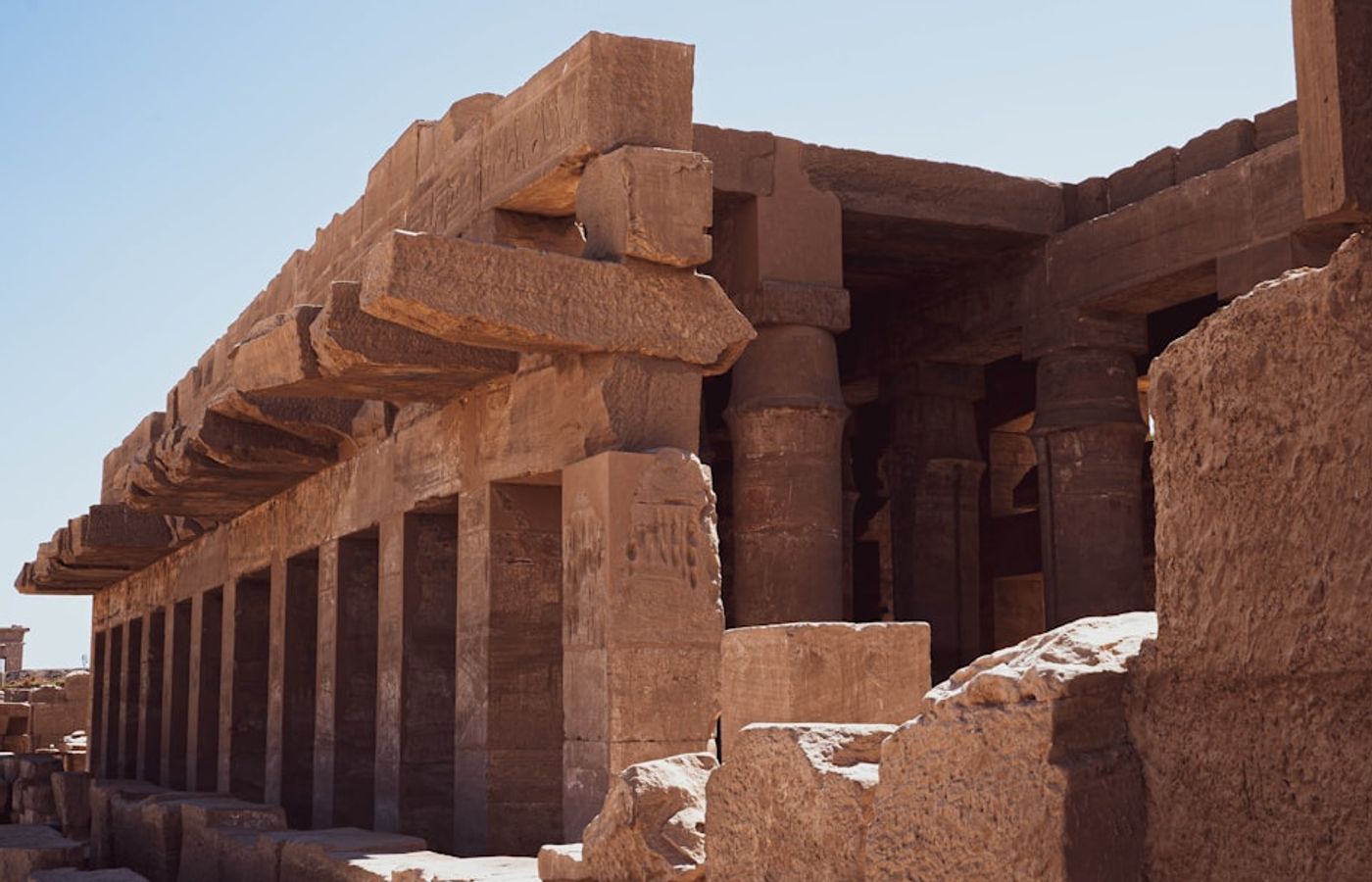
Karnak grew across nearly 2,000 years of pharaonic building campaigns from the Middle Kingdom through the Ptolemies. The complex covers about 1.5 square kilometres and is divided into the Precinct of Amun-Ra (open to visitors), the Precinct of Mut, the Precinct of Montu, and the dismantled Temple of Akhenaten. The Great Hypostyle Hall alone packs 134 columns onto a 5,000 square-metre floor, with the central twelve standing 21 metres tall. Look for the obelisks of Hatshepsut and Thutmose I, the Sacred Lake, and the partly reconstructed Avenue of Sphinxes that runs 2.7 km south to Luxor Temple. Tickets cost 700 EGP in 2026; gates open 6 AM to 5:30 PM (4:30 PM in winter). Allow 3 hours minimum.
Pro Tip: Enter at 6 AM with the Egyptologists rather than the 8 AM cruise crowd - photographers get the Hypostyle Hall in dawn light empty for the first 45 minutes.
2Valley of the Kings - Royal tombs of the New Kingdom
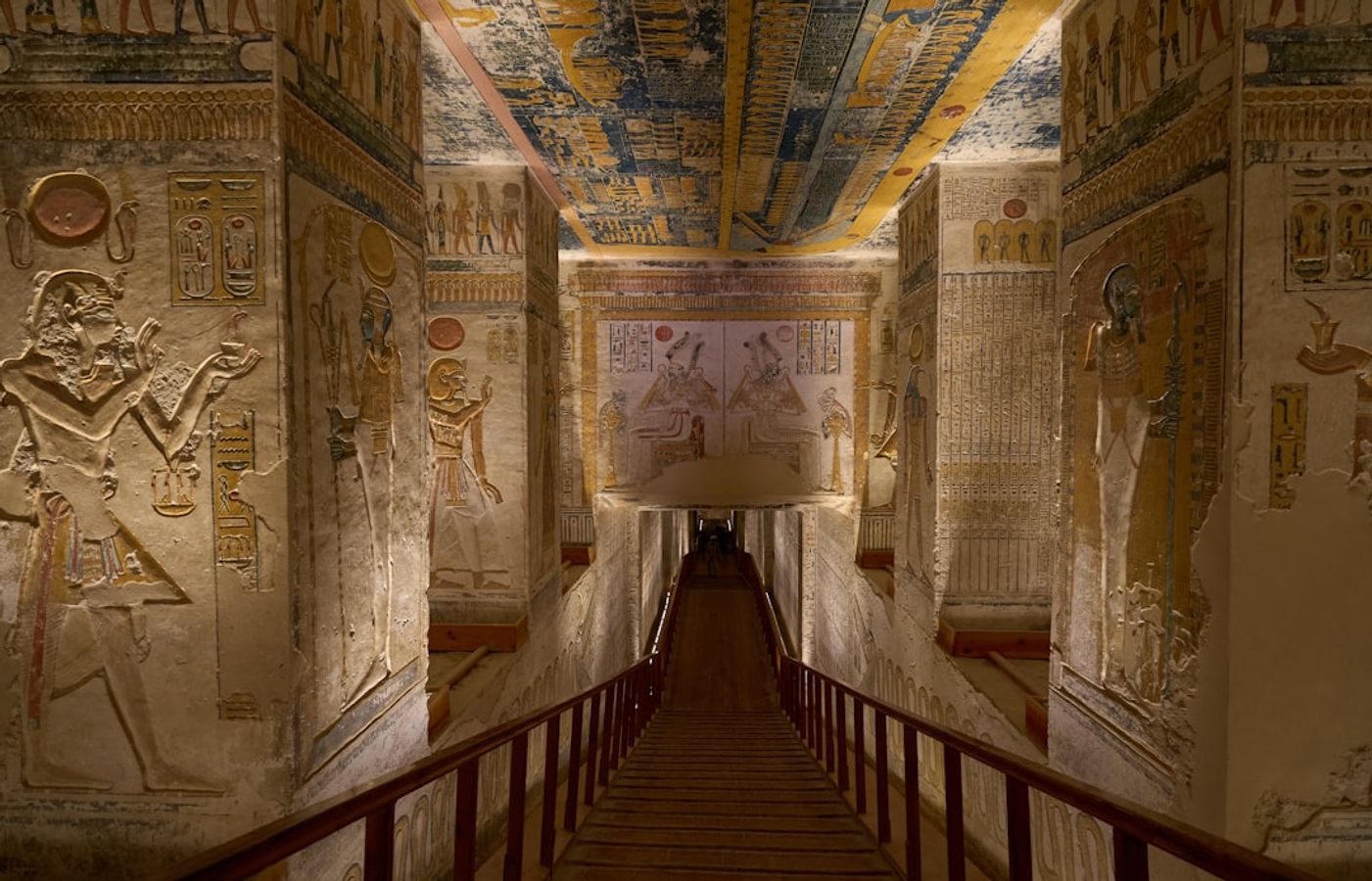
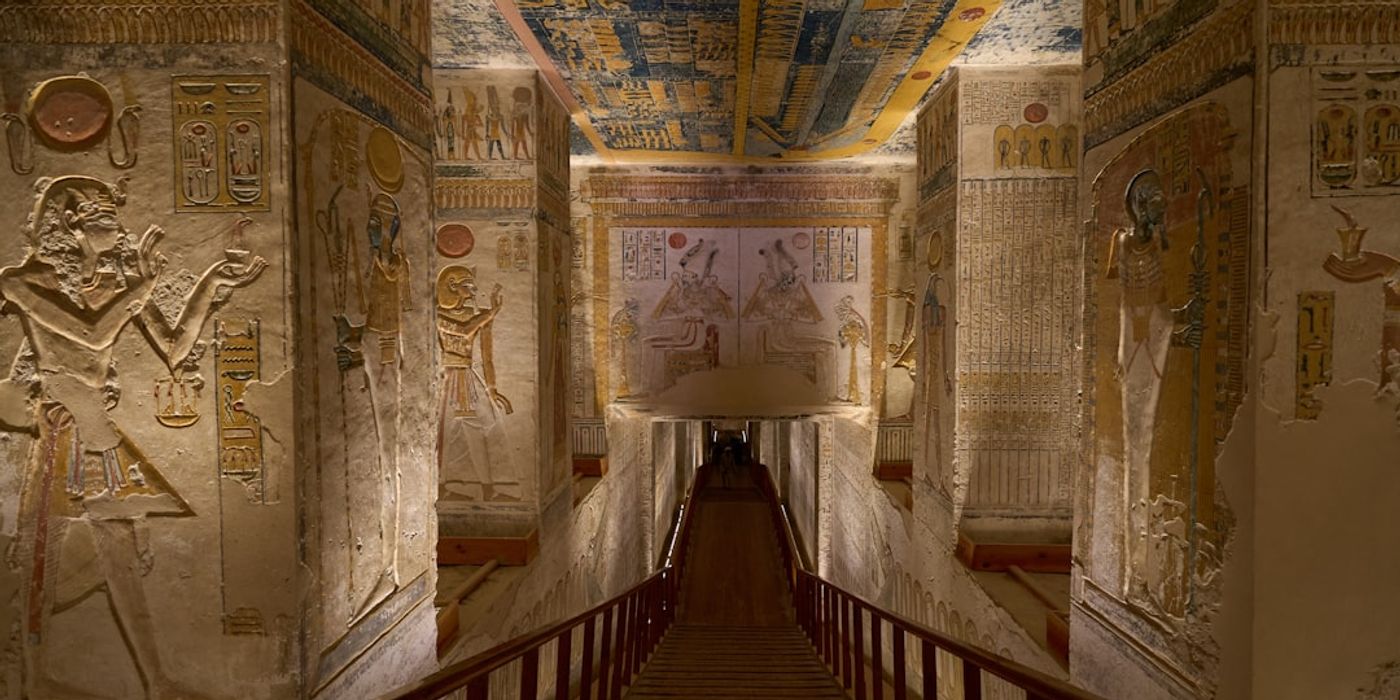
Tucked behind the limestone cliffs of West Thebes, the Valley of the Kings hides 65 known royal tombs cut between roughly 1539 and 1075 BCE. The standard ticket (750 EGP) covers entry to three tombs from the rotating open list, typically including Ramses III, Ramses IV and Ramses IX. Tutankhamun's tomb (KV62) requires the supplementary 500 EGP ticket and showcases the painted burial chamber and the king's reassembled mummy. Seti I's tomb (KV17) - the longest and most lavishly decorated at 137 metres - reopened on a 1,800 EGP supplementary ticket. The site is part of the UNESCO Ancient Thebes with its Necropolis world heritage area. Photography permits cost 300 EGP per camera. Open 6 AM to 5 PM; arrive at 6 AM in summer.
Pro Tip: Take the small electric tuk-tuk shuttle from the visitor centre rather than walk the 800-metre access road - it saves 15 minutes of sun and stamina you will need inside the tombs.

3Luxor Temple - Avenue of Sphinxes terminus
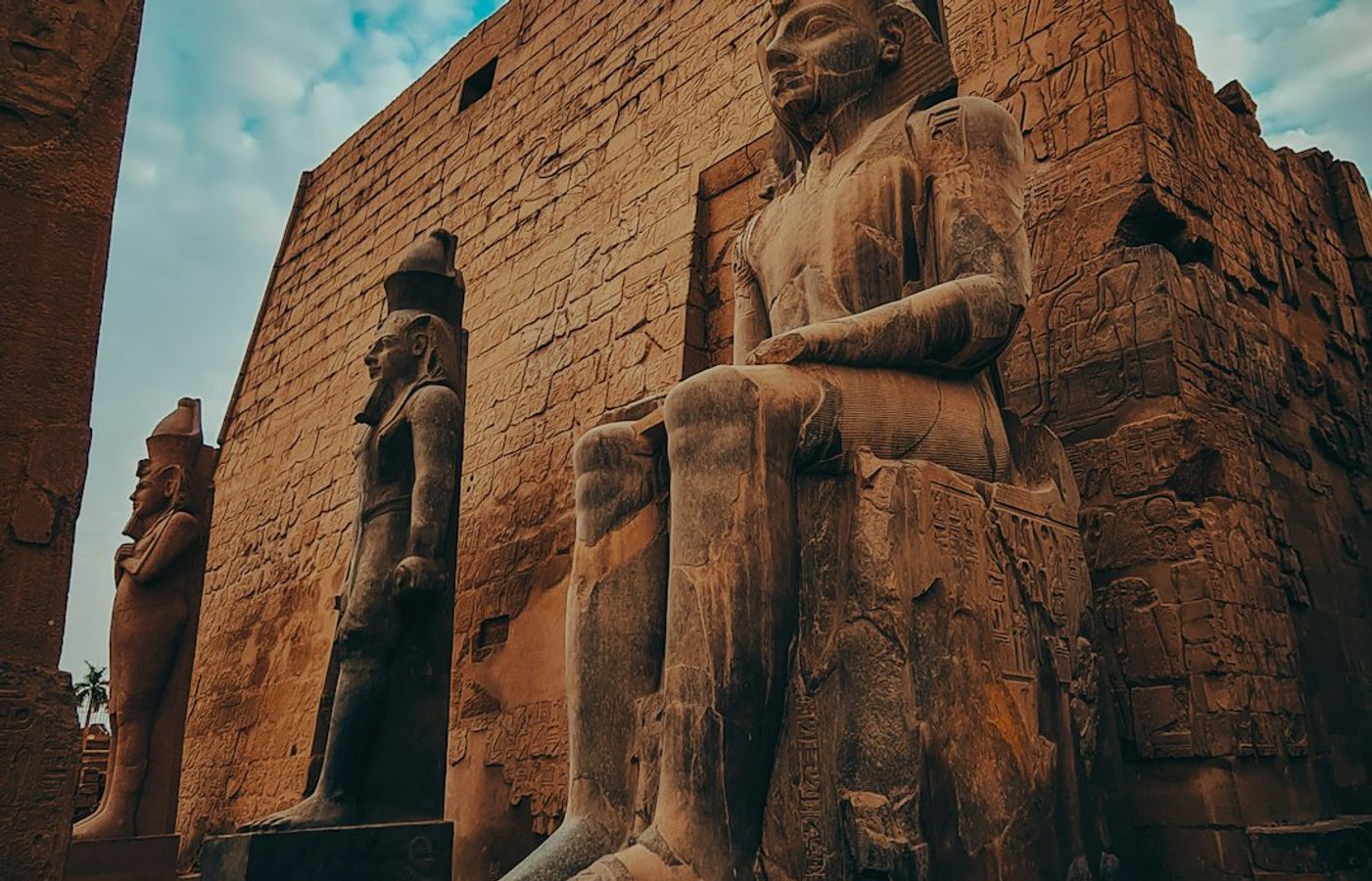
Luxor Temple stands directly on the East Bank corniche, anchoring the southern end of the restored 2.7 km Avenue of Sphinxes that connects it to Karnak. Amenhotep III began the temple around 1390 BCE; Ramses II added the great pylon, the obelisk (its twin now stands at Place de la Concorde in Paris) and the colossal seated statues at the entrance. A Roman legionary chapel and a 13th-century mosque (Abu al-Haggag) sit within the complex, layering 3,500 years of religious use into one site. Visit after 6 PM in summer when floodlights bring out the carving and the temperature drops 10 C. Tickets cost 600 EGP; open 6 AM to 9 PM (10 PM April to October). Allow 90 minutes.
Pro Tip: Combine an evening Luxor Temple visit with dinner at one of the corniche rooftops afterwards - the temple stays lit until 10 PM and most rooftops face the river.
4Hatshepsut Temple (Deir el-Bahari) - Cliff-set mortuary masterpiece
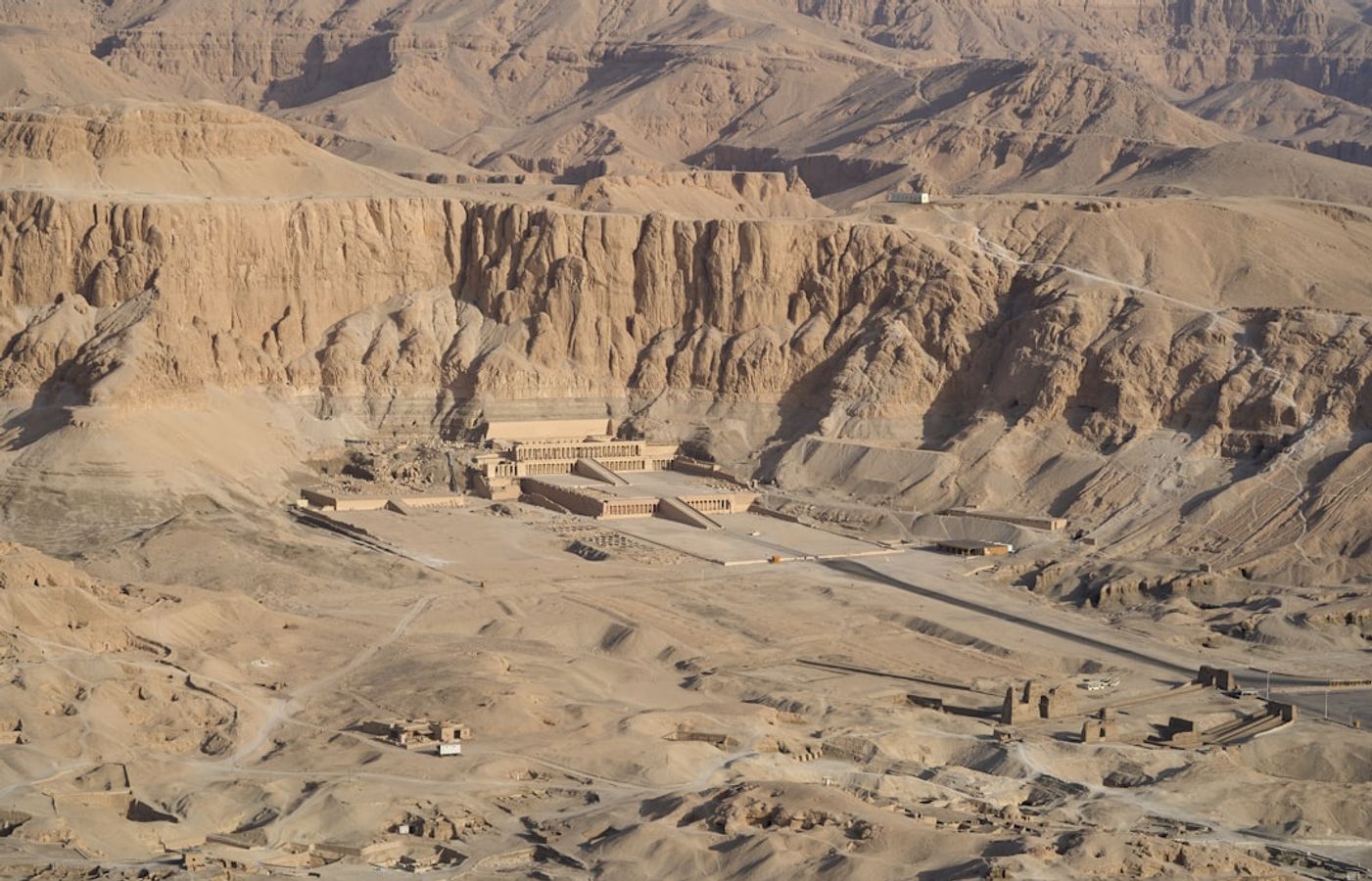
Hatshepsut's mortuary temple rises in three terraces against the West Theban cliffs at Deir el-Bahari, designed by the royal architect Senenmut around 1473 BCE. The colonnaded ramps lead to a sanctuary cut deep into the rock and to chapels honouring Anubis and Hathor. Painted reliefs on the middle terrace record Hatshepsut's expedition to the Land of Punt, complete with giraffes, baboons and incense trees - the earliest detailed picture of foreign trade in Egyptian art. Damnatio memoriae chiselled most of her cartouches centuries later, but enough faces survived to read the program. The 1997 attack memorial near the lower causeway notes the 62 victims of an extremist incident at the site. Tickets 550 EGP; open 6 AM to 5 PM.
Pro Tip: The Anubis Chapel on the middle terrace keeps strong colour because direct sun never reaches it - check the ceiling stars and the Hathor cow before climbing further.
5Colossi of Memnon - Twin guardians on the desert road
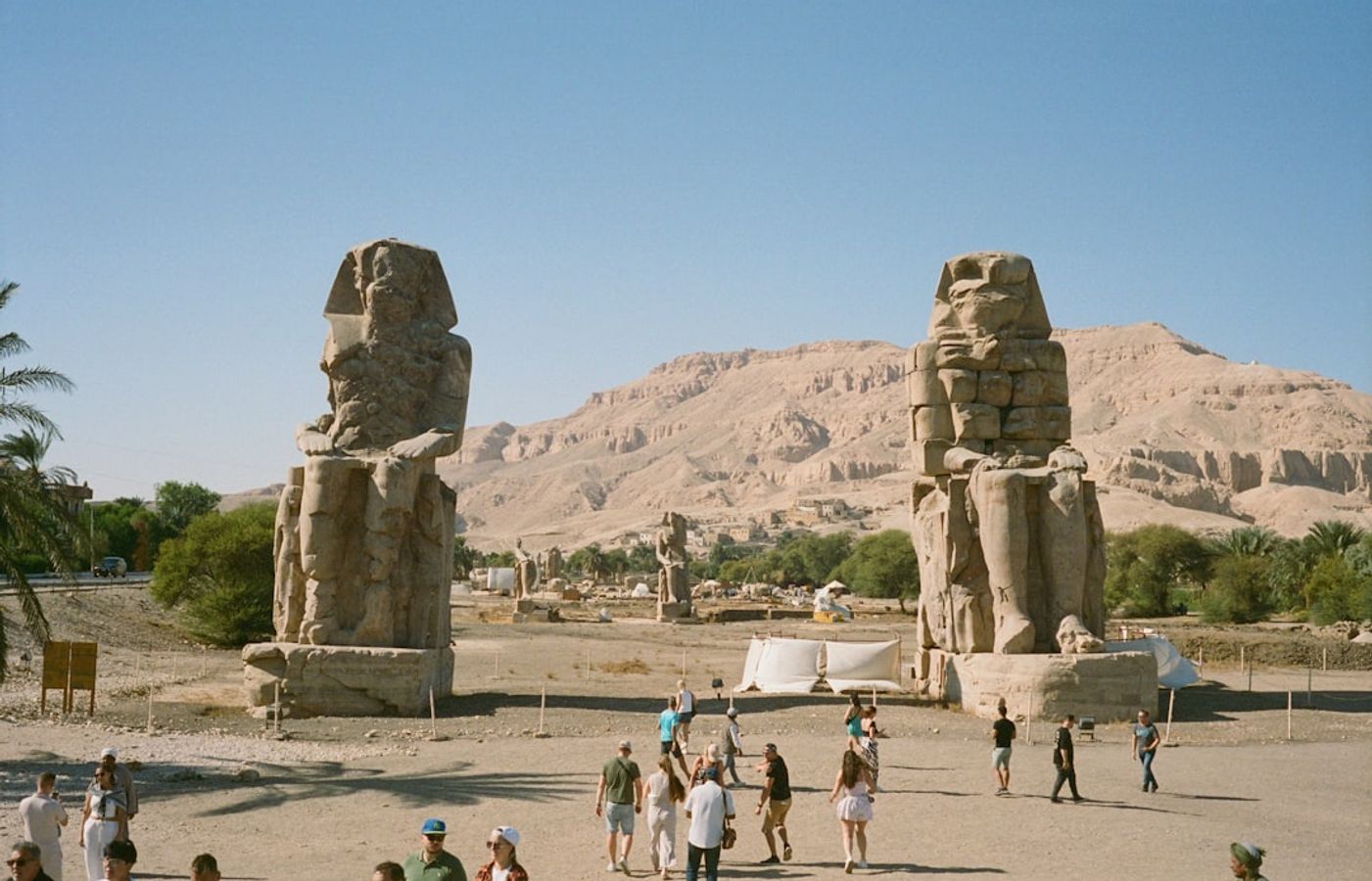
The two seated stone giants of Amenhotep III have stood by the West Bank road for 3,400 years, marking the entrance to a once-vast mortuary temple now mostly ploughed under. Each colossus reaches 18 metres including the base and weighs around 720 tonnes; they were carved from quartzite quarried near modern Cairo and barged 700 km south. The northern figure cracked in a 27 BCE earthquake and afterwards 'sang' at sunrise (probably from temperature changes in the stone), drawing Greek and Roman tourists - graffiti carved into the calf still records their visits. Roman emperor Septimius Severus repaired it around 199 CE and the singing stopped. Entry is free and the colossi sit just off the main road; allow 20-30 minutes for photos and the small information panels.
Pro Tip: The newer excavated colossi 200 metres north of the famous pair are equally photogenic and almost always empty - cross the dirt path and have the second set to yourself.
6Luxor Museum - Compact, beautifully curated highlights
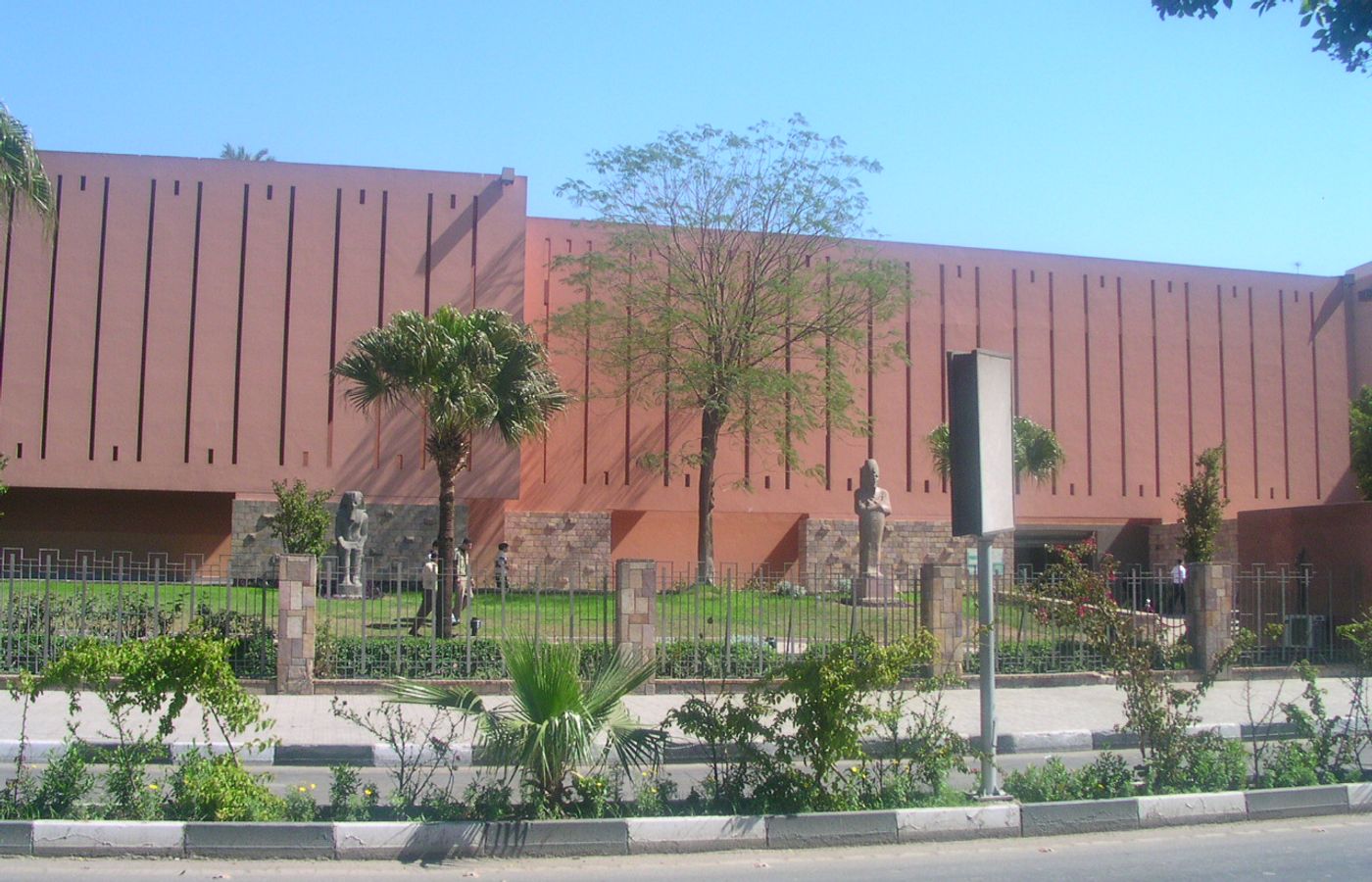
Luxor Museum opened in 1975 on the East Bank corniche and quickly earned a reputation as the most thoughtfully designed museum in Egypt. The two floors display fewer than 400 objects, but each one is a star: the granite head of Senusret III, a 26-statue cache from the Luxor Temple courtyard discovered in 1989, the Akhenaten talatat blocks reassembled into murals, and the chariot of Tutankhamun. The mummies of Ahmose I and Ramses I rest in a darkened lower hall. The clean lighting and unrushed pace make it a strong afternoon stop in summer. Tickets cost 500 EGP; opening hours run 9 AM to 2 PM and 5 PM to 9 PM, allowing a heat-break break in the middle of the day.
Pro Tip: Audio guides at the desk cost 80 EGP and run about 90 minutes - well-paced narration in English, French, Arabic, German or Spanish.
7Mummification Museum - Embalming science up close
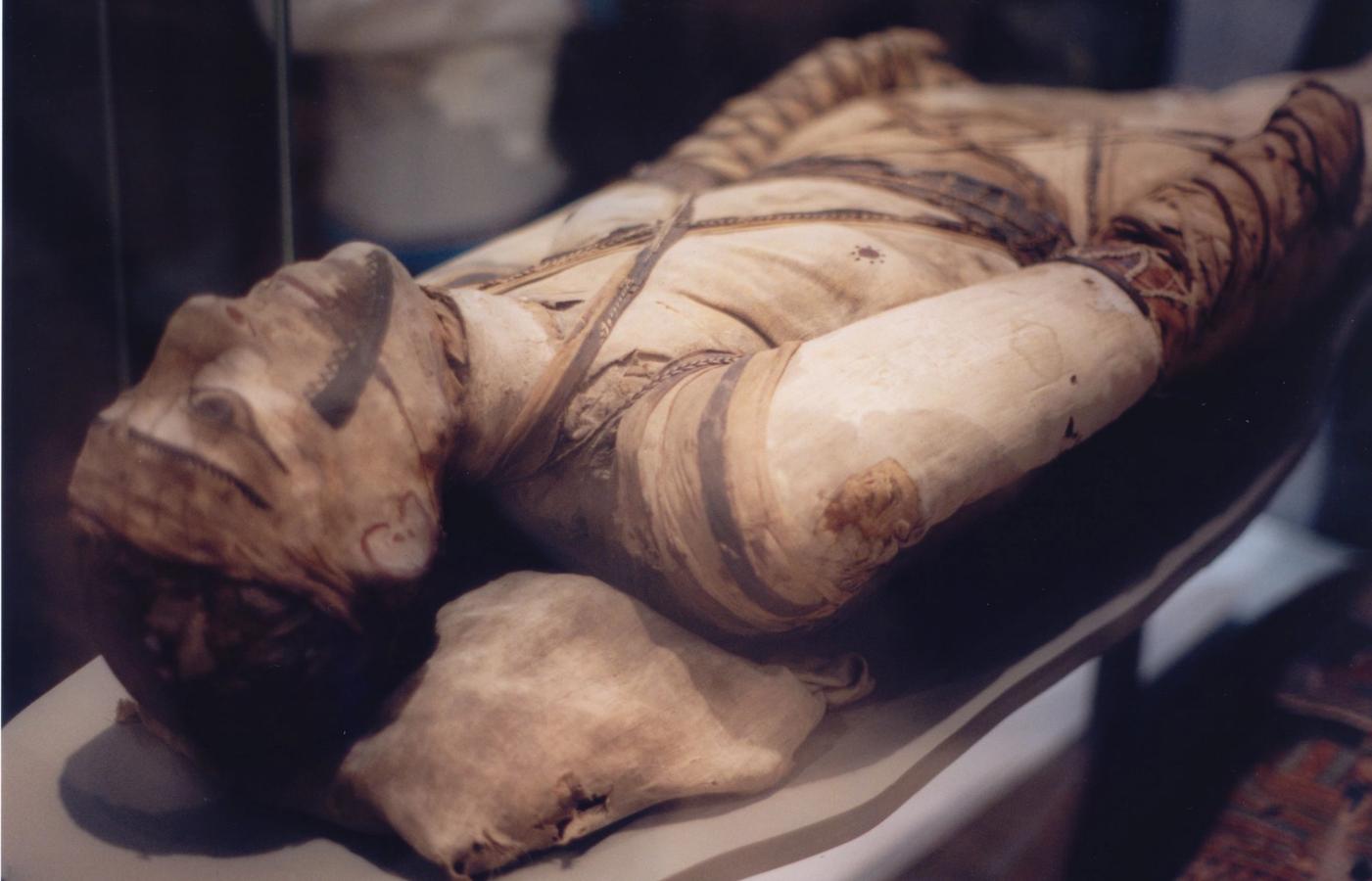
The Mummification Museum on the East Bank corniche concentrates one specific topic across 11 small galleries and does it well. Exhibits show the 70-day embalming process step by step: brain extraction through the nostril, organ removal, natron drying, resin coating, and the final wrapping in 20 layers of linen. A complete embalmer's tool kit (knives, hooks, jars) sits alongside the mummified bull, cat, baboon and crocodile that demonstrate animal cult practices. The mummy of the high priest Maserharti is the centrepiece. Plan 60-90 minutes. Tickets cost 300 EGP and the museum opens 9 AM to 2 PM and 5 PM to 9 PM. Combine with Luxor Museum 1 km north for a focused half day on the East Bank.
Pro Tip: The lower-floor video room runs a 25-minute documentary in English on the loop - check show times at the entrance and time your visit so you arrive 5 minutes before a screening.
8Valley of the Queens - Nefertari's painted tomb
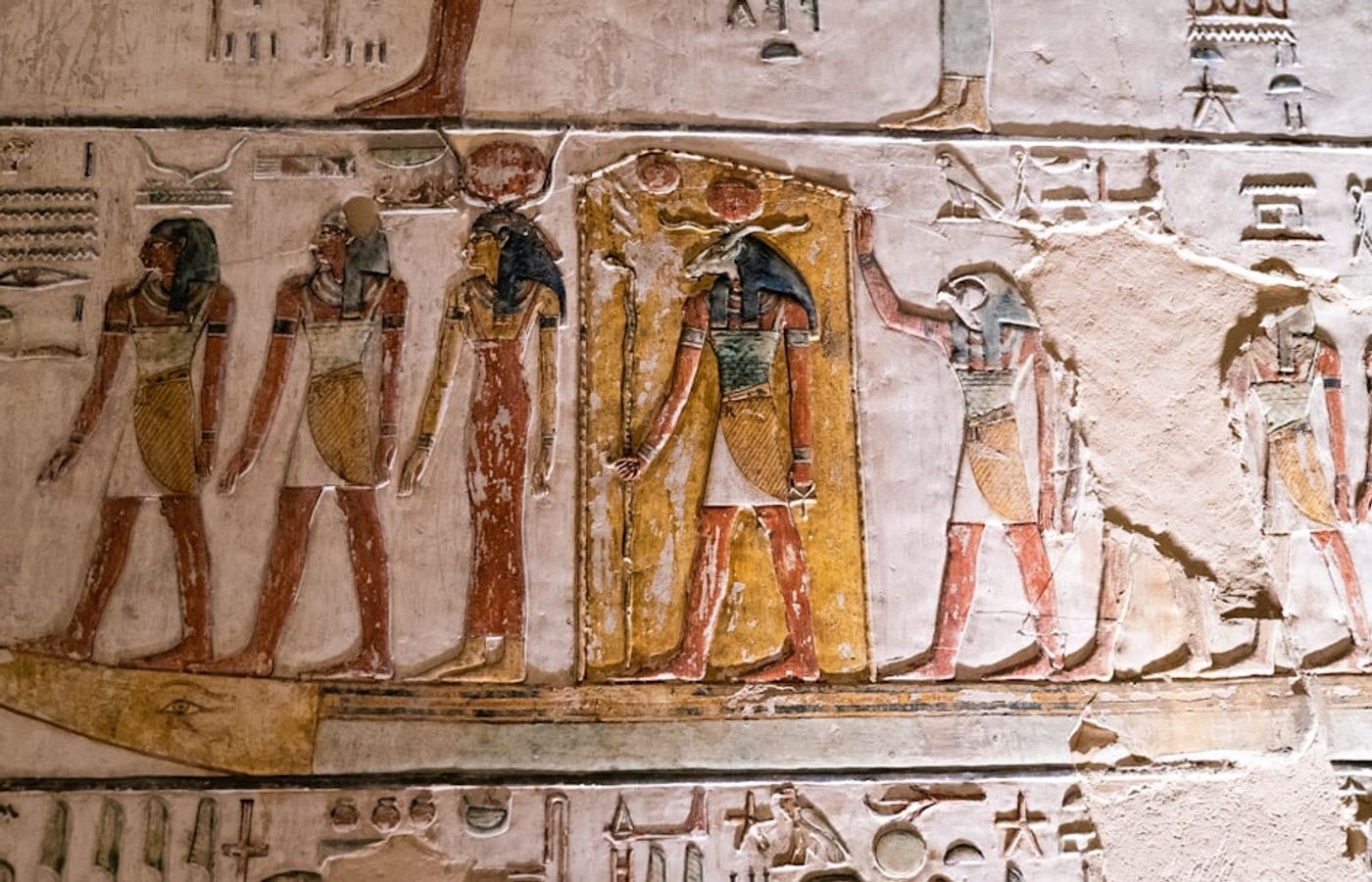
The Valley of the Queens (ancient Ta-Set-Neferu, 'place of beauty') holds around 90 known tombs of New Kingdom queens, royal princes and a few high officials. The reason most travellers come is the tomb of Nefertari, principal wife of Ramses II, often called the finest painted tomb in Egypt. Her chambers spread across 520 square metres of wall surface covered in scenes from the Book of the Dead, with the queen's name in cartouches and her face still showing original cosmetic blue eyeliner. Entry is capped at 150 visitors per day on a 1,400 EGP supplementary ticket valid for ten minutes inside; book at the West Bank ticket office at 7:30 AM or via your hotel. The standard valley ticket (250 EGP) covers three other queens' tombs that are still strong even without Nefertari.
Pro Tip: The tomb of Prince Amunherkhepshef (one of the standard three) is small but vivid - the prince stands beside his father Ramses III on every wall, painted in startling reds and yellows.
9Medinet Habu - Mortuary temple of Ramses III
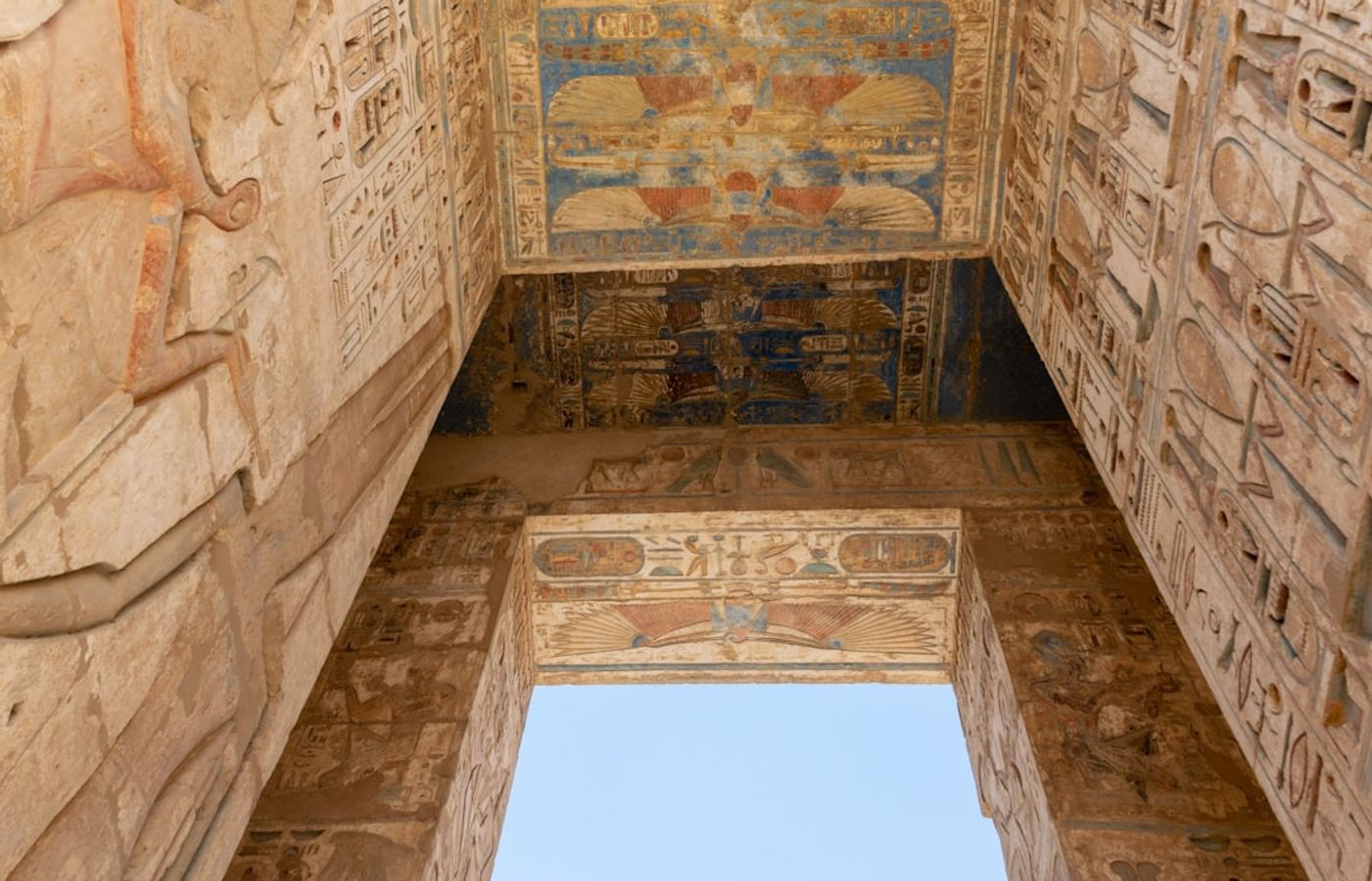
Medinet Habu rivals Karnak for sheer wall area but skips the tour-bus crowds, making it the West Bank's quietest major temple in 2026. Ramses III built the complex around 1186-1155 BCE as his mortuary temple and a fortified administrative centre with a 9-metre exterior wall. The first pylon shows the king crushing Sea Peoples invaders - one of the earliest detailed naval battle reliefs in world art. Inside, a small Eighteenth Dynasty temple of Amun, the Migdol gateway with its asymmetric tower, and the still-roofed Festival Hall let you read painted ceilings of stars and vultures. Tickets cost 450 EGP; open 6 AM to 5 PM. Plan 90 minutes. The lighter foot traffic also makes Medinet Habu the best West Bank temple for sketching or photography.
Pro Tip: Climb the Migdol gateway's first floor (gate guard often allows it for a 50 EGP tip) for a roof view across the temple plan and the Theban hills.
10Hot Air Balloon over the West Bank - Sunrise above the necropolis
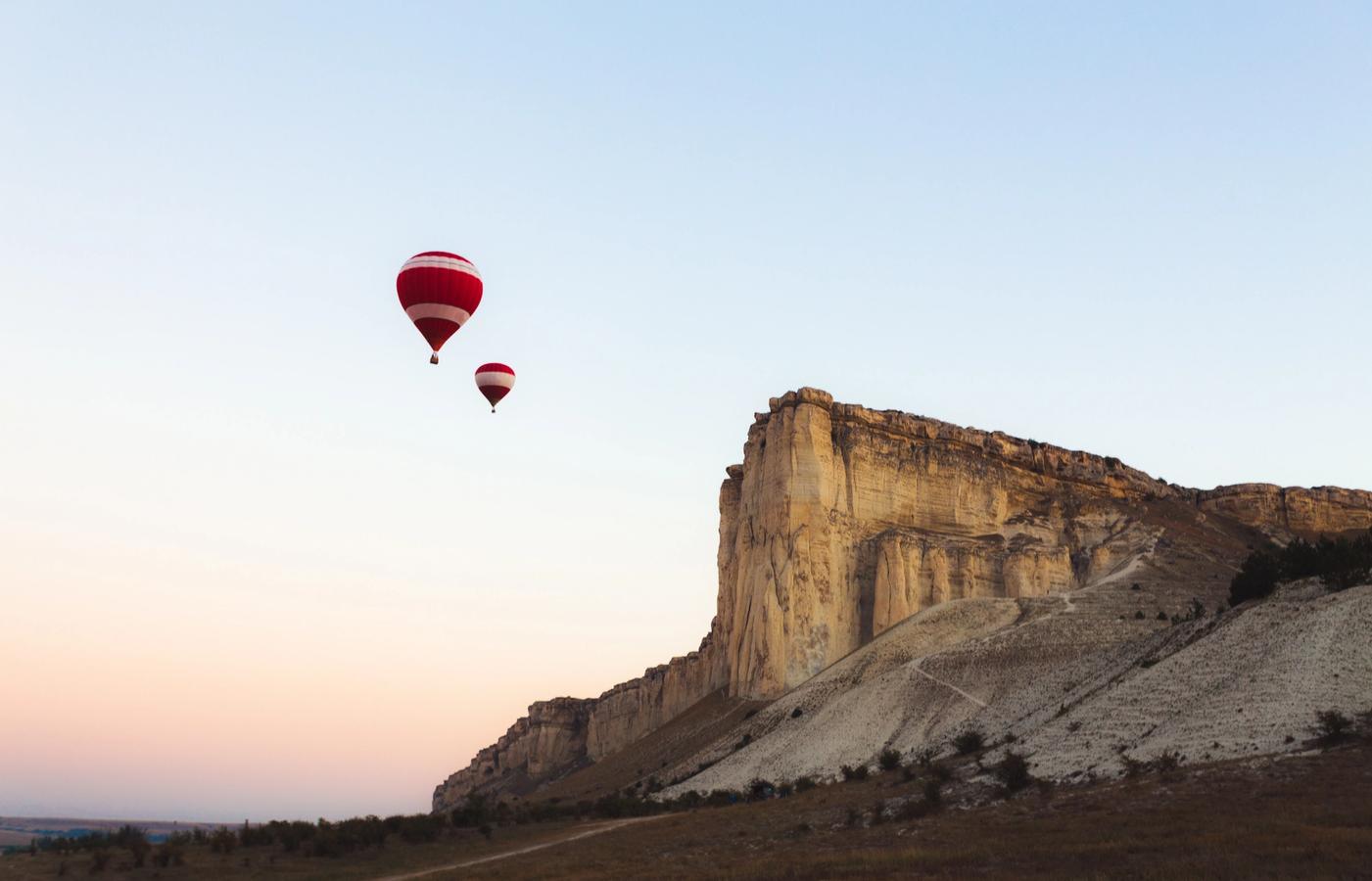
A dawn balloon flight over the West Bank is the single best way to grasp how Theban geography links the temples to the burial valleys. Operators (Sindbad, Magic Horizon, Skyway) pick passengers up from East Bank hotels at 4:30 AM, ferry across the Nile, and launch from the agricultural plain near the Colossi of Memnon at first light. Flights last 45-60 minutes at altitudes between 100 and 600 metres, drifting over Hatshepsut's terraces, Medinet Habu, the Ramesseum and the cliff that hides the Valley of the Kings. Costs run 3,500-4,500 EGP per adult in 2026 with a glass of sparkling juice on landing. Book 24-48 hours ahead through the operator (not random hotel touts) and confirm wind clearance the night before. Wear closed shoes; the basket landing can be bumpy.
Pro Tip: Choose the second flight of the morning if it suits the schedule - winds settle, light is warmer for photos, and the basket is usually less crammed than the dawn rush.

CEO and co-founder
Tomas is the co-founder and director of Trip1, an European company specializing in reservation services. He launched the company in 2025 with a focus on building scalable, efficient operations.
10 Top Things to Do in Luxor, Egypt - FAQ
Cramming all 10 things to do in Luxor into a single day is not advisable. The East Bank (Karnak, Luxor Temple, Luxor Museum, Mummification Museum) and the West Bank (Valley of the Kings, Hatshepsut, Colossi of Memnon, Valley of the Queens, Medinet Habu) sit on opposite sides of the Nile, and most West Bank tombs close at 4 PM. Two days is the realistic minimum: one day West Bank starting at 6 AM with the balloon, one day East Bank from late morning. Three days lets you slow down and add a side trip to Dendera or Abydos.
Day one (West Bank): launch on a hot air balloon at 5:30 AM, land near the Colossi of Memnon, drive to Valley of the Kings for opening at 6 AM, continue to Hatshepsut Temple at Deir el-Bahari mid-morning, finish at the Valley of the Queens (Nefertari tomb) and Medinet Habu in the afternoon. Day two (East Bank): start at Karnak Temple at 6 AM before tour buses, walk the Avenue of Sphinxes to Luxor Temple, take a midday break and end with Luxor Museum (3-9 PM hours suit the heat) and the Mummification Museum. Cross the river by ferry (5 EGP locals, 20 EGP visitors) instead of taxiing the bridge.
Three need pre-booking in 2026. The Nefertari tomb in the Valley of the Queens caps daily entries at 150 visitors and the 1,400 EGP supplementary ticket sells out by 8 AM at the West Bank ticket office; book through Egypt Tourism Authority partners or your hotel. Hot air balloon flights (3,500-4,500 EGP) require booking 24-48 hours ahead with operators like Sindbad or Magic Horizon. Some tombs in the Valley of the Kings rotate to protect paintings - tickets to Seti I (1,800 EGP) and Tutankhamun (500 EGP) are issued separately at the visitor centre and run out by 9 AM in peak season. Karnak, Luxor Temple, Hatshepsut and Medinet Habu are walk-up.
Budget around 9,500-11,500 EGP per adult in 2026 across the full list. Major tickets: Karnak 700 EGP, Luxor Temple 600 EGP, Valley of the Kings standard ticket 750 EGP (three tombs) plus Tutankhamun 500 EGP, Hatshepsut 550 EGP, Colossi of Memnon free, Luxor Museum 500 EGP, Mummification Museum 300 EGP, Valley of the Queens 250 EGP plus Nefertari supplement 1,400 EGP, Medinet Habu 450 EGP, balloon flight 3,500-4,500 EGP. Add 600-900 EGP per day for taxis, ferries and bicycle rental on the West Bank. A licensed Egyptologist guide costs 2,000-3,500 EGP per day.
Several Luxor extras deserve mention. Dendera Temple (60 km north) preserves a complete zodiac ceiling and recently restored colour. Abydos and the Seti I Temple (170 km north) make a long but rewarding day. The Tombs of the Nobles at Sheikh Abd el-Qurna show vivid daily-life scenes that pyramid-focused itineraries miss. A felucca sail from the East Bank corniche to Banana Island costs 250-400 EGP and slows the pace. The Luxor Sound and Light show at Karnak (English session 6:30 PM, 600 EGP) sets the temple alight after dark. Finally, the Tuesday and Saturday agricultural market at Souq al-Talata gives a window into modern Luxor away from the monuments.
Public transport in Luxor is limited but workable. East Bank: Karnak and Luxor Temple connect via the restored 2.7 km Avenue of Sphinxes (a free walk) or local microbuses for 5-10 EGP. Both museums sit along the corniche and are walkable from most central hotels. West Bank: the public ferry runs every 15 minutes from the corniche to the West Bank dock (20 EGP for foreigners), and from the dock you take a shared taxi or pre-booked driver to the tombs - there is no scheduled bus service. A West Bank day with a private taxi costs 700-1,000 EGP and saves hours. Bicycles rent for 100-150 EGP per day if you can manage 30+ C heat.