
Guides · Como
10 Top Things to Do in Lake Como, Italy
By Tomas Achmedovas · CEO and co-founder

CEO and co-founder
This guide ranks the 10 top things to do in Lake Como - the sights that genuinely deserve a spot on your itinerary whether you have a single day from Milan or a full week on the lake. Each entry includes the exact address, nearest ferry pier or train station, and a practical Pro Tip so you can plan without juggling timetables. We have ordered the list to help with efficient routing: Como town and the Brunate funicular grouped at the southern end, the central triangle of Bellagio, Varenna, and Tremezzo accessible by the same ferry day pass, and Villa del Balbianello a short detour on the western shore.
Lake Como is the third-largest lake in Italy at 146 km squared and one of the deepest in Europe, reaching 425 m at its lowest point. The lakeside towns share an Alpine-meets-Mediterranean character: terraced villa gardens, Lombard-Romanesque churches, and ferries that have run scheduled routes here since 1826. Distances are short on the map but slow on the ground - the right answer is almost always the boat.
Most of the things to do in Lake Como below cluster around the central lake, where the Bellagio-Varenna-Menaggio-Tremezzo triangle can be covered in two unhurried days with a single Navigazione Laghi central-lake pass. The remaining attractions - Como Cathedral, the Brunate funicular, and the Greenway del Lago di Como walking trail - sit at the southern end and the western shore, easy add-ons before or after the central section.
Check dates for Como
See what is available on your dates.
1Bellagio - The Pearl of Lake Como
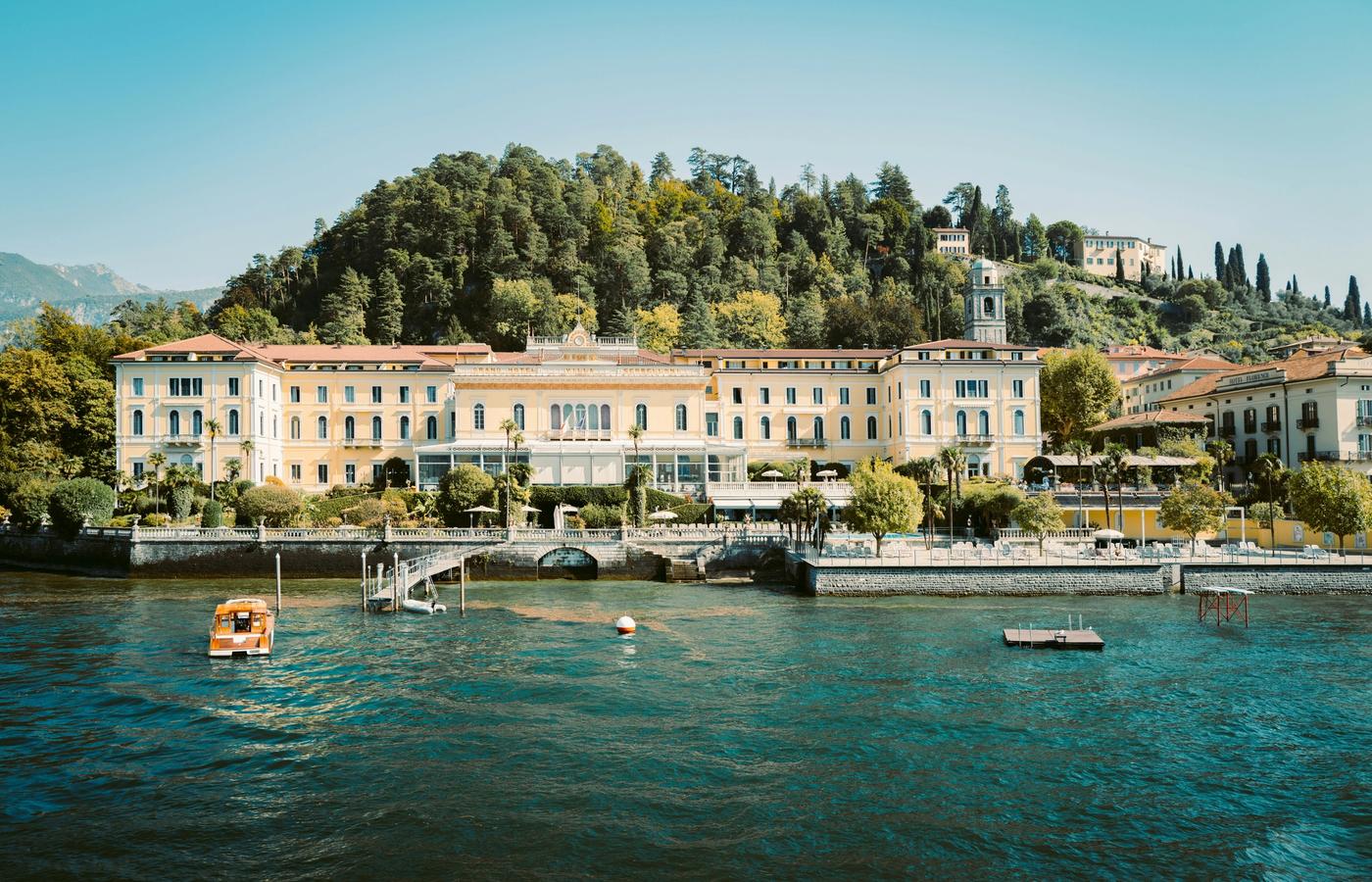

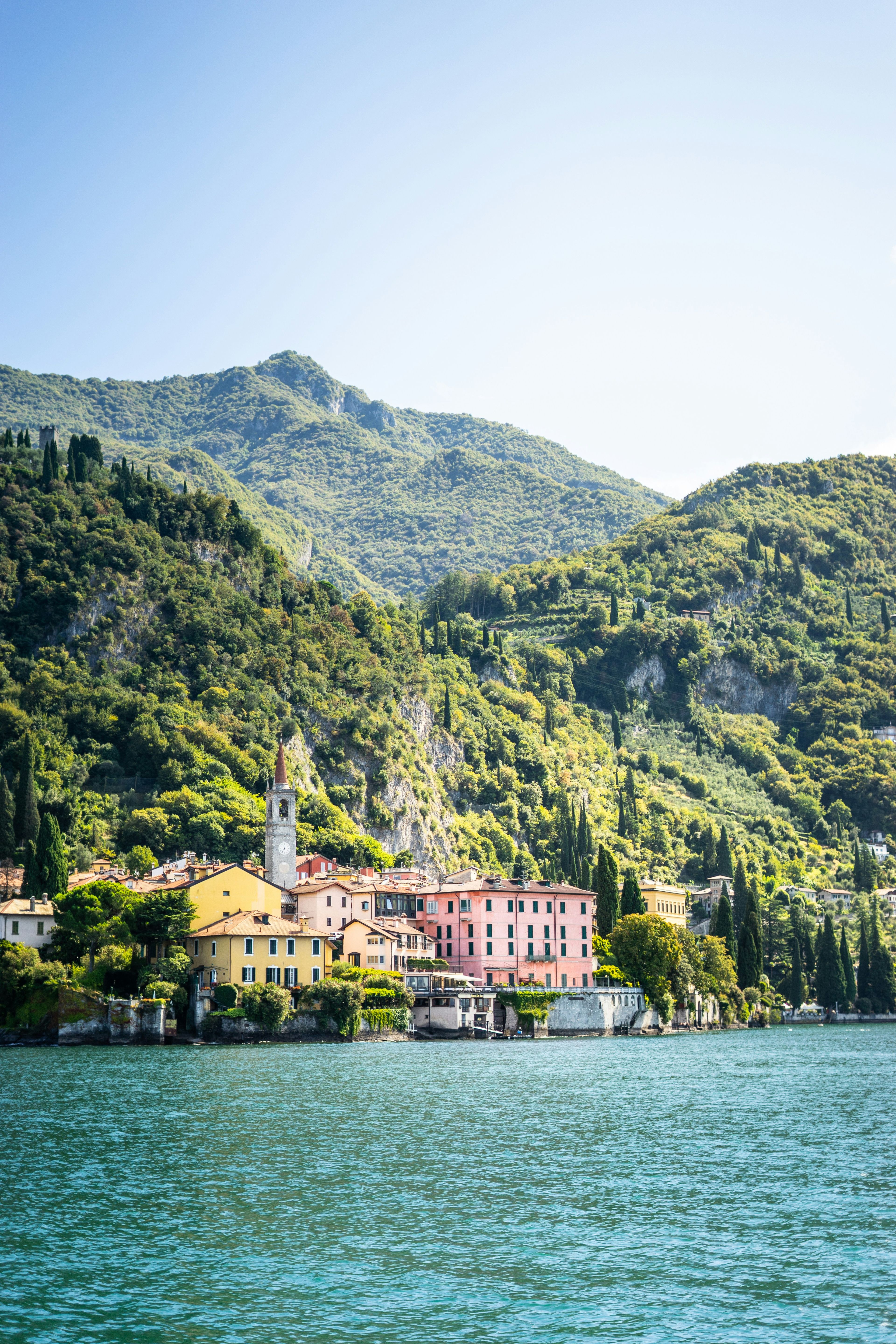
Bellagio sits at the southern tip of the wooded promontory that splits Lake Como into its two southern branches, and it has been the lake's most photographed village since the 19th century. The historic centre rises from the ferry pier in a tight grid of stone steps and shop-lined alleys - Salita Serbelloni, Salita Mella, Salita Genazzini - leading past the 11th-century Basilica di San Giacomo and a cluster of villa gardens that face open water on three sides.
Day-trippers tend to crowd Piazza della Chiesa between 11:00 and 16:00, but most leave on the late afternoon ferries. Stay through dinner and the village empties to the residents and overnight guests, with lakefront cafes spilling onto the promenade and the lights of Varenna and Tremezzo across the water. The Las Vegas resort that borrowed the name was reportedly inspired by the founder's vacation here in the 1990s.
2Villa del Balbianello - Cinematic Lakeside Estate at Lenno
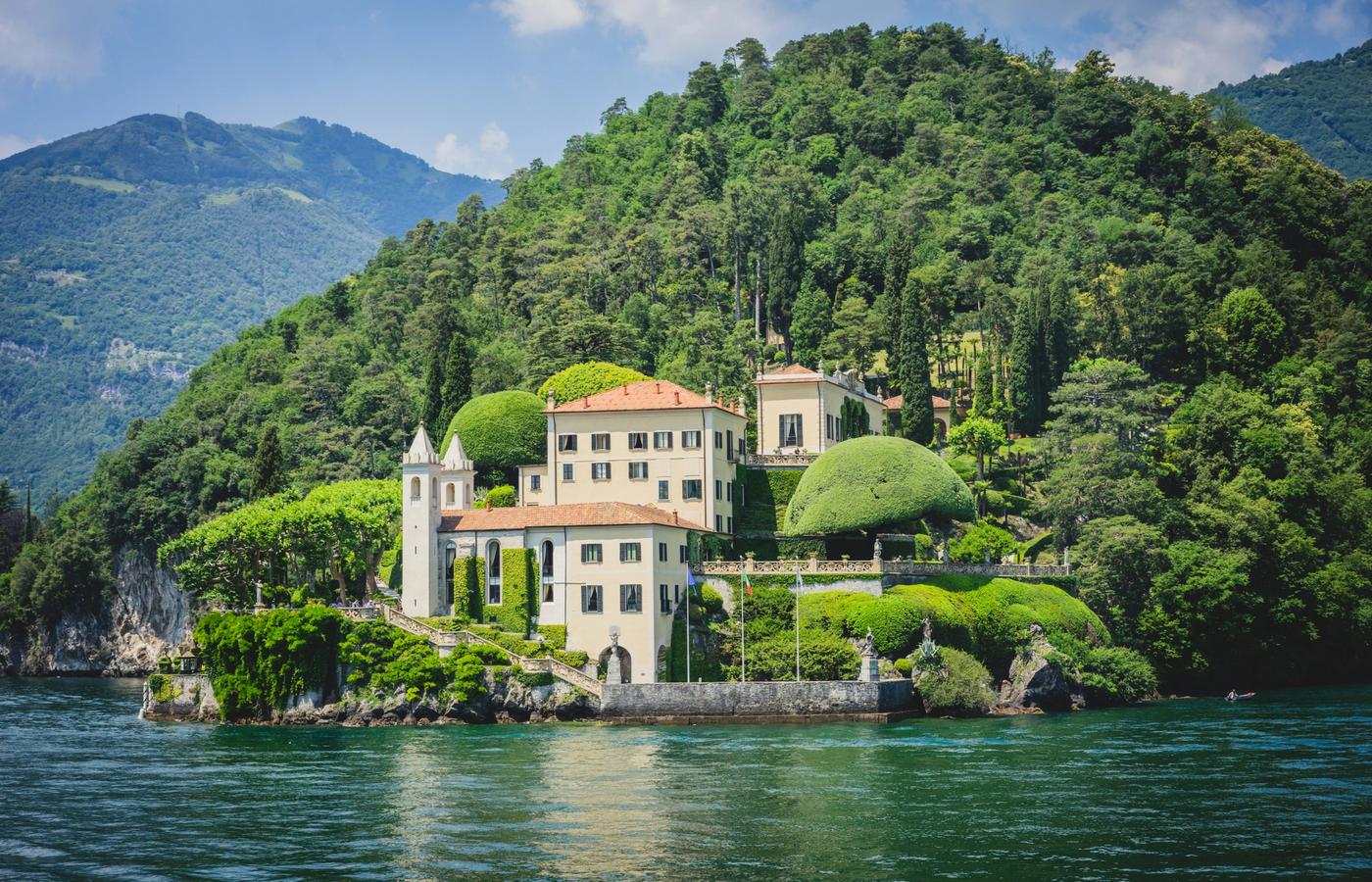

Villa del Balbianello occupies the tip of the Dosso d'Avedo peninsula near Lenno, on the western shore of Lake Como's south-western branch. Cardinal Angelo Maria Durini commissioned the villa in 1787 on the site of a 13th-century Franciscan monastery, but the property is best known for its later owner: explorer Count Guido Monzino, who led the first Italian Everest expedition and bequeathed the villa to the FAI heritage trust in 1988.
The terraced gardens and stone loggia have appeared in Casino Royale (2006) and Star Wars: Episode II - Attack of the Clones (2002), and Villa del Balbianello is the most visited FAI property in Italy. Access is part of the appeal - a 1 km woodland path from Lenno or a short FAI shuttle boat reaches the entrance, and there is no direct road. Inside, Monzino's expedition rooms display gear from his Arctic, Mont Blanc, and Everest climbs, alongside Tibetan and African collections.
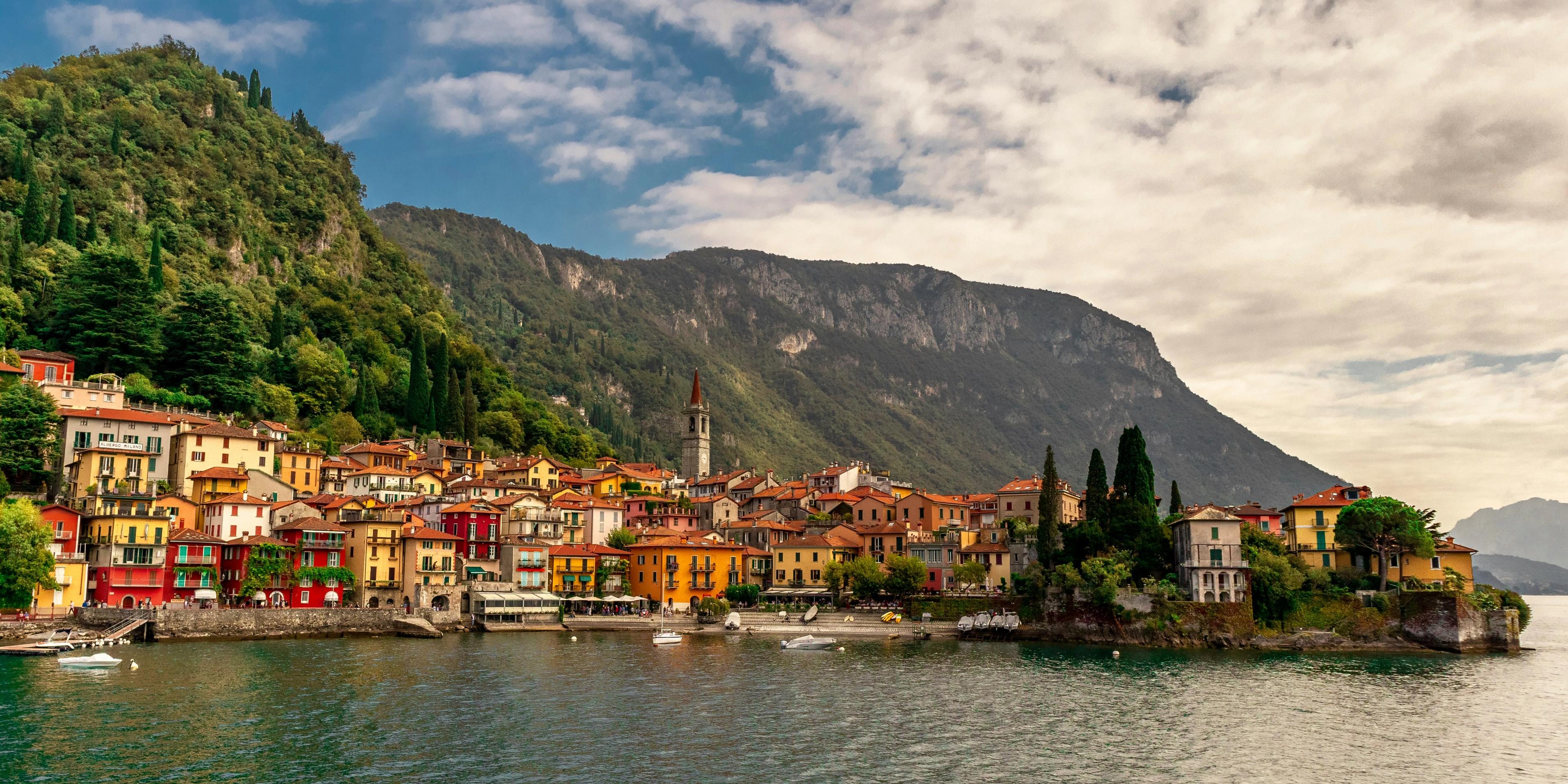
3Varenna - Eastern Shore Stone-Alley Village
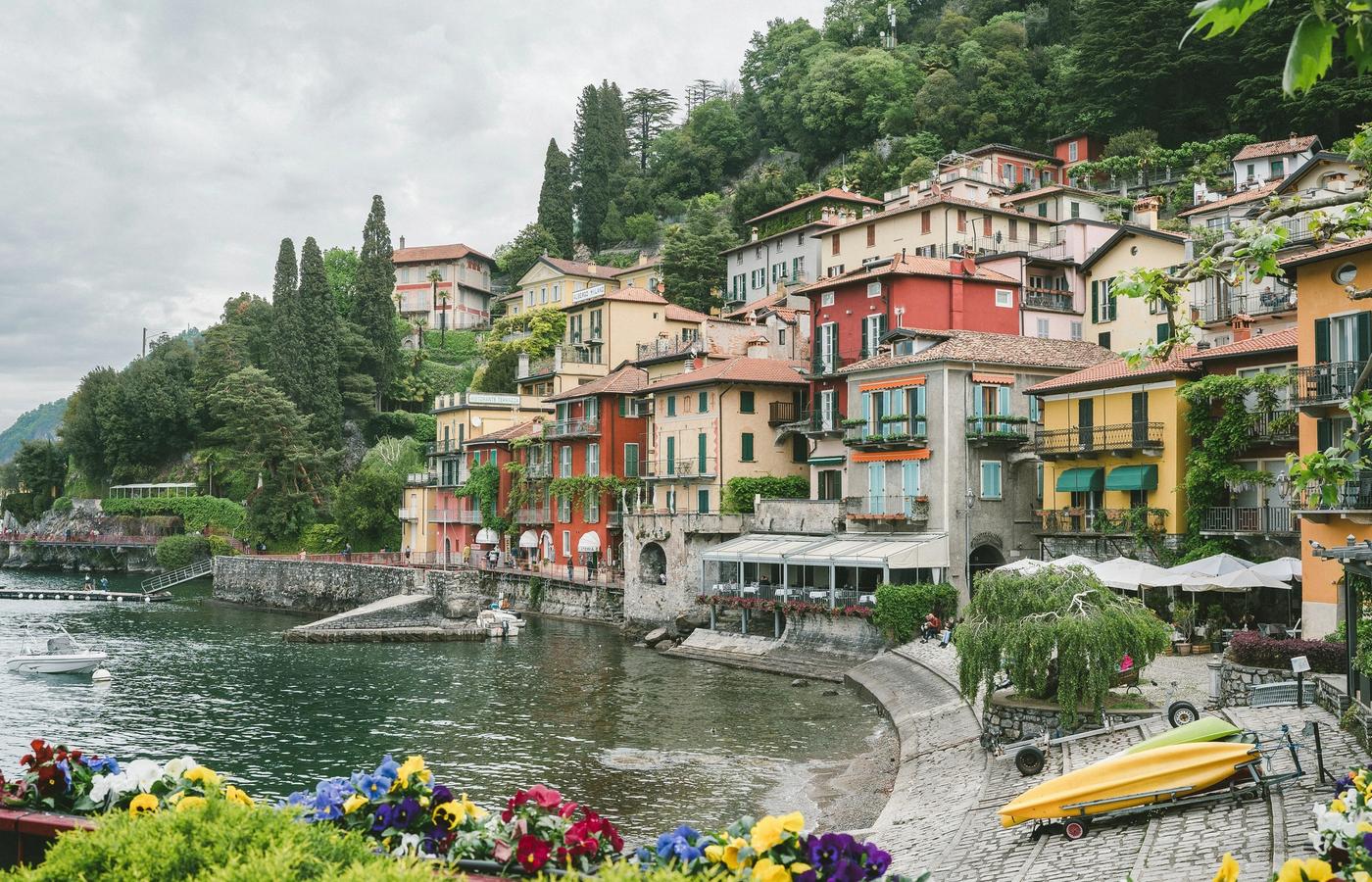
Varenna sits on the eastern shore opposite Bellagio and offers a quieter, narrower take on Lake Como village life. The waterfront passerella - a wooden walkway pinned to the cliff face - connects the ferry pier to the small harbour of Riva Grande, passing under the pastel facades of the old town. Above, stone alleys climb steeply to the 11th-century Castello di Vezio, where trained Harris's hawks fly demonstrations against the backdrop of the lake.
Founded by local fishermen in AD 769 and destroyed by Como in 1126, Varenna was rebuilt as a refuge for survivors of nearby Isola Comacina. Today's population sits around 800. Villa Monastero - a former 12th-century Cistercian convent turned 19th-century villa - and the adjacent Villa Cipressi gardens are the main paid attractions, but the village itself rewards an unhurried walk. Direct regional trains from Milano Centrale reach Varenna-Esino-Perledo station in about an hour.
Check dates for Como
See what is available on your dates.
4Villa Carlotta - Botanical Gardens and Canova Sculpture in Tremezzo
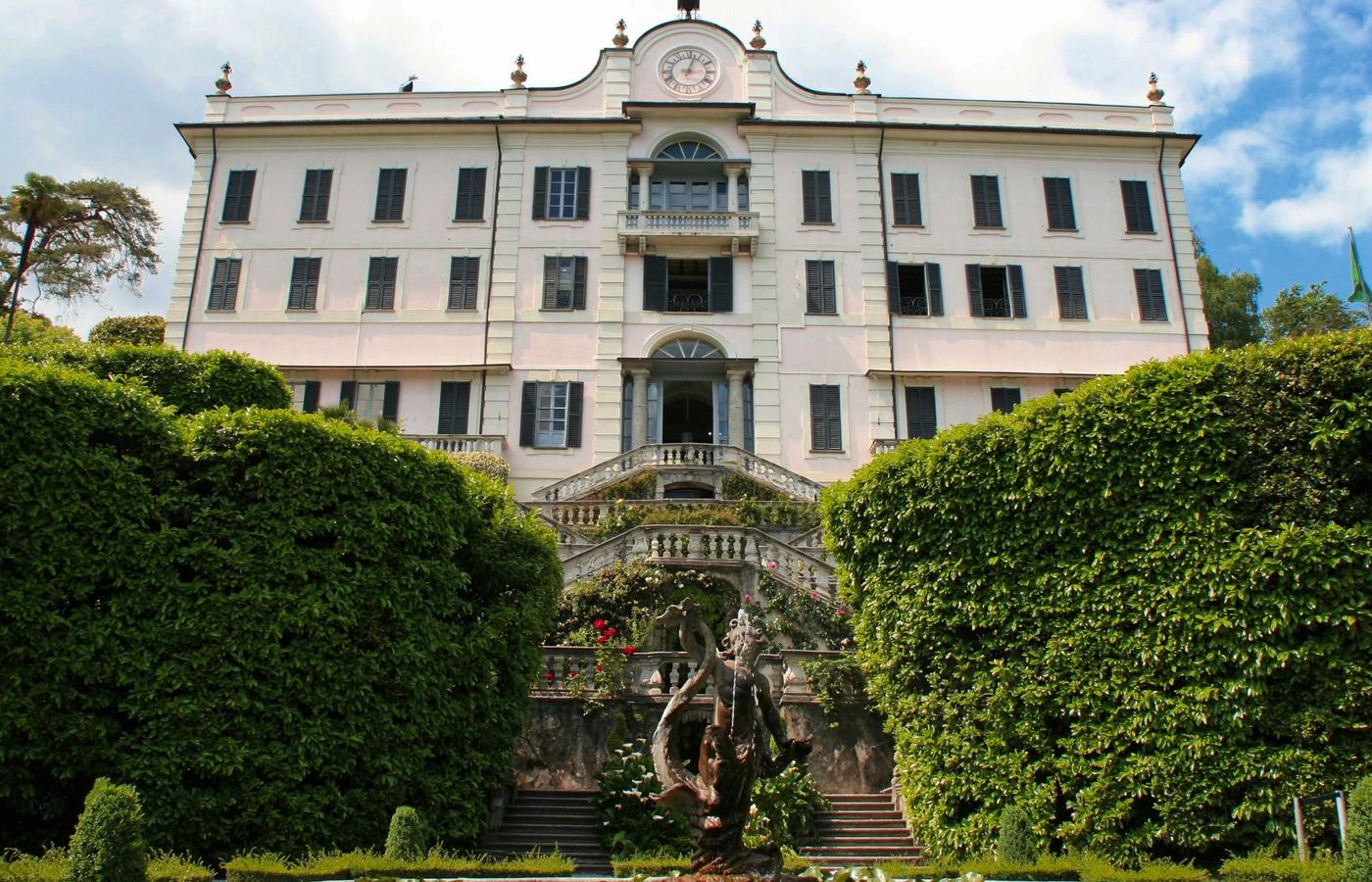
Villa Carlotta in Tremezzo is the most rewarding villa-and-garden combination on Lake Como for visitors who want major art alongside the landscaping. The villa was completed in 1745 for the Clerici family and renamed in 1847 when Princess Marianne of the Netherlands gifted it to her daughter Charlotte as a wedding present. The 8-hectare botanical garden holds 150 varieties of azaleas - peak bloom is typically late April through mid-May - and a bamboo grove with more than 25 species.
The interior is unusual for a lake villa in the depth of its sculpture collection. Antonio Canova's Palamedes, Repentant Magdalene, and The Muse Terpsichore share rooms with Bertel Thorvaldsen's 33-slab marble frieze depicting the entry of Alexander the Great into Babylon. Francesco Hayez's The Last Adieu of Romeo and Juliet hangs in the painting gallery. The villa sits directly opposite Bellagio across the central lake and is served by the Cadenabbia-Villa Carlotta ferry stop.
5Como - Old Town and Lakefront
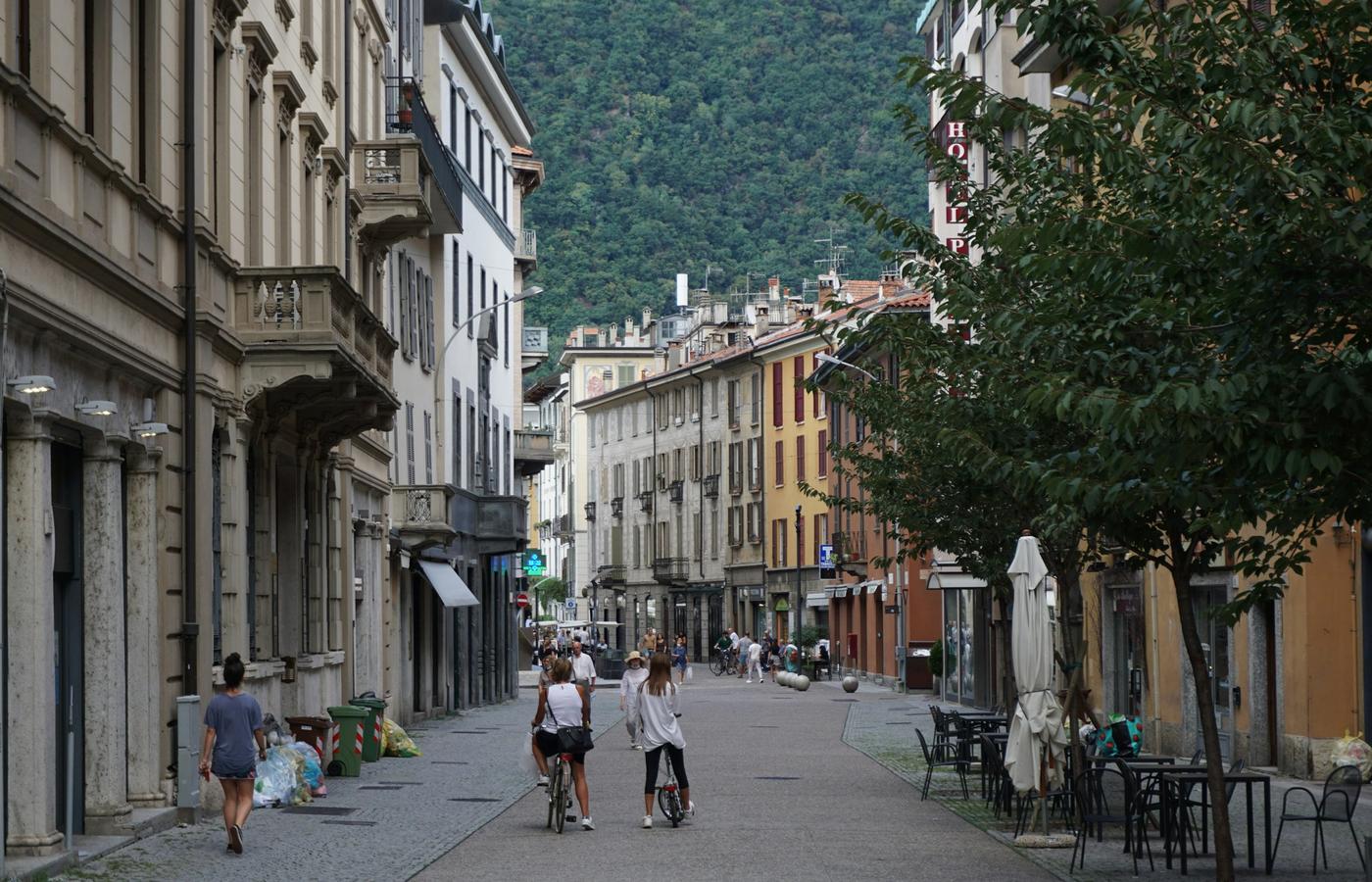
Como anchors the southern end of the lake and is the most accessible base for travellers arriving by train from Milan - Trenord regional services from Milano Cadorna reach Como Nord Lago in about 40 minutes. The town was refounded by Julius Caesar in 59 BC as Novum Comum, and the defensive towers built between 1158 and 1162 under Frederick Barbarossa still mark the old town walls. Piazza Cavour opens directly onto the lakefront ferry terminal and is the natural starting point for any day in Como.
From Piazza Cavour, a 5-minute walk leads to Piazza del Duomo and the cathedral, and another 10 minutes south along the lakeshore reaches Villa Olmo and the neoclassical lakefront promenade. The 1936 Casa del Fascio by Giuseppe Terragni is one of Europe's most studied works of modernist architecture and stands a block behind the cathedral. Como is also the birthplace of Alessandro Volta, inventor of the electric battery; the lakeside Tempio Voltiano commemorates him.
6Brunate Funicular - Panoramic Viewpoint Above Como
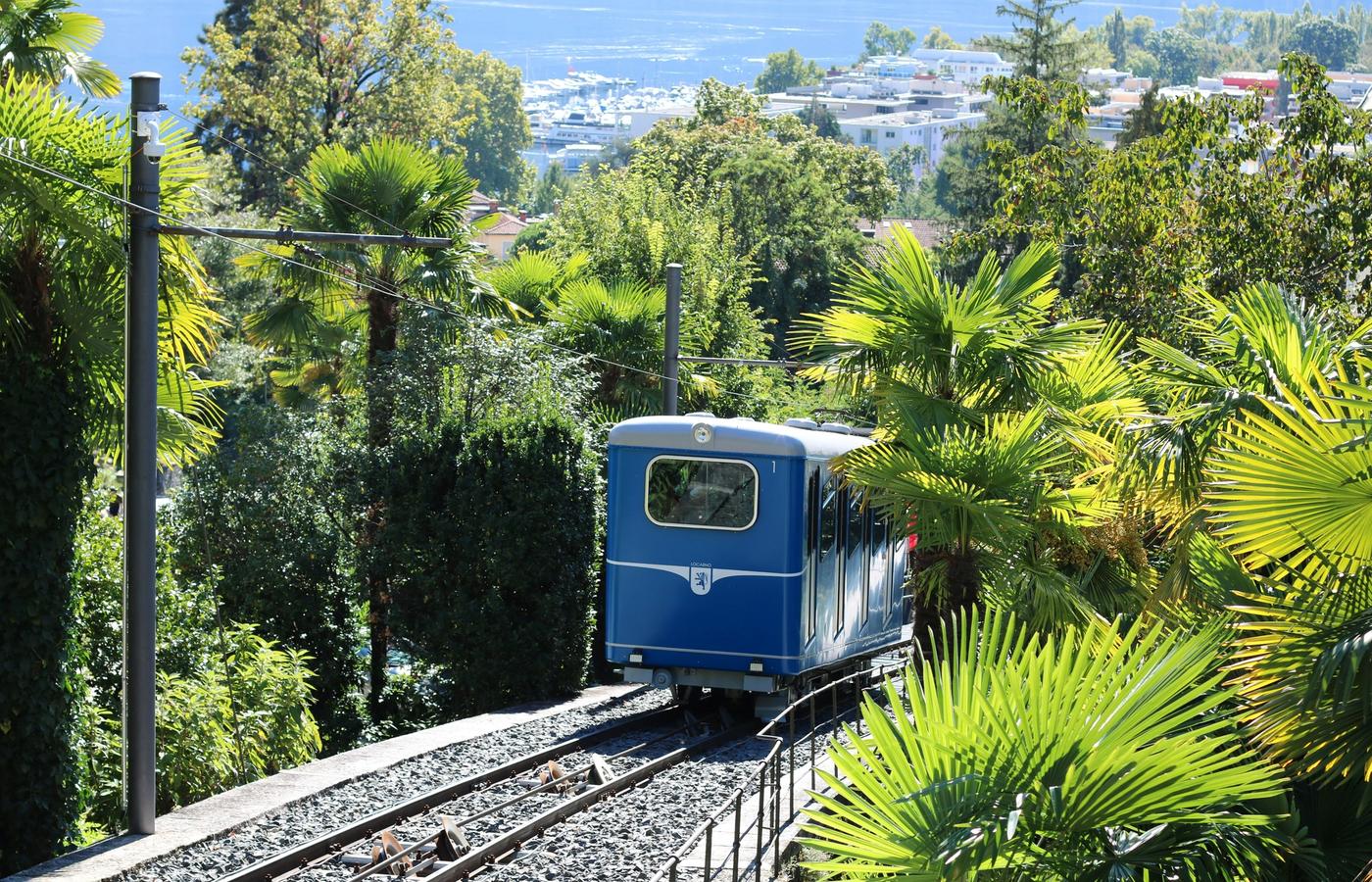
The Brunate funicular climbs from Como's lakefront to the hilltop village of Brunate, 715 metres above sea level, in 7 minutes. The lower station sits at Piazza Alcide De Gasperi 4, a 5-minute walk east from Piazza Cavour along the lakefront. Cars run every 15 to 30 minutes throughout the day, year-round - one of the few major Lake Como attractions that operates fully through winter.
The payoff at the top is the cleanest panorama on the lake. From the viewing terrace beside the upper station, the entire southern branch unfolds: the rooftops of Como, the lake stretching north toward Bellagio, and on clear days the Alpine peaks behind. A 30-minute uphill walk from Brunate village leads to the Faro Voltiano (Volta Lighthouse), built in 1927 for the centenary of Alessandro Volta's death; climbing its 143 steps adds another 30 metres of altitude and a 360-degree view that takes in the Lombard plain south to Milan.
7Villa Melzi Gardens - Napoleonic English Garden in Bellagio
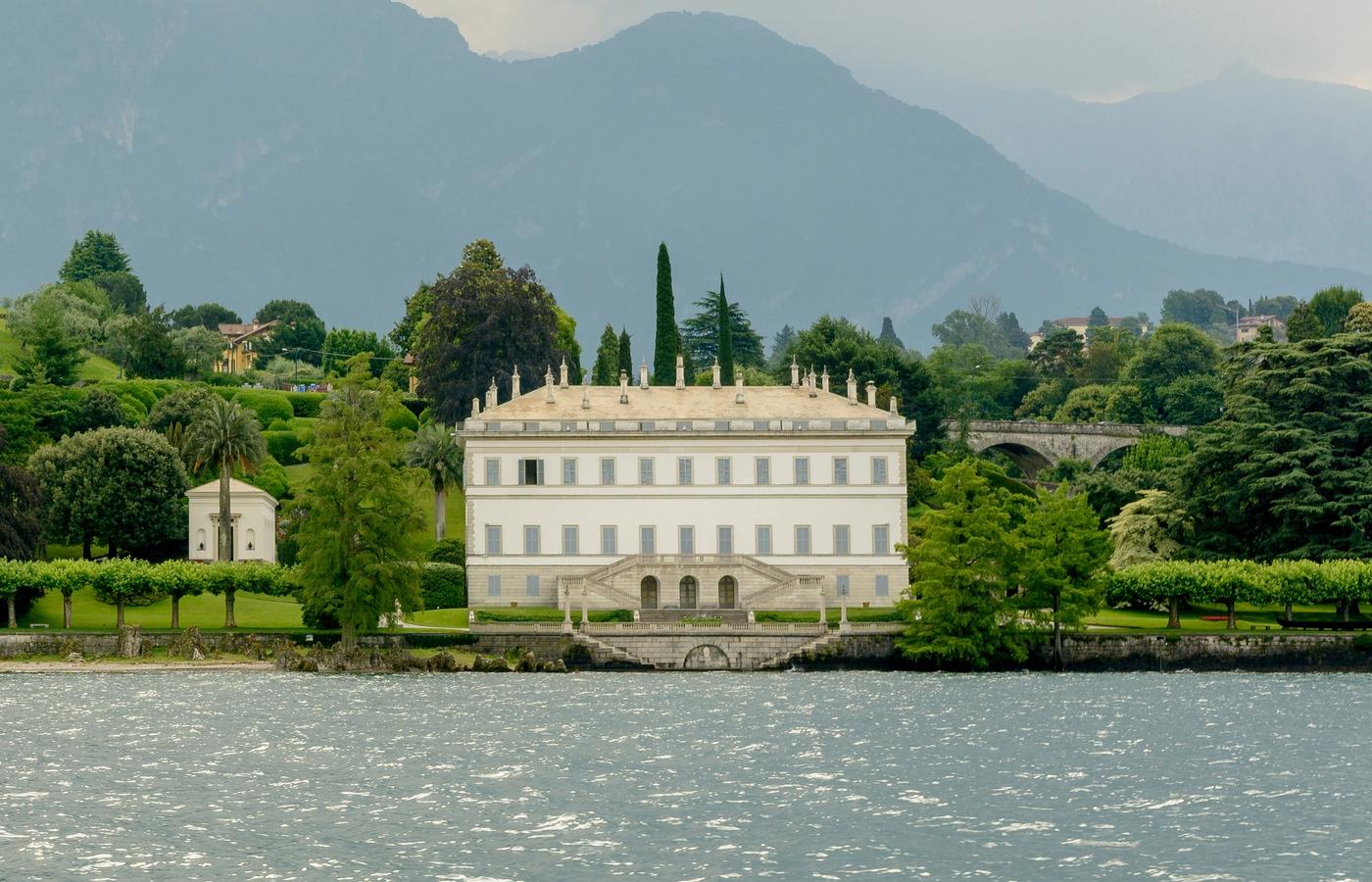
Villa Melzi sits on the Bellagio waterfront a 10-minute walk south of the ferry pier and is the most underrated of the major lakeside gardens. Francesco Melzi d'Eril, Duke of Lodi and Vice-President of Napoleon's Italian Republic, commissioned architect Giocondo Albertolli to design the neoclassical villa, chapel, and glasshouse between 1808 and 1815. The garden was the first English landscape garden on Lake Como and remains the template for the style on the lake.
The villa interior is not open to the public, but the gardens are the draw. Camellia hedges, azalea and rhododendron groves, mature cedars and plane trees, and a row of Egyptian statues line the lakefront path. A Venetian gondola once gifted to Napoleon sits in the dockside grotto. Stendhal walked these gardens; Franz Liszt composed here in 1837 after meeting Marie d'Agoult on the lake. Compared with Villa Carlotta across the water, Villa Melzi is quieter, smaller, and more atmospheric in late afternoon.
8Como Cathedral - Gothic-Renaissance Duomo di Como
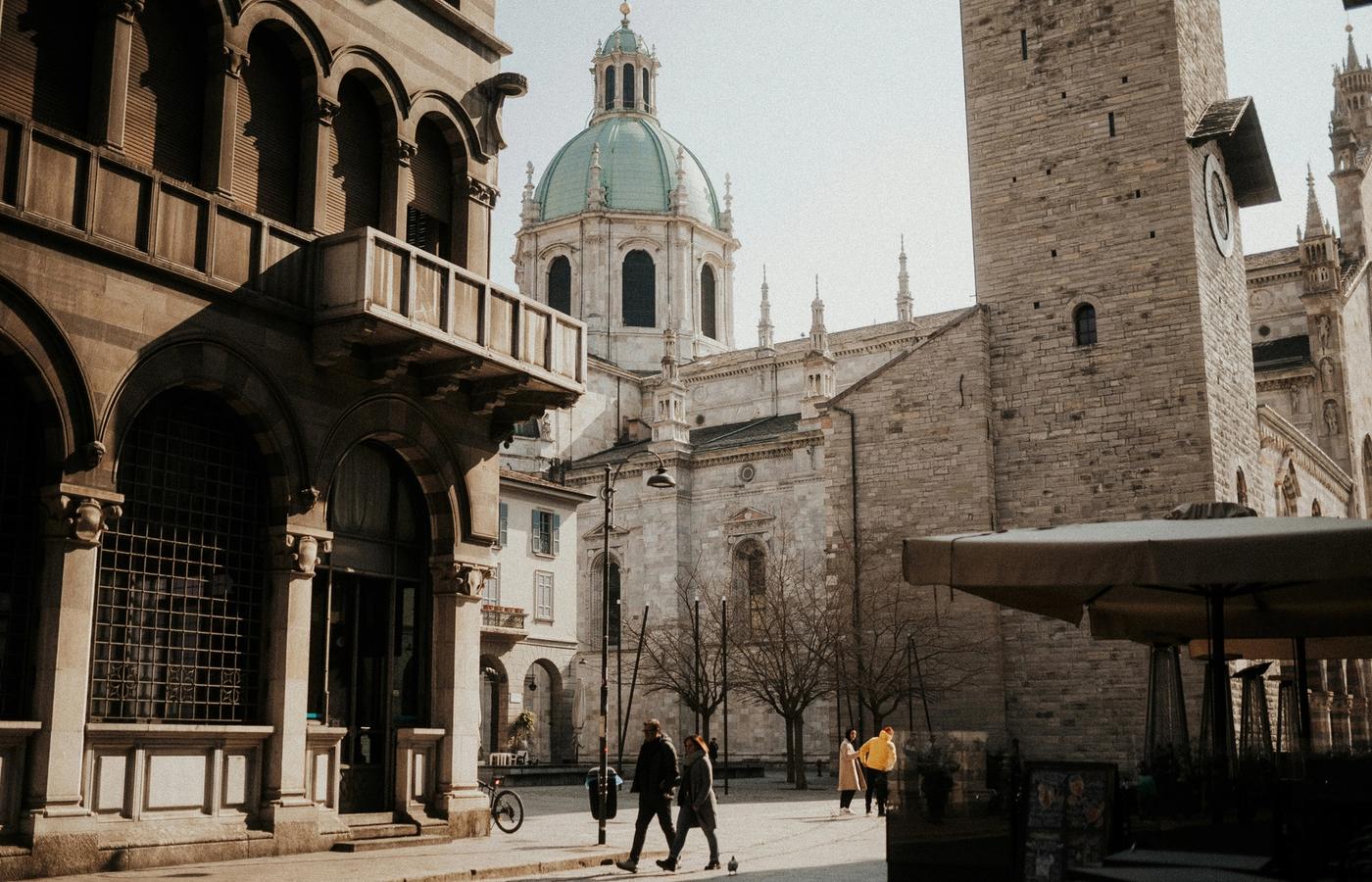
Como Cathedral - Duomo di Como to locals - dominates Piazza del Duomo a 5-minute walk from Como Nord Lago station. Construction began in 1396 on the site of the older church of Santa Maria Maggiore, and the building is commonly cited as the last great Gothic cathedral built in Italy, finished as Renaissance styles were already taking over Lombardy. The cupola, designed by the Sicilian architect Filippo Juvarra, was added in 1770 and stands 75 metres above the floor.
The west front, completed between 1457 and 1498, is the cathedral's most distinctive feature. Statues of Pliny the Elder and Pliny the Younger flank the main portal - both were born in Como and the cathedral chapter included their imagery in defiance of the convention that pagan figures stay off church facades. Inside, nine 16th-century tapestries from Ferrara, Florence, and Brussels hang in the nave alongside paintings by Bernardino Luini and Gaudenzio Ferrari. The Latin-cross plan is 87 metres long with a Renaissance transept.
9Greenway del Lago di Como - 10 km Walking Trail
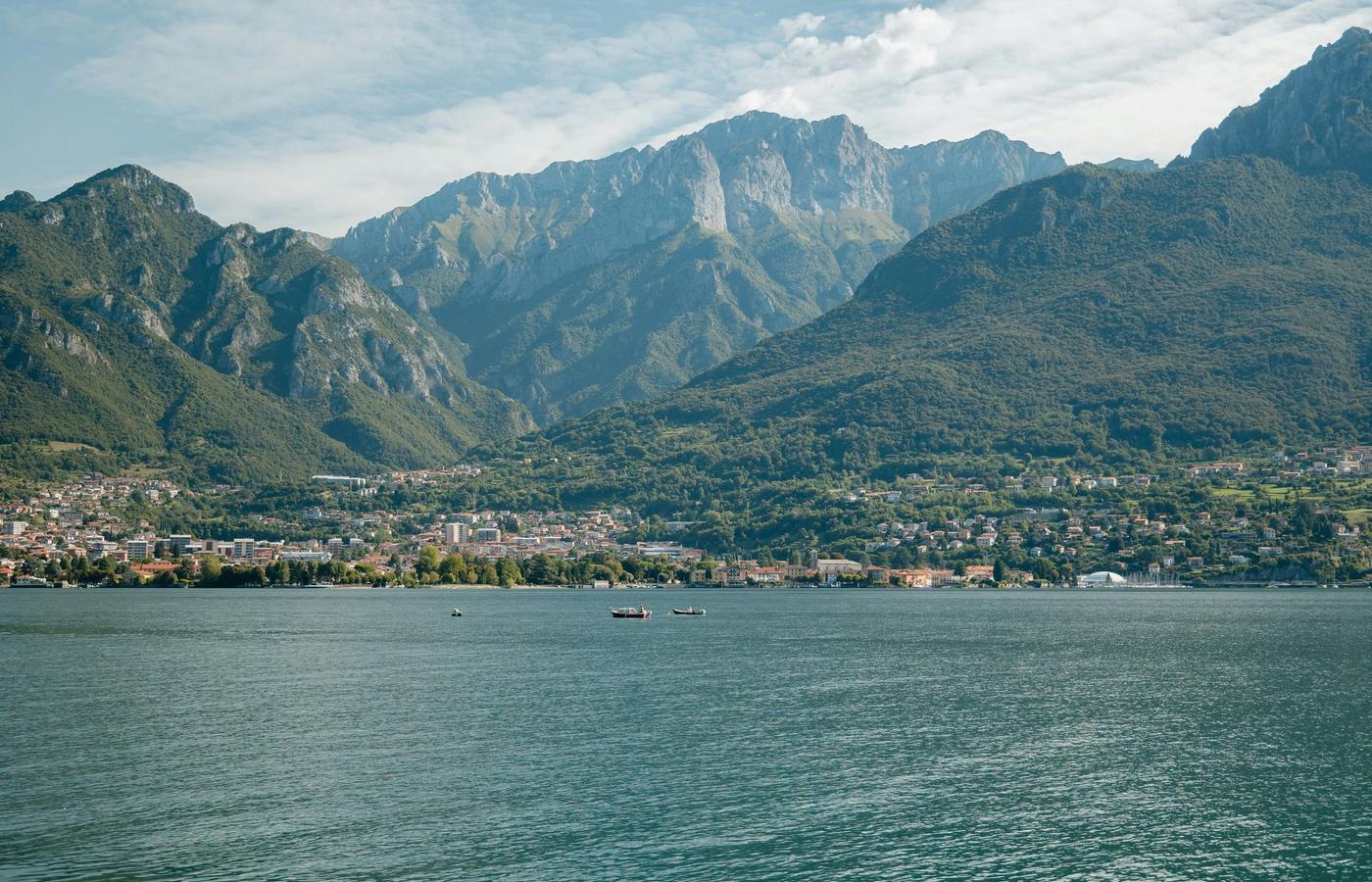
The Greenway del Lago di Como is a 10-kilometre walking route along the western shore that links the small villages of Colonno, Sala Comacina, Ossuccio, Lenno, Mezzegra, and Tremezzo, ending near Cadenabbia. The path follows portions of the ancient Roman Via Regina trade road and stays mostly flat, with low cobbled lanes, lakeshore stretches, and short climbs between villages. Most walkers cover it in 4 to 5 hours including stops, and either direction works equally well.
The route passes within reach of three major attractions, which makes it a practical way to chain a day's sightseeing on foot rather than juggling buses. Sacro Monte di Ossuccio (a UNESCO World Heritage Site since 2003, with 15 Baroque chapels built between 1635 and 1710) sits above Ossuccio; the access path to Villa del Balbianello branches off at Lenno; and the route ends near the Villa Carlotta ferry stop, making the boat back to Como or Bellagio simple to time. Public ferries stop at almost every village along the way, so you can shorten the walk or skip stretches as needed.
10Lake Cruise - Navigazione Laghi Public Ferries
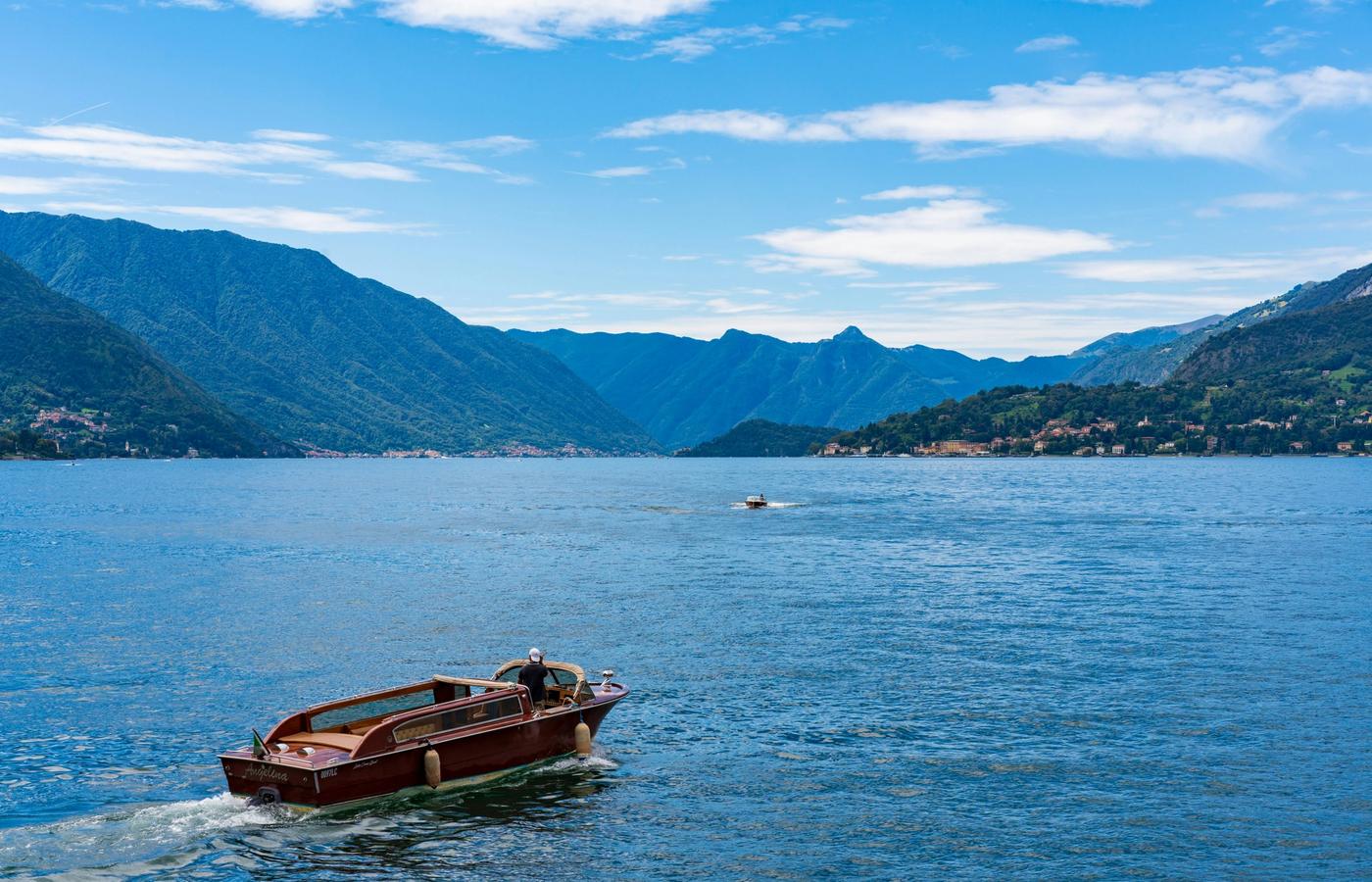
A lake cruise on Lake Como is best done on the regular public ferries rather than a tour boat. Gestione Governativa Navigazione Laghi has operated scheduled services here since the first steamboat Lario launched in 1826, and the current fleet of passenger ferries (battelli), hydrofoils (aliscafi), and car ferries (traghetti) covers the entire lake at fares a fraction of the tourist cruises. The central-lake day pass covers unlimited travel in the Bellagio-Varenna-Menaggio-Tremezzo triangle.
The routing decision is the interesting one. A single end-to-end ride from Como to Colico on the slow battello takes around 4 hours and covers the full 46 km length of the lake. The faster aliscafo cuts that to about 2 hours but skips some smaller stops. The Varenna-Bellagio car ferry crossing is the shortest, busiest, and most photogenic - 15 minutes across the centre of the lake with all three branches in view from the deck. Tickets are sold at every pier; pay attention to the colour-coded zone map at the kiosk.
Take this guide with you
Get every place in this guide, with addresses and map links, in your inbox — easy to open on your phone during the trip.
One email to the address on your account. No newsletter.

CEO and co-founder
Tomas is the co-founder and director of trip1, an European company specializing in reservation services. He launched the company in 2025 with a focus on building scalable, efficient operations.
10 Top Things to Do in Lake Como, Italy - FAQ
Bellagio, Varenna and the villa gardens. Walk Bellagio's stepped lanes and Villa Melzi's lakeside garden, cross to Varenna for its cliffside walkway and Castello di Vezio, and see Villa Carlotta's azaleas and Canova sculptures in Tremezzo. Add Villa del Balbianello near Lenno, the Brunate funicular above Como for the best panorama, and at least one ride on the public ferries.
Three days is ideal. Spend one in Como town with the cathedral and the Brunate funicular, one in the central lake between Bellagio, Villa Melzi and Varenna, and one on the western shore for Villa Carlotta, Villa del Balbianello and the 10 km Greenway walk. Two unhurried days cover the Bellagio, Varenna, Menaggio and Tremezzo triangle with a central-lake ferry pass.
Base the day on the central lake. Take the train from Milano Centrale to Varenna, walk the waterfront passerella, then cross to Bellagio on the 15-minute car ferry for its lanes and Villa Melzi's gardens. If time allows, hop to Villa Carlotta on the western shore with the same day pass. Most day-trippers leave on late-afternoon ferries, so Bellagio is quietest at dinner.
May or September. Late April to mid-May is peak azalea season at Villa Carlotta, and September is warm with fewer crowds than July and August. The big villa gardens are seasonal and close in winter, so check each one's dates before travelling outside spring to autumn. The Brunate funicular runs all year, one of the few attractions that does.
About 40 minutes to an hour. Regional trains run from Milano Centrale to Como San Giovanni and from Milano Cadorna to Como Nord Lago, beside the lakefront and the ferry terminal. For the central lake, direct regional trains from Milano Centrale reach Varenna-Esino-Perledo in about an hour, and the car ferry crosses to Bellagio from there.
It can be, especially for hotels in Bellagio in summer, but sightseeing is good value. Como town, its cathedral, the villages of Bellagio and Varenna and the Greenway walk are all free. The public Navigazione Laghi ferries cost a fraction of private tours, and a central-lake day pass covers unlimited rides. Villa gardens charge entry, and a picnic on Piazza Cavour beats a lakefront lunch.