
Guides · Mallorca
5 Best Beaches in Mallorca

CEO and co-founder
The best beaches in Mallorca are among the finest in the Mediterranean - and the island has enough variety to reward visitors looking for anything from a 2 km empty natural beach to a sheltered family cove to a dramatic north coast setting that has appeared on travel magazine covers for decades. This guide covers the 5 best Mallorca beaches, selected for water quality, scenic quality, and the distinctive character of each, rather than just listing the most famous names.
Each entry includes the exact address, access details (including any summer vehicle restrictions), nearest transport, and a Pro Tip. The beaches spread from the south coast (Es Trenc, Ses Salines municipality) to the northeast (Cala Mondragó, Santanyi) and the far north (Playa de Formentor, Pollenca). A hire car from Palma de Mallorca Airport (PMI, Aeropuerto de Palma de Mallorca) gives you full flexibility. Important: Es Trenc and Formentor both have summer vehicle access restrictions - check current rules before driving.
1Es Trenc - Mallorca's Best Natural Beach
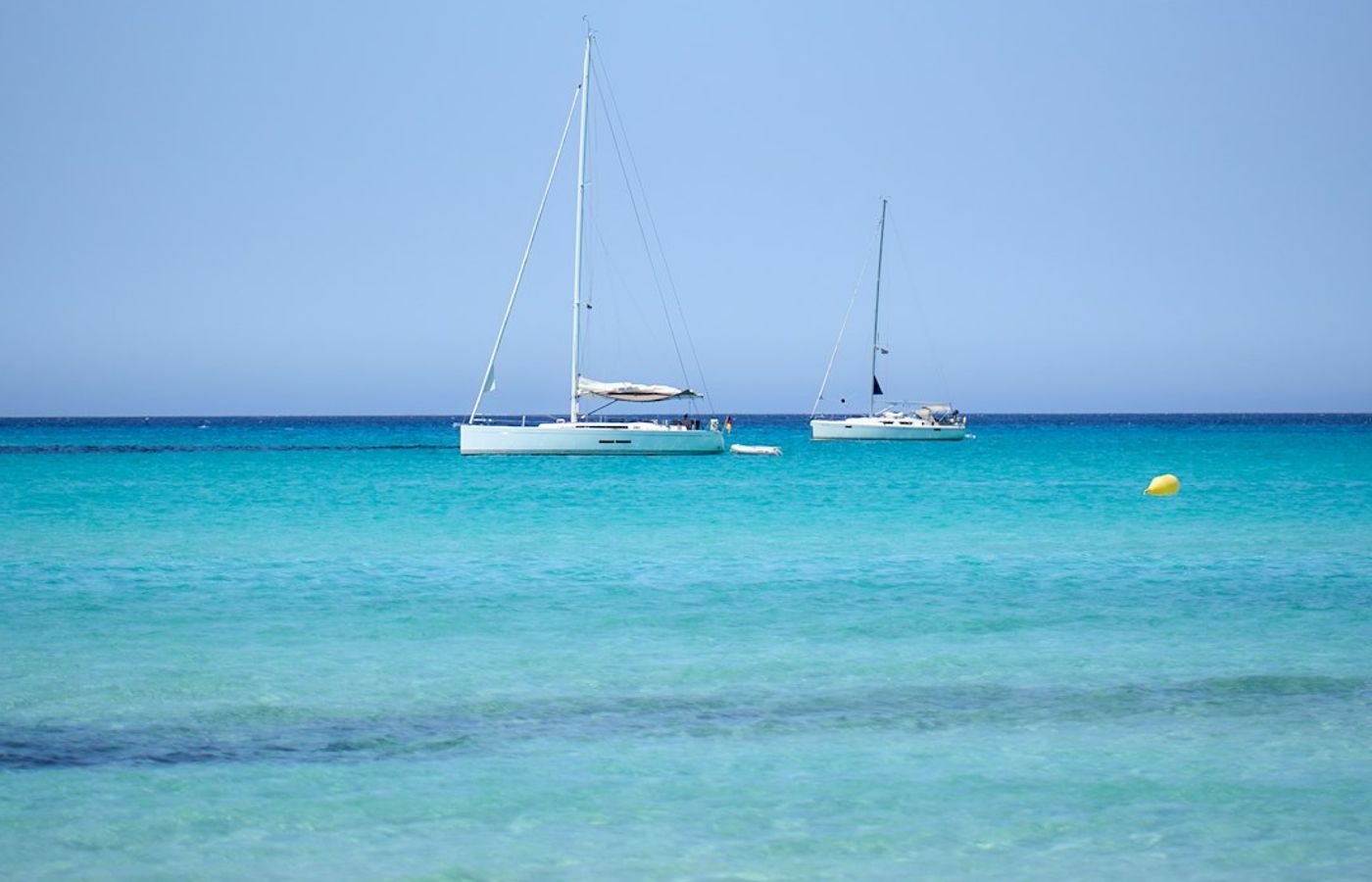

Es Trenc (Playa de Es Trenc, Ses Salines) is the best beach in Mallorca for sheer natural quality - 2 km of white-powder sand backed by protected dunes and pine scrub, with water ranging from pale turquoise in the shallows to deep blue offshore. It's one of the last undeveloped long beaches on the island: no hotels, no apartment blocks, and strict vehicle access controls in July and August (shuttle buses run from Campos town, about 4 EUR return). The beach faces south and is in full sun all day.
Facilities are deliberately minimal to protect the natural character: a few seasonal chiringuitos at the western end (June to September), beach showers, and toilets. Naturist use is common at the eastern end (furthest from the car park). Sunlounger hire is available near the chiringuitos; the rest of the beach is free sand.
Pro Tip: Walk 20 minutes east from the shuttle bus drop-off point to reach the quieter sections of the beach away from the chiringuito crowd. The far eastern end, near the salt flats border, is where the water is clearest and the beach least crowded even on busy August days. Bring shade (an umbrella) and sufficient water - facilities thin out significantly past the halfway point.
2Cala Millor - Mallorca's Best Long Sandy East Coast Beach
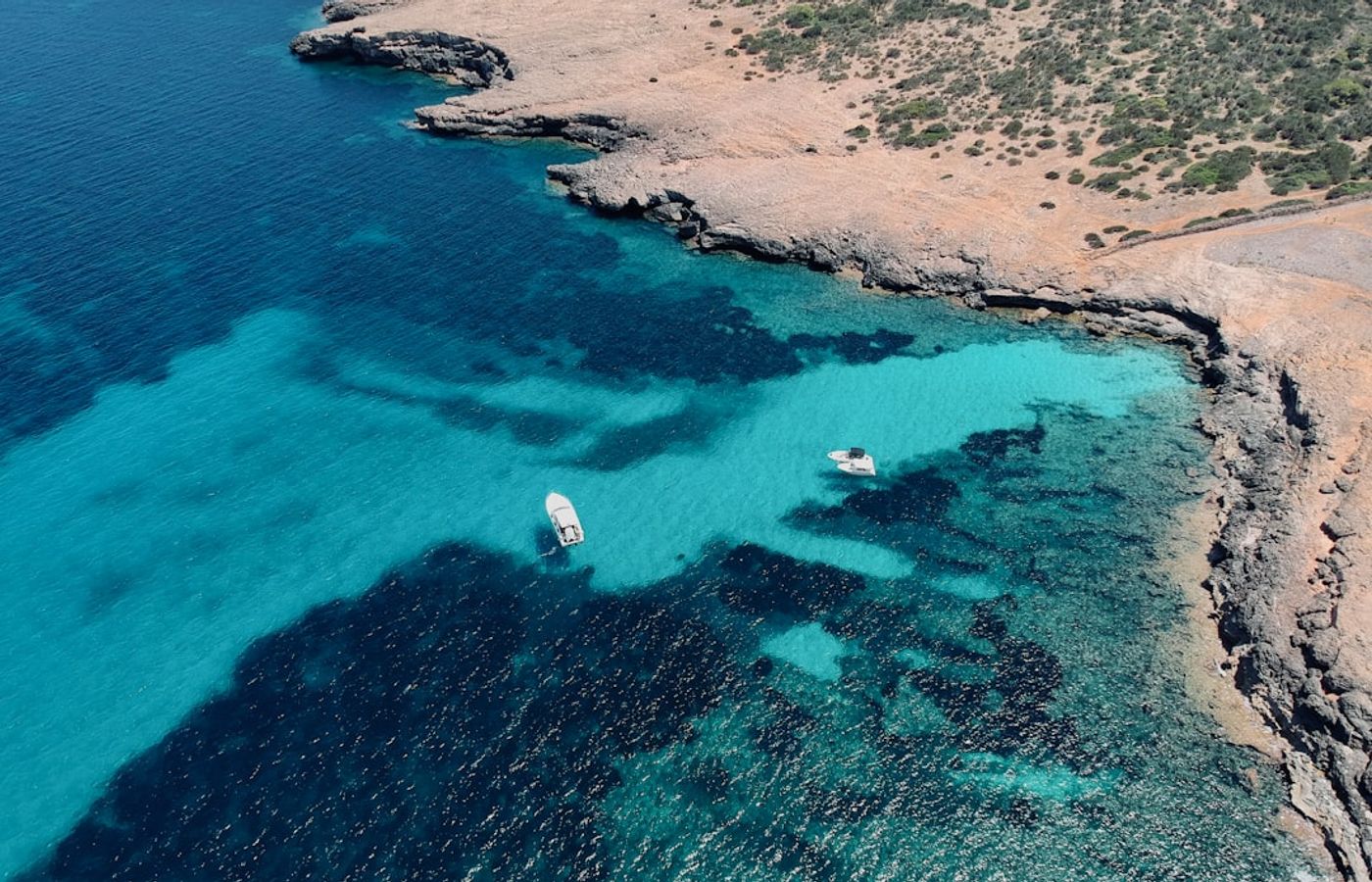

Cala Millor is the finest long sandy beach on the east coast of Mallorca - 1.7 km of fine, pale-gold sand with calm, clear water sheltered from prevailing westerly winds by the shape of the bay. It consistently holds a Blue Flag designation and has full services including lifeguards in season (June to September), beach showers, sunlounger hire, and a promenade of restaurants and bars behind. The water is shallow and the gradient gentle, making it one of the most family-suitable beaches on the island alongside Es Trenc.
The beach sits between the resorts of Son Servera and Sant Llorenç des Cardassar on the east coast, roughly 65 km from Palma. The promenade is well-maintained and the resort itself is more balanced than some of the larger west coast developments. From here, the nearby Coves del Drac (Drach Caves, Porto Cristo, 10 km south) make a natural half-day combination.
Pro Tip: The northern end of Cala Millor, near the Sa Coma headland, has finer sand and slightly clearer water than the more developed southern section. Walk 15 minutes north from the main promenade access to find this quieter stretch. At the headland itself, a short path leads to a rocky viewpoint with good snorkelling off the rocks below.

3Playa de Formentor - Mallorca's Most Dramatic North Coast Beach
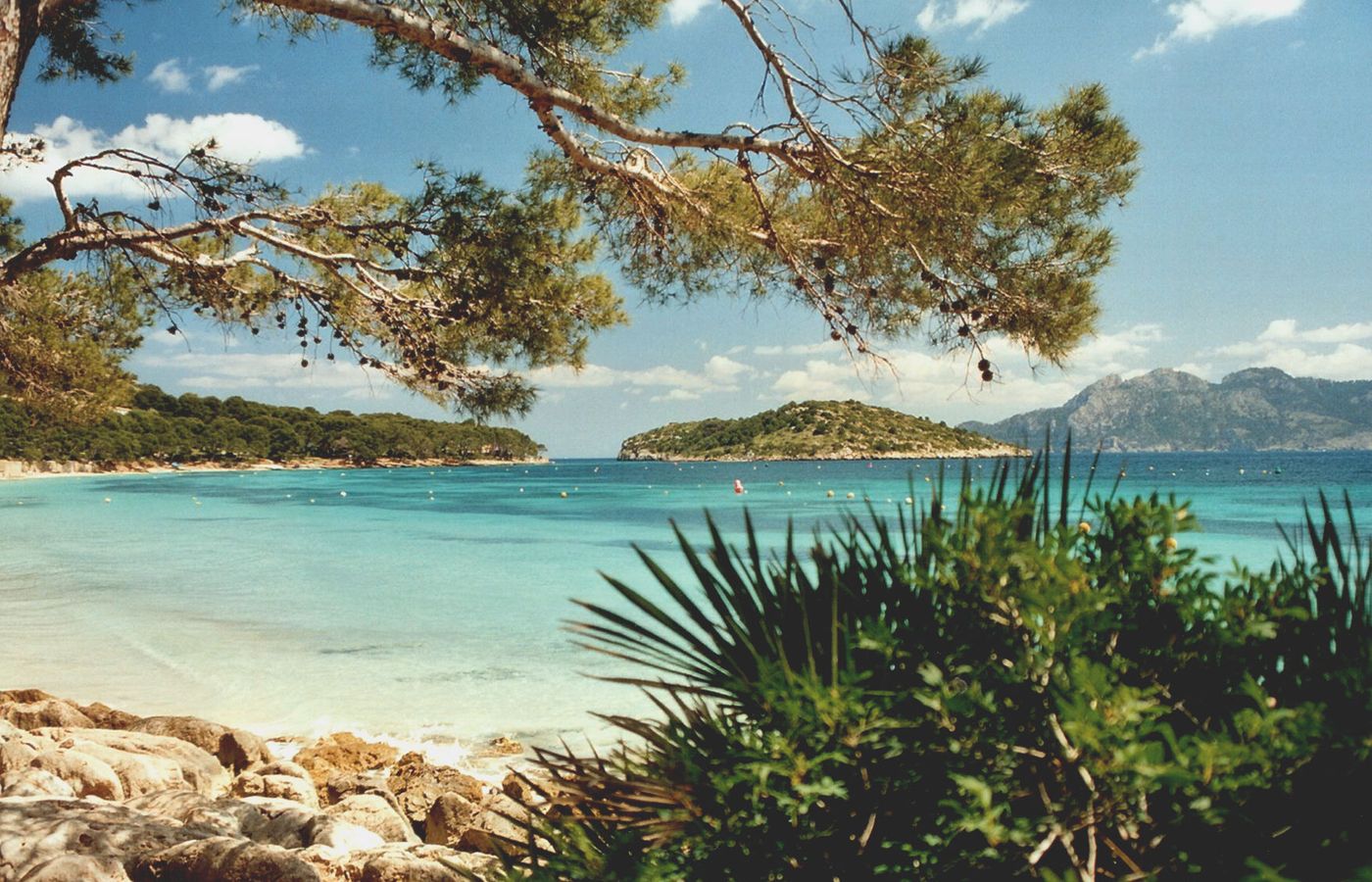

Playa de Formentor (Carretera del Far de Formentor, Pollenca) occupies a setting that has made it one of the most photographed beaches in Spain - a 1 km strip of white sand at the end of the Formentor Peninsula, surrounded by pine-clad limestone cliffs falling directly to the sea, with the mountains of the Serra de Tramuntana as a backdrop. The water is pale green over sand and blue beyond, and the beach faces southwest, protected from north winds by the peninsula. It's backed by the historic Hotel Formentor (Playa de Formentor, 07470), which opened in 1929 and counts Churchill, Chaplin, and multiple Nobel laureates among past guests.
Private vehicles are prohibited on the Formentor Peninsula road (PM-221) from July 1 to September 15 between 7:30 AM and 9 PM. Shuttle buses run from Port de Pollenca (Avinguda de la Platja, roughly every 15-20 min, about 5 EUR return); a boat service also runs from Port de Pollenca marina in peak season.
Pro Tip: Take the first shuttle bus of the day from Port de Pollenca (around 7:30 AM) to arrive before the beach fills up, or take the boat service which lands directly at the beach pier - the boat ride through the bay gives the best view of the peninsula cliffs. The hotel beach bar is open to non-guests; the coffee with a view of the mountains costs about 4 EUR and is the best breakfast view in northern Mallorca.
4Cala Agulla - Mallorca's Best Undeveloped Northeast Coast Beach
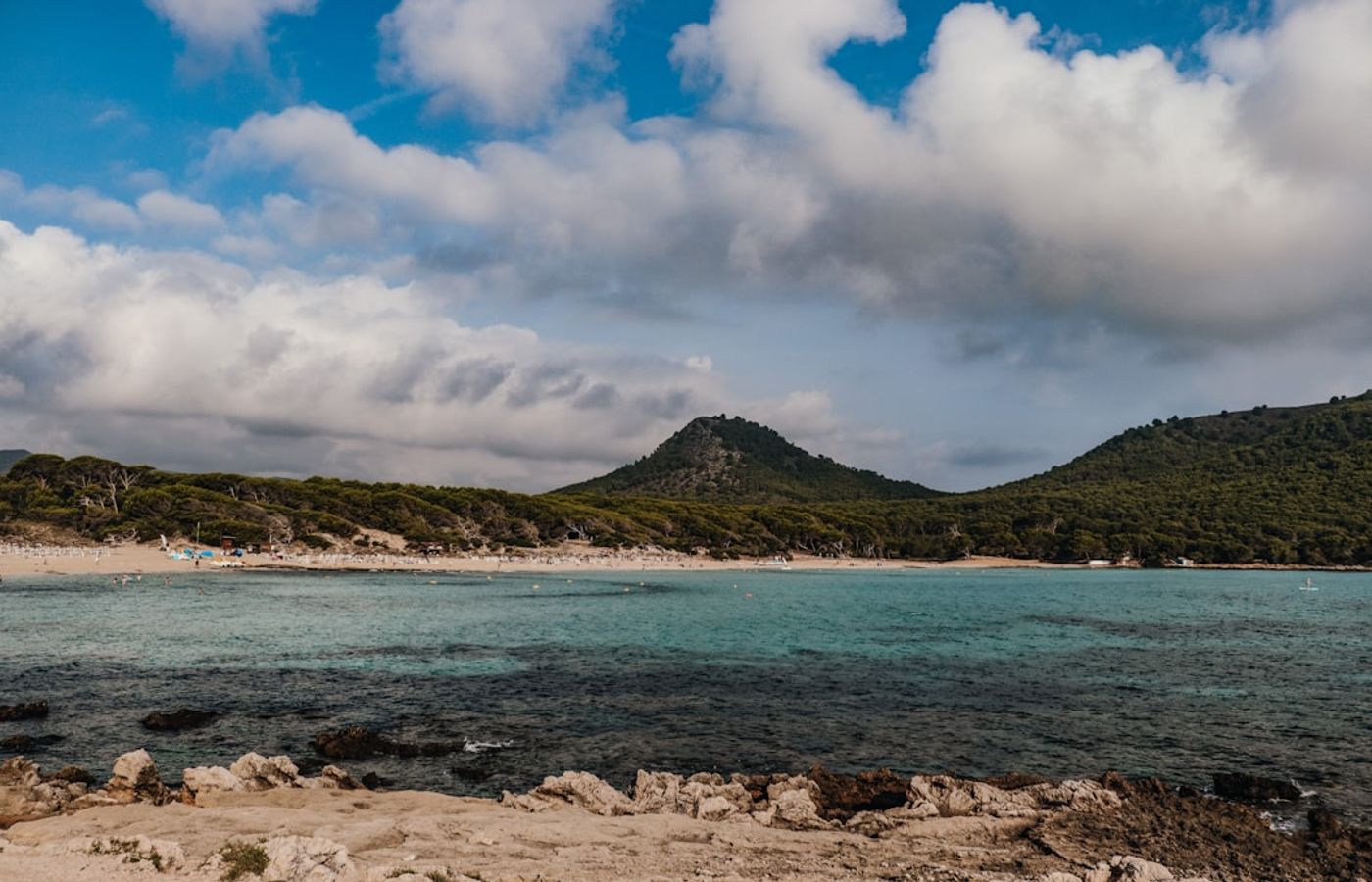
Cala Agulla (Carrer Cala Agulla s/n, Cala Ratjada) is a 600-metre beach on the northeast coast, set within the Cap de Cala Agulla natural area and backed by protected pine dunes rather than tourist development. The water is clear and the beach sand is fine and white; the surrounding scrubland gives it a wild, unconstructed feel rare on the Mallorcan coast. It faces northeast, making it excellent for morning sun and relatively calmer in the afternoon westerly winds.
The beach has limited facilities - no permanent sunlounger rental on most of the sand, a seasonal chiringuito at the northern end. The walk from Cala Ratjada town centre (2 km) passes through pine woods and takes about 25 minutes. The beach is not suitable for visitors with limited mobility due to the soft sand path.
Pro Tip: Walk from Cala Agulla north along the coastal path towards Cala Mesquida (40-min walk) for one of the best undeveloped coastal walks in eastern Mallorca. The path follows the clifftop above sea level with views across to Menorca on clear days. Cala Mesquida at the end is also an excellent beach, typically less crowded than Agulla.
5Cala Pi - Mallorca's Most Dramatic Narrow Inlet Beach
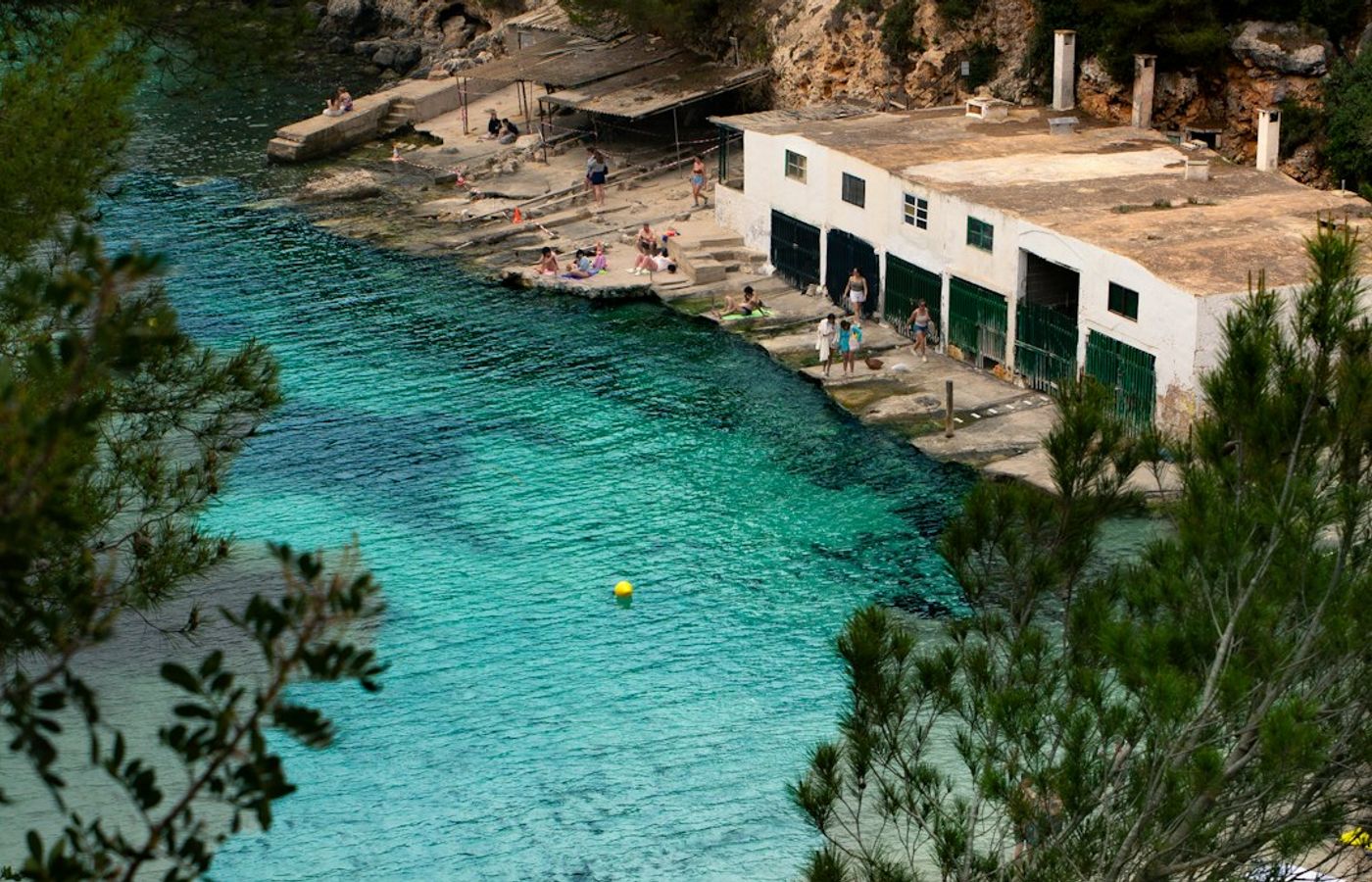
Cala Pi (Carretera Cala Pi s/n, Llucmajor) is a narrow, deep inlet on the south coast - one of the most unusual beach settings on the island. The cove is barely 40 metres wide but opens through a limestone gorge to the sea, with vertical rock walls on both sides and water so clear and still that you can see the sandy bottom 3-4 metres down. At the top of the gorge, Cala Pi village has a cluster of traditional Mallorcan holiday houses and a small watchtower (Torre de Cala Pi, a 17th-century coastal defence tower) that is free to visit.
The beach is small (about 80 metres of sand at the base of the gorge) with no sunlounger hire and no permanent restaurant. The walk down from the village car park takes about 10 minutes via a stepped path. The gorge walls provide shade from mid-afternoon, making this an excellent beach for families with very young children who struggle with direct sun exposure.
Pro Tip: Snorkel along the base of the gorge walls - the water clarity here is exceptional and the rock walls drop steeply, creating good habitat for sea bream, wrasse, and octopus. Bring your own gear (no rental available). The cove is at its best between 10 AM and 2 PM when the sun is overhead and lights the water through the full depth.
Get hotel deals for Mallorca
Price drops, new stays and local tips for Mallorca, straight to your inbox.
No spam, unsubscribe anytime.

CEO and co-founder
Tomas is the co-founder and director of trip1, an European company specializing in reservation services. He launched the company in 2025 with a focus on building scalable, efficient operations.
5 Best Beaches in Mallorca - FAQ
No - the 5 best beaches in Mallorca are spread across the island from the south (Es Trenc) to the north (Formentor). Visiting all five in a day requires a hire car and very early starts. A realistic plan covers 2 beaches per day, grouped by area: south coast beaches on day one, north and east coast on day two.
Es Trenc (Carretera Campos-Colonia Sant Jordi, Ses Salines) requires a paid shuttle bus in July and August - private cars are restricted and the access road has a toll. Cala Mondragó (Parc Natural de Mondragó, Santanyi) is free to access. Playa de Formentor (Carretera del Far de Formentor, Pollença) restricts private vehicle access in summer and requires bus or boat from Port de Pollença.
May, June, and September are the best months for Mallorca beaches. The sea reaches comfortable swimming temperature (22-24 degrees Celsius) from late May, the beaches are significantly less crowded than July and August, and accommodation prices are lower. October still offers warm sea temperatures and uncrowded beaches for visitors with flexibility.
Es Trenc (Carretera Campos-Colonia Sant Jordi) is the best Mallorca beach for families with young children - it has 2 km of flat sandy beach with very shallow water and gentle gradients. Cala Mondragó in the Parc Natural de Mondragó (Santanyi) is also excellent for families: calm, sheltered, clear water, and good facilities without the scale of the resort beaches.
Cala Mondragó and Es Trenc are accessible by bus in summer (TIB bus network). Playa de Formentor requires bus from Port de Pollença (line 353) when private car access is restricted in July and August. A hire car (available from around 30 EUR per day at Palma de Mallorca Airport, PMI) gives the most flexibility for reaching all five beaches efficiently.