

Guides · Boston
10 Top Things to Do in Boston

CEO and co-founder
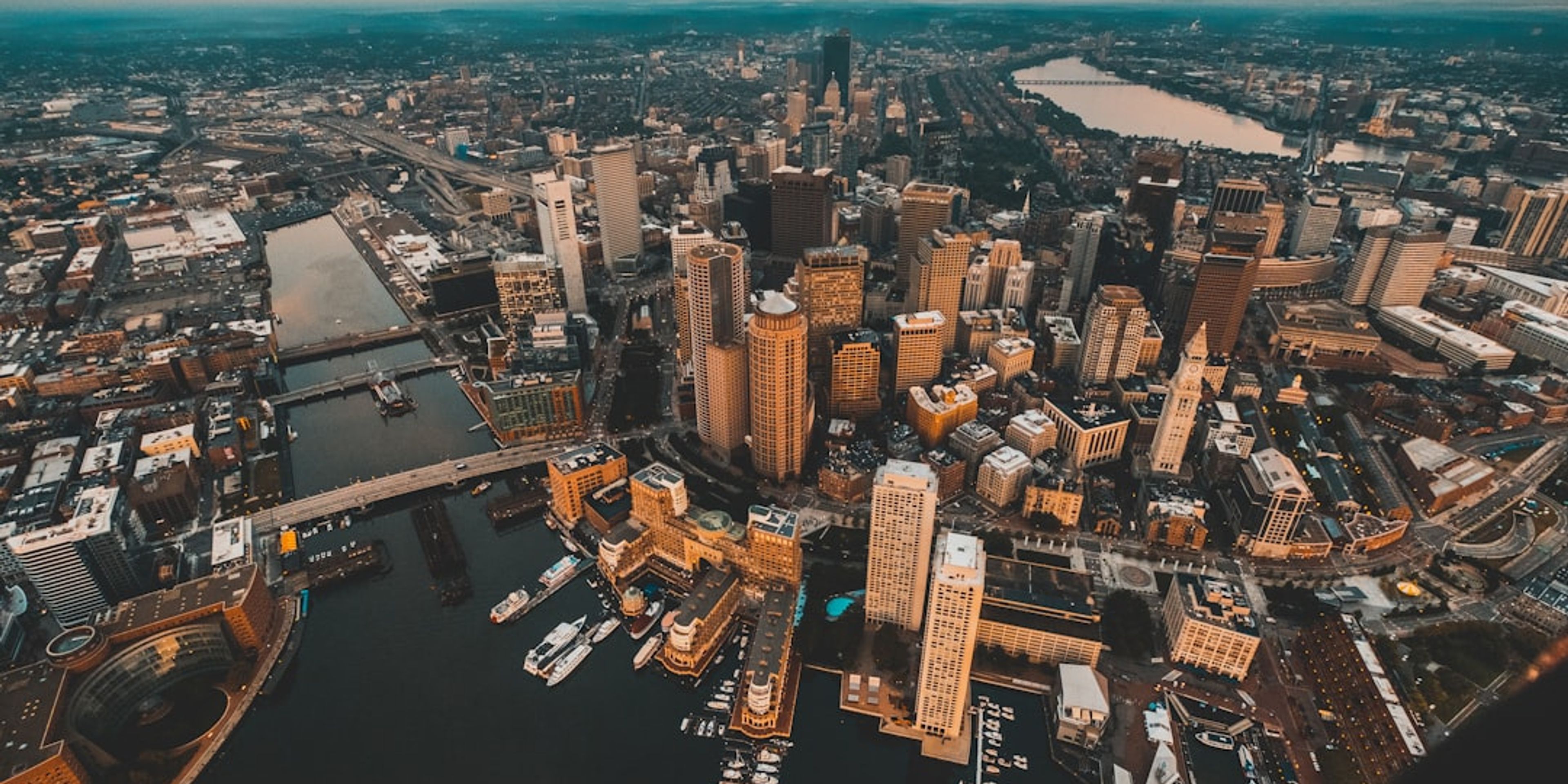
This guide gathers the 10 top things to do in Boston - the revolutionary history, the brick-lined neighbourhoods, the museums and the ballpark that give the city its character. Each entry comes with the exact address, the nearest T station, how it relates to the city centre, and a Pro Tip on timing and tickets.
We have ordered the list to suit Boston's compact, walkable layout. The Freedom Trail threads the historic core, linking Boston Common, Faneuil Hall and the route to the USS Constitution; Beacon Hill and the North End sit just off it; and the subway carries you out to Fenway Park, the Museum of Fine Arts and Harvard across the river in Cambridge.
Boston is one of the easiest American cities to explore on foot, backed by the oldest subway in the country, so you can reach every stop on this Boston travel guide without a car. Expect cobbled lanes, colonial landmarks, serious sports passion and a proper Italian dinner in the North End, and treat each Pro Tip as part of the plan.
1The Freedom Trail - Boston's Walk Through Revolutionary History

The Freedom Trail is the single best introduction to Boston, a 4 km red-brick line set into the pavement that links 16 sites central to the American Revolution. Starting on Boston Common, it winds past the Massachusetts State House, the Old State House, the site of the Boston Massacre, Paul Revere's House and Old North Church on its way to Charlestown.
Following the line is free and self-paced - you simply trace the bricks through the heart of the old city - though costumed guides also run paid walking tours that bring the history to life. It naturally strings together several other stops on this list, making it the backbone of any first visit.
Pro Tip: Wear comfortable shoes and allow at least half a day to walk the full trail with stops. Start early at Boston Common to stay ahead of the tour groups, and pick up a free map at the visitor centre rather than paying for one.
2Boston Common and the Public Garden - America's Oldest City Park
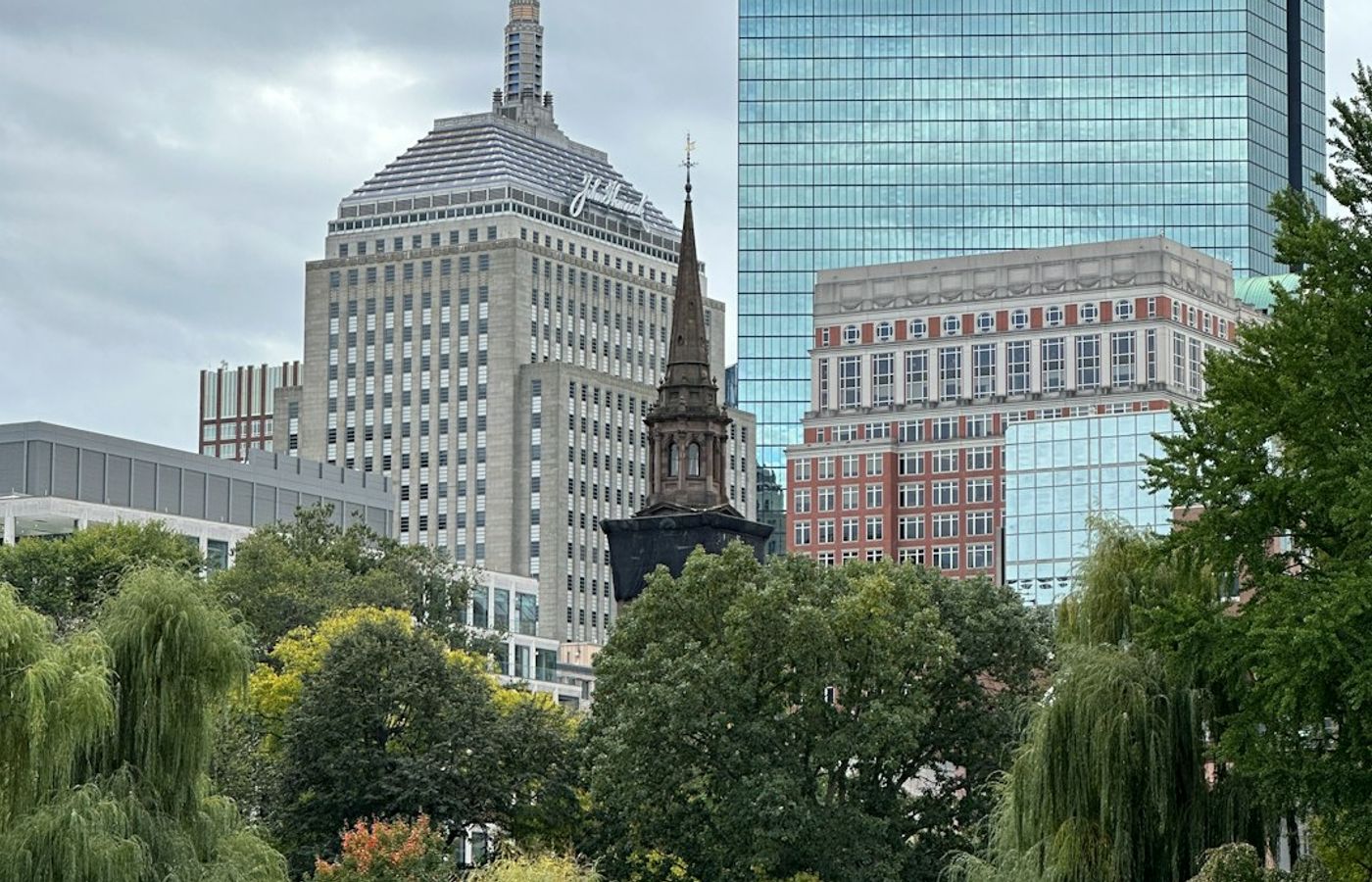

Boston Common, established in 1634, is the oldest public park in the United States, a 50-acre green that has served as everything from a cattle pasture to a Revolutionary encampment. Today it is the city's front lawn, with the gold-domed Massachusetts State House looking down from Beacon Hill and the Freedom Trail beginning at its edge.
Across Charles Street, the adjoining Public Garden is more formal, a Victorian botanical garden famous for its lagoon, its swan boats that have paddled since 1877, and the much-loved Make Way for Ducklings bronze statues. Together the two parks make a relaxing start or finish to a day in the centre.
Pro Tip: Ride the swan boats in the Public Garden lagoon between spring and early autumn - they are gentle, cheap and a Boston institution. In winter, the Common's Frog Pond becomes a public ice rink right in the middle of the city.

3Faneuil Hall and Quincy Market - The Cradle of Liberty and a Food Hall
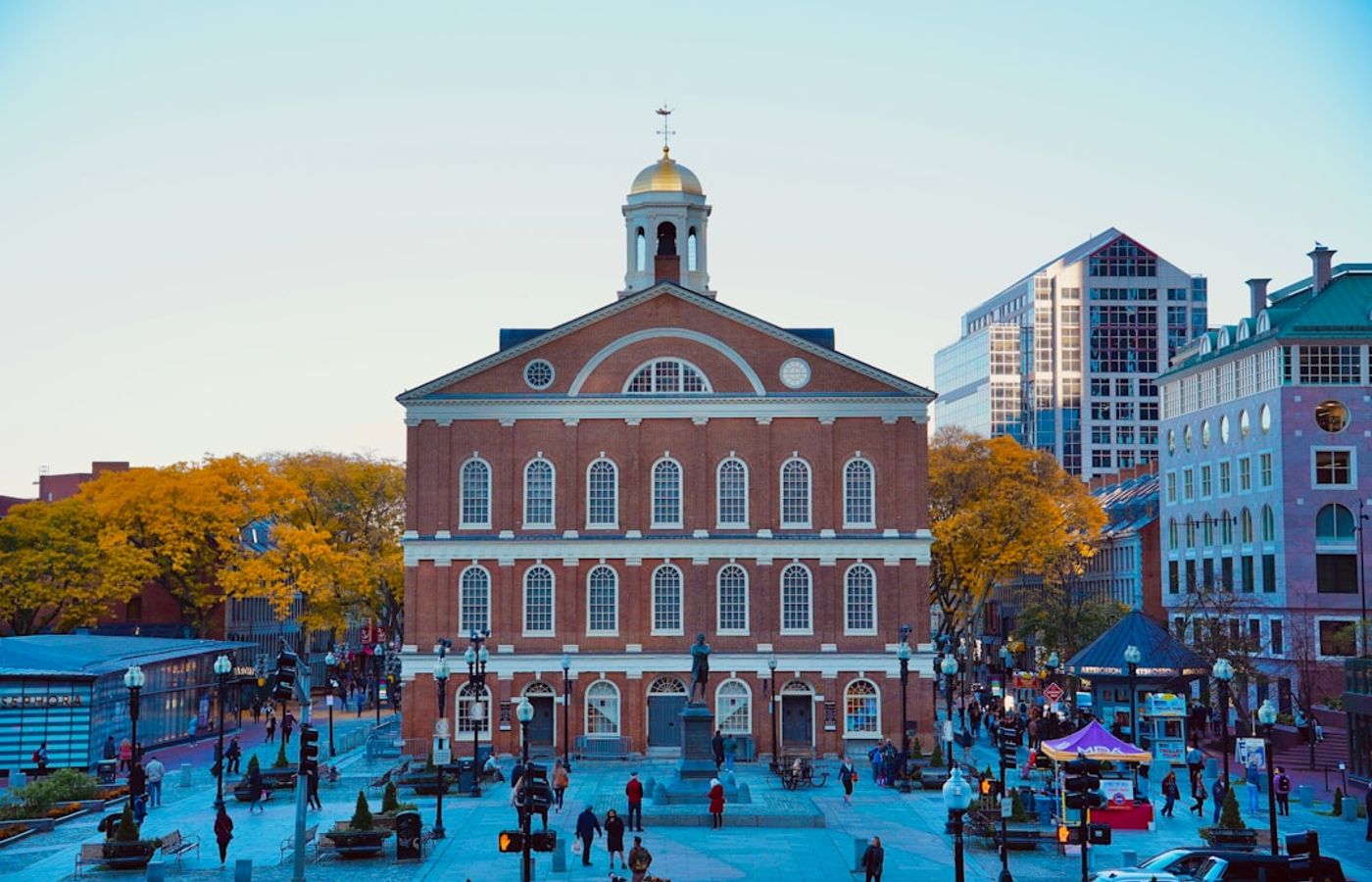

Faneuil Hall has been a marketplace and meeting hall since 1742, earning the nickname the 'Cradle of Liberty' for the revolutionary speeches made within its walls. Today it anchors a lively market district, with the great colonnaded Quincy Market hall behind it packed with food stalls, from clam chowder to cannoli.
The cobbled plazas between the halls draw street performers, buskers and crowds throughout the day, making it one of the busiest and most atmospheric corners of downtown. It is a natural lunch stop on the Freedom Trail, even if the food leans more touristy than refined.
Pro Tip: Grab a bowl of New England clam chowder from a Quincy Market stall and eat it outside watching the street performers. Come mid-morning or mid-afternoon to dodge the lunchtime crush, and step inside Faneuil Hall itself, which is free to enter.
4Fenway Park - The Oldest Ballpark in Baseball
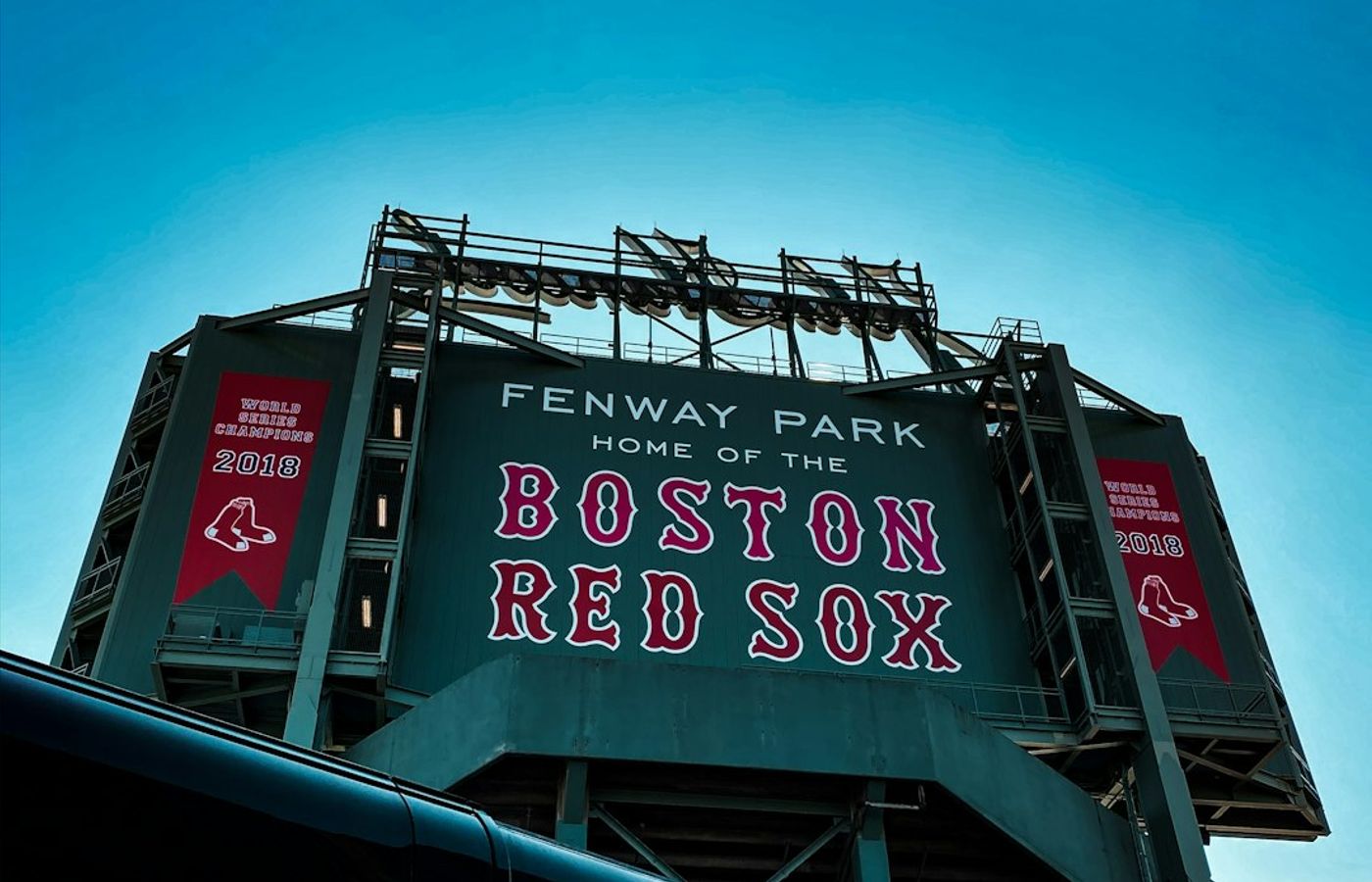
Opened in 1912, Fenway Park is the oldest ballpark still in use in Major League Baseball and the beloved home of the Boston Red Sox. Its quirks are legendary: the towering left-field wall known as the Green Monster, the lone red seat marking the longest home run ever hit there, and the hand-operated scoreboard.
Catching a Red Sox game here, with the crowd singing along to 'Sweet Caroline' in the eighth inning, is one of the great American sporting experiences. When there is no game, year-round guided tours take you onto the field, up to the Green Monster seats and through the park's century of history.
Pro Tip: Game tickets sell out fast, so book ahead, especially for summer weekends and games against the Yankees. No game during your visit? The daily ballpark tour is excellent and far easier to get into, with the best light for photos in the morning.
5Museum of Fine Arts - New England's Greatest Art Collection
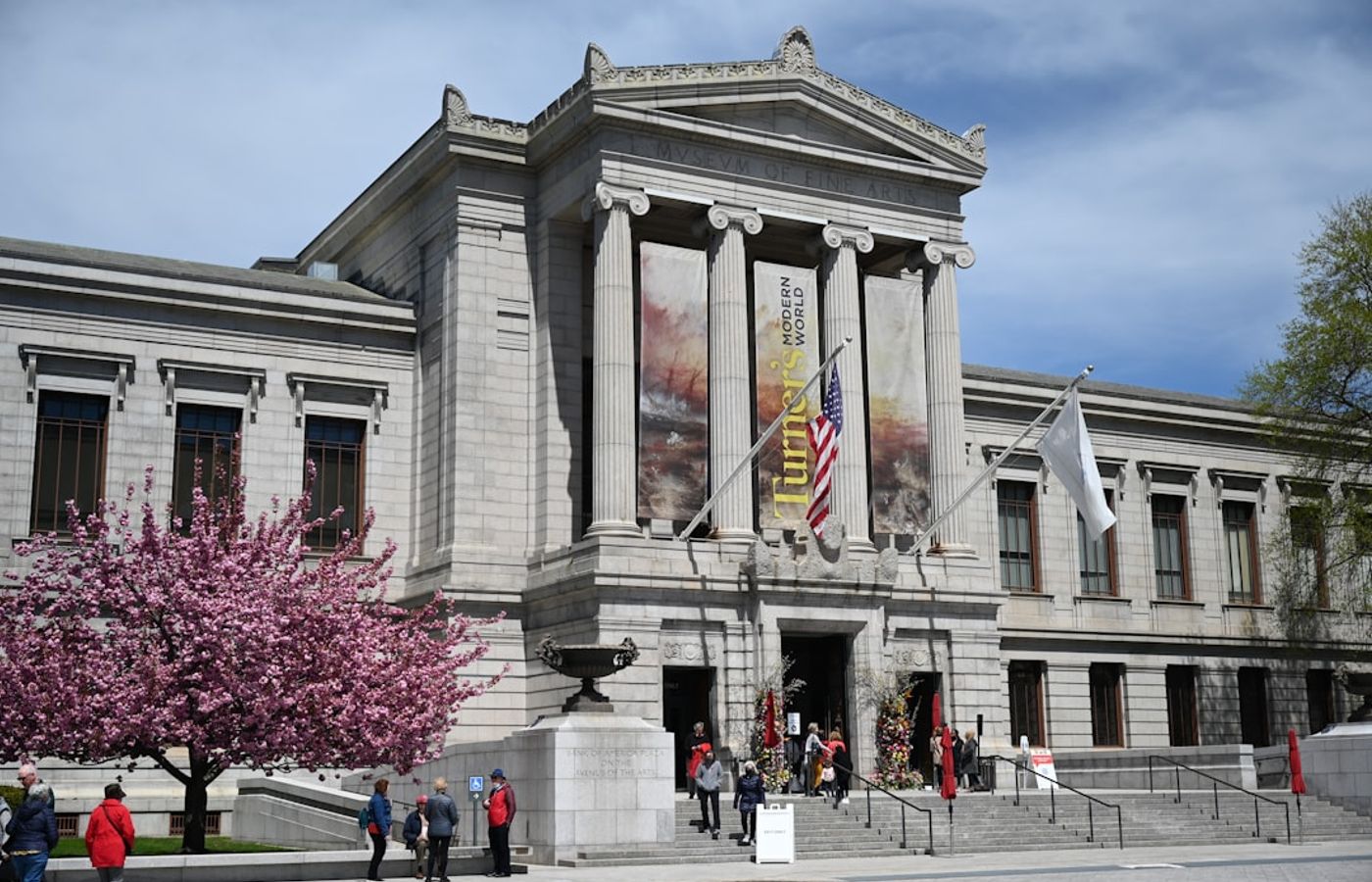
The Museum of Fine Arts is one of the largest and finest art museums in the United States, holding nearly half a million works across galleries that range from ancient Egypt to contemporary art. Its collections of Impressionist paintings, American art and Asian art are particularly strong, and it holds the largest collection of Monet paintings outside Paris.
The building blends a grand 1909 Beaux-Arts core with the light-filled modern Art of the Americas wing, so it is a pleasure to walk even between exhibits. Allow at least half a day, and note the adjacent Isabella Stewart Gardner Museum makes an easy add-on.
Pro Tip: Buy a timed ticket online to skip the queue, and check whether your visit falls on a discounted or pay-what-you-wish evening. The Art of the Americas wing is the highlight; start there before the galleries fill in the afternoon.
6New England Aquarium - Harbourside Marine Life
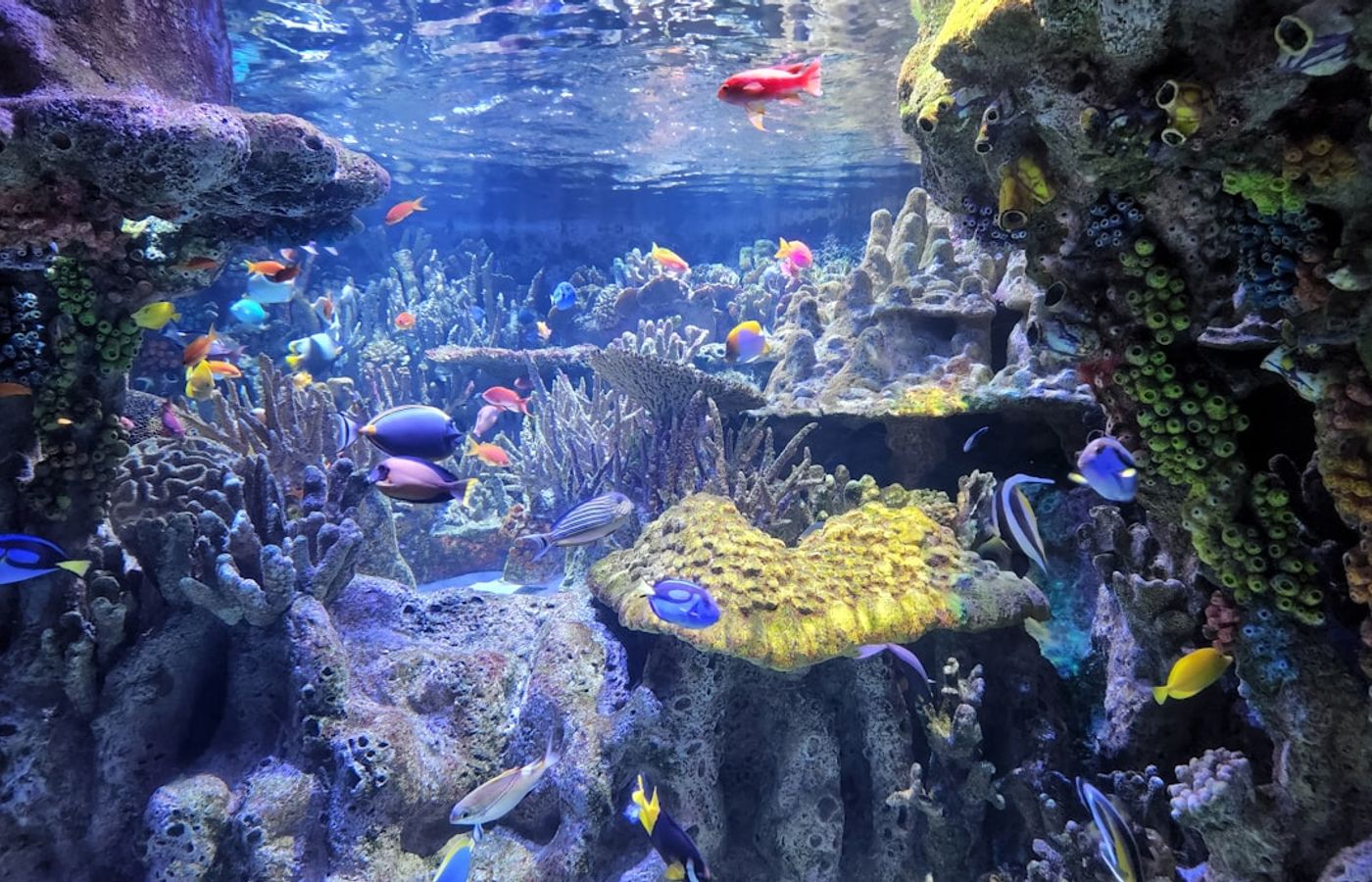
On Central Wharf at the downtown waterfront, the New England Aquarium is built around its four-storey Giant Ocean Tank, a 200,000-gallon cylindrical Caribbean reef you spiral around on a ramp, watching sea turtles, sharks and rays glide past. A breezy outdoor harbour-seal exhibit greets you for free before you even buy a ticket.
Inside are penguin colonies, a touch tank of rays, and exhibits on the marine life of the Gulf of Maine. The aquarium is also the departure point for the city's whale-watching cruises, which head out to the feeding grounds of Stellwagen Bank in the warmer months.
Pro Tip: Book a timed entry online to skip the wharf-side queue, which can be long in summer. Combine a morning at the aquarium with an afternoon whale-watching cruise from the same wharf, and check feeding times for the best tank viewing.
7Harvard University and Cambridge - Ivy League History Across the River
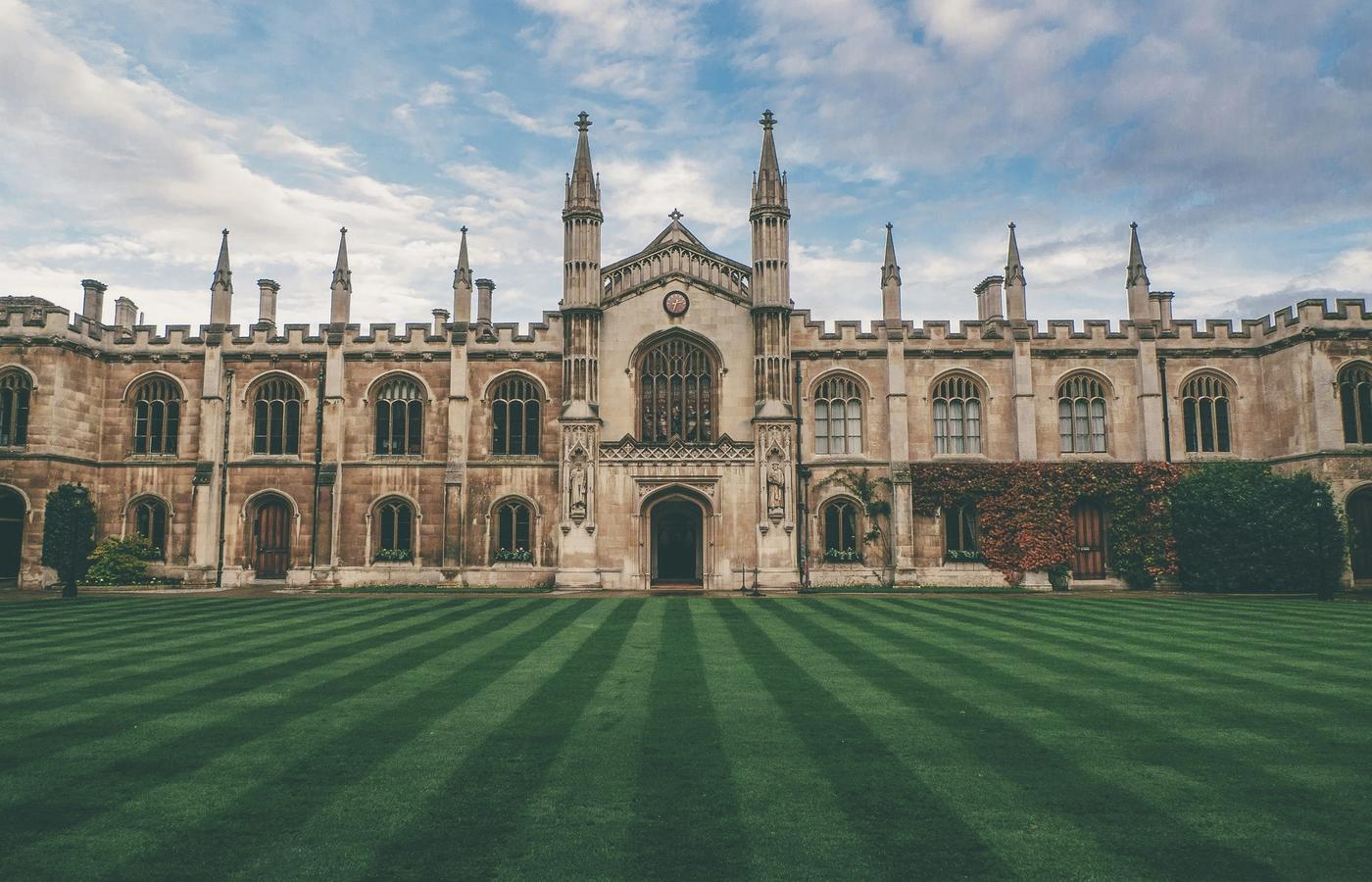
Across the Charles River in Cambridge, Harvard University is the oldest university in the United States, founded in 1636, and its tree-shaded Harvard Yard is open for wandering. The red-brick halls, the statue of John Harvard with its famous lucky foot, and the surrounding museums make it a rewarding half day.
Harvard Square around it buzzes with bookshops, cafes and street musicians, and student-led tours offer an entertaining insider take on campus life and legends. The neighbouring Massachusetts Institute of Technology and its striking modern architecture are a short ride further along the river.
Pro Tip: Join a free or low-cost student-guided campus tour for the stories you will not get wandering alone, then explore Harvard Square's independent bookshops. The Harvard Museum of Natural History, with its famous glass flowers, is an underrated stop nearby.
8USS Constitution and the Charlestown Navy Yard - Old Ironsides Afloat
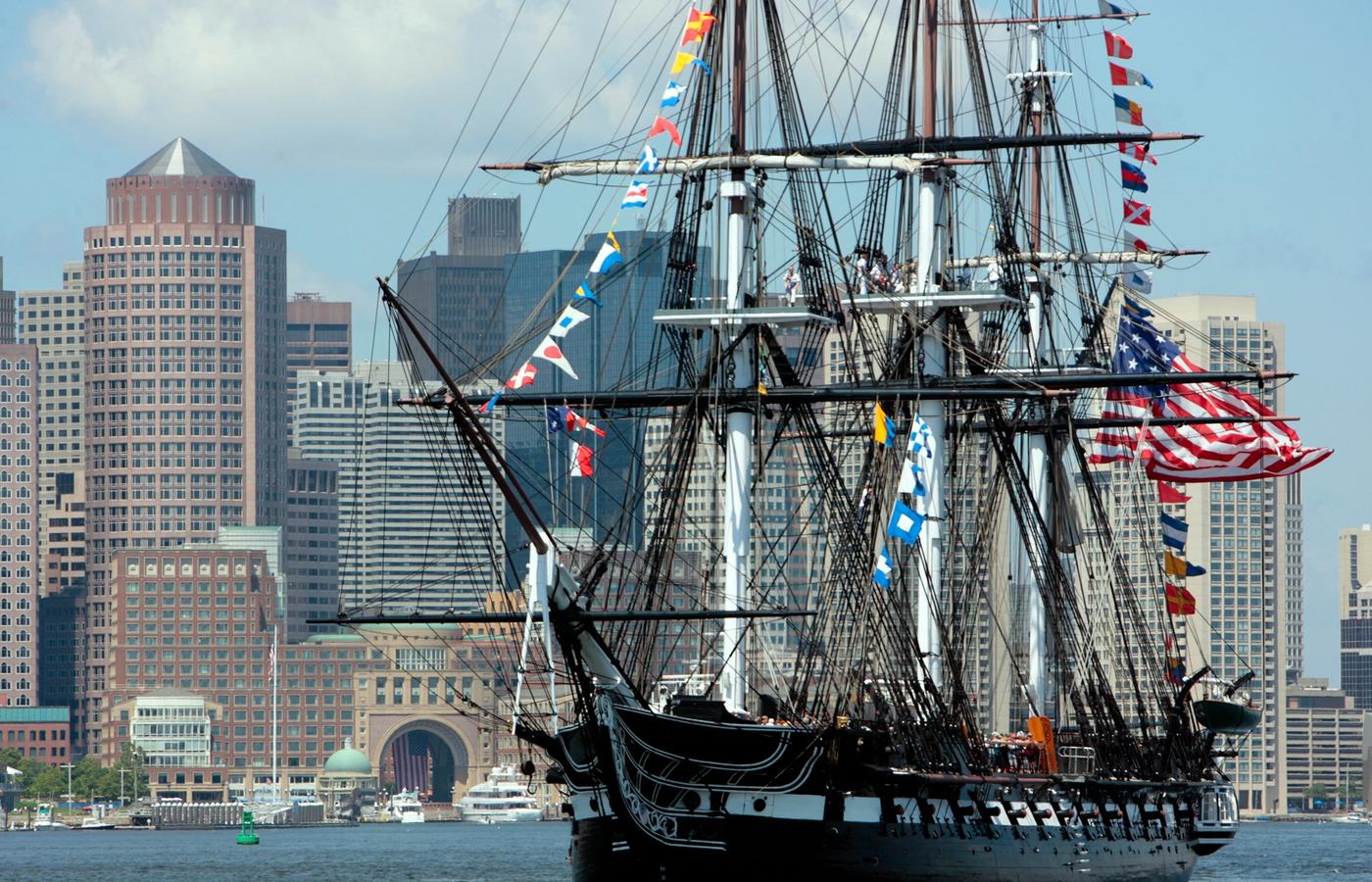
Berthed at the Charlestown Navy Yard at the northern end of the Freedom Trail, the USS Constitution is the world's oldest commissioned warship still afloat, launched in 1797 and nicknamed 'Old Ironsides' after cannonballs were seen to bounce off her oak hull. Active-duty US Navy sailors give tours of the decks.
The adjacent USS Constitution Museum tells the story of the ship and her crew through hands-on exhibits, and the historic navy yard itself is a pleasant waterfront walk with views back across the harbour to the downtown skyline. Boarding the ship is free, though you pass through a security check.
Pro Tip: Arrive by the MBTA harbour ferry from Long Wharf for a scenic approach and skip the long Freedom Trail walk back. Bring photo ID for the security screening to board the ship, and check the day's tour times when you arrive.
9Beacon Hill and Acorn Street - Boston's Most Beautiful Streets
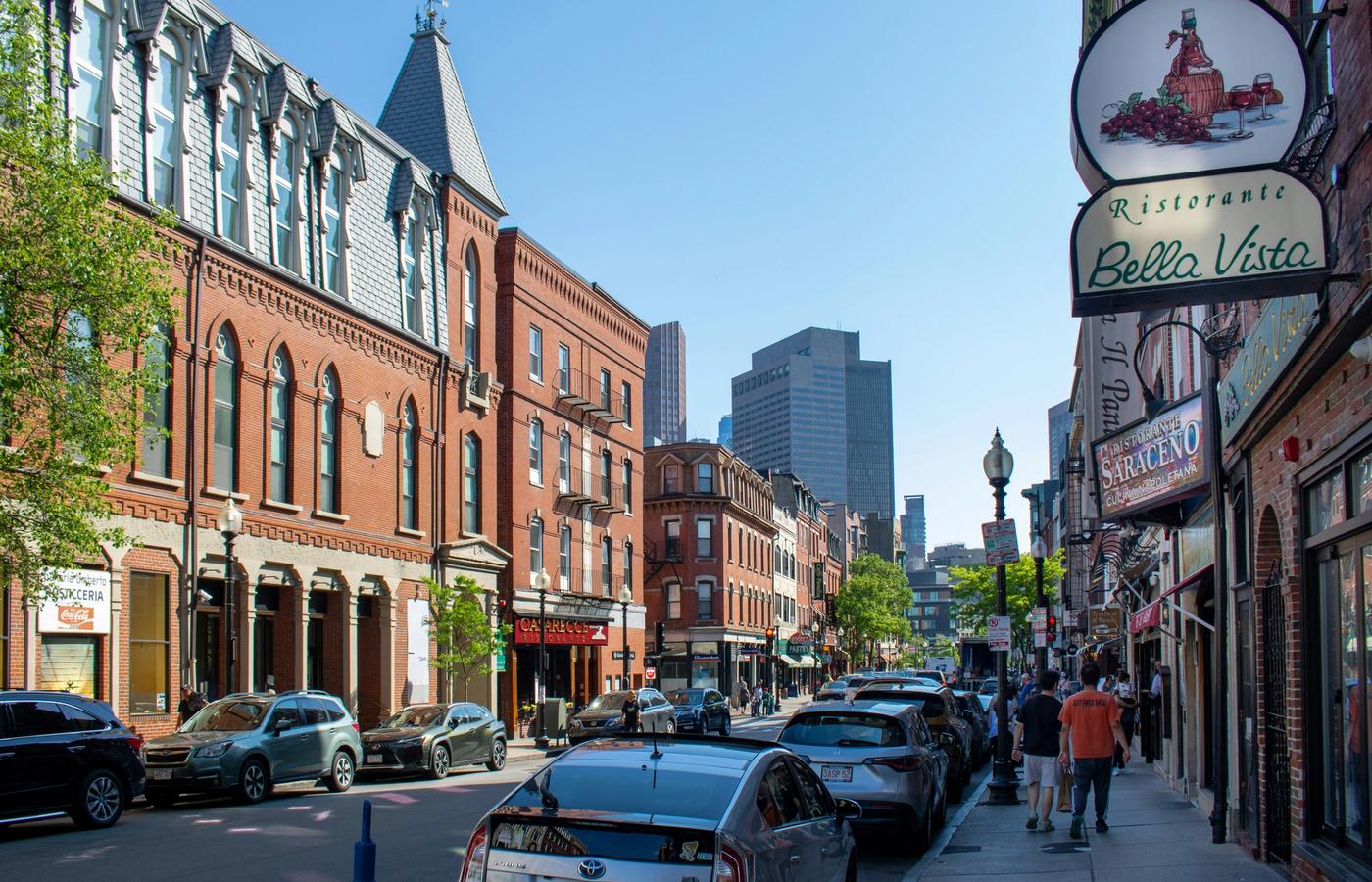
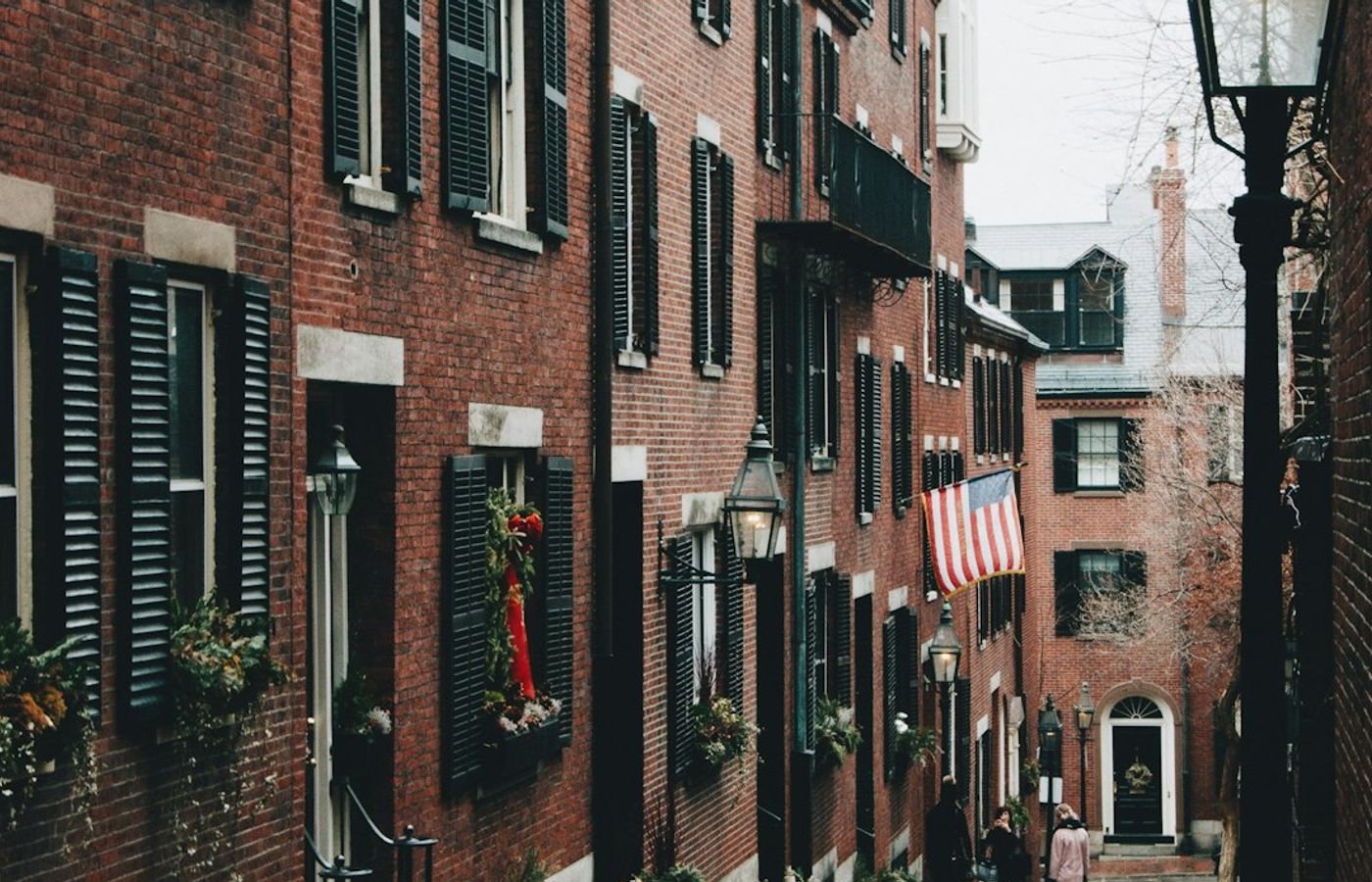
Beacon Hill is the postcard Boston of gas lamps, brick row houses and steep cobbled lanes, the city's most genteel and historic residential district. Its showpiece is Acorn Street, a narrow cobblestone lane lined with ivy-clad townhouses that is often called the most photographed street in the United States.
Charles Street at the foot of the hill is full of antique shops, boutiques and cafes, while Louisburg Square is ringed by some of the city's grandest homes. The whole neighbourhood is best simply wandered on foot, and it sits a few minutes from Boston Common and the State House.
Pro Tip: Photograph Acorn Street early in the morning before the crowds and parked cars appear; the cobbles are uneven, so wear sensible shoes. Combine a wander through Beacon Hill with the start of the Freedom Trail on the neighbouring Common.
10The North End - Boston's Little Italy
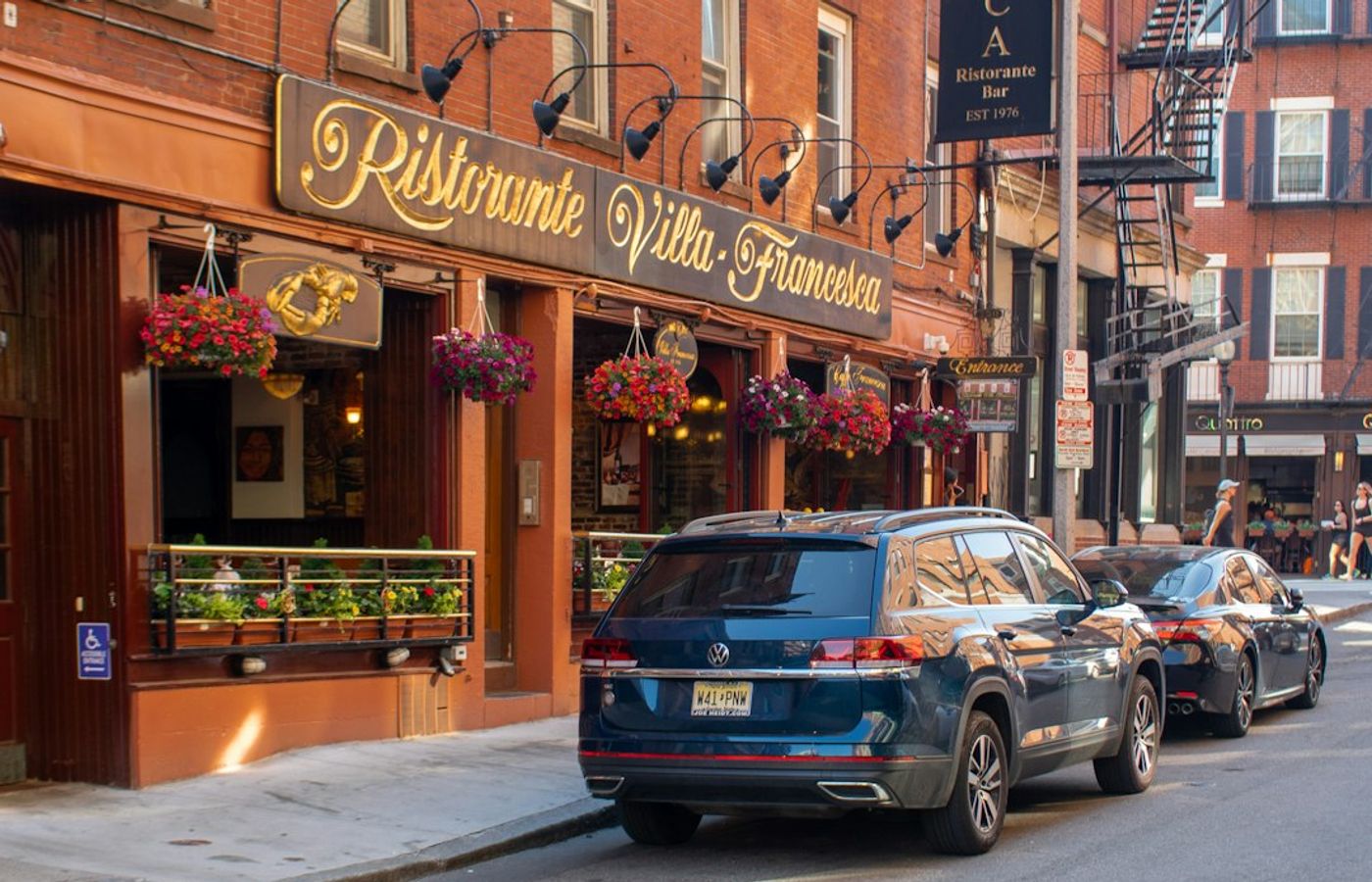
The North End is Boston's oldest residential neighbourhood and its Little Italy, a tight grid of narrow streets packed with trattorias, espresso bars and bakeries. Hanover Street, the main artery, smells of garlic and fresh pastry, and the rivalry between its historic cannoli shops is taken very seriously by locals.
It is also rich in Freedom Trail history: Paul Revere's House, the oldest building in downtown Boston, and the Old North Church, where the lanterns signalled the British advance in 1775, both stand here. The mix of revolutionary landmarks and an Italian dinner makes it a perfect evening stop.
Pro Tip: Come hungry in the evening for dinner, but expect queues at the famous restaurants, which mostly do not take small bookings. Settle the cannoli debate by trying both of the rival Hanover Street bakeries, then walk it off among the historic sites.

CEO and co-founder
Tomas is the co-founder and director of trip1, an European company specializing in reservation services. He launched the company in 2025 with a focus on building scalable, efficient operations.
Climate averages · 1991–2020
When is the best time to visit Boston?
Monthly temperatures, rainfall and sunshine — not a live forecast.
See Boston weatherMore of United States
10 Top Things to Do in Boston - FAQ
No, but Boston is compact enough to cover this in two to three days. The city is famously walkable, and the Freedom Trail alone links several stops on the list, including Boston Common, Faneuil Hall and the route toward the USS Constitution. Group the central sights on foot, then use the subway for Fenway Park, the Museum of Fine Arts and Harvard across the river.
Follow the Freedom Trail for the historic core, then branch out. Start at Boston Common and the Public Garden, walk the trail through Beacon Hill, Faneuil Hall and the North End to the USS Constitution, and add the nearby New England Aquarium. Save a second day for Fenway Park and the Museum of Fine Arts, and a third to cross the river to Harvard and Cambridge.
Only a few need booking ahead. A Fenway Park tour or game, the Museum of Fine Arts, the New England Aquarium and any guided Freedom Trail walk use timed or paid tickets worth reserving in summer. The Freedom Trail itself, Boston Common, the Public Garden, Faneuil Hall, Beacon Hill, the North End and Harvard Yard are all free to walk around.
Budget roughly 120 to 160 EUR per adult for the paid attractions. The Museum of Fine Arts, the New England Aquarium and a Fenway Park tour are the main costs, while the historic walking sights cost nothing. A Boston multi-attraction pass can bring the total down if you plan to visit several museums and tours in a few days.
Yes, very - Boston has the oldest subway in the United States, the MBTA, known locally as the T. Its colour-coded lines reach every attraction on this list, with the Green Line serving Fenway and the Museum of Fine Arts and the Red Line running across the river to Harvard. The historic core is best covered on foot, since the sights sit close together.
Absolutely, it is the best introduction to the city. The Freedom Trail is a 4 km red-brick line through the streets that links 16 sites central to the American Revolution, from Boston Common to the USS Constitution. Following it on foot is free, self-paced and the single most efficient way to see Boston's historic core and get your bearings.
Boston has more to offer beyond this top 10. Consider the Isabella Stewart Gardner Museum, a stroll or swan-boat ride along the Charles River Esplanade, the shops of Newbury Street in Back Bay, the view from the Skywalk Observatory, the Boston Tea Party Ships and Museum, and a whale-watching cruise out of the harbour in season.

Related travel guides
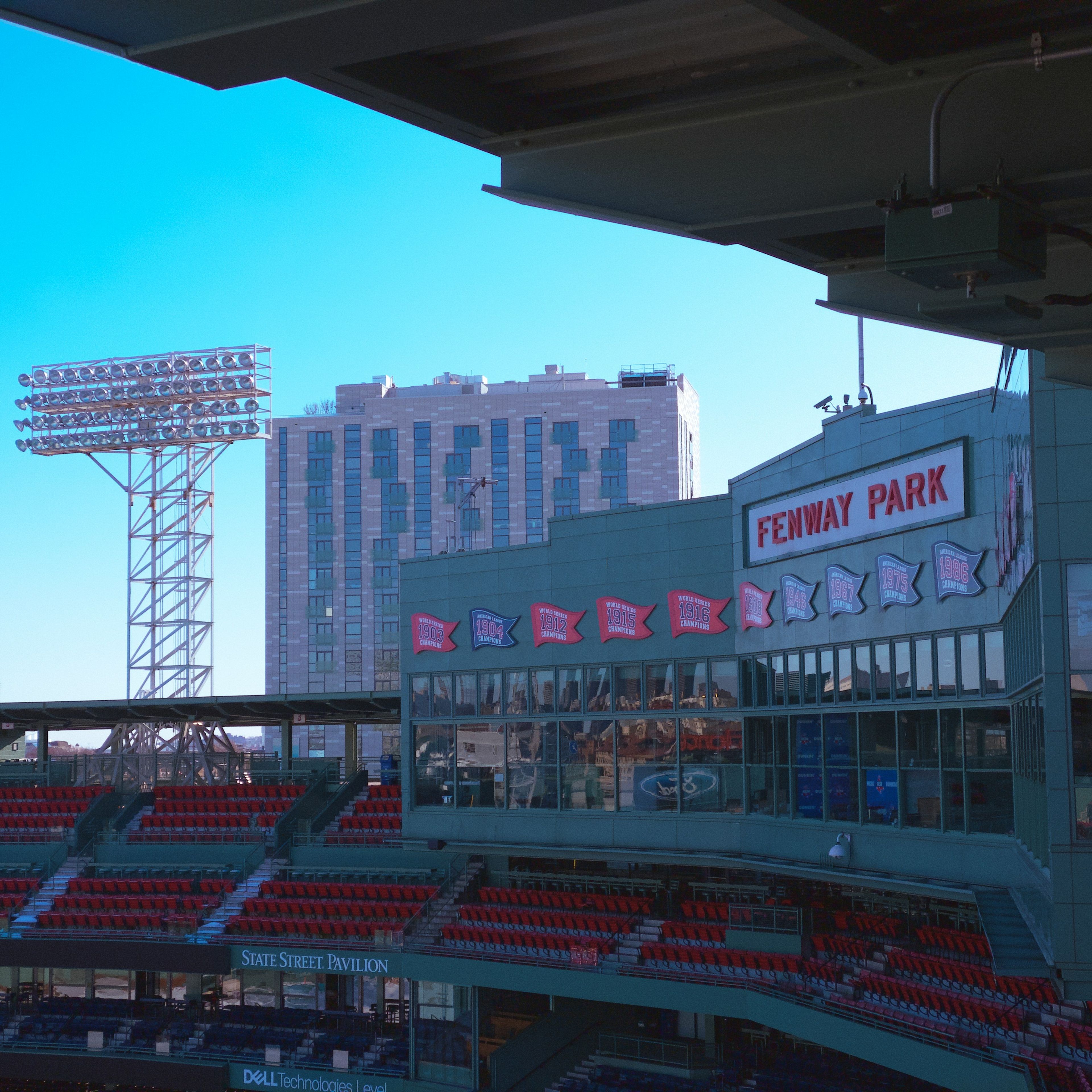
Best Hotels in Boston for FIFA World Cup 2026
Find the best hotels in Boston for FIFA World Cup 2026. Compare Back Bay, Beacon Hill, Cambridge, and Providence by Gillette Stadium access and price.
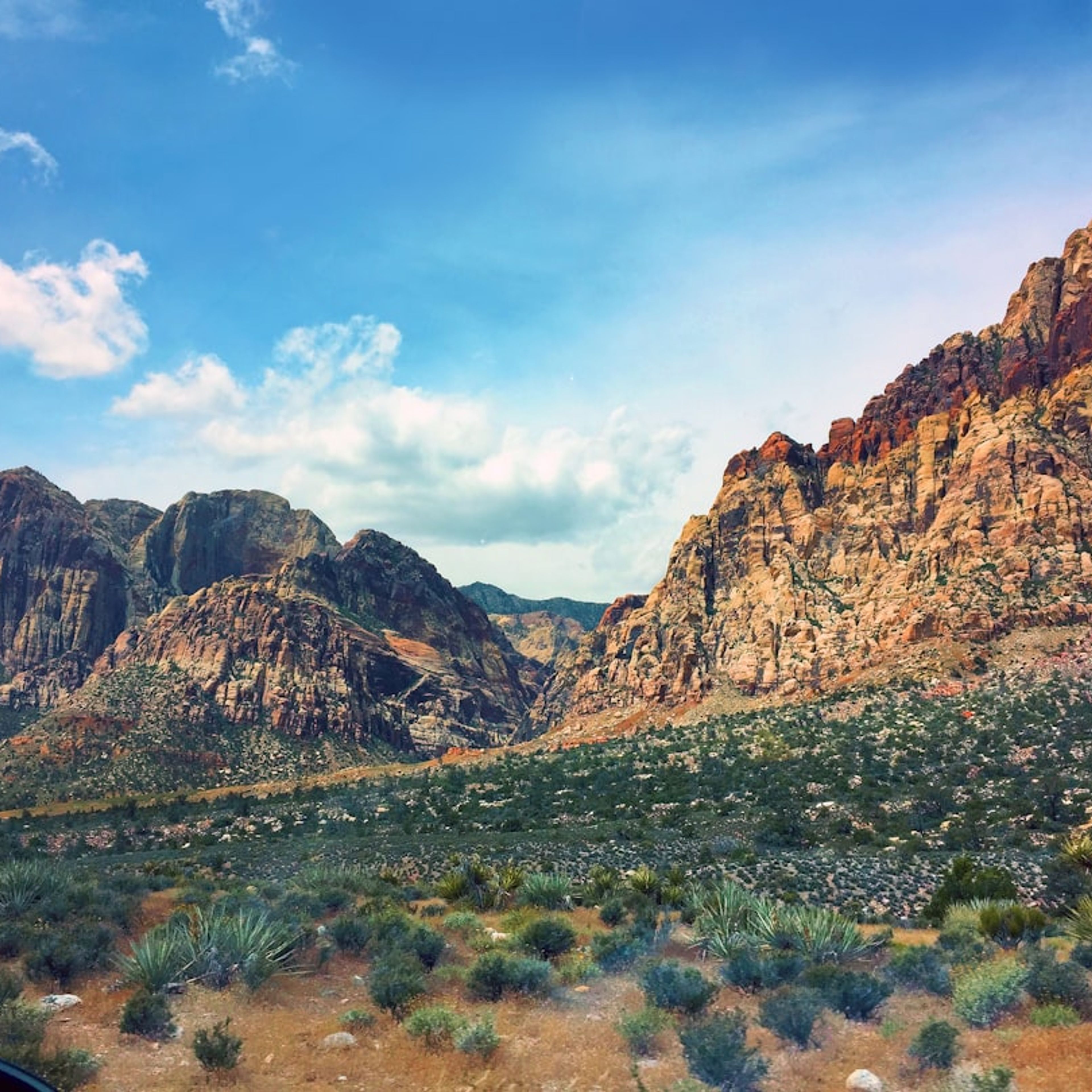
5 Best Canyon Hikes Near Las Vegas
The 5 best canyon hikes near Las Vegas for 2026, with distances, elevation gain, difficulty, trailhead addresses, fees and summer closure dates.