


Guides · New York City
15 Top Things to Do in New York City
By Tomas Achmedovas · CEO and co-founder

CEO and co-founder
This guide picks the 15 top things to do in New York City - the landmarks, museums and neighbourhoods that define a first visit, from the Statue of Liberty to the view from the Empire State Building. Each entry comes with the exact address, the nearest subway line and station, how it sits within Manhattan, and a Pro Tip on tickets and timing.
We have grouped the list so you can plan efficient days. Lower Manhattan ties together the Statue of Liberty, the Brooklyn Bridge and the 9/11 Memorial; Midtown packs in the Empire State Building, Times Square, Rockefeller Center, Grand Central and MoMA; and the Upper East and West Sides hold Central Park flanked by the Met and the American Museum of Natural History. The High Line, Greenwich Village and Fifth Avenue fill the gaps.
New York runs on its 24-hour subway, so you can reach every stop on this New York travel guide without a taxi. Expect a city that mixes record-breaking towers, world-class art, free parks and ferries, and serious food at every price point, and treat each Pro Tip as part of the plan rather than an afterthought.
Check dates for New York City
See what is available on your dates.
1Statue of Liberty and Ellis Island - The Symbol of New York Harbour
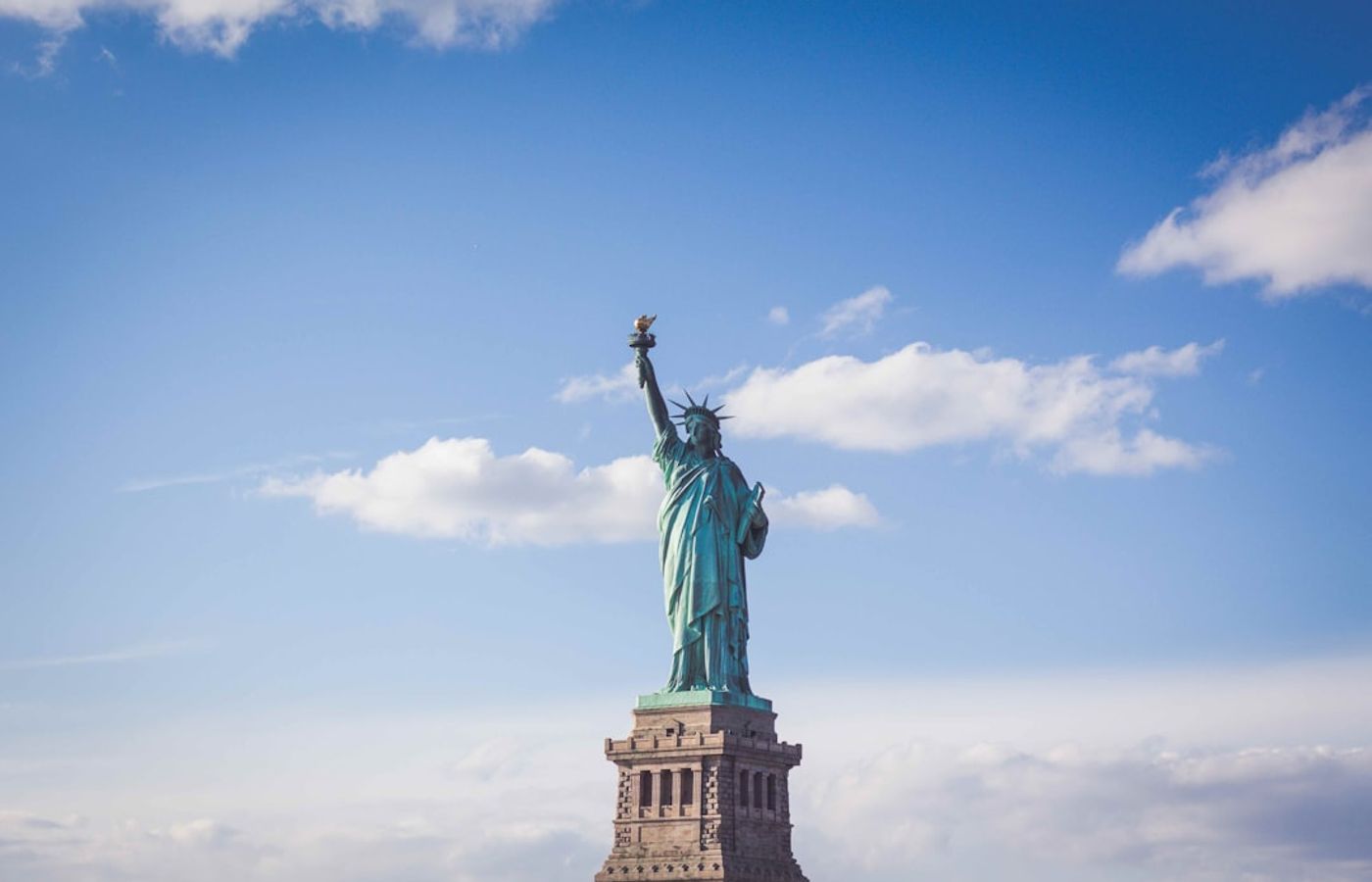

No attraction says New York like the Statue of Liberty, the 93-metre copper figure that has welcomed arrivals to the harbour since 1886. A gift from France, Lady Liberty stands on Liberty Island and is reached by ferry from Battery Park, with stops continuing to Ellis Island, the gateway through which more than twelve million immigrants once entered the United States.
Ferry tickets come in tiers: grounds access, pedestal access, or the limited crown climb up a narrow spiral staircase. The Ellis Island National Museum of Immigration is included with every ferry ticket and is genuinely moving, tracing the stories of the families who passed through its great hall.
2Central Park - The City's 843-Acre Green Heart
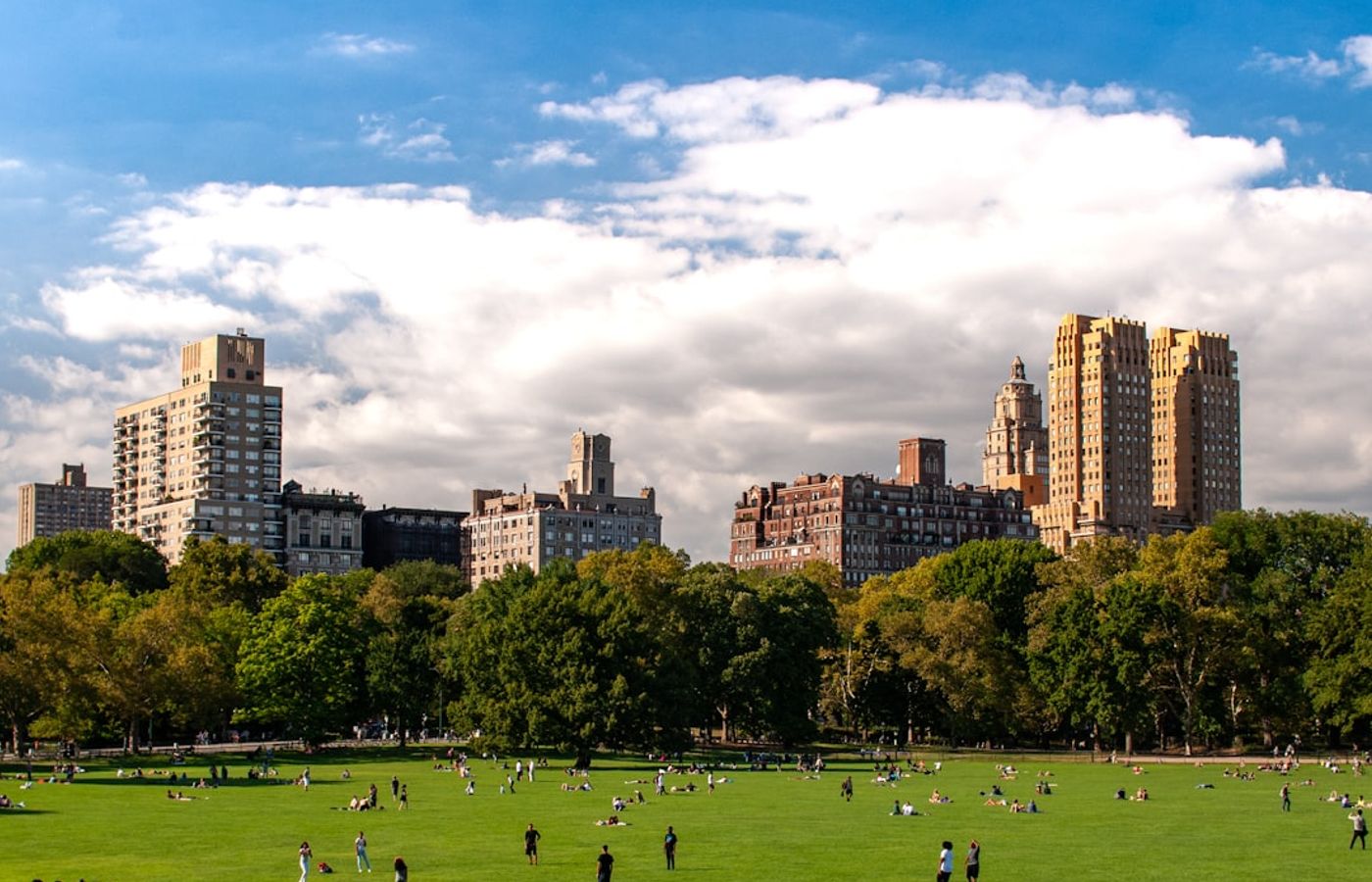

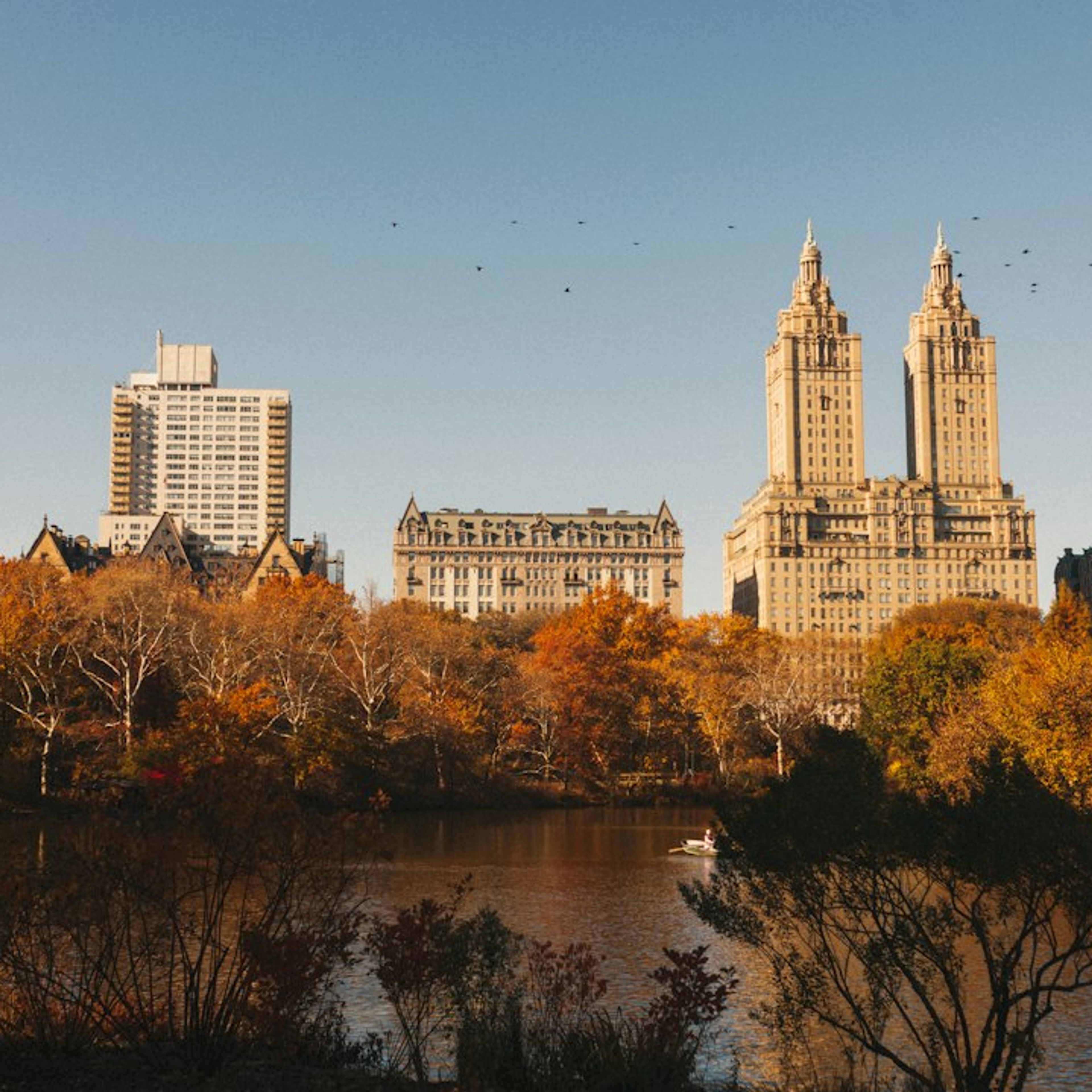
Central Park is the 843-acre rectangle of designed landscape that keeps Manhattan sane, stretching about 4 km from Midtown to Harlem. Laid out by Frederick Law Olmsted and Calvert Vaux in the 1850s, it folds meadows, lakes, woodland and formal gardens into the middle of the grid, ringed by the skyline on every side.
Highlights include the Bethesda Terrace and Fountain, the Bow Bridge, the Lake with its rowing boats, Strawberry Fields honouring John Lennon, and the Belvedere Castle viewpoint. In summer the park hosts free Shakespeare and concerts; in winter, ice rinks. You could spend an hour here or a whole day.
3Empire State Building - The Original Art Deco Skyscraper
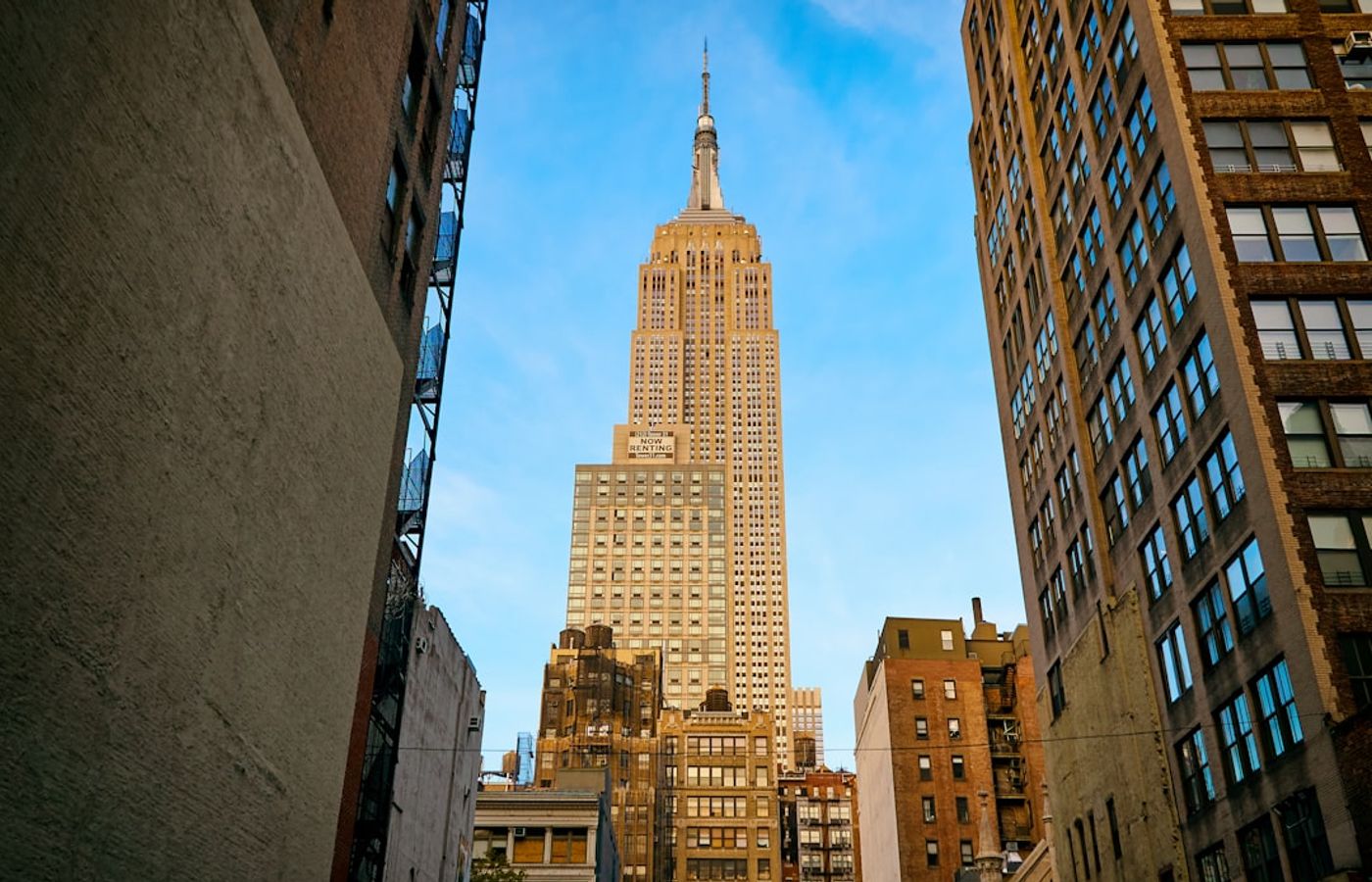

The Empire State Building has been New York's defining skyscraper since 1931, a 102-storey Art Deco tower that held the title of world's tallest building for almost forty years. Its 86th-floor open-air observatory remains the classic New York view, looking straight down the avenues and out across all five boroughs.
A higher, glass-enclosed deck on the 102nd floor goes even further up, and the redesigned museum on the way to the lifts tells the story of the building's record-breaking thirteen-month construction. After dark the tower's crown lights up in colours that mark holidays and events across the city.
Check dates for New York City
See what is available on your dates.
4Times Square and the Broadway Theater District - The City That Never Sleeps
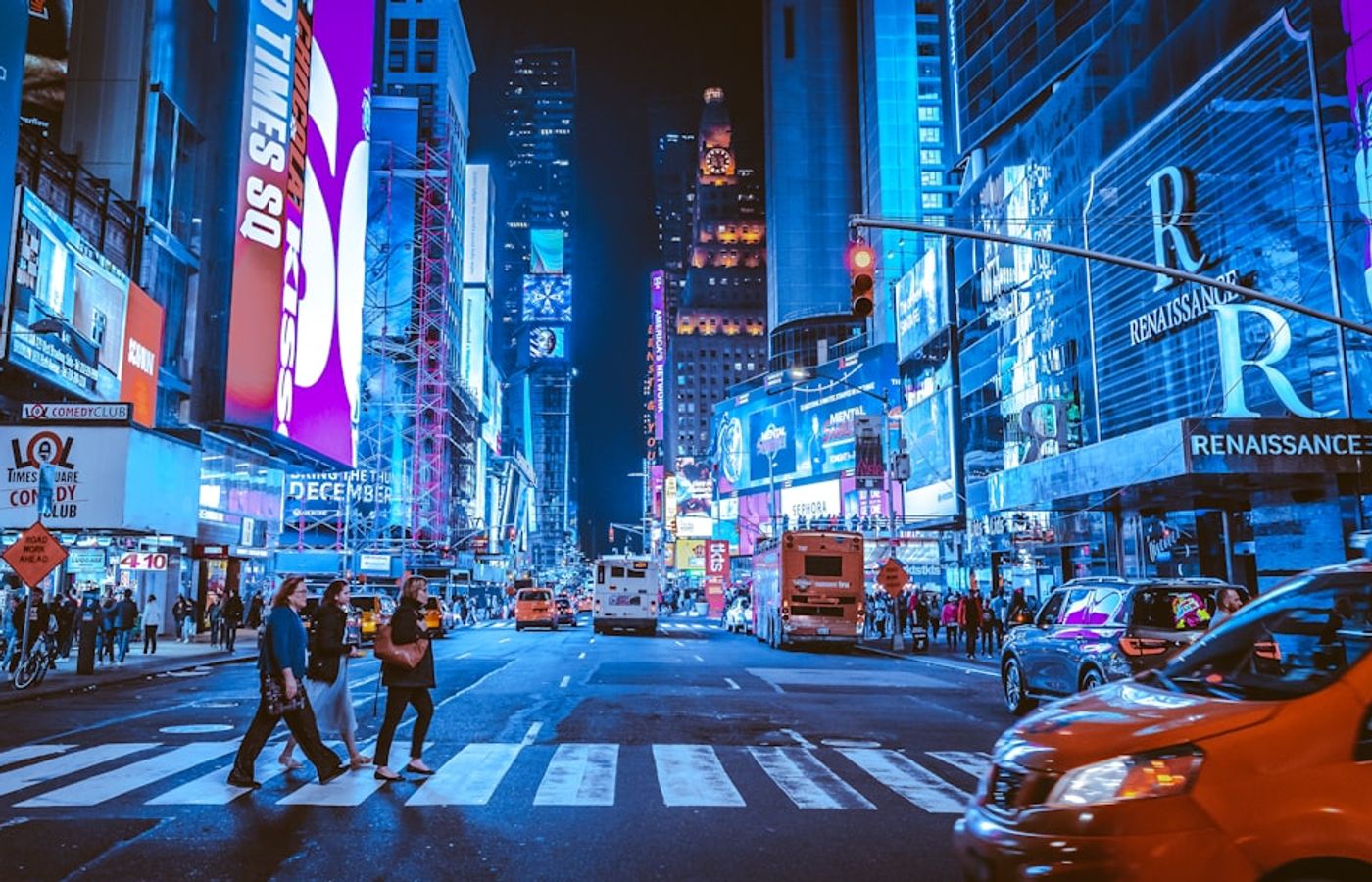
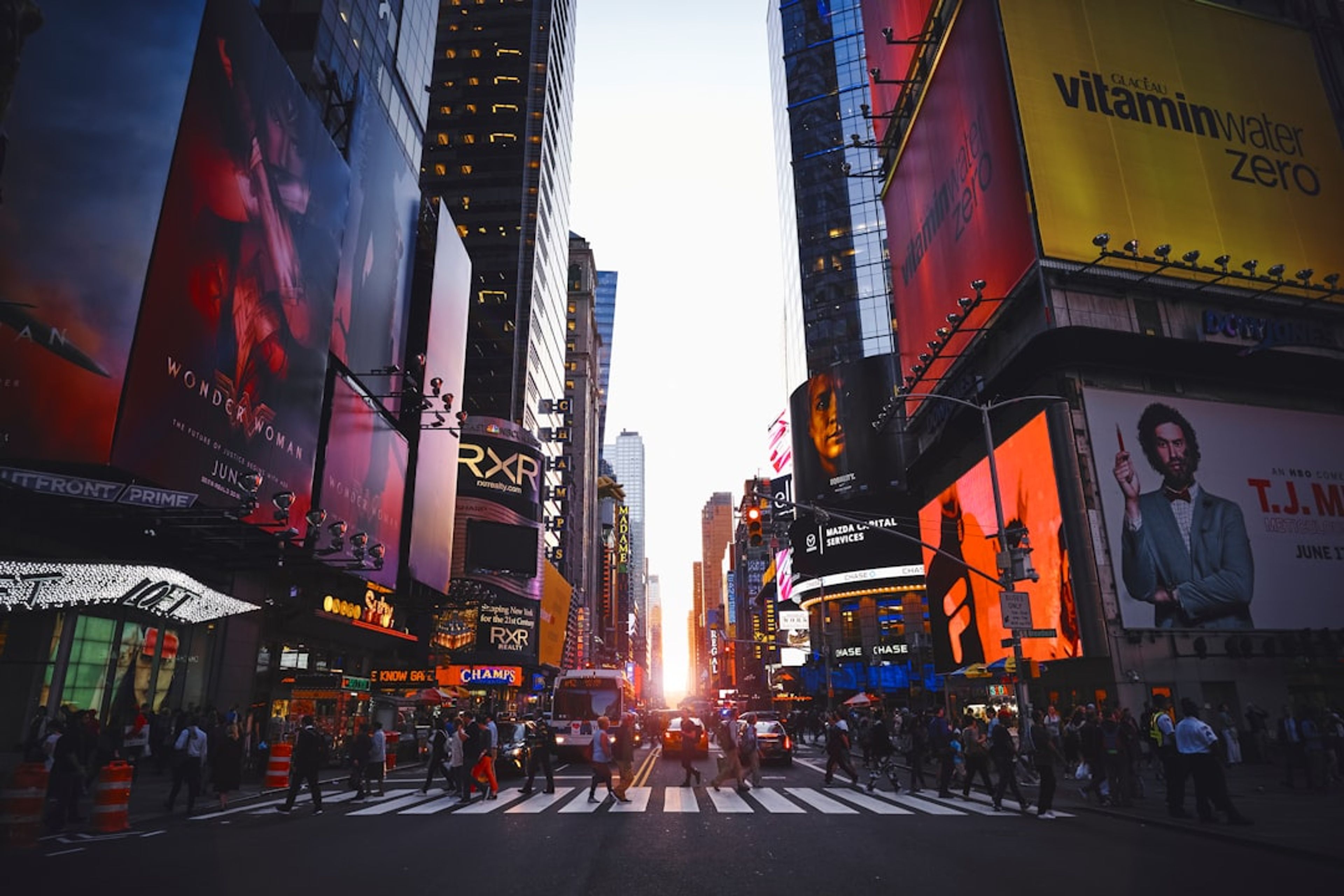
Times Square is the blazing crossroads where Broadway meets Seventh Avenue, wrapped in giant LED billboards that turn night into day. Love it or find it overwhelming, standing in the pedestrian plazas with the lights towering overhead is a quintessential New York moment, and it is the gateway to the Broadway theatre district.
More than forty Broadway theatres cluster in the surrounding streets, staging the long-running musicals and new plays that define American theatre. The square is also the heart of the action on New Year's Eve, when the famous ball drops to a crowd of hundreds of thousands of revellers.
5The Metropolitan Museum of Art - America's Greatest Museum
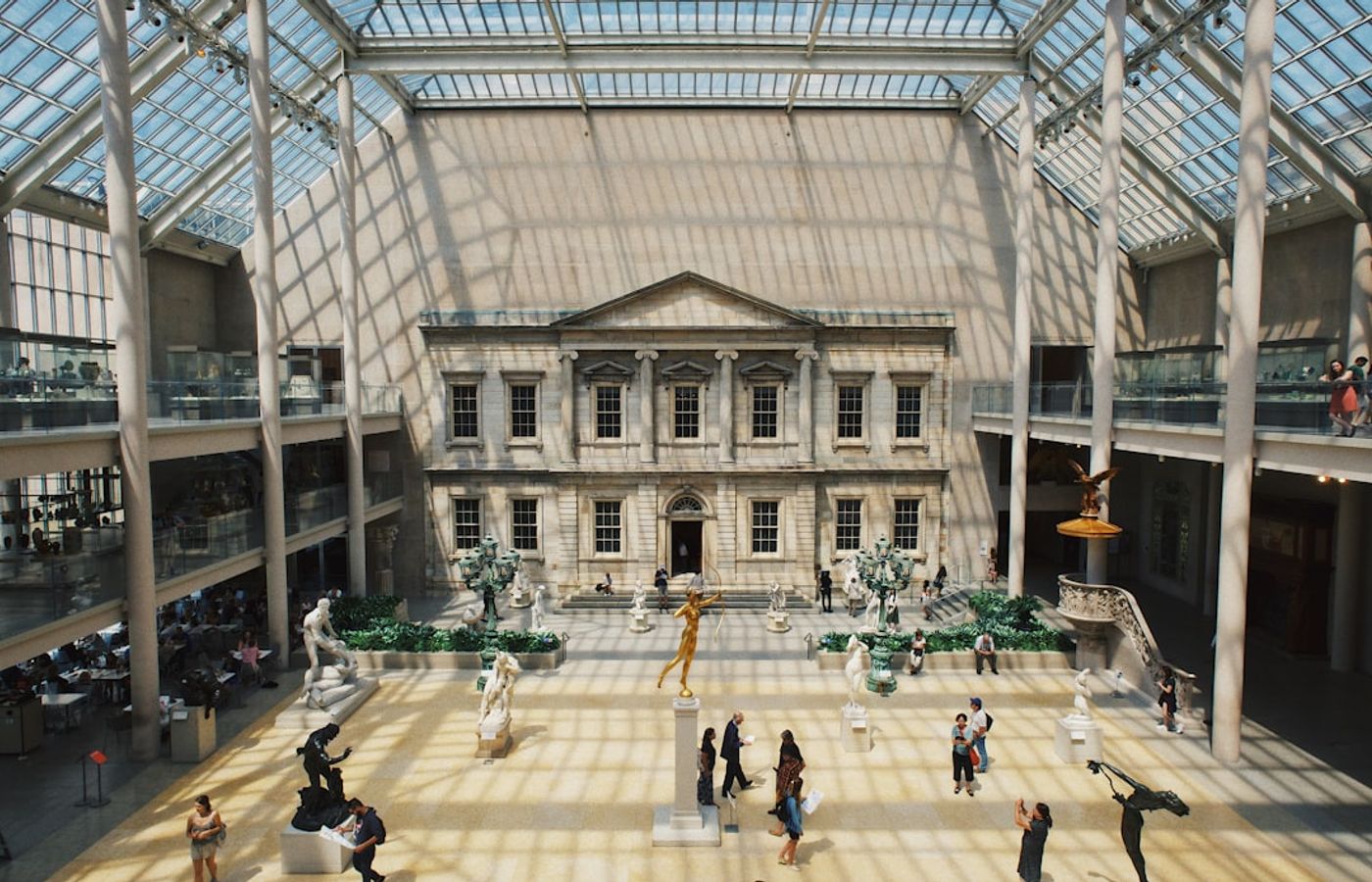
The Metropolitan Museum of Art is the largest art museum in the United States and one of the finest in the world, holding more than two million works that span 5,000 years. Its collection runs from Egyptian temples and Greek sculpture to European masters and a rooftop garden with a skyline view, all behind a grand Fifth Avenue facade.
Set aside serious time: the Temple of Dendur in its glass-walled gallery, the European paintings wing, the arms and armour hall and the American Wing are all highlights. The museum sits on Museum Mile on the edge of Central Park, which makes the two easy to combine in a single day.
6Brooklyn Bridge - A Walk Between Two Boroughs
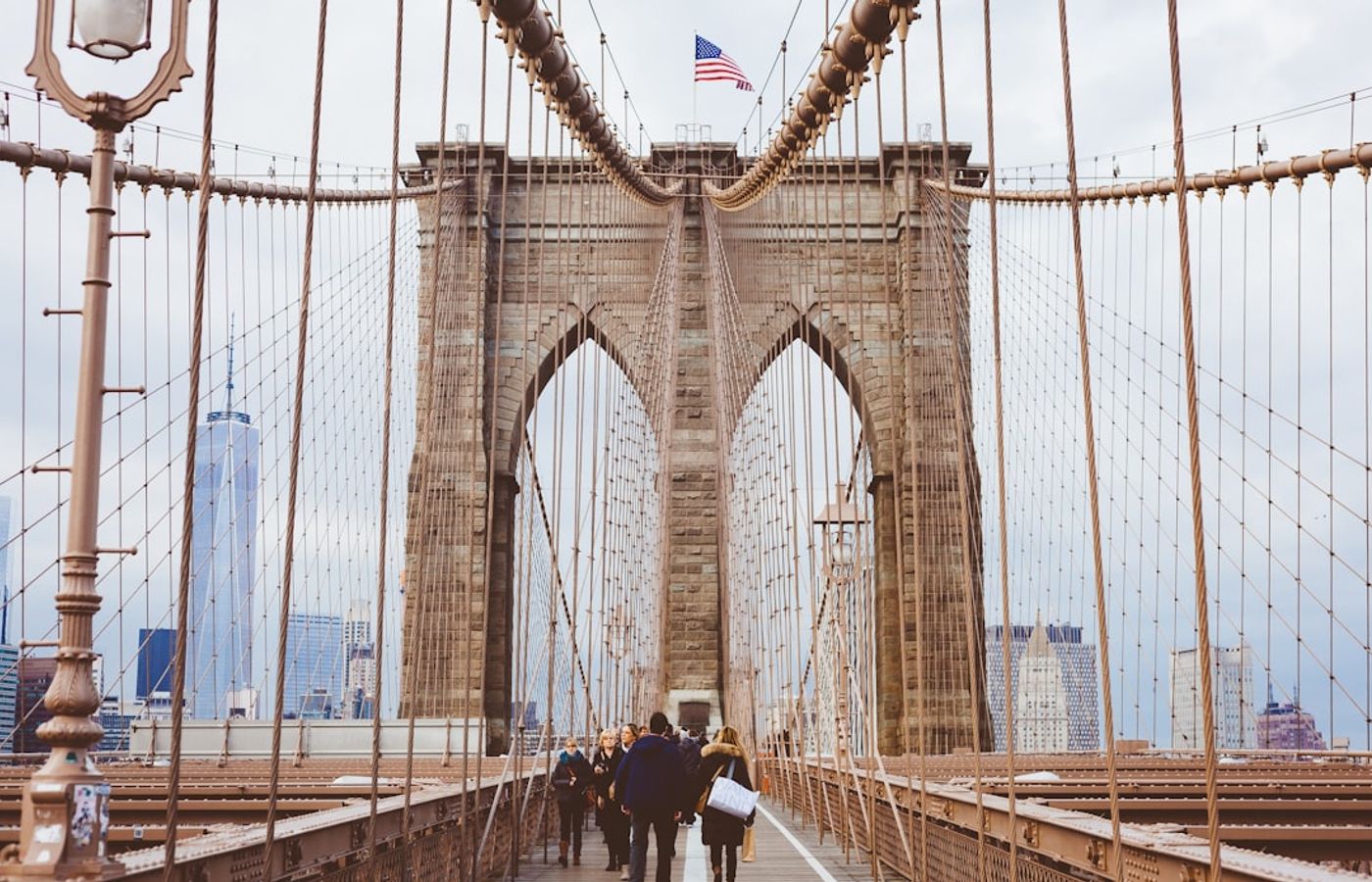
Completed in 1883, the Brooklyn Bridge was the first steel-wire suspension bridge in the world and remains one of New York's most beautiful structures, its Gothic stone towers and cabled web instantly recognisable. Walking the elevated wooden promenade across the East River is one of the best free things to do in the city.
The roughly 1.8 km crossing takes around 30 to 40 minutes at a strolling pace and delivers constantly changing views of the Lower Manhattan skyline, the harbour and the Statue of Liberty. The Brooklyn side drops you near DUMBO and Brooklyn Bridge Park, with its famous Manhattan-framed photo spots.
7The High Line - A Park in the Sky on an Old Railway
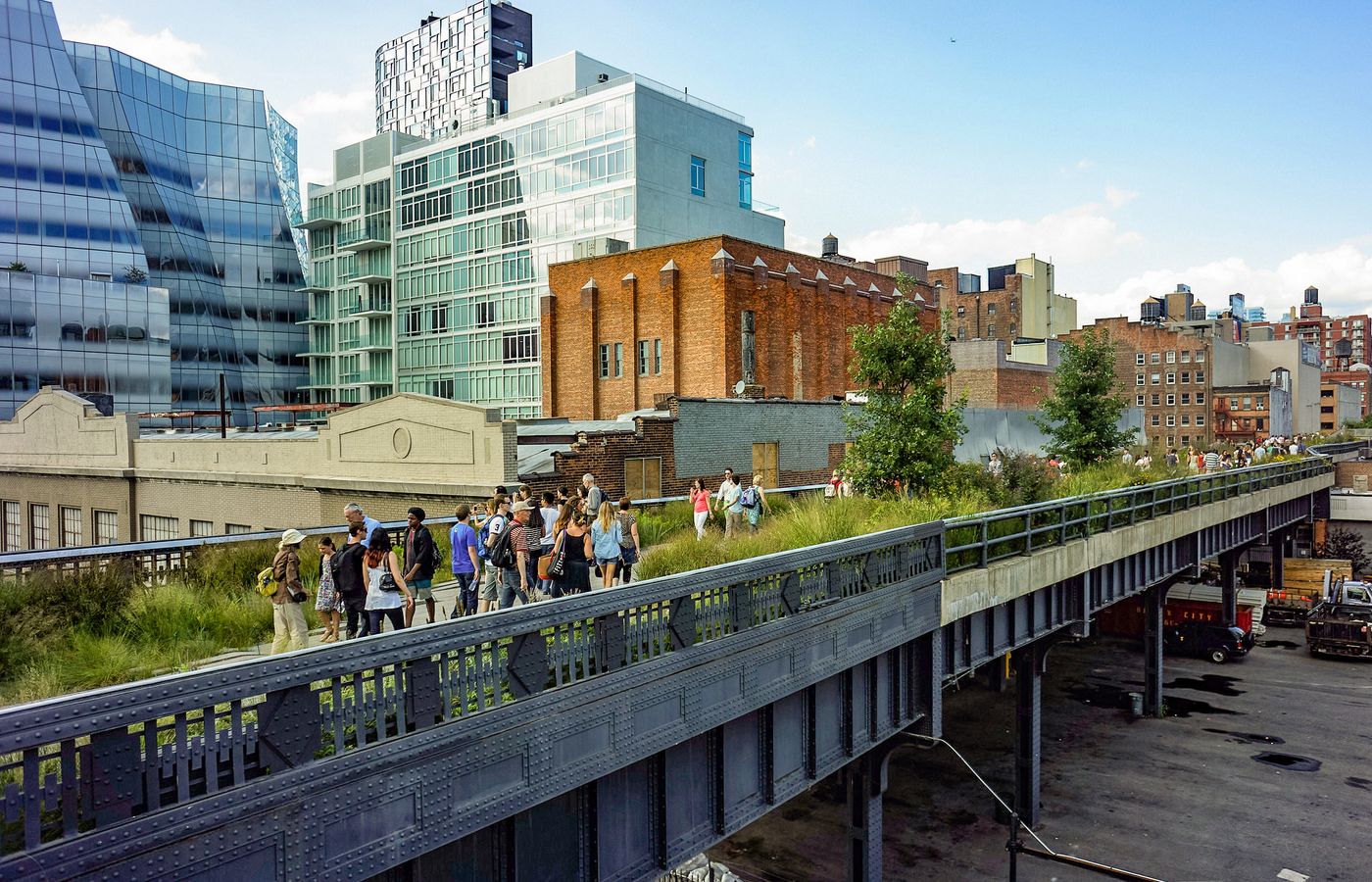
The High Line is a 2.3 km elevated park built on a disused freight railway running along Manhattan's West Side, about nine metres above the street. Planted with wild grasses and perennials that nod to the self-seeded landscape which grew here after the trains stopped, it has become one of the city's most copied urban-design ideas.
The walkway threads between and through buildings from Gansevoort Street in the Meatpacking District up to Hudson Yards, with seating, art installations, viewing spurs over the traffic and cafe kiosks along the way. It links neatly to the Whitney Museum at its southern end and Chelsea Market just below.
8The 9/11 Memorial and Museum - Reflection at Ground Zero
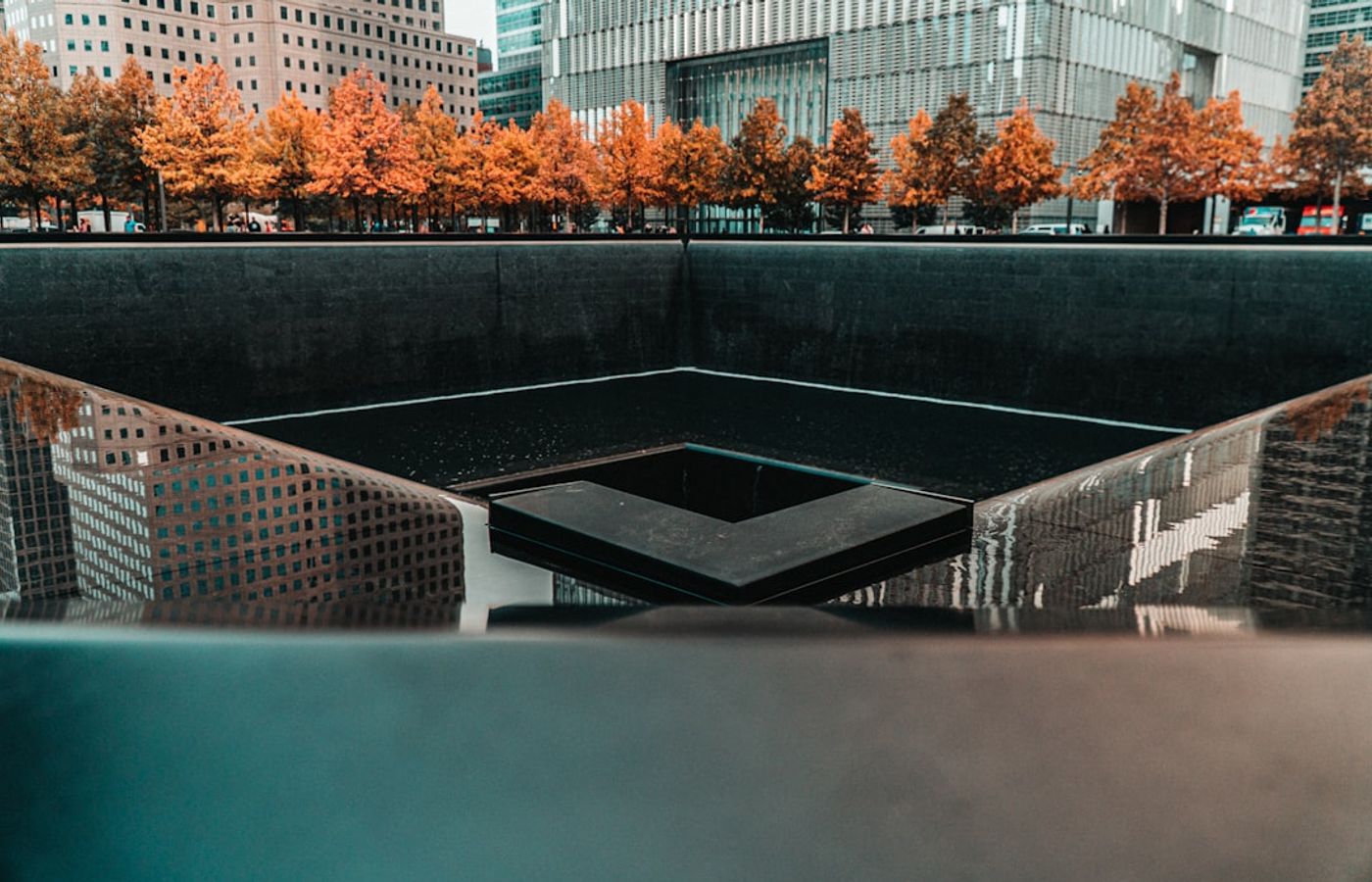
Built on the site of the World Trade Center, the 9/11 Memorial centres on two enormous reflecting pools set within the footprints of the fallen Twin Towers, their bronze edges inscribed with the names of the 2,983 people killed in the 2001 and 1993 attacks. The sound of the falling water makes the plaza unexpectedly peaceful.
The underground 9/11 Memorial Museum tells the story of the day and its aftermath through artefacts, recordings and personal belongings, descending to the original foundations of the towers. It is sombre and powerful, and easily one of the most affecting few hours in the city.
9Rockefeller Center and Top of the Rock - The Skyline with the Empire State in It
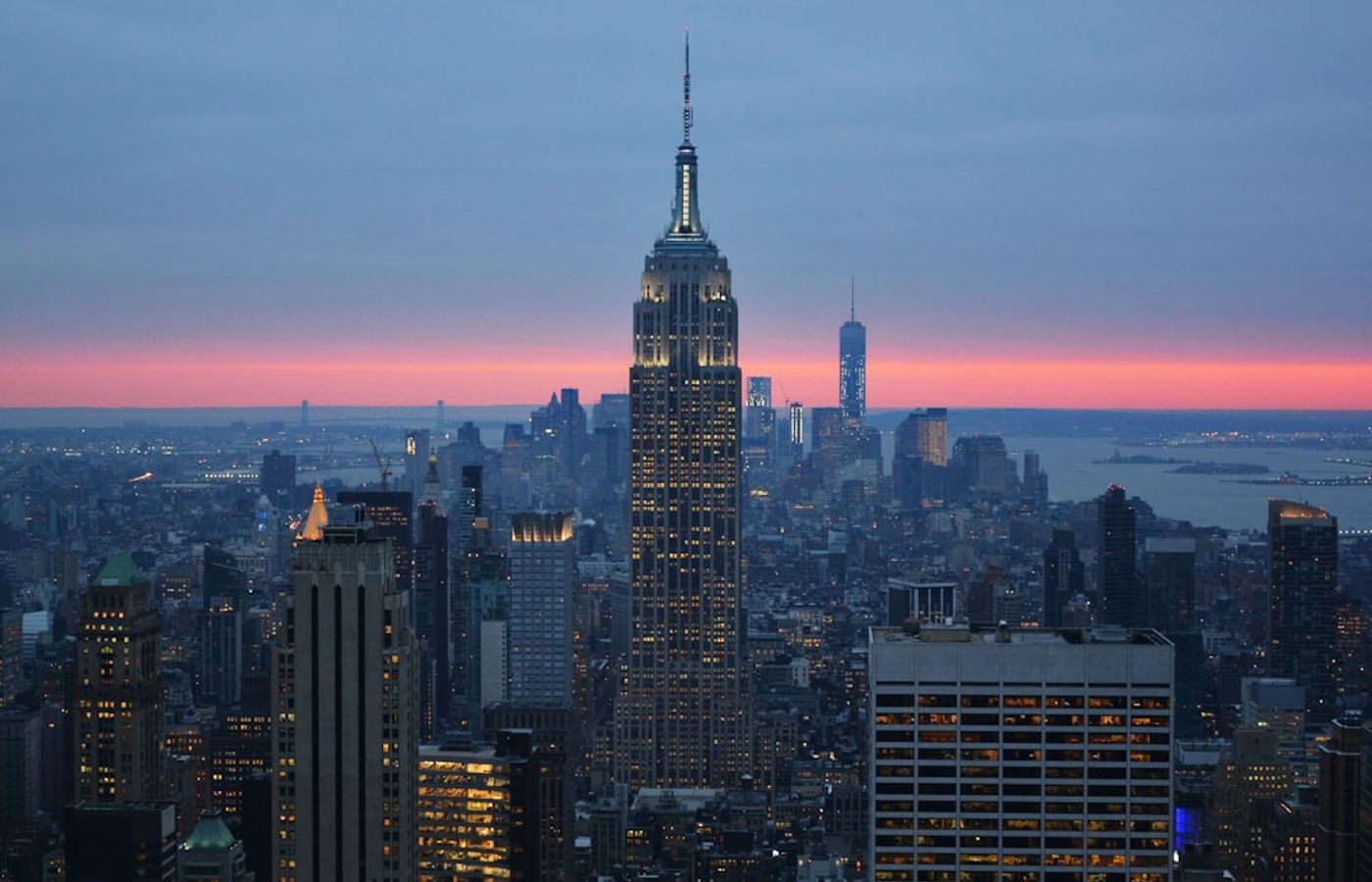
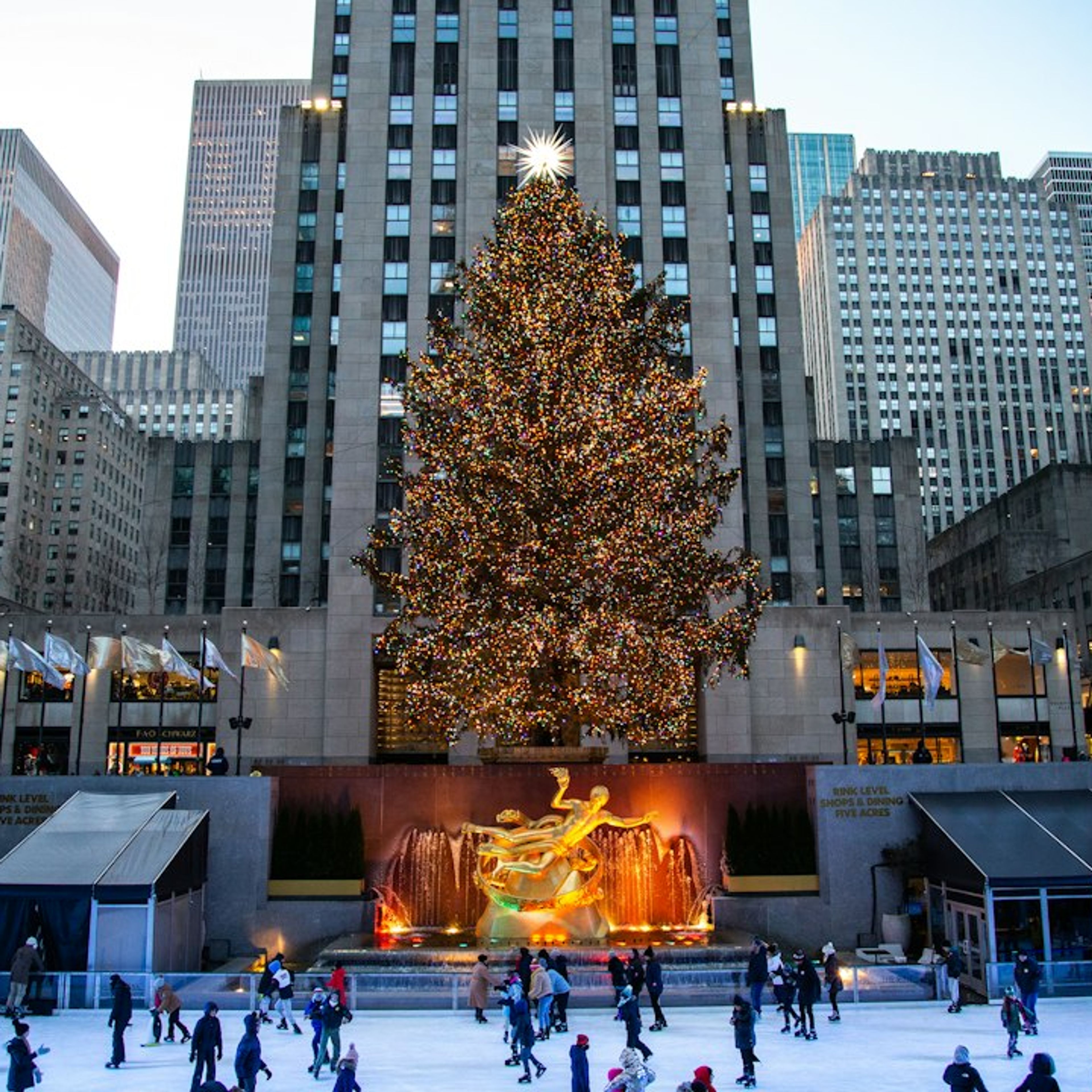
Rockefeller Center is a complex of Art Deco towers, plazas and the famous sunken ice rink that comes alive each winter beneath a giant Christmas tree. Its star attraction is Top of the Rock, the observation deck atop 30 Rockefeller Plaza, whose great advantage is that the Empire State Building stands front and centre in the southern view.
Three open-air levels look out over Central Park to the north and the Midtown forest of skyscrapers to the south. The plaza below is worth a wander for the Channel Gardens, the gilded Prometheus statue and the studios of NBC, with the recently added Beam experience for the brave.
10The Museum of Modern Art (MoMA) - Modern Masterpieces in Midtown
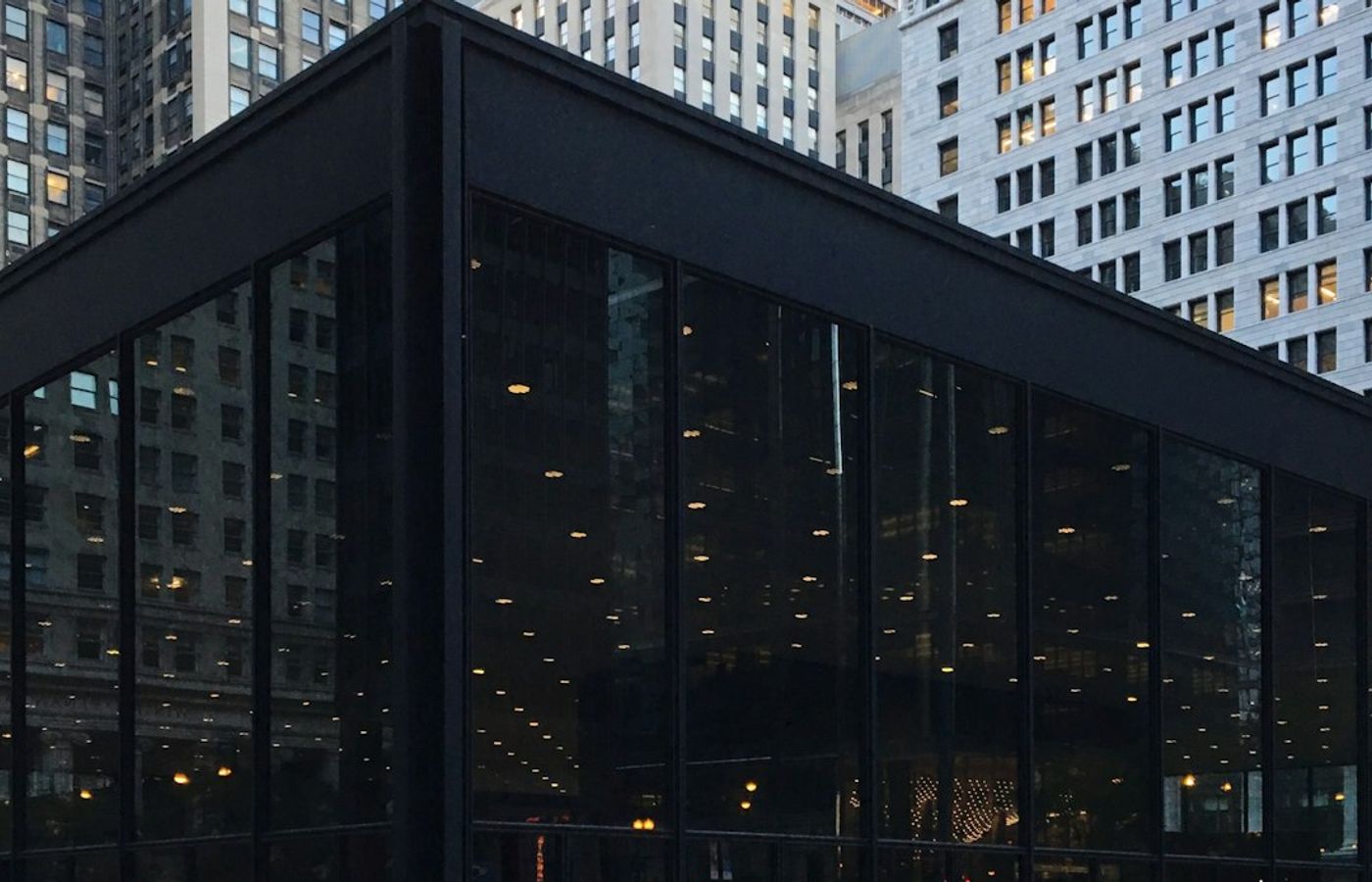
The Museum of Modern Art holds one of the world's greatest collections of modern and contemporary work, and its galleries read like a roll-call of famous paintings: Van Gogh's The Starry Night, Monet's Water Lilies, Picasso's Les Demoiselles d'Avignon and Warhol's soup cans all hang here. It is compact enough to enjoy in a focused half day.
Beyond painting, MoMA collects design, photography, film and architecture, with a calm sculpture garden at its centre for a break between galleries. A major expansion added more space for its growing contemporary holdings, so there is always something new alongside the icons.
11Grand Central Terminal - A Beaux-Arts Cathedral for Commuters
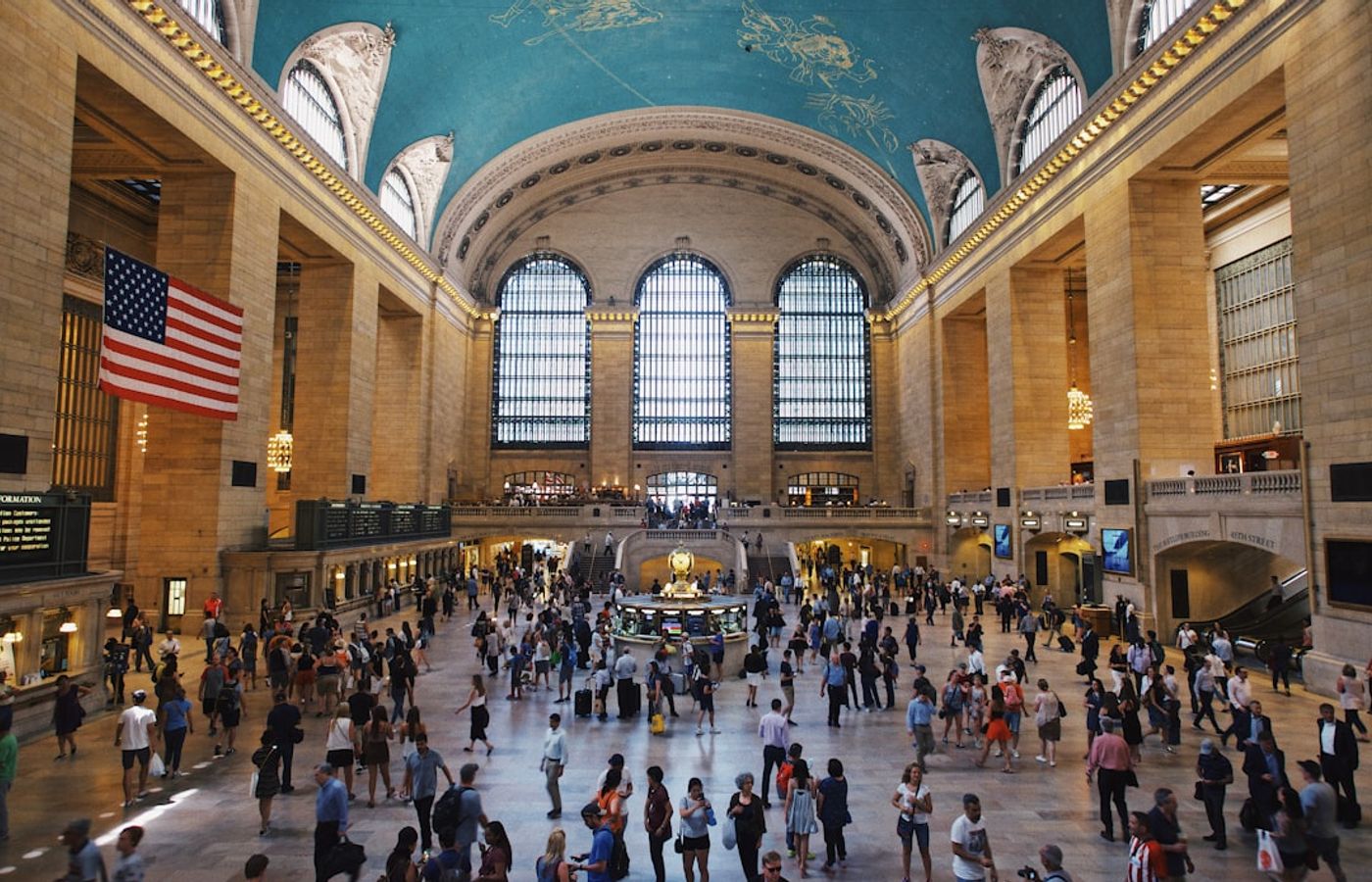
Grand Central Terminal is far more than a train station - it is a 1913 Beaux-Arts landmark and one of the most beautiful public spaces in the United States. The vast Main Concourse, with its teal ceiling painted with a backwards zodiac and its four-faced brass clock, is a genuine showstopper that halts first-time visitors in their tracks.
Below the concourse, the Grand Central Market and a sprawling dining concourse make it a good food stop, while the whispering gallery near the Oyster Bar carries a murmur diagonally across its tiled arches. It is free to walk in and admire, and sits steps from the Chrysler Building.
12American Museum of Natural History - Dinosaurs and the Cosmos
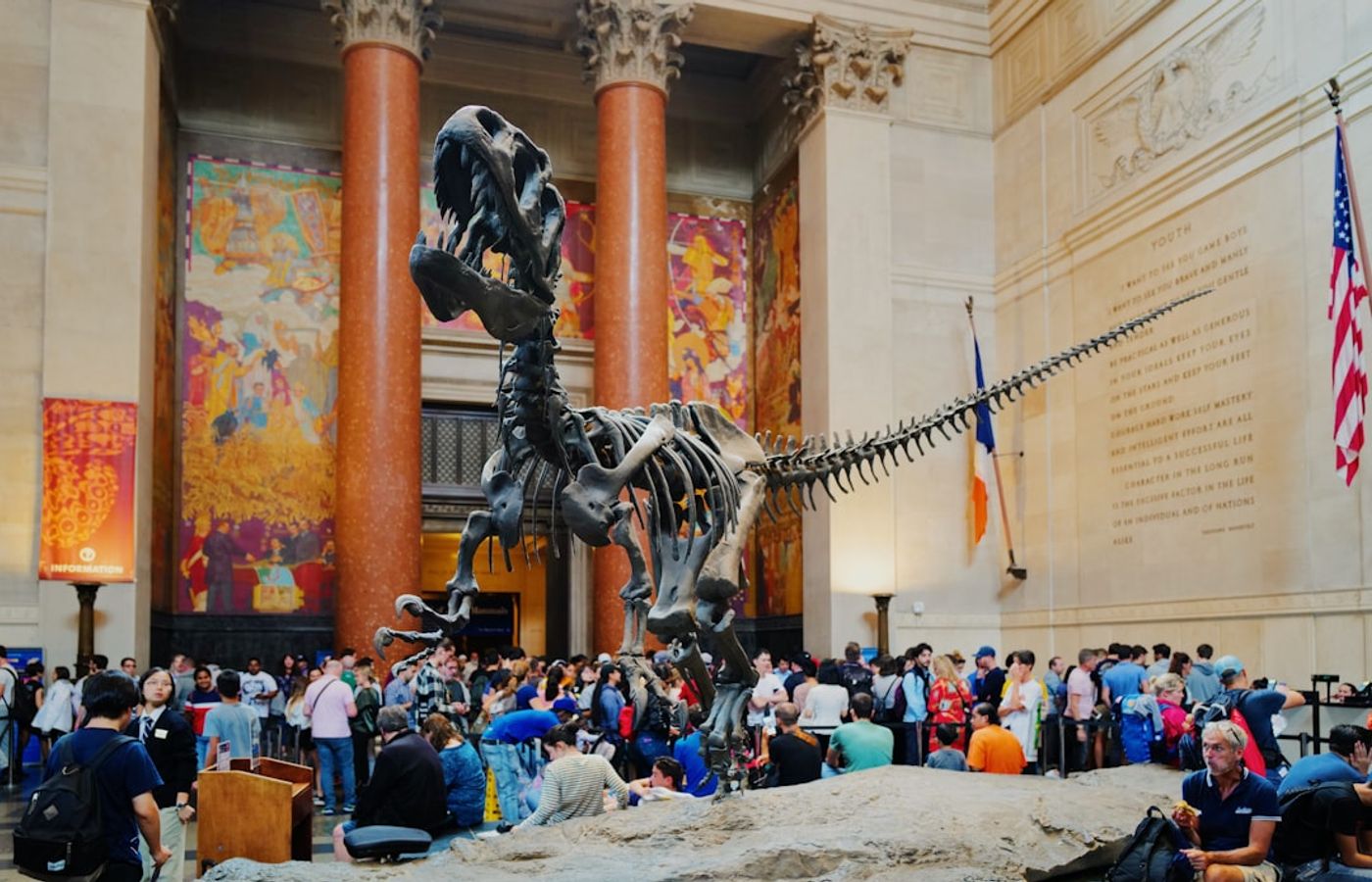
The American Museum of Natural History is one of the largest of its kind, a sprawling complex on the edge of Central Park best known for its towering dinosaur halls and the blue whale suspended over the Hall of Ocean Life. Its fossil collection is world-class, and the newer Gilder Center adds a soaring, cave-like atrium.
The attached Rose Center for Earth and Space, with its glowing Hayden Planetarium sphere, runs immersive space shows, and the dioramas of African and North American mammals remain beautifully crafted time capsules. It is a sure-fire hit with children and the setting for the film Night at the Museum.
13The Staten Island Ferry - The Best Free View in New York
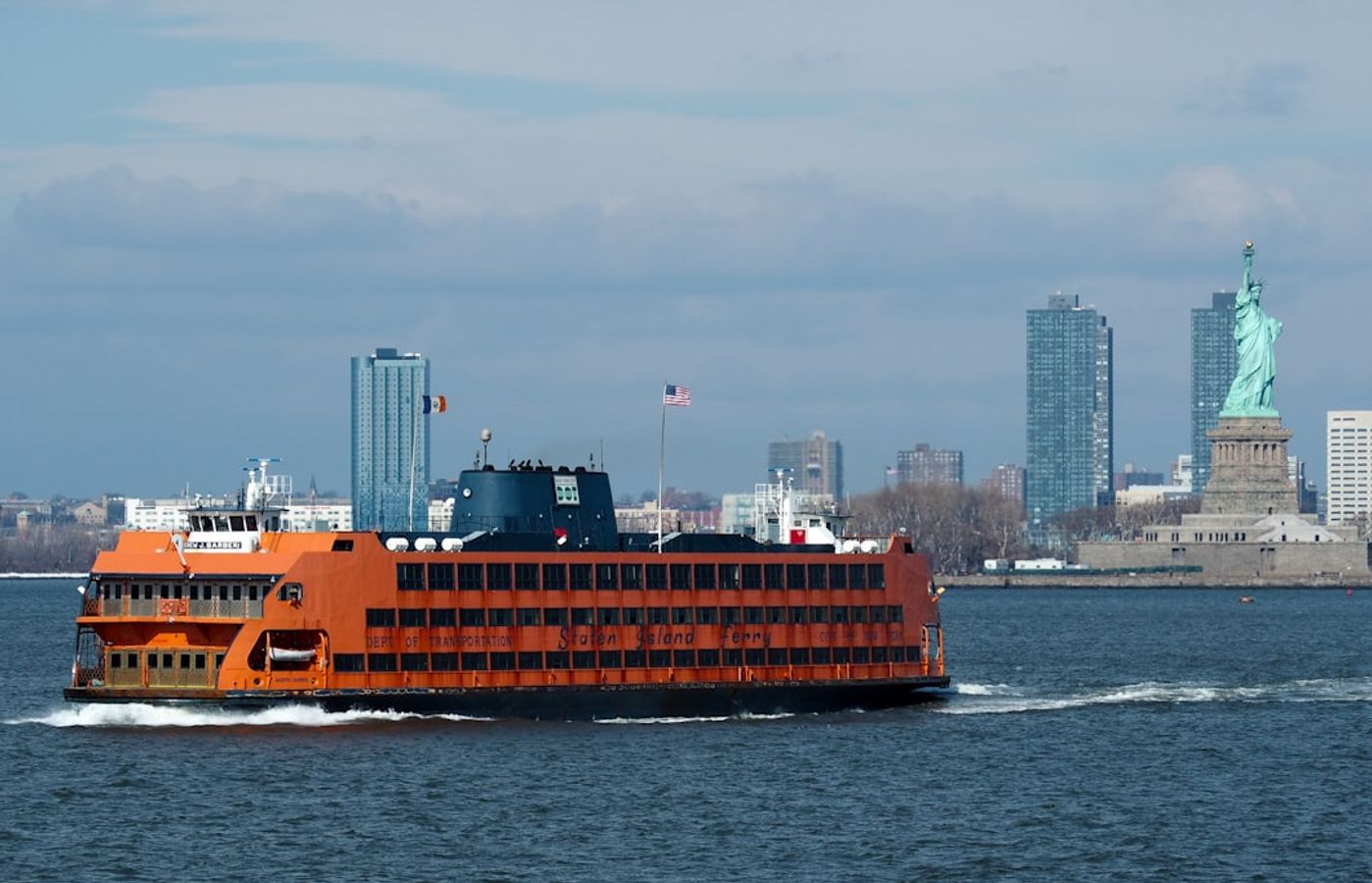
The Staten Island Ferry carries commuters between Lower Manhattan and Staten Island around the clock, and it is completely free - which makes it the best-value sightseeing in the city. The 25-minute crossing passes close to the Statue of Liberty and Ellis Island while delivering a full panorama of the Lower Manhattan skyline.
There is no booking and no cost; you simply walk on at the Whitehall Terminal. Stand on the right-hand side heading out to Staten Island for the closest pass of Lady Liberty, then ride straight back from the St George Terminal if you came only for the views.
14Greenwich Village and Washington Square Park - Bohemian Streets and a Famous Arch
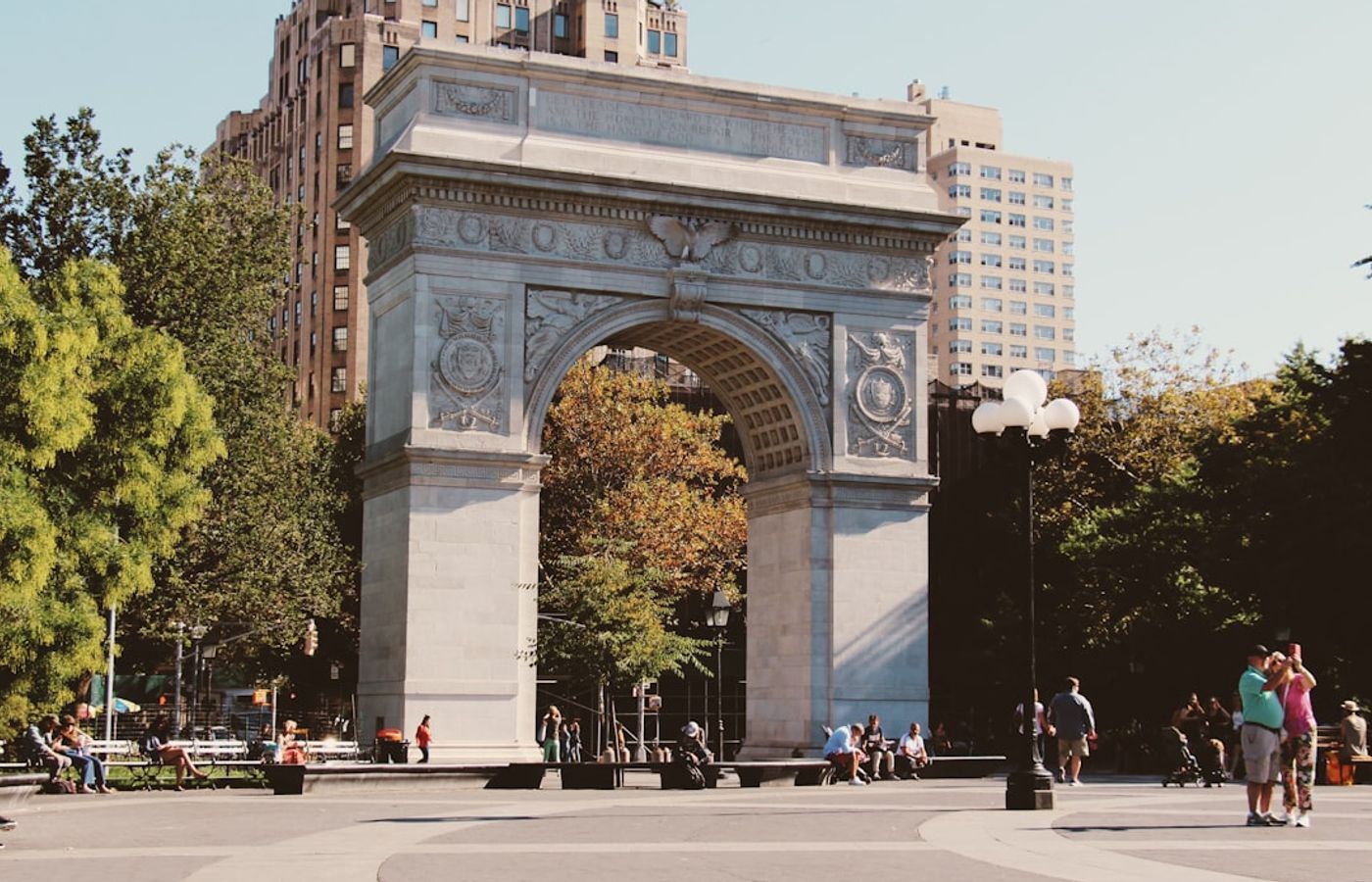
Greenwich Village is the leafy, low-rise neighbourhood that has drawn writers, musicians and artists for more than a century, its tangle of tree-lined streets a deliberate break from the Manhattan grid. At its centre, Washington Square Park gathers students, street performers and chess players beneath a marble arch modelled on the Arc de Triomphe.
The surrounding blocks reward aimless wandering: jazz clubs that have run for decades, historic townhouses, independent bookshops and the cafes of nearby Bleecker Street. It is one of the most walkable and atmospheric parts of the city, and a reminder that New York is not all skyscrapers.
15Fifth Avenue - The City's Grand Shopping Boulevard
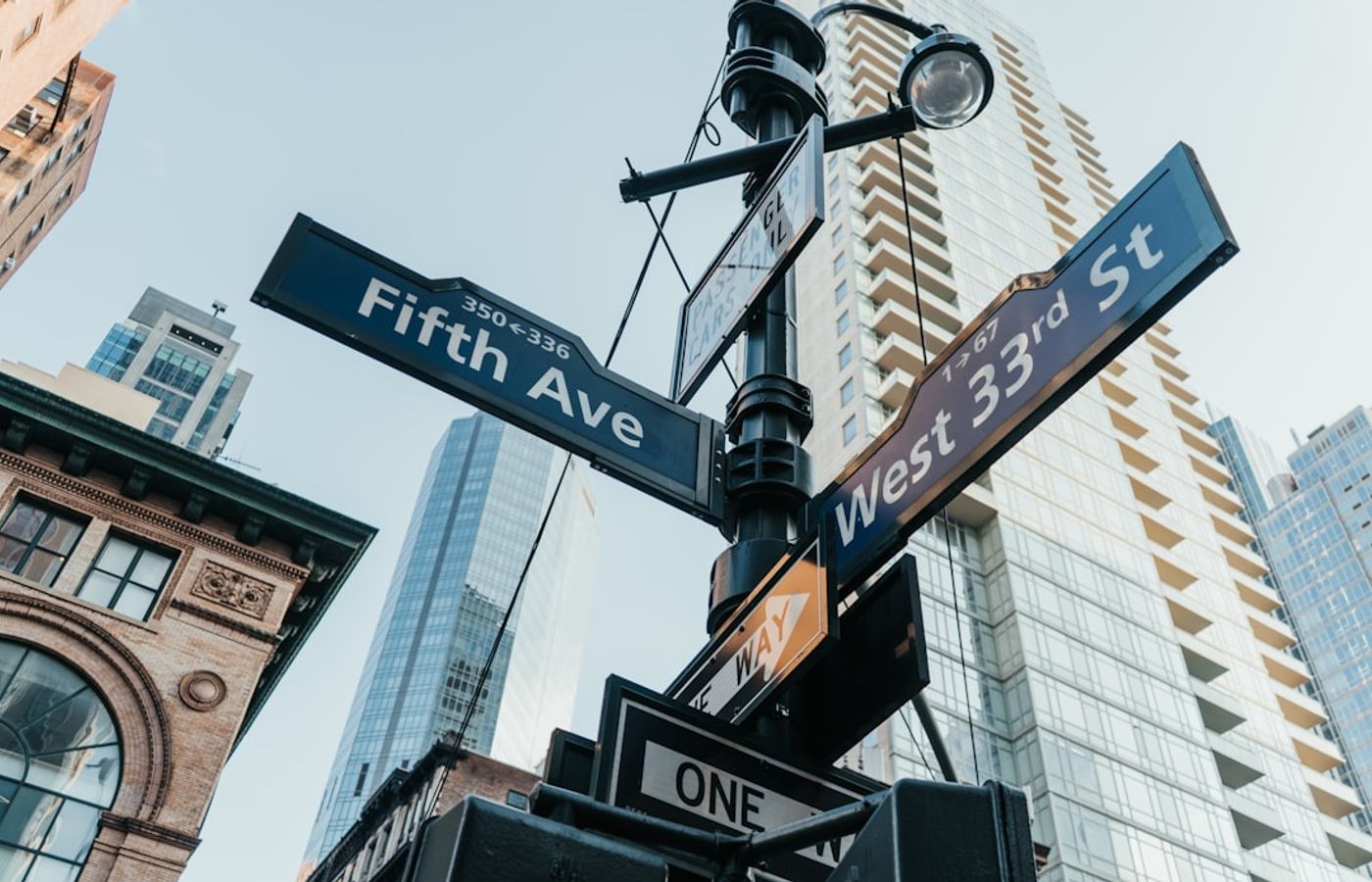
Fifth Avenue is New York's most famous shopping street, a procession of flagship stores, jewellers and department stores running through Midtown toward Central Park. The stretch from Rockefeller Center to the park takes in Saks Fifth Avenue, Tiffany & Co, the Apple Fifth Avenue glass cube and the windows that draw crowds at Christmas.
It is also studded with landmarks: the Gothic spires of St Patrick's Cathedral, the marble lions of the New York Public Library a few blocks south, and the Plaza Hotel at the avenue's northern end. Even without spending a cent, the architecture and people-watching make it a fine walk.
Take this guide with you
Get every place in this guide, with addresses and map links, in your inbox — easy to open on your phone during the trip.
One email to the address on your account. No newsletter.

CEO and co-founder
Tomas is the co-founder and director of trip1, an European company specializing in reservation services. He launched the company in 2025 with a focus on building scalable, efficient operations.
15 Top Things to Do in New York City - FAQ
The Statue of Liberty and Ellis Island, a walk across the Brooklyn Bridge, Central Park with the Met on its edge, and a view from the Empire State Building or Top of the Rock. Add Times Square after dark, the 9/11 Memorial and the High Line. The Staten Island Ferry is free and passes close to the Statue of Liberty.
Yes, if you plan by area. Spend day one downtown on the Statue of Liberty ferry, the 9/11 Memorial, the Brooklyn Bridge and Greenwich Village. Use day two in Midtown for the Empire State Building, Grand Central, Rockefeller Center, MoMA and Times Square. Give day three to Central Park, the Met and the Natural History museum, finishing on the High Line.
Don't pose with the costumed characters in Times Square unless you are ready to tip. Don't buy Statue of Liberty tickets from street sellers: Statue City Cruises is the only official ferry. Don't take a taxi everywhere, because the subway runs 24 hours. Don't turn up at the observation decks or the 9/11 Museum without booking a timed ticket.
A slice of New York pizza, a bagel with cream cheese, a pastrami sandwich on rye from a Jewish deli, and a slice of New York cheesecake. For lots of choice under one roof, try Chelsea Market at the bottom of the High Line, or the Grand Central Market and dining concourse below the terminal's Main Concourse.
Yes, for the ferry, which is the only way onto Liberty Island. Statue City Cruises sells grounds access at $26 for adults (about 22 euros), and pedestal or crown tickets at $26.30. Every ticket includes Ellis Island. Book the crown months ahead, as it sells out and the climb is 162 steps. To see the statue for free, ride the Staten Island Ferry.
Top of the Rock has the edge for one reason: the Empire State Building is in its view. From Rockefeller Center you look south to the Empire State Building and north over Central Park. The Empire State Building's open-air 86th floor is higher and more historic, so each wins on something. Check the forecast, as haze can swallow the view.