
Get up to €50 off your staySubscribe and get up to €50 off your next stay
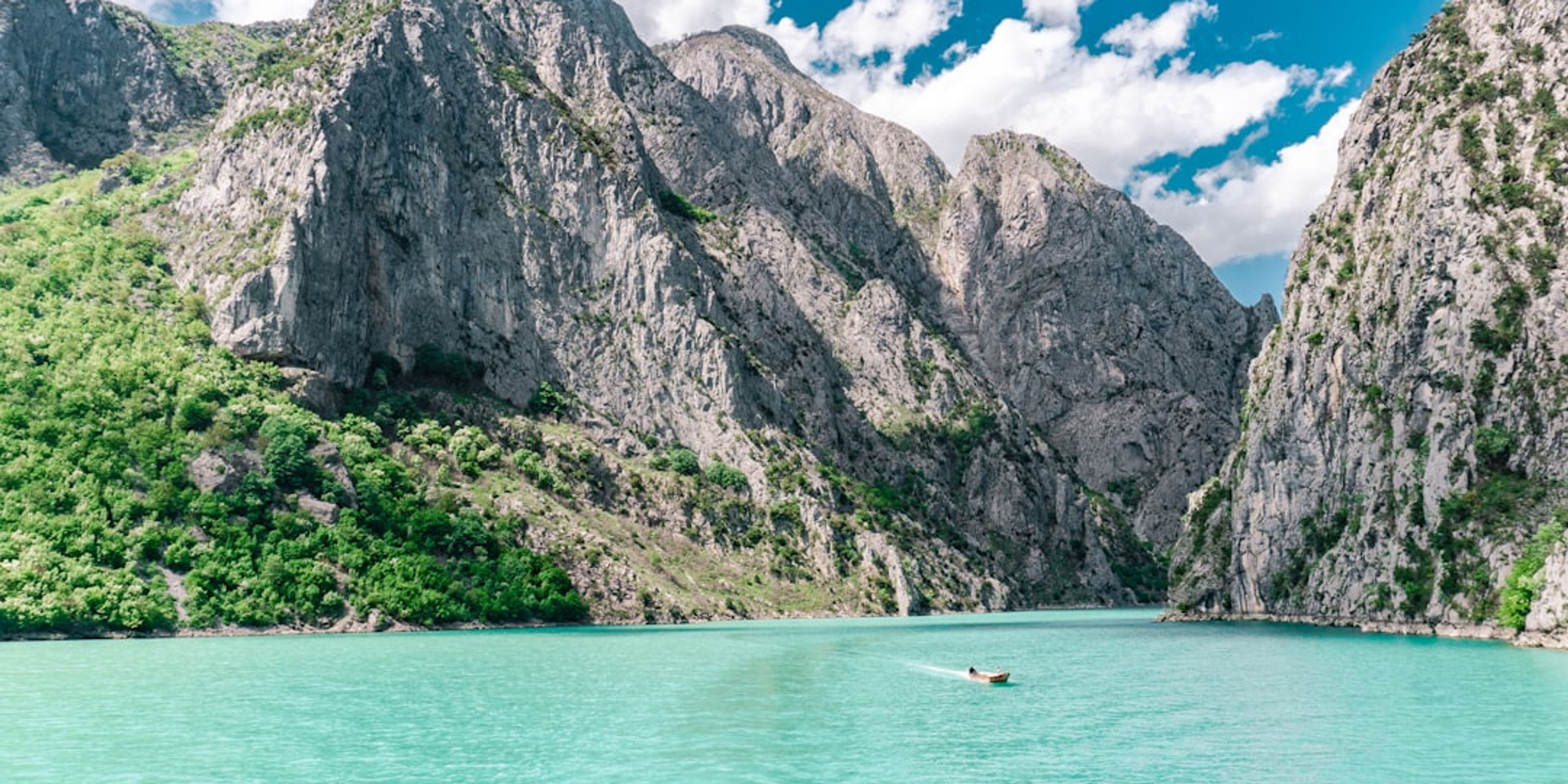
Browse and explore the best travel guides in Albania.
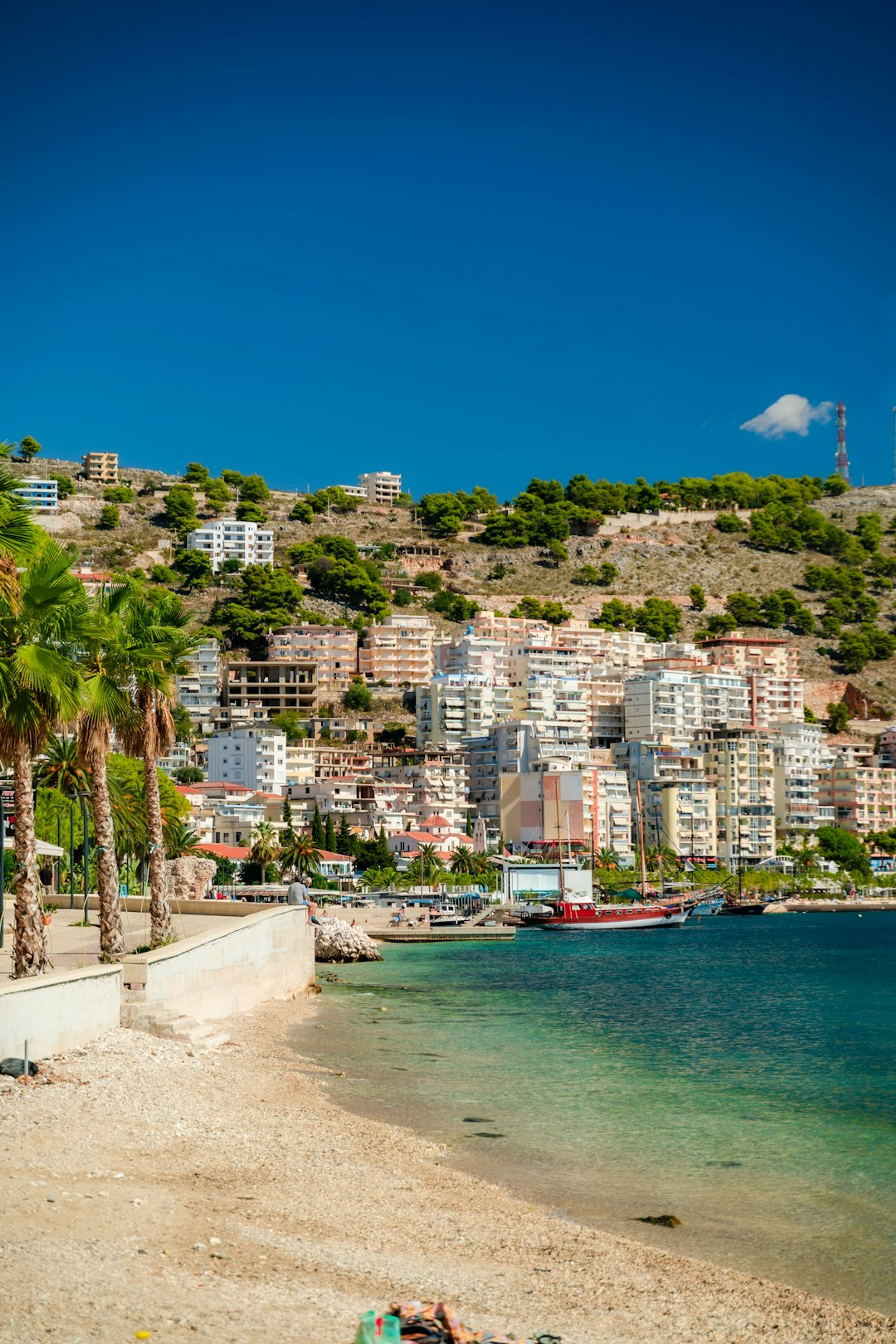
Albania is a mountainous country on the western edge of the Balkans, curving along the Adriatic and Ionian seas between Montenegro, North Macedonia, Kosovo, and Greece. Long overlooked by mainstream tourism, it has become one of Europe's most rewarding budget destinations, pairing the turquoise coves of the Albanian Riviera with rugged national parks, Ottoman-era towns like Berat and Gjirokastër, and ancient sites such as Butrint and Apollonia. Travellers come for warm hospitality, low prices, fresh Mediterranean and Balkan cuisine, and a coastline that still feels a step behind its more developed neighbours.
Capital
Tirana
Population
~2.8 million
Area
28,748 km²
Time Zone
CET (UTC+1) / CEST (UTC+2)
Currency
Albanian Lek (ALL)
Languages
Albanian
Main Airports
TIA (Tirana), plus Vlorë and Kukës
Visa
Visa-free for EU, UK, US, and many others (up to 90 days)
Best For
Beaches, mountains, ancient sites, budget travel
Typical Cost Level
Budget
Get the latest deals, new destinations, and travel tips delivered straight to your inbox.
No spam, unsubscribe anytime.
Entry rules, stay length and passport validity by nationality.
Most visitors do not need a visa to enter Albania for short stays. Citizens of the EU, UK, US, Canada, Australia, and many other countries can stay visa-free for up to 90 days within a 180-day period, and some nationalities receive extended access during the summer season. You will need a passport valid for the duration of your stay. Travellers from countries that do require a visa can apply through an Albanian embassy or consulate, and it is worth checking the latest rules with Albanian authorities before you travel.
The best time to visit Albania is from May to early October, when the coast is warm and dry. July and August are the hottest and busiest months, especially along the Albanian Riviera, so June and September offer a better balance of good weather and thinner crowds. Spring and autumn are ideal for hiking, city sightseeing, and exploring the interior, while winter is quiet and mild on the coast but cold and snowy in the mountains.
Albania is generally a safe country for tourists, with low levels of violent crime. Most visits are trouble-free, and Albanians are known for warm hospitality toward travellers. As anywhere, take normal precautions against petty theft in busy areas, drive carefully as roads and local driving styles can be challenging, and take care around the sea and in the mountains. Standard travel common sense is usually all that is needed.
The official currency of Albania is the Albanian lek (ALL). Cash is still widely used, particularly in smaller towns and rural areas, though cards are increasingly accepted in hotels, restaurants, and shops in cities and tourist zones. Euros are sometimes accepted along the coast, but you will usually get a better rate paying in lek. ATMs are common in towns and cities, so carry some cash for remote areas and small vendors.
Yes. On trip1, you can book hotels across Albania and pay with over 120 cryptocurrencies including Bitcoin, Ethereum, and USDC. trip1 covers 3 million+ hotels in 190+ countries, making it easy to find and book accommodation with crypto in Tirana, along the Albanian Riviera, and beyond.
Getting around Albania is easiest with a mix of buses, minibuses, and rental cars. Intercity travel relies mainly on furgons (shared minibuses) and coaches, which are cheap but run on informal schedules. Renting a car gives the most freedom for reaching Riviera beaches, mountain villages, and archaeological sites, though roads can be winding and busy. Ferries connect coastal towns such as Saranda with Corfu in Greece, and taxis are inexpensive for short trips.