
Guides · Cannes
10 Top Things to Do in Cannes

CEO and co-founder
This guide lays out the 10 top things to do in Cannes, the French Riviera resort best known for its film festival, palm-lined promenade, and sweeping Mediterranean bay. Each entry gives the exact address, the nearest walk or Palm Bus route, and a practical Pro Tip, so you can see the glamour and the older, quieter Cannes behind it.
The list is ordered for easy routing. The Vieux Port, Le Suquet old town, the Musée de la Castre, and Marché Forville cluster at the western end; the Palais des Festivals, Boulevard de la Croisette, the beaches, and Rue d'Antibes run along the seafront and shopping core; and the Îles de Lérins sit a short ferry ride offshore.
Cannes rewards a slower pace than its reputation suggests. Beyond the designer boutiques and yachts, it has a genuine old fishing quarter, a good market, pine-covered islands, and free public beaches. Distances are short, and most of the highlights cost nothing beyond the time to enjoy them.
1Boulevard de la Croisette - The Legendary Seafront Promenade
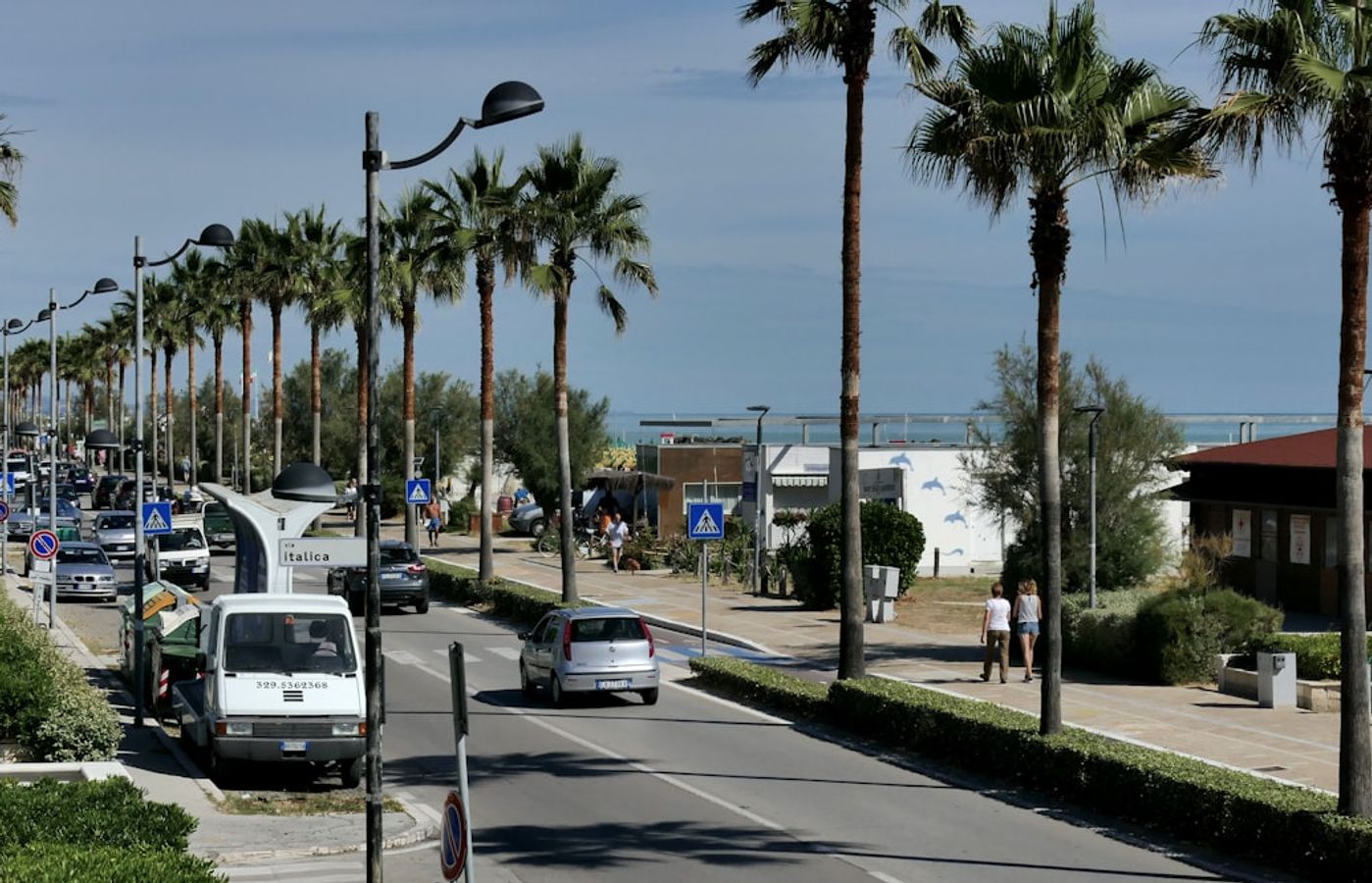

The Boulevard de la Croisette is Cannes in a single street - a 2 km seafront promenade curving along the bay, lined with palm trees, flowerbeds, grand Belle Époque hotels, and designer flagship stores. Strolling it, day or night, is the essential Cannes experience and costs nothing.
On the seaward side stretch the sandy beaches and their famous private clubs; on the landward side sit the Carlton, Martinez, and JW Marriott hotels, their terraces buzzing during the film festival. Look down at the pavement near the Palais to spot the handprints of film stars pressed into the Allee des Etoiles.
Pro Tip: Walk it in the early evening when the light softens and the hotel facades light up. The far eastern end near the Palm Beach headland is quieter and has the best views back over the bay.
2Le Suquet - The Old Town on the Hill

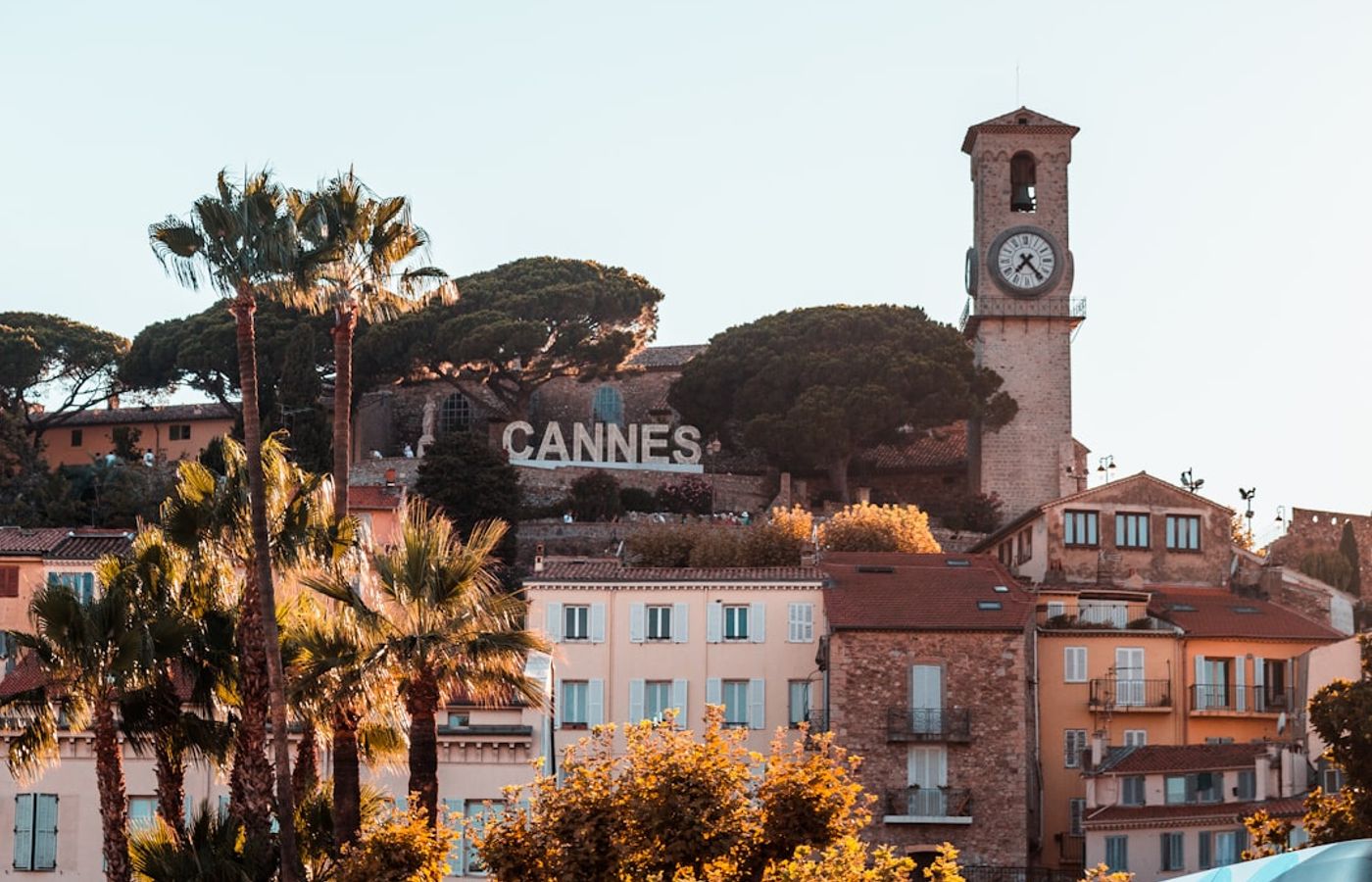
Le Suquet is the old town of Cannes, a steep hill of narrow cobbled lanes rising above the Vieux Port - the original fishing village from which the resort grew. Its restaurant-lined Rue Saint-Antoine is one of the most atmospheric streets in the city, especially after dark.
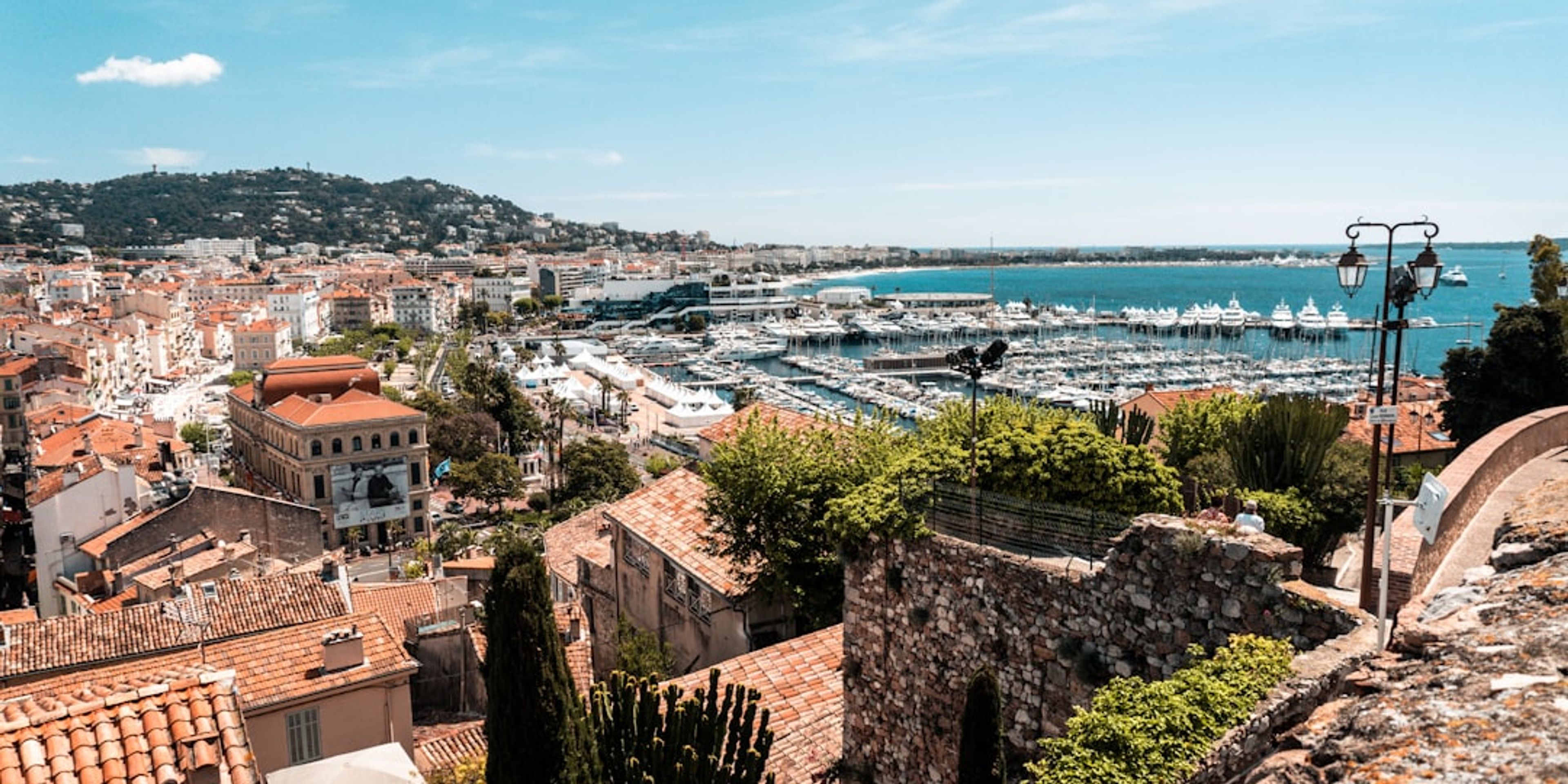
Climbing the lanes brings you to a small square by the Church of Notre-Dame d'Esperance and the old castle keep, with the best free panorama in Cannes - out over the terracotta rooftops, the harbour full of yachts, and the bay beyond. It is a world away from the glitz of La Croisette below.
Pro Tip: Come up for sunset, then stay for dinner in one of the Rue Saint-Antoine bistros. Wear flat shoes - the lanes are steep and the cobbles are uneven.

3Palais des Festivals - Home of the Film Festival
The Palais des Festivals et des Congrès is the modern heart of Cannes, the vast conference and cinema complex that hosts the Cannes Film Festival each May. Its red-carpeted staircase, where the world's film stars pose for photographers, is the most famous flight of steps in cinema.
Outside festival time you can walk right up to the steps for the obligatory photo and explore the surrounding Allee des Etoiles, where handprints of stars from Depardieu to Streep are set into the ground. The building also houses the tourist office and hosts concerts, fairs, and congresses year-round.
Pro Tip: The steps are free to visit and photograph outside the May festival, when the whole area is sealed off. The tourist office inside stocks free maps and a self-guided handprint trail.
4Îles de Lérins - Forested Islands and the Iron Mask
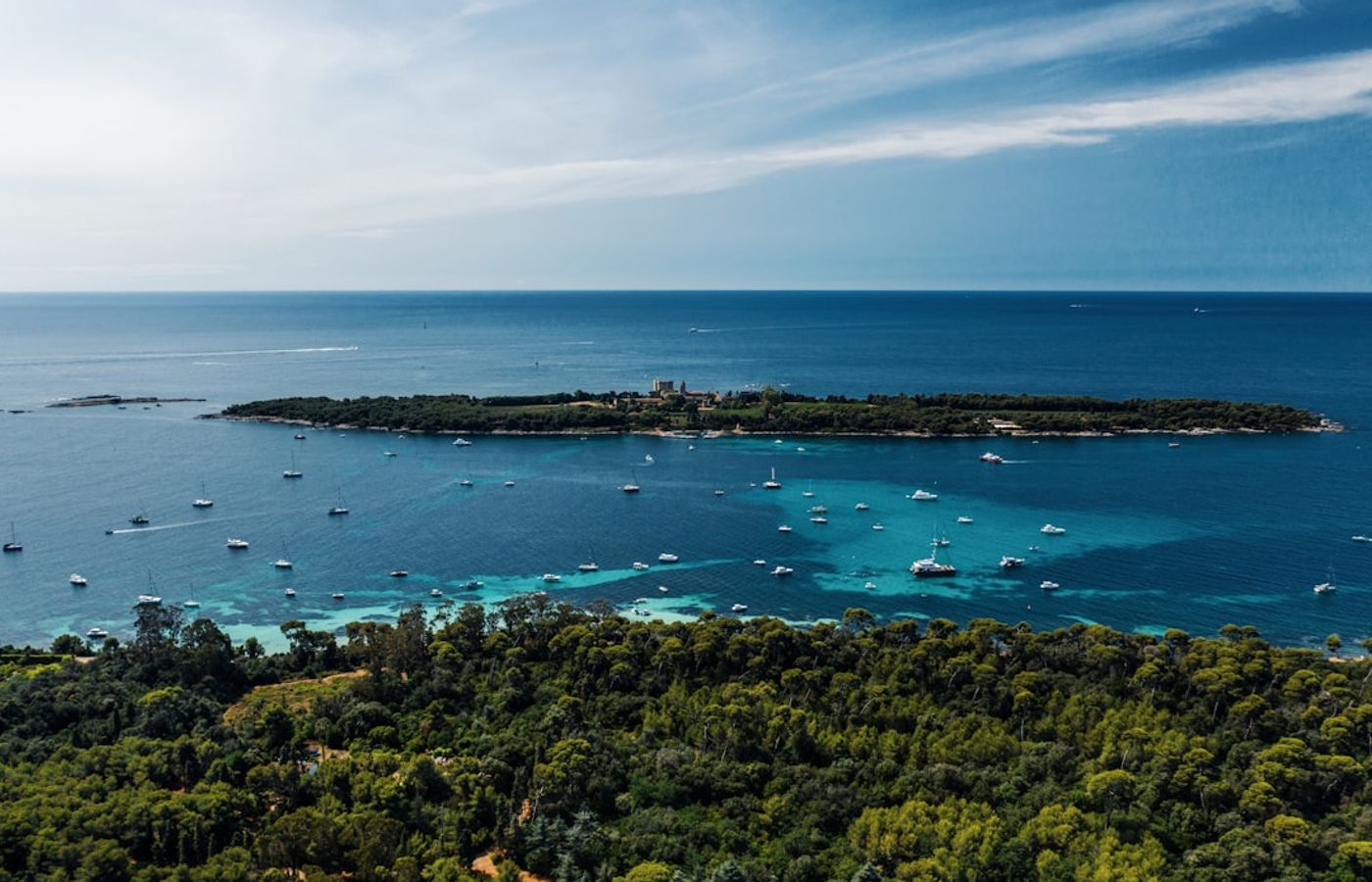
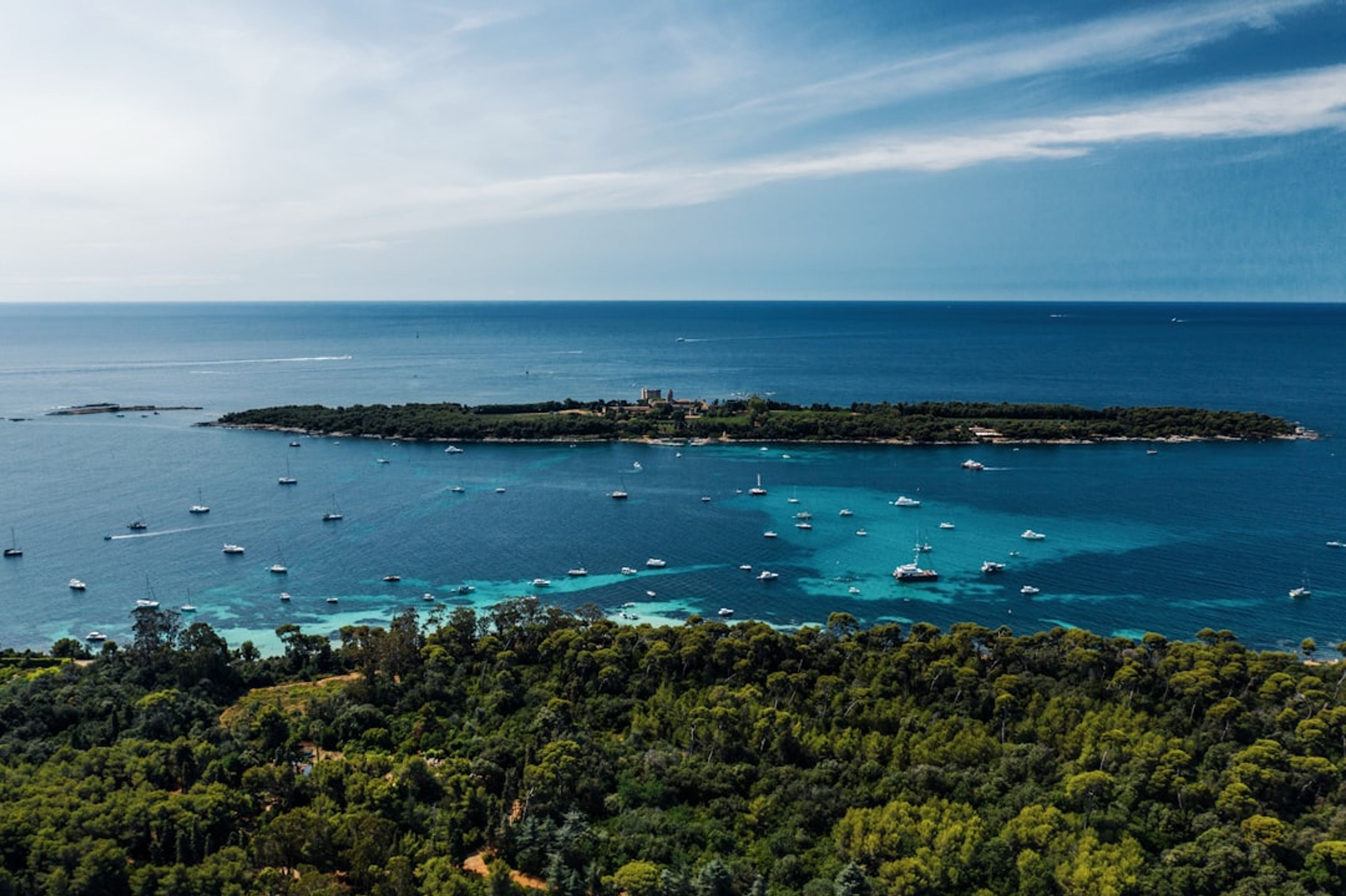
Just 15 minutes offshore, the two Îles de Lérins offer the greenest escape from Cannes. The larger, Île Sainte-Marguerite, is covered in fragrant eucalyptus and pine forest laced with walking trails, ringed by rocky coves for swimming in clear water.
Its Fort Royal held the mysterious Man in the Iron Mask in the 17th century, and you can still see his cell. The smaller Île Saint-Honorat is home to an active Cistercian monastery whose monks make wine and lavender products. Both feel a century removed from the resort across the water.
Pro Tip: Ferries leave from the Quai Laubeuf; a return to Sainte-Marguerite is about 16 EUR. Bring water, a picnic, and swimming things - shops are minimal and the coves are the whole point.
5Marché Forville - The Provençal Food Market
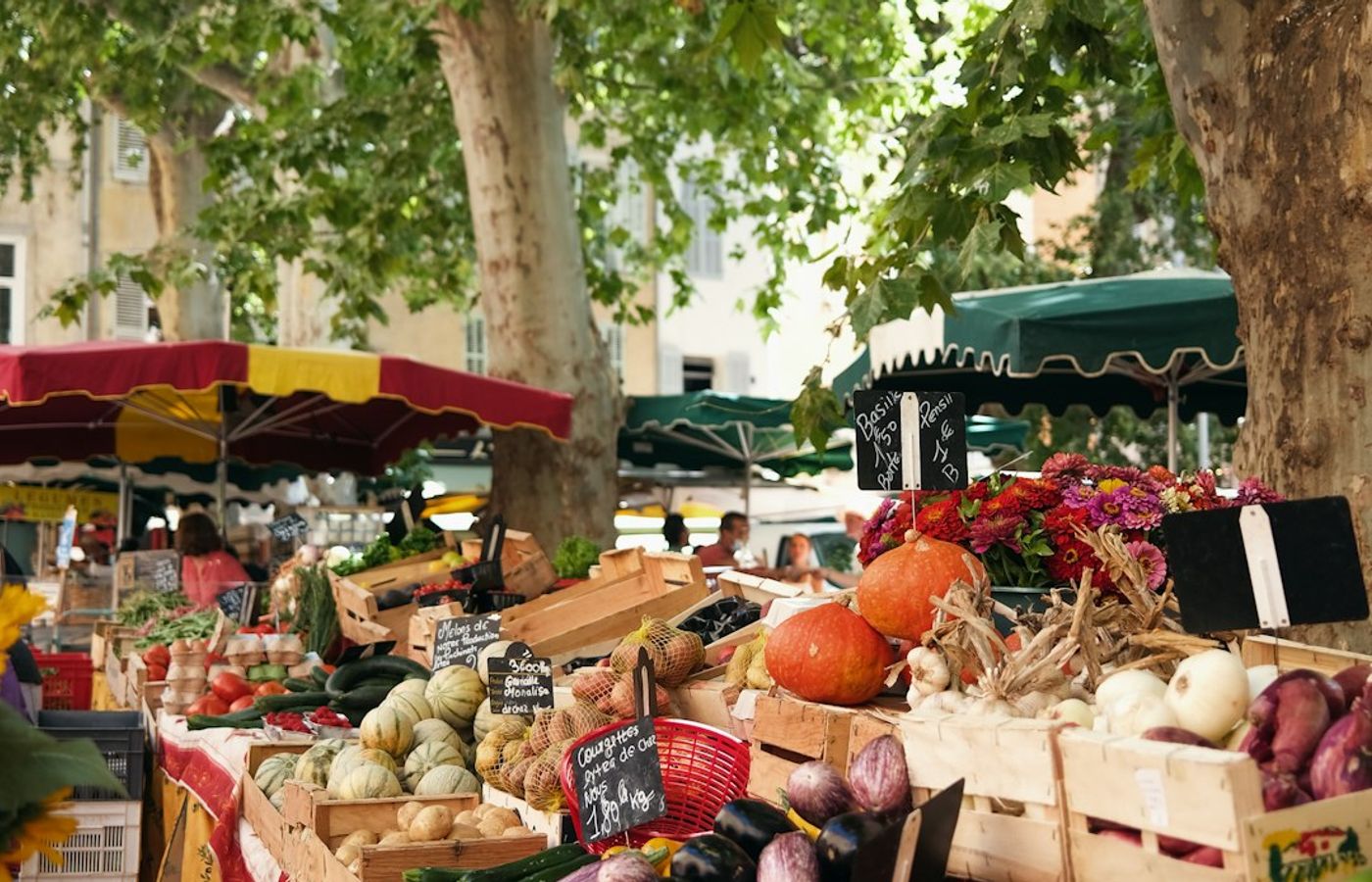
Marché Forville is the covered food market that supplies the kitchens of Cannes, tucked just behind the Vieux Port at the foot of Le Suquet. Under its roof, stalls pile up Provençal produce, cheeses, olives, flowers, and fish landed that morning, in a burst of colour and noise.
It is the best place to assemble a picnic for the Lérins islands or simply to see how locals shop. On Mondays the food stalls give way to a brocante flea market, when antique dealers and bric-a-brac sellers take over the hall instead.
Pro Tip: Go before noon, Tuesday to Sunday, when the produce is freshest. Grab a socca (chickpea pancake) from a nearby stall for a cheap Riviera snack while you browse.
6Musée de la Castre - Castle Museum and the Best View
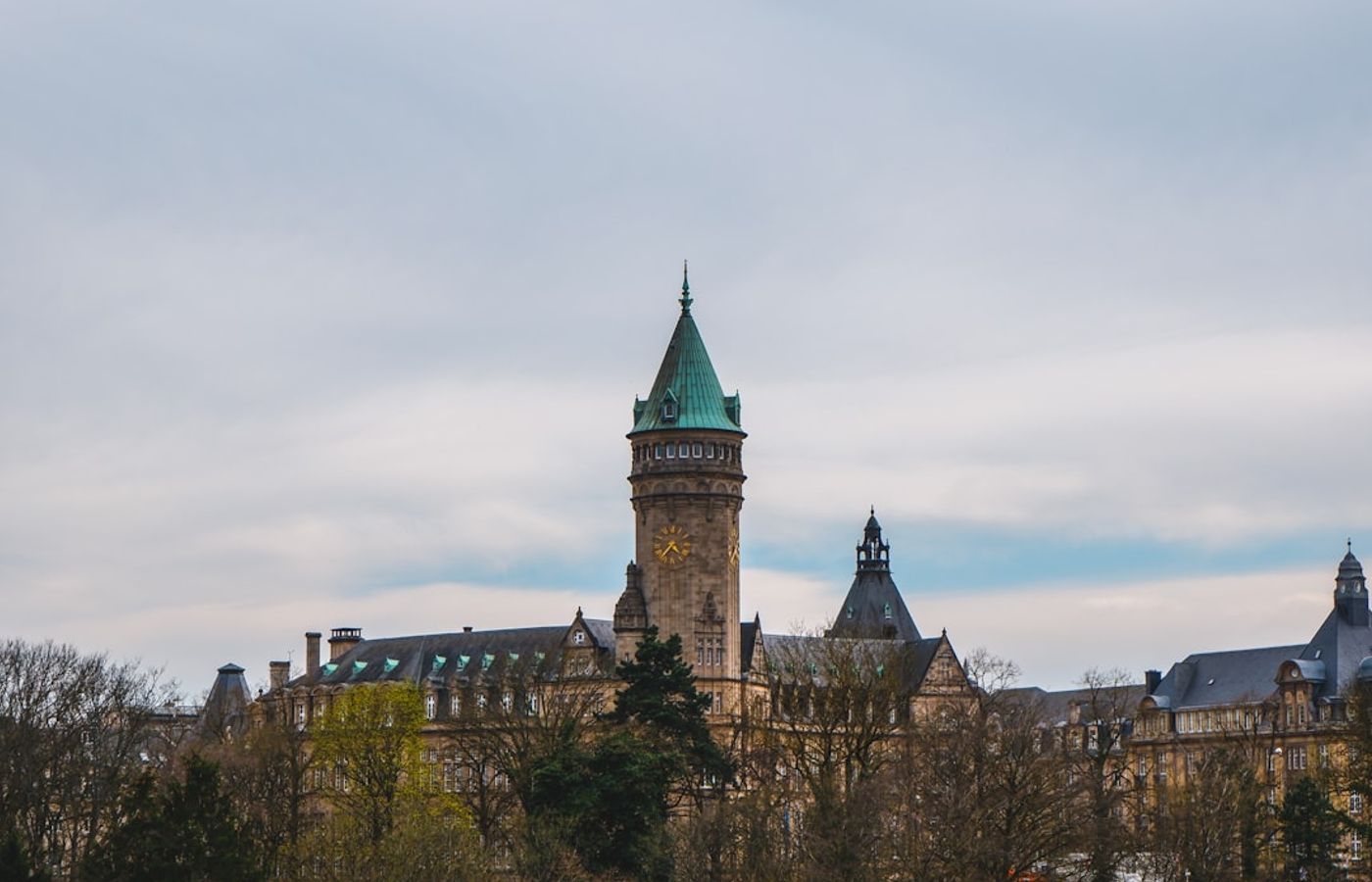
The Musée de la Castre occupies the medieval castle at the top of Le Suquet, built by the monks of Lérins. Its eclectic collection was assembled by a 19th-century Dutch baron and ranges from Himalayan and Pre-Columbian art to a remarkable gallery of antique musical instruments from around the world.
The real highlight for many is the square 12th-century watchtower in the courtyard. Climbing its 109 steps rewards you with the finest panorama in Cannes, a 360-degree sweep over the old town, the bay, the islands, and the mountains behind. The garden terraces alone are worth the walk up.
Pro Tip: Admission is around 6.50 EUR and the museum closes on Mondays out of season. Climb the tower first, before the midday haze, for the clearest views over the bay.
7Rue d'Antibes - The Main Shopping Street
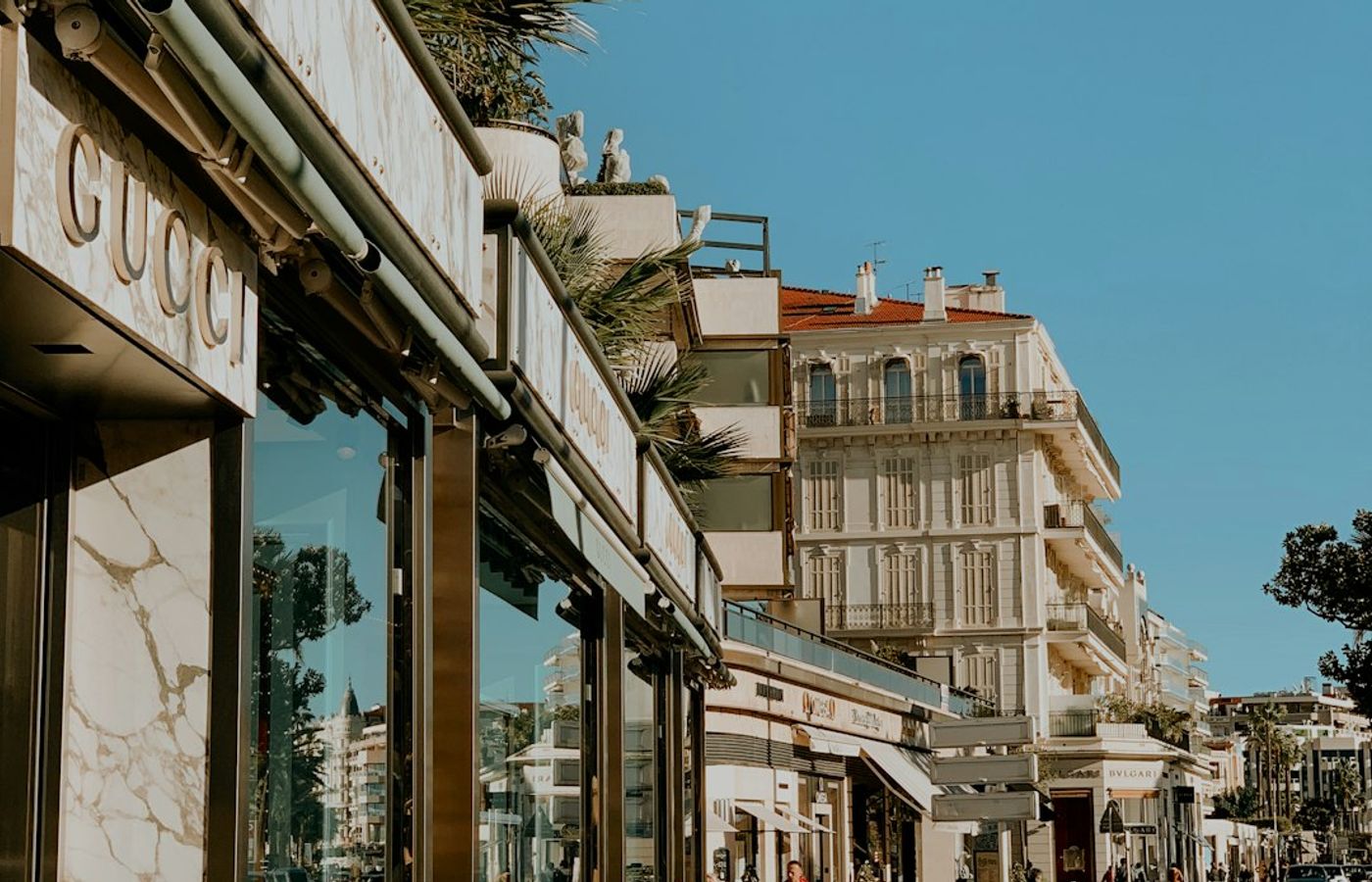
One block back from the seafront, Rue d'Antibes is the main shopping street of Cannes, running parallel to La Croisette for the better part of a kilometre. It mixes high-street chains, French fashion labels, perfumeries, and patisseries, with slightly gentler prices than the designer boutiques on the seafront.
Along the way, La Malmaison, a small art gallery in a former hotel annexe on La Croisette nearby, mounts changing exhibitions of modern masters. The side streets between Rue d'Antibes and the sea hide independent shops, cafes, and some of the town's best-value lunch spots.
Pro Tip: Duck into the narrow streets between Rue d'Antibes and the sea for cheaper cafes than the seafront terraces. Many shops close for a long lunch, so browse late morning or late afternoon.
8Cannes Beaches - Sand Along the Croisette
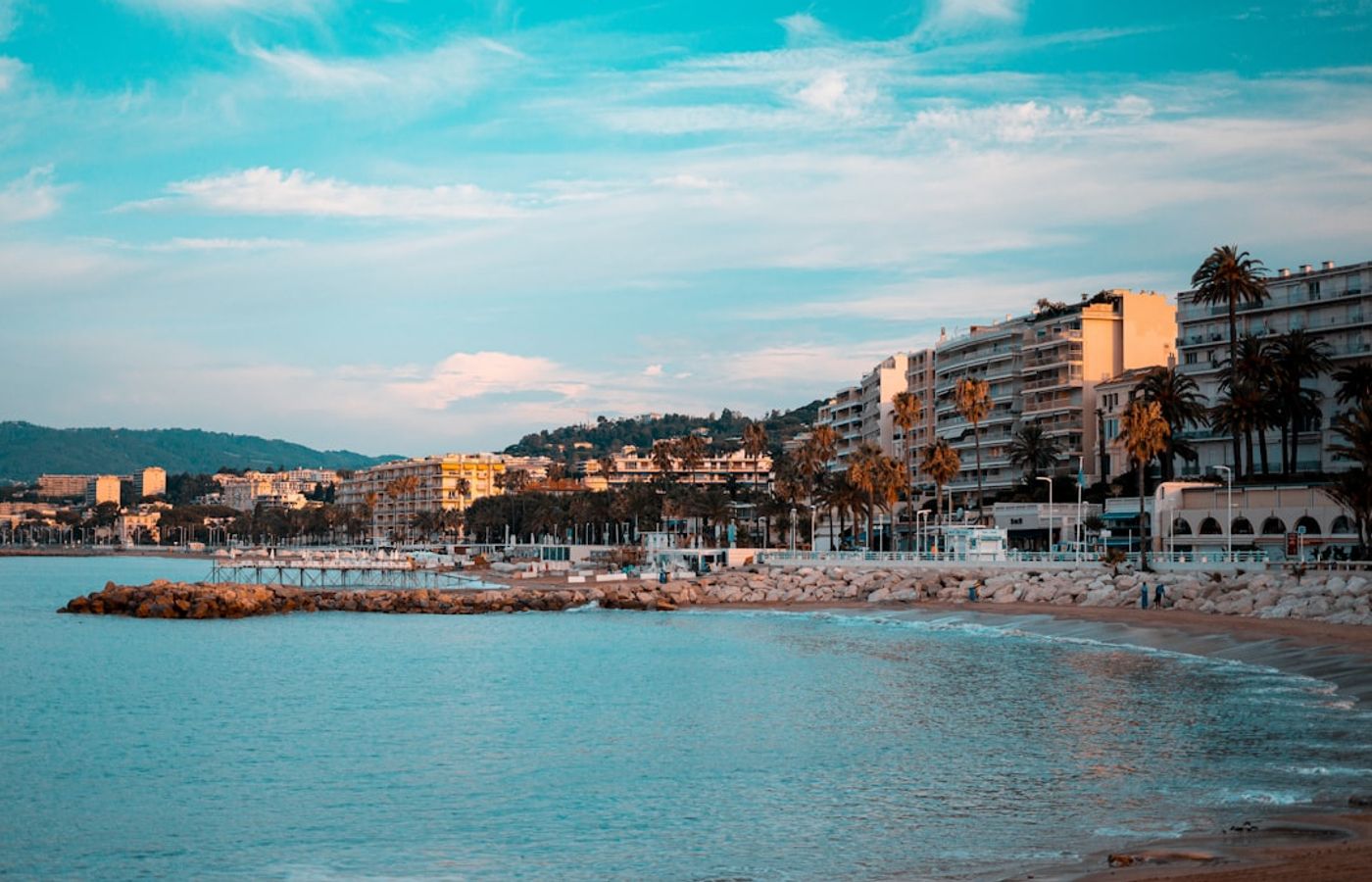
Cannes has a long ribbon of sandy beach running the length of La Croisette, much of it divided into private clubs with rows of matching parasols. But there are also free public sections, and a longer stretch of public sand at the Plage du Midi west of the port, so a beach day need not cost a fortune.
The sand here is mostly imported and raked smooth, the water calm and shallow, and the beaches face south for sun all day. The private clubs rent loungers and serve lunch on the sand, while the public beaches offer showers and the same clear water for nothing.
Pro Tip: Head to the free public beaches at either end of La Croisette or to the Plage du Midi to avoid club fees of 25 EUR and up for a lounger. Arrive early in July and August to claim a spot.
9Vieux Port - The Old Harbour and its Yachts
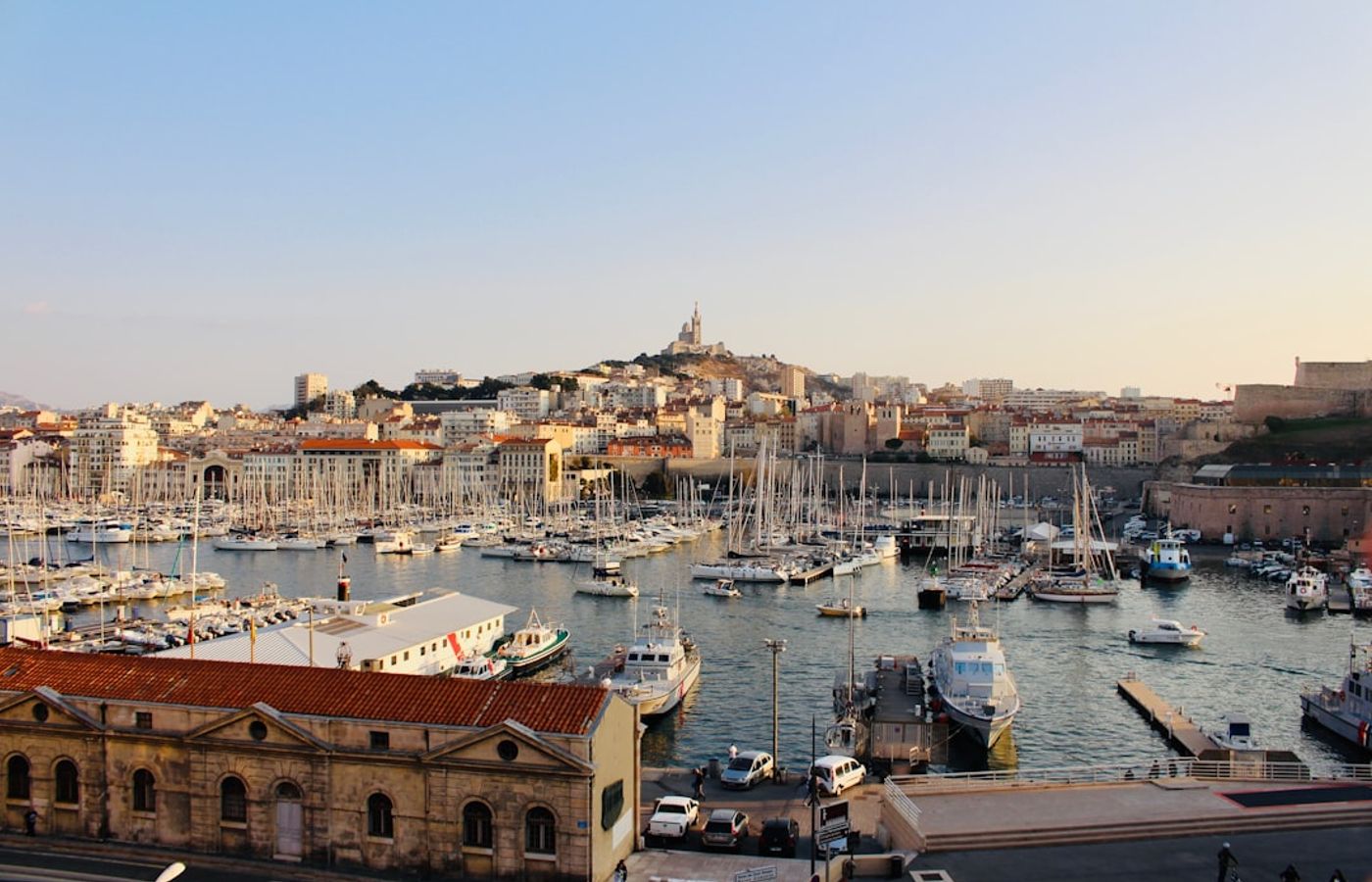
The Vieux Port (Old Port) sits between the Palais des Festivals and Le Suquet, where Cannes began as a fishing harbour and now moors some of the largest private yachts on the Riviera. The contrast between the few remaining fishing boats and the gleaming superyachts sums up the town's history in one basin.
The Quai Saint-Pierre along its edge is lined with seafood restaurants and cafes, and it is the departure point for ferries to the Lérins islands and boat tours of the bay. During the film festival and the autumn yachting show, the port becomes a floating display of wealth.
Pro Tip: Walk the quay at dusk when the yacht lights reflect on the water. It is also where you catch the Lérins ferry, so combine a harbour stroll with the island trip.
10Villa Domergue - Art Deco Villa and Gardens
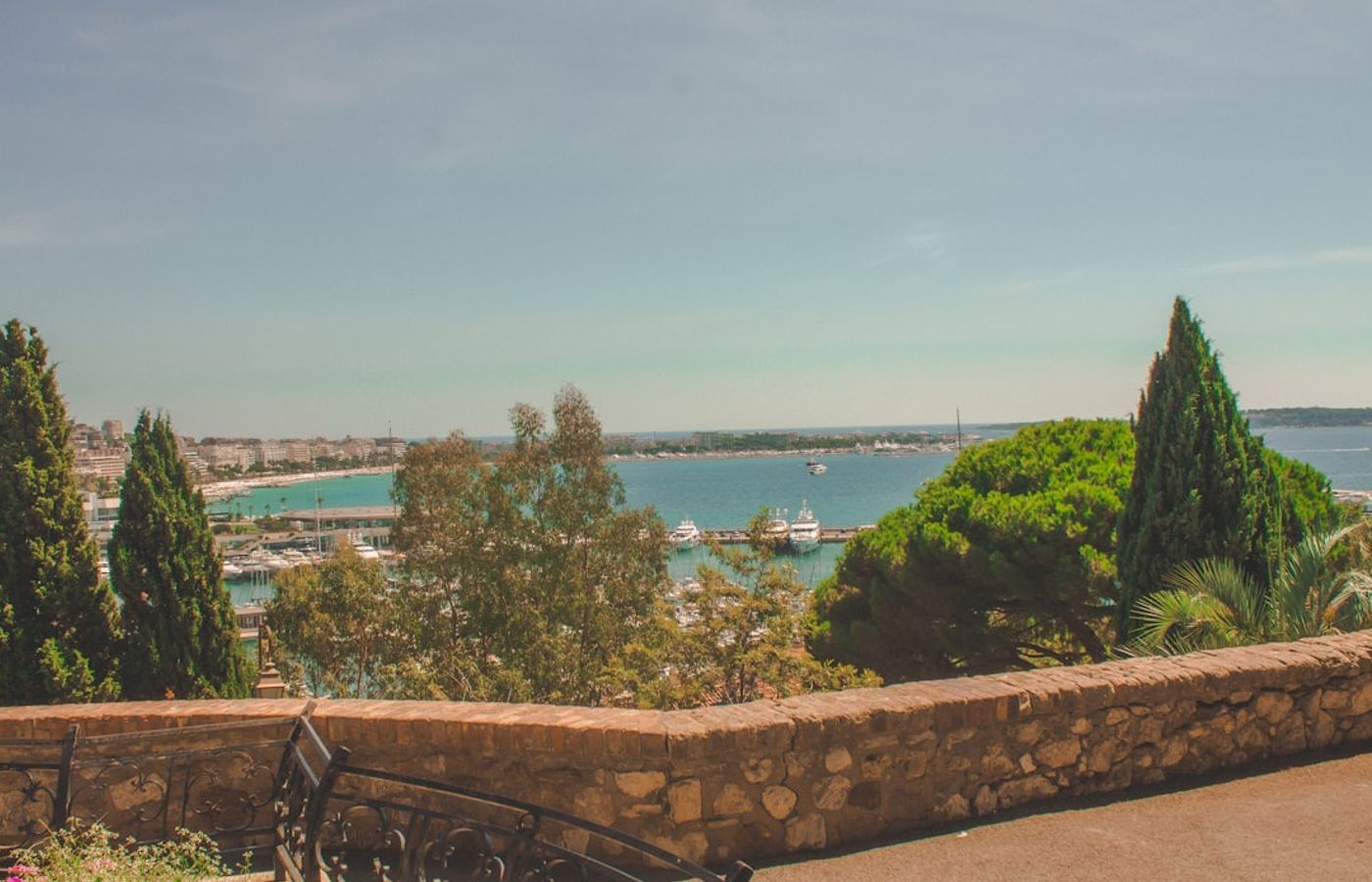
Set in the hills above La Croisette, Villa Domergue is an elegant 1930s villa built by the painter Jean-Gabriel Domergue in an Italianate Art Deco style. Its terraced gardens step down the slope with cypress trees, water basins, and a small pool, framing views across the bay.
The city now owns the villa and opens its gardens seasonally, using the setting for concerts and, during the film festival, for the jury's private deliberations. It is one of the few green, tranquil corners in central Cannes and a glimpse of the artistic Riviera between the wars.
Pro Tip: Opening is seasonal and often limited to summer afternoons, so check with the tourist office first. The walk up is steep but short, and the gardens are usually free to enter.
Get hotel deals for Cannes
Price drops, new stays and local tips for Cannes, straight to your inbox.
No spam, unsubscribe anytime.

CEO and co-founder
Tomas is the co-founder and director of trip1, an European company specializing in reservation services. He launched the company in 2025 with a focus on building scalable, efficient operations.
10 Top Things to Do in Cannes, France - FAQ
Start at Marché Forville in the morning, climb Le Suquet to the Musée de la Castre's tower for the best view, then walk down past the Vieux Port and along La Croisette to the Palais des Festivals and its red-carpet steps. Cannes is compact, so this fits one day on foot. The Îles de Lérins need a separate half day by ferry.
Yes, and for more than the film festival. Behind the palm-lined Croisette and the designer boutiques, Cannes has a genuine old fishing quarter in Le Suquet, a good covered market, free public beaches and the pine-covered Îles de Lérins 15 minutes offshore. Most of its highlights cost nothing.
Walk the Boulevard de la Croisette, the 2 km seafront promenade lined with palms and Belle Époque hotels, ideally in the early evening. Then climb Le Suquet, the old town on the hill, for sunset and dinner on Rue Saint-Antoine, and take the 15-minute ferry to Île Sainte-Marguerite, where the Man in the Iron Mask was held.
Île Saint-Honorat, the smaller Lérins island, where Cistercian monks make wine and lavender products. In town, climb the 109 steps of the 12th-century watchtower at the Musée de la Castre, visit the terraced gardens of Villa Domergue, a 1930s Art Deco villa in the hills that opens seasonally, and browse the Monday flea market at Marché Forville.
Yes, but expect crowds and higher prices. The Cannes Film Festival runs for about two weeks each May, when the area around the Palais des Festivals is sealed off and La Croisette is packed, and screenings are industry-only. For a relaxed visit, come in June or September, when you can walk right up to the red-carpet steps.