

Guides · Alicante
12 Top Places to Visit in Alicante

CEO and co-founder
This guide covers the 12 top places to visit in Alicante, the sunny Costa Blanca capital where a hilltop castle, palm-lined esplanades, and city beaches sit within easy reach of one another. Each entry gives the exact address, the nearest TRAM or bus, and a practical Pro Tip to help you plan an efficient route.
The list groups sights that sit close together. Santa Bárbara Castle looks down over the old Barrio de la Santa Cruz, the Basilica de Santa Maria, and the Concatedral de San Nicolas; the Explanada, marina, Mercado Central, and MARQ museum spread across the modern centre; and two outings - Tabarca Island by ferry and Playa de San Juan by tram - round out the coast.
Alicante is compact, affordable, and blessed with over 300 days of sun a year. You can climb a Mediterranean fortress, wander a whitewashed old quarter, and swim off a city beach all in the same afternoon, then eat well without spending much.
1Santa Bárbara Castle - The Fortress Over the City
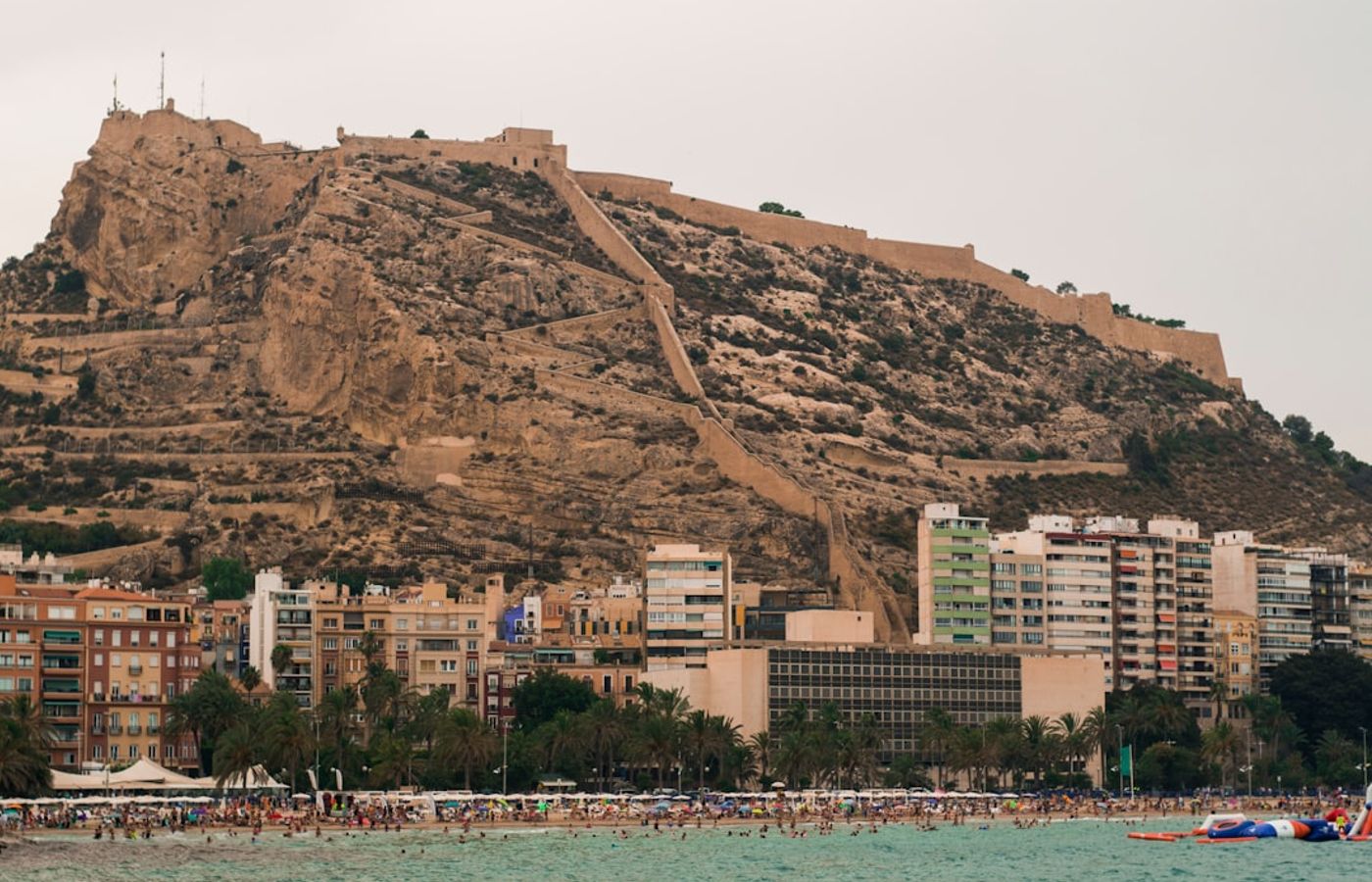

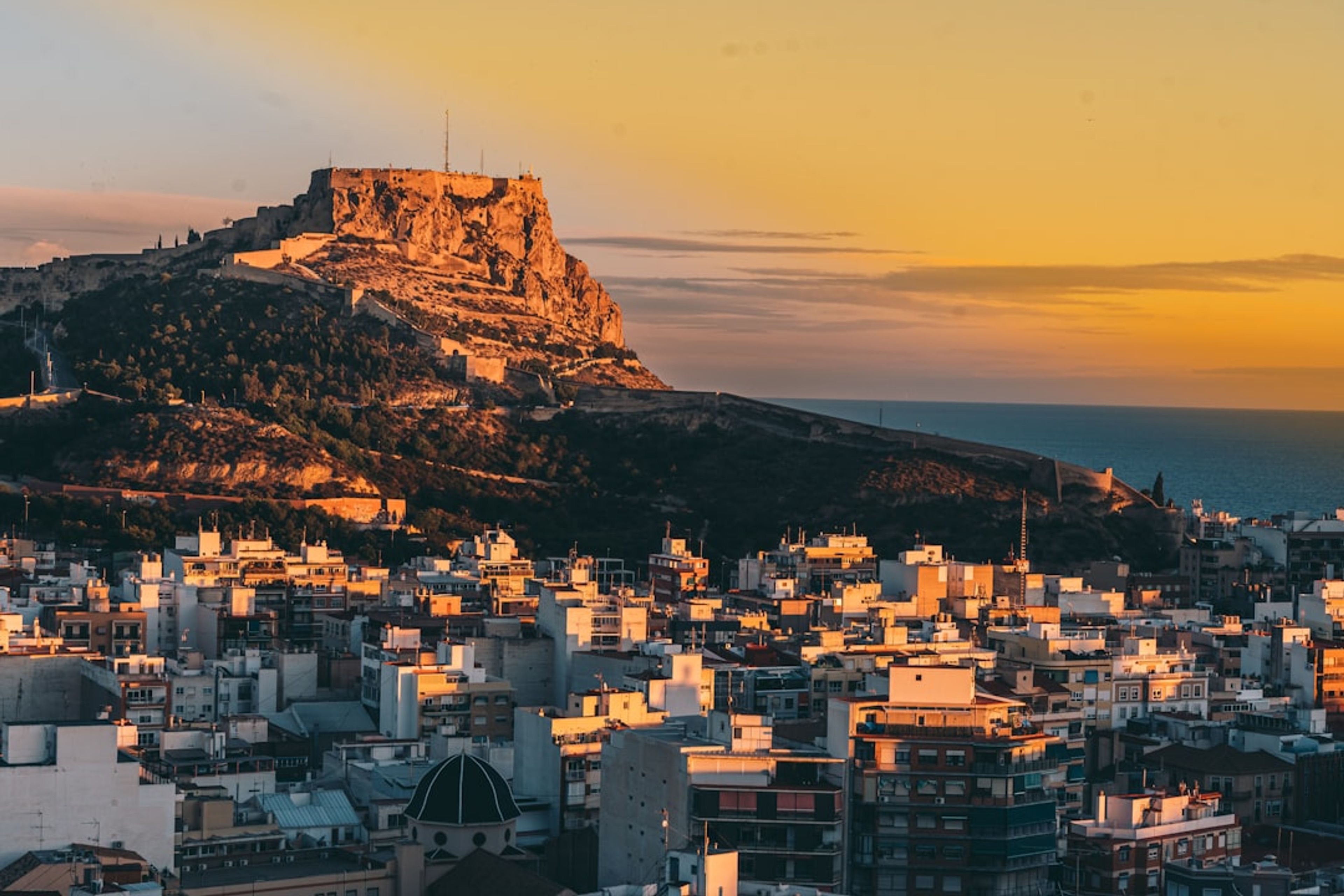
Crowning the 166-metre Monte Benacantil, Santa Bárbara Castle is one of the largest medieval fortresses in Spain and the defining landmark of Alicante. Its origins are Muslim, dating from the 9th century, and its ramparts have guarded the city and its harbour ever since.
From the walls, the view takes in the whole sweep of the bay, the port, and the terracotta rooftops of the old town below. You can drive or walk up, but the easiest way is a lift bored straight through the rock from a tunnel entrance opposite Postiguet Beach.
Pro Tip: Entry to the castle is free; the lift up from Postiguet costs about 2.70 EUR each way. Go late afternoon for cooler air and golden light over the bay, then walk back down through the old town.
2Explanada de España - The Mosaic Promenade
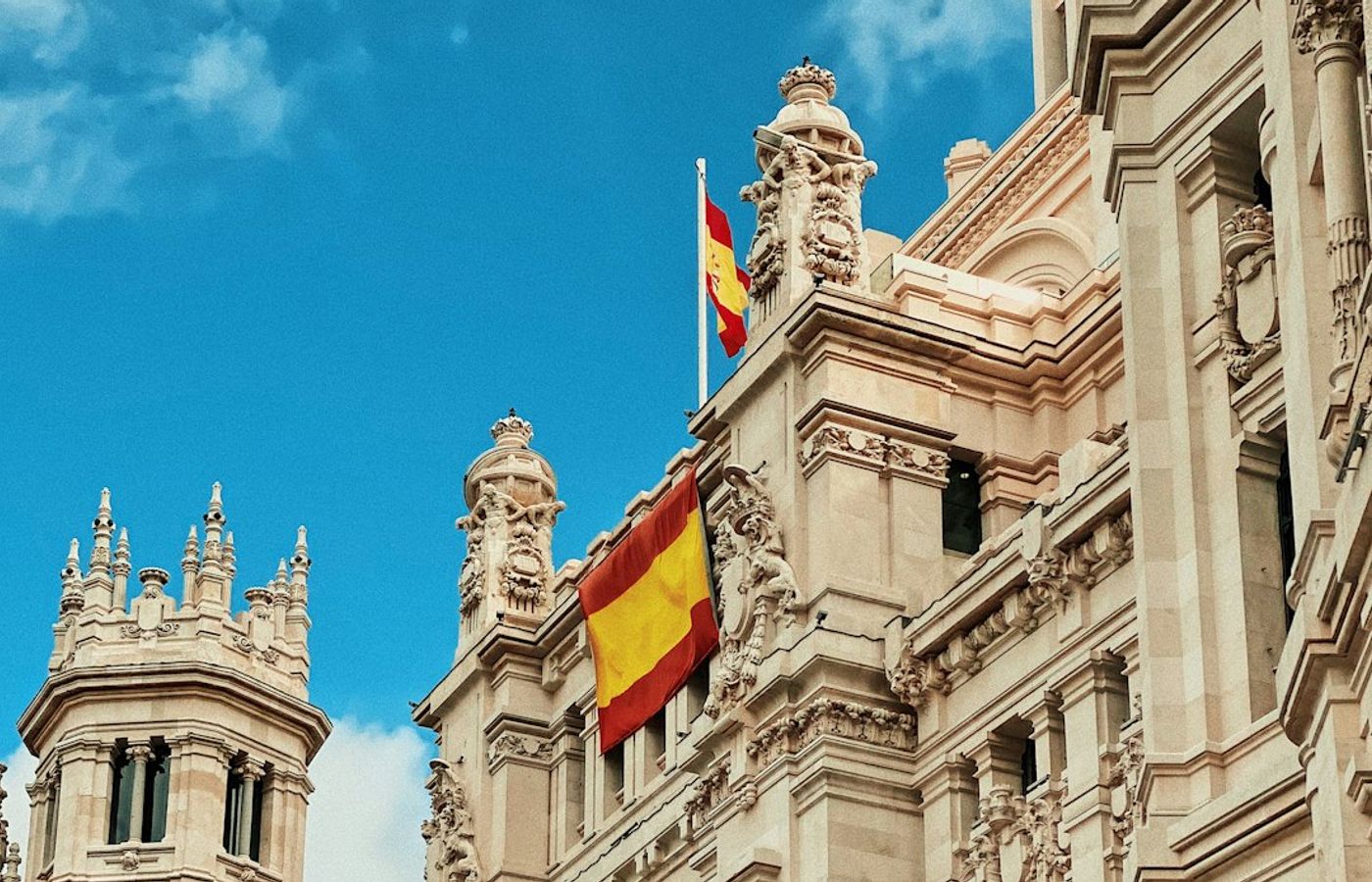

The Explanada de España is Alicante's grand seafront promenade, running beside the marina between rows of palm trees. Its most striking feature is underfoot: a wave-patterned mosaic of some 6.6 million red, cream, and black marble tiles, laid in an undulating design that seems to ripple as you walk.
This is where the whole city comes for its evening paseo, browsing craft stalls, stopping for an horchata, or listening to a concert at the bandstand. Cafes and ice-cream parlours line the landward side, and the marina full of yachts sits just across the road.
Pro Tip: Come at dusk when locals fill the promenade and the heat eases. The craft market stalls set up most evenings in summer along the seaward edge.

3Postiguet Beach - The City Beach Below the Castle
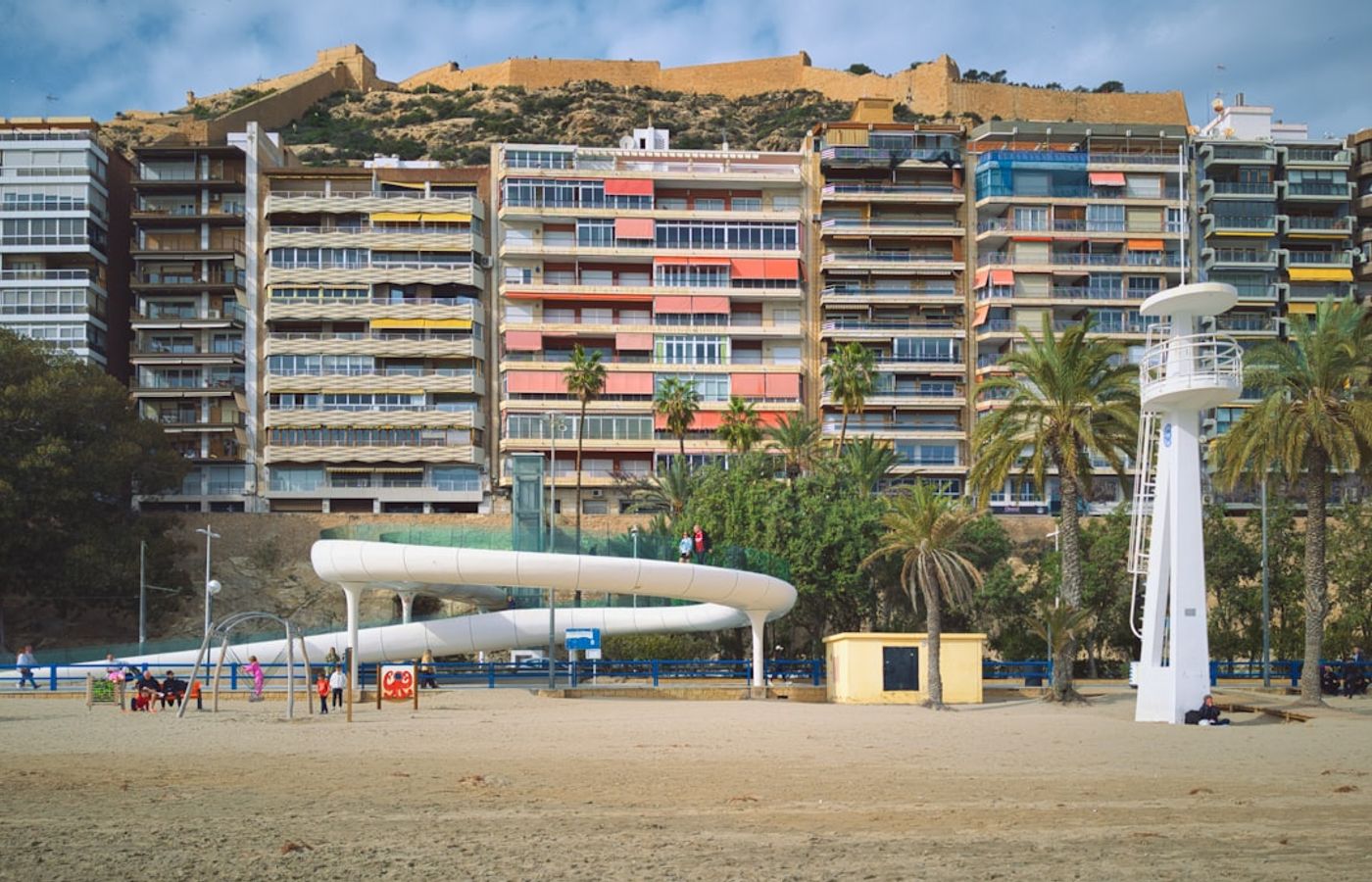

Postiguet Beach is Alicante's city beach, a curve of golden sand right at the foot of the castle rock, a couple of minutes' walk from the old town. Its palm-backed promenade and calm, shallow water make it the easiest place in the city for a quick swim between sights.
Because it is so central it gets busy in summer, but the setting - sand below, fortress above, marina to one side - is hard to beat for convenience. Sun loungers, showers, and beach bars line the sand, and the castle lift entrance is right behind it.
Pro Tip: For more space and cleaner water, hop on the TRAM to Playa de San Juan. But Postiguet is unbeatable for a fast dip - arrive before 11am in summer to claim a spot.
4Barrio de la Santa Cruz - The Whitewashed Old Town
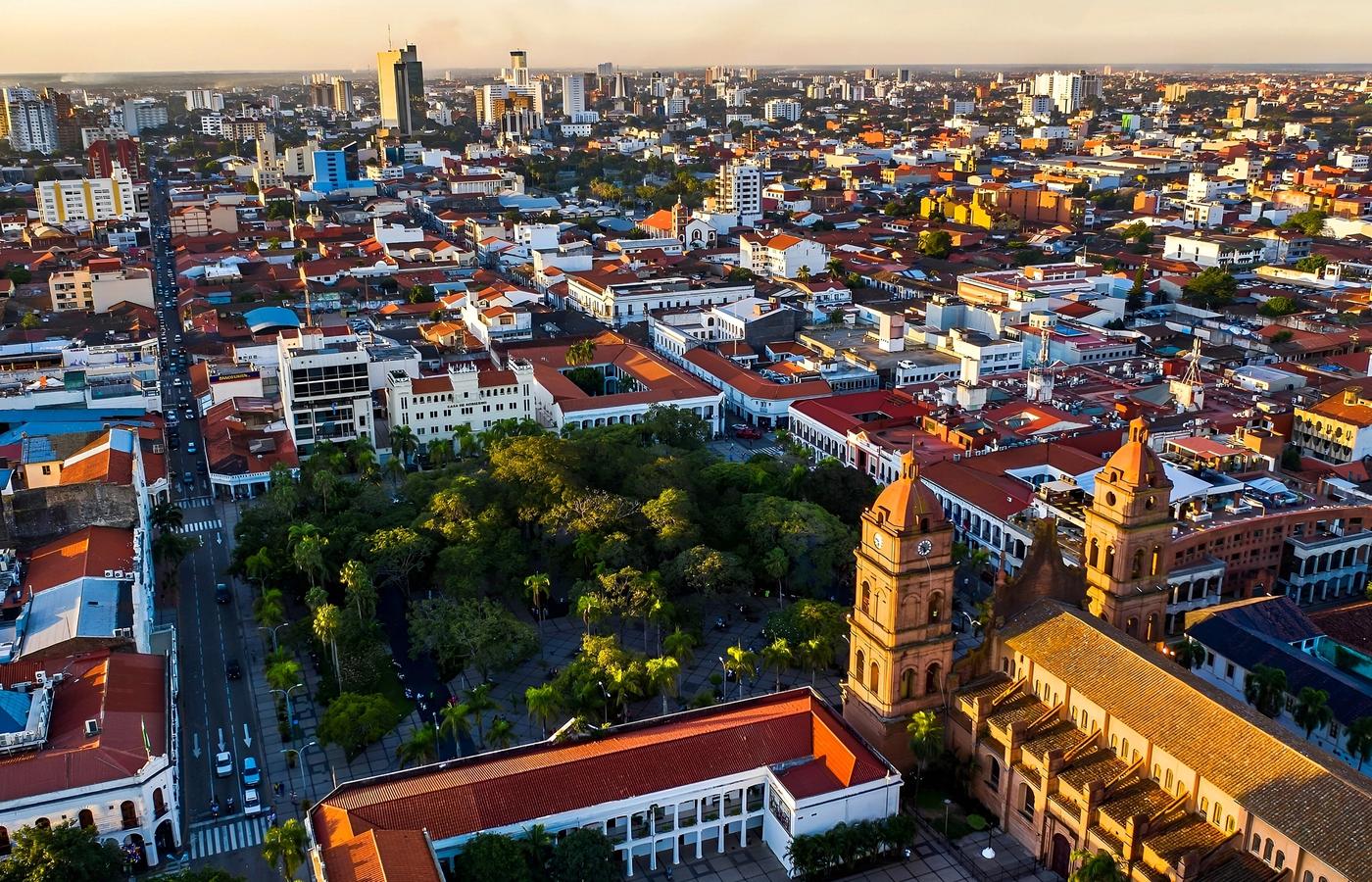
The Barrio de la Santa Cruz is Alicante's old quarter, a knot of steep, narrow lanes climbing the lower slopes of the castle hill. Its whitewashed houses are draped in flowers and painted tiles, with doorways in bright blues and greens and cats dozing on the steps.
This is the most photogenic part of the city, especially around the Ermita de Santa Cruz chapel near the top. It comes alive during the Semana Santa processions and the summer Hogueras festival, but on any evening it is a fragrant, atmospheric place for a slow wander uphill.
Pro Tip: Combine it with the walk down from the castle, entering from the top. Wear flat shoes for the steps, and go in the morning or evening to avoid the midday sun on the exposed lanes.
5Tabarca Island - Marine Reserve and Island Village
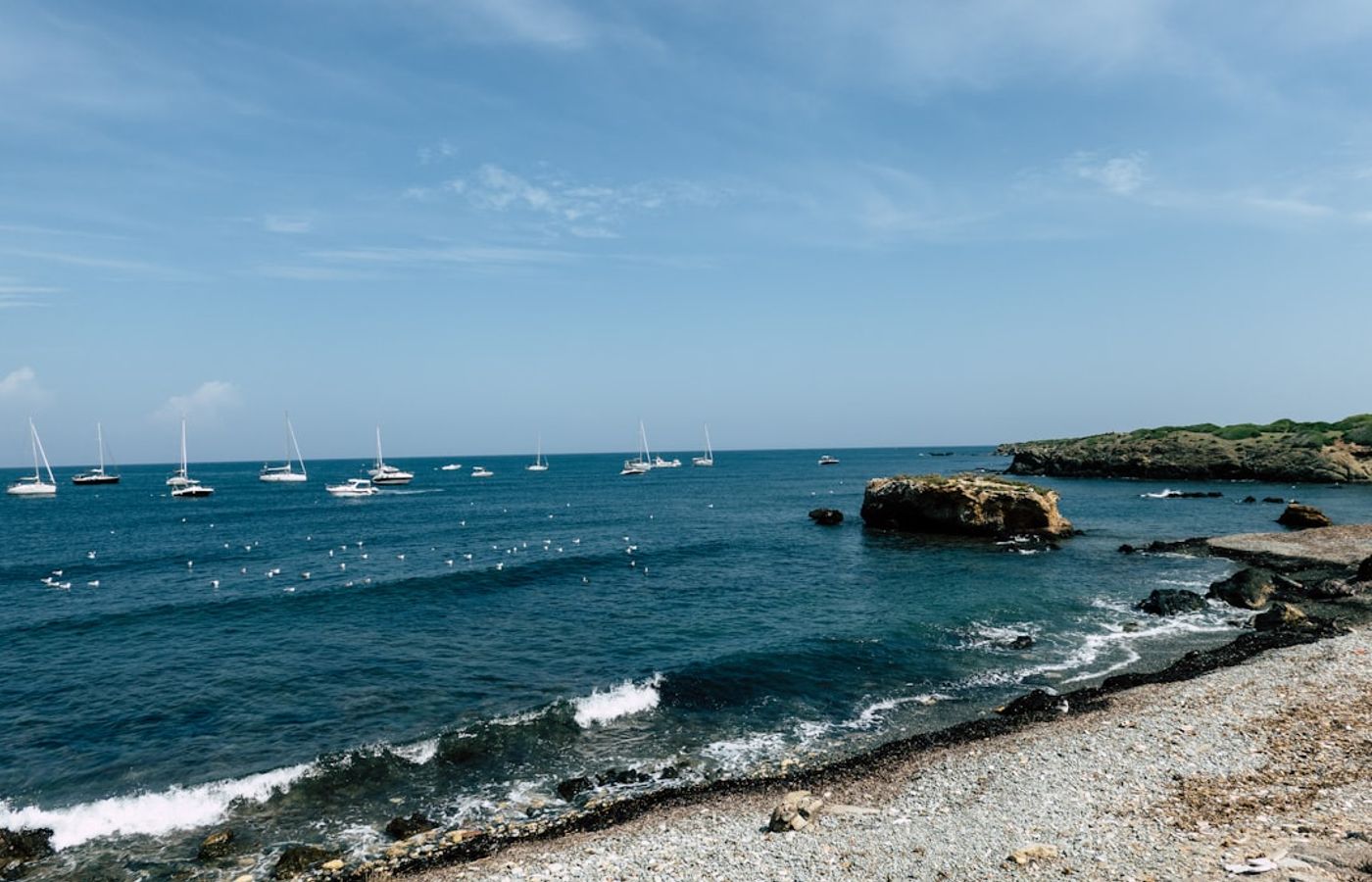
Tabarca is the only inhabited island off the Valencian coast, a low, car-free islet about an hour by boat from Alicante's harbour. Its waters form Spain's first designated marine reserve, prized for clear water, seagrass meadows, and snorkelling among protected fish life.
The little village behind the old sea walls has a church, a scatter of seafood restaurants known for caldero (a local rice and fish stew), and a couple of small beaches and rocky coves for swimming. It is easily walkable end to end and makes a perfect summer day trip.
Pro Tip: Ferries run most often from June to September; a return is about 20 EUR. Take the first boat out and a later one back to enjoy the island once the day-trip crowds thin, and bring snorkelling gear.
6MARQ - The Archaeological Museum of Alicante
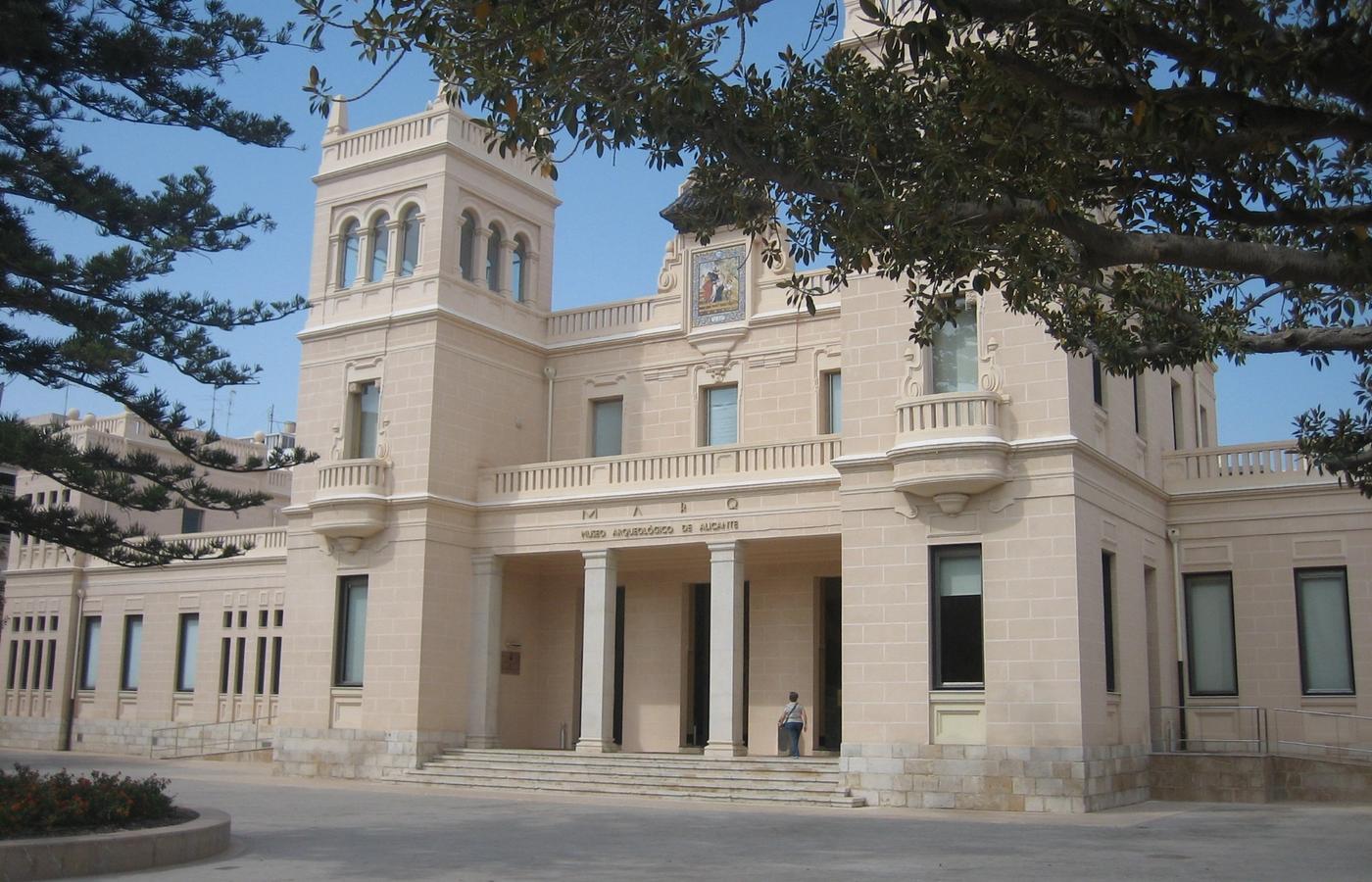
MARQ, the Archaeological Museum of Alicante, is a multi-award-winning museum that traces the region's past from prehistory through Iberian, Roman, and medieval times. Housed in a former hospital, it is known for its immersive, theatrically lit galleries that recreate excavation sites and ancient contexts.
The displays make good use of sound, light, and reconstructions, so it holds the attention of children as well as history buffs. It won the European Museum of the Year award in 2004, and its temporary exhibitions often bring in major loans from museums around the world.
Pro Tip: Admission is around 3 EUR and it sits a short walk or one TRAM stop from the centre. Allow 90 minutes, and check for temporary exhibitions, which sometimes carry a separate ticket.
7Basilica de Santa Maria - The City's Oldest Church
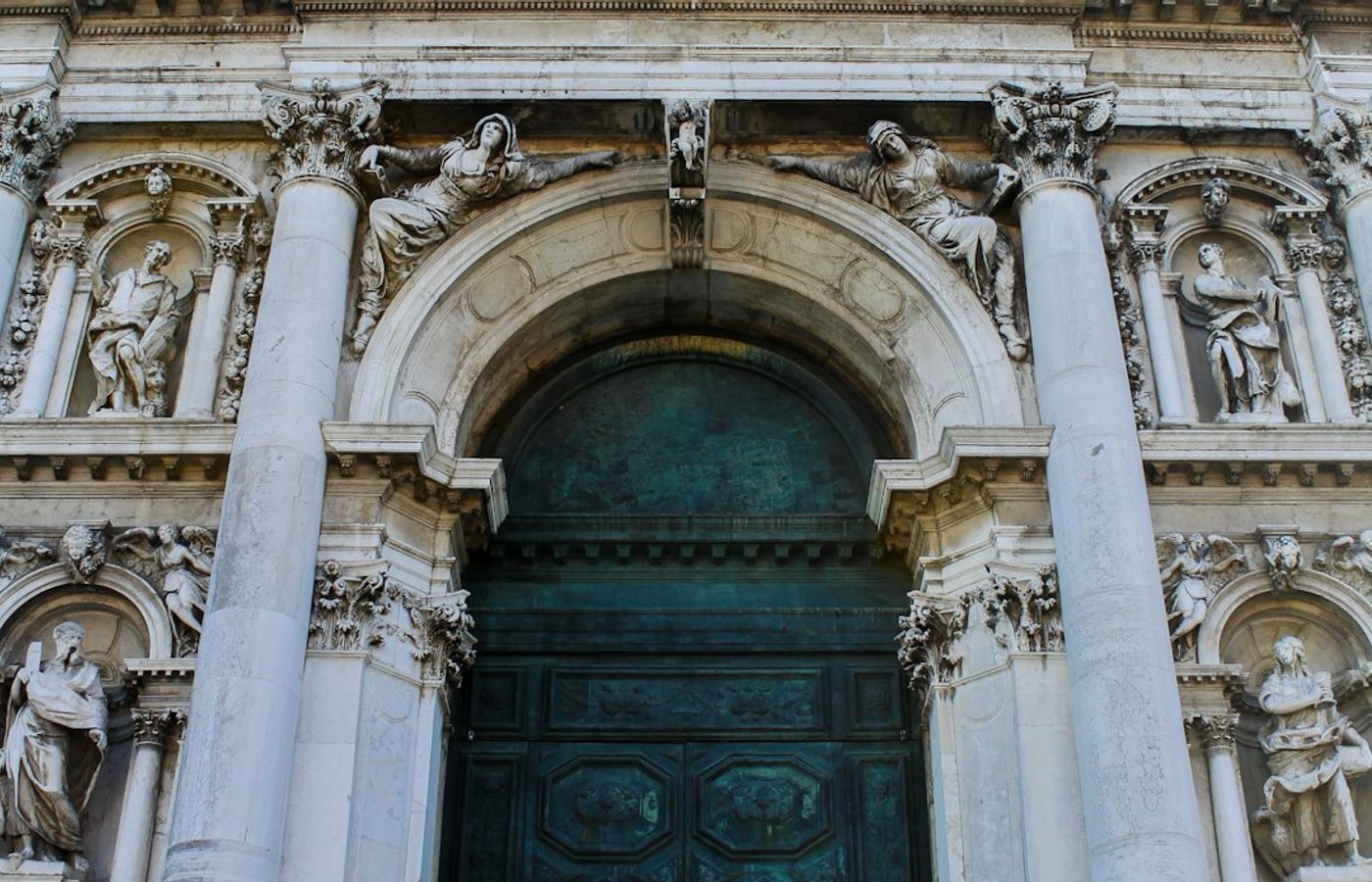
The Basilica de Santa Maria is the oldest church in Alicante, built in the Gothic style between the 14th and 16th centuries on the site of a former mosque. Its asymmetrical twin towers rise over a small square in the old town, and its main doorway is a flourish of Baroque carving added later.
Inside, a single soaring Gothic nave is topped by a gilded Baroque high altar and a fine Rococo organ. The intimate scale and the contrast between austere stone and gilt decoration make it a quiet, rewarding stop between the old-town lanes.
Pro Tip: Entry is free but hours are limited around Mass, so aim for late morning. The little Plaza de Santa Maria in front is a good place to pause with a coffee.
8Concatedral de San Nicolas - The Co-Cathedral
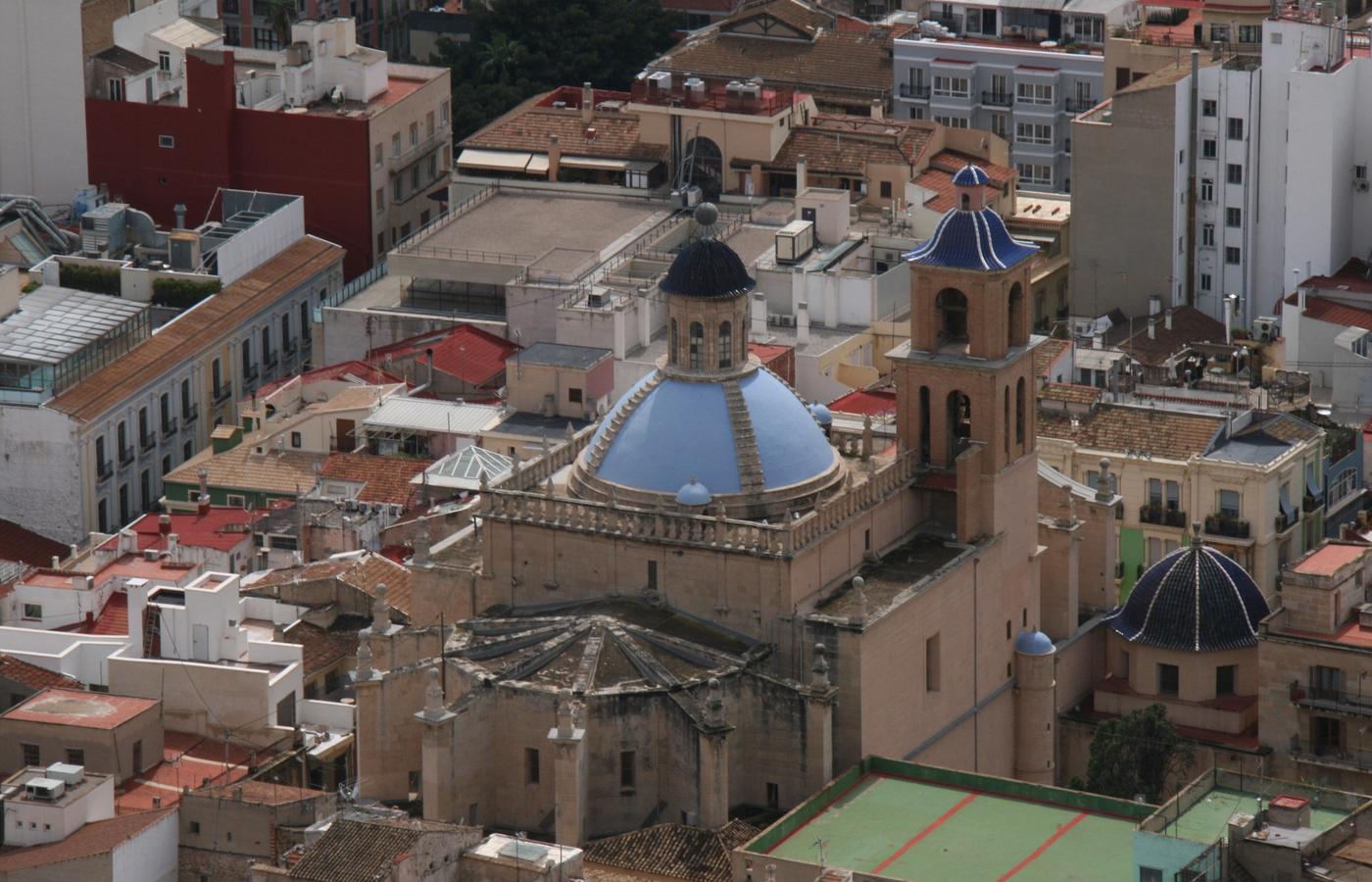
The Concatedral de San Nicolas is Alicante's co-cathedral, a restrained Renaissance church completed in the 17th century and dedicated to the city's patron saint. Its plain limestone exterior gives little hint of the calm, harmonious interior within.
The highlight is the blue-tiled dome rising 45 metres over the crossing, and a serene 16th-century cloister that survives from the earlier building on the site. It is one of the finest examples of the sober Herrerian style in the Valencian region.
Pro Tip: Entry is free. It sits just a couple of minutes from the Basilica de Santa Maria, so visit both churches in one short loop through the old town.
9Puerto de Alicante - Harbour and Marina
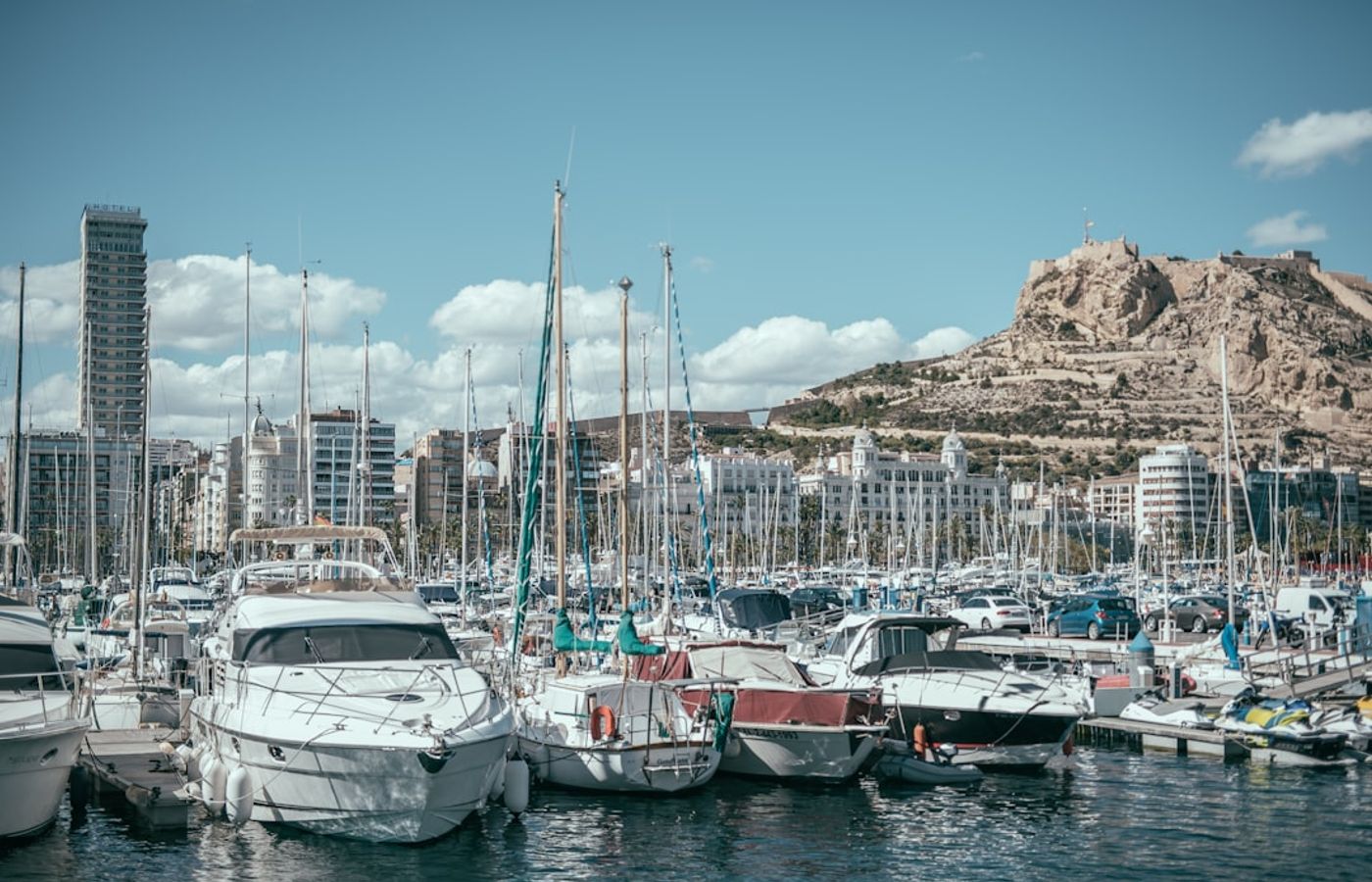
Alicante's port and marina wrap around the southern edge of the centre, just across from the Explanada. The working harbour handles cruise ships and the Tabarca and Balearic ferries, while the marina berths pleasure boats and yachts against the backdrop of the castle hill.
The Muelle de Levante quay has been redeveloped with waterfront restaurants, bars, and a casino, making it a lively spot after dark. By day it is where you board the Tabarca ferry or a bay cruise, and a pleasant place to walk out for uninterrupted views back at the city and fortress.
Pro Tip: Walk to the end of the Levante quay for the best photo of the castle rising above the marina. It is also the departure point for Tabarca, so time a harbour stroll with the ferry.
10Mercado Central - The Modernista Food Market
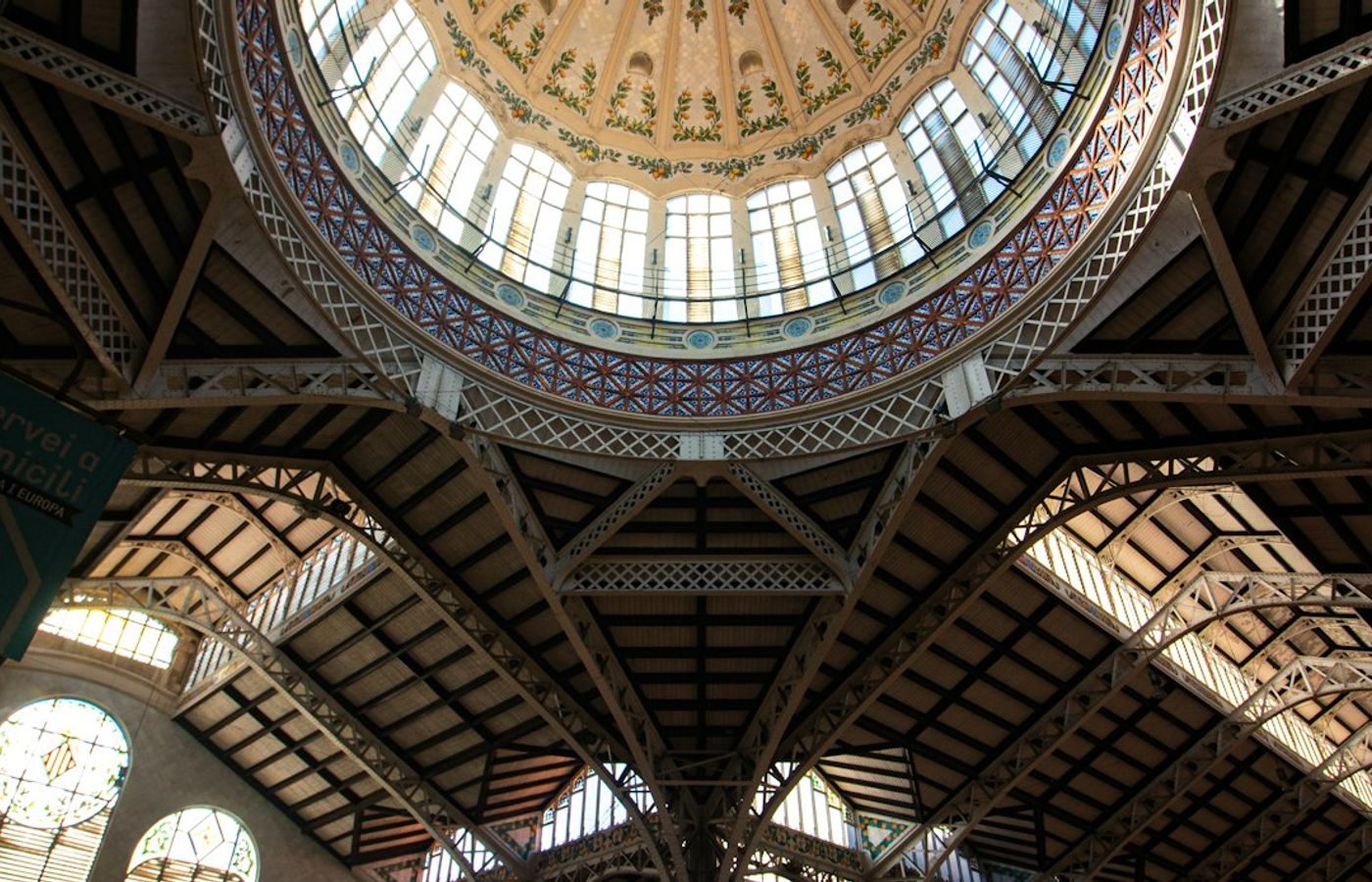
The Mercado Central is Alicante's main food market, a grand Modernista building from 1921 that fills a whole block near the Rambla. Its stone facade and central dome give it the look of a cathedral, and it stands as a monument to the confident architecture of the early 20th century.
Inside, two floors of stalls sell Mediterranean produce, cured meats, cheeses, and seafood fresh off the boats, with the fish hall on the lower level. It is the best place to sample local specialities and to feel the everyday rhythm of the city away from the tourist sights.
Pro Tip: Go in the morning, Monday to Saturday, when it is busiest and freshest. Several stalls now serve tapas and vermouth on the spot - a cheap, authentic lunch among the shoppers.
11MACA - The Contemporary Art Museum
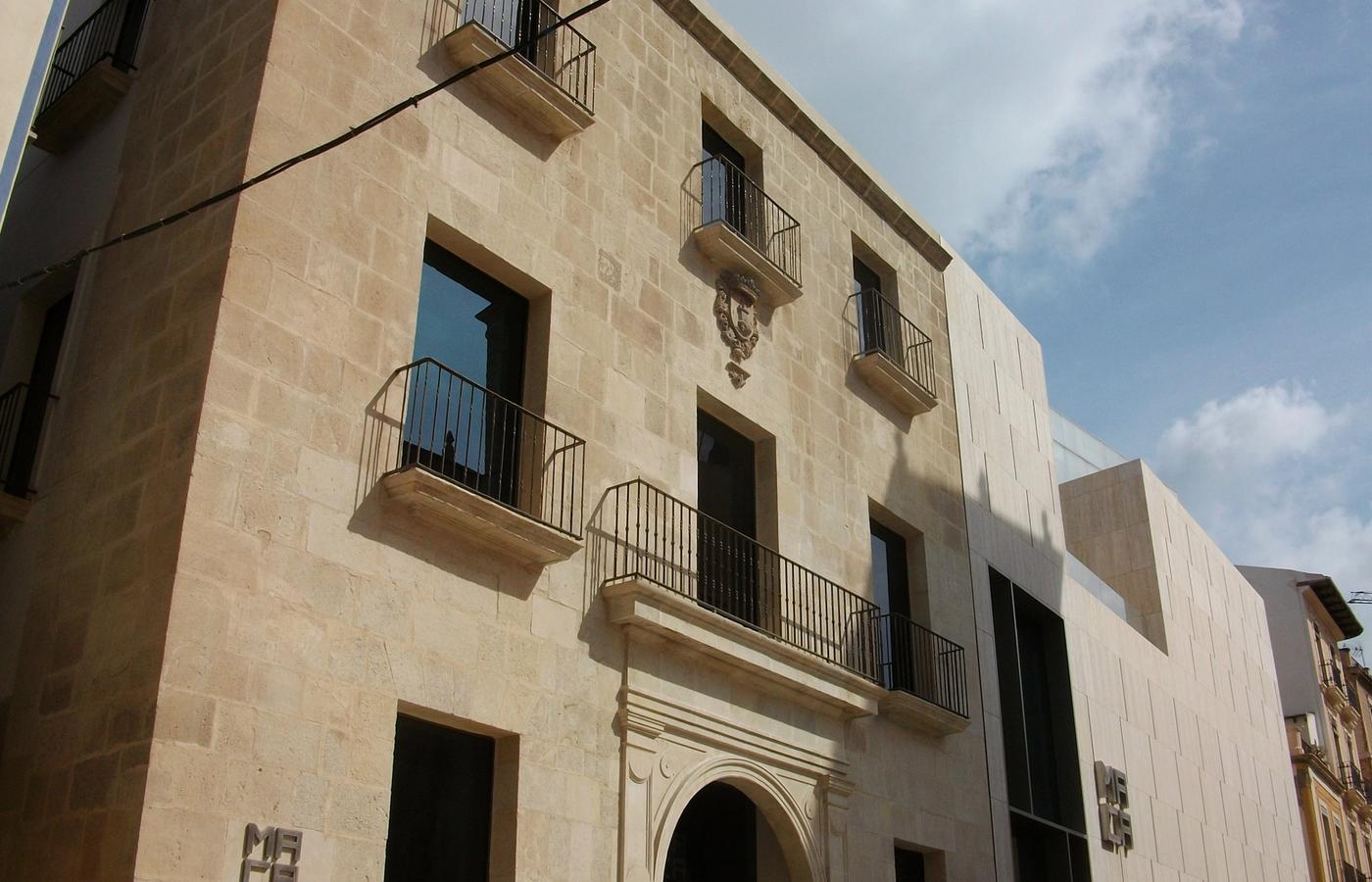
The Museum of Contemporary Art of Alicante (MACA) sits on the same square as the Basilica de Santa Maria, in the city's oldest civic building, the 17th-century Casa de La Asegurada. Best of all, it is free to enter.
The collection centres on 20th-century Spanish art donated by the Alicante-born sculptor Eusebio Sempere, with works by Picasso, Miro, Dali, Chillida, and Tapies among others. It is a compact, high-quality museum that rewards even a short visit, and a cool retreat on a hot afternoon.
Pro Tip: Entry is free and it closes on Mondays. Since it shares the square with the Basilica de Santa Maria, pair the two in a single stop in the old town.
12Playa de San Juan - The City's Great Beach
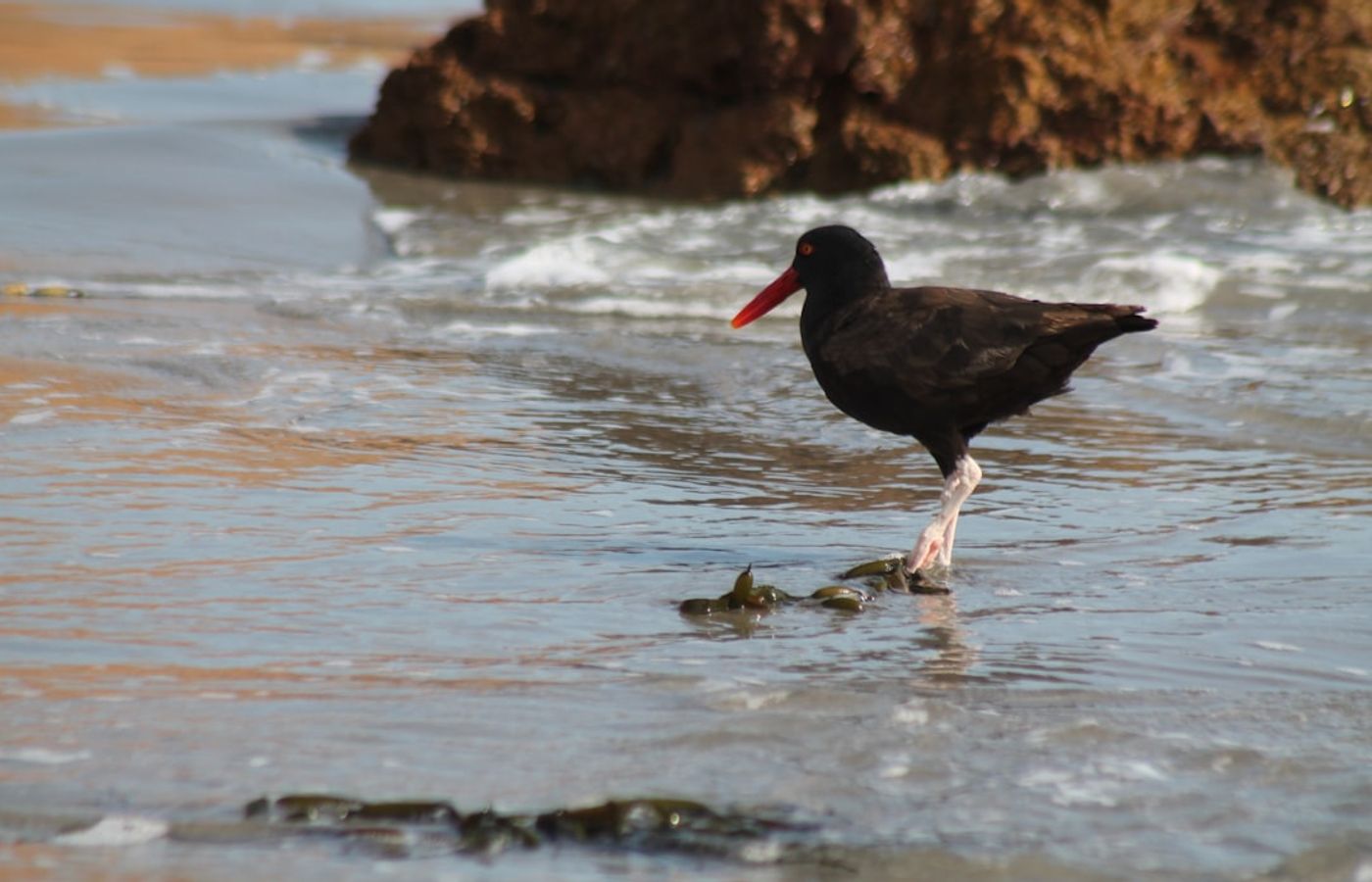
For a proper beach day, Playa de San Juan is the city's great stretch of sand - some 3 km of wide, clean, gently shelving beach a short tram ride north of the centre. It is the largest and most popular beach in Alicante, with the Blue Flag to show for its water quality.
Backed by a long palm-lined promenade of bars, ice-cream parlours, and beach restaurants, it has room to breathe even in high summer, plus watersports rentals and volleyball nets. The TRAM light rail from central Alicante drops you a short walk from the sand.
Pro Tip: Take TRAM line 3 or line 1 from the Mercado or Luceros stop; the ride takes about 20 minutes. The northern end near Cabo de las Huertas is quieter and has small rocky coves.
Get hotel deals for Alicante
Price drops, new stays and local tips for Alicante, straight to your inbox.
No spam, unsubscribe anytime.

CEO and co-founder
Tomas is the co-founder and director of trip1, an European company specializing in reservation services. He launched the company in 2025 with a focus on building scalable, efficient operations.
12 Top Places to Visit in Alicante, Spain - FAQ
Santa Bárbara Castle on Monte Benacantil, free to enter, for the view over the whole bay. Then the whitewashed lanes of the Barrio de la Santa Cruz, the mosaic Explanada de España at dusk and a swim at Postiguet Beach below the castle. Make time for the Mercado Central in the morning and a boat trip to Tabarca Island.
Sunshine, beaches and its hilltop castle. Alicante, the capital of the Costa Blanca, gets over 300 days of sun a year. Santa Bárbara Castle, one of the largest medieval fortresses in Spain, towers over the city, the palm-lined Explanada de España is paved with some 6.6 million marble tiles, and the 3 km Playa de San Juan is a tram ride away.
Take the lift through the rock up to Santa Bárbara Castle, which costs 2.70 euros, then walk down through the Barrio de la Santa Cruz to the Basilica de Santa Maria, the free MACA art museum and the Concatedral de San Nicolas. Have a tapas lunch at the Mercado Central, swim at Postiguet Beach, and join the evening paseo on the Explanada.
Two days. The castle, old town, churches, Mercado Central, Explanada and Postiguet Beach fit into one full day on foot. A second day covers Tabarca Island, about an hour each way by boat, or a beach day at Playa de San Juan, about 20 minutes by TRAM. Stay three days if you want both, or a trip to the palm groves of Elche.
The Barrio de la Santa Cruz, the old quarter on the lower slopes of the castle hill. Its steep lanes are lined with whitewashed houses, flowers and painted tiles, and the area around the Ermita de Santa Cruz chapel is the most photogenic in the city. Walk down from the castle rather than up, wear flat shoes for the steps and avoid the midday sun.
Yes. Tabarca is a small, car-free island about an hour by boat from Alicante's harbour, with a walled village, seafood restaurants serving caldero and Spain's first marine reserve for snorkelling. A return ferry costs about 20 euros, and boats run most often from June to September. Take the first boat out and a later one back, once the day-trip crowds thin.