Guides · Bruges
Top 10 Places to Visit in Bruges, Belgium

CEO and co-founder
This guide ranks the top 10 places to visit in Bruges for travellers planning two to three days in the medieval Flemish city in 2026. Each entry includes the exact street address, walking time from the Markt (Bruges's main square), and a Pro Tip to skip queues, find the empty corners, and time the canal cruise correctly. The list groups attractions for an efficient walking route - everything is within 25 minutes on foot.
Bruges is the best-preserved medieval city in Northern Europe and the entire historic centre is UNESCO-listed. Half of these top 10 places to visit in Bruges are completely free, including the Markt, Burg, Beguinage, Minnewater Lake, and Bonifacius Bridge. The Belfry climb (366 steps) and De Halve Maan brewery tour are the only attractions that need advance booking in summer. Stay in the historic centre, not near the train station, to walk to dinner.
1Markt Square and Belfry of Bruges - The Medieval Heart
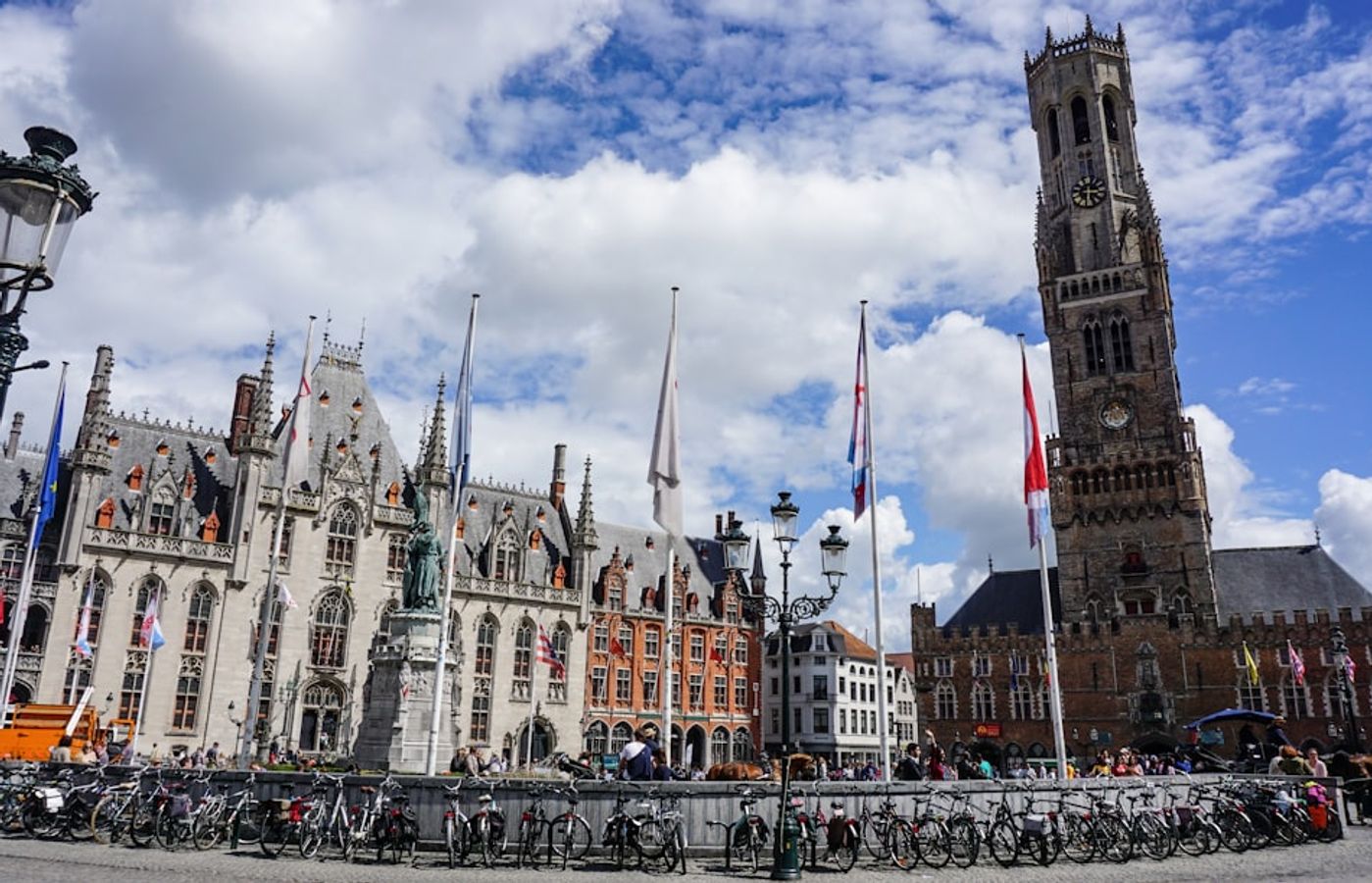

The Markt is Bruges's main square - a huge cobbled rectangle ringed by Gothic step-gabled merchant houses, the neo-Gothic Provincial Court (Provinciaal Hof), and the 83-metre Belfry (Belfort) that has dominated the skyline since 1240. The whole Bruges historic centre is UNESCO-listed and the Belfry is the most-photographed building in Belgium.
Climb the Belfry's 366 steps to a viewing platform over the city's red-tile roofs and the carillon of 47 bells that play hourly Flemish folk music. Entry is EUR 16 with a timed slot - book online via Visit Bruges. Allow 60-90 minutes to climb, view, and descend. The Markt itself is free; horse carriages and frites stalls trade here all day.
Pro Tip: Climb the Belfry at the 9am opening - by 11am the queue stretches across the Markt. The carillon plays a free concert on Wednesdays, Saturdays, and Sundays at 11am from June to September - sit at a Markt cafe and listen rather than climbing during a concert.
2Burg Square and Basilica of the Holy Blood
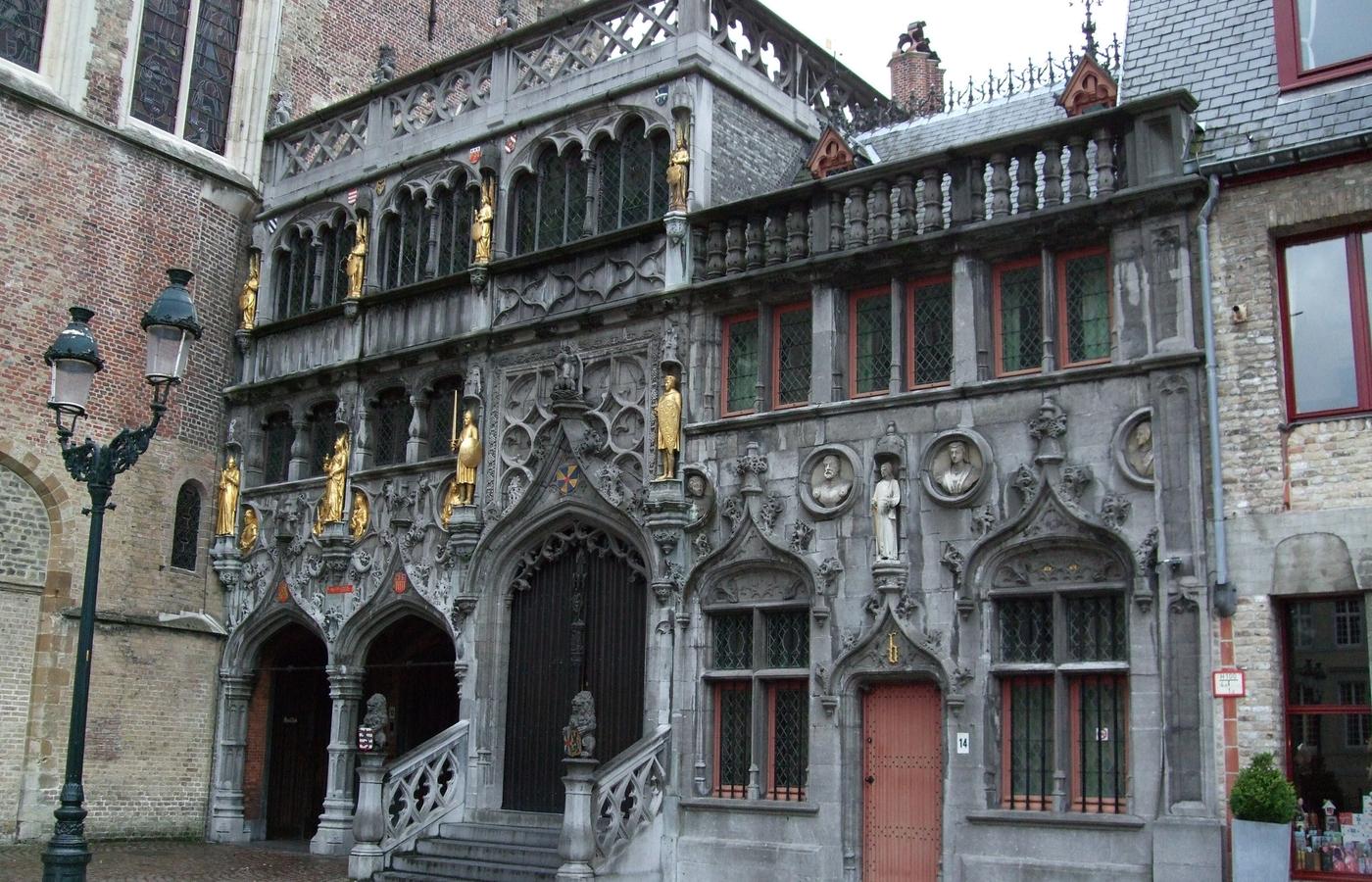

The Burg is Bruges's civic square - smaller and more intimate than the Markt, but with more architectural variety per square metre than anywhere in Belgium. The 14th-century Stadhuis (Town Hall) with its Gothic facade, the Renaissance Brugse Vrije, the Provost's House, and the Basilica of the Holy Blood all stand within 50 metres.
The Basilica of the Holy Blood holds a relic said to be drops of Christ's blood, brought from Jerusalem after the Second Crusade in 1150. The lower chapel (Romanesque, 12th century) is austere stone; the upper chapel (rebuilt Gothic, 16th century) is gilded and painted. Entry is free; the relic veneration runs daily 2-4pm. The Holy Blood Procession on Ascension Day each May parades the relic through the streets - a UNESCO Intangible Heritage tradition.
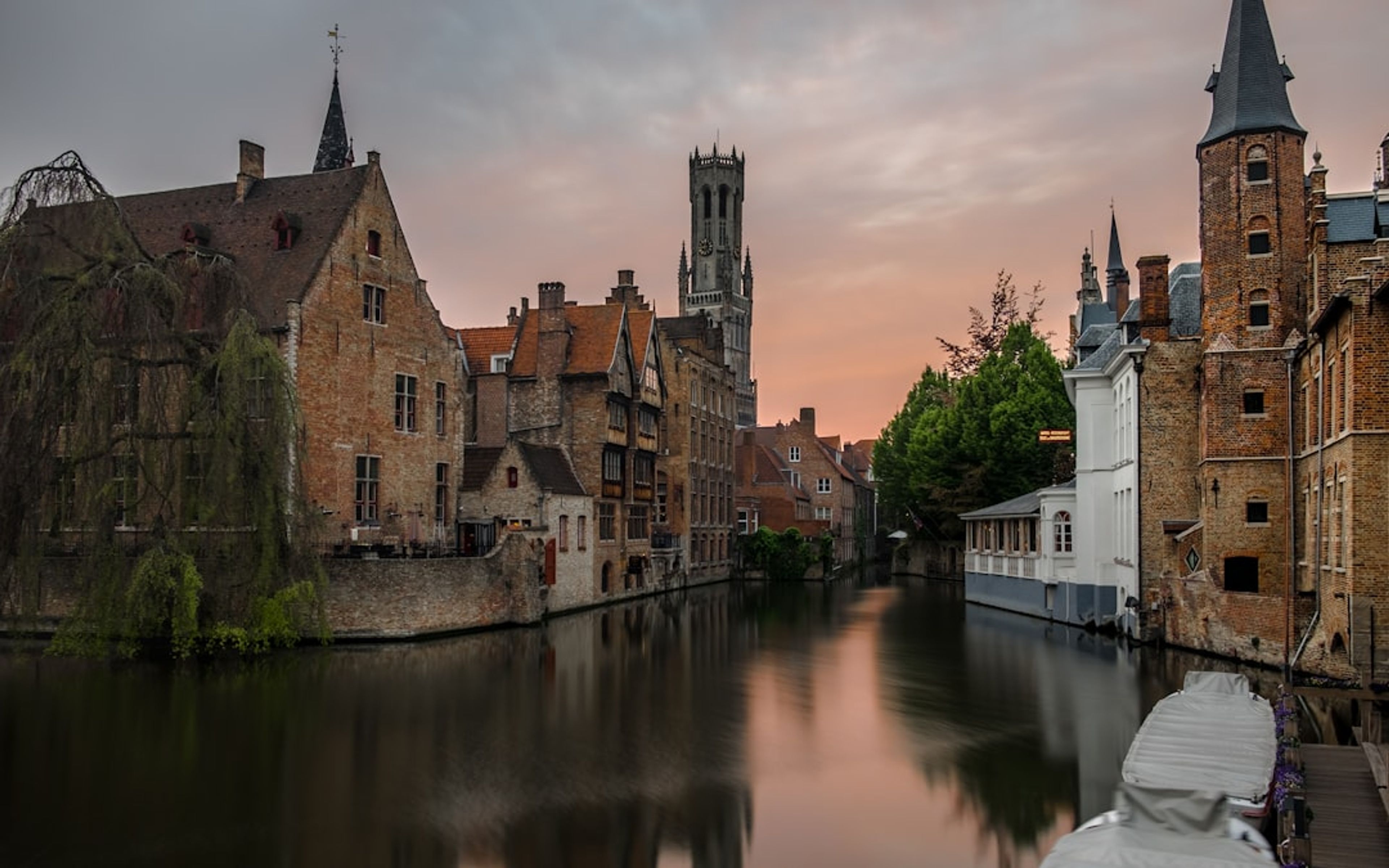
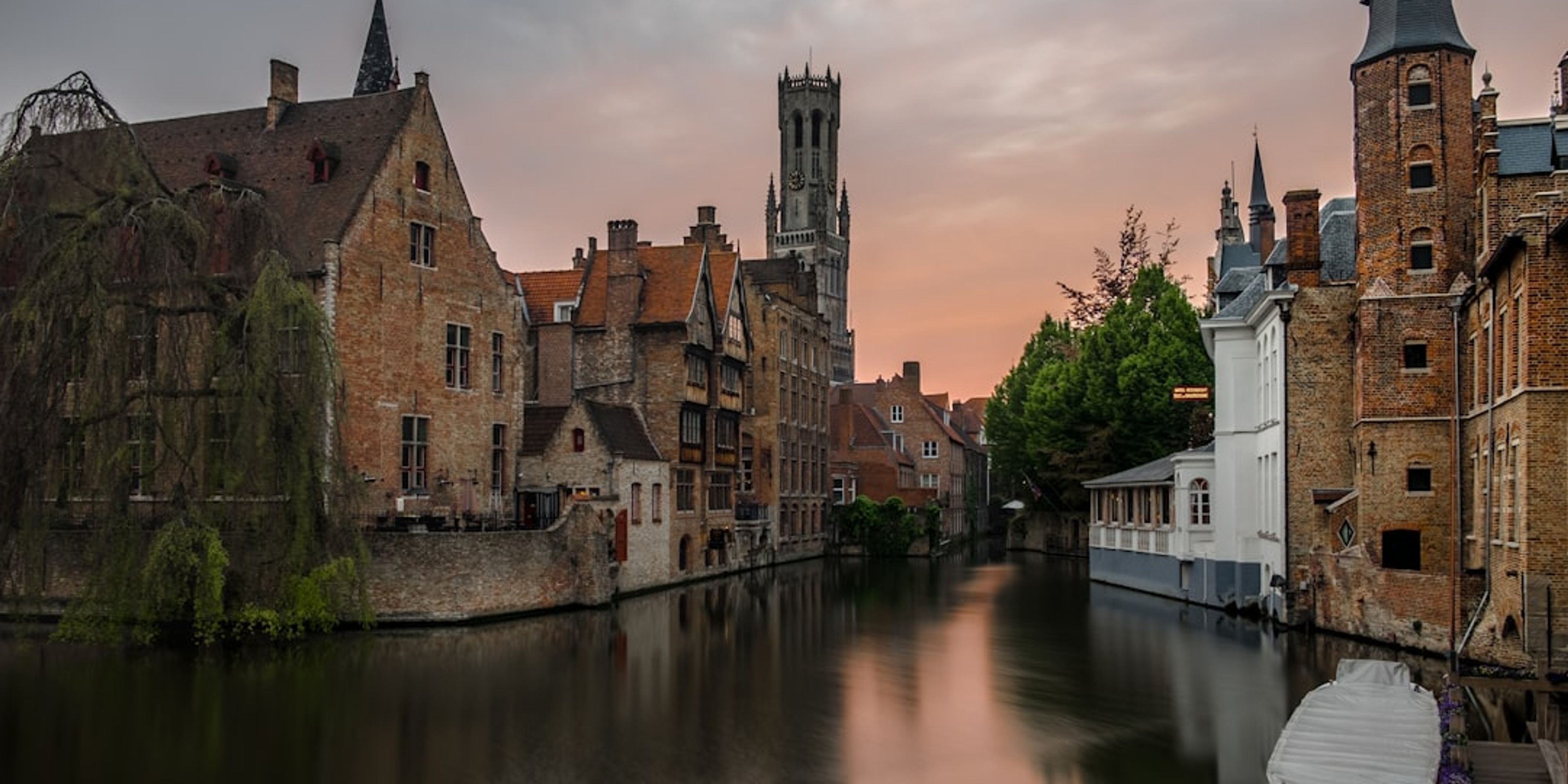
Pro Tip: Walk through the Burg under the arch into Blinde Ezelstraat (Blind Donkey Street) towards the Fish Market and Rozenhoedkaai canal viewpoint - the most photographed corner of Bruges, especially at dusk.

3Bruges Canal Cruise - The City from the Water
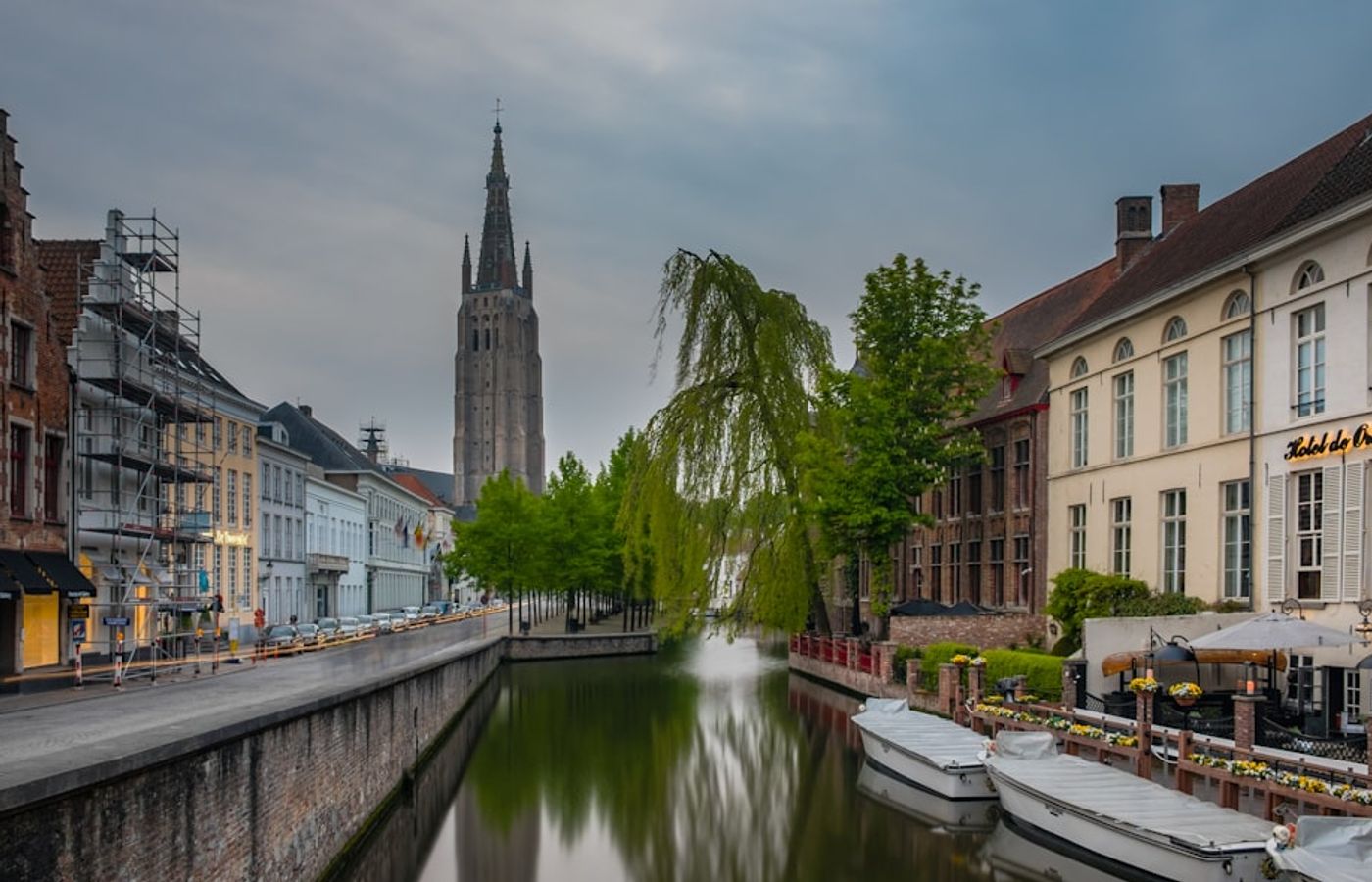
Bruges sits on a network of canals (reien) that thread through the historic centre - the city is sometimes called the Venice of the North, though Bruges came first. A 30-minute canal cruise reaches corners you cannot see from the streets, including the back facades of the medieval merchant houses, the Bonifacius Bridge, and the Old St John's Hospital.
Five companies operate from Rozenhoedkaai and four other quays - all charge the same EUR 14 and follow nearly identical routes. Boats are open and uncovered; bring a hat and sunscreen in summer. Cruises run 10am-6pm March to mid-November; closed in winter. No bookings - just queue at the next available quay.
Pro Tip: Take the first 10am departure or the last 6pm slot - midday queues at Rozenhoedkaai run 30-45 minutes. Sit on the right side as the boat departs Rozenhoedkaai for the best view of the bridges and the Belfry reflection.
4Begijnhof - The 13th-Century Beguinage
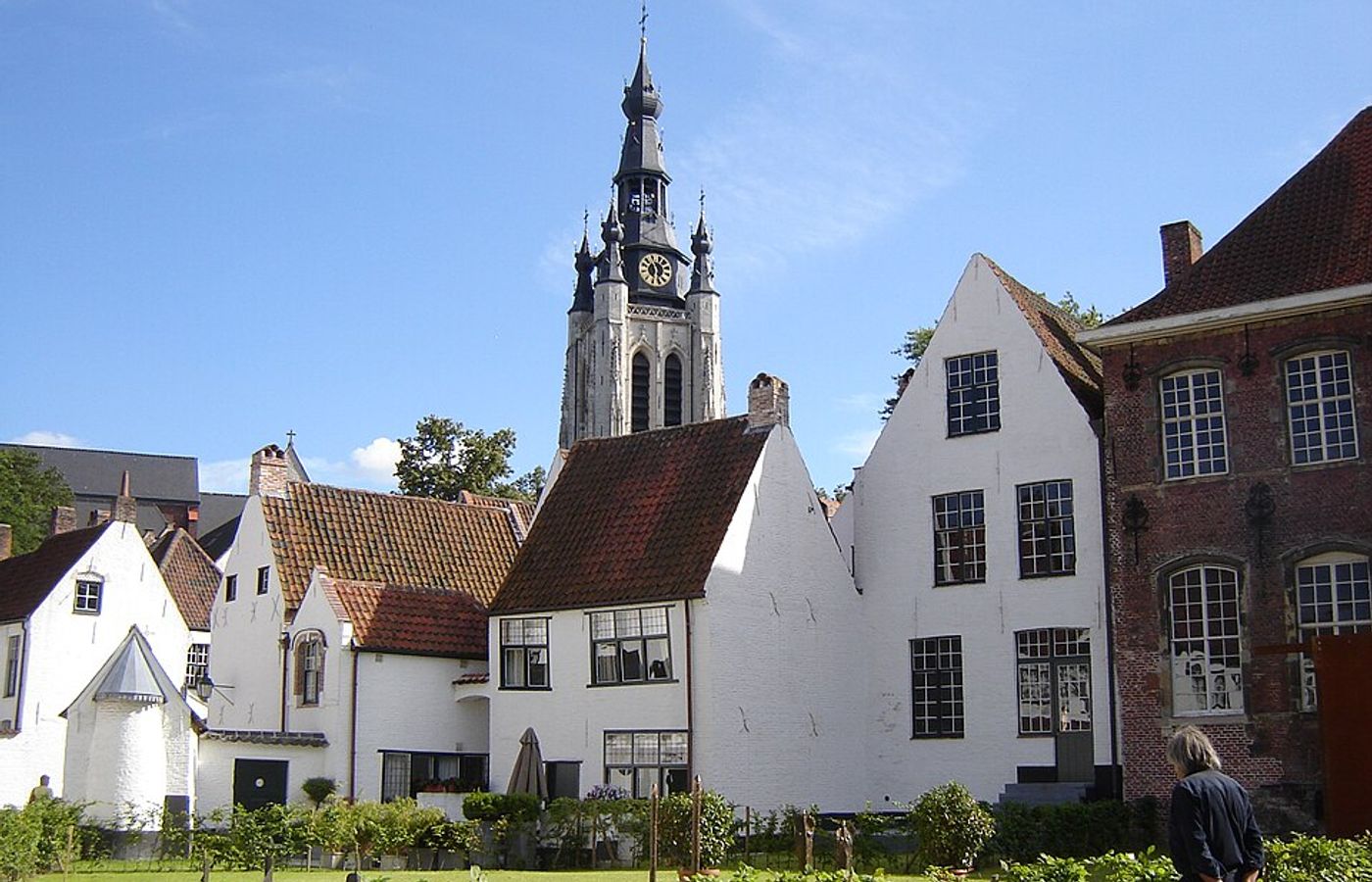
The Begijnhof (Beguinage) is a 13th-century walled courtyard founded by Margaret of Constantinople for beguines - lay religious women who lived in semi-monastic communities without taking permanent vows. White-washed houses with red roofs surround a grass courtyard planted with daffodils every spring (March-April). UNESCO recognises Belgian beguinages as collective World Heritage.
Today Benedictine nuns live in some of the houses; the Beguinage Museum (EUR 4) recreates a 17th-century beguine's home. Entry to the courtyard is free, daily 6.30am to 6.30pm. Silence is requested; the gates close at dusk. The chapel of Our Lady of Spermalie holds afternoon mass.
Pro Tip: Visit at 8am or after 5pm when day-trippers leave - the courtyard becomes silent and the white houses glow in low sun. March/April daffodils are unbelievable; even off-season the bare gravel courtyard is striking.
5Church of Our Lady - Michelangelo's Madonna
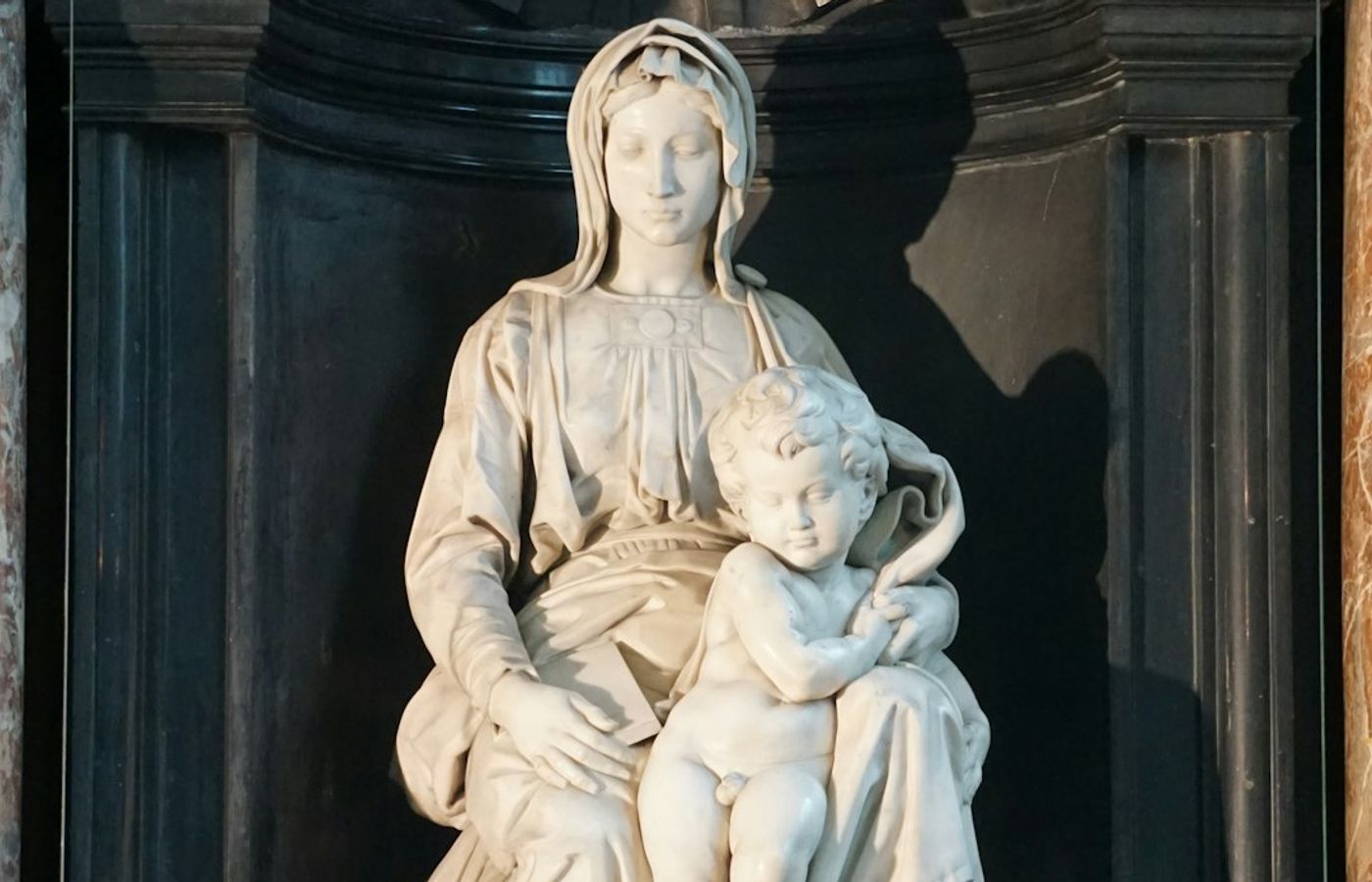
The Church of Our Lady (Onze-Lieve-Vrouwekerk) has the second-tallest brick spire in the world (115.5 metres) and houses Michelangelo's Madonna of Bruges (1504) - the only sculpture by Michelangelo to leave Italy in his lifetime. The white marble Mary, holding the Christ Child standing rather than seated, was bought by Bruges merchant Alexander Mouscron and donated in 1514.
The choir contains the gilded tombs of Mary of Burgundy (died 1482) and her father Charles the Bold of Burgundy. The church museum (EUR 8) covers the choir, tombs, and apse. The nave is free. The work was twice almost lost - Napoleonic troops took it in 1794 and Nazi forces tried to ship it to Germany in 1944, recovered by the Monuments Men.
Pro Tip: Buy the museum ticket if you want to stand within 2 metres of the Madonna - the free nave view is from 15 metres back behind a barrier. Open 9.30am-5pm Mon-Sat (1.30pm-5pm Sun). No flash photography.
6Groeningemuseum - The Flemish Primitives Collection
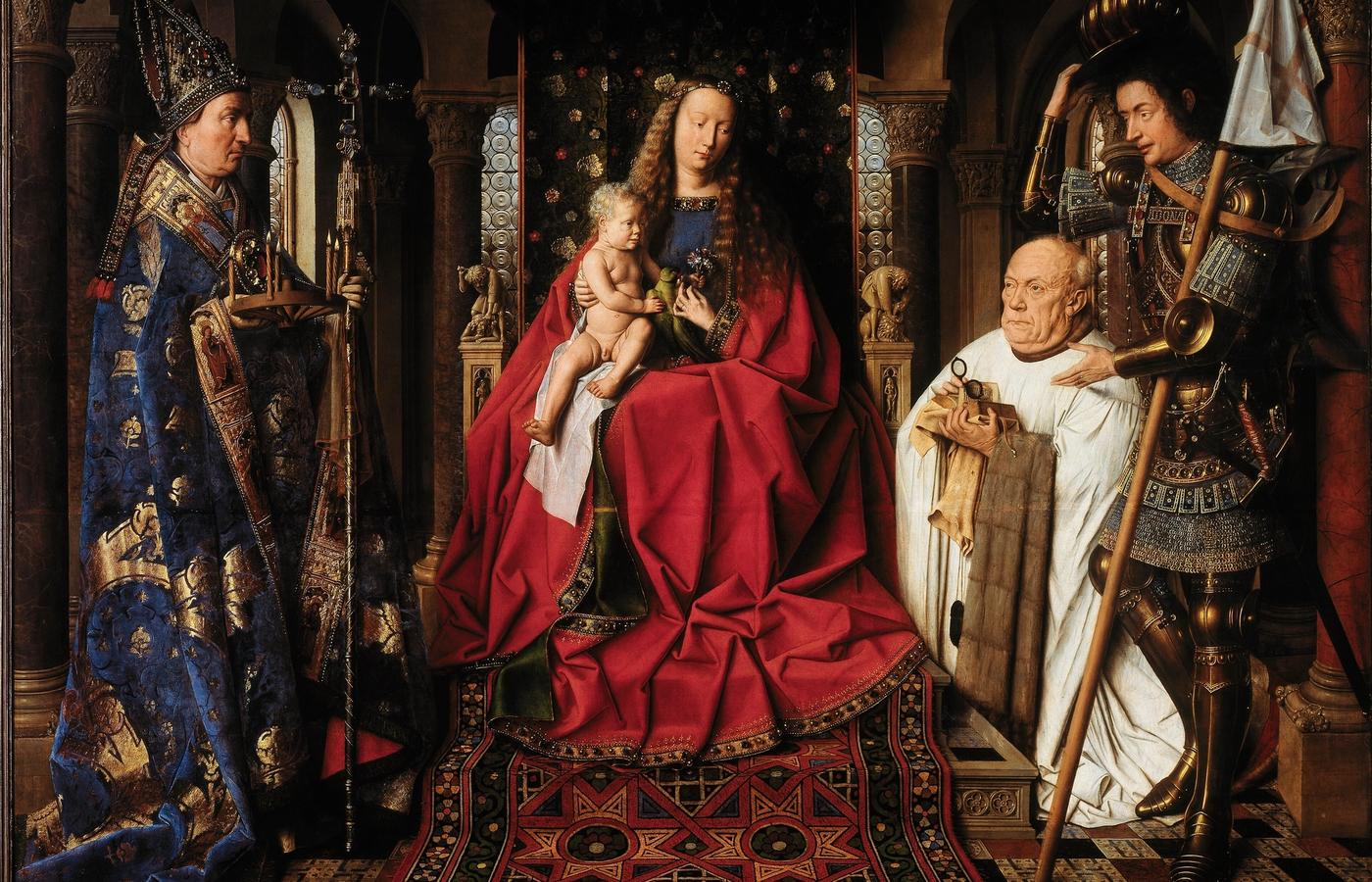
The Groeningemuseum holds the world's most important collection of Flemish Primitives - the 15th-century Northern Renaissance painters who pioneered oil painting and naturalistic detail decades before Italy caught up. Jan van Eyck's Madonna with Canon van der Paele (1436), Hans Memling, Rogier van der Weyden, and Hieronymus Bosch's Last Judgement triptych are the unmissable pieces.
Entry is EUR 16 (or covered by the Musea Brugge Card EUR 35 / 72h, also valid at 12 other museums). Allow 90 minutes. The collection runs from 14th-century manuscripts to 20th-century Flemish expressionism, but the 15th-16th-century rooms are the reason to come.
Pro Tip: Visit Tuesday-Thursday afternoon when day trippers have left. The Memling room (Old St John's Hospital next door, separate ticket) and the Groeningemuseum together cover almost the entire Flemish Primitives output - pair them in one morning. Closed Mondays.
7De Halve Maan Brewery - Bruges's Last Working Brewery
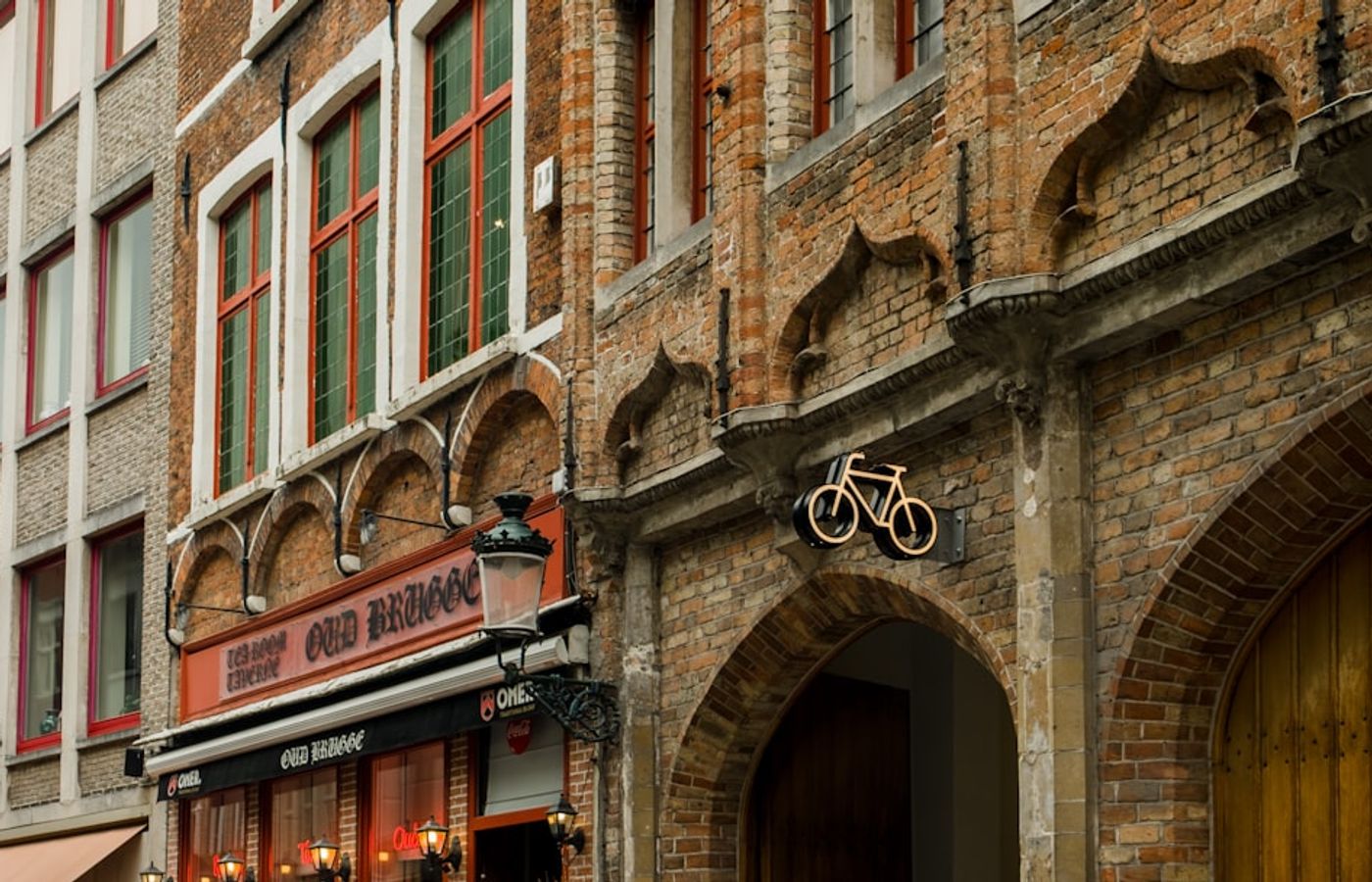
De Halve Maan (The Half Moon) is the last working brewery in central Bruges - run by the Maes family since 1856 and known for the Brugse Zot (Bruges Fool) and Straffe Hendrik beers. In 2016 the brewery built a 3.2 km underground beer pipeline beneath the city to send wort from the medieval brewhouse to a modern bottling plant on the outskirts - the only urban beer pipeline in the world.
The 45-minute brewery tour (EUR 18) climbs to the brewhouse roof for a panoramic view of the city, then descends through the cellars and the bottling line. The price includes one Brugse Zot Blond at the end. The taproom and beer garden serve all six house beers plus moules-frites at lunch.
Pro Tip: Book the brewery tour 1-2 days ahead in summer - same-day slots sell out by 11am. Skip the tour and just go to the taproom for a flight tasting (EUR 14, four 15cl glasses) if you have a flexible schedule.
8Minnewater Lake - The Lake of Love
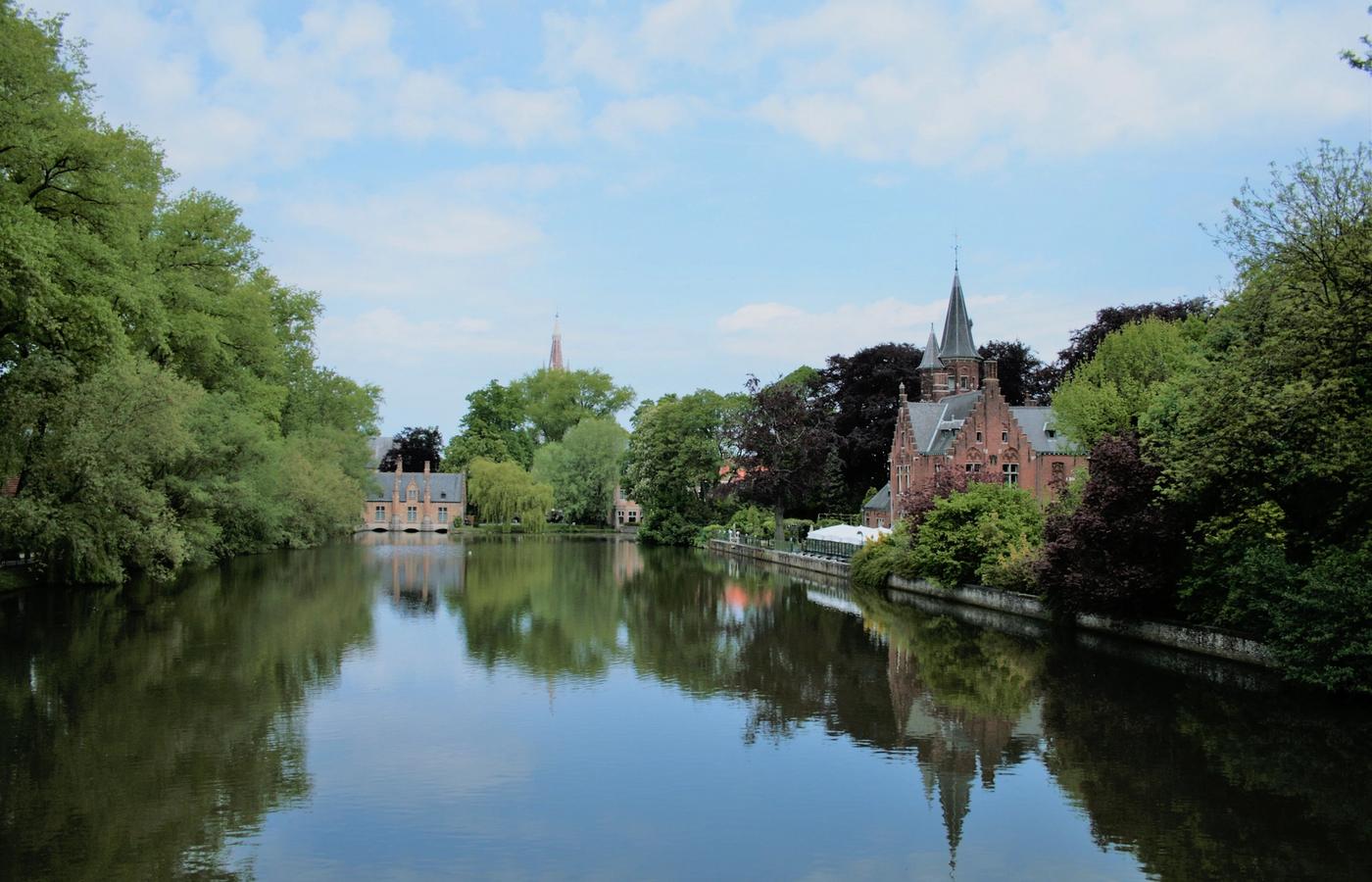
Minnewater (Lake of Love) is a placid willow-fringed canal-lake at the southern edge of the historic centre, named after a medieval legend of doomed lovers Minna and Morin. Swans glide on the water (a tradition dating to the 15th century), the 14th-century Lokkerten Powder Tower stands at one end, and the stone arched Minnewaterbrug bridge frames the most photographed view of Bruges from the south.
Adjacent Minnewater Park is the city's prettiest green space - benches, weeping willows, the Sashuis lock house, and a clear path between the Beguinage and the train station. Free, open 24/7. Couples come at sunset for proposals; locals walk dogs at dawn.
Pro Tip: Approach Minnewater from the Beguinage gate (north side) so the bridge frames the Belfry behind. The classic photo angle is from the southwest corner of the Minnewaterbrug. Pair with the Begijnhof - they share a footbridge.
9Bonifacius Bridge - The Most Romantic Spot in Bruges
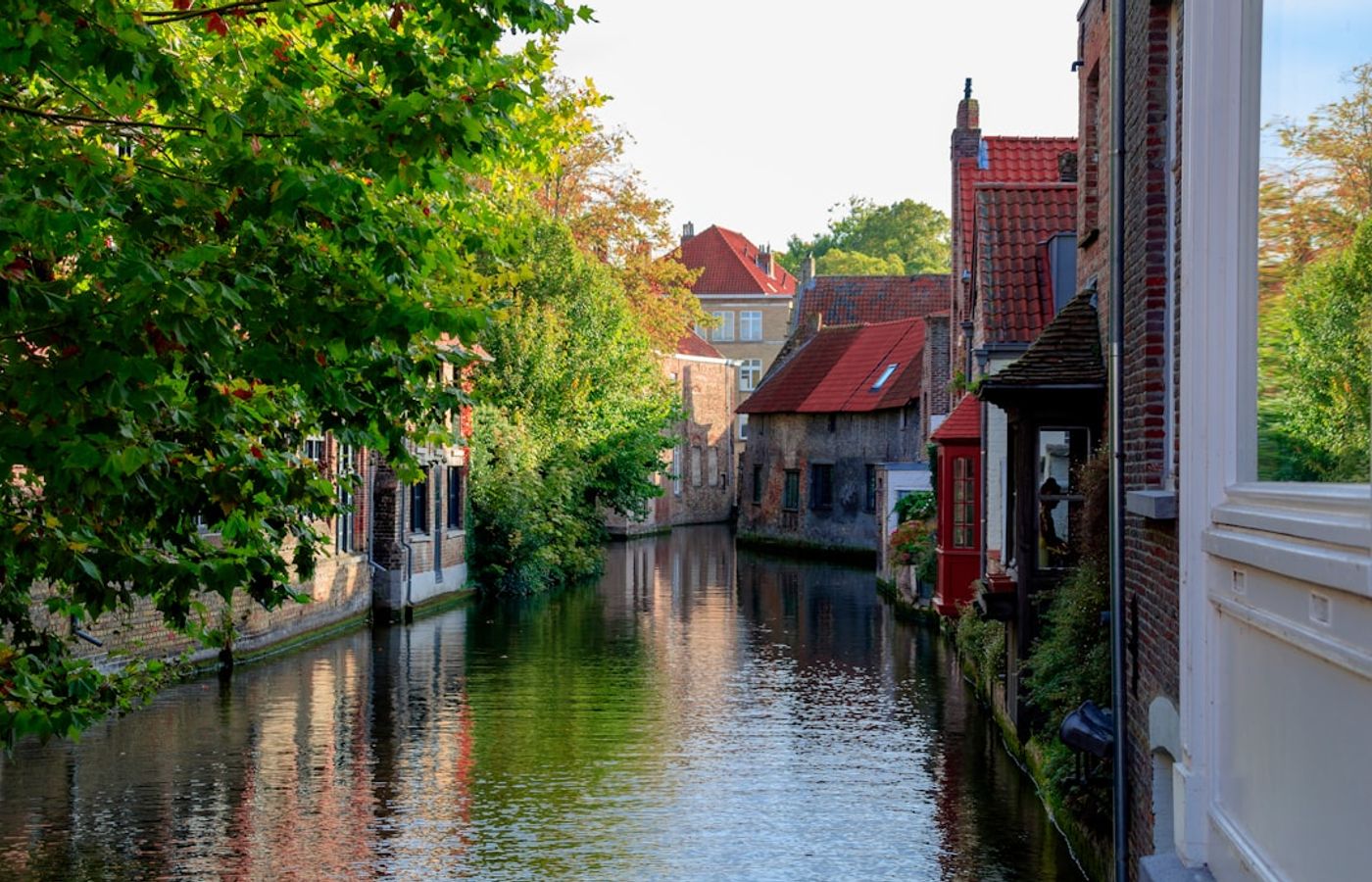
Bonifacius Bridge is the most photographed pedestrian bridge in Bruges - a small stone arch crossing a narrow canal between Arents Park and the back facade of the Old St John's Hospital. The bridge looks 14th-century but was actually built in 1910 in deliberately old-fashioned style; locals still call it 'the new bridge'. The Gruuthusemuseum's mossy stone tower rises directly above.
Free, open 24/7. The view from the bridge looking north captures the Church of Our Lady spire, the canal, the Gruuthuse facade, and several merchant houses with stepped gables - a postcard-perfect frame. Arents Park itself is a small free public garden with sculpture by Rik Poot.
Pro Tip: Visit at 7-8am for empty bridge photos - by 11am there is a queue of couples taking turns to pose. The bridge photographs best from the bridge looking north, OR from the Dijver canal-side path looking up at the bridge with the Old St John's Hospital behind.
10Damme Day Trip - Cycling the Damme Canal
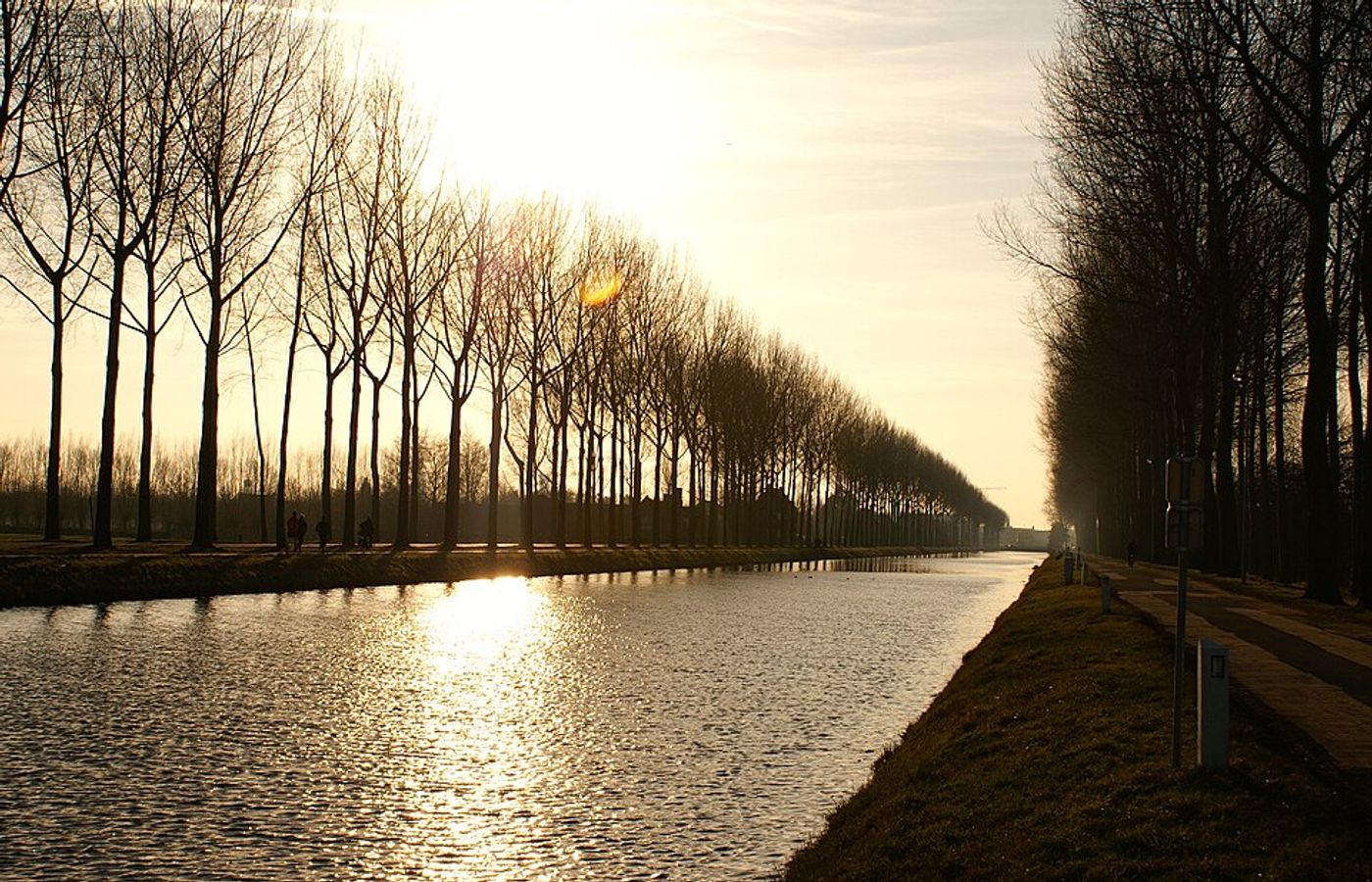
Damme is a tiny medieval village of 700 people 7 km northeast of Bruges, reached by a tree-lined towpath along the dead-straight Damme Canal (built 1810 by Napoleonic engineers). The 13th-century Onze-Lieve-Vrouwekerk church, a 15th-century Town Hall (Stadhuis), and a market square with the statue of Tijl Uilenspiegel are the main sights.
The 7 km cycle from Bruges takes 25 minutes each way at a relaxed pace, mostly flat. Rent bikes at Bauhaus or B-Bike (EUR 12-14 per day). The Lamme Goedzak paddle steamer also runs from the Noorweegse Kaai in Bruges April-October (50 min, EUR 14 return). Damme has eight bookshops - it has been a designated 'book village' since 1997.
Pro Tip: Cycle out to Damme for a leisurely lunch at De Lieve or Tante Marie (homemade waffles), then return by the Lamme Goedzak boat in the afternoon - bicycles can travel on the boat for EUR 3. The whole loop takes 4 hours.

CEO and co-founder
Tomas is the co-founder and director of trip1, an European company specializing in reservation services. He launched the company in 2025 with a focus on building scalable, efficient operations.
Top 10 Places to Visit in Bruges, Belgium - FAQ
It's tight but possible. The Bruges historic centre is 4 sq km and most attractions are within a 15-min walk of each other. Skip the Groeningemuseum and the Damme cycling trip and you can hit eight of the 10 in a single 9-hour day. Two days is much more comfortable - and lets you do the De Halve Maan brewery tour without rushing.
Day 1 (compact loop): Markt + Belfry, Burg + Basilica of the Holy Blood, canal cruise (departing Rozenhoedkaai), Church of Our Lady, Bonifacius Bridge, Groeningemuseum. Day 2: Beguinage + Minnewater Lake in the morning, De Halve Maan brewery tour at noon, chocolate shopping in the afternoon, optional Damme cycle in late afternoon.
The Belfry climb (366 steps, EUR 16) sells out in summer - book online via Visit Bruges. De Halve Maan Brewery tours (EUR 18) sell out 1-2 days ahead in summer. Groeningemuseum and Church of Our Lady are walk-in. Canal cruises (EUR 14) cannot be pre-booked - just queue at Rozenhoedkaai for the next of five operators. The Beguinage, Minnewater, Markt, Burg, and Bonifacius Bridge are free.
Budget around EUR 90-110 per person for entries. Belfry EUR 16, canal cruise EUR 14, Church of Our Lady EUR 8, Groeningemuseum EUR 16, De Halve Maan brewery tour EUR 18 (with two beers), Damme bicycle hire EUR 12. The Markt, Burg, Beguinage, Minnewater, and Bonifacius Bridge are free. The 72-hour Musea Brugge Card (EUR 35) covers 13 museums including the Groeningemuseum.
Yes - the 30-minute canal cruise is the best EUR 14 you spend in Bruges. The boats reach corners of the city you cannot otherwise see, including the back of the Bonifacius Bridge and the canal facade of the old St John's Hospital. Five operators run from Rozenhoedkaai, Huidenvettersplein, and three other quays - all charge the same EUR 14 and follow nearly identical routes. The earliest 10am departures are quietest.
Yes - cars are banned from most of the Bruges historic centre and would only get in the way. All 10 attractions are within a 25-minute walk of the Markt. Damme is reachable by bicycle along the Damme Canal (45 minutes return) or by the Lamme Goedzak canal boat in summer. The walk from Bruges station to the Markt is 15 minutes.
If you have a third day, add the Sint-Janshuis Mill (one of three remaining 18th-century windmills on the Bruges ramparts), the Choco-Story chocolate museum, the Old St John's Hospital with its Memling collection, the Sint-Salvator Cathedral, and a Trappist beer pilgrimage to the Westvleteren abbey at In de Vrede cafe (50 km south, requires booking).