Guides · Marsa Alam
10 Top Things to Do in Marsa Alam, Egypt
By Tomas Achmedovas · CEO and co-founder

CEO and co-founder
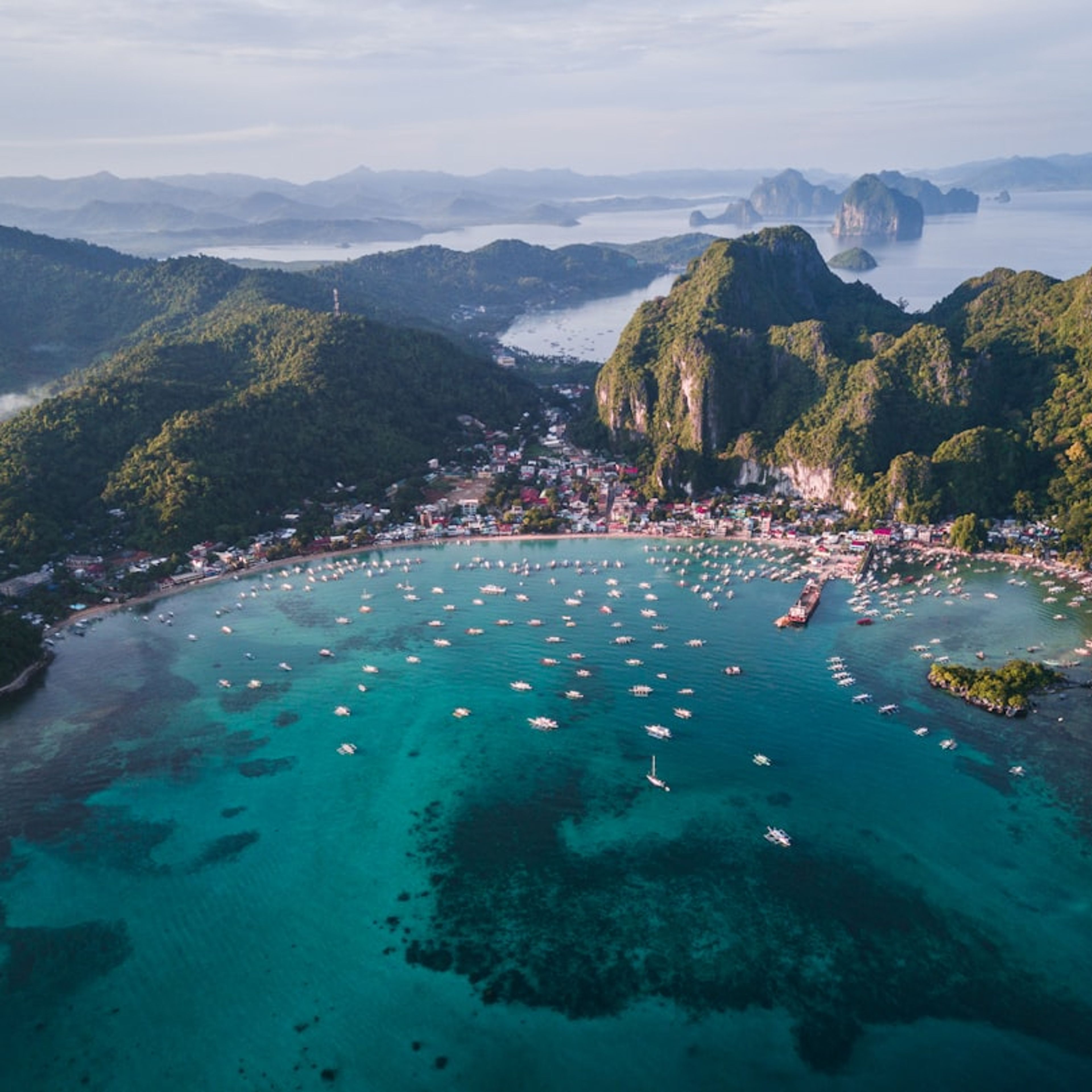
Marsa Alam pulls travellers in for one reason: marine life on a scale that few other Red Sea destinations can match. Picking the right things to do here means choosing between dolphin reefs, dugong bays, oceanic shark dives, mangrove islands and protected national parks - each in a different stretch of a 130 km coastline that runs south from the airport to the Sudan border. This 2026 guide narrows the field to 10 high-payoff stops with current tickets, opening windows and how to get there.
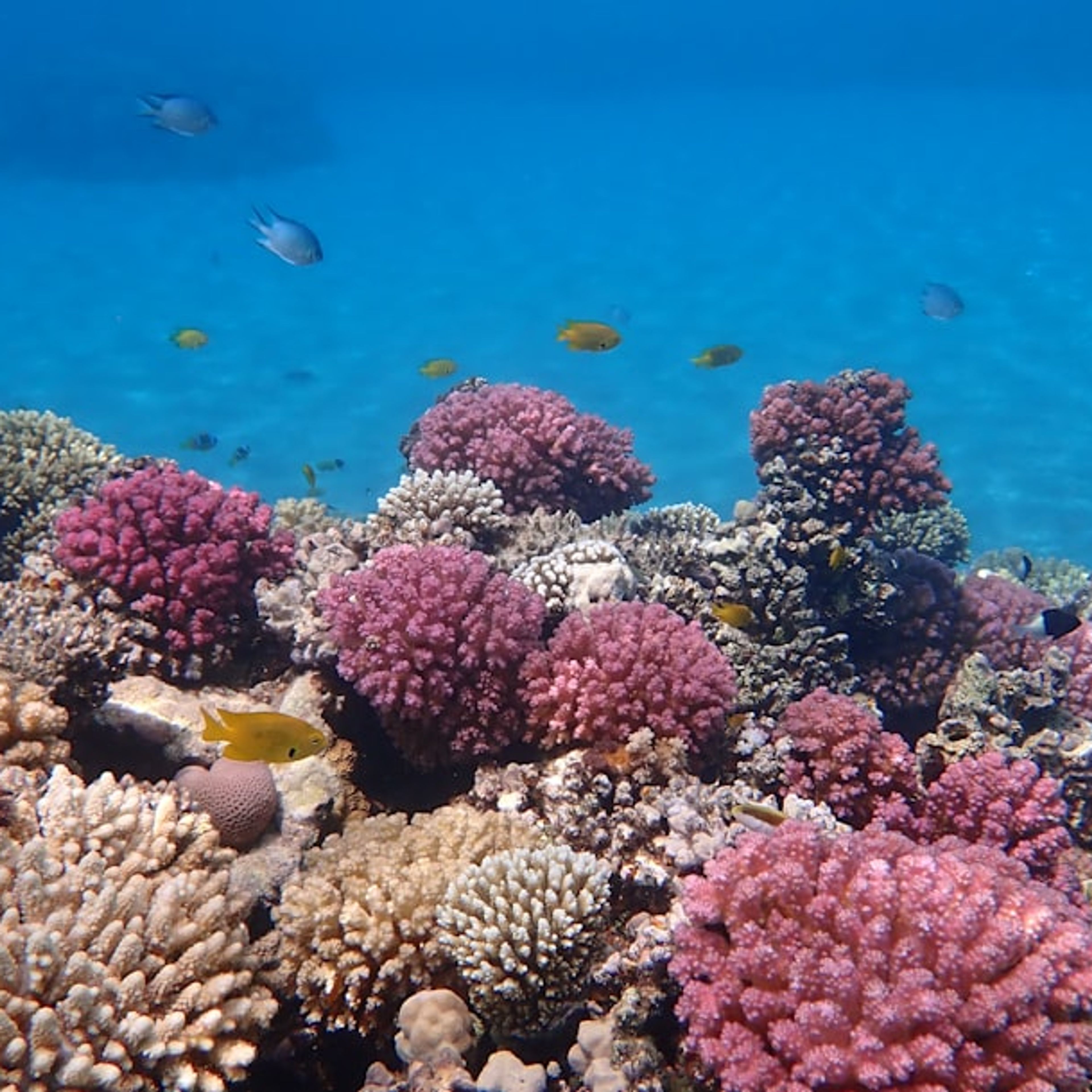
Plan four to six days for a balanced trip. The Red Sea here sits at 22-26 C in winter and 27-31 C in summer, with visibility regularly above 25 metres on offshore reefs. Sea conditions are calmest March-May and September-November, while June-August can mean afternoon north winds that close exposed sites like Elphinstone. Most attractions need 4WD or boat access, so a rental car or hotel transfer is non-negotiable. Bring reef-safe sunscreen and your own snorkel set - rentals are fine but not always well sized.
The list opens with the Marsa Alam attraction most travellers fly in for, then runs through national park, beach, reef and desert experiences before finishing with a half-day mining tour into the Eastern Desert.
Check dates for Marsa Alam
See what is available on your dates.
1Sataya Dolphin Reef - Spinner dolphin lagoon


Sataya Reef forms a horseshoe-shaped lagoon roughly 11 km offshore from Hamata harbour, sheltering one of the most reliable resident pods of spinner dolphins in the Red Sea - typically 60-200 individuals visible across the year. Day boats depart Hamata at 7:30 AM and reach the reef in around 90 minutes. Two snorkel drops let visitors free-swim with dolphins outside their resting hours, with a third stop on the outer wall for table corals, anemonefish and the occasional reef shark. Strict 2026 protocols ban touching, feeding or chasing dolphins, and skippers reposition the boat to avoid splitting pods. Full-day trips with lunch run 2,800-3,200 EGP per adult and book 3-7 days ahead in peak months. Strong swimmers fare better - mask drift over 4-6 metre depths.
2Wadi El Gemal National Park - Mountains, mangroves and Bishari heritage


Wadi El Gemal protects 7,450 square kilometres of land and sea south of Marsa Alam, making it Egypt's second-largest protected area and one of the most important for the Eastern Desert ecosystem. The reserve covers acacia-lined wadis, granite mountains rising to 1,400 metres, mangrove stands at the coast, and Roman-era emerald mines. Wikipedia's overview of Wadi El Gemal National Park details the park's flora, fauna and the resident Bishari Beja population. Wildlife includes the endangered Nubian ibex, gazelle, hyrax and over 220 bird species. A 4WD safari (2,500-3,500 EGP per vehicle) typically combines the wadi entrance, a Bishari camp visit and a coastal mangrove walk. Park entry costs 250 EGP. Visit October-April for cooler temperatures.
3Abu Dabbab Bay - Snorkel with dugongs and turtles


Abu Dabbab is the most reliable place in Egypt to spot a wild dugong - the rare sea cow that grazes on the seagrass beds covering the bay floor. Two males and one female frequent the lagoon, joined by 30-50 green turtles year-round and a population of guitarfish along the southern reef edge. The crescent beach has a gentle sandy entry suitable for non-swimmers and the seagrass starts within 30 metres of shore. Beach entry costs 200 EGP per adult; dive operators on site run guided shore dives for 600-900 EGP. Strict rules forbid touching wildlife and require a 5-metre distance from dugongs. Open daily 8 AM to 5 PM, busiest 10 AM to 2 PM. Bring rash guards - the seagrass shallows offer no shade and snorkellers easily burn.
Check dates for Marsa Alam
See what is available on your dates.
4Elphinstone Reef - Pelagic dive site

Elphinstone Reef sits 12 km offshore from Marsa Abu Dabbab, a 300-metre-long table reef rising from the abyss with walls dropping past 100 metres. The site is famous for oceanic whitetip shark encounters between October and December, hammerhead schools in summer at 30+ metres, and a thriving plateau of branching corals at 25 metres. The North Plateau holds an arch at 55 metres beyond recreational depth, while the South Plateau at 22 metres makes a manageable wreck-free dive for advanced open water divers. Currents are unpredictable, so this is not a beginner site - certifying operators usually require 30+ logged dives. Day boats from Marsa Alam jetties cost 2,500-3,500 EGP for two tanks and lunch. Visibility averages 25-35 metres.
5Sharm El Luli - Caribbean-blue lagoon beach

Sharm El Luli (sometimes called Ras Hankorab) is the most photographed beach south of Marsa Alam - 1.2 km of fine white sand and a turquoise lagoon held in by a long fringing reef. The shallow inner lagoon stays under 2 metres for 80 metres offshore, making it ideal for families and snorkellers new to the Red Sea, while the reef edge drops to 12-15 metres for stronger swimmers. Beach gate fee is 150 EGP per adult plus 50 EGP parking, payable in cash. Facilities are minimal: shaded huts, a cafe with bottled water and fresh juice, and basic toilets. There are no rental snorkels reliably available, so bring your own. Open daily 8 AM to 5 PM. The 2.5 hour drive from central Marsa Alam pays off best as a full-day trip with a packed lunch.
6Port Ghalib - Marina, restaurants and the airport gateway

Port Ghalib serves as the practical hub for Marsa Alam International Airport (HRG-MUH 8 km south) and gathers the area's hotels, restaurants and shops in one walkable marina precinct. The 1 km promenade rings a 1,000-berth marina, and the central plaza fills after 7 PM with families, fountain shows and street performers. International chains and local Egyptian restaurants offer mains 250-650 EGP. The Port Ghalib Pharaonic Village (free, open 5 PM-11 PM) features replica statues of 30 Egyptian gods and rulers - tacky but a useful kid-distraction. Snorkel boats and PADI dive shops cluster on the southern jetty for next-day pickups. Cash and card both work, and ATMs accept all major foreign cards. Pair with the airport on arrival or departure day to bookend a Red Sea trip.
7Marsa Mubarak - Reliable green turtle bay

Marsa Mubarak is a small horseshoe bay 25 km north of Marsa Alam town that almost always delivers green turtle sightings within 100 metres of shore. Seagrass meadows hold a population of 8-12 resident turtles and an occasional dugong; staff post regular updates at the gate. The bay is unusual for the Red Sea in offering an easy beach entry - sand stretches 20 metres before reaching seagrass at chest depth. Beach gate fee is 100 EGP and includes a sun lounger when available. There is a basic cafe; toilets are clean but no shower facilities. Open daily 8 AM to 5 PM. Most visitors snorkel for 60-90 minutes and pair the stop with Abu Dabbab 5 km south. Mid-morning is the best window before afternoon north winds chop the lagoon surface.
8Hamata Islands - Untouched archipelago snorkel

The Hamata Islands form a 14 km string of small uninhabited islands south of Hamata harbour - Wadi Lahmi, Mahabis, Showarit, Siyul. Day-boat trips usually visit two or three islands with stops for snorkelling on patch reefs and a beach barbecue lunch on a sand spit. The shallow reef tops at 1-3 metres host healthy hard coral cover and clouds of butterflyfish, parrotfish and Red Sea bannerfish. Larger reef sharks occasionally cruise the deeper drop-offs at the back of the islands. Trips run 2,500-3,000 EGP including transfers, gear and lunch, and depart Hamata at 8 AM. Sea conditions can swing fast off the islands - operators cancel without refund if waves exceed 1.5 metres. October-May is the most reliable window. The islands fall inside Wadi El Gemal protected area boundaries.
9Dolphin House (Samadai Reef) - Protected spinner dolphin sanctuary

Samadai Reef, known locally as Dolphin House, sits 7 km offshore from Marsa Alam town and shelters a resident pod of around 100-200 spinner dolphins. After overcrowding in the early 2000s, Egyptian authorities split the reef into three management zones: a strictly protected dolphin rest area at the centre (no entry), an outer snorkel zone, and a peripheral dive zone. Daily visitor numbers cap at 200 split into morning and afternoon slots, and skippers stay 100 metres from resting pods. The half-day trip from Marsa Alam jetty costs 1,800-2,200 EGP and runs 7 AM to 1 PM. Snorkel encounters happen on the dolphins' terms - some days produce 30-minute swim-bys, others see only distant fins. Two snorkel stops on the main reef wall add table corals, moray eels and Napoleon wrasse.
10Emerald Mines (Mons Smaragdus) - Roman gem-mining ghost town

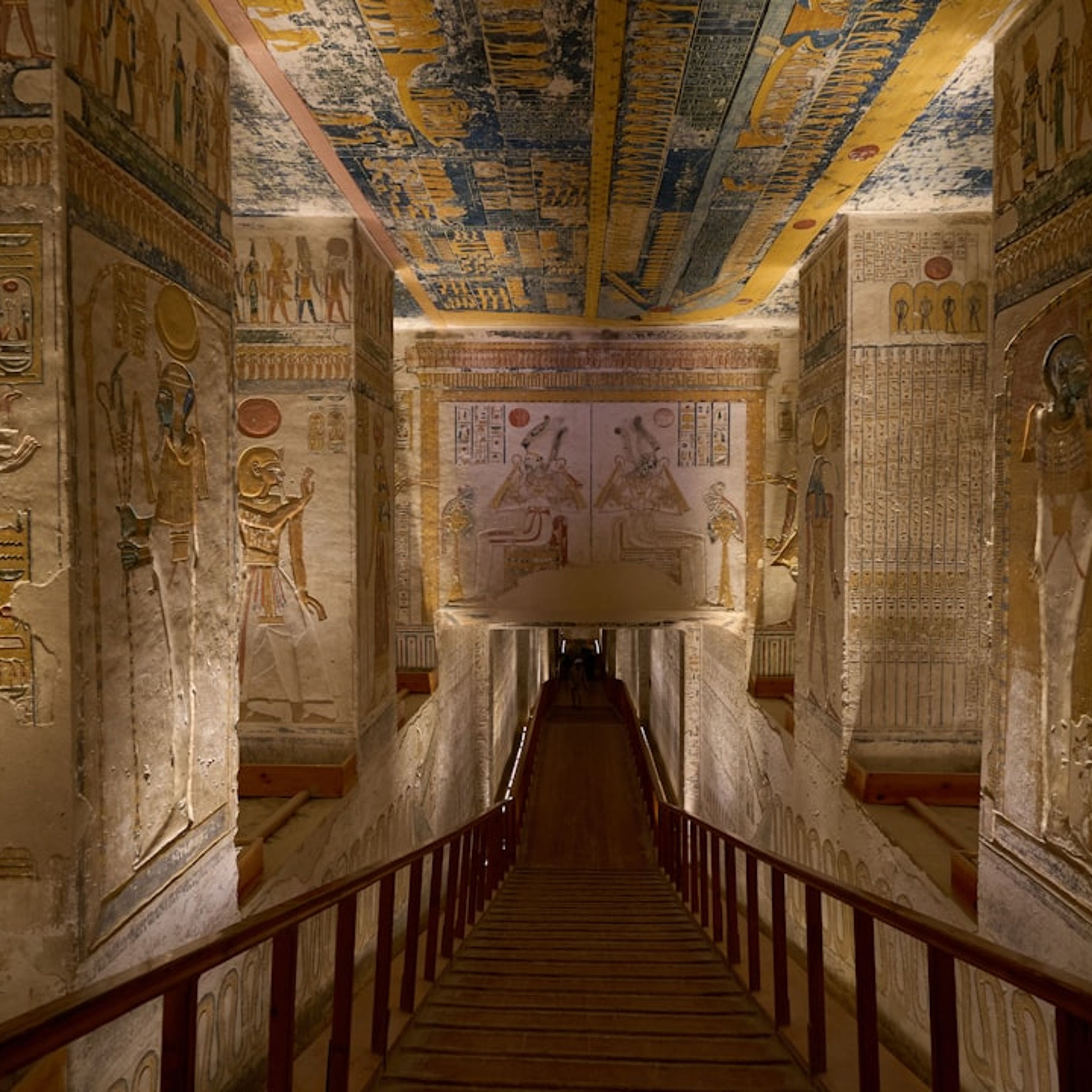
The ancient Mons Smaragdus mining district sits 35-50 km inland in the Eastern Desert and supplied the Roman Empire with the world's only known emerald source from the 1st century BCE through the 6th century CE. Three main sites - Sikait, Nugrus and Geli - retain rock-cut temples to Serapis and Isis, miners' barracks, watchtowers and tunnels still visible in the mountainside. The 8-hour 4WD tour from Marsa Alam crosses Wadi El Gemal terrain, stops at Bishari nomad camps for tea, and ends at the surprisingly intact temple of Sikait carved into the granite cliff. Operators charge 3,000-4,000 EGP per person including 4WD, driver, lunch and permits, and depart 6 AM. Closed shoes, full water bottles and a windbreaker are essential - desert temperature swings 15 C between morning and midday in winter.
Take this guide with you
Get every place in this guide, with addresses and map links, in your inbox — easy to open on your phone during the trip.
One email to the address on your account. No newsletter.

CEO and co-founder
Tomas is the co-founder and director of trip1, an European company specializing in reservation services. He launched the company in 2025 with a focus on building scalable, efficient operations.
10 Top Things to Do in Marsa Alam, Egypt - FAQ
Yes, if you come for marine life. Spinner dolphins rest at Sataya and Samadai reefs, green turtles graze the seagrass at Abu Dabbab and Marsa Mubarak, and divers look for oceanic whitetip sharks at Elphinstone from October to December. It is quieter and more spread out than the big resorts: the sights run along 130 km of coast, so you need a car, transfers or tours.
Yes, mostly in and on the water. Swim with dolphins at Sataya or Samadai, snorkel with turtles at Abu Dabbab and Marsa Mubarak, relax on Sharm El Luli's lagoon beach and take a boat to the Hamata Islands. On land, a 4WD trip into Wadi El Gemal National Park or out to the Roman emerald mines at Sikait fills a day, and Port Ghalib's marina has evening restaurants.
Four to six days. The Sataya dolphin trip and the Hamata Islands each take a full day from Hamata harbour, Elphinstone needs its own dive day, and the emerald mines tour lasts about 8 hours. In winter the sea sits at 22 to 26C, and October to April is the cooler time for desert trips. The sea is calmest from March to May and September to November.
Yes, on a boat trip with strict rules. Full-day trips from Hamata to Sataya Reef, home to a resident spinner dolphin pod, cost 2,800 to 3,200 EGP with lunch. Half-day trips to Samadai Reef (Dolphin House) cost 1,800 to 2,200 EGP. Touching, feeding or chasing dolphins is banned, and Samadai's centre is a no-entry rest area, so encounters happen on the dolphins' terms.
Sometimes, but it is never guaranteed. Abu Dabbab's seagrass beds are one of the best places in Egypt to spot a wild dugong, and green turtles are seen there all year. Beach entry is 200 EGP, the sandy entry suits non-swimmers, and the bay opens from 8 AM to 5 PM. Arrive at opening, when the water is clearest, and stay at least 5 metres from dugongs.
Acacia-lined valleys, granite mountains, coastal mangroves and Roman-era emerald mines, across about 7,450 square kilometres of land and sea south of Marsa Alam. Look for Nubian ibex, gazelle and over 220 bird species, and stop at a Bishari camp. Park entry is 250 EGP, a 4WD safari costs 2,500 to 3,500 EGP per vehicle, and October to April is the coolest time.