
Guides · Tokyo
10 Top Places to Visit in Tokyo

CEO and co-founder
This guide ranks the 10 top places to visit in Tokyo - the sights that genuinely deserve a place on your itinerary whether you have 4 days or a full 2 weeks in the Japanese capital. Each entry includes the exact address, nearest metro or JR station, and a practical Pro Tip drawn from how locals and seasoned visitors actually navigate the city in 2026.
Tokyo is enormous - 23 wards across roughly 600 square kilometres of urban density - and the attractions cluster in distinct neighbourhoods. Senso-ji and Tokyo Skytree pair into one Asakusa day. Shibuya, Harajuku, and Meiji Shrine chain on the western JR Yamanote loop. Shinjuku and Akihabara each demand half-days. Tsukiji Outer Market is a morning-only visit. Plan 4-5 days minimum to do this list justice.
The order on the list reflects a mix of unmissable icons and proper experiences - the temple at Senso-ji, the world's busiest intersection at Shibuya, the calm forest of Meiji Shrine, the tower view from Skytree, and the working-market atmosphere at Tsukiji. Use a 72-hour Tokyo Metro Pass and ride the JR Yamanote loop, which links most sights efficiently.
1Senso-ji Temple - Tokyo's Oldest and Most Visited Temple
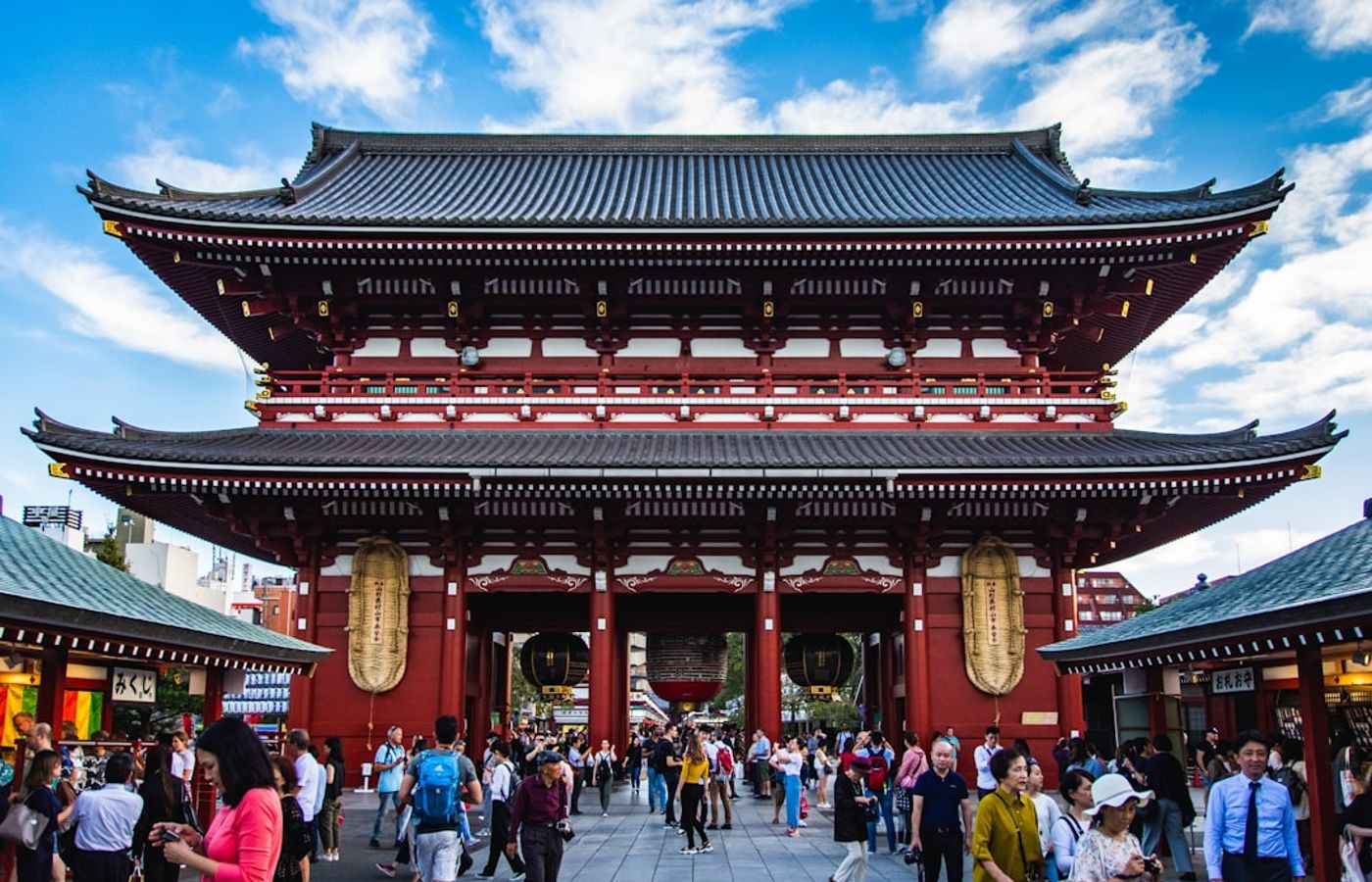

Founded in 645 AD, Senso-ji in Asakusa is Tokyo's oldest temple and one of its most visited - around 30 million people pass through each year. The 200-metre Nakamise-dori shopping street leading to the main hall is the original temple market, operating since the 1700s. The temple is dedicated to Kannon, the bodhisattva of compassion, whose golden statue is kept hidden in the inner sanctum and never displayed to the public.
The iconic Kaminarimon (Thunder Gate) with its 700 kg red paper lantern is the most photographed Tokyo entrance. The current main hall and 5-storey pagoda were rebuilt after 1945 bombing destroyed the originals. Free to enter; main hall open 06:00-17:00. Allow 2 hours including the Nakamise-dori shopping. The neighbouring Asakusa Shrine, a Shinto shrine, sits in the same complex - rare for these religions to share grounds.
Pro Tip: Arrive 06:00-07:30 when only locals are praying - Nakamise shops open at 09:00 but the temple grounds open at dawn. The smoke from the incense cauldron is believed to bless whatever body part it touches; wave it onto yourself before approaching the main hall.
2Shibuya Crossing - The World's Busiest Intersection
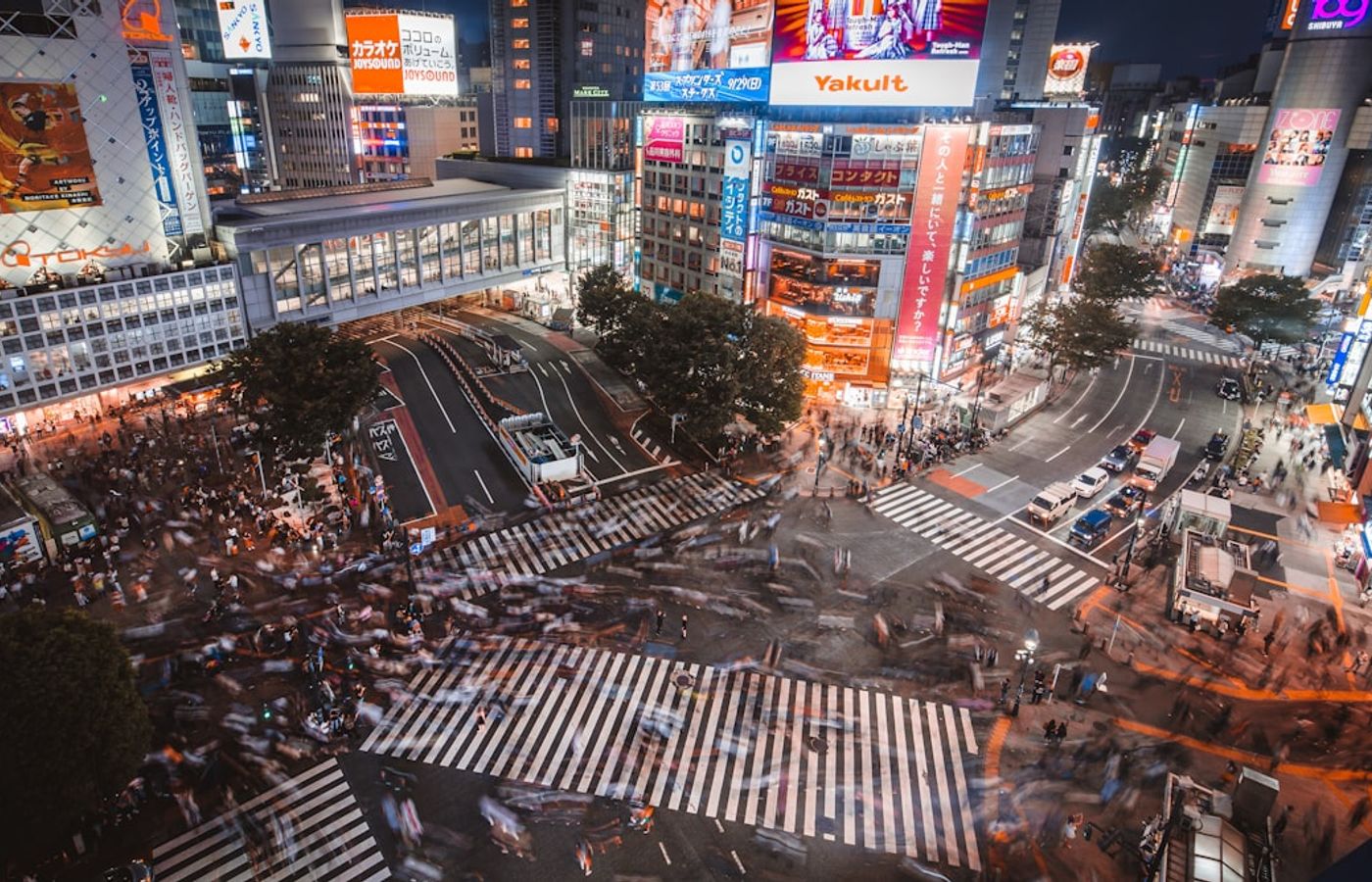

Shibuya Crossing (Shibuya Scramble Kosaten) outside Shibuya Station is widely cited as the world's busiest pedestrian intersection - up to 3000 people cross at once during peak times. Five crosswalks intersect diagonally; traffic stops in all directions for around 1 minute and pedestrians flood the intersection from all sides. The 4 surrounding buildings carry massive video billboards that have become Tokyo's signature image.
The Hachiko statue at the Shibuya Station northern exit honours the famous Akita dog who waited 9 years for his deceased owner - the most popular meet-up point in Tokyo. The Shibuya Sky observation deck on the Shibuya Scramble Square skyscraper (free with paid entry to the 360-degree open-air rooftop, 2200 JPY) is the best overhead view of the crossing. The Starbucks on the Tsutaya building's second floor offers a window seat over the chaos.
Pro Tip: Visit on a Friday or Saturday at 19:00-21:00 for the peak crowd density and full neon. The Mag's Park rooftop on Shibuya 109 offers a 700 JPY view that beats the free Starbucks angle for photography.

3Meiji Shrine - The Forest Sanctuary in the Heart of Tokyo
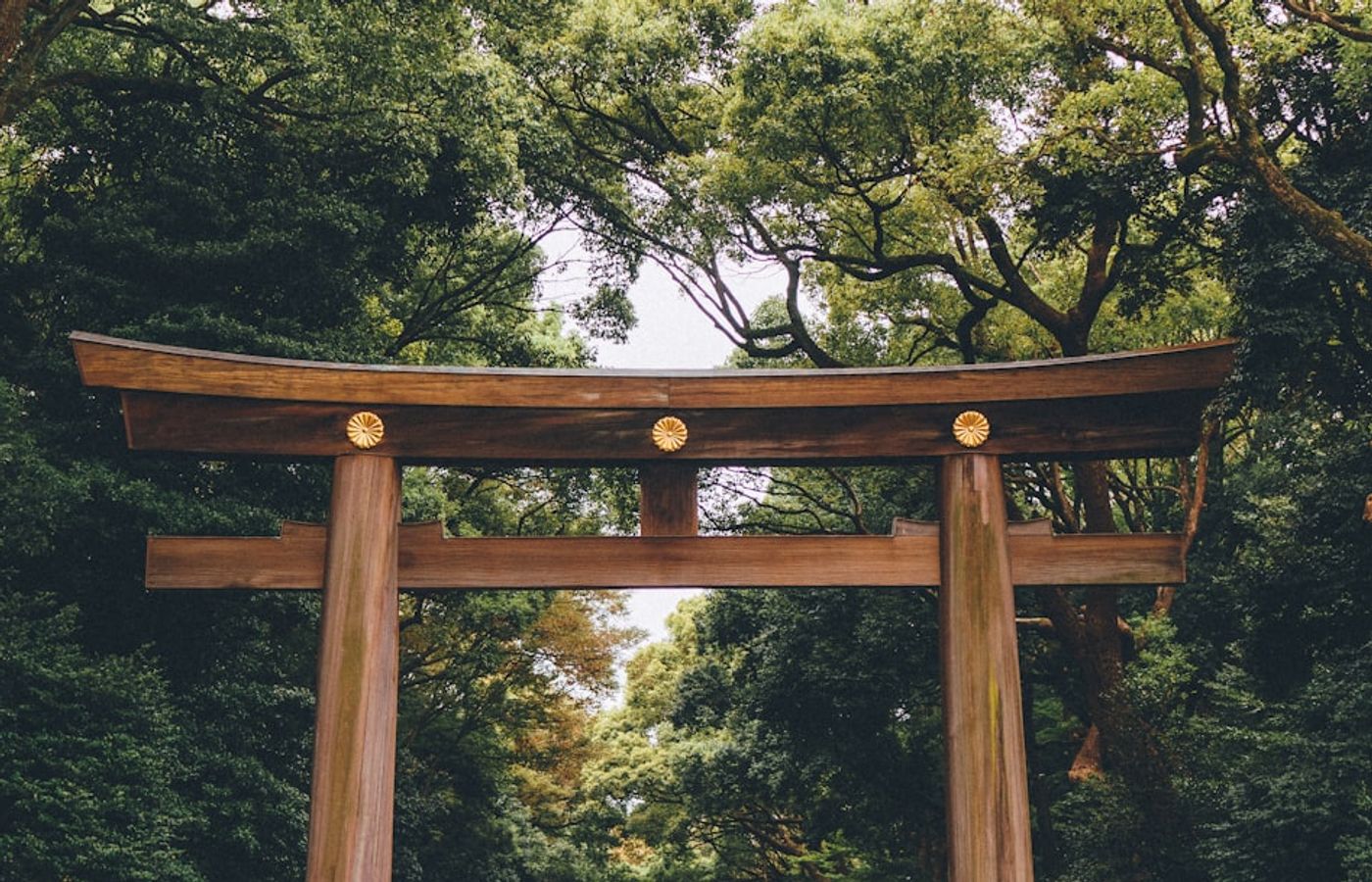

Meiji Jingu (Meiji Shrine) opened in 1920 and is dedicated to Emperor Meiji (1852-1912) who oversaw Japan's Meiji Restoration and rapid 19th-century modernisation. The shrine sits within a 70-hectare evergreen forest of 120000 trees, all donated by citizens during the original construction. The forest was designed to grow into a permanent natural shrine over 150 years - the calculated peak is in 2070.
Three massive cypress-wood torii gates (the largest in Japan, 12 metres tall, made from 1500-year-old trees) line the entrance approach from Harajuku station. The inner garden Yoyogi-en, designed for the empress in the 1860s, costs 500 JPY extra and is famous for the June iris blooms. Traditional Shinto weddings are held in the main hall most weekends - free to watch from a respectful distance. Free admission; open dawn to dusk.
Pro Tip: Enter from the Harajuku station side (south entrance) and exit on the Yoyogi-Hachiman side (north) - the forest path is best walked in one direction. Buy a wooden ema prayer plaque (500 JPY) and hang it on the central tree - a traditional Shinto blessing for travellers.
4Tokyo Skytree - The Tallest Tower in Japan
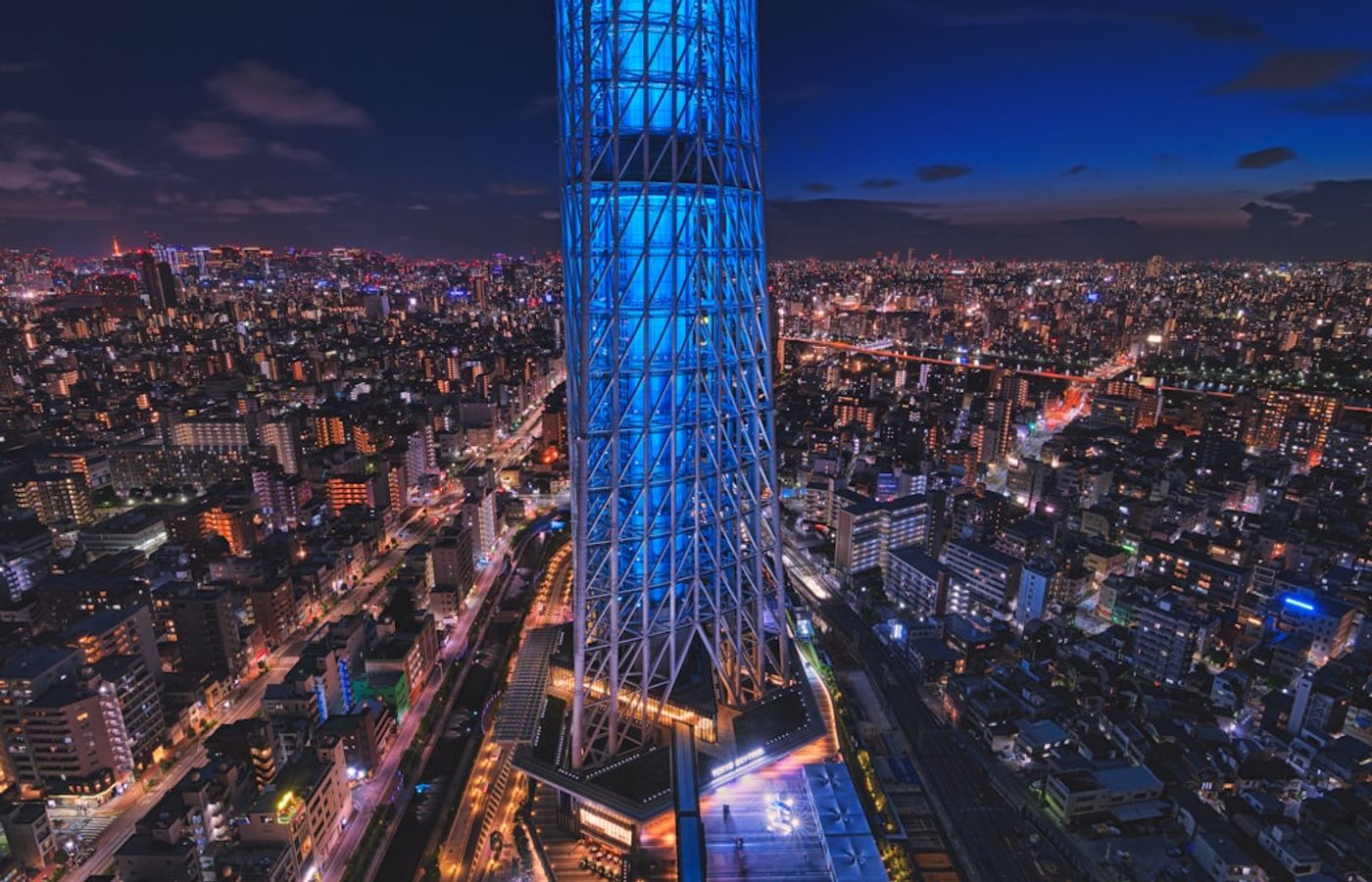
At 634 metres, Tokyo Skytree is Japan's tallest structure and the world's tallest free-standing communications tower. Completed in 2012 in Sumida ward (across the river from Asakusa), it functions as a digital TV broadcast tower replacing the older Tokyo Tower. Two observation decks: Tembo Deck at 350 metres (2100 JPY) and Tembo Galleria at 450 metres (an additional 1000 JPY). On clear days you can see Mount Fuji 100 km west.
The base of the tower houses the Solamachi shopping complex with 300+ stores, an aquarium, and a planetarium. The tower's design references both Japanese pagoda architecture and modern engineering - the central spine is mounted on a vibration-dampening system similar to those used in traditional 5-storey pagodas. Open 10:00-22:00 daily. Crowds are heaviest at sunset.
Pro Tip: Book the timed-entry online ticket 24-48 hours ahead to skip the 1+ hour ticket queue. Aim for sunset (check the daily time when buying) - the Tembo Deck has the best ambient transition view at twilight.
5Tsukiji Outer Market - Tokyo's Working Food Market
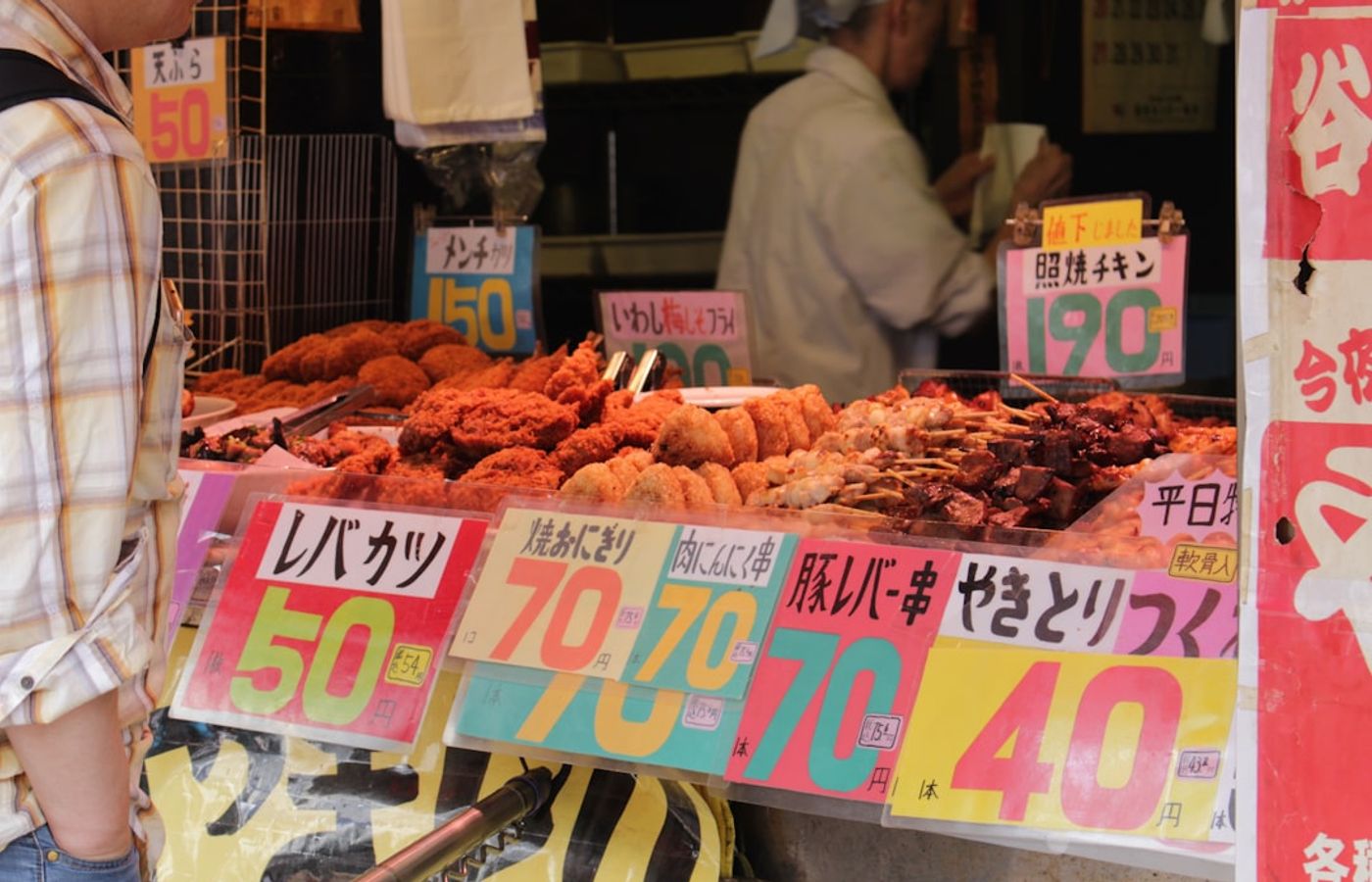
The wholesale Tsukiji Inner Market moved to Toyosu in 2018, but the Outer Market (Jogai Shijo) remains in the original Tsukiji location and is more visitor-friendly than the closed wholesale operation ever was. Approximately 400 small businesses operate across 4-5 narrow streets - sushi counters, fresh seafood retail, kitchen knife shops (the famous Aritsugu has operated since 1560), tamago omelette stalls, and Japanese tea merchants.
Best for breakfast 07:00-10:00 when stalls are freshest and most active. Standout food: tuna sushi sets at Sushi Zanmai (3500-5000 JPY for 10 pieces), fresh tamago omelette skewers at Marutake (200 JPY), and freshly grilled scallops at Tsukiji Kuradashi (700 JPY each). The Aritsugu knife shop on Monzeki-dori sells the same knives professional chefs use; expect 8000-30000 JPY for a properly hand-forged Japanese knife. Most shops close by 14:00.
Pro Tip: Skip the long-queue Sushi Dai and Sushi Daiwa (those famous shops moved to Toyosu). Instead, Sushi Zanmai's original Tsukiji branch on Monzeki-dori is open 24 hours and serves nearly-identical quality at far shorter waits.
6Akihabara - Tokyo's Electronics and Anime Capital
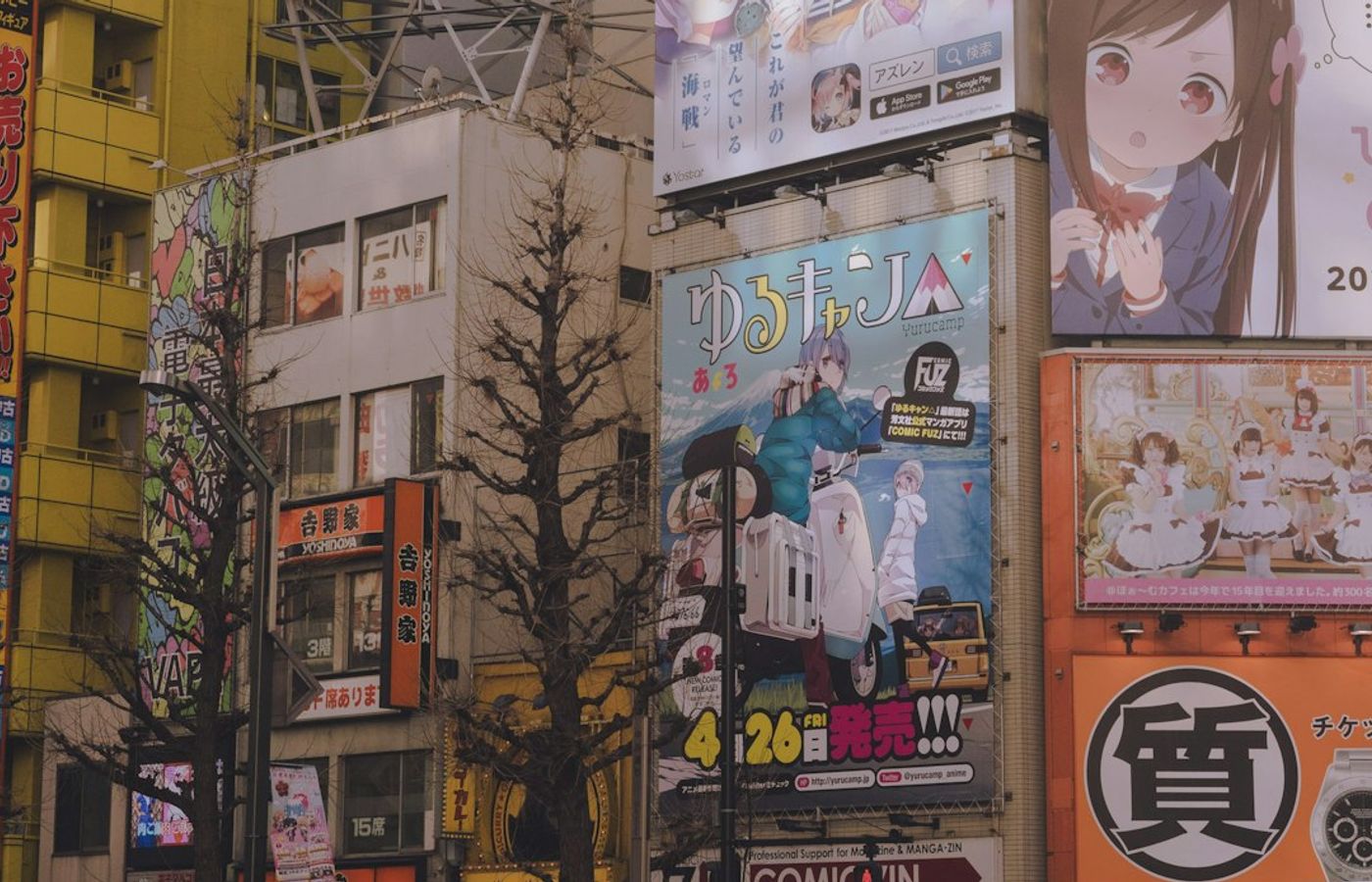
Akihabara - locally Akiba - was Tokyo's post-WWII electronics district and is now the world centre of anime, manga, video game, and otaku subculture. Approximately 600 specialist shops stack along Chuo-dori and the side streets: vintage console stores, model-kit specialists, 6-storey anime book shops, and the iconic Yodobashi Camera mega-store. Maid cafes (servers in maid uniforms address customers as Goshujin-sama, Master) line the side streets.
Highlights include the Mandarake Complex (5 floors of vintage manga and anime collectibles), Super Potato (rare retro video games, 3 floors), Animate (Japan's largest anime merchandise chain), and the AKB48 Theatre. Yodobashi Camera at Akihabara Station is one of Japan's largest electronics shops at 9 floors. Sunday afternoons see Chuo-dori pedestrianised. Allow 3-4 hours for a thorough walk.
Pro Tip: Side streets off Chuo-dori (especially around Suehirocho Station) have the best independent anime shops with rare imports. The 2-Chome area east of the station holds Tokyo's best ramen alley - lunch crowds queue from 11:30.
7Shinjuku - Tokyo's Skyscraper District and Neon Nightlife
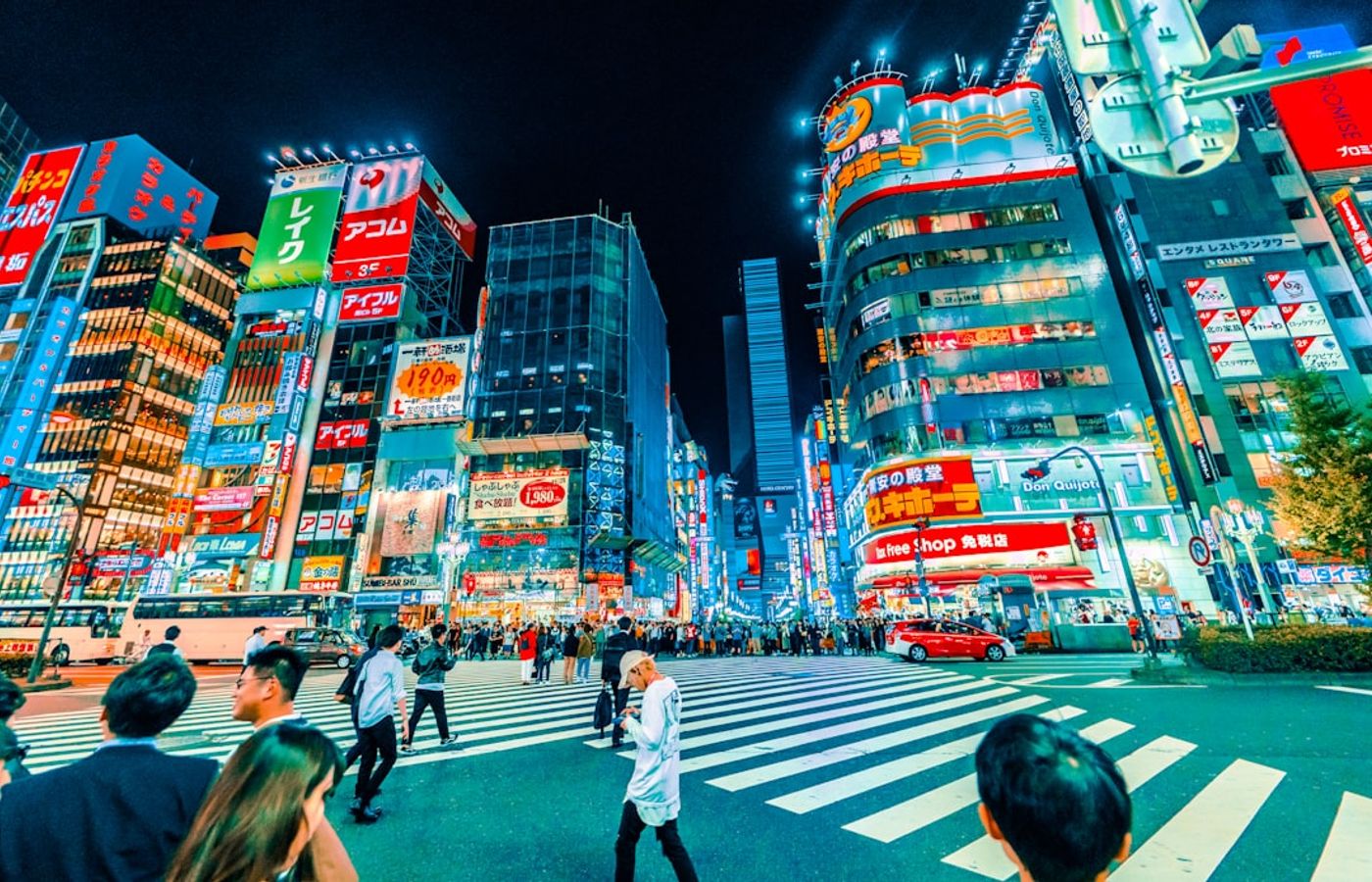
Shinjuku Station is the world's busiest train station - 3.6 million daily passengers across 36 platforms. The surrounding ward is Tokyo's most concentrated business and entertainment district, split into distinct sub-zones: West Shinjuku (skyscrapers including the Tokyo Metropolitan Government Building), East Shinjuku (department stores and Kabukicho red-light district), and South Shinjuku (Takashimaya Times Square and Shinjuku Gyoen park).
The Tokyo Metropolitan Government Building observation deck on the 45th floor (202 m, free) offers one of Tokyo's best free viewpoints. Omoide Yokocho alley behind the station houses tiny post-war yakitori shops from the 1940s - the most atmospheric quick dinner in central Tokyo. Golden Gai (200 tiny bars in a 2-block grid) is the legendary post-1945 drinking warren. Allow 4 hours minimum for an evening exploration.
Pro Tip: The free Tokyo Metropolitan Government observation deck stays open until 22:00 and is significantly less crowded than paid alternatives. Visit at 19:30 for sunset and the start of the neon city below.
8Harajuku - Tokyo's Youth Fashion Epicentre
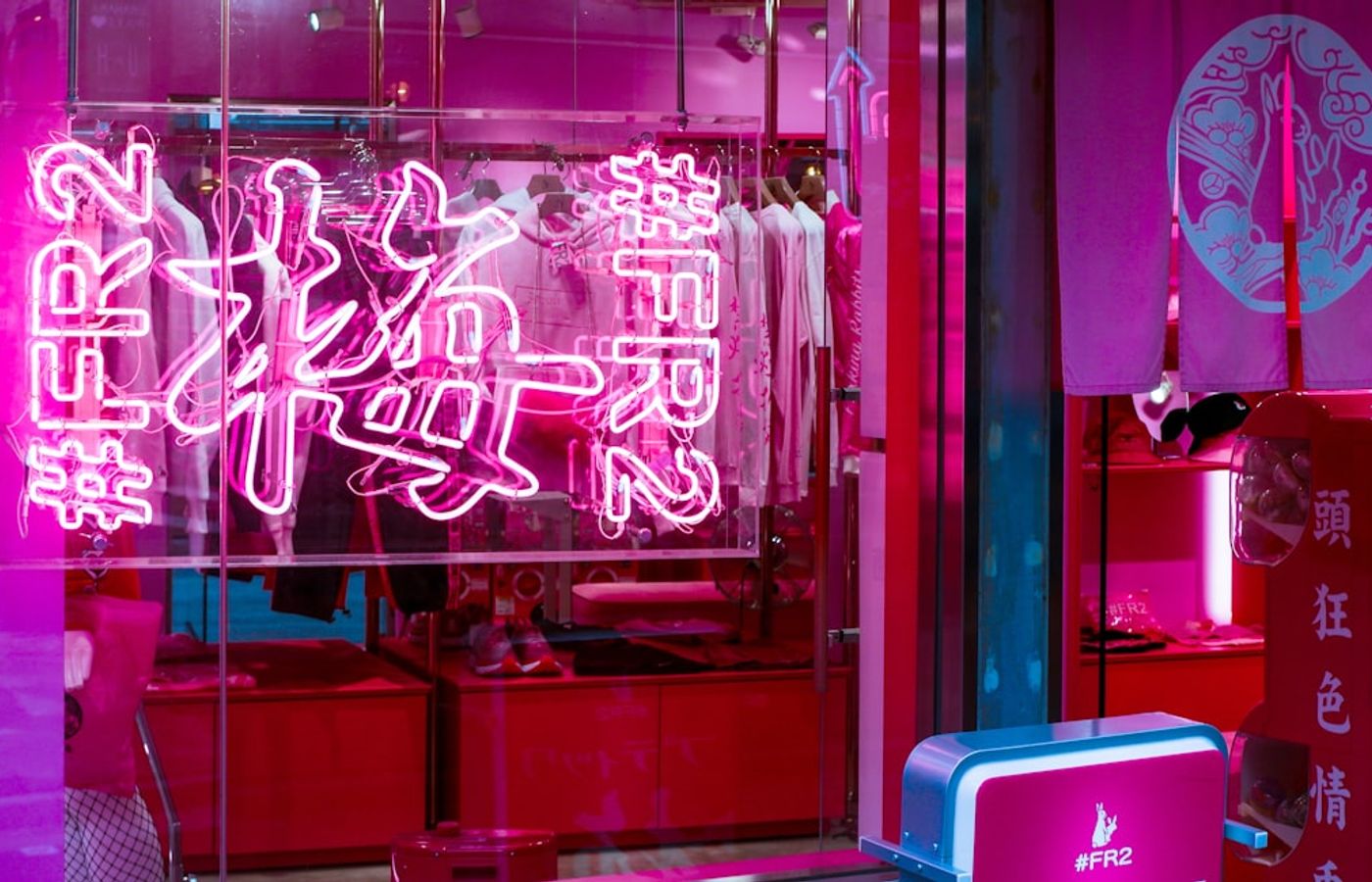
Harajuku, the area immediately east of Meiji Shrine, has been the centre of Japanese street fashion since the 1970s. Takeshita-dori, the narrow 350-metre pedestrian street emerging from Harajuku Station, packs 100+ youth-fashion shops, crepe stands, and souvenir stalls aimed at teenagers. Saturday afternoons see the most-photographed cosplay outfits and Lolita fashion subcultures. Pure shopping mayhem, not a tranquil cultural experience.
Parallel Omotesando, often called Tokyo's Champs-Élysées, holds the luxury flagship shops of Prada (Herzog and de Meuron), Dior, and Louis Vuitton in some of Tokyo's most architecturally interesting buildings. Cat Street between Takeshita-dori and Omotesando is the destination for independent streetwear. Allow 3 hours to walk Takeshita-dori, Cat Street, and Omotesando in sequence.
Pro Tip: Visit Takeshita-dori on a weekday morning to walk it without elbows; visit on a Saturday afternoon for the actual youth-culture spectacle. The crepe shop Marion Crepes (operating since 1976) is the original Takeshita-dori dessert at 600-900 JPY a crepe.
9Imperial Palace East Gardens - Where Edo Castle Once Stood
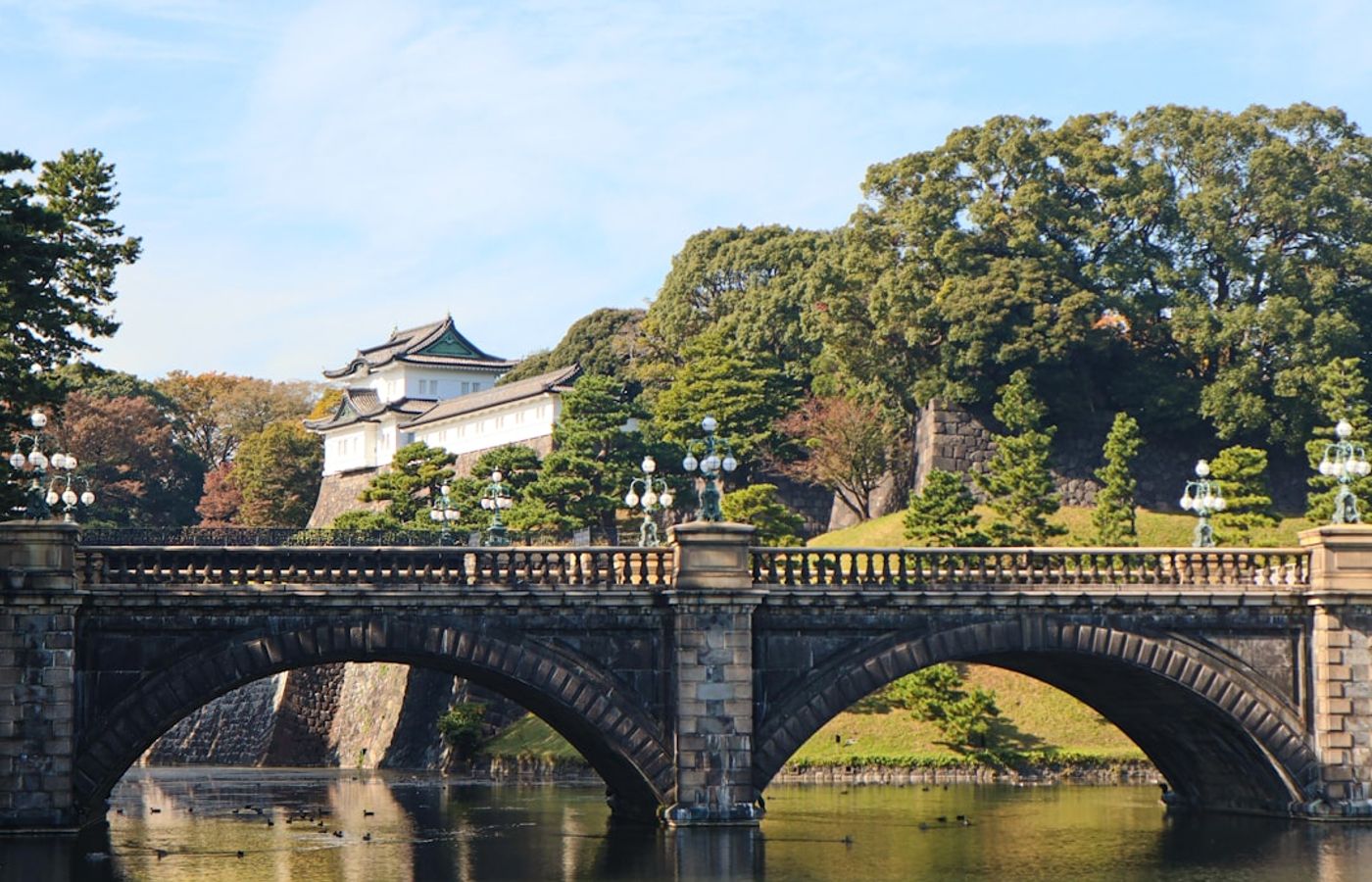
The Tokyo Imperial Palace sits on the site of Edo Castle, the shogun's residence from 1603 to 1867 and once the world's largest castle. The current Imperial Family residence (closed to the public) sits behind the moats; the surrounding East Gardens (Higashi Gyoen) are free and open to all and contain the original castle keep foundation, restored 17th-century gates, and traditional Japanese gardens.
The Honmaru hilltop has the foundations of the former castle keep (destroyed by fire in 1657 and never rebuilt) with elevated views over central Tokyo. The Ote-mon gate from 1606 survived bombing intact. Free guided tours of the inner palace are available 10:00 and 13:30 Monday-Friday (book online). The East Gardens are open daily 09:00-16:30, closed Mondays and Fridays. Allow 2 hours.
Pro Tip: Enter via the Ote-mon gate (closest to Tokyo Station, 10-min walk) and exit via Hirakawa-mon to the north - the path takes you past all the major garden features in one loop. The free 75-minute guided inner tour requires booking 1-7 days ahead via the Imperial Household Agency website.
10Ueno Park - Tokyo's Museum Quarter and Cherry Blossom Hub
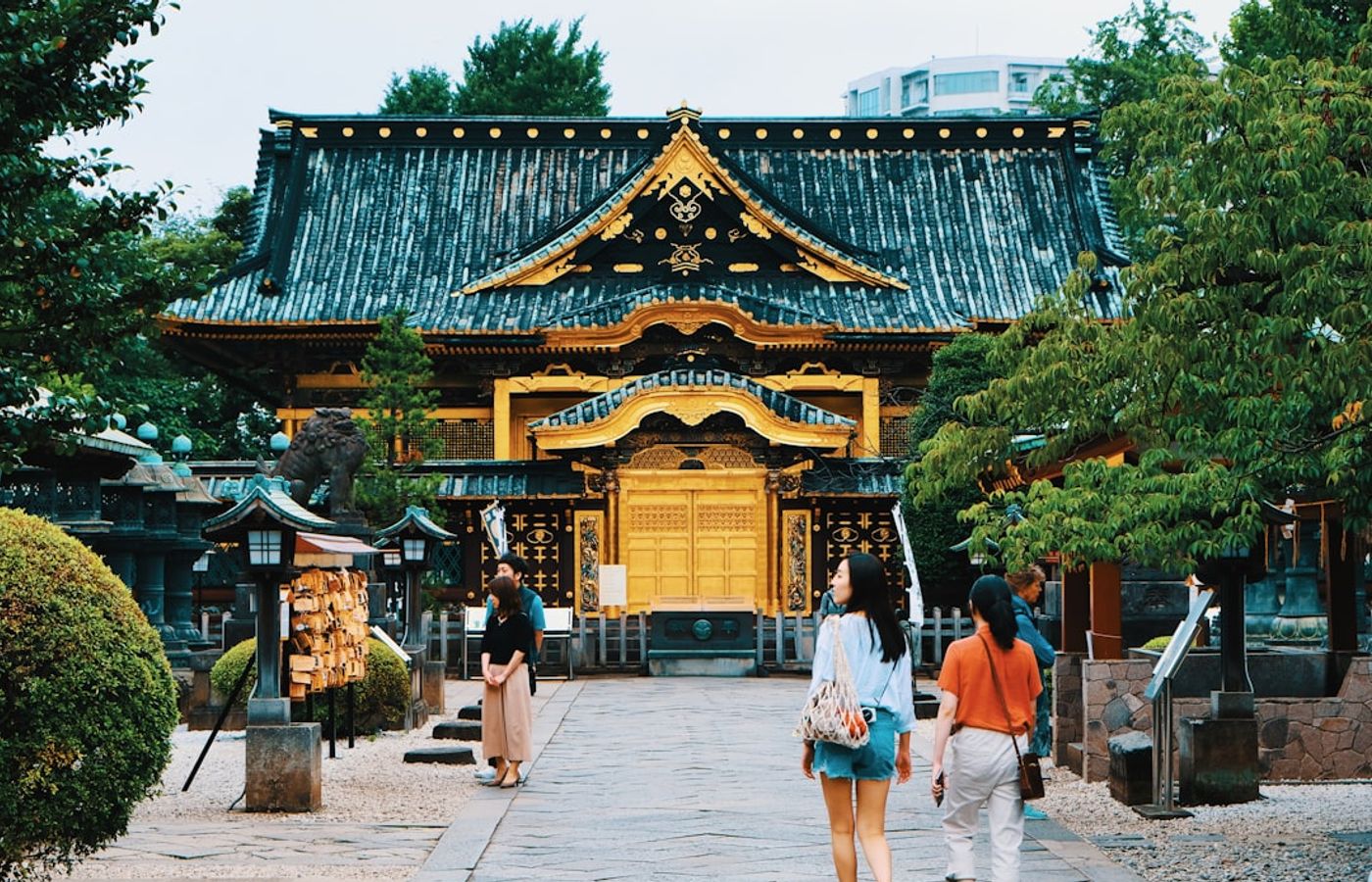
Ueno Park (Ueno Onshi Koen) is Tokyo's largest central park at 53 hectares and the heart of the city's museum quarter. Five major museums sit within the park: Tokyo National Museum (the largest art museum in Japan, 5 buildings), the National Museum of Western Art (housing Rodin sculptures, UNESCO-listed Le Corbusier architecture), Tokyo Metropolitan Art Museum, National Museum of Nature and Science, and Ueno Zoo (the country's oldest zoo, founded 1882).
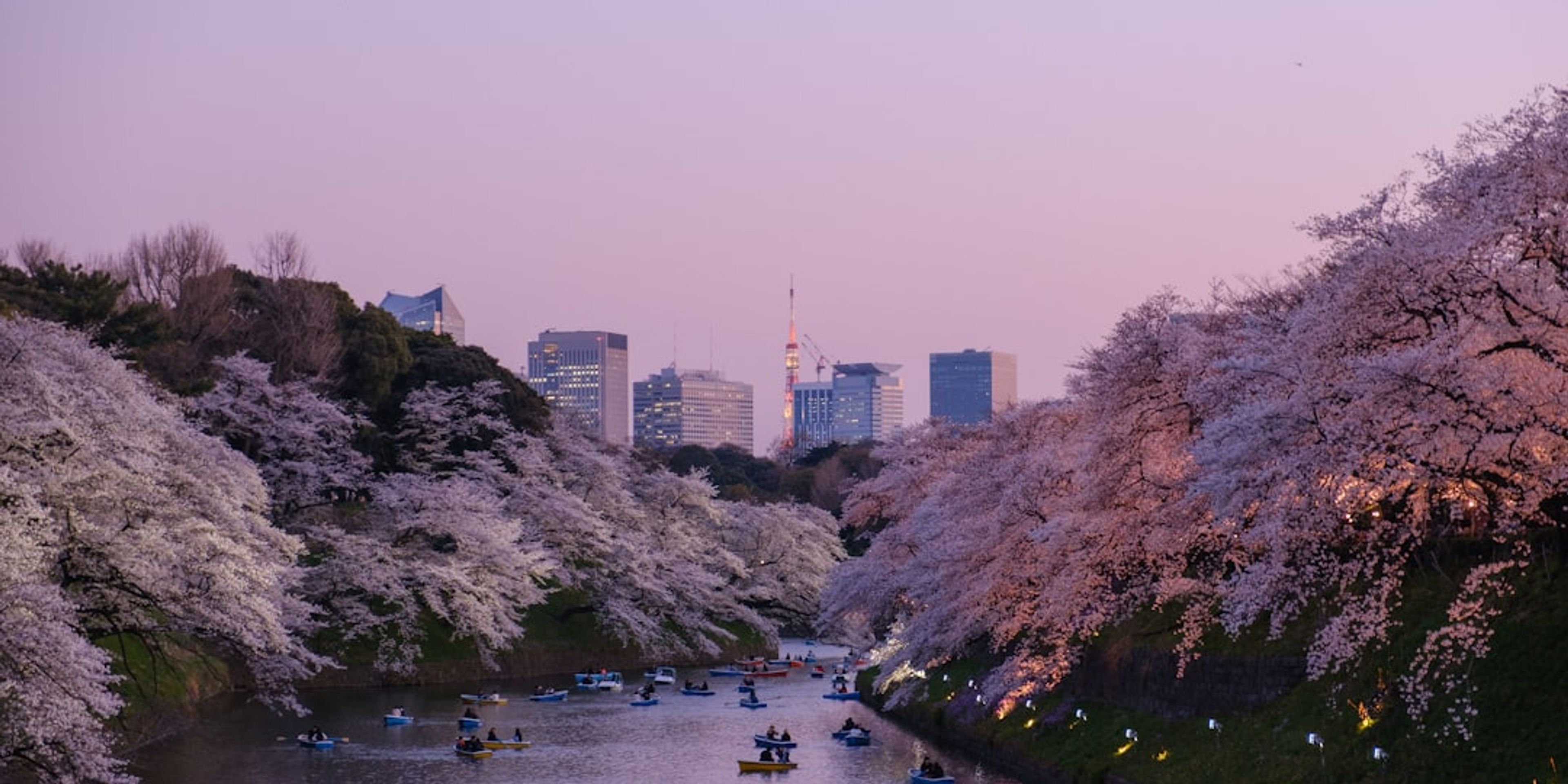
The park's 800 cherry trees make it one of Japan's top hanami (cherry blossom viewing) spots in late March-early April. Shinobazu Pond on the southern edge fills with pink lotus flowers in summer. Tokyo National Museum admission 1000 JPY; National Museum of Western Art 500 JPY; Ueno Zoo 600 JPY. The park itself is free and open 05:00-23:00.
Pro Tip: The Tokyo National Museum's Honkan building is the must-see for Japanese art - the National Treasure room rotates 12 of Japan's most important historical objects every 4-6 weeks. Audio guide 600 JPY is worth the cost; English signage is sparse on older artefacts.

CEO and co-founder
Tomas is the co-founder and director of trip1, an European company specializing in reservation services. He launched the company in 2025 with a focus on building scalable, efficient operations.
Climate averages · 1991–2020
When is the best time to visit Tokyo?
The best time to visit Tokyo is between May and October, the most comfortable stretch of the year on these averages.
Best time · May–OctoberRainfall
- Jan6°
- Feb7°
- Mar10°
- Apr15°
- May20°
- Jun23°
- Jul27°
- Aug28°
- Sep24°
- Oct19°
- Nov14°
- Dec9°
More of Japan
10 Top Places to Visit in Tokyo, Japan - FAQ
No - Tokyo is massive (a city of 14 million across 23 wards) and these 10 attractions span 8 different neighbourhoods. Plan 4-5 days minimum. A reasonable split: Day 1 Asakusa and Ueno (Senso-ji, Tokyo Skytree); Day 2 Shibuya-Harajuku-Shinjuku; Day 3 Meiji Shrine, Imperial Palace, Akihabara; Day 4 Tsukiji Outer Market and a free day.
Group geographically: Senso-ji and Tokyo Skytree pair as a single Asakusa day. Shibuya Crossing, Harajuku, and Meiji Shrine chain on the Yamanote line. Shinjuku and Akihabara each deserve a half-day. Tsukiji Outer Market is an early-morning visit before 09:00. The Imperial Palace East Gardens combine with a walk to Ginza.
teamLab Planets and teamLab Borderless sell out 1-2 weeks ahead online - book before arriving in Japan. Tokyo Skytree's Tembo Galleria deck and Imperial Palace tours benefit from advance online tickets. Senso-ji, Meiji Shrine, Shibuya Crossing, Harajuku, Shinjuku, Akihabara, and Tsukiji Outer Market are all free and need no tickets.
Budget around 6000-9000 JPY (35-55 EUR) per person in admission fees - most major attractions are free. Tokyo Skytree Tembo Deck is 2100 JPY. The 24-hour Tokyo Metro Pass is 800 JPY and saves money over single fares. JR passes do not cover Tokyo Metro lines. Tsukiji food at the outer market costs 500-2000 JPY per dish.
All are easily reached via Tokyo Metro and JR lines. Senso-ji from Asakusa Station (Ginza/Asakusa lines). Meiji Shrine from Harajuku Station (JR Yamanote). Tokyo Skytree from Tokyo Skytree Station (Tobu Skytree line). Shinjuku, Shibuya, and Akihabara are all major JR Yamanote stations. The Tsukiji Outer Market is at Tsukiji Station (Hibiya line). Avoid taxis - traffic is heavy and rides cost 1000-3000 JPY.
Yes - the wholesale Tsukiji Inner Market moved to Toyosu in 2018, but the Outer Market (the public-facing food stalls, sushi counters, and kitchen-supply shops) remains in the original Tsukiji location and is more visitor-friendly than ever. Around 400 small businesses still operate. Best between 07:00-11:00 when stalls are freshest. Go for breakfast sushi, fresh tamago omelette, and the kitchen knife shops on Monzeki-dori.
Worth adding: teamLab Planets (immersive digital art in Toyosu), Ghibli Museum in Mitaka (book 4 months ahead), the Edo-Tokyo Museum (closed for renovation through 2026 - check), Odaiba waterfront, Yanaka Ginza shopping street, and a day trip to Kamakura (60 minutes south). The Mori Art Museum in Roppongi Hills is one of Tokyo's best contemporary galleries.

Related travel guides
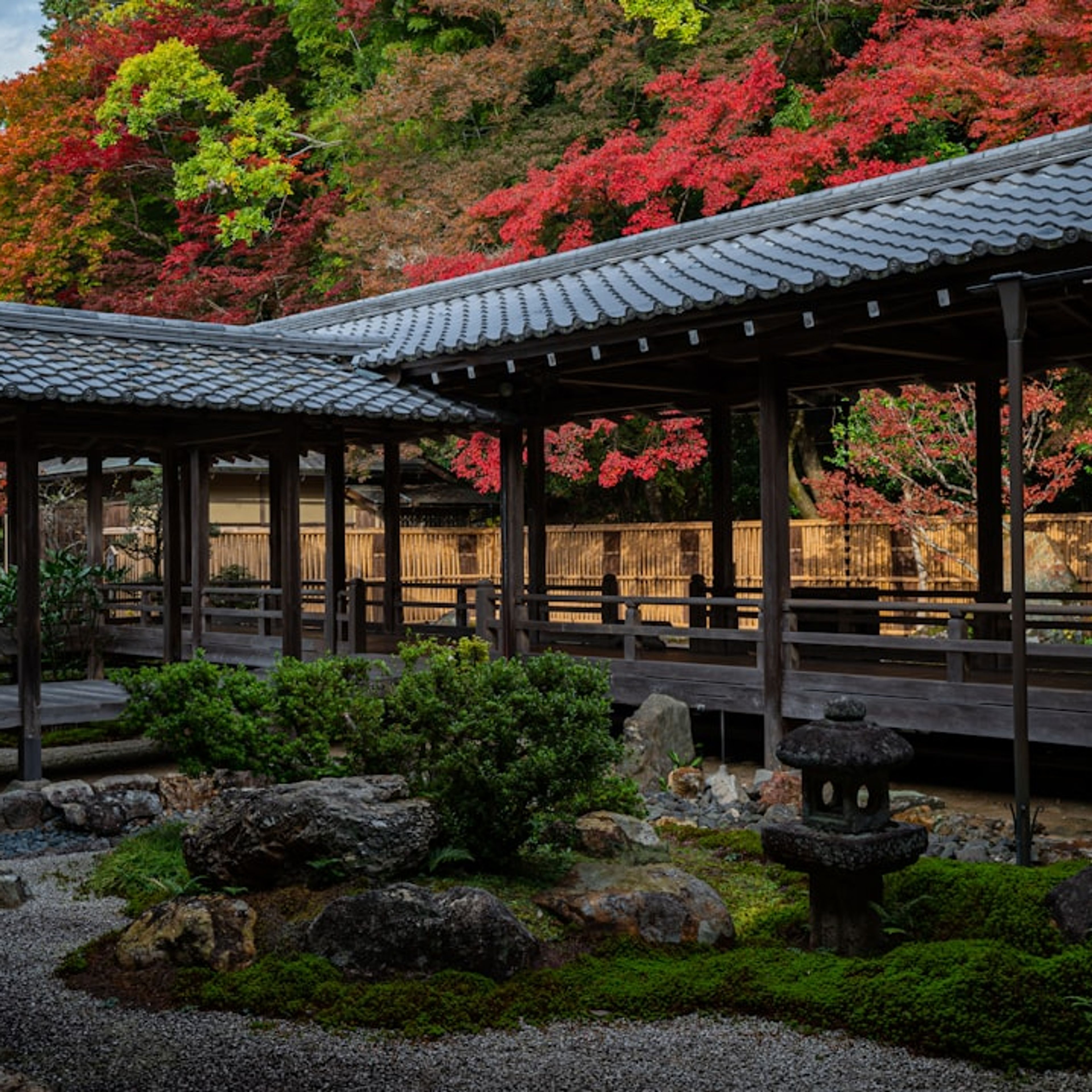
10 Best Places to See Autumn Leaves in Kyoto
The 10 best places to see autumn leaves in Kyoto in 2026, with confirmed illumination dates, admission fees, station walk times and reservation rules.
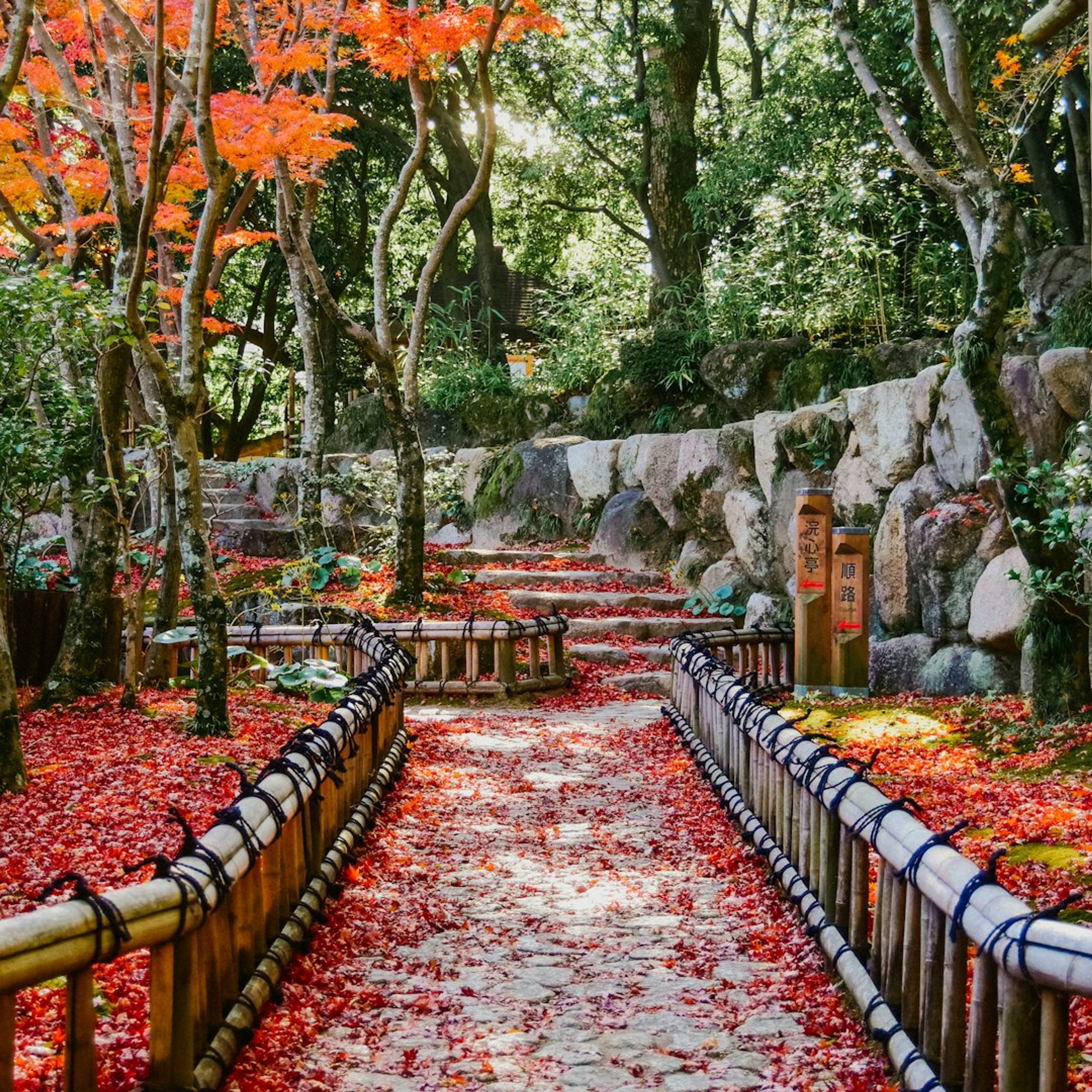
5 Best Places to See Autumn Leaves in Nara
The 5 best places to see autumn leaves in Nara in 2026, with fees, station walk times, bus timetable warnings and honest advice on the rutting deer.