
Guides · Osaka
10 Top Things to Do in Osaka, Japan

CEO and co-founder
This guide ranks the 10 top things to do in Osaka - the sights, food, and experiences that genuinely deserve a place on your itinerary whether you have a weekend or a full week in Japan's third-largest city. Each entry includes the exact address, nearest JR or metro station, and a practical Pro Tip drawn from how locals and seasoned visitors actually navigate the city in 2026.
Osaka is famous as Japan's kitchen, known for street food like takoyaki, okonomiyaki, and kushikatsu - much of this list is centred around eating. The attractions cluster in 3 broad districts: central Osaka around the castle and Umeda; southern Osaka around Namba, Dotonbori, and Shitennoji; and the harbour west around the Aquarium and Universal Studios. Plan 3 days minimum to cover this list comfortably.
We have ordered the list to mix unmissable icons (Osaka Castle, Dotonbori), food experiences (Kuromon Market, Dotonbori again), and family-day attractions (Universal Studios, Aquarium). Buy a 2-day Osaka Amazing Pass to cover transit and many of these attractions in a single bundle.
1Osaka Castle - The Restored Stronghold of Toyotomi Hideyoshi
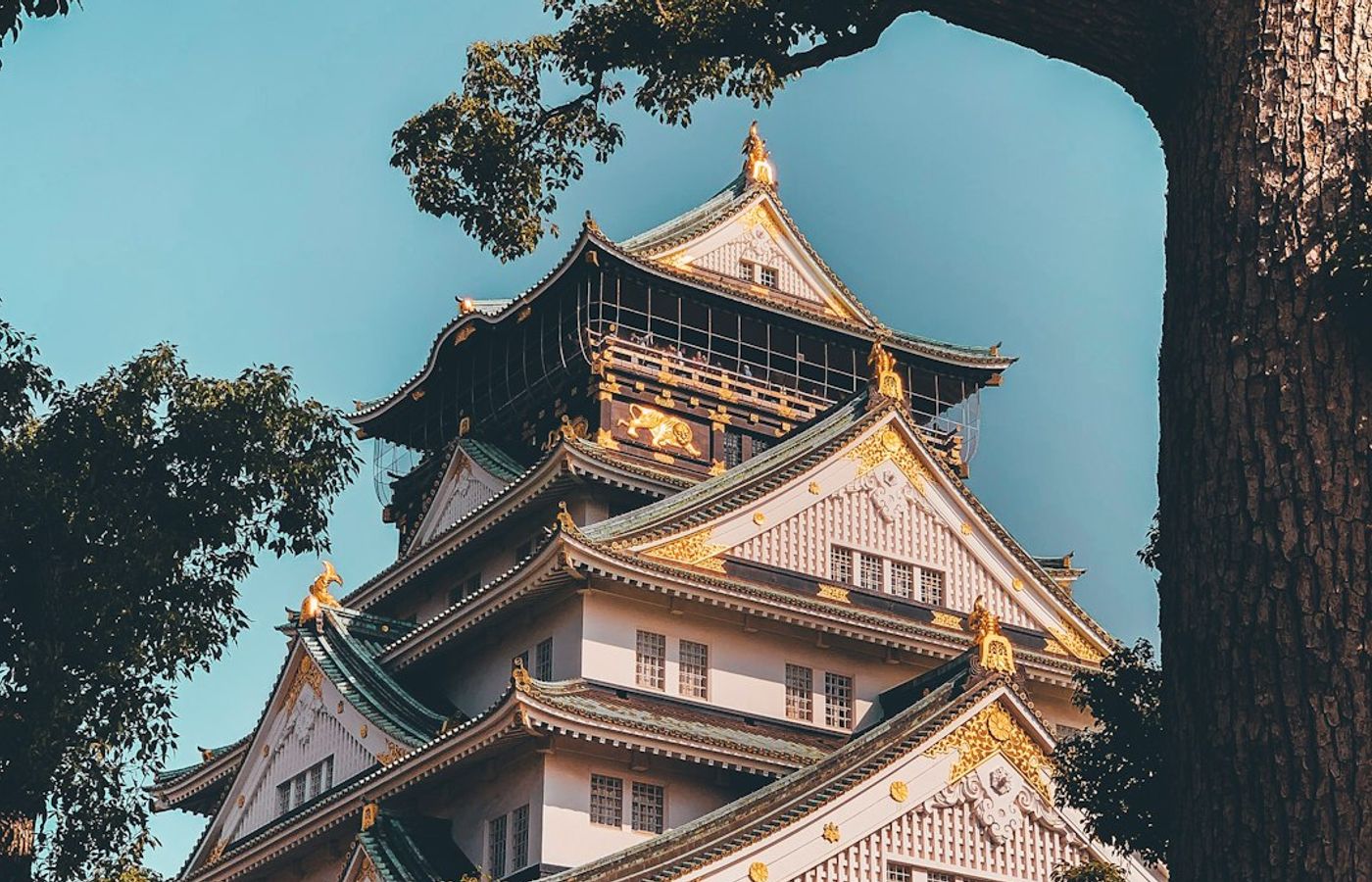

Osaka Castle (Osaka-jo) was first built in 1583 by Toyotomi Hideyoshi, the warlord who unified Japan. The current main keep is a 1931 ferroconcrete reconstruction (with elevators and air-conditioning) of the original which burned down in 1665 and was rebuilt then destroyed again. The 8-storey tower stands 55 metres tall, surrounded by massive stone walls and twin moats - the outer moat encloses 60 hectares of parkland.
Inside, 7 floors house a museum of Hideyoshi's life with elaborate golden screens and samurai armour. The 8th-floor observation deck offers a sweeping view over Osaka. The surrounding park has 3000 cherry trees and is a top hanami destination in early April. Admission 600 JPY; combined with Sakuya Lujo gardens 950 JPY. Open 09:00-17:00 daily, extended to 19:00 in spring/summer holiday periods.
Pro Tip: Enter via the eastern Aoyamon gate rather than the main southern Otemon gate - the eastern approach is more atmospheric and crosses the inner moat with the keep dramatically framed by trees. Skip the elevator and climb the stairs to see the museum properly.
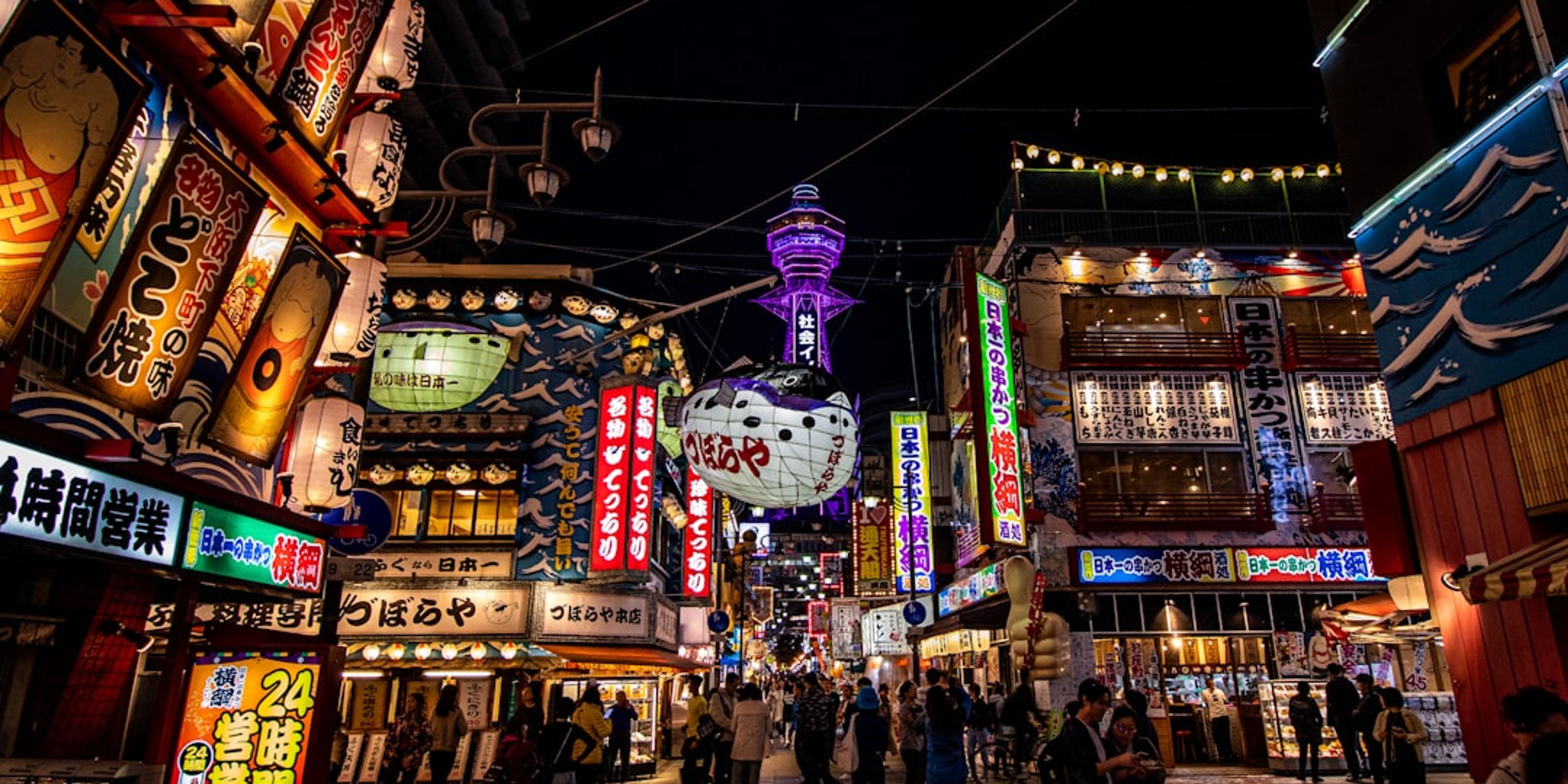
2Dotonbori - The Neon Heart of Osaka Nightlife
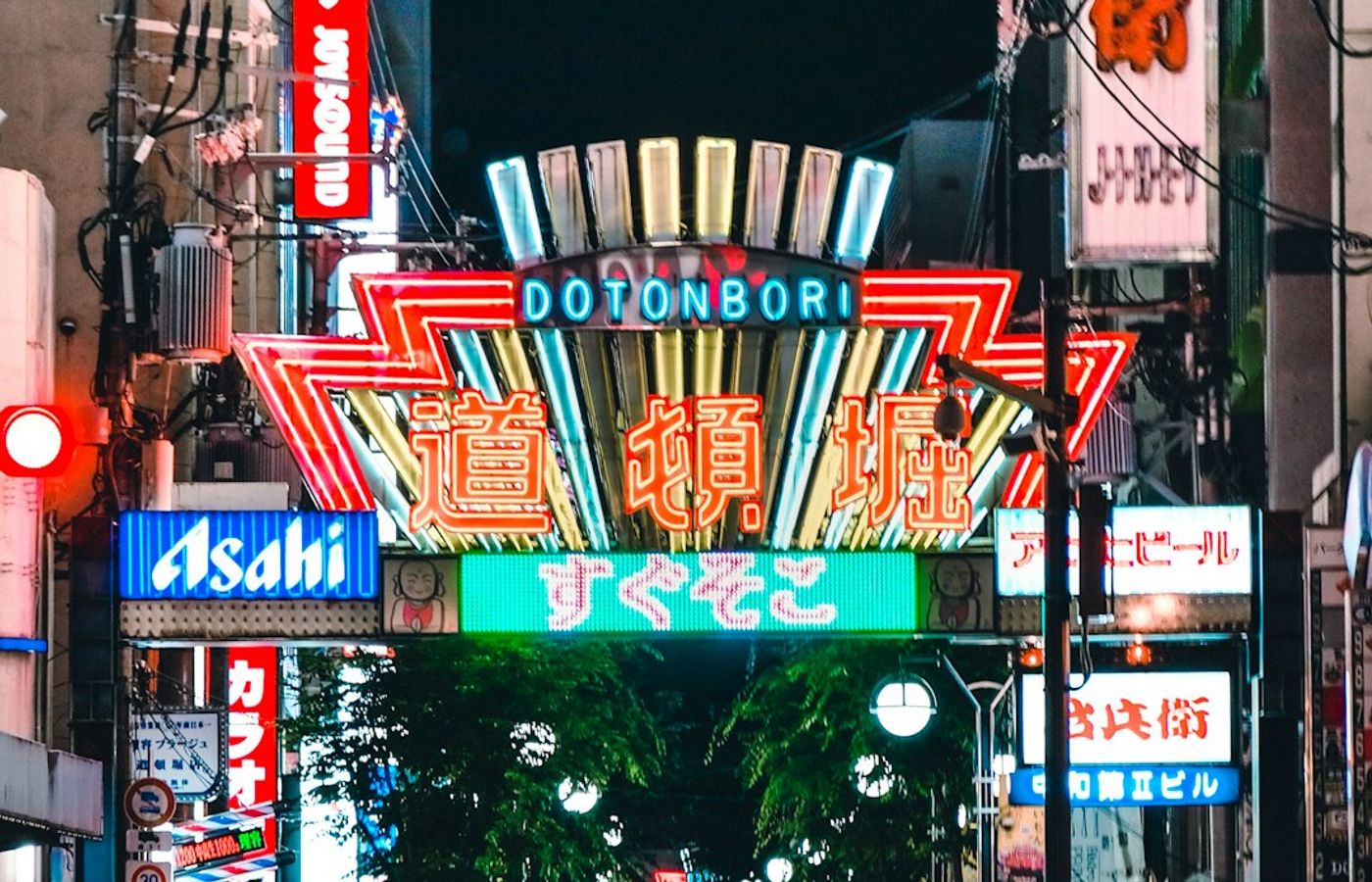

Dotonbori is the 500-metre canal-side strip of restaurants, bars, and oversized neon signs that defines Osaka in every guidebook photo. The Glico Running Man billboard (operating since 1935, the current LED version since 2014) is the city's most-photographed sign. Mechanical signs of giant crabs, blowfish, octopuses, and dragons crawl across the facades of competing restaurants - a tradition dating to the 1950s.
The street food along the canal is essential Osaka eating: takoyaki (octopus balls, 500-800 JPY per box), okonomiyaki (savoury pancakes, 1200-1800 JPY), and kushikatsu skewers. The famous Kani Doraku restaurant chain originated here with the giant moving crab sign. The Ebisu Bridge crossing the canal is the densest selfie spot in Japan. The strip operates day and night but is at its electric best after sunset 18:00-23:00.
Pro Tip: For the best takoyaki, queue at Wanaka or Kukuru on the side streets rather than the main strip - same quality, half the wait. Take a Tonbori Riverwalk canal cruise (1500 JPY, 20 min) for a different angle on the neon.

3Universal Studios Japan - The Theme Park Day
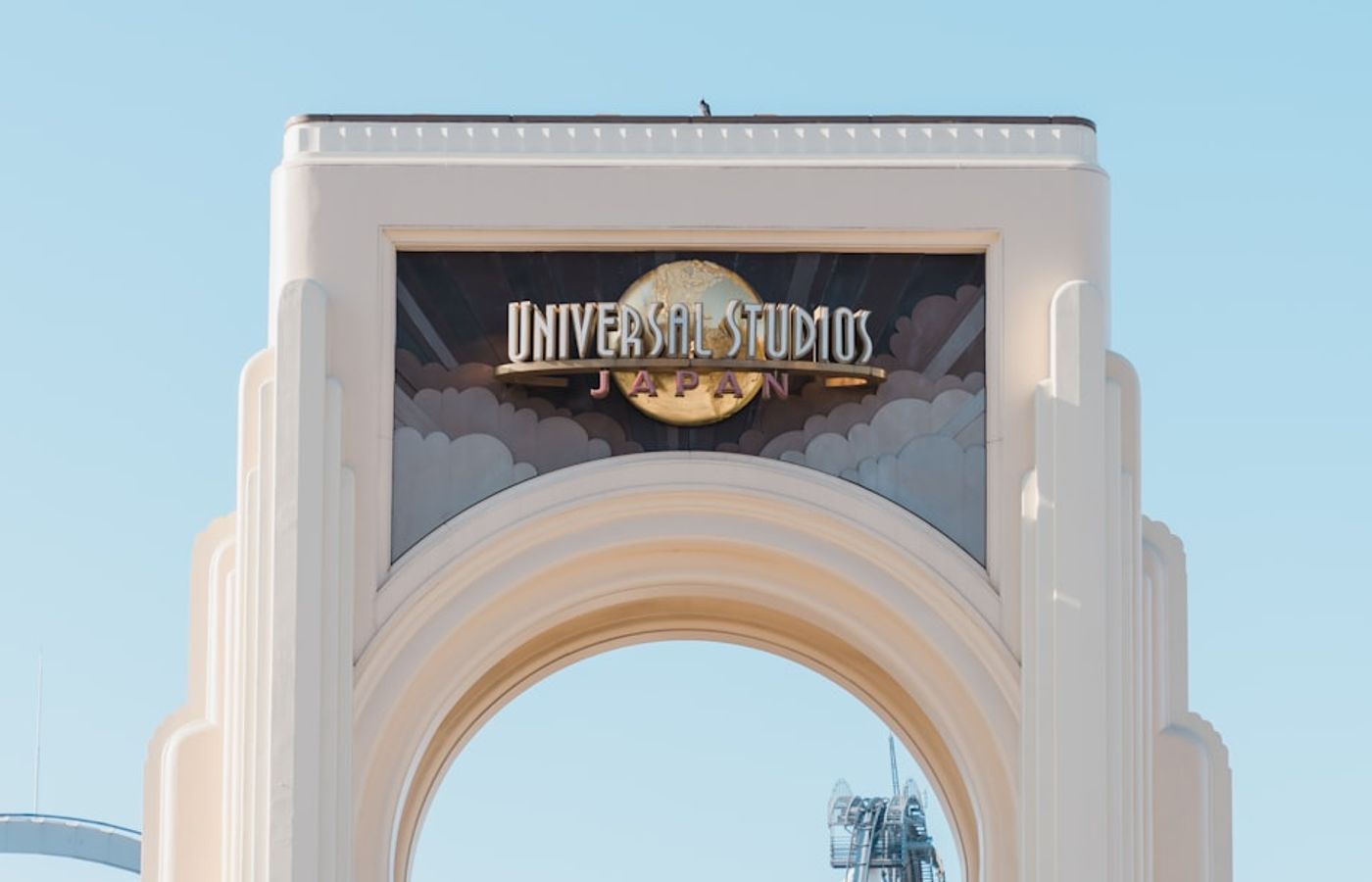
Universal Studios Japan opened in 2001 and is the city's biggest single attraction, drawing 14 million visitors a year. The 54-hectare park combines Hollywood-themed rides with sections unique to Japan: Super Nintendo World (opened 2021), the Wizarding World of Harry Potter, Jurassic Park, and the Minions Park. The park is laid out as a series of themed lands around a central lagoon.
Headline attractions include Super Nintendo World's Mario Kart: Koopa's Challenge AR ride, the Hollywood Dream rollercoaster, Spider-Man The Ride 4K3D, and the Hogwarts Express. Standard 1-Day Studio Pass 8400 JPY for adults; Express Pass (skip the line on 4 or 7 rides) 7800-15800 JPY extra. Open 09:00-21:00 most days. Book online before arrival - both passes and entry tickets sell out in peak season.
Pro Tip: Super Nintendo World now requires a free timed-entry ticket from the official app once inside the park - book your timed slot for the area immediately on entry at 09:00. The Wizarding World is best in the late afternoon when the castle lights come on.
4Shitennoji Temple - Japan's Oldest Officially Built Temple
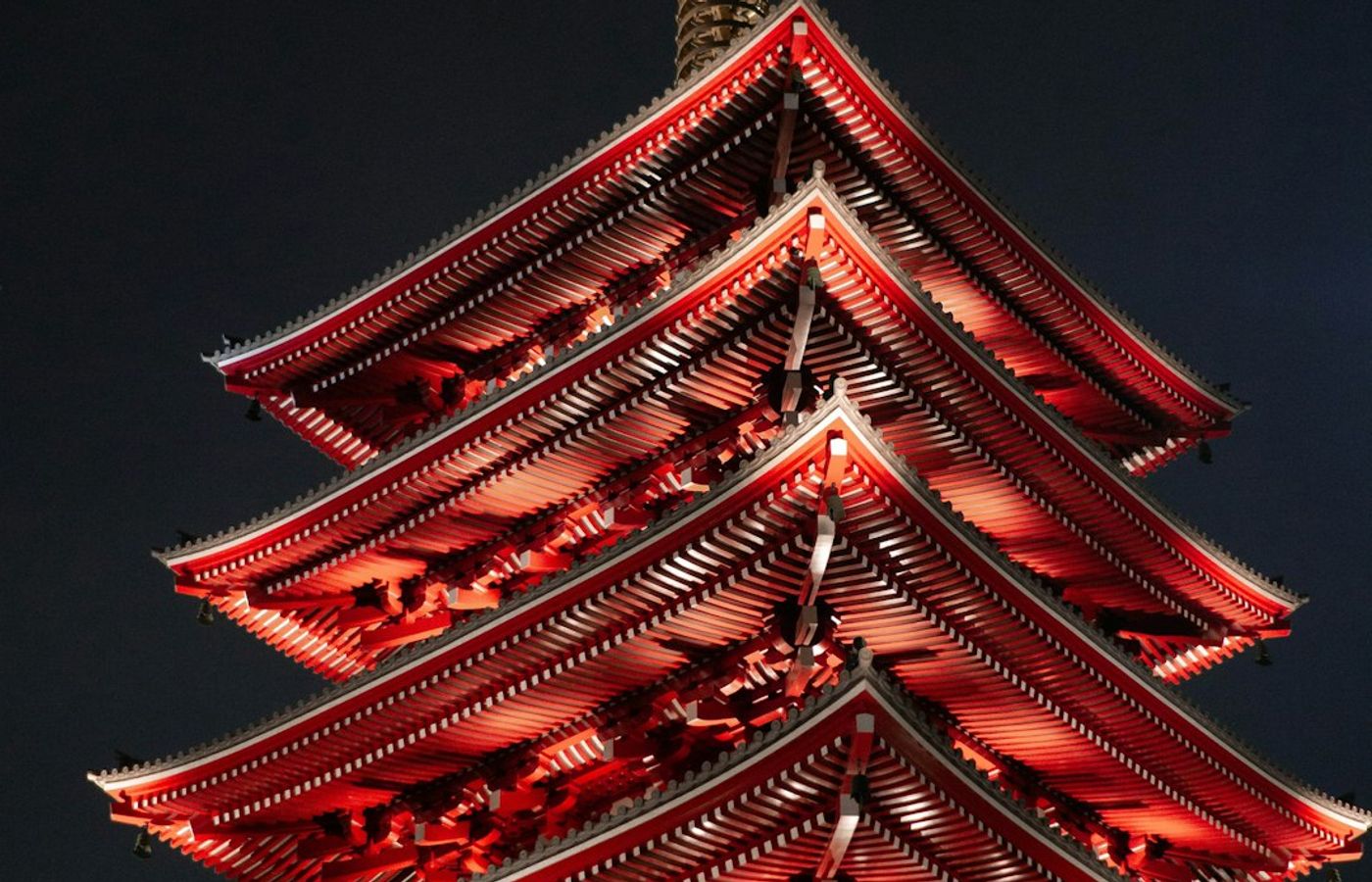
Founded in 593 AD by Prince Shotoku (the regent who introduced Buddhism to Japan), Shitennoji is the country's oldest officially established Buddhist temple. The complex includes a 5-storey wooden pagoda (a 1963 reconstruction matching the original 6th-century design), the Golden Hall (Kondo) housing a statue of the Healing Buddha, and a beautiful garden Gokuraku-jodo Garden representing the Buddhist paradise.
The temple has been destroyed by fire 7 times in its history and each rebuild has kept the original layout - the Shitennoji pattern (south gate, central pagoda, Golden Hall, lecture hall on a north-south axis) became the template for early Japanese Buddhist architecture. The 21st of each month sees a popular flea market across the grounds with 500+ stalls. Main grounds free; inner sanctum 300 JPY; treasure house 500 JPY.
Pro Tip: Time your visit for the 21st of the month for the temple market - one of the biggest and most authentic flea markets in Kansai with antiques, kimonos, ceramics, and street food. Goes from 08:00-16:00.
5Osaka Aquarium Kaiyukan - One of the World's Largest Aquariums
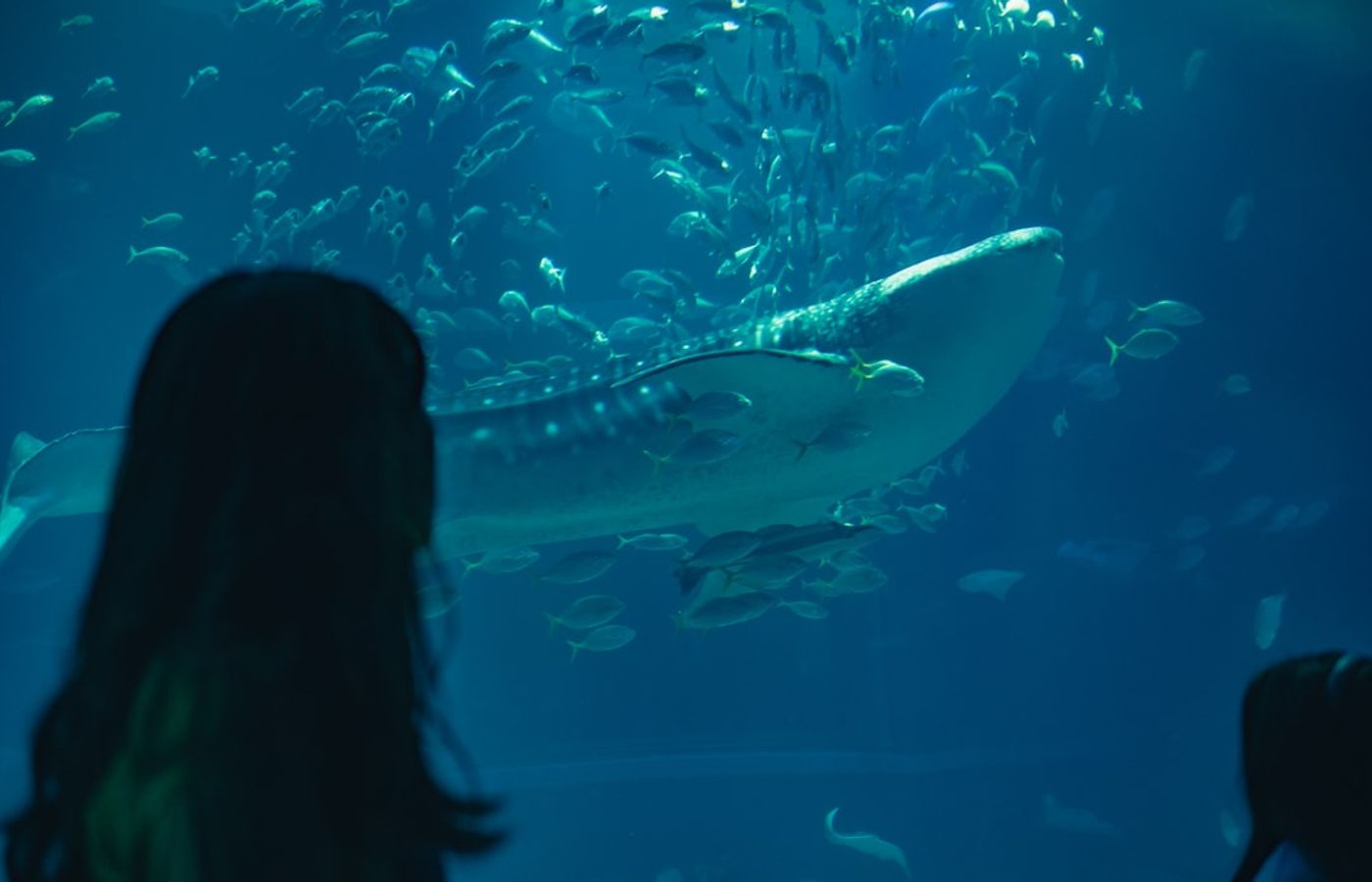
Kaiyukan opened in 1990 and is among the world's largest public aquariums by volume - the central tank holds 5400 cubic metres of water and houses 2 whale sharks (the resident pair are around 5 metres each). The visitor route spirals down 9 floors around the central tank, recreating the Pacific Rim's marine ecosystems from the Japan Forest at the top to the Antarctic at the bottom.
Highlights include penguins, sea otters, sunfish, and the touch tank with rays and small sharks. The neighbouring Tempozan Ferris Wheel (112 m tall, formerly the world's largest) offers harbour views. Adult ticket 2700 JPY; family-of-4 ticket 8800 JPY. Open daily 10:00-20:00 (last entry 19:00). Avoid weekends 12:00-15:00 - the central tank gets very crowded.
Pro Tip: The whale sharks are fed 11:00 and 15:00 daily - position yourself at the central tank's middle level 15 minutes before for the best view. Combine with the Ferris wheel (800 JPY) and Tempozan harbour for a full afternoon.
6Kuromon Ichiba Market - Osaka's Kitchen
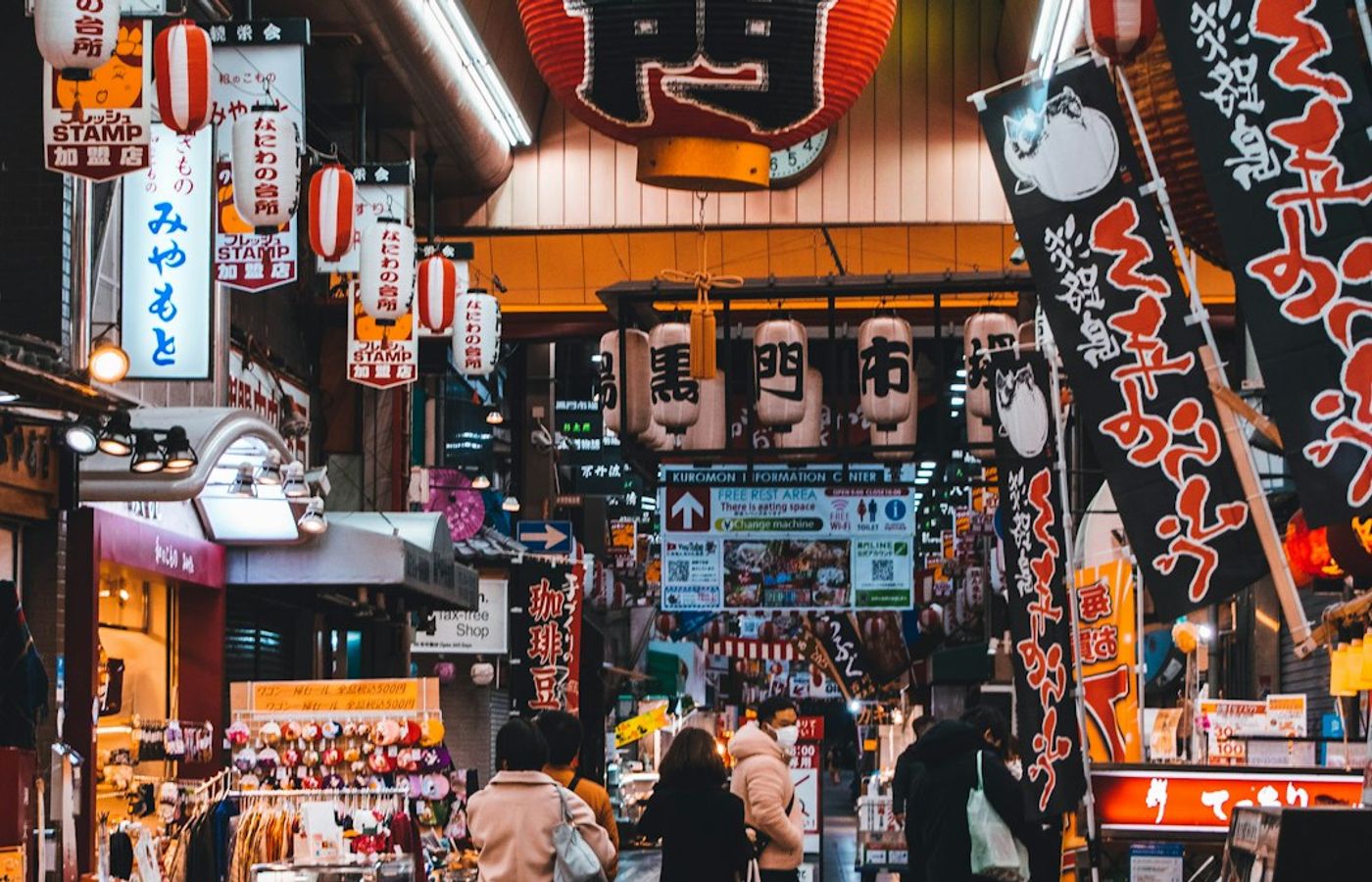
Kuromon Ichiba is a 580-metre covered arcade just east of Namba/Dotonbori, operating since the 1820s as Osaka's central fresh-food market. Approximately 150 small shops sell fresh seafood (uni, tuna, scallops, blowfish), wagyu beef, fresh fruit (especially Japanese strawberries and melons), and Japanese kitchen tools. Stallholders cook seafood to order on portable grills and you eat standing up.
Standout food: fresh tuna sashimi from Maguro Yatai (1500 JPY), grilled Kobe beef skewer at Yamasan (1800 JPY), salt-grilled Japanese eel at Ishida (2200 JPY), and freshly cut fruit cups at Kuromon Sanpei (500-900 JPY). The arcade is covered so visits work in any weather. Open daily 09:00-18:00. Best for a 10:30-13:00 lunch walk. Cash and major cards both accepted.
Pro Tip: Skip breakfast and arrive at 10:30 hungry - graze 4-6 stalls. Note that you cannot bring outside food into the market eating areas, and stallholders prefer you eat what they sell on their bench rather than carrying off. Photos are fine but ask first at the fresh-fish counters.
7Umeda Sky Building - The Floating Observatory
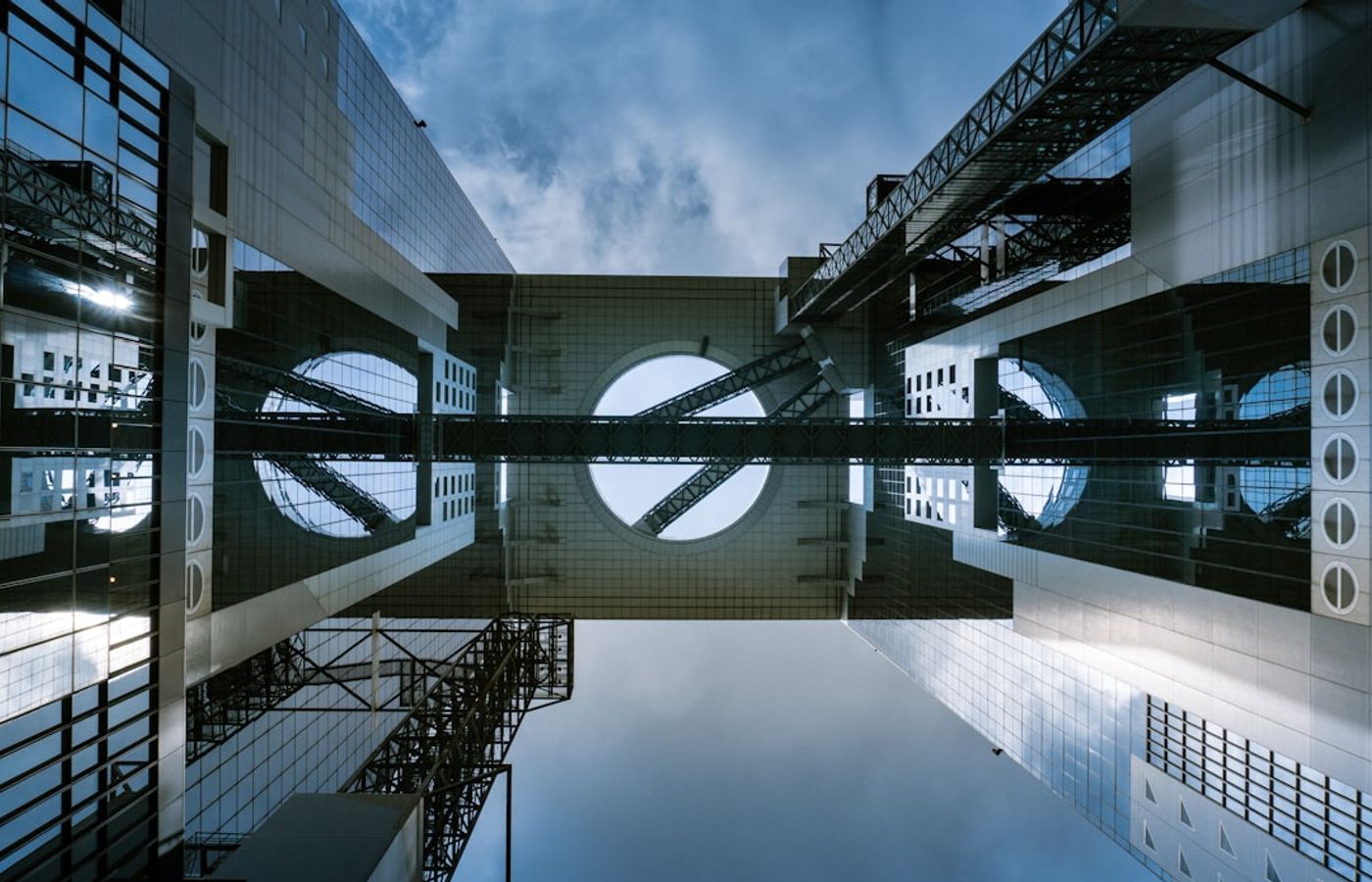
The Umeda Sky Building was designed by Hiroshi Hara (also the architect of Kyoto Station) and opened in 1993 as 2 connected 40-storey towers crowned by a Floating Garden Observatory at 173 metres. The observatory bridge linking the towers was installed in one piece using cranes - a notable engineering achievement at the time. Today the building is one of Osaka's most architecturally distinctive landmarks.
The observation deck is open-air - rare for high-rise buildings - and surrounds a central glass dome. The view spans the whole of Osaka including the castle, harbour, and on clear days the surrounding mountains. The basement level contains a recreated Showa-era (1920s-30s) Osaka shopping street with old-fashioned restaurants. Observation deck 1500 JPY adult; open 09:30-22:30 daily (last entry 22:00).
Pro Tip: The Lumi Sky Walk floor circle was added in 2018 - a 360-degree continuous walking ring with LED lights at floor level, best experienced at full dark after 19:30. Bring a light jacket - the open-air deck gets cold even in summer evenings.
8Sumiyoshi Taisha - One of Japan's Oldest Shinto Shrines
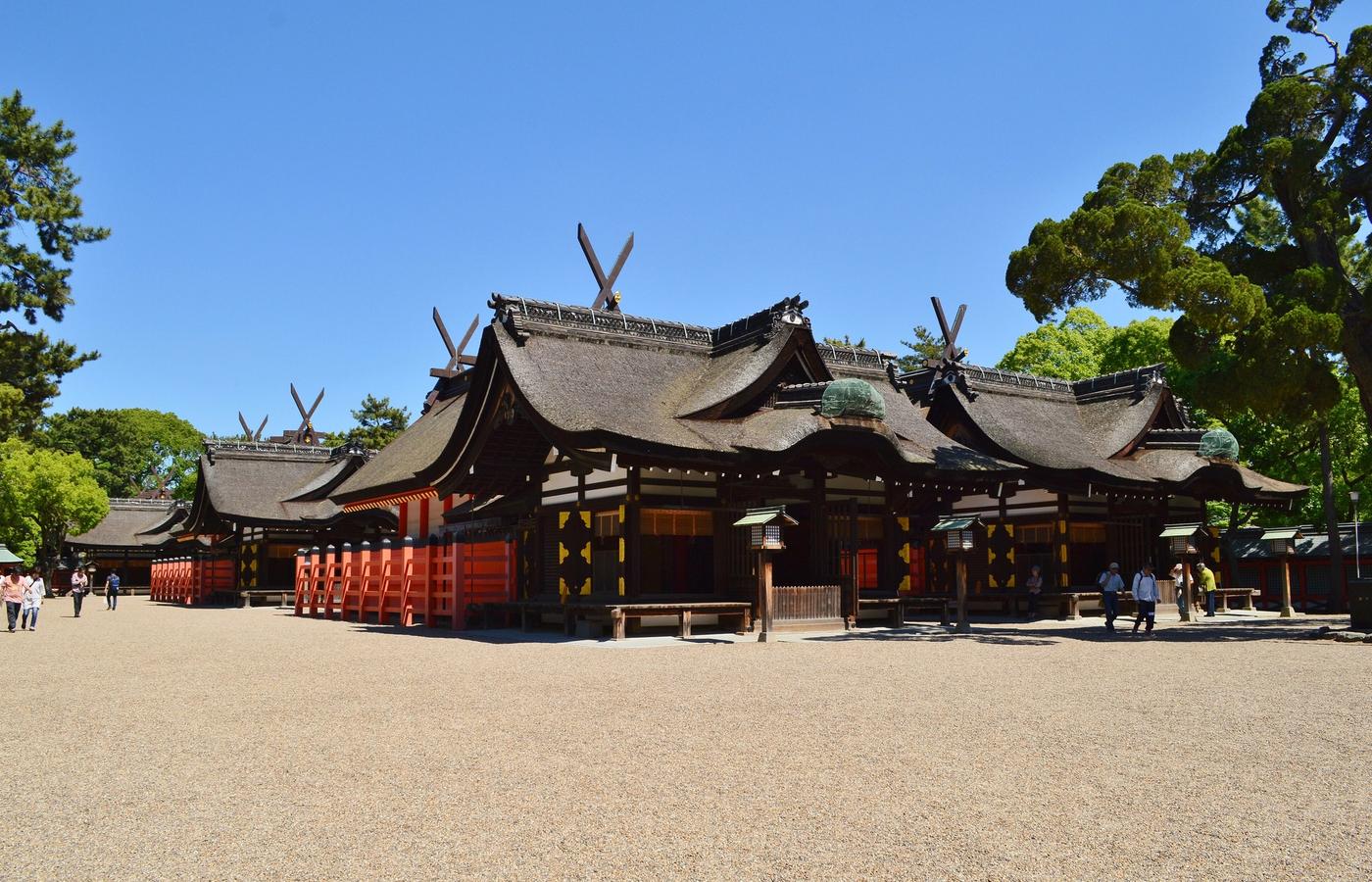
Sumiyoshi Taisha, founded in the 3rd century AD, is among Japan's oldest Shinto shrines and the head of approximately 2300 Sumiyoshi-affiliated shrines across the country. The architecture (Sumiyoshi-zukuri style) predates Chinese-Buddhist influence and is considered one of the few authentically Japanese building styles. The shrine is dedicated to 3 sea deities who protect sailors, and was important to Osaka's port history.
The iconic Sorihashi taikobashi (drum bridge) at the entrance is a 4.4-metre tall arched red bridge over the pond that you cross to enter the inner shrine - one of Osaka's most photographed structures. The compound holds 4 separate sanctuaries laid out in a unique pattern; the buildings are rebuilt every 20 years following the shikinen sengu tradition. Free admission; open dawn to dusk. The neighbourhood around the shrine is also a charming traditional district.
Pro Tip: Visit at New Year (January 1-3) for the hatsumode (first shrine visit of the year) when up to 2 million worshippers come - the most authentic Shinto experience in Osaka. Otherwise weekday mornings see the shrine almost empty.
9Nakanoshima and the Old Central Public Hall
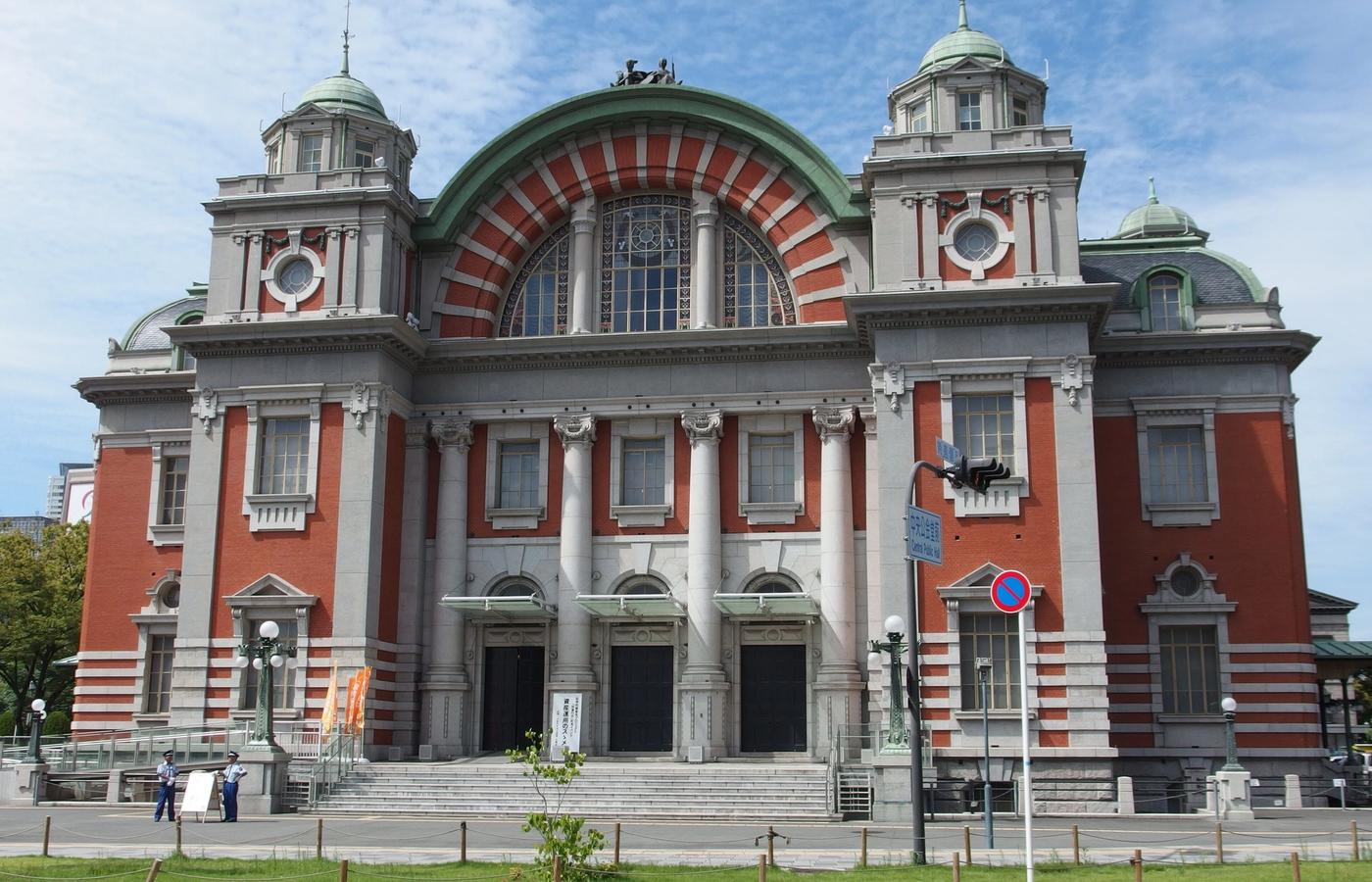
Nakanoshima is a long thin island in the centre of Osaka, splitting the Dojima and Tosabori rivers - the city's financial and cultural heart since the Edo period. The Osaka City Central Public Hall (1918), a red-brick neo-Renaissance landmark, dominates the eastern end. The Bank of Japan Osaka Branch, Nakanoshima Library (Japanese National Treasure), and the Museum of Oriental Ceramics (free, world-class Chinese and Korean ceramics) cluster nearby.
The western half of Nakanoshima is a 1.5 km riverside park - one of Osaka's best urban walks especially during the May rose festival when 30000 roses bloom in the Rose Garden. The Nakanoshima Museum of Art (opened 2022) holds the city's contemporary collection. Combine with a 30-minute Osaka Castle Aqualiner river cruise (1700 JPY) departing from the eastern edge of the island.
Pro Tip: The Old Central Public Hall offers free guided 30-minute tours of the interior on the 4th Sunday of each month at 11:00 and 14:00 - book at info@osaka-chuokokaido.jp. Otherwise just admire the brick facade and Tiffany stained-glass entrance from the street.
10Den-Den Town and Shinsekai - Osaka's Retro Districts
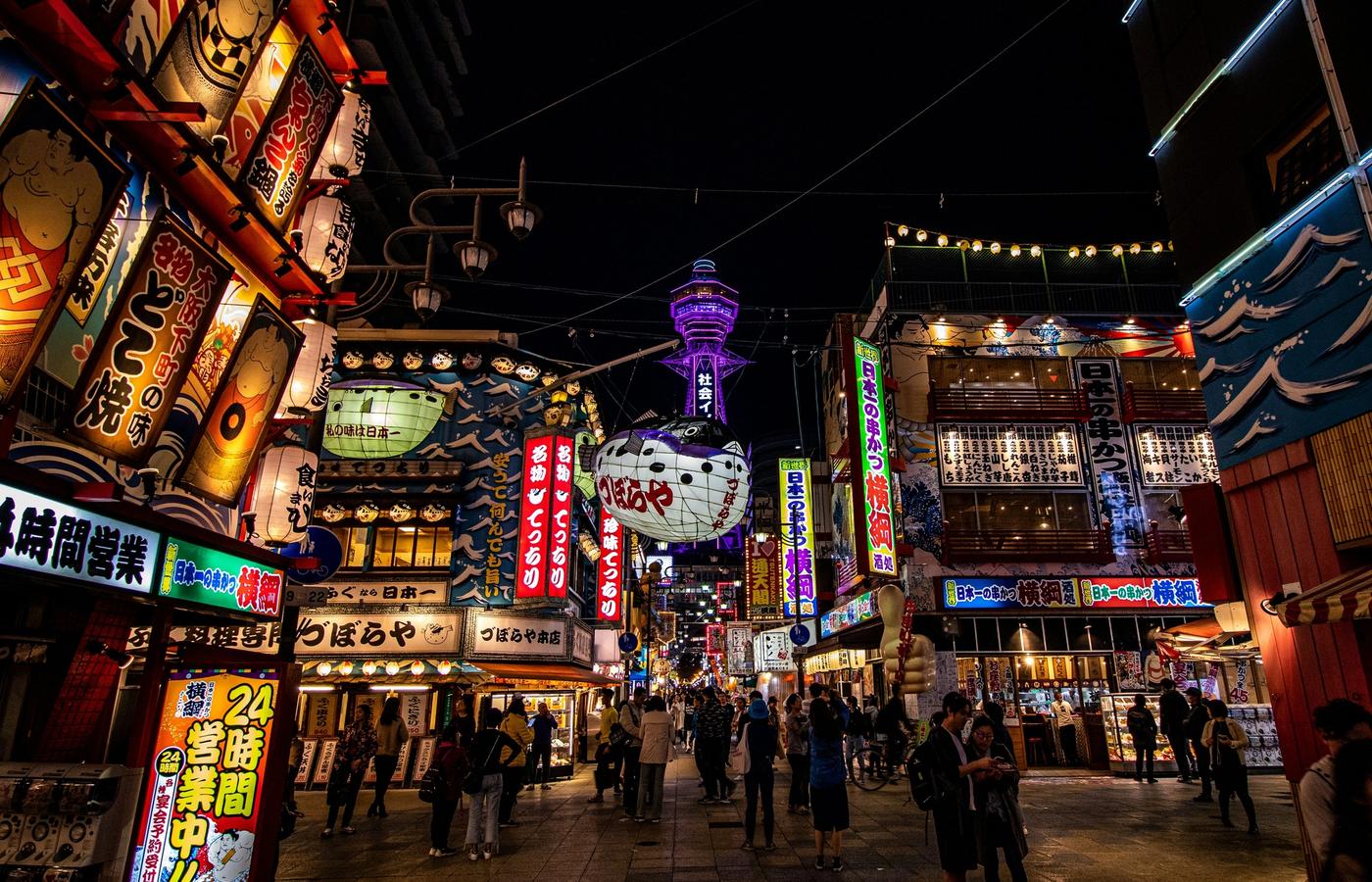
Den-Den Town (Nipponbashi) is Osaka's answer to Tokyo's Akihabara - the post-war electronics and now anime/manga district stretching south of Nipponbashi station. Several blocks of specialty shops sell vintage games, models, anime DVDs, manga, cosplay outfits, and music gear. Less polished than Akihabara but equally rich; the local nickname Otaku Road describes the cosplay-heavy weekends.
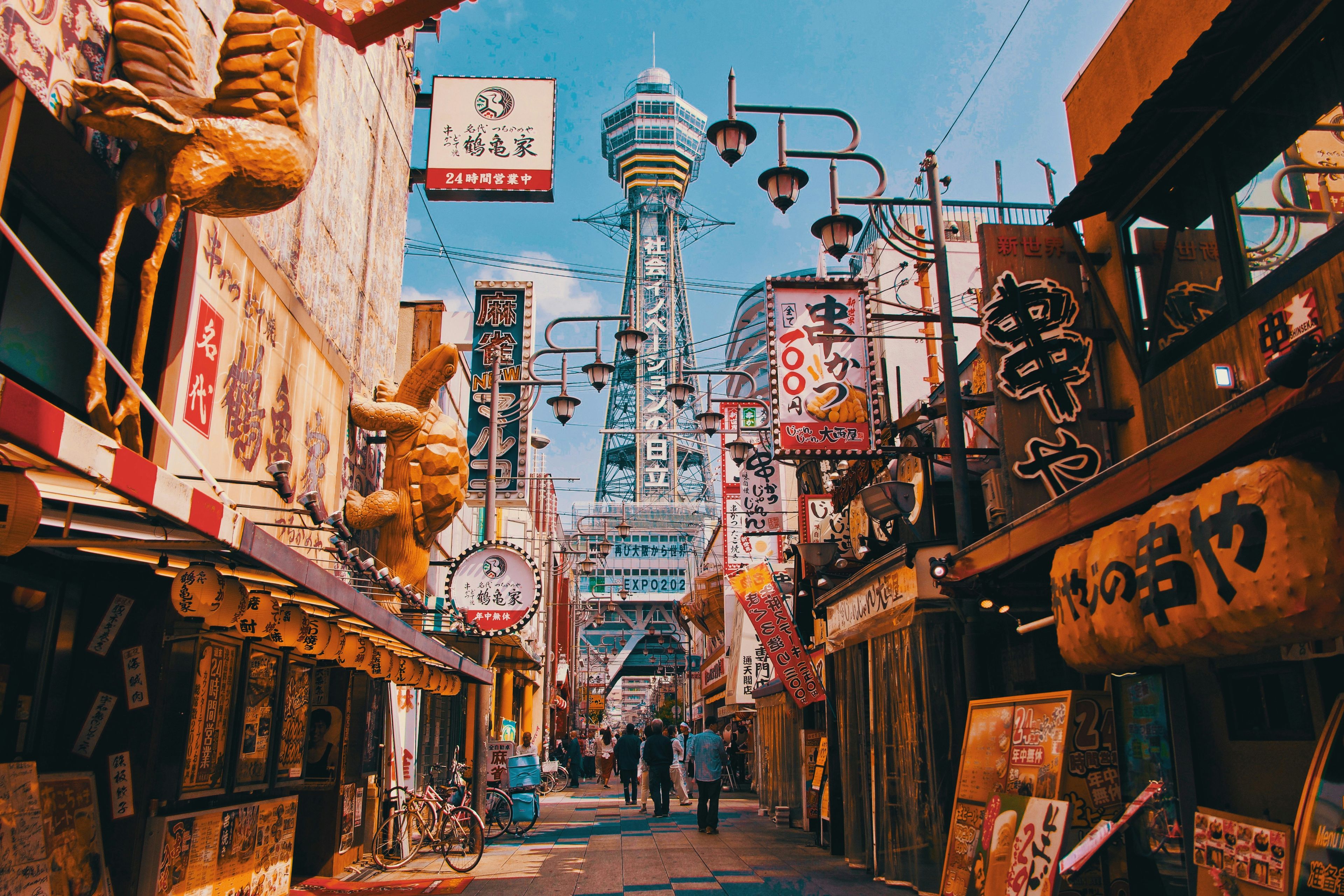
Five minutes south, Shinsekai (literally New World) is an early-20th-century retro district anchored by the 103-metre Tsutenkaku Tower (1956 reconstruction of the 1912 original). The streets are lined with brightly-painted vintage signage and old kushikatsu (fried skewer) restaurants - the local working-class specialty. Daruma Honten (operating since 1929) serves the most famous kushikatsu sets at 1500-2500 JPY. Both districts are walkable from Tennoji station.
Pro Tip: Combine Shinsekai dinner with the Tsutenkaku Tower observation deck (1000 JPY, open until 21:00) for retro neon photos. Order kushikatsu and remember the strict rule: no double-dipping the communal sauce.

CEO and co-founder
Tomas is the co-founder and director of trip1, an European company specializing in reservation services. He launched the company in 2025 with a focus on building scalable, efficient operations.
Climate averages · 1991–2020
When is the best time to visit Osaka?
Monthly temperatures, rainfall and sunshine — not a live forecast.
See Osaka weatherMore of Japan
10 Top Things to Do in Osaka, Japan - FAQ
No - plan for 3 days minimum. Universal Studios Japan alone needs a full day. Osaka Castle, Dotonbori, and Shitennoji each absorb half-days. A reasonable split: Day 1 Osaka Castle and Shitennoji; Day 2 Dotonbori, Kuromon Market, Umeda Sky Building; Day 3 Universal Studios Japan or the Osaka Aquarium.
Start at Osaka Castle in the morning before crowds, walk south to Shitennoji Temple, then explore Dotonbori in the evening for the neon. Reserve a separate day for Universal Studios Japan (book online 1-2 weeks ahead), and another half-day for the Osaka Aquarium and Tempozan harbour. Kuromon Market is best for a morning food walk before Dotonbori.
Universal Studios Japan sells out daily entry in peak season (mid-March through May, Golden Week, July-August) - book online 1-2 weeks ahead, plus an Express Pass if you want to skip major ride queues. Osaka Aquarium Kaiyukan also benefits from advance online tickets. Osaka Castle, Shitennoji, Dotonbori, Kuromon Market, and Umeda Sky Building accept walk-up tickets year-round.
Budget approximately 18000-25000 JPY (110-150 EUR) per person including Universal Studios. Universal Studios Japan ticket 8400 JPY plus Express Pass 7800-15800 JPY. Osaka Castle 600 JPY. Aquarium 2400 JPY. Umeda Sky Building 1500 JPY. The Osaka Amazing Pass (3300 JPY for 1 day) covers transit and most major attractions excluding USJ.
Yes - Osaka has an extensive Osaka Metro (9 lines) and JR network. Universal Studios Japan is the JR Universal-City station (direct from JR Osaka). Osaka Castle is Osaka-jokoen station (JR Osaka Loop). Dotonbori is Namba station (Midosuji line). Shitennoji is Tennoji station. Aquarium is Osakako station (Chuo line). Avoid taxis - traffic is heavy and the metro is faster.
Only if you are a Universal/Nintendo/Harry Potter fan. The park's Super Nintendo World (opened 2021), Wizarding World of Harry Potter, and Jurassic Park sections are unique outside the US parks. A full day is needed minimum. Skip it on a 2-day trip and prioritise the food at Dotonbori and the castle. The park costs and time commitment make it a choice.
Worth adding with extra time: Sumiyoshi Taisha Shrine (the southern Shinto shrine with the famous arched bridge), the Osaka Museum of Housing and Living, the Instant Ramen Museum in Ikeda (free, 30 mins by train), and a day trip to Nara to see the deer and Todai-ji Temple (45 minutes by JR). Mount Koya is a UNESCO Buddhist monastery 2 hours south.

Related travel guides
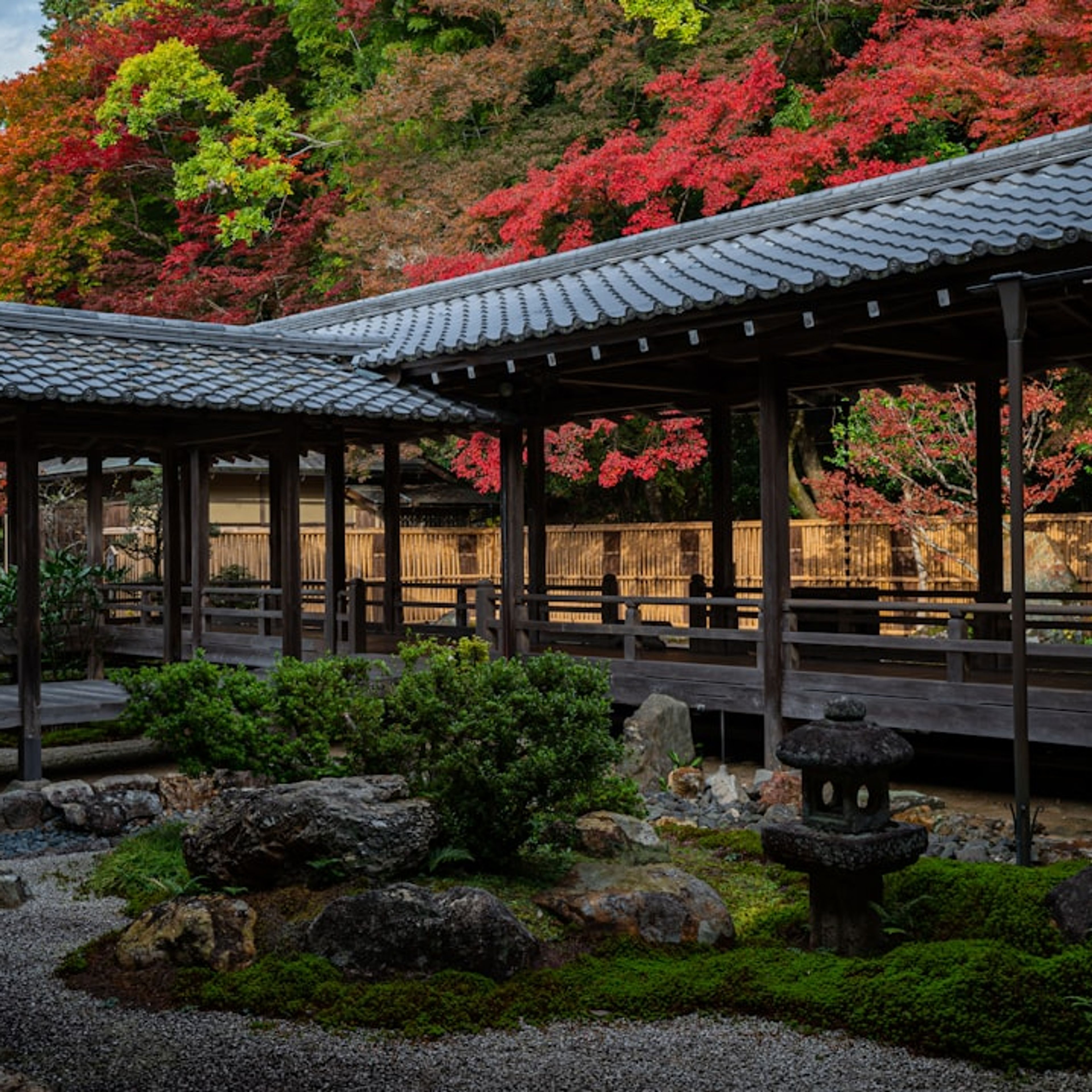
10 Best Places to See Autumn Leaves in Kyoto
The 10 best places to see autumn leaves in Kyoto in 2026, with confirmed illumination dates, admission fees, station walk times and reservation rules.
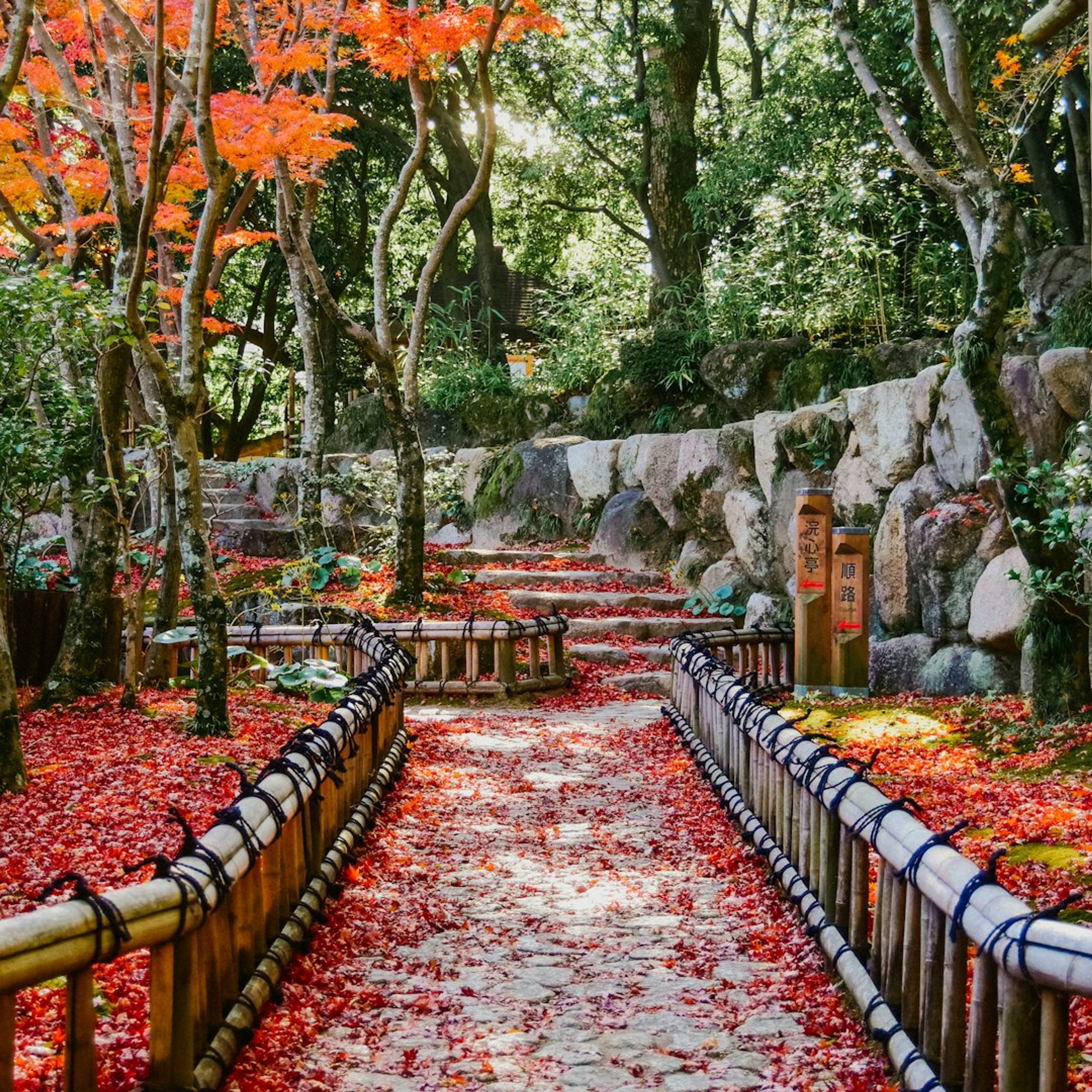
5 Best Places to See Autumn Leaves in Nara
The 5 best places to see autumn leaves in Nara in 2026, with fees, station walk times, bus timetable warnings and honest advice on the rutting deer.