
Get up to €50 off your staySubscribe and get up to €50 off your next stay
Browse and explore the best travel guides in New Zealand.
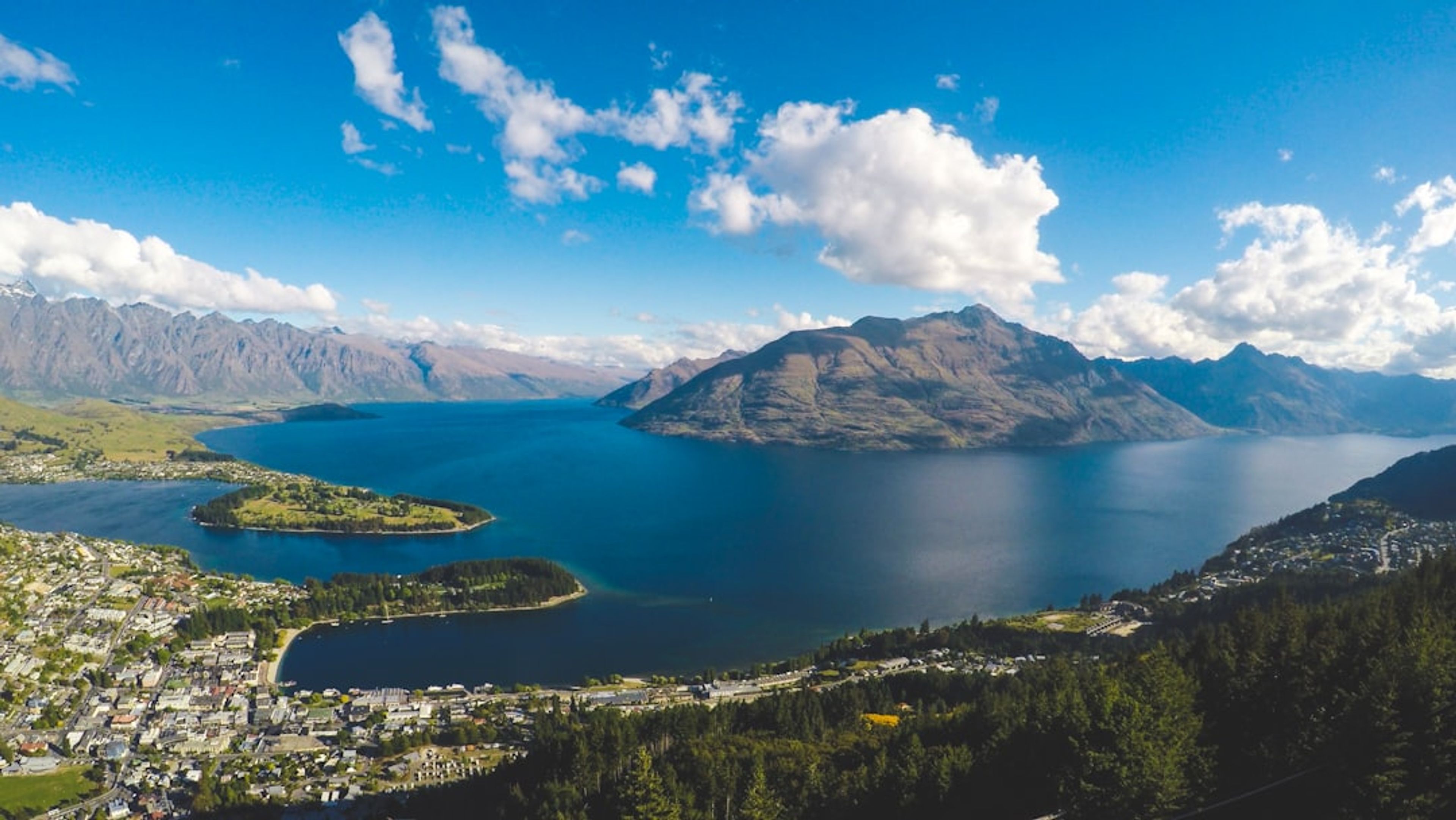
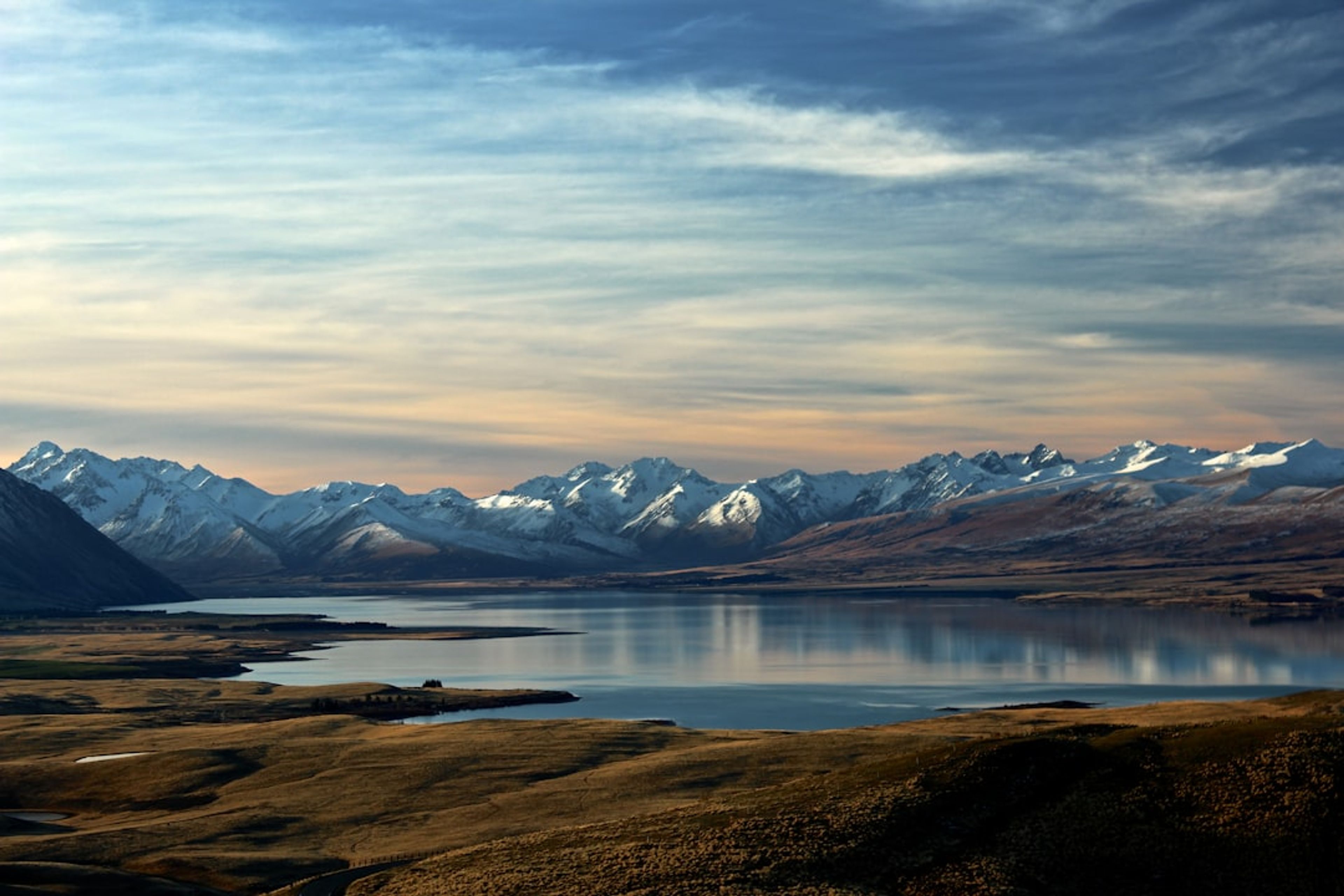
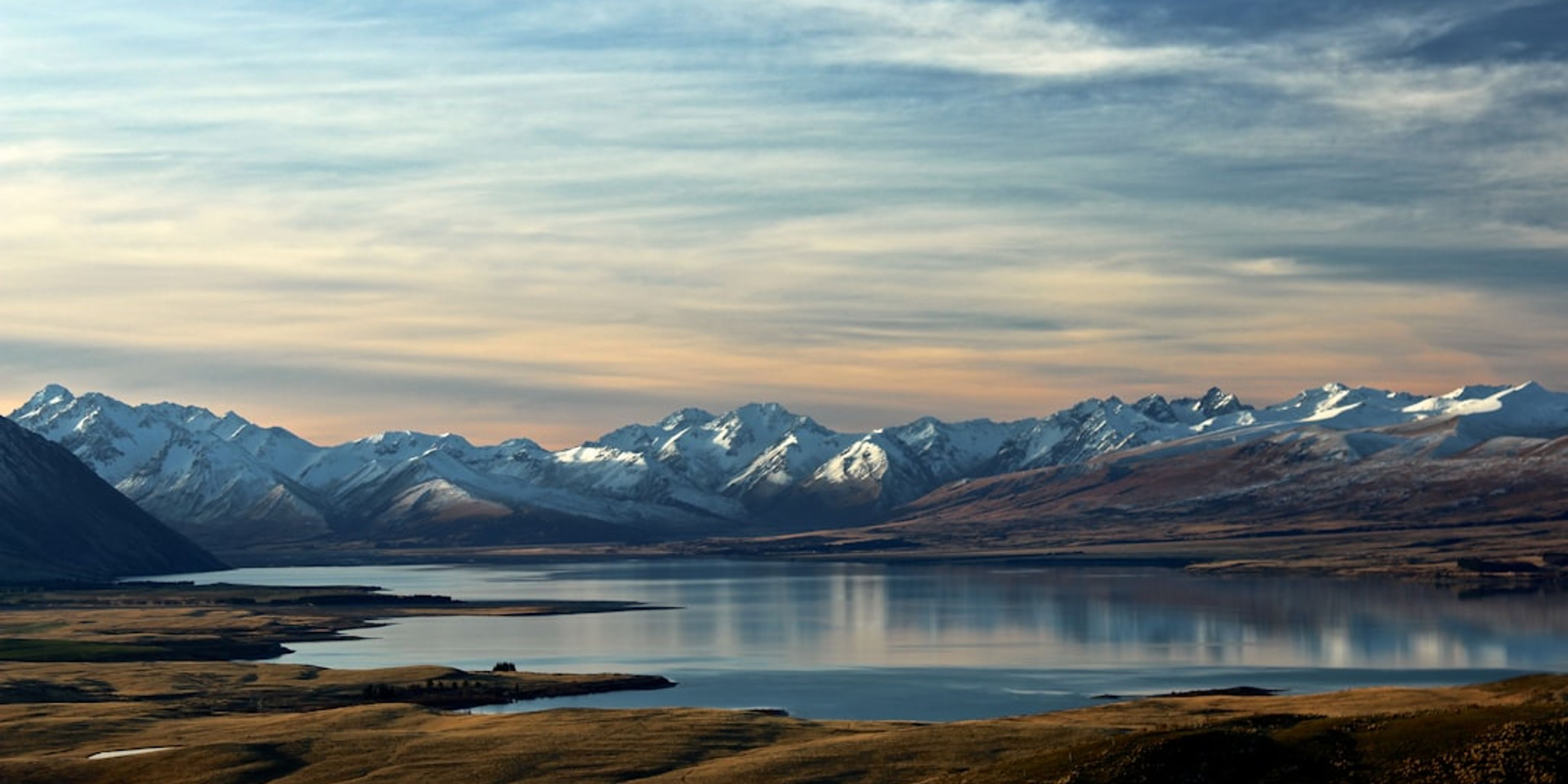
New Zealand occupies two main islands in the southwestern Pacific Ocean, roughly 2,000 km southeast of Australia. The North Island is known for geothermal activity around Rotorua, the volcanic plateau of Tongariro, and the capital Wellington, while the South Island delivers dramatic alpine scenery along the Southern Alps, glacier-carved fjords in Fiordland, and adventure-sport hubs like Queenstown. The country's relatively small population of 5.2 million is concentrated in urban centres, leaving vast stretches of wilderness accessible by well-maintained highways and hiking tracks. New Zealand's Great Walks trail system - nine multi-day treks including the Milford Track and Routeburn Track - draws hikers from around the world. The New Zealand Dollar (NZD) is the local currency, and the cost of travel sits in the mid-range bracket, with accommodation and dining prices comparable to regional Australia.
Capital
Wellington
Population
~5.2 million
Area
268,021 km²
Time Zone
NZST (UTC+12), NZDT (UTC+13) in summer
Currency
New Zealand Dollar (NZD)
Languages
English, Māori, NZ Sign Language
Main Airports
AKL (Auckland), CHC (Christchurch), WLG (Wellington), ZQN (Queenstown)
Visa
Visa-free for most Western nationalities (NZeTA required, NZD 23)
Best For
Adventure sports, hiking, landscapes, wine, film locations
Typical Cost Level
Mid-range to High
Get the latest deals, new destinations, and travel tips delivered straight to your inbox.
No spam, unsubscribe anytime.
Entry rules, stay length and passport validity by nationality.
Most Western passport holders do not need a visa for visits up to 90 days, but you must obtain a New Zealand Electronic Travel Authority (NZeTA) before arrival. The NZeTA costs NZD 23 via the app or NZD 17 via the website and is valid for two years. You also need to pay the International Visitor Conservation and Tourism Levy (IVL) of NZD 100, which funds conservation projects.
December to February (New Zealand summer) offers the warmest weather and longest daylight hours, ideal for hiking, water sports, and outdoor activities. March and April (autumn) bring stunning foliage and fewer crowds at lower prices. The shoulder months of October-November and March-April offer a good balance of decent weather and lower costs. Winter (June-August) is ski season in Queenstown, Wanaka, and the North Island's Ruapehu.
New Zealand consistently ranks among the safest countries in the world for travellers. Violent crime is rare, and the main risks for tourists are weather-related - sudden alpine weather changes, strong UV radiation (New Zealand has some of the highest UV levels globally), and powerful river currents. Always check weather conditions before hiking, wear sunscreen even on cloudy days, and swim only at patrolled beaches.
The New Zealand Dollar (NZD) is the official currency. Contactless card payments are accepted nearly everywhere, including small cafes and market stalls. ATMs are widely available in towns, though some remote areas and hiking trailheads may have limited access. Tipping is not expected or customary in New Zealand.
On trip1, you can book hotels across New Zealand and pay with over 120 cryptocurrencies including Bitcoin, Ethereum, and USDC. trip1 covers 3 million+ hotels in 190+ countries, making it easy to find and book accommodation with crypto.
Renting a car or campervan is the most practical way to explore New Zealand, especially the South Island where public transport is limited outside major routes. Drive on the left side of the road. InterCity buses connect most towns on both islands, and the TranzAlpine train between Christchurch and Greymouth is a scenic must-do. Domestic flights between Auckland, Wellington, Christchurch, and Queenstown are frequent and affordable when booked in advance with Air New Zealand or Jetstar.