

Guides · Porto
12 Top Places to Visit in Porto

CEO and co-founder
This guide ranks the 12 top places to visit in Porto, Portugal - the sights that actually deserve space on your itinerary whether you have three days or a long weekend. Each entry includes the exact street address, the nearest Metro or tram stop with walk time, distance from the historic centre, and a practical Pro Tip with current 2026 prices and timing.
The 12 are grouped to make the geography easy. The first six sit inside a tight 2-km square of the UNESCO World Heritage historic centre - Clérigos Tower, São Bento Station, Livraria Lello, Porto Cathedral, Palácio da Bolsa, and the Church of São Francisco - all walkable in a single day. Numbers 7 and 8 take you across the Dom Luís I Bridge for the Ribeira riverside and the Port wine cellars of Vila Nova de Gaia. Numbers 9 through 12 - Foz do Douro, Serralves contemporary museum, and the Douro Valley day trip - reach further afield and each deserve a half- or full day.
If you have only two days, do the historic centre on day 1, then split day 2 between the Ribeira, two Port wine cellars, and a sundown crossing of the bridge. With three or more days, add Foz do Douro, Serralves, and a train into the Douro Valley wine country. Porto rewards slow walking and a tolerance for hills - sensible shoes and a daytime tasca lunch are non-negotiable.
1Ribeira District - Porto's UNESCO Riverside Heart
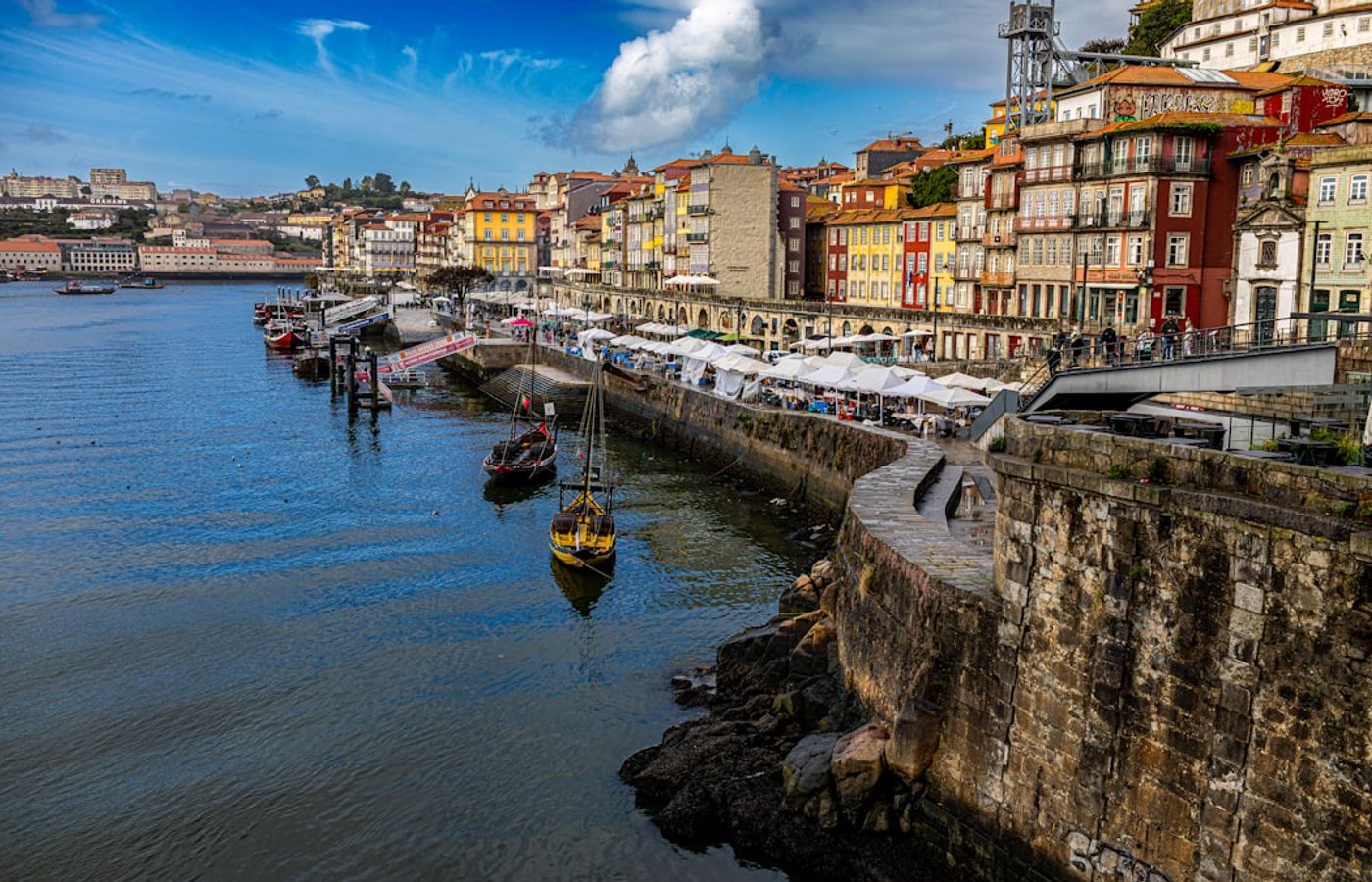

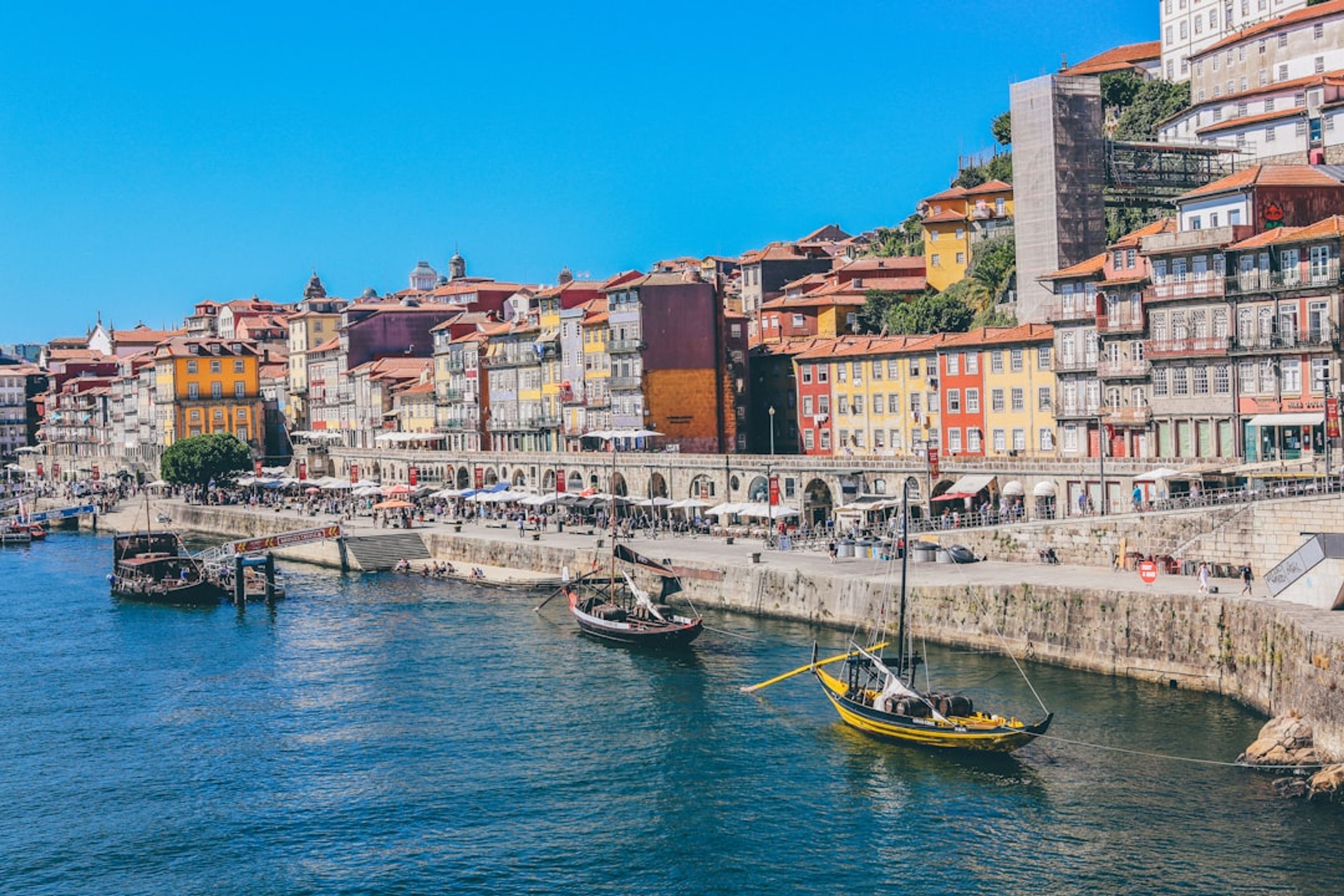
The Ribeira is where most visitors fall for Porto. Cobbled lanes drop down from the cathedral to a riverfront of terracotta-roofed houses, baroque churches, and outdoor cafes piled against granite cliffs above the Douro. The whole district was named a UNESCO World Heritage Site in 1996 under the listing Historic Centre of Oporto, Luiz I Bridge and Monastery of Serra do Pilar.
Praça da Ribeira is the central square, with its 18th-century fountain and views straight across to the Vila Nova de Gaia wine lodges. From Cais da Ribeira, river cruises depart for the Six Bridges tour (~17 EUR, 50 min) and the rabelo boats - traditional flat-bottomed vessels once used to ferry Port barrels downriver - sit moored against the bank. Restaurants here charge a tourist premium, but a glass of vintage Port with a sunset behind the bridge is one of the things to do Porto travellers consistently rate the most memorable.
Pro Tip: Arrive after 19:00 in summer when day-trippers have left and the golden hour lights the Vila Nova de Gaia cellars opposite. A 4 EUR glass of LBV Port at a riverside tasca beats a 20 EUR cocktail at a rooftop bar.
2Dom Luís I Bridge - The Cast-Iron Icon Linking Porto and Gaia
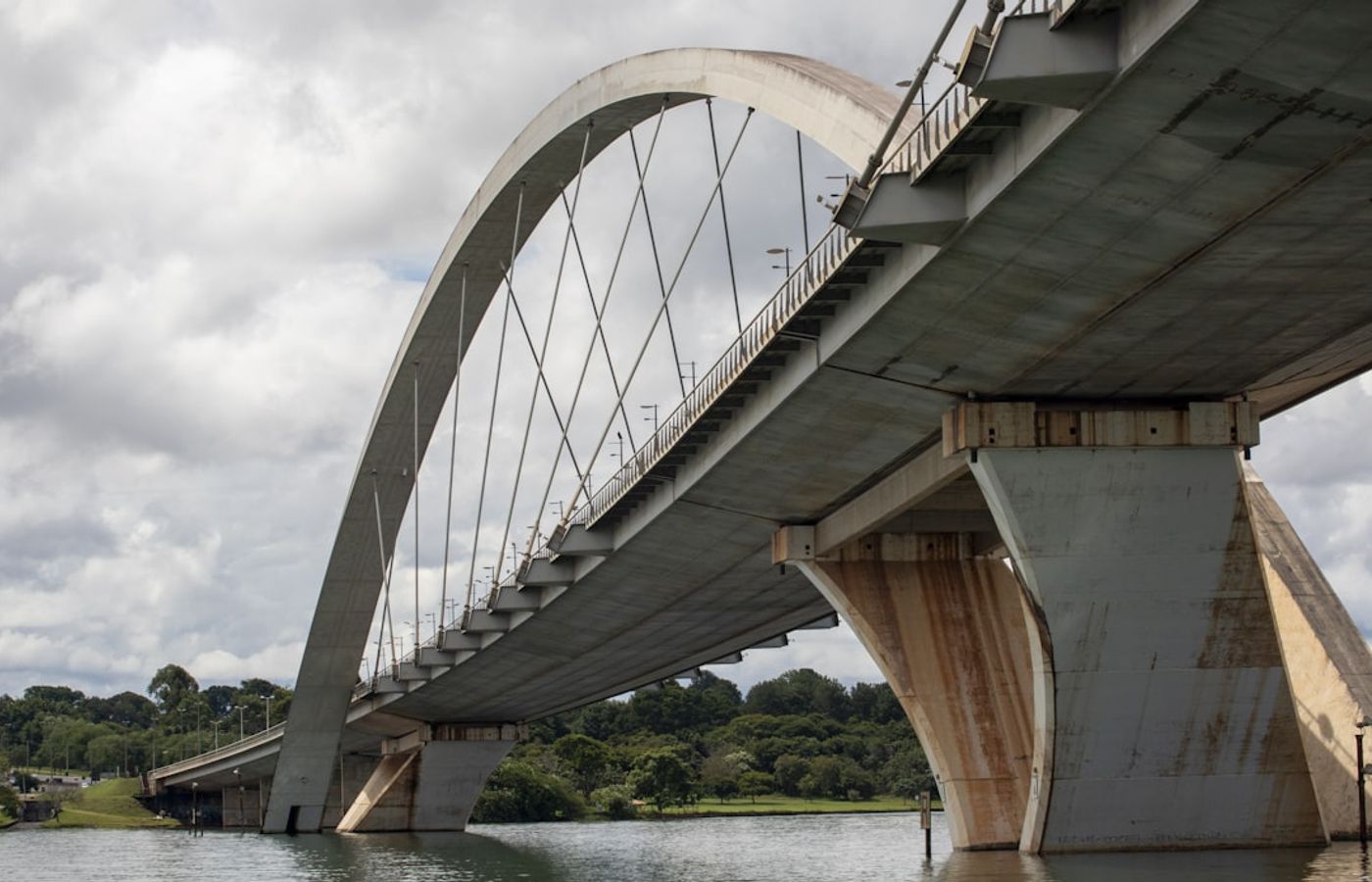

The Dom Luís I Bridge is the visual signature of Porto - a 172-metre wrought-iron double-deck arch designed by Théophile Seyrig, Gustave Eiffel's former business partner, and opened in 1886. The upper deck (~45 m above the Douro) carries Metro Line D trains and a pedestrian walkway with the city's best free panorama. The lower deck handles cars and a parallel footpath at river level.
Walking the upper deck takes about 10 minutes and lands you in Vila Nova de Gaia, the bank where every bottle of Port wine in the world is aged. To the right you see the entire Ribeira waterfront; to the left, the Douro snakes inland toward the wine valleys. The bridge replaced the Maria Pia Bridge of 1877, which Eiffel himself designed for trains. Both still stand and remain among the most photographed engineering works in Iberia.
Pro Tip: Walk the upper deck at sunset (around 19:00 in June, 17:30 in December) for the postcard shot, then descend on the Vila Nova de Gaia side via the Teleferico de Gaia cable car (~7 EUR one-way) instead of climbing back up.

3Livraria Lello - The Art Nouveau Bookshop That Inspired a Generation
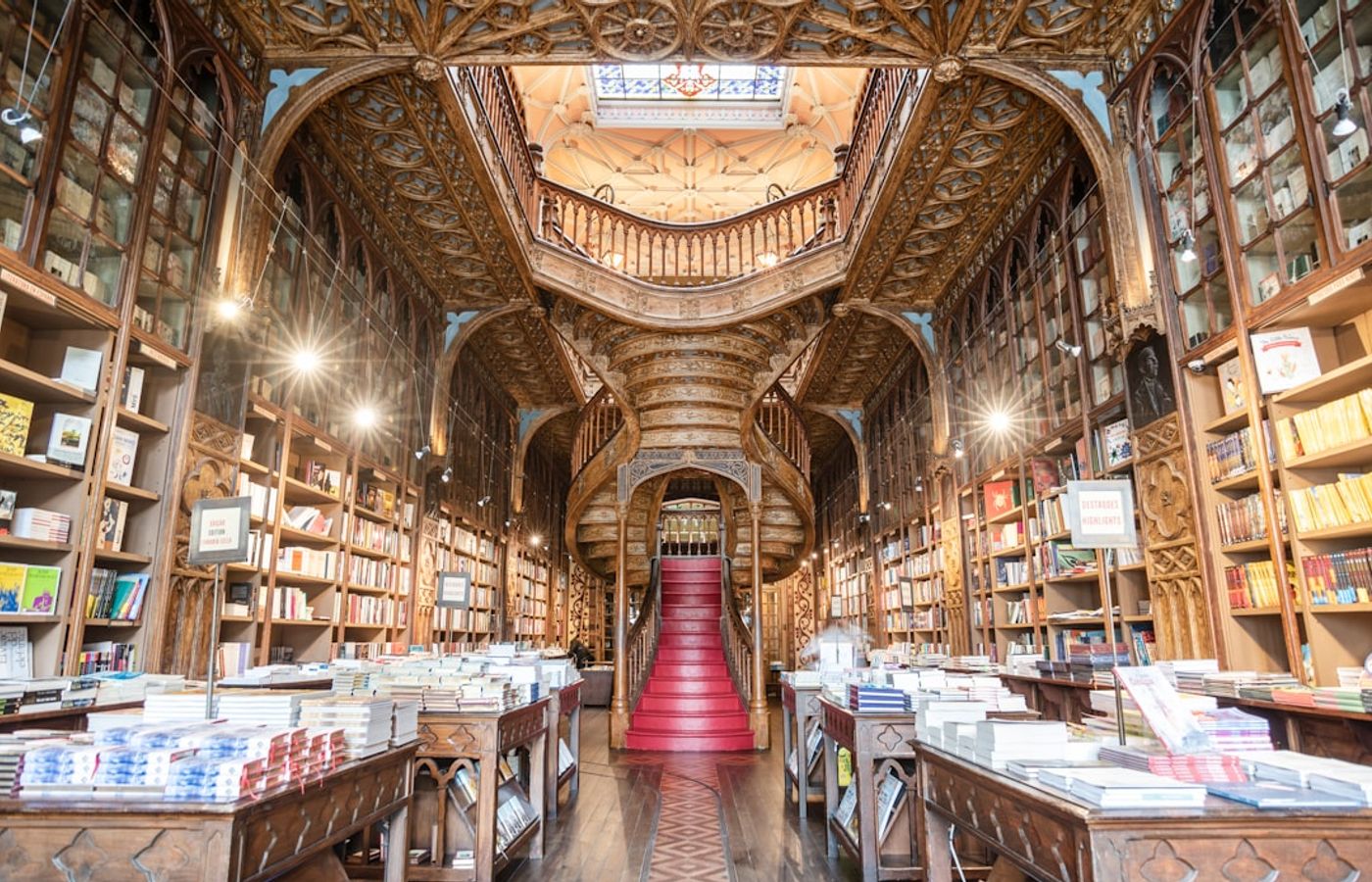

Livraria Lello opened on Rua das Carmelitas in 1906 and has been operating ever since, making it the oldest bookshop in Portugal and one of the most beautiful in the world. Architect Xavier Esteves designed a neo-Gothic facade in carved wood and stained glass, while the carmine-painted forked staircase inside has become its emblem - shared endlessly on Instagram and credited (by tourist boards if not by the author herself) with inspiring the staircases of Hogwarts. J.K. Rowling taught English in Porto from 1991 to 1993 while drafting the first chapters of Harry Potter.
The shop charges a 5-8 EUR timed-entry ticket, redeemable against any book purchase, which keeps the queue moving and funds preservation work. Lello stocks 60,000+ titles across two floors, with a strong Portuguese-language children's section beneath the staircase. The painted ceiling reads Decus in Labore - dignity in work.
Pro Tip: Book the 09:30 first slot online 1-3 days ahead. The shop is empty enough to actually photograph the staircase without elbows in frame, and you can spend your 5 EUR voucher on a Portuguese edition of The Lusiads or a Saramago paperback.
4Clérigos Tower - The Baroque Bell Tower Built by an Italian
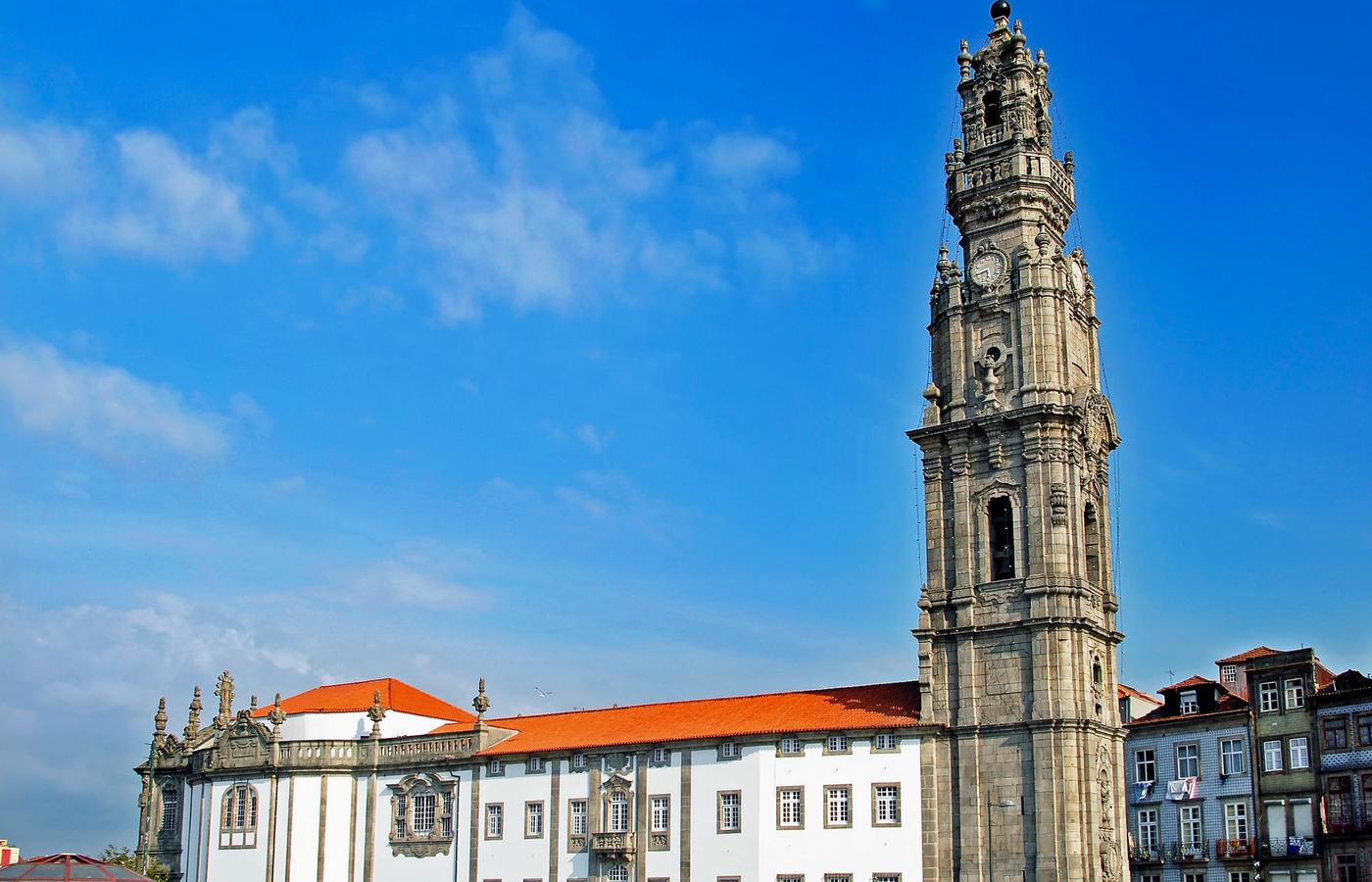
The Torre dos Clérigos rises 75 metres above the city's western ridge, the tallest structure in Porto for nearly two centuries after its completion in 1763. Italian architect Nicolau Nasoni - who emigrated to Porto in 1725 and is buried in the church below - designed it as the bell tower for the baroque Igreja dos Clérigos, finishing the tower in 1763 after 31 years of construction.
Two hundred and forty granite steps spiral to a viewing balcony with 360-degree panoramas: the red roofs of the Ribeira and Vila Nova de Gaia, the Douro estuary, and on clear days the Atlantic at Foz do Douro. The ticket (~8 EUR in 2026) bundles the Clérigos Tower climb, the church interior, and a small museum of religious art including a 1700s ivory crucifix. Nasoni's work is everywhere in Porto if you know to look - he also designed the Episcopal Palace next to the cathedral and the church facade of Misericórdia.
Pro Tip: Climb in the last hour before closing (typically 19:00 summer, 18:00 winter) for the softest light and thinnest crowd. The narrow spiral has no overtake lanes, so a quiet visit means actually being able to stop and look.
5São Bento Railway Station - 20,000 Azulejo Tiles in a Working Station
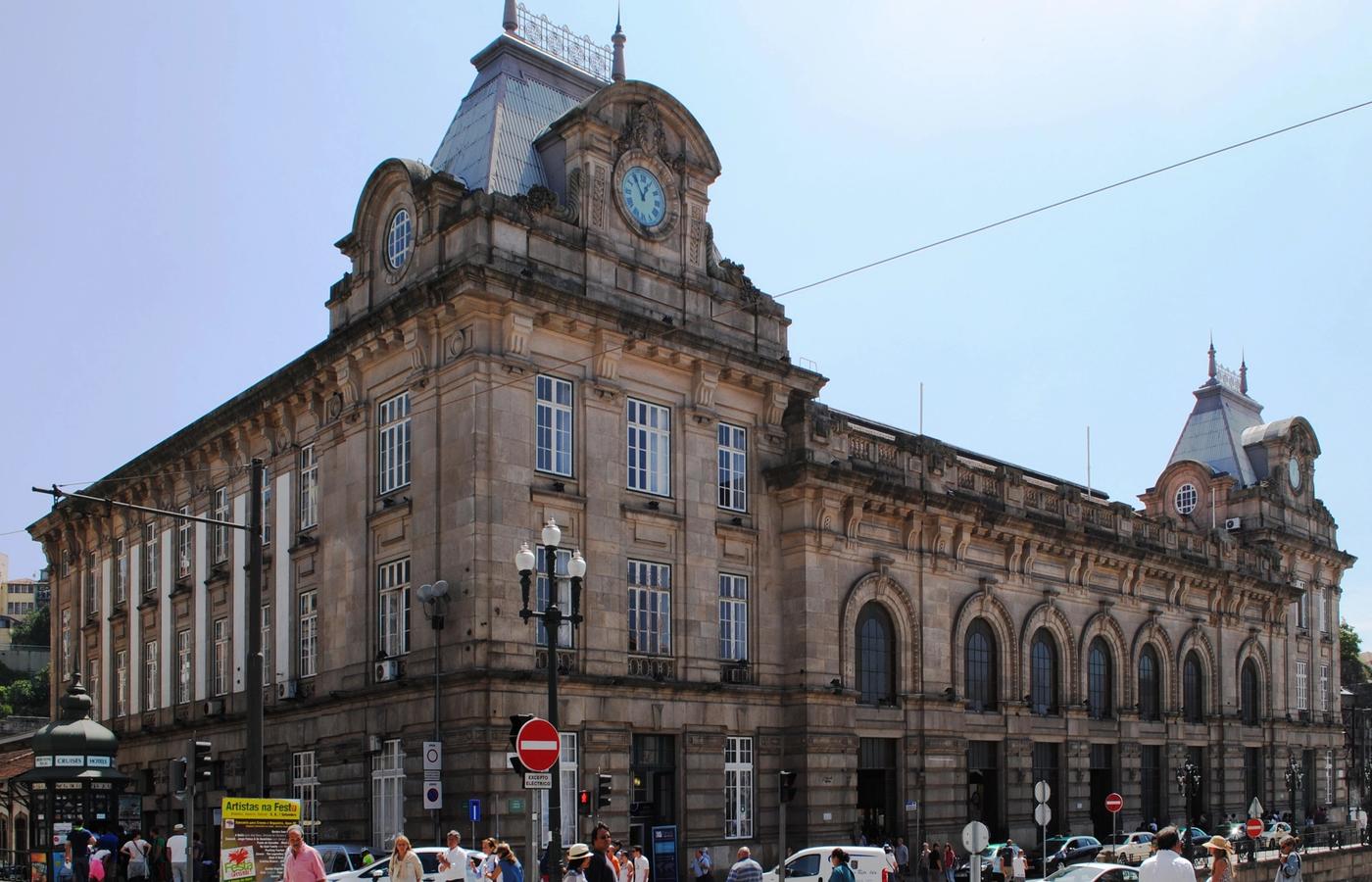
São Bento Station looks like a normal Portuguese train station from the street, but step into the atrium and you walk into one of the great public-art interiors in Europe. Artist Jorge Colaço spent 11 years (1905-1916) hand-painting 20,000 azulejo tiles across the walls, depicting the history of Portugal in panels showing the 1140 Battle of Valdevez, the 1387 marriage of King John I and Philippa of Lancaster that sealed the Anglo-Portuguese alliance, and the conquest of Ceuta in 1415 that launched the Age of Discovery.
The station opened in 1916 on the site of a former Benedictine convent (hence the name). It still functions as an active commuter and regional rail hub, with trains to Guimarães, Braga, Aveiro, and the Douro Valley departing daily. Entry to the atrium is free and you don't need a ticket. São Bento Station is also the official starting point of the historic train ride to Pinhão through the Port wine country.
Pro Tip: Visit before 10:00 on weekdays when the commuter rush has cleared but the cruise-ship crowds haven't arrived. Stand in the middle of the atrium facing the eastern wall for the best wide-angle shot of the Henry the Navigator panel.
6Palácio da Bolsa - The 19th-Century Stock Exchange with a Moorish Showpiece
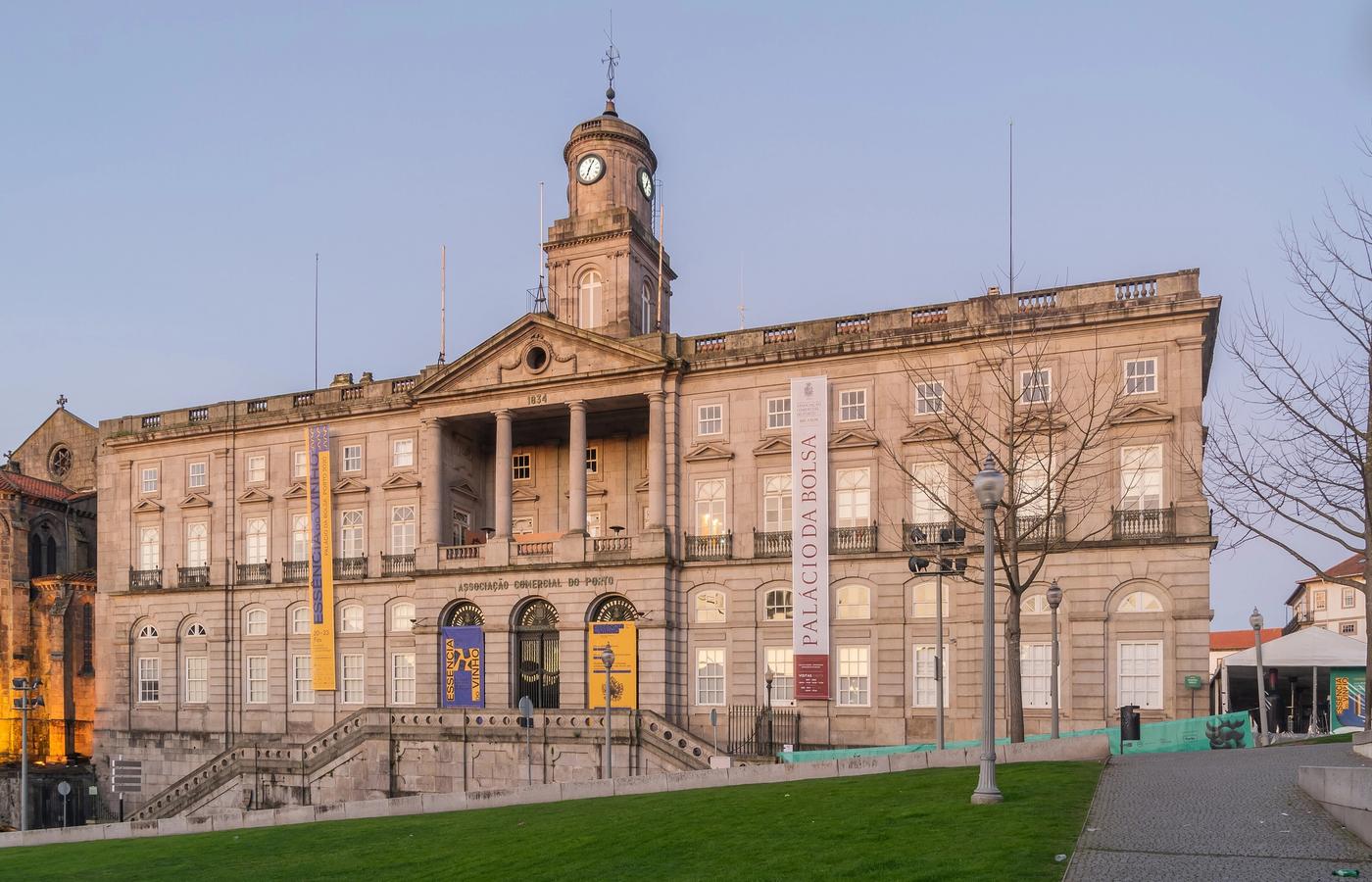
The Palácio da Bolsa sits beside the Church of São Francisco in the Infante neighbourhood, built between 1842 and 1910 to house Porto's commercial association on the ruins of the Convent of São Francisco (the convent burned in 1832). It is a study in 19th-century civic ambition: a Neoclassical exterior, an iron-and-glass courtyard known as the Pátio das Nações tiled with the coats of arms of every country Portugal traded with at the time, and upstairs a sequence of richly decorated halls.
The showpiece is the Salão Árabe (Arab Room). Architect Gonçalo Gomes da Silva worked for 18 years applying gilded stucco, glasswork, and exotic-wood inlay in a Moorish Revival fantasy modelled on the Alhambra. Arabic verses from the Quran ring the walls in praise of Queen Maria II. The room is only accessible by guided tour (~12 EUR in 2026), which also covers the General Assembly hall and the courtroom.
Pro Tip: Book the English-language tour online for a specific time slot. The Arab Room visit is just 10 minutes inside an hour-long guided circuit, so save your phone battery and camera attention for those final minutes.
7Porto Cathedral - The Romanesque Fortress on the Hill
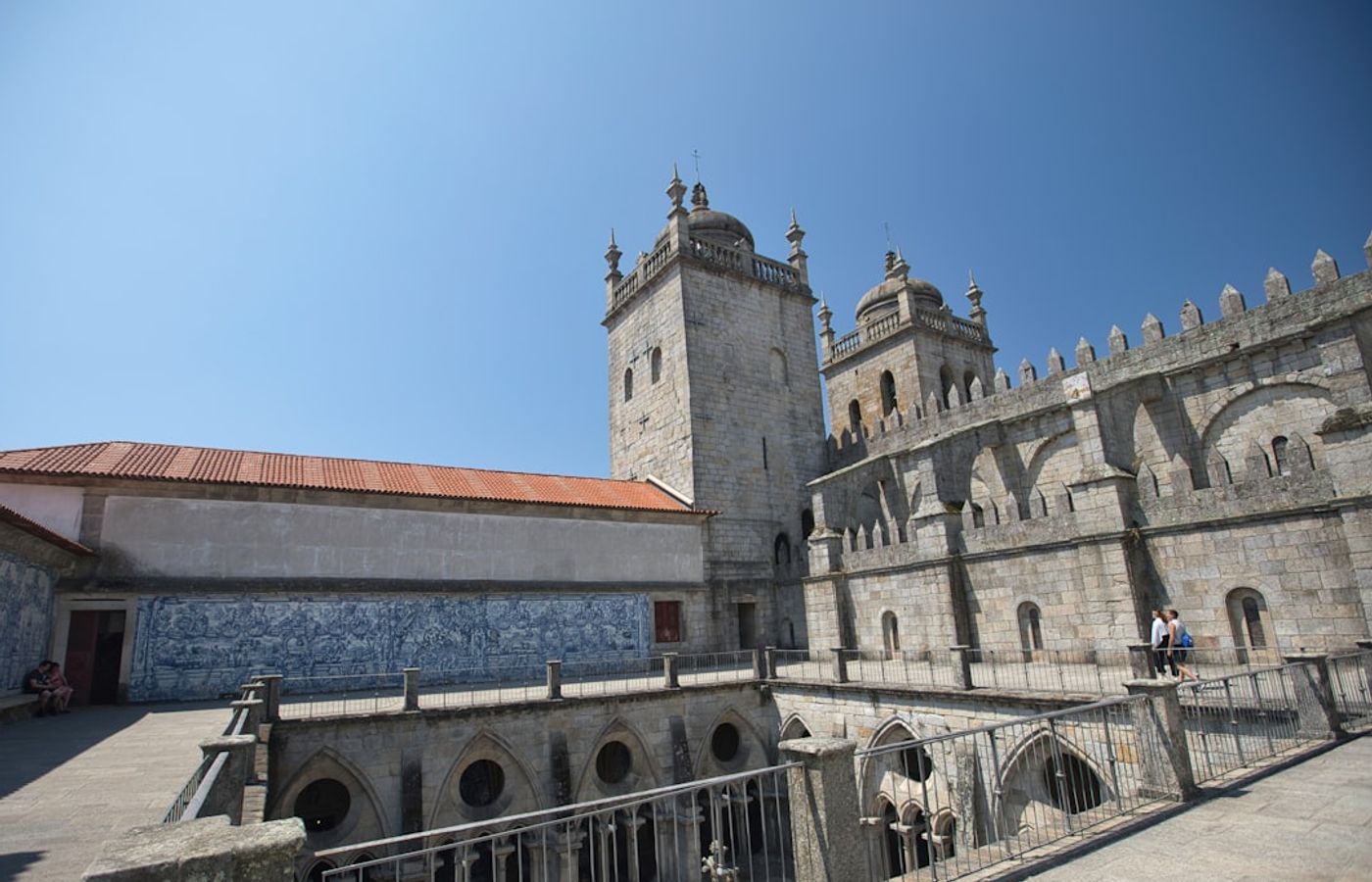
The Sé do Porto crowns the highest point of the old city, a granite fortress-church begun in the early 12th century and the oldest surviving building in Porto. The Romanesque core has the rose window and twin towers of a French abbey, while later Gothic and baroque additions - the cloister with its 18th-century azulejo panels by António Vital Rifarto, the silver altar in the chapel of the Holy Sacrament - layer the building like geological strata.
Porto Cathedral played a quiet role in Anglo-Portuguese diplomacy: King John I of Portugal married Philippa of Lancaster here in 1387, cementing the Treaty of Windsor that remains the oldest still-active diplomatic alliance in the world. Entry to the church itself is free. The cloister and treasury cost ~3 EUR and are worth it for the tile work alone. The cathedral terrace, free of charge, offers one of the most under-appreciated viewpoints in Porto - the entire Ribeira and Dom Luís I Bridge spread out below.
Pro Tip: Walk down the steep Calçada de Vandoma directly from the cathedral terrace to São Bento Station and Praça da Ribeira. Doing the route in this direction saves your knees and follows the natural tourist flow.
8Port Wine Cellars of Vila Nova de Gaia - Where the World's Port Is Aged
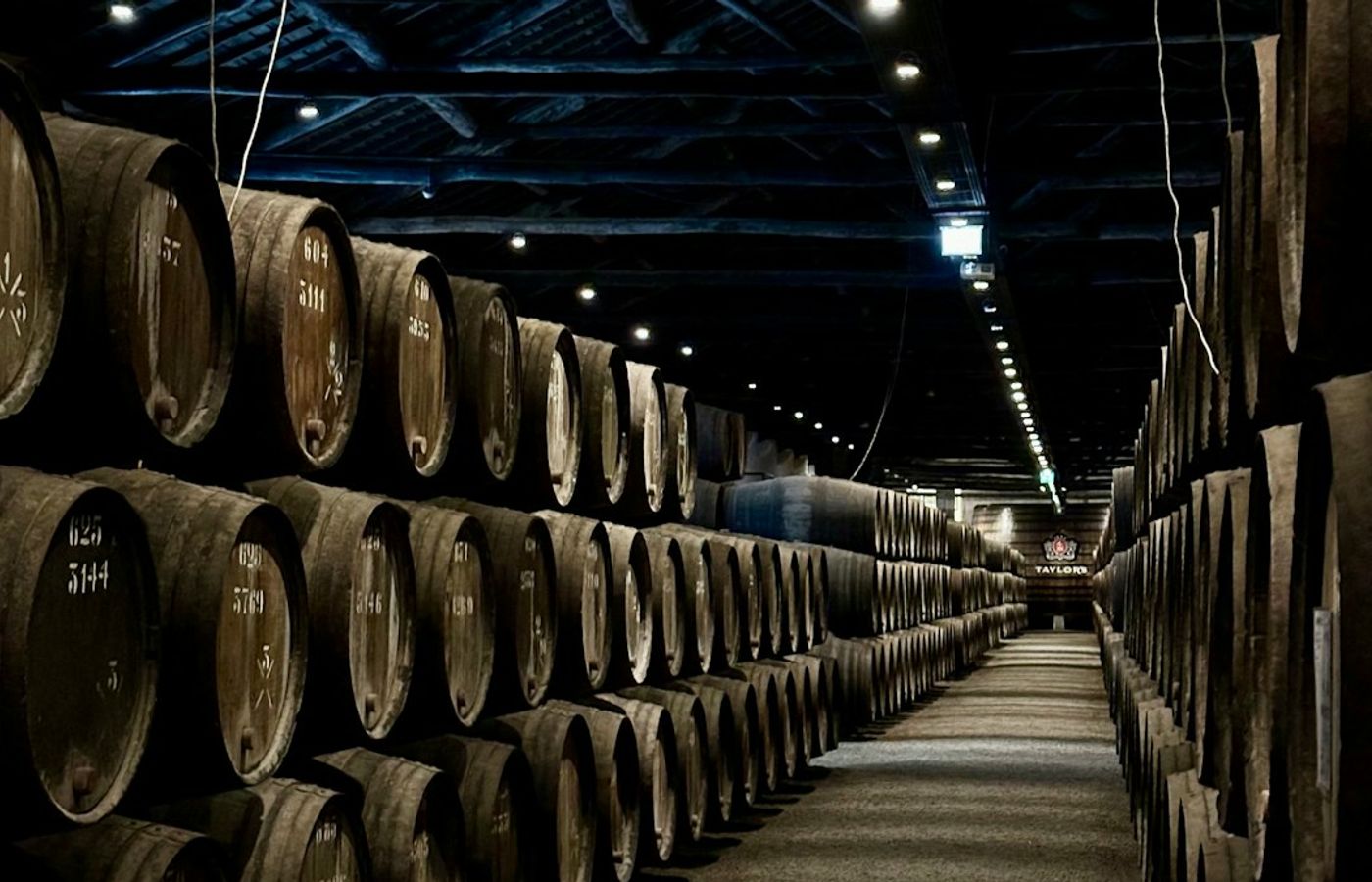
Cross the Dom Luís I Bridge and you reach the riverside ribbon of warehouses where every bottle of Port wine in the world is aged before shipping. By an 18th-century royal decree, Port can be grown only in the Douro Valley upriver, but it must by tradition be matured in the lodges of Vila Nova de Gaia. Sandeman, Graham's, Taylor's, Cálem, Croft, Ramos Pinto, Ferreira, and Cockburn's all keep public cellars within a 500-metre stretch of Avenida de Diogo Leite.
Tours run 45-90 minutes and end with a tasting flight. A standard visit (white, ruby, and tawny) costs 15-20 EUR. A vintage flight (LBV, Colheita, and a 20-year-tawny) costs 25-35 EUR and is the better value if you actually like Port. Graham's has the most spectacular building and rooftop view. Sandeman is the most polished tour with caped guides. Taylor's has the best gardens. Cálem runs the most affordable tasting and adds a live fado performance most evenings.
Pro Tip: Book two cellars in one afternoon, 90 minutes apart. Pick one big name (Graham's or Taylor's) and one smaller producer (Quevedo or Kopke) for contrast. Drink water between tastings - Port is 19-22% ABV and the sun reflects off the river.
9Church of São Francisco - The Gothic Shell with a Golden Soul
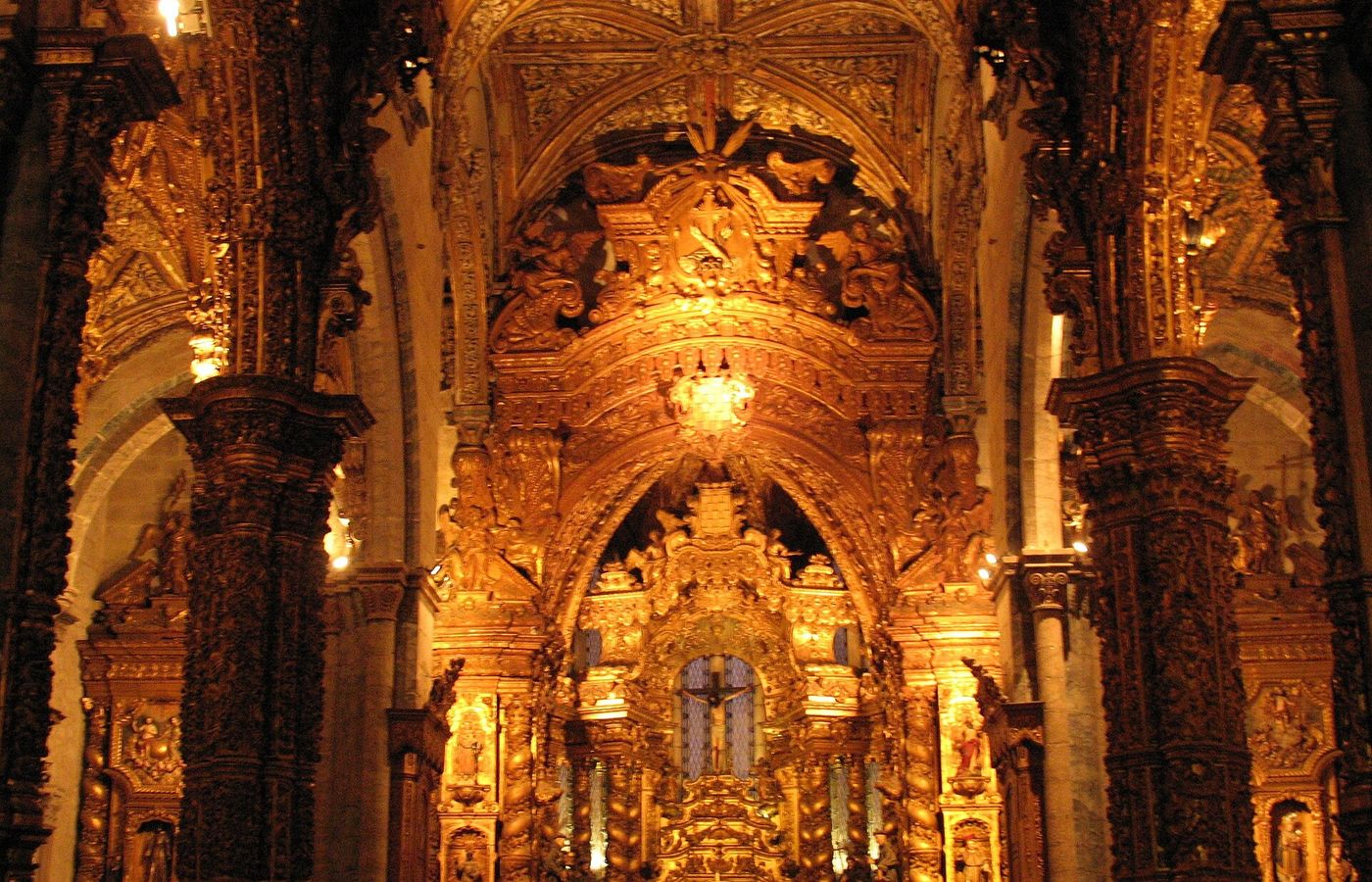
The Igreja de São Francisco looks unassuming from outside - a plain 14th-century Gothic facade with a single rose window - but step inside and you walk into one of the most spectacular gilded interiors in Iberia. Between the late 17th and mid-18th centuries, Portuguese craftsmen covered nearly every interior surface in carved wood smothered with gold leaf, a technique called talha dourada. Estimates put the gold leaf at roughly 200-400 kg, applied during Portugal's gold-rich era when Brazilian colonies supplied the Crown.
The Tree of Jesse altar on the north wall is the masterpiece - a polychrome wooden genealogy of Christ rising from the body of Jesse, carved 1718-1721. Beneath the church sits a vast crypt with bone-filled ossuaries visible through small floor grates. The ticket (~9 EUR in 2026) also includes the adjoining museum of religious art and the catacombs.
Pro Tip: Visit on a sunny morning around 11:00 when sunlight through the south windows catches the gilt and the whole interior glows. Bring a camera with a low ISO setting - flash is prohibited and the gold reflects sharply.
10Foz do Douro - Where the Douro Meets the Atlantic
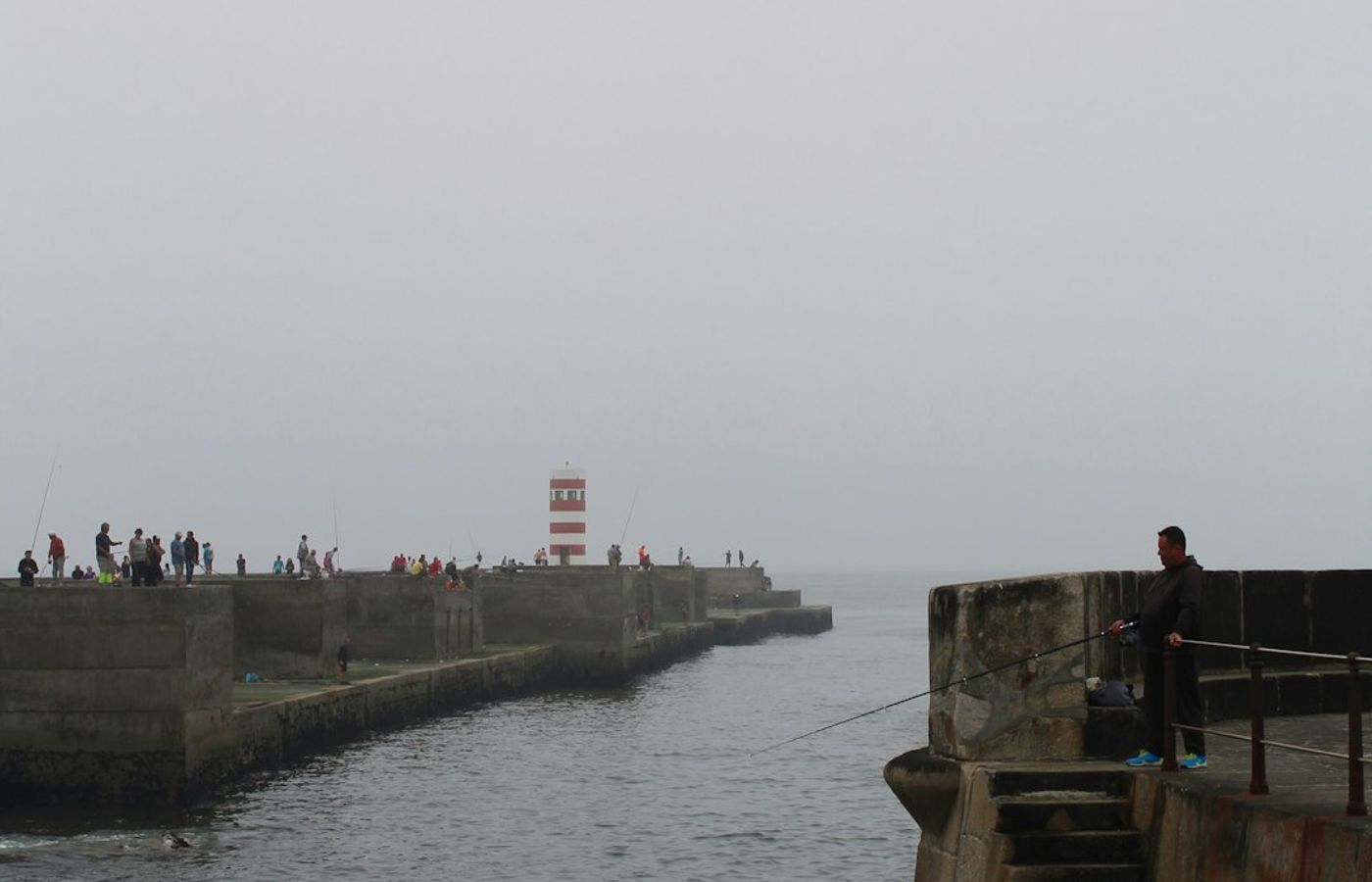
Foz do Douro is the seaside neighbourhood where the Douro estuary opens into the Atlantic, 6 km west of the historic centre. It is where Porto residents go to walk, surf, eat fresh fish, and escape the cruise crowd. The Avenida do Brasil promenade runs along sandy beaches dotted with the Castelo do Queijo (a 17th-century coastal fort), the wooden Pergola da Foz pavilion, and the white Felgueiras Lighthouse perched on the breakwater.
The vintage Tram 1 connects Foz to the city centre on a 30-minute ride along the riverside, the cheapest scenic transport in Porto at ~6 EUR return. The waterside restaurants in Foz are where Portuenses eat - prices and quality both better than Ribeira tascas. Praia dos Ingleses and Praia do Carneiro are the best swimming beaches; the Atlantic here is cold (max ~17-19°C in August) but the wide sand and consistent surf draw daily crowds.
Pro Tip: Take Tram 1 outbound from Infante for the scenic ride, then walk the 2.5 km promenade back toward Ribeira at sunset. A grilled sardine and vinho verde stop at any Foz tasca beats a Ribeira tourist trap by half the price.
11Serralves Museum and Park - Porto's Contemporary Art Headquarters
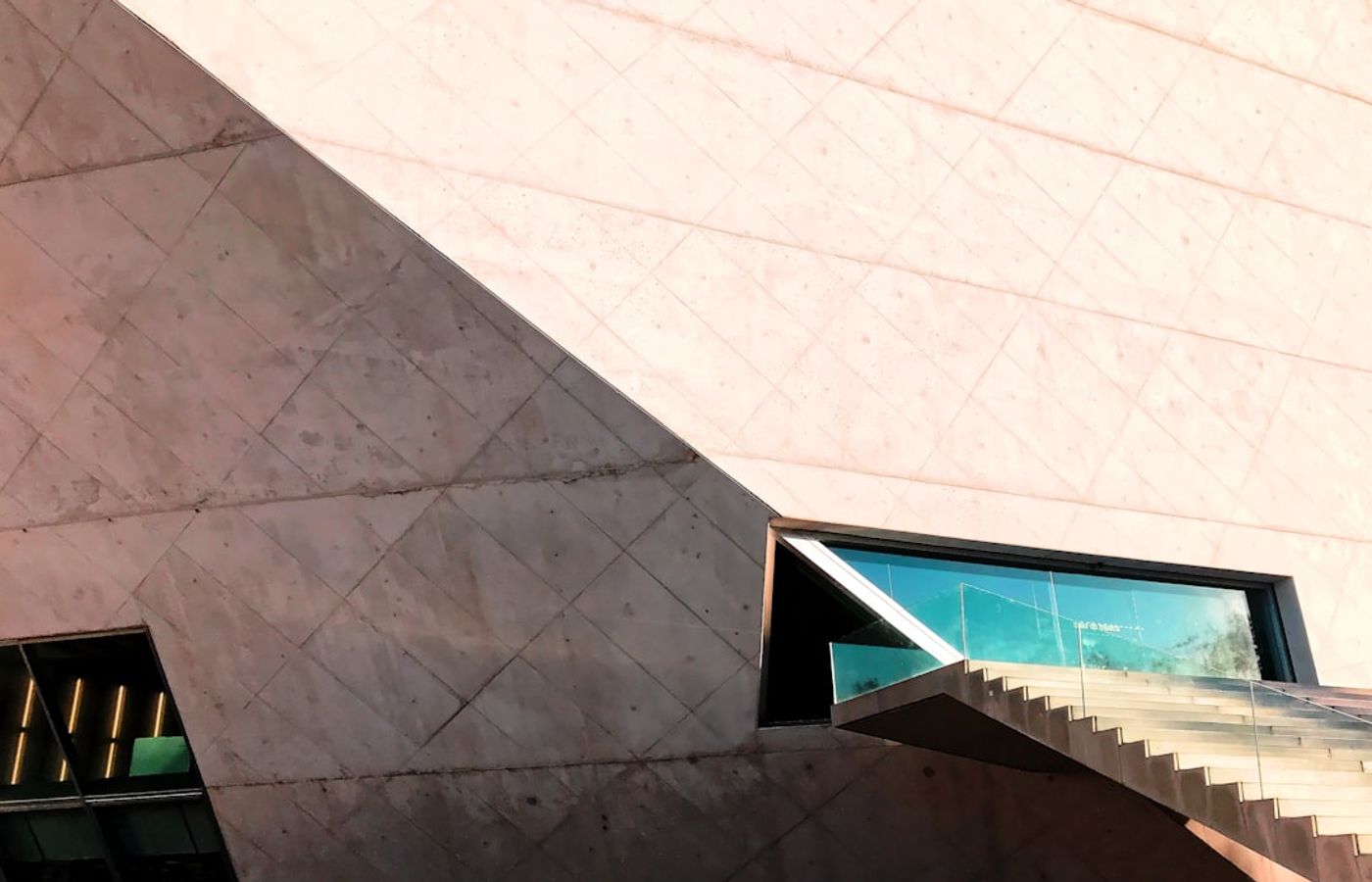
Serralves is two attractions in one. The Museum of Contemporary Art, designed by Pritzker laureate Álvaro Siza Vieira and opened in 1999, is a long white modernist sequence of galleries showing rotating exhibitions of contemporary Portuguese and international artists. Next to it sits the original 1930s Art Deco Casa de Serralves - a pink villa by architect Charles Siclis - now used for installations. The 18-hectare landscaped park outside is itself a National Monument, with formal parterres, a working farm, a tea house, and a 230-metre Treetop Walk completed in 2019.
The full ticket (~22 EUR in 2026) covers museum, villa, and park. Park-only entry costs ~12 EUR. Serralves hosts the annual Serralves em Festa each May, when the foundation opens 24 hours of free events drawing 100,000+ visitors.
Pro Tip: Allow at least 3 hours and bring a picnic - the cafe is fine but the park benches under the magnolias are better. Sunday morning entry to the museum is currently the best-value visit if you don't need the park.
12Douro Valley Day Trip - Europe's First Demarcated Wine Region
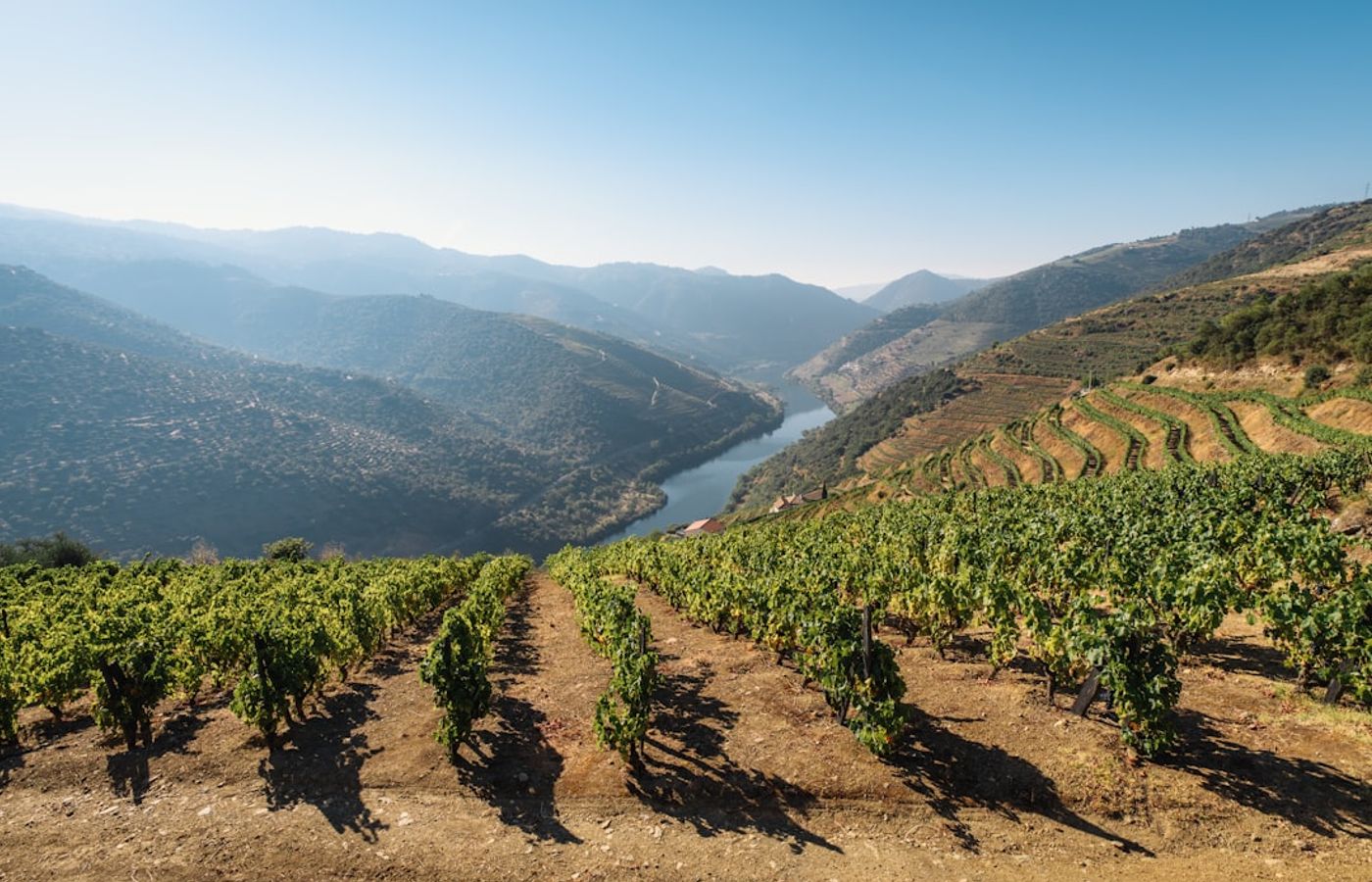
Porto is the gateway to the Douro Valley, the world's oldest demarcated wine region. The Marquis of Pombal drew the original boundaries in 1756, a full century before similar protections came to Bordeaux or Champagne. The valley terraces - some so steep they require vines to be hand-harvested by workers anchored with ropes - were named a UNESCO World Heritage Site in 2001.
The simplest day trip is the historic train from São Bento Station to Pinhão. Departures around 09:00 and 11:00 take roughly 2 hours 15 minutes through 26 tunnels, hugging the Douro for the last 90 minutes through a tunnel of vineyards. Return tickets cost ~30 EUR in 2026. Pinhão village is small - a renovated train station with azulejo panels of the harvest, two or three riverside restaurants, and the launch point for one-hour rabelo boat cruises (~15 EUR). Most quintas sit a short taxi ride away and welcome walk-ins for tastings (~15 EUR per flight).
Pro Tip: Pick the right-hand side of the carriage outbound from Porto - that side faces the river for the scenic last hour. Reserve seats on the panoramic carriages on weekends, which fill fast in September during the grape harvest.

CEO and co-founder
Tomas is the co-founder and director of trip1, an European company specializing in reservation services. He launched the company in 2025 with a focus on building scalable, efficient operations.
Climate averages · 1991–2020
When is the best time to visit Porto?
The best time to visit Porto is between May and October, the most comfortable stretch of the year on these averages.
Best time · May–OctoberRainfall
- Jan10°
- Feb11°
- Mar13°
- Apr14°
- May16°
- Jun18°
- Jul20°
- Aug20°
- Sep19°
- Oct17°
- Nov13°
- Dec11°
More of Portugal
12 Top Places to Visit in Porto, Portugal - FAQ
No. A realistic plan covers 3-4 of these 12 attractions per day, so the full list takes three days minimum. Day 1 handles the historic centre cluster (Clérigos Tower, São Bento Station, Livraria Lello, Porto Cathedral, Palácio da Bolsa, Church of São Francisco). Day 2 crosses the Dom Luís I Bridge for two Port wine cellars in Vila Nova de Gaia plus the Ribeira waterfront at sunset. Day 3 is for Foz do Douro, Serralves, and the Douro Valley by train. Trying to rush all 12 into a single day means seeing none of them properly.
Group by geography to minimise hill-climbing. Start uphill at Clérigos Tower for the orientation view, then walk to Livraria Lello (book entry slot in advance). Drop down through São Bento Station to Porto Cathedral, then Palácio da Bolsa and Church of São Francisco, ending at the Ribeira for lunch. Cross the Dom Luís I Bridge upper deck on foot, then descend in Vila Nova de Gaia for Port wine cellars. Foz do Douro, Serralves, and the Douro Valley each warrant a separate half-day. This route saves you from doubling back uphill multiple times.
Three sights effectively require advance booking in peak season. Livraria Lello uses timed-entry slots that regularly sell out same-day - book online 1-3 days ahead. The Palácio da Bolsa Arab Room is guided-tour only, with limited group sizes; reserve a tour time online to avoid a long queue. Clérigos Tower sells out at golden hour during summer - the 6-7 PM slot fills fastest. The Port wine cellars (Sandeman, Graham's, Taylor's, Cálem) accept walk-ins on weekdays but book up on weekends; reserve a slot if you want a vintage Port tasting. Everything else is walk-up.
Budget roughly 90-130 EUR per person for entry fees across all 12, plus transport. Free or near-free: Ribeira, Dom Luís I Bridge, São Bento Station, Foz do Douro. Paid 2026 prices: Clérigos Tower ~8 EUR, Livraria Lello ~5 EUR (redeemable on books), Palácio da Bolsa ~12 EUR guided tour, Porto Cathedral church free / cloister ~3 EUR, Church of São Francisco ~9 EUR, Serralves ~22 EUR, Port wine cellar tour with tasting ~15-30 EUR each (do two), Douro Valley train day trip ~30 EUR return plus quinta tastings. The Porto Card (4-day, ~33 EUR) cuts costs if you'll hit 6+ paid sights.
Several Porto gems sit just outside this top 12. Mercado do Bolhão, the recently restored 1914 market hall, is the best food-shopping stop in the centre. Casa da Música, Rem Koolhaas's 2005 concert hall, is essential for modern-architecture fans. Crystal Palace Gardens (Jardins do Palácio de Cristal) deliver the best free river view in the city. Beach lovers should add Matosinhos, a 20-minute Metro Line A ride for surfing and the country's best fresh grilled fish. Foodies should book a francesinha at Café Santiago or tripas à moda do Porto at a tasca. None of these displace the core 12, but each rewards a second visit.
Yes, all 12 are reachable by Porto Metro, STCP bus, or short walks from the central cluster. The 10 historic-centre sights sit inside a 2-km walkable square. Cross the Dom Luís I Bridge to Vila Nova de Gaia on foot (upper deck) or by Metro Line D to Jardim do Morro. Foz do Douro is a 30-minute ride on the vintage Tram 1 from Infante or STCP bus 500. Serralves is a 25-minute bus 502 from Cordoaria. The Douro Valley needs a Comboios de Portugal train from São Bento Station to Pinhão (~2 hr 15 min). One rechargeable Andante card covers everything inside Porto.
Yes, in fact this is the classic Porto half-day. The Ribeira waterfront and the Port wine cellars sit on opposite banks of the Douro, connected by the Dom Luís I Bridge in a 10-minute walk. A good plan: lunch at a Ribeira tasca around 13:00, walk across the lower deck of the bridge by 14:30, do one cellar tour at Sandeman or Graham's at 15:00 (~1 hour with tasting), then a second tour at Cálem or Taylor's at 16:30, and walk back across the upper deck by 18:00 for sunset photos. Total cost ~30-50 EUR depending on tasting flights.

Related travel guides
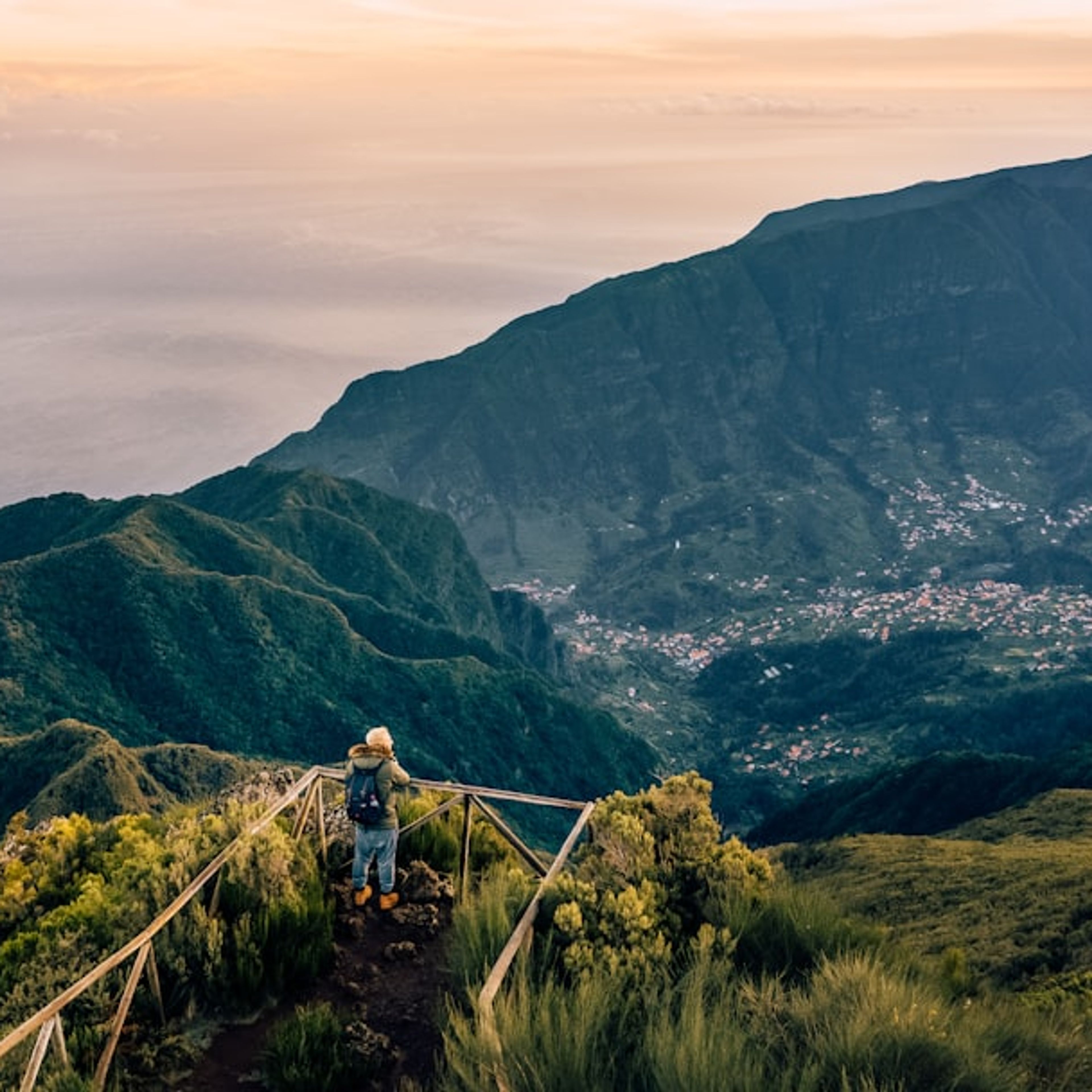
5 Best Autumn Hikes in Madeira
The 5 best autumn hikes in Madeira for 2026, with the new tiered trail fees, mandatory booking rules, current closures and honest weather advice.
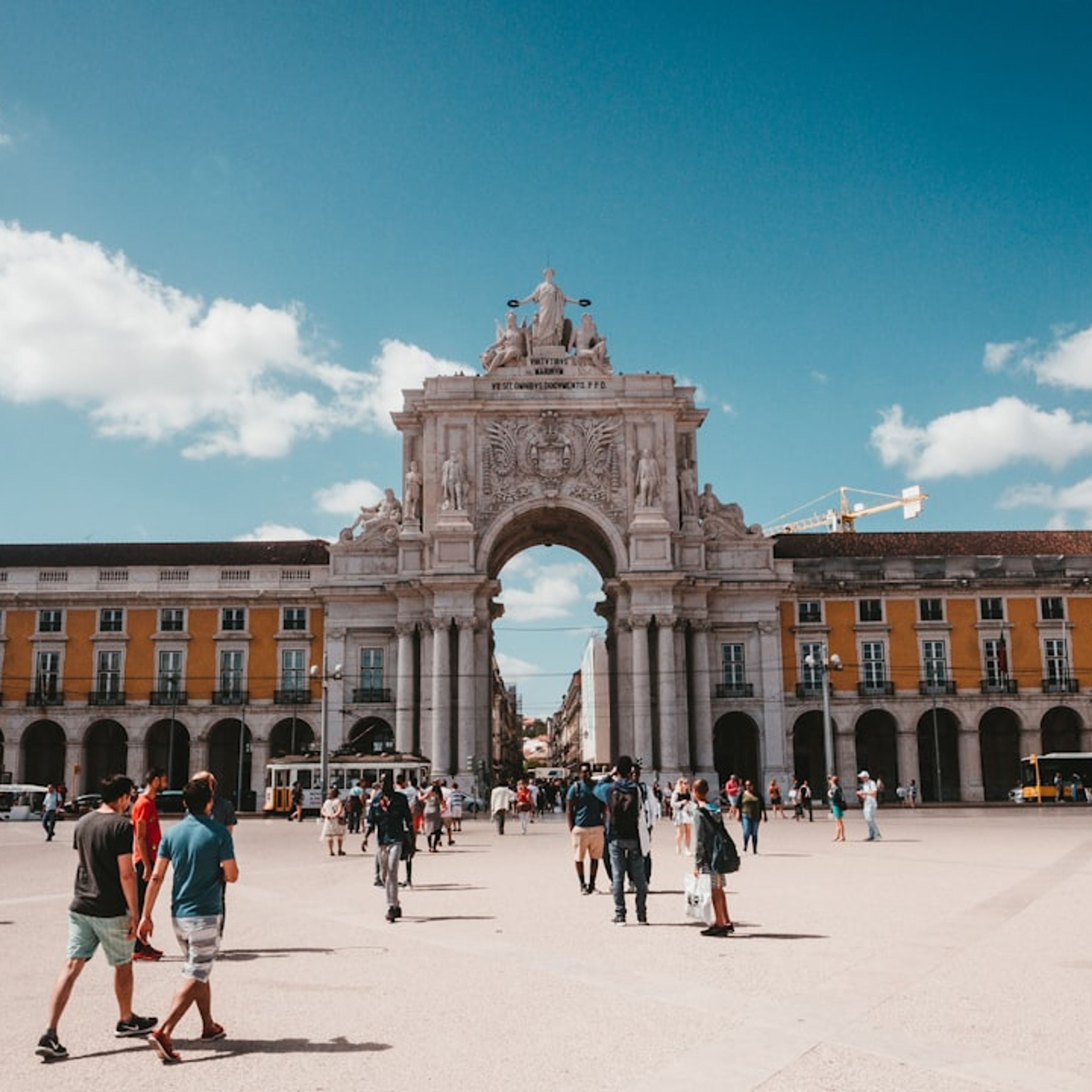
5 Best Things to Do in Lisbon During Web Summit
Five things to do in Lisbon during Web Summit 2026, with exact addresses, metro lines, ticket prices and the hour to turn up at each one.