

Guides · Madeira
12 Top Things to Do in Madeira, Portugal

CEO and co-founder
Madeira is one of Europe's most distinctive travel destinations - a volcanic Portuguese archipelago floating 1,000 km southwest of Lisbon in the Atlantic Ocean. This guide ranks the 12 top things to do in Madeira, the experiences that genuinely deserve a slot on your itinerary whether you have four days in Funchal or a full week of island exploration. Each entry includes the exact address, nearest bus line or transfer, GPS coordinates, and a concrete Pro Tip with prices, opening times, or insider routing.
We have grouped the 12 entries to help you plan efficient routes. Funchal city sights - Old Town, Mercado dos Lavradores, and a wine lodge - cluster within a walkable radius and pair well with a half-day Monte cable car and toboggan run. The classic mountain hike from Pico do Arieiro to Pico Ruivo and the Caldeirão Verde levada walk anchor the central interior. Cabo Girão, Câmara de Lobos, and Porto Moniz form a logical west coast loop, while Ponta de São Lourenço sits on the dry eastern tip. Porto Santo island deserves its own day.
1Funchal Old Town - The Cultural Heart of Madeira
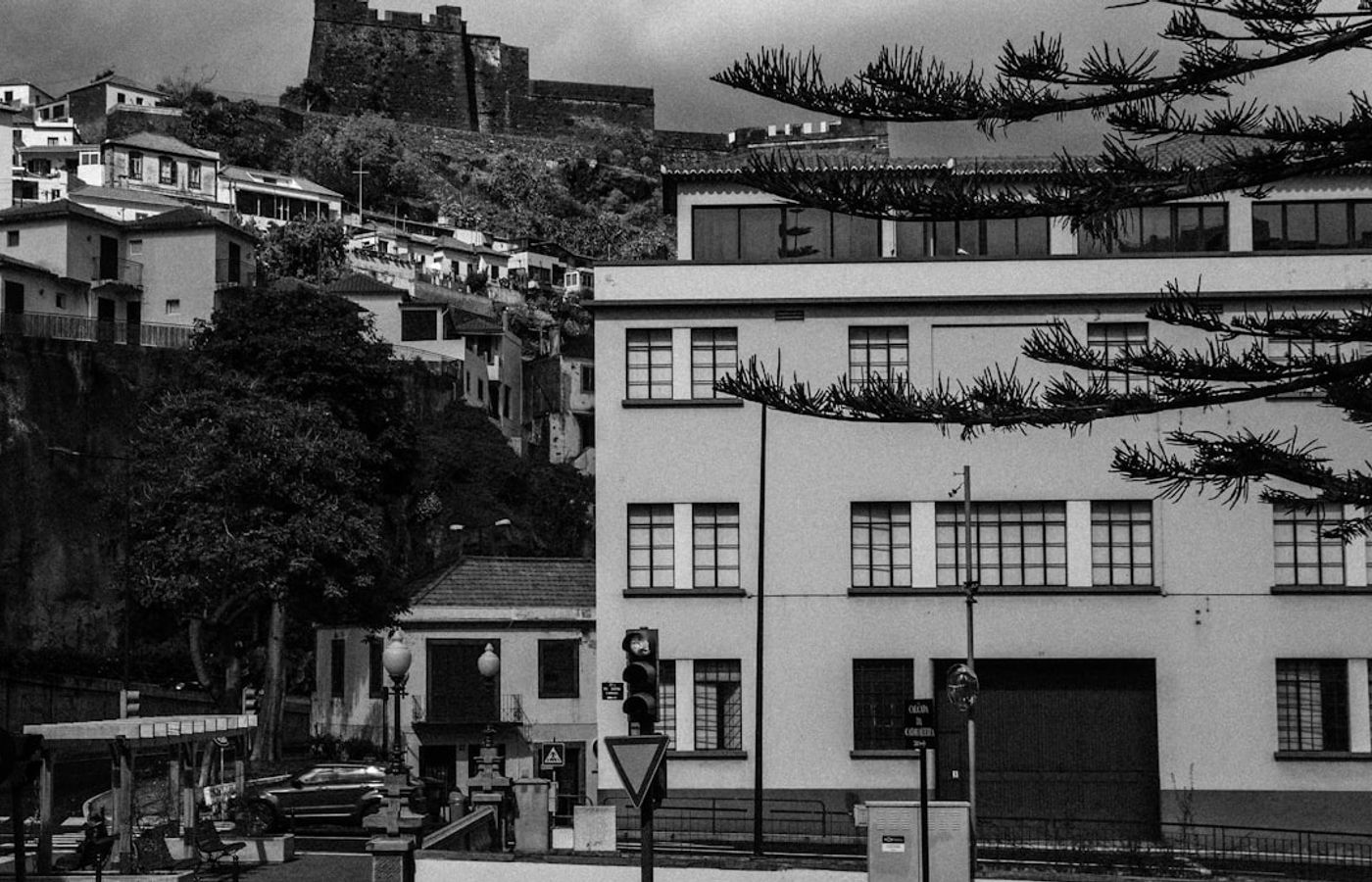

Funchal Old Town, known locally as Zona Velha, is the obvious starting point for any visit to Madeira. The cobbled lane of Rua de Santa Maria runs from Praça do Corpo Santo down to the seafront and was the original 15th-century fishing quarter where the city began. Since 2011, every door along the street has been hand-painted by a different artist, creating an open-air gallery known as the Painted Doors of Funchal that draws photographers all day.
The neighbourhood concentrates the bulk of Funchal's nightlife and seafood restaurants, plus the Sé Cathedral (1514) and the Forte de São Tiago, a yellow 17th-century fort guarding the bay. A teleférico station at the eastern end offers the most scenic way out: an 18-minute cable-car ascent to Monte.
Pro Tip: Eat dinner along Rua de Santa Maria after 8 pm, when the painted doors are softly lit and the day-tour crowds have moved on. Espetada (beef skewer cooked on a laurel branch) is the dish to order, paired with bolo do caco garlic bread.
2Pico do Arieiro to Pico Ruivo Trail - The Most Famous Hike in Madeira
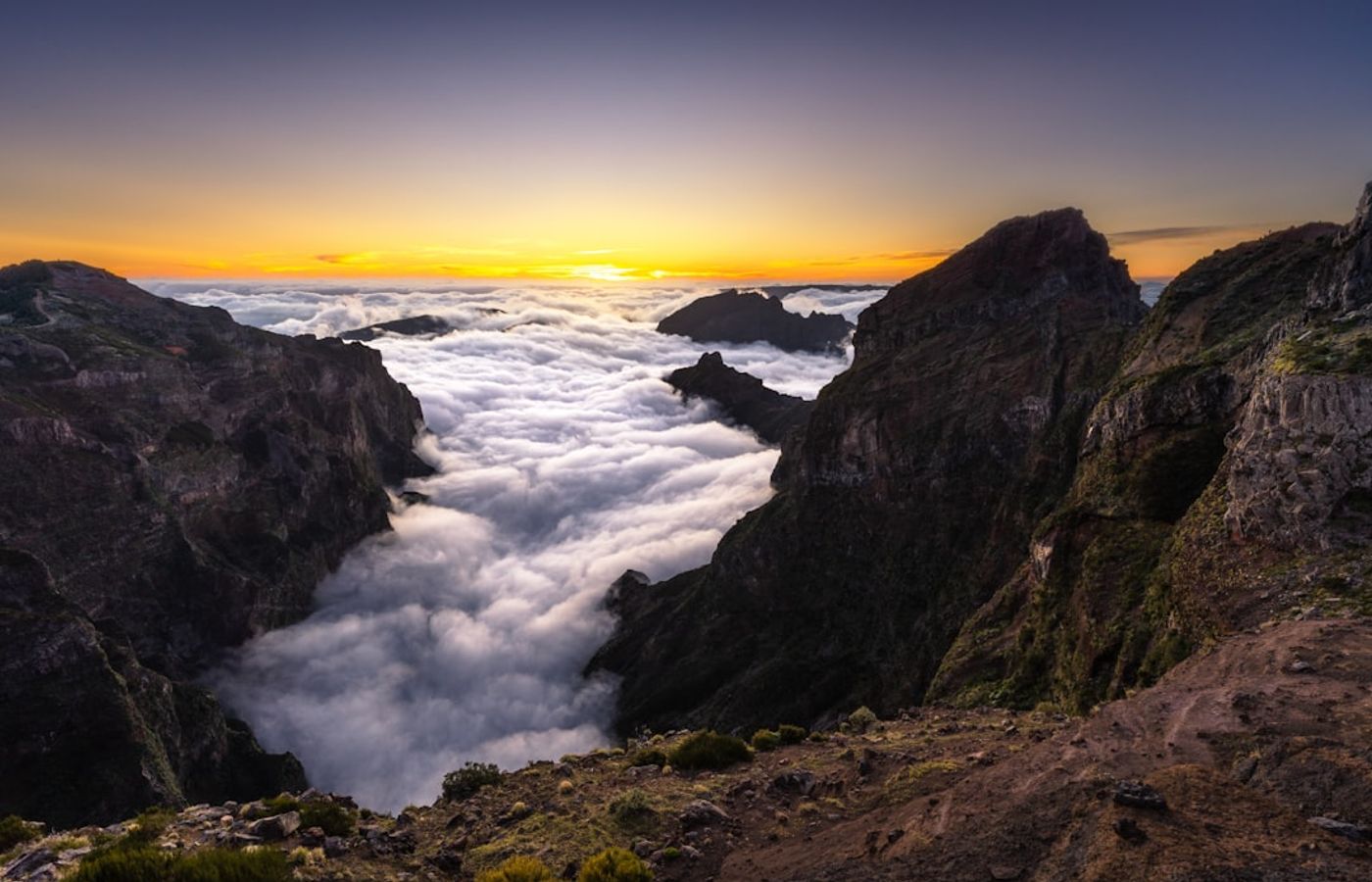

Topping every list of things to do in Madeira is the PR1 Vereda do Areeiro - the ridge walk between Madeira's third-highest peak (Pico do Arieiro, 1,818 m) and its highest (Pico Ruivo, 1,862 m). The full one-way route is 7 km, takes 3 to 4 hours, and crosses three lit tunnels, a series of stone steps cut into the cliff edge, and viewpoints where you walk above the cloud line at sunrise.
The trail is rated hard. There are exposed sections with steep drops, ladders, and over 1,000 m of cumulative climbing if you return on the same path. Most hikers arrange a one-way taxi or transfer from the Pico Ruivo end (via Achada do Teixeira) to skip the brutal return ascent.
Pro Tip: Be on the Pico do Arieiro summit car park by 5:30 am from May to September - the sea of clouds below the peak in the first 30 minutes after sunrise is what people fly in for. Bring a head torch for the tunnels and at least 2 litres of water.

3Cabo Girão Skywalk - Europe's Tallest Sea Cliff
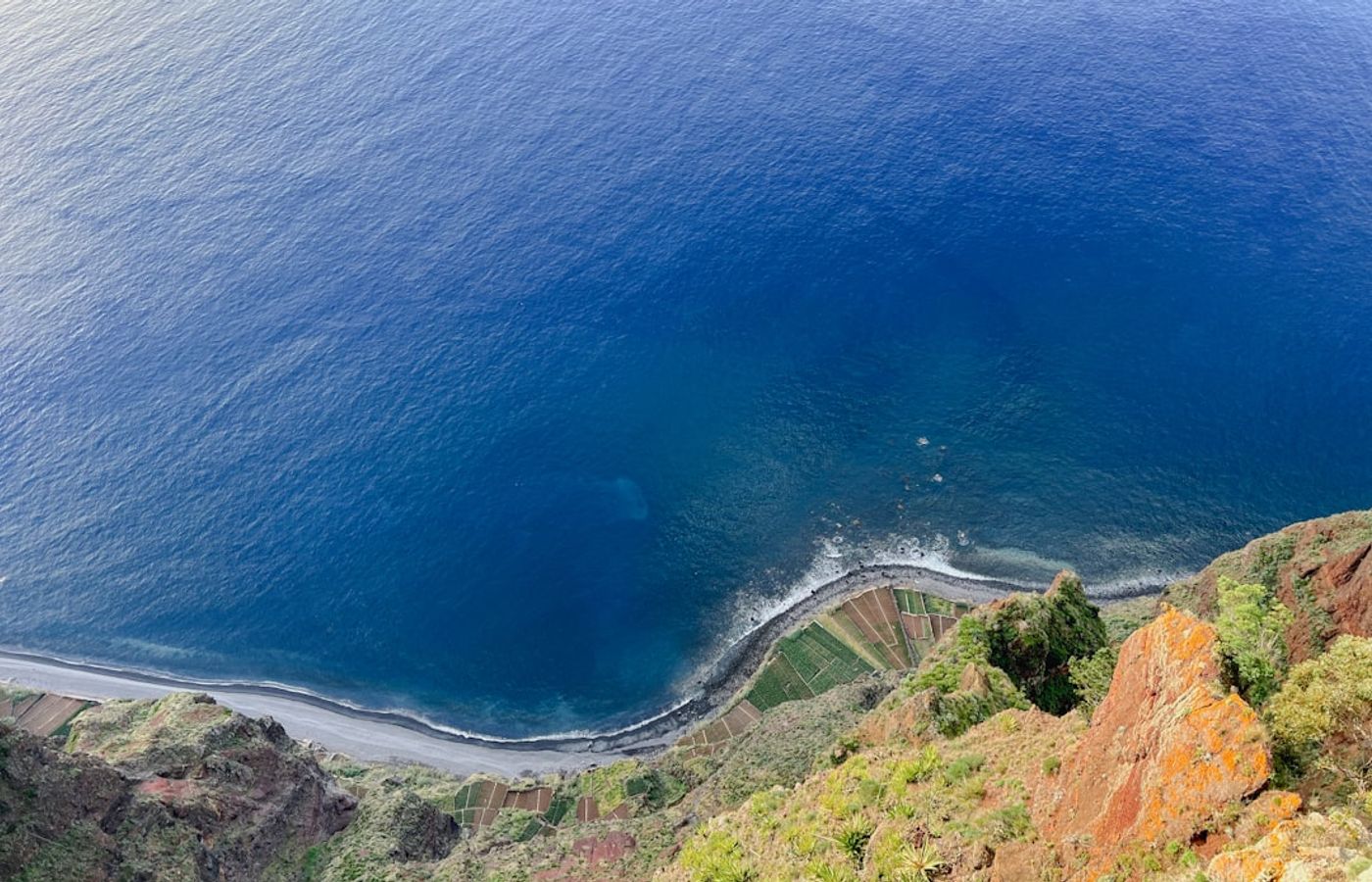

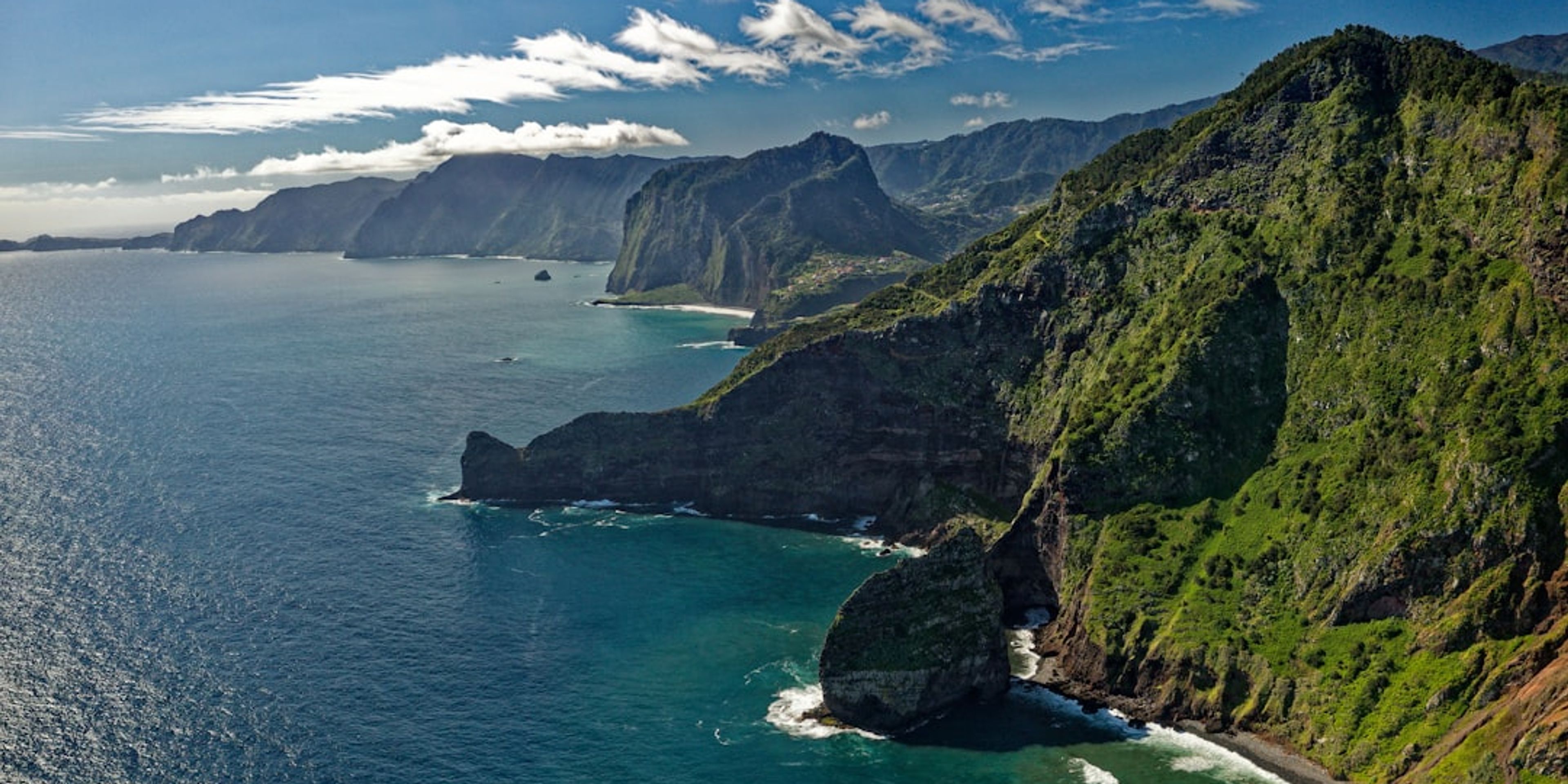
Cabo Girão has held the title of Europe's tallest sea cliff at 580 m for centuries, and since 2012 a glass-bottomed Skywalk has cantilevered straight out over the drop. The platform is free to enter, open 8 am to 8 pm, and offers a near-vertical view down to the fajãs (small farming terraces) on the rocky shoreline below, plus the curving south coast all the way back to Funchal.
The viewpoint sits above Câmara de Lobos, the fishing village that Winston Churchill famously painted in 1950 from the harbour below. Most visitors combine the two stops in a single morning. A separate cable car (Teleférico do Rancho - Fajã dos Padres) on the opposite side of the cliff descends 250 m to a quiet pebble beach and a renowned seafood restaurant.
Pro Tip: Arrive before 10 am or after 4 pm to skip the tour bus rush. The light is also softer for photos. The Fajã dos Padres cable car (12 EUR return) runs every 15 minutes from 10:30 am to 6 pm.
4Monte - Cable Car, Tropical Garden, and Wicker Toboggan
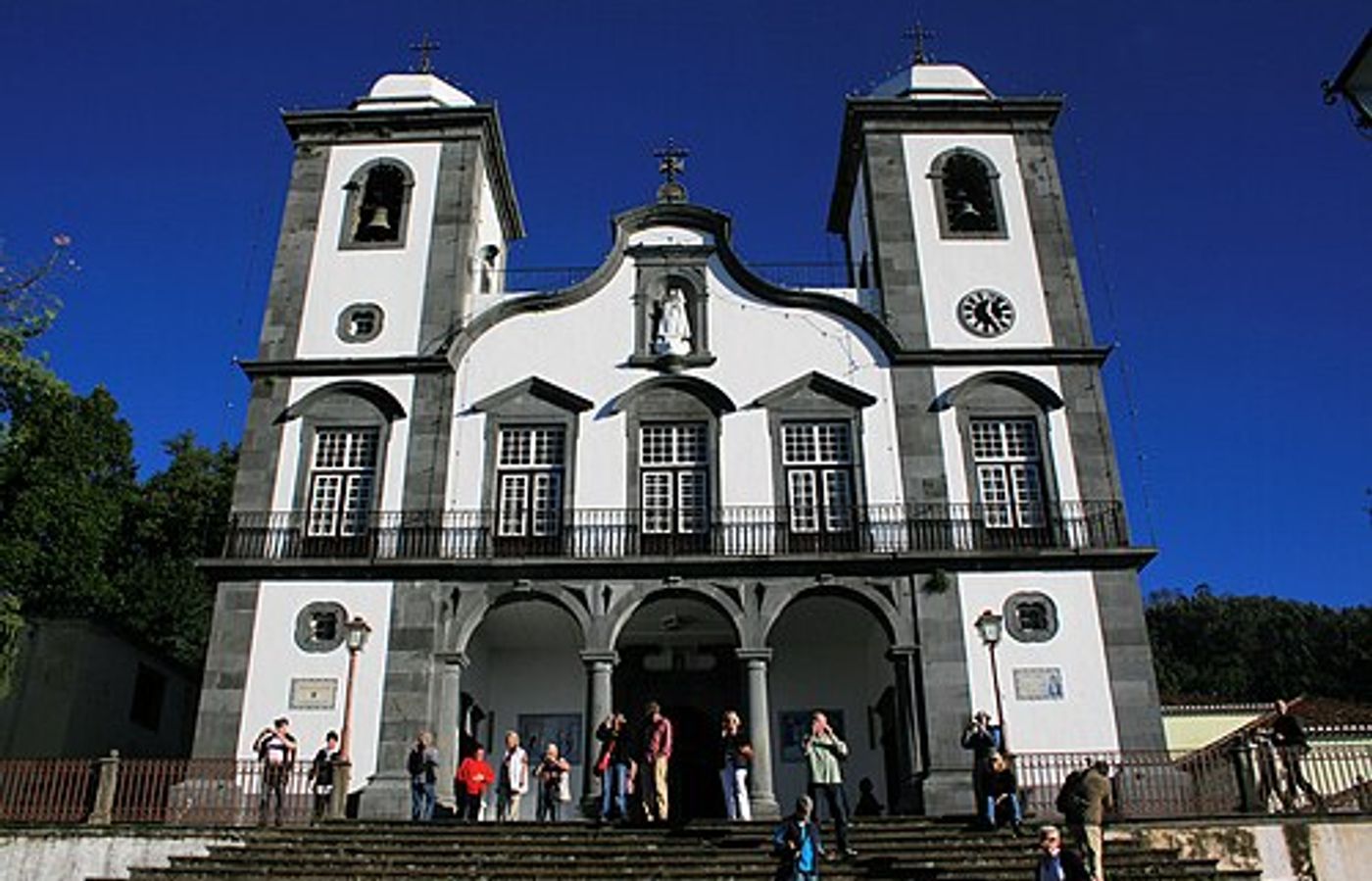
Monte is a leafy hilltop suburb 550 m above Funchal that delivers three of the island's defining experiences in a single half-day. Start with the Teleférico do Funchal, a 15-minute glass cable car climb from the Old Town seafront that costs 18 EUR return. At the top, Monte Palace Tropical Garden (15 EUR entry) spreads across 70,000 m² of terraced ravines with koi ponds, Japanese pagodas, and one of Europe's largest azulejo tile collections.
The famous descent is the Carreiros do Monte - wicker toboggans that slide down 2 km of public road from outside the Igreja de Nossa Senhora do Monte to Livramento. Two straw-hatted carreiros in white linen push and steer the basket using their rubber-soled boots as brakes, reaching speeds of around 35 km/h. The 10-minute ride costs 30 EUR for two passengers.
Pro Tip: Buy a combined cable-car-and-toboggan ticket at Almirante Reis station to save about 15%. Skip the gardens if your time is tight - the cable car views and the toboggan are the headline acts.
5Porto Moniz Natural Lava Pools - Madeira's Most Photographed Swim Spot
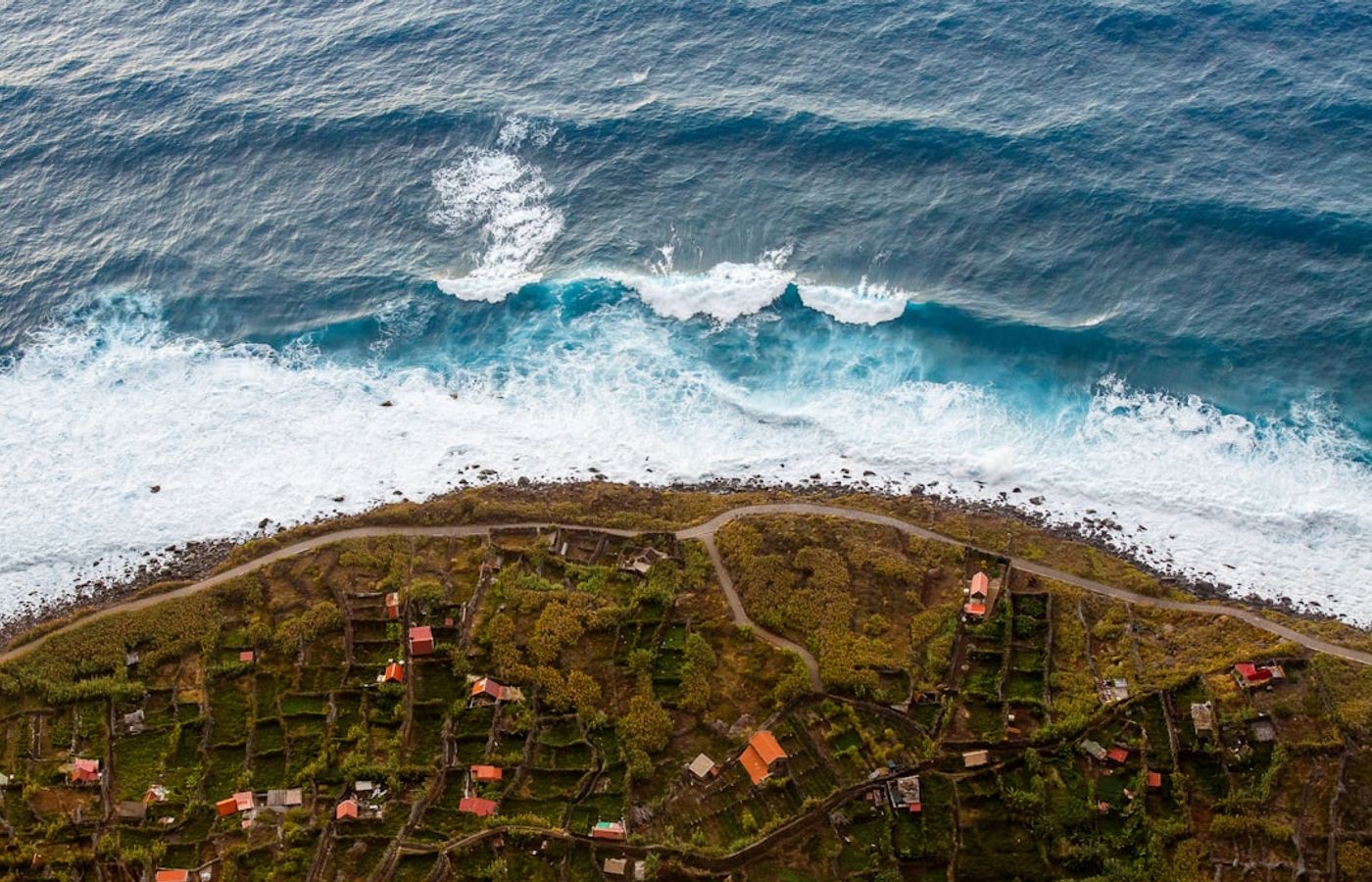
On Madeira's wild northwestern tip, the village of Porto Moniz is home to a series of natural swimming pools carved by lava flows over thousands of years. Smooth black basalt walls hold clear seawater that refreshes with each Atlantic swell, and a paid complex called Piscinas Naturais do Porto Moniz (3 EUR) has added ladders, sun terraces, lockers, and a cafe to the largest of the formations.
A few hundred metres west sits the free, more rugged set known as Piscinas Velhas, popular with locals. The drive in from Funchal is part of the appeal - the VE2 expressway hugs sheer cliffs through long tunnels, with a stop at the Véu da Noiva waterfall viewpoint in Seixal on the way.
Pro Tip: Visit between May and October when sea temperatures sit at 20-23 C and the pools are warm enough for an unhurried swim. Mornings are flat-calm; afternoon swell can close the pools entirely, so check the daily flag colour at the entrance.
6Levada do Caldeirão Verde - The Iconic Levada Walk
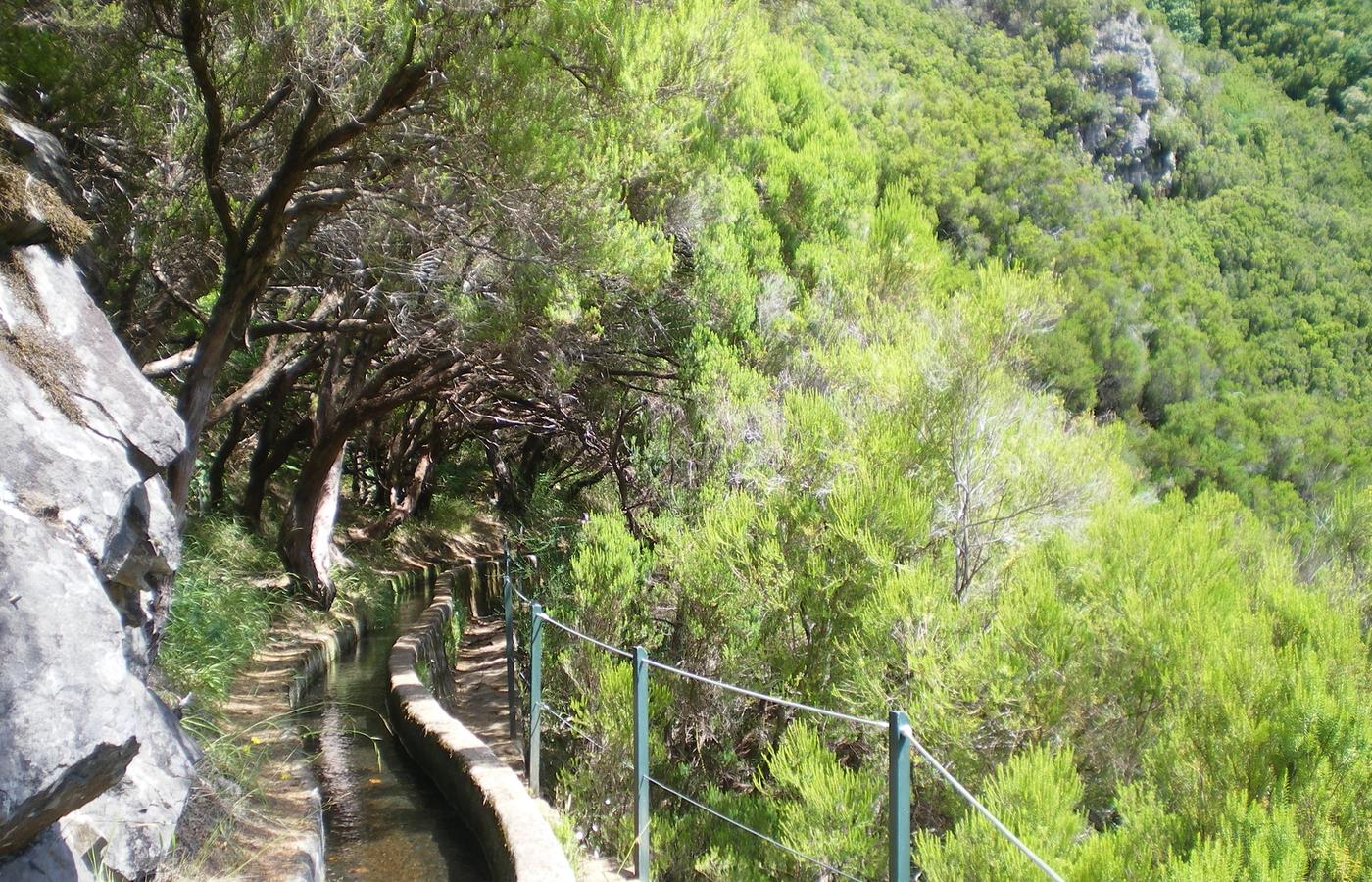
Of Madeira's 2,170 km of levada trails, the Levada do Caldeirão Verde in Parque Florestal das Queimadas is the one most travellers come for. The 13 km return walk follows a single irrigation channel cut into the side of the central mountains, passing four hand-cut tunnels (some unlit and 100 m+ long) and ending at a vertical green amphitheatre where a waterfall plunges into a basin known as the Green Cauldron.
The path is mostly flat and shaded by laurel forest, a UNESCO-listed remnant of the prehistoric Laurissilva that once covered southern Europe. Allow 4 to 5 hours including breaks. The car park at Queimadas (5 EUR) fills early in summer.
Pro Tip: Pack a head torch, waterproof jacket, and grippy shoes - the tunnel floors are wet and uneven, and the narrow path next to the channel has unguarded drops on the seaward side. Cross-trail trainers are fine; full hiking boots are overkill.
7Câmara de Lobos - The Fishing Village Churchill Painted
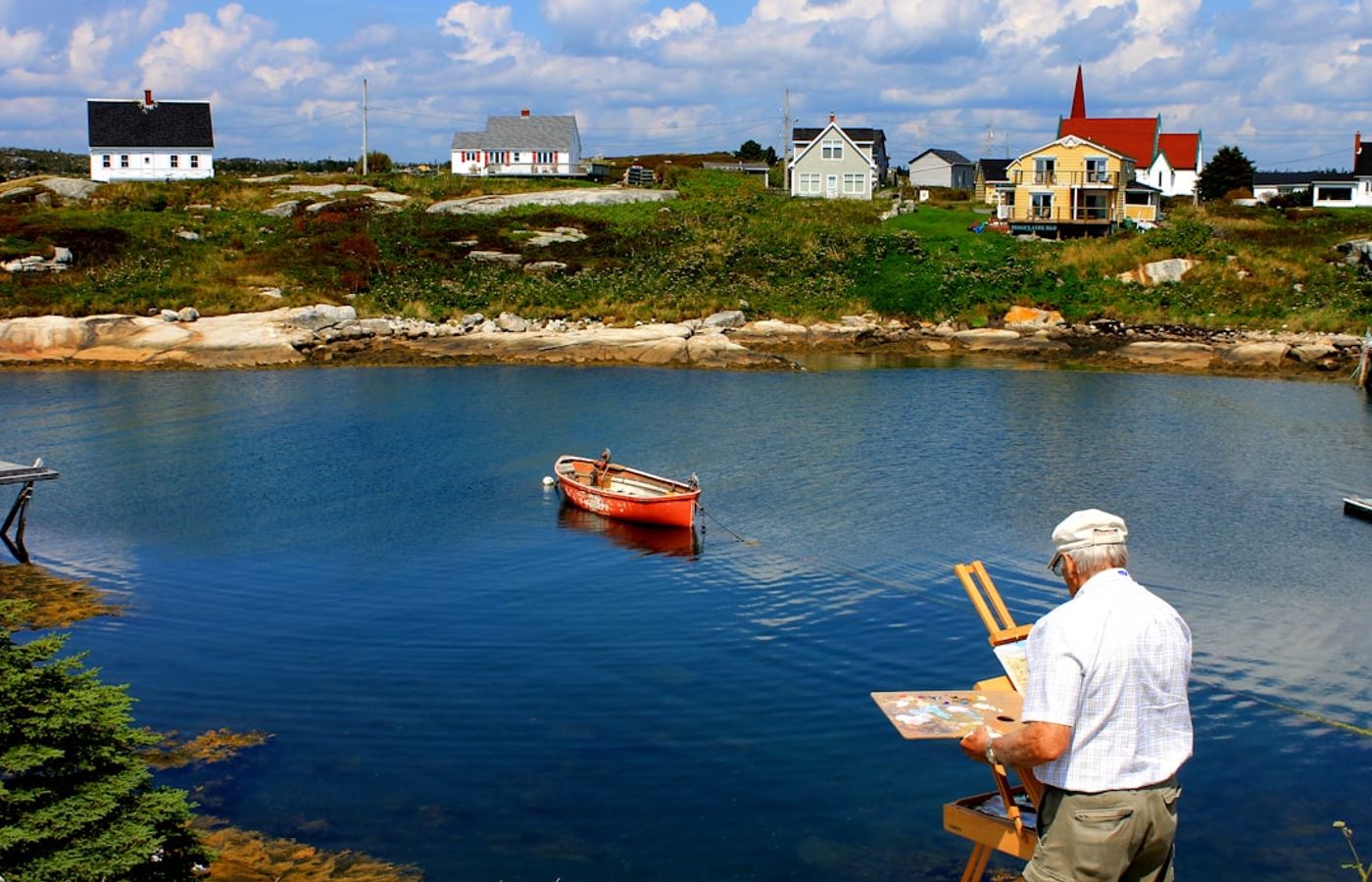
Câmara de Lobos is a working fishing village 9 km west of Funchal where Winston Churchill set up his easel in January 1950 to paint the colourful boats in the harbour. The viewpoint where he stood (Miradouro Churchill) is signposted on the cliff road above the port, and his hand-painted plaque is one of the most photographed spots in Madeira.
The harbour itself is still full of black scabbardfish (espada) boats - the unusual eel-like fish caught at depths of 1,000 m+ that you will see on every restaurant menu on the island. Above the port, the chapel of Nossa Senhora da Conceição (1420) is the oldest in Madeira. The village also claims to be the birthplace of poncha, the local rum, honey, and lemon cocktail.
Pro Tip: Stop at the no-frills bar Taberna da Poncha on Rua Dr João Abel de Freitas at sunset and order a poncha pescador (fisherman's poncha) for around 2.50 EUR. It is the strongest version, the way the boatmen drink it.
8Mercado dos Lavradores - Funchal's Farmers Market
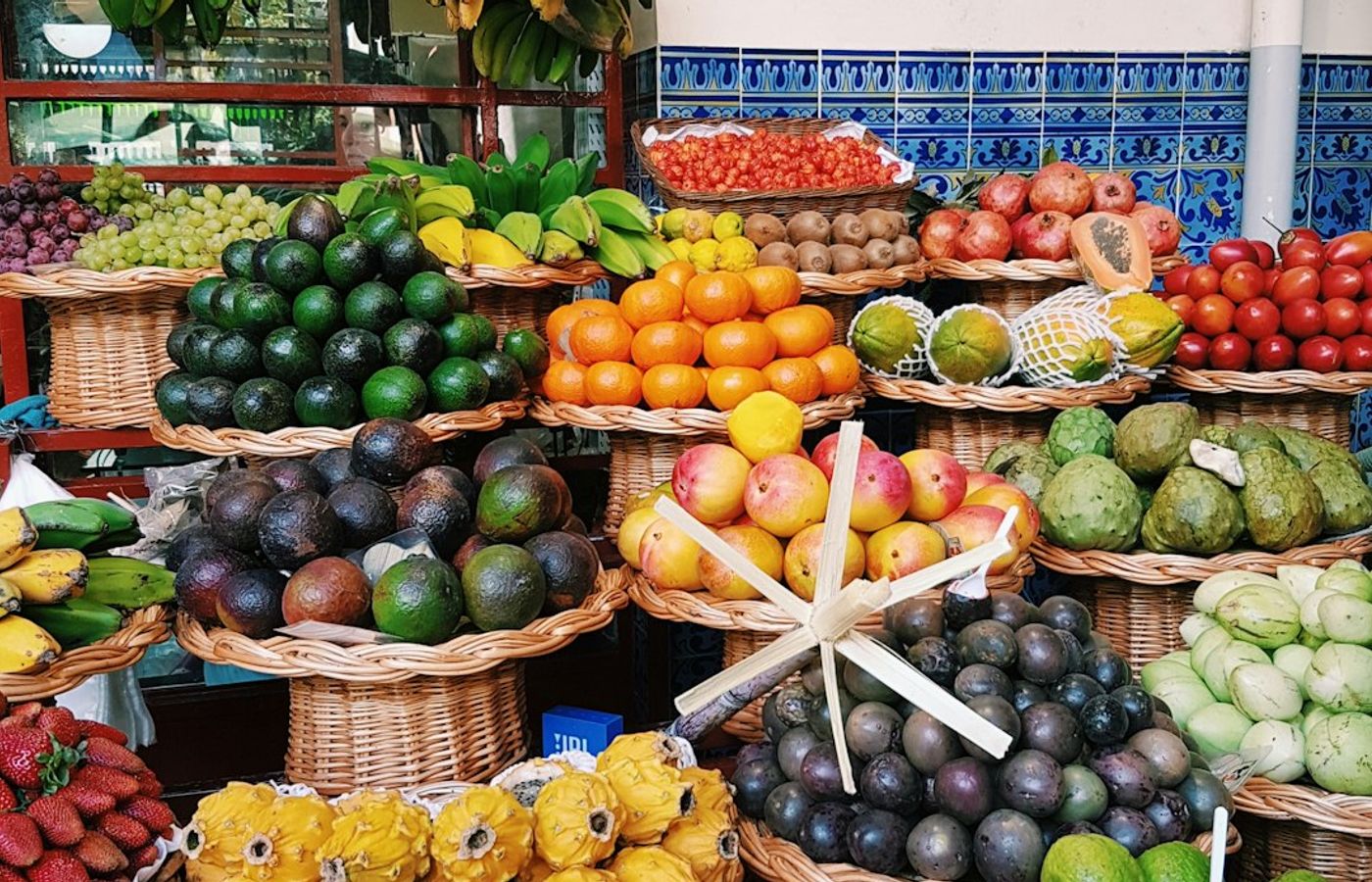
The Mercado dos Lavradores (Workers' Market) opened in 1940 and remains the daily shopping hub for Funchal's Old Town. Inside a 1930s Estado Novo building decorated with azulejo tile panels by Madeiran artist João Rodrigues, three levels of stalls sell tropical fruit, fresh fish, flowers, and Madeiran handicraft.
The ground floor is where the action is: vendors slice samples of custard apple, banana-passionfruit hybrid (banana-maracujá), and nêspera loquats. Downstairs, the fish hall shows off whole black scabbardfish on ice and tuna steaks the size of dinner plates. The flower stalls outside on Rua Brigadeiro Oudinot are staffed by women in traditional Madeiran dress.
Pro Tip: Buy fruit by the piece, not by weight - some stalls aggressively upsell tourists into 20 EUR fruit boxes. A single custard apple should cost 1-2 EUR, a tomato around 50 cents. The market is at its best between 8 am and 10 am on Fridays.
9Blandy's Wine Lodge - Tasting Madeira's Famous Fortified Wine
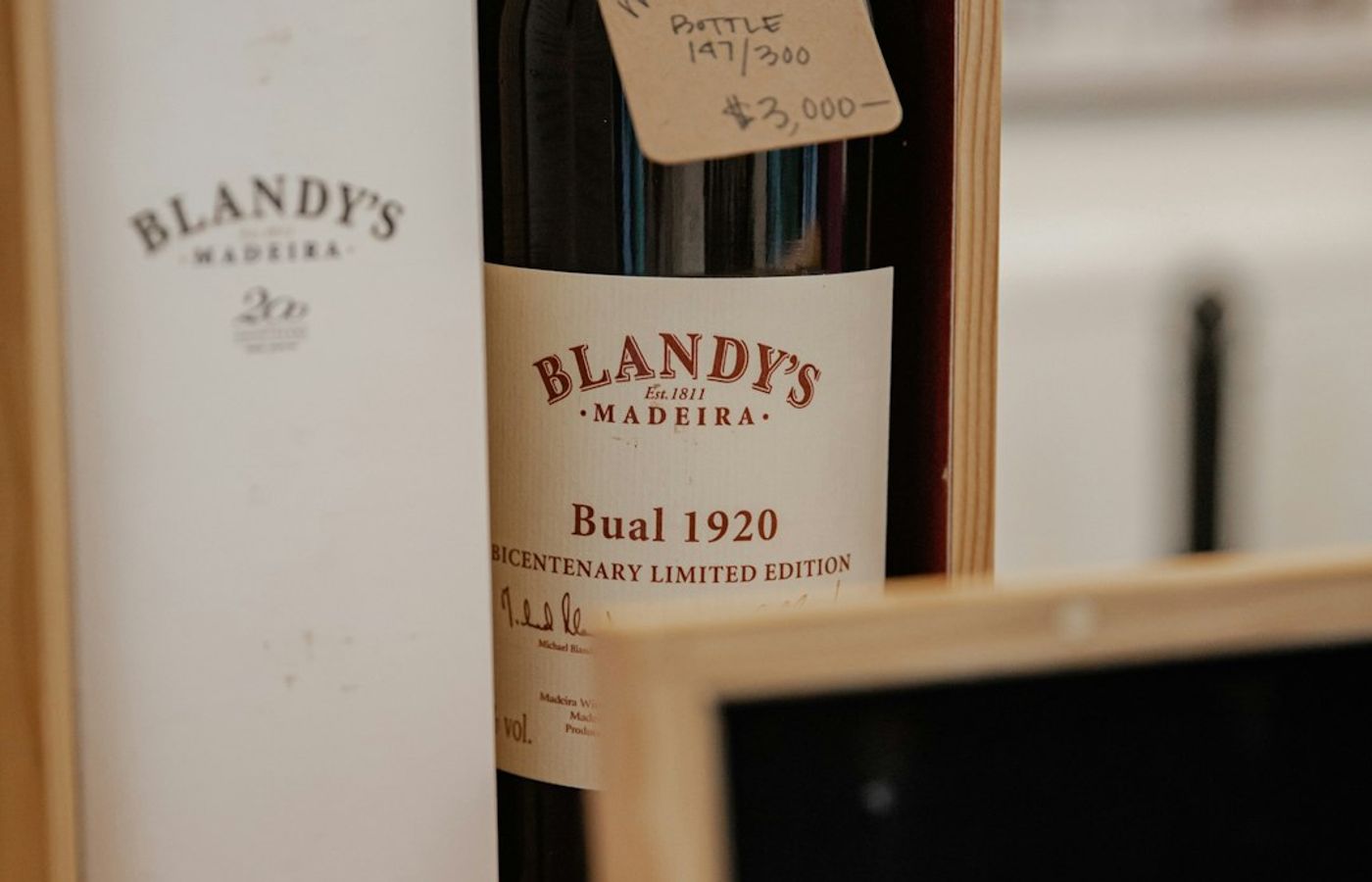
Madeira wine has been made on the island since the 15th century and is one of the few wines deliberately aged through heat - traditionally in cargo holds that crossed the equator, today in temperature-controlled rooms called estufas. Blandy's Wine Lodge on Avenida Arriaga has been in continuous operation since 1840 and is the easiest place to learn the story.
The 17-EUR guided tour lasts 45 minutes, includes a walk through the original 17th-century pinewood casks, and ends with a tasting of three styles - dry Sercial, off-dry Verdelho, and sweet Bual or Malmsey. Older Frasqueira (vintage) bottlings, some over 100 years old, are sold at the on-site shop. American history fans will note that the founding fathers used Madeira to toast the Declaration of Independence in 1776.
Pro Tip: Skip the basic tasting and book the Premium 5-Wine Experience (35 EUR) to compare 10-year-old wines across all four grape styles. Sessions run hourly from 10 am to 5:30 pm Monday to Saturday.
10Grutas e Centro do Vulcanismo - São Vicente Lava Caves
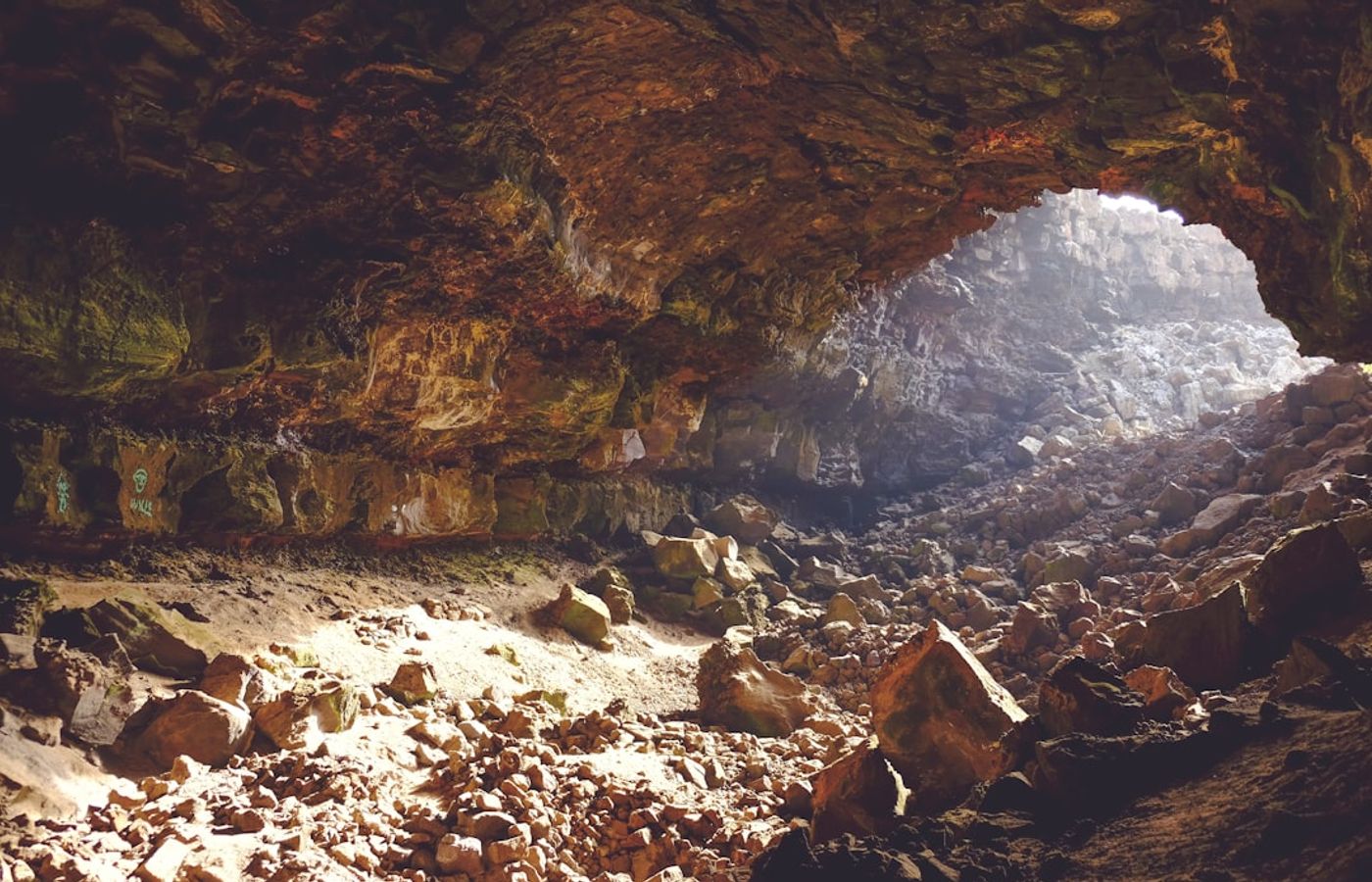
On the rainy north coast, the Grutas e Centro do Vulcanismo de São Vicente turns Madeira's geological origins into a one-hour stop. Guided tours (10 EUR) walk 1,000 m through lava tubes formed by an eruption around 890,000 years ago - smooth basalt tunnels with original lava drip ceilings, an underground spring, and a small waterfall lit theatrically along the route.
The attached Volcanism Centre has a short film and a simulated eruption that explains how the entire Madeira archipelago was built by hotspot volcanism above the Atlantic seafloor. The site is in the Pé do Passo area of São Vicente parish on the north coast, an hour's drive from Funchal via the VE1 and VE4 expressway tunnels.
Pro Tip: The caves stay at 16 C year-round - bring a light jacket even in August. Combine with a stop at Seixal's black-sand beach 15 minutes east, and the natural sea pools at Porto Moniz another 20 minutes beyond, for a full north-coast loop.
11Ponta de São Lourenço Trail - Madeira's Dry East Coast
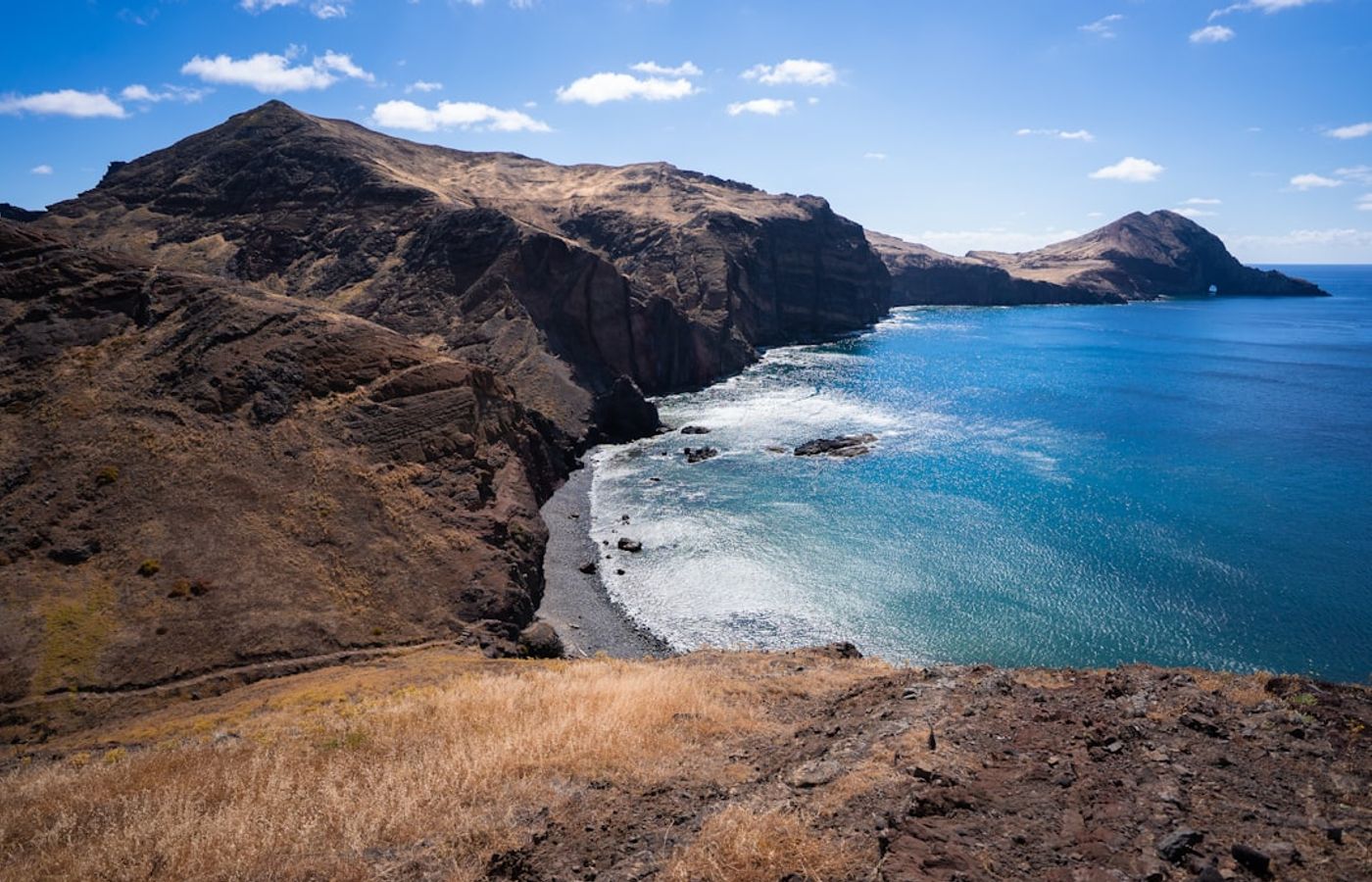
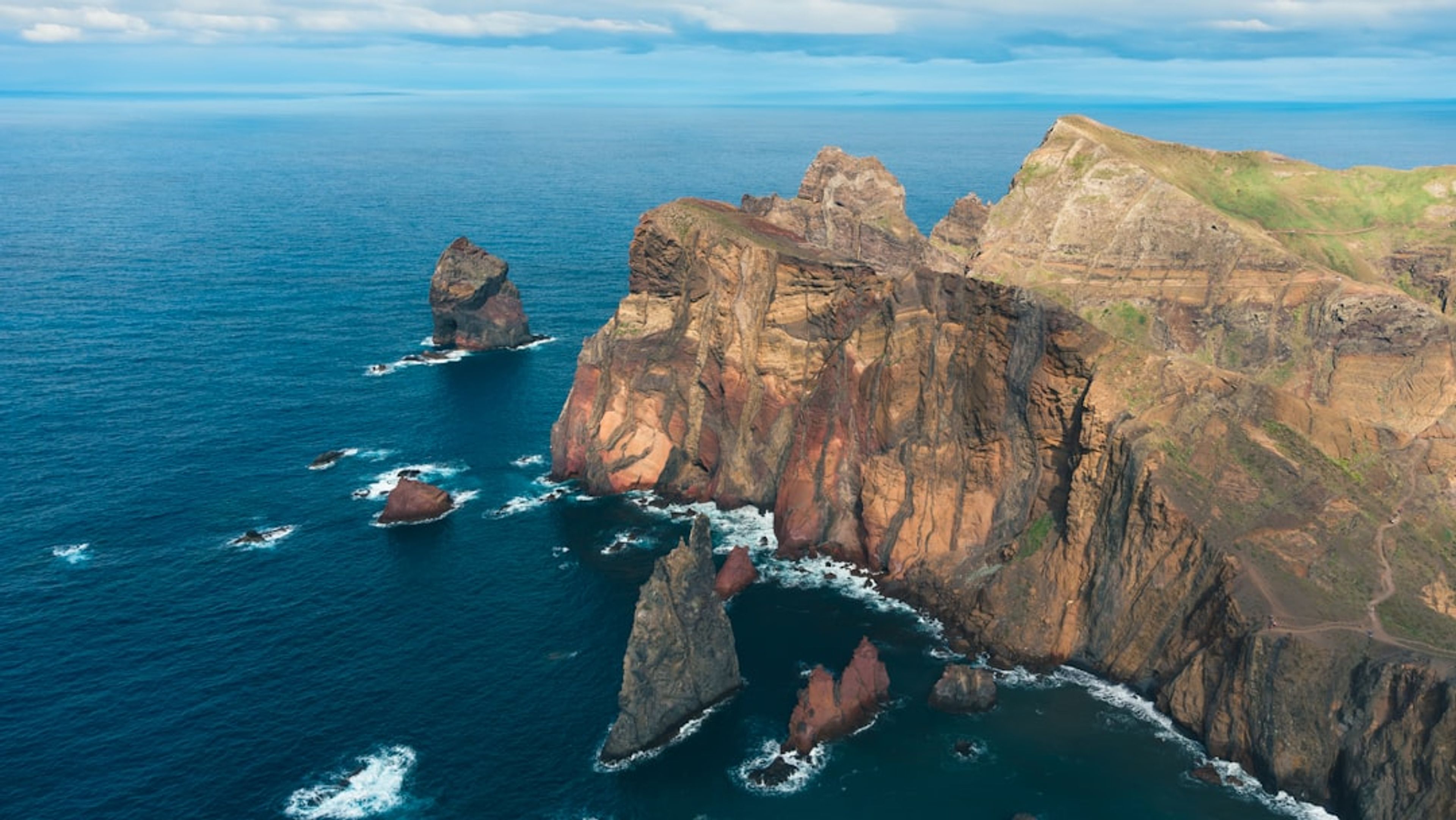
On Madeira's eastern tip, the Ponta de São Lourenço peninsula breaks every rule about the island. The terrain is bare, golden-brown, and almost treeless - more North African than Atlantic - because the dry trade winds hit this cape first and dump all their rain on the lush interior. The PR8 trail (8 km return, 3 hours) traces the narrow ridge along the spine of the peninsula past red-and-ochre cliffs that plunge 100 m into the sea on both sides.
The route ends at Casa do Sardinha, a stone refuge where a side path drops down to a swimming cove. The peninsula is a designated Natura 2000 reserve protecting nesting Cory's shearwaters and Madeiran wall lizards. Pair it with a stop at Caniçal fishing village or Machico's beach on the drive back.
Pro Tip: Start the walk by 8 am - there is no shade anywhere on the trail and afternoon temperatures regularly hit 28 C in summer even when Funchal is cloudy. The trailhead car park at Baía d'Abra fills by 9:30 am from June onwards. Bring 2 litres of water minimum.
12Porto Santo Island - The Golden Beach Day Trip
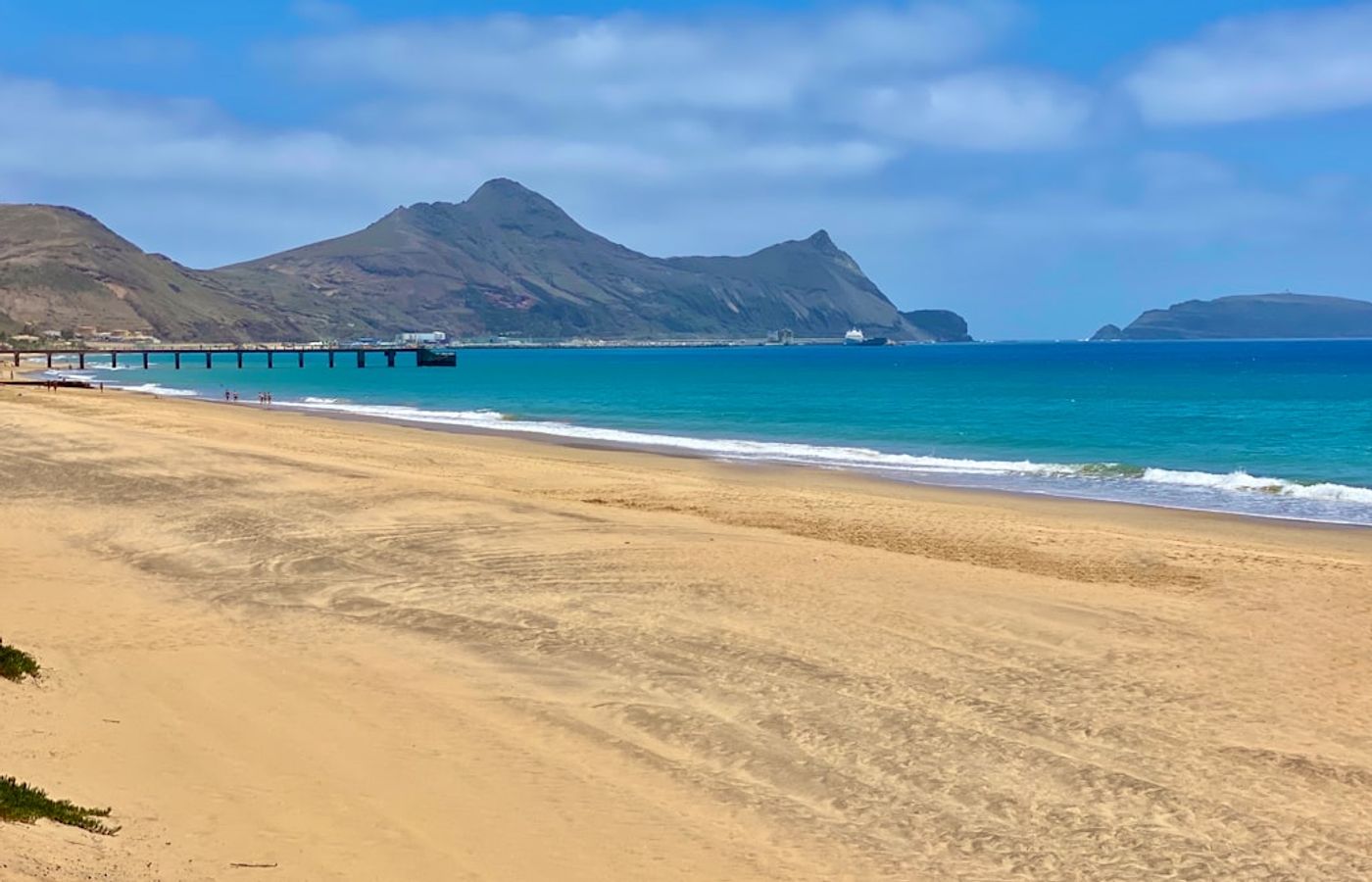
Madeira's sister island Porto Santo sits 43 km northeast and is the polar opposite of the main island - flat, sandy, and famously dry. The headline is a single, uninterrupted 9 km golden-sand beach that runs almost the full length of the south coast, regularly ranked among the best beaches in Europe and reputed to have medicinal properties from its unusual mix of biogenic sand and seawater.
The daily ferry Lobo Marinho, operated by Porto Santo Line from Funchal harbour, departs at 8 am, takes 2h 15min each way, and returns at 7 pm - giving you about seven hours on the island. A bus or taxi covers the 4 km from Porto de Abrigo to Vila Baleira, Porto Santo's only town and the birthplace of Christopher Columbus's wife Filipa Moniz.
Pro Tip: If you suffer from seasickness, fly instead - the 15-minute Binter Canarias hop from FNC costs from 60 EUR one way and runs three to four times daily. Return ferry tickets cost about 60 EUR; book through portosantoline.pt at least a week ahead in July and August.

CEO and co-founder
Tomas is the co-founder and director of trip1, an European company specializing in reservation services. He launched the company in 2025 with a focus on building scalable, efficient operations.
Climate averages · 1991–2020
When is the best time to visit Madeira?
The best time to visit Madeira is between April and September, the most comfortable stretch of the year on these averages.
Best time · April–SeptemberRainfall
- Jan17°
- Feb17°
- Mar18°
- Apr18°
- May19°
- Jun21°
- Jul23°
- Aug24°
- Sep24°
- Oct22°
- Nov20°
- Dec18°
More of Portugal
12 Top Things to Do in Madeira, Portugal - FAQ
No - realistically you need five to seven days. A single day might cover Funchal Old Town, Mercado dos Lavradores, Blandy's Wine Lodge, and the Monte cable car and toboggan, since they cluster within Funchal. The Pico do Arieiro to Pico Ruivo trail alone needs a half-day, and Porto Santo island is a full-day commitment by ferry. Plan a 5-day minimum: 2 days in Funchal proper, 1 day for the central mountains, 1 day for the north or west coast loop, and 1 day for Ponta de São Lourenço or Porto Santo.
Start with the Funchal cluster - Old Town, Mercado dos Lavradores, Blandy's Wine Lodge, and the Monte cable car and toboggan - while you adjust to the island. Day 2, do the Pico do Arieiro to Pico Ruivo hike at sunrise. Day 3, tackle the west coast loop: Câmara de Lobos, Cabo Girão Skywalk, then Porto Moniz lava pools. Day 4, head north for São Vicente Caves and a levada (Caldeirão Verde works well). Day 5, drive east to Ponta de São Lourenço, or take the Porto Santo ferry from Funchal harbour.
Three of the 12 need booking ahead in peak season (July to August and the Christmas to New Year window): the Porto Santo Line ferry (book at least a week in advance through portosantoline.pt), Blandy's Wine Lodge Premium tasting (24 hours), and the Monte cable car at peak times (online tickets let you skip the queue). Pico do Arieiro, Caldeirão Verde, Cabo Girão Skywalk, and Ponta de São Lourenço are all free and walk-up. São Vicente Caves accepts walk-ups but coach groups can fill the next slot - arrive when it opens at 10 am.
Budget around 200-260 EUR per person for entrance fees, the cable car, and the ferry. Monte cable car and toboggan combo: about 50 EUR. Monte Palace Tropical Garden: 15 EUR. Porto Moniz lava pools: 3 EUR. São Vicente Caves: 10 EUR. Blandy's Wine Lodge standard tour: 17 EUR. Porto Santo Line ferry return: ~60 EUR. The other attractions - Funchal Old Town, Cabo Girão Skywalk, the Pico do Arieiro hike, Caldeirão Verde levada, Câmara de Lobos, Mercado dos Lavradores, and Ponta de São Lourenço - are all free. Add 200-400 EUR for a 5-day rental car or 40-60 EUR per day for guided tours.
About half are easily reached by bus from Funchal. Horários do Funchal city buses cover the Old Town, Mercado dos Lavradores, Blandy's Wine Lodge, and the Monte cable car base. Rodoeste bus 7 reaches Câmara de Lobos and Cabo Girão. SAM bus 113 runs east to Caniçal for Ponta de São Lourenço. Porto Moniz, São Vicente, Pico do Arieiro, and the Caldeirão Verde trailhead are technically bus-served but the routes are long and infrequent - a rental car or guided day tour is far easier. Porto Santo is via ferry from Funchal harbour or a 15-minute Binter Canarias flight.
Several worthwhile spots did not make the top 12. The Fanal forest of ancient til trees in the high cloud zone, the Levada das 25 Fontes (an alternative to Caldeirão Verde), Seixal's black-sand beach, the Ponta do Sol sunset terraces, the Curral das Freiras viewpoint at Eira do Serrado, and the Madeira Wine Festival in early September are strong additions if you have eight days or more. Whale and dolphin watching tours from Funchal harbour are another half-day option, especially May to September when sperm whales and short-finned pilot whales are most active.
Yes, if you like beaches. Porto Santo's 9 km golden-sand beach is the polar opposite of Madeira's volcanic black-pebble coves and one of the longest uninterrupted beaches in Europe. The 2h 15min ferry each way eats most of your daylight, so plan to spend the seven hours between arrivals on the sand or renting a bike to circle the small island. If you mainly want hiking, cliffs, and laurel forest, skip Porto Santo and use the day elsewhere on the main island - the Fanal forest or Levada das 25 Fontes are stronger alternatives.

Related travel guides
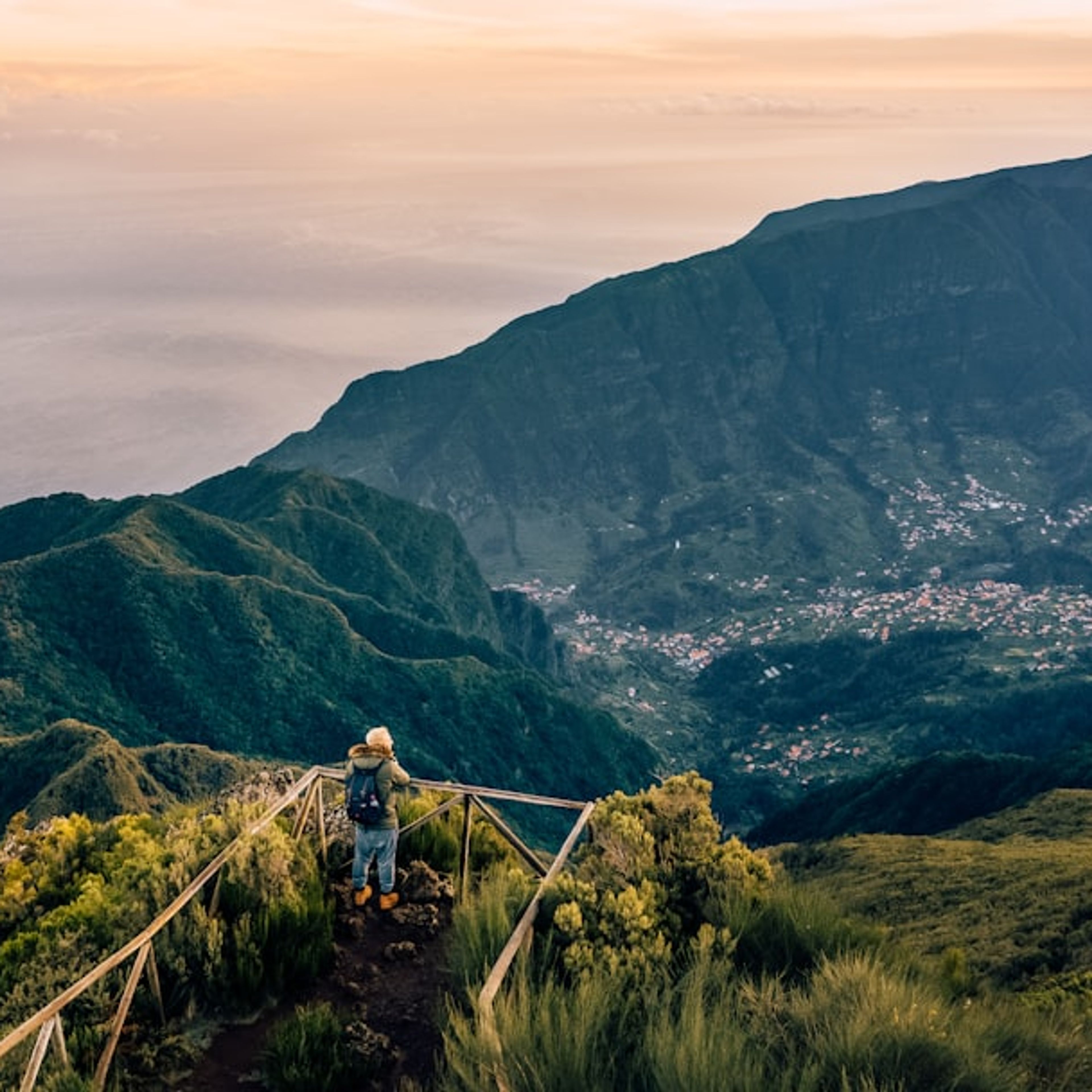
5 Best Autumn Hikes in Madeira
The 5 best autumn hikes in Madeira for 2026, with the new tiered trail fees, mandatory booking rules, current closures and honest weather advice.
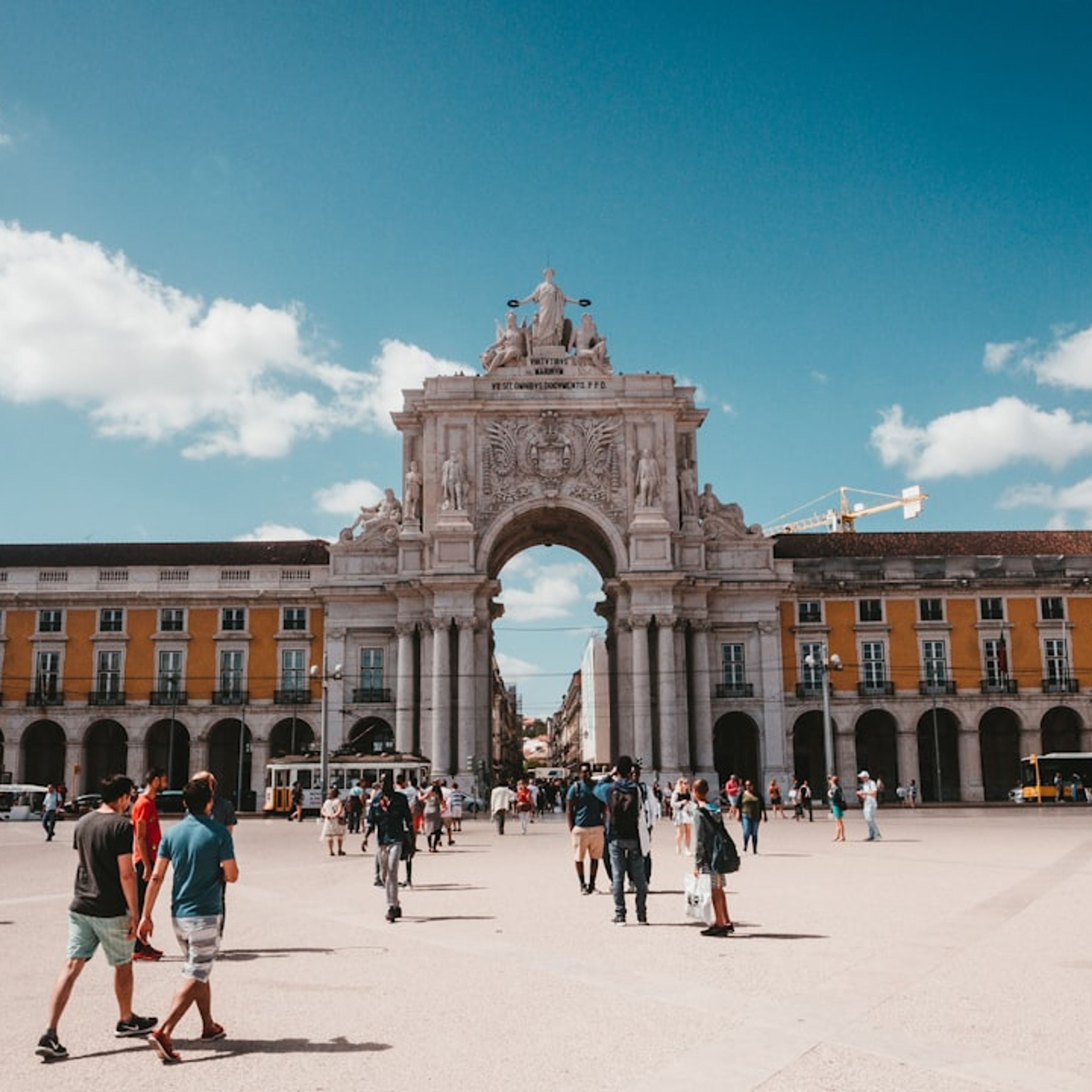
5 Best Things to Do in Lisbon During Web Summit
Five things to do in Lisbon during Web Summit 2026, with exact addresses, metro lines, ticket prices and the hour to turn up at each one.