Guides · Lisbon
10 Top Things to Do in Lisbon
By Tomas Achmedovas · CEO and co-founder

CEO and co-founder
Lisbon rewards the kind of traveller who is happy to get lost. The Portuguese capital sprawls across seven hills above the Tagus estuary, and the best things to do in Lisbon range from medieval castle ramparts to a repurposed industrial food hall on the waterfront. This guide ranks 10 top things to do in Lisbon - the sights that genuinely earn a place on your itinerary whether you have a long weekend or a full week to explore.
Each entry below includes the exact street address, nearest tram or metro stop, and a practical Pro Tip drawn from on-the-ground experience. We have grouped attractions geographically to help you plan efficient routes: the Belém waterfront cluster (Jerónimos Monastery, Belém Tower, Pastéis de Belém, and LX Factory) fills a solid morning, while the Alfama and castle loop works best in the afternoon when the light hits the terracotta rooftops. Central Baixa connects the Santa Justa Lift, Praça do Comércio, and Time Out Market on foot in under 20 minutes.
Lisbon's public transport - metro, trams, buses, and ferries - reaches every spot on this list. A charged Viva Viagem card or a 24-hour Lisboa Card keeps things simple and saves money on admission fees. Read on for the full breakdown of the top things to do in Lisbon, Portugal, from the hilltop fortress of São Jorge Castle to the modern aquariums of the Oceanário de Lisboa at Parque das Nações.
Check dates for Lisbon
See what is available on your dates.
1São Jorge Castle - Lisbon's Hilltop Fortress with Panoramic Views
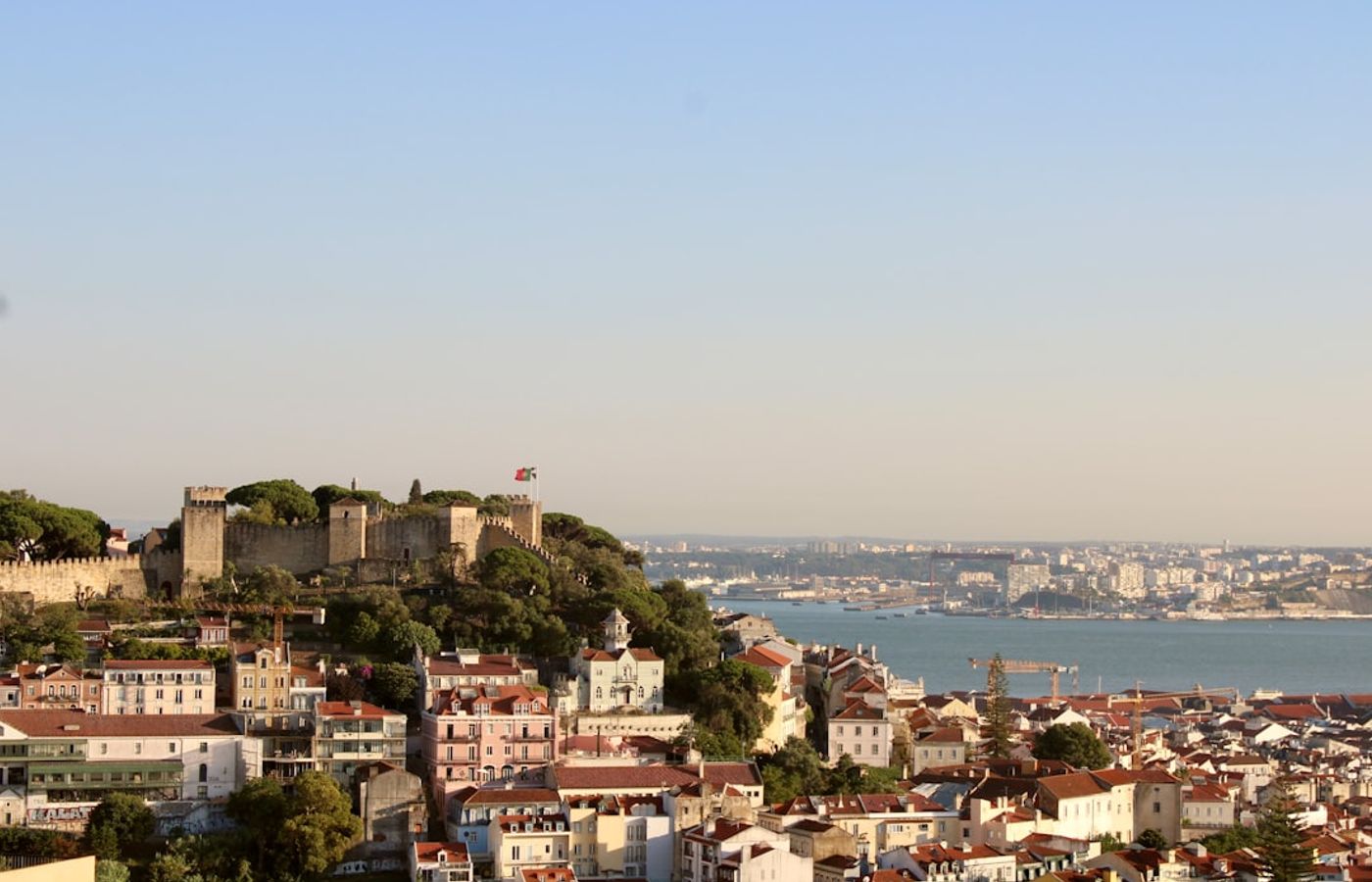

São Jorge Castle (Castelo de São Jorge) sits at the highest point of Lisbon's oldest district, and the 360-degree views from its ramparts make it the single best vantage point in the city. Originally a Moorish fortification from the 11th century, the castle was later expanded by Portugal's first king, Afonso Henriques, after he captured Lisbon in 1147. What stands today is largely a 20th-century restoration, but the scale of the walls, eleven towers, and archaeological site underneath tells the story of 2,000 years of continuous habitation on this hill.
The inner citadel includes a small archaeological museum displaying artefacts from the Iron Age, Roman, and Moorish periods. Peacocks wander the gardens. The periscope in the Torre de Ulisses (Tower of Ulysses) projects a real-time 360-degree image of the city onto a concave dish - a camera obscura that is easy to miss but fascinating to watch. Budget at least 90 minutes to walk the walls, explore the ruins, and simply sit on the ramparts watching the red rooftops cascade down toward the Tagus River. Adult admission costs around €15-17 in 2026.
2Jerónimos Monastery - UNESCO Masterpiece of Manueline Architecture
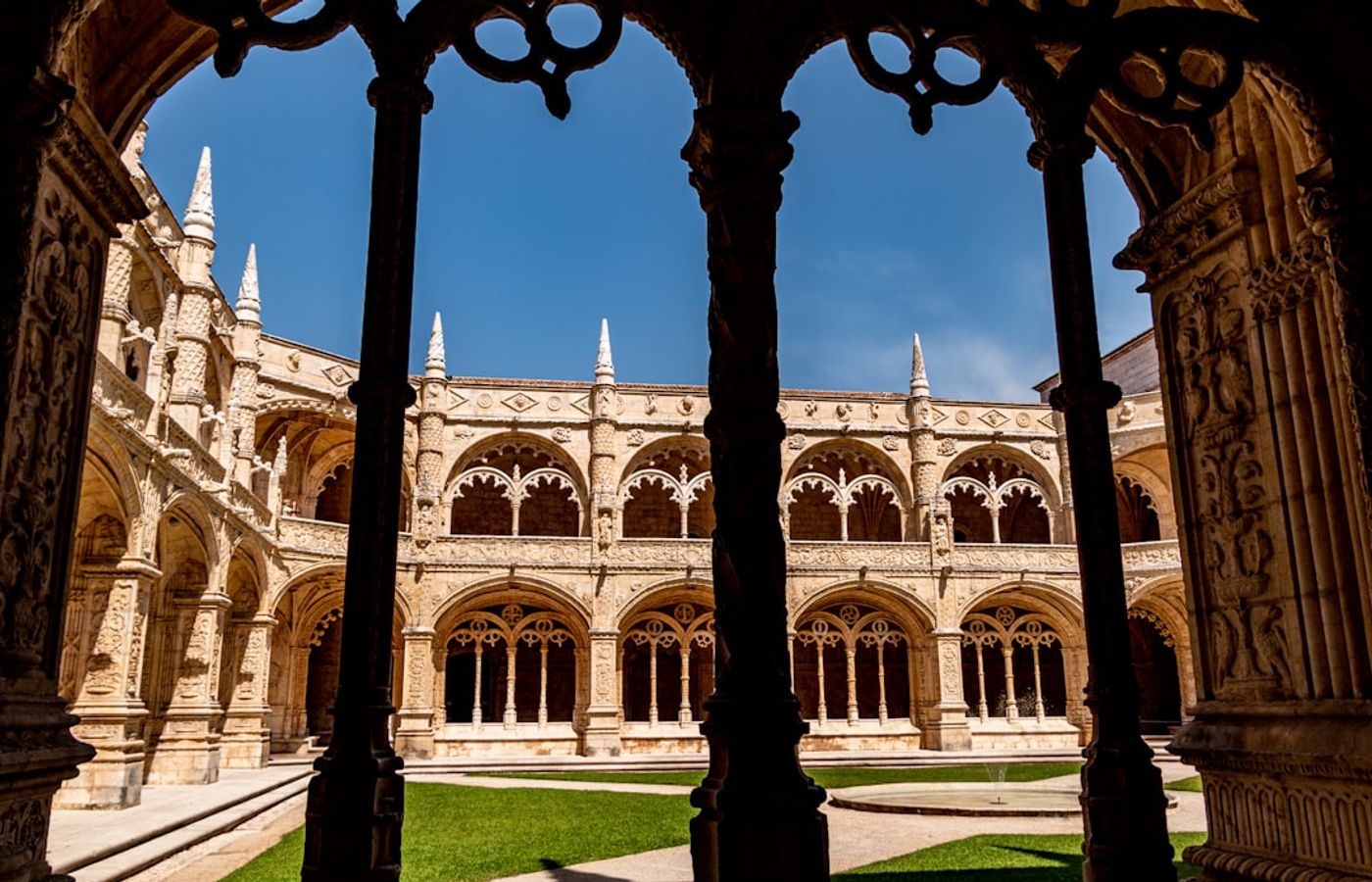

Jerónimos Monastery (Mosteiro dos Jerónimos) is the crown jewel of Belém and a UNESCO World Heritage Site since 1983. King Manuel I commissioned the monastery in 1501 to celebrate Vasco da Gama's successful sea voyage to India, and the building took nearly a century to complete. The architectural style - Manueline - is unique to Portugal, blending late Gothic structure with maritime motifs: ropes carved in stone, armillary spheres, exotic animals, and coral-like columns that seem to grow from the floor.
The church (Igreja de Santa Maria de Belém) is free to enter and contains the tombs of Vasco da Gama and poet Luís de Camões. The paid section - the two-storey cloisters - is where the real architectural spectacle lies. Delicate stone tracery frames every archway, and the upper level offers a different perspective on the carved details. Admission to the cloisters costs €10 for adults. The monastery opens Tuesday to Sunday from 10:00 to 17:30 (winter) or 18:30 (summer), and is closed on Mondays and major holidays.
3Belém Tower - The Iconic Fortress on the Tagus
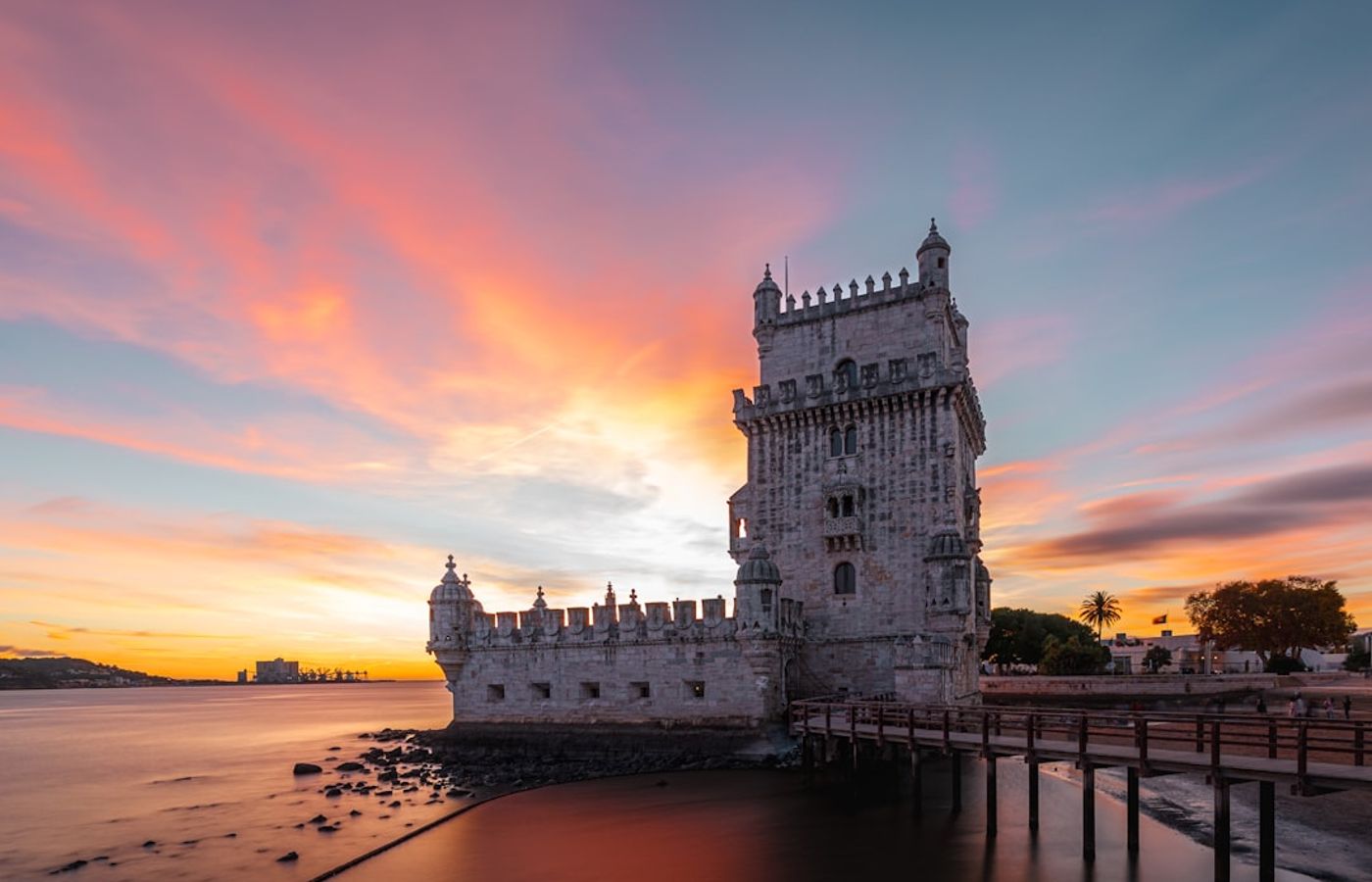

Belém Tower (Torre de Belém) is the postcard image of Lisbon - a fortified tower standing at the edge of the Tagus River where Portuguese explorers once set sail for unknown continents. Built between 1514 and 1520 in the Manueline style, the tower served as a ceremonial gateway to the city, a customs point, and later a political prison. It shares UNESCO World Heritage status with Jerónimos Monastery and is one of the most photographed landmarks in Portugal.
The interior is compact - narrow spiral staircases connect four floors, each offering progressively better views. The rooftop terrace looks across the river to the Cristo Rei statue on the south bank. Carved stone balconies, Moorish-influenced watchtowers, and a rhinoceros sculpture on the western facade (one of the earliest European depictions of the animal) reward close inspection from the outside. Standard adult admission is €8, and the tower is open Tuesday to Sunday from 09:30 to 18:00.
Check dates for Lisbon
See what is available on your dates.
4Tram 28E - The Classic Route Through Lisbon's Historic Heart
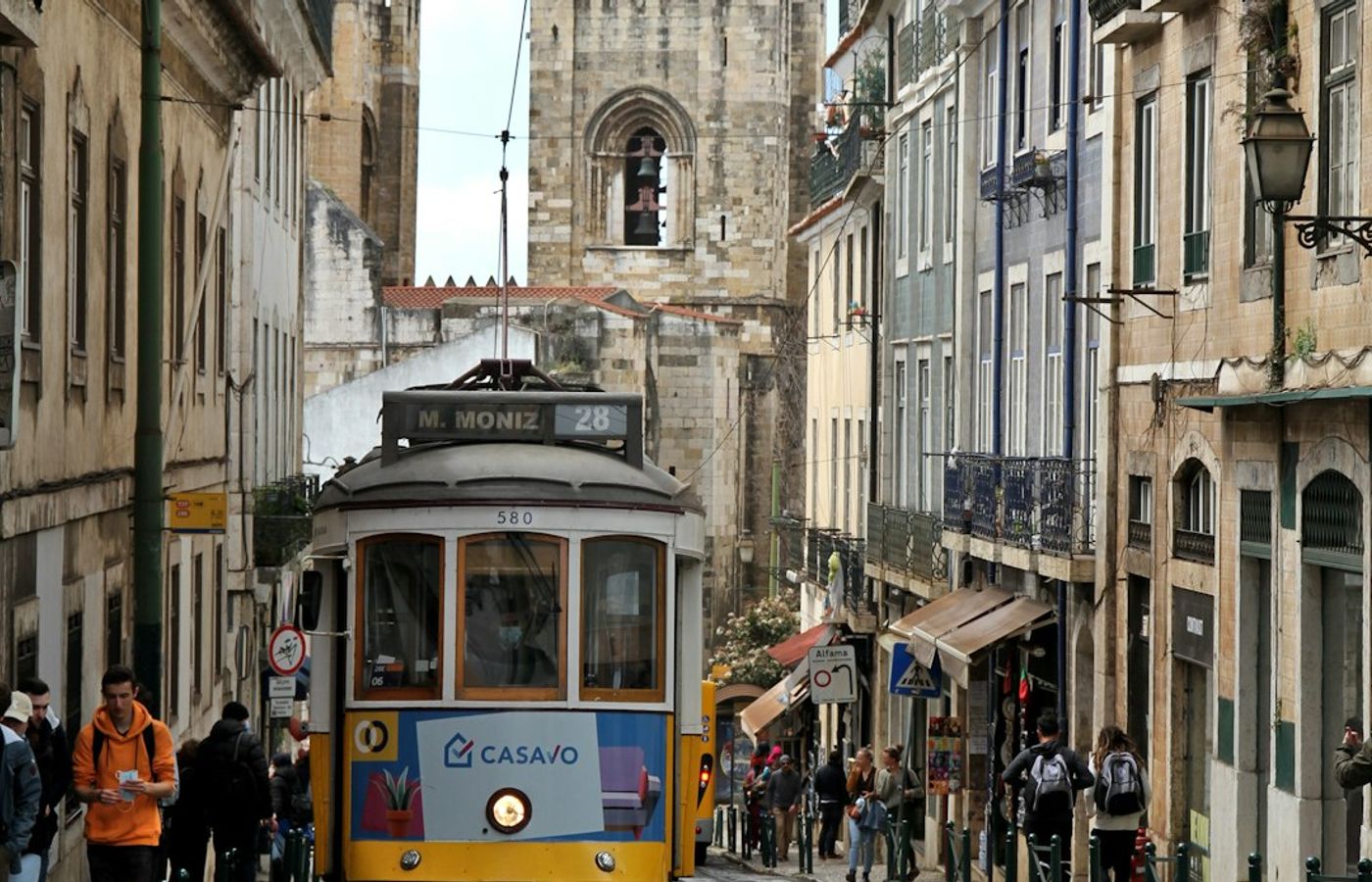
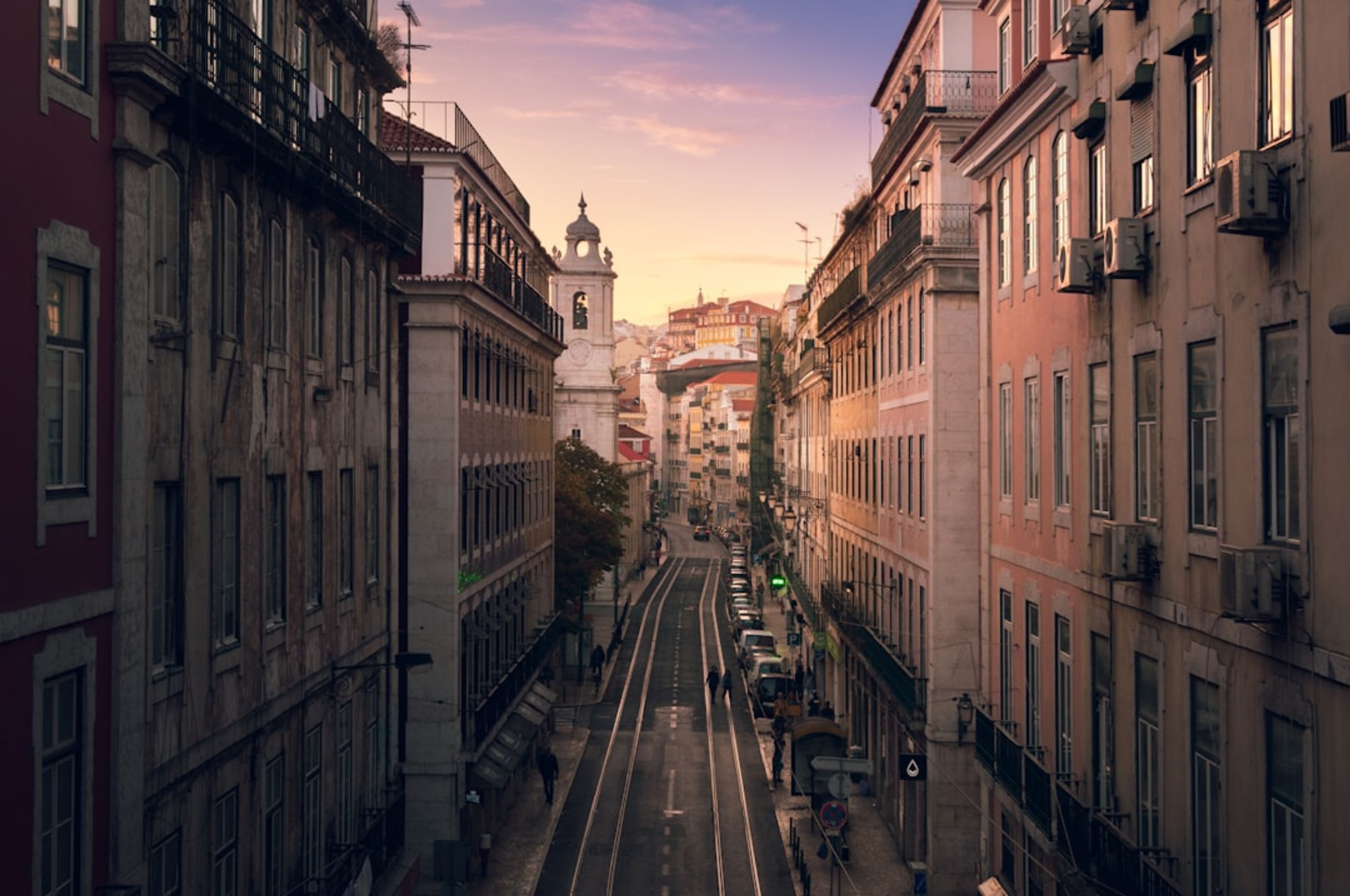
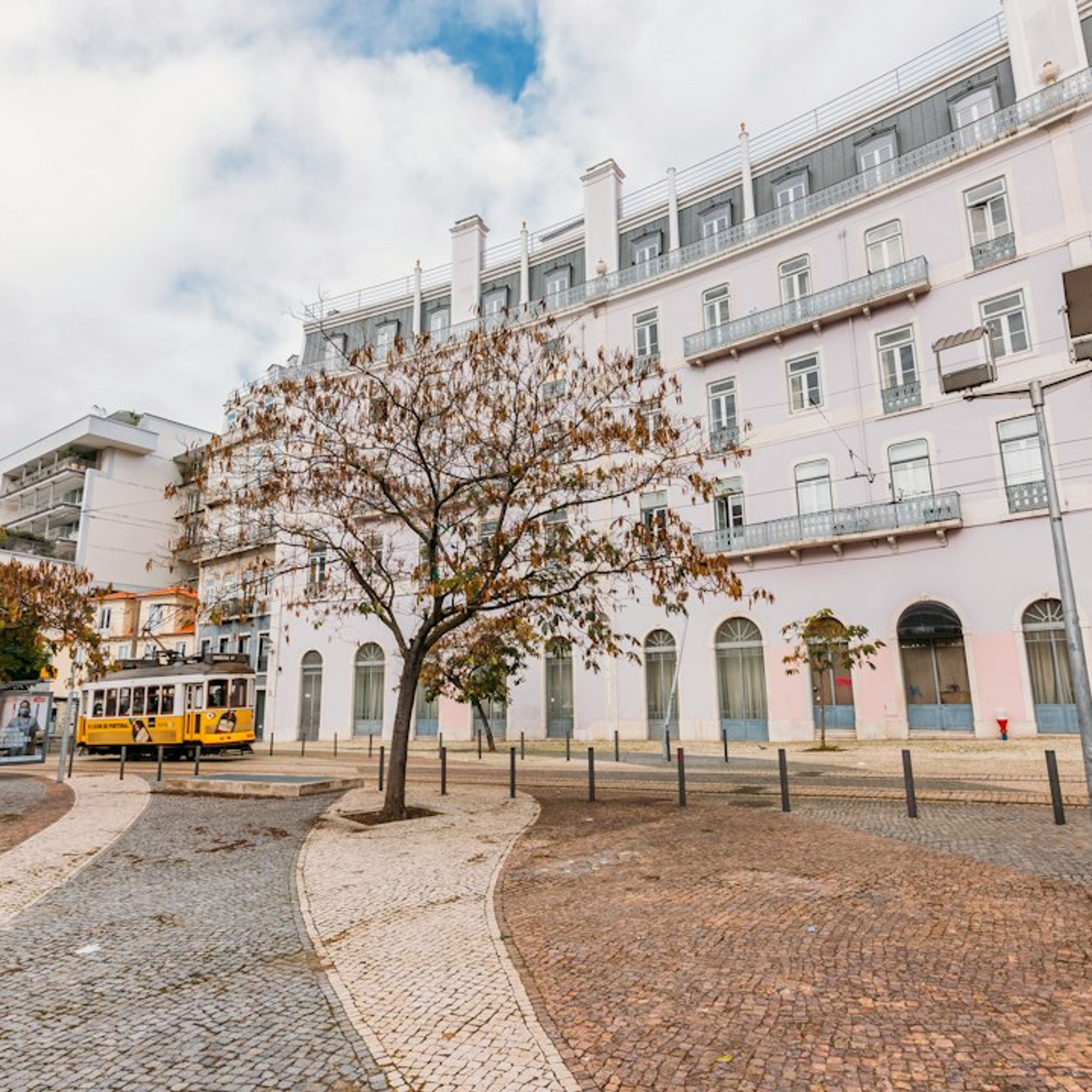
Tram 28E is a working public transport line that doubles as one of Europe's most scenic rides. The vintage yellow Remodelado trams - built in the 1930s and still running on their original wooden-slatted seats - rattle through Lisbon's steepest and narrowest streets on a route that connects Martim Moniz in the east to Campo Ourique in the west. Along the way, the tram squeezes past apartment balconies in Graça, climbs through the Alfama district below São Jorge Castle, crosses the Baixa grid, and ascends into the Estrela neighbourhood.
The full route takes about 40 minutes end to end. A single ride costs the standard Carris fare (around €3.00 cash on board, or €1.80 with a charged Viva Viagem card). The tram passes the Lisbon Cathedral (Sé de Lisboa), the Miradouro das Portas do Sol, the Basílica da Estrela, and the Jardim da Estrela. It is a public bus route, not a tour, so there is no commentary - but that is part of the appeal.
5Alfama District - Lisbon's Oldest Neighbourhood of Fado and Tile-Covered Streets
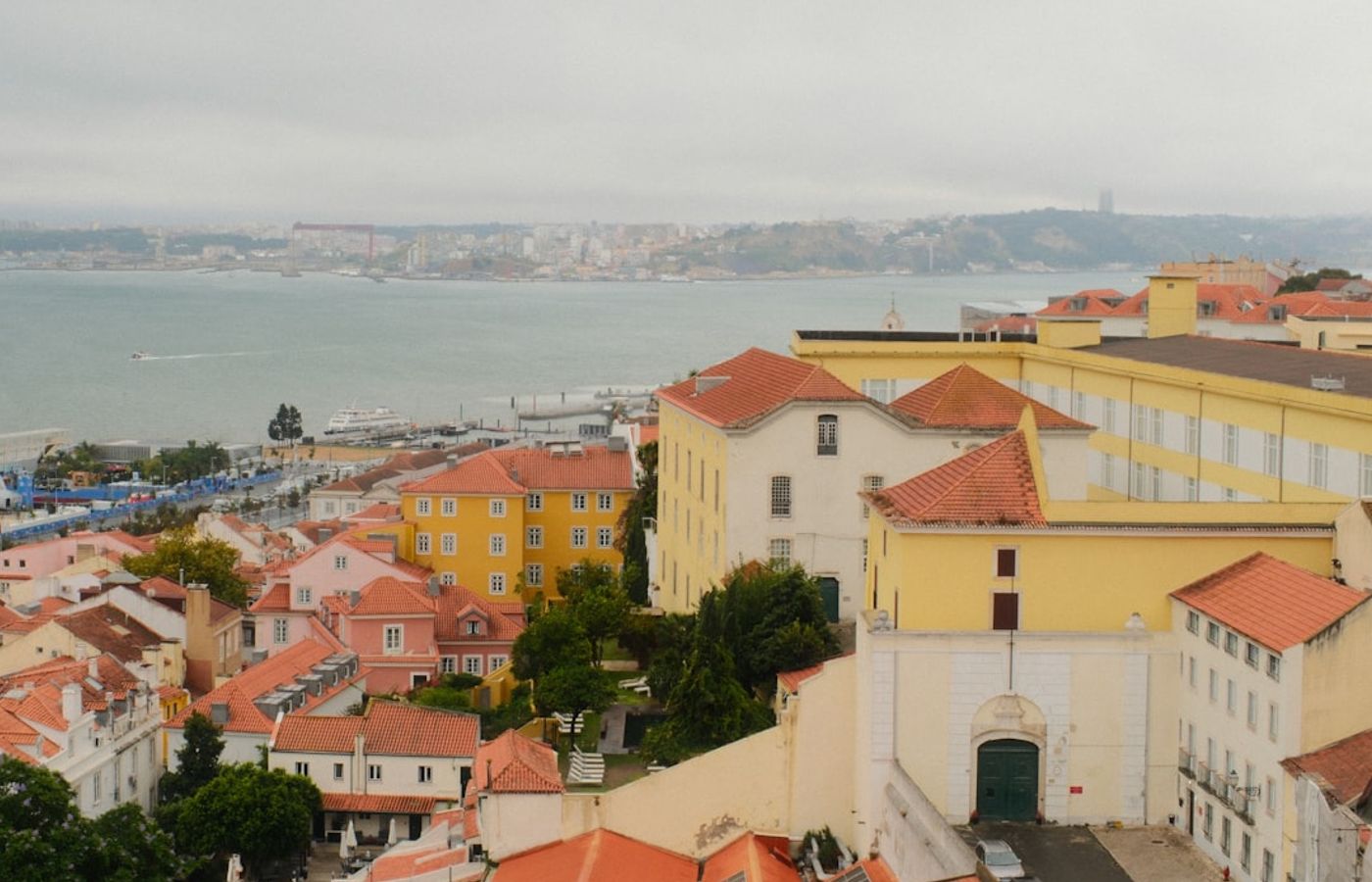
The Alfama district survived the devastating 1755 earthquake that levelled most of Lisbon, and its medieval street plan remains intact - a tangle of stairways, alleyways, and laundry-draped lanes that has resisted straight lines for nearly a thousand years. This is Lisbon at its most atmospheric. Azulejo tiles cover entire building facades in patterns of blue, yellow, and green. Fado music drifts from doorways in the evening, and small tascas (taverns) serve grilled sardines on paper tablecloths.
Start at the Miradouro das Portas do Sol for a sweeping view across Alfama's terracotta rooftops toward the river, then work your way downhill through the maze. Key stops include the Lisbon Cathedral (Sé de Lisboa), the oldest church in the city dating to 1147, and the Feira da Ladra flea market (Tuesdays and Saturdays at Campo de Santa Clara). The neighbourhood is compact enough to cover on foot in two to three hours, though getting deliberately lost is half the experience.
6Time Out Market Lisboa - Lisbon's Premier Food Hall at Cais do Sodré
Time Out Market Lisboa occupies one wing of the Mercado da Ribeira, a 19th-century market hall at Cais do Sodré. Since opening in 2014, it has become the most visited food destination in Lisbon, pulling together 26 restaurant kiosks curated by Time Out magazine's critics. The concept is straightforward: each stall is run by a chef or restaurant that earned a strong review, and you eat at communal tables in the centre of the hall.
Highlights include Henrique Sá Pessoa's stall (from the Michelin-starred Alma), seafood from chef Alexandre Silva, and the pastéis de nata from Manteigaria. Eight bars serve Portuguese wine, craft beer, and cocktails. The market opens daily from 10:00 to midnight, with no admission fee - you pay only for what you eat. The traditional Mercado da Ribeira fruit-and-vegetable market still operates in the opposite wing on weekday mornings, which is worth a wander for fresh produce and local atmosphere.
7Praça do Comércio - Lisbon's Grand Riverfront Square
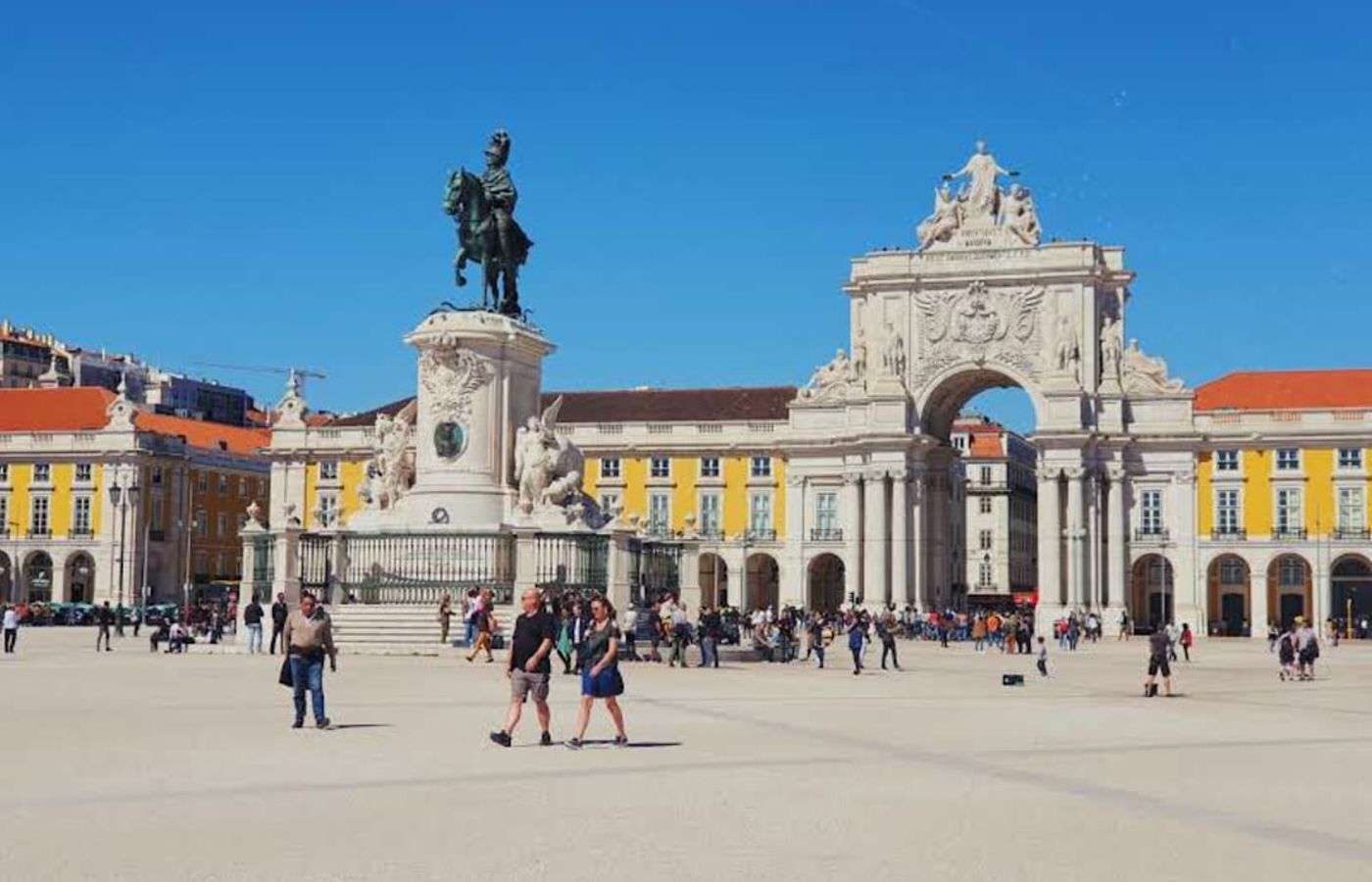
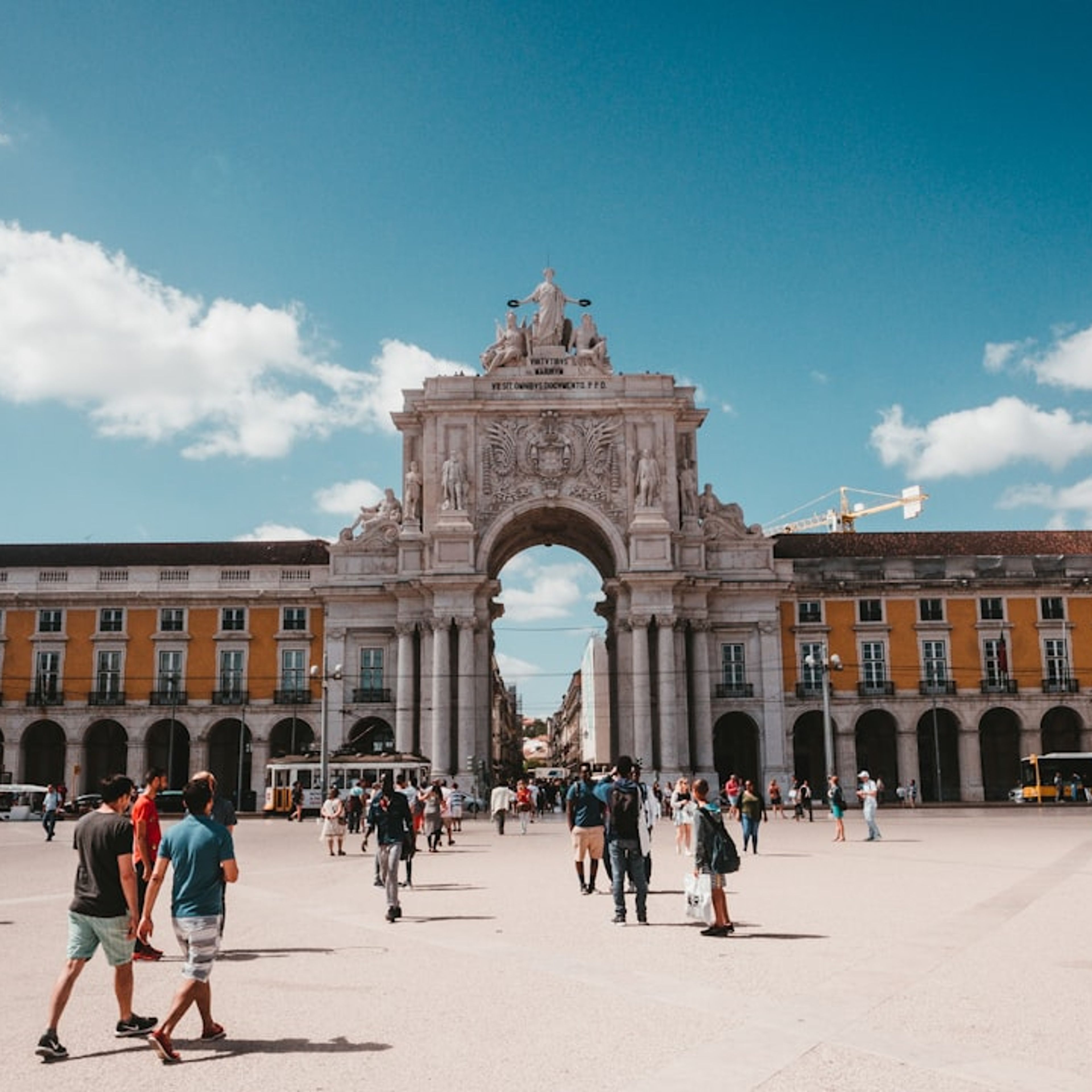
Praça do Comércio is the grandest public square in Lisbon and the natural starting point for exploring the Baixa district. Before the 1755 earthquake, the royal Ribeira Palace stood on this spot. The rebuilt square - designed by architect Eugénio dos Santos - is framed on three sides by symmetrical yellow arcaded buildings that now house government offices, restaurants, and the Lisboa Story Centre. The fourth side opens directly onto the Tagus River at the Cais das Colunas marble steps, where ferries once landed royalty.
The centrepiece is the equestrian statue of King José I, and the ornate Rua Augusta Arch on the north side frames a pedestrian view straight through the Baixa grid to Rossio Square. Climbing the Rua Augusta Arch (€3 admission) delivers rooftop views over the square and the river. The square is free to explore at any hour, and its waterfront position makes it a natural sunset spot where locals and visitors gather on the marble steps overlooking the estuary.
8Elevador de Santa Justa - The Iron Lift Connecting Baixa to Chiado
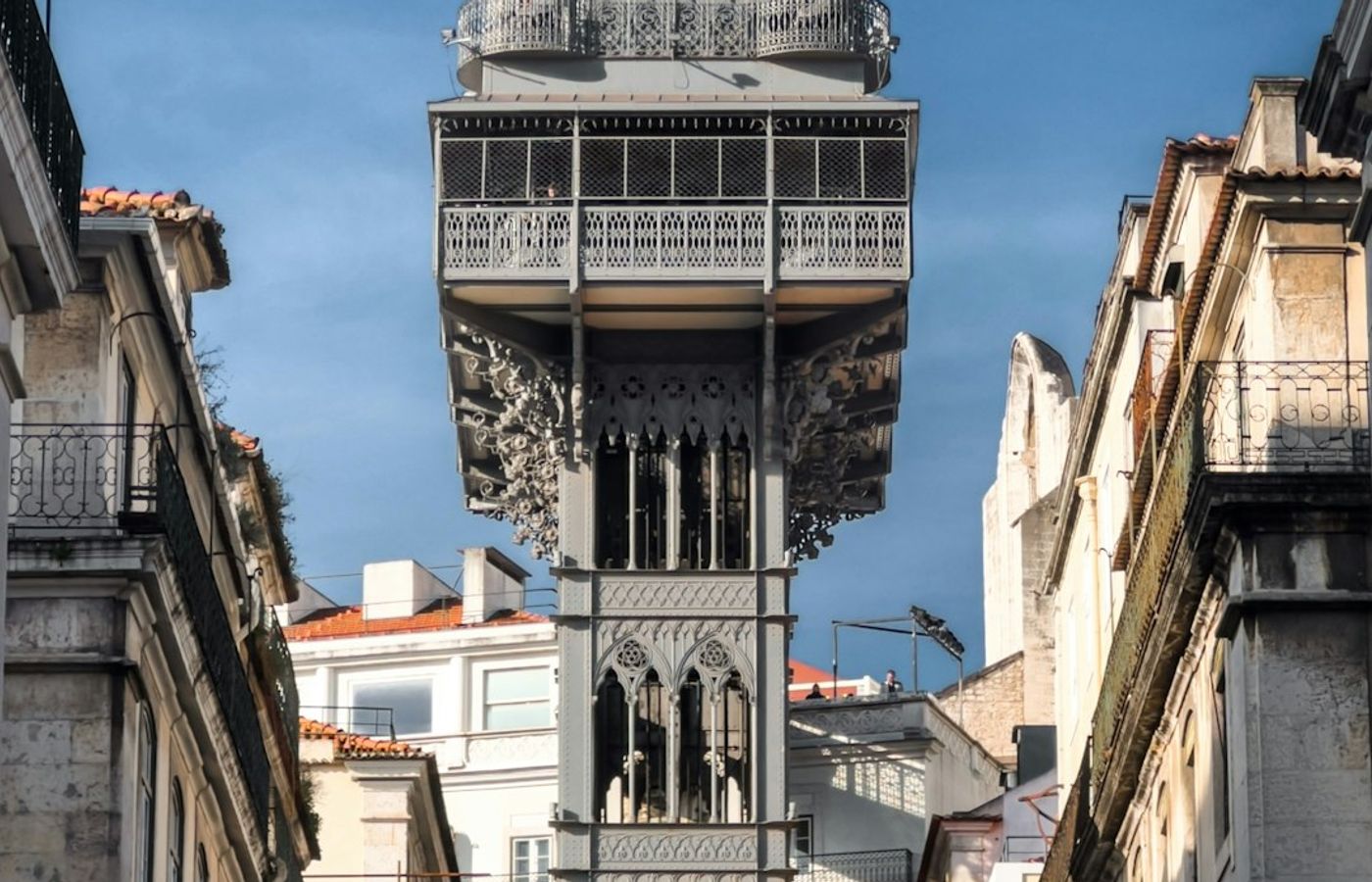
The Elevador de Santa Justa is a 45-metre iron lift that connects the flat streets of the Baixa district to the elevated Largo do Carmo in Chiado. Designed by Raoul Mesnier du Ponsard - a student of Gustave Eiffel - and completed in 1902, the lift was originally powered by steam before converting to electricity in 1907. Its neo-Gothic ironwork, filigree arches, and polished wood cabins make it as much a piece of engineering heritage as a transport link.
Two cabins carry up to 24 passengers each between the lower and upper platforms. The real prize is the rooftop observation deck at the very top (additional €1.50), which offers a compact but impressive panorama over the Baixa grid, São Jorge Castle, the Tagus River, and the ruins of the Carmo Convent next door. A round-trip elevator ticket costs €5.30, though holders of a Lisboa Card or charged Viva Viagem card ride for free or at the standard transit fare.
9Lisbon Oceanarium - One of Europe's Largest Aquariums
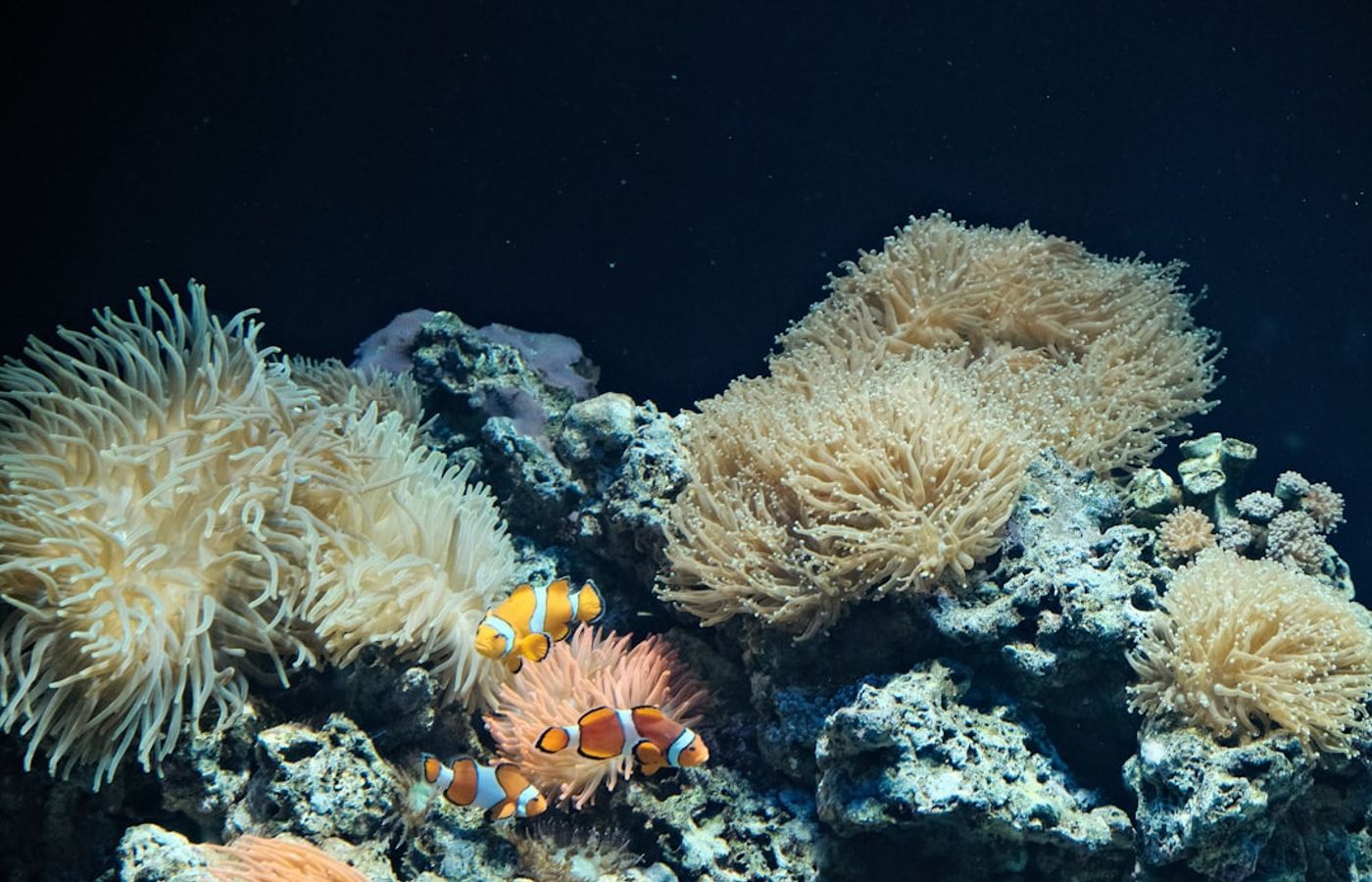
The Lisbon Oceanarium (Oceanário de Lisboa) was built for Expo '98 and remains one of the largest indoor aquariums in Europe. Designed by American architect Peter Chermayeff, the building sits in the middle of an artificial lagoon in Parque das Nações and holds roughly 8,000 marine creatures across 500 species. The central tank - visible from every floor - holds 5 million litres of seawater and is home to sunfish, sharks, rays, and a giant grouper that has become an unofficial mascot.
Four smaller habitats recreate the ecosystems of the North Atlantic, Antarctic, temperate Pacific, and tropical Indian Ocean, complete with penguins, sea otters, and a kelp forest that sways with artificial currents. The Oceanarium rotates temporary exhibitions - previous shows have explored deep-sea creatures and bioluminescence. Adult tickets cost €25 (€15 for children aged 3-12, free under 3). Opening hours are daily from 10:00 to 19:00 (extended to 20:00 in summer). Timed-entry tickets purchased online are strongly recommended.
10LX Factory - Lisbon's Creative Hub in a Converted Industrial Complex
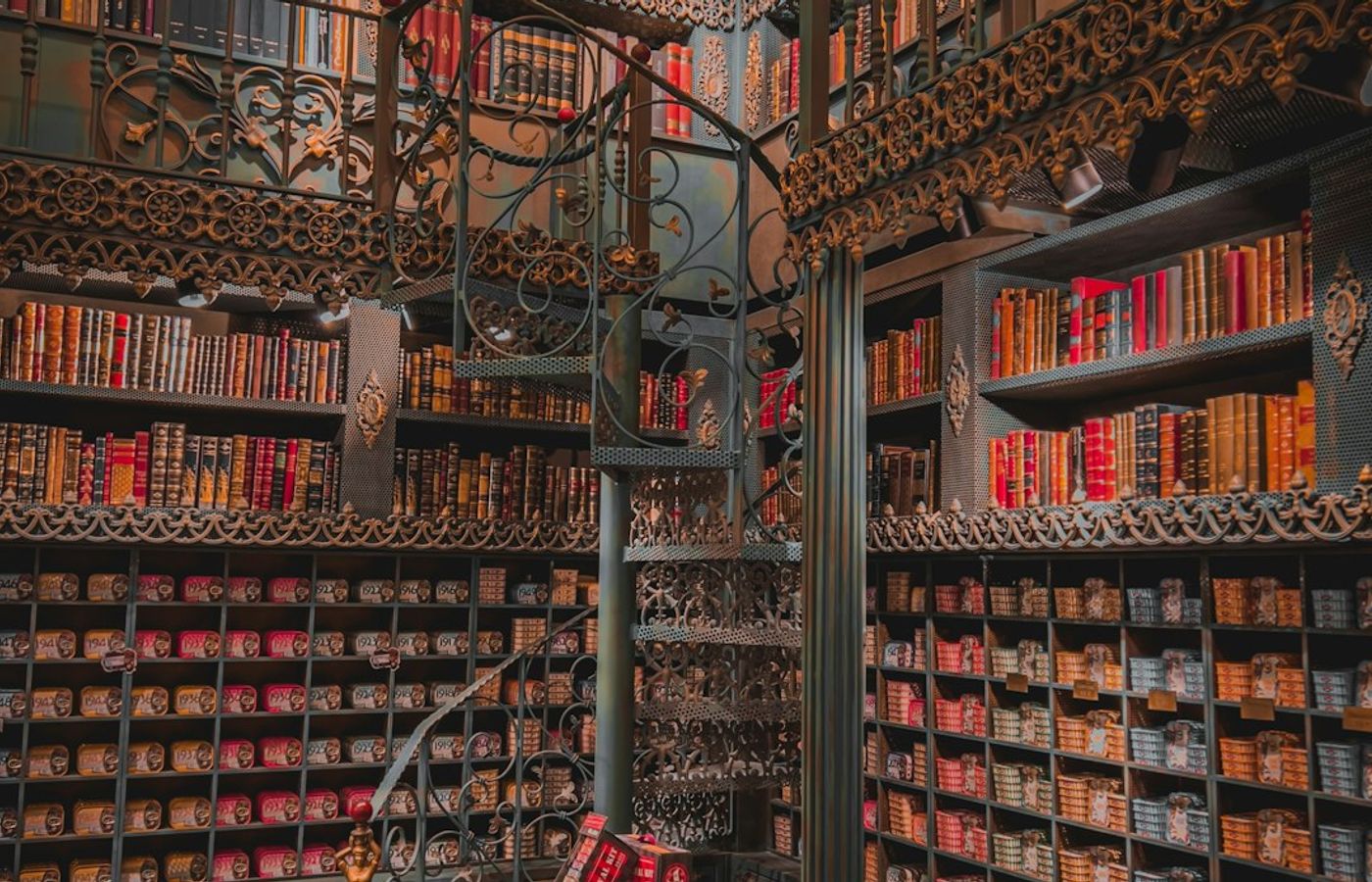
LX Factory occupies a former textile factory and printing complex beneath the Ponte 25 de Abril bridge in the Alcântara district. Since its conversion in 2008, the industrial compound has filled with independent shops, design studios, restaurants, bookshops, and street art. The anchor tenant is Ler Devagar ("Read Slowly"), a cavernous bookshop set inside the old printing warehouse, with a vintage printing press on the ground floor and books stacked three storeys high.
Restaurants range from brunch spots to rooftop cocktail bars with views of the bridge and the river. On Sundays, an open-air market takes over the central courtyard with vintage clothing, vinyl records, ceramics, and street food. Entry to LX Factory is free and there are no set opening hours for the complex itself, though most shops and restaurants operate from around 10:00 to midnight. The complex sits conveniently between central Lisbon and Belém, making it a natural lunch stop when travelling between the two.
Take this guide with you
Get every place in this guide, with addresses and map links, in your inbox — easy to open on your phone during the trip.
One email to the address on your account. No newsletter.

CEO and co-founder
Tomas is the co-founder and director of trip1, an European company specializing in reservation services. He launched the company in 2025 with a focus on building scalable, efficient operations.
10 Top Things to Do in Lisbon - FAQ
Sao Jorge Castle for the view over the red rooftops, a ride on Tram 28E, and an afternoon getting lost in Alfama. In Belem, see the Jeronimos Monastery cloisters and Belem Tower, then try a custard tart. Add Praca do Comercio and the Santa Justa Lift in Baixa, lunch at Time Out Market, the Oceanario at Parque das Nacoes and LX Factory.
Three days covers the highlights without rushing. Spend one day in Belem (Jeronimos, Belem Tower and LX Factory), one on the historic centre (Sao Jorge Castle, Alfama, Tram 28E, Praca do Comercio and the Santa Justa Lift), and a half day at the Oceanario in Parque das Nacoes. A fourth day leaves time for Sintra, about 40 minutes away by train.
May, June, September or October. Days are warm without the July and August heat and crowds, when the queue at the castle gate can reach 30 to 45 minutes. In October highs ease from about 23C to 20C, with more showers after mid-month. Whenever you go, book Sao Jorge Castle, Jeronimos and the Oceanario online to skip the ticket lines.
A pastel de nata, the custard tart, eaten warm at Pasteis de Belem near the Jeronimos Monastery or from Manteigaria. Try grilled sardines at a small Alfama tasca, and for choice under one roof, Time Out Market at Cais do Sodre has 26 restaurant kiosks, including one from chef Henrique Sa Pessoa. Arrive at 11:30 or after 15:00 to find a seat.
Yes, but it is hilly. Baixa is flat, and Praca do Comercio, the Santa Justa Lift and Time Out Market are under 20 minutes apart on foot. Alfama and the castle sit on steep hills, so ride Tram 28E or bus 737 to the top and walk down. Wear shoes with grip, because the calcada cobbles are polished smooth and slippery after rain.
Do book Sao Jorge Castle, Jeronimos and Belem Tower online to skip the ticket lines. Do board Tram 28E at Martim Moniz before 09:00 or after 17:00 for a seat. Don't carry open bags on crowded trams, where pickpockets work. Don't plan Belem for a Monday, when the monastery and the tower are closed.