


Guides · Cape Town
10 Top Places to Visit in Cape Town

CEO and co-founder
This guide ranks the 10 top places to visit in Cape Town - the iconic Table Mountain, penguin-filled beaches, historic islands, and Stellenbosch wine country that genuinely deserve a place on your itinerary whether you have 4 days or a full week at the southern tip of Africa. Each entry includes the exact location, transport notes, and a practical Pro Tip drawn from how locals and seasoned visitors actually navigate Cape Town in 2026.
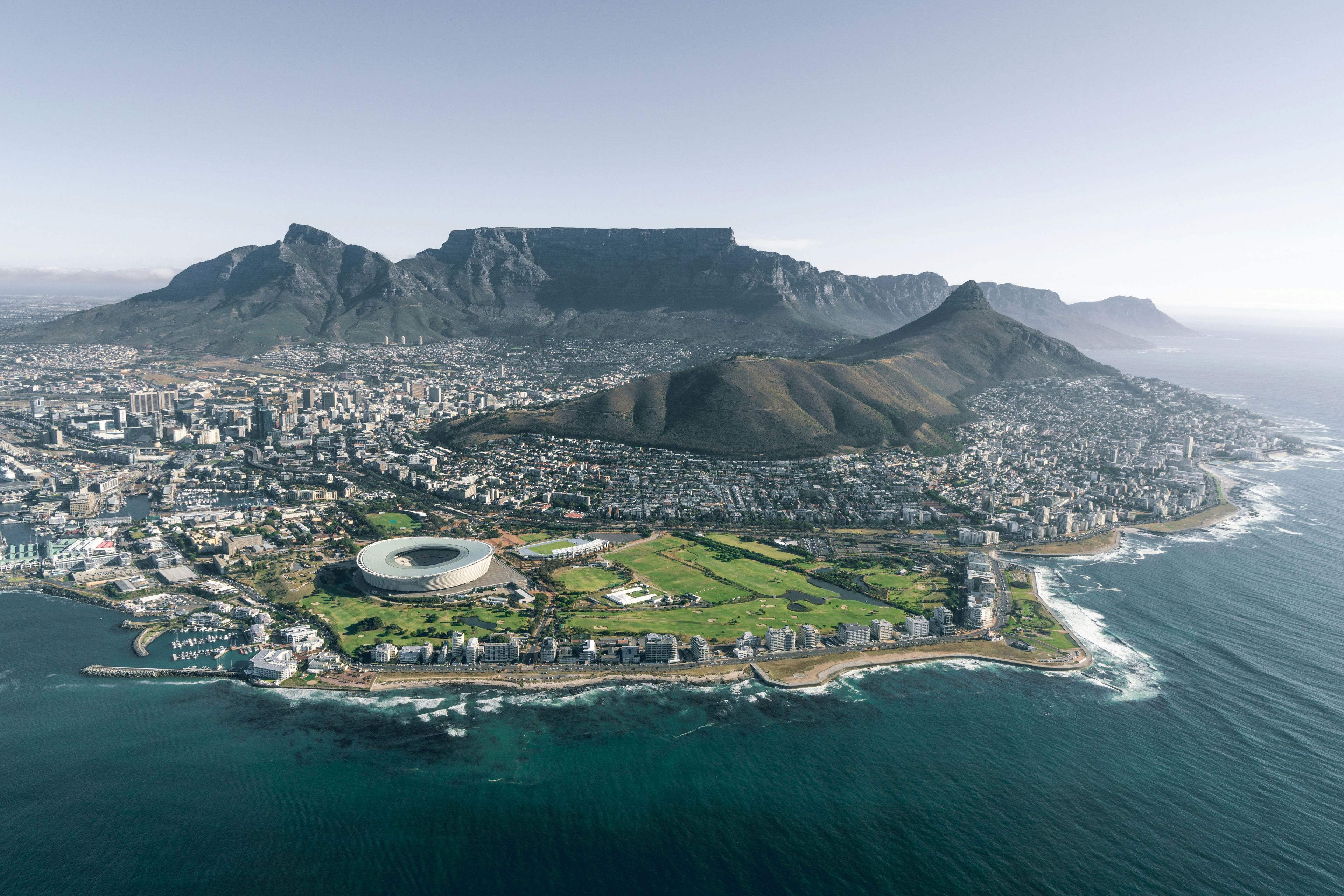
Cape Town sits at the southern tip of Africa where the Atlantic and Indian Ocean nearly meet - a city of 4.5 million dominated by the 1086-metre Table Mountain backdrop. The list groups efficiently: the city centre attractions (Table Mountain, V&A Waterfront, Bo-Kaap, Lion's Head), the Cape Peninsula loop south (Boulders, Cape of Good Hope, Chapman's Peak), Robben Island by ferry, and Stellenbosch wine country 50 km east. Plan 4-5 days minimum.
Cape Town's famous wind can shut down Table Mountain cable car operations - reserve flexibility in your schedule. November-March is the dry summer; May-September is the rainy winter but still has many clear days. Use Uber rather than walking after dark; tourist neighbourhoods are safe with sensible precautions.
1Table Mountain - The Iconic Flat-Topped Mountain


Table Mountain is the 1086-metre flat-topped sandstone mountain that defines Cape Town's skyline - one of the New 7 Wonders of Nature (2011) and a UNESCO World Heritage Site for its endemic fynbos plant ecosystem. The mountain's distinctive table-shape (caused by horizontal sandstone strata sitting on a granite base) makes it one of the most recognisable peaks on earth. The summit hosts a working cable car station, 3 restaurants, and well-marked walking paths.
The Aerial Cableway opened in 1929 and was renovated in 1997 with rotating cabins giving 360-degree views during the 5-minute ride up. Adult return ticket 400 ZAR. Hiking up Platteklip Gorge takes 2-3 hours (steep, no shade, do not solo); the cable car is the easier option. Open daily 08:00-19:00 weather permitting. The summit is often cloud-covered (locally called the tablecloth); morning is your best window.
Pro Tip: Book your Table Mountain visit for the first clear morning of your trip - weather is unpredictable and the tablecloth cloud can shut the cableway for days. Buy tickets online to skip the 1-hour queue; arrive 08:00 opening for the best photos and shortest wait.
2V&A Waterfront - Cape Town's Shopping and Dining Hub


The Victoria and Alfred Waterfront is Cape Town's main entertainment, shopping, and dining district - a 123-hectare working harbour redevelopment named after Queen Victoria and her son Prince Alfred (the future Duke of Edinburgh who opened the harbour in 1860). The complex includes 450+ shops in the Victoria Wharf mall, 80+ restaurants, the Two Oceans Aquarium, the Cape Wheel Ferris wheel, ferry departures to Robben Island, and the Zeitz Museum of Contemporary African Art (MOCAA).
Zeitz MOCAA (a converted grain silo by Thomas Heatherwick, 2017) is the most-visited art museum in Africa - 320 ZAR adult, open daily. The harbour walks have constant entertainment: street musicians, working sailing schooners, and harbour seals lounging on the docks. Free to walk; restaurants and shops at all price points. The Watershed crafts market (basement of Victoria Wharf) is the best for South African crafts. Open 09:00-21:00.
Pro Tip: Visit Zeitz MOCAA on a Friday for the 16:00-21:00 extended Friday Lates - half-price admission (160 ZAR), live music in the central atrium, and the gallery rooms emptier than during the day. The harbour seafood at Den Anker on the marina has the best mussels in town.

3Cape of Good Hope - The Southern Tip of Africa


The Cape of Good Hope and Cape Point form the dramatic southern end of the Cape Peninsula 60 km south of central Cape Town - the storied headland Portuguese explorer Bartolomeu Dias first rounded in 1488 to open the sea route to Asia. The Cape Point lighthouse sits on a 250-metre cliff with vertigo-inducing Indian Ocean views; the Cape of Good Hope sign 2 km west is the obligatory photograph. The Cape Point reserve is part of Table Mountain National Park (UNESCO-listed).
The Flying Dutchman Funicular (95 ZAR return) climbs from the car park to the lighthouse; or walk the 145-step path. Wildlife in the reserve includes Cape mountain zebras, eland, ostriches, baboons (be wary - they steal food), and 250+ bird species. Park admission 400 ZAR adults. Open daily 06:00-18:00. Most travellers visit as part of a Cape Peninsula day tour from Cape Town (1200-1800 ZAR per person).
Pro Tip: Hike the Cape Point to Cape of Good Hope coastal trail (45 minutes one way) for the most dramatic views and far fewer crowds than the lighthouse car park. The Flying Dutchman Funicular is fun but the hill walk to the lighthouse is short and easier.
4Robben Island - The UNESCO-Listed Prison Island

Robben Island is a 5-square-km island 7 km off Cape Town's coast - a UNESCO World Heritage Site preserving the prison where Nelson Mandela was held 1964-1982 (along with thousands of other anti-apartheid political prisoners). The 3.5-hour tour begins with a 30-minute ferry from the V&A Waterfront, includes a bus tour around the island, and finishes with a walking tour of the maximum-security prison led by former political prisoners themselves.
Nelson Mandela's cell B is the standard visit highlight - a 2.4x2.1 metre concrete cell where he spent 18 years. The lime quarry where prisoners performed forced labour, the Robert Sobukwe house (the more isolated PAC leader's confinement building), and the leper graveyards round out the tour. Ticket 600 ZAR including ferry. Book online via robben-island.org.za 2-7 days ahead; ferries sell out. 4 daily departures.
Pro Tip: The 09:00 first ferry has the calmest sea conditions and the longest island tour (other departures shortened depending on tide). The walking-tour-by-former-prisoner is the most emotionally powerful experience in South Africa; ask questions - the guides welcome dialogue.
5Boulders Beach - The African Penguin Colony

Boulders Beach in Simon's Town is a protected white-sand cove home to a colony of approximately 2000 African penguins - the closest place to Cape Town where you can see (and swim near) wild penguins. The colony arrived in 1982 when 2 breeding pairs flew in from offshore Dyer Island; numbers have grown steadily since. The endemic African penguin species is critically endangered with a global wild population of around 13000.
Access via 3 boardwalks - the main Foxy Beach viewing platform (free with the 200 ZAR park entry) lets visitors observe penguins close-up. The adjacent Boulders Beach itself is a swimming beach where penguins swim alongside humans (not actually touching). Open daily 08:00-18:30 (later in summer). Allow 90 minutes. Located in Simon's Town on the Cape Peninsula route - most visitors include it on a Cape Point day trip.
Pro Tip: Arrive at 08:00 opening for the most active penguins (still cool) and the parking is easier. Swim at Boulders Beach itself rather than Foxy Beach - the penguins waddle past beach-goers. Do not touch them and watch for territorial nipping during October-March breeding season.
6Bo-Kaap - The Cape Malay Quarter with Painted Houses

Bo-Kaap is a Cape Town neighbourhood on the slopes of Signal Hill - famous for its tightly-packed terraces of brightly painted houses (cobalt, lime green, hot pink, sunshine yellow) along cobbled streets. The district was historically Cape Town's Cape Malay quarter - Muslim descendants of slaves brought by the Dutch East India Company from South-east Asia in the 17th-19th centuries. The painted houses tradition started after the 1994 democratic transition as a celebration of freedom by residents who could finally own their homes.
The Bo-Kaap Museum (1763 building, 60 ZAR) tells the Cape Malay history. The Auwal Mosque on Dorp Street is the oldest mosque in South Africa (1798). Wale Street, Chiappini Street, and Rose Street have the most photogenic stretches. The Bo-Kaap Kombuis restaurant on the corner of Wale Street serves the most authentic Cape Malay cuisine (mains 100-200 ZAR). Free to walk; respectful photography only.
Pro Tip: Visit early morning before 09:00 for the best light and almost no other tourists. The Bo-Kaap Cooking Tour (700 ZAR, 3 hours) operated by Bo-Kaap residents at their home is the best authentic Cape Malay food experience - learn to make samosas and bobotie.
7Stellenbosch Wine Country - The Day Trip

Stellenbosch is a Cape Dutch university town 50 km east of Cape Town - the centre of the Cape Winelands, South Africa's most important wine region. Wine has been produced here since the 17th-century Dutch colonisation; the region now boasts 200+ wineries within a 30 km radius. The town itself preserves more Cape Dutch architecture (whitewashed gables, thatched roofs) than anywhere else in the country. The 1679-founded Stellenbosch University is the oldest in Africa.
Standout wineries: Delaire Graff (luxury, mountain views, 350 ZAR tasting with 6 wines), Tokara (architecturally striking with the Equus restaurant), Boschendal (a 300-year-old estate with picnic baskets in the gardens), and Spier (family-friendly with eagle shows). Most tastings 200-400 ZAR for 5-6 wines. Day tours from Cape Town 1500-2500 ZAR including transport and 4 wineries. The town centre Dorp Street walking tour is free.
Pro Tip: The Vine Hopper hop-on hop-off shuttle bus (3500 ZAR for a couple, includes tastings at 5 wineries) is the cheapest and safest way to tour multiple wineries without driving. Book ahead for Saturday and Sunday departures.
8Lion's Head - The Sunset Hike

Lion's Head is a 669-metre conical hill between Table Mountain and Signal Hill - the standard sunset hike for Capetonians. The 5 km loop trail (2-3 hours return) spirals up the cone, with a final scramble involving chains and ladders to the summit. The 360-degree view at the top covers Table Mountain, the Atlantic, the city, and the Cape Peninsula - the best free panoramic view in Cape Town. Hike in groups for safety.
The hike is most popular at sunset year-round - hundreds of Capetonians and visitors hike up for the moment the sun drops into the Atlantic. Headlamps essential for the descent (it gets dark quickly after sunset). Full moon hikes (when the city descends in numbers) happen monthly. Free; open 24/7 but recommended only in daylight hours due to security concerns. Allow 2-3 hours total.
Pro Tip: Time your ascent for 90 minutes before sunset - reach the summit 30 minutes before to claim a spot. The chains section is intimidating but safe; non-hikers can still summit using the chain assistance. Avoid solo hikes; muggings (rare but real) target lone walkers.
9Chapman's Peak Drive - The Scenic Coastal Road

Chapman's Peak Drive is a 9 km scenic coastal road between Hout Bay and Noordhoek on the western side of the Cape Peninsula - built 1915-1922 by carving directly into the cliff face. Often described as one of the world's most spectacular coastal drives, the route has 114 curves, 593 metres of vertical drop, and constantly changing Atlantic views. Multiple viewpoints and pull-offs allow short stops along the way.
Toll 65 ZAR per vehicle. The drive takes 30 minutes without stops, 90 minutes with viewpoint stops. Most Cape Peninsula day tours include Chapman's Peak as the route to Cape Point. Closures occur after rockfalls (usually short, hours rather than days). The Chapman's Peak Hotel restaurant in Hout Bay has the standard sunset Sundowners at the Atlantic-facing terrace. Best at sunset or just after rain when waterfalls cascade from the cliffs.
Pro Tip: Drive south from Hout Bay to Noordhoek rather than the reverse - the views over the Atlantic are on the passenger side this way. Stop at the official viewpoint 4 km from the Hout Bay entrance for the most photographed Atlantic vista in the country.
10Kirstenbosch National Botanical Garden - The Indigenous Plant Showcase

Kirstenbosch is one of the world's most important botanical gardens - a 528-hectare site on the eastern slopes of Table Mountain dedicated entirely to indigenous southern African plants. Founded in 1913, the garden is part of the UNESCO Cape Floral Region World Heritage Site - the Cape Floral Kingdom is one of the world's 6 plant kingdoms and is the most diverse per square kilometre. Around 7000 plant species are cultivated here, including the protea (South Africa's national flower).
Highlights: the Boomslang Canopy Walkway (a 130-metre suspended steel walkway through the tree canopy), the Conservatory glasshouse, the Centenary Garden, and the Skeleton Gorge trail up Table Mountain (challenging hike). The Sunday Sunset Concerts in summer (November-April) host live music with picnic seating - the best Cape Town summer evening experience. Admission 230 ZAR adults. Open daily 08:00-19:00 (closes earlier in winter).
Pro Tip: The Sunday Sunset Concert series (November-April, 17:30-19:30, 250 ZAR adult) is the highlight of summer Cape Town - bring a picnic and wine for the lawn seating. Check the schedule online for headline acts. Otherwise, visit Tuesday-Thursday for the quietest gardens.
Get hotel deals for Cape Town
Price drops, new stays and local tips for Cape Town, straight to your inbox.
No spam, unsubscribe anytime.

CEO and co-founder
Tomas is the co-founder and director of trip1, an European company specializing in reservation services. He launched the company in 2025 with a focus on building scalable, efficient operations.
10 Top Places to Visit in Cape Town, South Africa - FAQ
Table Mountain, the 1,086 m flat-topped mountain behind the city, which is a UNESCO World Heritage Site for its fynbos plants. Cape Town is also known for Robben Island, where Nelson Mandela was held for 18 years, the African penguins at Boulders Beach, the Cape of Good Hope and the Stellenbosch winelands 50 km east.
Table Mountain, the V&A Waterfront, the Cape of Good Hope and Cape Point, Robben Island, Boulders Beach, Bo-Kaap, Stellenbosch wine country, Lion's Head, Chapman's Peak Drive and Kirstenbosch National Botanical Garden. They group well: the city sights together, the Cape Peninsula loop south as one long day, Robben Island by ferry, and Stellenbosch as a separate day trip.
For a first visit, the city centre and the V&A Waterfront. Table Mountain, the painted houses of Bo-Kaap, the Lion's Head trail and the Robben Island ferry all sit within a short Uber ride of each other. The Cape Peninsula to the south, with Chapman's Peak Drive, Boulders Beach and Cape Point, is the best full day out.
Four to five days. Give Table Mountain and the V&A Waterfront one day, the Cape Peninsula loop to Boulders Beach and Cape Point a full day, Robben Island and Bo-Kaap another, and Stellenbosch a fourth. Keep a spare day, because the wind can shut the Table Mountain cableway. November to March is the dry summer; May to September is the rainy winter.
Moderate: walking the V&A Waterfront, Bo-Kaap and Lion's Head is free, but the big sights add up. International adults pay ZAR 600 (about 30 euros) for Robben Island including the ferry, ZAR 515 (about 25 euros) for Cape Point and ZAR 245 (about 12 euros) for Boulders Beach, with park fees reviewed each November. Stellenbosch tastings cost ZAR 200 to 400.
Yes, at Boulders Beach itself, a sheltered swimming cove where African penguins often waddle past and swim near people. Do not touch them, and watch for nipping in the October to March breeding season. The Foxy Beach boardwalks give the closest views. Arrive at the 08:00 opening, when the penguins are most active and parking is easier.