
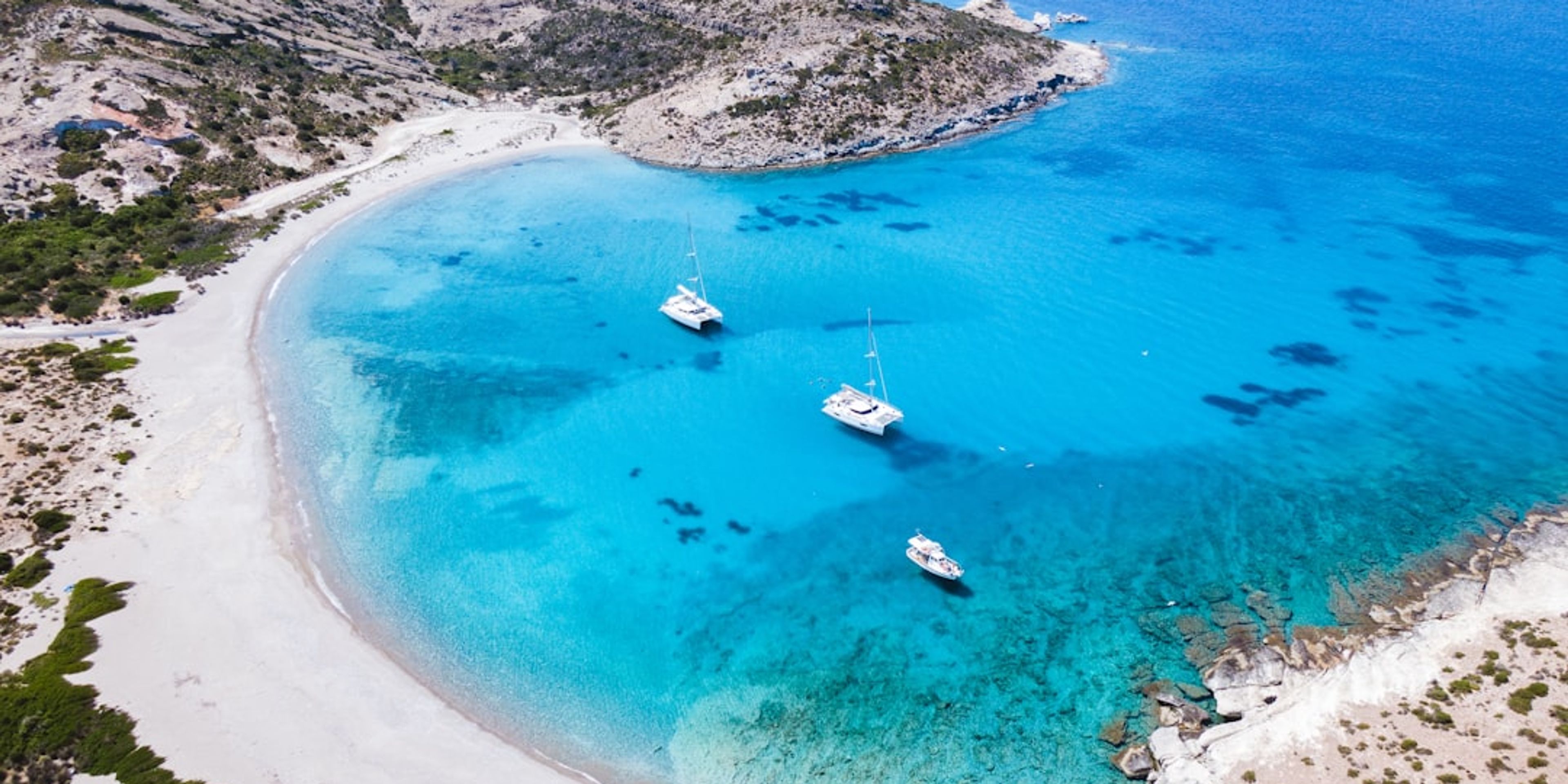

Guides · Milos
10 Best Things to Do in Milos

CEO and co-founder
The 10 best things to do in Milos in 2026 range from swimming at lunar-white Sarakiniko Beach to boat trips through the Kleftiko Sea Caves, sunset walks through Plaka village, and slow dinners in Pollonia and Klima. This Milos, Greece travel guide covers each of them - what to see, how to reach it, and the small practical details (ferry connections, ATV rentals, opening hours) that make the difference between a good day and a great one.
Set in the South Aegean roughly 87 nautical miles from Piraeus, Milos is a volcanic island shaped by ancient eruptions, mining history and the sea. Its coastline shelters more than 70 distinct beaches, from Sarakiniko's white pumice to the warm black sand of Paleochori. Around 819 permanent residents share the island each summer with travellers who prefer character over crowds.
Milos is where the Venus de Milo was unearthed in 1820, and traces of that long past sit alongside working fishing harbours in Klima, Firopotamos and Mandrakia, where colourful boat garages called syrmata line the water. Each of the 10 entries below includes an address, coordinates, transit or driving notes, and a Pro Tip based on how the island actually flows in 2026. For official visitor information the Greek National Tourism Organisation is a helpful cross-reference before you fly.
1Sarakiniko Beach - The Lunar Coast of the Aegean
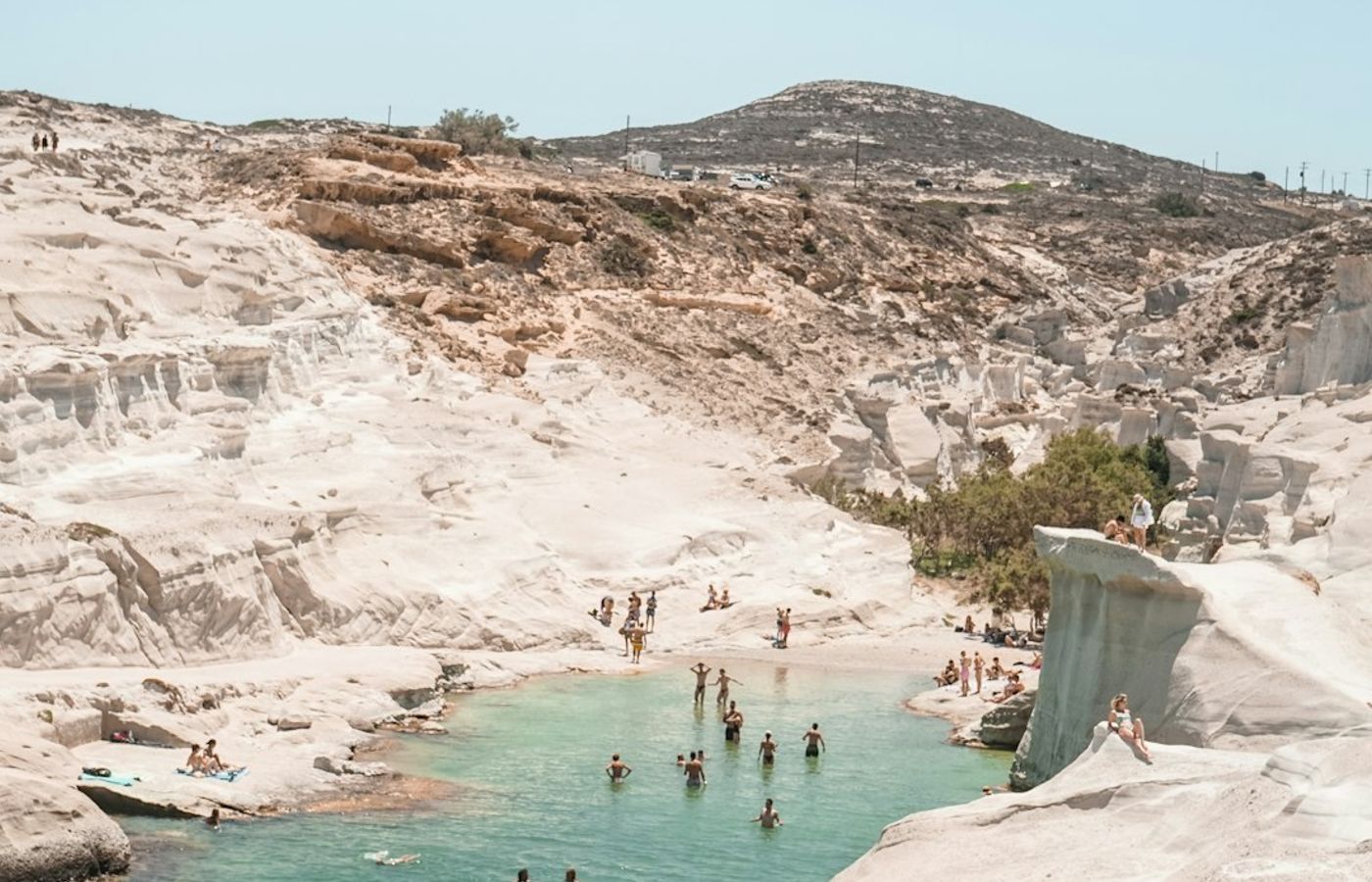

Sarakiniko Beach is the image most travellers picture when they think of Milos: sun-bleached white volcanic rock sculpted by wind and sea into rolling dunes that resemble a lunar landscape, dropping into turquoise water. It sits on the north coast, roughly 5 km from Adamas, and it is small on sand but enormous on scenery. In 2026 the site remains freely accessible with no gate or ticket, but there are no cafes, toilets or sunbeds, so bring water, a hat and reef-safe sunscreen. The white rocks reflect UV strongly, so shade is scarce and the glare intense between 11:00 and 16:00. Snorkellers explore the small caves at the eastern edge, while photographers make the walk to the half-submerged shipwreck just east of the main cove.
Pro Tip: Arrive before 09:00 or after 17:30 in July and August 2026. You will have the smoother rock terraces almost to yourself, the light is softer for photos, and swimming in the sheltered inlet is far more pleasant without midday coach groups.
2Kleftiko Sea Caves - Pirate Coves Reached Only by Boat
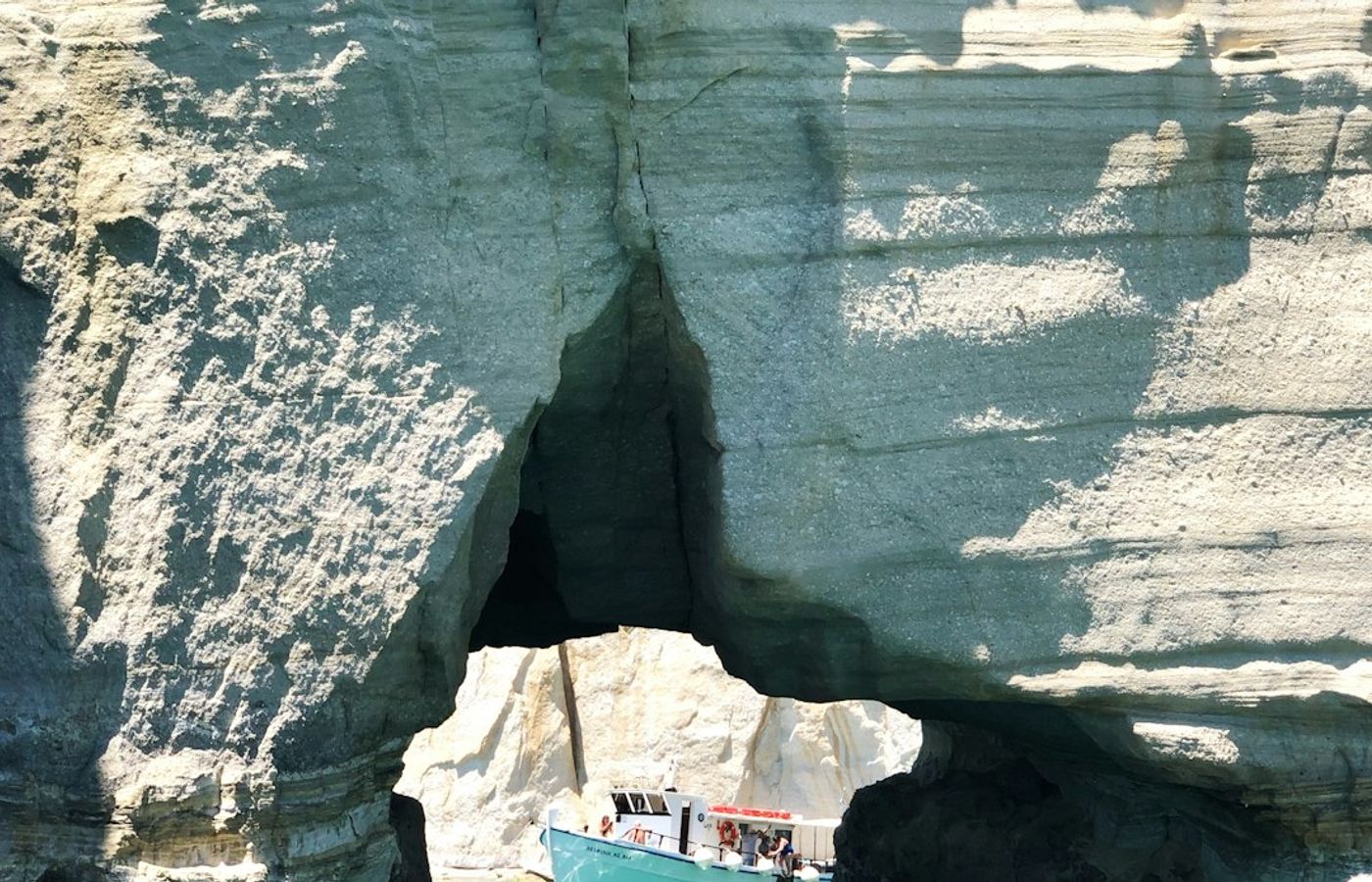

Kleftiko sits on the wild southwest tip of Milos and is easily the island's most photographed seascape: chalk-white limestone arches, sea-carved tunnels and towering rock stacks rising from water so clear it looks lit from below. The name comes from kleftes, the pirates who once used these caves as hideouts for stolen cargo. Because there is no road access, the only sensible way in is by boat. Full-day sailing tours from Adamas in 2026 typically cost 75-110 EUR per adult and combine Kleftiko with the Sykia sea cave, Gerakas and lunch on board. Snorkelling here is exceptional, with light beams filtering through cave roofs and small caverns you can swim into on a calm day.
Pro Tip: Book a small sailing catamaran (12-20 guests) rather than a large motorboat. You will arrive earlier, moor closer to the arches, and skip the wake churn that clouds the water once the big cruisers arrive from 12:30 onwards.

3Plaka Village and the Venetian Castle - Sunset Above the Aegean
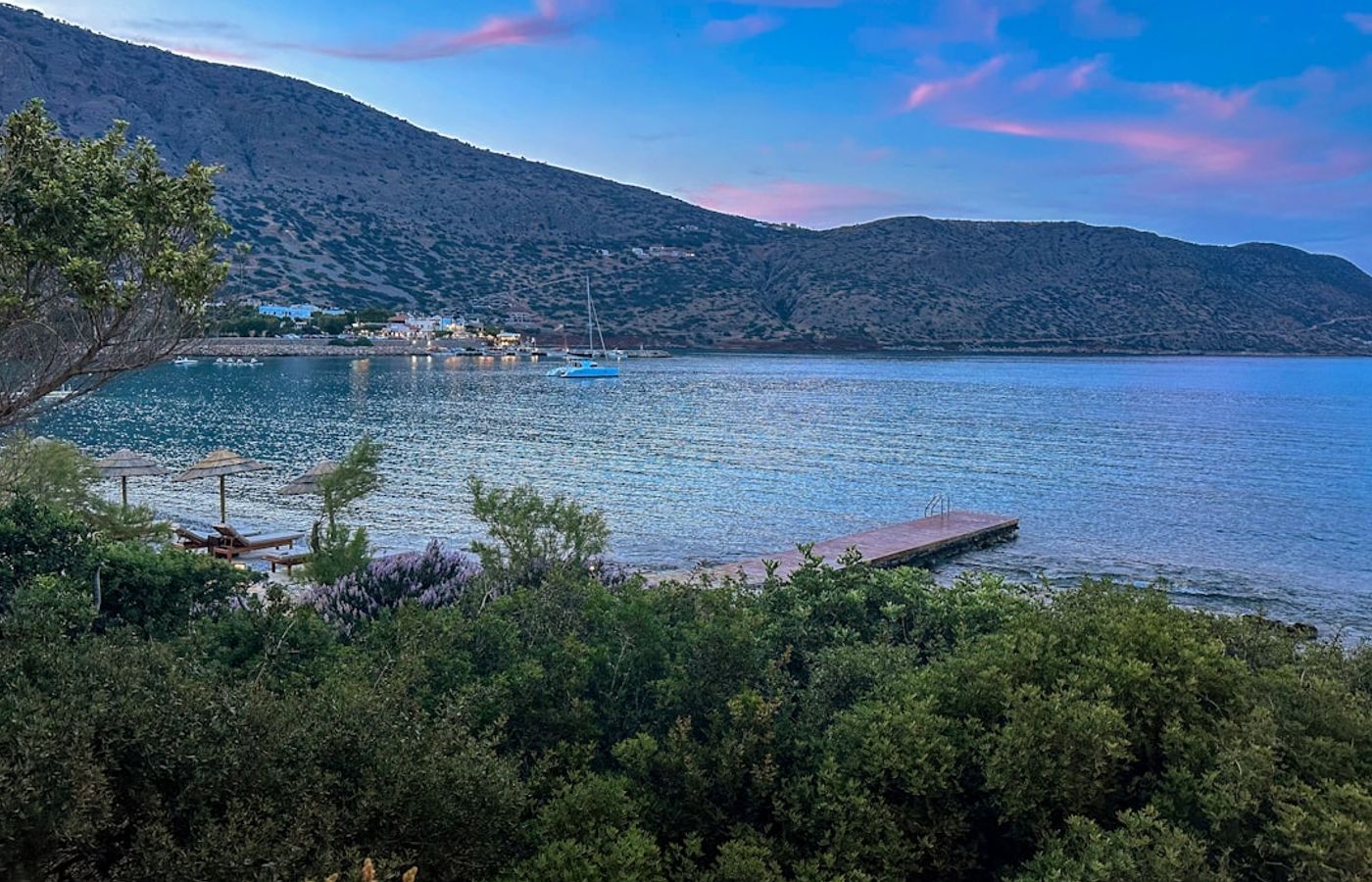

Plaka is the capital of Milos, a whitewashed Cycladic village of narrow lanes, bougainvillaea walls and cats sunning on doorsteps. Crowning the village is the Kastro, a 13th-century Venetian castle built on the island's highest rocky outcrop at 220 metres. The short but steep climb ends at the tiny chapel of Panagia Thalassitra and a 360-degree view over the Milos caldera, the surrounding Cyclades and, on clear evenings, the outline of Sifnos and Kimolos. Sunset here is the island's ritual, quieter than Oia on Santorini but no less dramatic. Combine the walk up with a visit to the Archaeological Museum of Milos on the main square, which holds a replica of the Venus de Milo and Cycladic finds from across the island.
Pro Tip: Arrive at the Kastro at least 45 minutes before sunset to secure a spot on the outer wall, then walk down through Plaka afterwards for dinner. The village lights up beautifully and the tavernas are far quieter after 21:30.
4Ancient Theatre and Catacombs of Milos - 2,000 Years of Island History
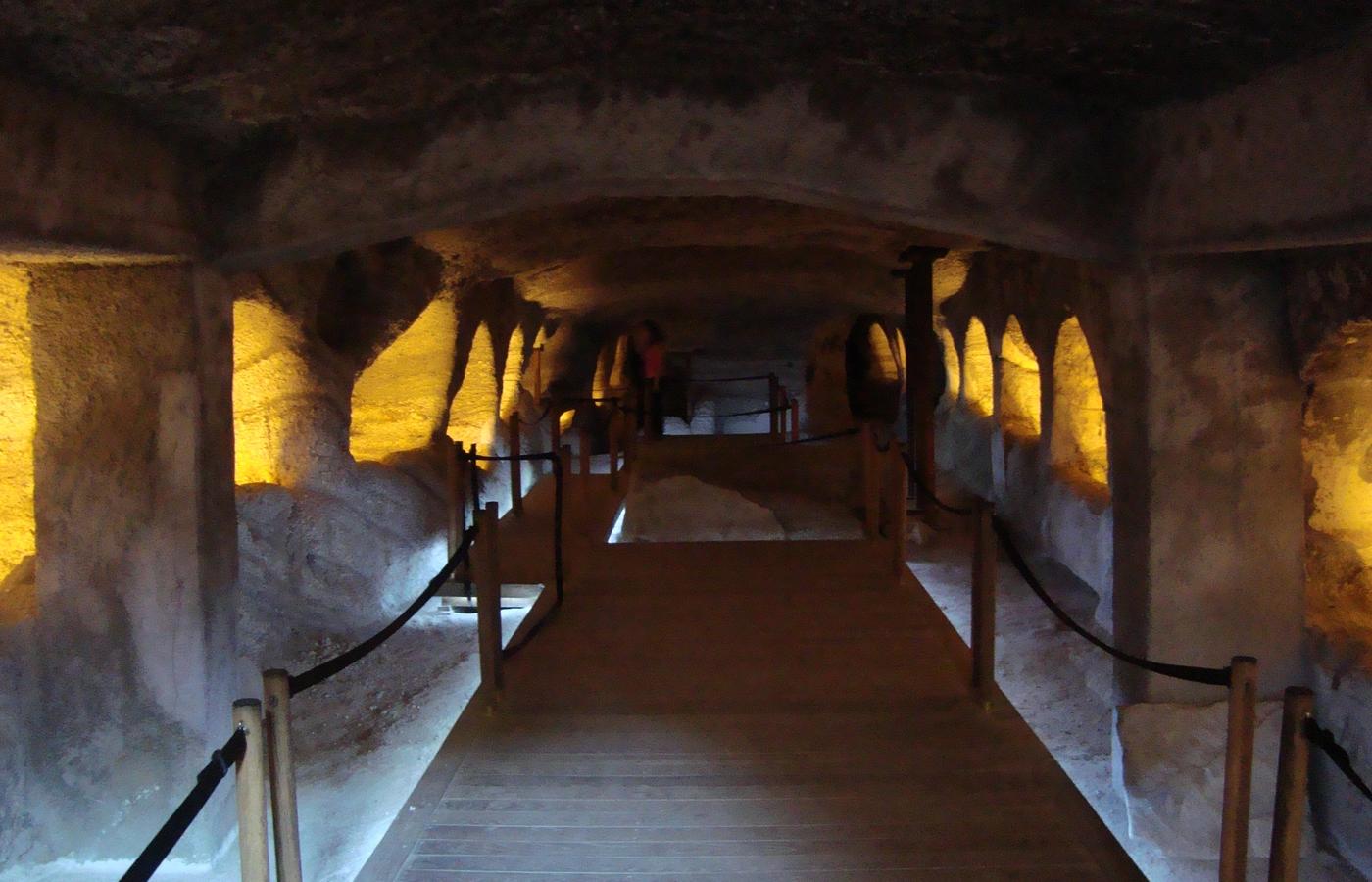
Below the village of Trypiti sit two of the most important archaeological sites in the Cyclades. The Ancient Theatre of Milos, carved into a slope overlooking the Bay of Klima, was built in the Hellenistic era and reworked in Roman times using imported Parian marble. It still seats around 700 spectators and hosts occasional performances during the Milos Festival in July and August 2026. A five-minute walk away are the Catacombs of Milos, a 1st to 5th century AD underground Christian cemetery of roughly 185 metres of galleries and around 290 arcosolia. It is one of the three most significant early-Christian catacomb complexes in the world, alongside those in Rome and the Holy Land. A small marker between the two sites shows where a farmer uncovered the Venus de Milo in 1820.
Pro Tip: Do the Catacombs first (they close earlier), then the theatre, then walk 10 minutes down to Klima fishing village for lunch. It is the most efficient loop and saves you driving twice on hot afternoons.
5Klima and Firopotamos - Fishing Villages With Painted Syrmata
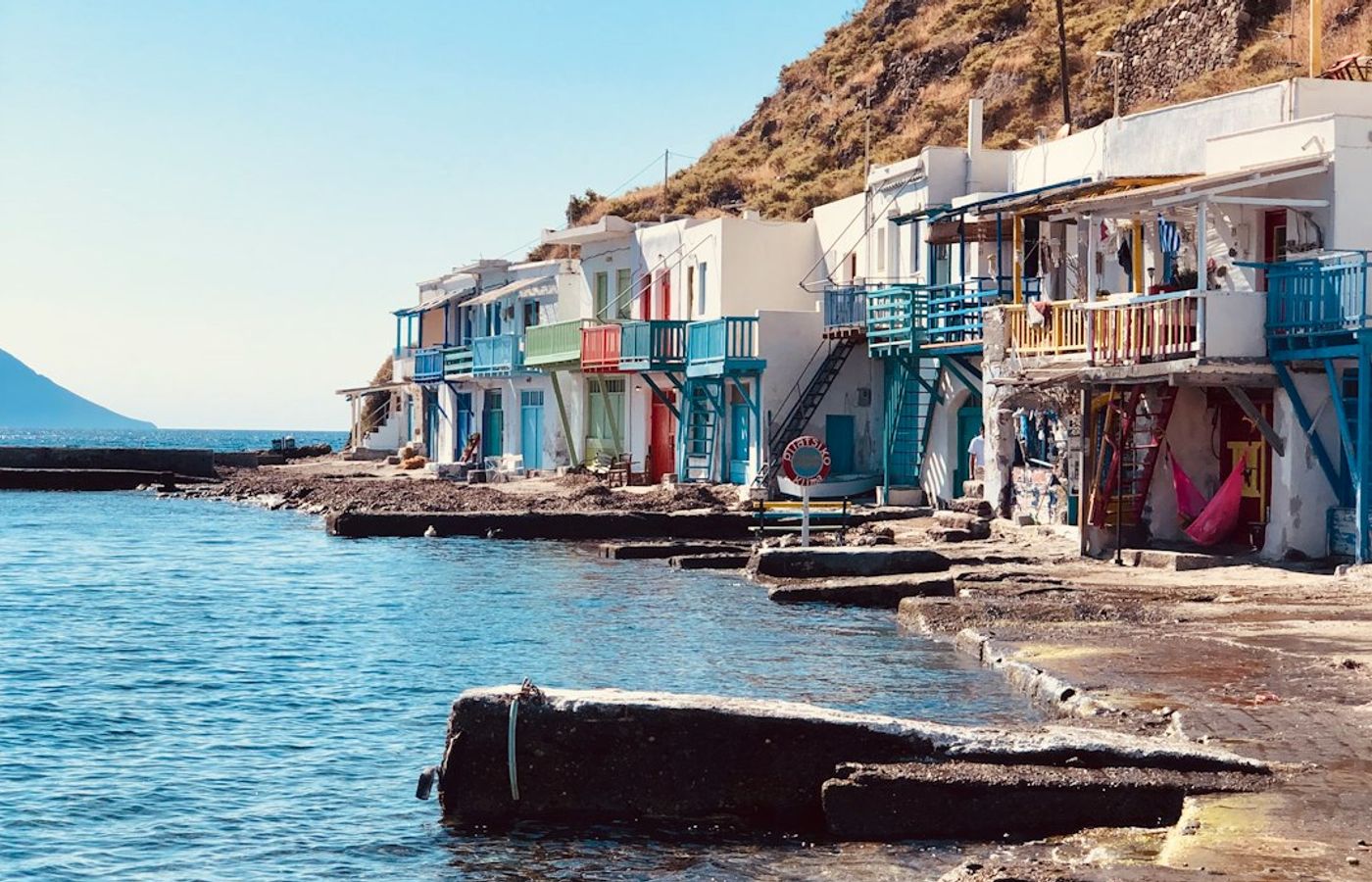
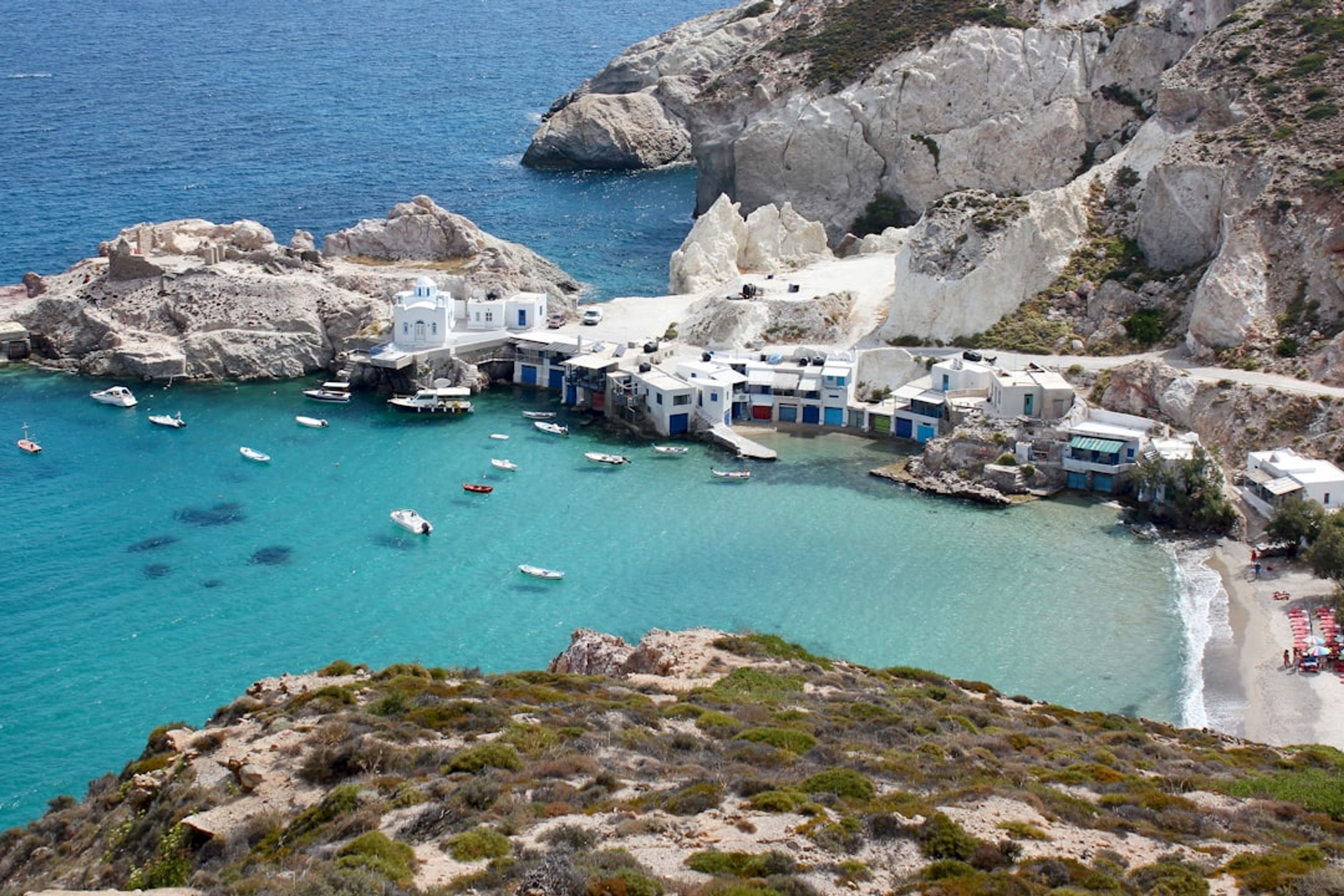
Milos is famous for its syrmata, two-storey fishermen's cottages with brightly painted doors on the ground floor that double as boat garages. Klima is the postcard version: a single row of ochre, cobalt, coral and mint doors sitting almost in the water beneath the cliffs of Trypiti. It is a working village of about a dozen year-round residents and no cars, so parking is at the top of the road. Firopotamos, on the north coast, is quieter and combines syrmata with a small sandy beach, the tiny chapel of Agios Nikolaos and a natural rock breakwater that makes the swimming exceptionally calm. Both villages come alive at golden hour when the doors and sea take on a warmer palette; both are best explored on foot with a camera in hand.
Pro Tip: Time Klima for the last hour of sunlight and Firopotamos for a mid-morning swim. Klima faces west and glows at sunset; Firopotamos faces north and is at its clearest before the afternoon wind picks up.
6Paleochori Beach - Warm Sand Heated by the Volcano
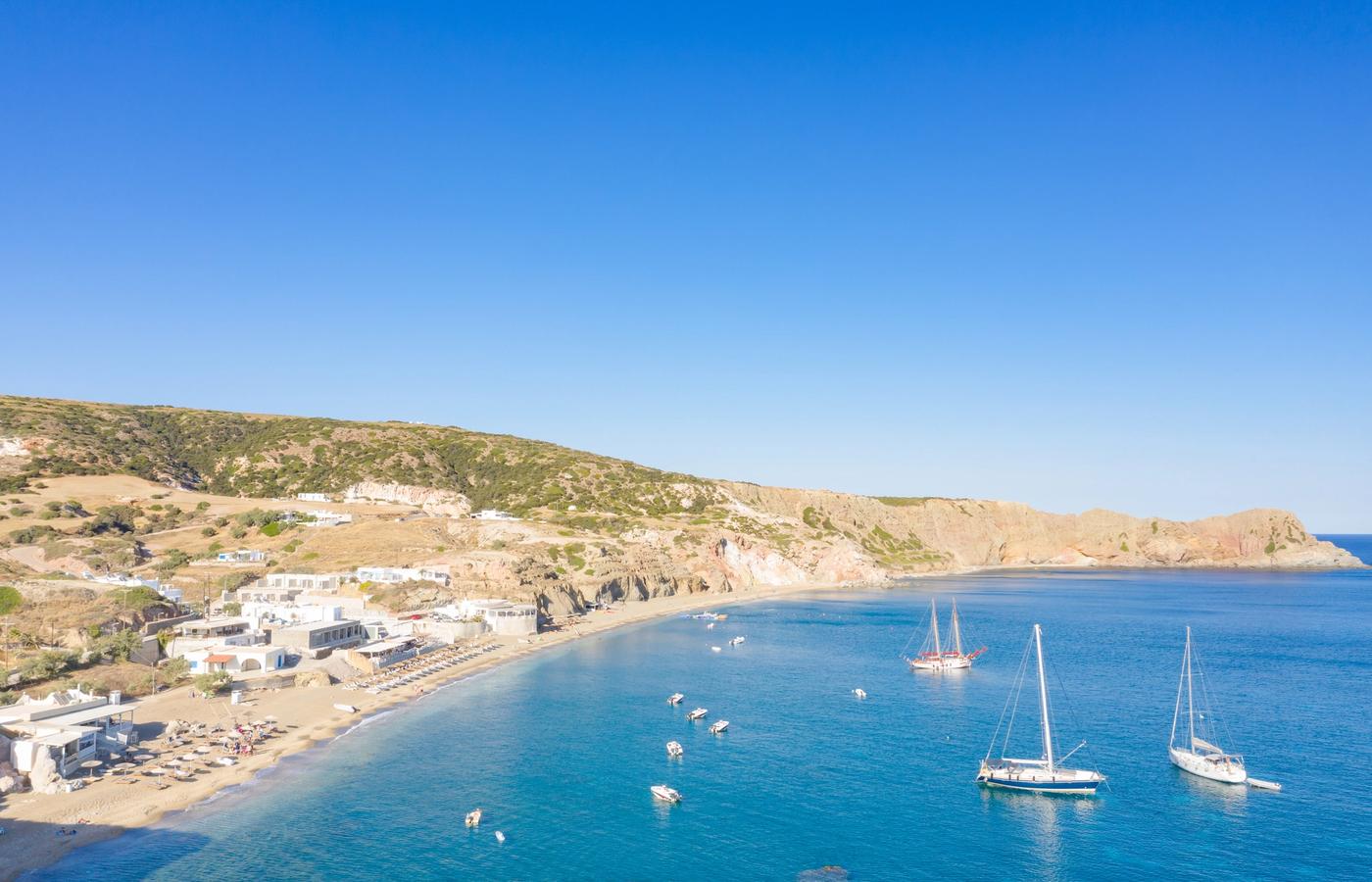
Paleochori (also spelled Paliochori) is the geothermal star of Milos, a long crescent of coloured sand backed by cliffs streaked in orange, red, ochre and grey - a visible record of the island's volcanic past. In places you can feel warm patches beneath your feet at the water's edge and small columns of hot bubbles rising through the seabed where fumaroles vent from below. There are three main coves connected by a rough path. The main cove is organised with sunbed rentals (roughly 25-35 EUR for a set in 2026) and two long-running tavernas, Sirocco and Pelagos, where dishes are traditionally slow-cooked in the hot volcanic sand. The eastern cove is quieter and shade-free, and the western pocket is popular with snorkellers.
Pro Tip: Ask at Sirocco whether the ammoudia lamb, chicken or gemista is being cooked in the sand that day - the pots go in around 09:00 and come out at lunch. Reserve a table by 12:30 to try it.
7Firiplaka and Tsigrado Beaches - The Dramatic South Coast
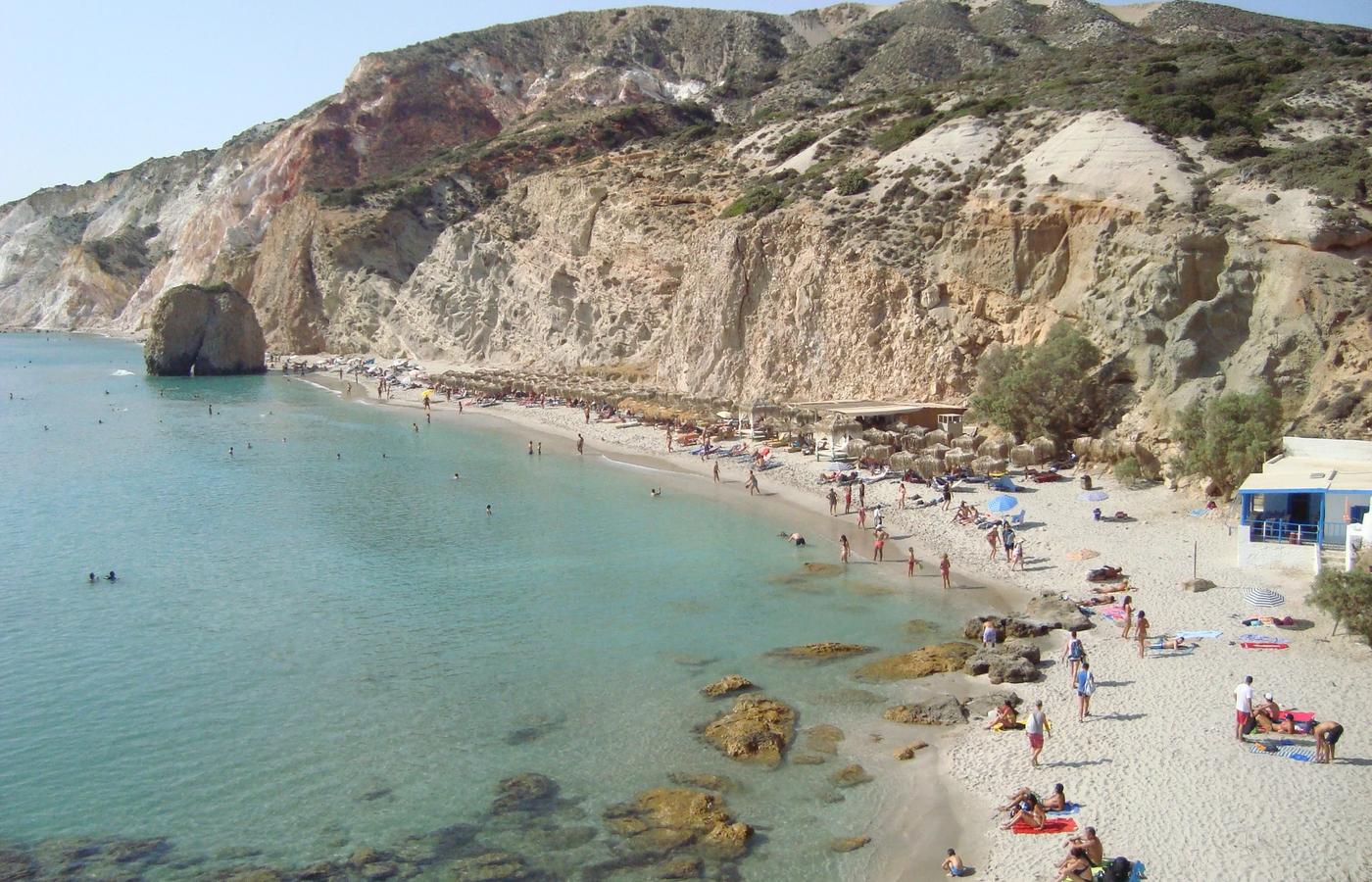
Firiplaka is one of the most photographed beaches in Milos: a wide strip of pale sand cut by a jagged, salmon-pink rock wall that splits the cove in two. The eastern half is organised with sunbeds and a small beach bar; the western half beyond the rock is wilder and quieter. Just next door, Tsigrado hides beneath a cliff and is reached only by a narrow gully that involves scrambling down a series of ropes and a wooden ladder for the last few metres. It is not suitable for young children, travellers with mobility issues, or anyone uncomfortable with heights. The reward on Tsigrado is a small bay of turquoise water almost entirely enclosed by cliffs, best visited before 11:00 when space is still available on the sand. Both beaches face south and get afternoon sun until late.
Pro Tip: Do Tsigrado first thing (before 10:30) while you have energy and the sand is still shaded on one side. Then walk 10 minutes over the headland to Firiplaka for lunch and an easier afternoon.
8Adamas Town and the Milos Mining Museum - Port, Promenade and Geology
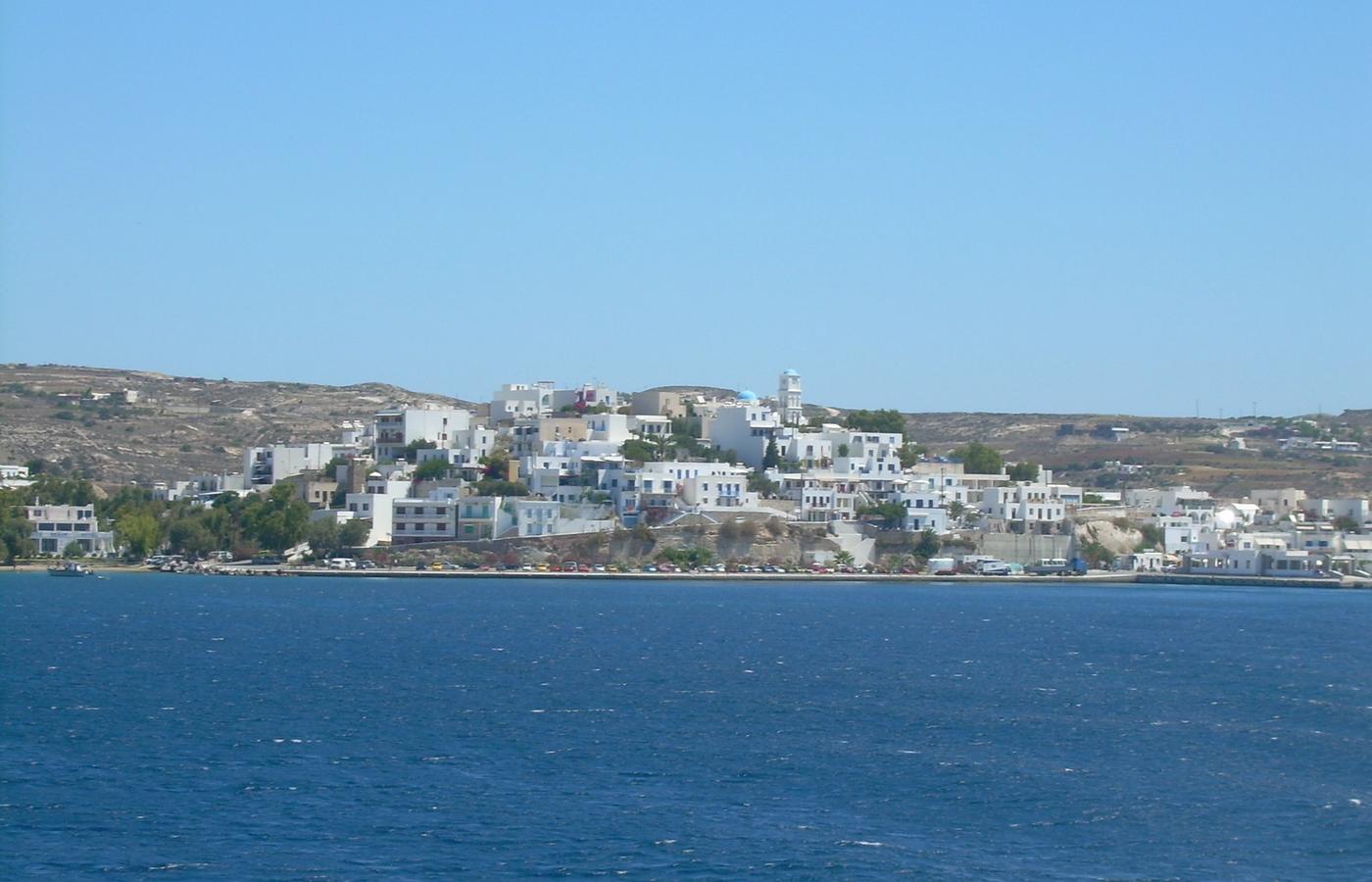
Adamas (also written Adamantas) is where almost every visitor arrives, either off the ferry from Piraeus or on the shuttle from Milos Island National Airport. It stretches around a natural bay that doubles as one of the largest safe harbours in the Mediterranean, and its waterfront is lined with tavernas, gelaterias, dive shops and boat-tour kiosks. Away from the promenade, the small streets behind the port hold Byzantine churches, a bakery selling koulouri warm from the oven, and the excellent Milos Mining Museum. Milos has been mined for obsidian since Neolithic times and for bentonite, perlite and sulphur into the modern era. The museum, run by the Milos Mining Museum foundation, walks visitors through 11,000 years of extraction with tools, films and a room dedicated to the island's geological formation.
Pro Tip: Have lunch at O! Hamos! taverna at the north end of the bay, then walk the 10 minutes back along the water to the mining museum. It is the only cultural site in Adamas with reliable air-conditioning on August afternoons.
9Kimolos Day Trip - The Quieter Neighbour by Ferry
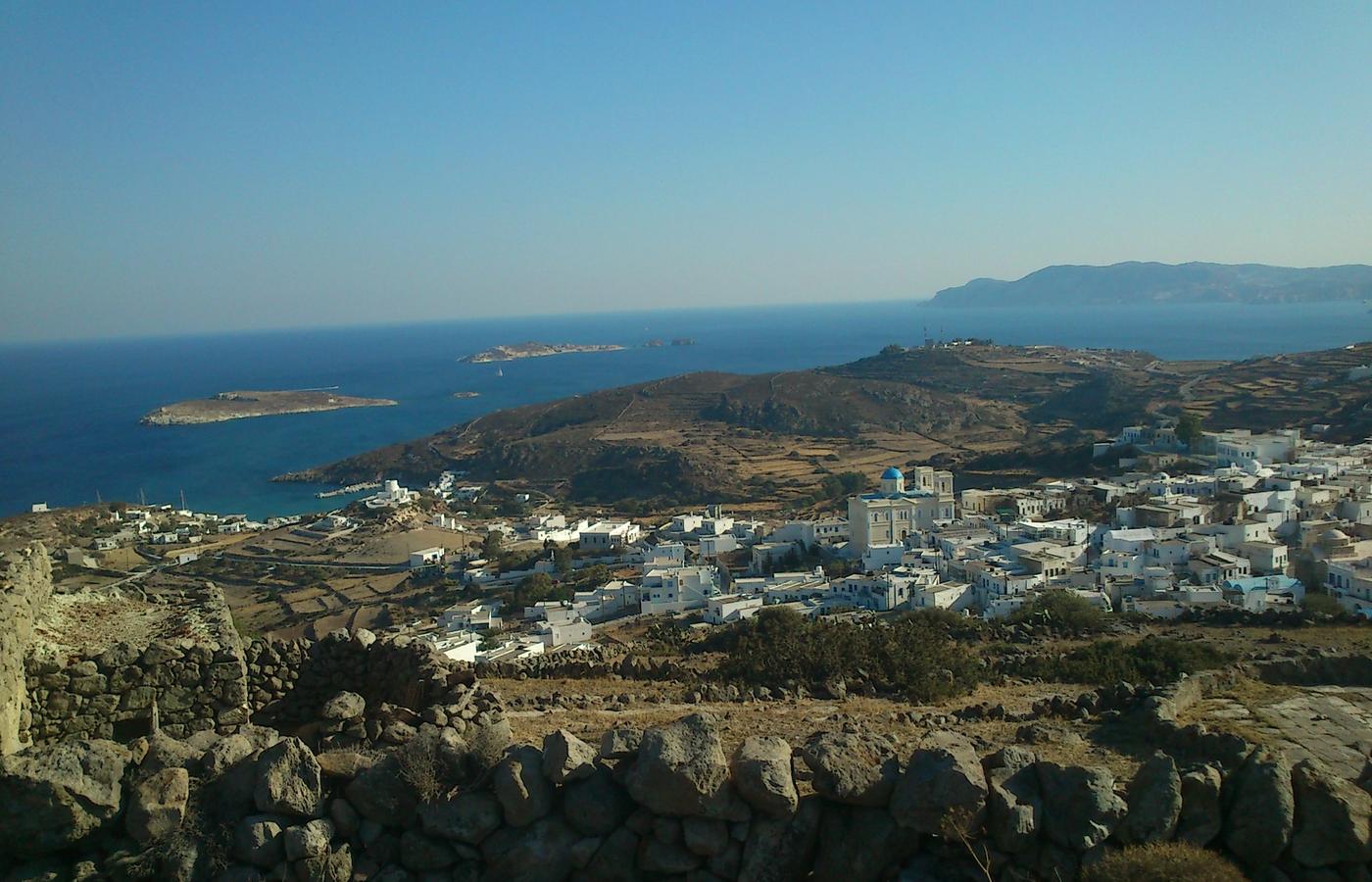
Kimolos sits a short ferry ride northeast of Milos and offers a glimpse of what the Cyclades felt like 30 years ago: one main village, one main road, a handful of tavernas, and beaches you can often have to yourself. From Psathi port the walk up to Chorio, the whitewashed capital, takes about 20 minutes on foot or five minutes by the seasonal community bus in 2026. Beyond Chorio, highlights include Prassa Beach with fine white sand and shallow turquoise water, the Skiadi rock mushroom (a volcanic formation shaped like an umbrella) and the abandoned settlement of Palaiokastro on the hilltop. A day trip is easily done on foot and by shared local transport; a rented ATV in Pollonia can be brought over on the car ferry for around 12 EUR return.
Pro Tip: Take the 09:30 boat over and the 18:30 boat back. That gives you a full swim day and an early dinner in Kimolos, avoiding the 15:30 return which is often booked out by cruise groups.
10Pollonia Village and Papafragas Cave - Chic Harbour and Sea-Cut Inlet
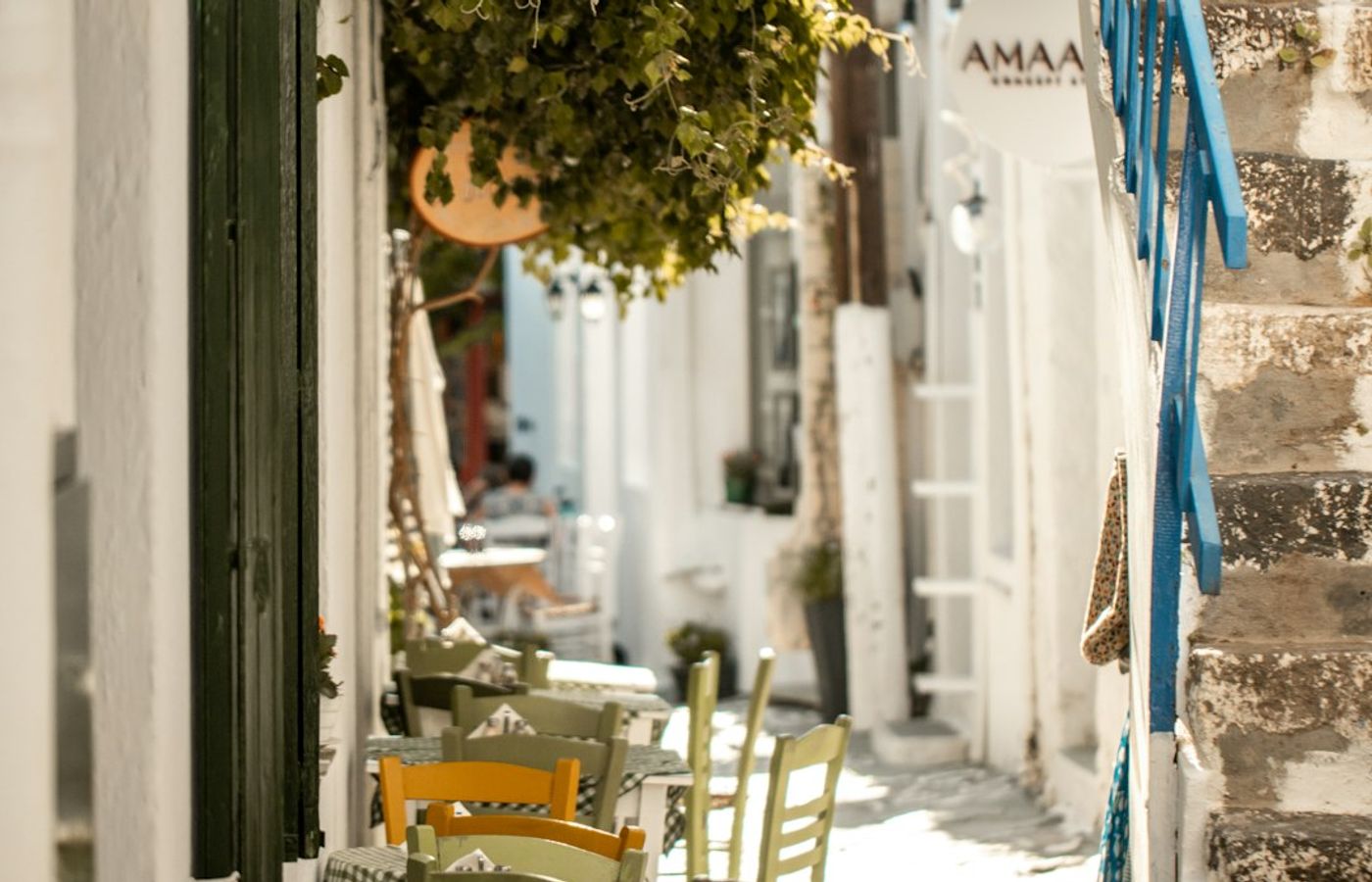
Pollonia is the more polished side of Milos - a small fishing village turned quietly upmarket, with a crescent of tamarisk-shaded sand, low-rise white villas, and some of the best seafood restaurants on the island. It doubles as the departure port for Kimolos, and the pace here is noticeably slower than in Adamas: mornings are for swimming, evenings are for grilled fish and a walk along the harbour wall. Two kilometres west along the coast road is Papafragas, a narrow slot inlet where the sea has cut a channel between cliffs to form three small connected caves with a tiny sandy beach at the far end. The viewpoint from above is stunning; getting down requires care on a steep scramble. Directly opposite the car park sits the Neolithic settlement of Phylakopi, one of the most important Bronze Age sites in the Cyclades, with three stratified cities dating from 3300 to 1100 BC.
Pro Tip: Book Armenaki or Gialos in Pollonia at least 48 hours ahead for a table on the water in July and August 2026, and pair it with a late afternoon at Papafragas when the sun angle lights the cave interior.
Get hotel deals for Milos
Price drops, new stays and local tips for Milos, straight to your inbox.
No spam, unsubscribe anytime.

CEO and co-founder
Tomas is the co-founder and director of trip1, an European company specializing in reservation services. He launched the company in 2025 with a focus on building scalable, efficient operations.
10 Best Things to Do in Milos, Greece - FAQ
Sarakiniko Beach, with its white volcanic rock, and a boat trip to the Kleftiko sea caves, which you cannot reach by road. Watch sunset from the Venetian castle above Plaka, see the painted boat garages at Klima, and visit the Catacombs and Ancient Theatre near Trypiti. Paleochori Beach adds warm volcanic sand and food slow-cooked in it.
Four full days, or three at a push. Give one to Sarakiniko and the north coast villages, one to a full-day Kleftiko boat tour, one to Plaka, the Catacombs, the Ancient Theatre and Klima, and one to the south coast beaches. Five to seven days adds Kimolos and a spare day in case wind cancels the boat tour.
Not for most of the year, but July and August get busy. Coach groups reach Sarakiniko by midday, so go before 9am or after 5:30pm. Big cruise boats crowd Kleftiko from about 12:30, so choose a small catamaran that arrives earlier. Outside Adamas, villages like Klima, Firopotamos and Pollonia stay quiet and slow-paced.
Mid-May to mid-June and early September to mid-October. The sea is warm, tavernas and boat tours are running, and the island is calmer than in high summer. July and August are the hottest and liveliest months, when boat tours sell out days ahead. In winter many tavernas and hotels close and ferries run less often.
From Piraeus, the port of Athens, to Adamas on Milos. Ferries run daily all year. High-speed boats take about 2.5 to 3.5 hours, and conventional ferries about 4 to 7 hours, depending on stops at islands such as Sifnos and Serifos. In summer book ahead. You can also fly from Athens to Milos airport, near Adamas.
Adamas for a first visit: it is the ferry port, the bus hub and the starting point for Kleftiko boat tours. Pollonia is quieter and more upmarket, with some of the best seafood on the island and the ferry to Kimolos. Plaka suits travellers who want character and sunset views and do not mind driving to the beaches.