

Guides · Seoul
10 Top Places to Visit in Seoul, South Korea

CEO and co-founder
This guide ranks the 10 top places to visit in Seoul - the royal palaces, traditional villages, neon-lit shopping streets, and unique DMZ excursion that genuinely deserve a place on your itinerary whether you have 4 days or a full week in South Korea's capital. Each entry includes the exact address, nearest metro station, and a practical Pro Tip drawn from how locals and seasoned visitors actually navigate Seoul in 2026.
Seoul is a city of 10 million that mixes 14th-century Joseon-dynasty palaces with the densest concentration of K-pop entertainment companies on earth. The list clusters efficiently: north of the Han River around the royal palaces (Gyeongbokgung, Bukchon, Changdeokgung), central commercial districts (Myeongdong, N Seoul Tower), and the youth quarters (Hongdae). The DMZ at the border consumes a separate day.
Plan 4-5 days minimum. The Seoul Metro reaches every attraction; get a T-money card on arrival. Rent a hanbok for one day to enter the palaces free and have one of the best photo experiences in Asia.
1Gyeongbokgung Palace - The Grand Joseon Royal Palace
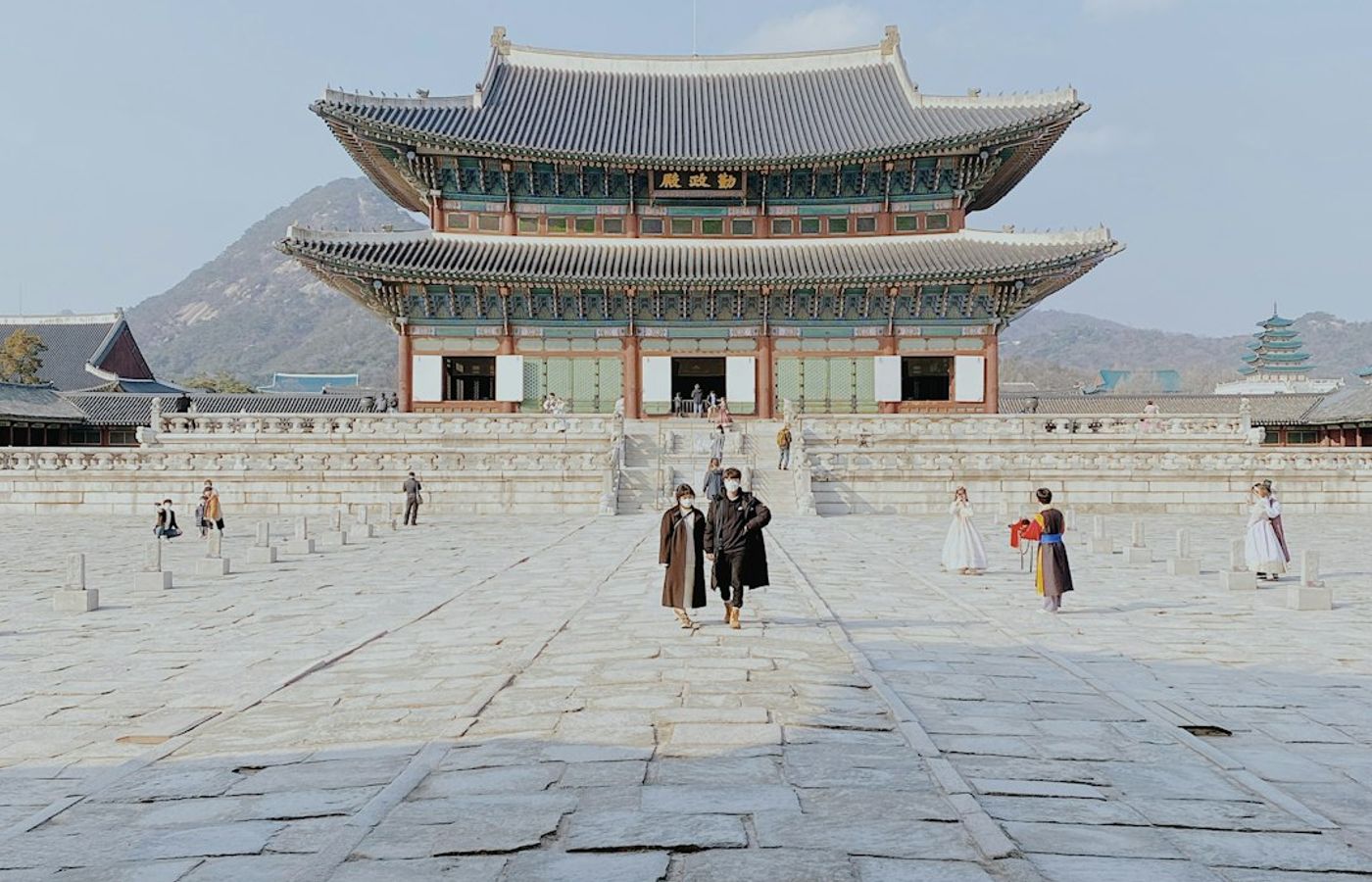

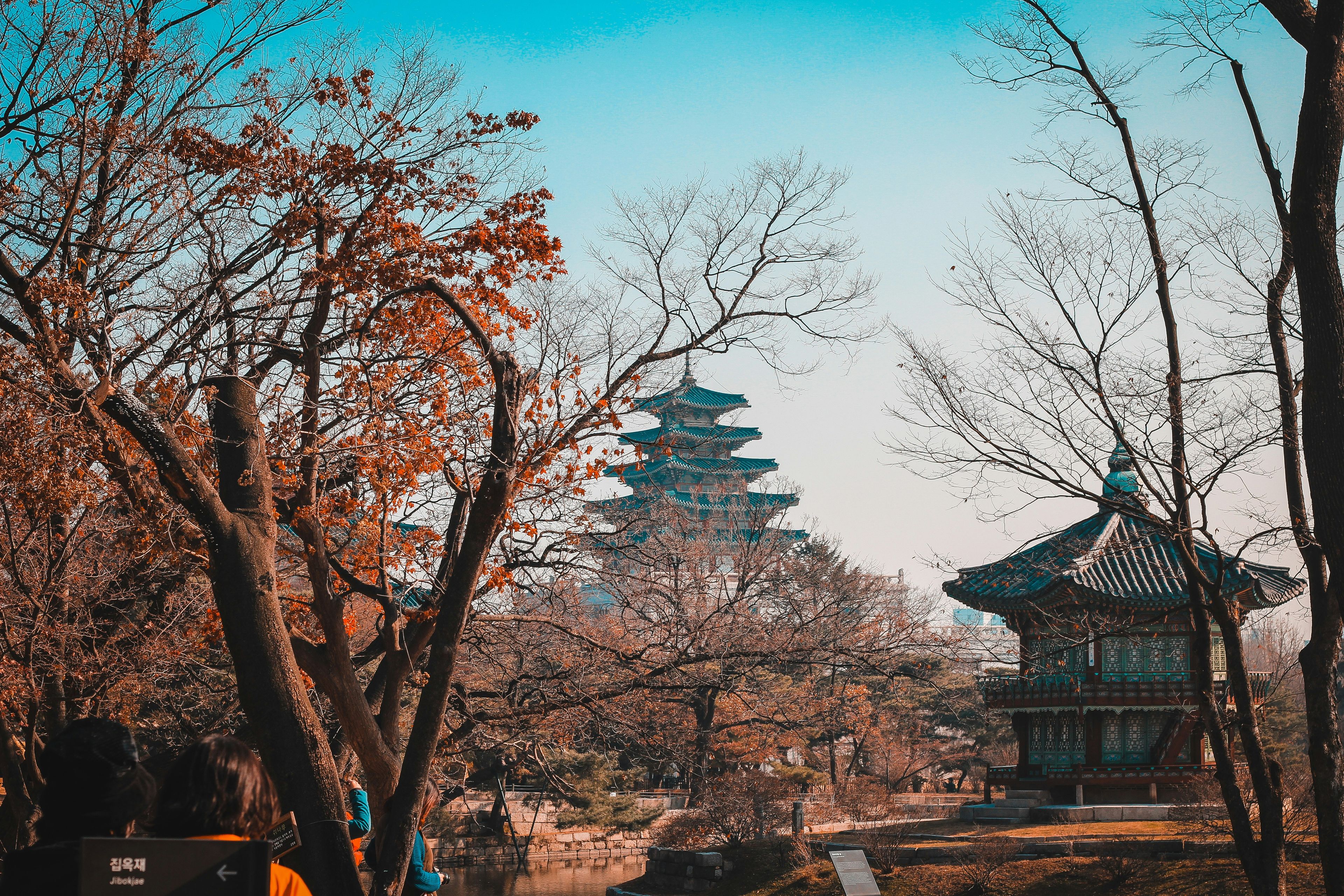
Gyeongbokgung was built in 1395 as the main palace of the Joseon dynasty - the founding moment of modern Seoul. The 40-hectare complex contains 500+ buildings within fortified walls, with Geunjeongjeon throne hall and Gyeonghoeru pavilion (a banquet hall on a man-made island) as the major landmarks. The Japanese colonial administration demolished much of the palace 1910-1945; restoration has been ongoing since 1990 with full reconstruction targeted for 2045.
The Royal Guard Changing Ceremony at Gwanghwamun Gate happens at 10:00 and 14:00 daily except Tuesdays. The National Folk Museum and National Palace Museum sit within the grounds (separate free admission). Admission 3000 KRW; free entry if wearing hanbok (rentals 15000-25000 KRW from shops around the palace). Open Wednesday-Monday 09:00-18:00 (closed Tuesdays). Allow 3-4 hours including the museums.
Pro Tip: Rent a hanbok at Hanboknam or Oneday Hanbok near Anguk station (15000-25000 KRW for 4 hours) - free palace entry plus the photo opportunities are the standard Seoul experience. The Gyeonghoeru pavilion reflected in the pond is the city's most-photographed angle.
2Bukchon Hanok Village - The Traditional House Quarter
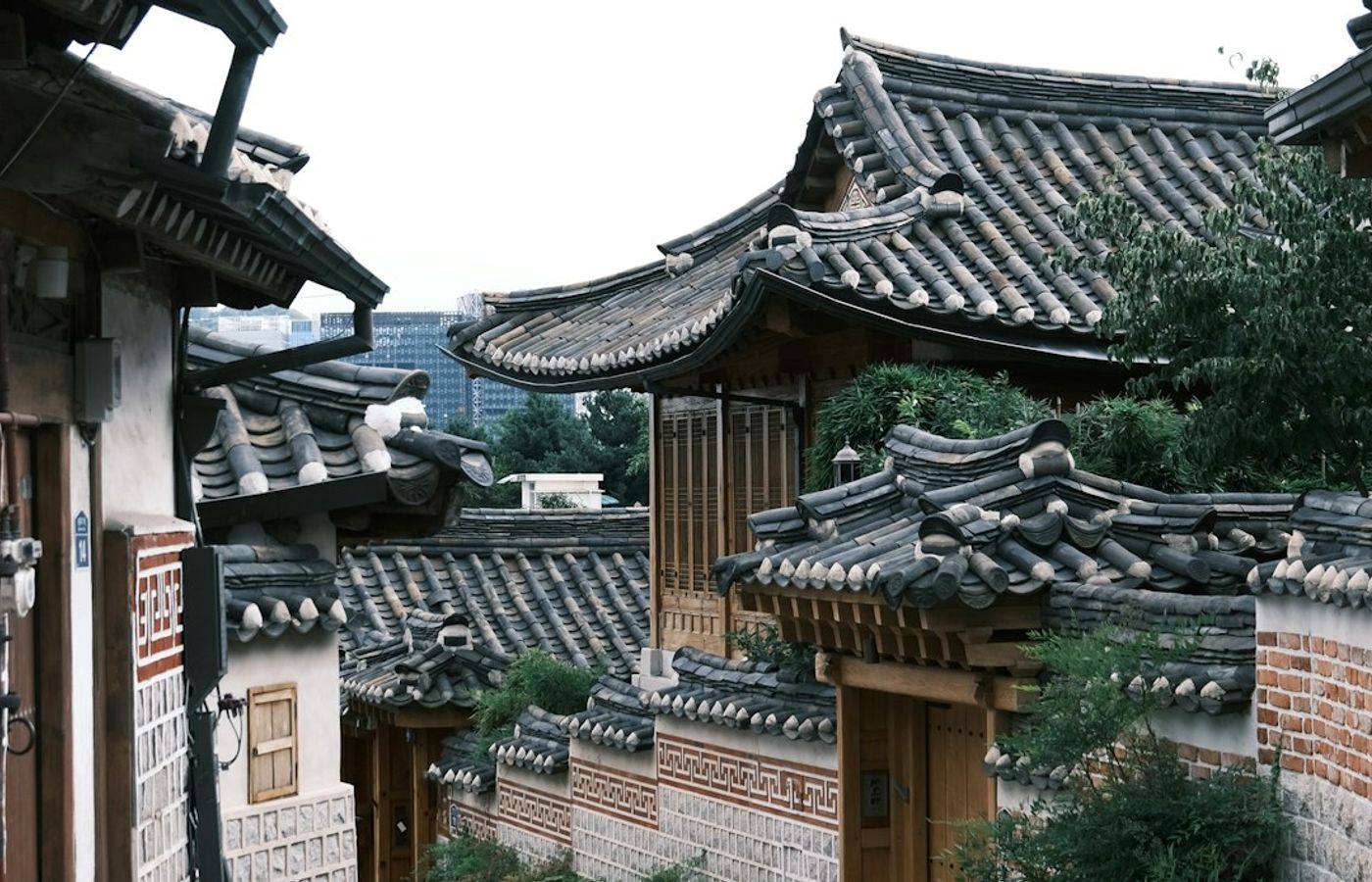

Bukchon Hanok Village (North Village) is a 600-year-old neighbourhood between Gyeongbokgung and Changdeokgung palaces containing 900+ preserved hanok (traditional Korean wooden houses). Most date from the 1900s-1930s; some are 600-year-old structures continuously inhabited since the Joseon era. The narrow alleys, tile-roofed houses, and walled courtyards make Bukchon Seoul's most atmospheric traditional district.
The 8 designated Bukchon Hanok Photo Zones offer the postcard views; Bukchon-ro 11-gil is the most famous alley. Many hanoks function as cafes, design shops, or boutique guesthouses (hanok stays from 80000 KRW per night). The Bukchon Traditional Crafts Experience Center offers daily Korean craft workshops (10000-30000 KRW). Free to wander; respect residents - much of the district is still actual private housing. Best 09:00-11:00 before crowds.
Pro Tip: Arrive at 08:30 - the village has formal quiet hours 22:00-10:00 due to resident complaints, but the morning light hits the curved tile rooftops perfectly. Skip the influencer-spot Bukchon-ro 11-gil for the quieter parallel Gyedong-gil to the west.

3Myeongdong - Seoul's Shopping and Cosmetics District
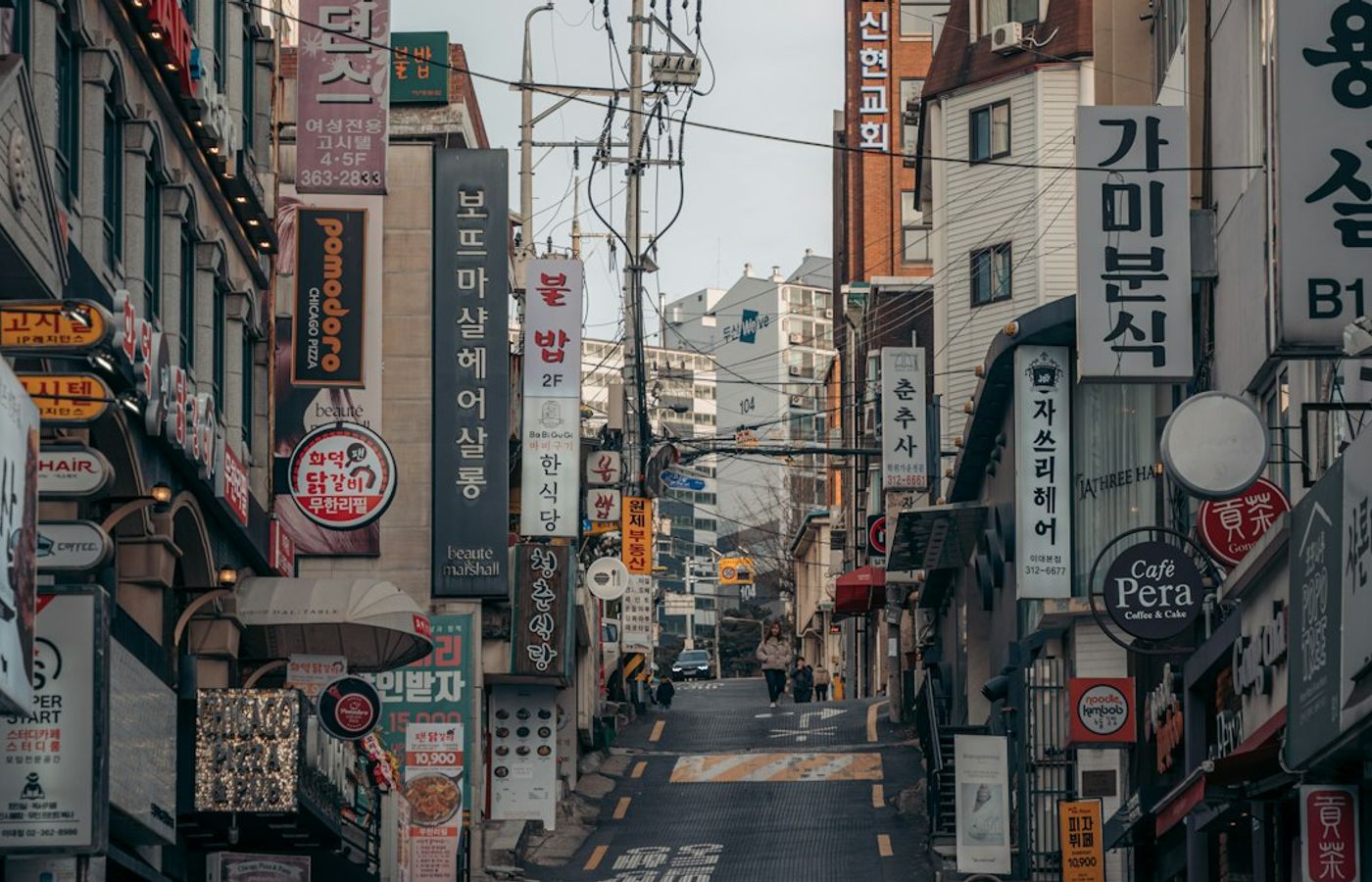

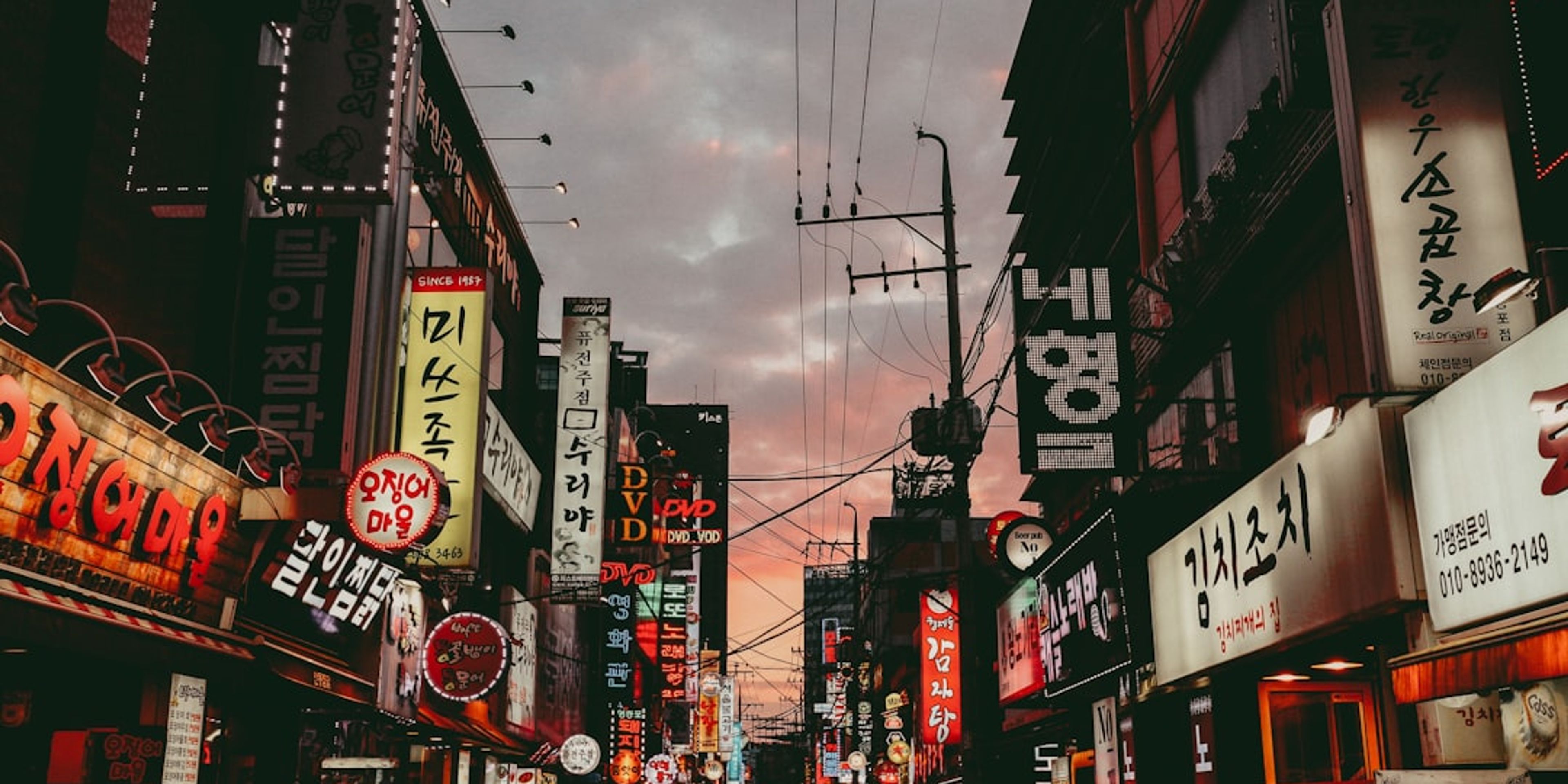
Myeongdong is Seoul's main central shopping district - 1 square km of pedestrianised commercial streets dominated by Korean cosmetics flagships (Innisfree, Etude House, The Face Shop, Olive Young), department stores (Lotte and Shinsegae are walking distance), street food vendors, and dozens of cosmetic clinics specialising in plastic surgery. The district is the centre of South Korea's K-beauty export industry.
Standout streets: Myeongdong-gil (main commercial strip), Myeongdong 8-gil (the food street active 18:00-23:00 with tornado potatoes, grilled lobster, hotteok pancakes), and the basement floors of the Lotte and Shinsegae department stores for top-quality food courts. Myeongdong Cathedral (1898 Gothic Catholic Cathedral) anchors the eastern end - Korea's first Catholic cathedral. Free to wander; open 24/7. Best 18:00-22:00.
Pro Tip: Visit Olive Young flagship at 65 Myeongdong-gil for the largest selection of K-beauty brands under one roof - the multi-pack discounts run 30-40% below department store prices. The 5th-floor Charmzone Seoul restaurant is the best cheap eat in Myeongdong (Korean fried chicken 18000 KRW).
4N Seoul Tower (Namsan Tower) - The Iconic City View
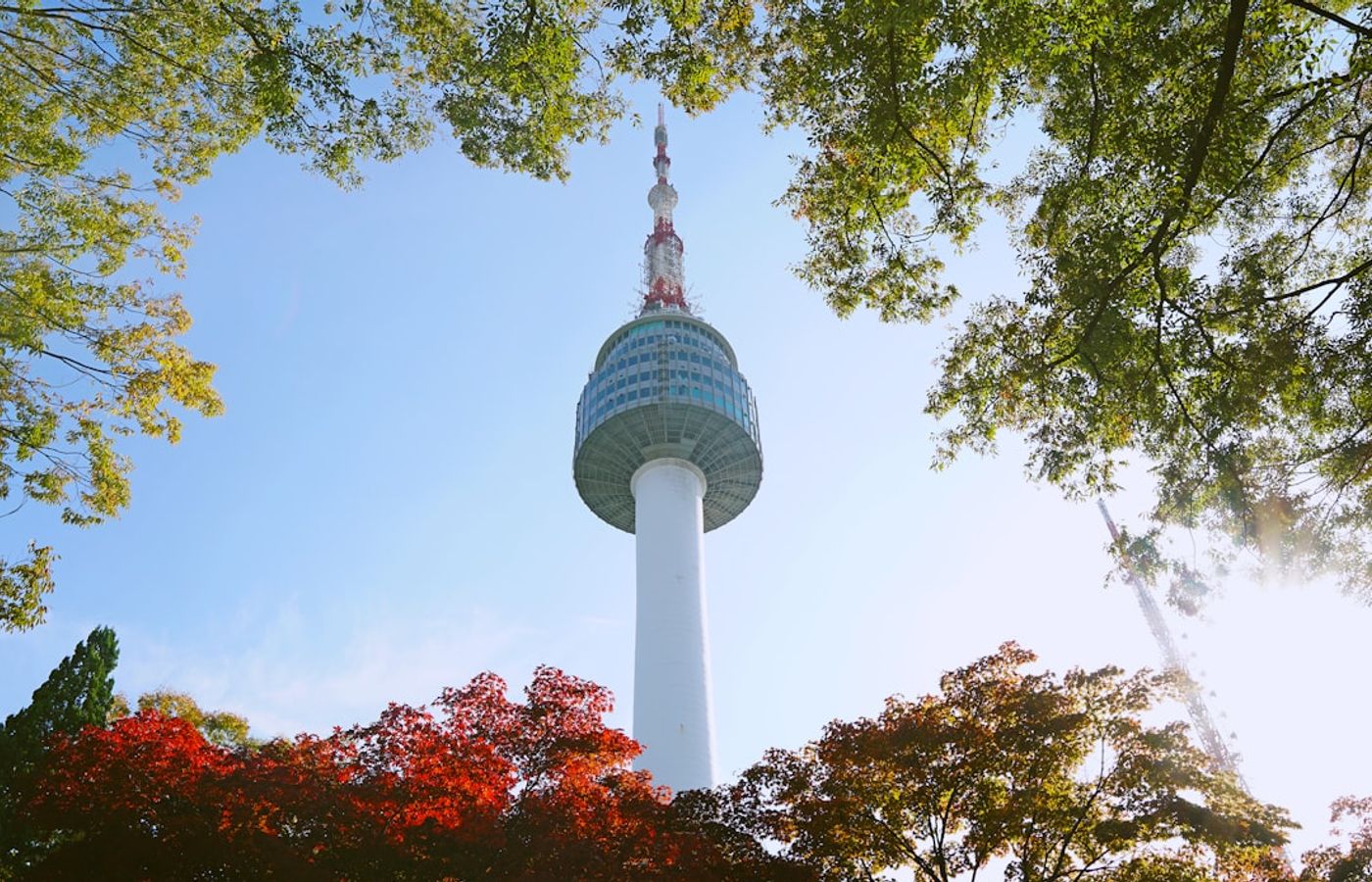
N Seoul Tower (also Namsan Tower) is a 236-metre communications and observation tower on Namsan mountain (262 m elevation) - the city's signature observation platform since 1971. The full peak height including the tower is 480 metres above sea level. Reach via 3 routes: the Namsan Cable Car from Myeongdong, the orange Namsan Sunset shuttle bus, or the 30-minute walk through Namsan Park. The summit observation deck offers a 360-degree view of Seoul.
The famous love-locks fence below the tower is covered in approximately 1 million attached padlocks left by couples. The Hanbok Cultural Experience Center on the 1st floor offers free hanbok try-on photos. Observation deck 21000 KRW adult. Cable car 14000 KRW round-trip. Open daily 10:30-23:00. Allow 2-3 hours including transport up and down. Sunset is the most popular hour.
Pro Tip: The free Namsan Park terraces below the tower (lower observation deck) offer 90% of the view at zero cost - walk up from the cable car station base for a half-hour but skip the paid 236-m observation deck. The terrace is the best free Seoul night view.
5Hongdae - Seoul's Indie Music and Youth Quarter
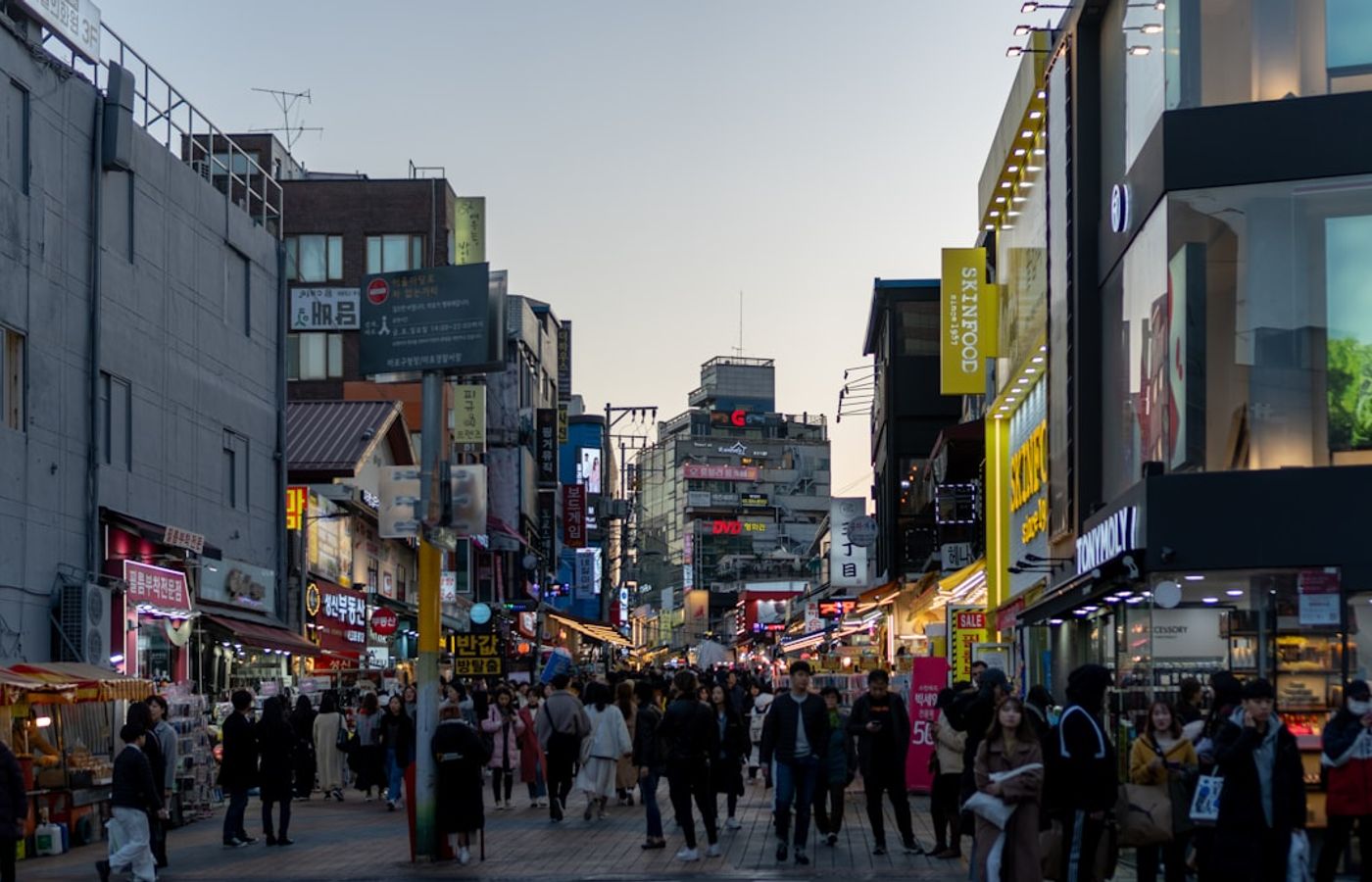
Hongdae (the area around Hongik University) is Seoul's youth, indie music, and street art quarter - the centre of independent live music in Korea and a hub for fashion-forward 20-somethings. The neighbourhood developed in the 1990s as art-school students (the university is a famous art college) populated the area with cheap cafes and bars. By the 2010s it had become the city's most vibrant nightlife district.
The Hongdae Playground (free) hosts street performers, breakdancers, K-pop dance covers, and busking bands every evening. The Free Market on Saturdays at the playground sells handmade crafts and indie design. Standout streets: Eoulmadang-ro (shopping), Gyeongui Line Forest Park, and the alleyways behind Hongik Univ exit 9 for independent bars. Free to wander; busiest 19:00-02:00.
Pro Tip: The FF Live Music Club on Saturdays (15000 KRW including 1 drink) hosts Seoul indie bands - the most authentic Korean music venue. Avoid the chain clubs on the main strip. The Cafe Aalia on Hongdae's quieter side is the city's best speciality coffee.
6DMZ Tour - The Korean Demilitarized Zone
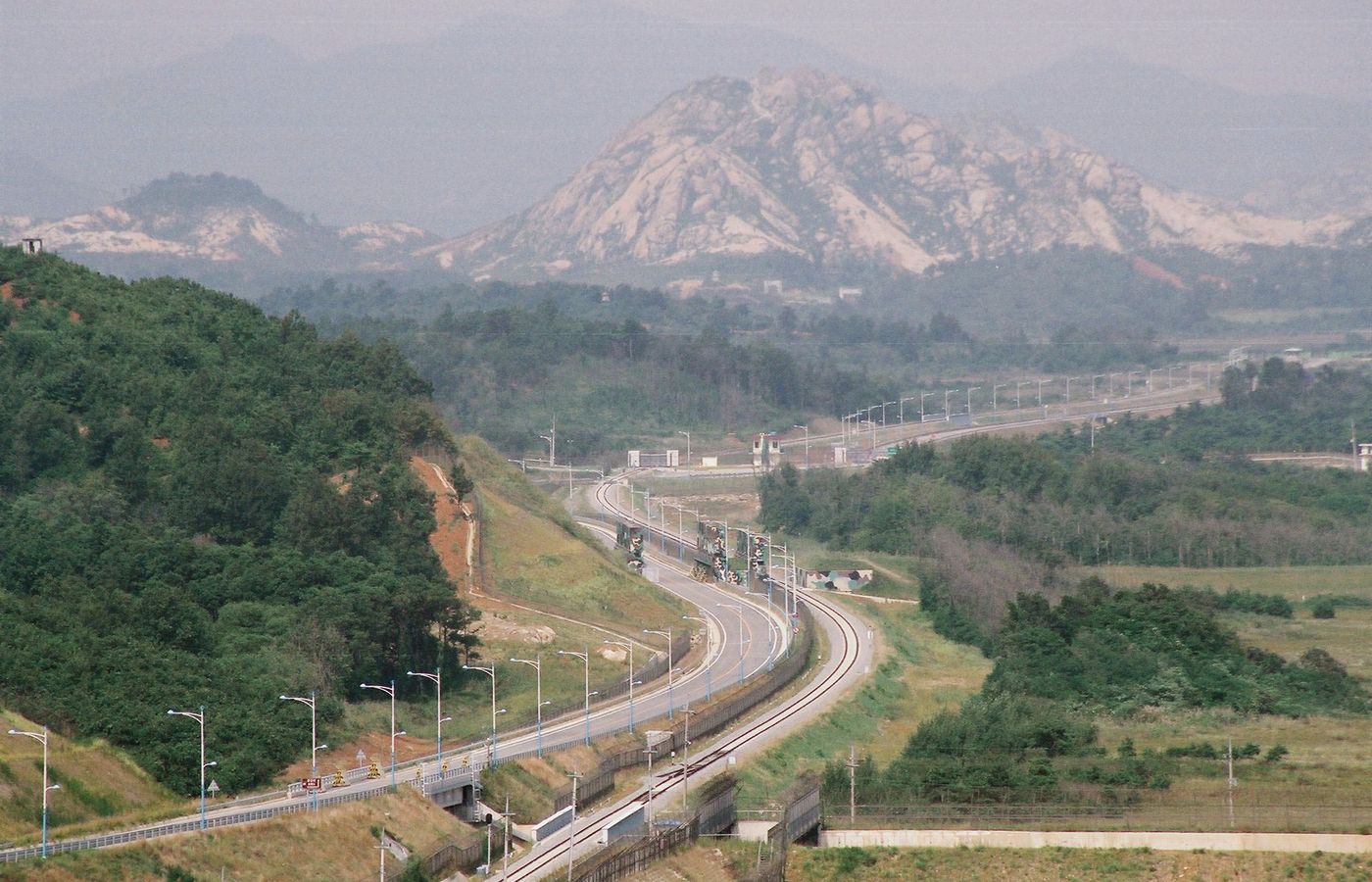
The Demilitarized Zone is the 250-km-long, 4-km-wide buffer separating North and South Korea since the 1953 armistice. Day tours from Seoul visit the southern side of the zone with stops at Imjingak Park (memorial), Freedom Bridge (where 13000 POWs crossed in 1953), the 3rd Infiltration Tunnel (one of 4 known North Korean tunnels dug under the border), and the Dora Observatory looking into North Korea.
Half-day tours 60000-80000 KRW (Imjingak, 3rd Tunnel, Dora Observatory). Full-day tours including the Joint Security Area (Panmunjom, the famous blue conference huts on the line) 120000-180000 KRW - but JSA visits are suspended whenever inter-Korean tensions rise. Bring your passport. Strict dress code (no military attire, no jeans with holes, covered shoulders). Book through registered operators 2-3 weeks ahead. Tours run all year.
Pro Tip: Koridoor Tours and VIP Travel are the most reliable operators with English-speaking guides. The Dora Observatory binoculars (free) let you actually see into the North Korean countryside - the highlight of the day-trip experience.
7Insadong - Traditional Crafts and Tea Houses
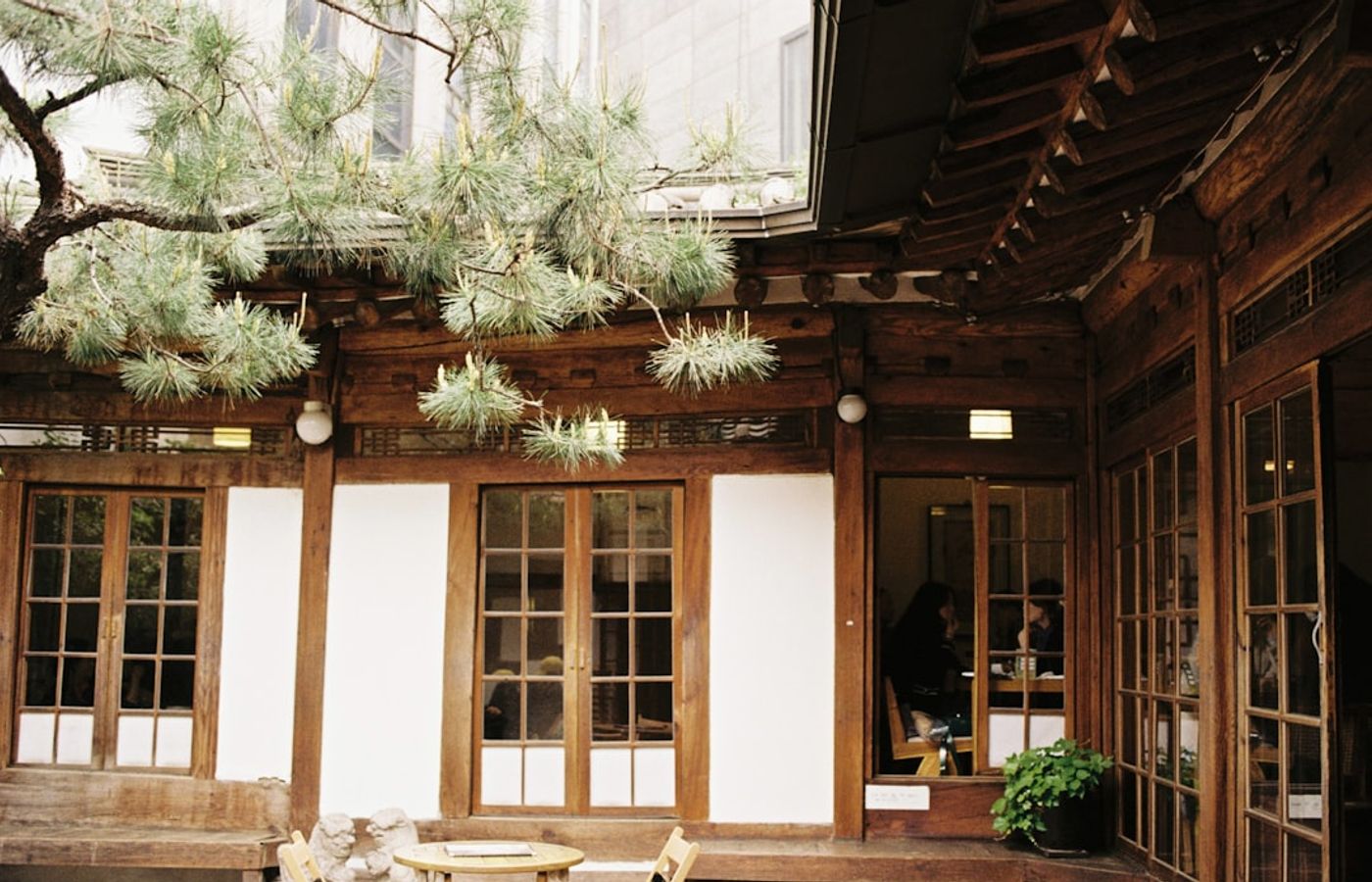
Insadong is Seoul's traditional crafts, calligraphy, and tea-house district - 1 km of shops dealing in Korean antiques, hanji paper, ceramics, Joseon-era furniture, and traditional teas. The main pedestrian Insadong-gil street is mostly closed to traffic 10:00-22:00. The neighbourhood was the home of yangban (aristocrat) families in the late Joseon period and many shops occupy converted hanok houses.
Standout stops: Ssamzigil (a 4-storey shopping complex of independent Korean designers - 70+ shops), the Jogyesa Buddhist Temple (Korean main Buddhist temple, free entry), and Insadong Maru tea house complex. Traditional tea houses (Shin Old Tea House, Tea Therapy) serve seasonal Korean teas at 8000-15000 KRW per cup. Allow 3 hours for a slow walk. Free to wander; cash and cards both accepted.
Pro Tip: The Beautiful Tea Museum (the small white hanok at 21 Insadong-gil) does a 2-hour tea ceremony experience for 25000 KRW - learn the traditional Korean tea ceremony and try 6 seasonal teas. The Korean Bossam restaurant Tosokchon on the western side serves the city's best ginseng chicken soup.
8Changdeokgung Palace and Secret Garden
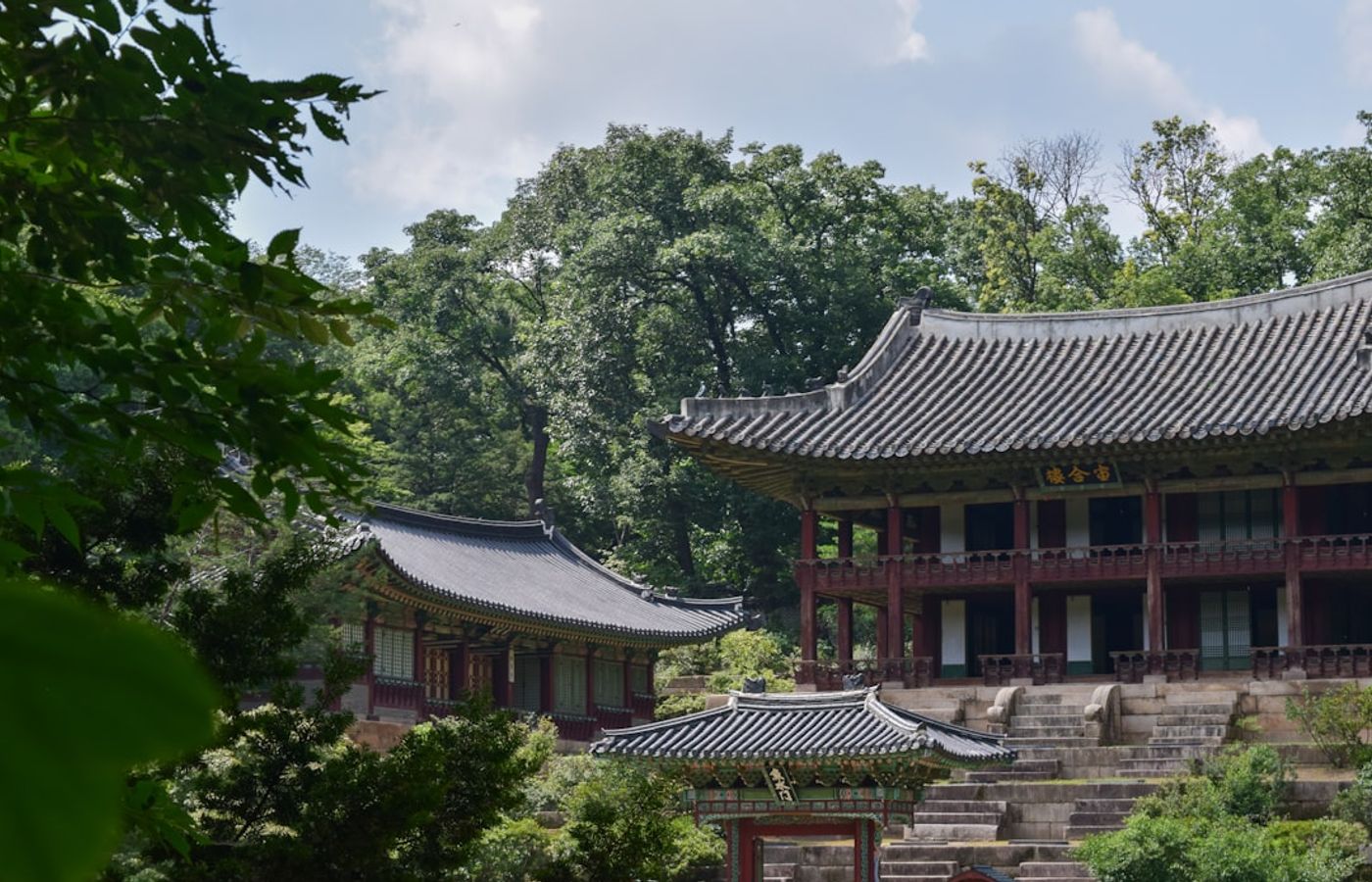
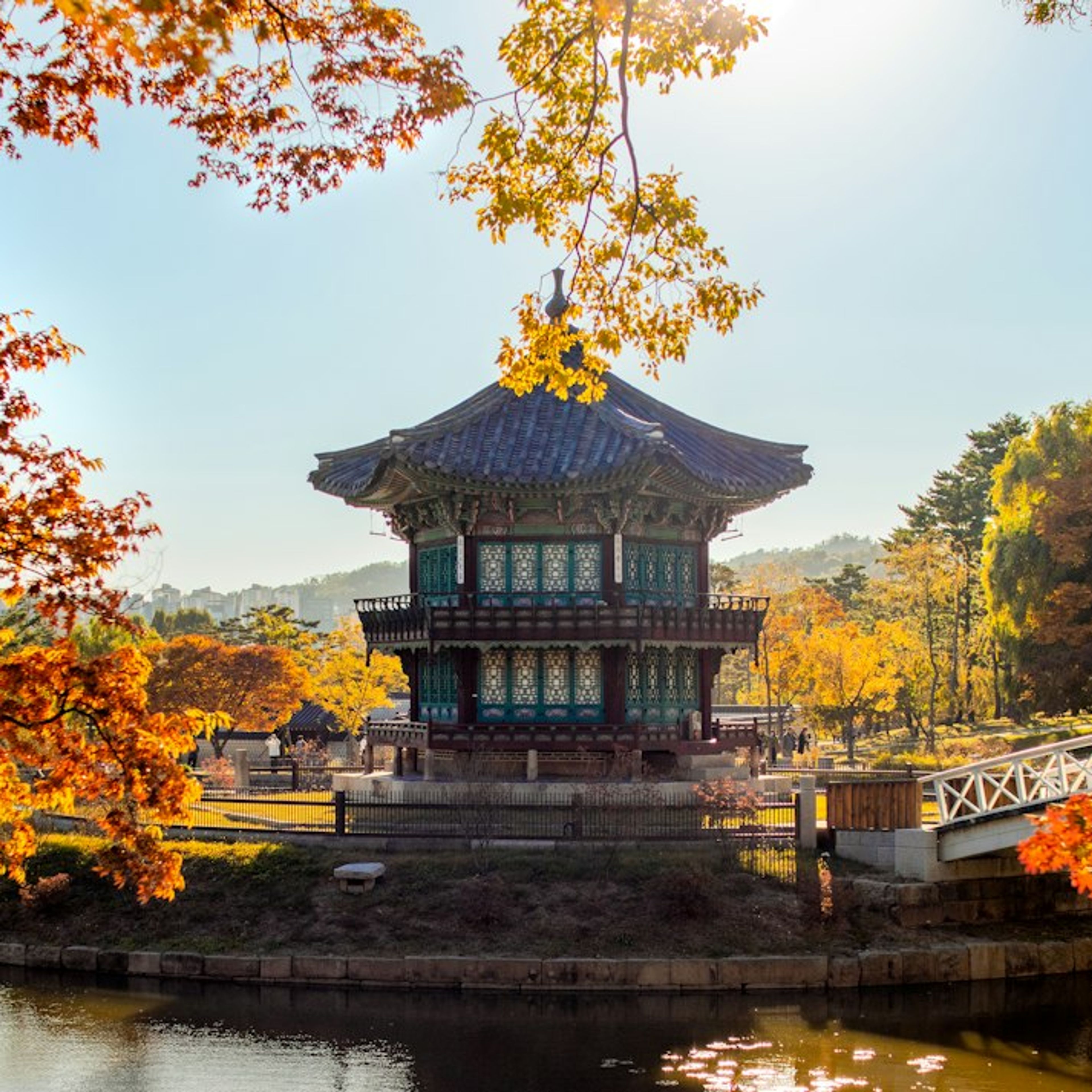
Changdeokgung (Palace of Prospering Virtue) was built 1405 as the second royal palace of Joseon, but became the primary palace from 1623-1872 after Gyeongbokgung was destroyed. The 58-hectare site is UNESCO-listed and survives with original Joseon-era buildings (unlike Gyeongbokgung which is mostly reconstructed). The 32-hectare Huwon (Secret Garden) at the rear was the private retreat of the royal family and is accessed only by 1-hour guided tour.
Secret Garden tours run 11:30 in English, plus Korean and Japanese hourly. Tickets 8000 KRW combined (3000 palace + 5000 garden) - reservations open at 09:00 and sell out by 11:00. The garden's autumn maple peak in late October is among Seoul's most-photographed natural scenes. Main palace ticket 3000 KRW. Open Tuesday-Sunday 09:00-18:00 (closed Mondays). Allow 4 hours including the Secret Garden tour.
Pro Tip: Reserve the 11:30 English Secret Garden tour ticket via cdg.go.kr 6 days in advance (online booking opens exactly 6 days before tour date) - same-day tickets sell out by 11:00. The autumn foliage in late October is the year-round highlight.
9Gwangjang Market - Seoul's Oldest Street Food Hall
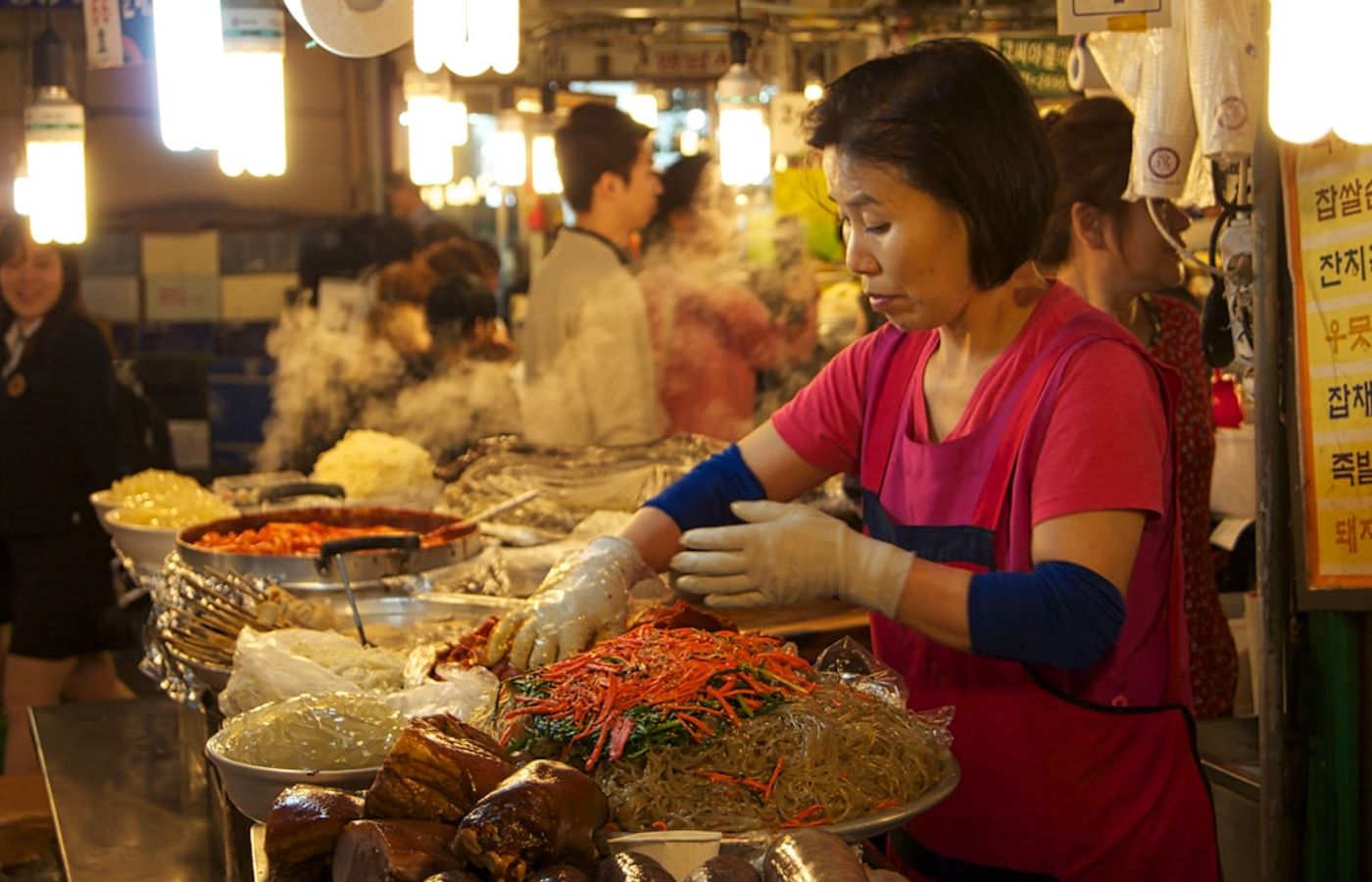
Gwangjang Market opened in 1905 as Korea's first official permanent market - now Seoul's most famous street food destination. The covered hall houses approximately 5000 small stalls selling textiles, antiques, and second-hand clothing during the day, with around 200 food stalls in the central food alley that operate from breakfast until midnight. The fresh-made bindae-tteok (mung bean pancakes) and yukhoe (Korean beef tartare) are the standout dishes.
Top food stalls: Mayak Kimbap (the addictive seaweed rice rolls dipped in mustard sauce - the name means narcotic, hint that they are addictive at 7000 KRW), Park Family Yukhoe (raw beef bowls at 13000 KRW), Bindae-tteok stalls (8000 KRW pancakes), and the kalguksu (knife-cut noodle) row. Cash mostly; some stalls take cards. Open daily; food stalls busiest 11:00-21:00.
Pro Tip: Visit on a weekday lunch 12:00-14:00 for the most authentic atmosphere - weekends draw heavy tourist crowds. The Cho Yoon Sun Bindae-tteok stall by Yongil entrance is the most photographed but Park Family Bindae-tteok further inside makes the original recipe.
10Cheonggyecheon Stream - The Urban Stream Walk
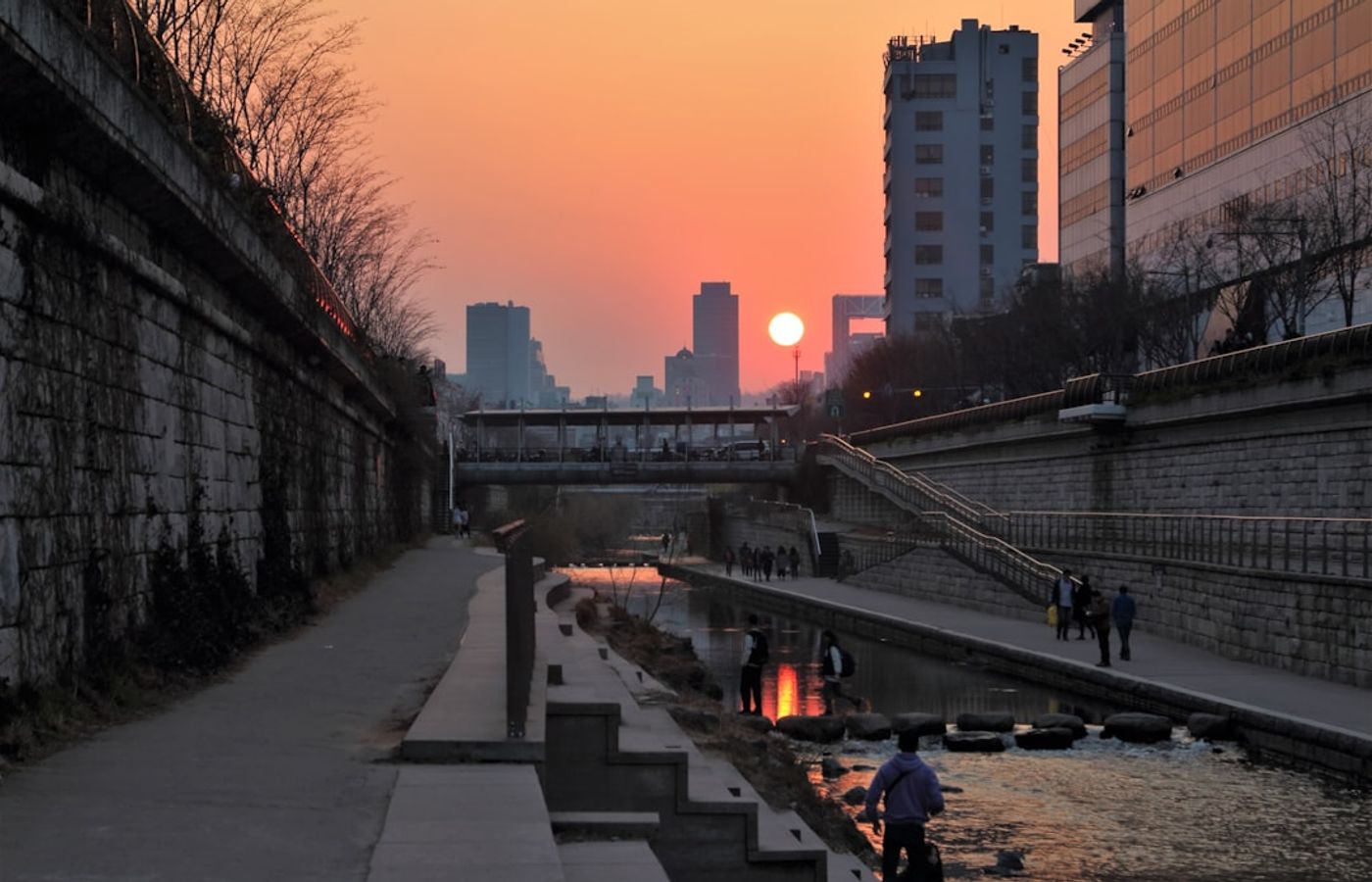
Cheonggyecheon is a restored 11 km urban stream cutting east-west through central Seoul - one of the city's most successful 21st-century renewal projects. The original Joseon-era stream had been covered with a concrete elevated highway in 1968; the highway was removed and the stream restored in 2005 under Mayor Lee Myung-bak. The walk is now Seoul's favourite urban evening stroll, with the stream bed about 5 metres below street level.
22 themed bridges cross the stream, each with distinct artistic design. The Spring sculpture (a 20-metre conch shell) marks the western entrance at Cheonggye Square. The Light Tunnel and various seasonal lighting installations (winter Christmas lights, summer Seoul Lantern Festival) make evening walks the prime time. Free; open 24 hours. Allow 90 minutes for the central 2 km walk. Cool by 3-5 degrees compared to street level - a welcome refuge in summer.
Pro Tip: Start at the western Cheonggye Plaza (City Hall station) at sunset and walk east towards Gwangjang Market - the bridge lighting comes on between 19:00 and 19:30 depending on season. Combine with Gwangjang Market dinner at the eastern end.
Get hotel deals for Seoul
Price drops, new stays and local tips for Seoul, straight to your inbox.
No spam, unsubscribe anytime.

CEO and co-founder
Tomas is the co-founder and director of trip1, an European company specializing in reservation services. He launched the company in 2025 with a focus on building scalable, efficient operations.
10 Top Places to Visit in Seoul, South Korea - FAQ
Gyeongbokgung Palace and the hanok lanes of Bukchon, then Changdeokgung and its Secret Garden, the view from N Seoul Tower and street food at Gwangjang Market, Seoul's oldest market. For a different side of the city, spend an evening in Hongdae and take a day tour to the DMZ, the border with North Korea.
Gyeongbokgung Palace, built in 1395 as the main Joseon royal palace, Bukchon Hanok Village with its 900-plus traditional houses, N Seoul Tower on Namsan mountain, Changdeokgung Palace and its Secret Garden, and the Myeongdong shopping district. Rent a hanbok and you get into the palaces for free.
Day one: Gyeongbokgung Palace, Bukchon Hanok Village and Insadong. Day two: Changdeokgung and the Secret Garden, Myeongdong and N Seoul Tower at sunset. Day three: a DMZ tour, or Hongdae and Gwangjang Market if you'd rather stay in the city. With 4 to 5 days, you can do all of them.
Do book the Changdeokgung Secret Garden tour online, since tickets open 6 days ahead and sell out, and bring your passport on a DMZ tour. Don't visit the Bukchon red zone outside 10:00 to 17:00, when tourists face a 100,000 won fine, and keep your voice down there: people live in the houses. Gyeongbokgung closes on Tuesdays and Changdeokgung on Mondays.
Yes. Half-day tours (60,000 to 80,000 won) visit Imjingak Park, the 3rd Infiltration Tunnel and the Dora Observatory, where binoculars look into North Korea. Full-day tours add the Joint Security Area, but visits there are suspended whenever tensions rise. Book through a registered operator 2 to 3 weeks ahead, bring your passport and follow the dress code.
Not widely, but getting around is easy. Metro signs and announcements are in English, as are most menus in tourist areas, and younger Koreans often speak some English. A translation app such as Papago helps with taxis and small restaurants, and Naver Map or KakaoMap work better for directions than Google Maps.