Guides · Madrid
12 Top Things to Do in Madrid, Spain

CEO and co-founder
This guide ranks the 12 top things to do in Madrid for travellers planning three to four days in the Spanish capital in 2026. Each entry includes the exact street address, nearest Metro station, distance from Puerta del Sol (the city's official kilometre zero), and a Pro Tip - whether to time the Prado for free evening hours, when to skip the Royal Palace queue, or how to find La Latina's best tapas. The list is grouped to follow walking routes.
Madrid is built around three art museums and 320 days of sun a year. Seven of these top 12 things to do in Madrid are completely free, including the Prado (free 6-8pm Mon-Sat), Reina Sofia (free 7-9pm), and the entirety of Retiro Park. Reserve the Royal Palace at least 48 hours ahead in summer, and book Toledo AVE train tickets 3-7 days ahead. The 10-trip Metrobus card (EUR 12.20) is shareable and the cheapest way to use the Metro.
1Prado Museum - The World's Greatest Painting Collection
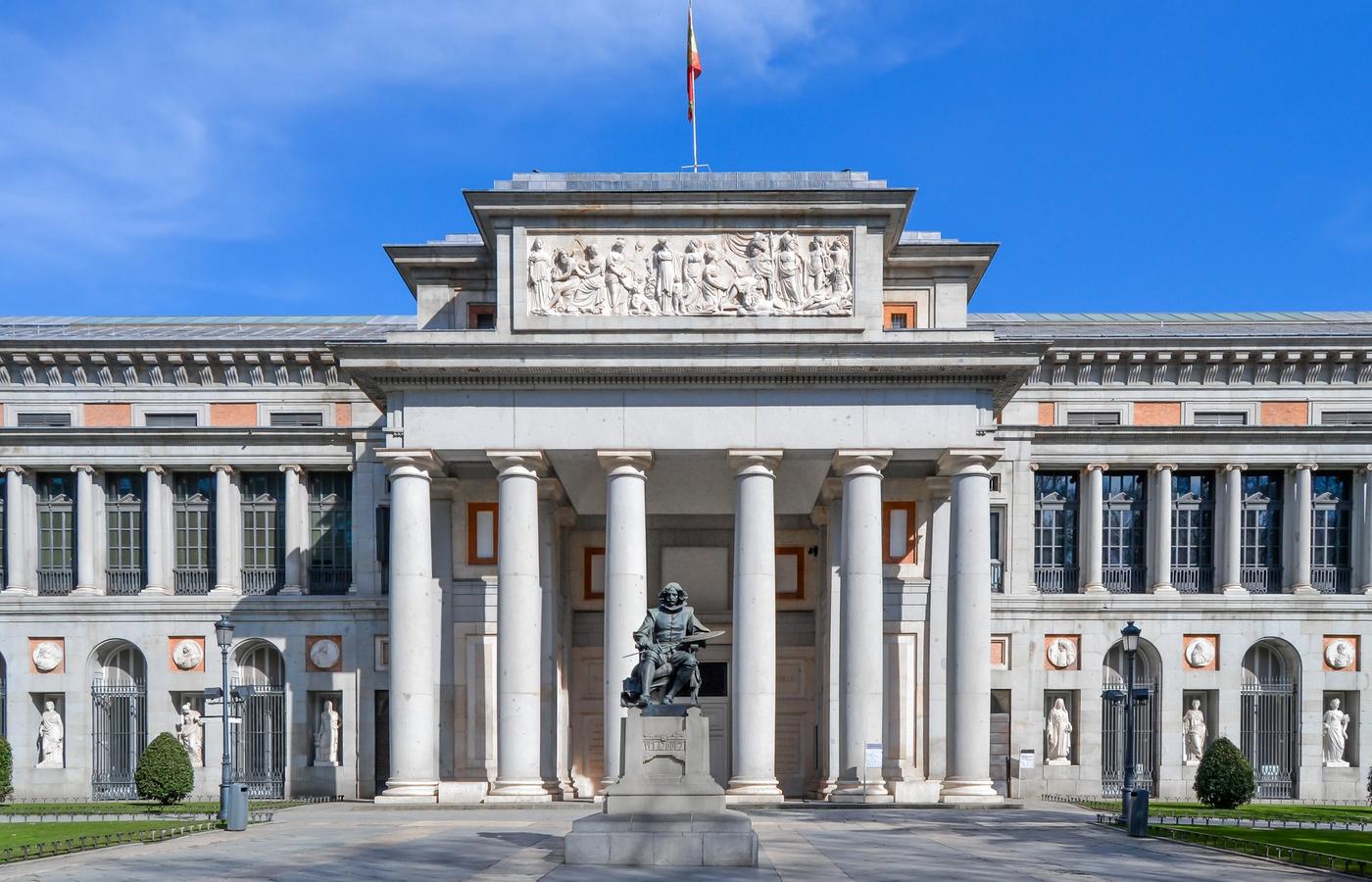

The Museo del Prado holds the most important Spanish painting collection in the world plus an unrivalled European masters wing. Velazquez's Las Meninas, Goya's Black Paintings, Bosch's Garden of Earthly Delights, El Greco's Adoration of the Shepherds, and Titian's Charles V on Horseback are the unmissable pieces. The 2025 expansion added 3,000 sq m of Italian Renaissance galleries.
Standard entry is EUR 15. Free entry weekday evenings 6-8pm and Sundays 5-7pm; queue 30-45 minutes ahead. The Prado covers 100,000 sq m and 8,600 paintings - allow 3-4 hours minimum to do justice. The museum holds 90 audio guide stops in 7 languages (EUR 5).
Pro Tip: Book the 10am opening slot online for EUR 1 booking fee but skip the queue. Start with Velazquez (Room 12) and Goya (the Black Paintings, Room 67) before fatigue. The Prado closes Mondays at 5pm; weekday mornings are quietest.
2Royal Palace of Madrid - Europe's Largest Functioning Palace
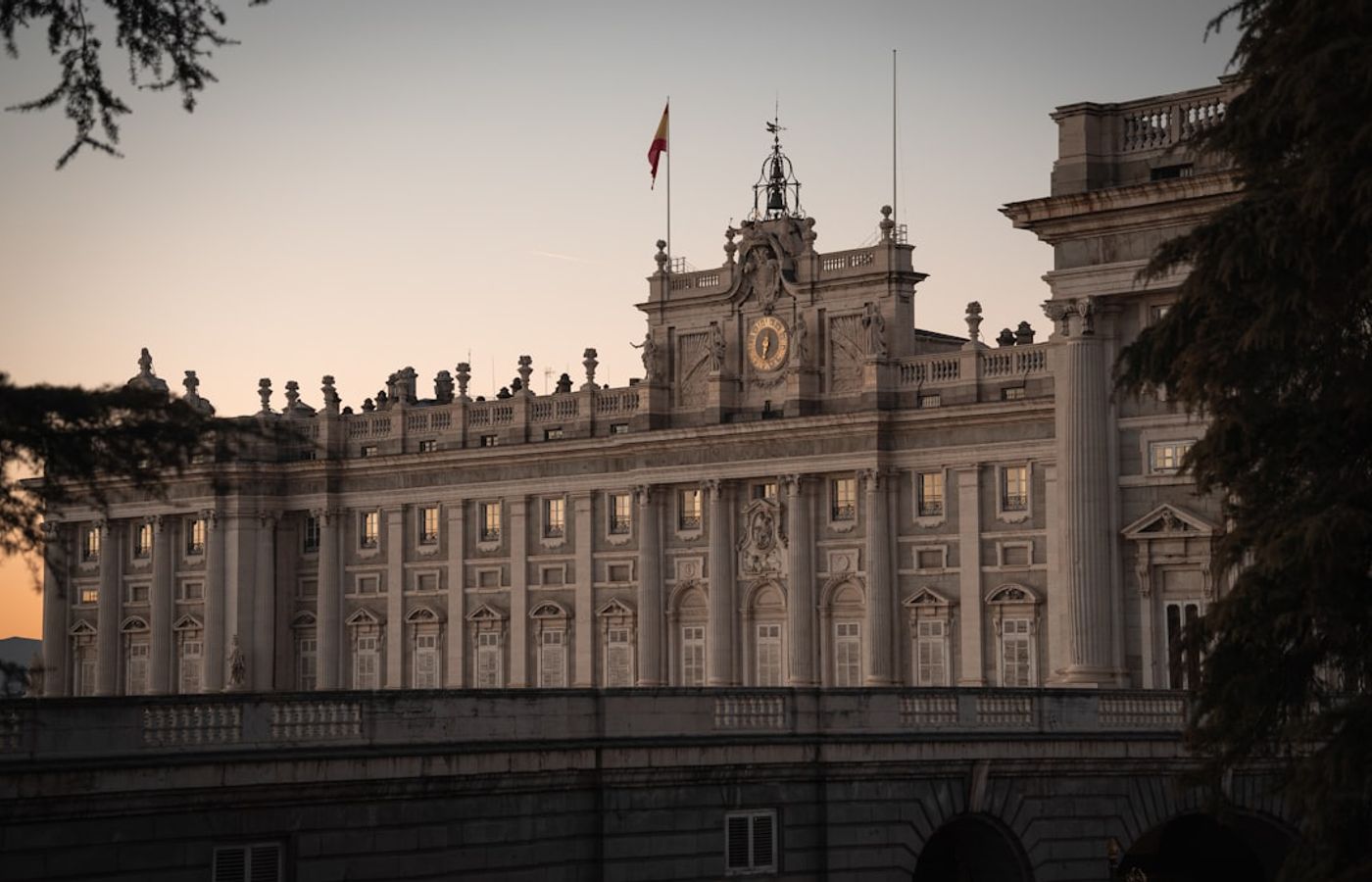

The Palacio Real is the largest functioning royal palace in Europe by floor area - 135,000 sq m and 3,418 rooms over 5 floors, designed in 1735 by Filippo Juvarra and Giovanni Battista Sacchetti for King Felipe V. The Spanish royal family no longer lives here (they reside at Zarzuela), but the palace is still used for state ceremonies. The Throne Room, the Royal Armoury, and the Royal Pharmacy are the highlights.
Entry is EUR 14 (free Mon-Thu 4-6pm Oct-Mar / 6-8pm Apr-Sep for EU residents). The first Wednesday of the month at noon brings the Changing of the Guard at Plaza de la Armeria - free, 1 hour, mounted lancers. The adjacent Sabatini Gardens and Almudena Cathedral are also free.
Pro Tip: Book online 48 hours ahead in summer to skip the queue. Allow 2 hours inside; the Royal Armoury alone takes 30 minutes. Walk down to the Plaza de Oriente for the best palace facade photo, then continue 5 min east to Plaza Mayor for lunch.

3Retiro Park - The Heart of Madrid
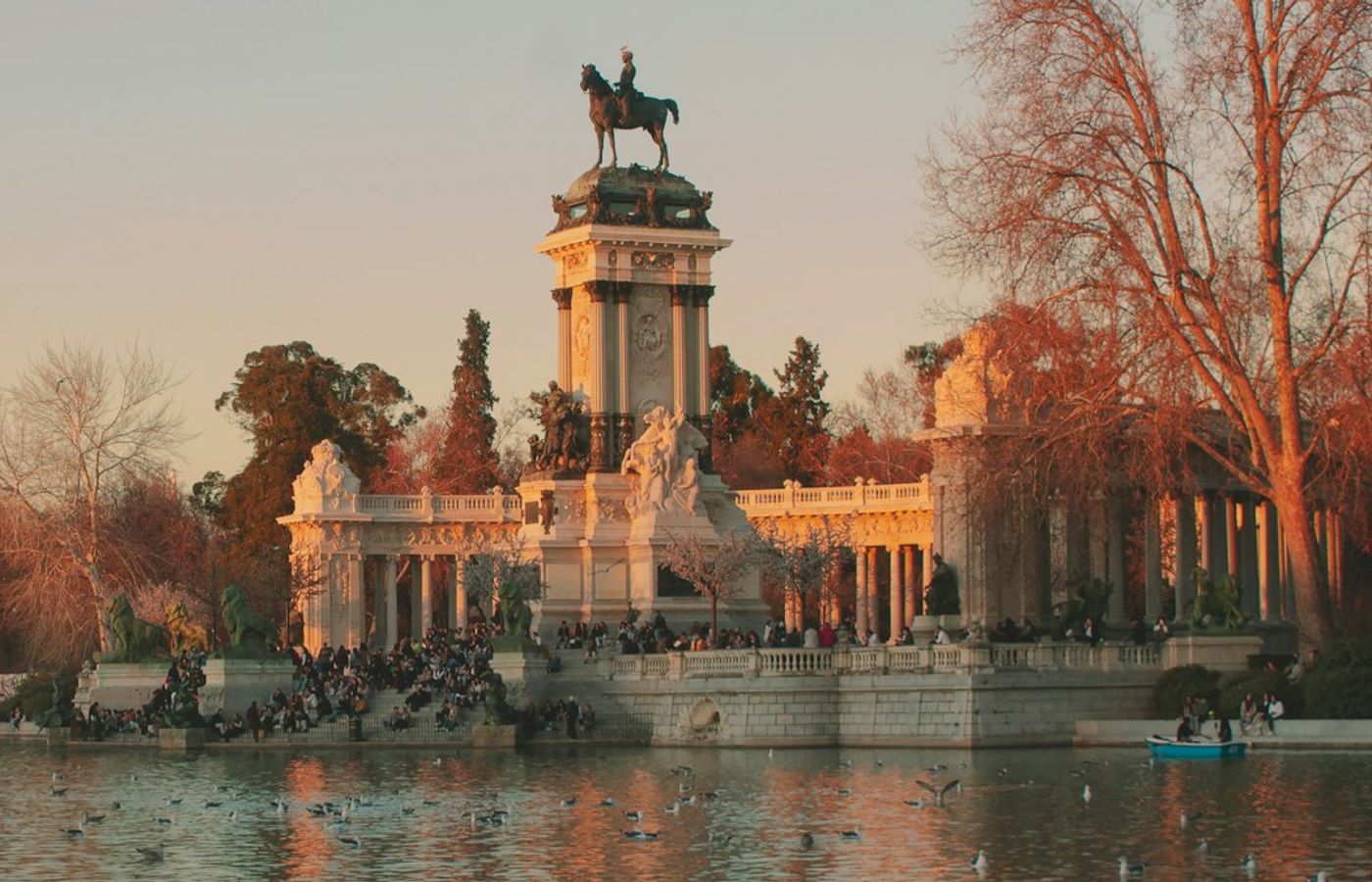

El Retiro is Madrid's biggest central park - 125 hectares of formal gardens, rose beds (15,000 plants), the Palacio de Cristal (a 19th-century glass exhibition pavilion), the Estanque Grande lake (where you can rent rowing boats for EUR 6 / 45 min), and the Fallen Angel statue (one of the few public statues of Lucifer anywhere). UNESCO inscribed Retiro and the Paseo del Prado together as the Landscape of Light World Heritage site in 2021.
Free, open daily 6am to midnight (April-Sept), 6am to 10pm (Oct-Mar). Madrilenos use Retiro for everything from morning runs to puppet shows to outdoor reading circles. The Saturday morning farmers market at Calle Alcala 61 (just outside the park) and the Sunday Book Fair (May-June) are local fixtures.
Pro Tip: Combine Retiro with the Prado (10-min walk through the Royal Botanical Garden) for one efficient half-day. Hire a rowboat for the Estanque Grande at sunset - the Alfonso XII colonnade looks unbelievable in golden hour.
4Plaza Mayor - The 17th-Century Royal Square
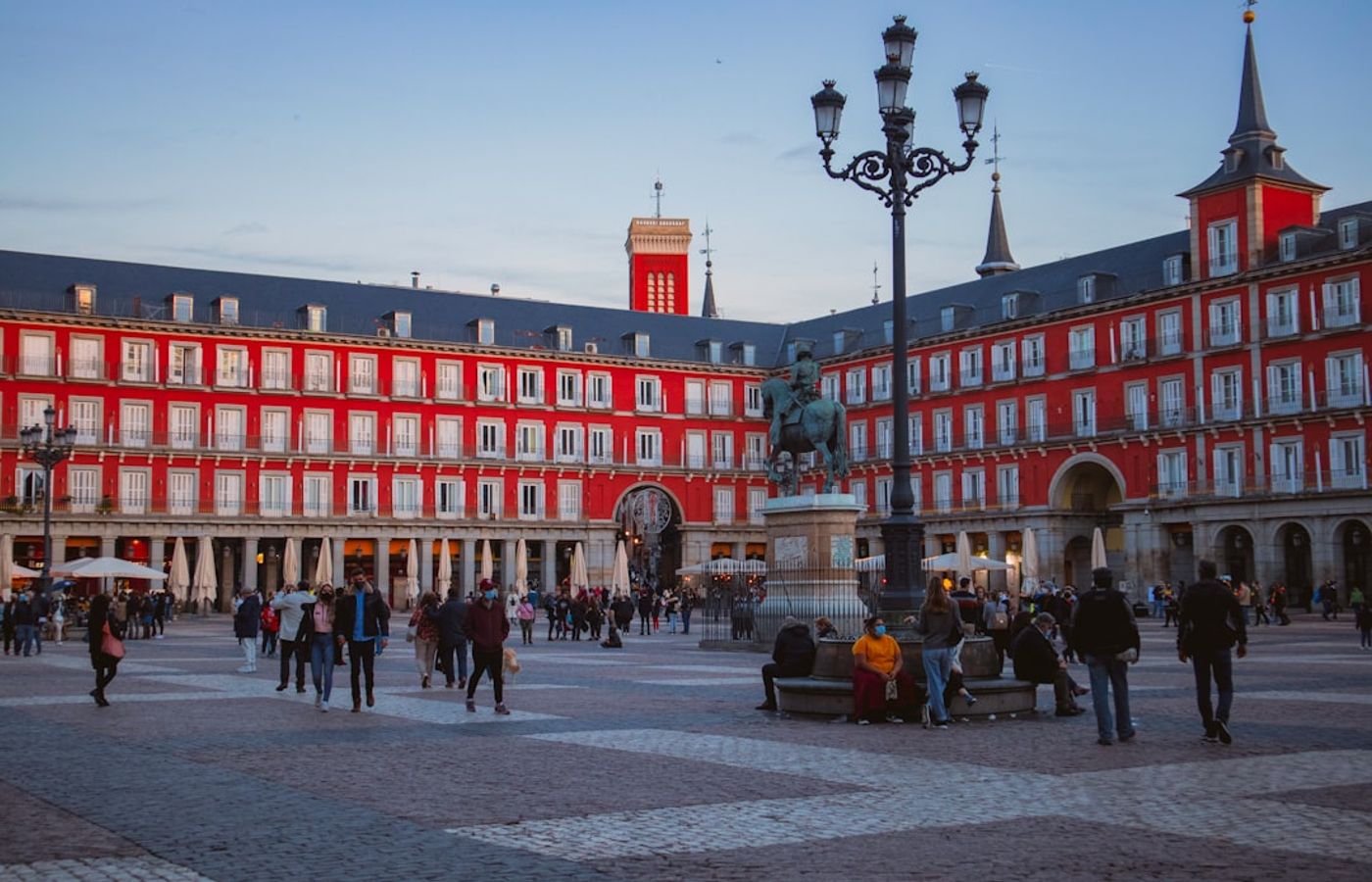
Plaza Mayor is Madrid's grand 17th-century royal square - a 129 by 94 metre rectangle ringed by 4-storey red-brick arcaded buildings on three sides and the Casa de la Panaderia (Bakery House, 1590) on the fourth. The square has hosted bullfights, royal weddings, autos-de-fe of the Spanish Inquisition, and the proclamation of three kings. The Felipe III equestrian statue at the centre dates from 1616.
Free, always open. The arcade cafes are tourist-priced (EUR 5+ for a beer) but the people-watching is unbeatable. The Christmas market (early December to early January) and the Sunday stamp / coin market (10am-2pm) are local fixtures. Bocadillo de calamares (EUR 4) at Bar La Campana on the south arcade is the iconic Plaza Mayor lunch.
Pro Tip: Walk through Plaza Mayor at 8.30am for empty cobblestones. Exit through the Arco de Cuchilleros (south side) into Cava Baja - Madrid's tapas street. La Casa Hernanz (Calle de Toledo 18) sells handmade espadrilles since 1845.
5Puerta del Sol - Madrid's Kilometre Zero
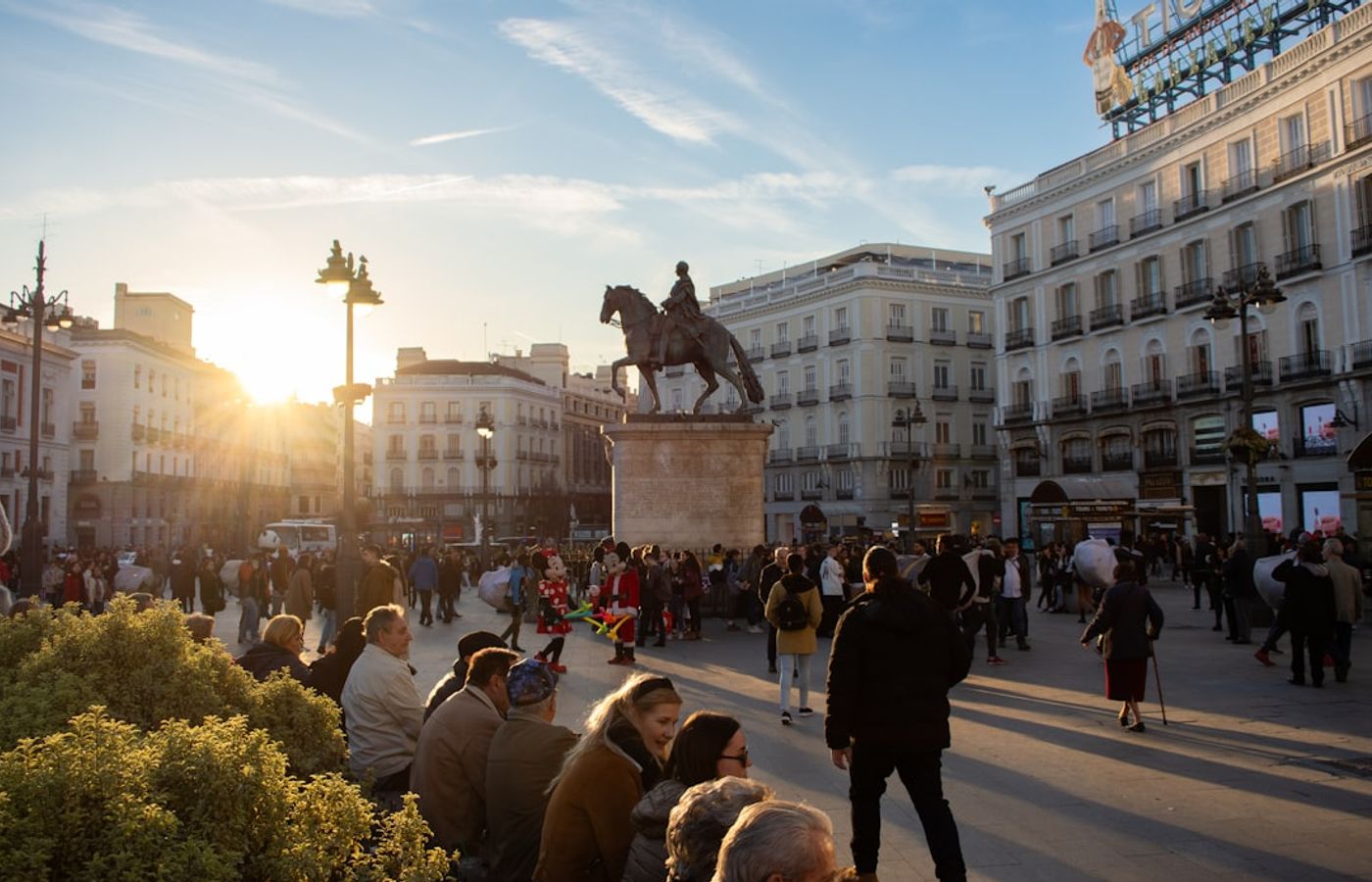
Puerta del Sol is Spain's geographic centre - a brass plaque (the Kilometre Zero stone) in front of the Casa de Correos marks the point from which all Spanish radial roads are measured. The square hosts the famous bear-and-strawberry-tree statue (the city's heraldic symbol since 1212), the equestrian Carlos III, and Madrid's clock tower whose 12 chimes start the New Year's Eve tradition of eating 12 grapes.
Free, always open. Sol is Madrid's busiest pedestrian junction - the meeting point for political rallies, demonstrations, and tourist briefings. Calle Preciados (north) and Calle Carretas (south) lead to the major shopping streets. The Tio Pepe sherry sign on the southeast corner has been an icon since 1935.
Pro Tip: Step on the Kilometre Zero plaque (in front of the Casa de Correos) for the obligatory tourist photo. From Sol, walk Calle Mayor west to the Royal Palace (15 min), or south down Calle de Carretas to Tirso de Molina.
6Reina Sofia Museum - Home of Picasso's Guernica
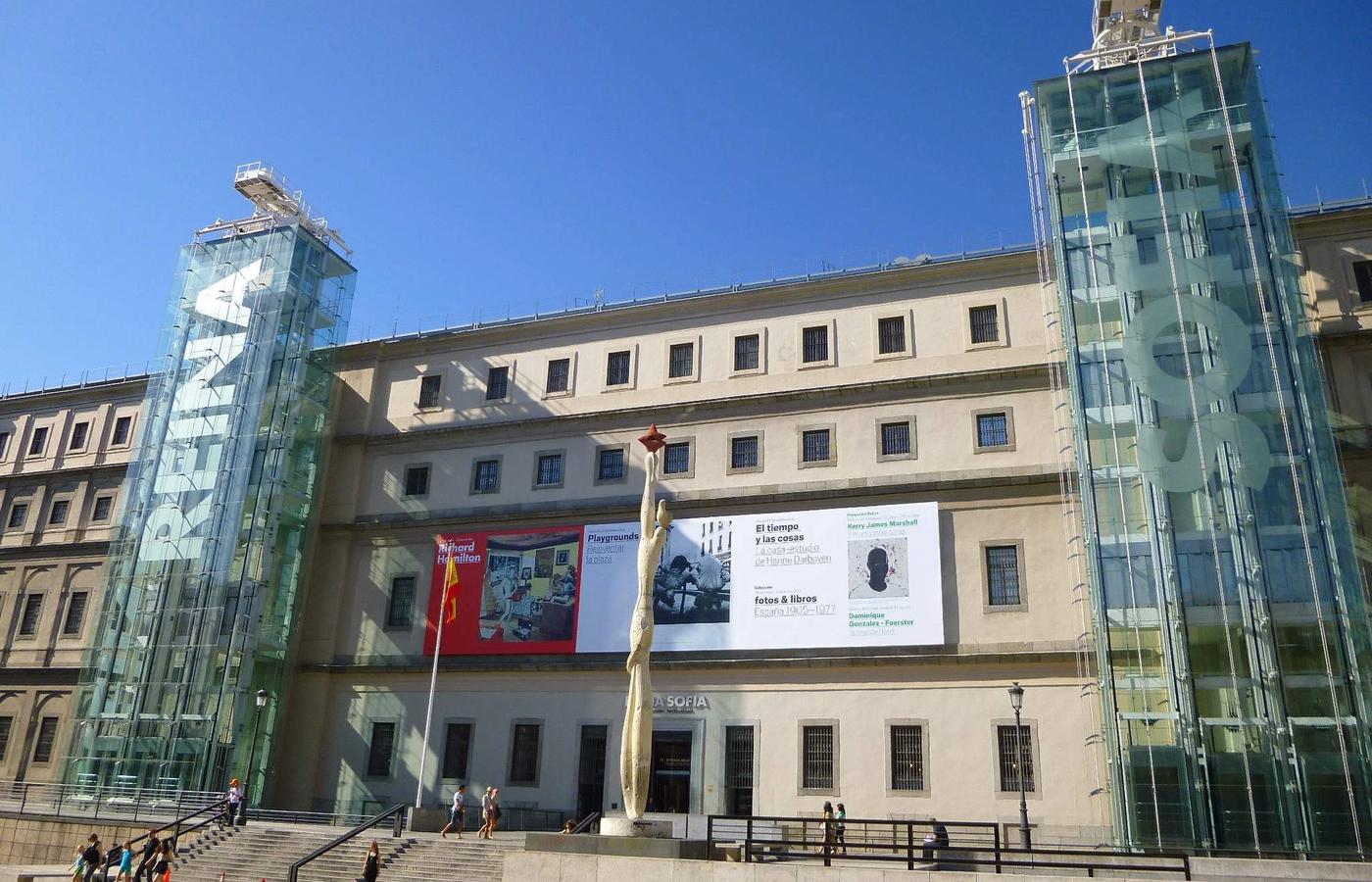
The Museo Nacional Centro de Arte Reina Sofia is Madrid's modern art museum - Spain's national collection of 20th-century and contemporary art. The unmissable piece is Picasso's Guernica (1937), the 7.7-metre anti-war canvas painted in response to the Nazi bombing of the Basque town. The museum also holds Dali's masterpieces (The Great Masturbator, Girl at the Window), Miro, Tapies, and 22,000 other works.
Entry is EUR 12 (free Mon, Wed-Sat 7-9pm; Sun 1.30-7pm; closed Tue). Allow 2-3 hours. The 18th-century building was a former hospital; the Jean Nouvel-designed 2005 extension nearly doubled the floor area. Photography is forbidden in front of Guernica - guards enforce strictly.
Pro Tip: Visit Mon-Sat 7-9pm for free entry - the queue is shorter than the Prado's free hours. Dedicate at least 15 minutes to Guernica alone; read the wall-mounted history of the canvas's exile in MoMA New York and 1981 return to Spain.
7Gran Via - Madrid's Broadway
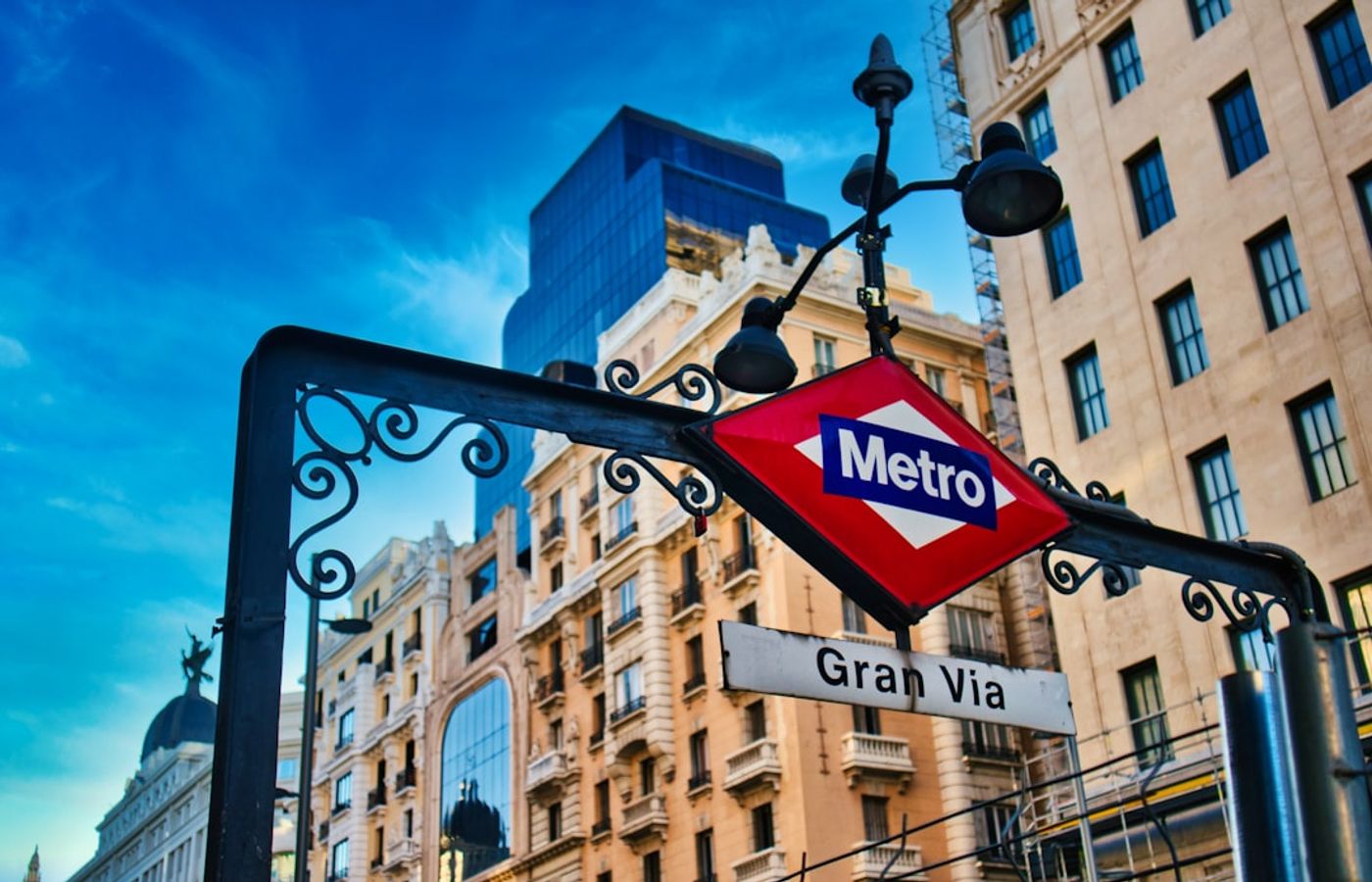
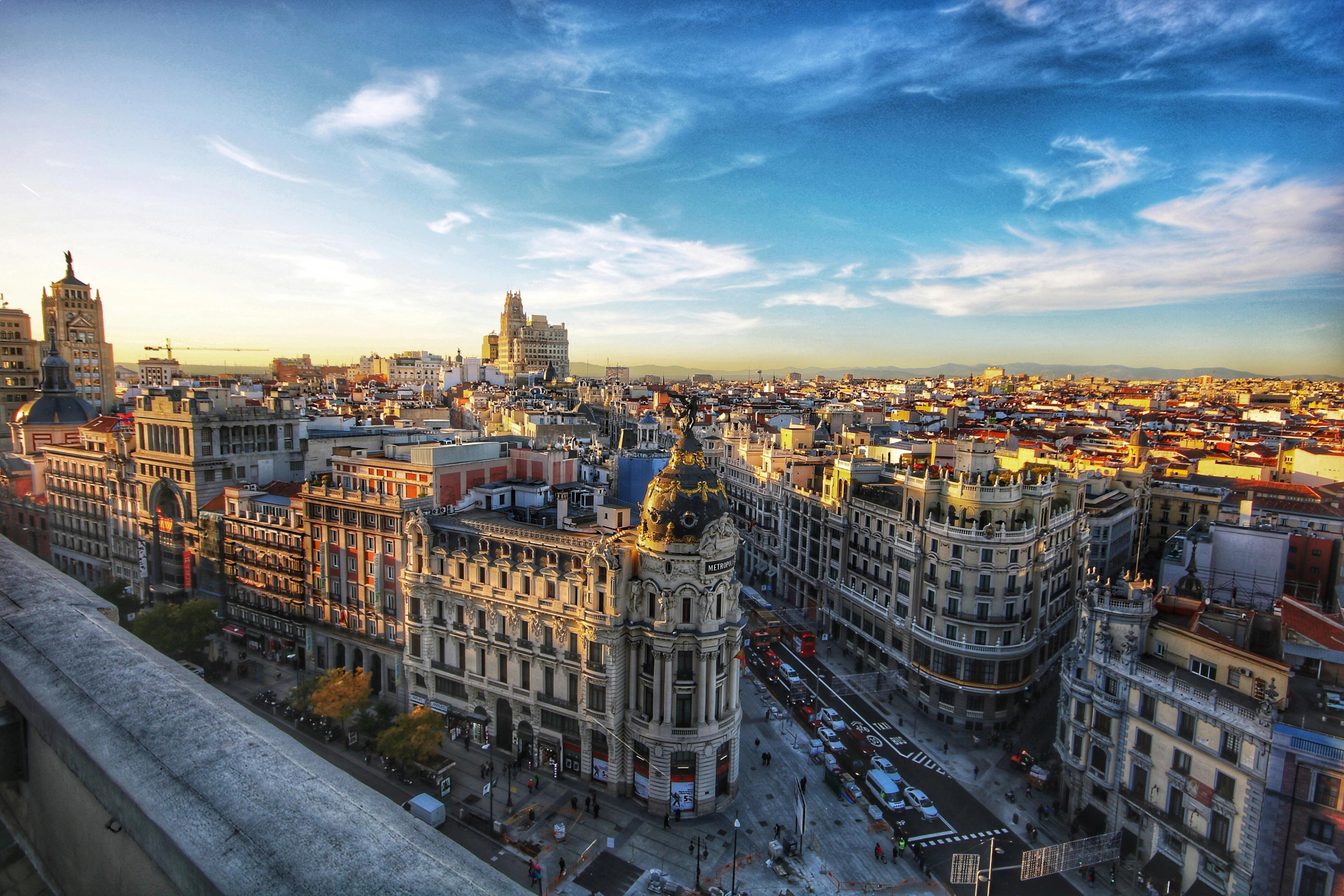
Gran Via is Madrid's most theatrical avenue - 1.3 km of early-20th-century neoclassical, art deco, and modernist buildings cutting from Plaza de Espana east to Calle de Alcala. Built between 1910 and 1929, the street replaced 14 medieval blocks and was modelled on Manhattan's Fifth Avenue. The Metropolis Building (1911) at the eastern end is the city's most photographed corner.
Free to walk, of course. Gran Via is Madrid's main shopping street and theatre district - 17 cinemas / theatres line the route, including the Capitol Hotel (sweeping curve at Calle de la Salud) and the Fontan / Telefonica Tower. The Edificio Carrion's Schweppes neon sign (1957) anchors Plaza del Callao at night.
Pro Tip: Walk Gran Via from Plaza de Espana east at sunset, when the neon signs flicker on. The Hotel Riu Plaza Espana rooftop has the iconic photo angle down Gran Via. End at the Banco Espana Metro for a drink at the Circulo de Bellas Artes rooftop.
8Mercado de San Miguel - Gourmet Tapas Market
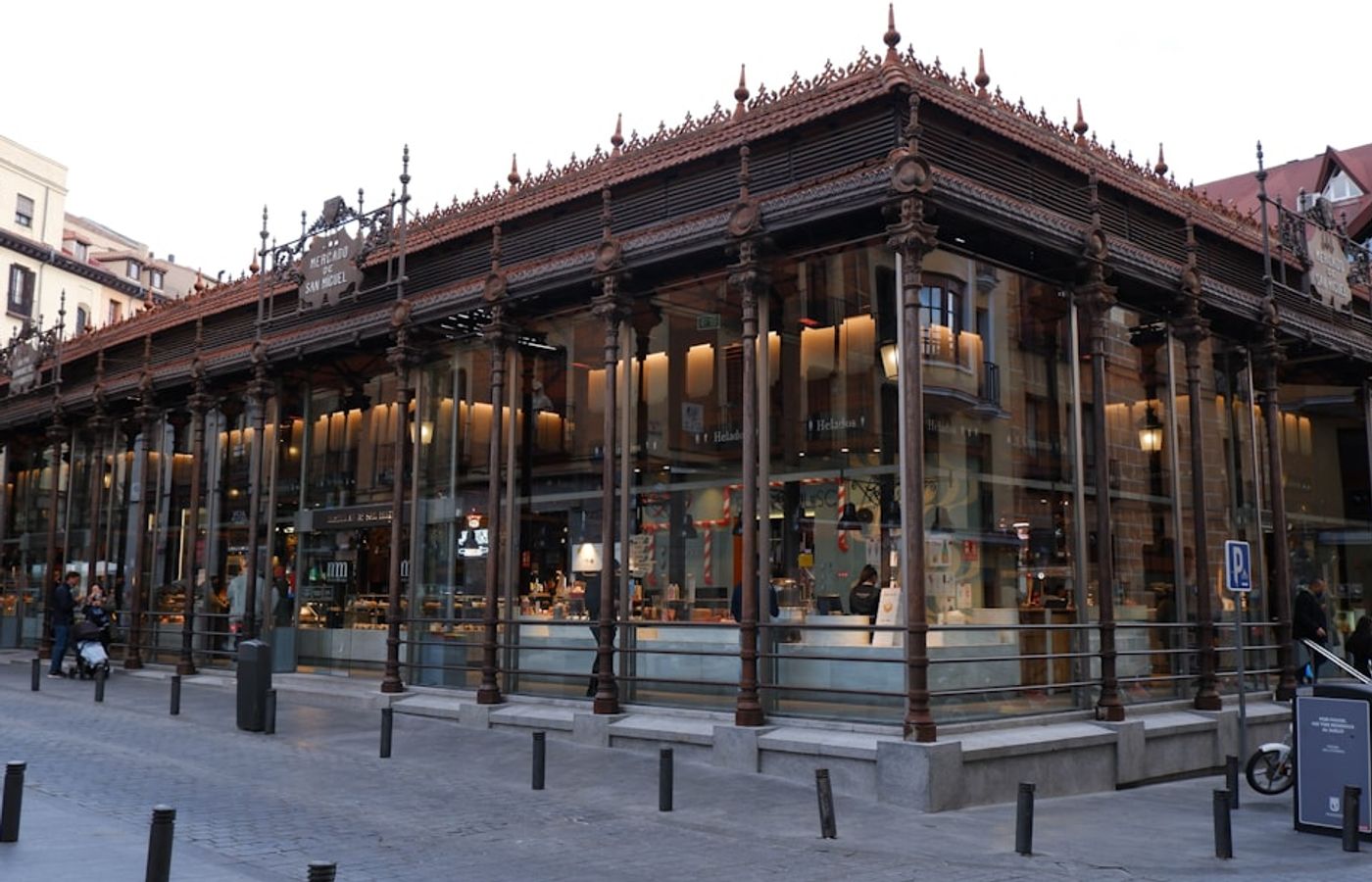
The Mercado de San Miguel is Madrid's most famous market - a 1916 wrought-iron and glass pavilion next to Plaza Mayor, now restored as a gourmet tapas hall with 30 stalls. Stand-up tasting bars serve oysters, jamon iberico de bellota, croquetas, salt-cured anchovies, and matched cavas, riojas, and sherries by the glass.
Free entry, open daily 10am to midnight (1am Thu-Sat). Tapas EUR 2-7 each, glasses of wine EUR 3-6. The market is touristy and pricier than locals' tapas but the variety in 90 minutes is unmatched. Avoid 1-3pm and 8.30-10pm when the bars are gridlock.
Pro Tip: Visit at 11am or 5-6pm for empty bars and full attention from stallholders. Order at the bar that catches your eye, eat standing, move on. Pair Mercado de San Miguel with a longer walk down Cava Baja in La Latina for serious tapas afterwards.
9Templo de Debod - The Ancient Egyptian Temple in Madrid
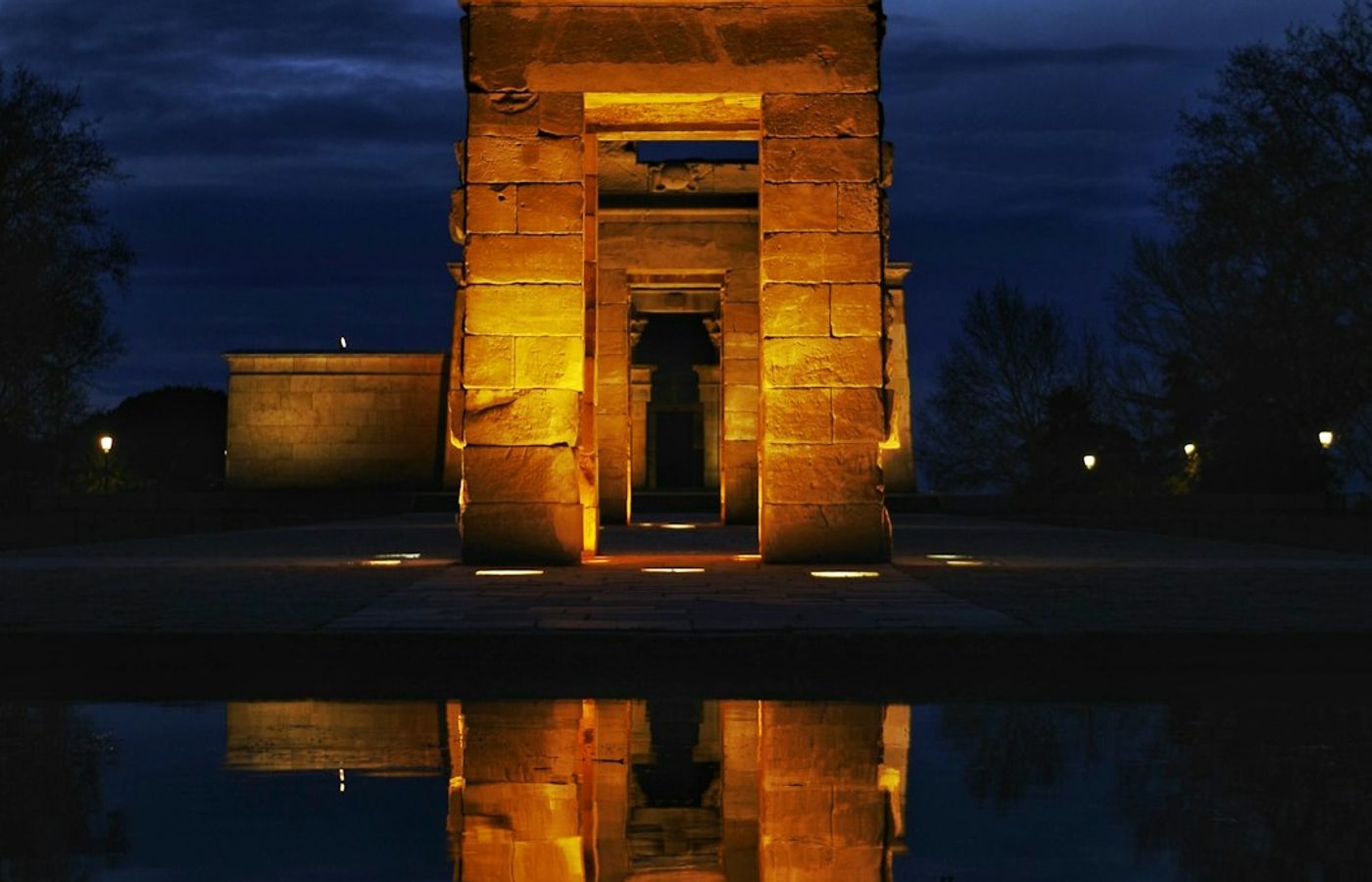
The Templo de Debod is a real 2,200-year-old Egyptian temple, dismantled stone by stone and gifted to Spain by Egypt in 1968 as thanks for Spanish help saving the Abu Simbel temples from the rising waters of the Aswan Dam. It was reconstructed in Madrid's Parque del Oeste in 1972 - the only ancient Egyptian temple in Spain and one of very few in Europe.
Free entry to the surrounding park; entry to the temple interior is also free but limited (Mon, Tue, Wed-Sat 10am-2pm and 6-8pm). The site sits on a hill above central Madrid with the Royal Palace and Sierra de Guadarrama mountains as backdrop - it is the city's most photographed sunset spot.
Pro Tip: Arrive 30 minutes before sunset for the temple silhouetted against the Sierra. The reflecting pool is best photographed from the southwest corner. The 8.30pm summer light show projects the original Nile River setting.
10Plaza de Cibeles - Madrid's Most Iconic Fountain
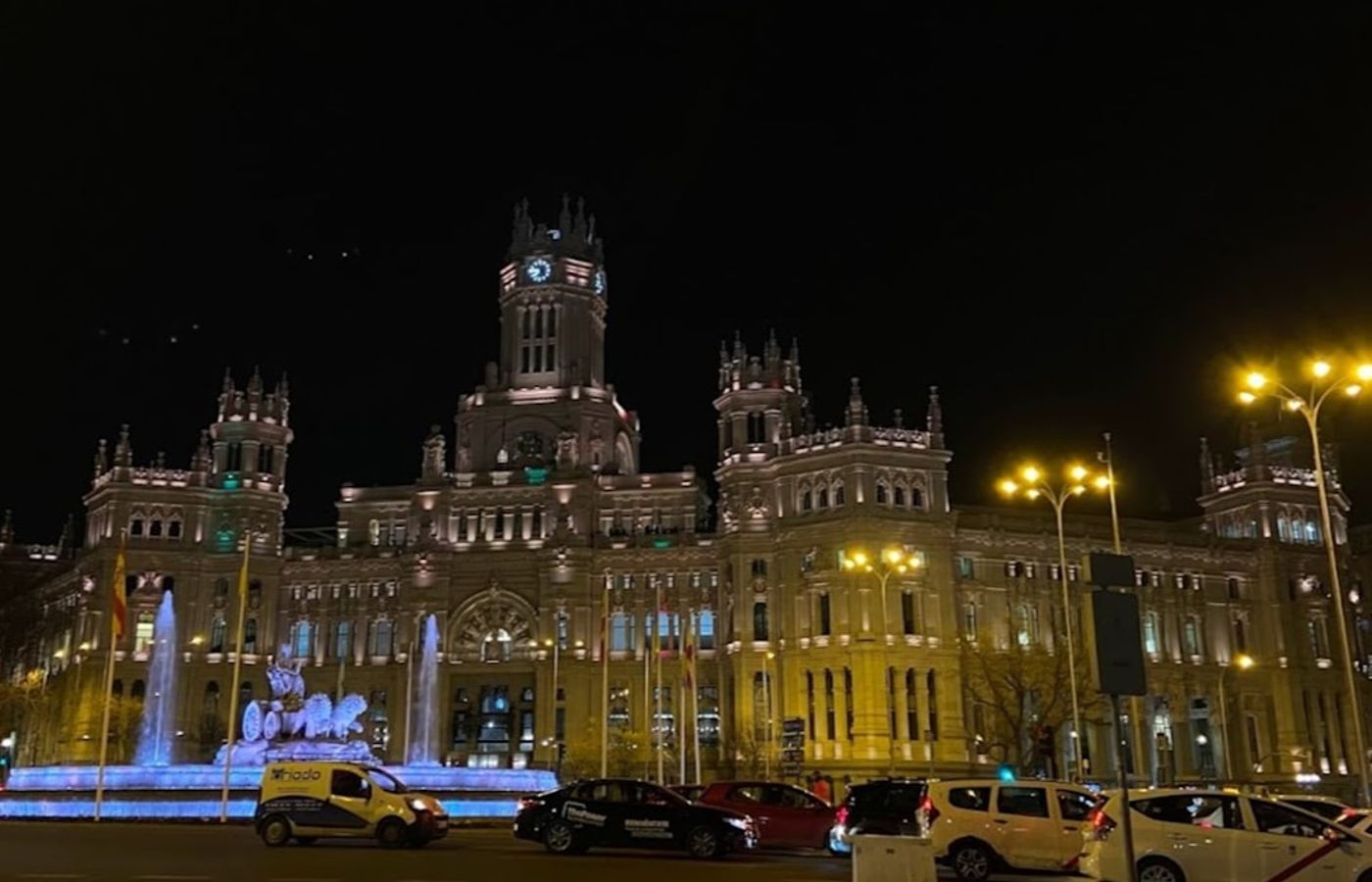
Plaza de Cibeles is Madrid's most photographed fountain - the goddess Cybele in a chariot drawn by lions, sculpted by Francisco Gutierrez and Roberto Michel between 1777 and 1782. Real Madrid celebrate every La Liga and Champions League title here, climbing the goddess herself with the trophy. The square is ringed by four monumental buildings: Cibeles Palace (Madrid City Hall, formerly the Post Office), Buenavista Palace, Linares Palace, and the Bank of Spain.
The square is free, always open. The Cibeles Palace 8th-floor observation deck (Mirador) is open Tue-Sun 10.30am-2pm and 4-7pm for EUR 3 - the best central panoramic view in Madrid. The Christmas tree at Cibeles is the city's tallest each December.
Pro Tip: Walk from Plaza de Cibeles east on Paseo del Prado to the Prado Museum (10 min), or north on Paseo de Recoletos to Plaza de Colon. The Mirador rooftop at sunset is the best EUR 3 in Madrid.
11Thyssen-Bornemisza Museum - The Third of Madrid's Big Three
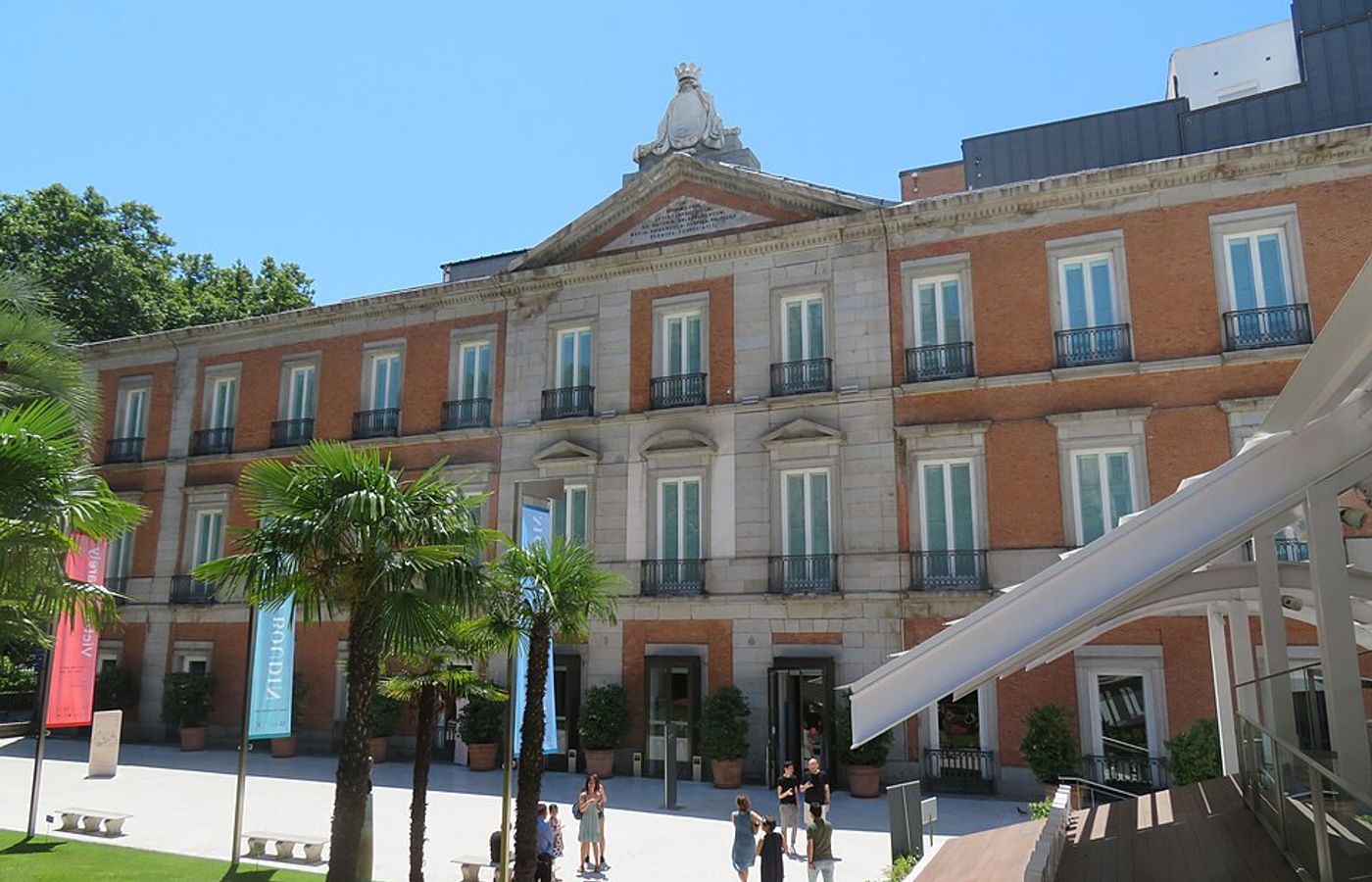
The Thyssen-Bornemisza is the third pillar of Madrid's Paseo del Arte - 1,000 paintings from the 13th to the 20th century, originally the private collection of Hans Heinrich Thyssen-Bornemisza acquired by Spain in 1993 for USD 350 million. The collection fills the gaps the Prado does not cover - early Italian and Flemish primitives, Hudson River School American landscapes, German Expressionism, and Pop Art.
Entry is EUR 13 (free Mon noon-4pm). Allow 2 hours. The 18th-century Villahermosa Palace was renovated in 2004 by Rafael Moneo. Less crowded than the Prado or Reina Sofia, the Thyssen is the museum to visit first if you want a chronological tour through Western art.
Pro Tip: Skip the Thyssen if you only have one museum day - the Prado is more important. But pair the Thyssen with Mon noon-4pm free entry and a Prado afternoon for an efficient museum day. The Thyssen rooftop terrace cafe overlooks the Paseo del Prado.
12Toledo Day Trip - The City of Three Cultures
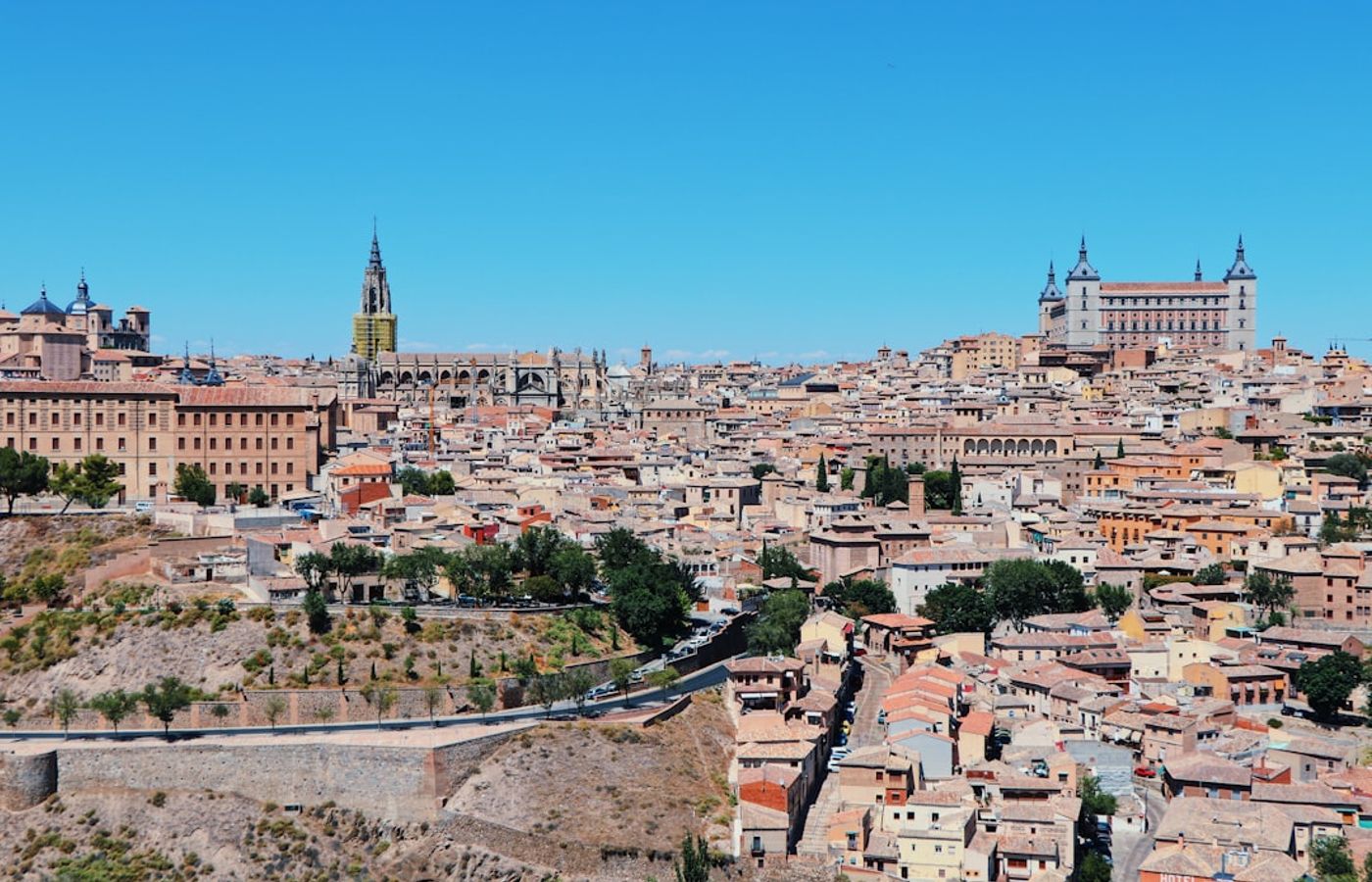
Toledo is the most rewarding day trip from Madrid - 35 minutes by AVE high-speed train, then a UNESCO-listed medieval city perched on a granite hill above a U-bend in the Tagus River. Toledo's nickname is the City of Three Cultures - 800 years of co-existing Christian, Muslim, and Jewish architecture in a 1.4 sq km old town. The Cathedral, Alcazar fortress, El Greco's House, and the Synagogue of Santa Maria la Blanca are essential.
AVE round-trip tickets cost EUR 13-25 booked ahead via Renfe. From Toledo station, walk 25 min uphill or take Bus 5 / 12 (EUR 1.40) to Plaza de Zocodover. The Toledo Tourist Card (EUR 9) covers seven monuments. Allow 6-7 hours for the day. Steel-and-marzipan shopping (Convento de San Antonio nuns sell mazapan since 1212) is mandatory.
Pro Tip: Take the 9.20am AVE from Atocha to Toledo (book at least 3-7 days ahead - tickets sell out). Cross the Mirador del Valle viewpoint south of the river before entering the city - the El Greco-painted view of Toledo is unchanged in 450 years.

CEO and co-founder
Tomas is the co-founder and director of trip1, an European company specializing in reservation services. He launched the company in 2025 with a focus on building scalable, efficient operations.
12 Top Things to Do in Madrid, Spain - FAQ
No - one day is impossible. The Prado alone needs 3-4 hours, Reina Sofia another 2-3, the Royal Palace 90 minutes, and Toledo is a half-day trip. Three days is the realistic minimum. Day one for the Paseo del Arte museums, day two for the Royal Palace + old town + Mercado de San Miguel + La Latina tapas, day three for Retiro + Gran Via + Templo de Debod + Toledo.
Day 1 (Paseo del Arte): Prado at 10am opening, Retiro Park lunch, Reina Sofia at 2pm (Guernica), Thyssen if energy permits. Day 2 (Old town): Plaza Mayor, Puerta del Sol, Royal Palace, Mercado de San Miguel for lunch, La Latina tapas in evening. Day 3: Plaza de Cibeles, Gran Via stroll, Templo de Debod sunset, dinner near Plaza de Espana. Toledo is a separate half-day.
Royal Palace timed-entry tickets sell out 2-3 days ahead in summer - book via the Patrimonio Nacional website. The Prado is walk-in but free 6-8pm Mon-Sat saves EUR 15. Reina Sofia is free 7-9pm and 1.30-7pm Sun. Thyssen-Bornemisza is walk-in. Toledo AVE train tickets cost EUR 13-25 - book ahead. Plaza Mayor, Puerta del Sol, Retiro, Gran Via, Templo de Debod, Cibeles, and Mercado de San Miguel are walk-in.
Budget around EUR 65-85 per person for entries. Prado EUR 15, Reina Sofia EUR 12, Thyssen EUR 13, Royal Palace EUR 14. Toledo round-trip AVE EUR 26. Free: Plaza Mayor, Puerta del Sol, Retiro Park, Gran Via, Templo de Debod, Plaza de Cibeles, and Mercado de San Miguel (entry). The Madrid Card (3-day EUR 75 for adults) covers all major museums and a tour bus ride.
Yes - the Prado is the best painting museum in the world. Velazquez's Las Meninas, Goya's Black Paintings, Bosch's Garden of Earthly Delights, and El Greco's Adoration of the Shepherds make it worth the trip from anywhere. The 2025 expansion added 3,000 sq m of Italian Renaissance galleries. Budget 3-4 hours minimum and skip nothing. Free entry weekday evenings 6-8pm and Sunday afternoon.
All 12 are reachable on Madrid Metro and walking. Prado, Reina Sofia, Thyssen cluster on Atocha (Lines 1, R) and Banco de Espana (Line 2). Royal Palace is on Opera (Line 2, 5, R). Retiro is on Retiro (Line 2). Plaza Mayor is on Sol (Lines 1, 2, 3) plus 5-min walk. Gran Via is its own metro stop (Line 1, 5). Templo de Debod is on Plaza de Espana (Line 3, 10). Toledo needs the AVE from Atocha (35 min).
If you have a fourth day, add the Reina Sofia's permanent Picasso / Dali / Miro collections beyond Guernica, the Royal Botanical Garden (next to the Prado), the El Rastro flea market on Sundays, the Santiago Bernabeu (Real Madrid stadium tour), Casa de Campo park (the largest in Europe), and a Madrid Rio sunset cycle along the Manzanares River.