

Guides · Chicago
10 Best Things to Do in Chicago

CEO and co-founder
This guide rounds up the 10 best things to do in Chicago - the attractions that genuinely earn a place on a first or second visit, from the mirrored curve of Cloud Gate to the glass ledges of the Willis Tower Skydeck. Each entry gives you the exact address, the nearest CTA train or bus, how it sits relative to the city centre, and a practical Pro Tip on timing and tickets.
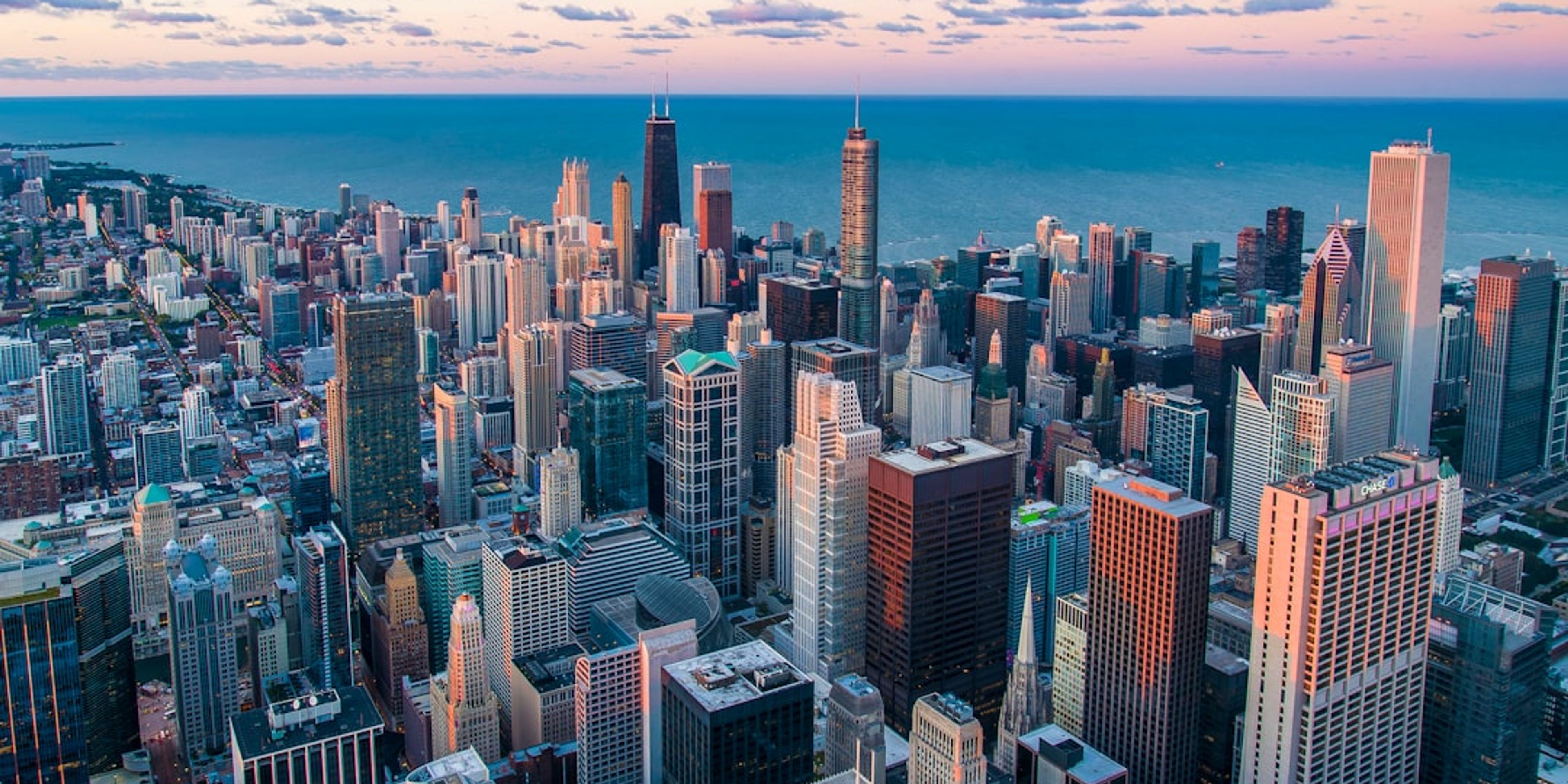
We have ordered the list to make sightseeing efficient. The Loop sights - Millennium Park, the Art Institute of Chicago and the Willis Tower - sit within walking distance of one another, the Riverwalk and Magnificent Mile run north from there, and the lakefront Museum Campus groups the Field Museum and Shedd Aquarium. Lincoln Park Zoo and Wrigley Field round things out further north.
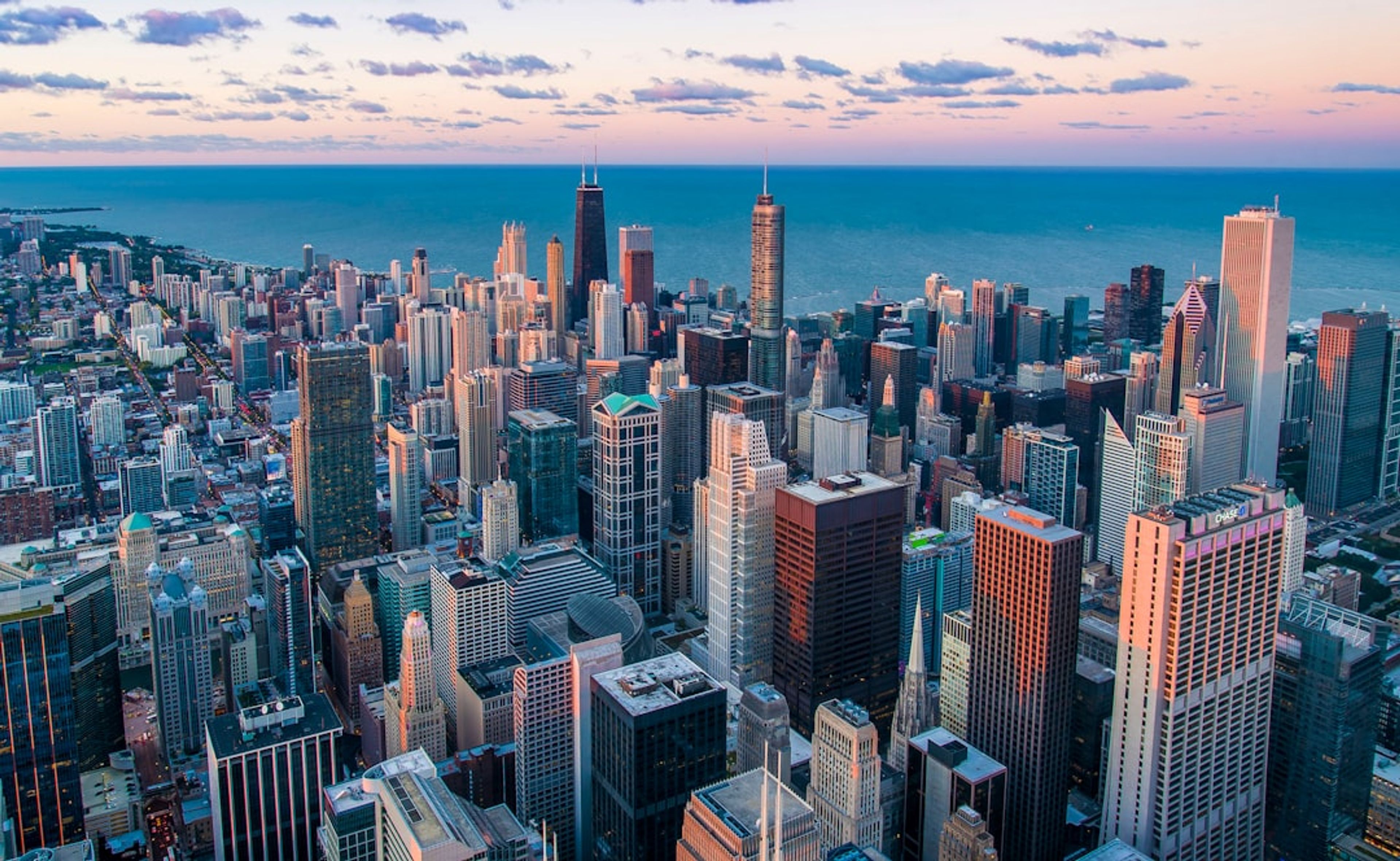
Chicago is a walkable, lake-hugging city with one of the best transit networks in the United States, so you can reach every stop on this Chicago travel guide without a car. Expect a mix of world-class museums, record-breaking towers, free parks and serious food, and treat the timing advice in each Pro Tip as part of the plan.
1Millennium Park and Cloud Gate - The Iconic Bean at the City's Heart
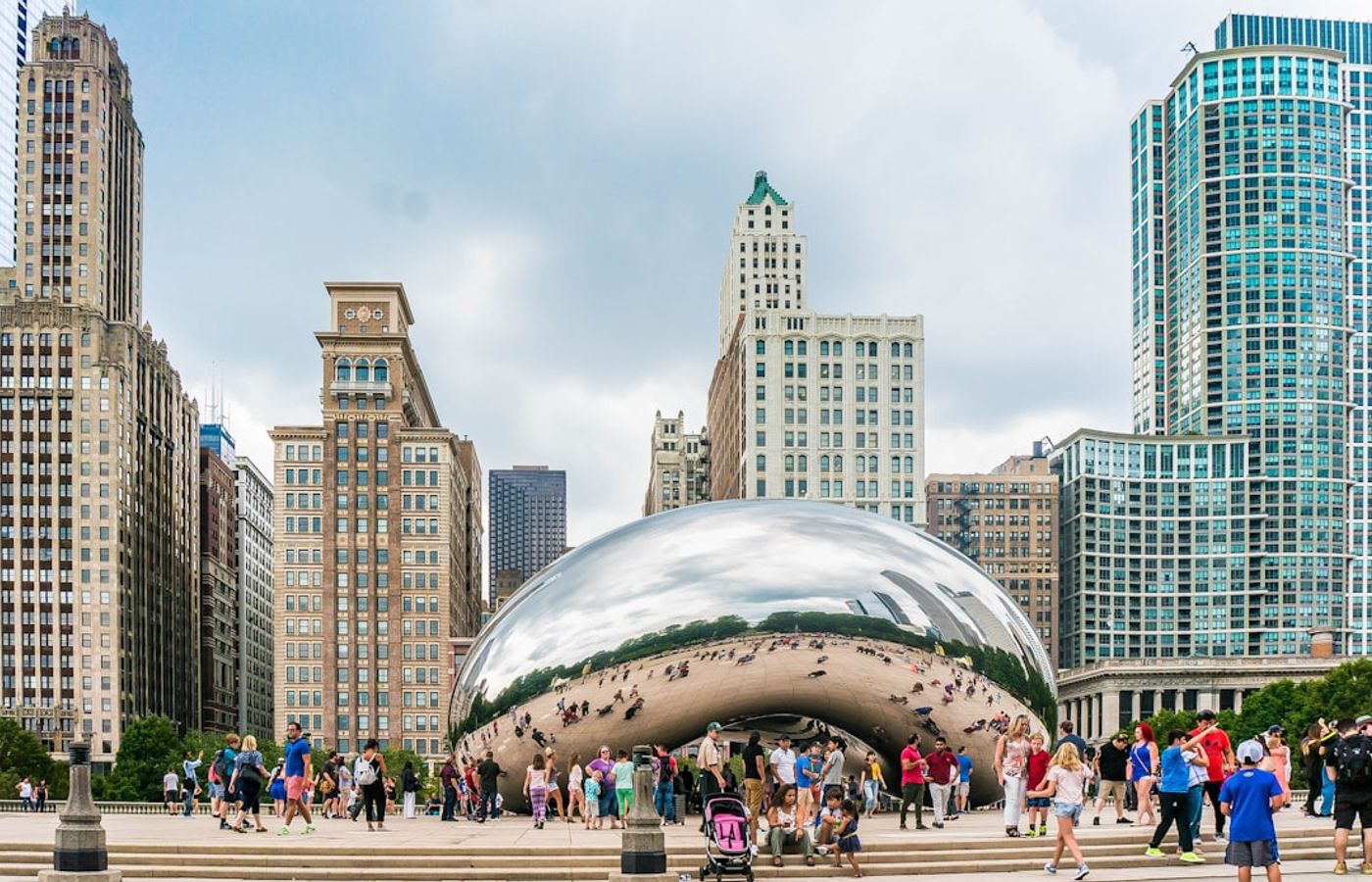

Top of almost every list of things to do in Chicago, Millennium Park is the 24.5-acre showpiece of the downtown lakefront, and its centrepiece is Cloud Gate - the seamless, polished stainless-steel sculpture by Anish Kapoor that everyone calls The Bean. Its mirrored curve reflects the skyline and the crowds beneath it, and walking under the central arch to watch the reflections warp is a rite of passage for any first-time visitor.
The park packs in more than the sculpture. The Jay Pritzker Pavilion, a swooping Frank Gehry bandshell, stages free concerts in summer, while the Crown Fountain projects giant video faces that spout water onto a plaza full of paddling kids. It all sits steps from Michigan Avenue, making it a natural starting point before the Art Institute next door.
Pro Tip: Come at sunrise for crowd-free photos of Cloud Gate with warm light on the skyline, or after dark when the pavilion and fountains are lit. Summer weekends draw the biggest crowds, so weekday mornings are far calmer.
2The Art Institute of Chicago - A World-Class Collection on Michigan Avenue
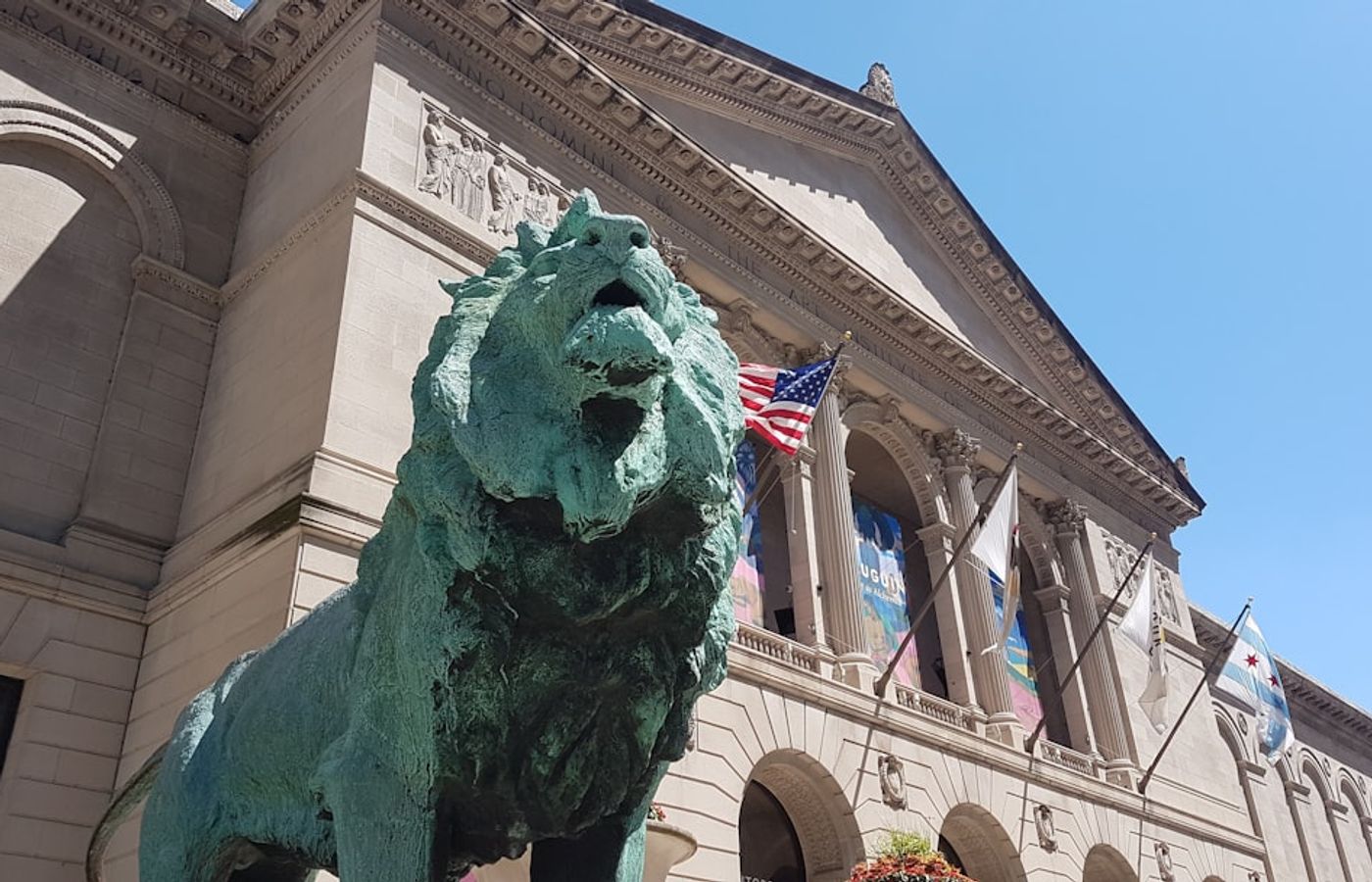

Guarded by its famous pair of bronze lions, the Art Institute of Chicago is the second-largest art museum in the United States and the cultural anchor of the Loop. The collection runs from ancient bronzes to contemporary installations, but the crowds come for the Impressionist and Post-Impressionist galleries, where Georges Seurat's A Sunday on La Grande Jatte fills an entire wall.
American highlights are just as strong: Grant Wood's American Gothic and Edward Hopper's Nighthawks both live here. The Modern Wing, designed by Renzo Piano, adds a light-filled home for twentieth-century work and a footbridge running straight into Millennium Park, so the two attractions pair perfectly in one visit.
Pro Tip: Allow at least three hours and use the museum's free app to map a route to the highlights if you are short on time. Lines are shortest at opening, and the Modern Wing's third-floor terrace has a quiet skyline view most visitors miss.

3Willis Tower Skydeck - Step Onto the Ledge 412 Metres Up
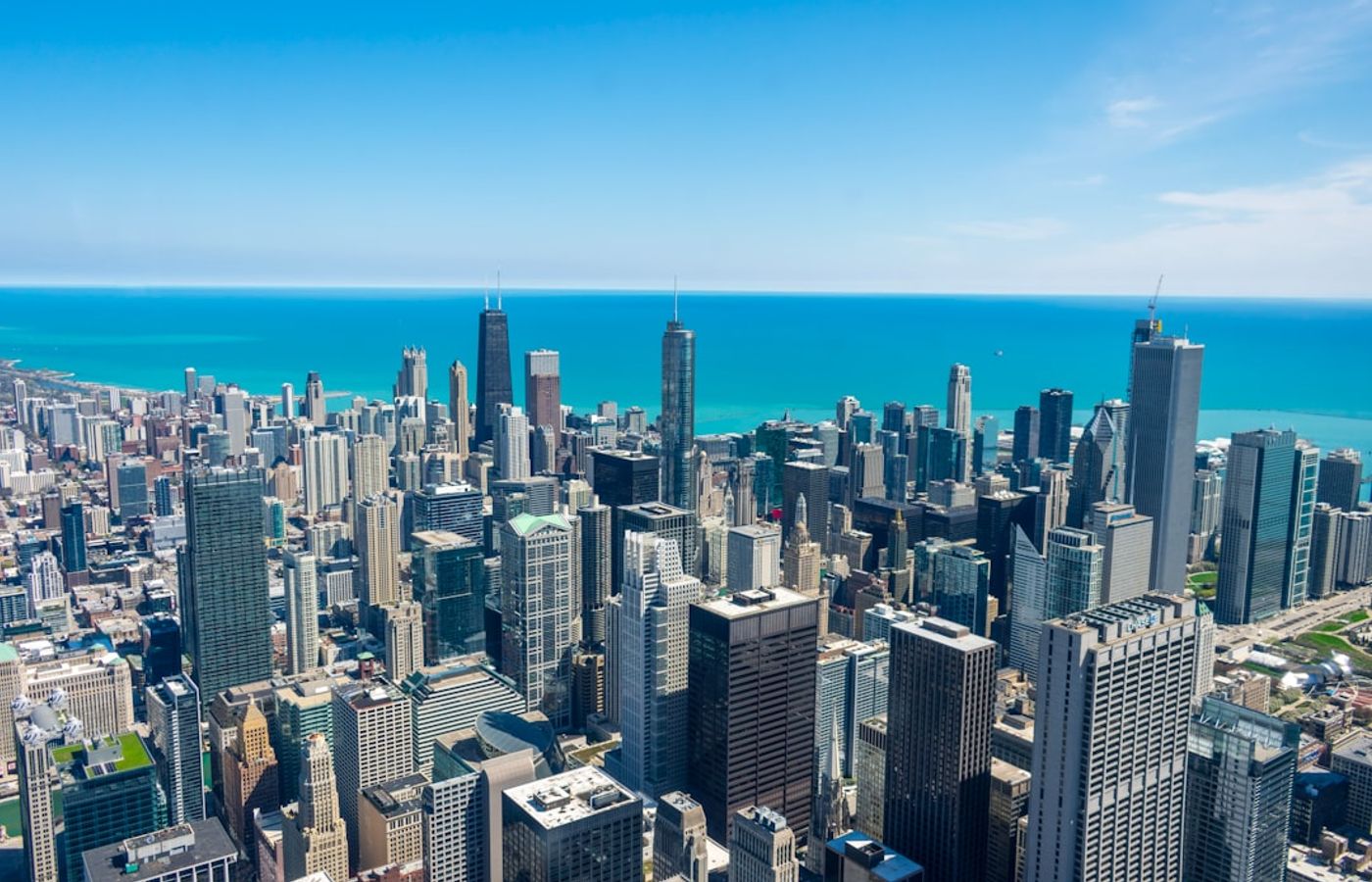

Once the tallest building in the world, the 110-storey Willis Tower (still widely known by its former name, the Sears Tower) rises 442 metres over the West Loop. The draw is the Willis Tower Skydeck on the 103rd floor, 412 metres up, reached by one of the fastest lifts in the country.
The signature thrill is The Ledge - a set of glass boxes that cantilever out from the tower so you can stand on a transparent floor with nothing but air and the street far below. On a clear day the view reaches across four states and Lake Michigan. A redesigned lower level adds Chicago history and interactive exhibits before you ascend.
Pro Tip: Buy a timed ticket online and aim for the hour before sunset to catch daylight and city lights in one visit. Skip cloudy days - the view is the whole point - so check the forecast before committing to a fixed slot.
4Navy Pier - Lakefront Rides, Boats and the Centennial Wheel
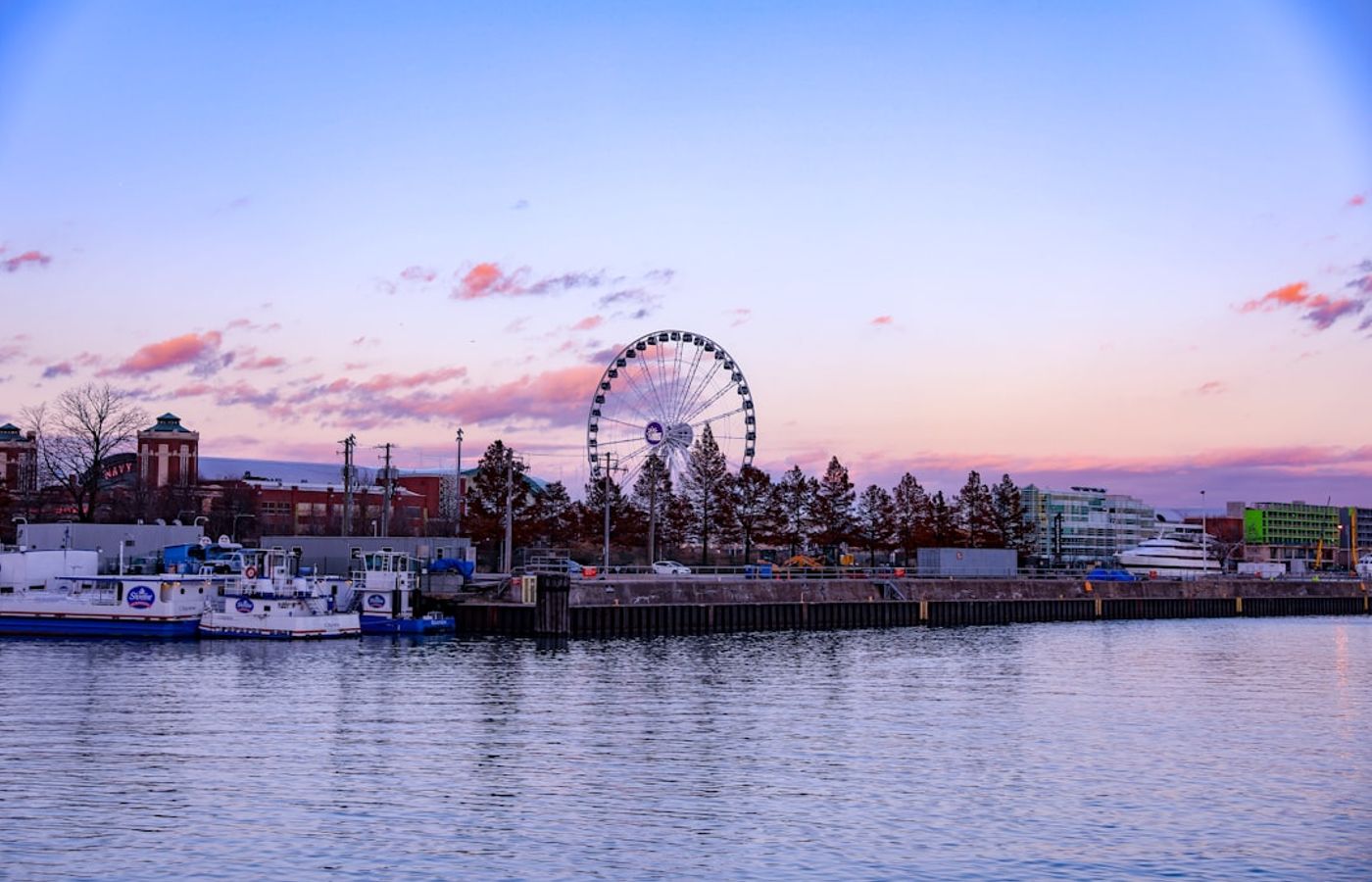
Stretching more than half a mile into Lake Michigan, Navy Pier is among the most visited attractions in the Midwest and the city's family playground. The 60-metre Centennial Wheel turns year-round with enclosed, climate-controlled gondolas, a gentler high-up experience than the Skydeck with wide lake-and-skyline views.
Beyond the wheel are fairground rides, the Chicago Children's Museum, an IMAX cinema, gardens and a packed schedule of summer fireworks. It is also the main departure point for lake cruises and speedboat rides, so it doubles as a base for getting out on the water.
Pro Tip: Walking the pier is free; pay only for the rides and boats you actually want. Time a summer visit for the Wednesday or Saturday evening fireworks, and arrive by water taxi from the Riverwalk for a more scenic approach than the bus.
5Chicago Riverwalk and Architecture River Cruise - The City from the Water
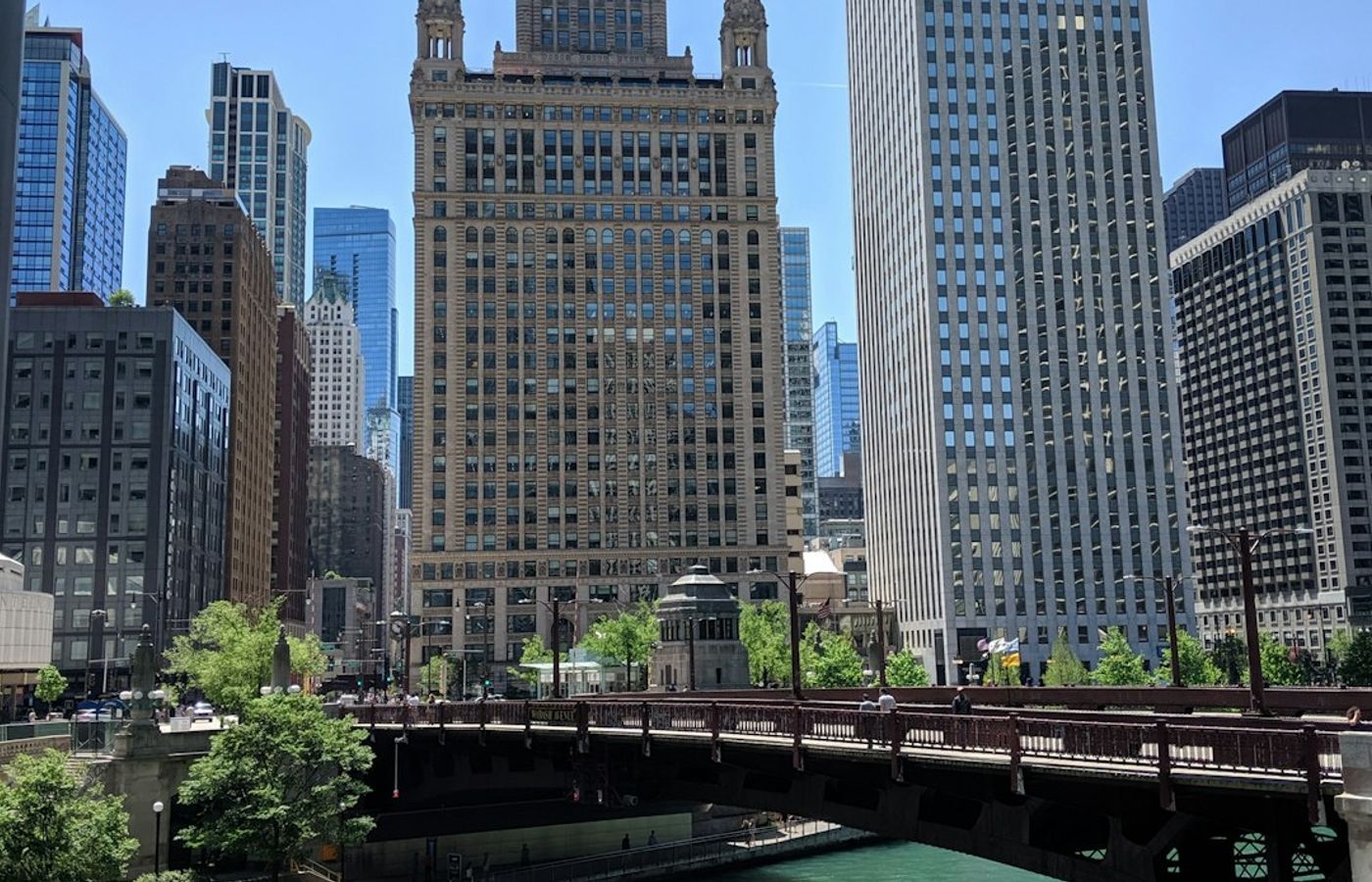
Chicago is where the modern skyscraper was born, and the best way to read the skyline is from the water. The Chicago Architecture River Cruise glides along all three branches of the Chicago River while guides explain how the city rebuilt after the Great Fire of 1871 and went on to shape twentieth-century design, passing landmarks like the Wrigley Building and Marina City.
The Riverwalk itself is a free pedestrian promenade along the south bank, lined with cafes, wine bars and boat docks. Even without a cruise it is one of the most pleasant places in the city for a stroll, especially at golden hour when the glass towers catch the light.
Pro Tip: Several operators run cruises from the Riverwalk; the docks by the Michigan Avenue Bridge are the most central. Book a late-afternoon departure so you finish near sunset, and bring a light layer - it is always cooler on the water.
6The Field Museum - Dinosaurs and Cultures on the Museum Campus
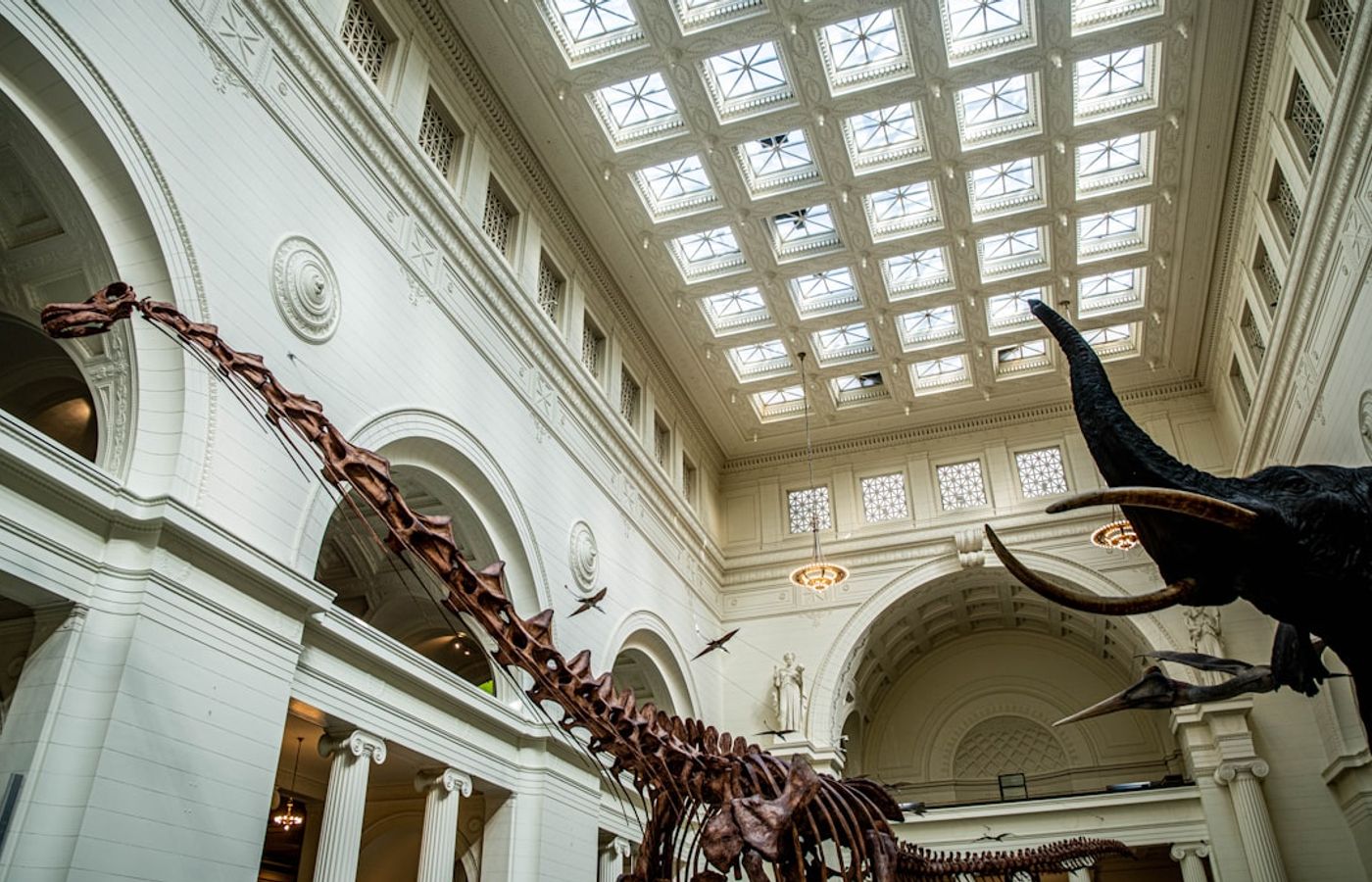
The Field Museum of Natural History is one of the largest natural-history museums in the world, and its star resident is SUE - the most complete Tyrannosaurus rex skeleton ever found, mounted in its own gallery. Around it spread halls of Egyptian mummies, a walk-through ancient tomb, sweeping wildlife dioramas and the dazzling Grainger Hall of Gems.
The museum anchors the Museum Campus, a lakefront cluster it shares with Shedd Aquarium and the Adler Planetarium, all a short walk apart. The neoclassical building alone is worth the trip, its vast central hall framed by totem poles and a second towering dinosaur cast overhead.
Pro Tip: The Museum Campus pairs naturally - do the Field Museum and Shedd Aquarium the same day on a combined pass to save money. Visit on a weekday to dodge school groups, and head for SUE first thing before the gallery fills.
7Shedd Aquarium - Underwater Worlds Beside Lake Michigan
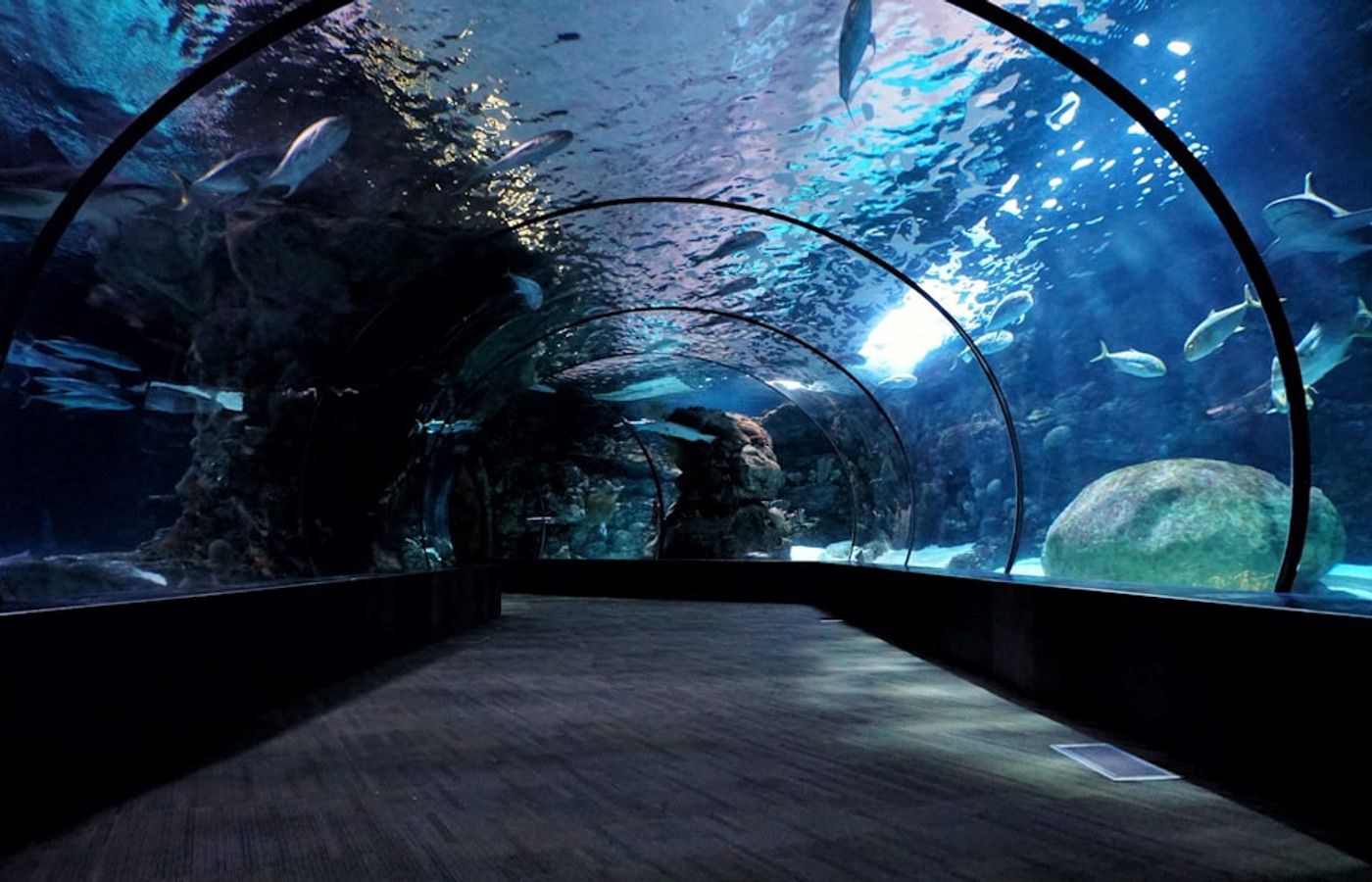
The John G. Shedd Aquarium holds around 32,000 animals across habitats that range from Amazon flooded forests to Caribbean reefs and Pacific Northwest waters. The Abbott Oceanarium, with its curved wall of windows facing Lake Michigan, houses beluga whales and Pacific white-sided dolphins against a backdrop that blurs the line between tank and lake.
Wild Reef recreates a Philippine coral system with sharks cruising overhead, and the Caribbean Reef tank in the historic rotunda is a perennial favourite with kids. It makes a polished, genuinely educational few hours and ranks among the best family attractions in the city.
Pro Tip: Book a timed entry online to skip the often-long ticket queue, and aim for the first or last slot when galleries are quietest. Combine it with the neighbouring Field Museum on a single Museum Campus pass.
8The Magnificent Mile - Chicago's Grand Shopping Boulevard
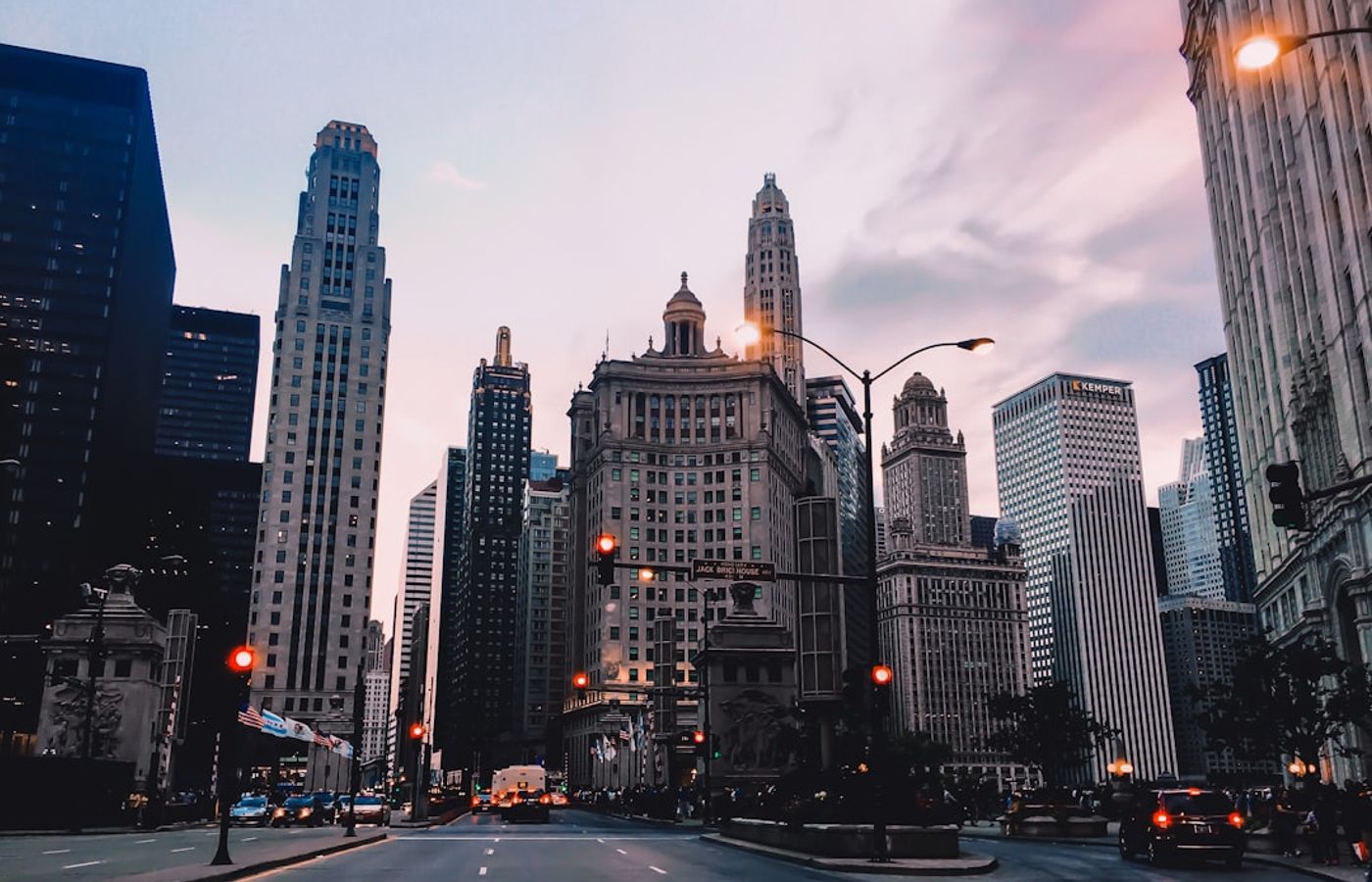
The stretch of Michigan Avenue between the Chicago River and Oak Street, known as the Magnificent Mile, is the city's flagship shopping and hotel district. Department stores, global flagships and vertical malls like Water Tower Place line the boulevard, broken up by landmarks such as the historic Water Tower, one of the few buildings to survive the 1871 fire.
At the north end, the 360 Chicago observation deck crowns the former John Hancock Center, its Tilt platform leaning you out over the street. The avenue is at its best around the winter holidays, when more than a million lights turn the trees into a tunnel of white.
Pro Tip: Window-shopping and people-watching cost nothing; save spending for the flagship stores you cannot find at home. For the best photos, walk the west side of the avenue in the morning when light hits the historic Water Tower.
9Lincoln Park and Lincoln Park Zoo - A Free Day in the Green
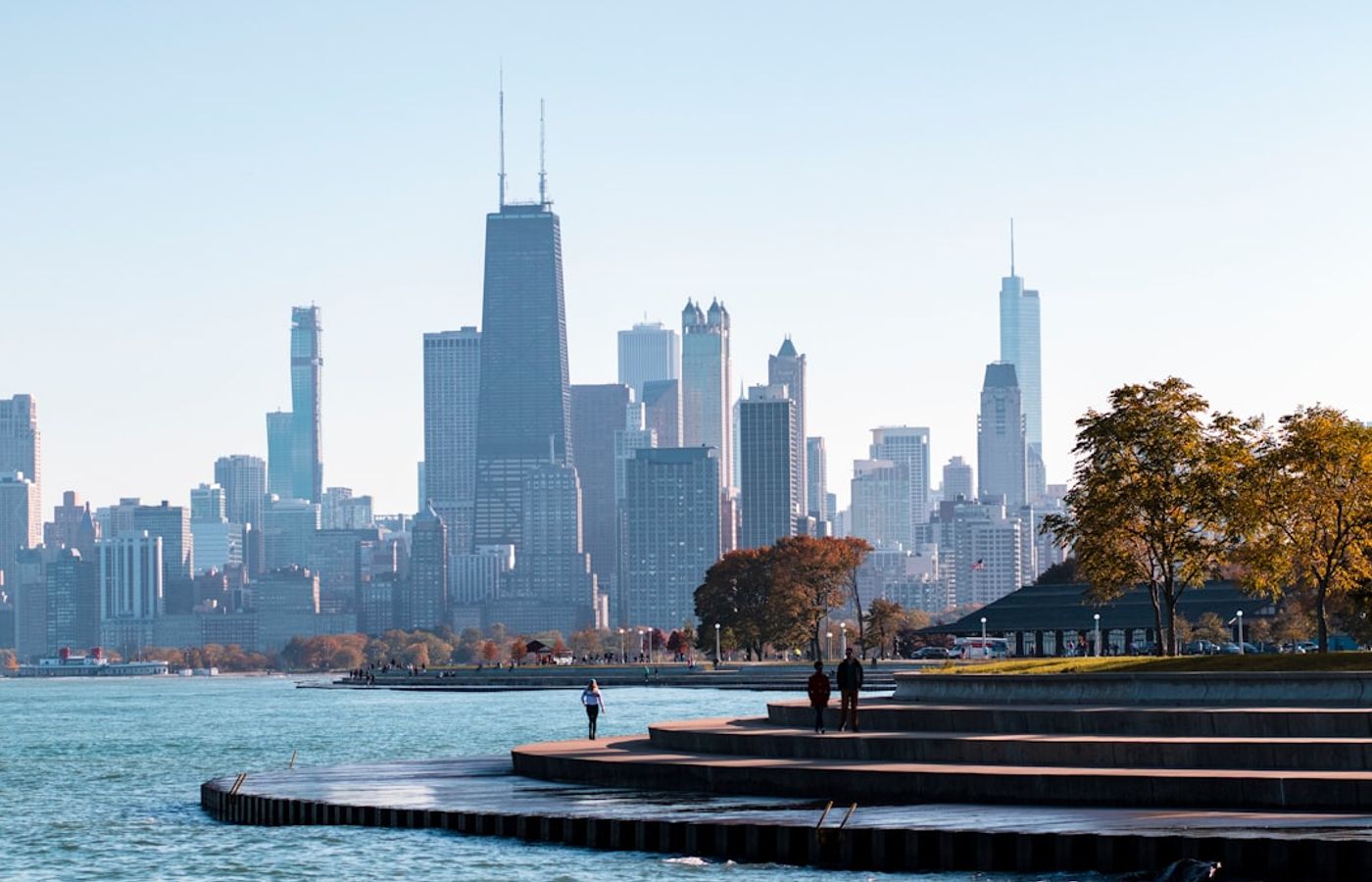
Lincoln Park Zoo is one of the last free zoos in the United States, set inside the larger Lincoln Park that runs for miles along the lakefront. Founded in 1868, it keeps lions, gorillas, polar bears and a working farm-in-the-zoo within easy reach of downtown, all without an admission fee.
The surrounding park adds the Lincoln Park Conservatory, the tranquil Alfred Caldwell Lily Pool, miles of walking and cycling paths, and a lagoon with the skyline rising behind it - a classic Chicago postcard view. Together they make an easy, low-cost half day, especially good for families.
Pro Tip: Because entry is free you can dip in for an hour without guilt, and the zoo opens earlier than most attractions, so start here. Walk south through the park afterwards to the Cafe Brauer lagoon for the famous skyline-behind-the-pond photo.
10Wrigley Field - Baseball History in Wrigleyville
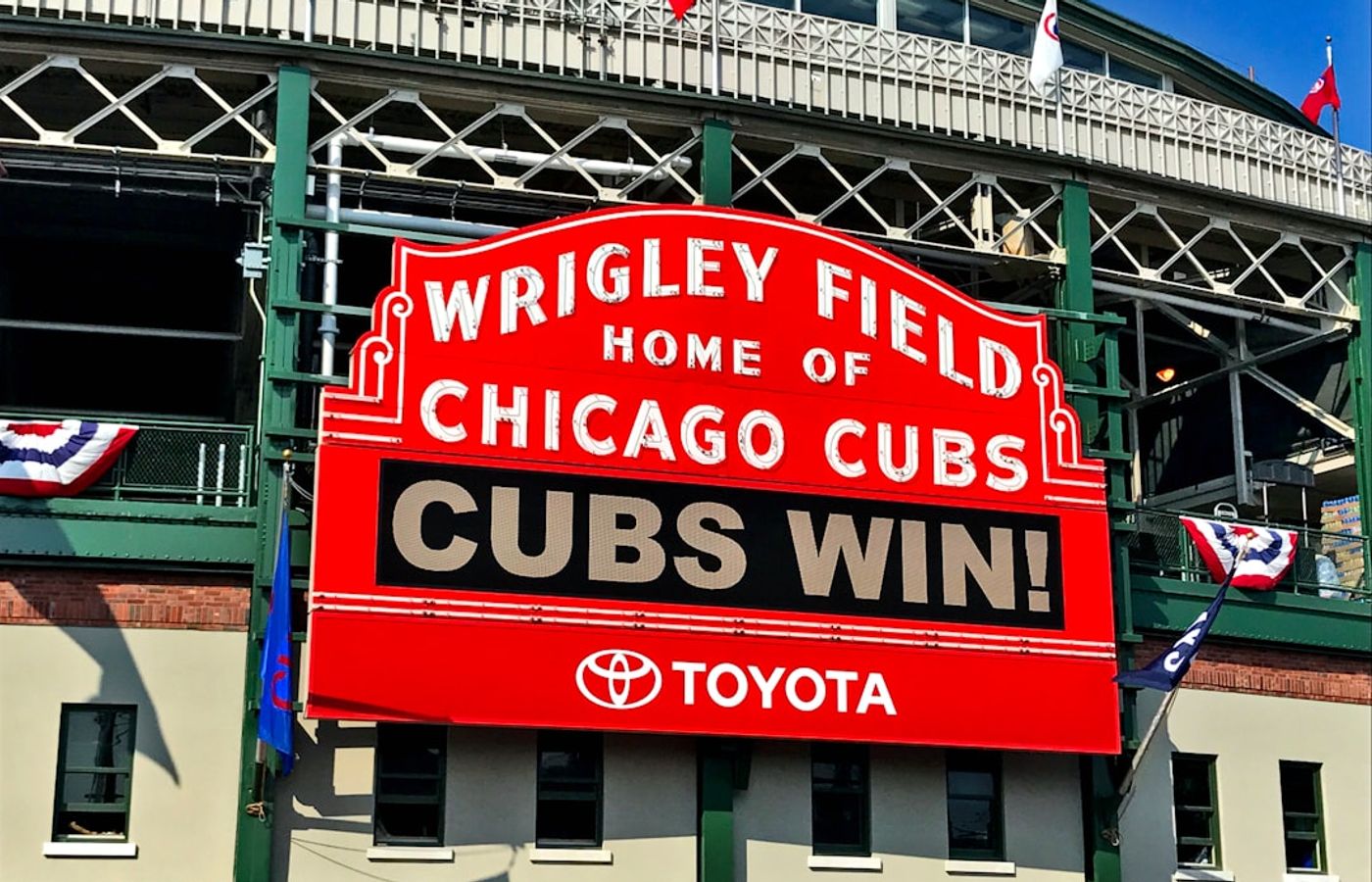
Opened in 1914, Wrigley Field is the second-oldest ballpark in Major League Baseball and the home of the Chicago Cubs, instantly recognisable by its hand-turned scoreboard and ivy-covered outfield walls. Catching a Cubs game here, with the crowd singing during the seventh-inning stretch, is one of the most atmospheric sporting experiences in the country.
Even outside the season, guided tours take you into the dugouts, the press box and the historic clubhouse. The surrounding neighbourhood of Wrigleyville is packed with sports bars and the open-air Gallagher Way plaza, which hosts events and screenings year-round.
Pro Tip: Day games have the best atmosphere and the famous sunshine, so buy tickets well ahead for weekend fixtures against big rivals. No game on? Book a 90-minute stadium tour, and take the Red Line to Addison to avoid sky-high parking prices.

CEO and co-founder
Tomas is the co-founder and director of trip1, an European company specializing in reservation services. He launched the company in 2025 with a focus on building scalable, efficient operations.
Climate averages · 1991–2020
When is the best time to visit Chicago?
The best time to visit Chicago is between May and October, the most comfortable stretch of the year on these averages.
Best time · May–OctoberRainfall
- Jan-3°
- Feb-1°
- Mar4°
- Apr10°
- May16°
- Jun22°
- Jul25°
- Aug24°
- Sep20°
- Oct13°
- Nov6°
- Dec0°
More of United States
10 Best Things to Do in Chicago - FAQ
Not comfortably in a single day. A realistic pace is four to five of these per day, so plan on two to three days to see all 10 properly. The good news is that many cluster together: Millennium Park, the Art Institute and the Magnificent Mile are walkable in one downtown loop, and the Museum Campus pairs the Field Museum with Shedd Aquarium in an afternoon.
Group them by neighbourhood to cut down on travel. Start in the Loop with Millennium Park, Cloud Gate and the Art Institute, then walk to the Willis Tower Skydeck and the Riverwalk for the architecture cruise. Spend a second day on the Magnificent Mile and Navy Pier, and a third on the Museum Campus, Lincoln Park Zoo and a Cubs game at Wrigley Field.
Book the timed-entry attractions ahead in peak season. The Willis Tower Skydeck, the Field Museum, Shedd Aquarium and the architecture river cruise all sell timed tickets that sell out on busy summer days, so reserve online. Millennium Park, Cloud Gate, the Magnificent Mile, the Riverwalk and Lincoln Park Zoo are free to enter and need no ticket at all.
Budget roughly 150 to 200 EUR per adult if you pay for each paid attraction separately. The Skydeck, Art Institute, Field Museum, Shedd Aquarium and the river cruise are the main costs, while Millennium Park, the Riverwalk, the Magnificent Mile and Lincoln Park Zoo are free. A multi-attraction city pass can cut the total significantly if you are visiting several of the paid sights.
Yes, almost entirely. The Chicago Transit Authority (CTA) 'L' trains and buses reach every attraction on this list, and the downtown sights cluster around Loop stations you can walk between. For the Museum Campus, take the Red, Orange or Green Line to Roosevelt and connect with the free or low-cost shuttle bus, and for Wrigley Field the Red Line stops right outside at Addison.
Absolutely, it is one of the finest art museums in the United States. The Art Institute of Chicago holds a world-class Impressionist and Post-Impressionist collection plus American icons like Grant Wood's American Gothic and Edward Hopper's Nighthawks. Allow at least half a day, and note that admission is included on many Chicago multi-attraction passes if you plan to visit several paid sights.
Chicago has far more worth your time beyond this top 10. Consider the Museum of Science and Industry on the South Side, the 360 Chicago observation deck with its Tilt platform on the Magnificent Mile, the Garfield Park Conservatory, a deep-dish pizza tour, the Chicago Cultural Center with its Tiffany dome, and the lakefront beaches and trail in summer.

Related travel guides
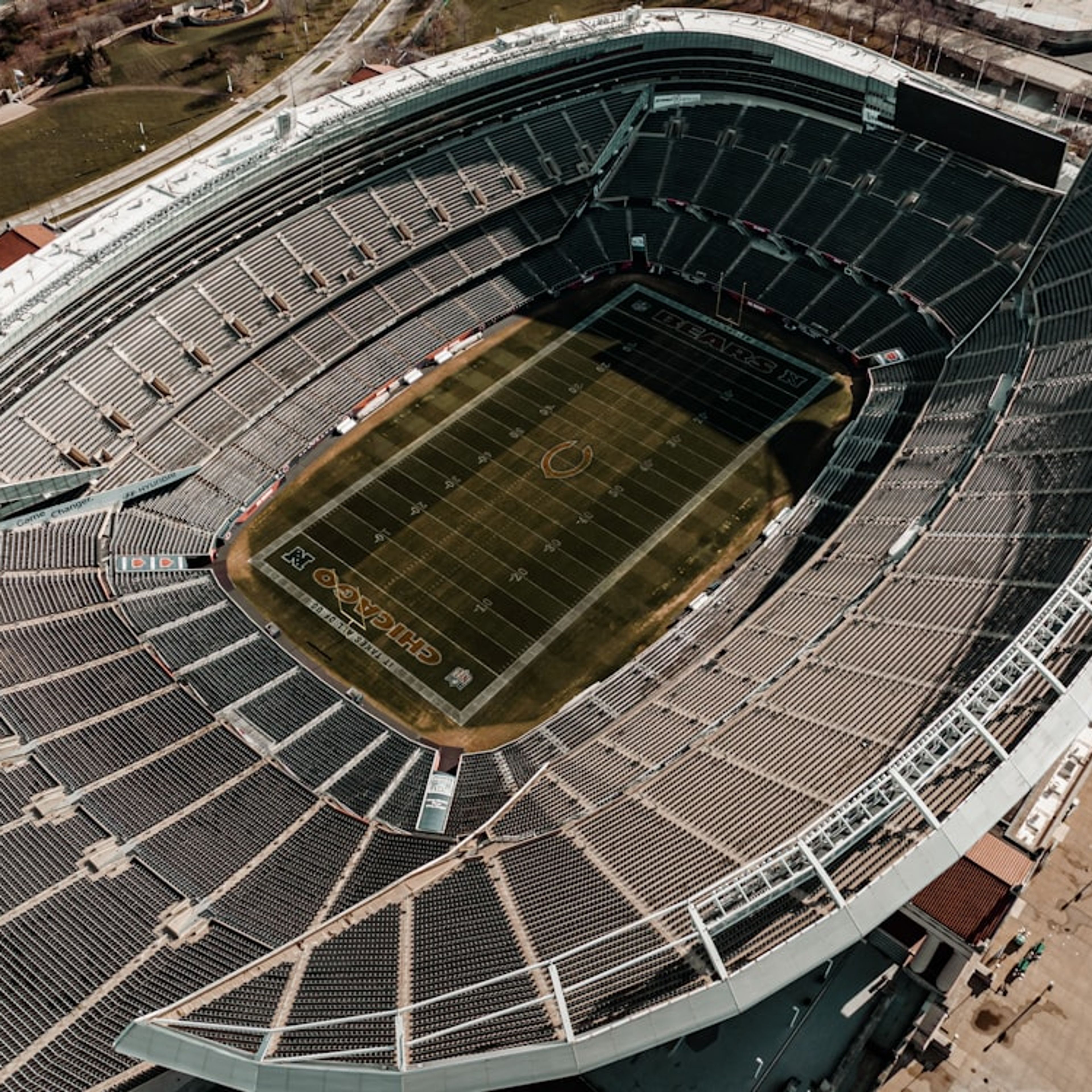
Best Hotels in Chicago for FIFA World Cup 2026
Find the best hotels in Chicago for FIFA World Cup 2026. Compare areas by stadium distance, price, and transport - South Loop, The Loop, River North, and more.
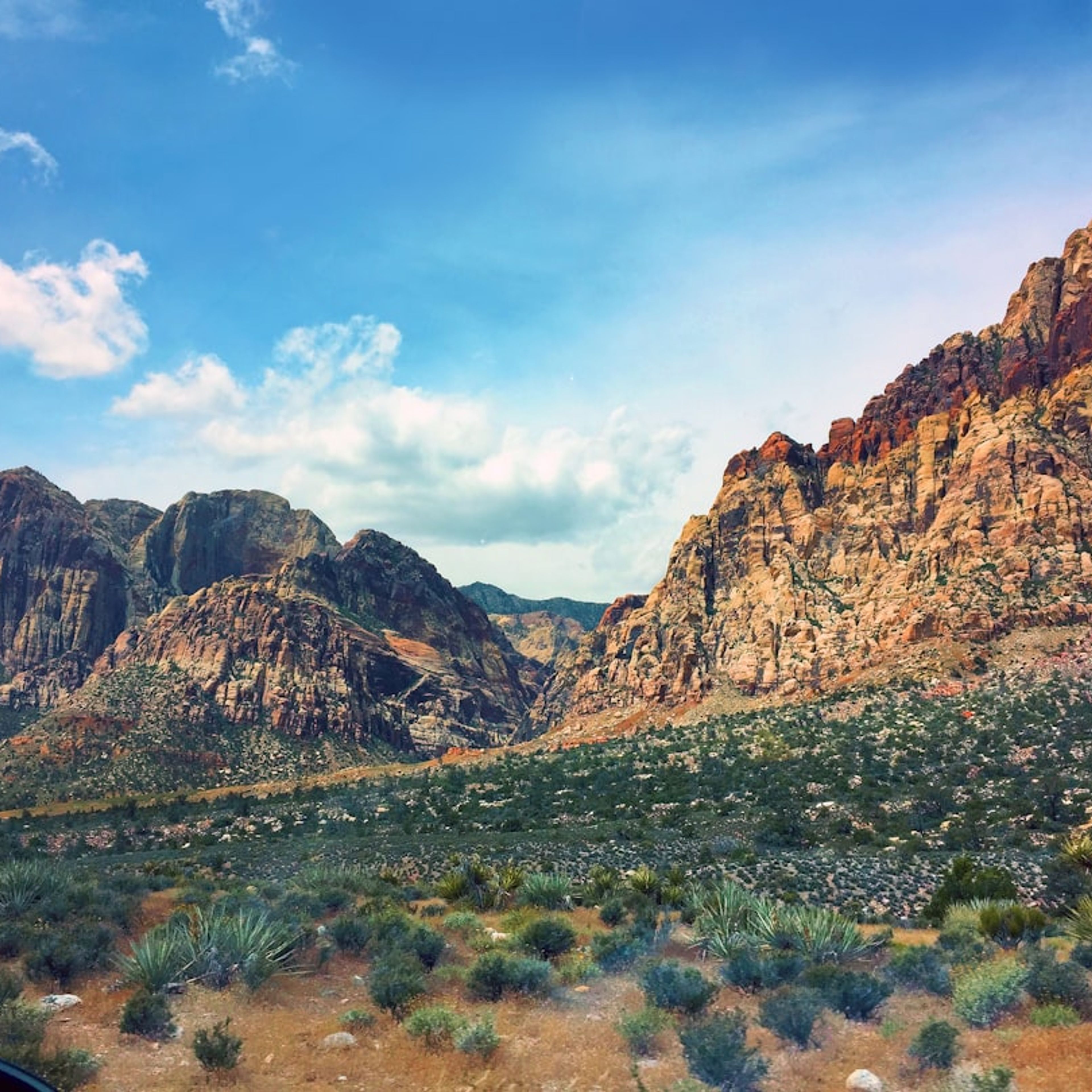
5 Best Canyon Hikes Near Las Vegas
The 5 best canyon hikes near Las Vegas for 2026, with distances, elevation gain, difficulty, trailhead addresses, fees and summer closure dates.