


Chicago travel guides
Browse and explore the best travel guides in Chicago.
Chicago travel facts
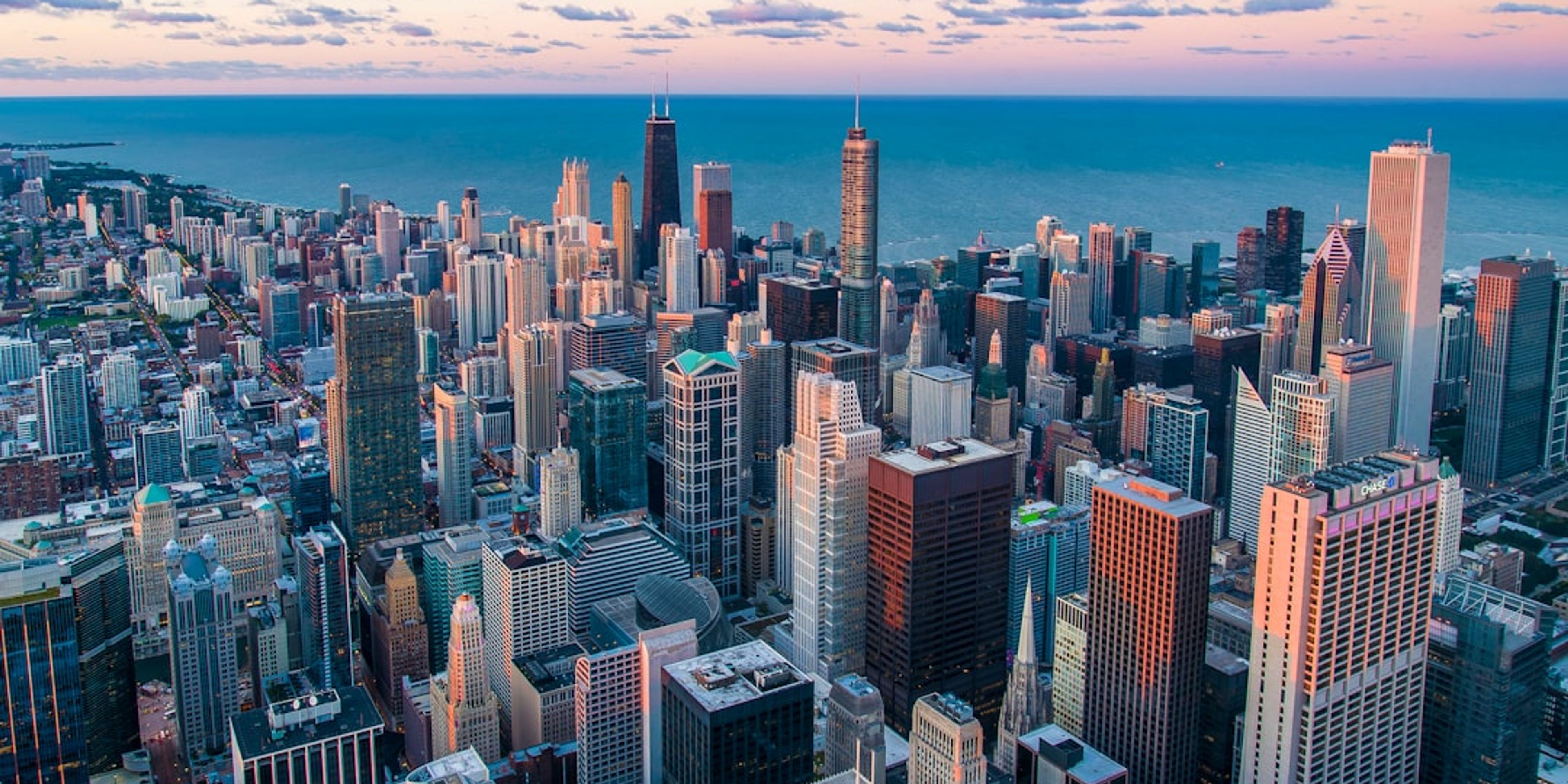
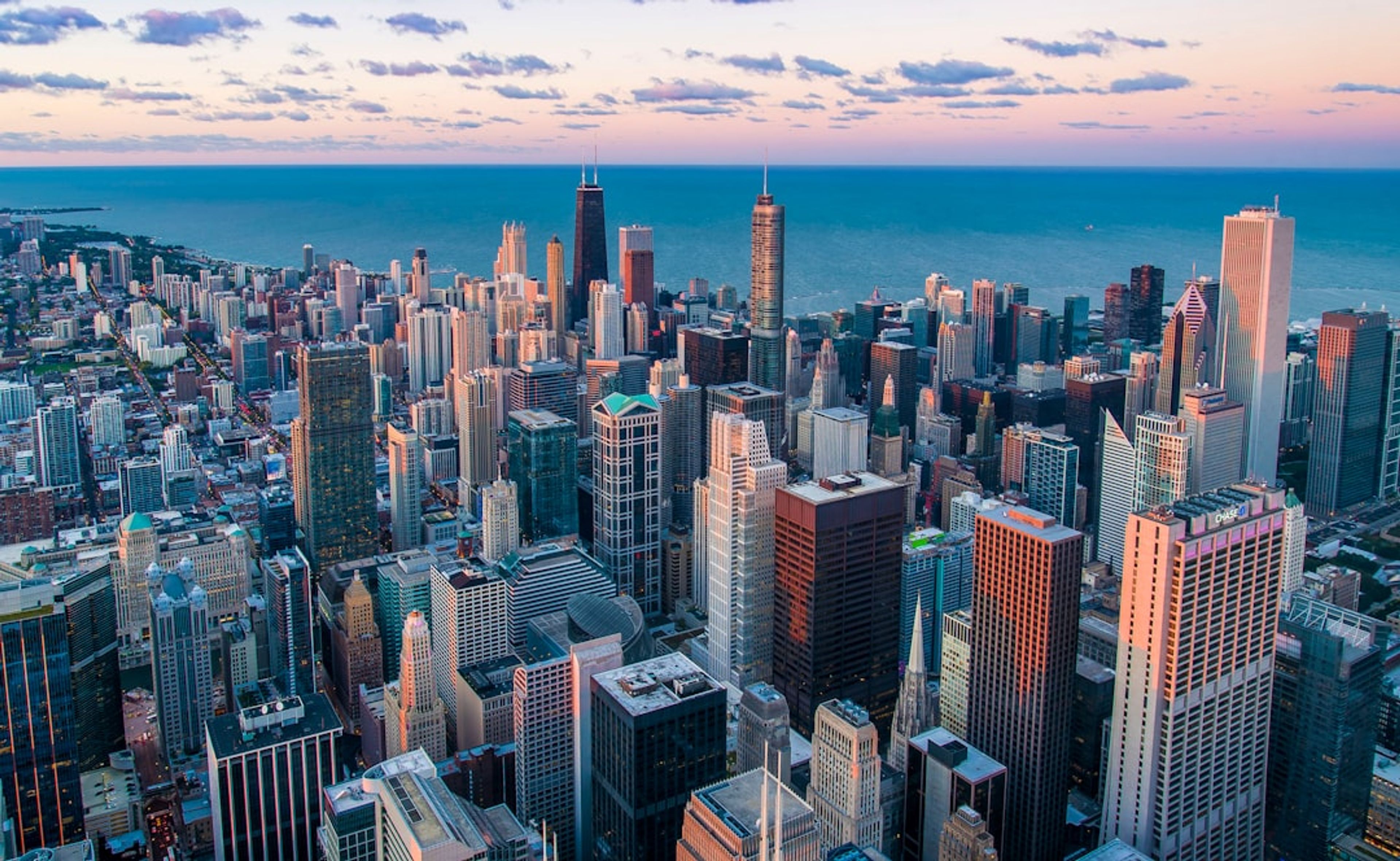
Chicago is the third-largest city in the United States, set on the southwestern shore of Lake Michigan in the Midwest state of Illinois. It is the birthplace of the modern skyscraper, and its downtown skyline remains one of the most celebrated in the world, with landmarks like Willis Tower, the curved facades along the Chicago River, and the public sculptures of Millennium Park. A 30-kilometre stretch of lakefront parks, beaches and trails wraps the eastern edge of the city, giving Chicago an outdoorsy, open feel that surprises many first-time visitors.
The city is defined by its 77 distinct neighbourhoods, each with its own character - from the Polish, Mexican and Italian enclaves to the historic Black neighbourhoods of the South Side that shaped blues, gospel and house music. Chicago takes its food seriously, from deep-dish pizza and Italian beef sandwiches to one of the most ambitious fine-dining scenes in the country. World-class museums, the Art Institute, major sports teams, and a year-round calendar of festivals round out a cultural offering that rivals any global city.
Getting around is easy thanks to the elevated 'L' train system and an extensive bus network, while the compact, walkable downtown known as the Loop puts most major sights within reach on foot. Chicago has four genuine seasons, with warm, lively summers and cold, snowy winters, so timing your visit shapes the experience - though the city's restaurants, theatres and museums make it a rewarding destination in any weather.

Country
United States
Region / State
Illinois (Midwest)
Population
~2.7 million (metro ~9.2 million)
Elevation
182 m (594 ft)
Time Zone
Central Time (UTC-6, UTC-5 in summer)
Currency
US Dollar (USD)
Language
English
Nearest Airport
O'Hare International (ORD); Midway (MDW)
Airport to City Centre
ORD ~29 km, ~45 min on the Blue Line train
Typical Cost Level
Mid-range to High
Transport Pass
Ventra card (CTA trains & buses)
Spring (Mar-May)
4-18°C (39-64°F)
Summer (Jun-Aug)
18-29°C (64-84°F)
Autumn (Sep-Nov)
5-21°C (41-70°F)
Winter (Dec-Feb)
-6 to 2°C (21-36°F)
Chicago travel guides

Stay in the loop
Get the latest deals, new destinations, and travel tips delivered straight to your inbox.
No spam, unsubscribe anytime.
Do you need a visa for United States?
Entry rules, stay length and passport validity by nationality.
Climate averages · 1991–2020
When is the best time to visit Chicago?
The best time to visit Chicago is between May and October, the most comfortable stretch of the year on these averages.
Best time · May–OctoberRainfall
- Jan-3°
- Feb-1°
- Mar4°
- Apr10°
- May16°
- Jun22°
- Jul25°
- Aug24°
- Sep20°
- Oct13°
- Nov6°
- Dec0°
Latest travel guides





Chicago Destination FAQ
The best time to visit Chicago is from late spring to early autumn, roughly May through October. Summer (June-August) brings warm weather, beach days along Lake Michigan and the city's biggest festivals, though it is the busiest and priciest season. September and October offer mild temperatures, thinner crowds and golden autumn colour, making early autumn many travellers' favourite window. Winters are cold and snowy but reward visitors with lower hotel rates and a cosy indoor scene of museums, theatres and restaurants.
The cheapest and most reliable way from O'Hare International Airport (ORD) to downtown is the CTA Blue Line train, which runs 24 hours and reaches the Loop in about 45 minutes. Trains depart frequently and cost only a few dollars with a Ventra card or contactless tap. Rideshares and taxis take 30-60 minutes depending on traffic and cost considerably more. Midway Airport (MDW) on the south side connects to downtown via the CTA Orange Line in around 30 minutes.
The best way to get around Chicago is the CTA public transport system of 'L' trains and buses, which covers the whole city and reaches both airports. A reloadable Ventra card or contactless tap works on every train and bus. Downtown and the lakefront are very walkable, and the Divvy bike-share network is excellent in warmer months. You do not need a car for a city visit - parking is expensive and traffic heavy - though a car helps for day trips beyond the metro area.
Three to four days is ideal for a first visit to Chicago. That gives you time for the downtown highlights - Millennium Park, the Art Institute, an architecture river cruise and the lakefront - plus a day or two to explore neighbourhoods like Wicker Park, Pilsen or Hyde Park. A long weekend covers the essentials, while five days or more lets you slow down, catch a sports game or concert, and take a day trip out of the city.
Chicago is generally safe for tourists, especially in the central areas where most visitors spend their time. Neighbourhoods such as the Loop, River North, the Magnificent Mile, Lincoln Park and the lakefront are busy and well-policed day and night. As in any large city, stay aware of your surroundings, keep valuables secure on public transport, and research specific neighbourhoods before venturing far from the centre after dark. Standard urban precautions are usually all you need.
Chicago is made up of 77 distinct neighbourhoods, but visitors gravitate to a handful. The Loop is the downtown core of skyscrapers, theatres and Millennium Park, while River North and the Magnificent Mile hold the big hotels, galleries and shopping. Wicker Park and Logan Square are hubs of independent dining and nightlife, Pilsen is the centre of Mexican-American culture and street art, and Hyde Park on the South Side is home to the University of Chicago and the Museum of Science and Industry.
Chicago's signature dish is deep-dish pizza, a thick, layered pie best tried at the long-running pizzerias around downtown. The city is equally famous for its Italian beef sandwich and the Chicago-style hot dog, served with a specific set of toppings and never ketchup. Beyond the classics, explore the Mexican food of Pilsen, the Polish heritage of the Northwest Side, and a celebrated fine-dining scene that has earned the city national recognition.
Yes. On trip1, you can book hotels across Chicago and pay with over 50 cryptocurrencies including Bitcoin, Ethereum, and USDC. trip1 covers 3 million+ hotels in 190+ countries, making it easy to find and book accommodation with crypto.