Guides · San Francisco
12 Top Things to Do in San Francisco
By Tomas Achmedovas · CEO and co-founder

CEO and co-founder
This guide rounds up the 12 top things to do in San Francisco - the bridge, the bay, the cable cars and the neighbourhoods that make the city one of the most distinctive in the United States. Each entry comes with the exact address, the nearest Muni or cable-car stop, how it relates to the centre, and a Pro Tip on timing and tickets.
We have grouped the list to suit the city's compact but very hilly layout. The northern waterfront strings together Fisherman's Wharf, Pier 39, Coit Tower, Lombard Street and the Alcatraz ferry; the centre holds the cable cars, Chinatown and the Ferry Building; and the west side gathers Golden Gate Park, the California Academy of Sciences, the Painted Ladies and the Golden Gate Bridge. Muir Woods makes a half-day trip across the bridge.
San Francisco is walkable in patches but steep, so lean on the cable cars, streetcars and buses between the climbs - you can reach almost every stop on this San Francisco travel guide without a car. Expect fog that burns off to brilliant sun, world-class food and dramatic bay views, and treat each Pro Tip as part of the plan.
Check dates for San Francisco
See what is available on your dates.
1Golden Gate Bridge - The City's Defining Landmark
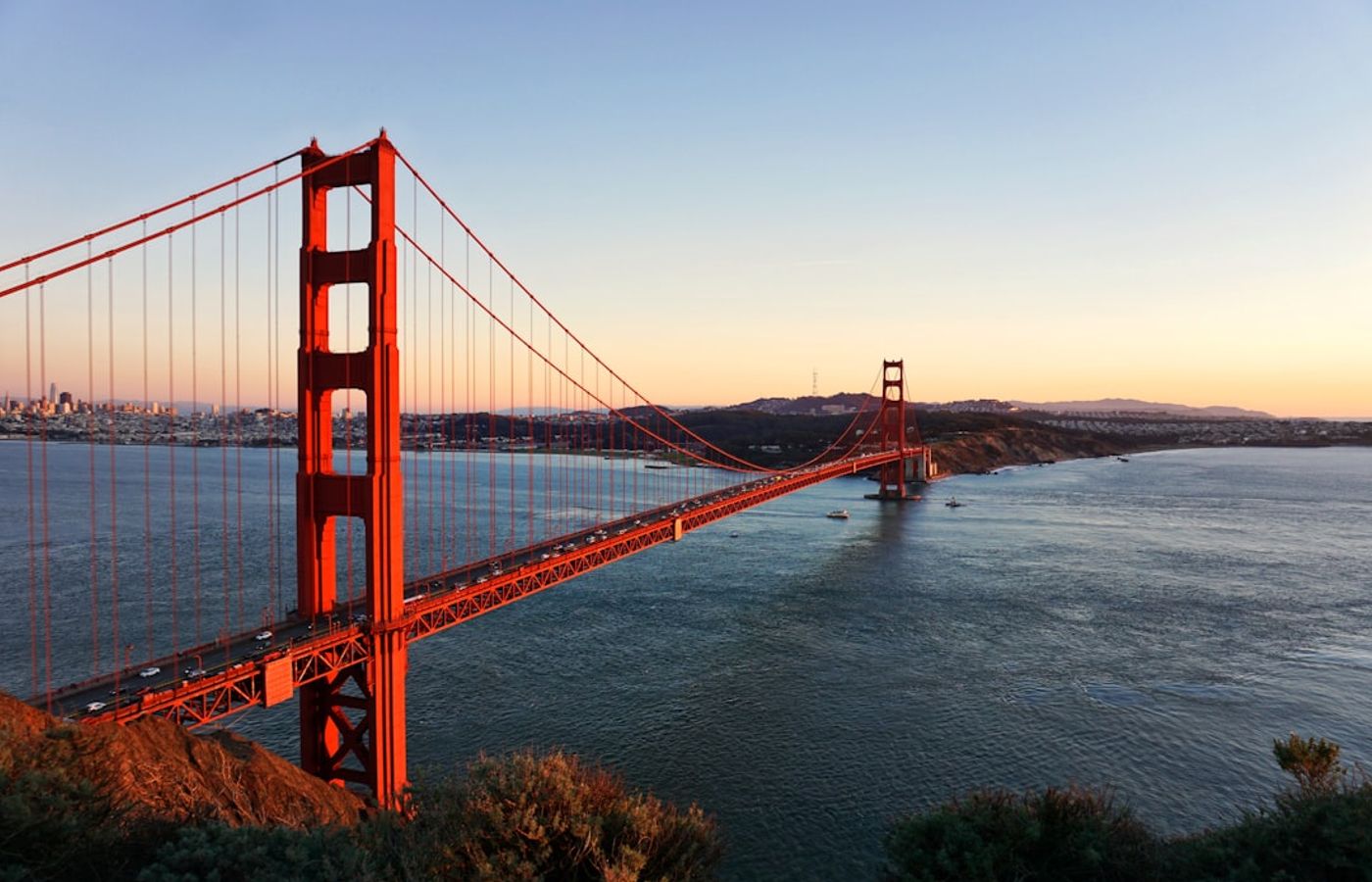

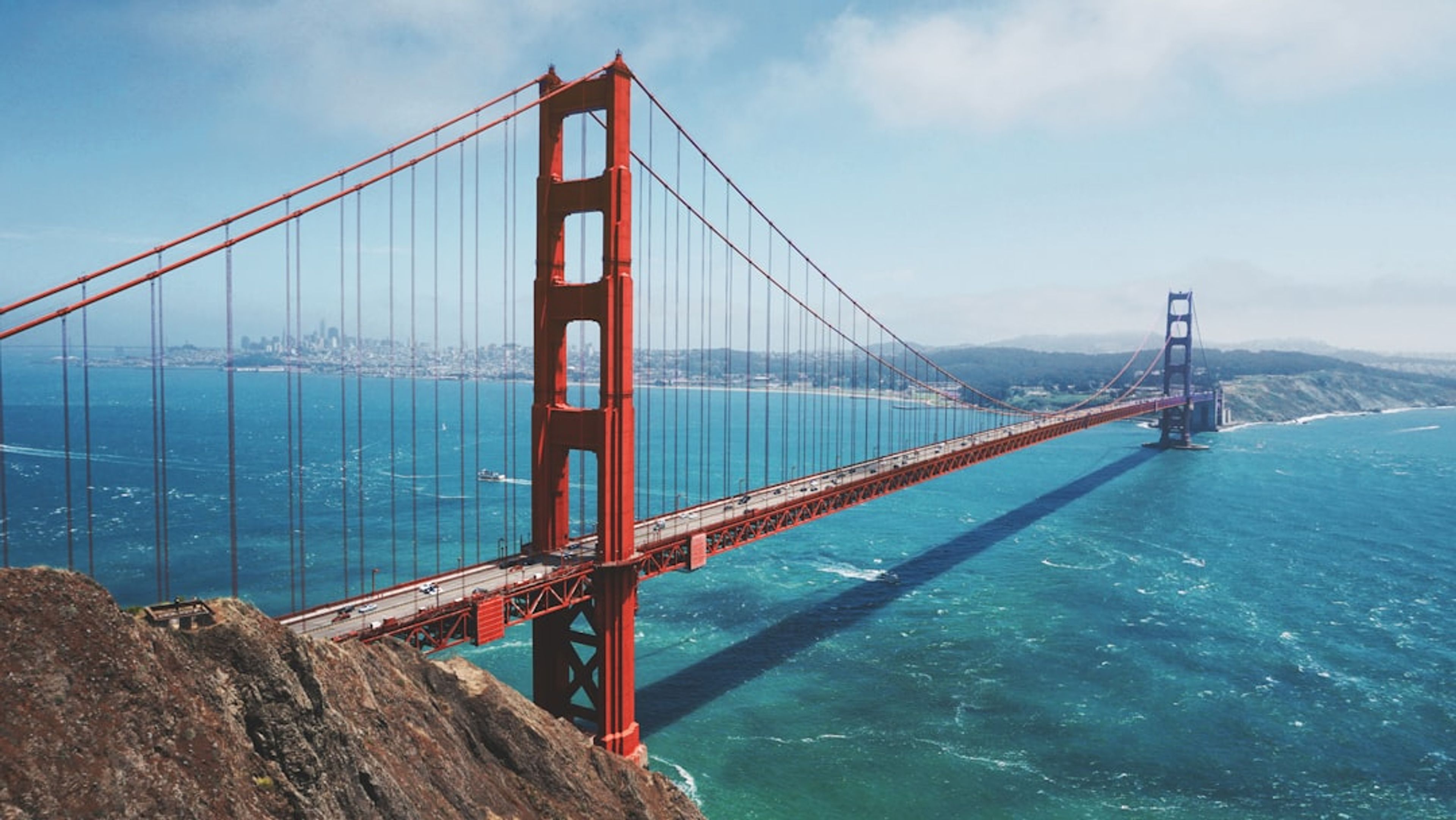
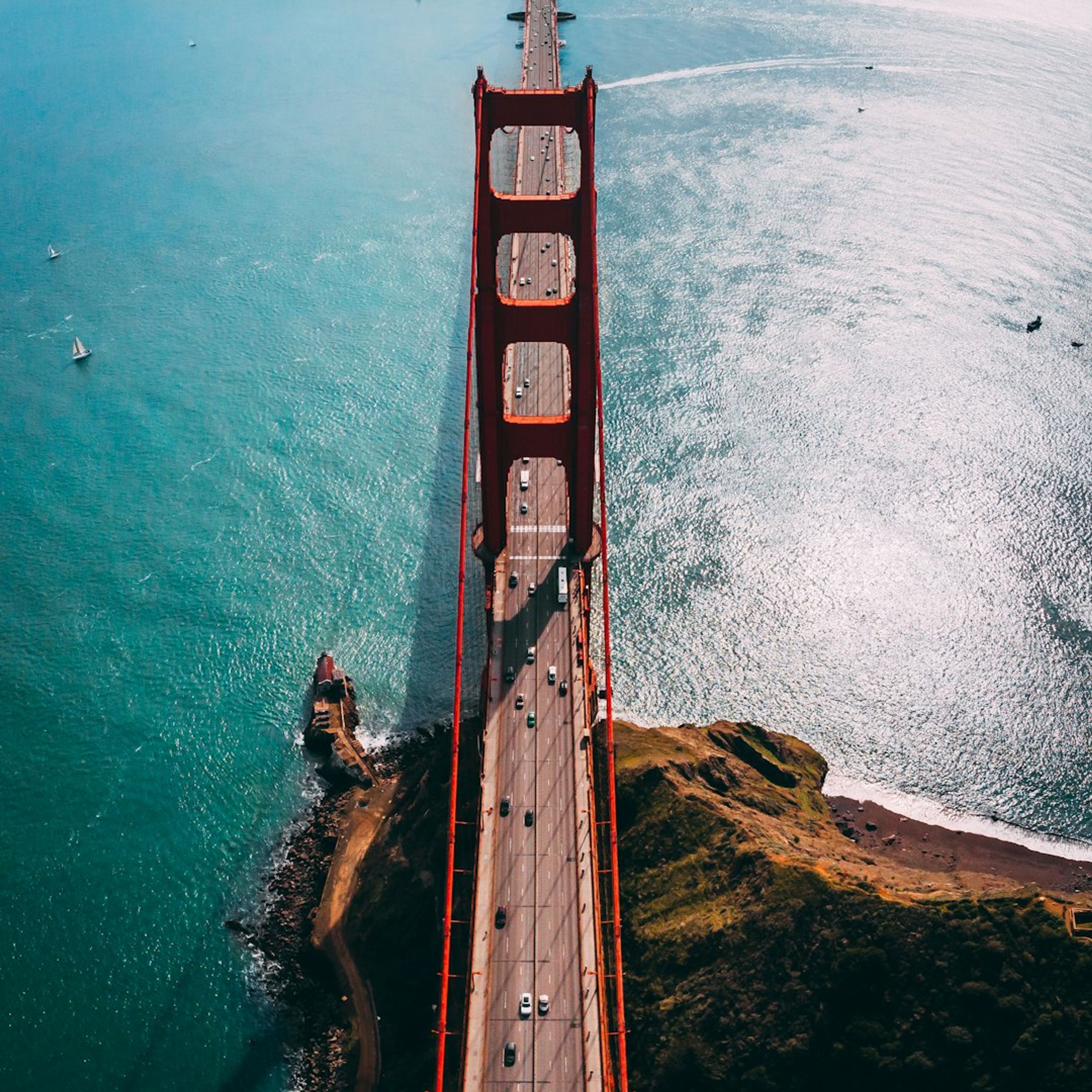
The Golden Gate Bridge is the symbol of San Francisco, a 2.7 km Art Deco suspension bridge whose International Orange towers rise 227 metres above the strait where the bay meets the Pacific. Opened in 1937, it was the longest suspension span in the world for nearly three decades and remains one of the most photographed structures anywhere.
You can drive, cycle or walk across its 1.7-mile pedestrian path, and viewpoints at the Welcome Center, Battery Spencer on the Marin side and Crissy Field below all frame it differently. The bridge is famous for the fog that rolls through its towers, so the view changes by the hour.
2Alcatraz Island - The Infamous Island Prison
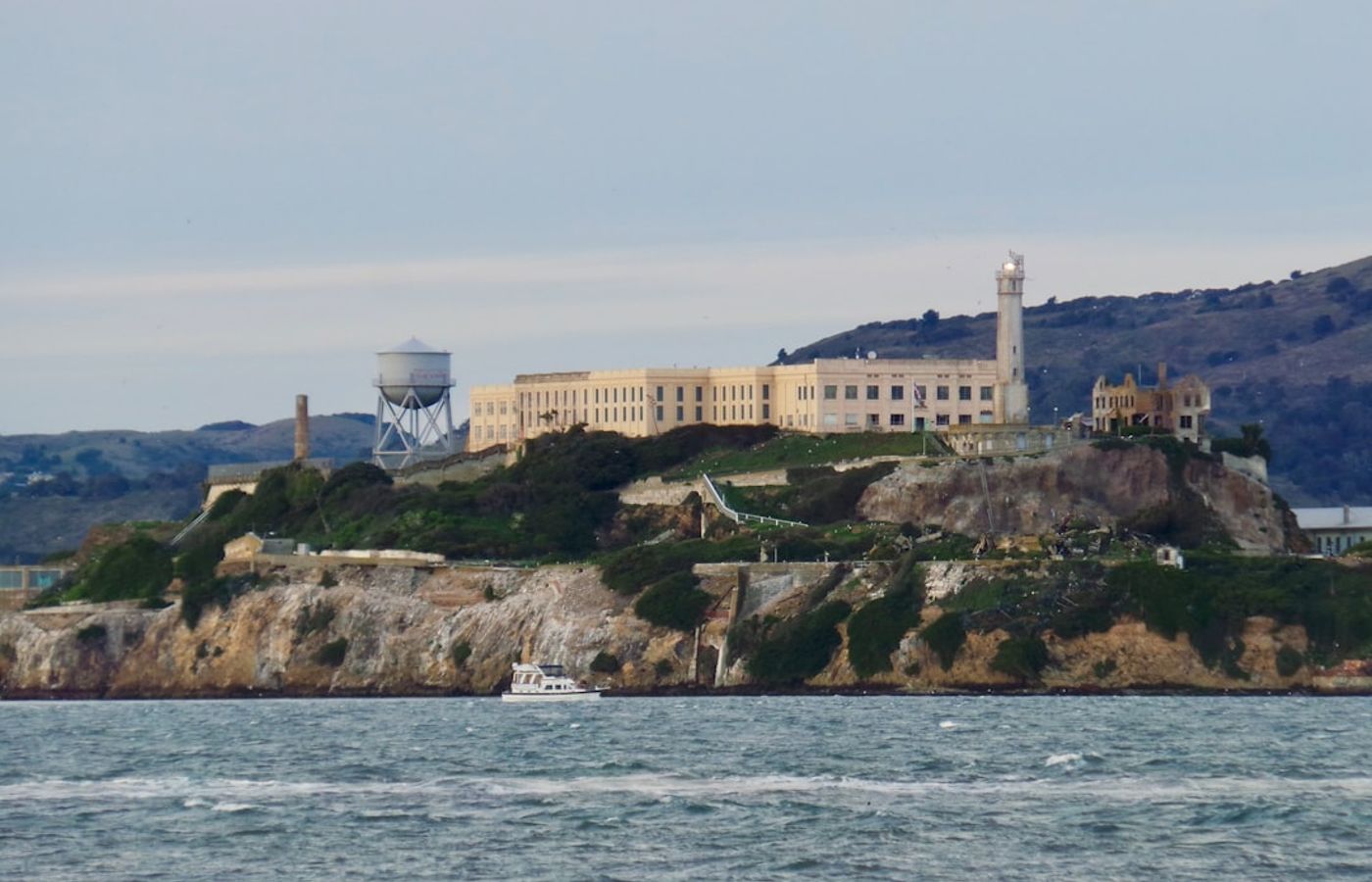

Alcatraz Island, 'The Rock', sits in the middle of San Francisco Bay and once held the most notorious maximum-security prison in the United States, home to Al Capone and the site of a famous 1962 escape. Reached only by the official ferry from Pier 33, it is now one of the city's most popular and atmospheric attractions.
The award-winning cellhouse audio tour, narrated by former guards and inmates, walks you through the cramped cells, the dining hall and the recreation yard with the city skyline tantalisingly close across the water. The island also has gardens, seabird colonies and exhibits on its later occupation by Native American activists.
3Fisherman's Wharf and Pier 39 - Sea Lions and Sourdough
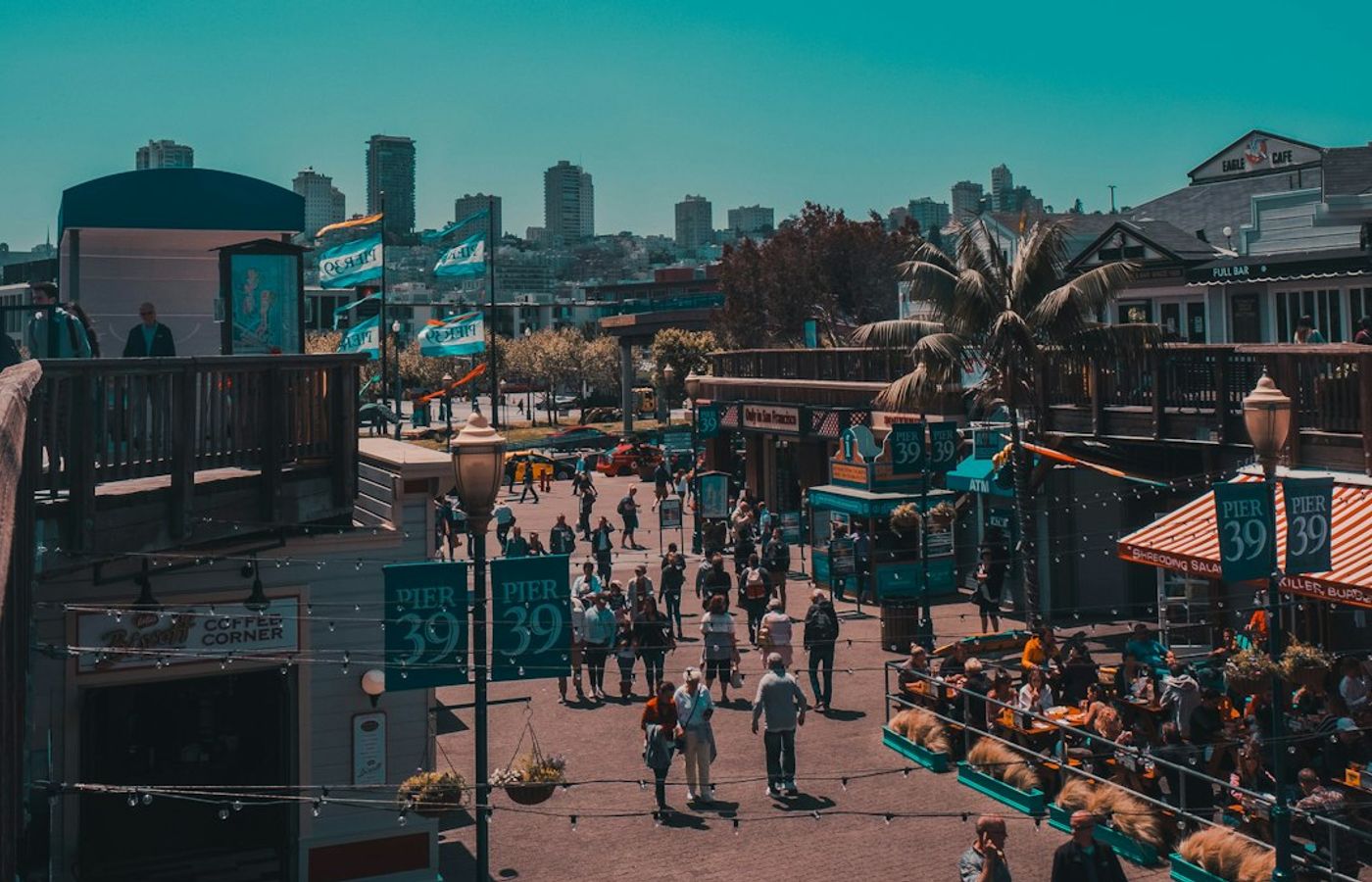

Fisherman's Wharf is the busy heart of the northern waterfront, where the city's fishing fleet still ties up beside seafood stalls selling Dungeness crab and clam chowder in sourdough bowls. Its best-loved sight is the colony of barking sea lions that have hauled out on the docks of Pier 39 since 1989, free to watch from the boardwalk.
The wharf is unashamedly touristy, but it is also the launch point for bay cruises and the Alcatraz ferry, and it links to the historic ships at Hyde Street Pier and the wartime submarine USS Pampanito. The sourdough bakeries and street performers keep it lively all day.
Check dates for San Francisco
See what is available on your dates.
4The Cable Cars - Riding San Francisco's Moving Landmarks
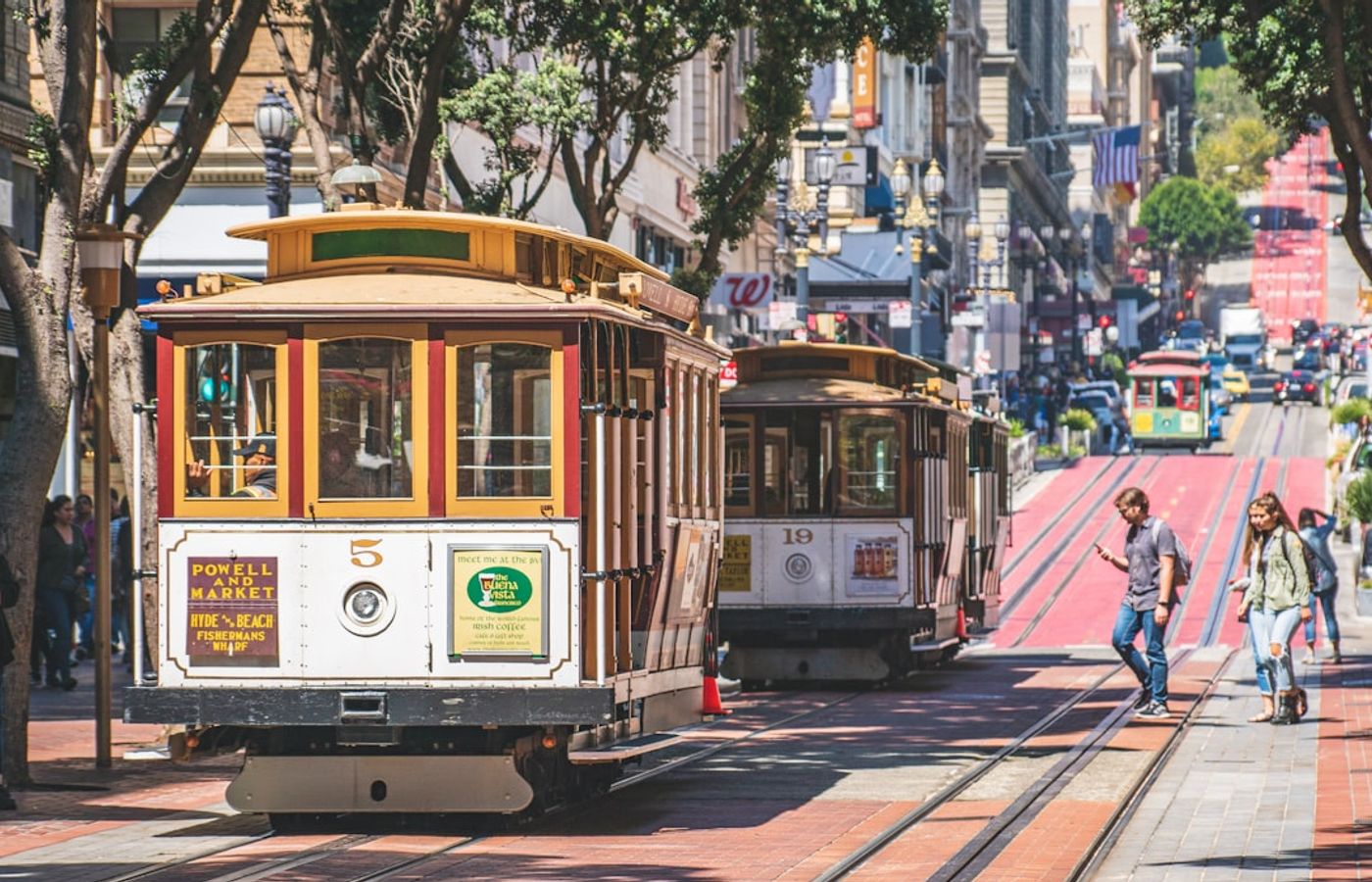
San Francisco's cable cars are the last manually operated cable cars in the world and a working national historic landmark, hauling passengers up the city's steepest hills by gripping a continuously moving underground cable. The Powell-Hyde and Powell-Mason lines are the most scenic, clanging down toward Fisherman's Wharf with the bay opening up ahead.
Riding one is a genuine experience rather than a museum piece, with passengers hanging from the running boards as the car crests Nob Hill. The free Cable Car Museum nearby lets you watch the giant winding wheels that drive the whole system from below.
5Lombard Street - The Crookedest Street in the World
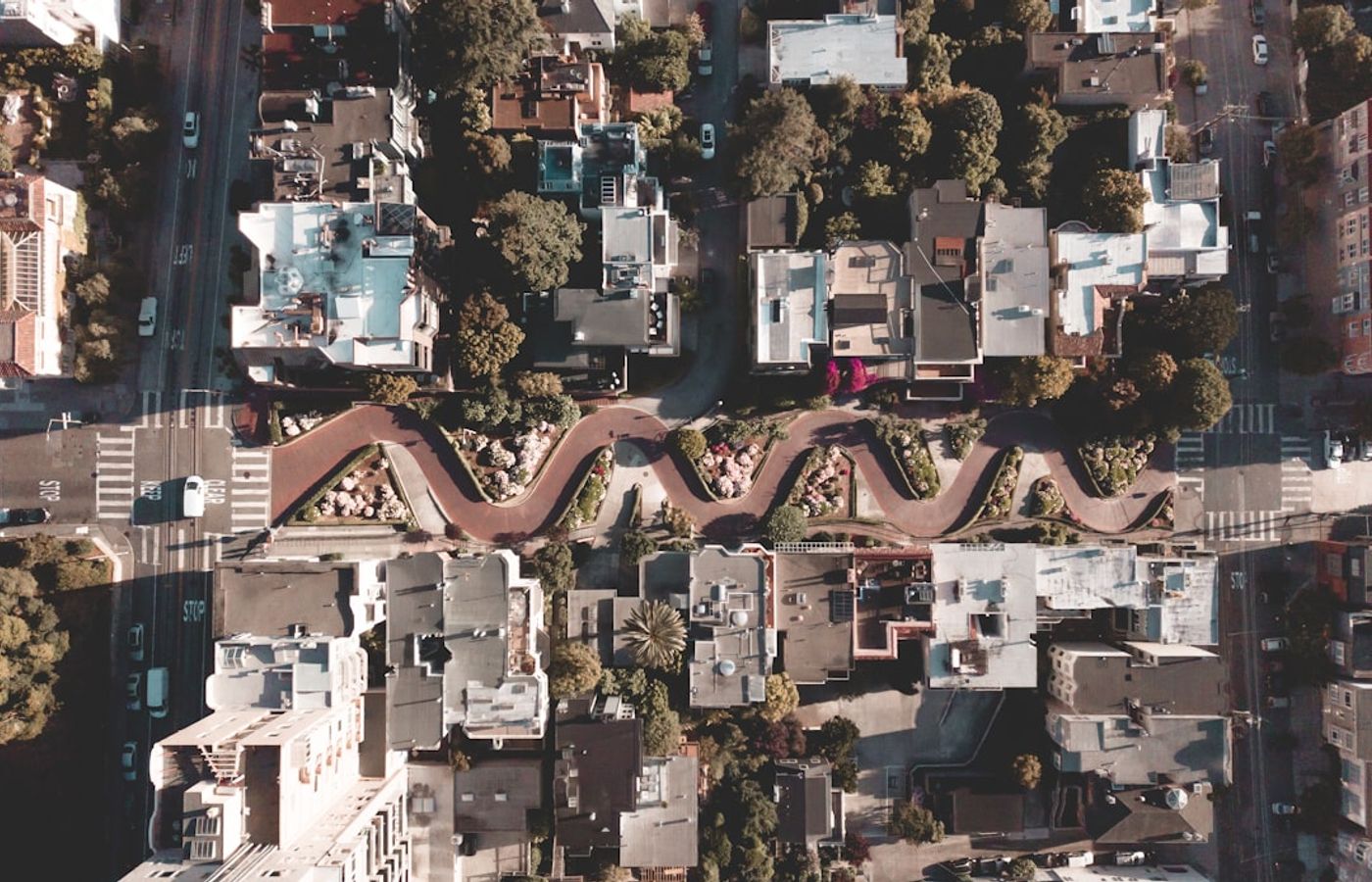
The block of Lombard Street between Hyde and Leavenworth on Russian Hill is famous as the 'crookedest street in the world', a steep slope tamed by eight tight hairpin bends lined with flowerbeds and brick paving. The switchbacks were added in the 1920s to make the one-in-four gradient drivable, and the result is one of the city's most photographed spots.
You can drive down the curves at a crawl, or walk the stairs alongside for a closer look at the gardens and the view down toward Coit Tower and the bay. It pairs naturally with a Powell-Hyde cable-car ride, which stops right at the top of the hill.
6Golden Gate Park - The City's Vast Green Playground
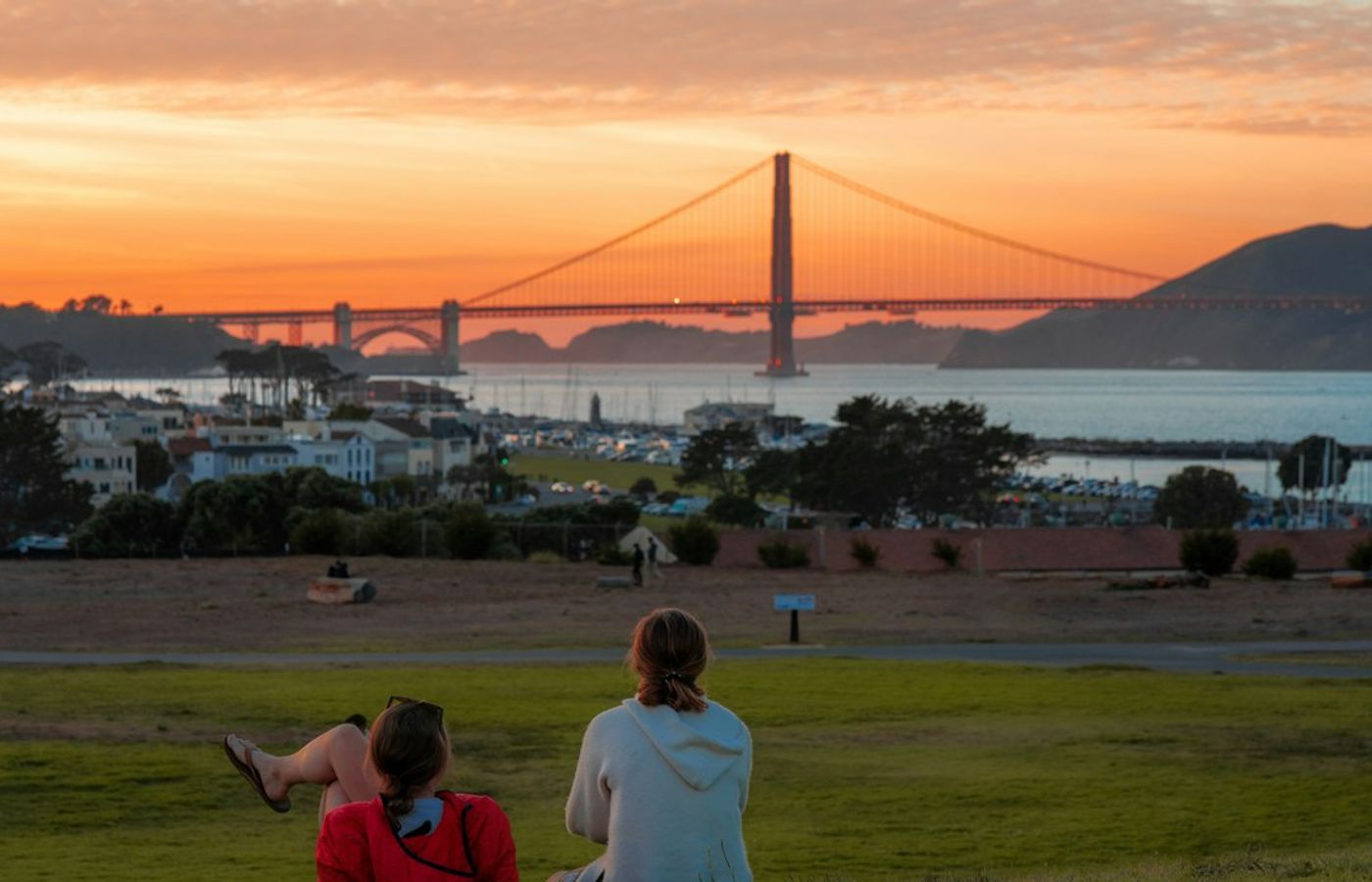
Golden Gate Park is San Francisco's answer to Central Park, only larger - a 1,017-acre rectangle of gardens, lakes, meadows and museums stretching from the city centre out to the Pacific. Within it sit the de Young Museum, the California Academy of Sciences, the Japanese Tea Garden, the Conservatory of Flowers and even a small herd of bison.
It is a place to slow down: rent a rowing boat on Stow Lake, wander the botanical garden, or cycle the car-free roads at weekends. The park rewards a half day or more and links the central neighbourhoods to Ocean Beach at its western end.
7The Painted Ladies and Alamo Square - Victorian Houses and a Skyline View
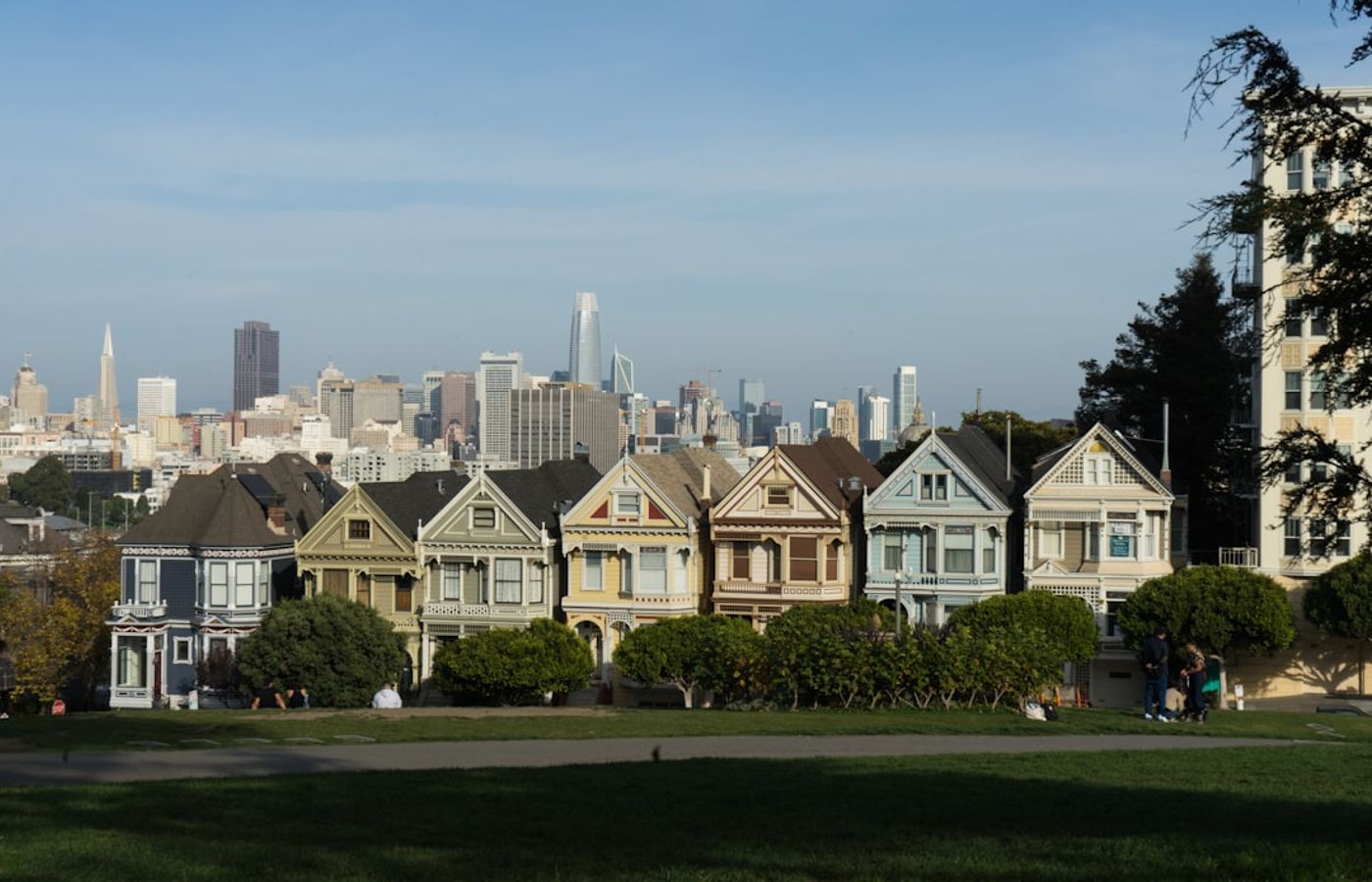
The row of pastel Victorian and Edwardian houses on Steiner Street, known as the Painted Ladies or 'Postcard Row', is one of the most recognisable sights in San Francisco, their ornate gables framed against the modern downtown skyline behind. They date from the 1890s and survived the 1906 earthquake and fire.
The grassy slope of Alamo Square Park opposite is the place to take in the view, a favourite picnic spot and a famous backdrop from film and television. The surrounding streets of Hayes Valley and the Western Addition are full of more elaborate Victorian facades worth a wander.
8Chinatown - The Oldest Chinatown in North America
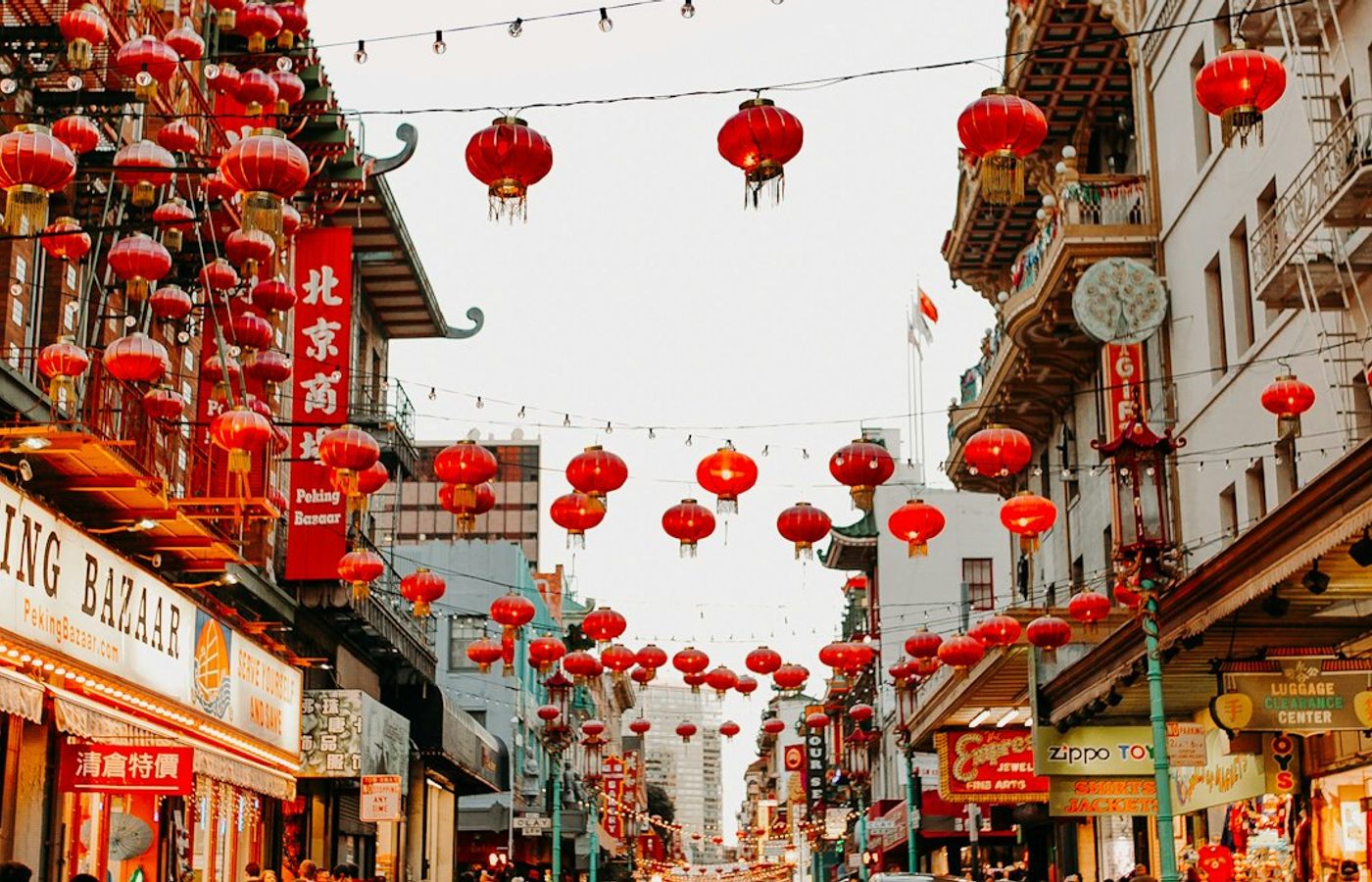
San Francisco's Chinatown is the oldest in North America and one of the largest Chinese communities outside Asia, entered through the green-tiled Dragon Gate on Grant Avenue. Its lantern-strung main streets are crammed with herbalists, tea shops, temples and dim sum parlours, while the quieter back lanes like Ross Alley feel barely changed in decades.
Stockton Street is where locals actually shop for produce and roast meats, far from the souvenir stalls of Grant Avenue, and the Golden Gate Fortune Cookie Factory lets you watch the cookies being folded by hand. It is one of the most atmospheric neighbourhoods in the city and rewards slow wandering.
9The Ferry Building and Embarcadero - Waterfront Food Hall
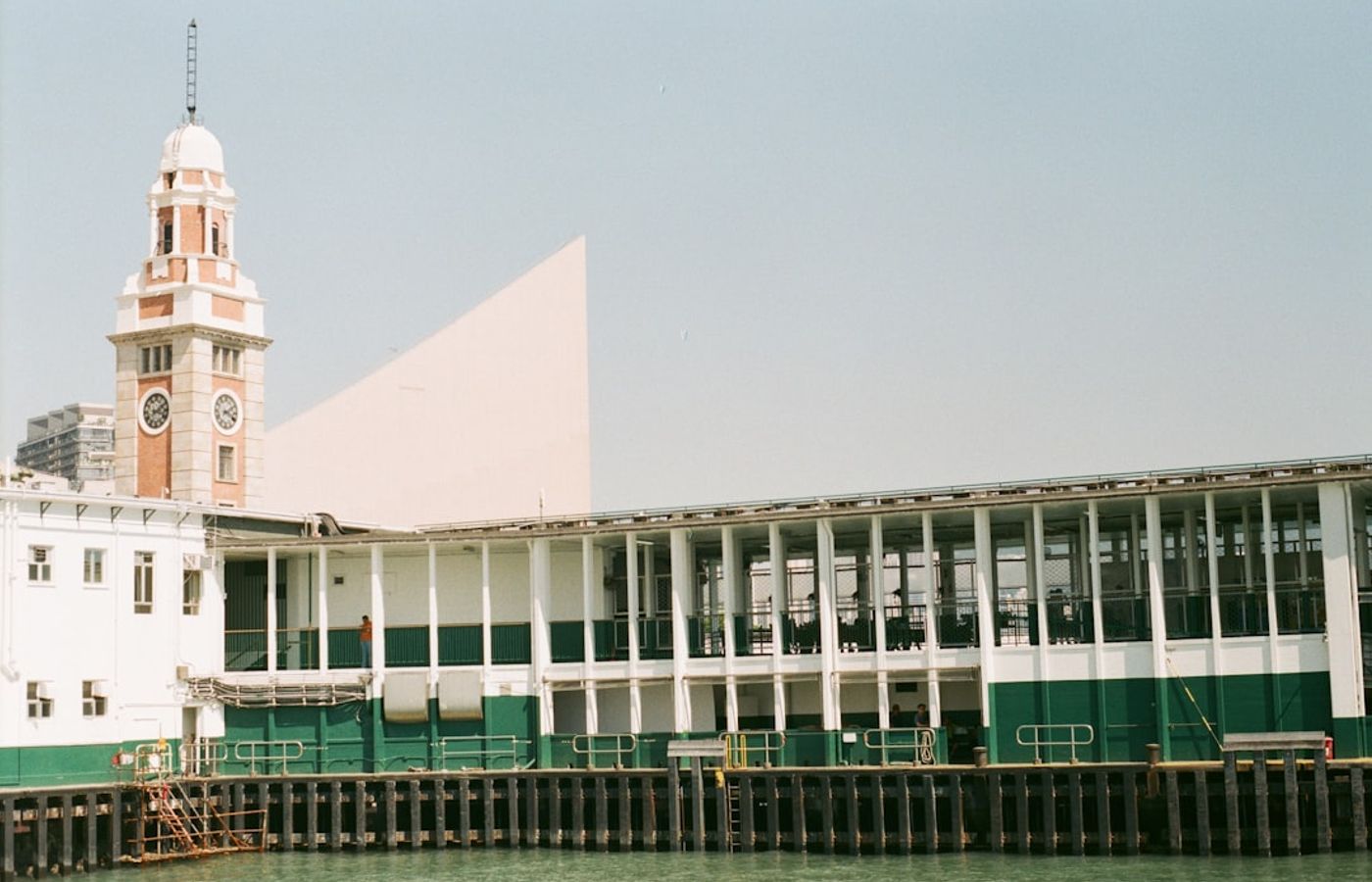
The 1898 Ferry Building, with its landmark clock tower modelled on the Giralda in Seville, has been reborn as the city's best food hall. Its nave is lined with artisan stalls selling local oysters, cheeses, chocolate, coffee and Vietnamese food, and the famous farmers' market spills onto the plaza outside three days a week.
Behind it stretches the Embarcadero, the revitalised eastern waterfront promenade that runs from the Bay Bridge toward Fisherman's Wharf, ideal for a stroll or a run with bay views. It is the best place in the city to eat your way through a single building.
10California Academy of Sciences - Rainforest, Aquarium and Planetarium
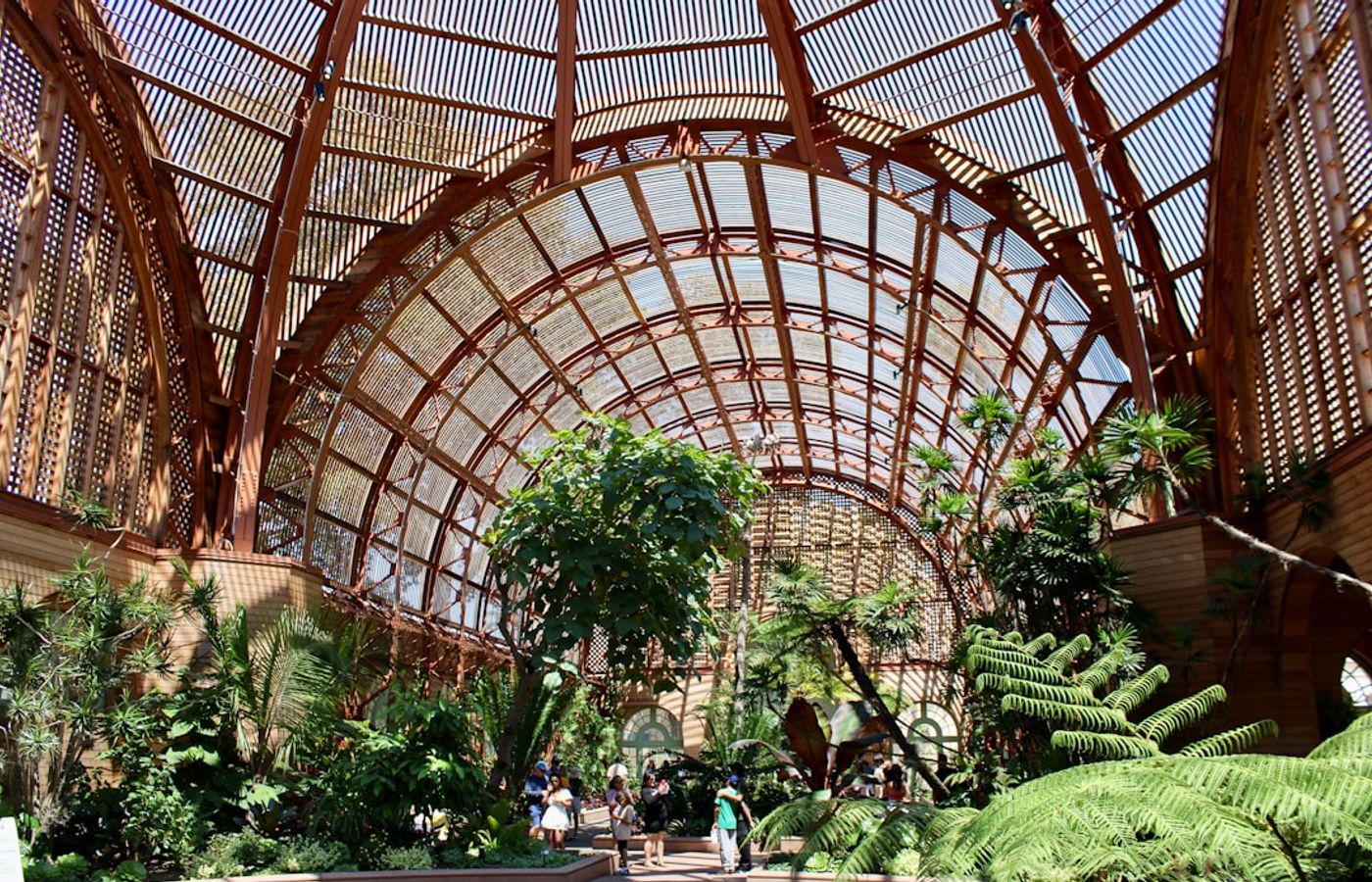
The California Academy of Sciences is a natural-history museum, aquarium, planetarium and four-storey indoor rainforest all under one living roof, set in the heart of Golden Gate Park. Its green roof, planted with native species and dotted with skylight domes, is a landmark of sustainable architecture in its own right.
Inside, you can walk through a humid rainforest dome of butterflies and free-flying birds, descend to the aquarium beneath it, and recline under the digital sky of the Morrison Planetarium. It is the city's best family attraction and easily combined with the rest of Golden Gate Park.
11Coit Tower and Telegraph Hill - A 360-Degree View Over the Bay
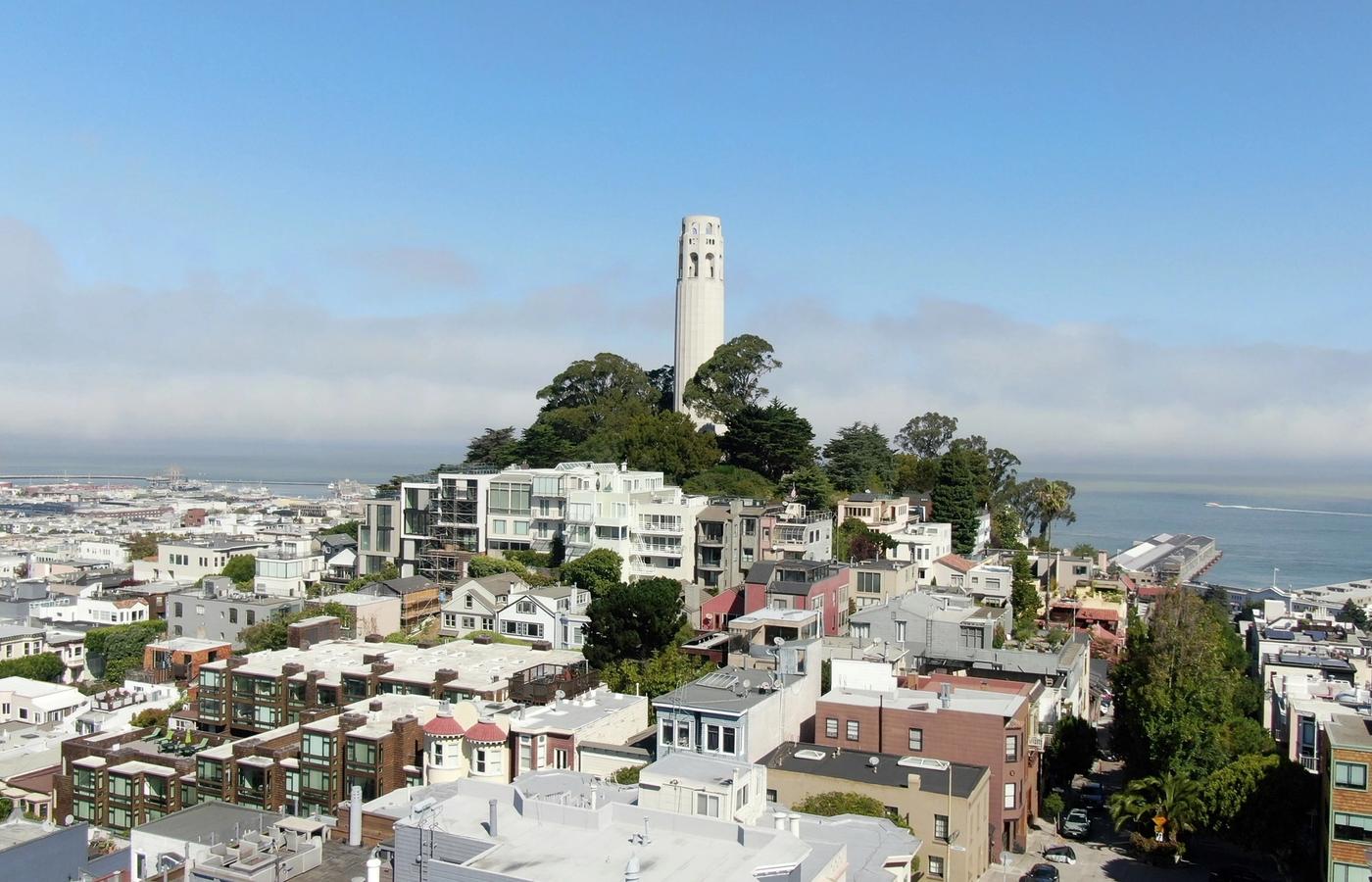
Crowning Telegraph Hill above North Beach, the 64-metre Coit Tower was built in 1933 with a bequest from socialite Lillie Hitchcock Coit, and its observation deck gives one of the finest 360-degree views in San Francisco - the bridges, the bay, Alcatraz and the downtown skyline all at once. The fluted concrete column is a beloved Art Deco landmark.
Inside, the ground floor is wrapped in vivid 1930s murals painted by local artists under a New Deal programme, depicting California life and labour. The walk up through the Filbert Street Steps and the hidden gardens of Telegraph Hill, home to a flock of wild parrots, is half the pleasure.
12Muir Woods - Ancient Redwoods Across the Bridge
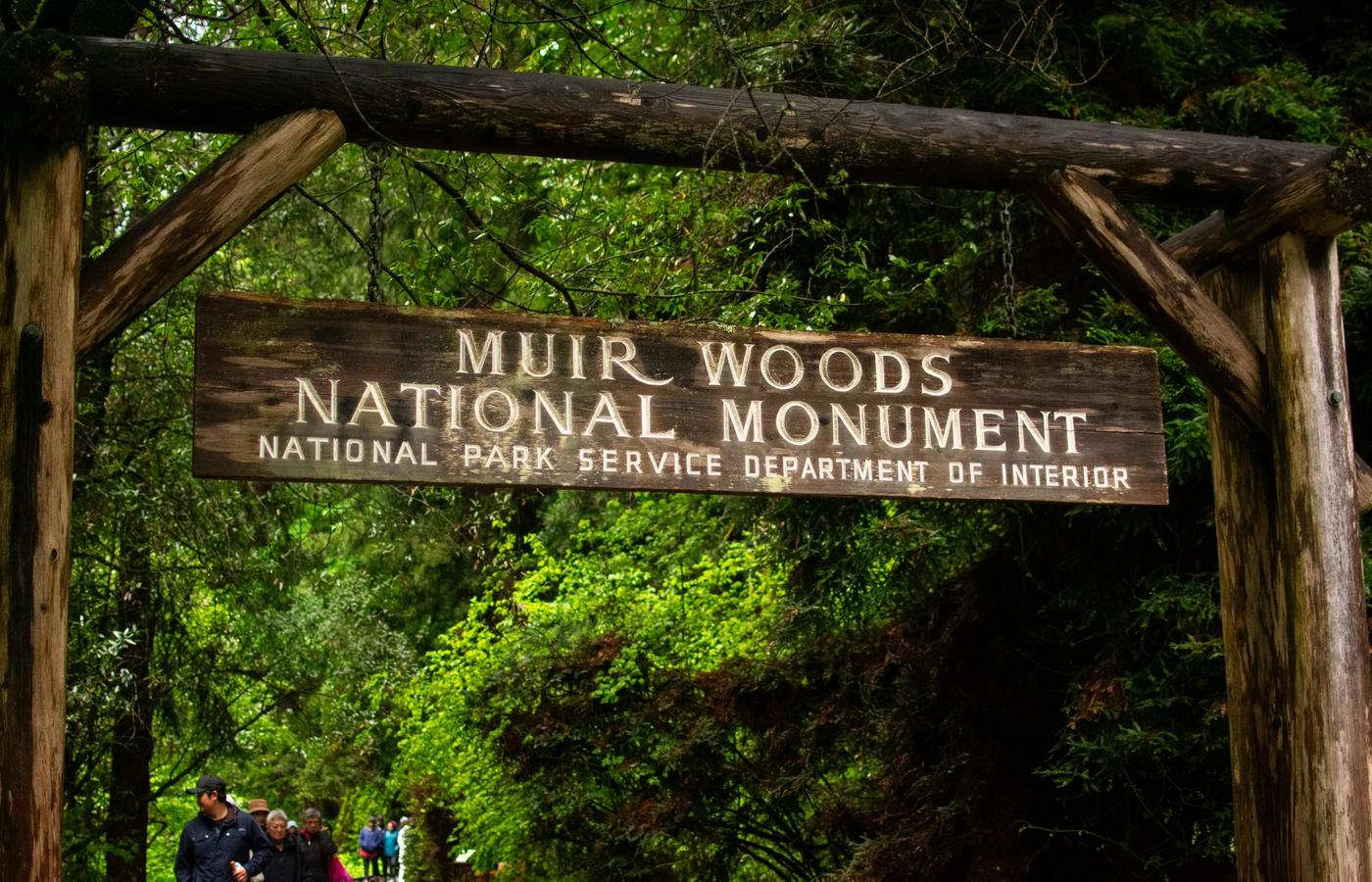
Just across the Golden Gate Bridge, Muir Woods National Monument protects a valley of towering coast redwoods, the tallest living things on Earth, some more than 250 feet high and over a thousand years old. Easy boardwalk trails loop along Redwood Creek beneath the cathedral-like canopy, where the light filters down green and the air is cool and still.
It is the most accessible old-growth redwood forest from the city and a complete contrast to the urban sights, often combined with a stop in the pretty bayside town of Sausalito on the way back. Parking and shuttle reservations are required to manage the crowds.
Take this guide with you
Get every place in this guide, with addresses and map links, in your inbox — easy to open on your phone during the trip.
One email to the address on your account. No newsletter.

CEO and co-founder
Tomas is the co-founder and director of trip1, an European company specializing in reservation services. He launched the company in 2025 with a focus on building scalable, efficient operations.
12 Top Things to Do in San Francisco - FAQ
Walk or cycle across the Golden Gate Bridge, ride the Powell-Hyde cable car over Nob Hill toward the bay, and take the ferry to Alcatraz. Add the barking sea lions at Pier 39, dim sum in Chinatown, the Ferry Building food hall and the 360-degree view from Coit Tower. With a spare half day, cross the bridge to the redwoods of Muir Woods.
At Pier 39 on Fisherman's Wharf. Sea lions have hauled out on its K-Dock since 1989, and you can watch them for free from the boardwalk viewing area. They are busiest and noisiest in winter. Numbers drop in June and July, when many head south to breed around the Channel Islands, and they return from late July. Pair it with the Alcatraz ferry from nearby Pier 33.
From several angles. Crissy Field gives a low view from the bay shore, the Welcome Center sits at the city end, and Battery Spencer, just across on the Marin side, has the classic postcard view back toward the city. Fog often hides the towers in the morning and tends to clear in late afternoon, so check the forecast and plan the best views for later in the day.
No. Walking and cycling across the Golden Gate Bridge is free; the toll applies only to vehicles heading south into the city. The pedestrian path is 1.7 miles (2.7 km) each way, with the International Orange towers rising 227 metres above the water. Walk from the city side to the Marin side, then continue to Battery Spencer for the view back, and bring a warm layer for the wind.
Group them by area. Day one on the northern waterfront: Fisherman's Wharf, Pier 39, Lombard Street, Coit Tower and the Alcatraz ferry. Day two in the centre: the cable cars, Chinatown and the Ferry Building, ideally on Saturday for the farmers' market. Day three on the west side: Golden Gate Park, the California Academy of Sciences, the Painted Ladies and the bridge.
Yes. The cellhouse audio tour, narrated by former guards and inmates, takes you through the cells, the dining hall and the recreation yard, with the skyline close across the water. The only way there is the official ferry from Pier 33, and it sells out weeks ahead, so book early. News reports say the island closes from 26 October to 18 November 2026 for ferry dock repairs, so check the National Park Service site first.