
Guides · Hanoi
10 Top Places to Visit in Hanoi, Vietnam

CEO and co-founder
This guide ranks the 10 top places to visit in Hanoi - the landmarks, neighbourhoods, and day trips that genuinely deserve a place on your itinerary whether you have 3 days or a full week in Vietnam's capital. Each entry includes the exact address, nearest transit, and a practical Pro Tip drawn from how locals and seasoned visitors actually navigate the city in 2026.
Hanoi is a 1000-year-old capital that mixes French colonial boulevards with ancient pagodas, Soviet monuments, and the chaotic Old Quarter where street food vendors and scooters share the cobbled lanes. The list clusters efficiently: Hoan Kiem Lake and the Old Quarter for one full walking day; the western Ba Dinh district for the political and academic monuments (Mausoleum, Temple of Literature); a separate full day for Halong Bay.
Plan 3-4 days minimum to cover this list at a relaxed pace. The Old Quarter is best explored on foot in the cooler morning and evening hours; reserve museum visits for the humid midday. Most attractions accept walk-up tickets; only Halong cruises need advance booking.
1Hoan Kiem Lake and Ngoc Son Temple - The Heart of Old Hanoi
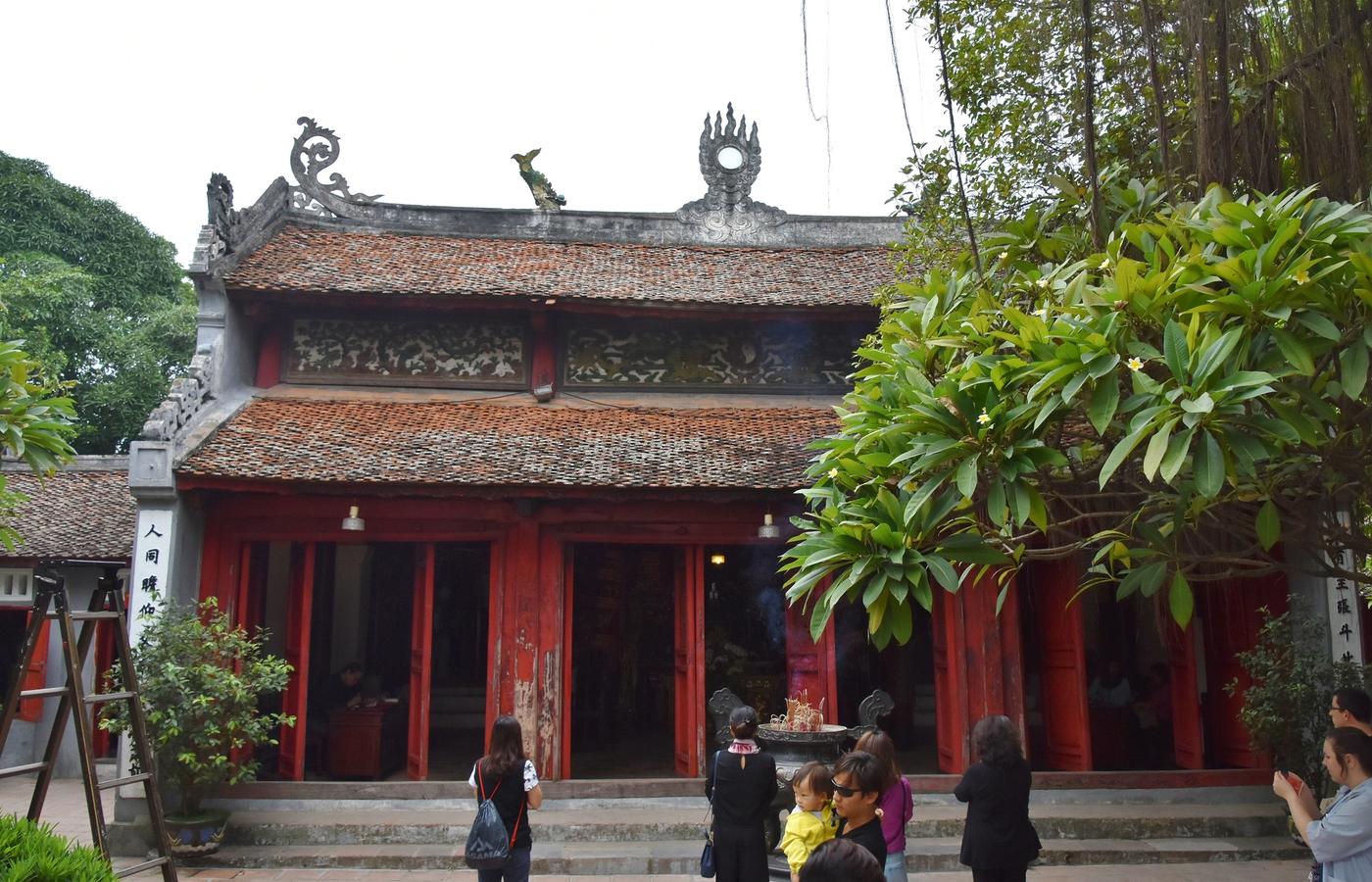

Hoan Kiem Lake (Lake of the Restored Sword) is the geographic and spiritual centre of Hanoi - a 12-hectare green lake ringed by tree-lined promenades right beside the Old Quarter. According to legend, Emperor Le Loi received a magical sword from a golden turtle here in the 15th century to expel Ming Chinese invaders. The iconic red Huc Bridge crosses to Ngoc Son Temple on a small island.
The 18th-century Ngoc Son Temple (entry 30000 VND) houses the preserved body of a 2-metre soft-shell turtle (a species considered sacred and now extinct in the lake). The roads around the lake close to vehicles 19:00 Friday to midnight Sunday for a pedestrian-only weekend market with street performers and games. The early morning (05:30-07:00) sees locals practising tai chi and morning runs. Free to walk the lake.
Pro Tip: Visit early at 06:00 to witness the morning tai chi and badminton games along the eastern promenade - a vivid slice of Hanoi life. Then walk to Cafe Giang on Nguyen Huu Huan for the original egg coffee (ca phe trung), invented in 1946 and still served at 35000 VND.
2Hanoi Old Quarter (36 Streets) - The Chaotic Cultural Heart
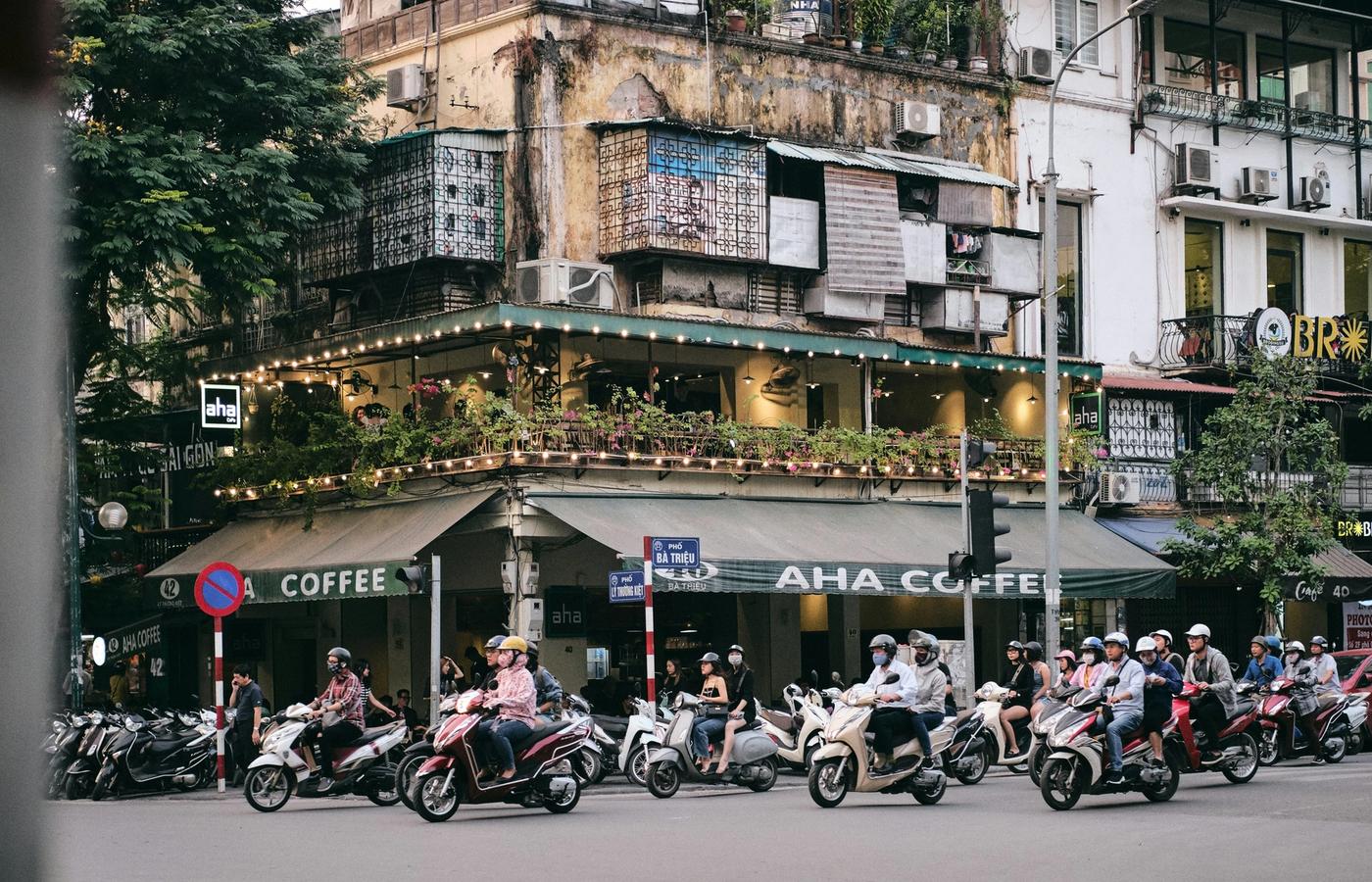

The Old Quarter (Hanoi 36 Pho Phuong) north of Hoan Kiem Lake is the historic merchant district where each street has been named after the trade traditionally practised there since the 11th century - Hang Bac (Silver Street), Hang Gai (Silk Street), Hang Mam (Fish Sauce Street). Around 75 streets pack into 100 hectares, lined with narrow tube houses (long and narrow to minimise the historical street-front tax). Scooters, food vendors, and shoppers create constant flowing chaos.
Highlights include the Dong Xuan Market (Hanoi's largest indoor market), Hang Quat (decoration street with elaborate funeral paper), Hang Ma (paper offerings street), and Bia Hoi corner at Ta Hien (the local fresh draft beer at 8000 VND a glass). Evening street food stretches along Cau Go and Hang Be. Allow 4-5 hours for a slow walk. Free to wander; most shops open 08:00-22:00.
Pro Tip: Eat pho bo (beef noodle soup) breakfast at Pho Gia Truyen on Bat Dan (open 06:00-10:30 only, queue forms by 07:30) - the original Hanoi pho recipe operating since the 1960s, 60000 VND a bowl. The owners refuse all Tripadvisor reviews and never expanded.

3Temple of Literature (Van Mieu) - Vietnam's First University
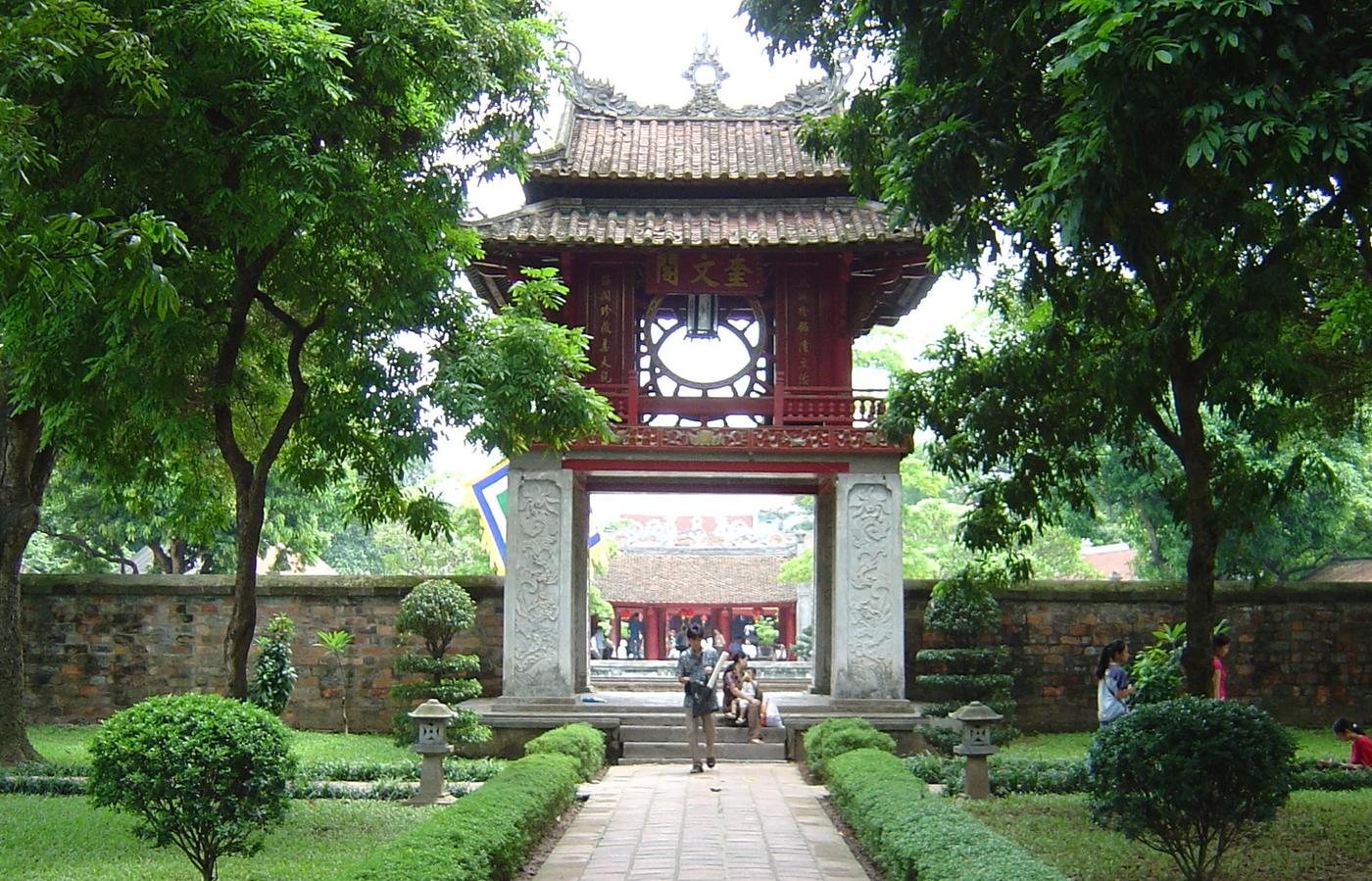
The Temple of Literature was founded in 1070 as Vietnam's first university - the Imperial Academy (Quoc Tu Giam) where the country's mandarin scholars studied Confucian classics for 7 centuries. The 54000-square-metre complex contains 5 walled courtyards arranged on a north-south axis, with the main Khue Van Cac pavilion (a 1805 wooden gate now featured on the 100000 VND banknote) as the centrepiece.
The 82 Doctor's Stelae (UNESCO-listed) record the names of every PhD-equivalent graduate from 1442 to 1779 - inscribed on stone tablets carried by stone turtles. Students rub the turtles' heads for exam luck (now railed off to protect them). The fifth courtyard houses the academic shrine dedicated to Confucius. Admission 30000 VND adults. Open daily 08:00-18:00. Allow 90 minutes.
Pro Tip: Visit on a Tuesday or Thursday afternoon when school groups have left. Combine with the Vietnam Fine Arts Museum 5 minutes east for the country's best fine art collection (40000 VND, often quiet).
4Ho Chi Minh Mausoleum - The Founder's Final Resting Place
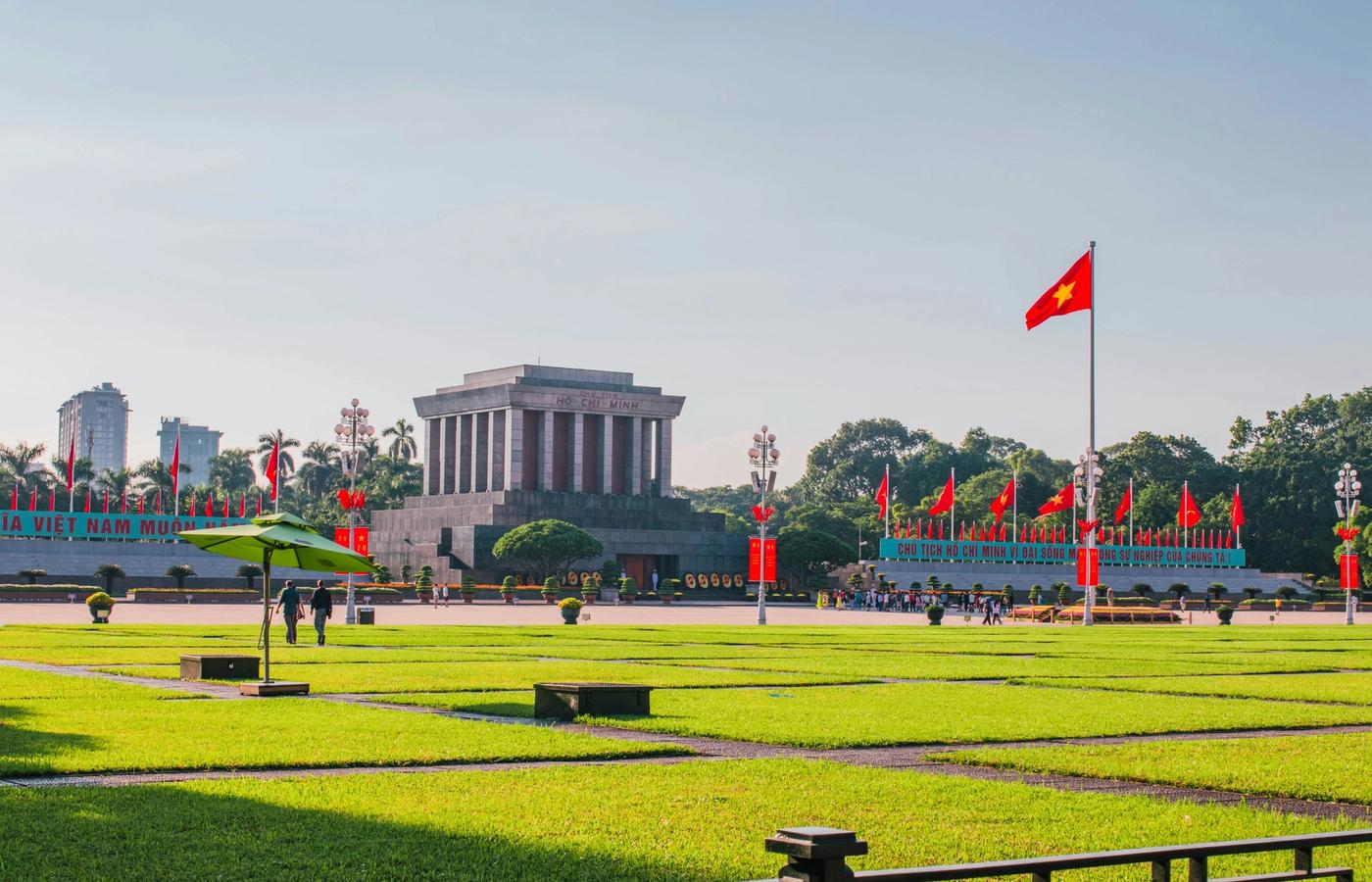
The Ho Chi Minh Mausoleum on Ba Dinh Square preserves the embalmed body of Vietnam's founding leader Ho Chi Minh (1890-1969) on display in a granite tomb. Opened in 1975, the mausoleum was modelled on Lenin's Tomb in Moscow with a similar visitor format - silent processions past the glass sarcophagus. Ba Dinh Square outside is where Ho Chi Minh declared Vietnam's independence in 1945.
Visitor rules are strict: no cameras, no phones inside (lockers provided), no shorts/short skirts, no hands in pockets, silence required. Free to enter but the queue can run 1-2 hours in summer. Open Tuesday, Wednesday, Thursday, Saturday, Sunday 07:30-10:30 only. Closed Mondays, Fridays, and entirely September 15 to November 15 each year for body maintenance. Combine with the adjacent Presidential Palace, Ho Chi Minh's stilt house, and One Pillar Pagoda.
Pro Tip: Arrive 07:00 for the shortest queue - the procession moves quickly once inside (about 15 minutes total). The mausoleum complex closes at 10:30 sharp regardless of queue length; arrive late and you will be turned away.
5Train Street - The Famous Narrow Rail Corridor
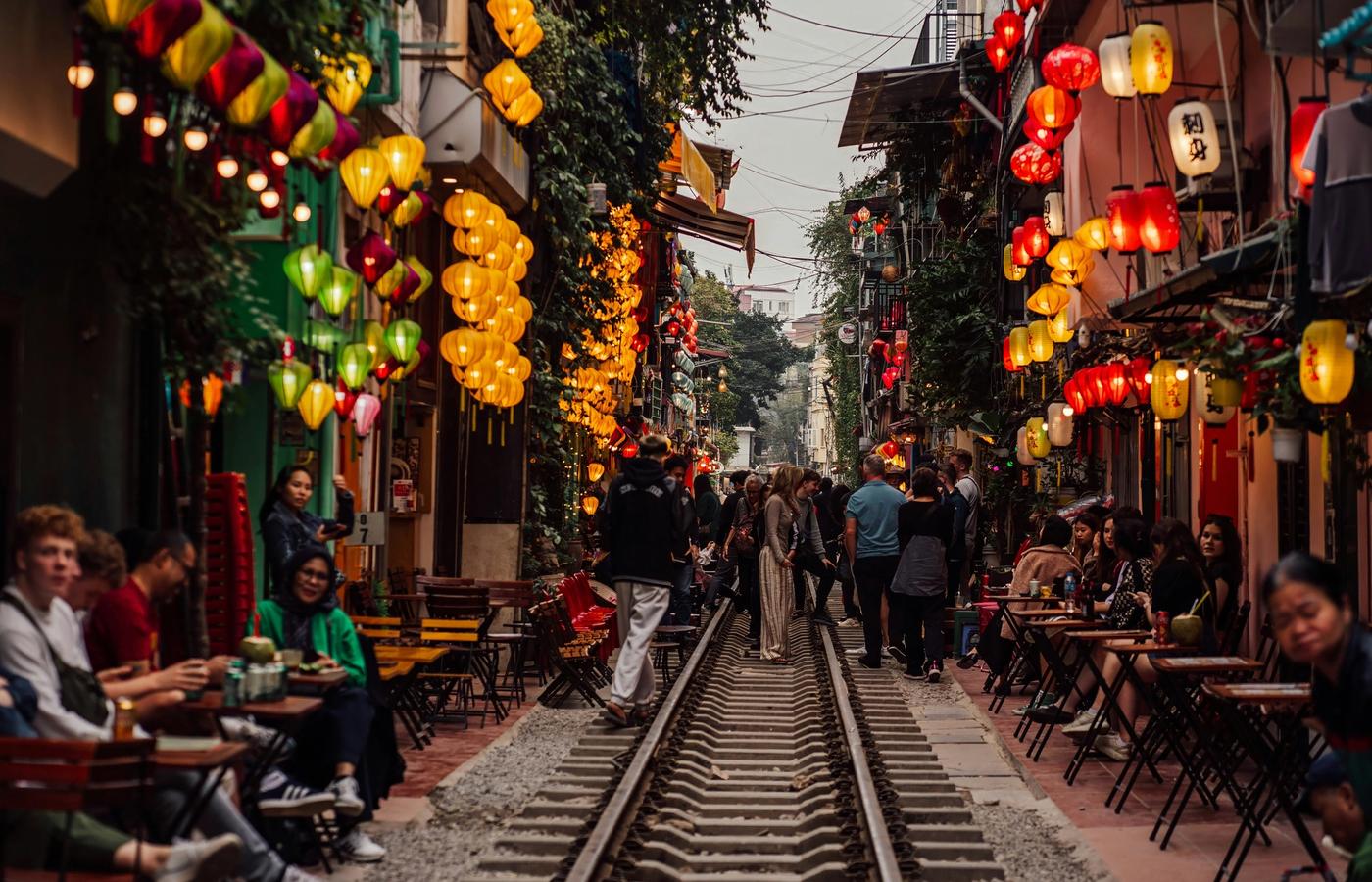
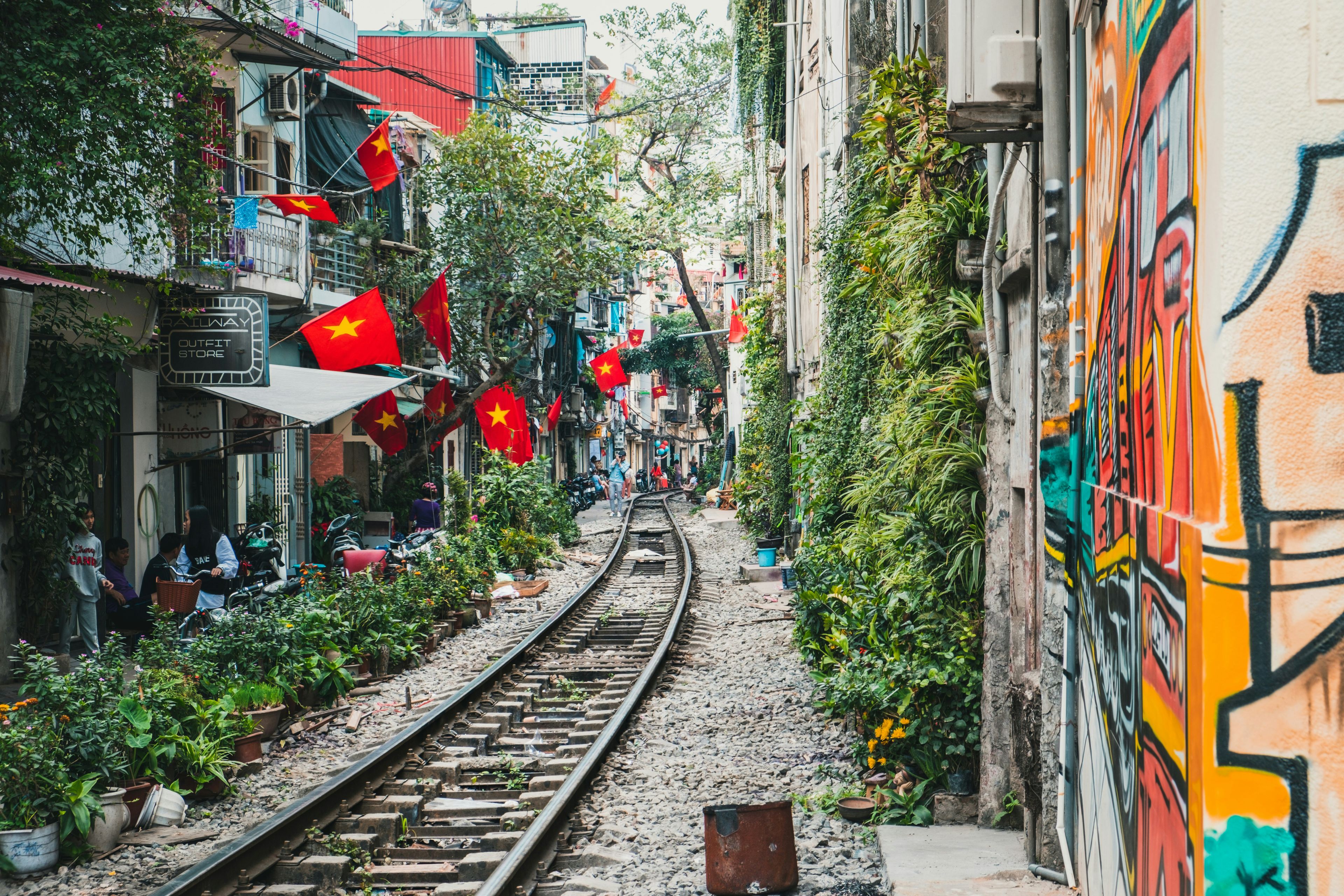
Train Street (officially Phung Hung) is a 700-metre stretch of active railway line where houses, cafes, and laundry lines sit just 1-2 metres from the tracks. The Hanoi-Ho Chi Minh City train passes through 3-4 times per day, with locals retracting tables and chairs as it approaches. The famous cafe-lined section is along Hai Ba Trung Street between Tran Phu and Phung Hung.
Following a 2019 safety crackdown, the cafes were briefly closed, but quietly reopened by 2021 - now they operate informally with checkpoints to keep tourist numbers down. Most cafes require a 50000 VND drink purchase for access during train times. Train schedules change frequently; check the cafe staff for the next scheduled passing (typically around 18:30 and 21:00 in 2026). Be cautious; the line is still active.
Pro Tip: Book a Train Street cafe by walking the gated entrance on Hai Ba Trung Street and ordering a drink (50000-80000 VND). Cross-check the timing with the cafe staff. Position yourself on the cafe side (not the wall side) when the train approaches - the locomotive's edge clears the walls by only 50 cm.
6Halong Bay - The UNESCO Day Trip
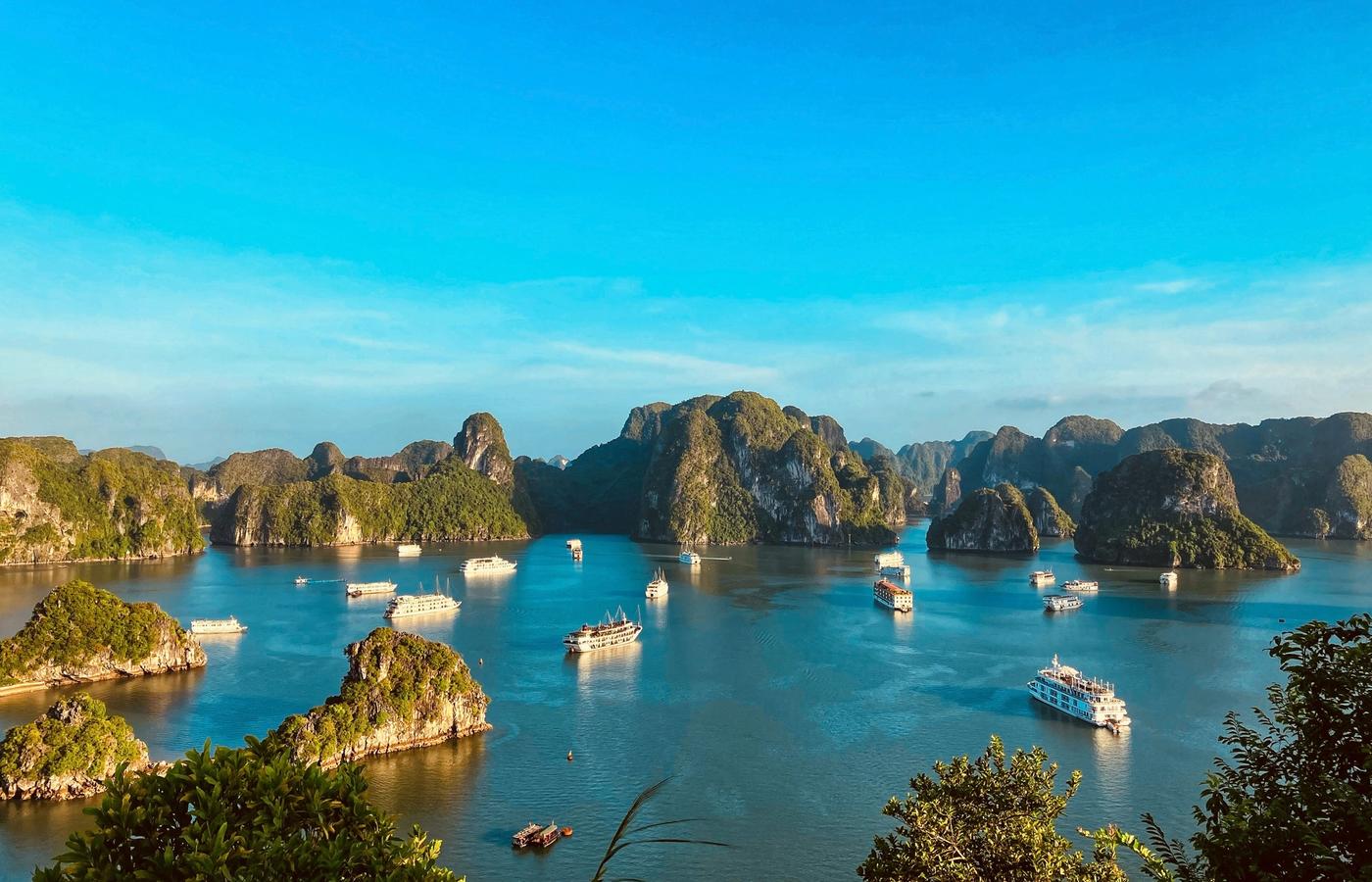
Halong Bay (Vinh Ha Long) is a UNESCO World Heritage Site 170 km east of Hanoi containing approximately 1600 limestone karst islands rising from emerald water. The most-visited natural attraction in Vietnam, the bay covers 1553 square kilometres and is famous for the cruise junk boats that ply its waters. Lan Ha Bay (the southern part next to Cat Ba Island) is now often included on cruises to avoid the crowded northern routes.
Day trips from Hanoi 1.2-2 million VND - 12 hours total including 3.5 hours each way by bus to Halong port, 4 hours on the bay including a kayak or basket boat session, a swim stop, and a lunch on board. Overnight cruises (2 days/1 night, 2.5-5 million VND) are significantly better. Recommended operators: Indochina Junk, Bhaya Cruises, Pelican Halong. Book directly via the operator websites, not through hotel desks (markup 30-50%).
Pro Tip: Choose an operator that goes to Lan Ha Bay rather than the over-touristed northern Halong route - same karst landscape, 70% fewer boats. Specifically ask the operator before booking; cheaper packages default to the standard northern routes.
7One Pillar Pagoda - The Single-Column Buddhist Shrine
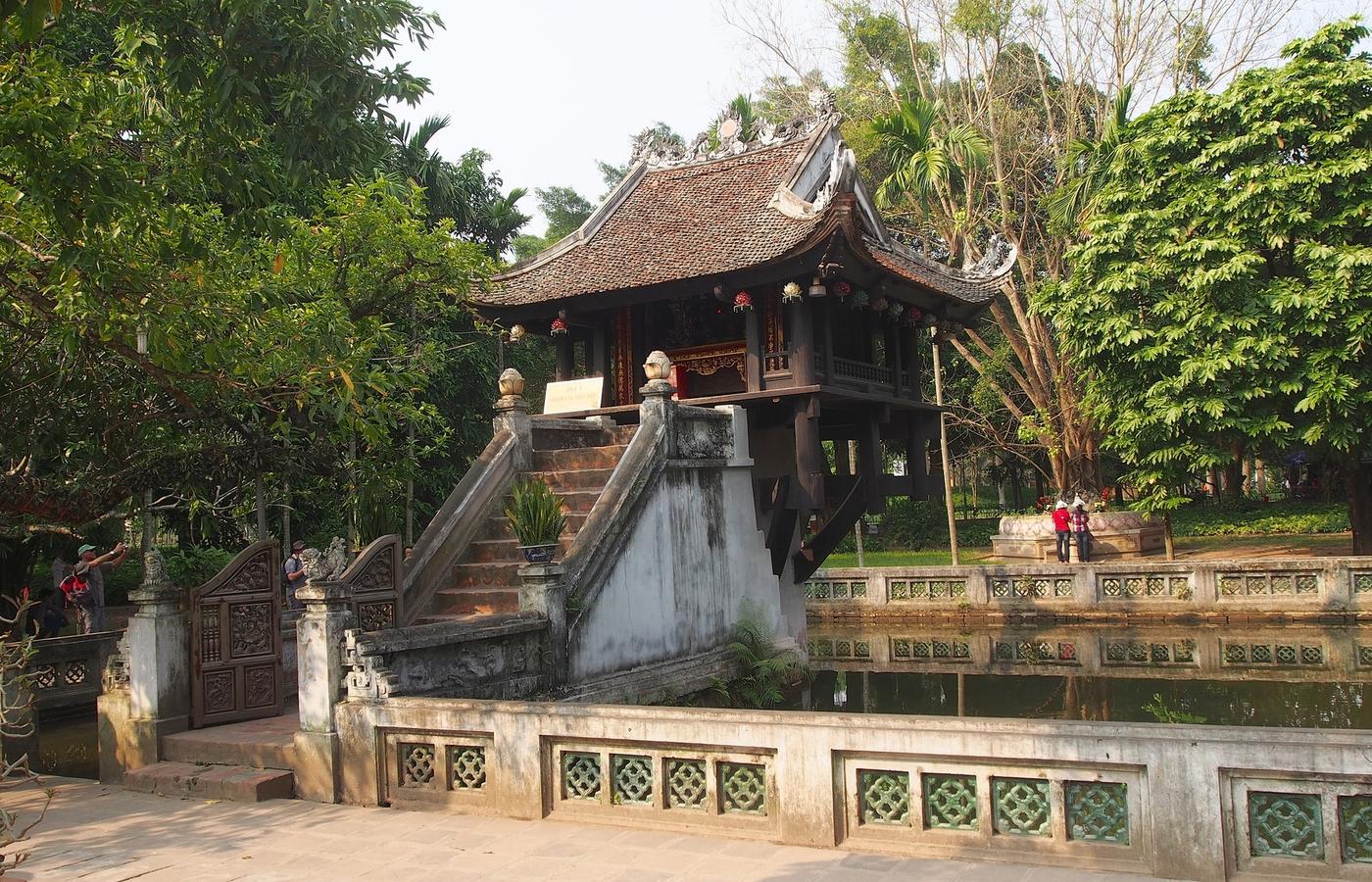
Chua Mot Cot (One Pillar Pagoda) is a small but unique 1049 Buddhist temple built on a single 1.25-metre stone column rising from a lotus pond - designed to resemble a lotus flower in bloom, the Buddhist symbol of purity. Emperor Ly Thai Tong built it after dreaming of the bodhisattva Quan Am (Guanyin) handing him a son while sitting on a lotus. The current structure is a 1955 reconstruction; French soldiers destroyed the 1049 original during the First Indochina War.
The pagoda is tiny - the structure measures about 3 metres on each side. Allow 30 minutes including the surrounding garden and the adjacent Dien Huu Pagoda (much larger, less famous, free entry). The site sits in the Ba Dinh complex within walking distance of Ho Chi Minh Mausoleum and the Presidential Palace - pair them in one half-day. Free admission; donations welcomed.
Pro Tip: Visit after the Ho Chi Minh Mausoleum at around 11:00 - the lighting is best for photos and crowds have moved on. The small carp pond around the pagoda makes a good 5-minute pause.
8Hoa Lo Prison Museum (Hanoi Hilton)
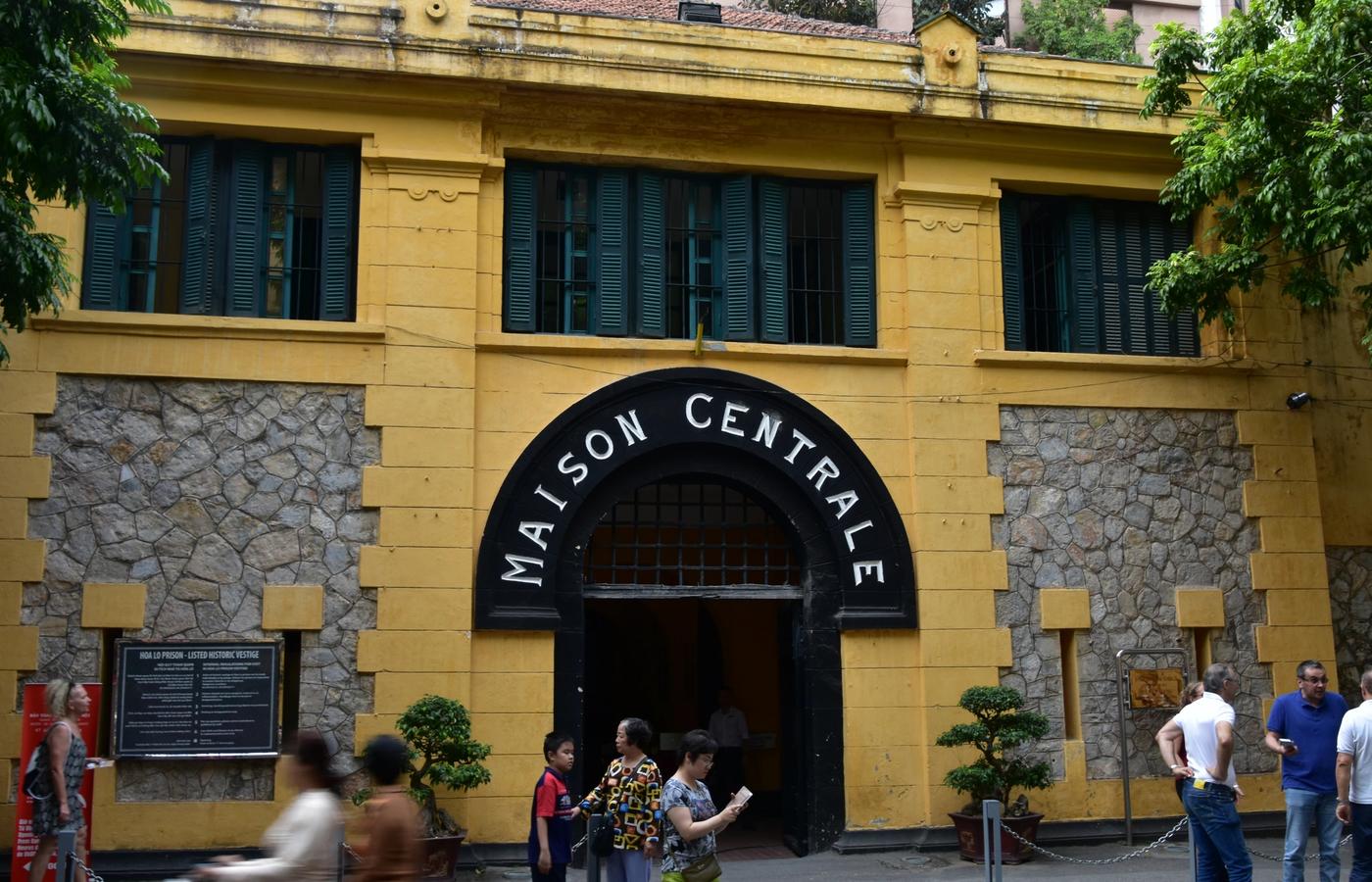
Built by French colonial authorities in 1896, Hoa Lo Prison (sarcastically nicknamed the Hanoi Hilton by American POWs in the 1960s-70s) is now a museum covering 2 distinct historical periods - French colonial imprisonment of Vietnamese revolutionaries (1896-1954) and detention of US pilots shot down during the Vietnam War (1964-1973). The Vietnamese state museum emphasises both sides of the prison's history, with notable emphasis on the conditions Vietnamese political prisoners endured.
The visitor route includes original guillotine room, solitary confinement cells, recreated communal cells, and the US POW section displaying Senator John McCain's flight suit (he was held here 1967-1973). The Vietnamese narrative of US POW treatment differs from American accounts; the museum is an interesting study in how history is presented. Admission 50000 VND adults. Open daily 08:00-17:00. Allow 90 minutes.
Pro Tip: The evening tour (Night Tour, 19:00-21:00, 250000 VND) is dramatically lit and includes live theatrical performances by actors playing prisoners - controversial but memorable. Book online a few days ahead.
9West Lake (Ho Tay) and Tran Quoc Pagoda
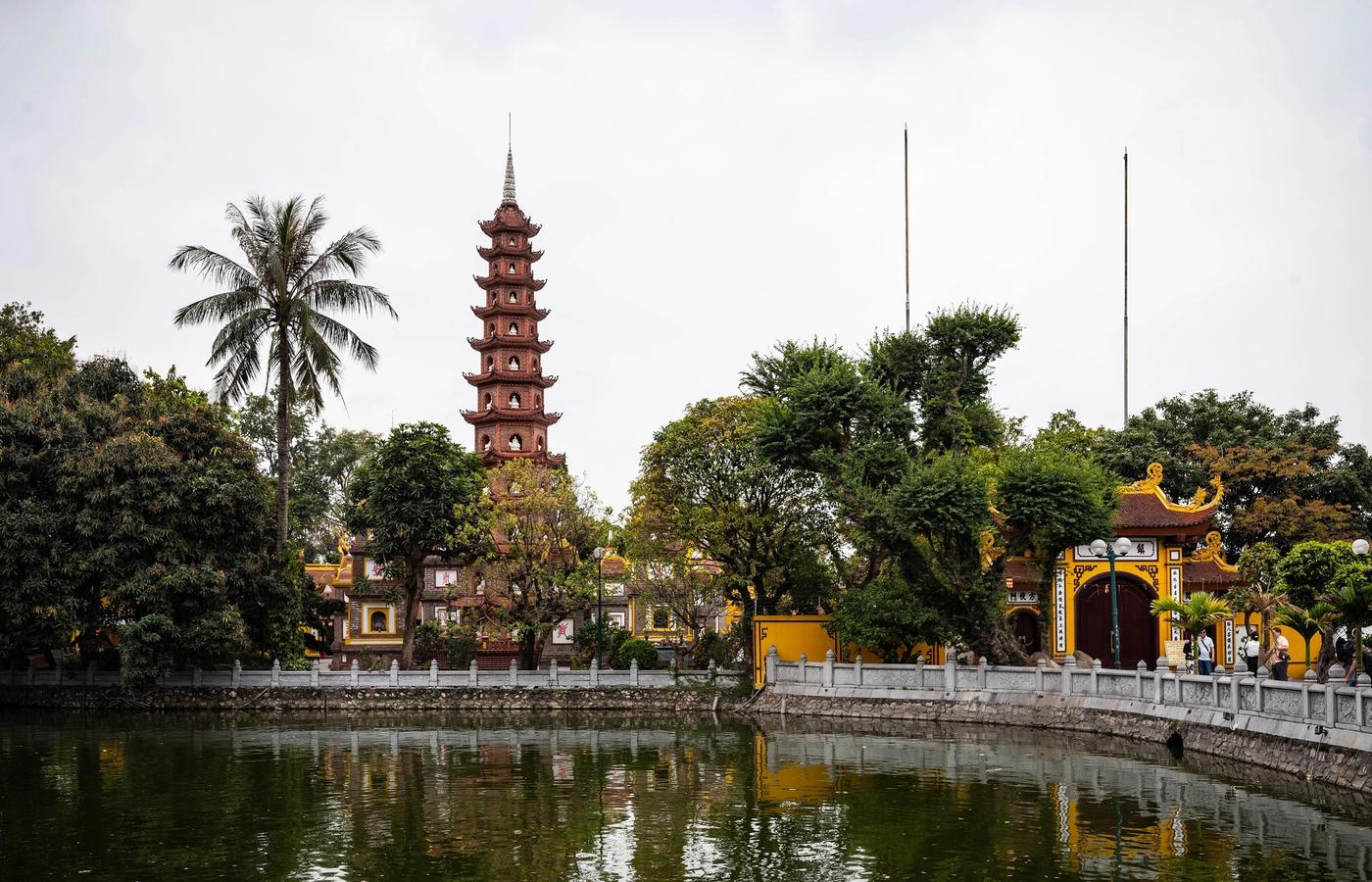
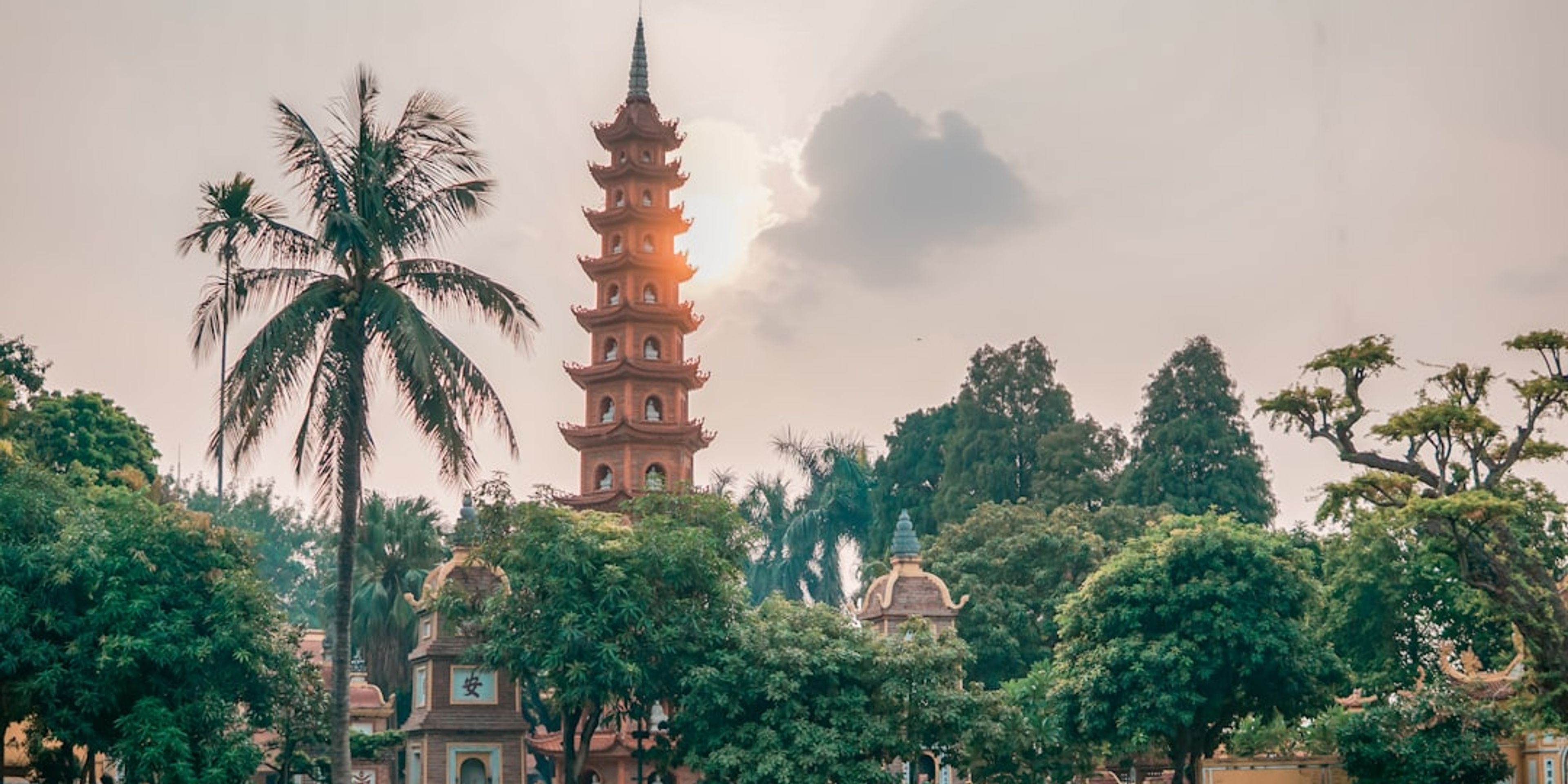
West Lake (Ho Tay) is Hanoi's largest lake at 500 hectares - 5 times the size of Hoan Kiem - surrounded by upscale residential neighbourhoods, lakeside cafes, and several historic pagodas. The 11 km perimeter loop is popular with morning runners and cyclists. The 1100-year-old Tran Quoc Pagoda on the lake's southern shore is Hanoi's oldest Buddhist temple; the 11-tier red pagoda rising from a small island is a city landmark.
Tay Ho (West Lake) is more relaxed than central Hanoi - the western expatriate neighbourhood Quan Hoa nearby holds Hanoi's best Western and Japanese restaurants. Tran Quoc Pagoda is free to enter (covered shoulders required). The lake hosts pedal boats, the Diamond Bay paddleboard club, and the Highland Coffee floating cafe. Allow 3 hours for a walk including the pagoda. Grab from Old Quarter 80000-100000 VND.
Pro Tip: Time your visit for sunset along the lake's northern shore - the western mountains silhouette behind the Tran Quoc Pagoda. The Maison Marou chocolate cafe nearby (12 Phan Boi Chau) serves Vietnam's best single-origin chocolate desserts.
10Dong Xuan Market and Old Quarter Night Market
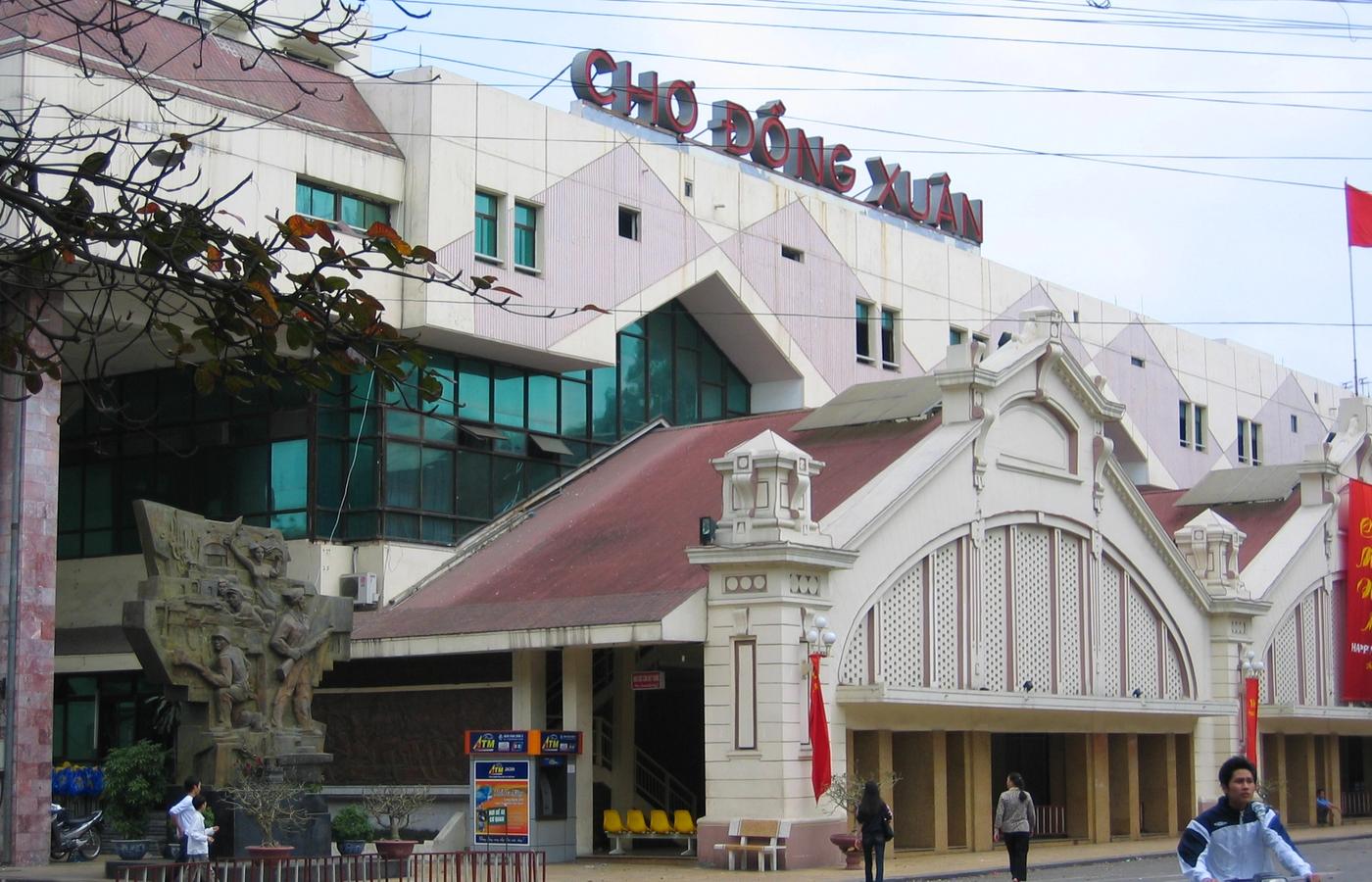
Dong Xuan Market is Hanoi's largest covered market - a 4-storey building at the northern edge of the Old Quarter selling wholesale clothes, fabrics, dried foods, electronics, and a food court of 50+ stalls. The market dates from 1889 (French colonial design) and is the centre of Hanoi commerce. The surrounding streets fill with vendor stalls Friday-Sunday evenings forming the Old Quarter Night Market (Cho Dem) along Hang Dao.
The night market runs Friday-Sunday 19:00-23:00 - 3 km of pedestrian street vendors selling clothes, accessories, electronics, and Vietnamese souvenirs. Less authentic than the indoor Dong Xuan but easier for tourists to browse. Food stalls cluster along Hang Bo for grilled meats and beer. Bargaining expected; start at 50% of asking price. Free to enter the market and night market; cash only at street stalls.
Pro Tip: Visit Dong Xuan Market on a Wednesday-Friday morning (07:00-09:30) when locals do their actual shopping - significantly more authentic atmosphere than the weekend night market. The 4th-floor food court has the best banh mi sandwiches in central Hanoi at 25000 VND.

CEO and co-founder
Tomas is the co-founder and director of trip1, an European company specializing in reservation services. He launched the company in 2025 with a focus on building scalable, efficient operations.
Climate averages · 1991–2020
When is the best time to visit Hanoi?
The best time to visit Hanoi is between November and April, the most comfortable stretch of the year on these averages.
Best time · November–AprilRainfall
- Jan17°
- Feb19°
- Mar21°
- Apr25°
- May29°
- Jun31°
- Jul31°
- Aug30°
- Sep29°
- Oct27°
- Nov24°
- Dec20°
More of Vietnam
10 Top Places to Visit in Hanoi, Vietnam - FAQ
No - plan 3-4 days. Hoan Kiem Lake and Old Quarter cover one walking day. Ho Chi Minh Mausoleum, Temple of Literature, and One Pillar Pagoda pair as a half-day. Train Street and Ngoc Son Temple slot in around lake walks. A Halong Bay day trip needs a full day. Allow 4 days total to do this list comfortably.
Day 1 Hoan Kiem Lake and Ngoc Son Temple morning, Old Quarter wandering, Train Street at scheduled train hour. Day 2 Ho Chi Minh Mausoleum at 07:30 opening, then Temple of Literature, One Pillar Pagoda nearby. Day 3 Halong Bay day cruise. Reserve evenings for the Old Quarter's street food and beer corner on Ta Hien.
Halong Bay day cruises sell out 1-2 weeks ahead in November-April peak season - book through reputable operators like Indochina Junk or Bhaya. Ho Chi Minh Mausoleum is free but closed Mondays, Fridays, and annually October-November for body maintenance. Temple of Literature, Ngoc Son Temple, and One Pillar Pagoda all accept walk-ups (30000-50000 VND). Train Street and Old Quarter are free.
Hanoi is one of South-east Asia's cheapest capitals - budget around 4-6 million VND (140-200 EUR) per person for all admissions and a Halong day cruise. Halong day trip 1.2-2 million VND. Temple of Literature 30000 VND. Ngoc Son Temple 30000 VND. Ho Chi Minh Mausoleum free. Street food meals 30000-80000 VND. Grab rides within central Hanoi 25000-60000 VND.
The Old Quarter and Hoan Kiem Lake area are fully walkable. Hanoi Metro Line 2A connects to the western Ho Chi Minh Mausoleum area. Most travellers use Grab for short trips (25000-60000 VND). Halong Bay tours include pickup from Old Quarter hotels. Avoid the green Mai Linh or Group taxis without checking the meter; Grab and Be apps are more reliable. Scooter rental is risky for foreigners due to Hanoi traffic.
Yes - Halong Bay is a UNESCO World Heritage Site with 1600+ limestone islands rising from emerald water. Day trips are 11-12 hour round-trips (3.5 hours each way by bus then 4 hours on the boat). The overnight cruise option is significantly better if you can spare 2 days. Lan Ha Bay (less crowded southern part) is now often included. Day trips 1.2-2 million VND; overnights 2.5-5 million VND.
Worth adding: Vietnam Museum of Ethnology (best museum in Hanoi, 40000 VND), Long Bien Bridge for cycling at sunset, Bat Trang ceramic village (13 km east), Ninh Binh day trip (Tam Coc and Trang An landscapes, 100 km south), water puppet show at Thang Long Theatre (100000 VND, evening), and a Hanoi street food walking tour with a local guide.

Related travel guides
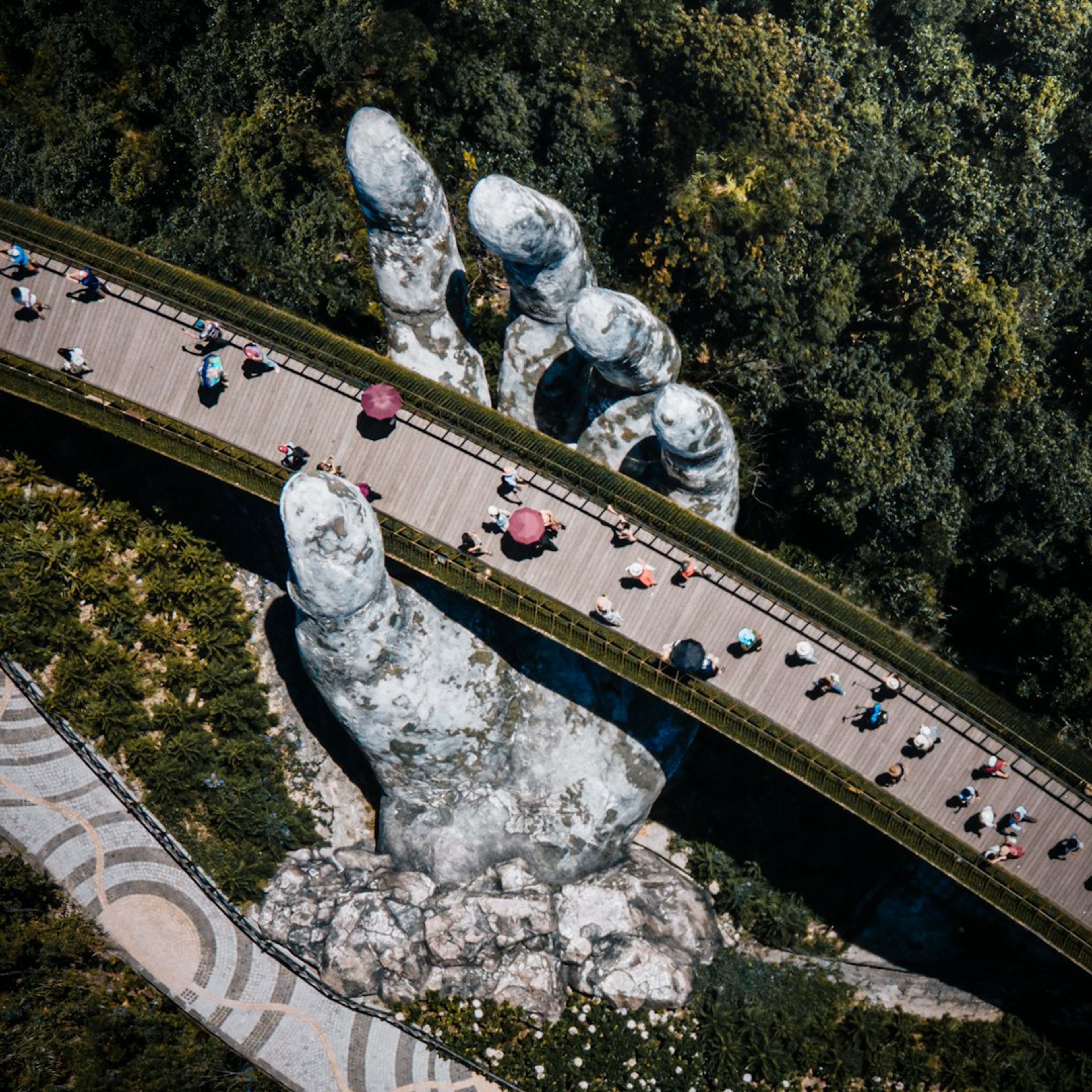
10 Best Things to Do in Da Nang
The 10 best things to do in Da Nang, Vietnam, with exact addresses, Grab times, VND prices and pro tips for beaches, Ba Na Hills and Hoi An.
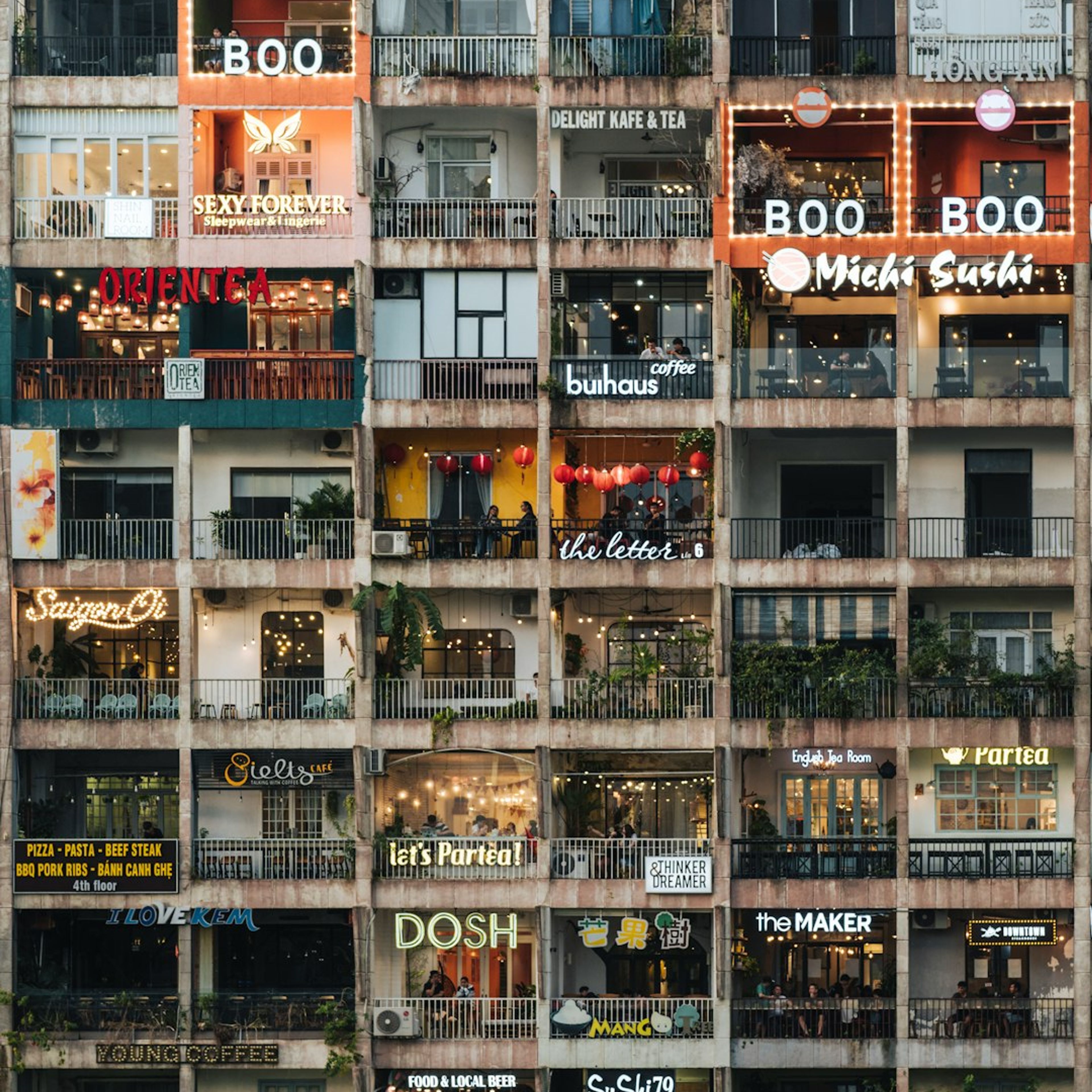
10 Top Places to Visit in Ho Chi Minh City
The 10 top places to visit in Ho Chi Minh City, Vietnam, from the War Remnants Museum to the Cu Chi Tunnels, with addresses, transit and 2026 prices.