Guides · Bordeaux
10 Best Things to Do in Bordeaux

CEO and co-founder
Bordeaux sits on a graceful curve of the Garonne River in southwest France, a port city whose 18th-century limestone facades earned it the nickname "the Port of the Moon". The historic centre was inscribed on the UNESCO World Heritage list in 2007 as an outstanding urban and architectural ensemble, and the top things to do in Bordeaux blend that classical grandeur with a modern riverside energy shaped by the tram network and the Cité du Vin. Bordeaux is the capital of the Gironde department and of the Nouvelle-Aquitaine region, with a metropolitan population of just over 1.4 million in 2026, and it sits roughly two hours from Paris by TGV.
The compact centre is easy to cover on foot, with trams A, B, C and D fanning out from the riverfront to reach almost every major sight. Wine is the obvious draw, but Bordeaux also delivers Gothic cathedrals, a medieval gate, a neoclassical opera house, and a food market that has traded on the same square since the 18th century. This guide covers the 10 attractions that anchor a first visit, from Place de la Bourse and the Miroir d'eau to day trips into the Saint-Émilion and Médoc vineyards, with practical notes on tickets, opening hours and the best time to arrive.
1Place de la Bourse and Miroir d'eau
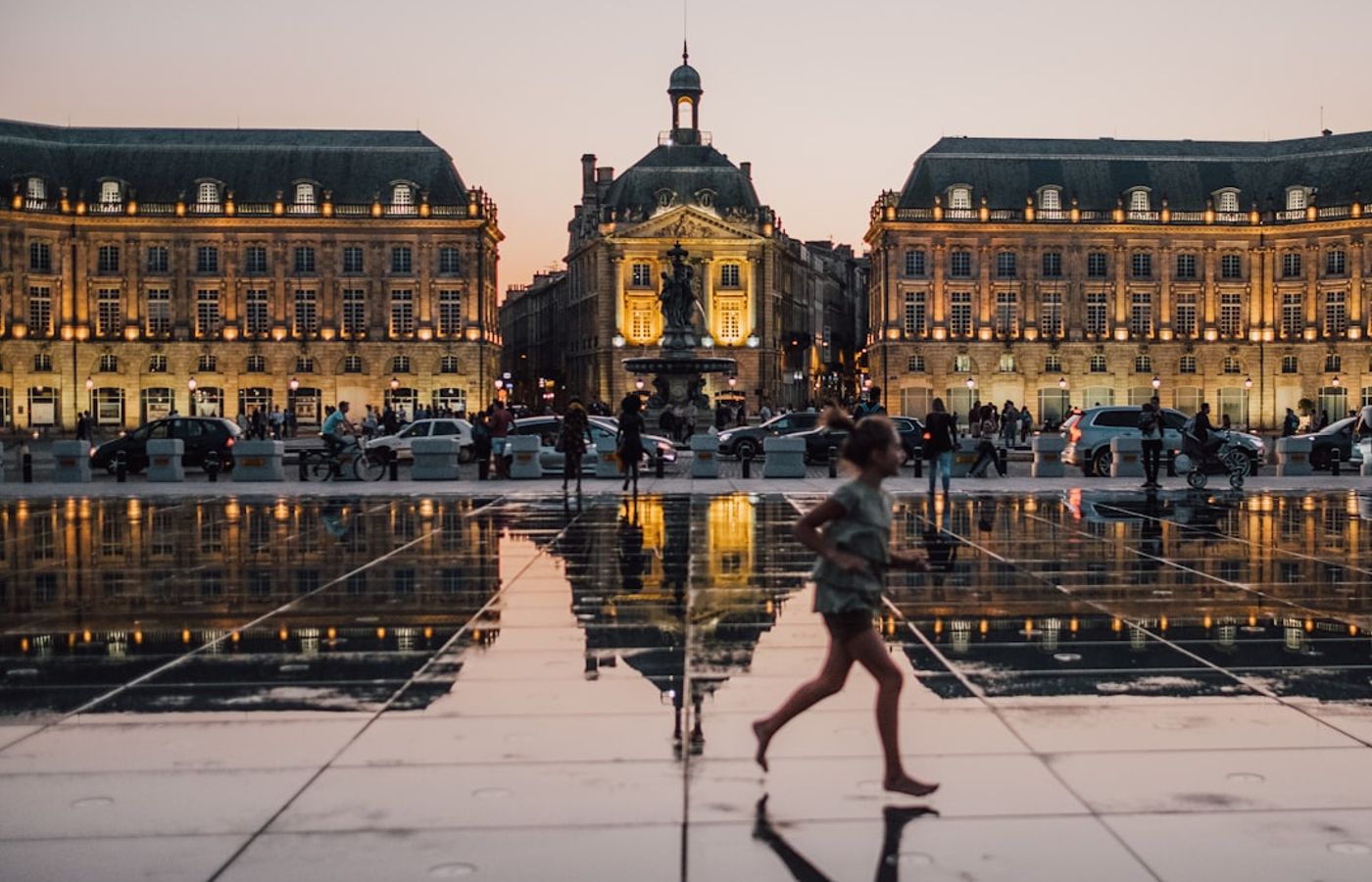

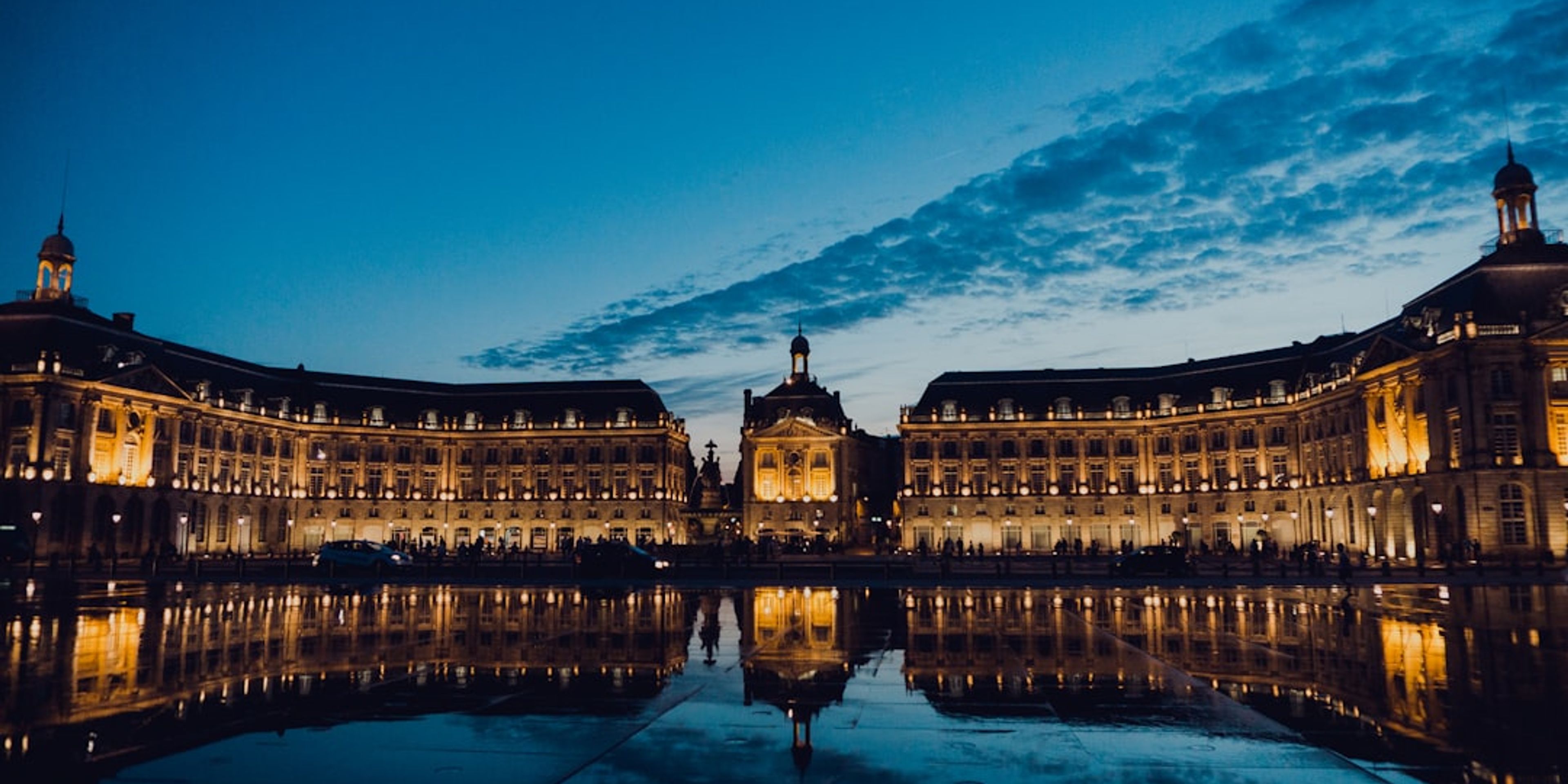
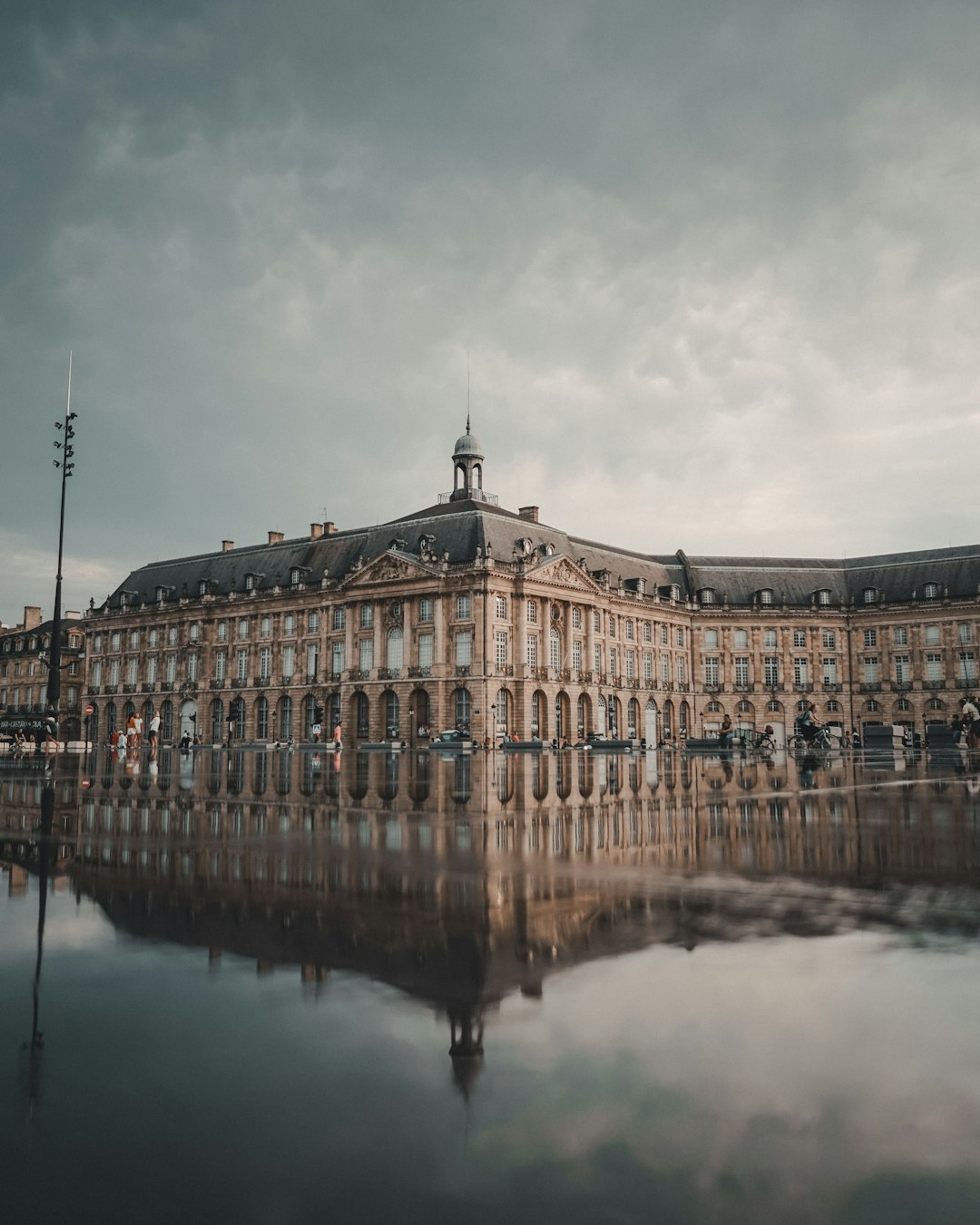
Place de la Bourse is the postcard image of Bordeaux, a symmetrical 18th-century square commissioned by King Louis XV and designed by royal architect Ange-Jacques Gabriel between 1730 and 1775. The curved facades of the former stock exchange and the customs museum face directly onto the Garonne, and the whole ensemble broke with medieval convention by opening the city outward to the river. Directly opposite, on the quayside, sits the Miroir d'eau, the largest reflecting pool in the world at 3,450 square metres. Inaugurated in 2006 and designed by fountain specialist Jean-Max Llorca and landscape architect Michel Corajoud, the pool alternates a two-centimetre film of water with a rising mist every fifteen minutes, mirroring the stone facades behind it. It is free, open to walk across, and runs roughly from March through November.
Pro Tip: Arrive at dusk when the facades are lit and the mirror is at its most photogenic, and expect crowds on summer weekends. Take tram C to Place de la Bourse stop.
2Cité du Vin
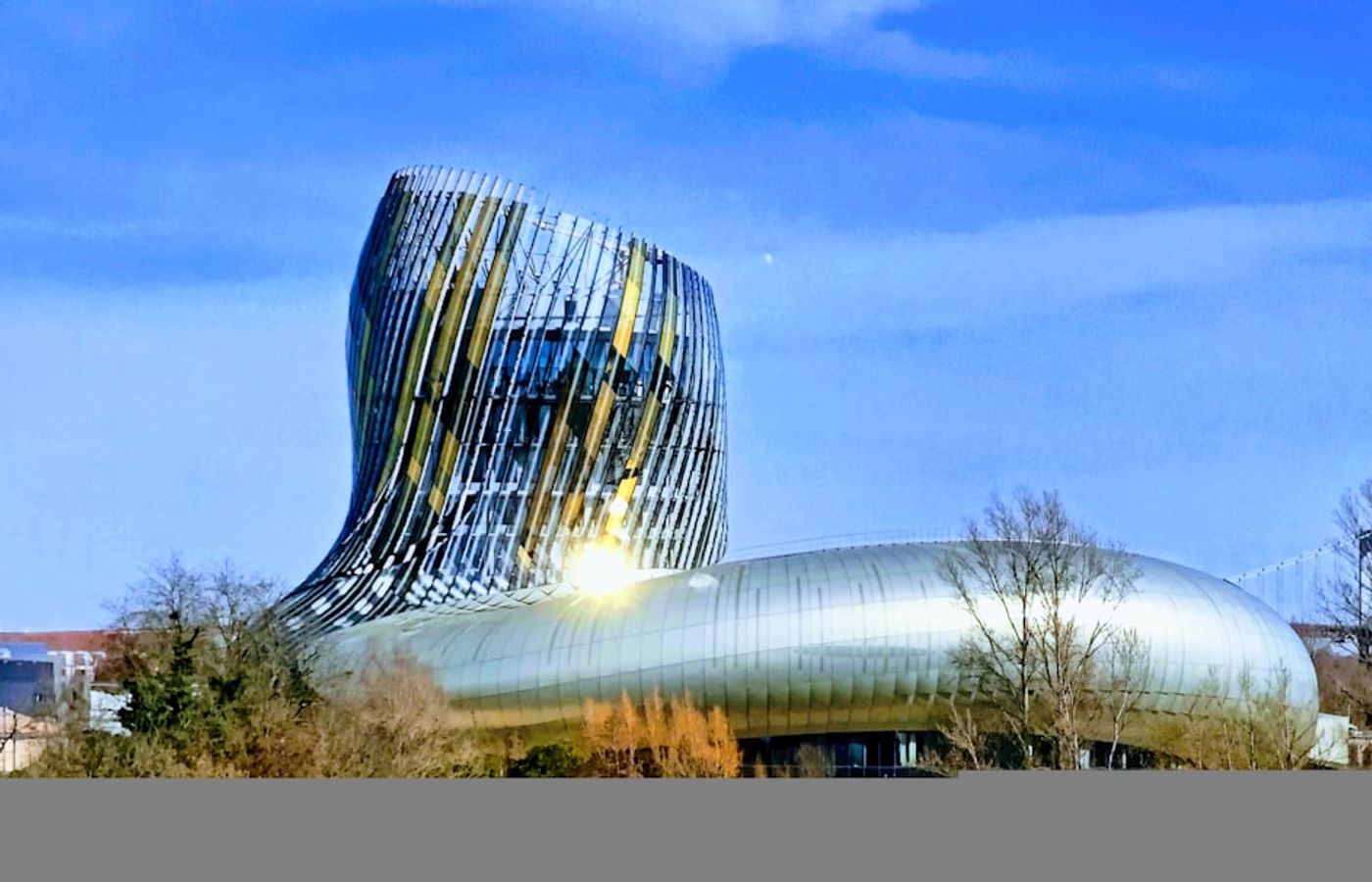
Cité du Vin is an immersive museum dedicated to wine cultures across the world, housed in a swirling 55-metre tower on the Bassins à Flot dock north of the centre. It opened on 1 June 2016, designed by architects Anouk Legendre and Nicolas Desmazières of XTU, and the golden aluminium and glass facade is meant to evoke wine swirling in a glass. The permanent exhibition covers around 3,000 square metres over ten themed zones, from ancient viticulture to modern tasting techniques, with audio guides in eight languages included in the ticket. The visit ends with a tasting on the 8th-floor Belvedere, which delivers a 360-degree panorama over the Garonne. General admission in 2026 is around EUR 22 for adults, with reduced rates for under-25s, and free entry for children under six.
Pro Tip: Book online in advance for a timed slot, allow at least two and a half hours, and take tram B to the Cité du Vin terminus.

3Saint-André Cathedral
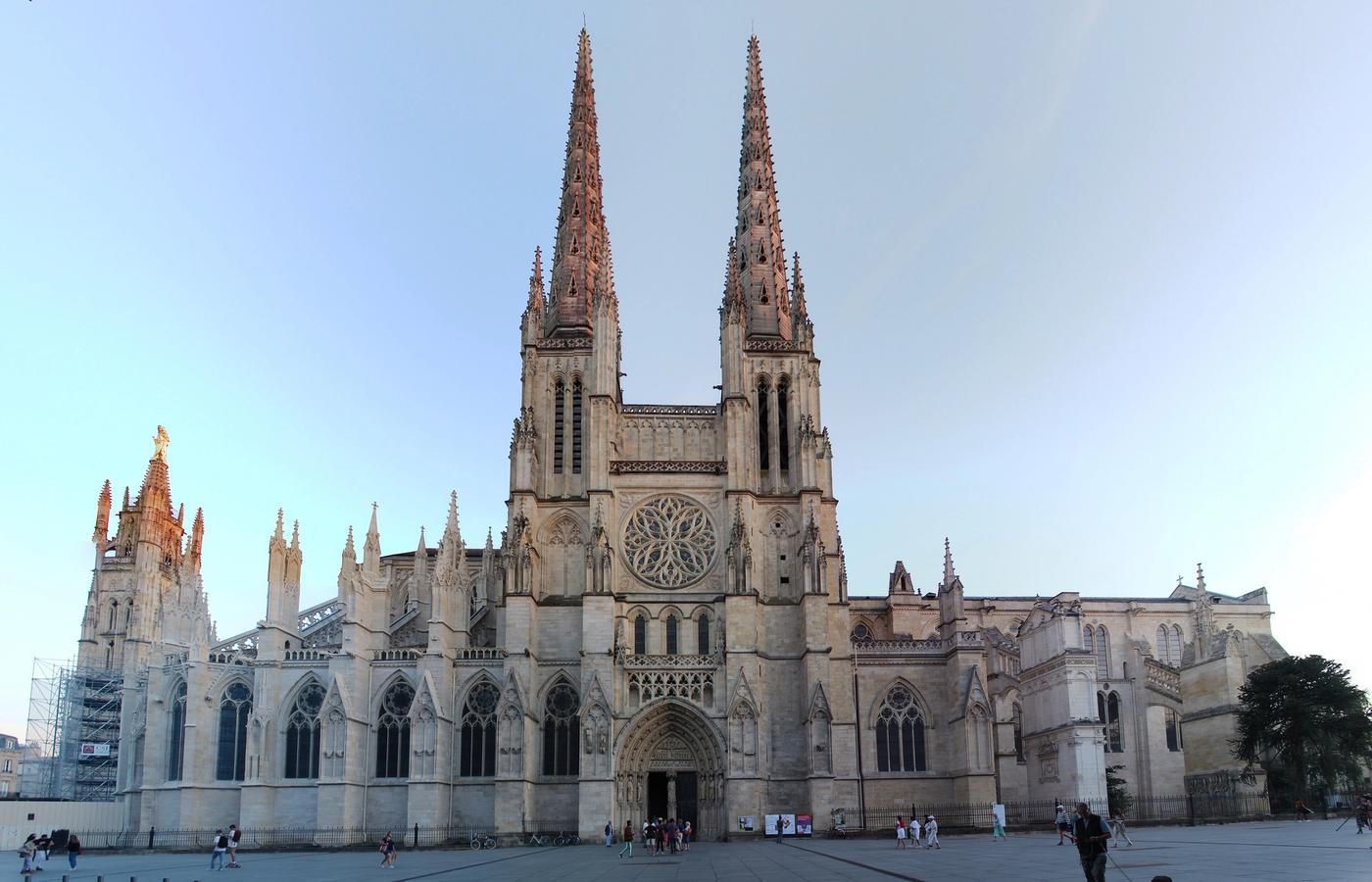
Cathédrale Saint-André de Bordeaux is the largest church in the city and a UNESCO-listed stop on the Way of Saint James pilgrimage route. Consecrated by Pope Urban II in 1096, it was largely rebuilt in the Gothic style from the 12th to the 16th centuries, and it hosted two royal weddings: Eleanor of Aquitaine to the future King Louis VII of France in 1137, and Anne of Austria to King Louis XIII in 1615. The Royal Portal on the north transept, carved around 1250, is the finest piece of medieval sculpture in the building, while the choir shows off Rayonnant Gothic tracery. The cathedral stands on Place Pey-Berland and is free to enter, generally open from 10:00 to 18:00 with a lunchtime closure.
Pro Tip: Combine the visit with the neighbouring Pey-Berland Tower, and check the daily schedule as the cathedral closes to visitors during Mass. The nearest stop is Hôtel de Ville on tram A or B.
4Pey-Berland Tower
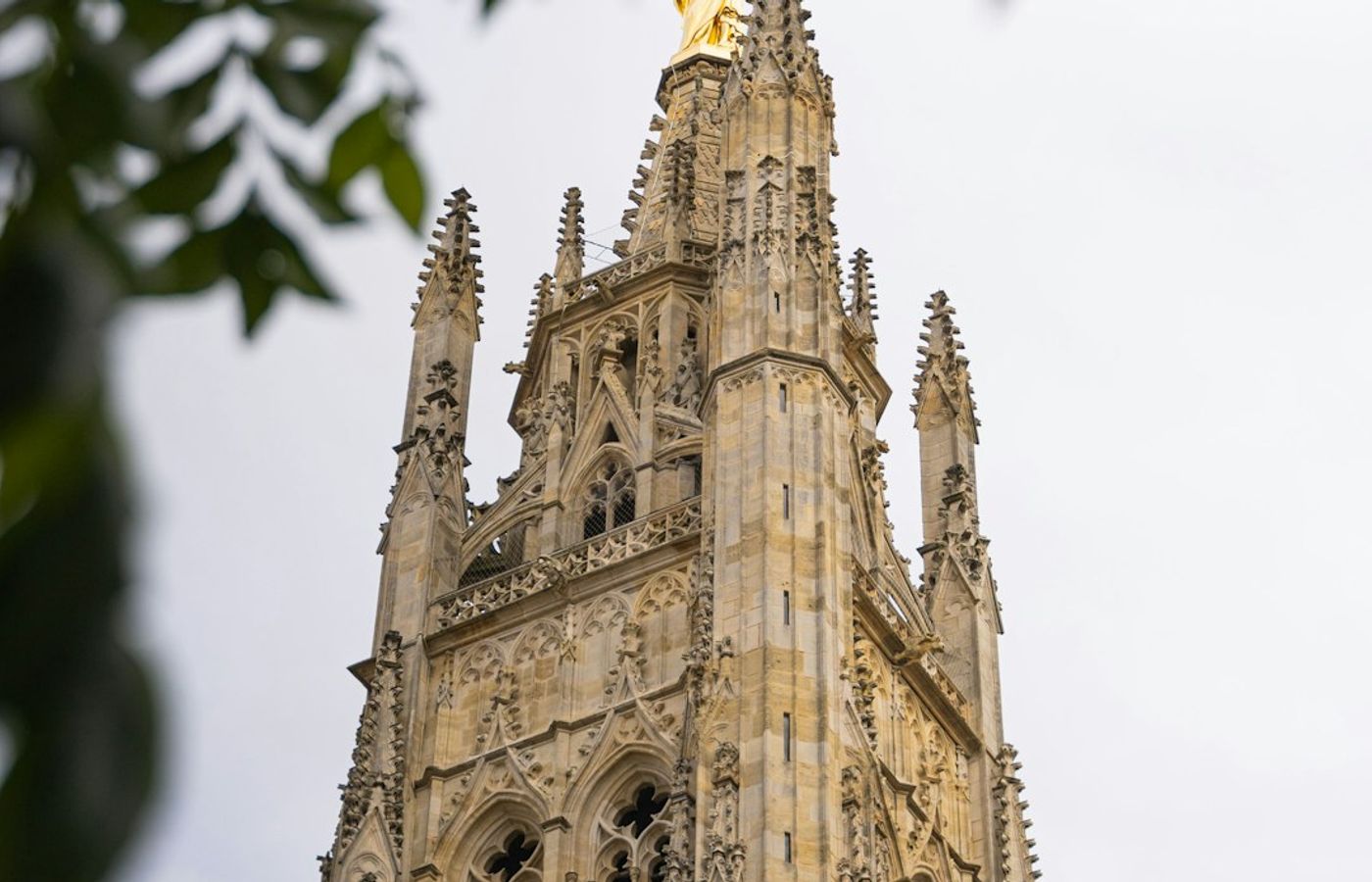
The Tour Pey-Berland is the freestanding bell tower of Saint-André Cathedral, built between 1440 and 1500 on the orders of Archbishop Pey Berland after whom it is named. It was constructed apart from the main church because the ground was considered too unstable to carry heavy bells attached to the cathedral itself, a practical choice that gives Bordeaux one of its most distinctive landmarks. The tower rises 66 metres and is crowned by a gilded statue of Notre-Dame d'Aquitaine added in 1863. Visitors climb 233 stone steps up a tight spiral staircase to reach the viewing platform, which delivers the best panorama over the historic centre, the Garonne and the port.
Pro Tip: Admission in 2026 is around EUR 6.50, entry is free on the first Sunday of the month from November to March, and it is closed on 1 January, 1 May, 1 November, 11 November and 25 December. Go early to avoid queues in summer.
5Grand Théâtre de Bordeaux
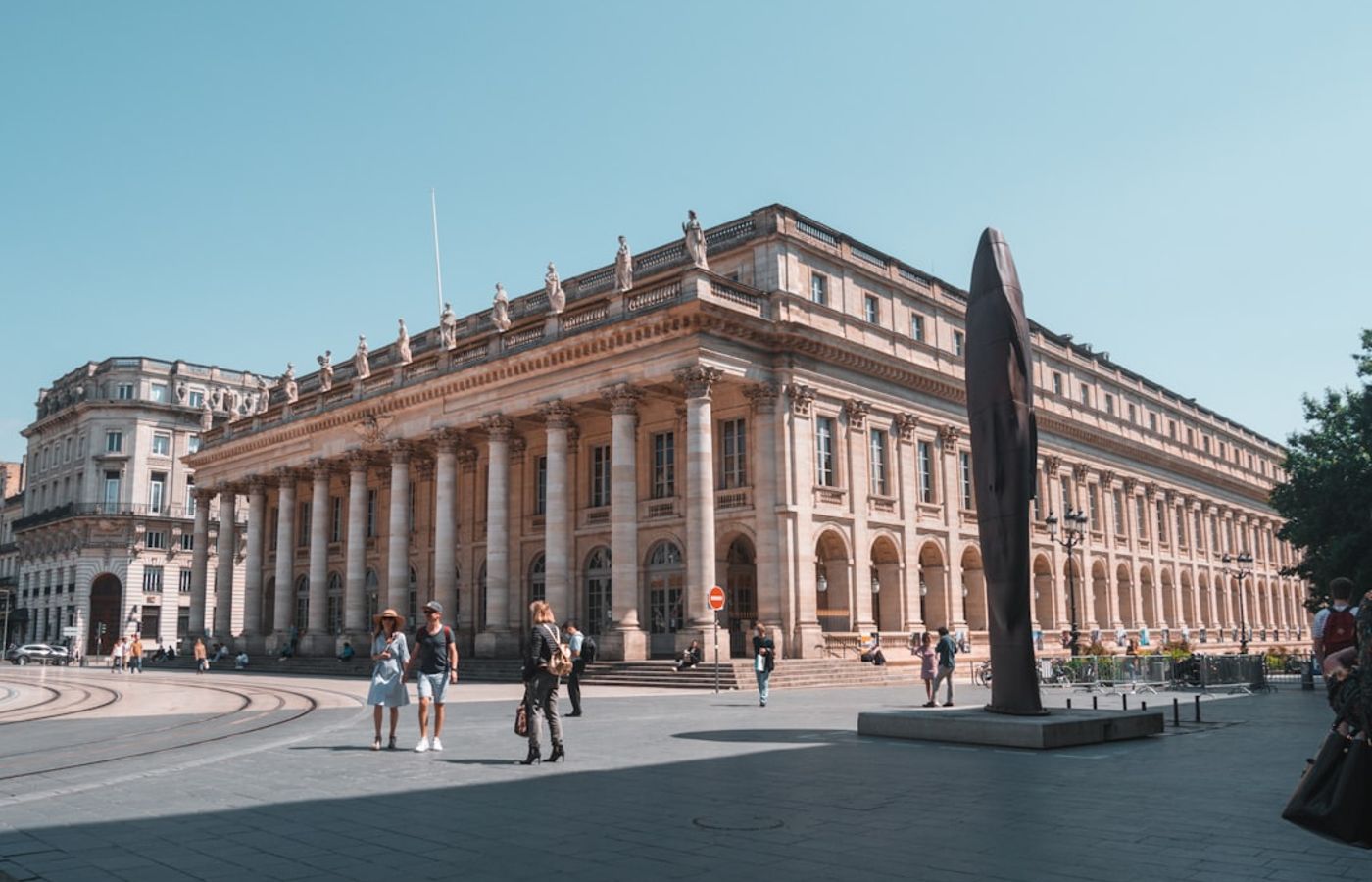
The Grand Théâtre de Bordeaux is one of the most important neoclassical opera houses in Europe and the seat of the Opéra National de Bordeaux. It was designed by architect Victor Louis and inaugurated on 7 April 1780 with a performance of Racine's Athalie, and it later inspired Charles Garnier's plans for the Palais Garnier in Paris. The exterior on Place de la Comédie is fronted by twelve Corinthian columns topped with statues of the nine Muses and three goddesses, while the interior conceals a lavish blue and gold auditorium and a monumental staircase that Garnier openly copied. The theatre still hosts opera, ballet and concerts throughout the season.
Pro Tip: Guided tours of the interior run several times a week for around EUR 12 in 2026, book at the on-site ticket office, and evening performances are the best way to see the auditorium in use. Tram C stops at Grand Théâtre.
6Porte Cailhau
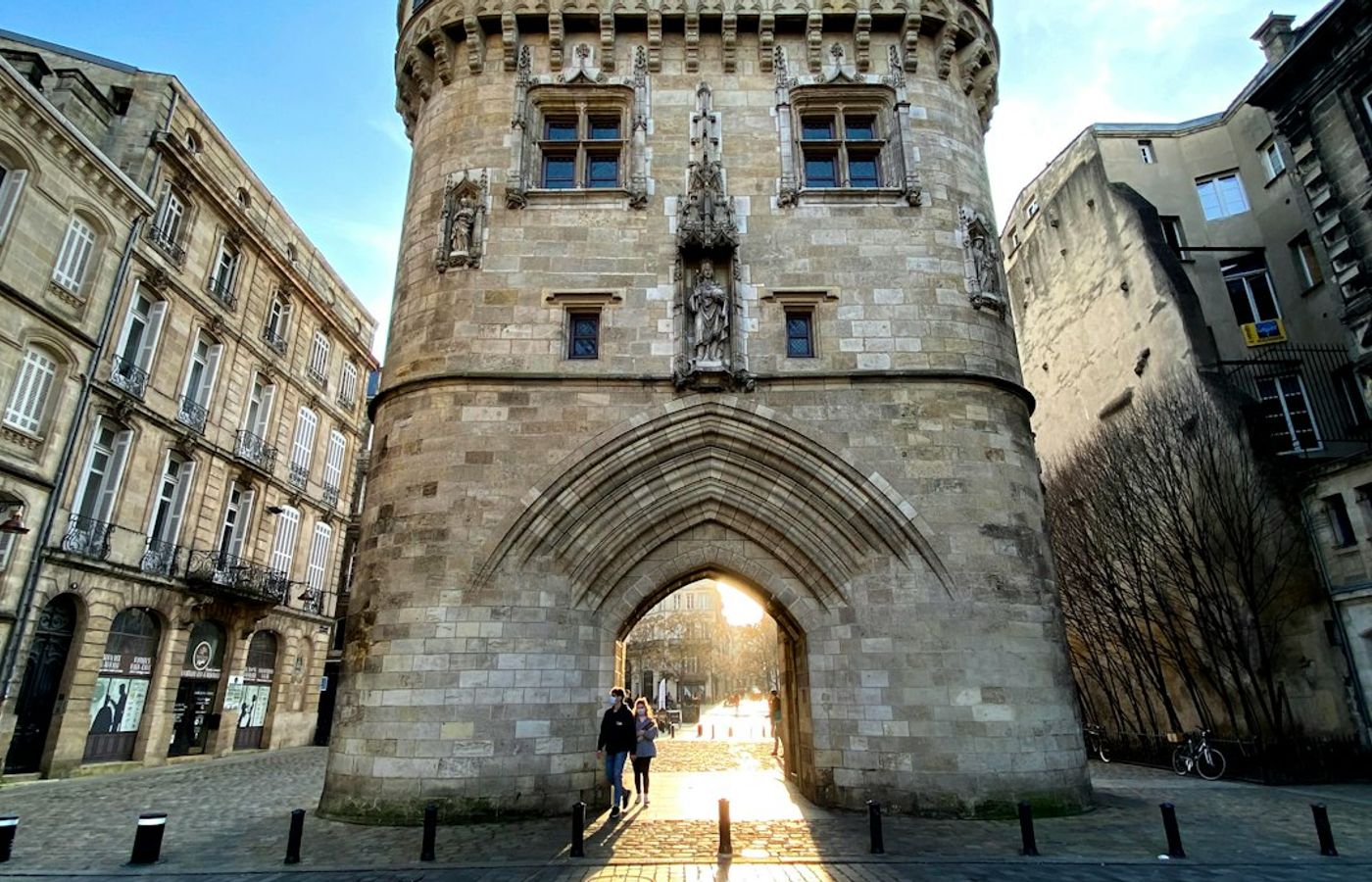
Porte Cailhau is a 35-metre medieval gate that once formed part of the city ramparts and served as the main ceremonial entrance to Bordeaux from the river. It was completed in 1495 to commemorate King Charles VIII's victory at the Battle of Fornovo in Italy, and its mix of defensive machicolations, pointed slate roofs and Renaissance decoration marks the transition between two architectural eras. The gate takes its name either from the Cailhau family who once owned it or from the pebbles (cailloux) once heaped nearby on the quay. Inside, three floors house a small museum about the gate's history and construction, and the top level opens onto Place du Palais with views over the Garonne and the Pont de Pierre.
Pro Tip: Admission is around EUR 5 in 2026, opening hours are typically 13:00 to 18:00 in high season, and the gate is closed on Mondays. Combine it with a walk along the quays to the Miroir d'eau.
7Basilica of Saint-Michel
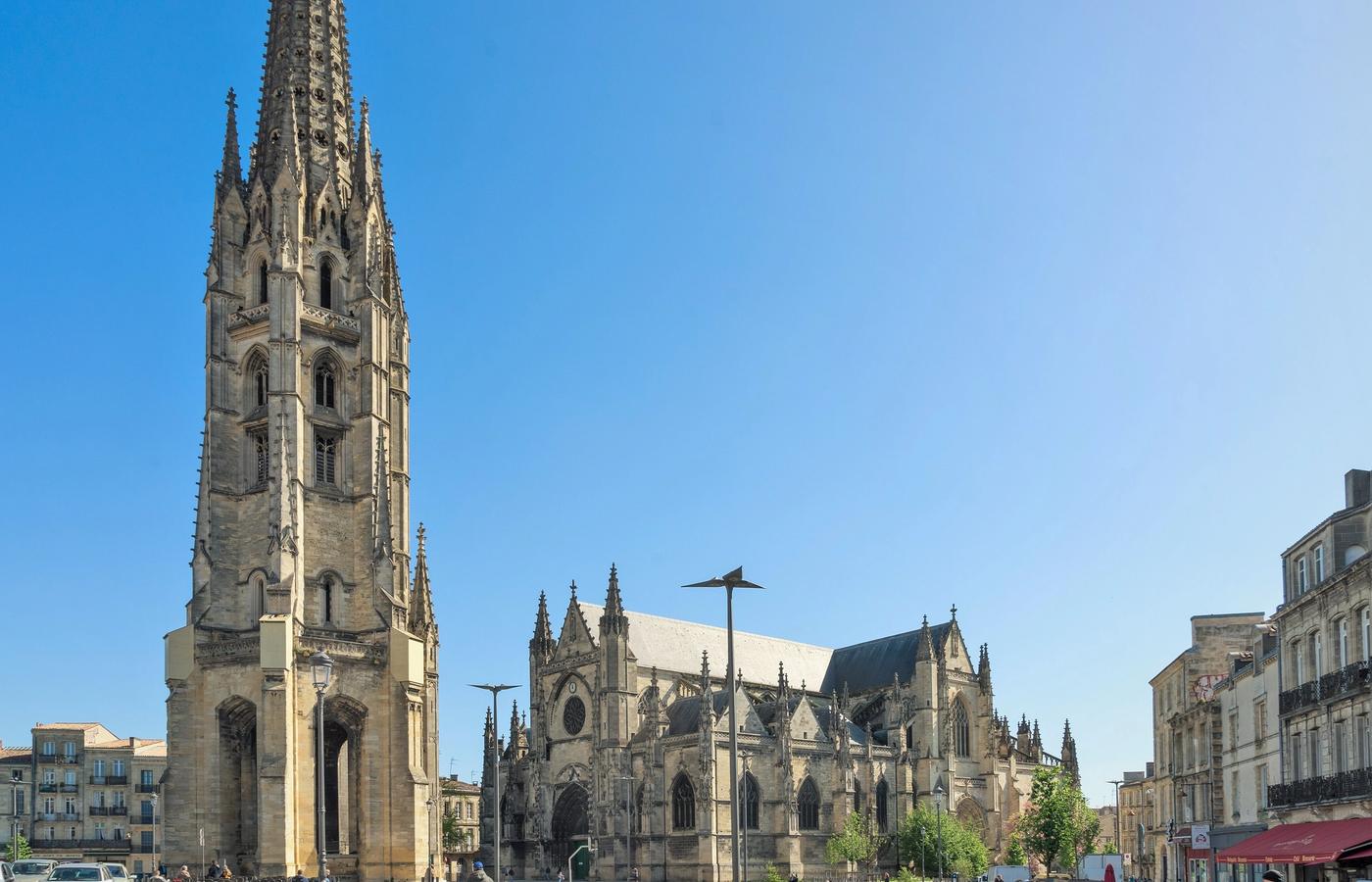
The Basilica of Saint-Michel is a 14th- to 16th-century Flamboyant Gothic church in the Saint-Michel district, listed by UNESCO both as part of the historic centre and as a stop on the Way of Saint James. What makes it unusual is the Flèche Saint-Michel, a freestanding bell tower built between 1472 and 1492 and standing 114 metres tall, making it the highest spire in southern France and the third-highest in the country after Rouen and Strasbourg. Like Pey-Berland, the tower was built separately from the church because of unstable ground. The basilica itself is free to enter and preserves 15th-century stained glass, a series of side chapels endowed by medieval guilds, and a striking Neo-Gothic pulpit.
Pro Tip: The tower can be climbed on select days for around EUR 6 in 2026 with a viewing platform at 47 metres. The surrounding Place Saint-Michel hosts a lively flea market on Sunday mornings.
8Marché des Capucins
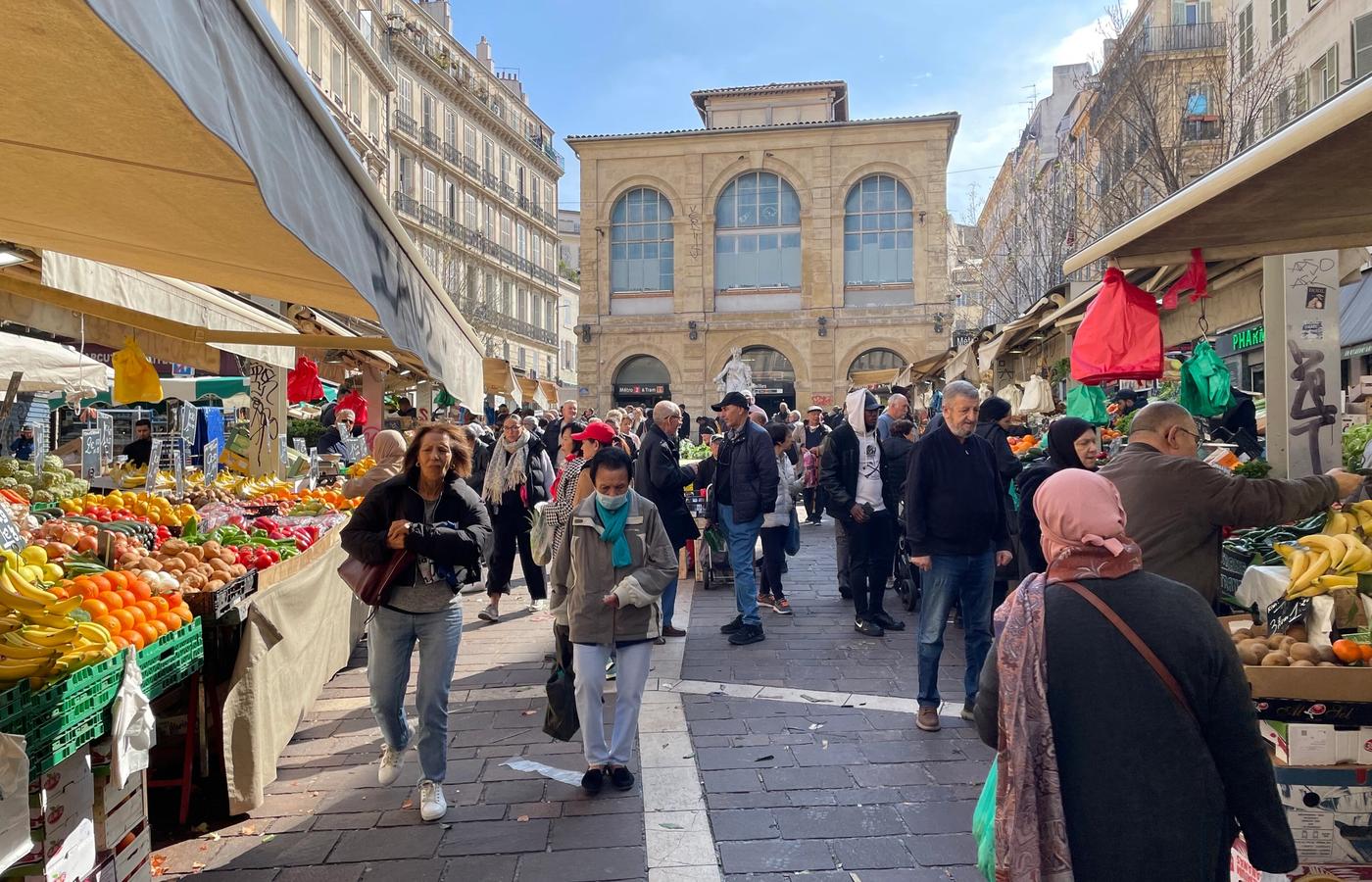
Marché des Capucins is the largest and oldest food market in Bordeaux, occupying a covered hall on Place des Capucins in the Saint-Michel district since the 18th century. Locals still call it "the belly of Bordeaux", and around 60 stalls sell oysters from the Arcachon Basin, Bazas beef, foie gras, cheeses from the Pyrenees, seasonal produce from the surrounding countryside, and wines from every Bordeaux appellation. Saturday and Sunday mornings are the busiest, with queues at the oyster bars where a dozen with a glass of Entre-Deux-Mers costs around EUR 12 to 15 in 2026. Several small bistros and tapas counters share the hall for a longer sit-down meal.
Pro Tip: The market is open Tuesday to Sunday from around 06:00 to 13:00 and closed on Mondays, arrive before 10:00 to avoid the crush, and it is a five-minute walk from the Saint-Michel tram stop on line C.
9Wine tours to Saint-Émilion and Médoc
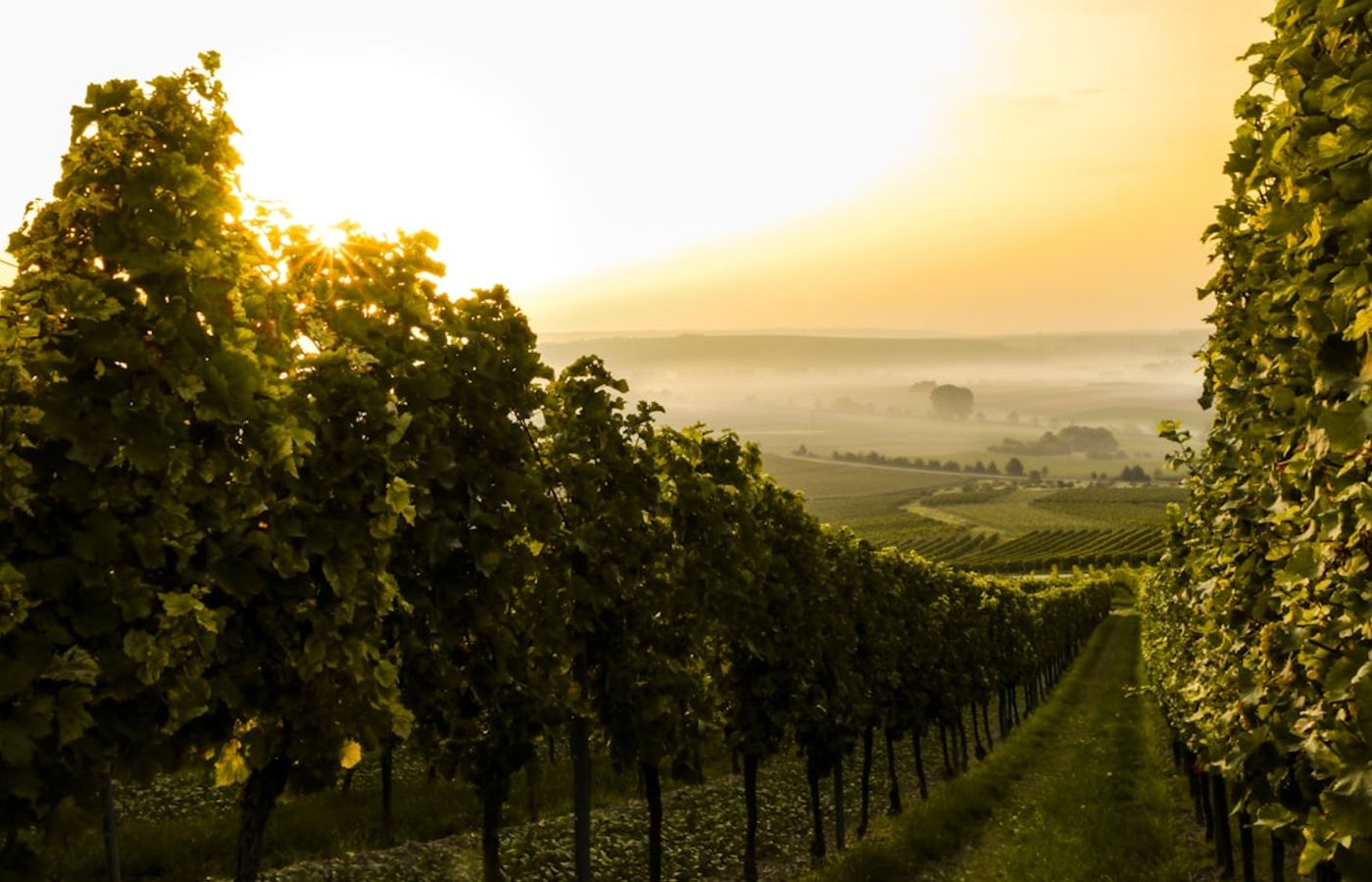
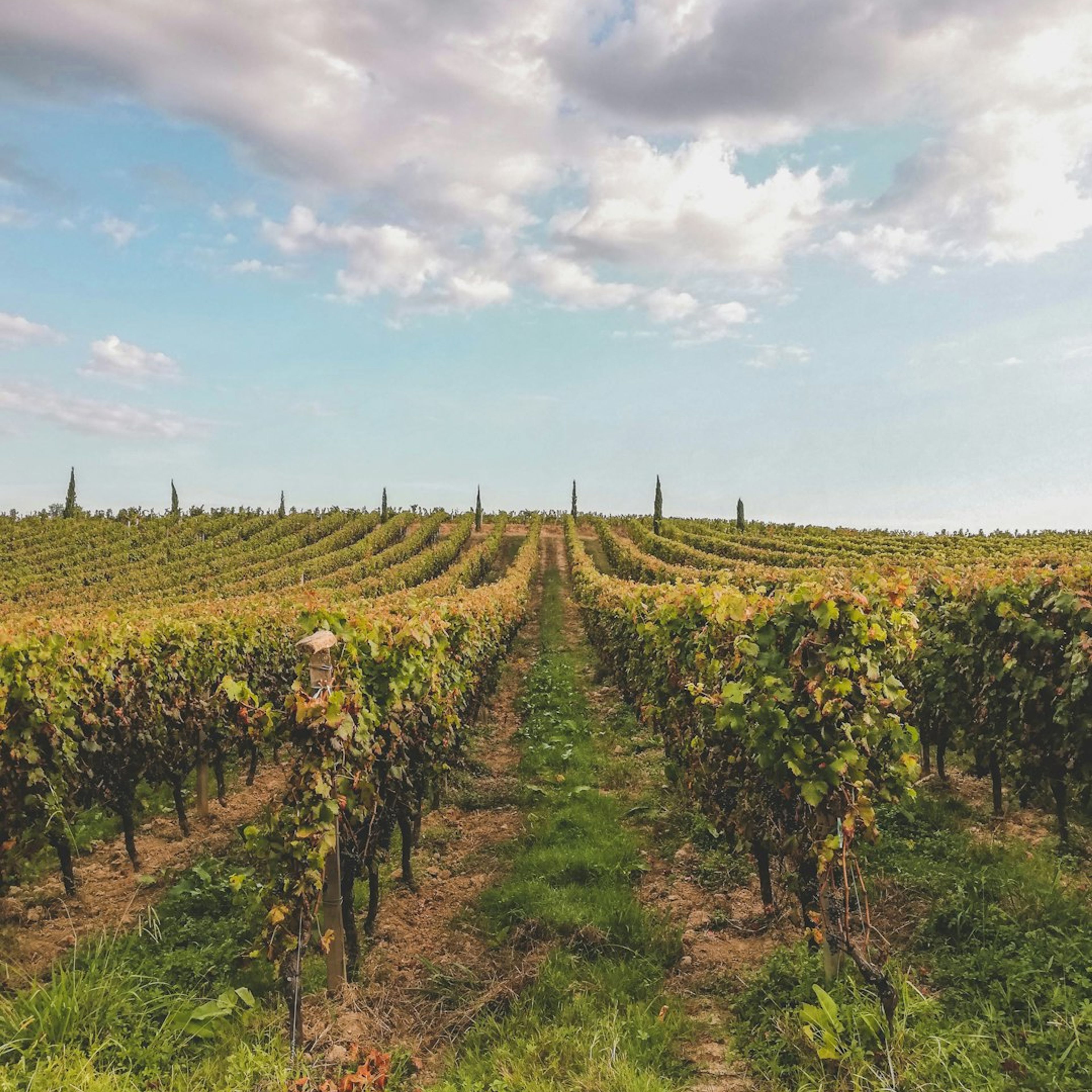
The Bordeaux wine region covers around 111,000 hectares of vineyards and produces roughly 700 million bottles a year, and the two most popular day trips are to Saint-Émilion in the east and the Médoc peninsula to the northwest. Saint-Émilion is a medieval hilltop town about 40 kilometres from Bordeaux, listed by UNESCO in 1999 as the first vineyard landscape to earn that status, and it is famous for the underground Monolithic Church carved into the limestone and for right-bank Merlot-dominant reds. The Médoc, on the left bank of the Gironde estuary, is the home of Cabernet Sauvignon and of the 1855 Classification with Château Margaux, Château Latour and Château Lafite Rothschild among the First Growths. Both areas require château visits to be booked in advance.
Pro Tip: Trains from Bordeaux Saint-Jean to Saint-Émilion take 35 minutes and cost around EUR 12 return in 2026, while the Médoc is easier by organised minibus tour departing from the Bordeaux tourist office on Cours du 30 Juillet.
10Rue Sainte-Catherine
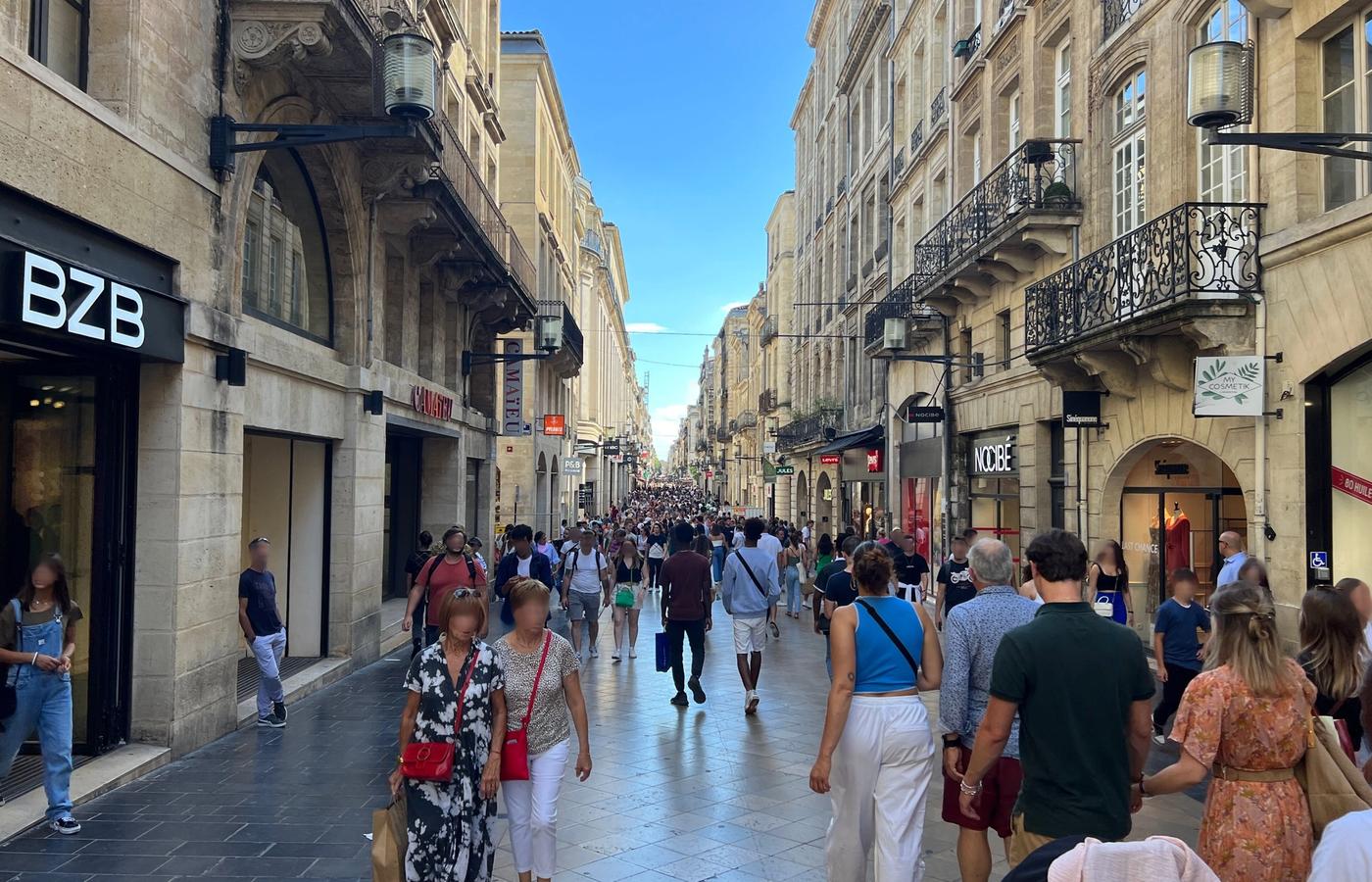
Rue Sainte-Catherine cuts through the heart of Bordeaux from Place de la Comédie in the north to Place de la Victoire in the south, and at 1.2 kilometres it is often cited as the longest pedestrian shopping street in Europe. It follows the route of the ancient Roman cardo maximus that ran through the Gallo-Roman city of Burdigala, and its 250-plus shops now range from French department stores and international fashion labels to independent bookshops, patisseries and cafés. The street was fully pedestrianised in 1984 and its limestone paving is one of the busiest walking corridors in France, with over 15 million pedestrians a year.
Pro Tip: Detour east into the Saint-Pierre quarter for narrower lanes lined with wine bars and bistros, and expect the street to be at its most crowded on Saturday afternoons. Tram lines B and C both stop at either end.

CEO and co-founder
Tomas is the co-founder and director of trip1, an European company specializing in reservation services. He launched the company in 2025 with a focus on building scalable, efficient operations.
Climate averages · 1991–2020
When is the best time to visit Bordeaux?
Monthly temperatures, rainfall and sunshine — not a live forecast.
See Bordeaux weatherMore of France
10 Best Things to Do in Bordeaux, France - FAQ
The best time to visit Bordeaux is from late May to mid-October, when daytime temperatures sit between 20 and 28 degrees Celsius and the wine country is at its most photogenic. September is a favourite, with the grape harvest (vendanges) in the surrounding appellations and lighter crowds than in July and August. The biennial Bordeaux Fête le Vin wine festival returns in June 2026 with tastings along four kilometres of quayside. Winter is mild but wet, and January and February are the quietest months for museum visits and restaurant reservations.
Three full days is the sweet spot for a first visit. Day one covers the UNESCO centre on foot: Place de la Bourse, the Miroir d'eau, Saint-André Cathedral, Pey-Berland Tower and Rue Sainte-Catherine. Day two is for the Cité du Vin, the Bassins à Flot dock and the Chartrons wine merchants' district. Day three is best spent on a vineyard day trip to Saint-Émilion or the Médoc. Add a fourth or fifth day if you want to include Arcachon Bay and the Dune du Pilat.
Bordeaux has an efficient TBM tram and bus network with four tram lines: A running east to west, B running north to south through the centre, C along the river, and D to the western suburbs. A single ticket costs EUR 1.80 in 2026 and is valid for one hour with transfers, while a 24-hour Tribu pass costs around EUR 5.60. The historic centre is compact and easily walked, and the V3 shared bike system has stations across the city. The tram stops right at Bordeaux Saint-Jean railway station, which sits two hours from Paris on the TGV.
Yes. The Miroir d'eau is a hit with children who wade through the shallow film of water in summer, and the Cité du Vin runs a dedicated family trail with adapted tastings of grape juice. The Jardin Public in the Chartrons district has a large playground, a puppet theatre and a small natural history museum. Day trips to Arcachon Bay for the beach and the Dune du Pilat are easy by TER train in about an hour. Most museums are free for children under six, and reduced admission usually applies up to age 25.
Bordeaux's signature dish is the entrecôte à la bordelaise, a rib steak grilled over vine cuttings and served with a red wine, shallot and bone marrow sauce. Other local specialities include Arcachon oysters, lamproie à la bordelaise (lamprey slow-cooked in red wine), Bazas beef, and the canelé, a small caramelised pastry flavoured with rum and vanilla that dates to the 18th-century Convent of the Annunciation. Pair everything with local wines: dry white Entre-Deux-Mers, sweet Sauternes, and the reds of the Médoc and Saint-Émilion appellations. Marché des Capucins is the easiest place to sample the range.
The Bordeaux Métropole City Pass is generally worth it if you plan to visit at least three paid attractions and use the tram network. In 2026 the pass costs around EUR 32 for 24 hours, EUR 42 for 48 hours and EUR 49 for 72 hours, and it includes unlimited travel on the TBM tram and bus network, entry to the Cité du Vin, Pey-Berland Tower, CAPC Museum of Contemporary Art and several other sights, plus a guided walking tour of the historic centre. Buy it at the tourist office on Place des Quinconces or online in advance.
Beyond Saint-Émilion and the Médoc, the best day trips from Bordeaux are Arcachon and the Dune du Pilat, Europe's tallest sand dune at 106 metres, reached by TER train in about an hour. Cognac, the home of the eau-de-vie, is 90 minutes north by train and offers house visits at Hennessy, Martell and Rémy Martin. La Rochelle on the Atlantic coast takes two hours by train and rewards with medieval harbour towers and seafood. Closer in, the walled bastide town of Saint-Émilion pairs well with a stop at Libourne.
Related travel guides
5 Best Wine Tours in Bordeaux
The 5 best wine tours in Bordeaux for 2026, with 2026 tour prices, which chateaux actually admit visitors, booking lead times and honest transport advice.
10 Best Restaurants in Paris
The 10 best restaurants in Paris for 2026, every one verified open: cuisine, signature dish, price per head in EUR, booking windows and nearest Métro.