Guides · Cairo
15 Top Places to Visit in Cairo, Egypt

CEO and co-founder
Cairo packs more than 5,000 years of layered history into one chaotic, brilliant capital, and choosing the right places to visit makes the difference between a frantic blur and a trip you remember in detail. This 2026 guide cuts a clear path through Greater Cairo - from the Giza plateau in the west to medieval Islamic alleys in the east, Coptic chapels in the south and Saqqara on the desert edge - so you can plan three or four focused days instead of chasing every guidebook box.
Each of the 15 entries below carries practical 2026 details: opening hours, ticket prices in EGP, the nearest metro stop or Uber pickup point, and how far it sits from Tahrir Square. Expect heat above 38 C from May to September, cooler crisp days from December to February, and Friday closures or delayed openings at religious sites. Pair the list with the FAQ at the end for ticketing logistics, transport tips and a recommended visit order.
The list begins with the icon every traveller pictures when they think of Egypt, then moves outward through the Giza Plateau, the city centre and the older religious quarters before finishing at Memphis. Carry water, small EGP notes for tips, and a head covering for mosques and churches.
1Pyramids of Giza - Last standing wonder of the ancient world
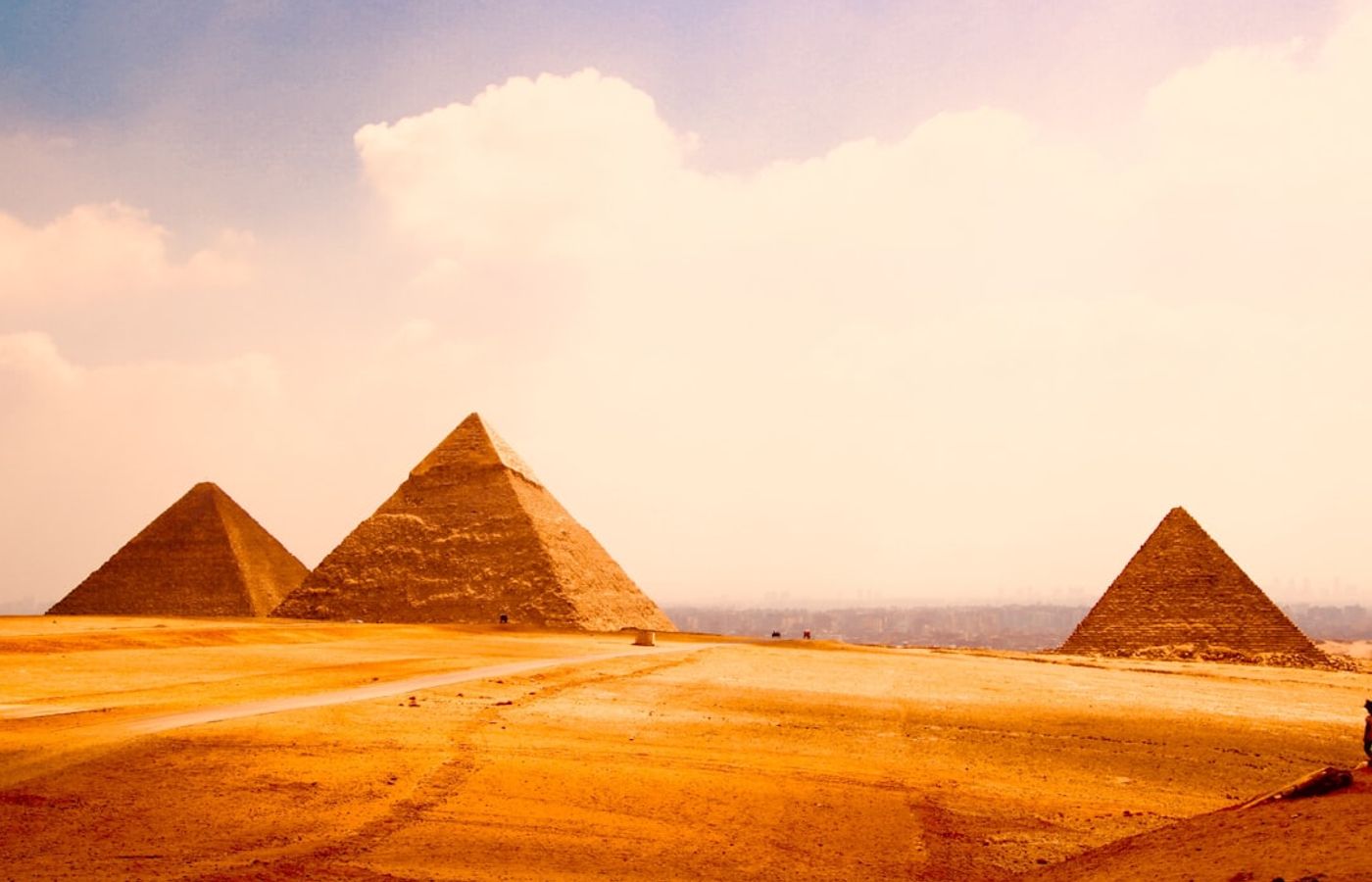

The Pyramids of Giza top every Cairo itinerary for good reason. Three colossal tombs built between 2580 and 2510 BCE for pharaohs Khufu, Khafre and Menkaure dominate the western desert plateau just 18 km from downtown Cairo. The Great Pyramid of Khufu reaches 138 metres today (originally 146.6 m) and held the record as the tallest human-made structure for nearly 3,800 years. Khafre's pyramid still wears a cap of original Tura limestone casing at its summit. Arrive at the Tickets Office gate by 7:50 AM in 2026 to beat coach groups, walk the perimeter clockwise from Khufu, and ride a camel only if you agree the price (300-500 EGP per person) before mounting.
Pro Tip: Use the Panorama viewpoint 1.5 km south of the plateau for the classic three-pyramid photo - any taxi driver knows the spot and a 20 EGP tip secures a 10-minute wait.
2Sphinx of Giza - The guardian with a pharaoh's face
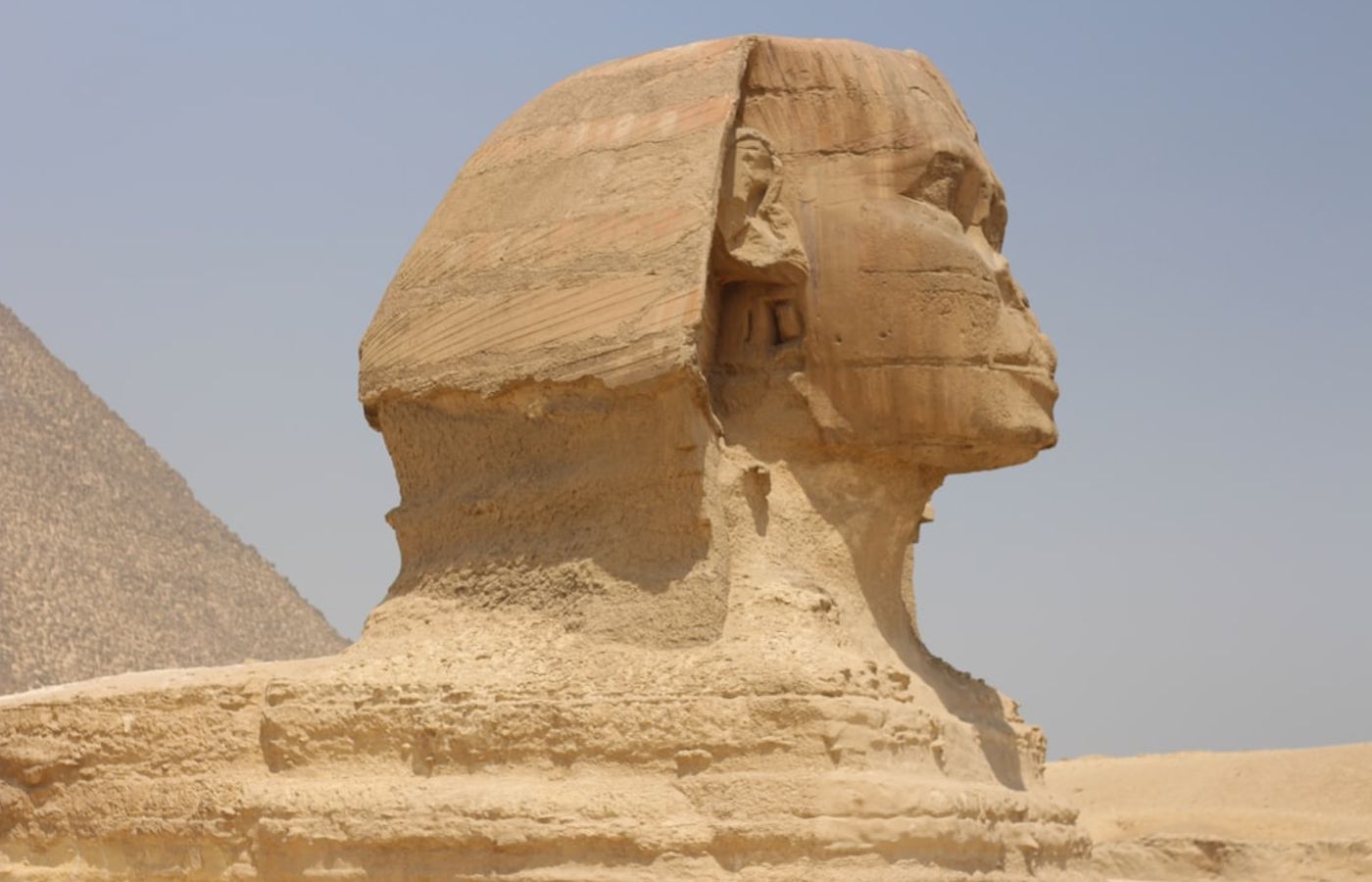

Carved from a single limestone outcrop on the Giza Plateau, the Great Sphinx stretches 73 metres long and stands 20 metres tall, making it the largest monolithic statue on Earth. Most Egyptologists date the monument to the reign of Khafre around 2558-2532 BCE and read its face as the pharaoh's, though debates over the eroded features and the missing nose continue. The Sphinx Temple in front served funerary rituals tied to the rising and setting sun. Visit the viewing terrace early when the sun lights the eastern face, then descend toward the Valley Temple of Khafre for a close look at the granite columns the New Kingdom builders re-used. Combined Giza ticket includes entry; allow 45 minutes here.
Pro Tip: The Sound and Light show (English session 7:30 PM, around 600 EGP) projects coloured lighting onto the Sphinx and pyramids - sit in the front row centre for the cleanest sightline.

3Great Pyramid Interior - Climb into Khufu's burial chamber
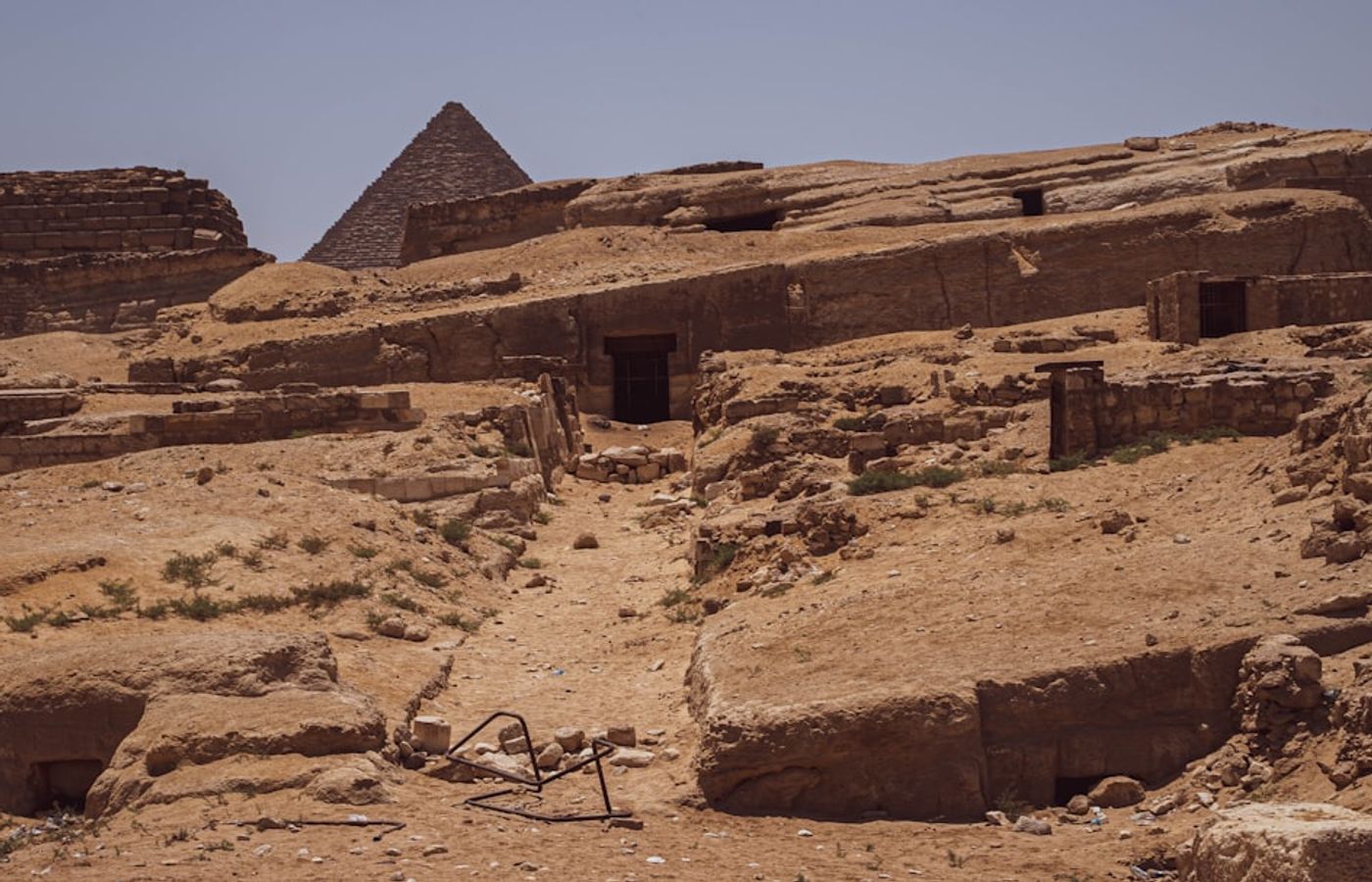
Stepping inside the Great Pyramid is the closest most travellers get to time travel. After paying the separate 900 EGP interior ticket, you crouch through a 1.1-metre-high ascending corridor for 39 metres, climb the soaring 47-metre Grand Gallery, then enter the King's Chamber where Khufu's empty granite sarcophagus sits beneath nine 60-tonne ceiling beams. The air is hot, humid and tight, so anyone claustrophobic should skip it. Cameras are now banned inside (since 2023), and only 300 visitors enter per day across morning and afternoon batches. Allow 35-45 minutes from queue to exit. The Subterranean Chamber and Queen's Chamber remain closed to the public in 2026.
Pro Tip: If the Great Pyramid sells out, the Khafre and Menkaure interiors are usually available the same day for 250-400 EGP each and offer similar architecture with shorter queues.
4Egyptian Museum at Tahrir - The original treasure house
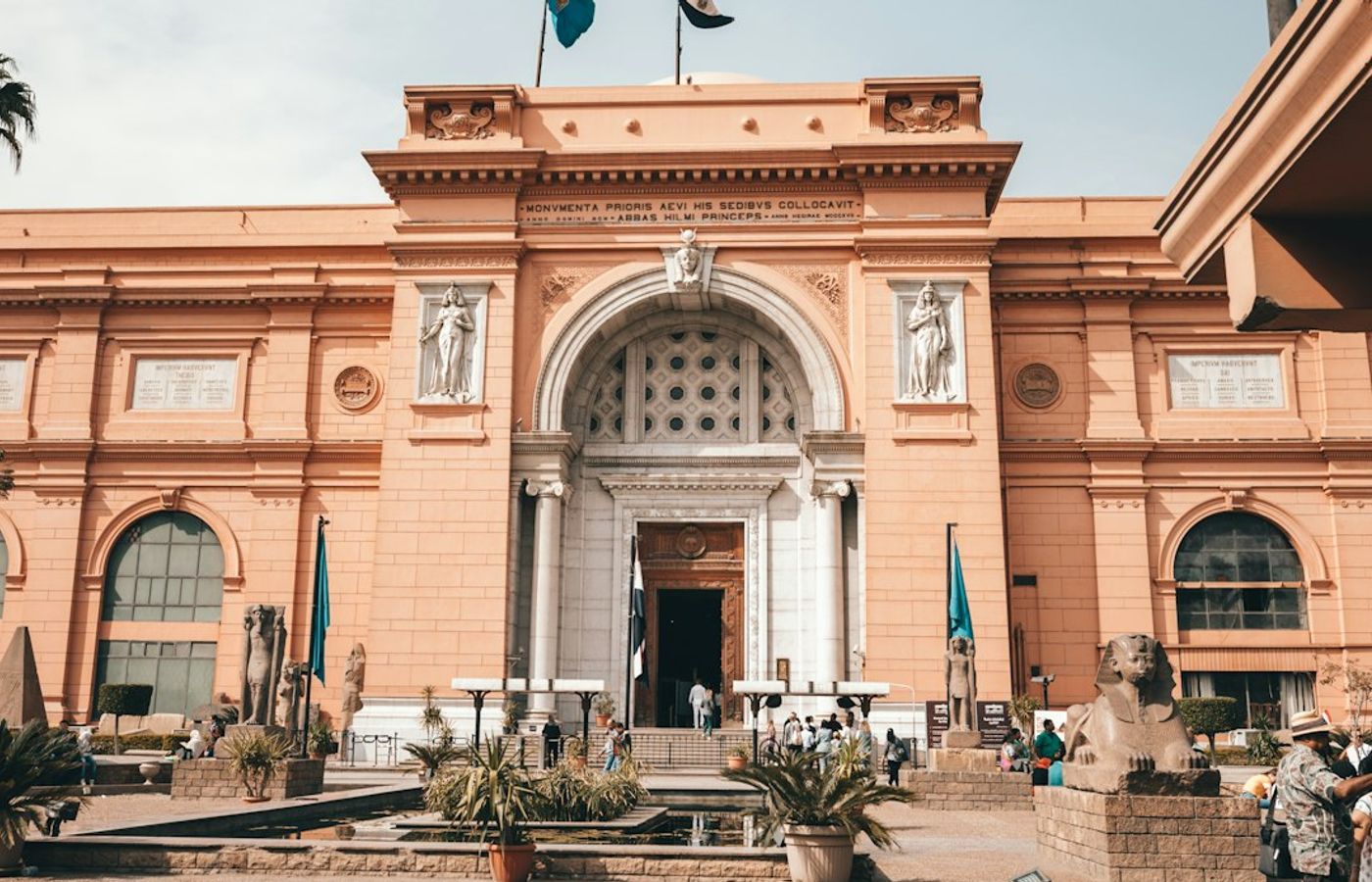
Opened in 1902 on the north edge of Tahrir Square, the salmon-pink Egyptian Museum still anchors central Cairo even after the Grand Egyptian Museum took its golden Tutankhamun pieces. Around 120,000 artefacts remain, including the Royal Mummies Hall (separate 250 EGP ticket) where 22 New Kingdom pharaohs and queens lie in climate-controlled cases following the 2021 Pharaohs' Golden Parade. The Narmer Palette, the Yuya and Thuya tomb finds, and the Tanis treasures of Psusennes I are all here. Plan two hours minimum, longer if you read every label. Photography costs 50 EGP for personal use; flash is banned. The cafe in the rear garden makes a good shaded break.
Pro Tip: The basement floor is rarely crowded and contains everyday objects (cosmetics, sandals, board games) that give a more human feel than the upstairs gold-heavy galleries.
5Grand Egyptian Museum - The world's largest archaeological museum
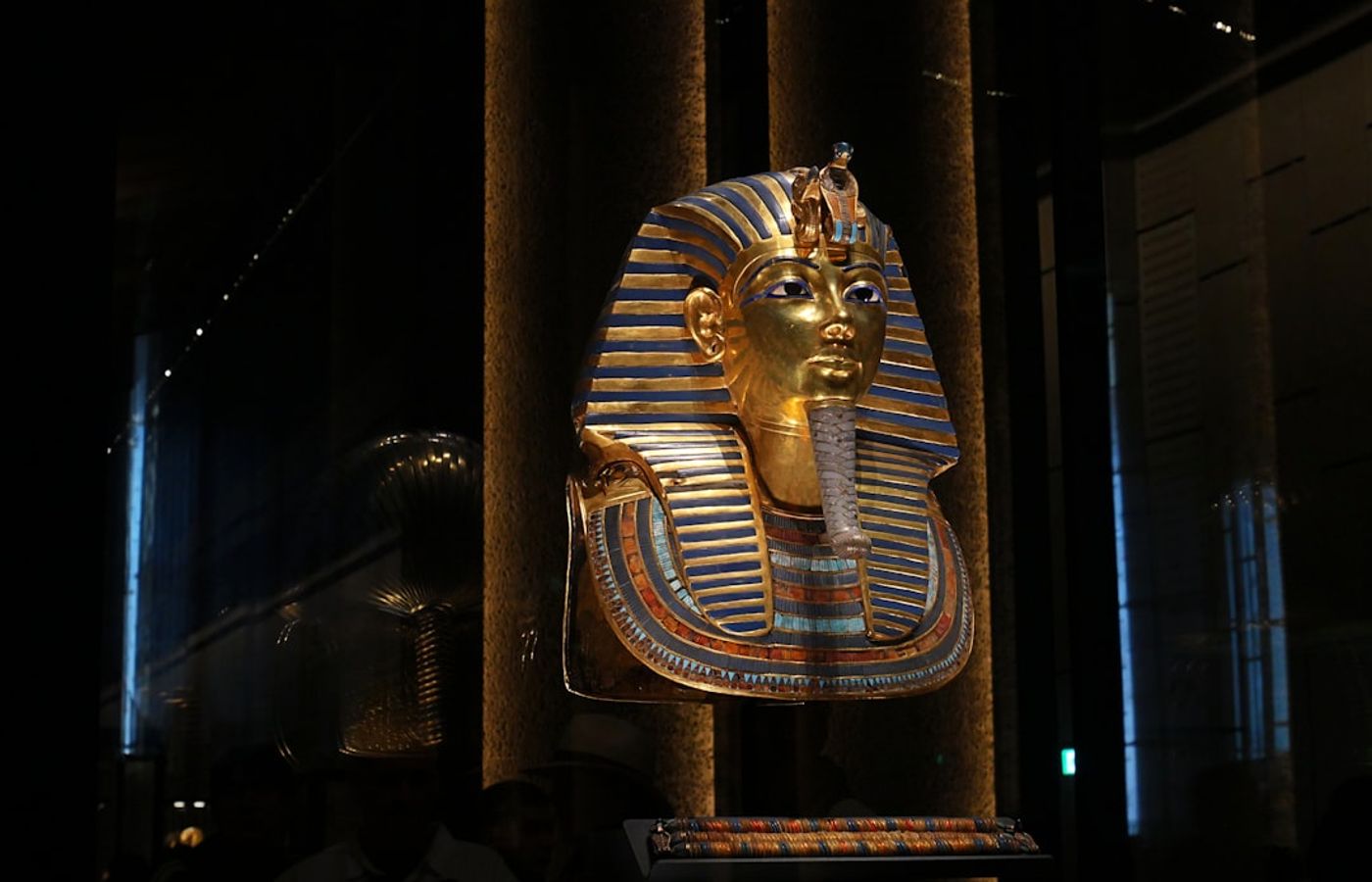
After two decades of construction, the Grand Egyptian Museum (GEM) opened its full collection in late 2025 next to the Pyramids of Giza, and 2026 is the first calendar year it operates at capacity. The 500,000 square-metre complex displays around 100,000 artefacts including the complete Tutankhamun collection of more than 5,000 objects shown together for the first time since 1922. The Grand Staircase rises 24 metres past colossal statues, ending in a glass wall framed on the pyramids themselves. Tickets cost roughly 1,450 EGP for foreign adults in 2026 and book through the official portal grandegyptianmuseum.org. Allow four hours minimum and arrive at opening (8:30 AM) to enter the Tutankhamun galleries before midday tour groups. The site is recognised by UNESCO as part of the Memphis and its Necropolis - Pyramid Fields from Giza to Dahshur world heritage area, which adds protection across the surrounding plateau.
Pro Tip: Buy a combined GEM + Pyramids ticket and visit the museum first - the air conditioning is a welcome break before walking the plateau in afternoon heat.
6Khan el-Khalili - Cairo's medieval bazaar
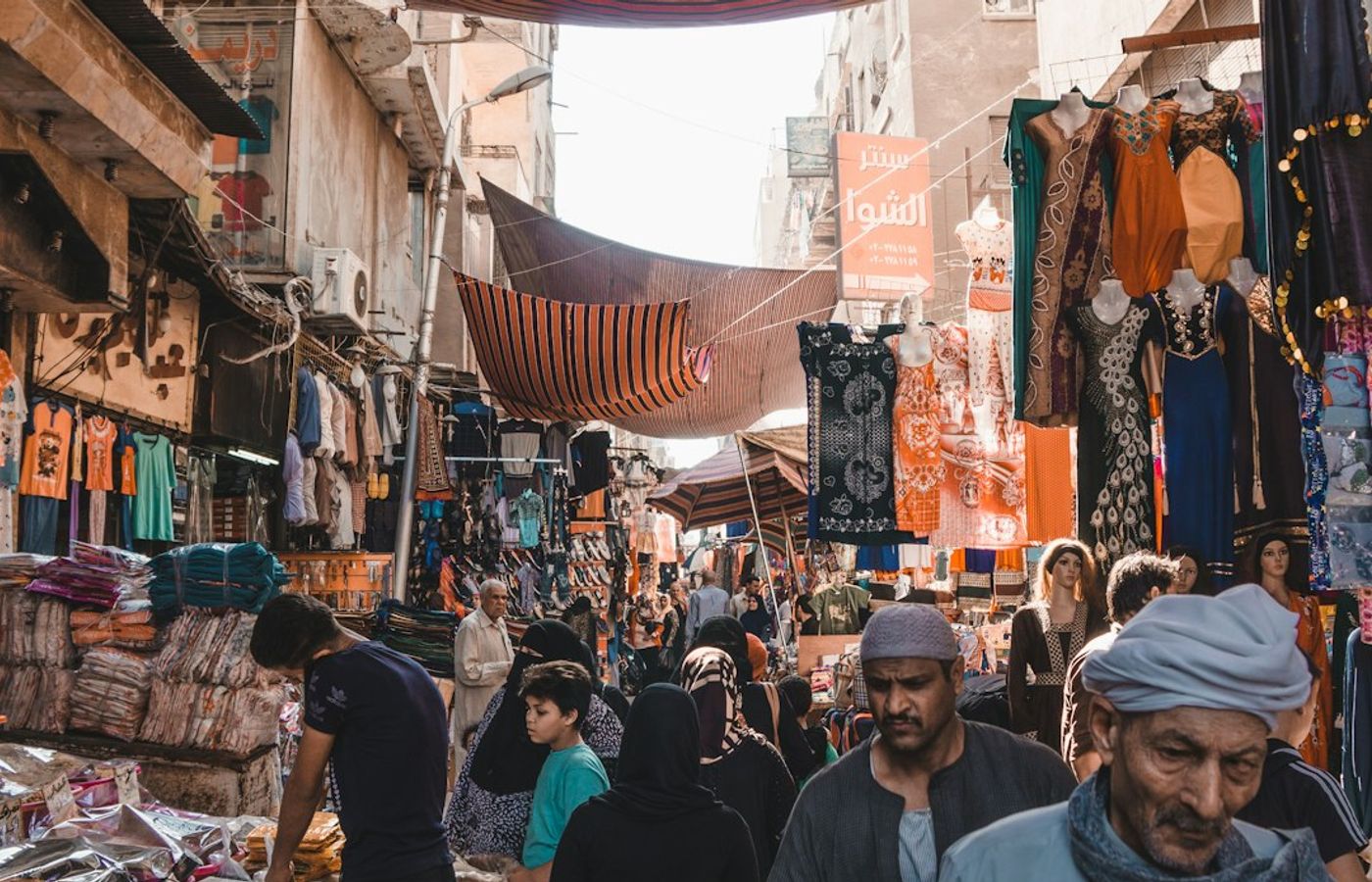
Founded in 1382 by Emir Jaharkas el-Khalili and rebuilt by Sultan al-Ghuri in 1511, Khan el-Khalili remains the beating heart of Islamic Cairo. The covered alleys spread over roughly 0.4 square kilometres around al-Mu'izz Street and stock copperware, hand-blown glass, perfumes, spices, papyrus and silver jewellery. Bargain firmly: a fair price is usually 40-50 percent of the opening number. Stop at El Fishawy Cafe (open since 1773) for mint tea and shisha, then the Khan el-Khalili Restaurant on the second floor for kebabs with a view of the al-Hussein mosque dome. Most shops trade Saturday to Thursday from around 10 AM to 9 PM and pause briefly for Friday prayers. Pickpockets work the densest lanes after dark, so keep wallets in front pockets.
Pro Tip: The smaller copper alley behind the main bazaar (Sagha Street) sells the same engraved trays at 30-40 percent lower prices than the tourist-facing stalls.
7Citadel of Saladin - 12th-century fortress with skyline views
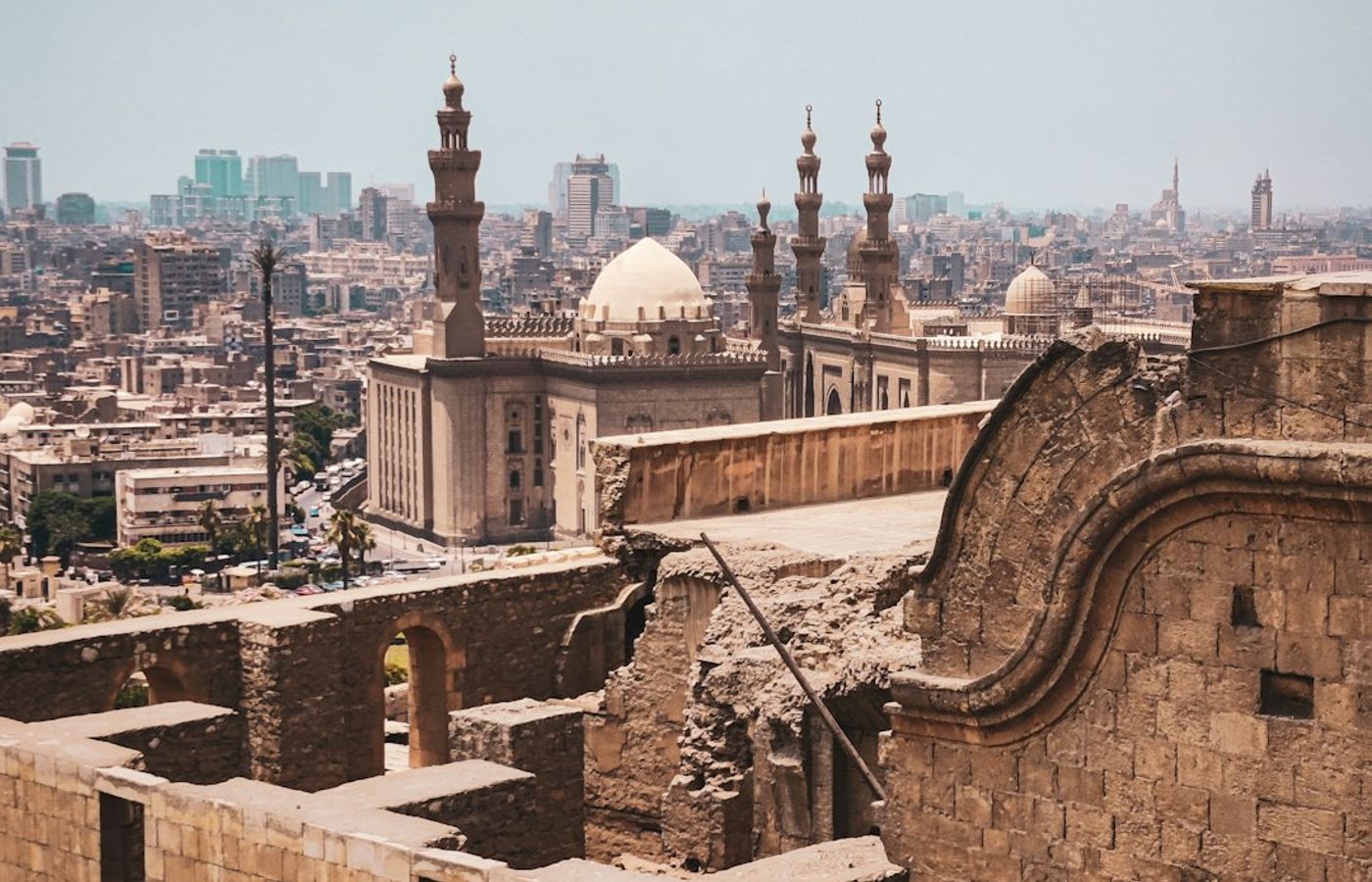
Saladin began the Citadel in 1176 to defend Cairo against Crusader threats, and the fortress on Mokattam spur stayed the seat of Egyptian government for nearly 700 years. The walled compound covers about 18 hectares and contains four museums, three mosques and the well that Saladin's engineers cut 87 metres straight down through bedrock to reach the Nile aquifer. Climb the Burg al-Muqattam tower for a panorama that on a clear day reaches the Pyramids of Giza 13 km west. Allow 2.5-3 hours including the Military Museum and Police Museum. The Citadel opens daily 8 AM to 5 PM (last entry 4 PM); tickets cost 550 EGP for foreign adults in 2026. Modest dress is enforced for the mosque interiors.
Pro Tip: The terrace below the Mosque of Muhammad Ali catches the strongest sunset light around 5 PM in winter and 6:30 PM in summer - well worth lingering for.
8Mosque of Muhammad Ali - The Alabaster Mosque on the citadel ridge
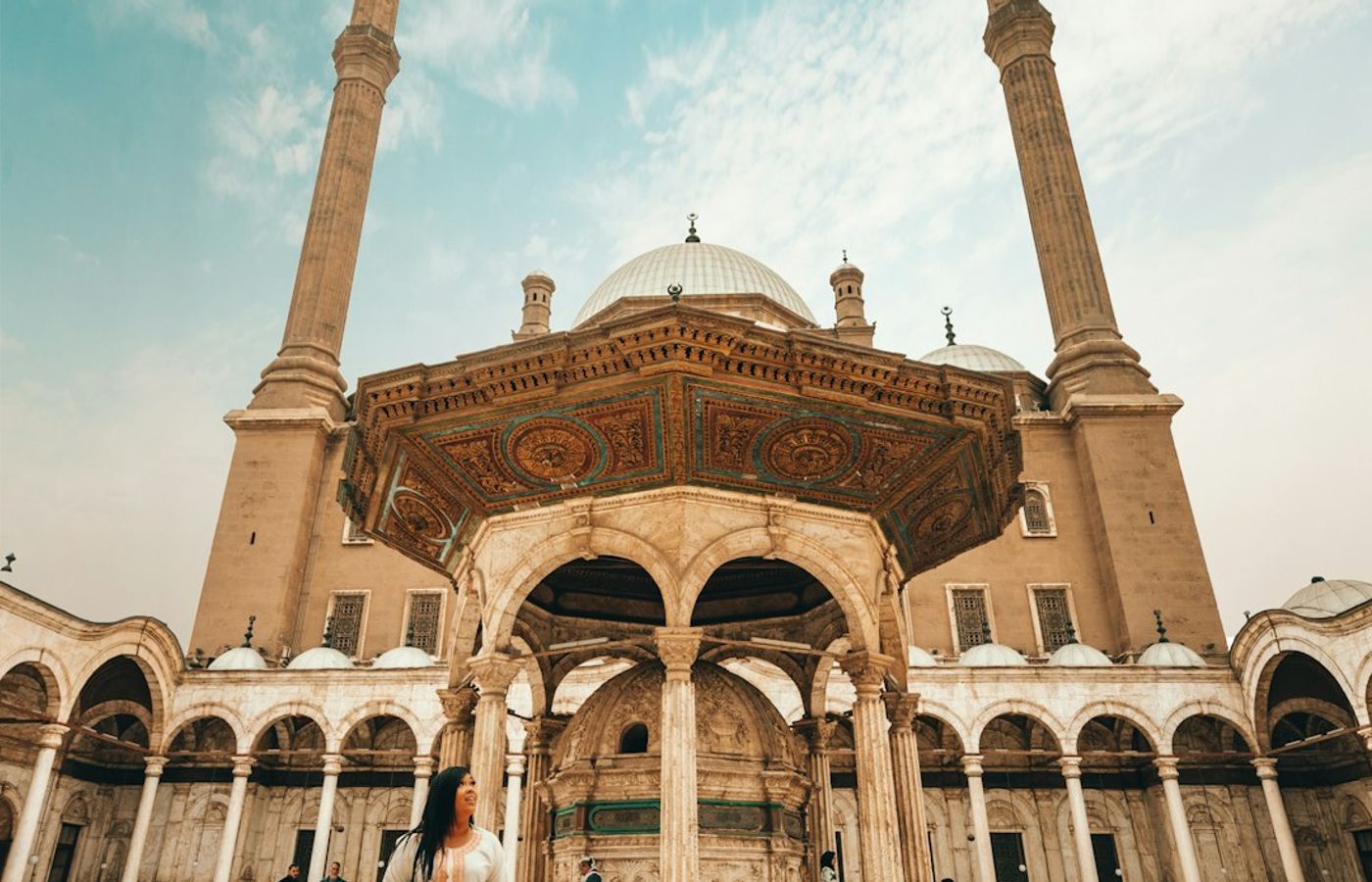
Commissioned in 1830 by Muhammad Ali Pasha and completed in 1848, this Ottoman-style mosque inside the Citadel borrows directly from Istanbul's Sultan Ahmed silhouette: two slender pencil minarets flanking a central dome 21 metres in diameter. The interior cladding gives the building its nickname - Egyptian alabaster covers the lower walls, while gilded medallions and 365 lamps suspended from the ceiling represent the days of the year. Muhammad Ali's tomb sits in a marble enclosure to the right of the entrance. Free entry is included with the Citadel ticket. Cover shoulders and knees, women receive a loaner shawl at the door, and shoes go in the wooden racks before stepping onto the carpet.
Pro Tip: Sit cross-legged in the centre of the carpet for five minutes - the acoustic dome bounces whispered prayers across the entire space, an effect lost when standing.
9Al-Azhar Mosque - The world's oldest continuously running university
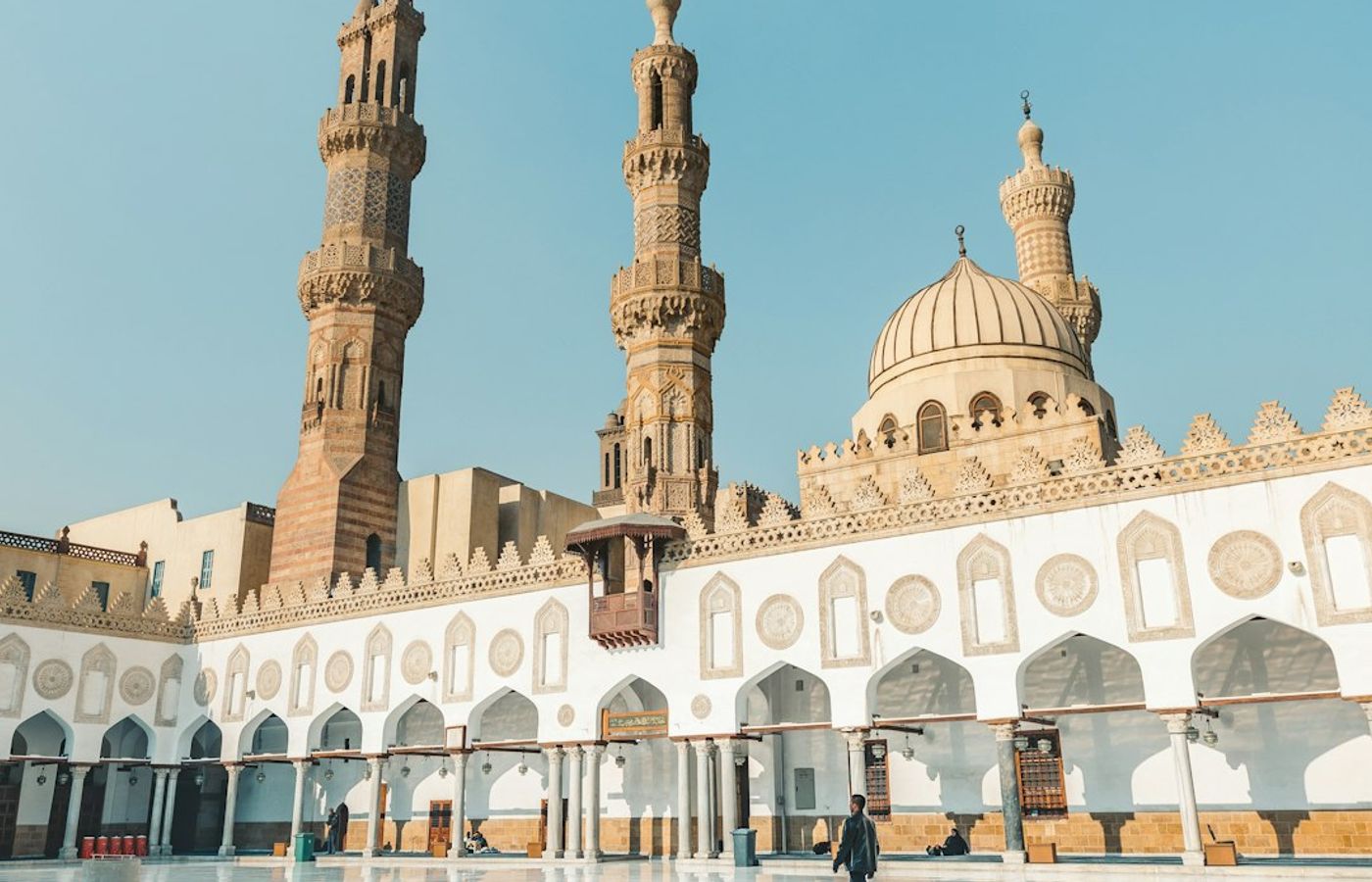
Founded in 970 CE by the Fatimid general Jawhar al-Siqilli, Al-Azhar is the second-oldest continuously operating university on Earth and the most respected centre of Sunni Islamic scholarship. The mosque opens to non-Muslim visitors outside prayer times - usually 9 AM to 4 PM, closed Friday noon to 2 PM - and entry is free. Five minarets rise from successive sultanates, and the central courtyard's flagstones reflect the Mamluk and Ottoman renovations. Step into the prayer hall to see the original Fatimid mihrab tucked behind later additions. Guides at the door offer 30-minute tours for around 100 EGP. Sundays through Thursdays you may glimpse students debating texts in the surrounding madrasas.
Pro Tip: Cross the pedestrian bridge over al-Azhar Street directly into Khan el-Khalili and combine the two visits in one half-day loop.
10Coptic Cairo - Hanging Church and Saints Sergius and Bacchus
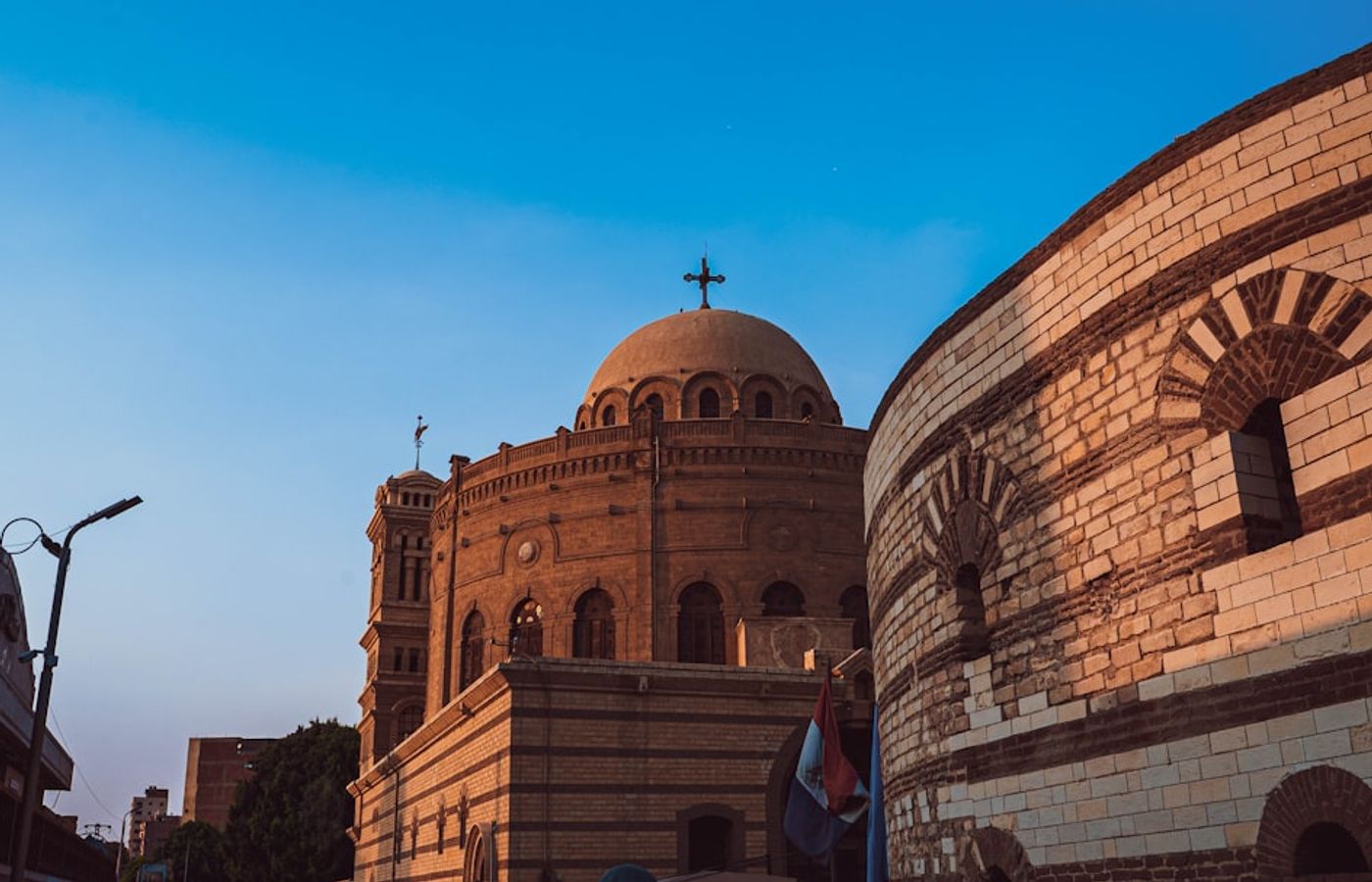
Coptic Cairo packs the city's earliest Christian heritage into a 5-hectare walled enclave around the Roman Babylon Fortress. The Hanging Church (Saint Virgin Mary's, founded around the 7th century) suspends its nave above the southern gate of the old fortress, with 110 icons inside and a wooden ceiling shaped like Noah's Ark. A two-minute walk south leads to the Church of Saints Sergius and Bacchus, built over the cave where tradition holds the Holy Family sheltered for three months around 4 BCE. Both churches are free to enter; donations of 50 EGP are appreciated. The Coptic Museum next door (450 EGP) holds 16,000 manuscripts and textiles. Plan two hours and dress modestly - shoulders and knees covered for both sexes.
Pro Tip: Visit on Sunday morning around 8:30 AM to hear the Coptic liturgy in Boharic - the chant survives almost unchanged from late antiquity.
11Saqqara Step Pyramid - The world's first stone monument
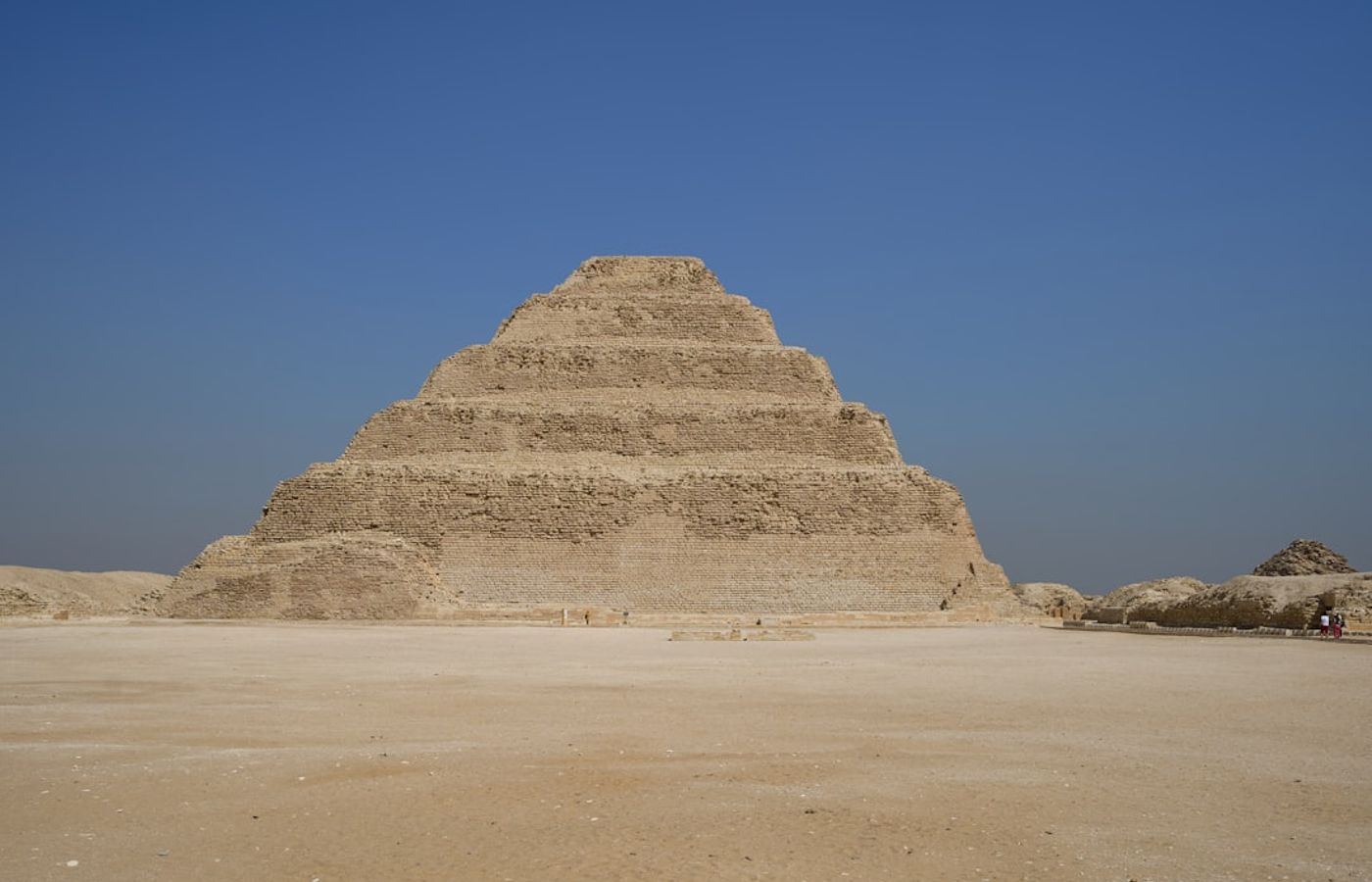
Architect Imhotep designed the Step Pyramid of Djoser around 2670 BCE, stacking six mastabas to 62.5 metres and inventing monumental stone construction in the process. Saqqara stretches 7 km along the desert ridge and contains pyramids, mastabas and the Serapeum tunnels carved for sacred Apis bulls. Recent excavations since 2018 have produced sealed coffins, mummified animals and a workshop area now displayed in the new Imhotep Museum at the entrance. Tickets cost 450 EGP and cover the main archaeological zone; the Serapeum is included. Allow 3-4 hours to see Djoser's complex, the tomb of Mereruka and the Pyramid of Teti. Wear closed shoes - sand and pottery shards make sandals impractical.
Pro Tip: Hire one of the licensed site guides at the Imhotep Museum for 400-500 EGP - they unlock the painted Old Kingdom mastabas that closed-on-paper rooms keep hidden from solo visitors.
12Mosque of Ibn Tulun - Cairo's oldest mosque in original form
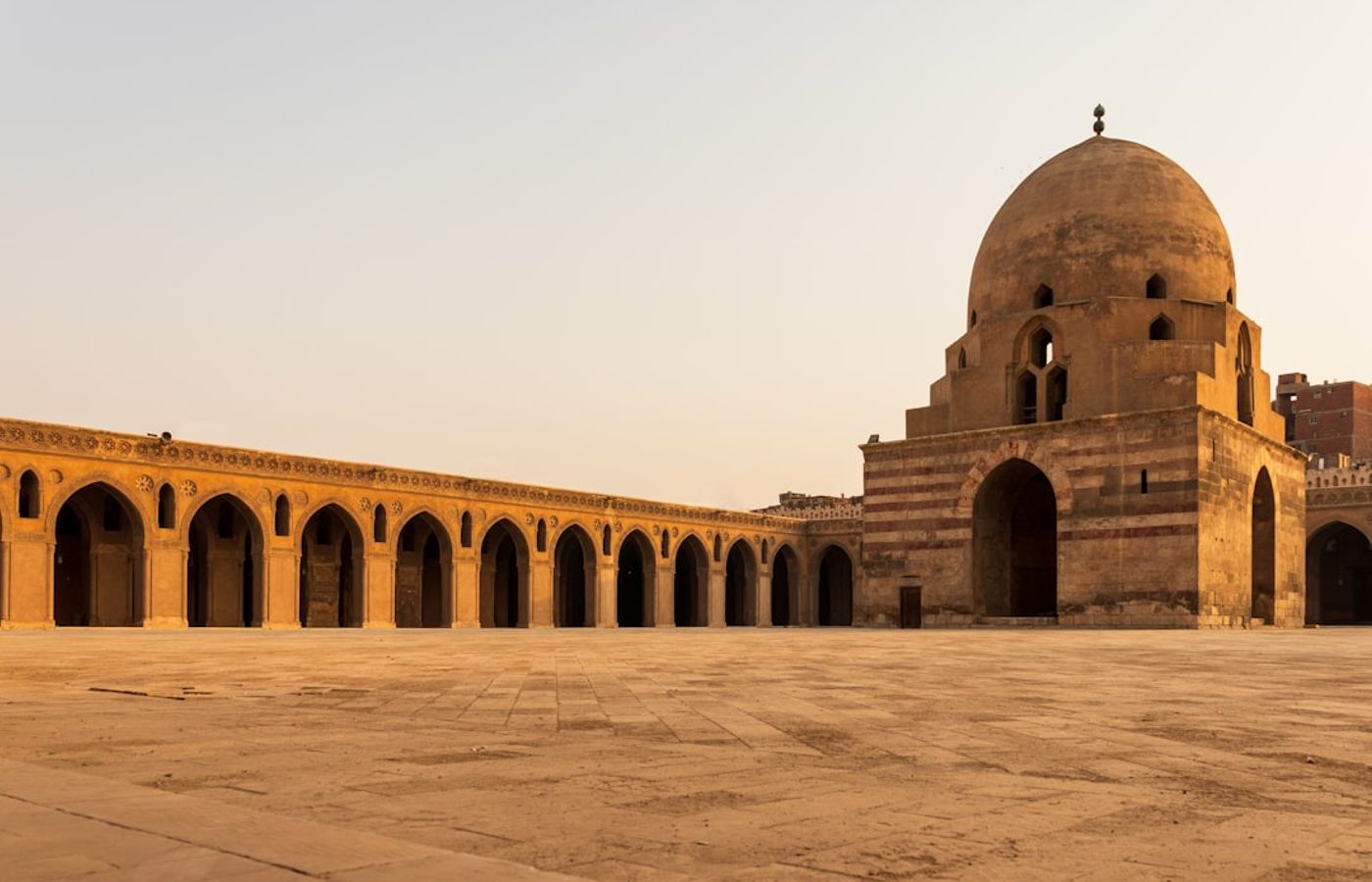
Built between 876 and 879 CE for Ahmad ibn Tulun, this mosque is the oldest in Cairo to retain its original layout and the third-largest by area in the world at 26,318 square metres. The fired-brick construction borrows from Samarra in Iraq, and the spiral minaret at the north corner is the only one of its kind in Egypt - climb its 130 external stairs for a 360-degree view across Old Cairo. The central courtyard fountain (sabil) sits beneath a 1296 Mamluk dome. Entry is free, donations welcome, and shoe coverings sit at the door. The adjacent Gayer-Anderson Museum (a restored 16th-century mansion built into the mosque wall) costs 200 EGP and pairs well as a 45-minute add-on. Open daily 8 AM to 5 PM.
Pro Tip: The minaret stairs are external and exposed - climb before 11 AM in summer to avoid hot stone, and skip if you have vertigo or fear of open edges.
13Cairo Tower - 187-metre lotus-shaped landmark
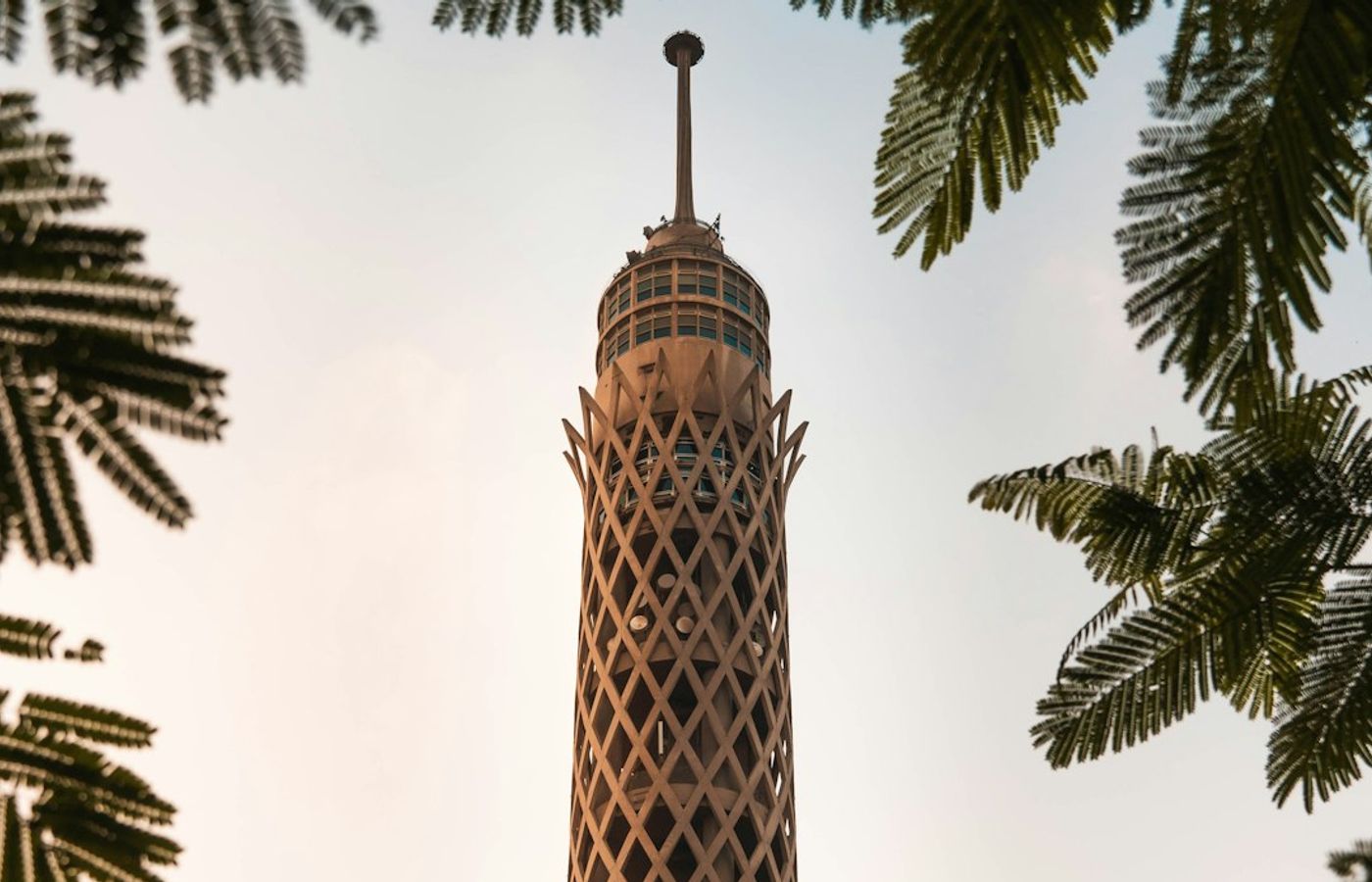
Cairo Tower opened in 1961 on Gezira Island and held the title of tallest structure in Africa for ten years. Architect Naoum Shebib clad the concrete shaft in a latticework recalling lotus petals - a deliberate counterpoint to the granite obelisks across the river. The observation deck at 187 metres offers a 360-degree view that on clear winter days reaches the Pyramids of Giza, the Citadel, and downtown's Belle Epoque rooftops. A revolving restaurant sits one floor below the deck and serves Egyptian and continental dishes (mains 350-650 EGP). Lifts run 9 AM to midnight, deck ticket 350 EGP for foreigners in 2026. Sunset slots between 5 PM and 6 PM book up - reserve through the official site to skip the queue.
Pro Tip: The deck rotates slightly with strong westerly wind and visibility drops in spring khamsin sandstorms - check the forecast and aim for December to February for the cleanest views.
14Tahrir Square and Downtown - Belle Epoque architecture and 2011 history
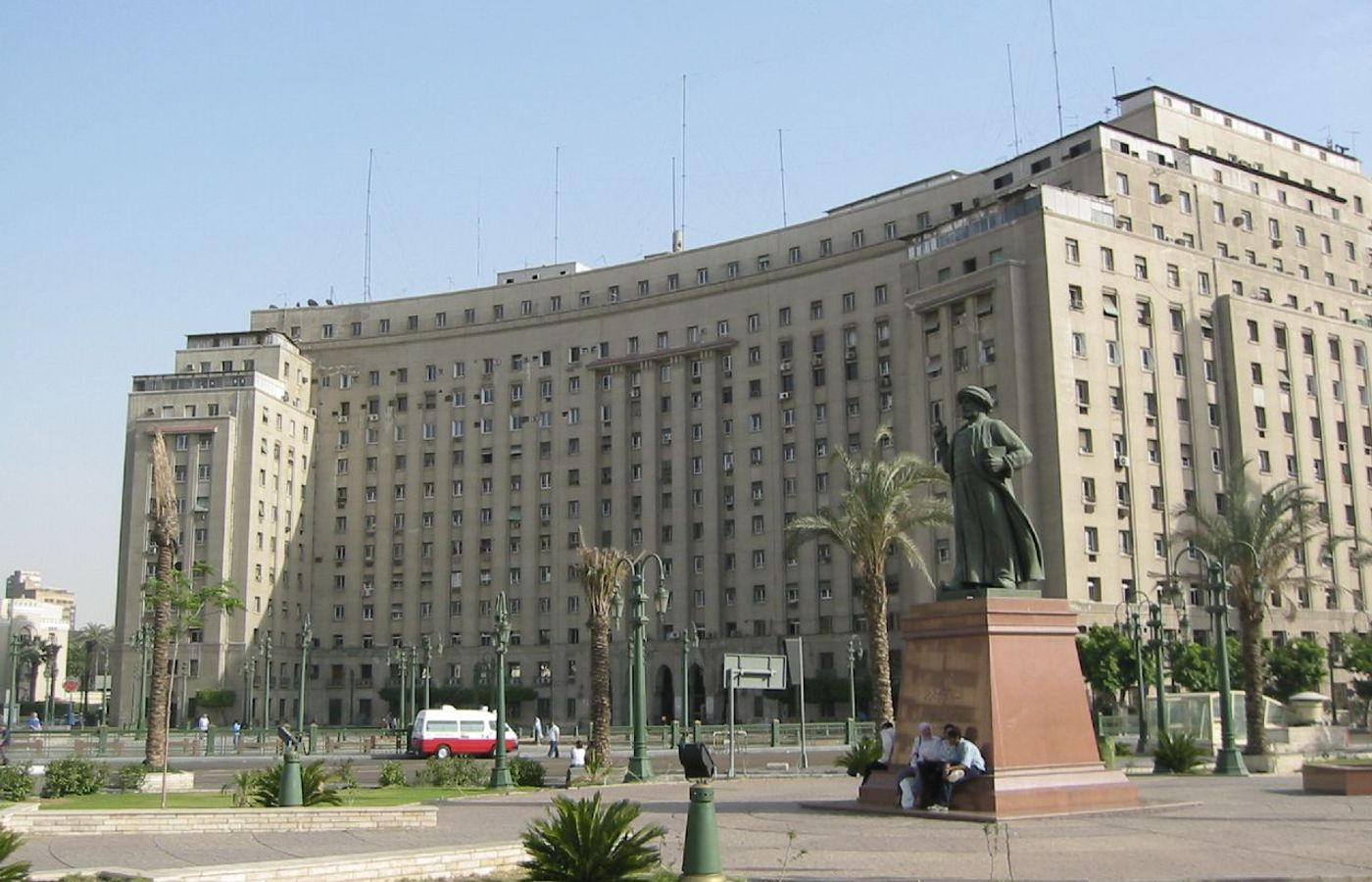
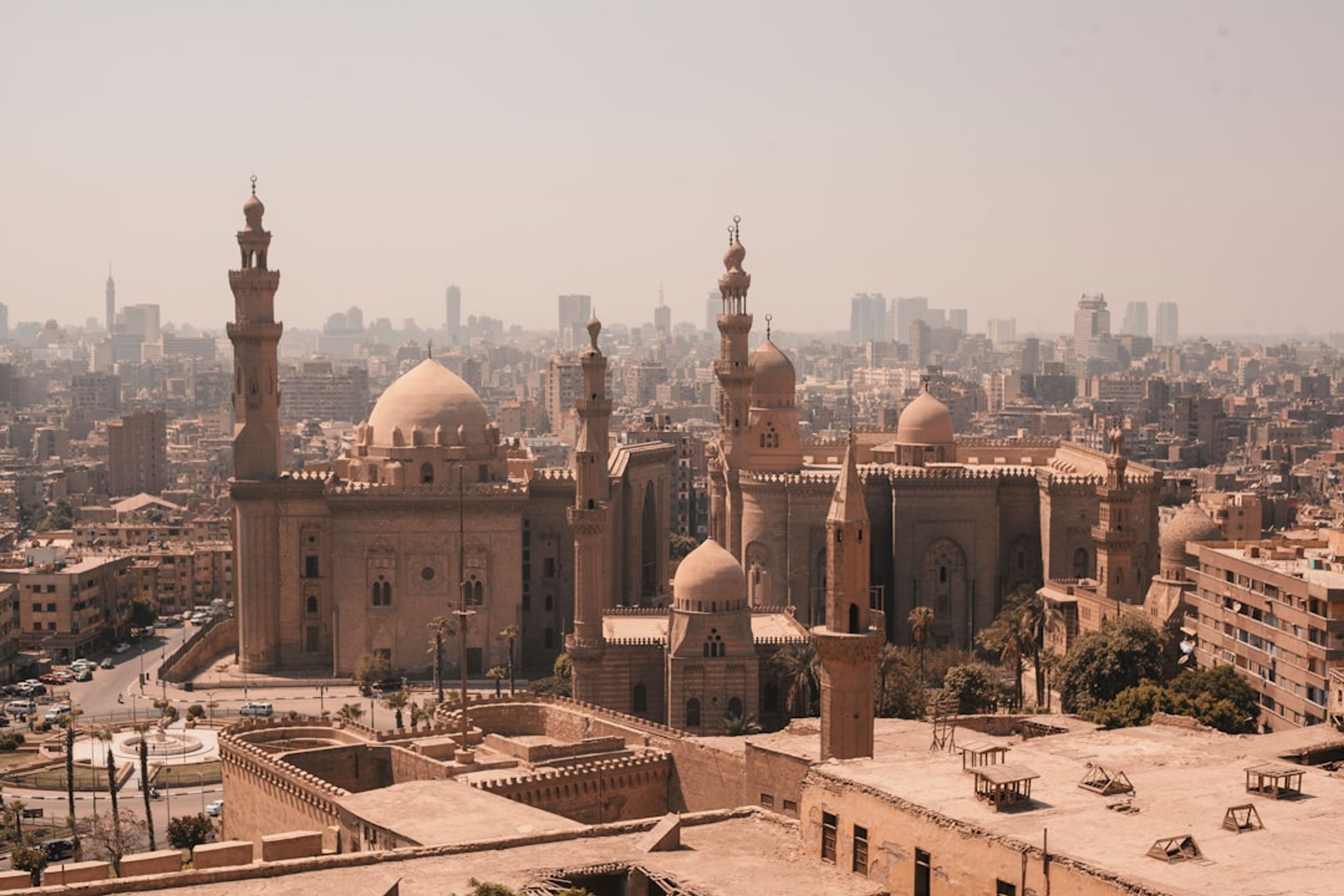
Tahrir Square sits at the centre of Khedive Ismail's 19th-century downtown grid, modelled on Haussmann's Paris and lined with neo-classical, Art Deco and Moorish revival facades. The 2011 revolution put the square on global headlines, and a 2020 restoration installed an obelisk and four ram-headed sphinxes from Karnak in the central roundabout. From here walk Talaat Harb Street to the eponymous statue, stop at Cafe Riche (open since 1908) for coffee, and continue to Abdeen Palace Museum or Groppi tea room. Downtown's compact 1.5-square-kilometre core suits a self-guided 90-minute walk. Most cafes accept cards; many shops still cash only. Watch for traffic when crossing - locals weave between cars rather than wait for green.
Pro Tip: The Townhouse Gallery on Hussein el-Memar Street and Cimatheque on Adly Street showcase contemporary Egyptian art and film - free entry and a strong counterweight to ancient sites.
15Memphis (Mit Rahina) - The lost capital of the Old Kingdom
Founded around 3100 BCE by the unifier-king Menes, Memphis served as Egypt's capital for the entire Old Kingdom and held political weight for almost 2,500 years. Most of the mud-brick city eroded into the Nile floodplain, but the open-air museum at modern Mit Rahina village preserves the highlights. The 10.3-metre fallen colossus of Ramses II lies inside its purpose-built shelter, while a 2.4-metre alabaster Sphinx (the largest after Giza) sits outside in the palm grove. Look for the 19th-dynasty embalming tables of the sacred Apis bulls. Tickets cost 200 EGP and cover the whole site. Combine with Saqqara - they are 5 km apart on the same day-trip route. Allow 60-75 minutes here.
Pro Tip: The site has almost no shade outside the colossus shelter - bring sun cream and visit before 11 AM or after 3 PM, especially May to September.

CEO and co-founder
Tomas is the co-founder and director of trip1, an European company specializing in reservation services. He launched the company in 2025 with a focus on building scalable, efficient operations.
15 Top Places to Visit in Cairo, Egypt - FAQ
Visiting all 15 places to visit in Cairo in one day is not realistic. Cairo sprawls across roughly 3,085 square kilometres and traffic between Giza, Old Cairo, Islamic Cairo and Saqqara can eat 60-90 minutes each way. A practical pace is three days. Devote one full day to Giza Plateau plus the Grand Egyptian Museum, one day to Islamic and Coptic Cairo, and a third day to Saqqara and Memphis. Add a fourth day if you want to explore the Egyptian Museum at Tahrir slowly. Avoid Friday mornings when many sites delay opening for prayers.
Group sites geographically rather than by category. Day one: arrive at Giza by 7:30 AM for the Pyramids and Sphinx, walk through the Great Pyramid interior, then cross to the Grand Egyptian Museum after lunch. Day two: start at the Citadel of Saladin, descend to the Mosque of Ibn Tulun, walk to Khan el-Khalili and Al-Azhar, finish in Coptic Cairo with the Hanging Church. Day three: head south to Saqqara at opening, continue to Memphis (Mit Rahina), and return for sunset at Cairo Tower. Slot the Egyptian Museum at Tahrir between day two and three if you have a half day spare.
Three locations strongly benefit from advance booking in 2026. The Grand Egyptian Museum sells timed-entry tickets through its official site (around 1,450 EGP for foreigners) and weekend slots disappear days ahead. The Great Pyramid interior caps daily visitors at roughly 300 split into morning and afternoon batches; ticket counters open at 8 AM and 1 PM at the Giza gate, and they sell out by 8:20 AM in peak season. Sound and Light shows at Giza also require advance reservation. Khan el-Khalili, Coptic Cairo churches, and most mosques are walk-up. Carry a printed receipt and a passport copy for entry checks.
Budget around 5,400-6,200 EGP per adult in 2026 for entry tickets across the 15 sites. Major line items: Giza Plateau combined ticket 700 EGP, Great Pyramid interior 900 EGP, Grand Egyptian Museum 1,450 EGP, Egyptian Museum at Tahrir 550 EGP plus 250 EGP for the Royal Mummies Hall, Saqqara 450 EGP, Memphis 200 EGP, Citadel 550 EGP, and Cairo Tower 350 EGP. Mosques and Coptic churches are typically free or request a 20-50 EGP donation. Add 250-400 EGP per day for taxis or Uber, and a tour guide runs 1,500-2,500 EGP per day if you hire one independently.
A few worthwhile spots fall outside the 15. Dahshur (40 km south) holds the Bent Pyramid and Red Pyramid with far fewer crowds than Giza. Al-Muizz Street offers a 1-km open-air museum of medieval Cairo monuments at night. The Manial Palace on Roda Island showcases Ottoman and Andalusian architecture. Garbage City and the Cave Church of Saint Simon cling to the Mokattam cliffs and seat 20,000 worshippers. For families, Al-Azhar Park provides 30 hectares of green space with skyline views. If you have an extra evening, a felucca sail on the Nile from Maadi or downtown costs 200-300 EGP per hour and pairs well with sunset.
About half are reachable by metro and bus. Cairo Metro Line 1 stops at Sadat (Egyptian Museum, Tahrir), Mar Girgis (Coptic Cairo) and Helwan; Line 3 reaches Attaba (gateway to Khan el-Khalili) and Kit Kat. The Pyramids of Giza connect via Line 2 to Giza station, then microbus or taxi for the final 7 km. Saqqara and Memphis have no metro or reliable bus link, so a taxi, Uber or organised tour is the practical option. The Grand Egyptian Museum is best reached by Uber or the official shuttle from Ramses station. Always agree the fare before boarding non-metered taxis.