
Guides · Nice
12 Top Things to Do in Nice, France
By Tomas Achmedovas · CEO and co-founder

CEO and co-founder
This guide ranks the 12 top things to do in Nice, France - the sights that genuinely deserve a spot on your French Riviera itinerary whether you have two days or a full week. Each entry includes the exact address, the nearest Lignes d'Azur tram or bus stop, walking time from the centre, and a practical Pro Tip drawn from on-the-ground research.
We have ordered the list to help you plan efficient sightseeing routes. The seafront Promenade des Anglais, Vieux Nice (the Old Town), Cours Saleya market, Place Masséna, and Castle Hill (Colline du Château) sit within a 25-minute walk of each other and make a natural Day 1 loop. The Cimiez museums (Matisse and Chagall), the Russian Orthodox Cathedral, MAMAC, and Promenade du Paillon split neatly into a second day using Tram Line 1 and a few short bus hops. A third day belongs to the train along the Côte d'Azur for the two day-trip stops - Villefranche-sur-Mer and Èze - that pair perfectly with Nice itself.
Categories run across seafront walks, Old Town atmosphere, panoramic viewpoints, free public art, world-class museums, and Riviera day trips. All prices, opening hours, and transit details are accurate for 2026.
Check dates for Nice
See what is available on your dates.
1Promenade des Anglais - The Iconic Seafront of the French Riviera
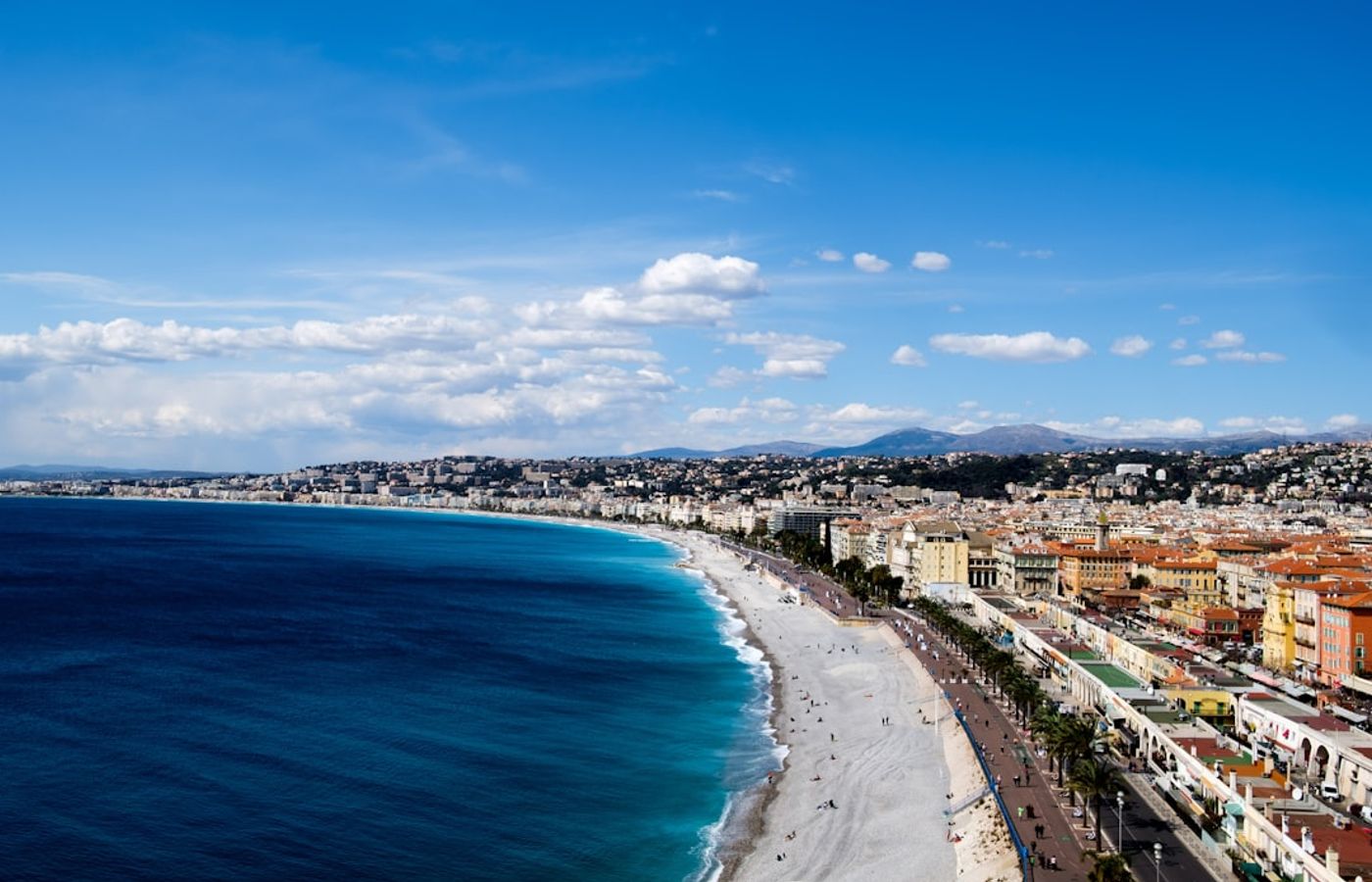

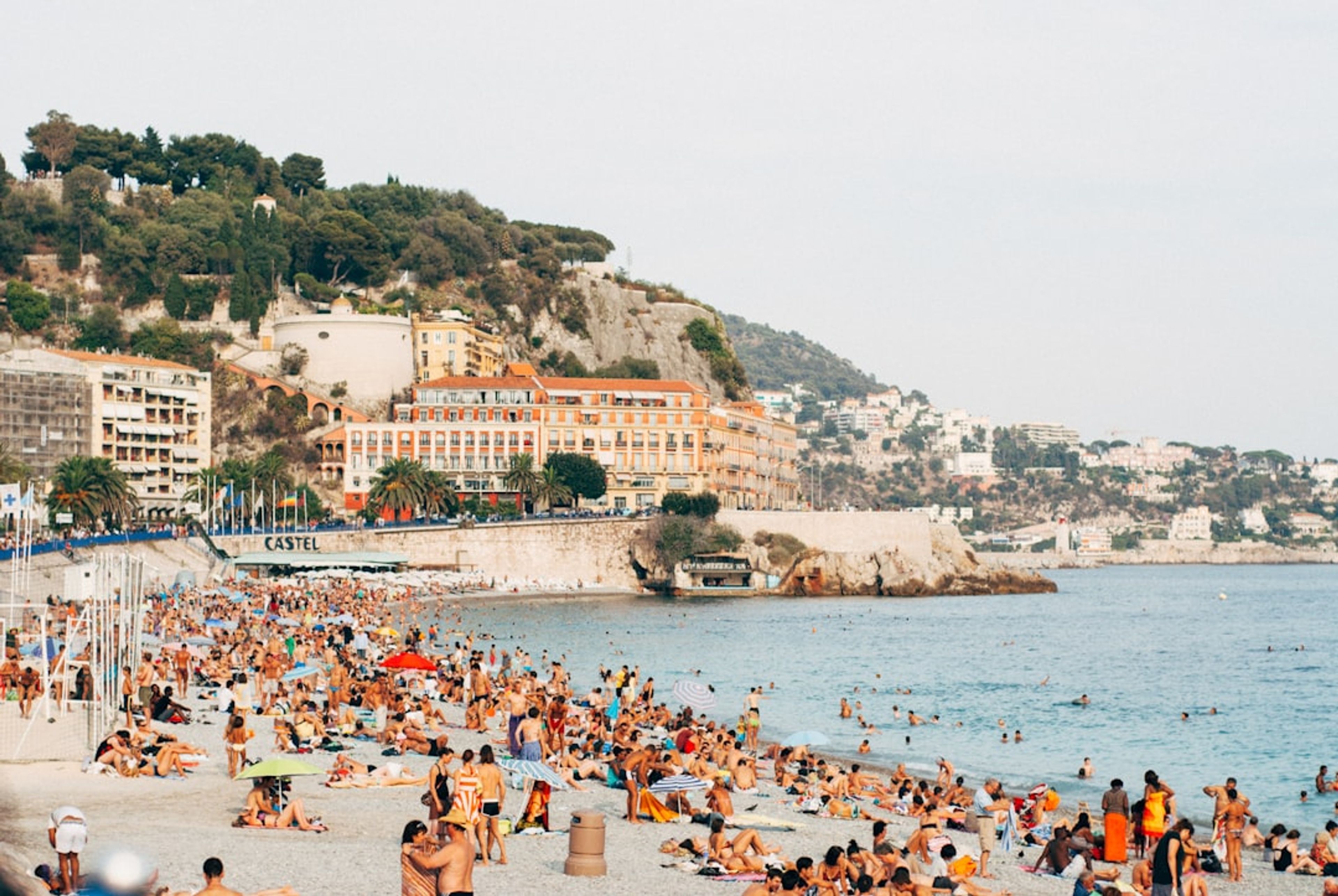
The Promenade des Anglais traces the curve of the Baie des Anges for 7 km and is the single most famous stretch of seafront on the French Riviera. Lined with palm trees, the iconic pale-blue chaises bleues, Belle Époque hotels including the Negresco, and a wide bike lane, it sets the rhythm of a day in Nice - morning joggers, mid-afternoon swimmers on the pebble beaches, and evening strollers heading to dinner.
The promenade was first laid out by the British winter colony in 1820, which gives it the name. Walk west toward the airport for sunset light over the bay, east toward the Old Town to reach Cours Saleya and Castle Hill. The wide lower deck below the road has free public benches, fitness equipment, and ramps down to the beach clubs.
2Vieux Nice - The City's Italianate Old Town
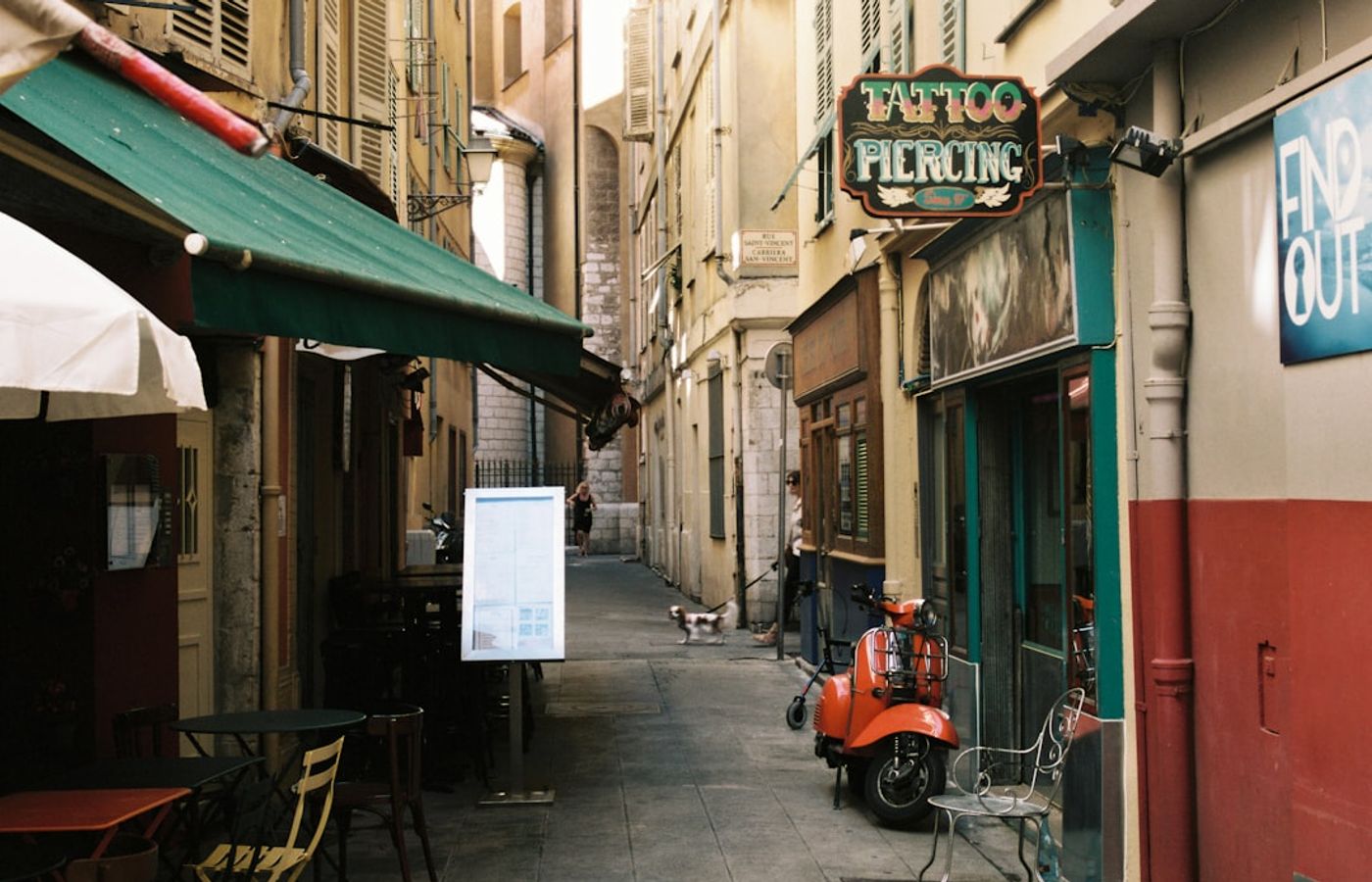

Vieux Nice, the Old Town, is the city's beating heart - a network of narrow streets where ochre and oxblood-painted facades crowd against baroque churches and the air carries the smell of socca cooking on iron griddles. Settled by Greeks, ruled by Savoy, and only French since 1860, the quarter speaks more Italian than the rest of the city in its architecture, food, and Niçard dialect.
Allow at least half a day to wander between Place Rossetti (the heart of the Old Town and home to Fenocchio's 70-plus ice-cream flavours), the Cathédrale Sainte-Réparate, Palais Lascaris, and the Chapelle de la Miséricorde. Stop for socca (chickpea flatbread) and pissaladière (anchovy and onion tart) at the market stalls along Rue Pairolière.
3Castle Hill (Colline du Château) - The Best Panoramic Viewpoint in Nice
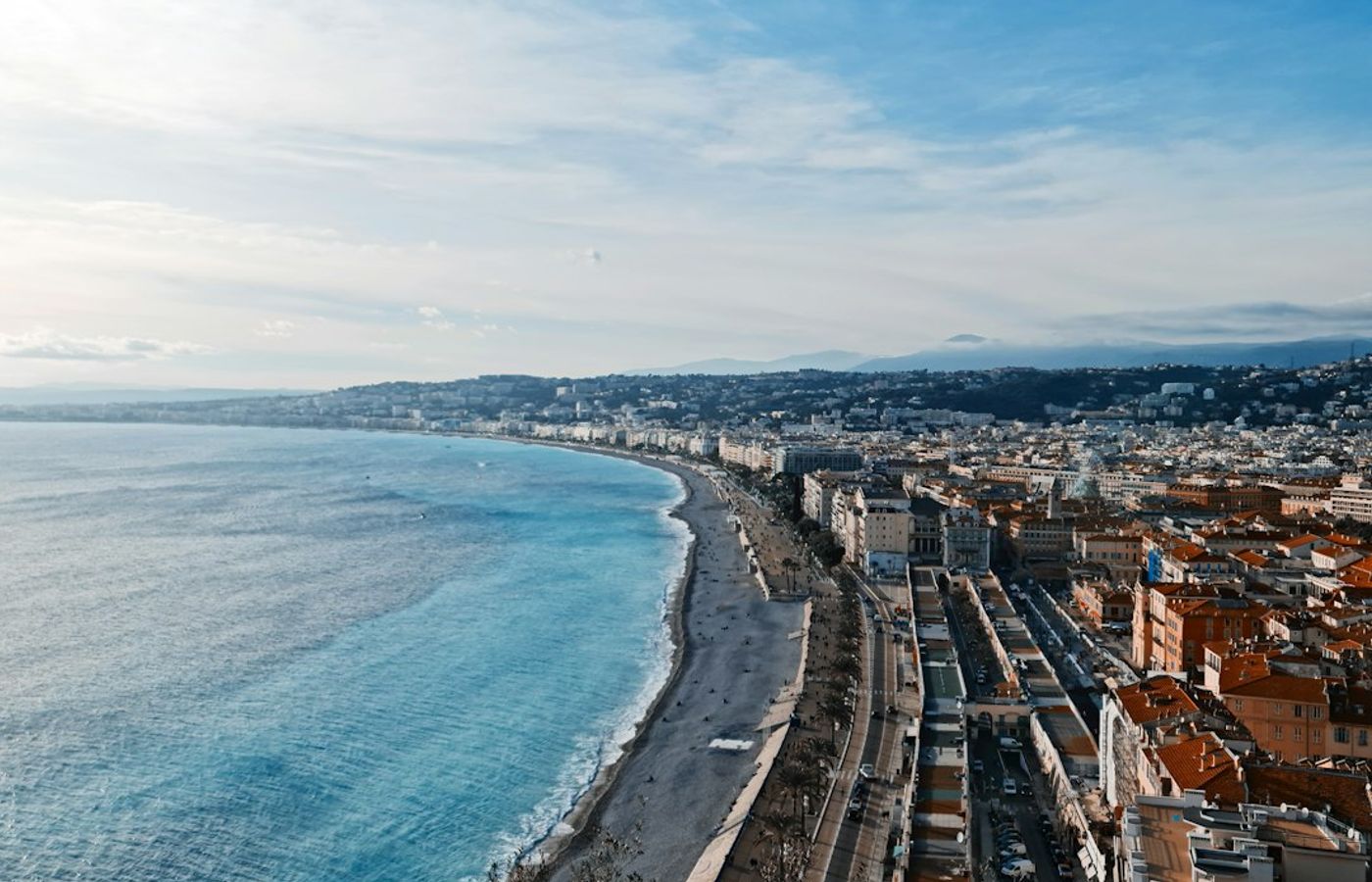
Colline du Château is the rocky outcrop separating the Old Town from Port Lympia, and the panoramic platform on top delivers the postcard view of Nice that opens almost every guidebook. The medieval citadel was demolished by Louis XIV in 1706, leaving a hilltop park studded with the ruins of two cathedrals, a working artificial waterfall, and shaded picnic terraces under Aleppo pines.
The walk up takes 15 minutes via the staircase from Rue Rossetti or the longer ramp from Quai des États-Unis. There is also a free public lift at the western base, which is the easiest option in summer. Stay until sunset for the most dramatic light over the curve of the Baie des Anges and the terracotta roofs of Vieux Nice.
Check dates for Nice
See what is available on your dates.
4Cours Saleya - Nice's Open-Air Flower and Food Market
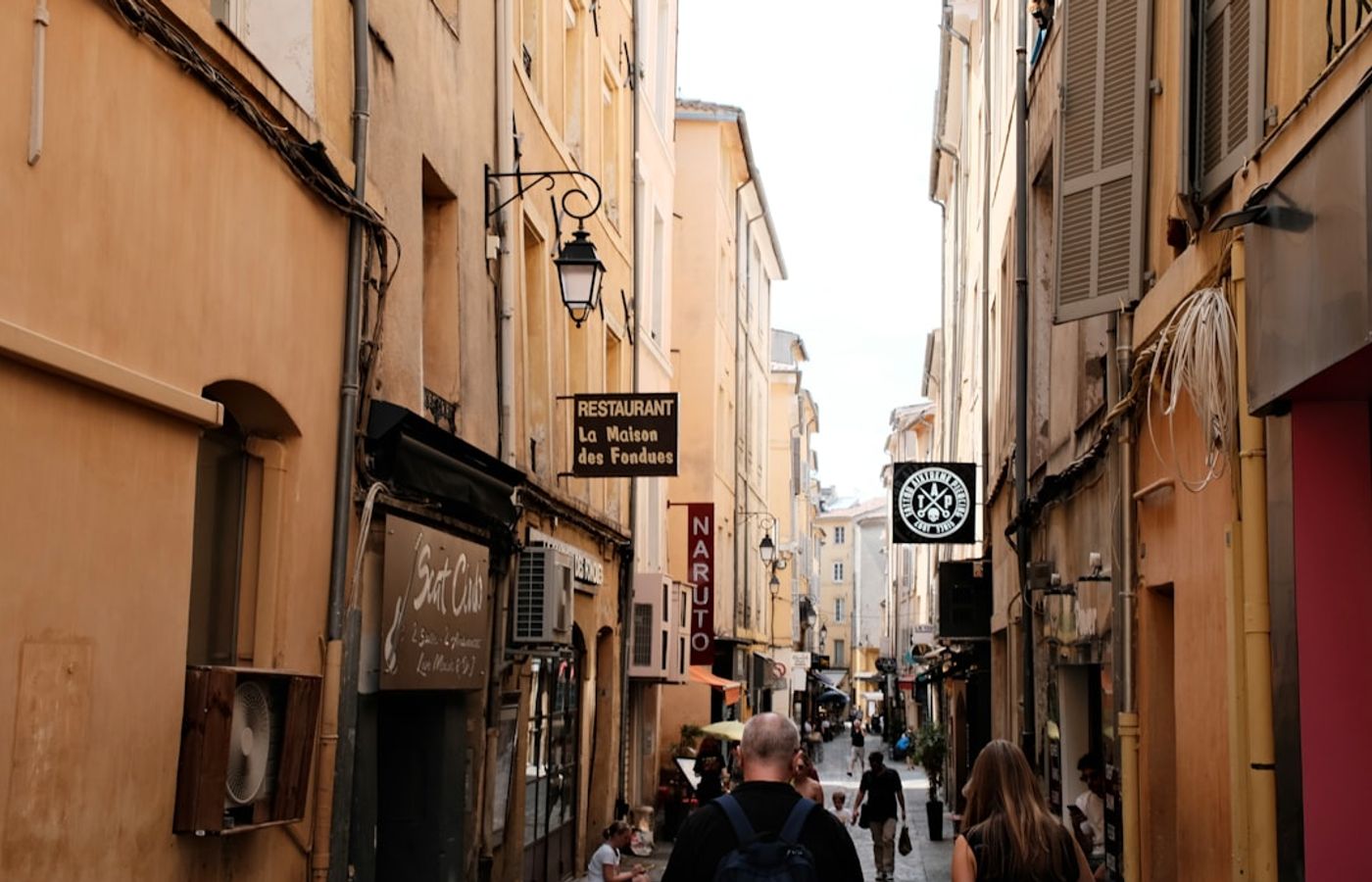
Cours Saleya is the long pedestrian square that runs through the southern edge of Vieux Nice, and its daily market is one of the most photogenic in southern France. From Tuesday to Sunday mornings it fills with the marché aux fleurs - the famous Nice flower market - alongside stalls of Provençal produce, olives, cheeses, and Niçoise specialities such as socca and tourte de blettes.
On Monday the market switches to a brocante flea market that draws collectors of vintage Riviera porcelain, posters, and silverware. By night the square becomes the city's central dining strip, with restaurant terraces filling under the same arcades that once housed Henri Matisse's apartment at number 1.
5Place Masséna - Nice's Central Square and Tram Hub
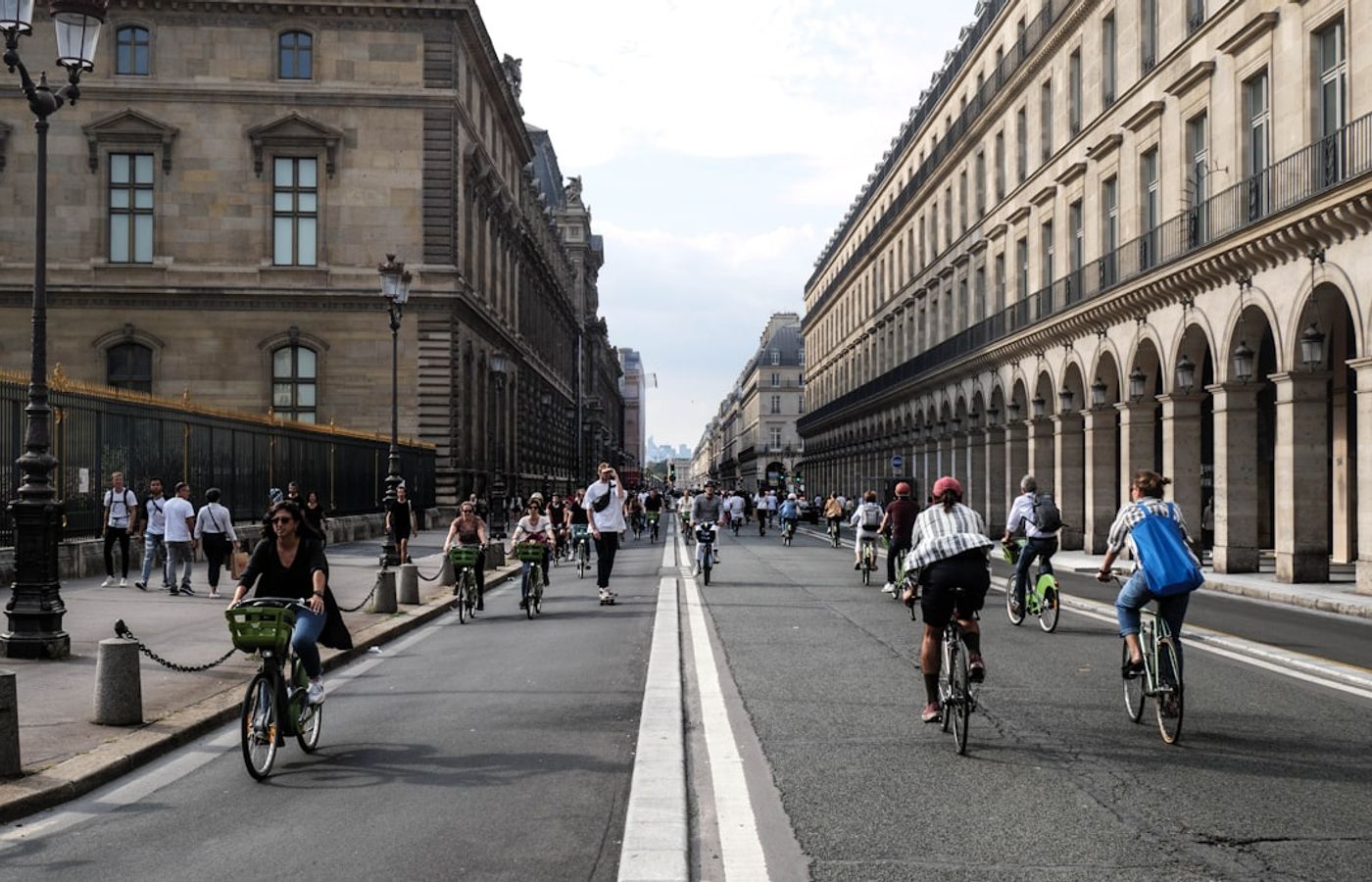
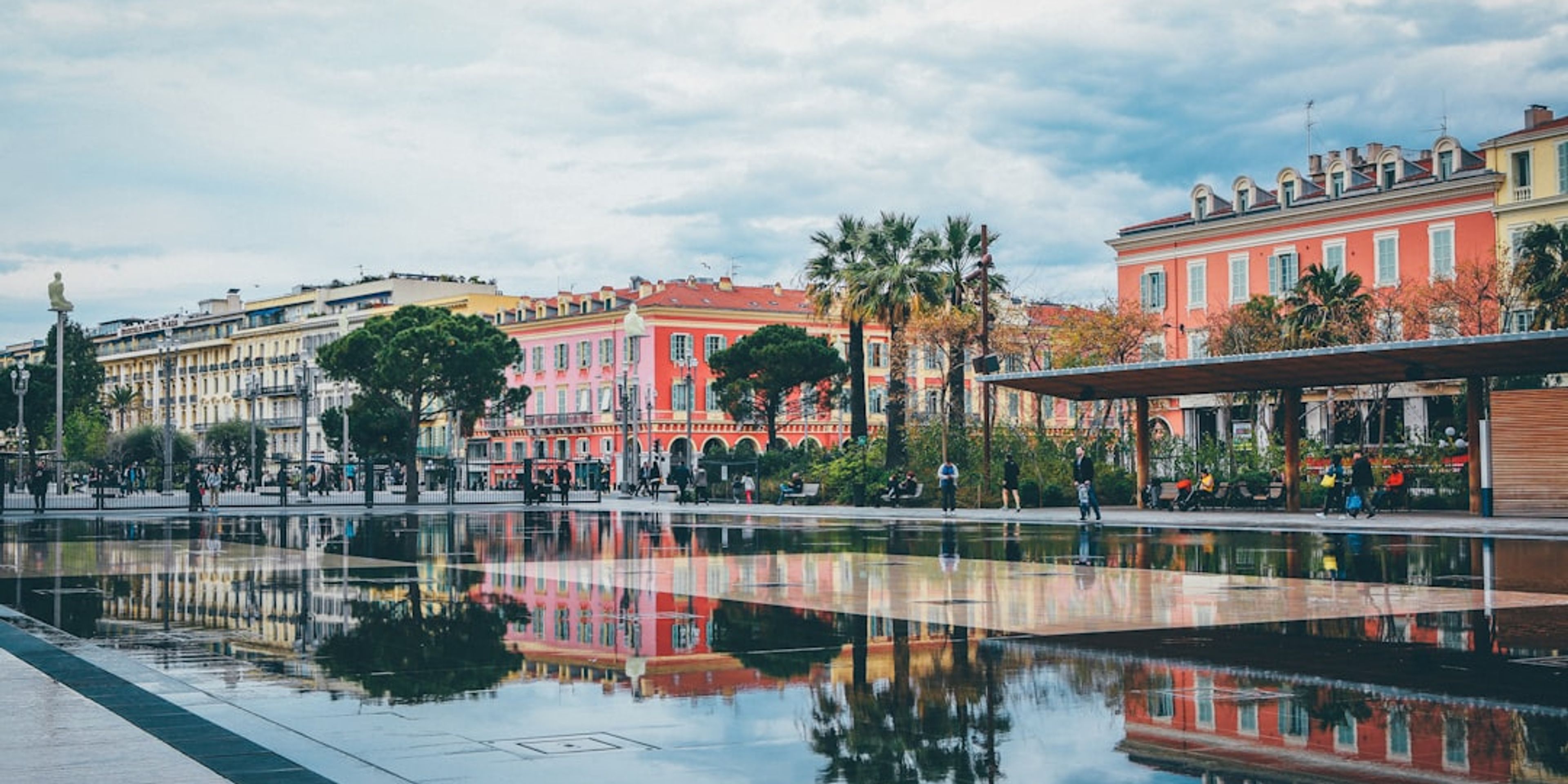
Place Masséna is the central square of Nice and the natural pivot between Vieux Nice, the Carré d'Or shopping district, and the seafront. Its ochre-red Italianate buildings surround a black-and-white chequered marble pavement, a 7-metre Apollo fountain, and the surreal Conversation in Nice installation by Jaume Plensa - seven illuminated kneeling figures perched on tall poles.
The square is the hub of the Lignes d'Azur tram network (Line 1 stops here) and the staging point for the Carnaval de Nice each February. From Place Masséna you can walk west along the Promenade des Anglais, north up Avenue Jean Médecin for shopping, or east into the flower market at Cours Saleya in under three minutes.
6Musée Matisse - The Largest Collection of Matisse in France
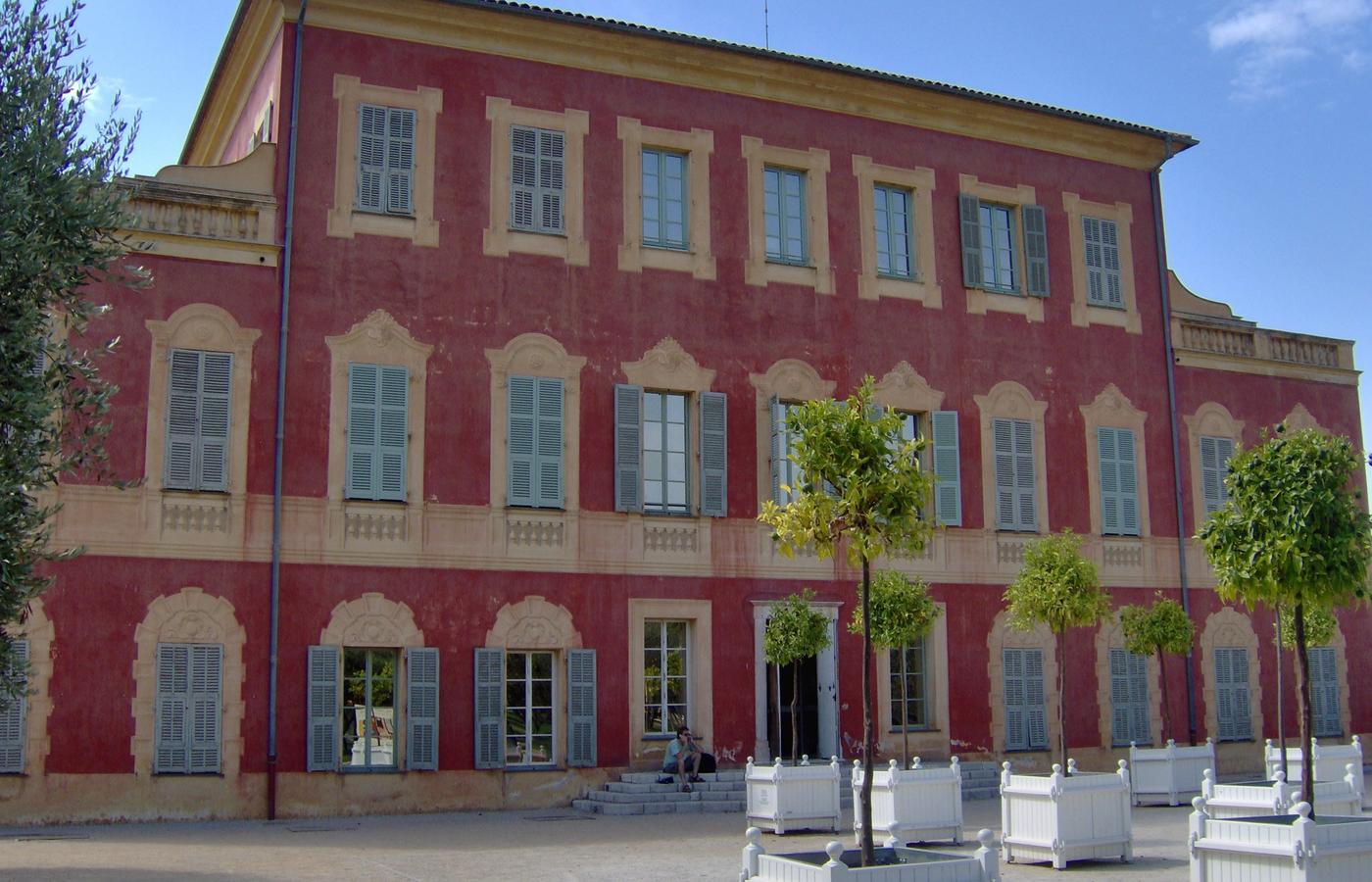
The Musée Matisse holds the largest single collection of works by Henri Matisse anywhere in France, set inside a 17th-century red-ochre Genoese villa in the leafy hilltop neighbourhood of Cimiez. Matisse lived in Nice from 1917 until his death in 1954 and is buried in the cemetery a few steps away at Cimiez Monastery.
The permanent collection spans Matisse's entire career - early oils, the explosion of colour through the Fauve years, the cutouts of his final decade, and the studies for the Chapelle du Rosaire in nearby Vence. Allow 90 minutes and combine the visit with the adjacent Roman amphitheatre and the Franciscan monastery garden.
7Musée National Marc Chagall - The World's Largest Public Collection of Chagall
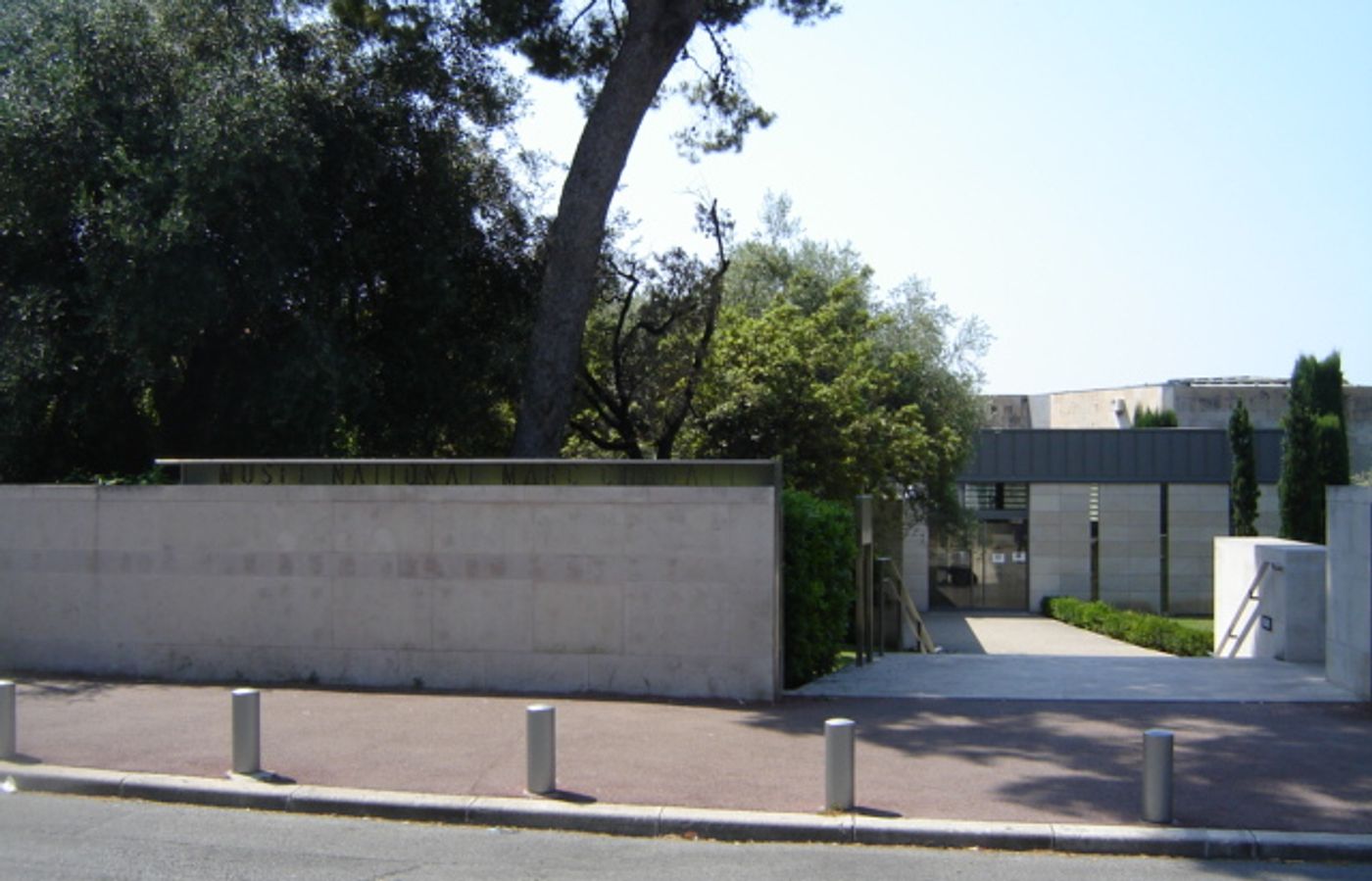
The Musée National Marc Chagall houses the largest public collection of Chagall's work in the world, centred on the 17 monumental paintings of his Message Biblique cycle. Chagall chose this purpose-built museum on the slopes of Cimiez and oversaw its construction himself; it opened in 1973 with a layout he designed to maximise natural light on the canvases.
The Biblical Message room is the showstopper, but stay for the Song of Songs gallery with its rose-toned canvases, the stained-glass window of Creation, the auditorium with Chagall's blue glass, and the small permanent collection of his theatre work. The shaded garden outside is free to enter without a ticket.
8Cathédrale Saint-Nicolas - The Largest Russian Orthodox Cathedral Outside Russia
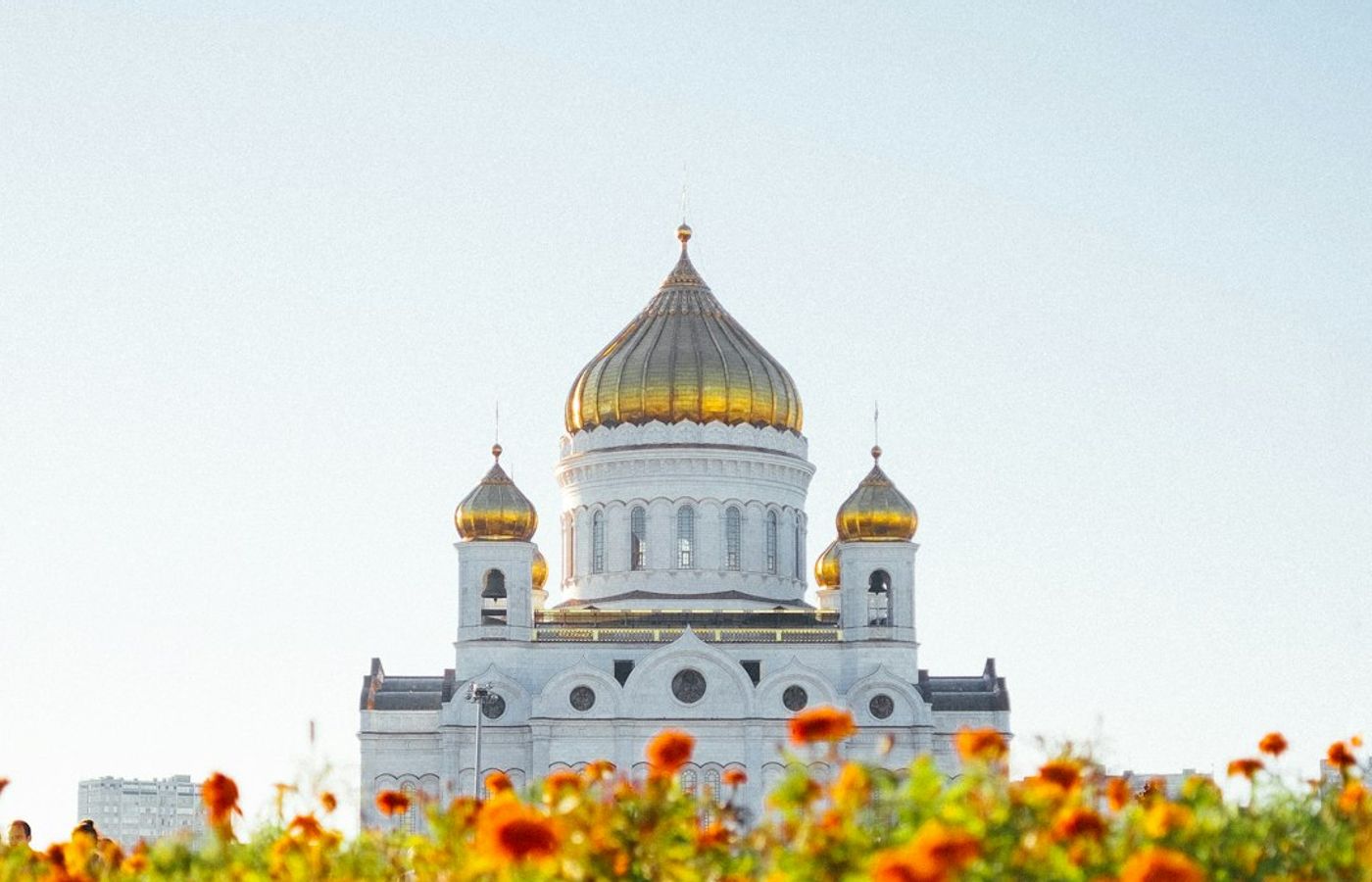
The Cathédrale Saint-Nicolas is the largest Russian Orthodox cathedral outside Russia and the most unexpected building in Nice - six onion domes in green, gold, and rose surrounded by palm trees a short walk from the train station. It was completed in 1912, funded by Tsar Nicholas II in memory of his uncle who died in Nice as a child, and it served the large Russian aristocratic community that wintered on the Côte d'Azur.
The interior gleams with a gilded iconostasis, frescoes, and Fabergé-style enamels. Modest dress is required (covered shoulders and knees), admission is around €5, and you should allow 30 minutes inside. The cathedral is still an active parish, so services pause public visits.
9Promenade du Paillon - Nice's 12-Hectare Linear Park
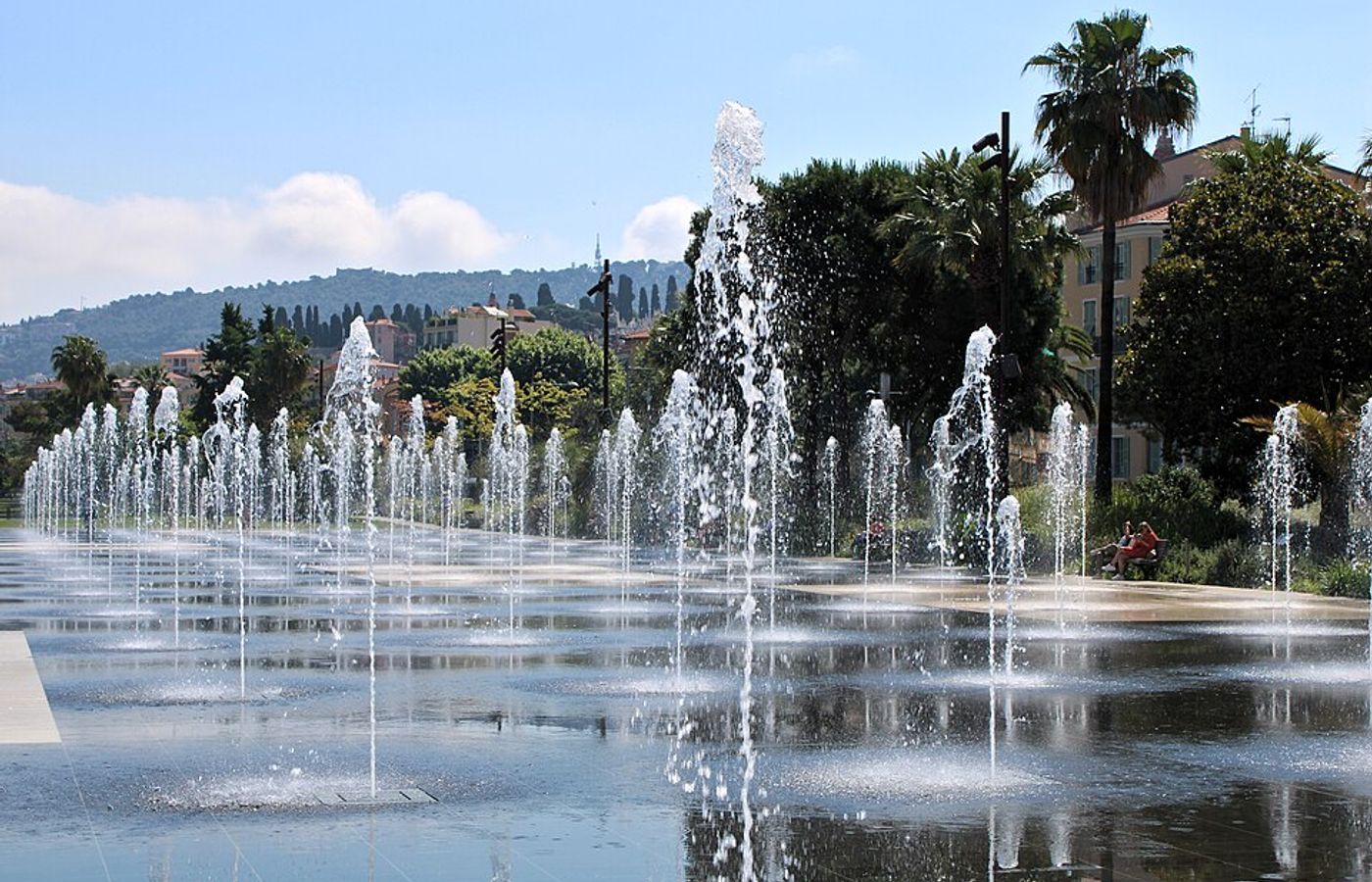
The Promenade du Paillon is a 12-hectare linear park that cuts a green corridor through central Nice, from the Théâtre National down to the sea at the Espace Masséna. Opened in 2013 on the covered bed of the Paillon river, it replaced a multi-storey car park and bus terminal with 1,600 trees, jet fountains, a children's water mirror, and a giant chessboard.
The park is the city's everyday meeting place - locals jog at dawn, families gather around the splash pad on summer afternoons, and skateboarders use the smooth paths in the evening. Walk its length in 20 minutes between Place Masséna and the MAMAC museum to connect almost every central attraction on this list.
10MAMAC - Musée d'Art Moderne et d'Art Contemporain
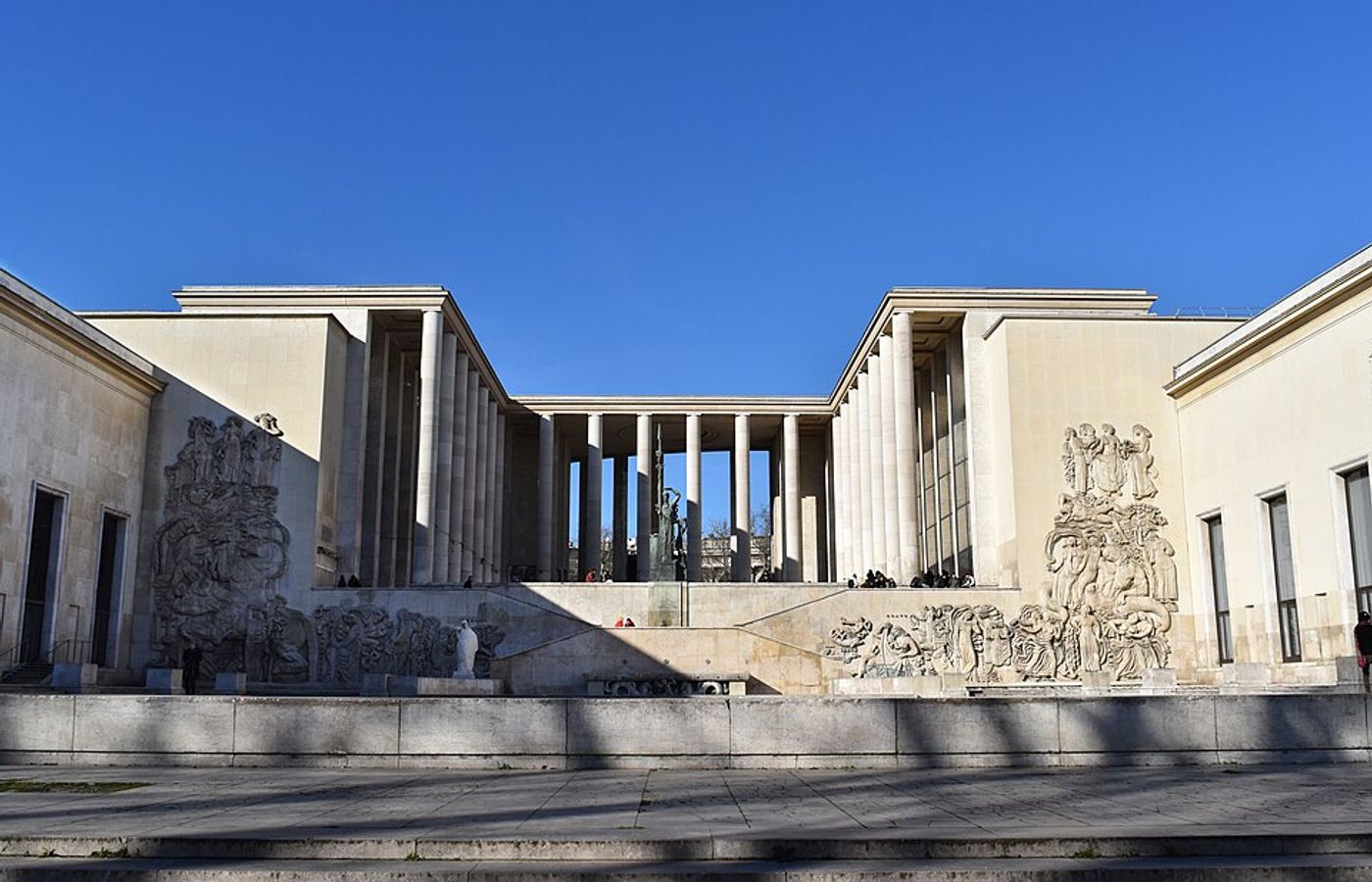
MAMAC is Nice's powerhouse of 20th- and 21st-century art, housed in a striking marble-clad complex at the eastern end of the Promenade du Paillon. The permanent collection focuses on the Nouveaux Réalistes movement that emerged in Nice in the 1960s - Yves Klein, Niki de Saint Phalle, César, Arman, and Ben - alongside major holdings of American Pop Art including Andy Warhol, Roy Lichtenstein, and Robert Rauschenberg.
The rooftop terrace is the museum's overlooked highlight, free to access without a ticket and offering some of the best views over Vieux Nice and Castle Hill. Allow 90 minutes for the full collection plus 30 more for the rooftop and temporary exhibitions on the lower floor.
11Villefranche-sur-Mer - The Closest Riviera Fishing Port to Nice
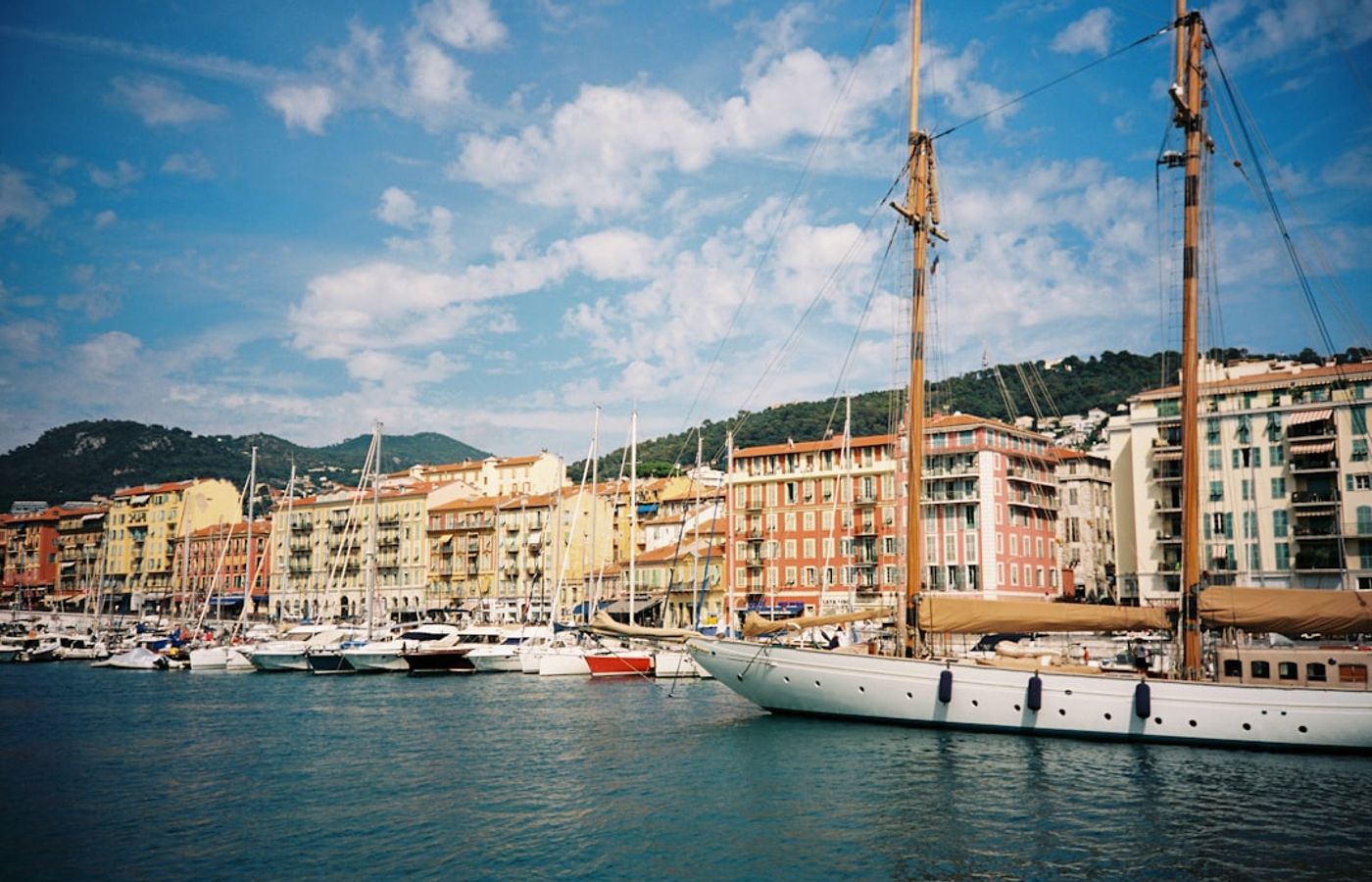
Villefranche-sur-Mer is the closest classic Riviera fishing village to Nice and the easiest day trip on this list - just 6 km east, 7 minutes by TER train, and visible from the lookout on Mont Boron. Its deep natural harbour is so large and sheltered that cruise liners moor offshore and tender passengers in by lifeboat.
The Old Town drops down to the water in a tumble of pink, ochre, and lemon-yellow houses, with the Rue Obscure - a 13th-century covered medieval street - and the Cocteau-painted Chapelle Saint-Pierre on the quay. Lunch at one of the harbour-front restaurants is one of the great Riviera experiences, and the Plage des Marières beside the train station is the easiest swimming beach east of Nice.
12Èze Village - The Perched Medieval Village Above the Mediterranean
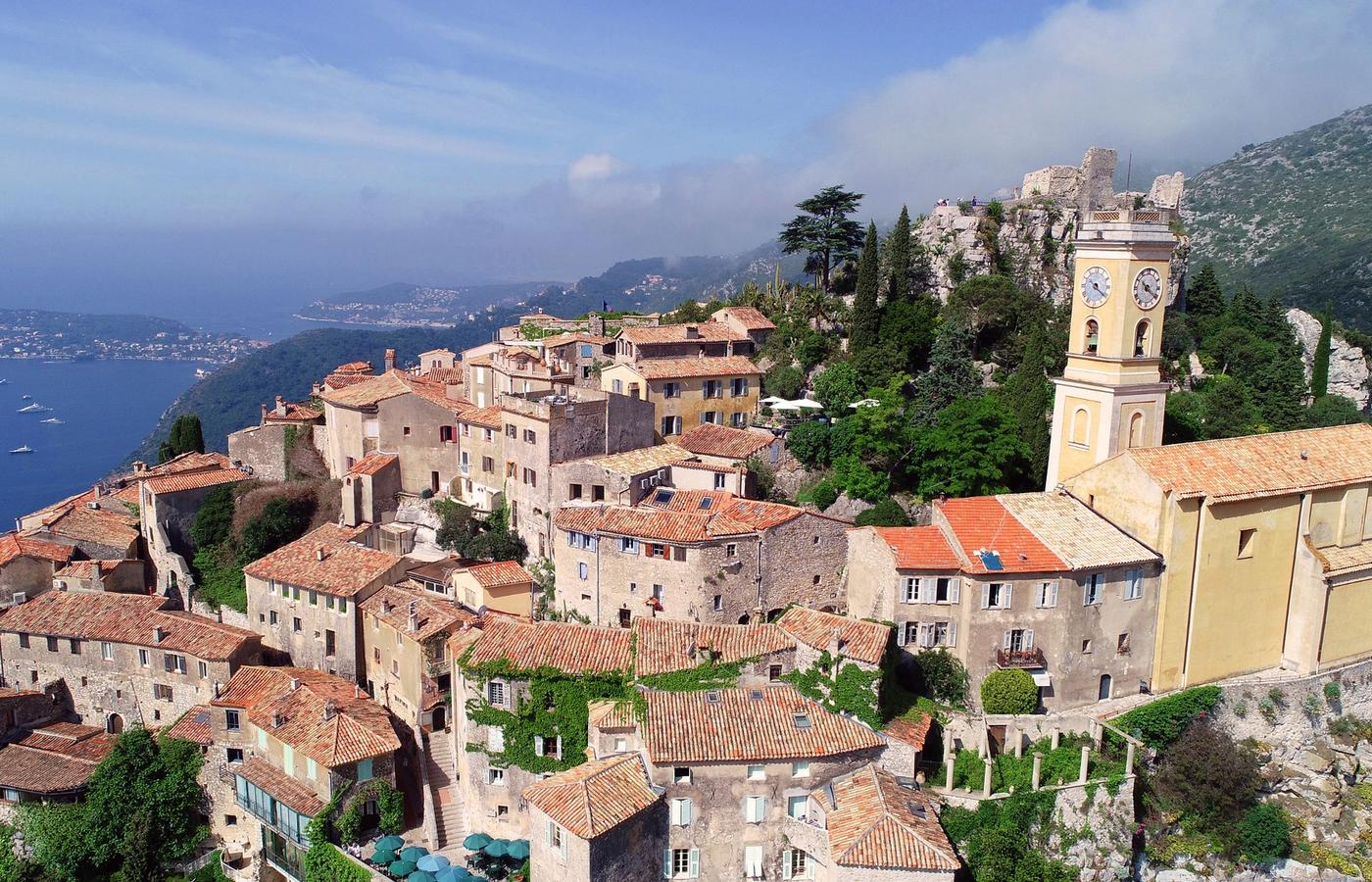
The medieval village of Èze sits 427 metres above the Mediterranean on a perched rock between Nice and Monaco, and the views from its summit Jardin Exotique are among the most photographed on the French Riviera. The village itself is a near-perfectly preserved cluster of stone houses, vaulted alleyways, and craft workshops dating to the 12th to 18th centuries.
Take bus 82 direct from Nice (around 30 minutes), or the TER train to Èze-sur-Mer at sea level and then climb the steep Nietzsche Path on foot - one hour with 425 m of elevation, named for the philosopher who walked it while writing Thus Spoke Zarathustra. The Fragonard perfume factory at the entrance to the village is free to visit and includes a short guided tour.
Take this guide with you
Get every place in this guide, with addresses and map links, in your inbox — easy to open on your phone during the trip.
One email to the address on your account. No newsletter.

CEO and co-founder
Tomas is the co-founder and director of trip1, an European company specializing in reservation services. He launched the company in 2025 with a focus on building scalable, efficient operations.
12 Top Things to Do in Nice, France - FAQ
The Promenade des Anglais, the 7 km seafront, and Vieux Nice, the Old Town, top the list, followed by the Cours Saleya flower market and the view from Castle Hill (Colline du Château) at sunset. For art, the Musée Matisse and the Musée National Marc Chagall sit close together in Cimiez, and Villefranche-sur-Mer and Èze make the best short day trips along the coast.
Yes, three days covers the highlights well. Spend day one on foot around the Promenade des Anglais, Vieux Nice, Cours Saleya, Place Masséna and Castle Hill, which all sit within a 25-minute walk of each other, day two on the Cimiez museums, the Russian Orthodox Cathedral and MAMAC, and day three on a train trip to Villefranche-sur-Mer or Èze.
Socca, a crispy chickpea flatbread cooked on huge copper griddles, is the one to try first, for around €3 a cone at stalls such as Chez Thérésa or René Socca on Cours Saleya. Also look for pissaladière, an onion and anchovy tart, tourte de blettes, a Swiss chard pie, and an ice cream at Fenocchio on Place Rossetti, which serves more than 70 flavours.
Yes. The Promenade des Anglais, Vieux Nice, Cours Saleya, Place Masséna and Castle Hill all sit within a 25-minute walk of each other, and the Promenade du Paillon park links most central sights. For longer hops, Tram Line 1 stops at Place Masséna, buses climb to the Cimiez museums, and Vélo Bleu bikes are free for the first 30 minutes.
June and September are the best months for most visitors: warm, sunny days, a sea warm enough for swimming and far fewer crowds than in July and August, when the beaches and trams are packed. September has the warmest sea of the year. May is lovely for sightseeing but the sea is still cool, and February brings the Carnaval de Nice.
Yes, easily. TER trains from Nice-Ville reach Monaco-Monte-Carlo in about 22 to 25 minutes, with dozens of trains a day and one-way fares of around €5. There are no border checks between France and Monaco, though it is sensible to carry ID. The same line also stops at Villefranche-sur-Mer and Èze-sur-Mer on the way.