

Guides · Tbilisi
10 Top Things to Do in Tbilisi, Georgia

CEO and co-founder
This guide ranks the 10 top things to do in Tbilisi - the sights that genuinely deserve a place on your itinerary whether you have a long weekend or a full week in Georgia's capital. Each entry includes the exact address, nearest metro or cable car access, and a practical Pro Tip drawn from how locals and seasoned visitors actually navigate the city in 2026.
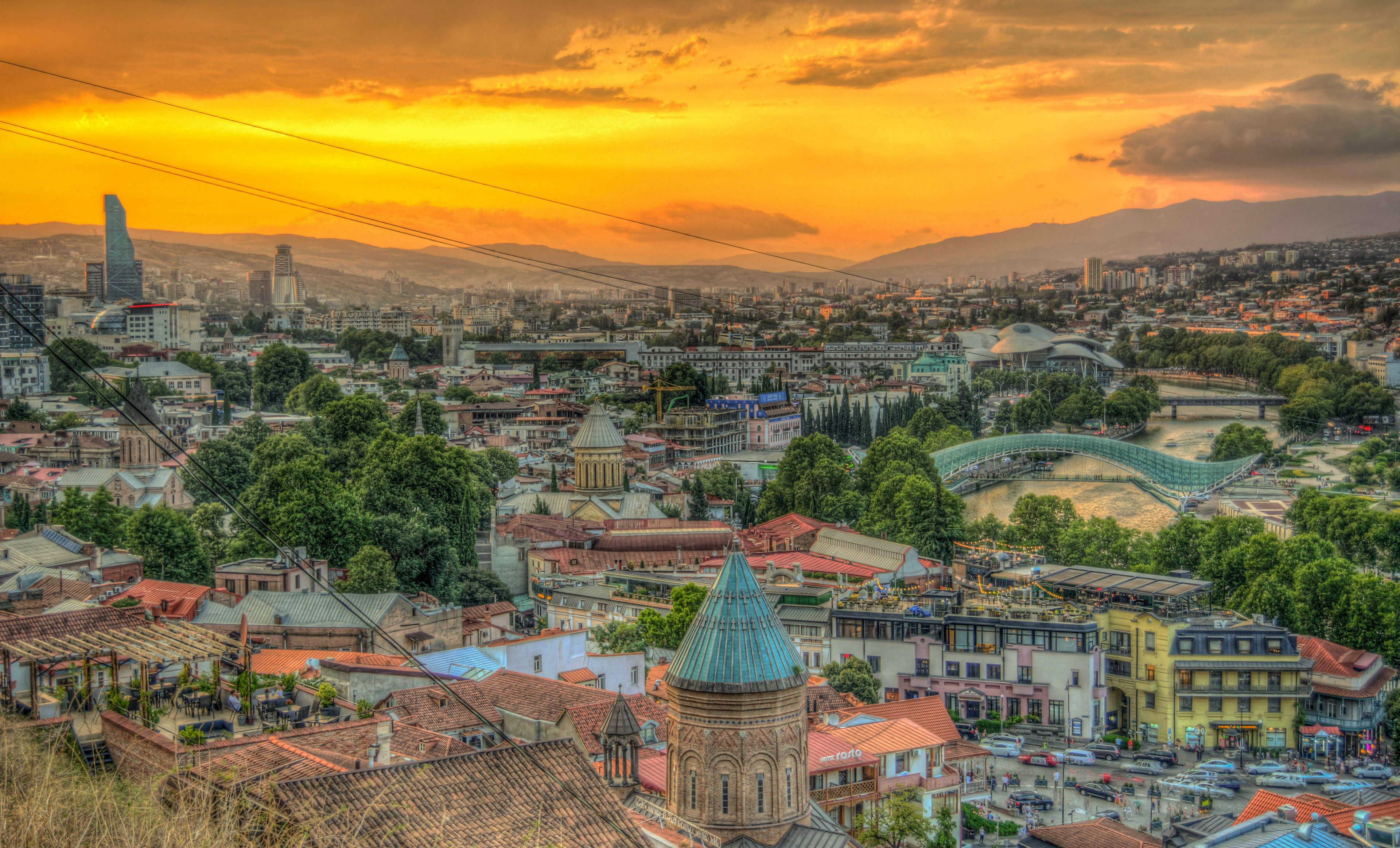
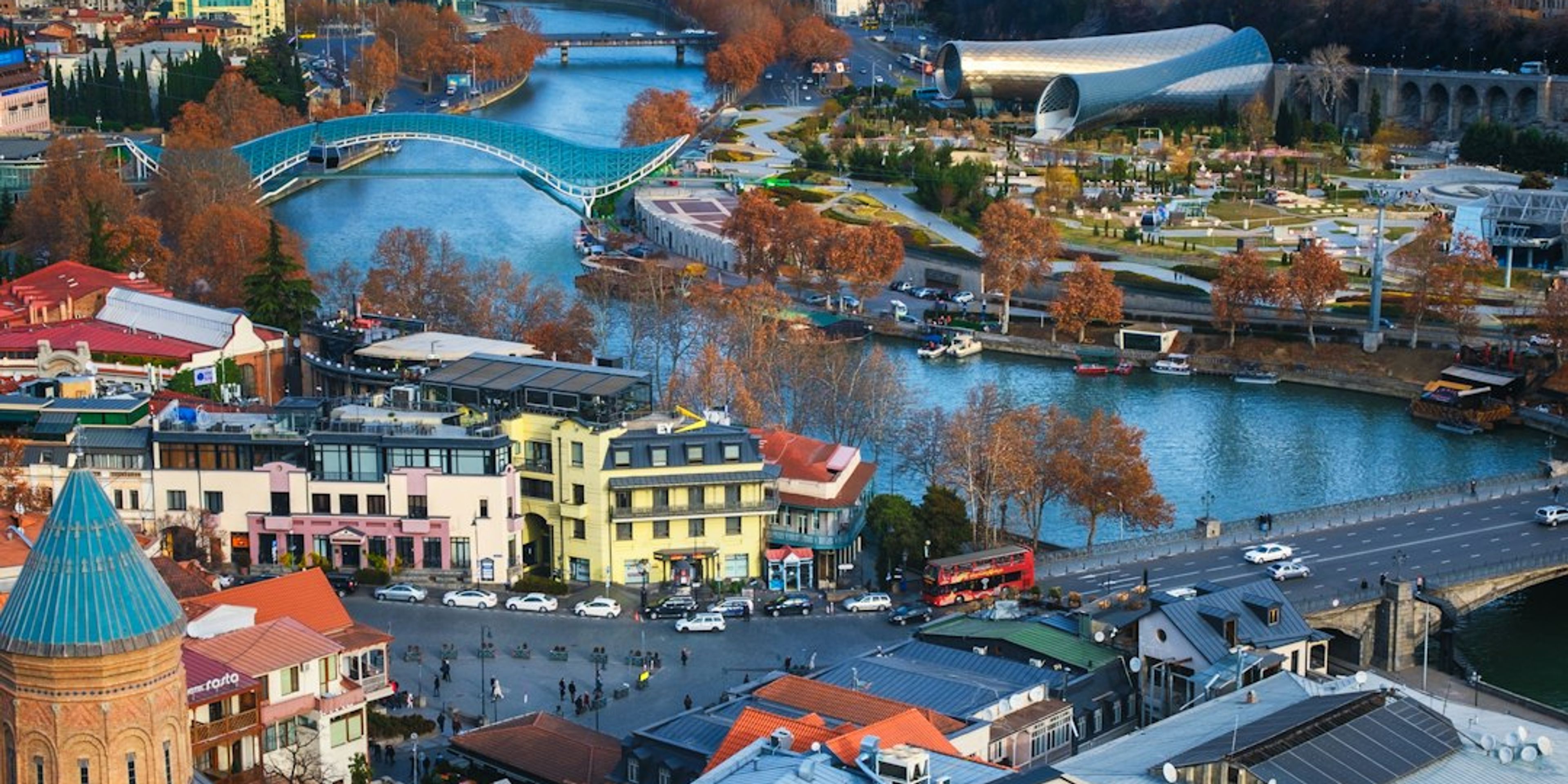
Tbilisi spreads along the Mtkvari River between the Trialeti foothills, with the Old Town clustered tightly under Narikala Fortress. The list groups efficiently: the Old Town, sulphur baths, Narikala, and the Bridge of Peace form one walking day. Rustaveli Avenue, Holy Trinity Cathedral, and Mtatsminda Park spread across the new town and need a second day. Mtskheta day trip, the original Georgian capital, takes a separate full day.
The city mixes 1500-year-old Georgian Orthodox churches with Persian-era bathhouses, Soviet apartment blocks, and post-2010 contemporary architecture like the Bridge of Peace. Plan 3 days minimum for this list; add 2 more for Kakheti wine country or a Kazbegi mountain trip.
1Narikala Fortress - The Hilltop Stronghold Over Old Tbilisi
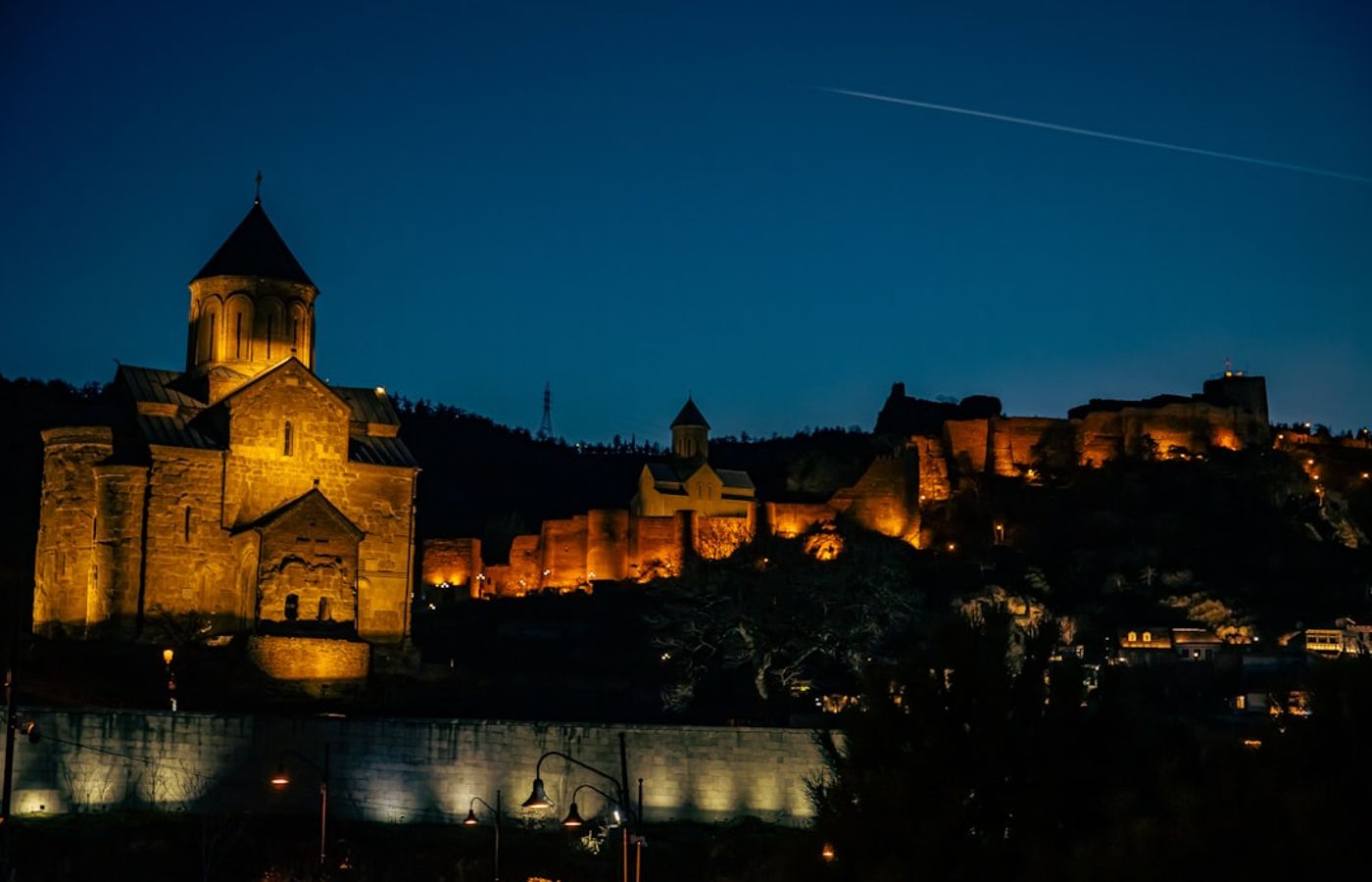

Narikala Fortress dates from the 4th century AD when Persians built it as Shuris-tsikhe, and the name Narikala (Little Fortress) came from the Mongol occupation in the 13th century. The walls survived numerous earthquakes and the 1827 Russian gunpowder explosion that destroyed half the citadel. Today the ruins crown the cliff above Abanotubani sulphur baths and form Tbilisi's most recognisable silhouette.
Inside the fortress, St Nicholas Church (rebuilt 1996 on 12th-century foundations) holds occasional services. The Mother Georgia statue (Kartlis Deda, 1958) stands on the adjacent ridge - a 20-metre aluminium figure holding wine for friends and a sword for enemies. Access by the Rike Park cable car (2.5 GEL one way) or a 15-minute walk from Meidan Square. Free to enter at any hour.
Pro Tip: Take the cable car up before sunset, walk along the ridge to Mother Georgia, then descend on foot via the Botanical Garden path. The 45-minute walk down spits you out near the sulphur baths - perfect timing for an evening soak.
2Abanotubani Sulphur Baths - Tbilisi's Original Reason to Exist
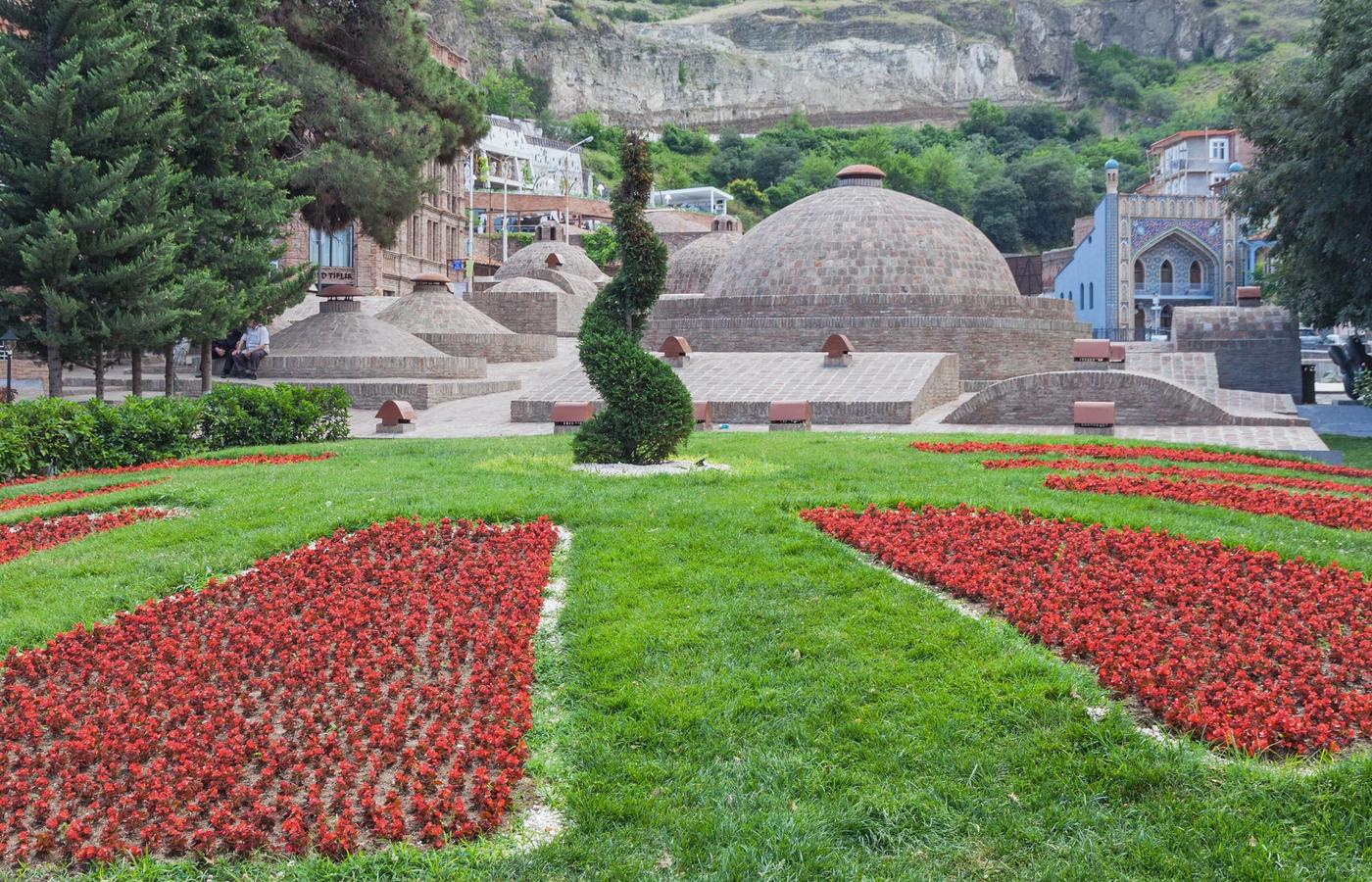

The Abanotubani district contains a cluster of 17th-19th century brick bathhouses fed by naturally hot sulphur springs at 38-40°C. The Persian-influenced architecture features low domes embedded in the hillside; from above, the rooftops look like an ant farm. King Vakhtang Gorgasali founded Tbilisi here in 458 AD - legend says his pheasant fell into a hot spring while hunting, prompting him to build a city around it.
The most famous bathhouse is Chreli-Abano (Tiled Bathhouse) with the painted Persian facade on the riverside. Private rooms 60-120 GEL per hour include a deep stone pool, steam room, and optional kisi (rough mitt scrub) plus oil massage at 30 GEL extra. Public communal baths (gender-separated) cost 5-10 GEL. Open daily 09:00-23:00; some baths 24/7. The sulphur smell is strong but harmless.
Pro Tip: Book a private room at Bathhouse No 5 (Orbeliani Baths) for the best mix of authenticity and English-speaking staff. The kisi scrub by a traditional mekise is fierce - your skin will tingle for hours, in a good way.

3Mtatsminda Park - The Funicular and Tbilisi's Mountain Playground
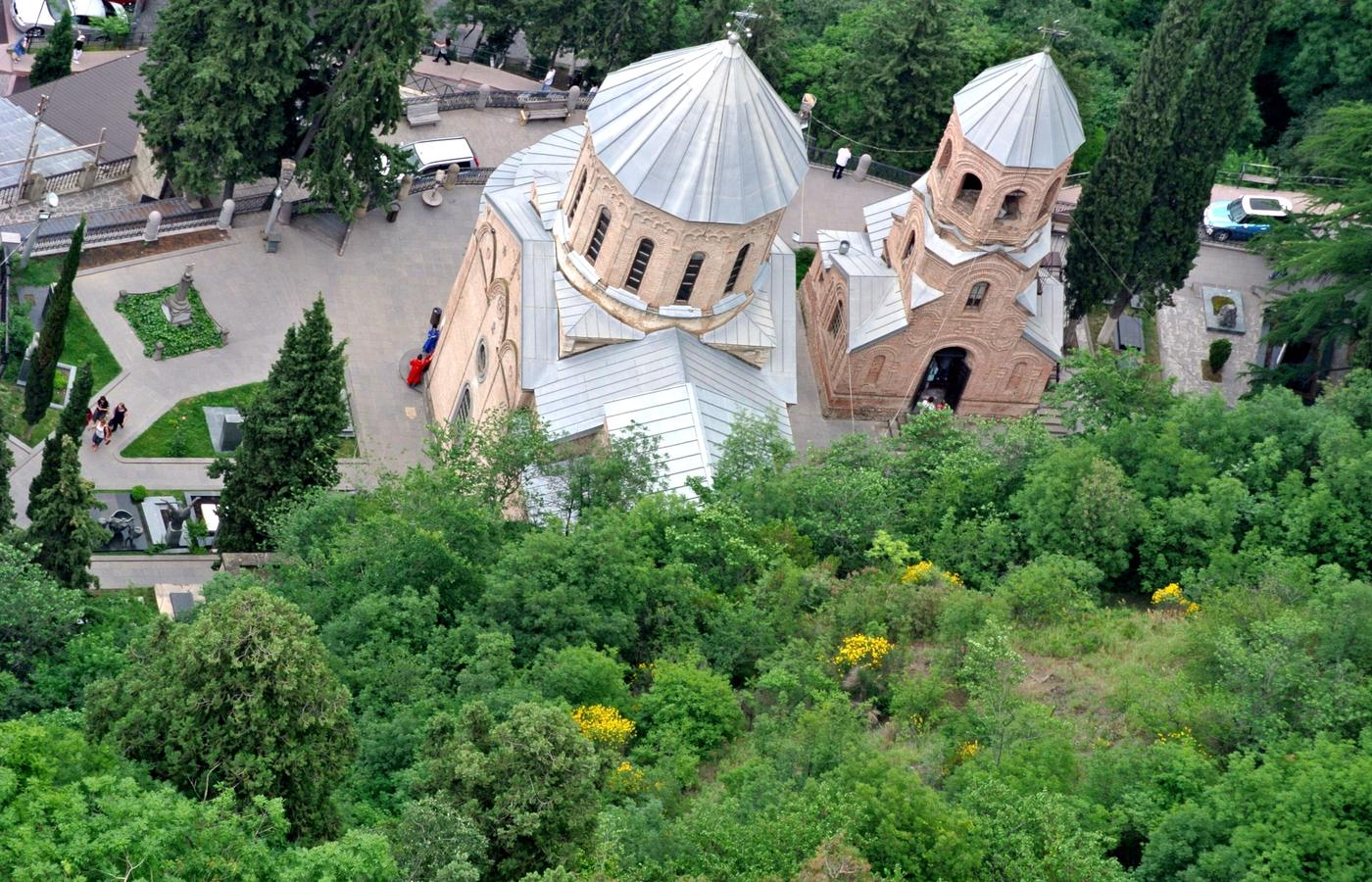

Mtatsminda (Holy Mountain) rises 770 metres above Tbilisi on the city's western edge and is reached by a 1905 funicular - one of the world's oldest still in service. The funicular climbs 500 metres in 9 minutes, dropping passengers at Mtatsminda Park, the Stalin-era summit amusement park with a Ferris wheel, restaurants, and the city's best panoramic view.
Halfway up the funicular line, the Pantheon of Writers and Public Figures holds the graves of Georgia's most important cultural figures including the writer Ilia Chavchavadze and the mother of Joseph Stalin. The summit Funicular Restaurant Complex in a 1938 building serves Georgian classics with the panorama; mains 35-80 GEL. Funicular operates 09:00-04:00, return ticket 4 GEL with a 1 GEL park card.
Pro Tip: Ride the funicular up around 1 hour before sunset, walk the summit ridge to the TV tower viewpoint, eat dinner at the Funicular Restaurant as lights come on, and ride down at 22:00 when the city looks like a constellation.
4Holy Trinity Cathedral (Sameba) - The Largest Cathedral in the Caucasus
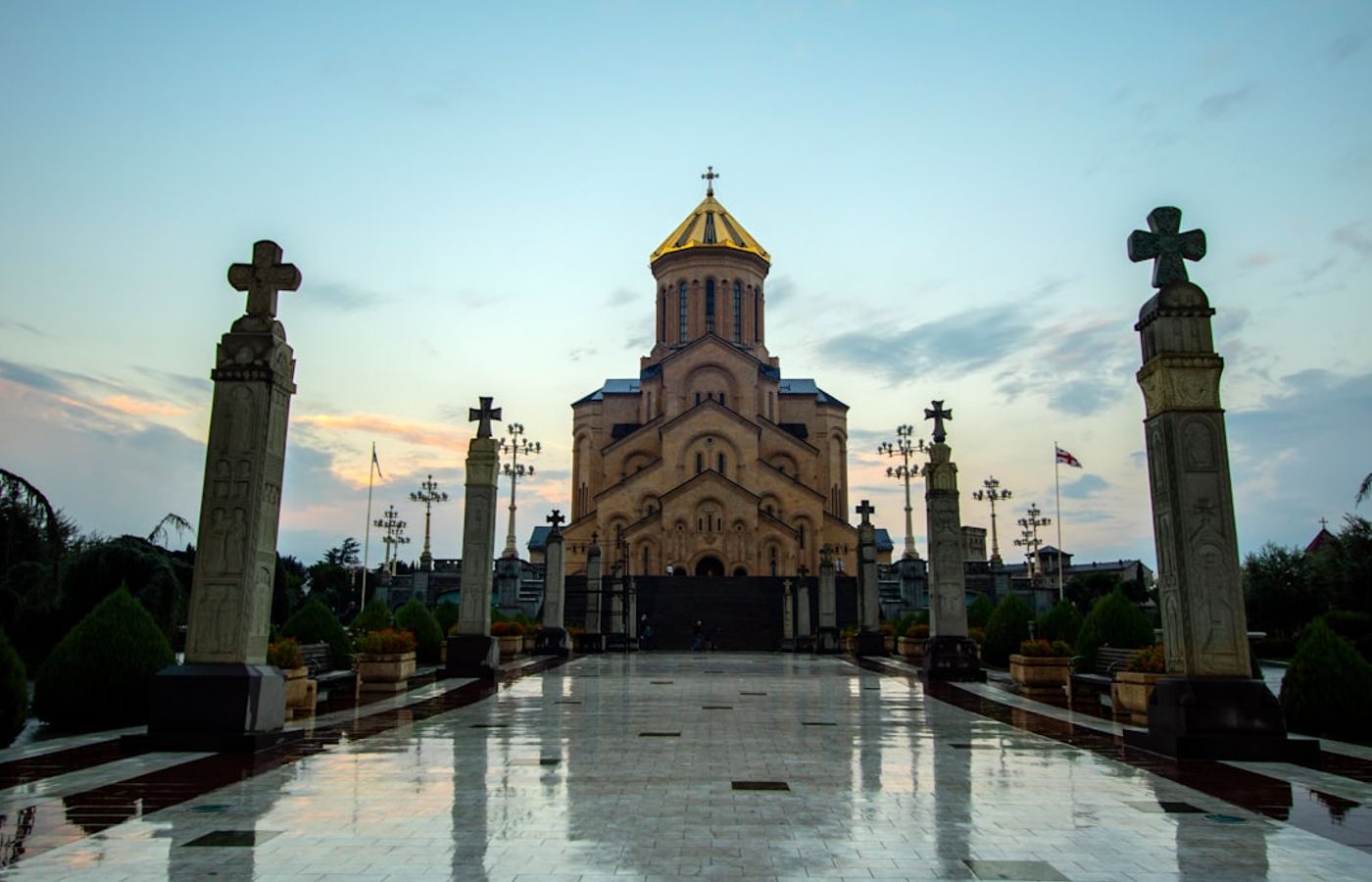
Sameba Cathedral, consecrated in 2004, is the seat of the Catholicos-Patriarch of All Georgia and the third-tallest Eastern Orthodox cathedral in the world at 84 metres. Built on Elia Hill in the Avlabari district to mark 2000 years of Christianity and 1500 years of the Georgian autocephalous church, the cathedral combines traditional Georgian church architecture with monumental scale - a deliberate statement of post-Soviet religious resurgence.
The 23000-square-metre complex includes 9 chapels, a bell tower with the largest church bell in Georgia (8 tonnes), and the residence of the Patriarch. The interior is decorated with restrained gold mosaics and modern frescoes - simpler than older Georgian churches but more spacious. Dress code applies: covered shoulders, knees, women may need head coverings (scarves available free at the entrance). Free admission; open daily 08:00-21:00.
Pro Tip: Visit on a Saturday or Sunday at 09:00 for the choir liturgy - the male a cappella polyphonic singing in the cavernous main hall is one of the most memorable sounds in Tbilisi. Photos are permitted in the courtyard but not inside the main nave.
5Bridge of Peace - Tbilisi's Striking Modern Footbridge
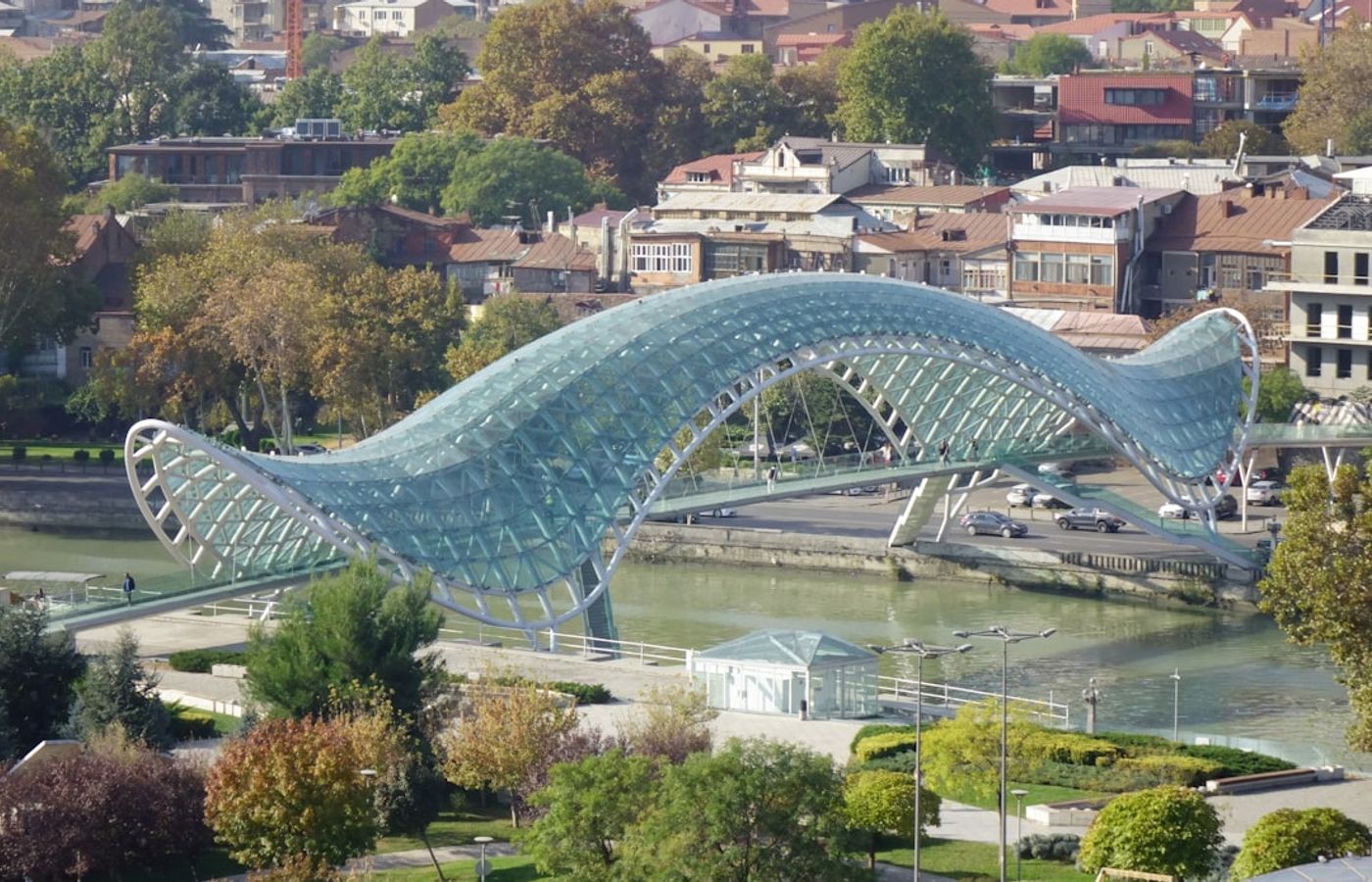
Designed by Italian architect Michele De Lucchi and opened in 2010, the Bridge of Peace is a 156-metre pedestrian footbridge over the Mtkvari River linking Rike Park to the Old Town. The glass-and-steel canopy supports an interactive LED installation that lights up in patterns every hour after dark - tilt sensors are triggered by foot traffic and the lights shift accordingly. The bridge is locally nicknamed Always Ultra after the sanitary pad brand because of its shape.
The Rike Park side at the eastern end was redeveloped in the 2010s and contains the cable car station to Narikala Fortress, a large fountain, and the unusual mushroom-shaped Public Service Hall (also by De Lucchi). The Old Town side opens onto Erekle II Street with restaurants and wine bars. The bridge is permanently lit at night and is the city's most-photographed contemporary landmark.
Pro Tip: The best LED light show happens 19:00-23:00. Stand at the eastern Rike Park end at 20:00 and walk west through the canopy - the lights respond to your motion in real-time and the rolling pattern across the bridge is the strongest visual.
6Rustaveli Avenue - Tbilisi's Grand Cultural Boulevard
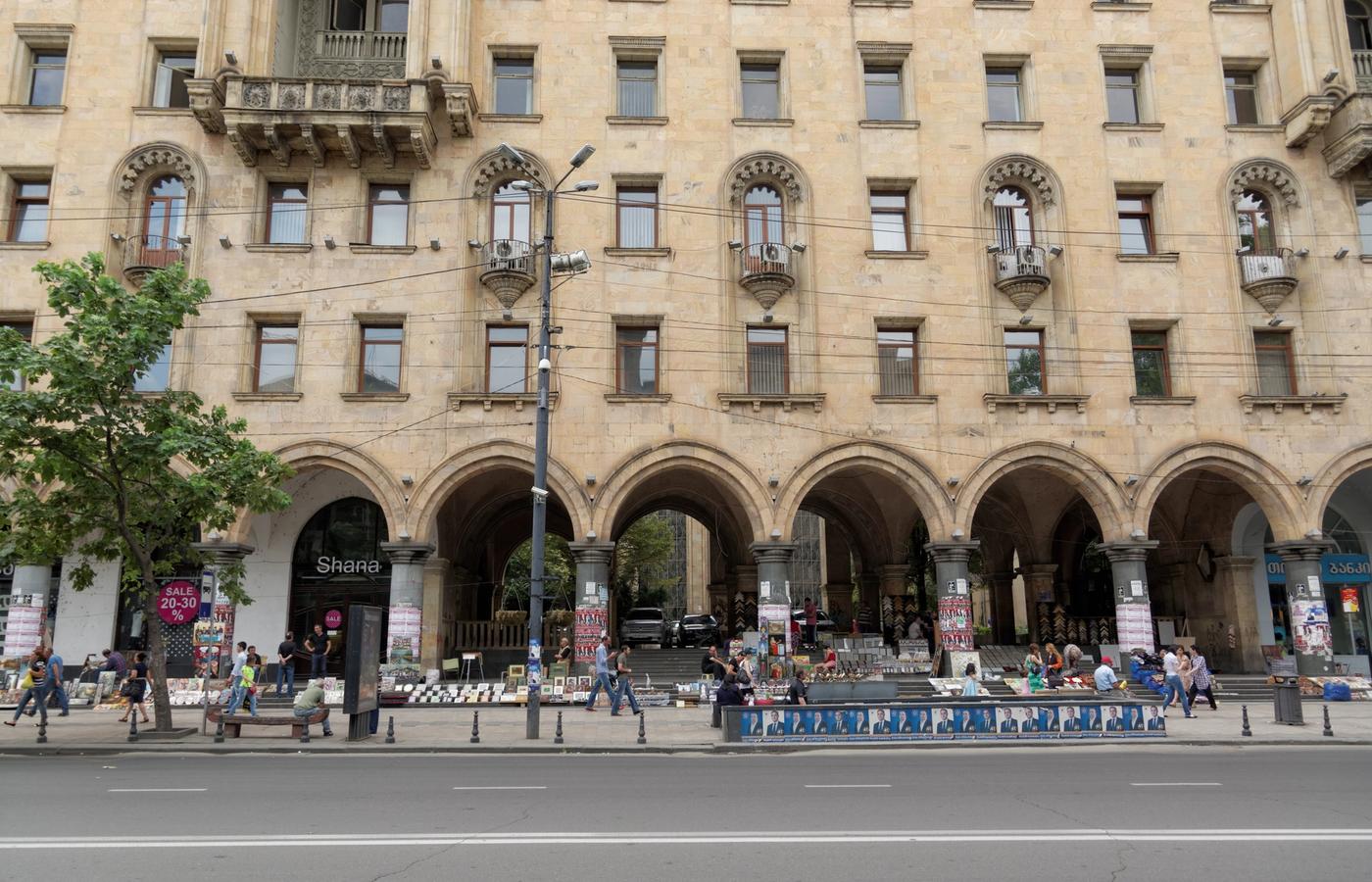
Named for the 12th-century poet Shota Rustaveli, this 1.5 km avenue running north from Freedom Square is Tbilisi's main cultural artery. The boulevard houses the Georgian National Museum, the State Academic Opera and Ballet Theatre (1851), the Tbilisi Public Library, and a row of 19th-century European-style mansions converted to embassies and cafes. The avenue was laid out during the Russian Empire period in the 1860s as Tbilisi's answer to the Champs-Élysées.
Highlights along the walk include the Parliament Building (the site of the 1989 April 9 tragedy, when Soviet troops killed 21 protesters), the Kashueti Church of St George (1910), and Rustaveli Theatre. The avenue's cafes and bookshops are where Tbilisi's intelligentsia have gathered for 150 years. Allow 90 minutes for a slow walk with stops. Freedom Square metro at the southern end; Rustaveli metro at the northern end.
Pro Tip: Stop at Cafe Linville at 37 Rustaveli for excellent Georgian coffee and the city's best kachapuri (cheese bread) at 18 GEL - it has been a writer's hangout since the 1980s and the upstairs salon has views over the boulevard.
7Mtskheta - Day Trip to Georgia's Ancient Capital
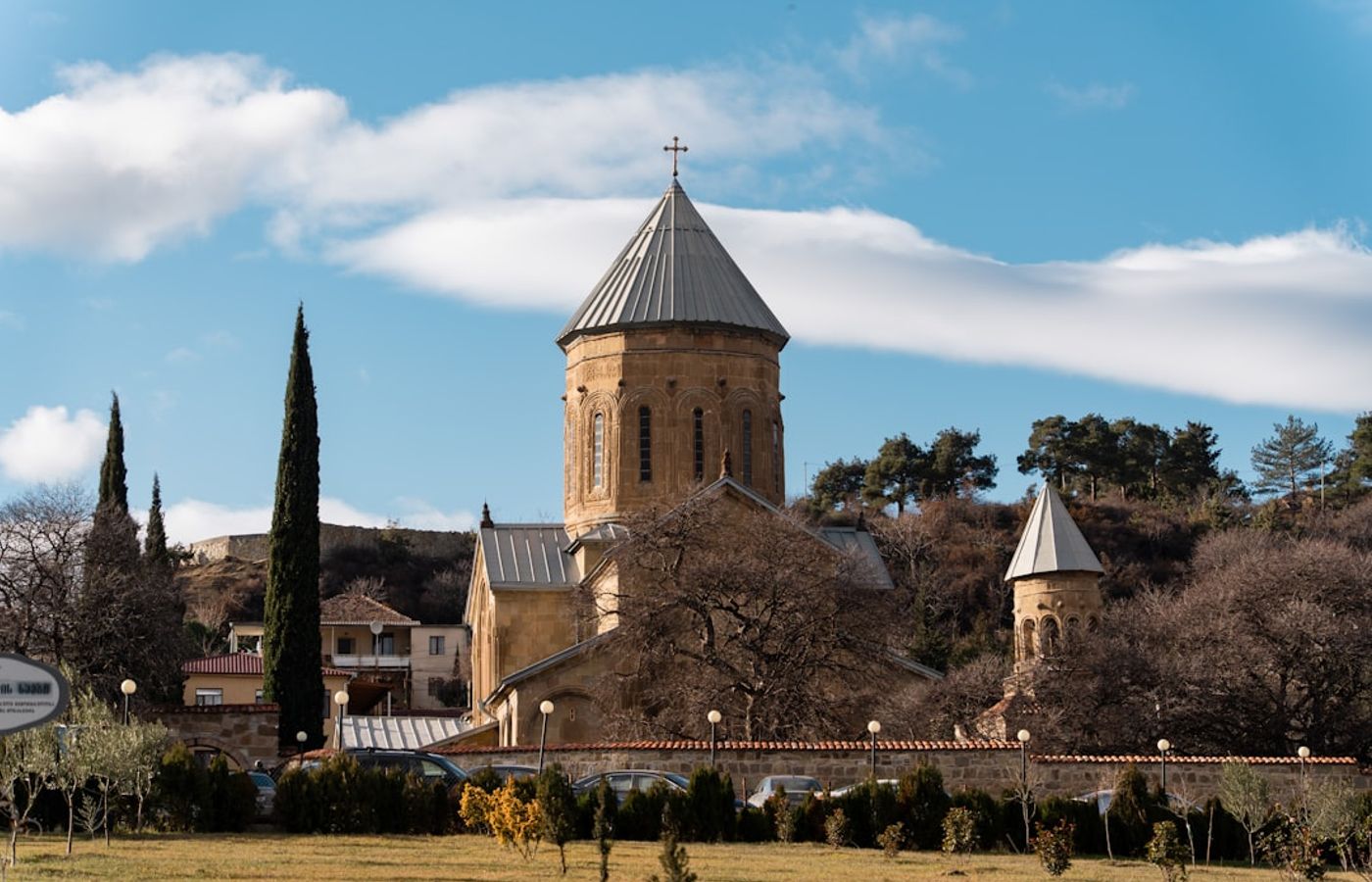
Mtskheta sits 20 km north of Tbilisi at the confluence of the Aragvi and Mtkvari rivers and was Georgia's capital from the 3rd century BC to the 6th century AD. The town is the spiritual heart of Georgian Orthodoxy - Christianity was adopted as Georgia's state religion here in 337 AD by King Mirian III. Three of Mtskheta's monuments form a UNESCO World Heritage Site inscribed in 1994.
The 11th-century Svetitskhoveli Cathedral in town is reputed to hold Christ's robe and is the burial site of Georgian kings. The hilltop Jvari Monastery (6th century) on the bluff opposite was the model for all later Georgian cross-dome churches and offers the best view of the rivers below. Marshrutka buses leave from Didube station in Tbilisi every 20 minutes (2 GEL, 25 minutes). Allow 5 hours for a complete visit.
Pro Tip: Take a Bolt taxi (around 25 GEL) directly to Jvari Monastery first, then walk down to Mtskheta town and Svetitskhoveli. The marshrutka back to Tbilisi from Mtskheta is easier than the reverse. Lunch at Salobie Bia on the main street for the best lobio (bean stew) outside Tbilisi.
8Tbilisi Old Town (Dzveli Tbilisi) - The Tangle of Lanes Below Narikala
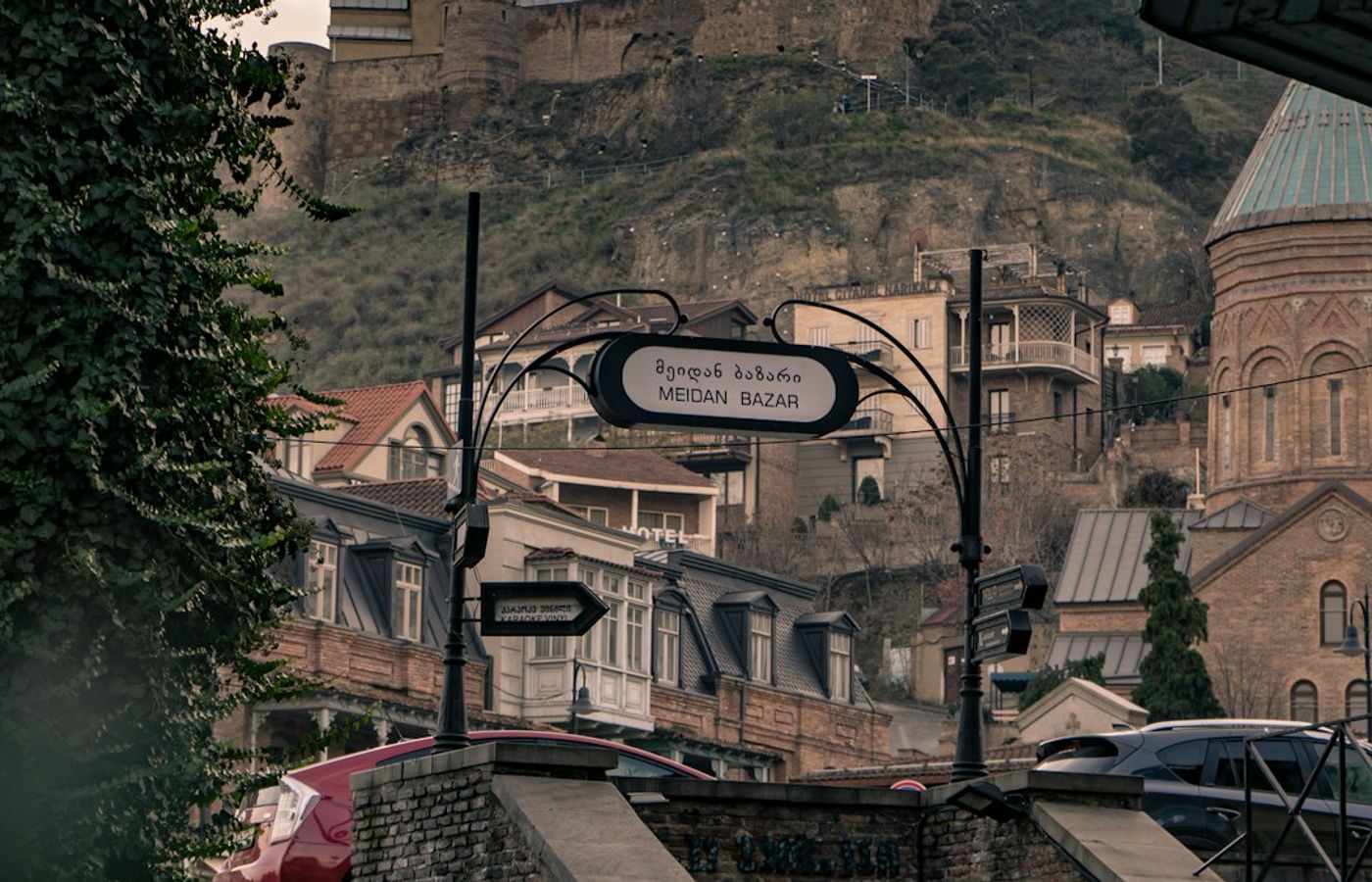
Tbilisi's Old Town stretches between Freedom Square, the Mtkvari river, and Narikala Fortress - a tangle of cobbled lanes, hidden courtyards, and balconied wooden houses leaning into the streets. The neighbourhood reflects Tbilisi's mixed heritage with a mosque, synagogue, Armenian Apostolic church, Georgian Orthodox church, and Catholic church all within 500 metres of each other - a deliberate Soviet-era restoration to highlight the city's religious diversity.
The 5th-century Anchiskhati Basilica is the oldest surviving church in Tbilisi. The Sioni Cathedral (11th century) holds the cross of St Nino, who brought Christianity to Georgia. The wooden balcony houses on Betlemi Street and Asatiani Street are the most photographed; many are slowly collapsing and being restored. Allow 3 hours for a leisurely walk.
Pro Tip: Take the narrow staircases off Betlemi Street to find courtyards that look untouched since the 1900s. The hidden Betlemi Stairs Cafe at the top of the steps serves Georgian wine by the glass with one of the best views over the Old Town.
9Open-Air Ethnographic Museum - Wooden Houses from Across Georgia
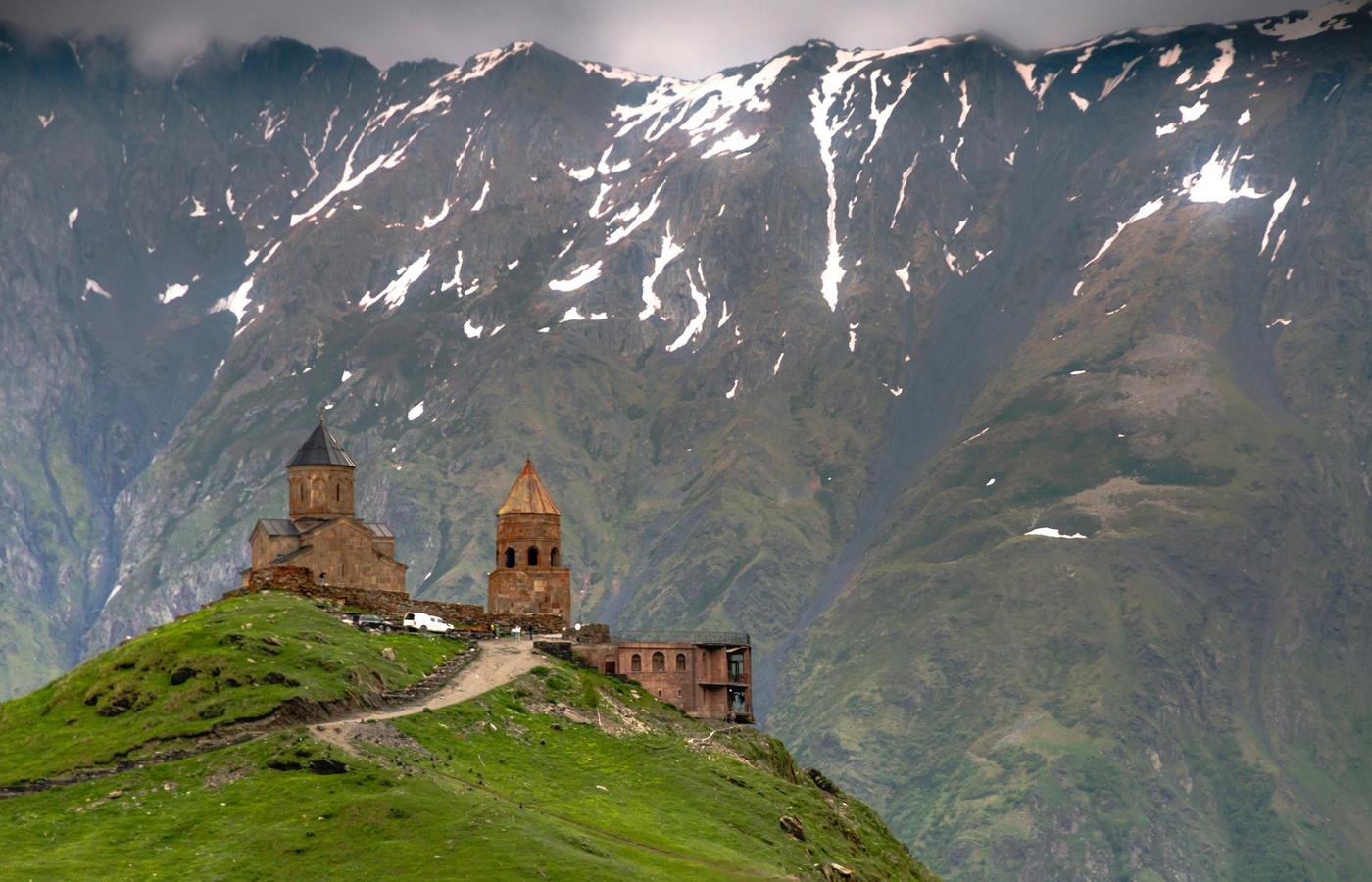
Set in 52 hectares of forest above Vake Park, the Open-Air Ethnographic Museum (Giorgi Chitaia Museum) preserves 70+ traditional Georgian houses, churches, and barns relocated from across the country since the museum's 1966 founding. The collection spans Svaneti tower houses, Imeretian wine houses, Kakhetian winemakers' lodges, and Adjarian wooden mosques - effectively a guide to Georgian vernacular architecture across regions.
Each building is furnished with period objects and many have staff in traditional dress willing to explain their region. The hilltop position offers a sweeping view of Tbilisi. Annual Tbilisoba festival in late October sees folk musicians, traditional food stalls, and dance performances filling the museum. Admission 5 GEL adults, free under 6. Open daily 10:00-18:00 in summer, 10:00-16:00 winter; closed Mondays.
Pro Tip: Pair with Vake Park and Turtle Lake the same day - the cable car from Vake Park to Turtle Lake is just below the museum entrance. The combined visit takes 5 hours and shows a different side of Tbilisi than the Old Town tourists usually see.
10Dry Bridge Flea Market - Soviet Nostalgia and Antiques
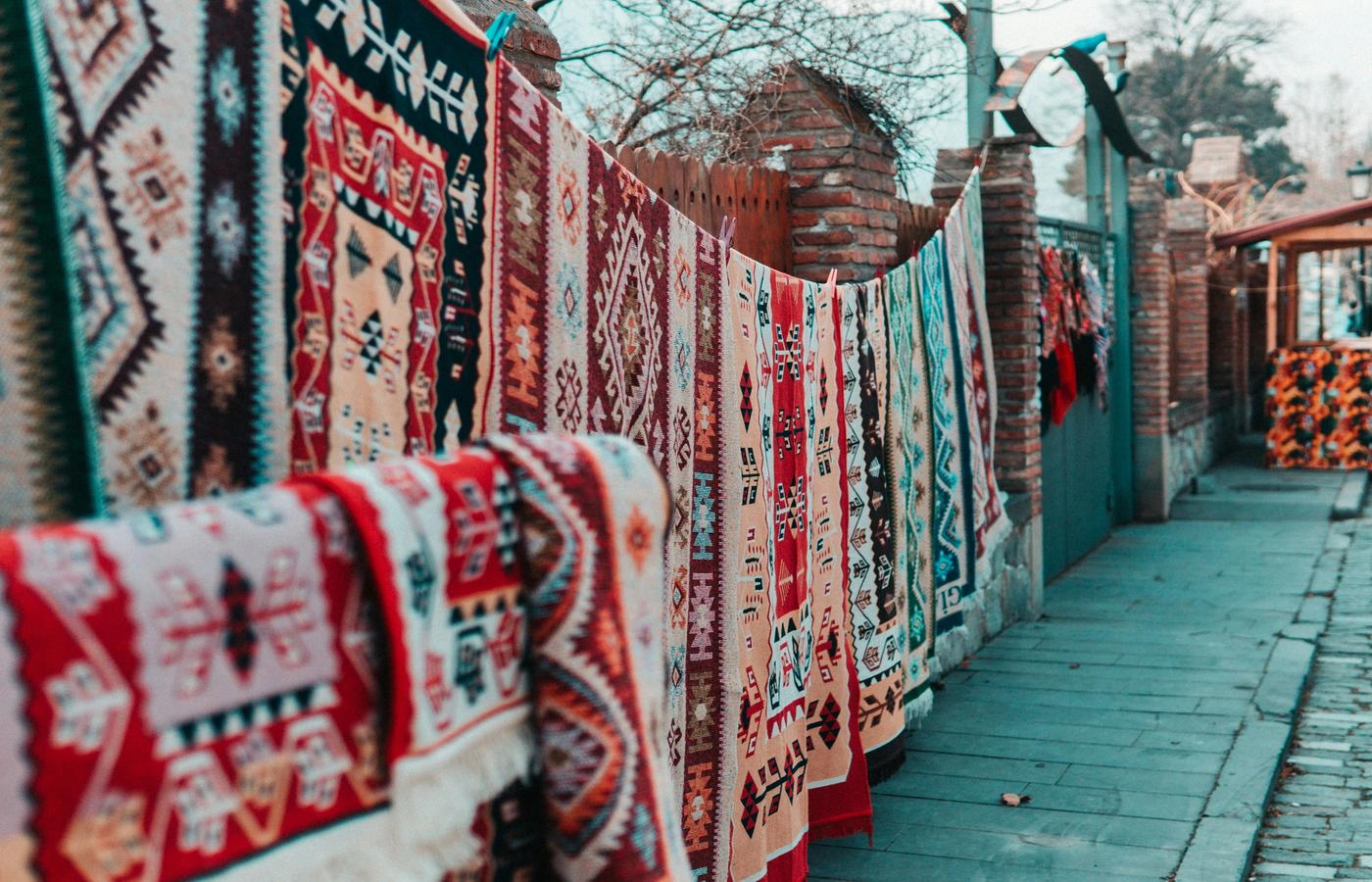
The Dry Bridge (Mshrali Khidi) crosses a tributary of the Mtkvari just north of Saarbruckens Square and the daily flea market underneath it is one of the Caucasus's most extensive antique markets. Soviet-era cameras, vinyl records, military medals, Georgian icons, Persian rugs, wedding silver, and the occasional 19th-century book stack the tables and ground sheets. Most items date from the 1920s-1980s; some are genuinely old, much is Soviet-era kitsch.
The atmosphere is the point - elderly sellers chatting, families picnicking on the bridge above, occasional musicians. Bargaining is expected and standard prices drop 30-50% on a polite second offer. Mornings (10:00-13:00) are busiest; some stalls operate 7 days a week. Cash only - the market predates Tbilisi's transition to card payments. Allow 90 minutes.
Pro Tip: Visit Sunday morning when local sellers are most active. The painted Soviet propaganda posters, vintage Georgian wine labels, and old champagne glasses make distinctive low-cost souvenirs - typically 5-25 GEL each.
Get hotel deals for Tbilisi
Price drops, new stays and local tips for Tbilisi, straight to your inbox.
No spam, unsubscribe anytime.

CEO and co-founder
Tomas is the co-founder and director of trip1, an European company specializing in reservation services. He launched the company in 2025 with a focus on building scalable, efficient operations.
10 Top Things to Do in Tbilisi, Georgia - FAQ
Yes. Tbilisi packs centuries-old churches, Persian-style sulphur bathhouses, balconied Old Town lanes and modern landmarks like the Bridge of Peace into a city you can explore on foot, and it is cheap: the cable car up to Narikala Fortress costs 2.5 GEL. Mtskheta, Georgia's ancient capital, is a 25-minute ride away, and wine country and the Caucasus mountains are close too.
The Old Town and its wooden balcony houses, Narikala Fortress by cable car from Rike Park, an evening soak in the Abanotubani sulphur baths and a walk across the Bridge of Peace after dark. Add Holy Trinity Cathedral, Rustaveli Avenue and the view from Mtatsminda Park, and keep a day for the UNESCO-listed churches of Mtskheta, 20 km north.
Three days. Day one: the Old Town, the sulphur baths, Narikala Fortress and the Bridge of Peace, all on foot. Day two: Rustaveli Avenue, Holy Trinity Cathedral and Mtatsminda Park at sunset. Day three: a day trip to Mtskheta. With two more days, add the Kakheti wine country or a trip to Kazbegi in the Caucasus mountains.
Do cover your shoulders and knees in churches; women may need a headscarf, and Holy Trinity Cathedral lends them free. Don't take photos inside its main nave. Do carry cash for the Dry Bridge market and bargain politely. Buy a Metromoney card before the Narikala cable car, which takes no cash or bank cards, and book taxis through Bolt so you see the fare upfront.
Yes. Tbilisi grew up around these hot springs, and the domed brick bathhouses of Abanotubani are still fed by sulphur water at 38 to 40 degrees. In 2026 a private room costs roughly 70 to 200 GEL an hour, more at Chreli-Abano, and the communal baths about 10 to 20 GEL. A kisi scrub costs a little extra. The smell is strong but harmless.
By marshrutka (minibus) from Didube station, next to Didube metro: they leave about every 20 minutes, cost around 2 GEL and take about 25 minutes. Or take a Bolt taxi for about 25 GEL straight to Jvari Monastery on the hill, then go down to Svetitskhoveli Cathedral in town and catch the marshrutka back. Allow about 5 hours.