
Guides · Crete
15 Top Places to Visit in Crete, Greece

CEO and co-founder
Crete is the largest Greek island and easily one of the most rewarding places to visit in the Mediterranean in 2026, packing 4,000 years of history, two UNESCO-class palaces, two of Europe's longest gorges and over 1,000 km of coastline into a single landmass. Travellers fly into Heraklion (HER) or Chania (CHQ) and use the island's KTEL bus network or a rental car to thread together Minoan ruins, Venetian harbours, Ottoman fortresses and beaches that look airbrushed from postcards.
What sets Crete apart from other Greek islands is the variety. In one week you can stand inside the throne room at Knossos, kayak across the pink sands at Elafonissi, hike the 16 km Samaria Gorge, eat dakos at a mountain taverna in Lasithi and watch the sun drop behind Frangokastello fortress on the Libyan Sea. Hotels run from family pensions in Rethymno's old town to design hideaways in Elounda, and prices in 2026 sit around 60-90 EUR per night outside July and August.
This guide ranks the 15 top places to visit in Crete by cultural weight, scenery and ease of access, leading with Knossos and continuing west to east. Each entry includes the full address, opening hours, 2026 ticket prices, distance from the nearest main town and specific KTEL bus or driving directions, plus a Pro Tip from recent travel.
1Knossos Palace
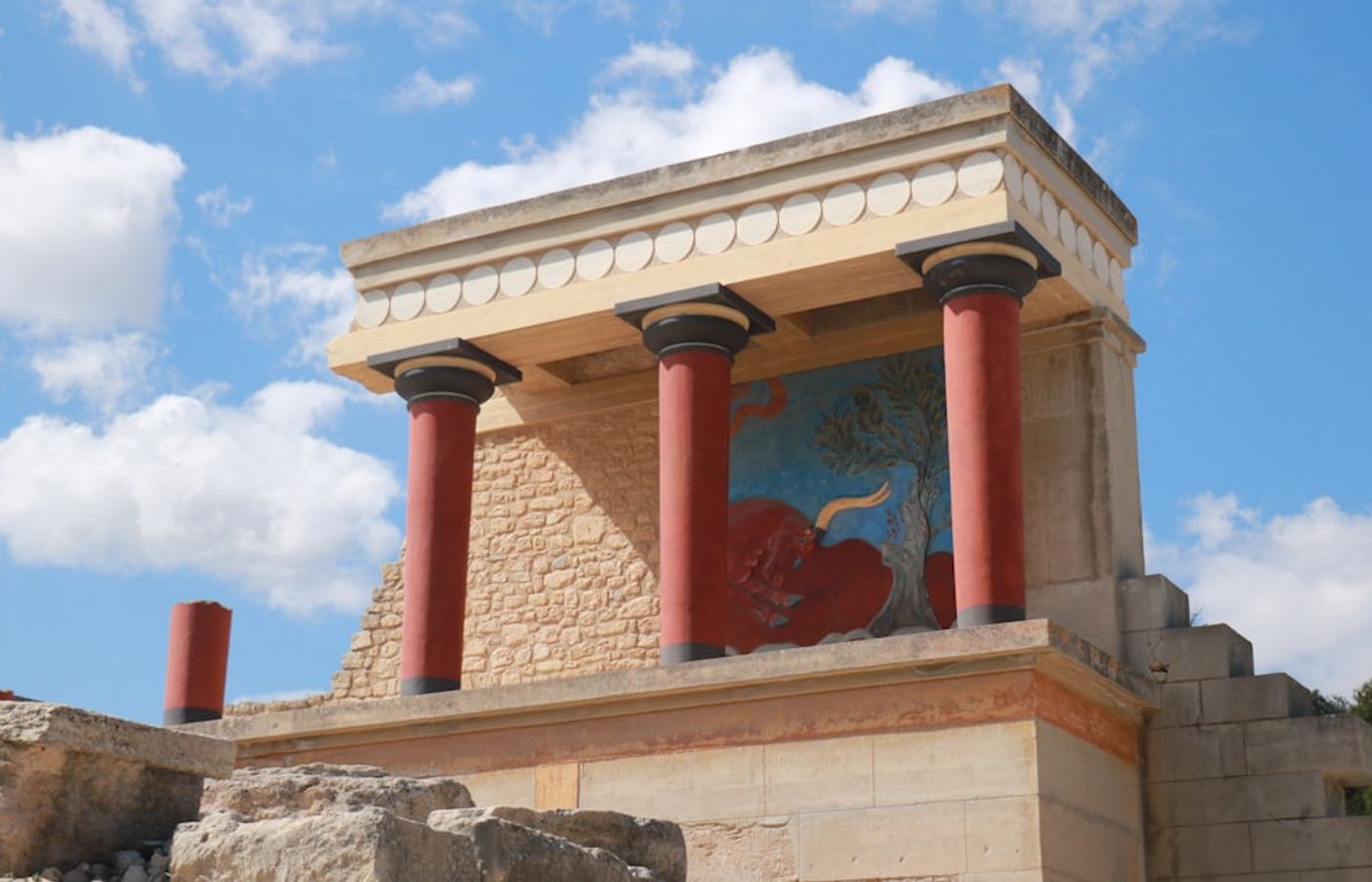

Knossos is the largest Bronze Age site in Greece and the legendary seat of King Minos, dating back to around 1900 BCE. The 20,000 square metre palace was excavated by Sir Arthur Evans from 1900 onwards, and his partial reconstructions of red columns, frescoes and the throne room give visitors a clearer picture than any other Minoan site. Plan 2-3 hours to walk the West Court, the Grand Staircase and the famous Hall of the Double Axes. Read the deep background on the site at the Wikipedia page for Knossos before you go. Tickets in 2026 cost 20 EUR, or 22 EUR for a combined ticket with the Heraklion Archaeological Museum, valid for three days.
Pro Tip: Arrive at 08:00 for the morning opening to avoid cruise groups that pour in from 10:30, and bring a hat - shade is limited.
2Chania Old Town and Venetian Harbour
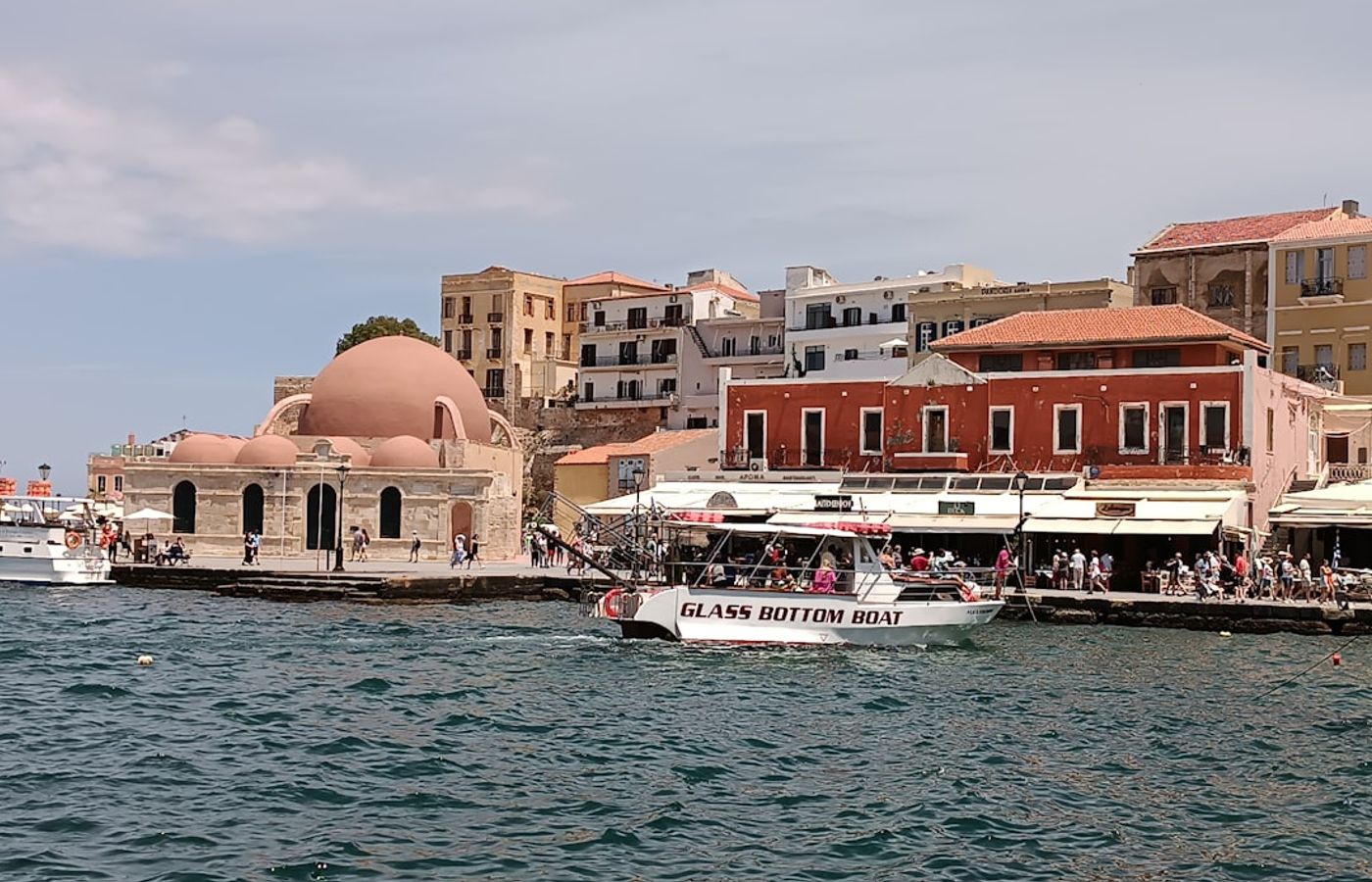

Chania's Old Town wraps around a horseshoe-shaped Venetian harbour built between 1320 and 1356, with the Egyptian-era Faros lighthouse anchoring the breakwater. Wander the lanes of Topanas, Splantzia and Kasteli to find Ottoman-era hammams, the 17th century Yali Tzami mosque on the waterfront and craft shops selling Cretan leather sandals on Skrydlof Street (Stivanadika). The harbour walk is roughly 1.5 km end to end, and tavernas line the western quay - try kalitsounia (cheese-stuffed pastries) and grilled octopus while watching the sunset turn the lighthouse pink. The Maritime Museum sits at the western tip and costs 4 EUR.
Pro Tip: Skip dinner on the harbour and walk 5 minutes inland to Splantzia square for half the price and double the local atmosphere.

3Elafonissi Beach
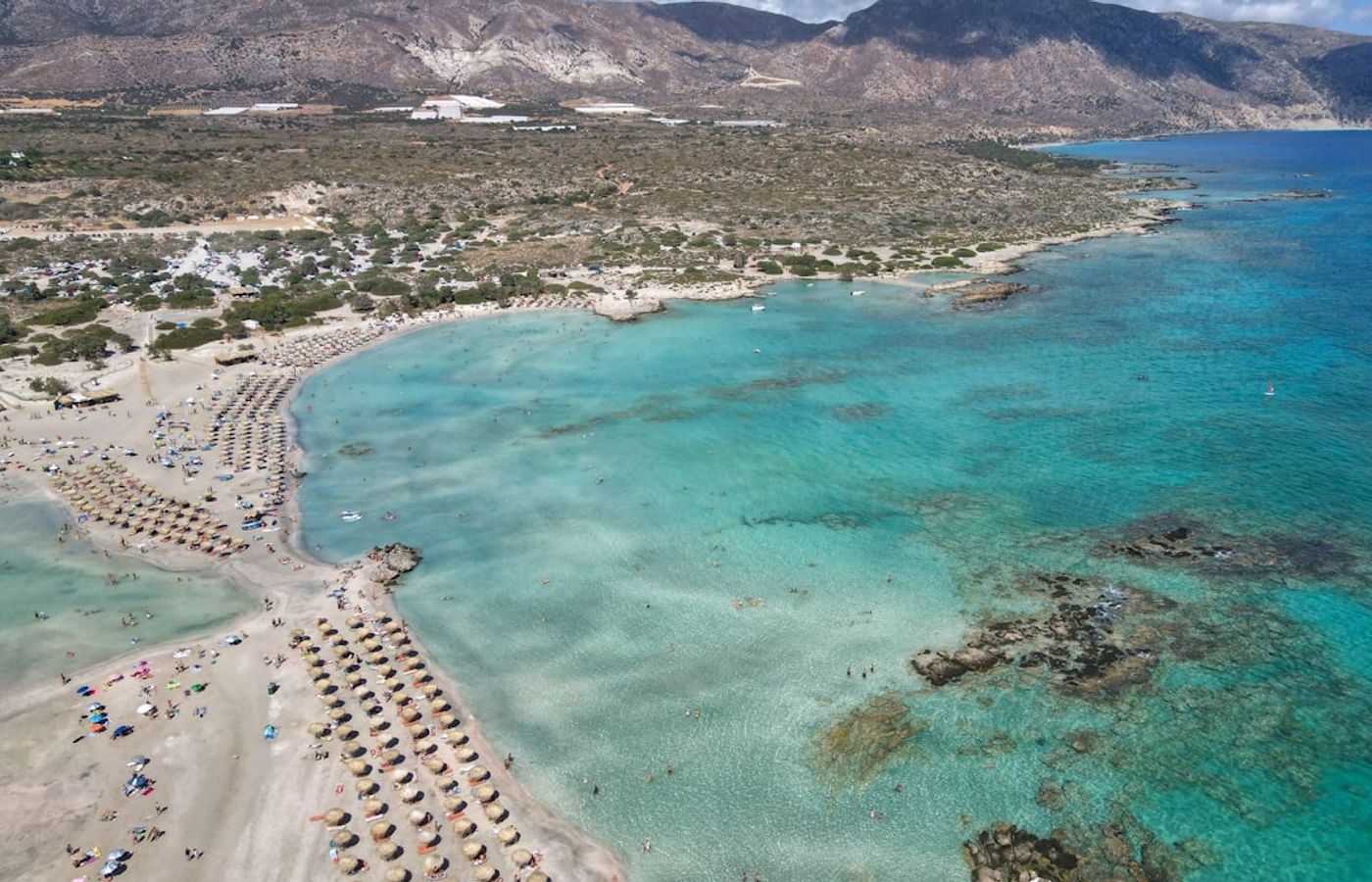
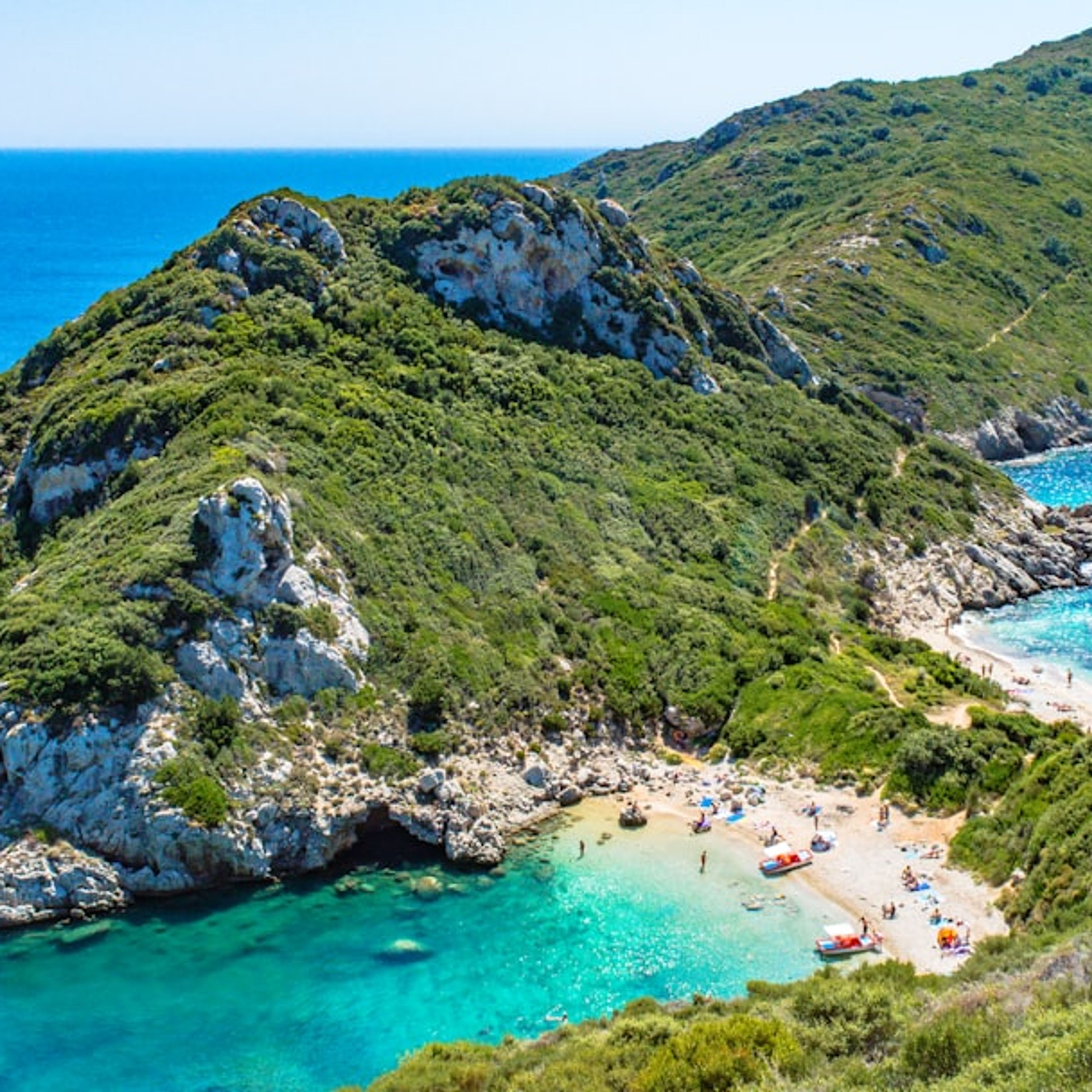
Elafonissi is a protected Natura 2000 lagoon at the south-western tip of Crete, famous for pink-tinted sand created by crushed shells of Foraminifera microorganisms. The shallow channel between the mainland and the small offshore islet rarely exceeds knee depth, making it a top family beach. Sunbeds cost around 10 EUR for a pair with umbrella, and a single canteen sells frappes and toasties. Cedar trees and dunes are roped off as nature reserve, so stay on marked paths. The drive from Chania takes 1 hour 45 minutes via the Topolia gorge road, with hairpin turns - go slow and stop in Topolia village for spinach pies.
Pro Tip: The pink colour shows best between 11:00 and 14:00 on calm days, and walking 300 m west along the islet usually finds an empty stretch even in August.
4Balos Lagoon
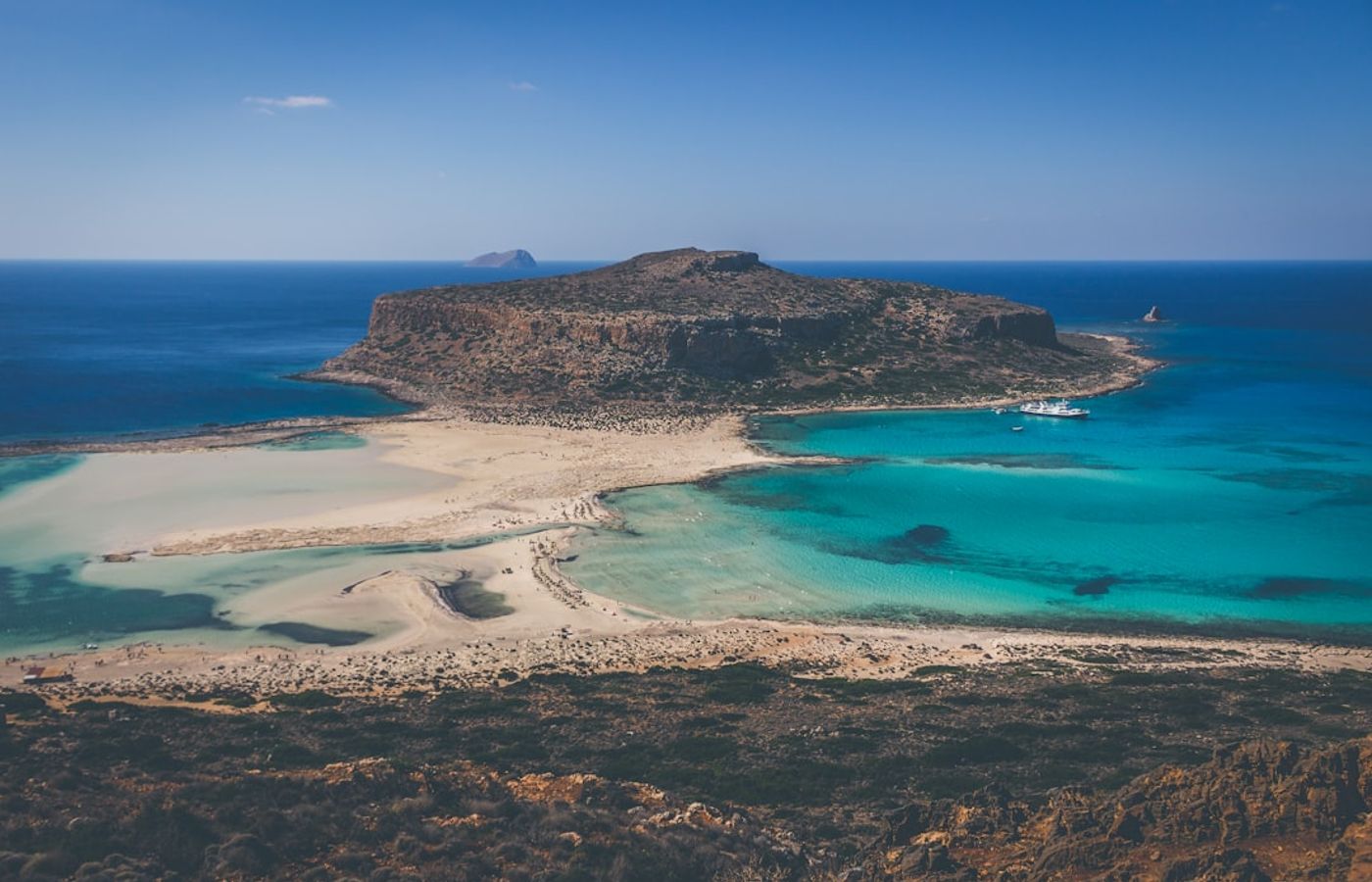
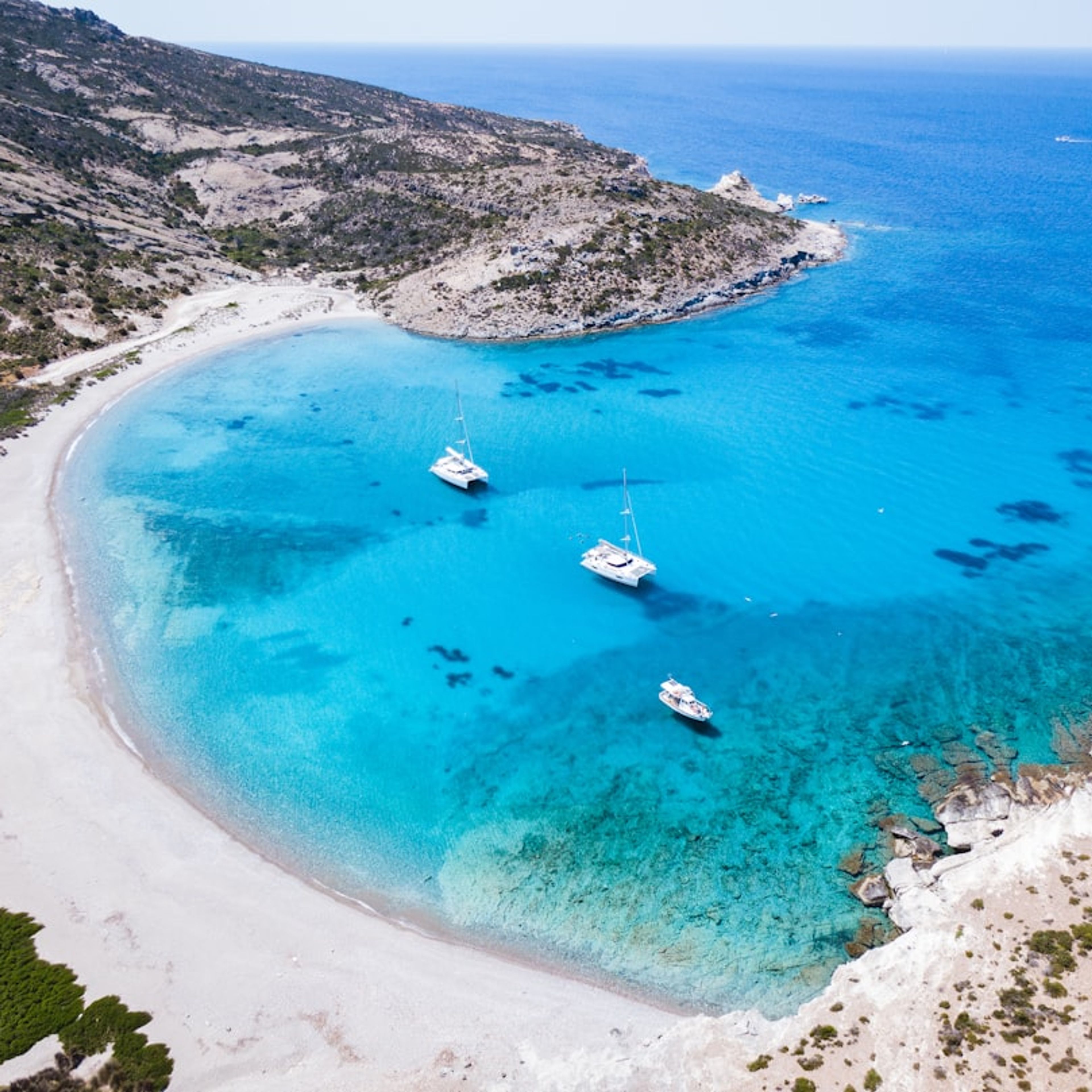
Balos is the iconic turquoise lagoon at the tip of the Gramvousa peninsula in north-west Crete, with white sand bars, a pirate-era Venetian fort on Imeri Gramvousa island and water that grades from milk-white to deep cobalt. The site has two access routes: a daily catamaran from Kissamos port (around 30 EUR return, 09:30 departure, includes a 2-hour stop at Gramvousa fort) or a rough 8 km dirt road from Kaliviani village ending in a 20-minute walk down to the beach. There are no hotels at Balos, only a snack canteen, and the area is part of the Natura 2000 network so dogs and drones are restricted.
Pro Tip: Take the boat in the morning then walk up to the panoramic viewpoint at 15:30 once the daytrippers have gone for the best photos.
5Samaria Gorge
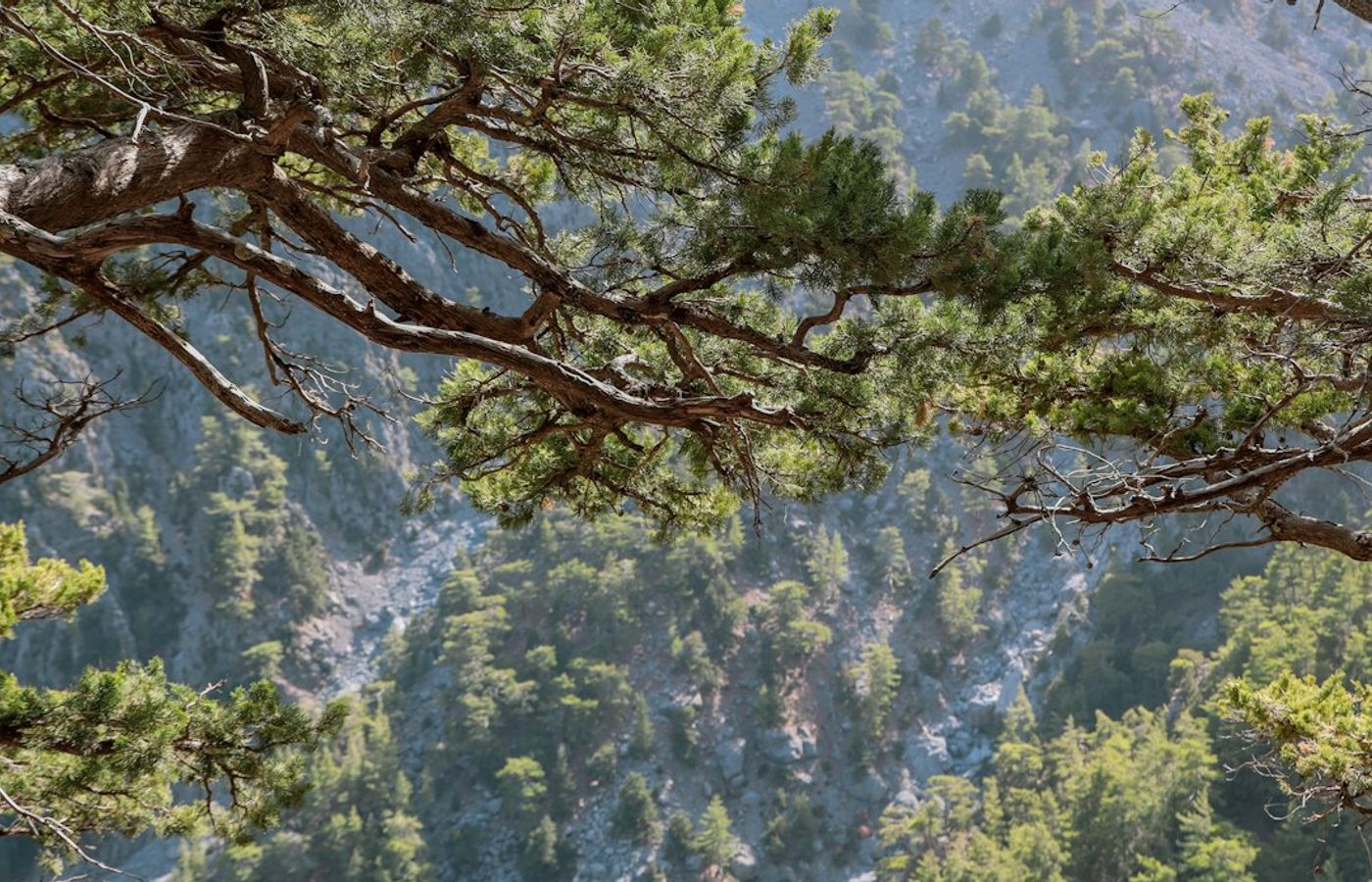
The Samaria Gorge is one of Europe's longest gorges at 16 km, dropping 1,250 m from the Omalos plateau through the White Mountains National Park to the Libyan Sea at Agia Roumeli. The hike takes 5-7 hours one way, passing the Sideroportes (Iron Gates) where the walls narrow to just 3 m apart. Start at Xyloskalo trailhead, follow the marked E4 path past kri-kri (Cretan wild goat) habitat, and finish at Agia Roumeli for a swim before the 17:30 ferry to Sougia or Chora Sfakion. Park entry costs 5 EUR in 2026 and the gorge usually opens 1 May to 31 October weather permitting.
Pro Tip: Book the KTEL gorge package from Chania (around 28 EUR including return ferry and bus) and start hiking by 08:00 to finish before the afternoon heat.
6Heraklion Archaeological Museum
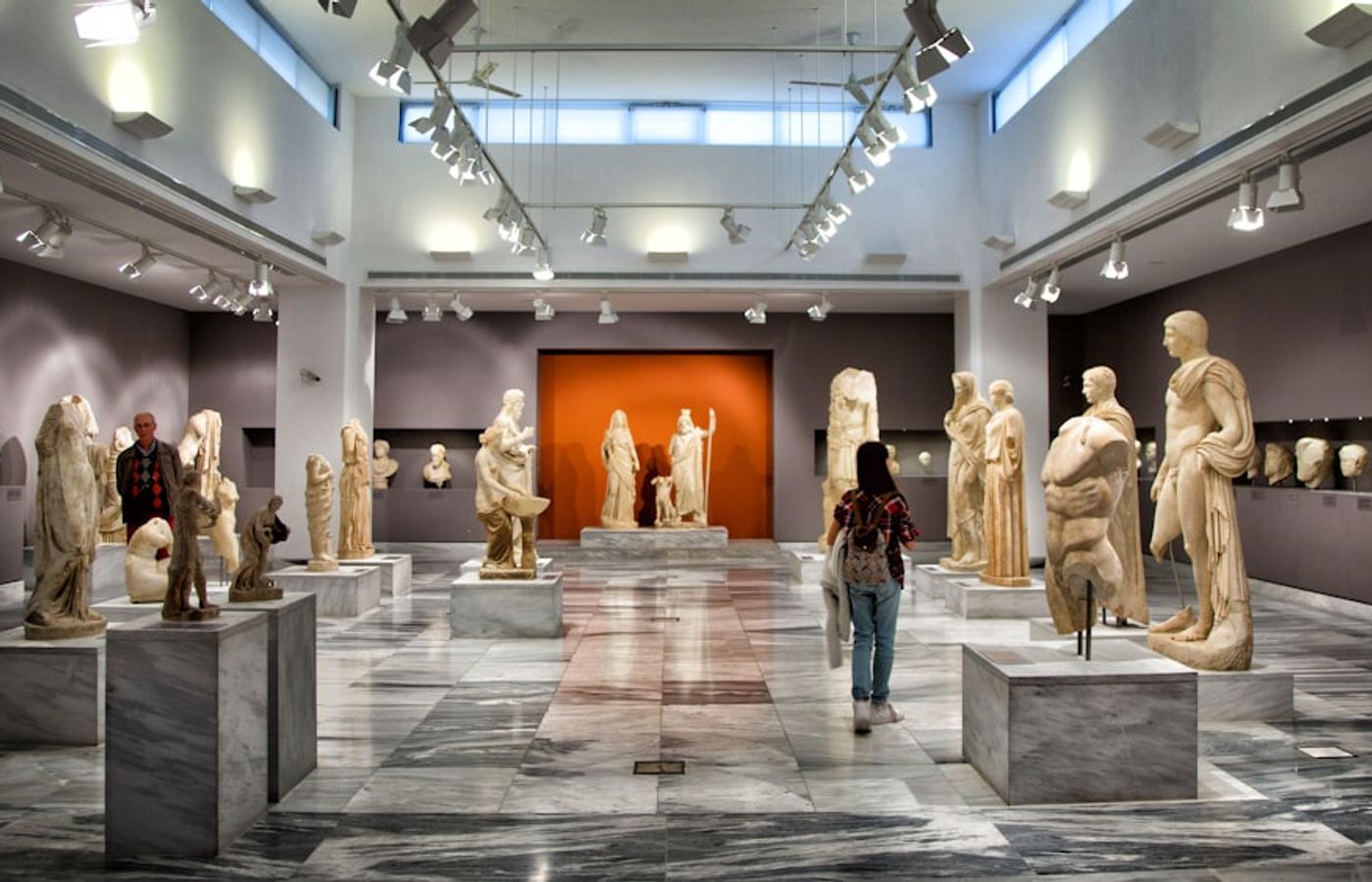
The Heraklion Archaeological Museum holds the world's most important Minoan collection, including the Phaistos Disc, the Snake Goddess figurines, the bull-leaping fresco from Knossos and the Hagia Triada sarcophagus. The two-storey 1930s building was renovated in 2014 and now displays roughly 15,000 objects across 27 rooms organised chronologically from the Neolithic to Roman periods. Plan 2-3 hours, and pair the visit with Knossos using the 22 EUR combo ticket. Audio guides cost 4 EUR and are essential for getting context on the unwritten Linear A script and the volcanic eruption at Santorini that ended Minoan power.
Pro Tip: Visit the museum first, then Knossos in the afternoon - seeing the original frescoes before the on-site reproductions is far more memorable.
7Spinalonga Island Fortress
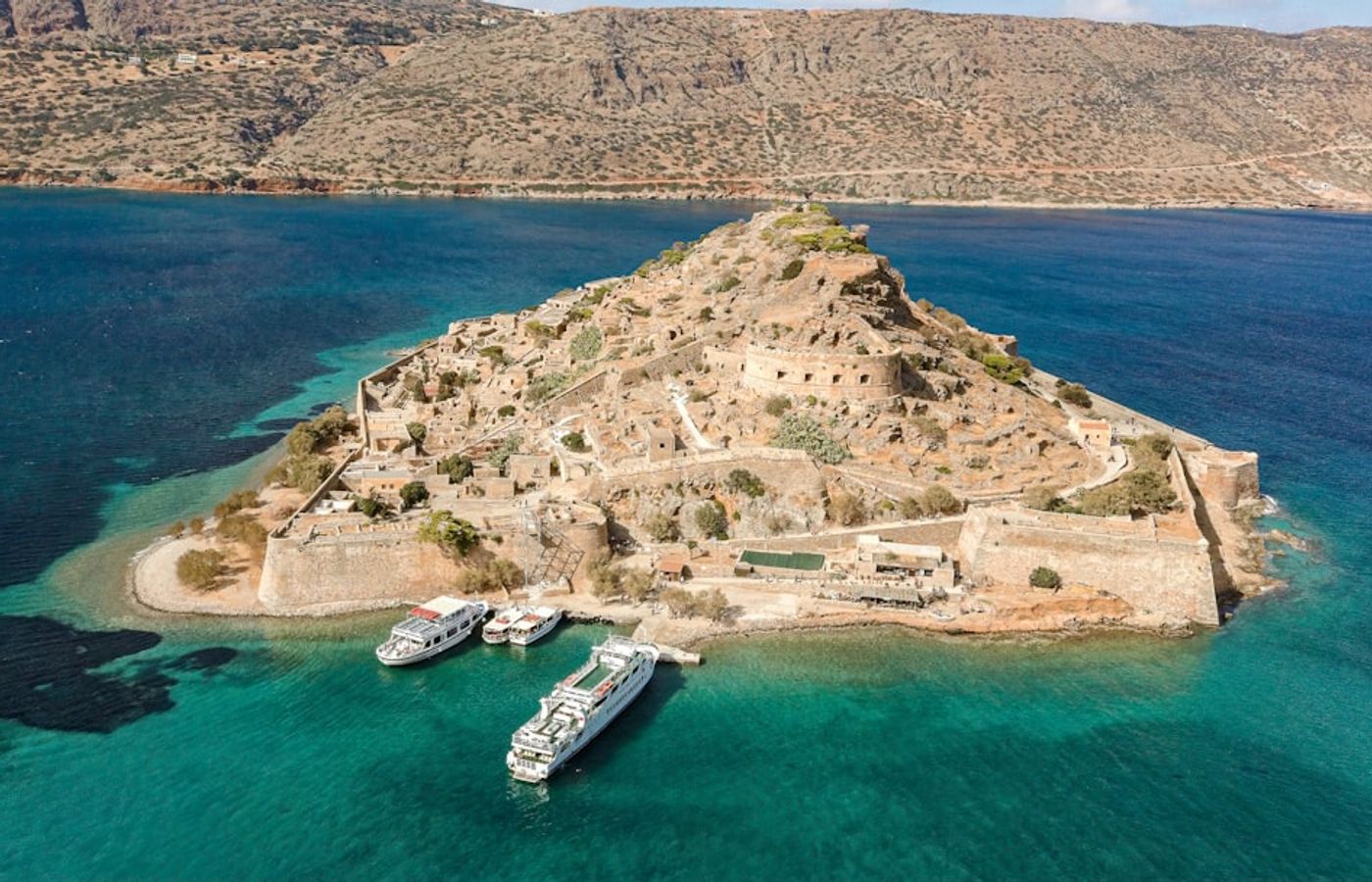
Spinalonga is a small fortified island in the Bay of Mirabello with a layered history that spans Venetian engineering (1579), Ottoman occupation and a 20th century leper colony that operated until 1957. Victoria Hislop's 2005 novel The Island made the site internationally famous, and visitor numbers have stayed high. The 30-minute walking circuit takes you past the Venetian sea gate, Ottoman houses, the small church of Agios Panteleimonas and the leper hospital. Boats run from Plaka village (12 EUR return, 10 min crossing), Elounda (15 EUR, 20 min) and Agios Nikolaos (25 EUR, 1 hr scenic route). Entry is 10 EUR.
Pro Tip: Take the early boat from Plaka at 09:30 - by 11:00 the small island is full and the unshaded ramparts get fierce.
8Rethymno Venetian Old Town and Fortezza
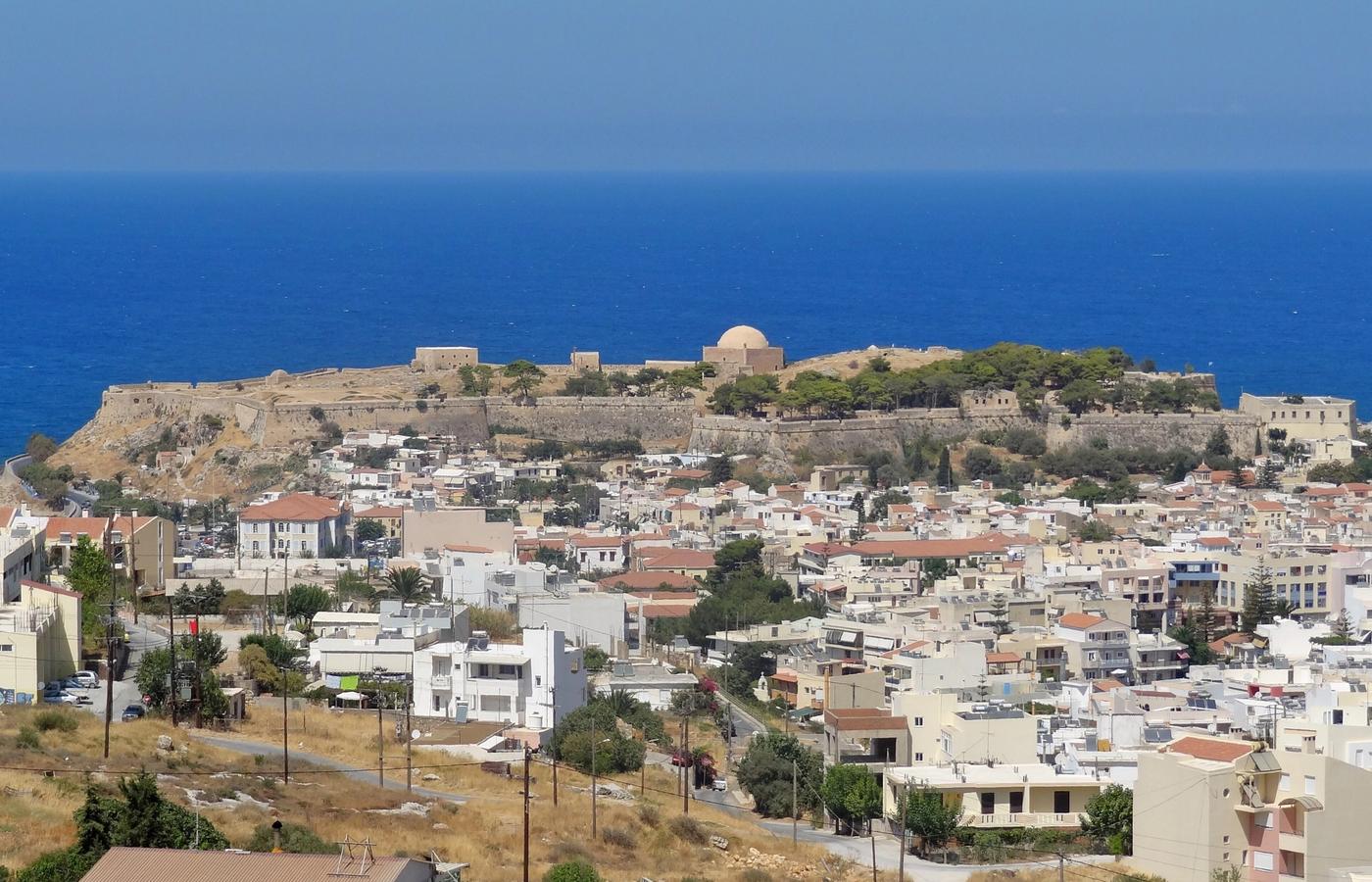
Rethymno preserves one of the best Venetian-Ottoman streetscapes in the Mediterranean, with the 16th century Fortezza fortress crowning a low headland above the old harbour. Inside the walls, see the Sultan Ibrahim mosque (formerly the Cathedral of San Nicolo), the Erofili open-air theatre and panoramic views over the rooftops. The old town below is laced with covered passageways, the Rimondi Fountain (1626) and the Neratze mosque-minaret. Fortezza entry is 4 EUR, opening 08:30-19:00 in summer. Spend a full day here and end at the harbour for grilled fish at sunset.
Pro Tip: Climb the Fortezza ramparts 30 minutes before sunset, then walk down through the old town as the lanterns come on.
9Lasithi Plateau and Dikteon Cave
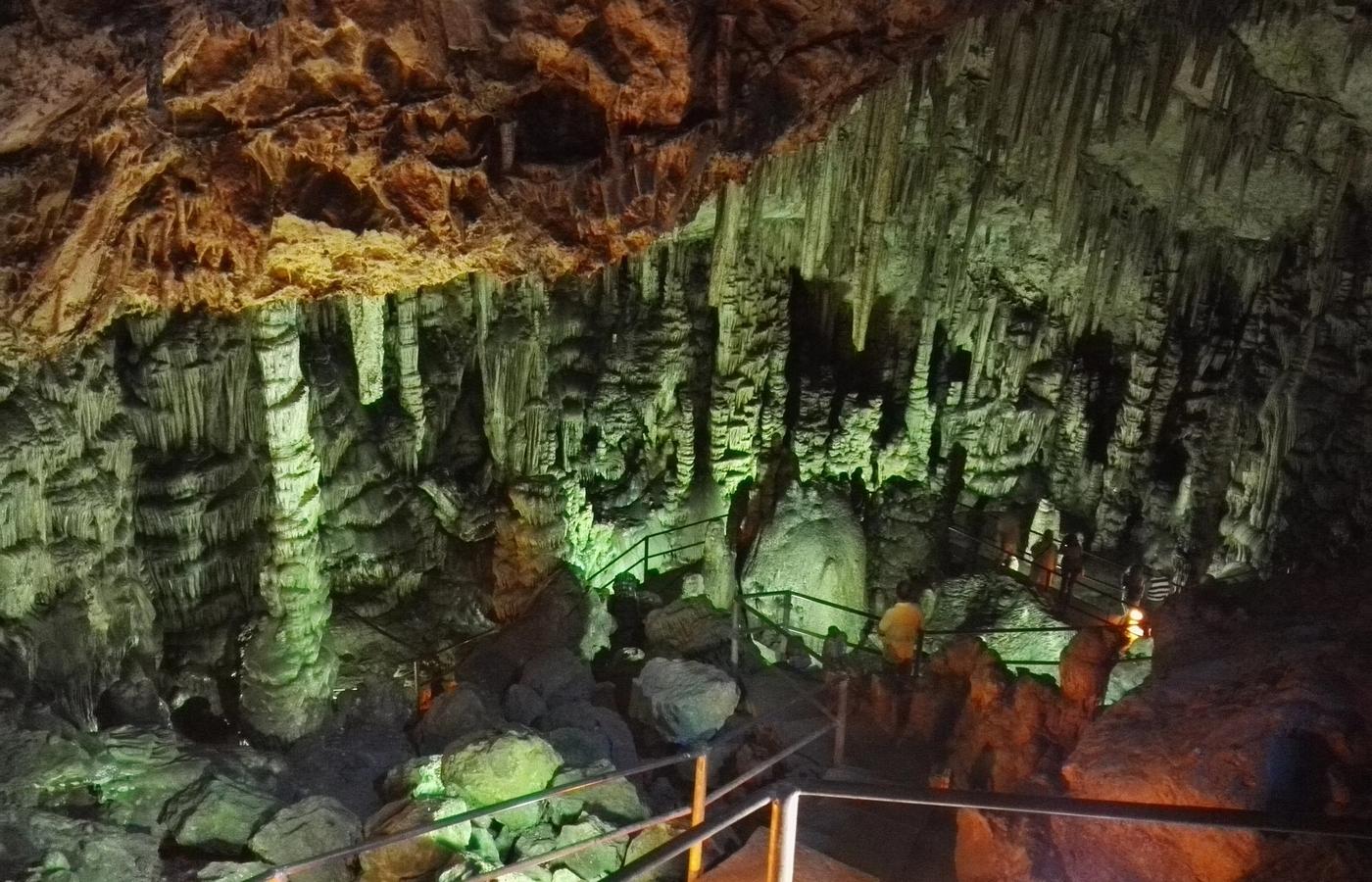
The Lasithi Plateau sits at 850 m elevation in the Dikti Mountains, a circular valley of orchards, almond groves and cobblestone villages such as Tzermiado and Psychro. Mythology places the birth of Zeus inside the Dikteon Cave above Psychro, a 1 km uphill walk from the village (option to ride a donkey for 15 EUR). Inside the cave, walkways descend 84 m past illuminated stalactites and the small lake where, according to legend, Rhea hid the infant god from his father Cronus. Cave entry costs 6 EUR. The whole plateau loop drive is 25 km of slow roads through walnut shade.
Pro Tip: Stop for honey-glazed loukoumades at Kronio taverna in Tzermiado after the cave - the family runs apiaries on the plateau.
10Preveli Beach and Palm Forest
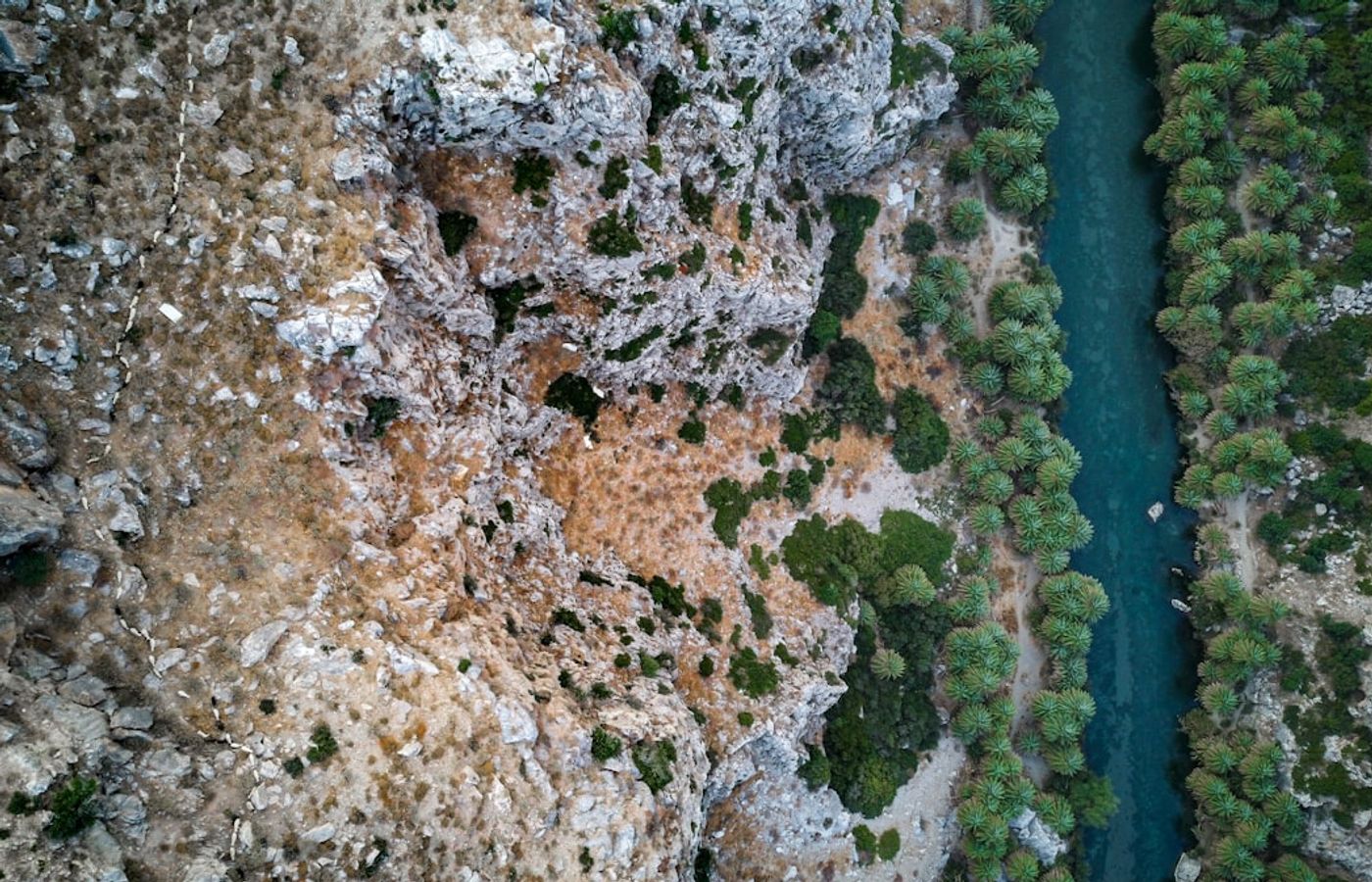
Preveli sits on the Libyan Sea south of Rethymno where the Megalopotamos river meets the sea, surrounded by a rare grove of Theophrastus palm trees - one of only two native palm forests in Europe. The beach is reached down 245 stone steps from the upper car park, or by a 30-minute boat ride from Plakias. Walk inland 200 m up the river under the palm canopy to find natural pools and a small waterfall. The Preveli Monastery, 4 km uphill, played a key role in Allied evacuations during the 1941 Battle of Crete and now houses a small museum (entry 3 EUR).
Pro Tip: Wear sandals you can swim in - walking up the river through the palm forest is the highlight, not the beach itself.
11Phaistos Minoan Palace
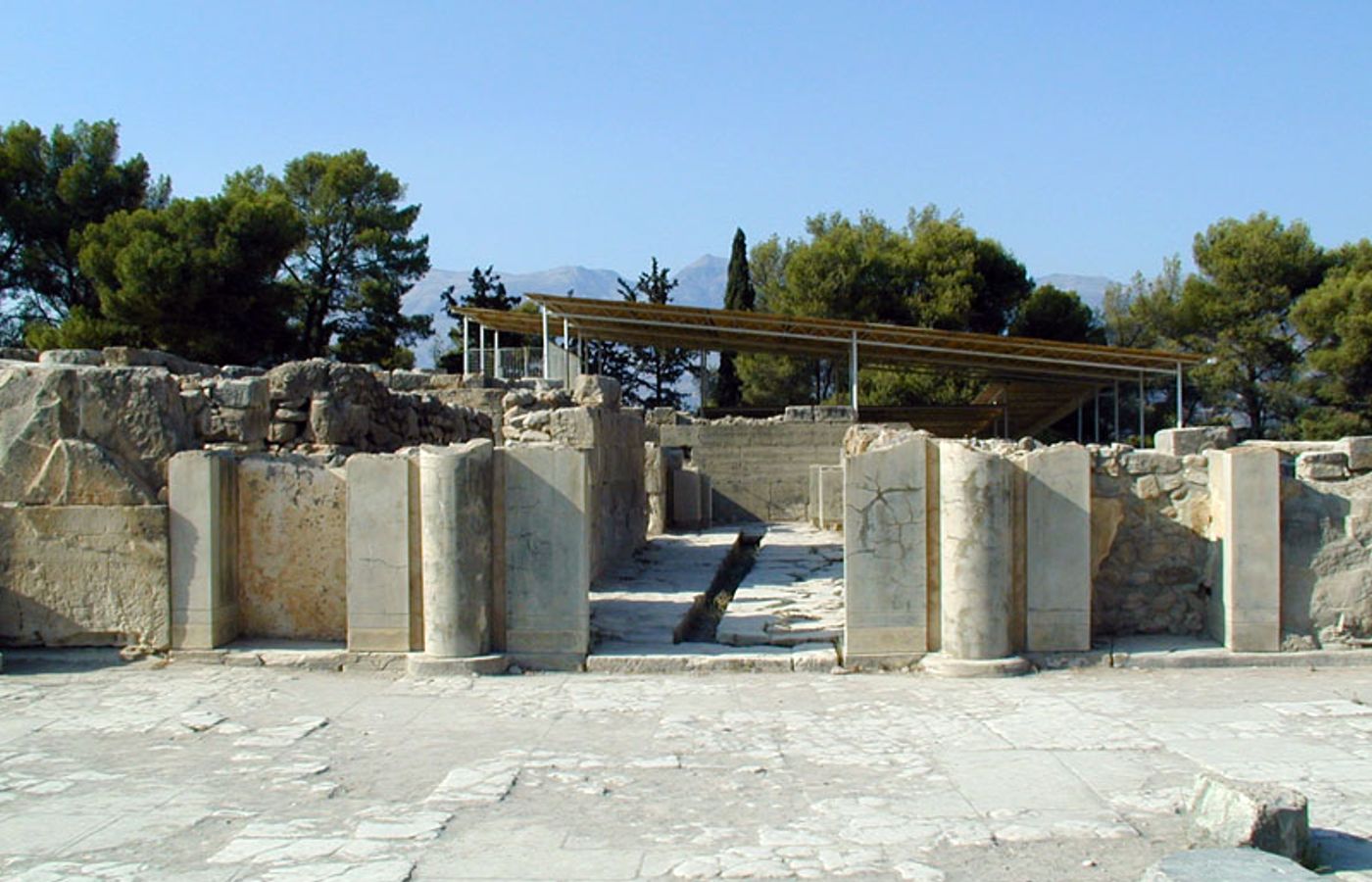
Phaistos is the second-largest Minoan palace after Knossos, set on a hilltop above the Messara Plain in southern Crete. Italian archaeologists led by Federico Halbherr excavated the site from 1900, and unlike Knossos it has been left as ruins, which gives the visit a quieter and more authentic feel. The famous Phaistos Disc - a clay tablet stamped with 241 unread symbols - was found here in 1908 and now sits in the Heraklion Archaeological Museum. Plan 90 minutes to walk the central court, the theatral area and the workshops. Entry is 8 EUR in 2026, opening 08:30-15:30 (winter) or 08:30-19:30 (summer).
Pro Tip: Combine Phaistos with Agia Triada (1 km west, included on the same ticket) and lunch in Matala for a full south-coast day.
12Agios Nikolaos and Lake Voulismeni
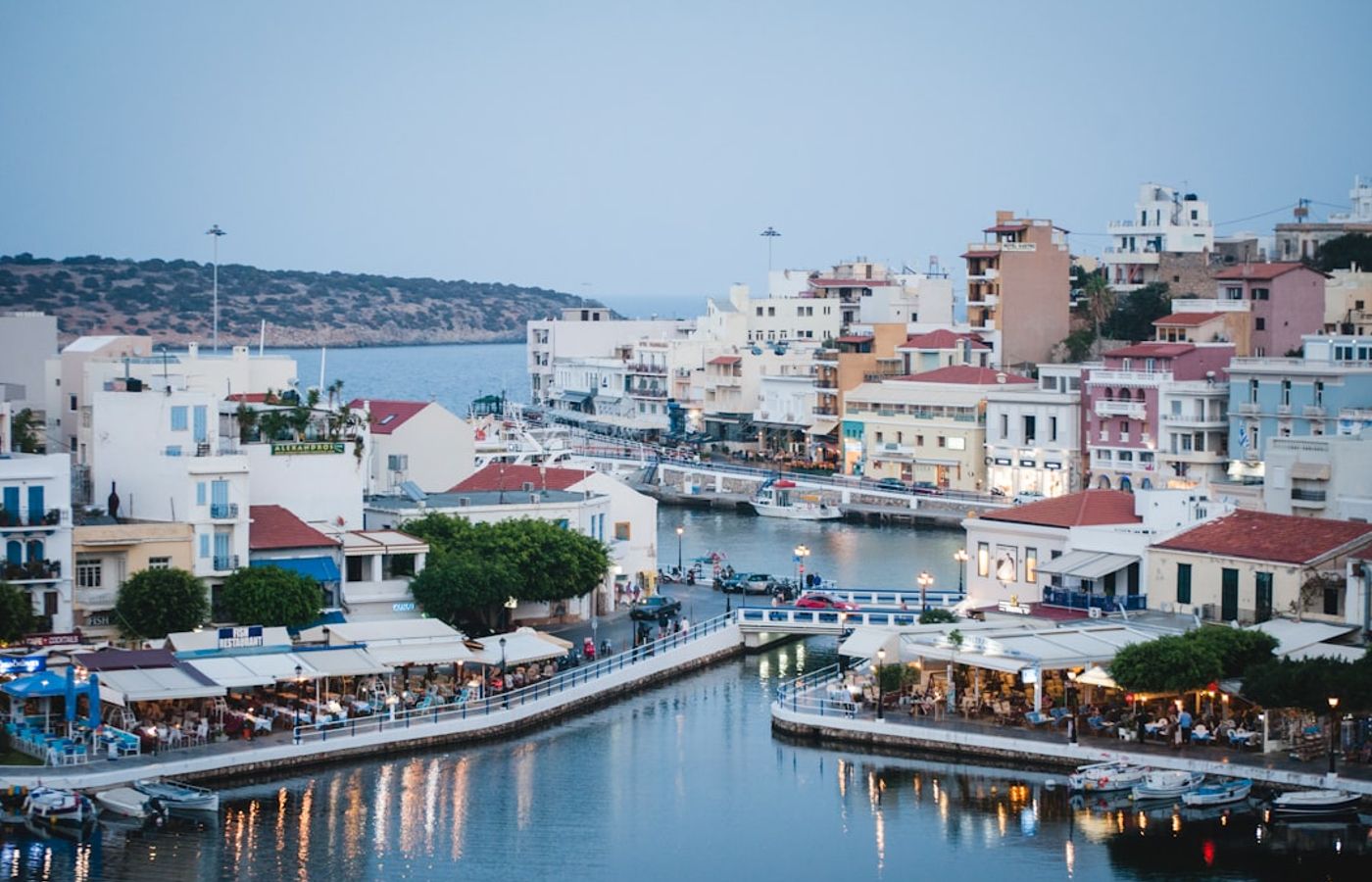
Agios Nikolaos is the elegant capital of the Lasithi region, built around the small saltwater Lake Voulismeni which legend says was where the goddess Athena bathed. The 64 m deep lake is connected to the harbour by a short canal cut in 1870 and ringed by tavernas and cocktail bars that fill in the evenings. From the lake, a 1 km coastal path runs to Kitroplateia and Ammos beaches, both city beaches with calm water suitable for kids. The Folklore Museum on the harbour (3 EUR) is small but well done, and on Wednesdays the open-air market on Akti Atlantidos sells local olive oil and Cretan graviera cheese.
Pro Tip: Reserve a sunset table at Pelagos taverna on Stratigou Koraka Street for the best harbour view at golden hour.
13Vai Palm Beach
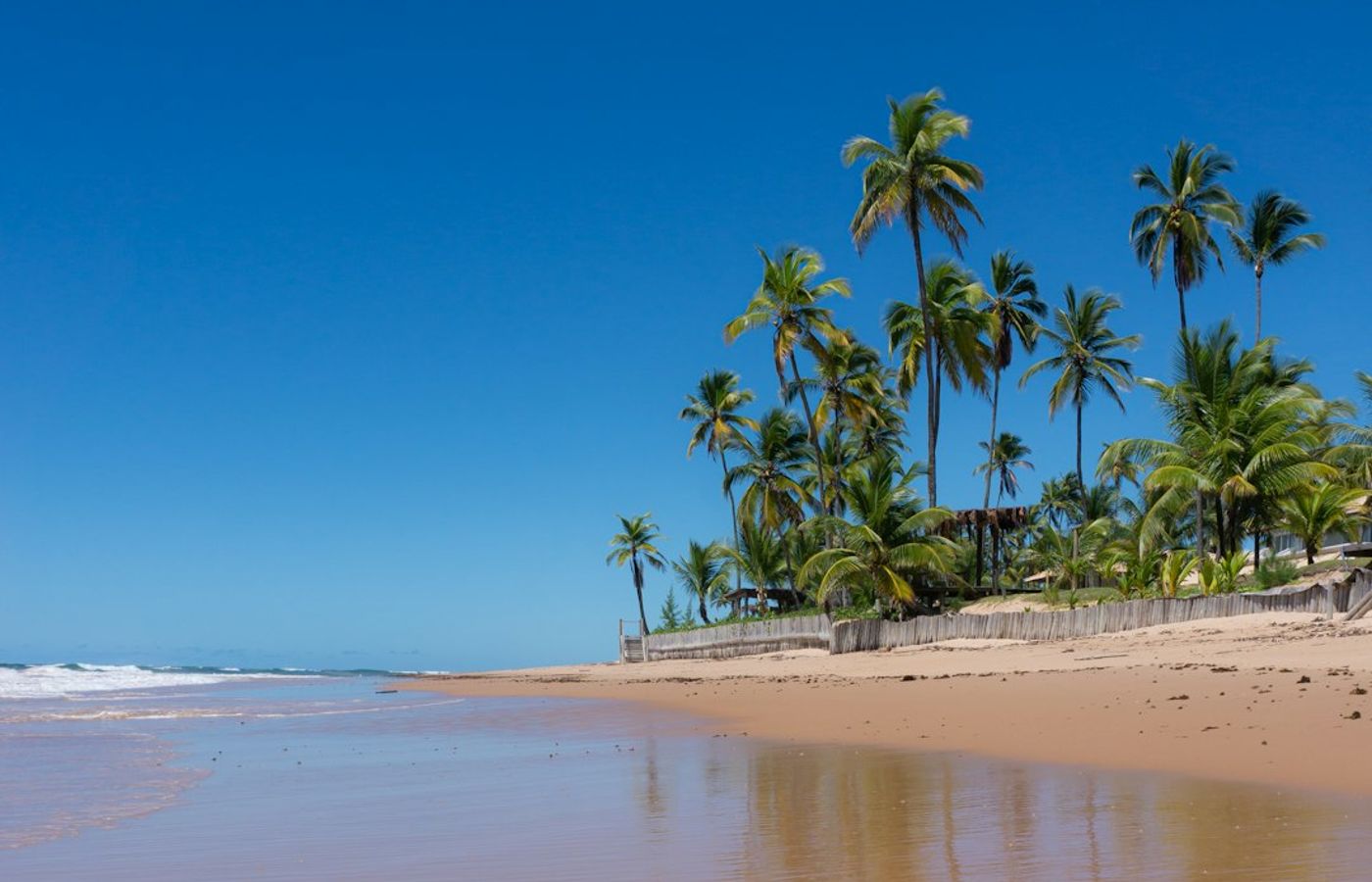
Vai is on the eastern tip of Crete and frames a 250 m crescent of fine sand with the largest natural palm forest in Europe (around 5,000 Theophrastus palms) sweeping right down to the water. The grove was protected in 1973 and a wooden walkway loops through it from the south end of the car park. Entry to the beach is free but parking costs 3 EUR. Sunbeds are 10 EUR for a pair and there is one taverna and a beach bar that close at 19:00. Vai is roughly 1 hour drive from Sitia along a winding road and works best as a day trip from Sitia or as a stop on a circular eastern Crete tour.
Pro Tip: Walk 10 minutes south over the headland to find the small Psili Ammos beach, almost always empty even in August.
14Frangokastello Fortress
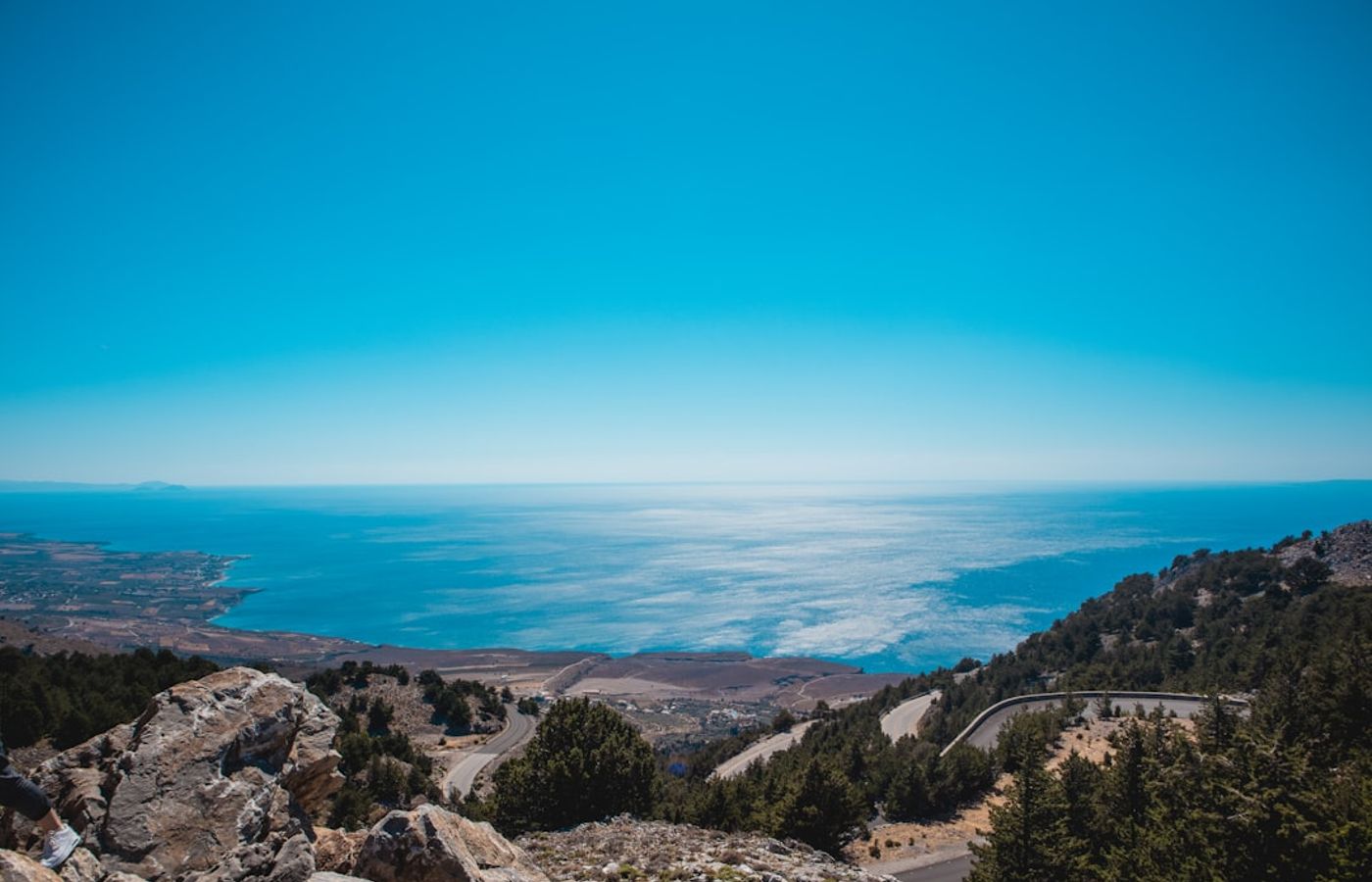
Frangokastello is a 1374 Venetian fortress built to control southern Sfakia and now stands almost intact on a flat coastal plain just metres from a long shallow beach. The square fort with four corner towers became famous for the 1828 Battle of Frangokastello where 600 Greek fighters under Hatzimichalis Dalianis held off Ottoman forces. Locals say at dawn each May the ghosts of the fallen, called Drosoulites, march across the plain - a real meteorological mirage caused by warm coastal air. Entry is free, the site is unfenced. The shallow beach in front is excellent for small children with no waves and water that warms quickly.
Pro Tip: Stay in nearby Patsianos for one night to see the fortress at sunrise, when the light hits the south-east tower first.
15Arkadi Monastery
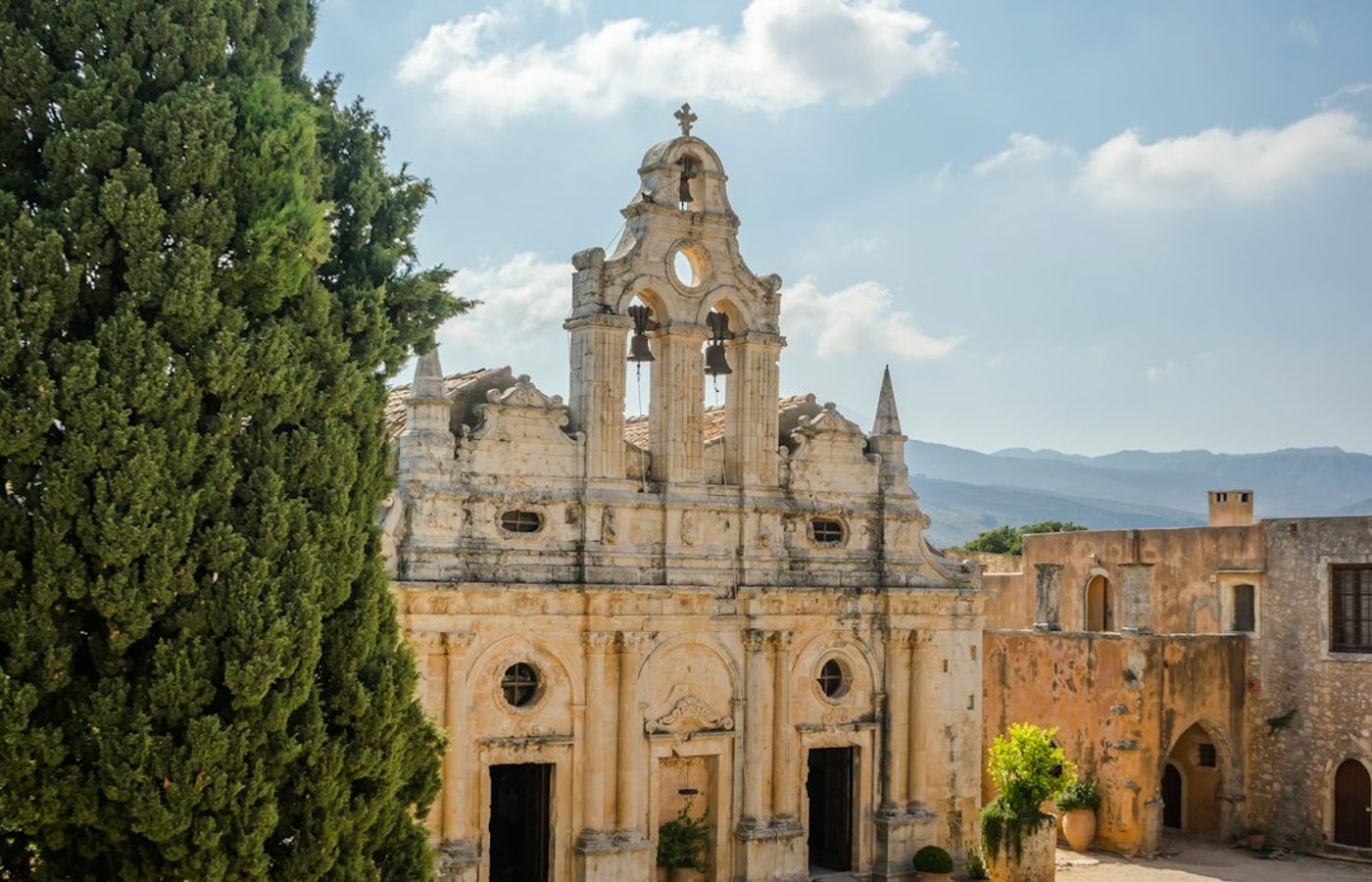
Arkadi Monastery dates from the 16th century and is the most important religious and historical site in central Crete. The Renaissance-style church facade from 1587 with its eight columns and twin domes is the architectural highlight. In November 1866 around 1,000 Cretan rebels and civilians sheltering inside chose to blow up the gunpowder magazine rather than surrender to Ottoman forces, an act that pushed the European powers towards supporting Cretan independence. The site includes a museum with weapons, vestments and icons (entry 4 EUR), the powder room itself, and a small garden. The drive from Rethymno through olive groves and stone villages takes 35 minutes.
Pro Tip: Visit on 8 November for the annual remembrance ceremony - moving even for non-religious travellers, and the monastery serves free coffee and biscuits.

CEO and co-founder
Tomas is the co-founder and director of trip1, an European company specializing in reservation services. He launched the company in 2025 with a focus on building scalable, efficient operations.
15 Top Places to Visit in Crete, Greece - FAQ
No. Crete is the largest Greek island at roughly 260 km from west to east, so visiting all 15 places in a single day is impossible. A realistic plan needs 7-10 days, with one base in Chania (west), one in Rethymno (centre) and one in Heraklion or Agios Nikolaos (east). Driving from Chania to Sitia alone takes around 4 hours without stops. Build a route that groups nearby sites: pair Knossos with Heraklion Archaeological Museum, or combine Balos with Falassarna in the same day.
Move from west to east to follow the prevailing summer winds and avoid backtracking. Start in Chania with Chania Old Town, Balos Lagoon, Elafonissi and Samaria Gorge. Continue to Rethymno for the Venetian Old Town, Fortezza, Preveli Beach, Frangokastello and Arkadi Monastery. End in Heraklion with Knossos Palace, the Archaeological Museum and Phaistos, then push east for Spinalonga, Agios Nikolaos with Lake Voulismeni, the Lasithi Plateau and Vai. This 8-10 day pattern minimises long drives and uses one rental car the whole way.
In 2026, advance tickets are strongly recommended for Knossos Palace (20 EUR, combined ticket with Heraklion Archaeological Museum is 22 EUR), the Heraklion Archaeological Museum (12 EUR), Samaria Gorge (5 EUR park entry, plus boat and bus), Spinalonga (10 EUR plus the boat from Elounda or Plaka at around 12-15 EUR return) and Phaistos (8 EUR). Buy timed-entry tickets through the official Hellenic Ministry of Culture e-ticket portal at least 24 hours ahead in July and August. Beaches like Elafonissi, Balos and Vai are free but car parks fill before 10:00 in peak season.
Total entry tickets for all paid sites add up to around 90-100 EUR per adult: Knossos 20, Heraklion Museum 12, Samaria 5, Spinalonga 10, Phaistos 8, Arkadi 4, Dikteon Cave 6, Fortezza Rethymno 4. Add boats for Balos (around 30 EUR return from Kissamos) and Spinalonga (12-15 EUR), plus around 50-70 EUR per day for a small rental car and 60-90 EUR per night for a mid-range hotel. A 9-day independent trip costs roughly 1,300-1,800 EUR per person excluding flights, food and souvenirs.
This list focuses on top headline places, but Crete rewards travellers who add a few lesser-known stops. Consider Falassarna Beach for sunsets on the west coast, the Imbros Gorge as a shorter alternative to Samaria, Loutro village (only reachable by boat or trail), the Minoan site of Malia, the village of Anogeia in the Psiloritis range and Zakros palace at the eastern tip. Foodies should also book a half-day in a Cretan village taverna for dakos, antikristo lamb and tsikoudia.
Partly. KTEL Chania-Rethymno and KTEL Heraklion-Lasithi cover the main coastal corridor and key sites: Knossos (bus 2 from Heraklion every 20 minutes, 1.80 EUR), Chania Old Town, Rethymno, Agios Nikolaos and Elafonissi (one direct bus daily in summer). Samaria, Balos boat from Kissamos and Spinalonga from Plaka are reachable on organised day buses. However Lasithi Plateau, Phaistos and Vai are difficult without a car: connections are slow or seasonal. For 8 or more sites, renting a car for at least 5 days is far more efficient.