
Get up to €50 off your staySubscribe and get up to €50 off your next stay
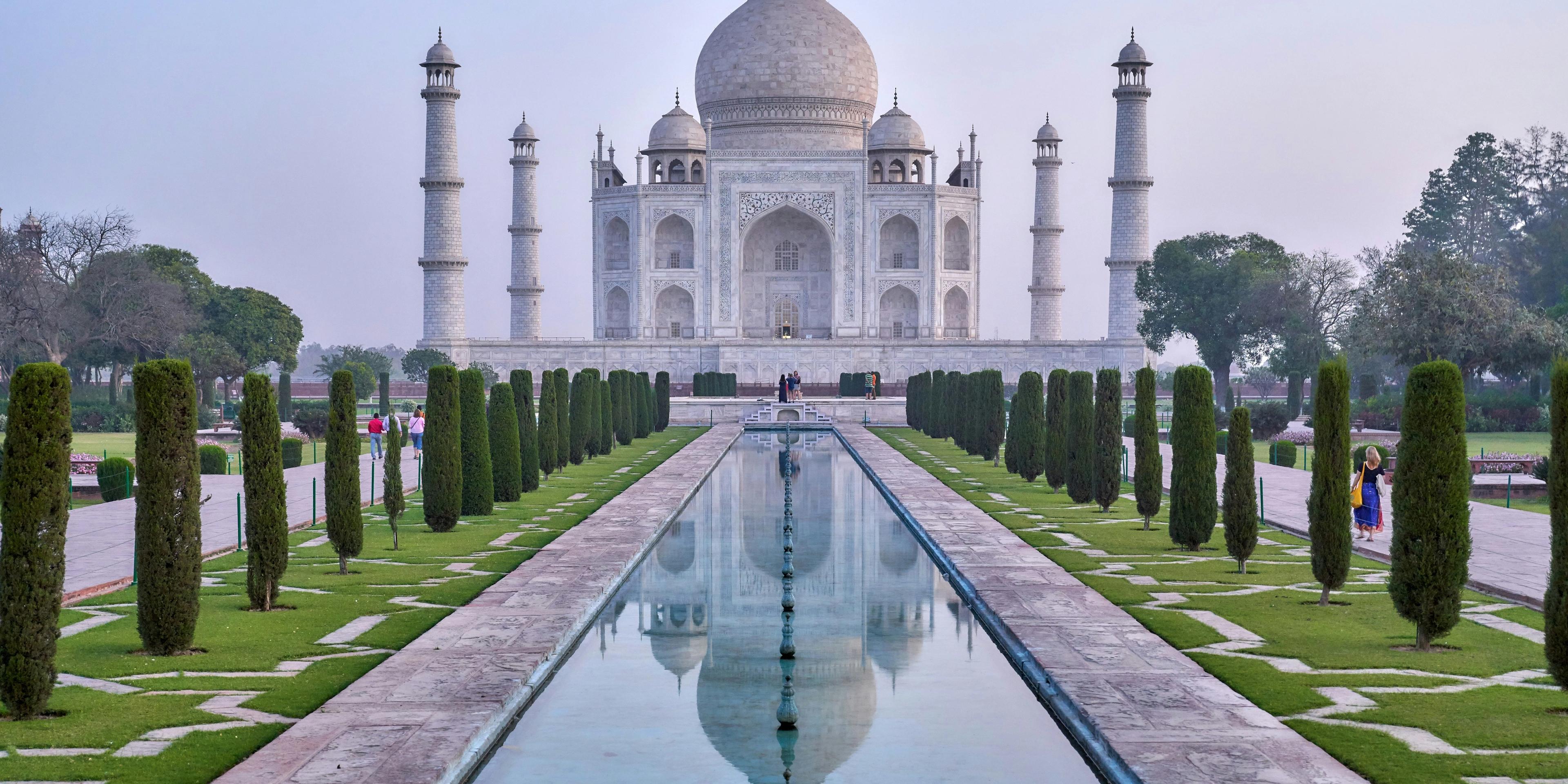
Browse and explore the best travel guides in India.
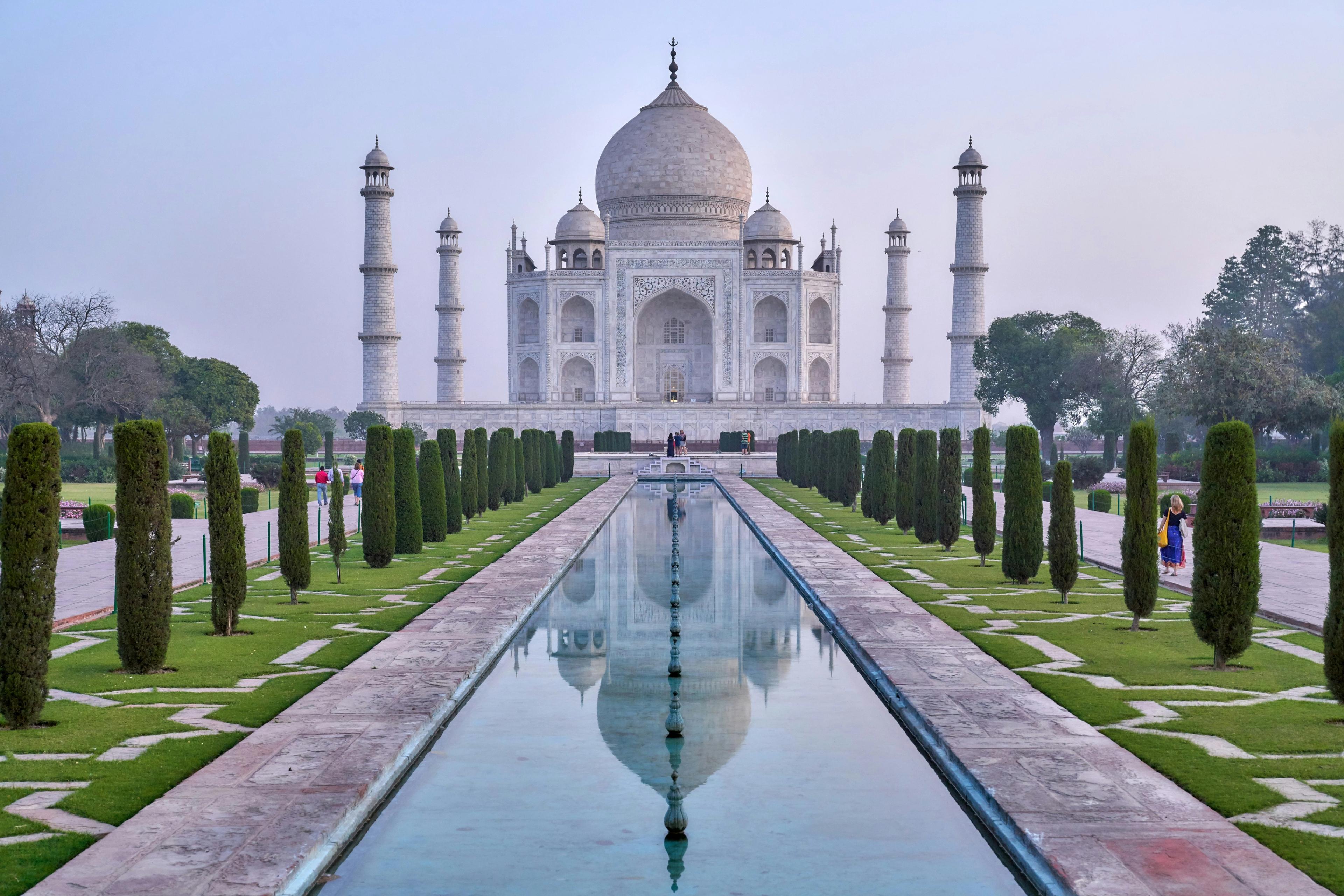
India stretches from the snow-capped Himalayas in the north to the tropical beaches of Kerala and Goa in the south, covering 3.3 million square kilometres across 28 states and eight union territories. The country draws travellers with its ancient temple complexes, Mughal-era forts and palaces, wildlife reserves home to Bengal tigers and Asian elephants, and a food culture that changes dramatically every few hundred kilometres. Major travel circuits include the Golden Triangle (Delhi, Agra, Jaipur), the backwaters of Kerala, the desert forts of Rajasthan, and the spiritual centres of Varanasi and Rishikesh. India operates on a budget-friendly cost scale for most visitors - street food meals run 50 to 150 INR (roughly 0.50 to 1.70 EUR), and comfortable mid-range accommodation starts around 2,000 INR (22 EUR) per night. The monsoon season (June to September) brings heavy rainfall to most regions, making October through March the peak travel window when temperatures are cooler and skies are clear.
Capital
New Delhi
Population
~1.44 billion
Area
3,287,263 km²
Time Zone
IST (UTC+5:30)
Currency
Indian Rupee (INR)
Languages
Hindi, English, and 21 other scheduled languages
Main Airports
DEL (Delhi), BOM (Mumbai), BLR (Bengaluru), MAA (Chennai)
Visa
e-Visa for most nationalities (USD 25-80)
Best For
History, temples, food, wildlife, festivals
Typical Cost Level
Budget
Get the latest deals, new destinations, and travel tips delivered straight to your inbox.
No spam, unsubscribe anytime.
Entry rules, stay length and passport validity by nationality.
Most nationalities need a visa to enter India. The simplest option is the Indian e-Visa, which you can apply for online at least four days before departure. Tourist e-Visas are available for 30 days (USD 25), one year (USD 40), or five years (USD 80). Processing typically takes 72 hours, and the e-Visa is valid at major airports including Delhi (DEL), Mumbai (BOM), and Jaipur (JAI).
October through March is the best window for most of India. Temperatures are cooler, skies are clear, and the monsoon has ended. For Rajasthan and the Golden Triangle, November to February is ideal with daytime highs around 22-25 degrees Celsius. Hill stations like Shimla and Darjeeling are best from March to June. Avoid the June-to-September monsoon unless you specifically want to see Kerala or Goa during the green season.
India is generally safe for tourists who take standard precautions. Petty theft and scams targeting travellers exist in major tourist hubs - always agree on taxi fares before getting in, use pre-paid auto-rickshaw counters at train stations, and be cautious of overly friendly strangers offering unsolicited help. Solo female travellers should take extra precautions, especially after dark. Stick to well-lit areas, use ride-hailing apps like Ola and Uber, and trust your instincts.
The Indian Rupee (INR) is the official currency. ATMs are widely available in cities and tourist areas, and most accept international cards. UPI-based digital payments (Google Pay, PhonePe) are extremely popular among locals. International visitors can use contactless cards at many restaurants and shops in larger cities, but carry cash for street food stalls, auto-rickshaws, and smaller towns.
On trip1, you can book hotels across India and pay with over 120 cryptocurrencies including Bitcoin, Ethereum, and USDC. trip1 covers 3 million+ hotels in 190+ countries, making it easy to find and book accommodation with crypto.
India has an extensive rail network operated by Indian Railways, connecting major cities and tourist destinations. Book trains through the IRCTC website or app. For longer distances, domestic flights on carriers like IndiGo and Air India are affordable if booked early. Within cities, ride-hailing apps (Ola, Uber) and auto-rickshaws are the most practical options. Between nearby cities like Delhi and Jaipur, Vande Bharat Express trains offer fast, comfortable service.