
Guides · Nairobi
10 Top Things to Do in Nairobi, Kenya

CEO and co-founder
This guide ranks the 10 top things to do in Nairobi - the urban wildlife park, elephant orphanage, giraffe centre, cultural museums, and markets that genuinely deserve a place on your itinerary whether you have 3 days or you're using Nairobi as a Kenyan safari hub. Each entry includes the exact address, transit notes, and a practical Pro Tip drawn from how locals and seasoned visitors actually navigate Nairobi in 2026.
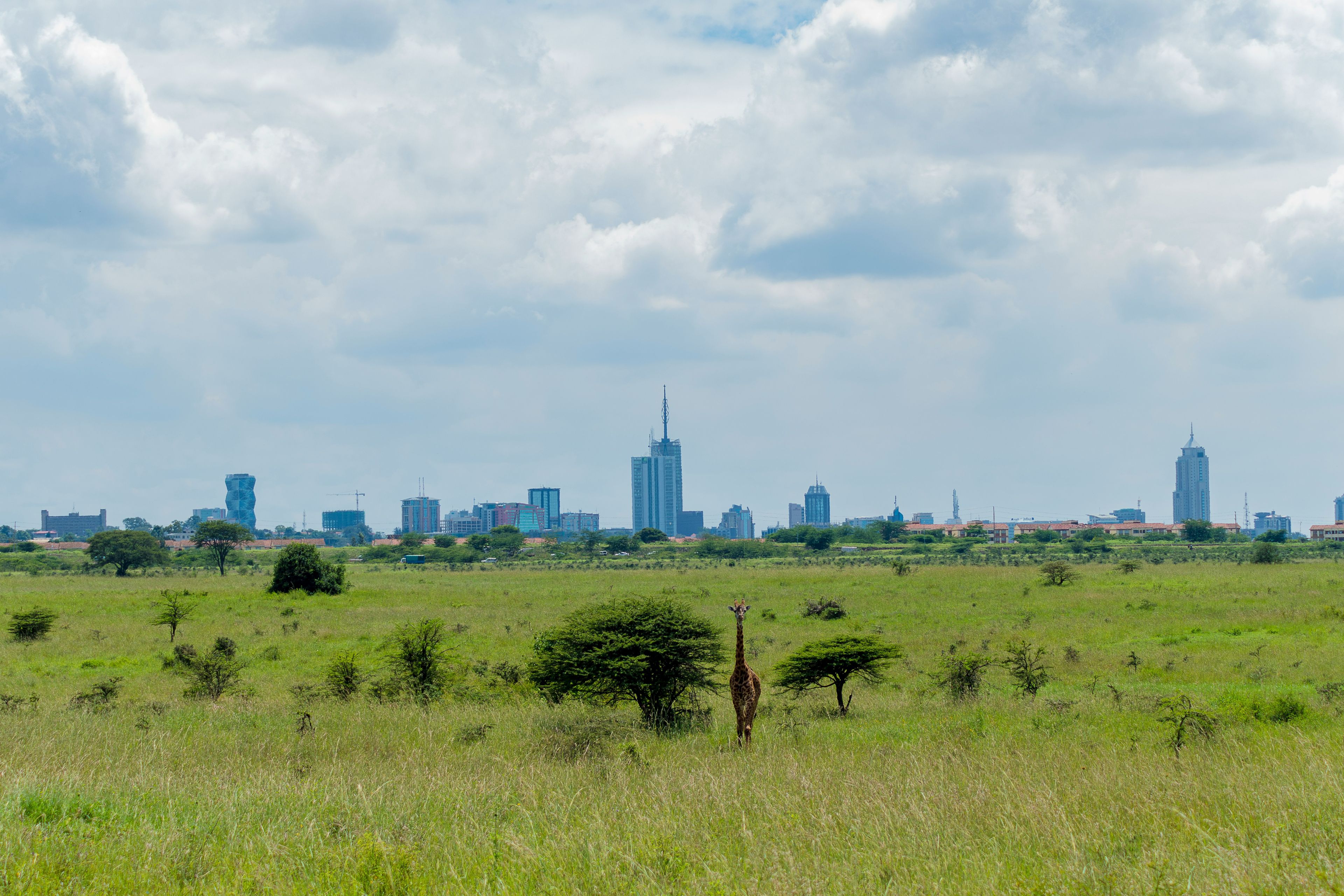
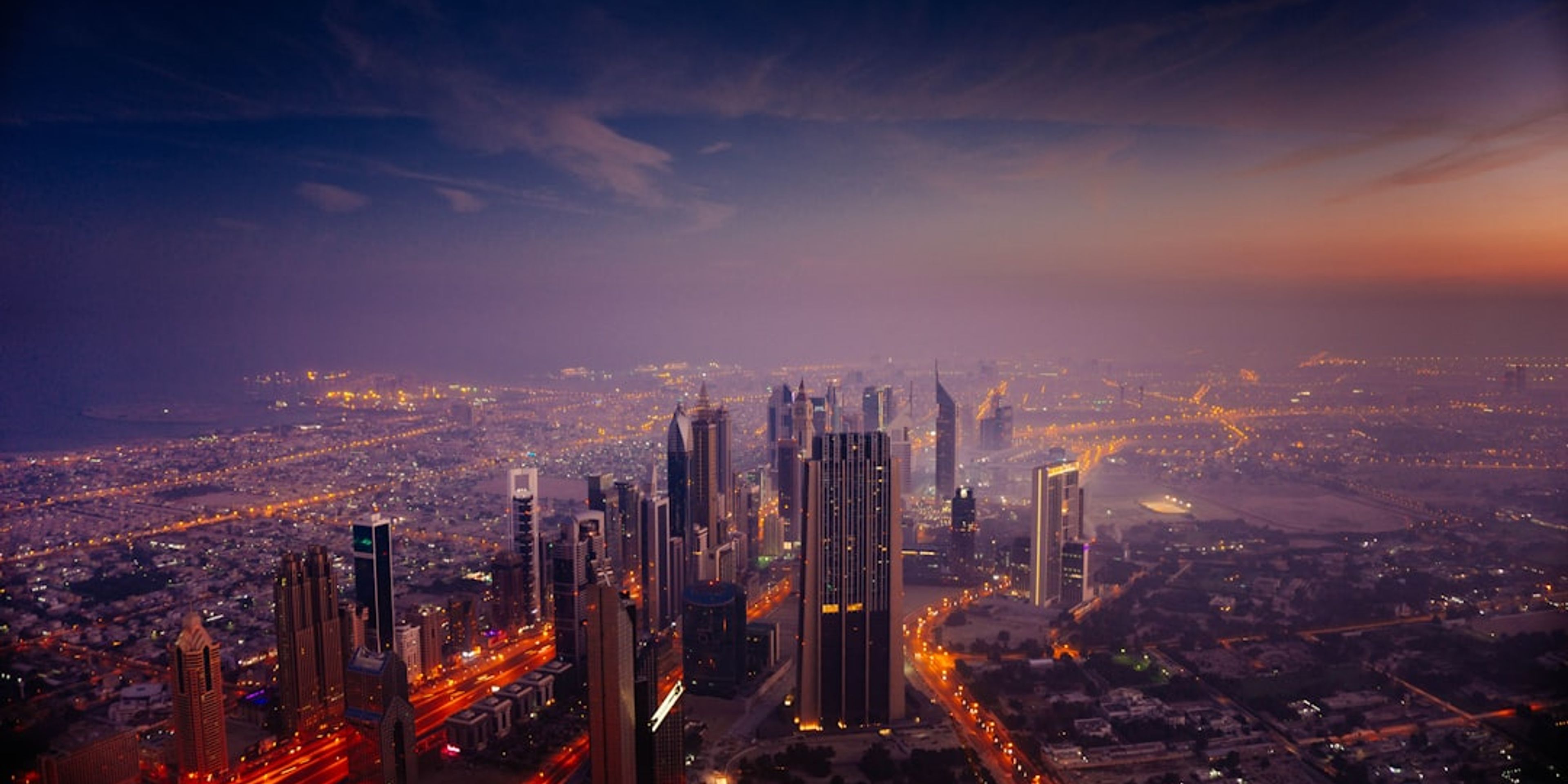
Nairobi is uniquely the only world capital with a major national park inside its city limits - Nairobi National Park, a 117-square-km wildlife reserve where you can spot lions, rhinos, and giraffes against a Manhattan-style skyline backdrop. The Karen suburb 15 km south (named after Karen Blixen of Out of Africa fame) houses the Giraffe Centre, David Sheldrick Elephant Trust, and Karen Blixen Museum. Most travellers stop here en route to Maasai Mara or other Kenyan safaris.
Plan 3-4 days. Book the David Sheldrick Trust visit 5-7 days ahead (the 11:00 elephant feeding is the only public viewing hour). Use Uber for transport - Nairobi is not walking-friendly and Uber/Bolt are cheap and safer than minibuses. Stay in Westlands, Karen, or Lavington for the best safety and convenience.
1Nairobi National Park - The City Safari
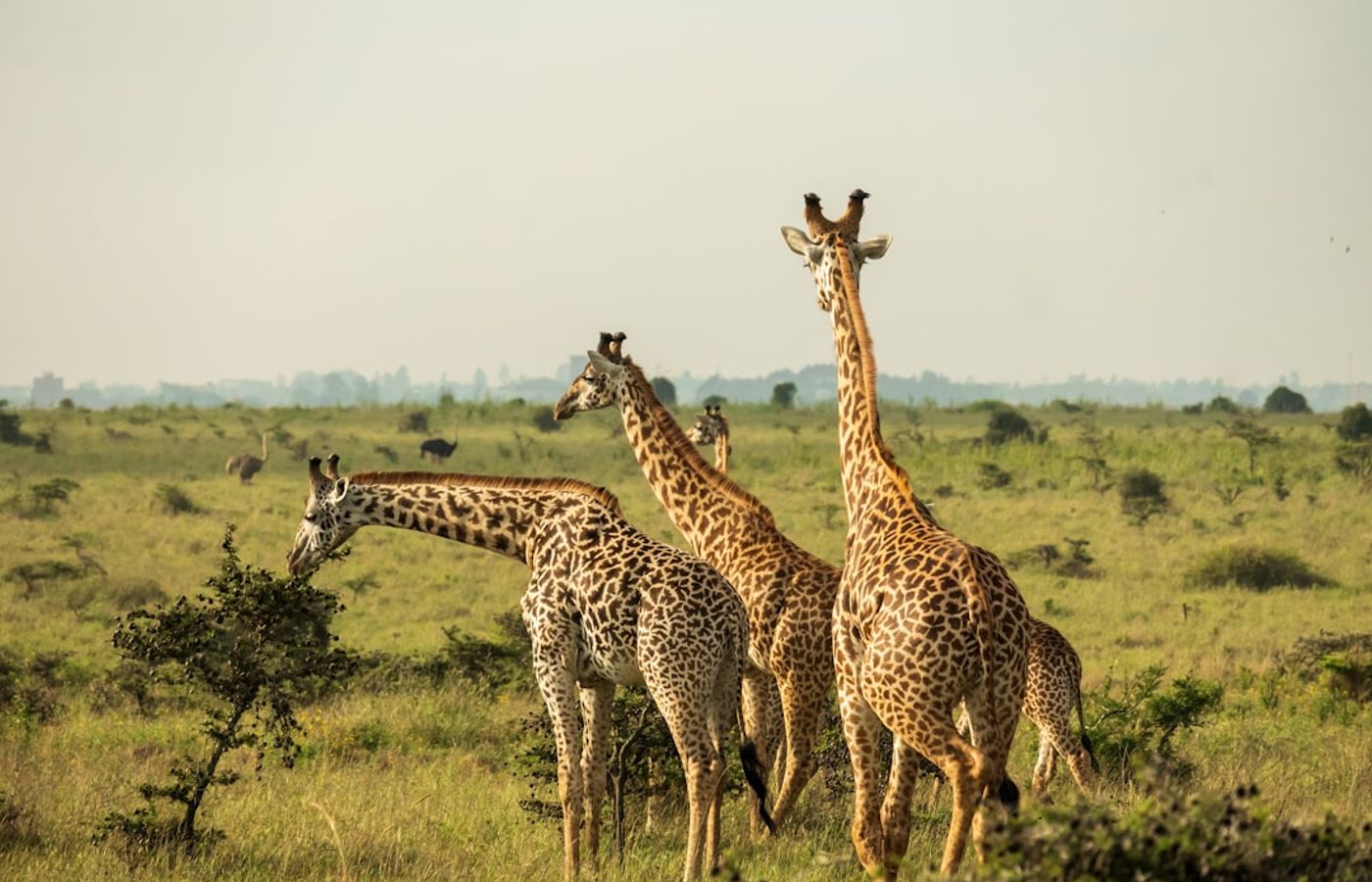

Nairobi National Park is the world's only major national park within a capital city - a 117-square-km wildlife reserve 7 km south of central Nairobi where lions, rhinos, giraffes, zebras, hyenas, and 400+ bird species share the savanna against the city's skyline. Established in 1946 as Kenya's first national park. The park's eastern boundary is unfenced, allowing wildlife to migrate to the Athi-Kapiti plains in the dry season.
Half-day safari from Nairobi hotels 7000-10000 KES per person including park fee (4300 KES), 4WD vehicle, English-speaking driver-guide, and a 4-hour drive. The park has the highest density of black rhinos in Africa with 100+ animals - sightings are nearly guaranteed. Lions are common; cheetahs occasional. Open daily 06:00-19:00. Best 06:00-09:00 for active wildlife.
Pro Tip: Book the 06:00 morning safari - early light is best for photography and wildlife is most active before midday heat. Most safaris combine the park with Sheldrick Trust at 11:00 immediately afterwards - the most efficient single morning in Nairobi.
2Giraffe Centre - Hand-Feed Endangered Rothschild Giraffes
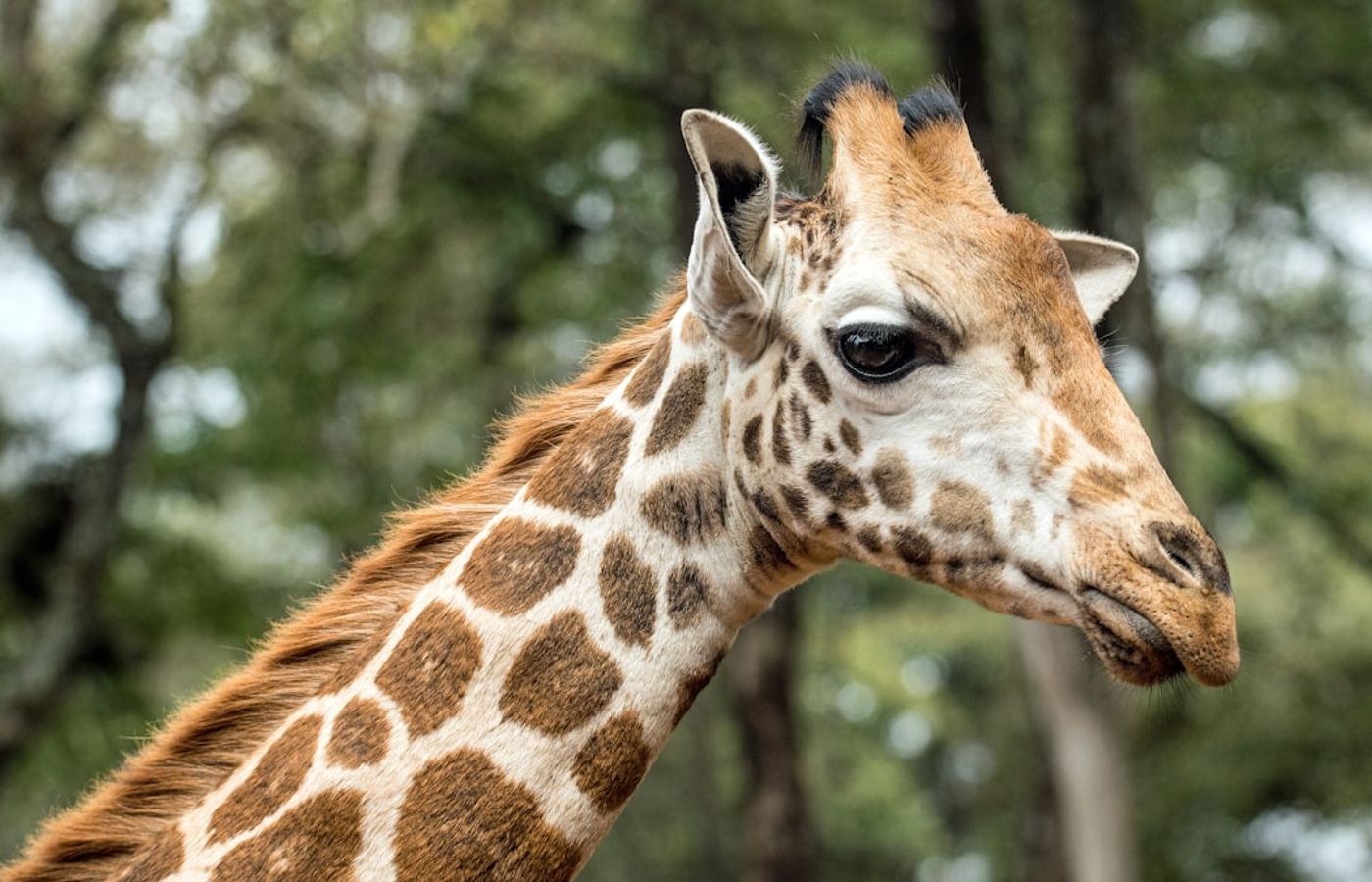

The Giraffe Centre in Lang'ata (Karen suburb) is a conservation breeding programme for the endangered Rothschild giraffe (one of the world's most threatened subspecies, around 1500 remaining in the wild). The centre, run by the African Fund for Endangered Wildlife (Kenya), houses 8-12 resident giraffes that visitors can hand-feed special pellets from an elevated platform - the giraffes' long tongues curl around the pellets in your hand.
The platform is at exactly giraffe-head-height (about 2.5 m up). The bravest visitors offer a pellet in their mouths for the famous giraffe kiss photo. The bushy 60-hectare nature trail behind the platform passes warthogs and a small forest. Admission 1500 KES (giraffe pellets included). Open daily 09:00-17:00. Allow 60-90 minutes.
Pro Tip: Time your visit for the 09:00 opening - significantly fewer visitors and the giraffes are most receptive (and most hungry). The neighbouring Giraffe Manor luxury hotel allows resident giraffes to poke their heads through dining-room windows; lunch reservations at the Manor 12000 KES if not staying.

3David Sheldrick Wildlife Trust - The Elephant Orphanage
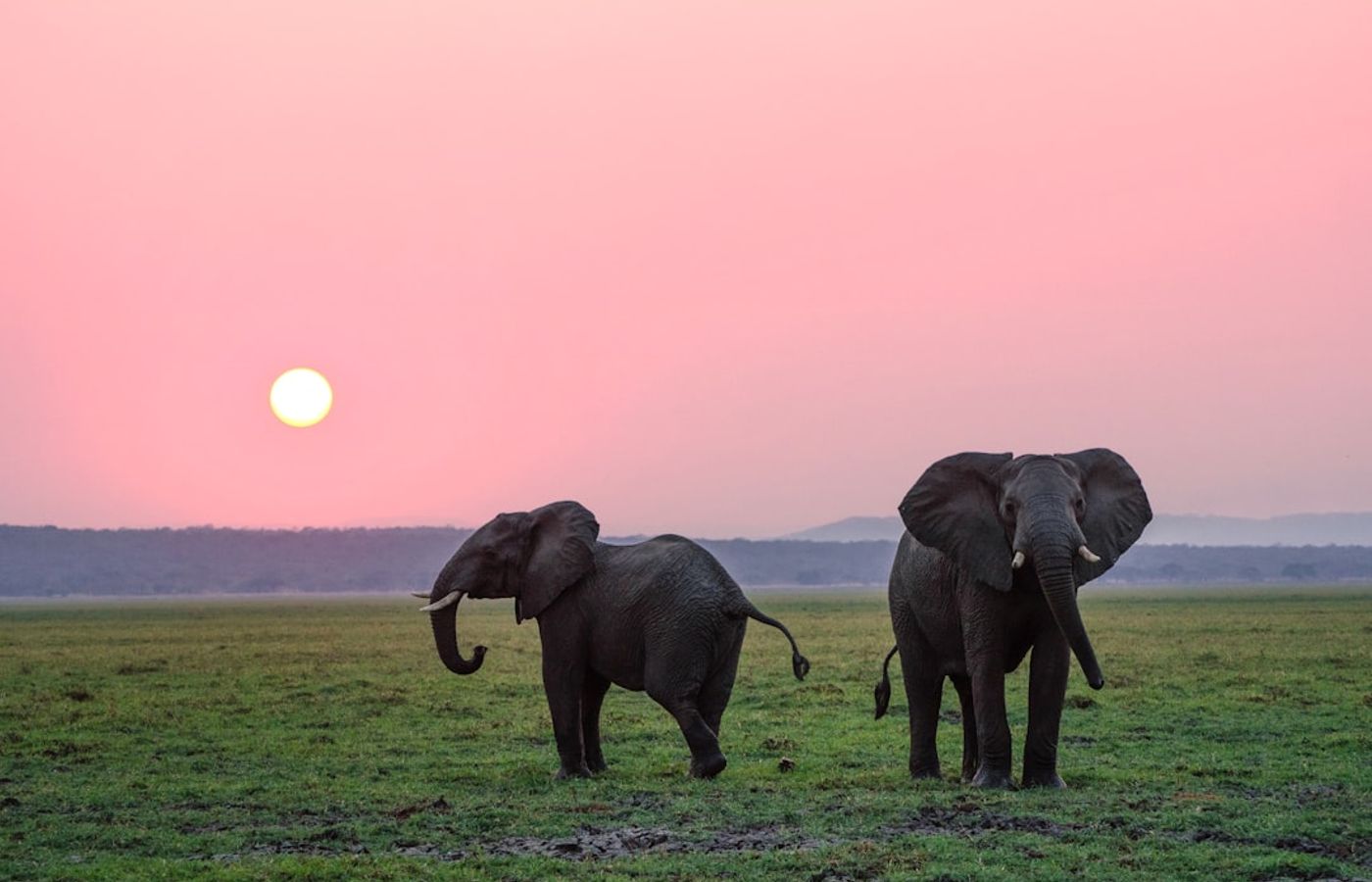
The David Sheldrick Wildlife Trust is the world's most successful elephant-rescue and rehabilitation programme - founded by Dame Daphne Sheldrick in 1977 in memory of her late husband, the legendary park warden David Sheldrick. The 60-hectare nursery in Nairobi National Park raises orphaned baby elephants (mostly poaching orphans) until they are around 3 years old, then transfers them to Tsavo National Park rehabilitation facilities for release.
Only one public viewing per day - 11:00-12:00 - when the babies come to feed and play. Capacity limited; advance online booking essential (5-7 days ahead in peak season) via sheldrickwildlifetrust.org. 1500 KES per person. Foster an orphan for 50 USD annually and you can return for the private 17:00 feeding (one of the only ways to see the elephants twice a day).
Pro Tip: Foster an orphan for 50 USD annually - you get a personalised certificate, monthly updates, and access to the smaller 17:00 evening feeding which is much quieter than the 11:00 public hour. The fostering programme is the foundation's primary income stream.
4Karen Blixen Museum - Out of Africa Author's Farmhouse
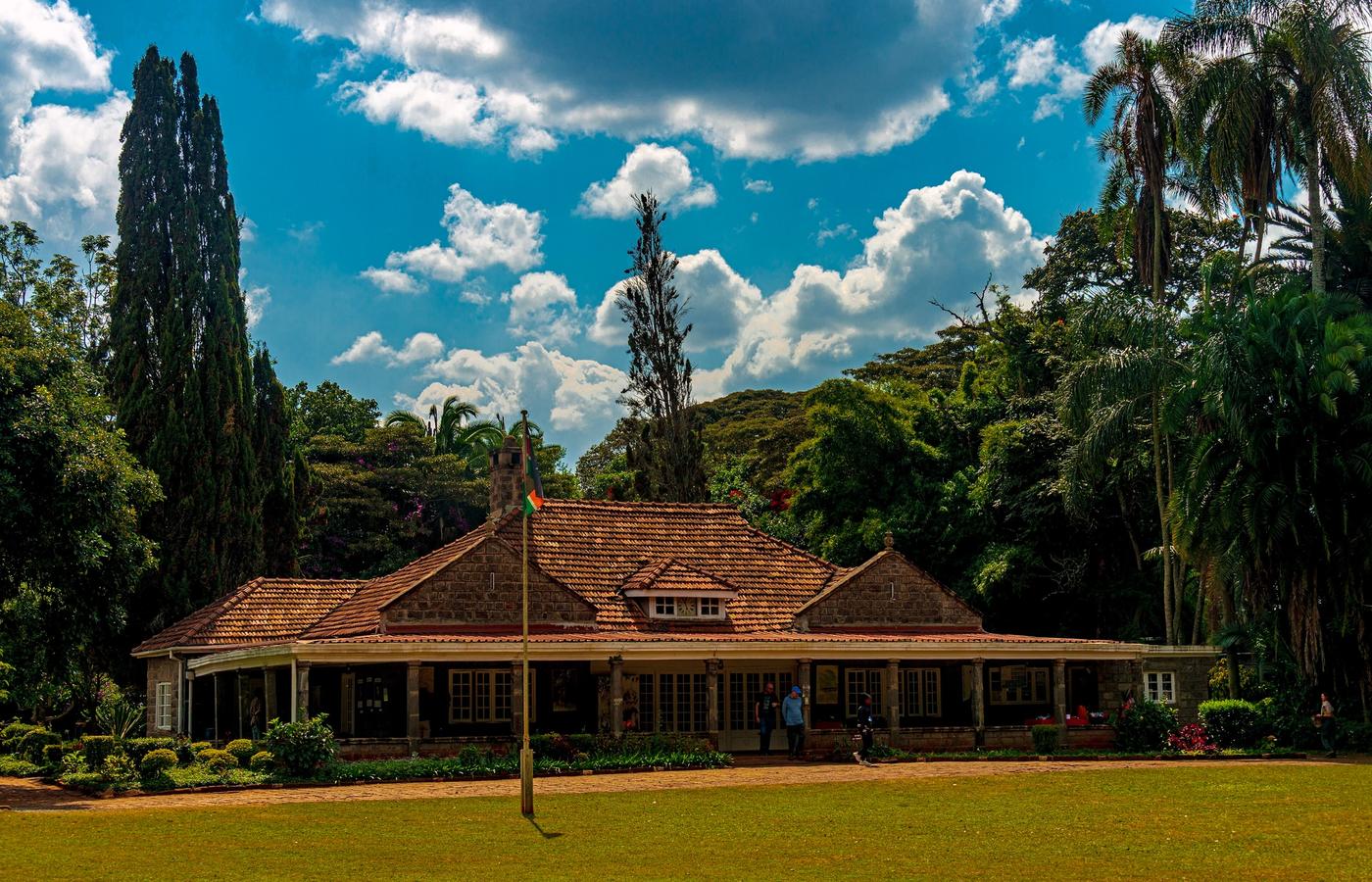
The Karen Blixen Museum is the preserved 1912 farmhouse where Danish author Karen Blixen (Isak Dinesen) lived 1914-1931 - the setting of her memoir Out of Africa (1937) and the 1985 film starring Meryl Streep. The colonial-era bungalow on a 6000-hectare coffee estate (most of which is now the Karen suburb named after her) is preserved as it was when she left. Original furniture, photographs, and Blixen's writing desk are on display.
The garden retains the original 12 jacaranda trees and the view to the Ngong Hills (Blixen wrote my farm sits at the foot of the Ngong Hills in the famous opening line). The film's production used the actual house for several scenes; props from the film are on display in a side gallery. Admission 1200 KES adults. Open daily 09:30-18:00. Allow 90 minutes including the gardens.
Pro Tip: Read Out of Africa or watch the film before visiting - the museum context is dramatically richer with the source material familiar. The Karen Blixen Coffee Garden restaurant 1 km away (in another colonial bungalow) serves an excellent lunch surrounded by the coffee plants Blixen would have known.
5Nairobi National Museum - Kenya's Premier Cultural Museum
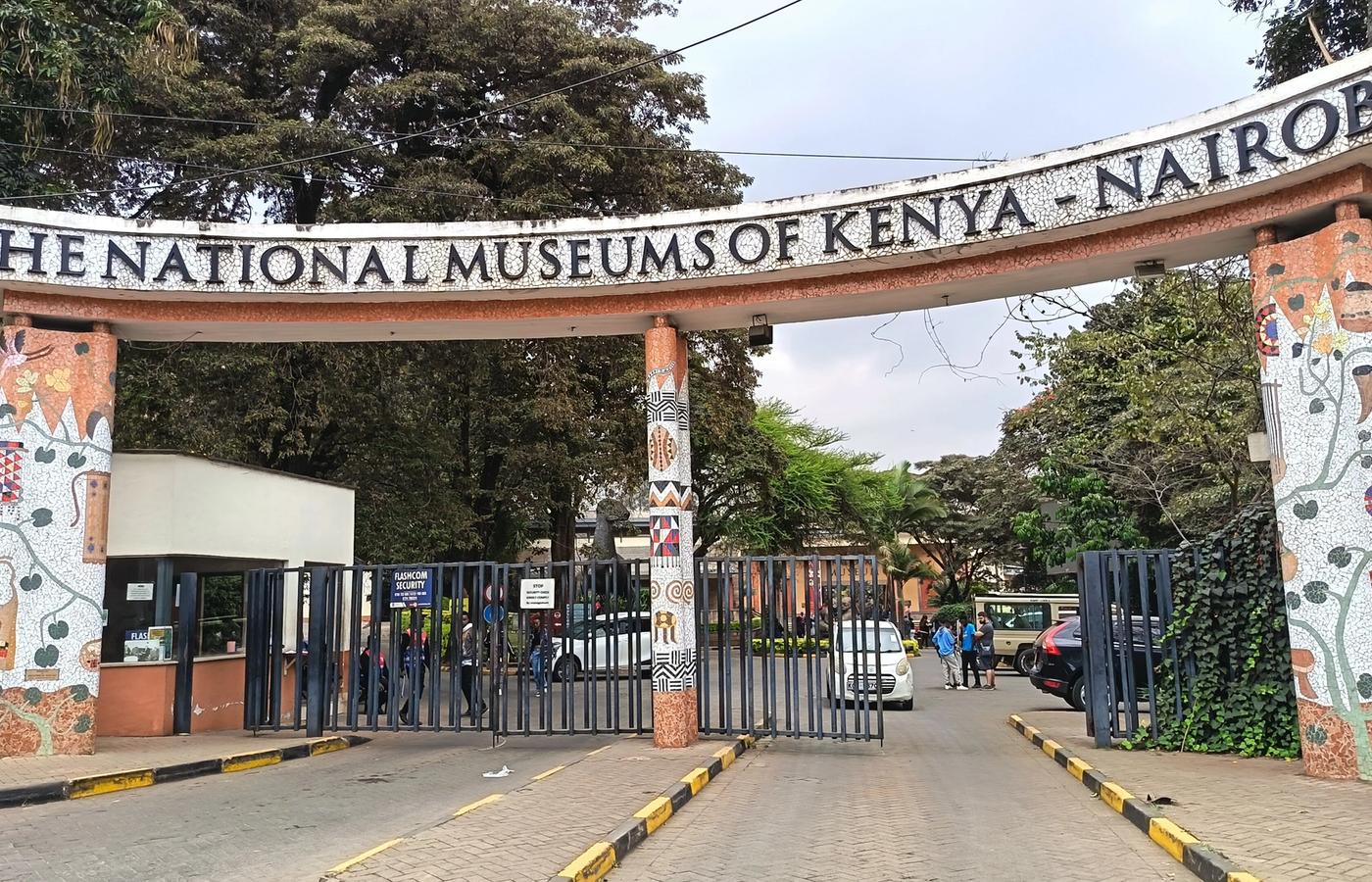
The Nairobi National Museum is Kenya's premier museum complex - covering natural history, prehistoric humans, contemporary Kenyan art, ethnography of Kenya's 42 tribes, and a separate snake park on the grounds. The Hall of Mammals displays the original mounted specimens of African wildlife from the colonial era including Ahmed (the famous 60-year-old elephant with 4-metre tusks). The Cradle of Humankind gallery shows the original fossils discovered by the Leakey family at Lake Turkana.
The Pre-history gallery contains casts of Turkana Boy (the most complete Homo erectus skeleton, 1.6 million years old) and the original Australopithecus discoveries. The Snake Park houses Kenya's most poisonous serpents including the black mamba. Admission 1200 KES adults; combined museum and snake park 1500 KES. Open daily 08:30-17:30. Allow 3-4 hours for both.
Pro Tip: Time your visit for a Tuesday-Thursday afternoon when school groups have left. The Cradle of Humankind hall is the must-see; the rest of the museum is excellent but the prehistoric hominid section is genuinely world-class - Kenya is where humanity began.
6Bomas of Kenya - The Cultural Performance Centre
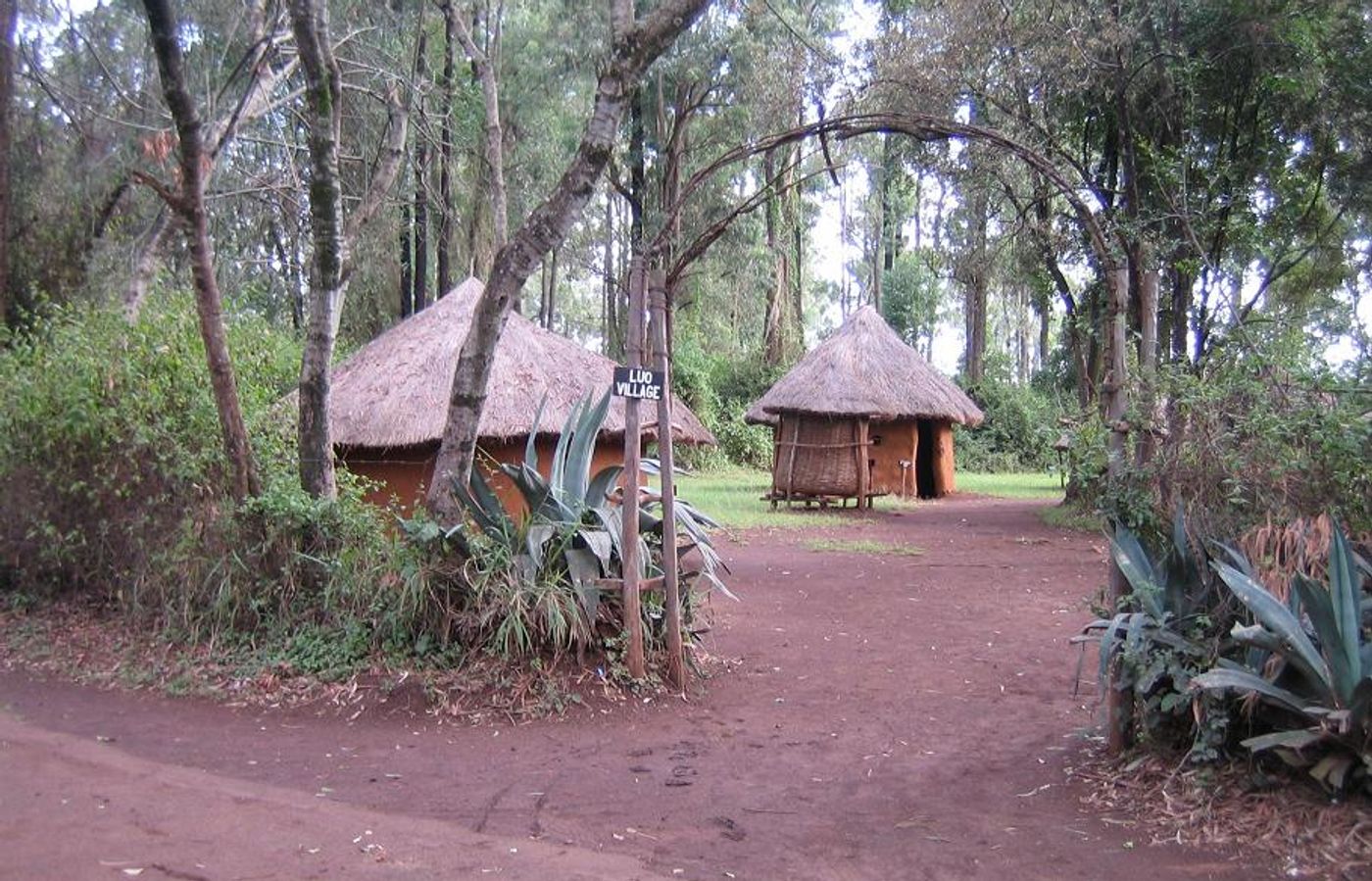
Bomas of Kenya is a cultural centre 10 km south of central Nairobi - 11 recreated traditional villages from Kenya's main ethnic groups (Kikuyu, Maasai, Luo, Kalenjin, etc.) surrounding a large traditional theatre. The site shows architectural styles, daily life, traditional homes, livestock, and crafts from across the country. The headline attraction is the afternoon dance performance - 90 minutes of traditional music and dance from 16 of Kenya's 42 ethnic groups.
Dance shows daily at 14:30 (Monday-Friday) and 15:30 (Saturday-Sunday). The acrobat finale (an old tradition by the Kamba and Akamba peoples) is among the best live acrobatics in East Africa. The villages tour before the show takes 60-90 minutes with English explanations of each tribe's traditions. Adult ticket 1500 KES including show and villages. Restaurant on site for traditional Kenyan food.
Pro Tip: Arrive at 13:30 to tour the villages before the 14:30 dance show - the context dramatically improves the dance performances. Sit in the front row for the acrobatics; ticket-takers won't enforce seating. The traditional ugali (maize meal) at the restaurant 800 KES is the real local lunch.
7Maasai Market - The Rotating Crafts Market
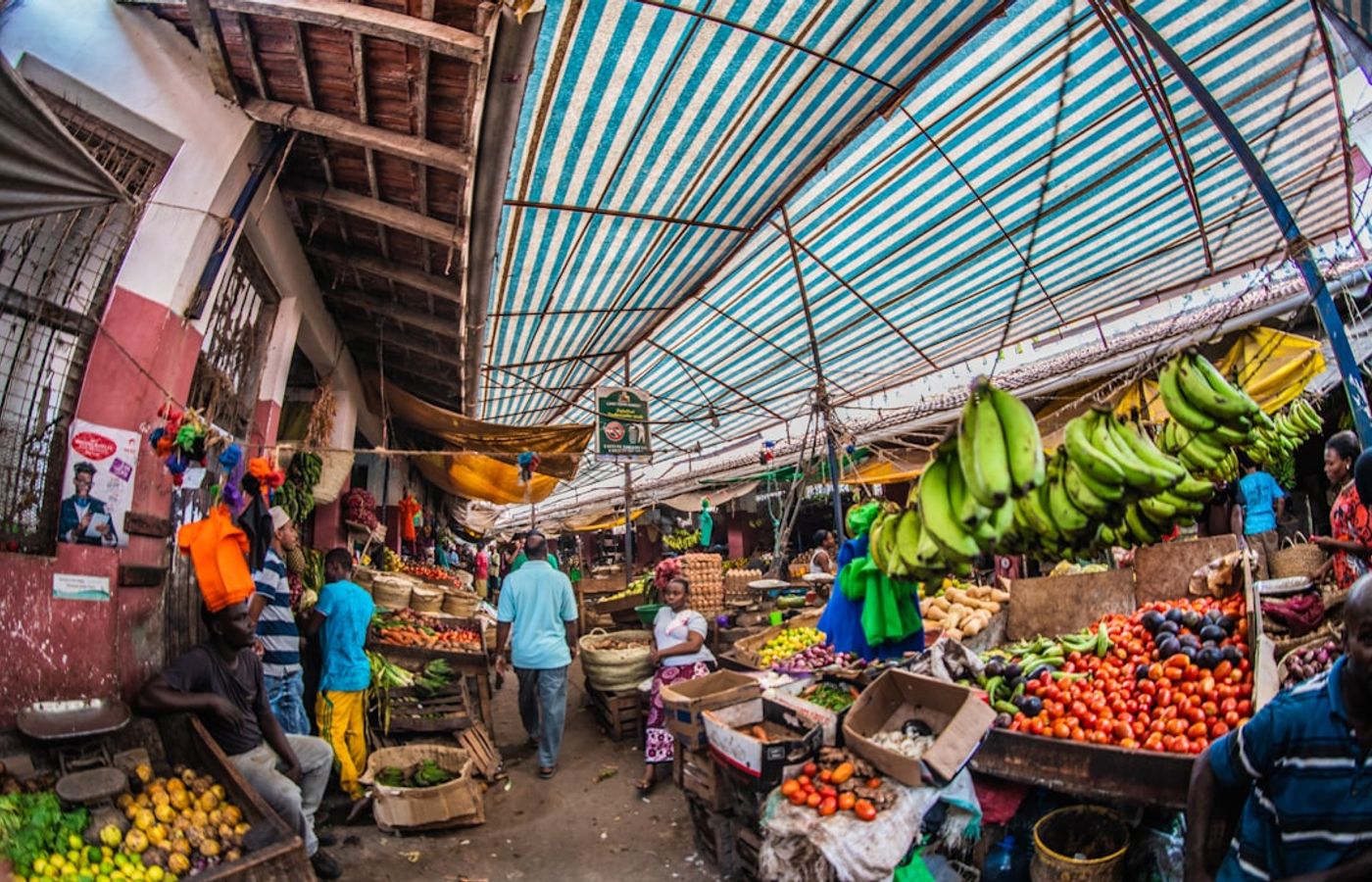
The Maasai Market is a rotating outdoor crafts market - the same vendors and Maasai sellers set up at different Nairobi venues throughout the week. Tuesday at the Westgate Mall parking lot, Wednesday at Capital Centre, Thursday at the Junction Mall, Friday at the Village Market, Saturday at the High Court parking lot, and Sunday at Yaya Centre. Around 200 stalls sell traditional Maasai beadwork, kikoi cloth, wood carvings, jewellery, soapstone sculptures, and Kenyan masks.
Bargaining is essential - vendors typically ask 3-5 times the fair price. Start at 30% of the asking price; settle around 50%. Carry small Kenyan shilling notes. Saturday's High Court venue is the largest. Free to wander. Open 09:00-18:00 on each day's location. Most stalls cash only; some take Kenyan mobile money M-Pesa.
Pro Tip: The Saturday High Court venue is the biggest and most competitive (lower prices). Buy on the last visit of your trip, not the first - the same items appear at every location all week. The Maasai beaded sandals (1500-3000 KES bargained) are the standout craft.
8Carnivore Restaurant - The Roasted-Meat Experience
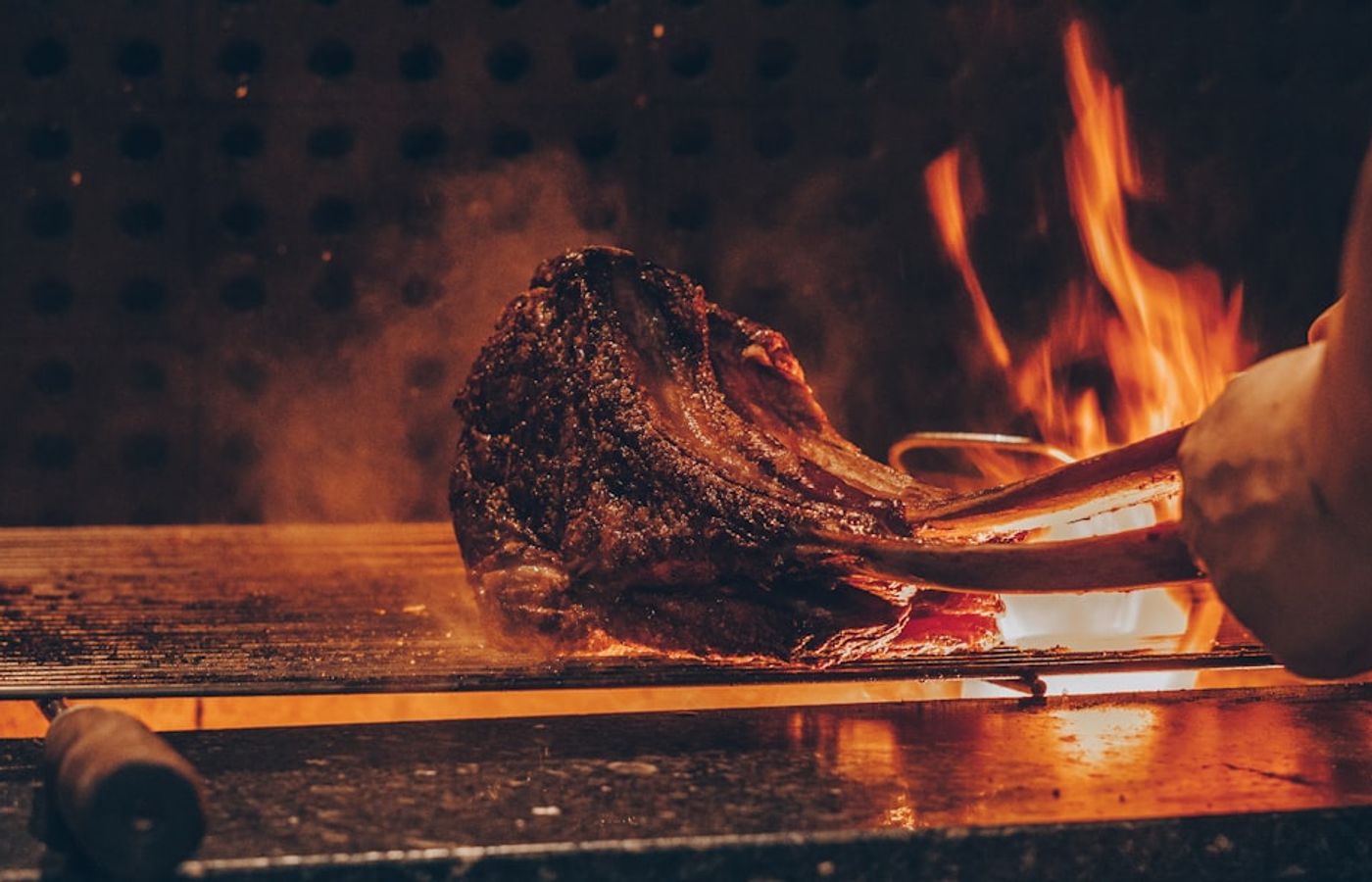
Carnivore Restaurant opened in 1980 and is one of Nairobi's most famous restaurants - a Brazilian-style churrascaria where waiters carry skewers of fire-roasted meats to your table and slice them onto your plate until you call surrender (the small flag at the centre of your table). Past the 1990s when game meat was legal, the restaurant served crocodile, ostrich, and zebra; current Kenyan law limits the menu to beef, chicken, lamb, pork, ostrich (farmed), and occasionally crocodile (also farmed).
Dinner includes the soup, fixed sides (potatoes, vegetables), and unlimited meat skewers - 4500 KES per person. The complementary dawa cocktail (Kenyan vodka with lime, honey, and ginger - meaning medicine in Swahili) is the signature drink. Service is fast and the meat quality is consistently excellent. Located in Lang'ata 8 km south of central Nairobi. Open daily 12:00-23:00. Book ahead.
Pro Tip: Skip the buffet starters to leave maximum room for the meat - the soup is decent but fills you up. Ask for the ostrich and crocodile skewers specifically; they are not always brought out automatically. The Friday and Saturday Simba Saloon nightclub upstairs is a popular Nairobi night spot.
9Kazuri Bead Factory - The Women's Cooperative
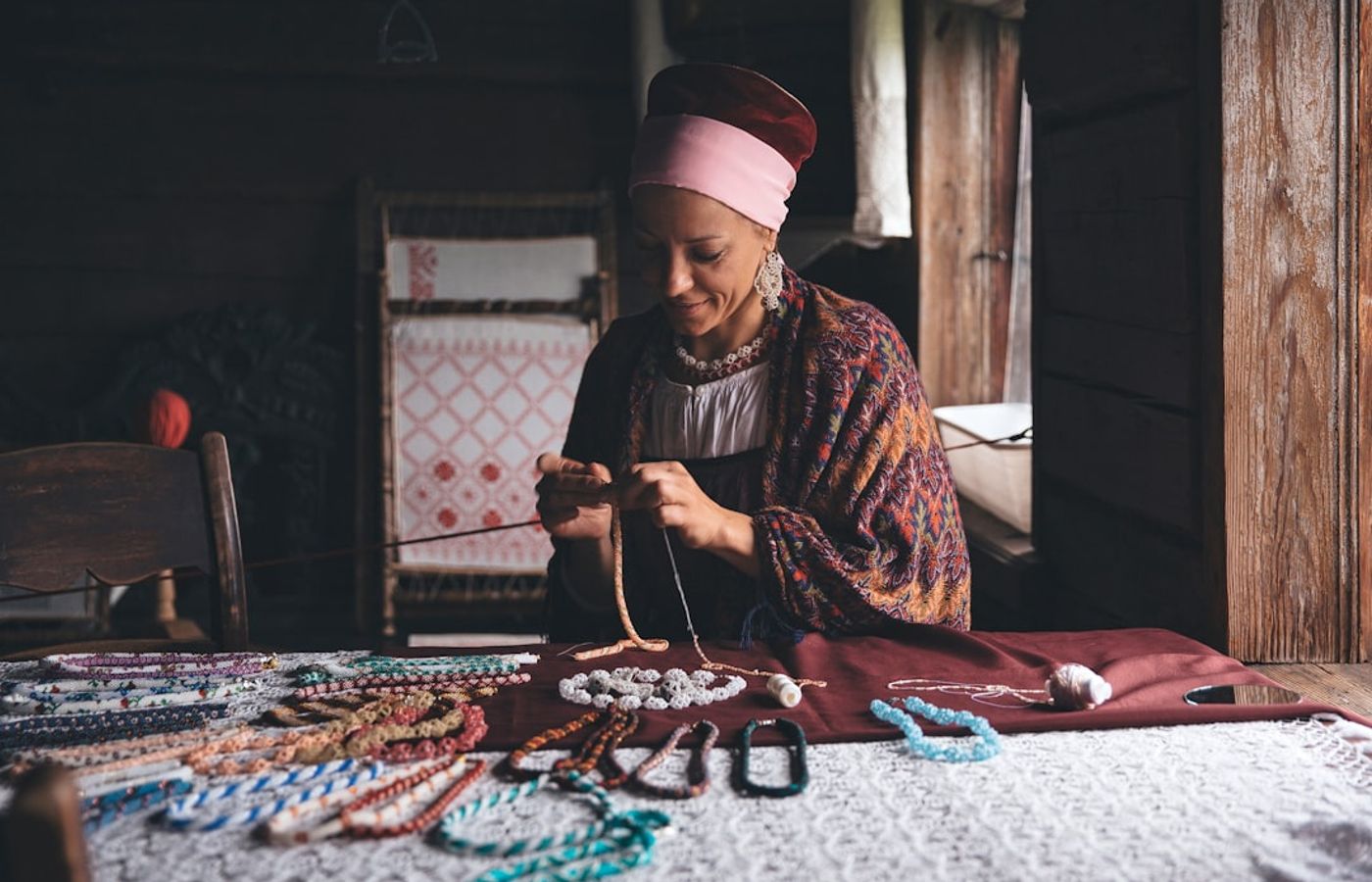
Kazuri Beads (the name means small and beautiful in Swahili) is a Nairobi-based ceramic-bead cooperative employing 350+ women - mostly single mothers - making hand-painted clay beads and pottery since 1975. The cooperative was founded by Lady Susan Wood (a coffee-farmer's wife) as a sustainable employment programme for women in the Karen area; each piece is shaped, fired, hand-painted, and glazed by hand from local Kenyan clay.
Free workshop tours run hourly Monday-Saturday 09:00-16:00 (closed Sundays) - watch the women rolling, painting, firing, and stringing. The on-site shop sells finished jewellery (necklaces 1500-5000 KES) and ceramics. Kazuri pieces are sold in the British royal family's gift shop and have been worn by Michelle Obama and Hillary Clinton. Free workshop tours; products are reasonably priced. Located in Karen.
Pro Tip: Combine Kazuri with the Karen Blixen Museum 5 minutes away on the same morning. The bead-shaping process is fascinating - ask the staff to demonstrate the hand-rolling. The fair-trade pricing means the women receive a living wage from your purchase.
10Lake Naivasha - The Day Trip from Nairobi
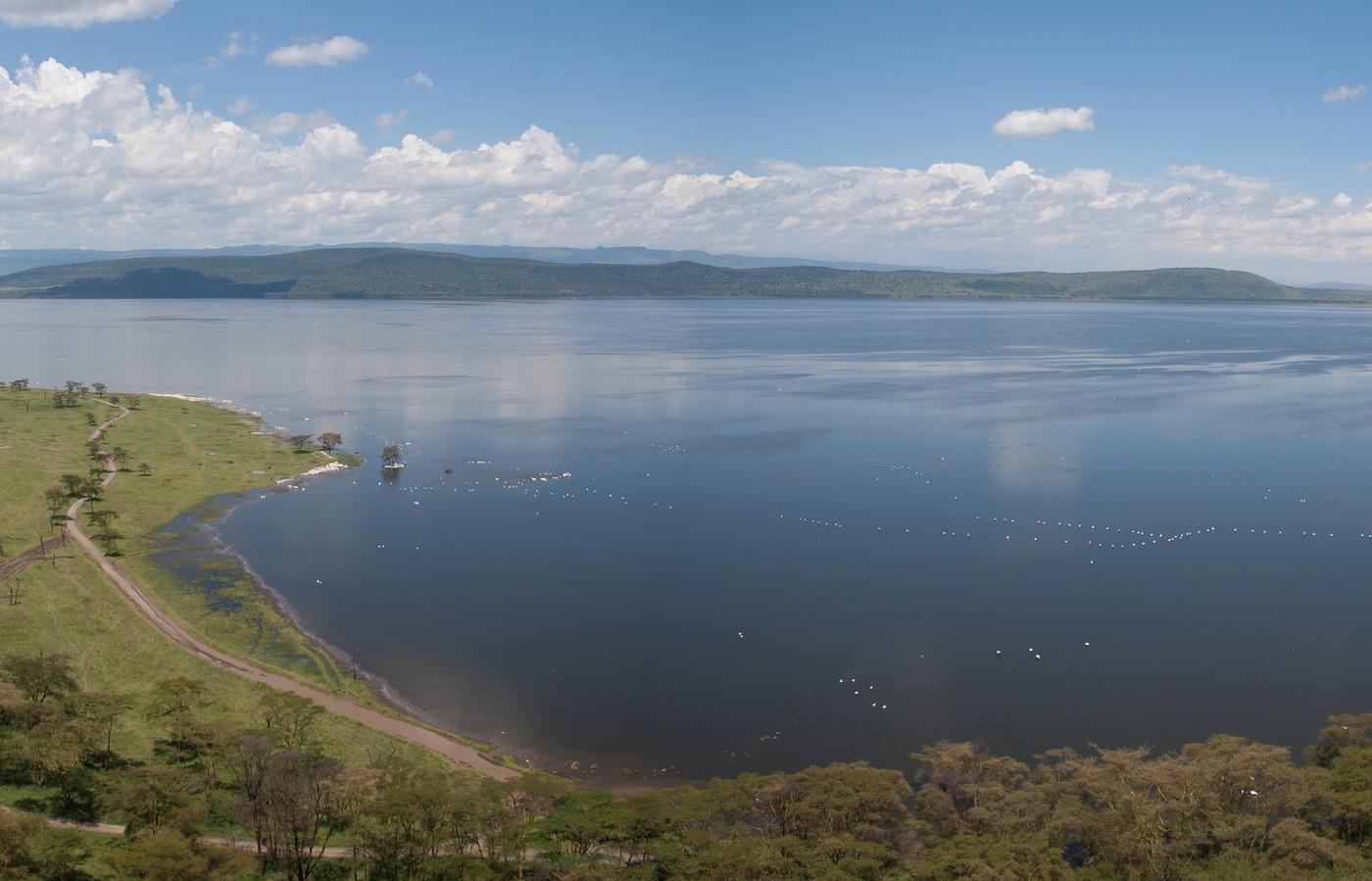
Lake Naivasha is a freshwater Rift Valley lake 90 minutes drive north-west of Nairobi - the easiest natural Kenya experience that doesn't require a 6+ hour drive to a major reserve. The 139-square-km lake hosts 400+ hippopotamuses, 400+ bird species (the lake is a Ramsar wetland of international importance), and the surrounding Crescent Island Game Park lets visitors walk among giraffes, zebras, wildebeest, and waterbuck on a small island accessible only by boat.
Day trips from Nairobi typically combine Lake Naivasha boat ride (1 hour with hippos, 2500 KES), Crescent Island walking safari (3500 KES including the boat), and lunch at a lakeside lodge - all-in 8000-12000 KES per person. Hells Gate National Park (cycling among zebras, no boat needed) 30 minutes from Naivasha is the alternative or add-on - cycling 1500 KES. The drive includes the spectacular Great Rift Valley viewpoint above Maai Mahiu.
Pro Tip: Combine Lake Naivasha with Hells Gate cycling safari in a single full-day trip - rare chance to walk and cycle with African wildlife without the 4WD vehicle. The Crescent Island walking safari is the best free-with-tour-cost wildlife experience near Nairobi.
Get hotel deals for Nairobi
Price drops, new stays and local tips for Nairobi, straight to your inbox.
No spam, unsubscribe anytime.

CEO and co-founder
Tomas is the co-founder and director of trip1, an European company specializing in reservation services. He launched the company in 2025 with a focus on building scalable, efficient operations.
10 Top Things to Do in Nairobi, Kenya - FAQ
Yes, for at least a few days. Nairobi National Park puts lions, giraffes and black rhinos against the city skyline, 7 km from the centre. Baby elephants at the Sheldrick Wildlife Trust, the Giraffe Centre and the Karen Blixen Museum are all in the southern suburbs, and Nairobi is the usual start for a Maasai Mara safari.
Most start with an early game drive in Nairobi National Park, then watch the baby elephants feed at the Sheldrick Wildlife Trust at 11:00. They hand-feed Rothschild giraffes at the Giraffe Centre, visit the Karen Blixen Museum and the Nairobi National Museum, watch the dance show at Bomas of Kenya, and shop for crafts at the Maasai Market.
Yes. Three days covers the highlights. Spend day one on a morning safari in Nairobi National Park and the Sheldrick elephants at 11:00, day two in Karen at the Giraffe Centre, the Karen Blixen Museum and Kazuri Beads, and day three at the National Museum and Bomas of Kenya. Add a fourth day for Lake Naivasha.
Maasai beadwork, above all beaded sandals and jewellery, plus kikoi cloth, wood carvings and soapstone sculptures. The Maasai Market moves venue each day; Saturday at the High Court car park is the biggest. Bargain hard, starting at about 30 percent of the asking price, and carry small notes. Kazuri Beads in Karen sells hand-painted ceramic jewellery.
Yes. The Sheldrick Wildlife Trust nursery opens to visitors for one hour a day, 11am to noon, and only with an advance booking made through the Trust itself, not a third party. You pay an entry donation plus a separate Kenya Wildlife Service park fee. Book well ahead in peak season, and pair it with a morning game drive.
Non-resident adults pay a daily park fee in US dollars, set by the Kenya Wildlife Service and paid online through its eCitizen system rather than in cash at the gate. Check the current rate before you go. Half-day safaris with a 4WD and driver-guide cost extra. Go at 06:00, when wildlife is most active; black rhinos are often seen.