

Guides · Saranda
10 Best Things to Do in Saranda

CEO and co-founder
This guide rounds up the 10 best things to do in Saranda, the sunny gateway to the Albanian Riviera set on a horseshoe bay across the water from the Greek island of Corfu. Each entry gives a clear location, how to get there, and a practical Pro Tip, so you can pair Saranda's easygoing seafront with the ancient ruins and turquoise beaches nearby.
The list mixes town sights with day trips. The promenade, the Synagogue-Basilica ruins, and Lekuresi Castle sit in and above Saranda itself; Ksamil, Butrint, and Mirror Beach lie a short furgon ride south; and the Blue Eye spring and the hill town of Gjirokester make longer excursions inland.
Saranda is one of the Mediterranean's great value destinations, where a UNESCO World Heritage archaeological park, clear Ionian water, and a lively waterfront come without the crowds or prices of nearby Greece. It rewards a stay of several days and a willingness to hop on a minibus.
1Saranda Promenade & Waterfront - The Heart of Town
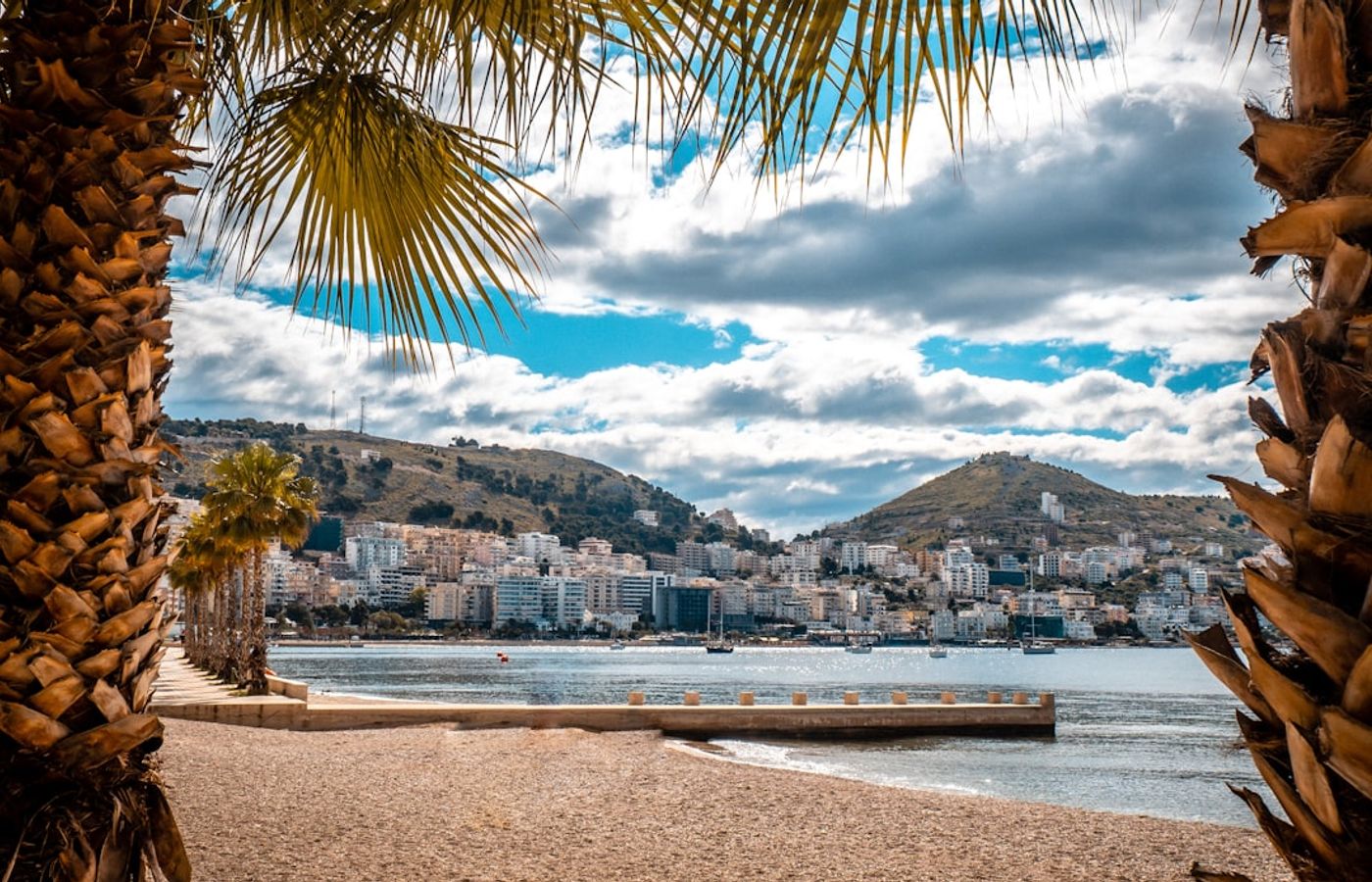

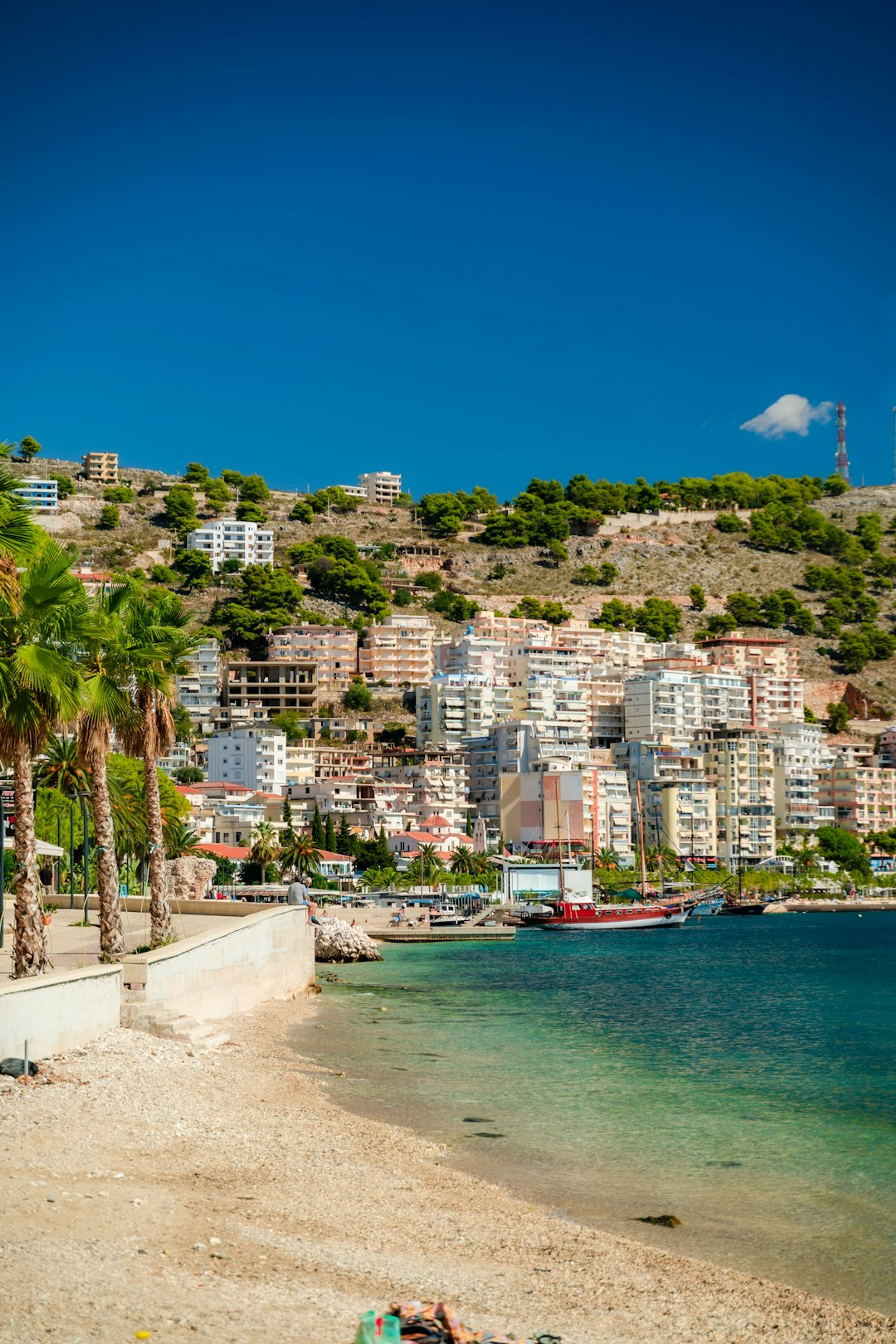
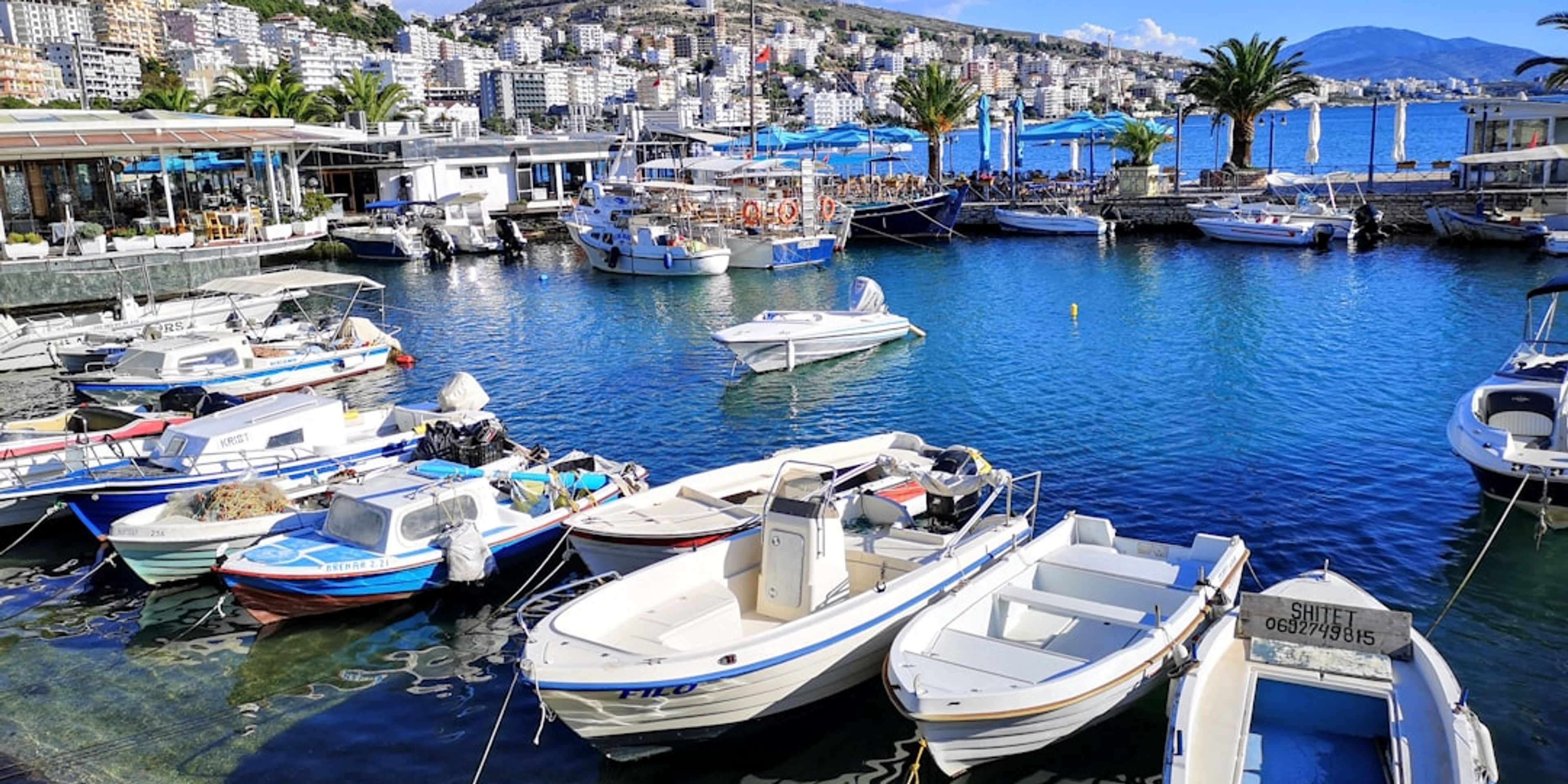
Saranda's palm-lined promenade curves the length of its horseshoe bay and is the heart of town life. By day it is a place to stroll, swim off the small town beaches, and gaze across the strait to the mountains of Corfu; by evening it fills with the xhiro, the traditional Albanian evening walk.
Cafes, bars, and seafood restaurants line the waterfront, serving fresh fish and cold drinks as the sun sets over the water. The whole seafront has been smartened up in recent years, and it remains the natural place to start and end each day in Saranda.
Pro Tip: Join the evening xhiro around sunset, when the whole town comes out to walk. The northern end of the bay is quieter and has the best swimming spots close to the centre.
2Ksamil Beaches and Islands - Turquoise Coves
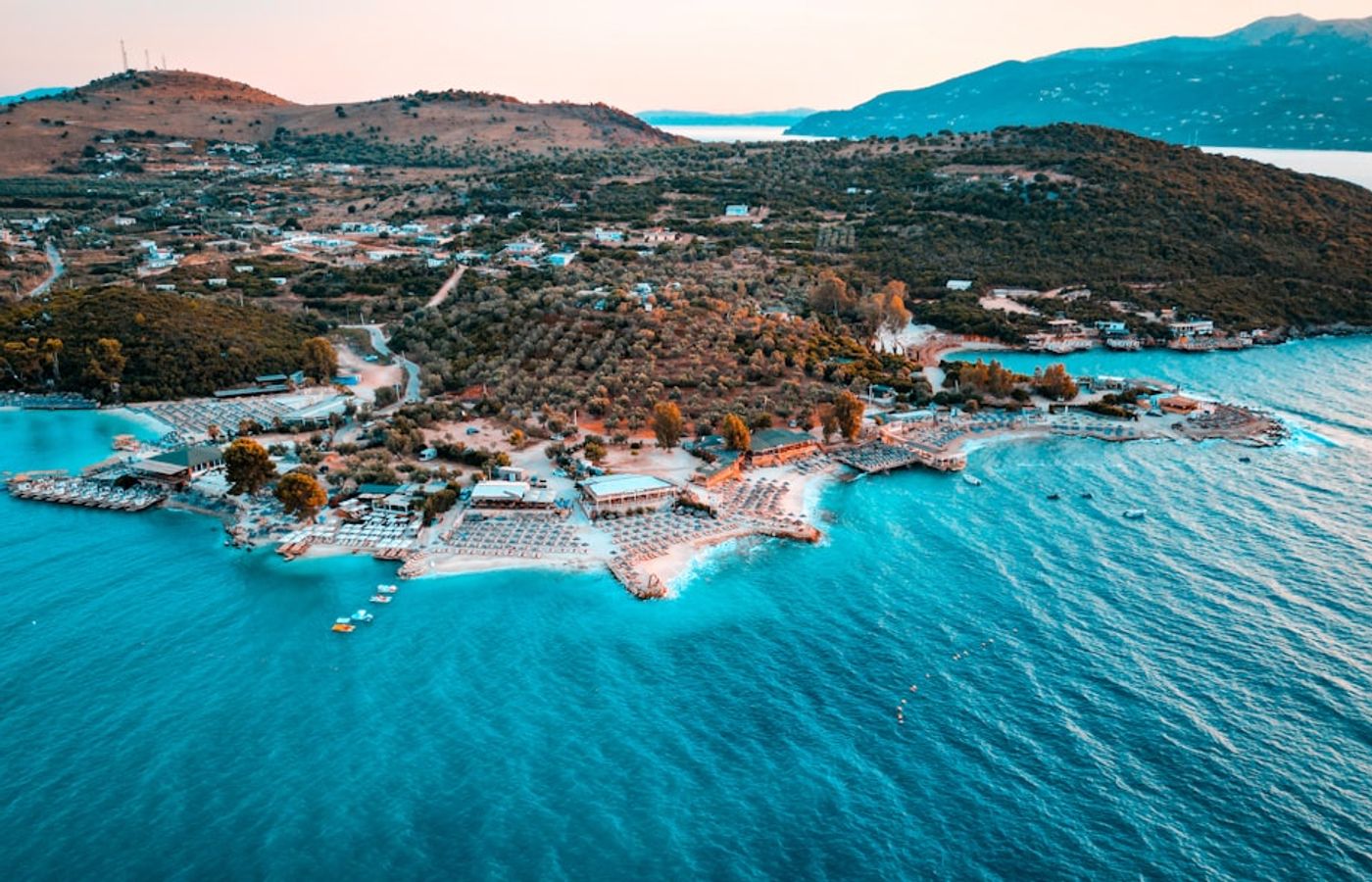

About 20 minutes south of Saranda, Ksamil is famous for its white-sand beaches and impossibly clear turquoise water, often called the Maldives of Europe. A scatter of tiny islets sits just offshore, close enough to swim or paddle to from the main beaches.
The series of small sandy coves is backed by beach bars and restaurants, and the calm, shallow sea is ideal for families. It is the most popular beach destination on this stretch of coast, so it can get very busy in high summer, but the water is as beautiful as the photos suggest.
Pro Tip: Go early or visit in June or September to avoid the peak crush. Frequent furgons run from Saranda; swim out to the little islets for quieter spots to lay your towel.

3Butrint National Park - Ancient City in the Forest
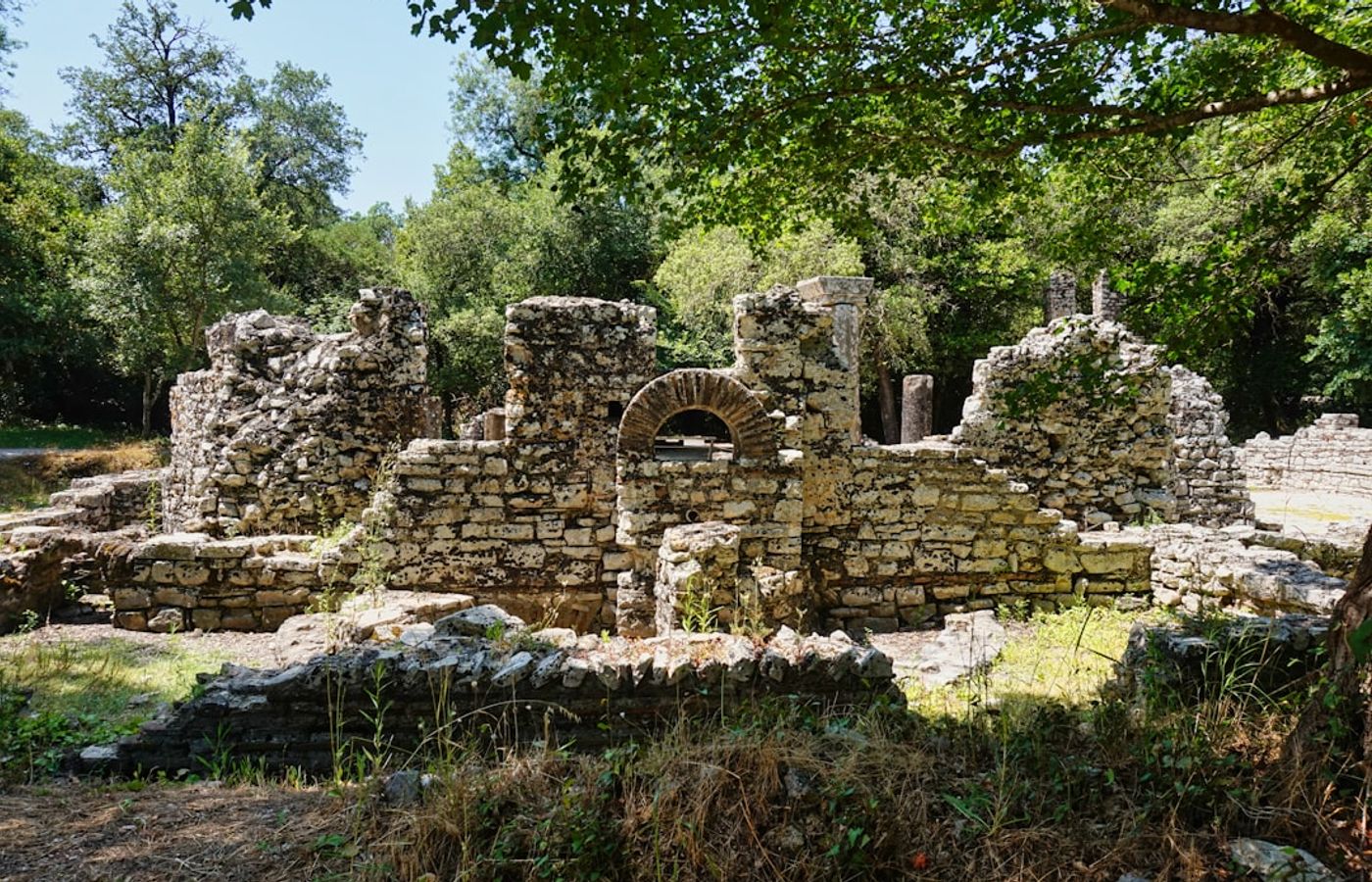
Butrint is Albania's most important archaeological site and a UNESCO World Heritage Site, set on a wooded peninsula between a lagoon and the sea. Inhabited for over 2,500 years, it layers Greek, Roman, Byzantine, Venetian, and Ottoman remains in one extraordinary, atmospheric spot.
A shaded walking trail links a superbly preserved Greek theatre, Roman baths with mosaics, an early Christian baptistery, a Venetian tower, and city walls, all half-swallowed by forest. Climb to the acropolis museum for views over the surrounding wetlands, which are themselves a haven for birdlife.
Pro Tip: Entry is around 10 EUR; go early or late to avoid the midday heat and tour groups. Allow at least two hours, and combine it with Ksamil, which lies on the same road south.
4The Blue Eye (Syri i Kalter) - The Bottomless Spring
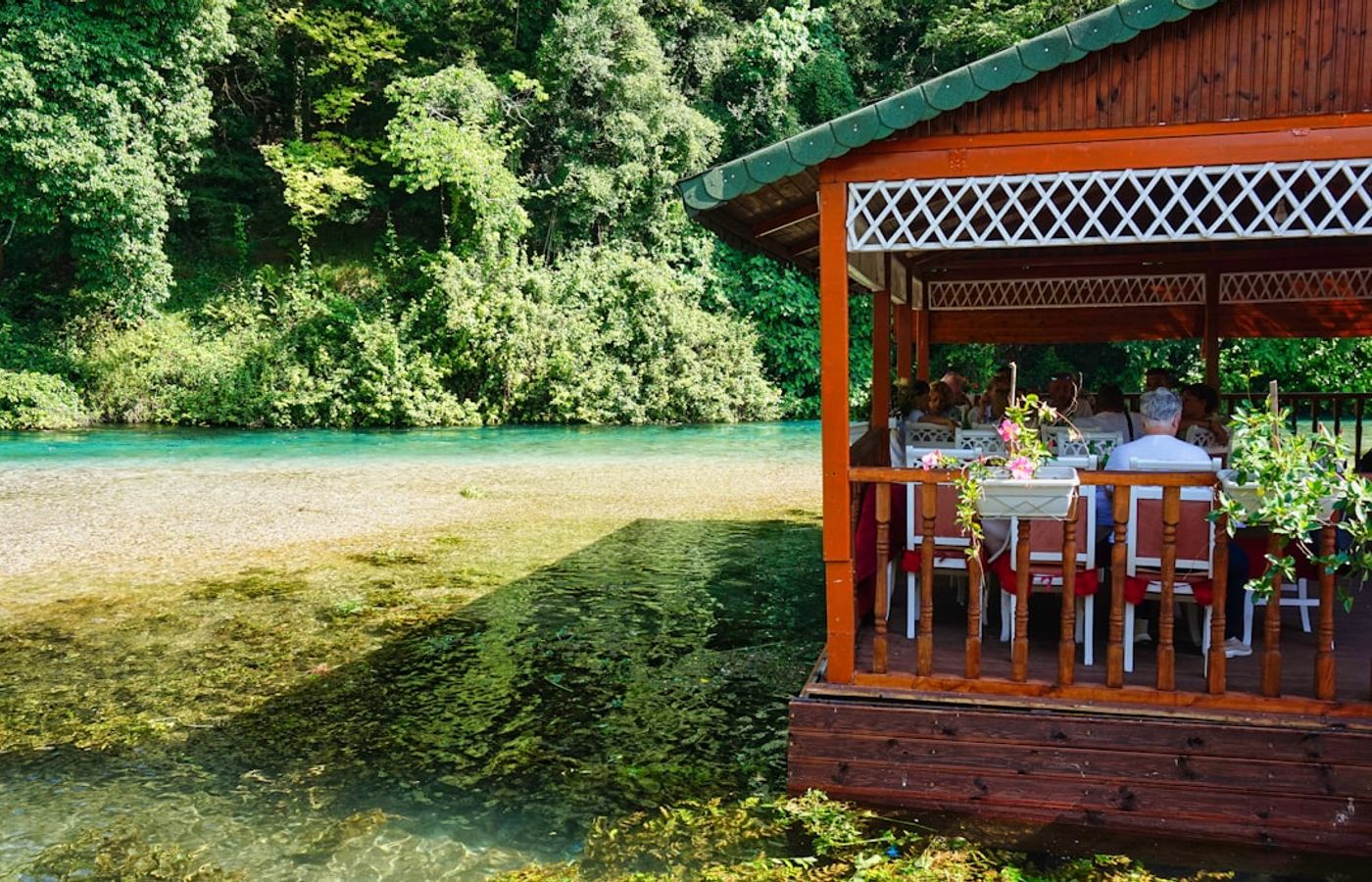
The Blue Eye, or Syri i Kalter, is a natural spring where startlingly blue water wells up from a deep underwater cave. The dark centre ringed by lighter turquoise really does resemble an eye, and the source is so deep that its true bottom has never been definitively measured.
Set in a shady forest of oak and plane trees inland from Saranda, it is a cool, refreshing contrast to the coast. A short walk from the car park leads to a viewing platform right over the spring, and the icy water feeds a river popular for a bracing dip on a hot day.
Pro Tip: Entry is only a few euros. The water is freezing year-round, so swimming is a quick thrill rather than a lounge; go early to beat the tour buses that arrive midday.
5Lëkurësi Castle - The Sunset Viewpoint
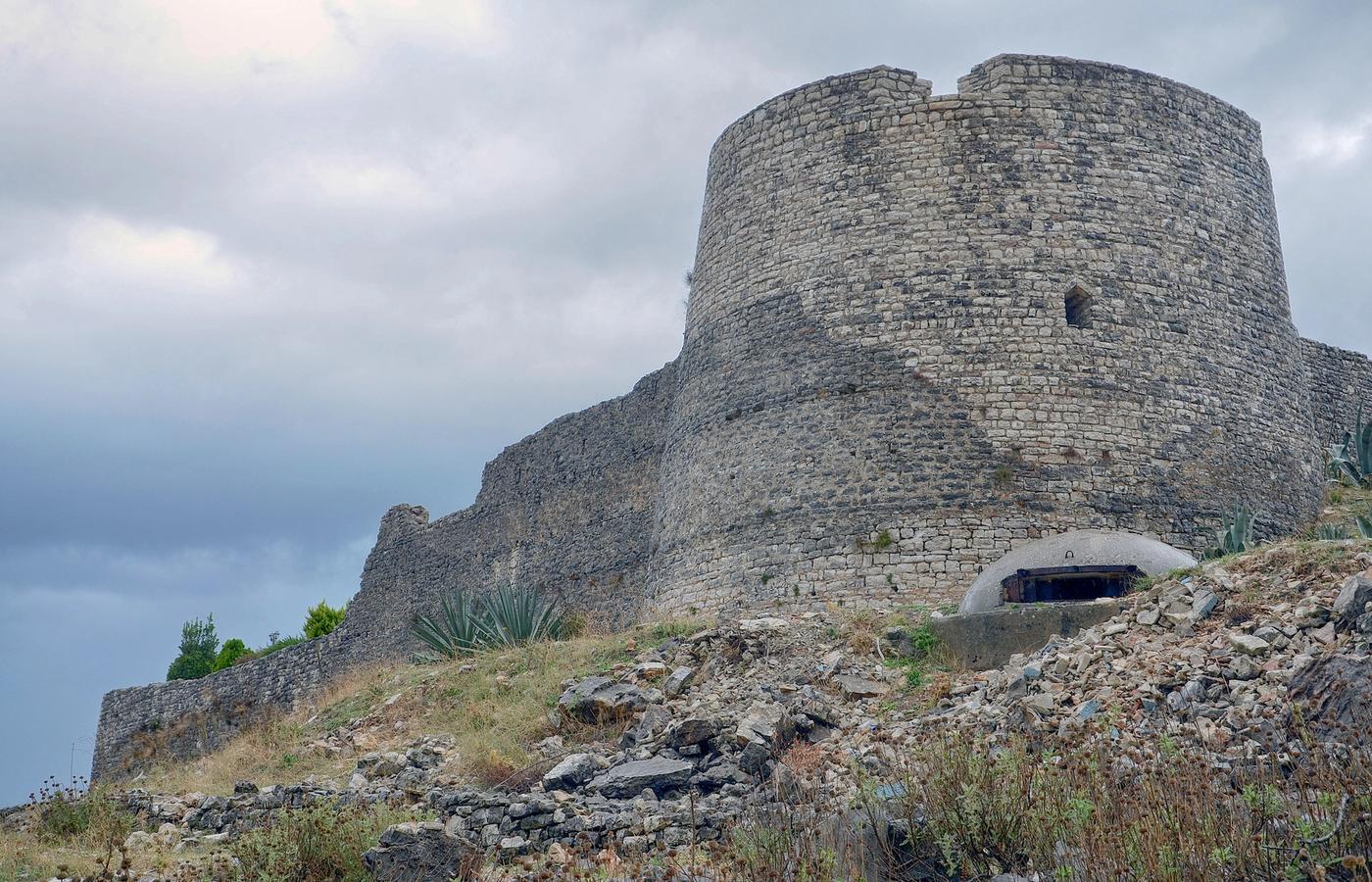
Lekuresi Castle stands on a hilltop directly above Saranda, a 16th-century Ottoman fortress built by Suleiman the Magnificent to control the bay and the approach to Butrint. Though partly ruined, its walls and towers survive, and a restaurant now occupies the site.
The reason to come is the view: a sweeping panorama over the whole horseshoe bay of Saranda, the Ksamil peninsula, the Butrint lagoon, and the mountains of Corfu across the strait. It is the finest vantage point in the area and a spectacular place to watch the sunset.
Pro Tip: Come for sunset; a taxi up is inexpensive and saves the steep climb. You can visit the ruins for free, and booking a table at the castle restaurant secures the best view.
6Mirror Beach (Pasqyra) - The Clear-Water Cove
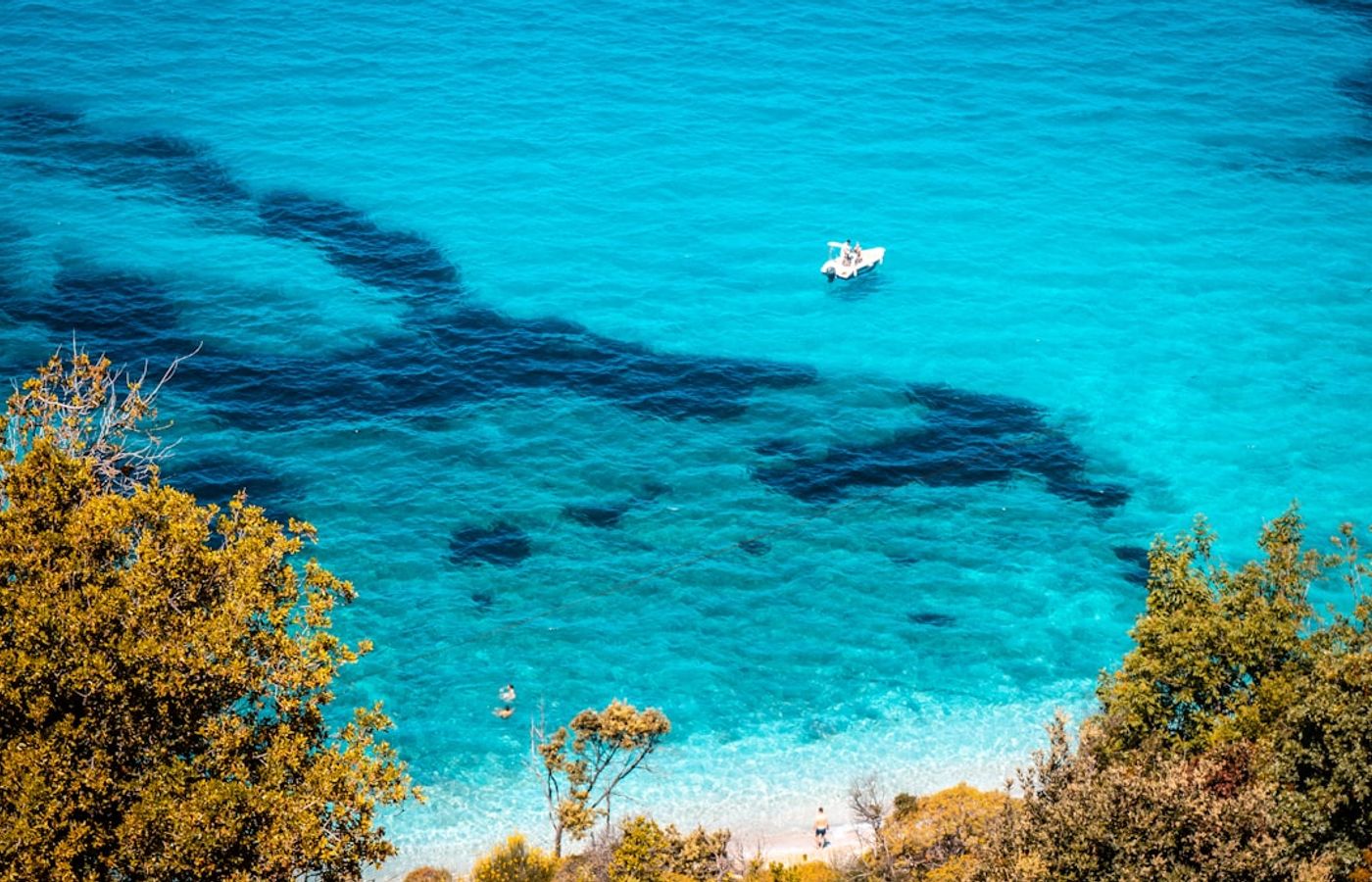
Mirror Beach, or Plazhi i Pasqyres, lies on the coast road between Saranda and Ksamil and takes its name from the glassy clarity of its water. A pretty cove of pale pebbles and sand, it is smaller and often calmer than the busy Ksamil beaches just beyond.
Sheltered by low headlands, the bay has exceptionally transparent shallows that make it a favourite for snorkelling and swimming. A beach bar provides loungers and refreshments in season, and the setting is a lovely place to break the journey south.
Pro Tip: Ask the Ksamil furgon to drop you at Pasqyra on the way. It gets busy midday in summer, so arrive early, and bring water shoes for the pebbly entry.
7Synagogue-Basilica - Ancient Mosaics in Town
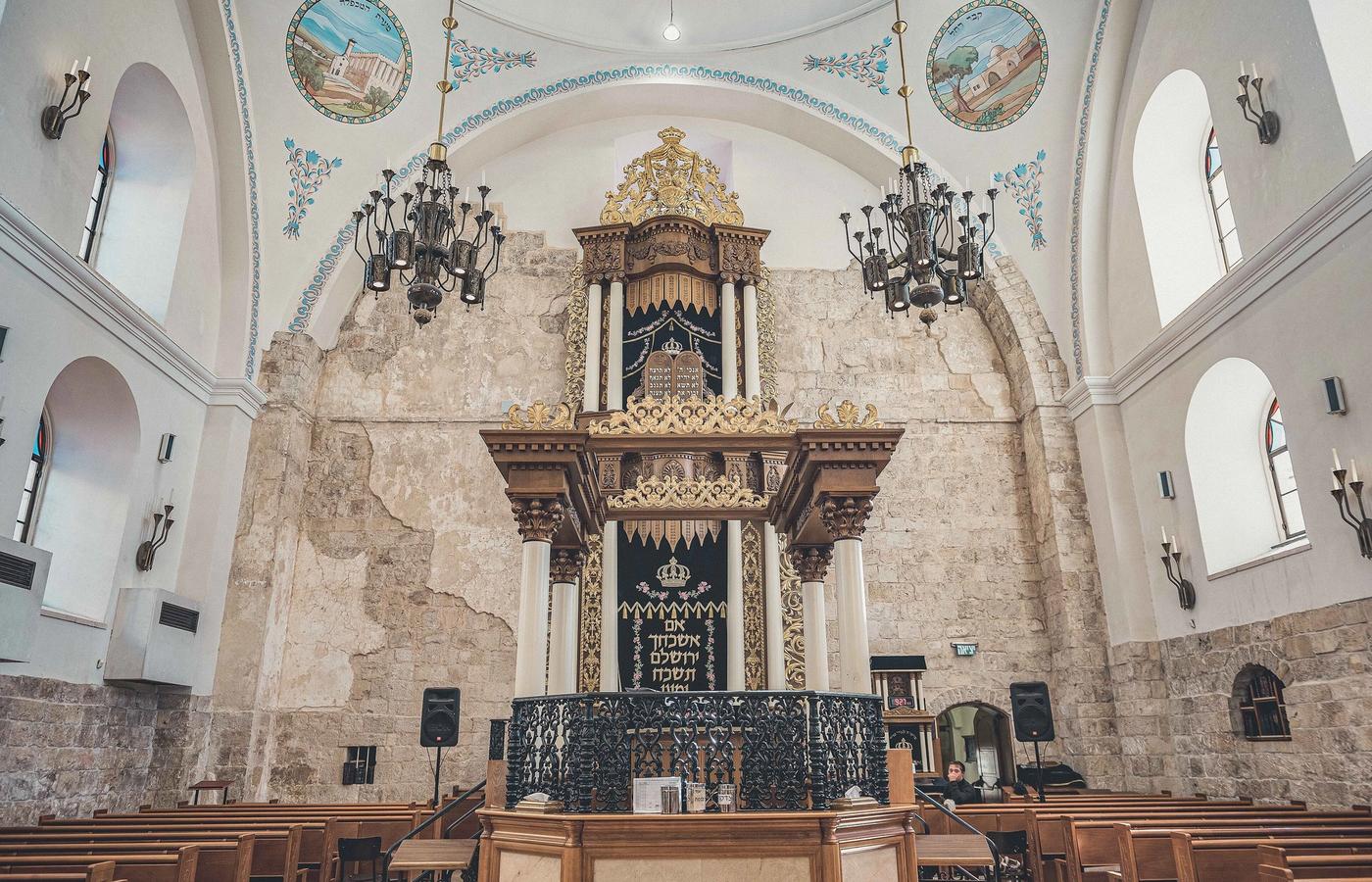
In the middle of Saranda lie the ruins of a remarkable ancient synagogue that was later converted into a Christian basilica, one of the few such sites in the region. Dating originally from around the 5th century, it testifies to a Jewish community in the ancient port town of Onchesmos.
The highlight is the surviving mosaic flooring, decorated with religious symbols including a menorah and, from its later Christian phase, animals and other motifs. Sheltered and set slightly below street level, it is an easy, free stop that reveals the deep history beneath the modern resort.
Pro Tip: It sits just back from the waterfront and is usually free to view. The mosaics are sometimes covered for protection in winter, so it is best seen in the main season.
8Monastery of Forty Saints - The Town's Namesake
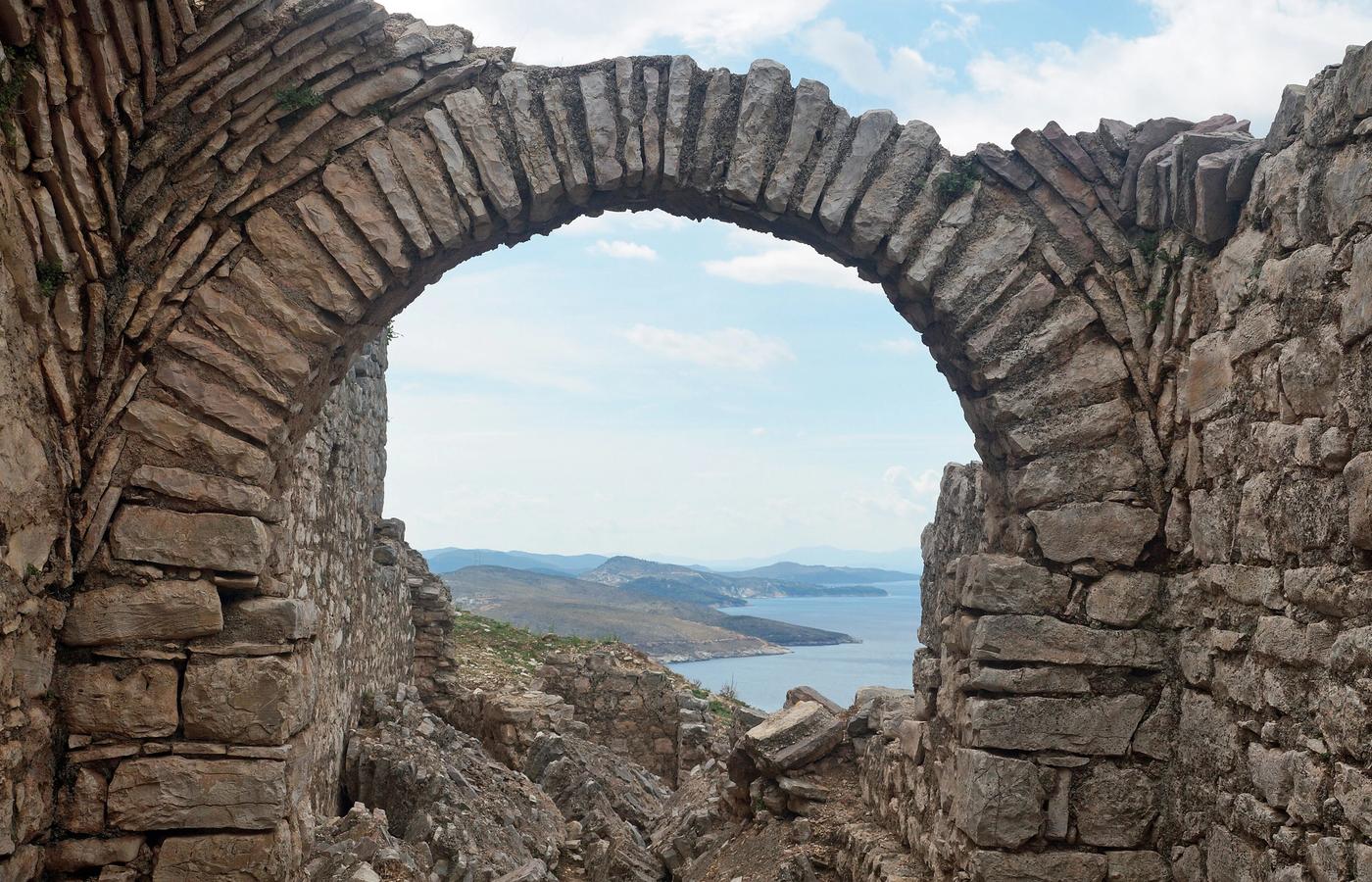
Saranda takes its very name from the Monastery of the Forty Saints, or Manastiri i Dyzet Shenjtoreve, whose ruins stand on the hillside above the town. The early Byzantine monastery, dedicated to forty martyred soldiers, gave the settlement its Greek name of Agioi Saranta.
Though the monastery is largely ruined, its atmospheric remains and the crypt beneath reward the climb, and the hillside offers fine views over the bay. It is a quieter, more contemplative counterpoint to the beaches and a key piece of Saranda's origin story.
Pro Tip: Wear sturdy shoes for the uphill approach and check locally on access, as the site is sometimes gated. Combine it with the trip up to Lekuresi Castle, which lies on the same hillside.
9Riviera Boat Trips - Hidden Bays by Sea
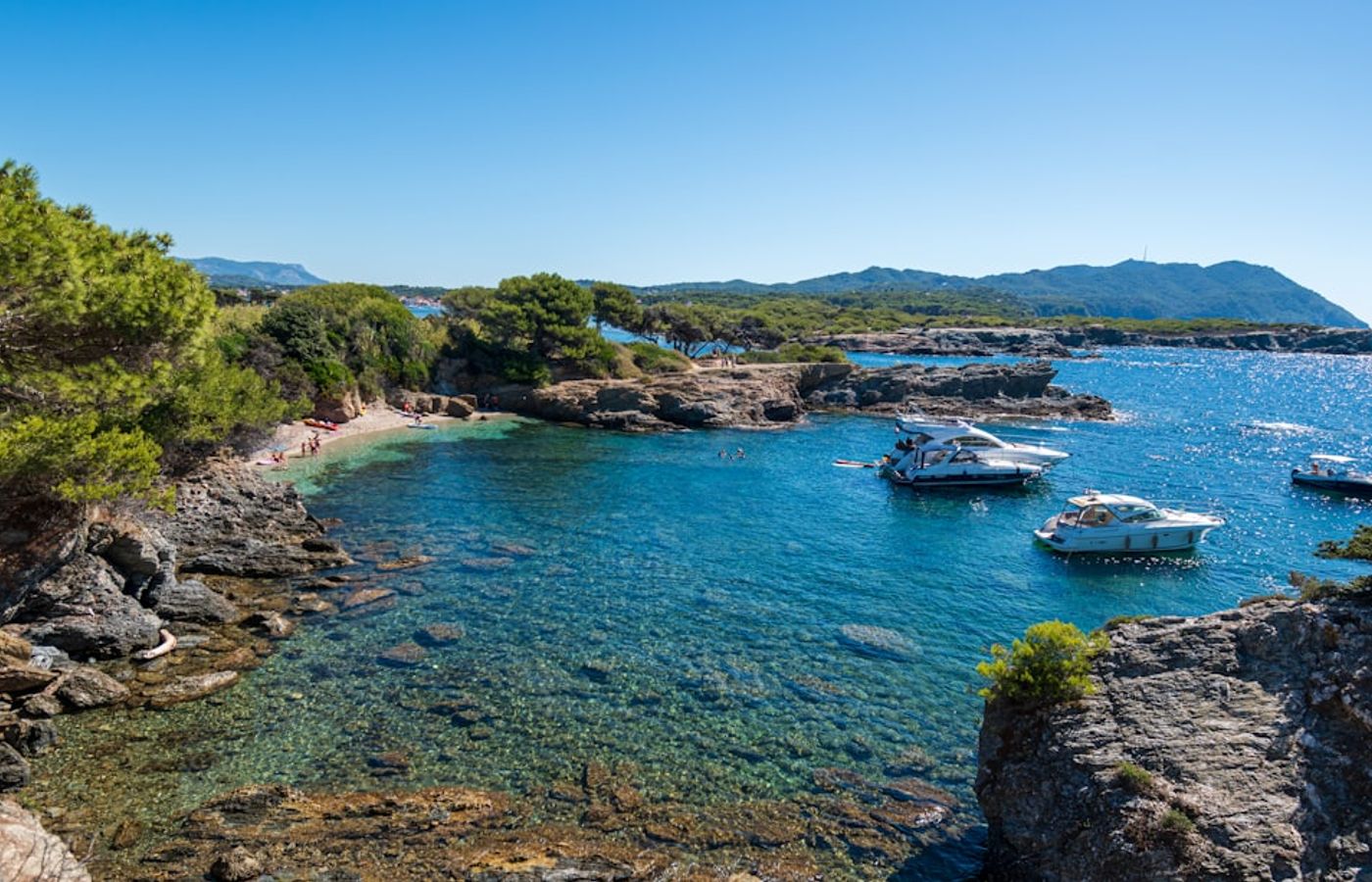
The Albanian Riviera unfolds north of Saranda in a string of dramatic coves and beaches best reached by boat. Day trips leave from Saranda's harbour, cruising to hidden gems such as Kakome Bay, the sea caves, and remote pebble beaches unreachable by road.
A typical trip combines swimming stops in turquoise bays with a seafood lunch on board, and many boats also run south to the coast around Ksamil and the Butrint lagoon mouth. It is the most relaxing way to appreciate just how clear and unspoilt this stretch of the Ionian coast remains.
Pro Tip: Book a trip the day before at one of the harbour kiosks; a full day runs about 20-30 EUR. Choose a smaller boat for the quieter coves, and bring sun protection as shade is limited.
10Gjirokëster Day Trip - The Ottoman City of Stone
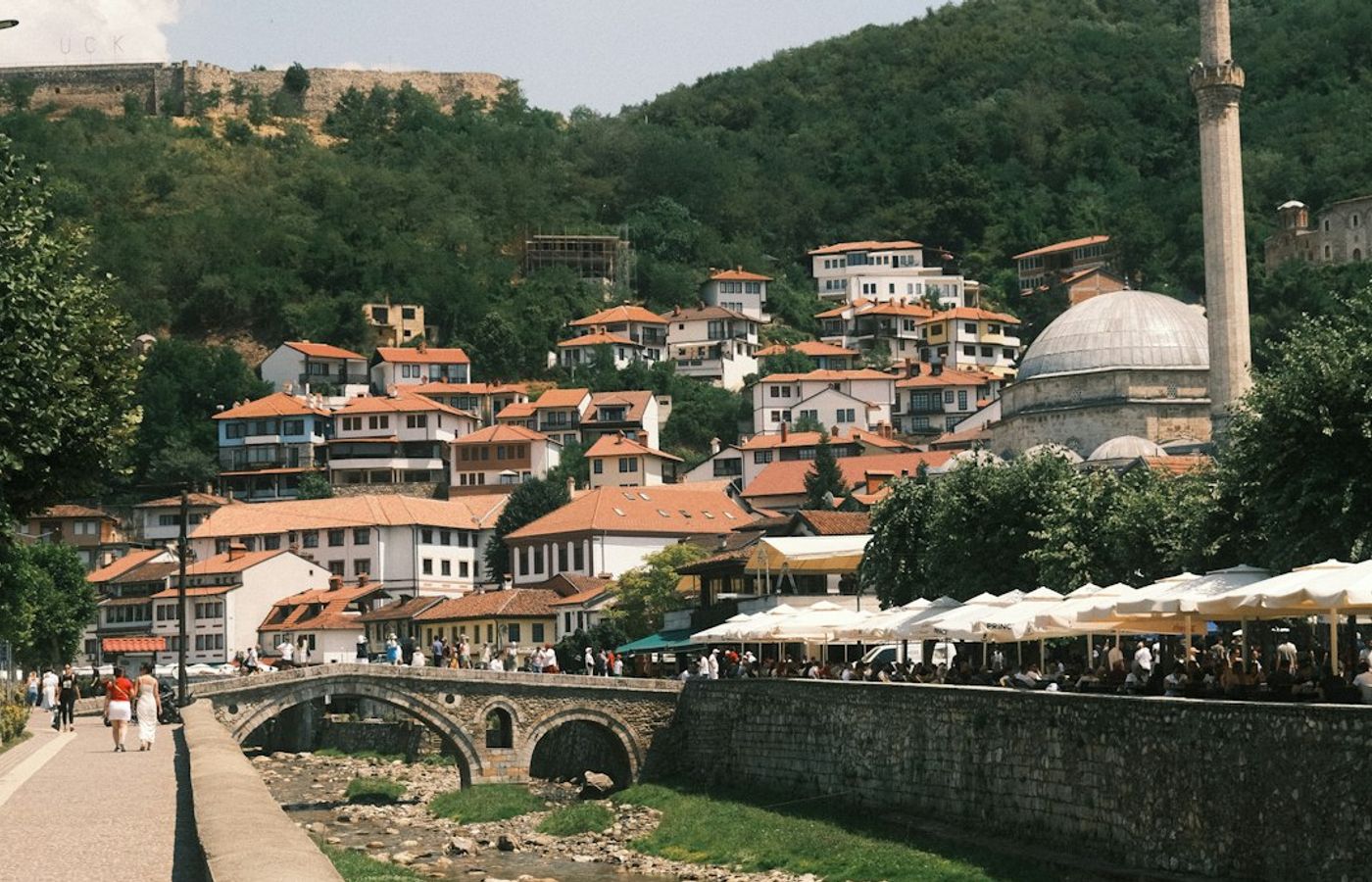
Inland from Saranda, Gjirokester is a UNESCO-listed Ottoman town of steep cobbled streets and distinctive stone houses with silvery slate roofs, earning it the nickname the city of stone. It makes the finest full-day trip from the coast.
A vast hilltop castle crowns the town, housing a collection of weaponry and giving huge views over the Drino valley, while the well-preserved Ottoman mansions and the old bazaar below reward a wander. It is also the birthplace of the writer Ismail Kadare, and feels a world away from the beaches.
Pro Tip: It is about 1.5 hours by car or furgon from Saranda, and can be combined with the Blue Eye, which lies on the way. Wear good shoes for the steep, slippery cobbles.
Get hotel deals for Saranda
Price drops, new stays and local tips for Saranda, straight to your inbox.
No spam, unsubscribe anytime.

CEO and co-founder
Tomas is the co-founder and director of trip1, an European company specializing in reservation services. He launched the company in 2025 with a focus on building scalable, efficient operations.
10 Best Things to Do in Saranda, Albania - FAQ
Yes, for a beach and sightseeing base. Ksamil's turquoise coves are about 20 minutes south, Butrint is on the same road, and the Blue Eye and Gjirokaster are day trips inland. The palm-lined promenade has seafood restaurants and the evening xhiro walk, and prices sit well below nearby Greece. The catch is the July and August crush, especially in Ksamil.
In town, join the sunset xhiro on the promenade, see the menorah mosaic at the Synagogue-Basilica ruins and take a taxi up to Lekuresi Castle for the view over the bay to Corfu. Beyond it, do not miss Butrint's Greek theatre and Roman baths, a swim out to the islets at Ksamil and the clear water at Mirror Beach.
By furgon, the shared minibus, which takes about 30 to 40 minutes along the coast road past Ksamil. Adult entry is 1,000 lek (about 10 euros), and children under 12 go free. Allow at least two hours for the shaded trail past the Greek theatre, Roman baths, baptistery and acropolis museum, and go early or late to avoid the midday heat.
Head inland on the road toward Gjirokaster, since the spring sits in an oak and plane forest off that route. A short walk from the car park leads to a viewing platform right over the spring, where deep blue water wells up from an underwater cave. Entry costs very little, so bring cash, and arrive early, before the midday tour buses.
Yes. The UNESCO-listed Ottoman town of steep cobbled streets and silvery slate roofs is about 1.5 hours away by car or furgon. Its hilltop castle holds a weaponry collection and wide views over the Drino valley, and the old bazaar and Ottoman mansions reward a slow wander. Stop at the Blue Eye on the way, and wear shoes with grip.
May to June and September. The sea is warm and the beaches and Butrint are far less crowded than in July and August, when Ksamil is packed. Summer is hot and busy, while winter is quiet and mild, but many beach businesses close and the Synagogue-Basilica mosaics are sometimes covered for protection. See Butrint in the cooler morning hours.