

Guides · Rovinj
10 Top Things to Do in Rovinj

CEO and co-founder
This guide covers the 10 top things to do in Rovinj, the photogenic fishing town on Croatia's Istrian coast where pastel houses tumble down to the Adriatic beneath a single soaring church tower. Each entry gives the exact address, walking or boat directions, and a practical Pro Tip for a town made for slow exploring.
The list is grouped for easy movement. The Balbi Arch, Grisia Street, the Church of St Euphemia, the harbour, and the Batana House sit within the compact old town on its little peninsula; the Golden Cape Forest Park and the best beaches lie a short walk or ride south; and Crveni Otok floats just offshore, a quick taxi-boat away.
Once Venetian, Rovinj still feels Italian, with bilingual signs and a love of seafood and Istrian wine. Its car-free old town is a maze of steep cobbled lanes and washing-strung windows, and almost everything worth seeing is walkable or a short hop by boat.
1Church of St Euphemia - The Landmark Bell Tower
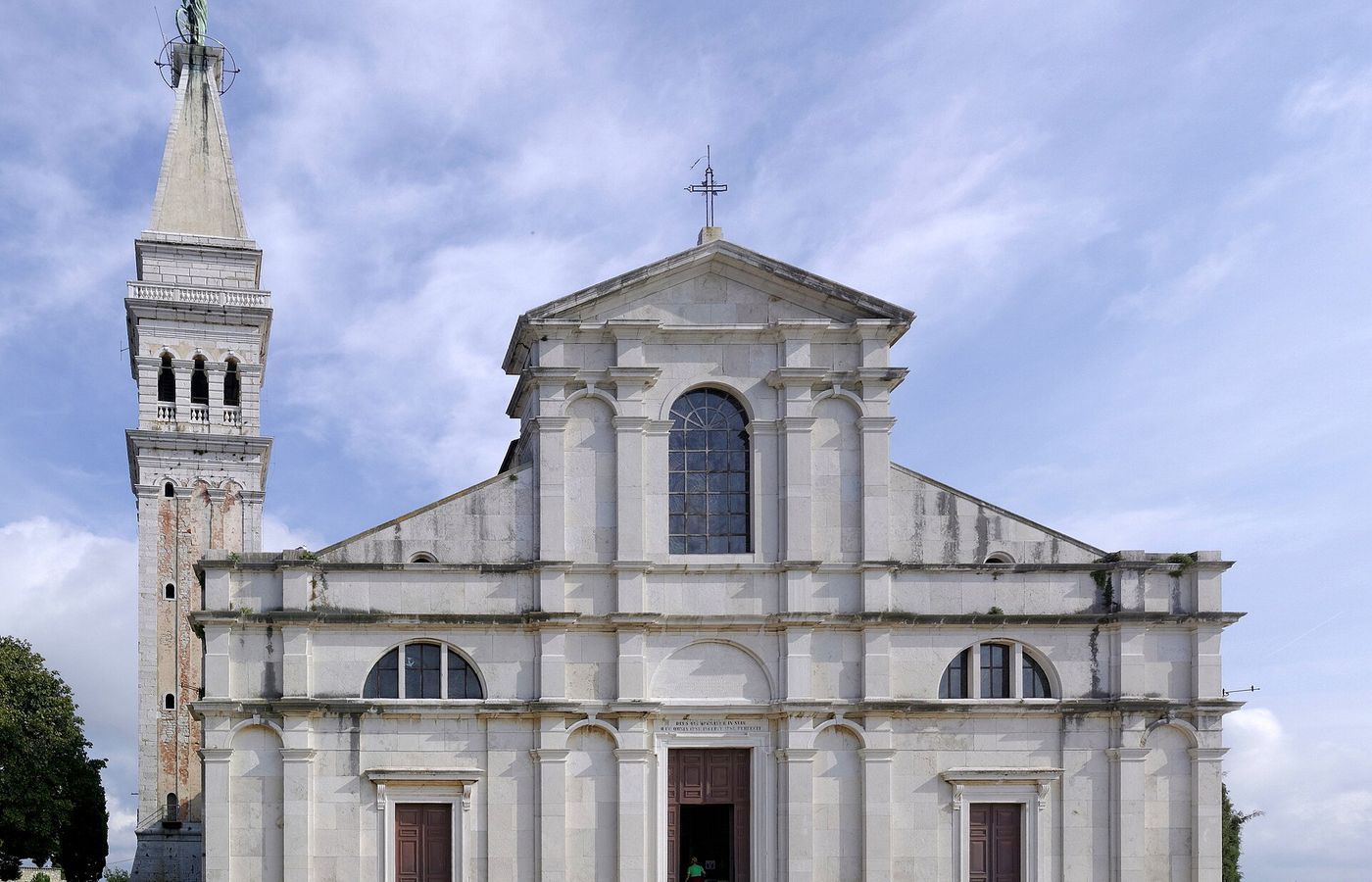

The Church of St Euphemia crowns the highest point of the old town and dominates the Rovinj skyline. Built in the Baroque style in the 18th century, it is dedicated to the town's patron saint, whose 6th-century marble sarcophagus is kept inside, said to have drifted to Rovinj by sea.
Its 60-metre bell tower, modelled on the campanile of St Mark's in Venice, is topped by a copper statue of St Euphemia that turns with the wind. Climbing the wooden staircase inside the tower rewards you with the finest view over the terracotta rooftops, the harbour, and the offshore islands.
Pro Tip: The church is free; climbing the bell tower costs about 4 EUR. The wooden stairs are steep and open, so it is not for those wary of heights - but the sunset view is the best in town.
2Rovinj Old Town - The Venetian Maze on a Peninsula
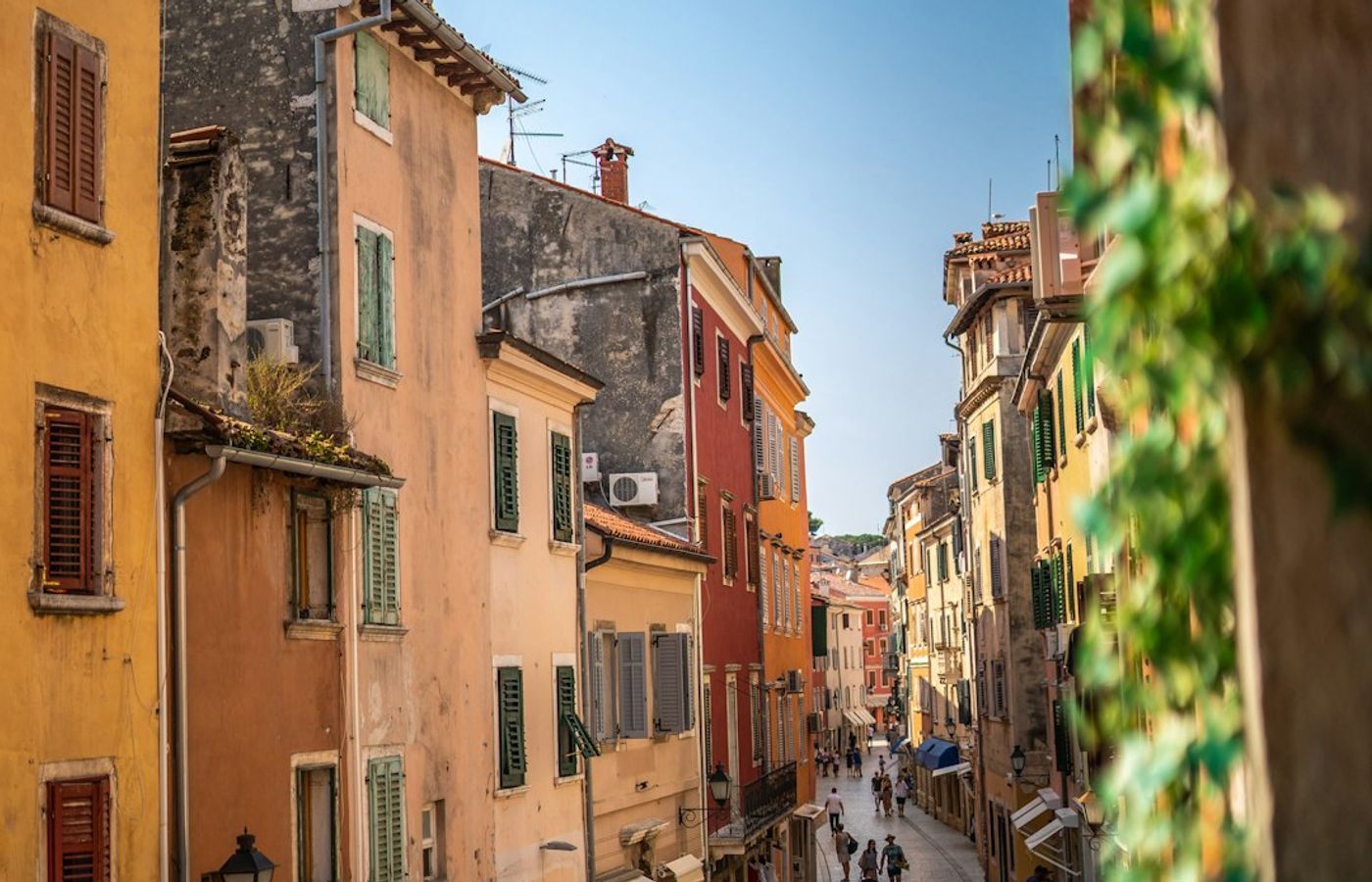

Rovinj's old town sits on what was once an island, only joined to the mainland in 1763 when the narrow channel was filled in. The result is a dense, near-circular warren of tall Venetian houses, steep cobbled alleys, and tiny squares packed onto a small peninsula, all rising toward the church at the top.
Wandering here is the main pleasure of Rovinj: laundry strung between shuttered windows, cats on doorsteps, sea glimpsed at the end of alleys, and craft shops tucked into old fishermen's houses. Getting lost is the point, since every lane eventually leads either up to the church or down to the water.
Pro Tip: Explore early morning or after dinner, when the day-trippers have gone and the light is soft. Wear flat, grippy shoes, as the polished limestone lanes are slippery and steep.

3Grisia Street - The Artists' Lane to the Church
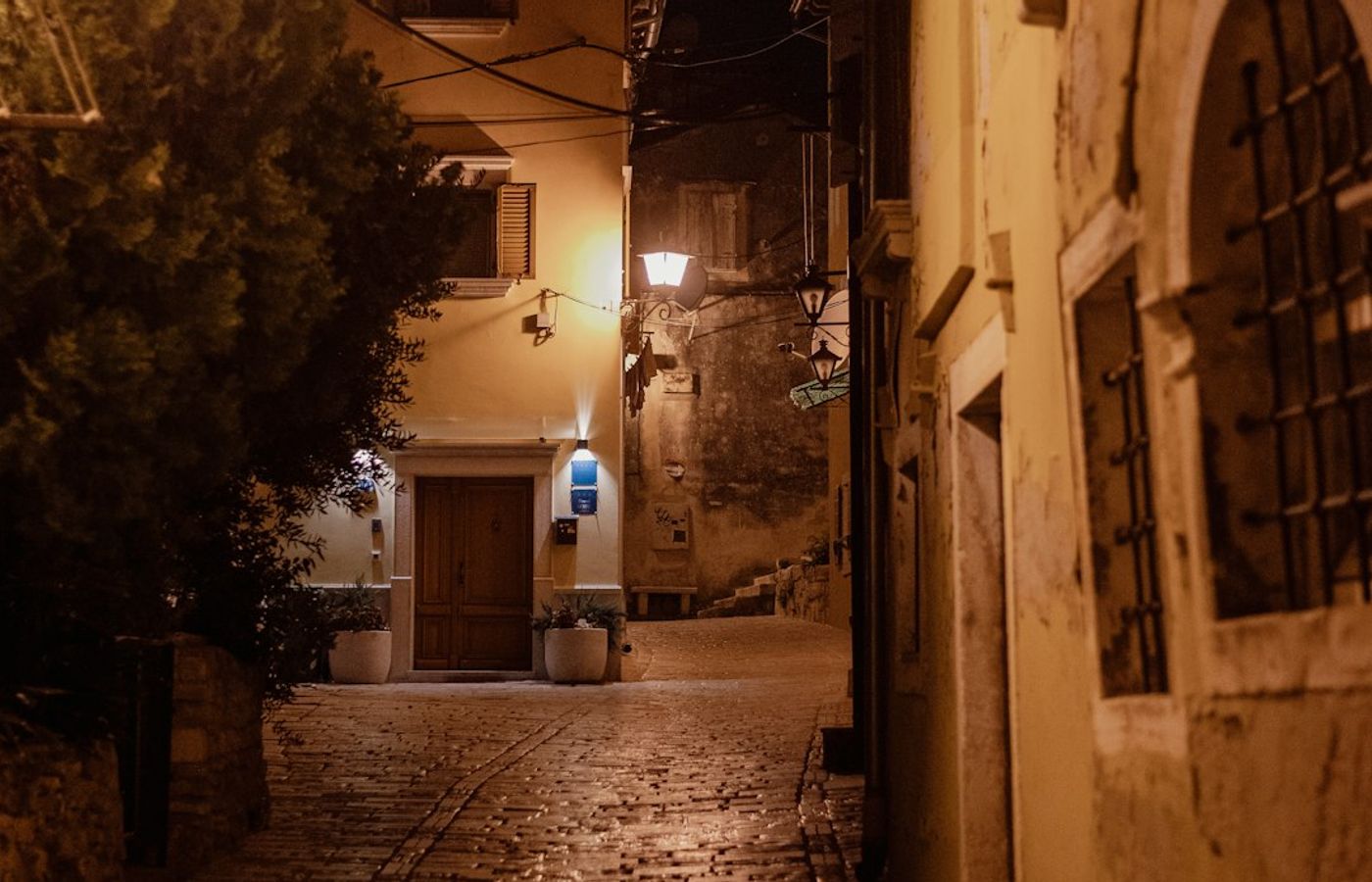

Grisia is Rovinj's most famous street, the steep, stepped lane of polished stone that climbs from the main square up to the Church of St Euphemia. It is the artistic heart of the town, lined with galleries, studios, and craft shops occupying the ground floors of old houses.
Each August the whole street becomes an open-air gallery for the Grisia art festival, when local and visiting artists hang their work along its walls and steps. On any day it is the most atmospheric climb in Rovinj, framed by arches and glimpses of the sea between the buildings.
Pro Tip: Climb it early to photograph the empty stepped street before the crowds. The galleries open later in the morning, so return midday if you want to browse and buy local art.
4Rovinj Harbour & Waterfront - The Postcard View
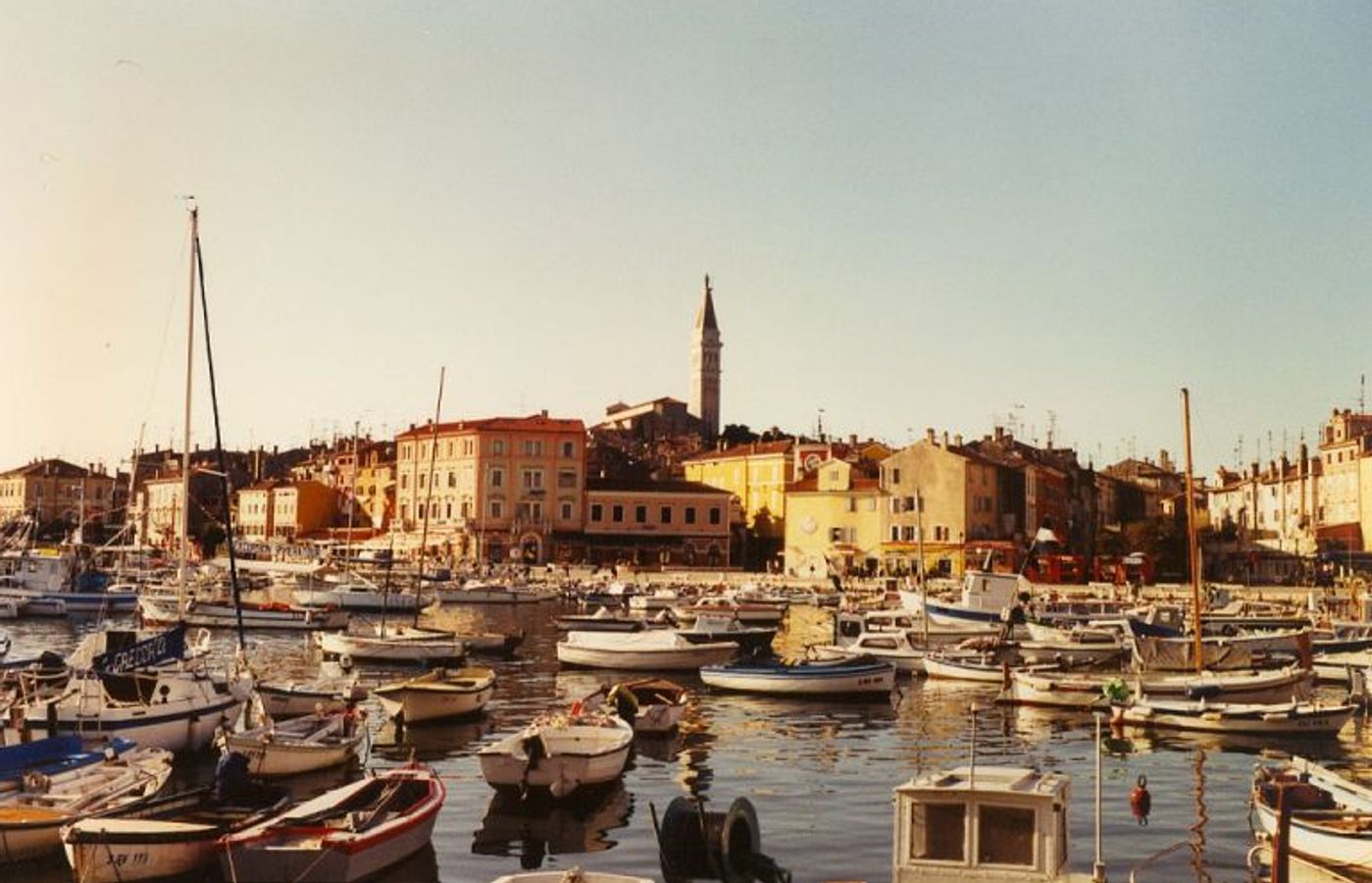
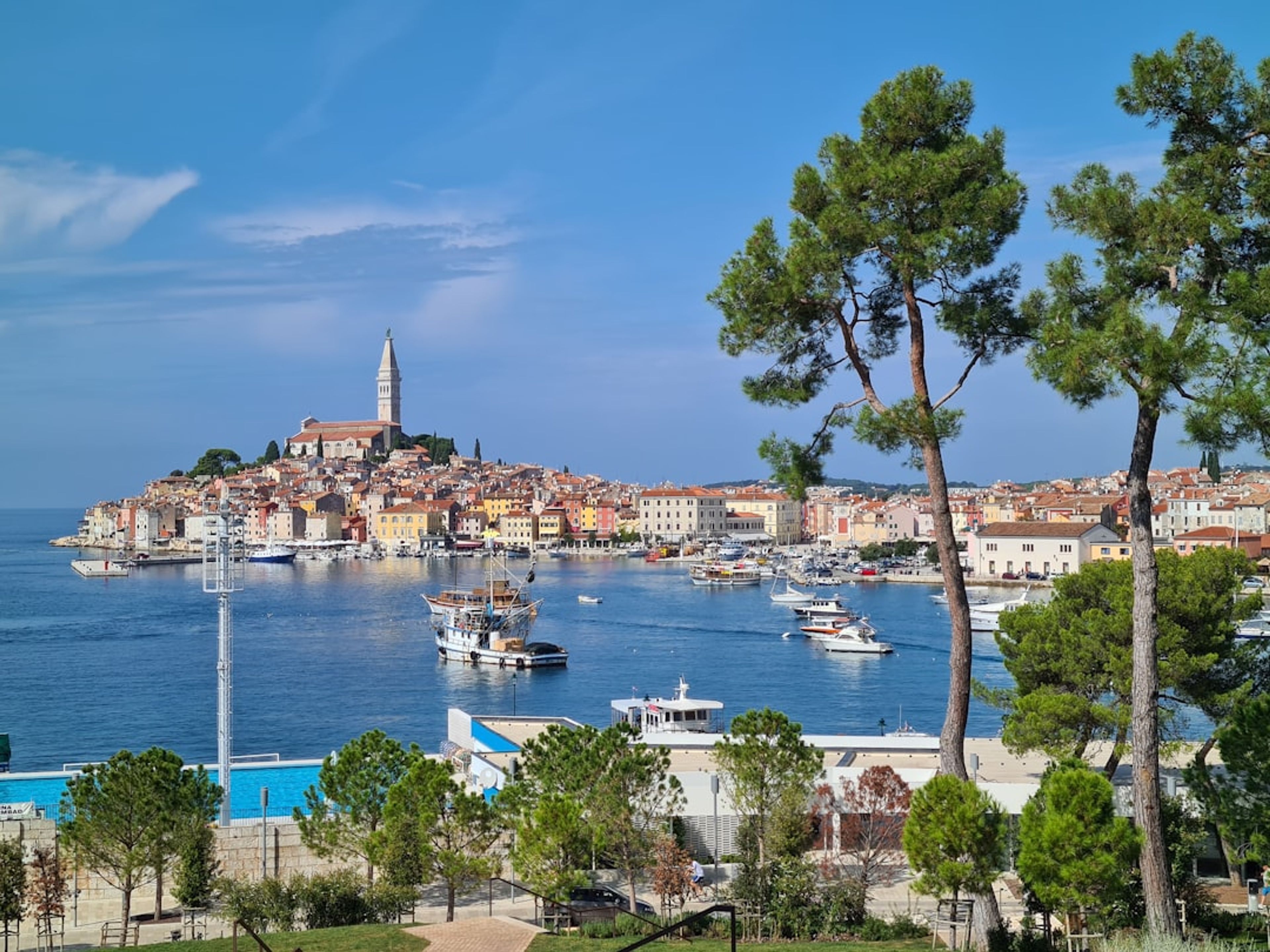
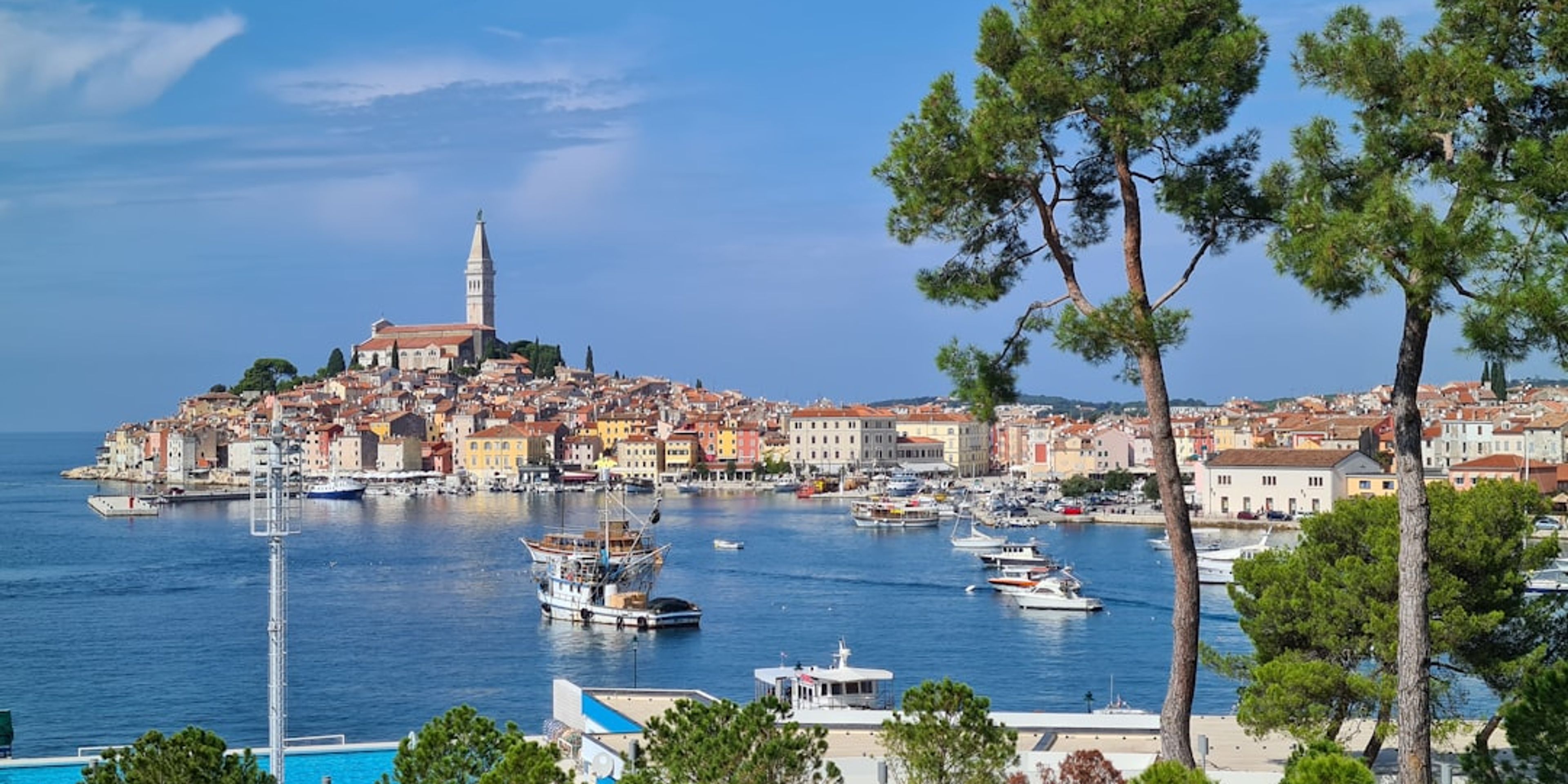
Rovinj's harbour wraps around the base of the old town, where fishing boats and small pleasure craft bob in front of a curving row of pastel houses and waterfront cafes. It is the classic Rovinj view, the one that fills postcards, and the departure point for boats to the islands and sunset cruises.
The waterfront promenade continues around the peninsula, passing the fish market and cafe terraces where you can sit with a coffee or a glass of Malvazija wine and watch the boats. On the western side, the rocks below the old houses are a favourite perch for watching the sun drop into the Adriatic.
Pro Tip: For the iconic photo of the old town rising from the water, walk out along the southern breakwater or take a short boat trip. Sunset from the western rocks is a nightly ritual - arrive early for a spot.
5Balbi Arch - The Gateway to the Old Town
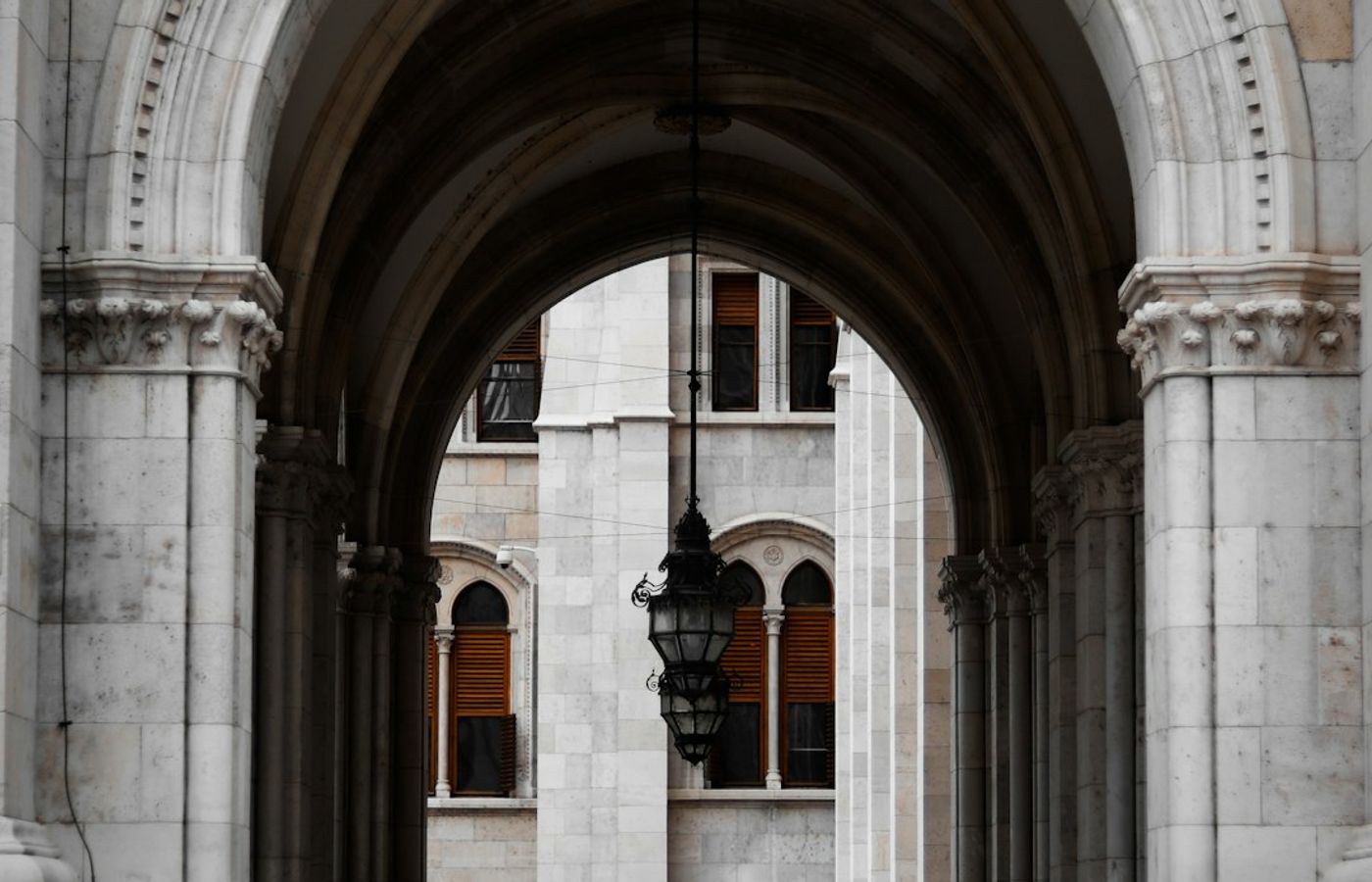
The Balbi Arch marks the main entrance to the old town, standing where the inner town gate once stood before the island was joined to the mainland. Built in 1679 on the site of the old gate, it is named for the Venetian mayor Daniele Balbi, whose coat of arms it bears.
Look for the carved heads on either side of the arch - a Turk's head facing out and a Venetian's facing in, a reminder of the town's frontier history. The arch opens from the main square, Trg maršala Tita, into the tangle of lanes climbing toward the church, making it the natural gateway to a walk.
Pro Tip: It is free and always open. Pause to spot the two carved faces before you pass through, then use it as your entry point into the old town's maze.
6Golden Cape Forest Park - Coastal Woodland and Coves
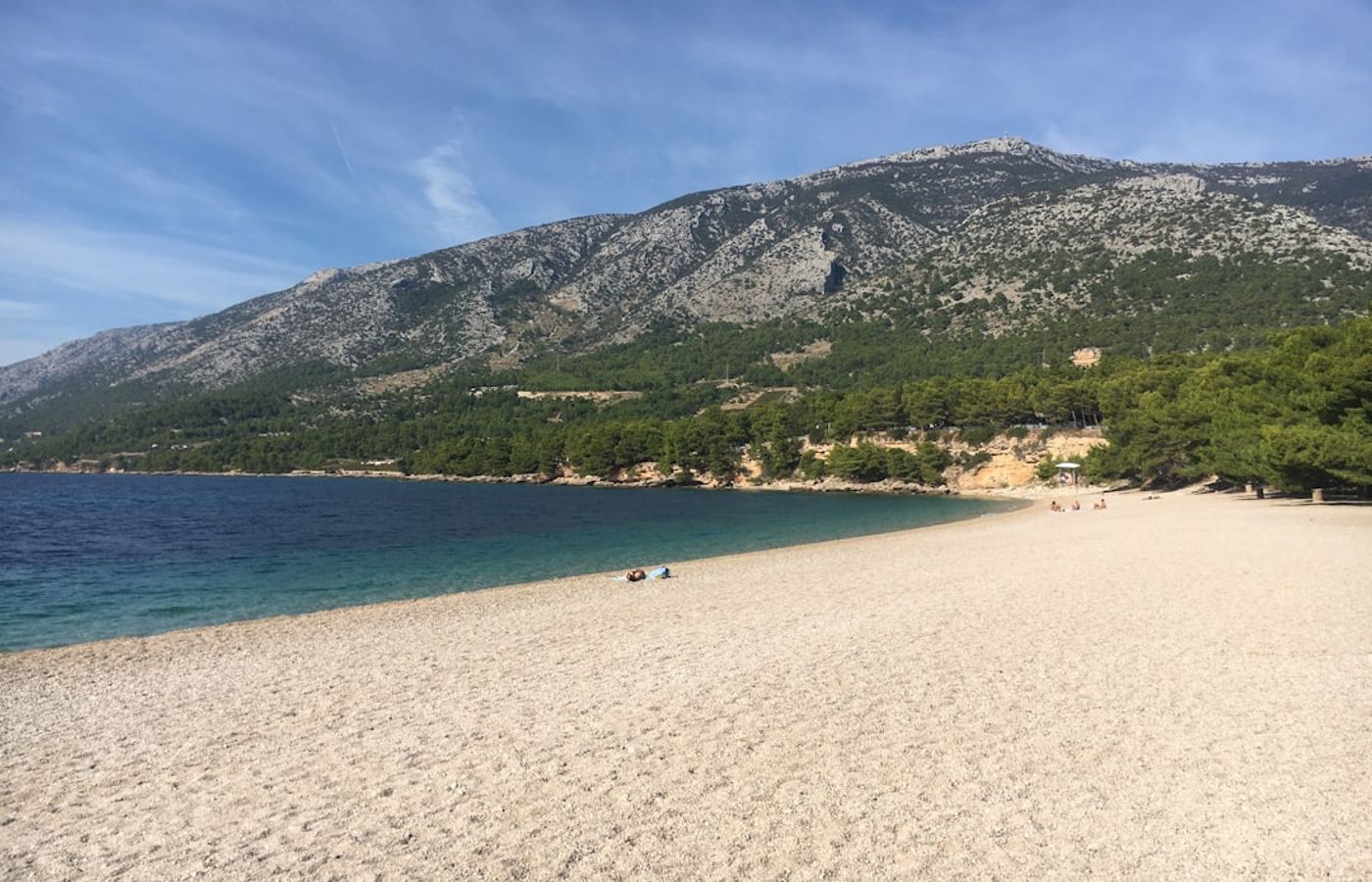
The Golden Cape Forest Park, known locally as Zlatni Rt or Punta Corrente, is a protected woodland headland just south of the old town. Planted with cypress, cedar, pine, and holm oak by an Austrian baron in the 1890s, it is laced with shady walking and cycling paths along the shore.
The rocky coast here is dotted with quiet swimming spots and pebble coves, and the calm bays are popular for a dip away from the town beaches. The cliffs on the seaward side are even used for rock climbing, and the whole park is an easy, scenic escape from the summer crowds.
Pro Tip: It is a pleasant 20-minute walk south along the coast from the old town, or a short ride on the tourist train. Bring water shoes for the rocky entries into the sea.
7Batana House - The Fishing-Boat Eco-Museum
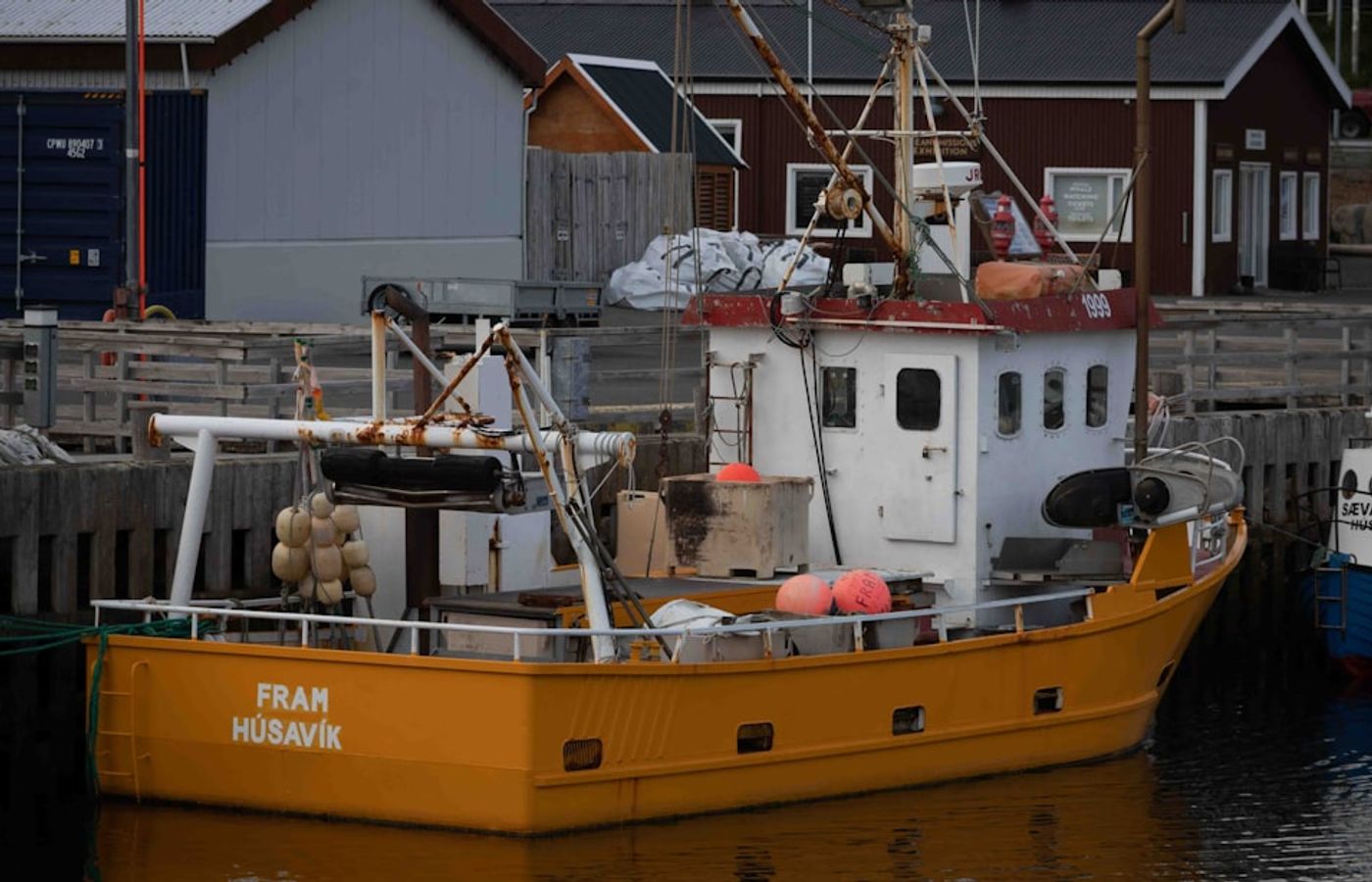
The Batana House (Kuca o batani) is a small, charming eco-museum on the harbourfront devoted to the batana, the flat-bottomed wooden fishing boat unique to Rovinj. Recognised by UNESCO for safeguarding local maritime heritage, it tells the story of the town through its boats, songs, and fishing traditions.
Displays cover boatbuilding, the local dialect, and the bitinada, a traditional call-and-response singing style of Rovinj's fishermen. In summer the museum runs evening rowing trips in a real batana and hosts songs at a traditional spacio, or cellar tavern, bringing the culture to life.
Pro Tip: Entry is about 5 EUR. Ask about the summer batana rowing evenings and the spacio singing sessions, which are a memorable and very local way to spend an evening.
8Rovinj Beaches - Rocky Coves and Clear Water
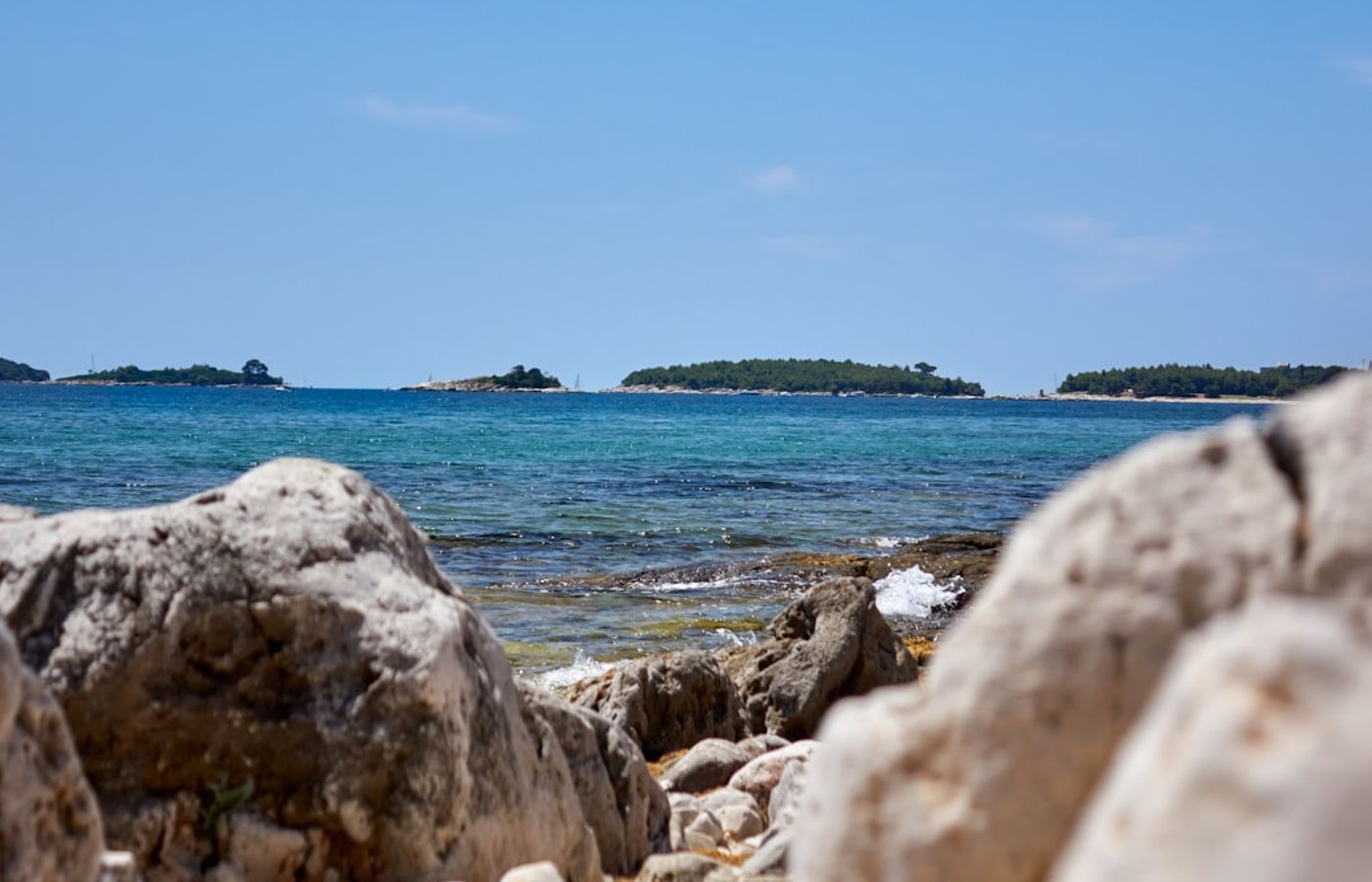
Rovinj's coast is lined with rocky and pebble beaches rather than sand, most of them south of the old town toward and within the Golden Cape park. Lone Bay and Mulini Beach are the closest and best equipped, with clear water, sunbeds, and beach bars a short walk from the centre.
Further along, the coves within the Golden Cape park are quieter and more natural, shaded by pines right down to the water. The Adriatic here is famously clear and clean, ideal for swimming and snorkelling, though the entries are stony, so water shoes help.
Pro Tip: For sand, you have to take a boat to Crveni Otok, as the mainland beaches are rock and pebble. Bring water shoes and a mat, and arrive early in summer to claim a shady spot.
9Crveni Otok & Sveta Katarina - The Offshore Islands
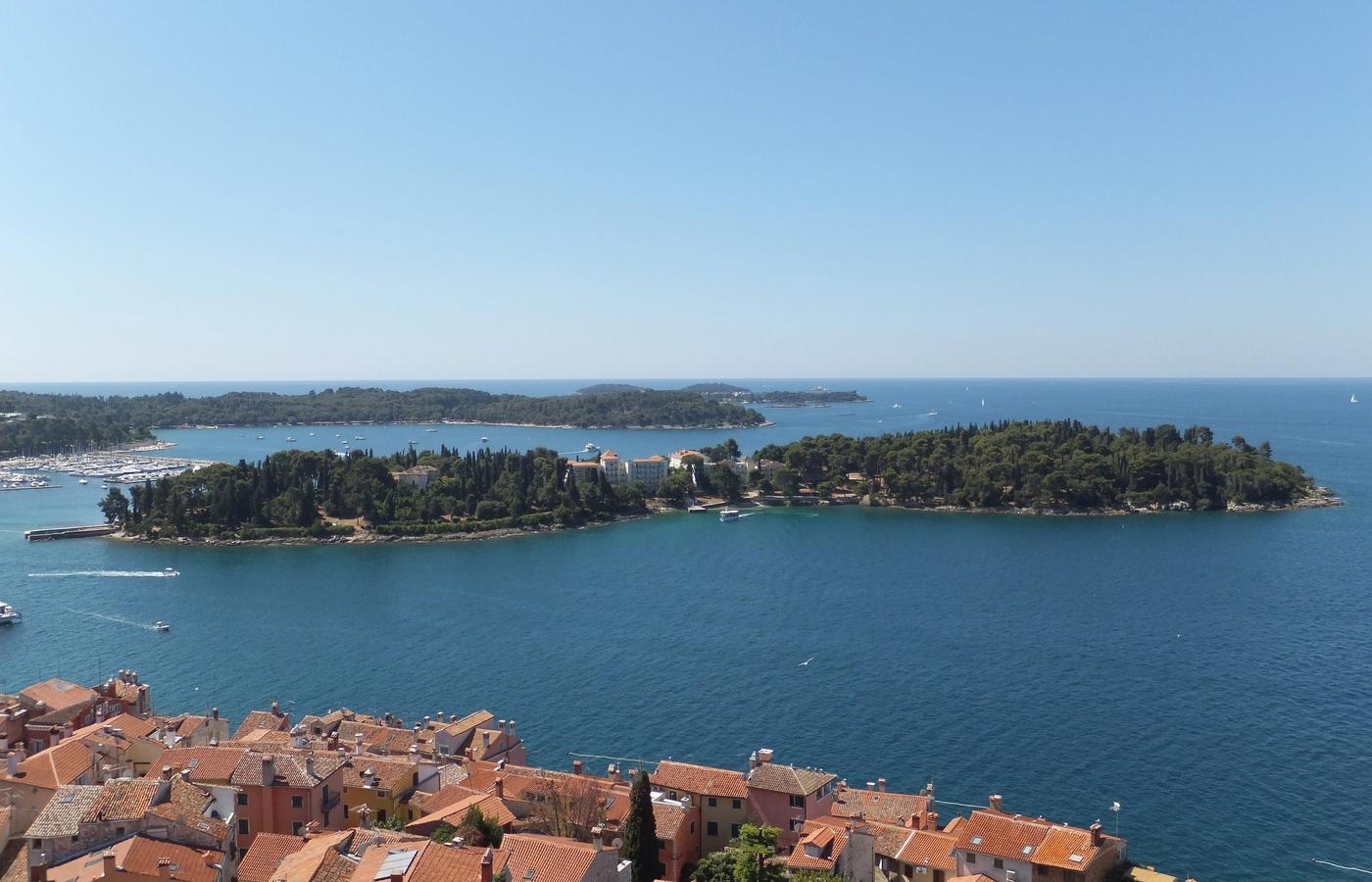
Just offshore, a cluster of little islands makes an easy escape from the town. Crveni Otok, or Red Island, is the most popular, actually two islets joined by a causeway, with pine woods, a 19th-century villa turned hotel, and some of the area's best swimming spots ringing its shores.
Closer in, tiny Sveta Katarina sits right across from the old town, a five-minute hop by boat with lovely views back at Rovinj's skyline. Both islands have walking paths, rocky beaches, and a couple of cafes, making them perfect for a half-day of swimming and shade.
Pro Tip: Taxi boats leave regularly from the harbour in season; a return to Crveni Otok is about 8-10 EUR. Take an early boat and bring a picnic, as island cafe prices run high.
10Rovinj Aquarium - One of Europe's Oldest
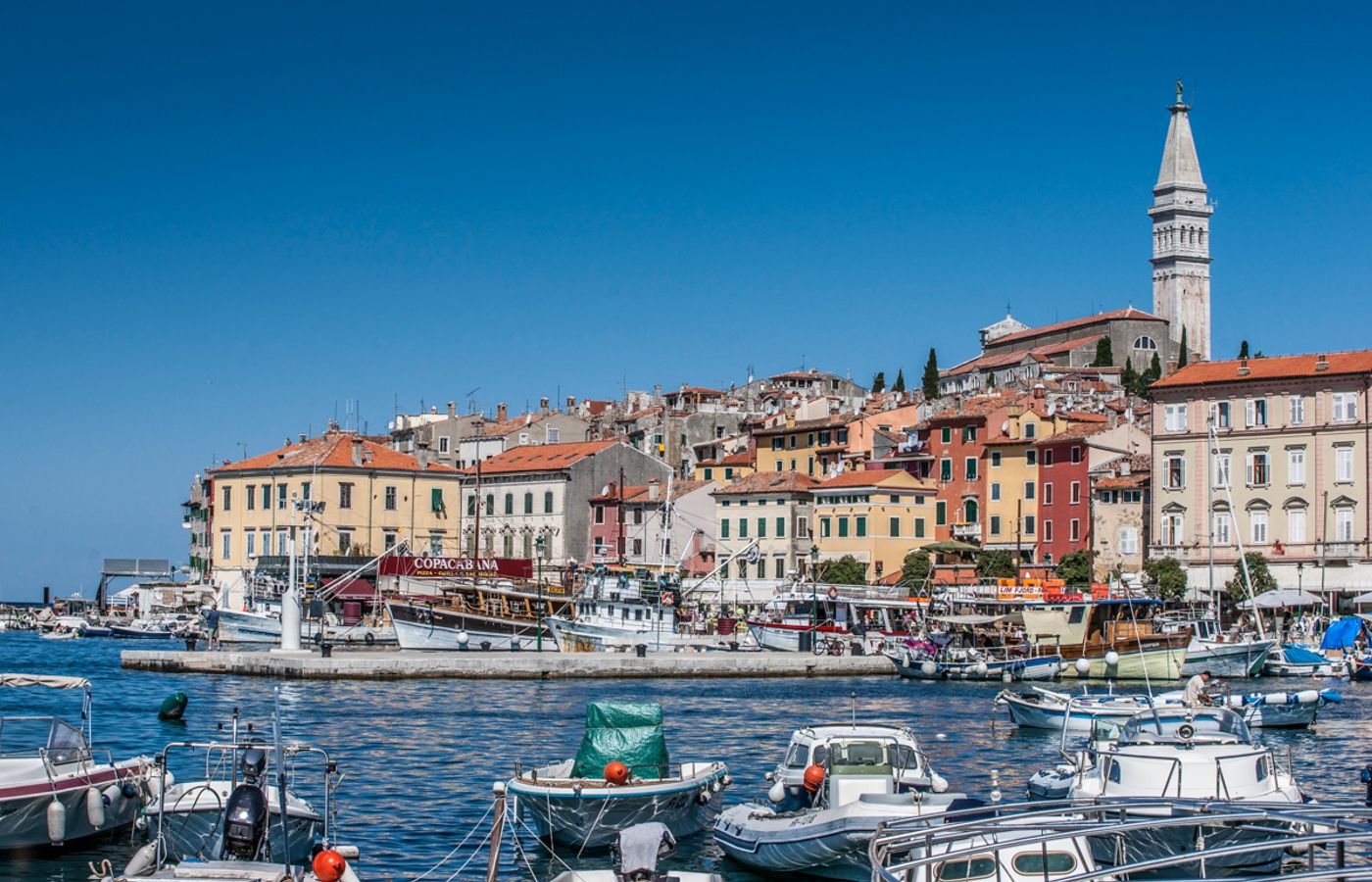
The Rovinj Aquarium is one of the oldest in Europe, founded in 1891 as part of a marine research station. Small and old-fashioned in the best way, it displays the fish, shellfish, sponges, and sea creatures of the northern Adriatic in a series of tanks near the harbour.
It makes an easy, inexpensive stop, especially with children or on a rare rainy day, and its long history is part of the appeal. The attached research institute has studied the Adriatic for well over a century, and the aquarium remains a modest but characterful town institution.
Pro Tip: Entry is only a few euros and a visit takes about 30 minutes. It is right on the northern harbour, so combine it with a waterfront stroll rather than making a special trip.
Get hotel deals for Rovinj
Price drops, new stays and local tips for Rovinj, straight to your inbox.
No spam, unsubscribe anytime.

CEO and co-founder
Tomas is the co-founder and director of trip1, an European company specializing in reservation services. He launched the company in 2025 with a focus on building scalable, efficient operations.
10 Top Things to Do in Rovinj, Croatia - FAQ
Enter the old town through the Balbi Arch, climb Grisia Street to the Church of St Euphemia and up its bell tower, then wander down to the harbour and the Batana House fishing-boat museum. Spend an afternoon swimming in the Golden Cape Forest Park or take a taxi boat to Crveni Otok, and end with sunset from the rocks on the western waterfront.
In July and August it can feel that way, as the small car-free old town fills with day-trippers. Go early in the morning or after dinner, when they have gone and the lanes are quiet. Late spring and September are calmer, and the coves in the Golden Cape park and the offshore islands offer space even in high summer.
May to June and September. The sea is warm and the crowds are thinner than in peak summer, while July and August are hot and very busy. In August the Grisia art festival turns Grisia Street into an open-air gallery. Whatever the month, the old town is quietest and most photogenic early in the morning.
No, not on the mainland. Rovinj's beaches are rock and pebble, mostly south of the old town: Lone Bay and Mulini Beach are the closest, with sunbeds and bars, and the coves in the Golden Cape park are quieter and shaded by pines. For sand, take a taxi boat to Crveni Otok. Bring water shoes for the stony entries.
Yes. The church is free, and climbing its 60-metre bell tower costs about 4 euros. The wooden stairs inside are steep and open, so it is not for anyone wary of heights. The reward is the best view in town over the terracotta rooftops, the harbour and the offshore islands, especially at sunset.
A protected woodland headland just south of the old town, known locally as Zlatni Rt or Punta Corrente. It was planted with cypress, cedar, pine and holm oak in the 1890s and has shady walking and cycling paths along the shore, quiet pebble coves for swimming and sea cliffs used for rock climbing. It is about a 20-minute walk from town.