

Guides · Zadar
10 Top Places to Visit in Zadar

CEO and co-founder
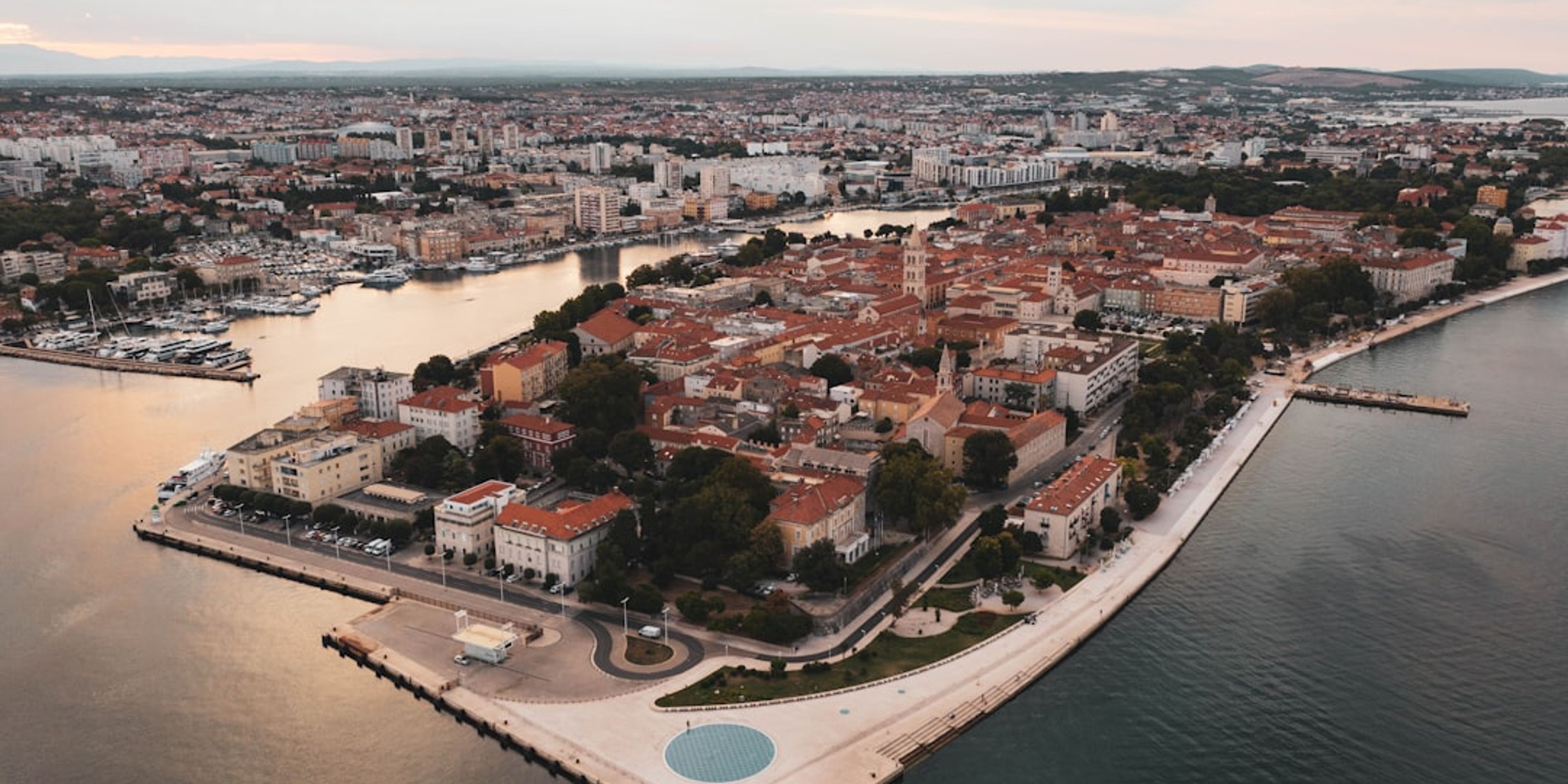
This guide rounds up the 10 top places to visit in Zadar, the Dalmatian coastal city where Roman ruins, medieval churches, and a pair of famous modern art installations meet on a compact old-town peninsula. Each entry gives the exact address, walking or boat directions, and a practical Pro Tip to help you plan an easy route.
The list is arranged for a natural walk. The Land Gate and Five Wells Square guard the southern approach; the Roman Forum, St Donatus, and the cathedral form the historic core; and the Sea Organ and Sun Salutation sit out at the peninsula's tip. Two day trips - the Kornati Islands by boat and Plitvice Lakes inland - round out the list.
Alfred Hitchcock once called Zadar's sunset the most beautiful in the world, and the city has leaned into that fame with its light-and-sound seafront. Beyond the sunset, it rewards visitors with 3,000 years of history, an authentic lived-in old town, and easy access to some of Croatia's greatest natural wonders.
1Sea Organ - Music Played by the Waves


The Sea Organ is Zadar's most celebrated attraction, an experimental musical instrument built into the marble steps that descend into the sea at the tip of the peninsula. Designed by architect Nikola Basic in 2005, it turns the movement of the waves into music.
Beneath the steps, a system of pipes and whistles is played by the push of the waves and tides, producing haunting, ever-changing harmonic tones. Visitors sit on the broad steps to listen, dangle their feet in the water, and watch the boats pass, especially at the famous Zadar sunset.
Pro Tip: It is free and always playing. Come at sunset for the full effect, when crowds gather on the steps - the music is louder and more dramatic when the sea is choppy.
2Sun Salutation - The Light Show by the Sea
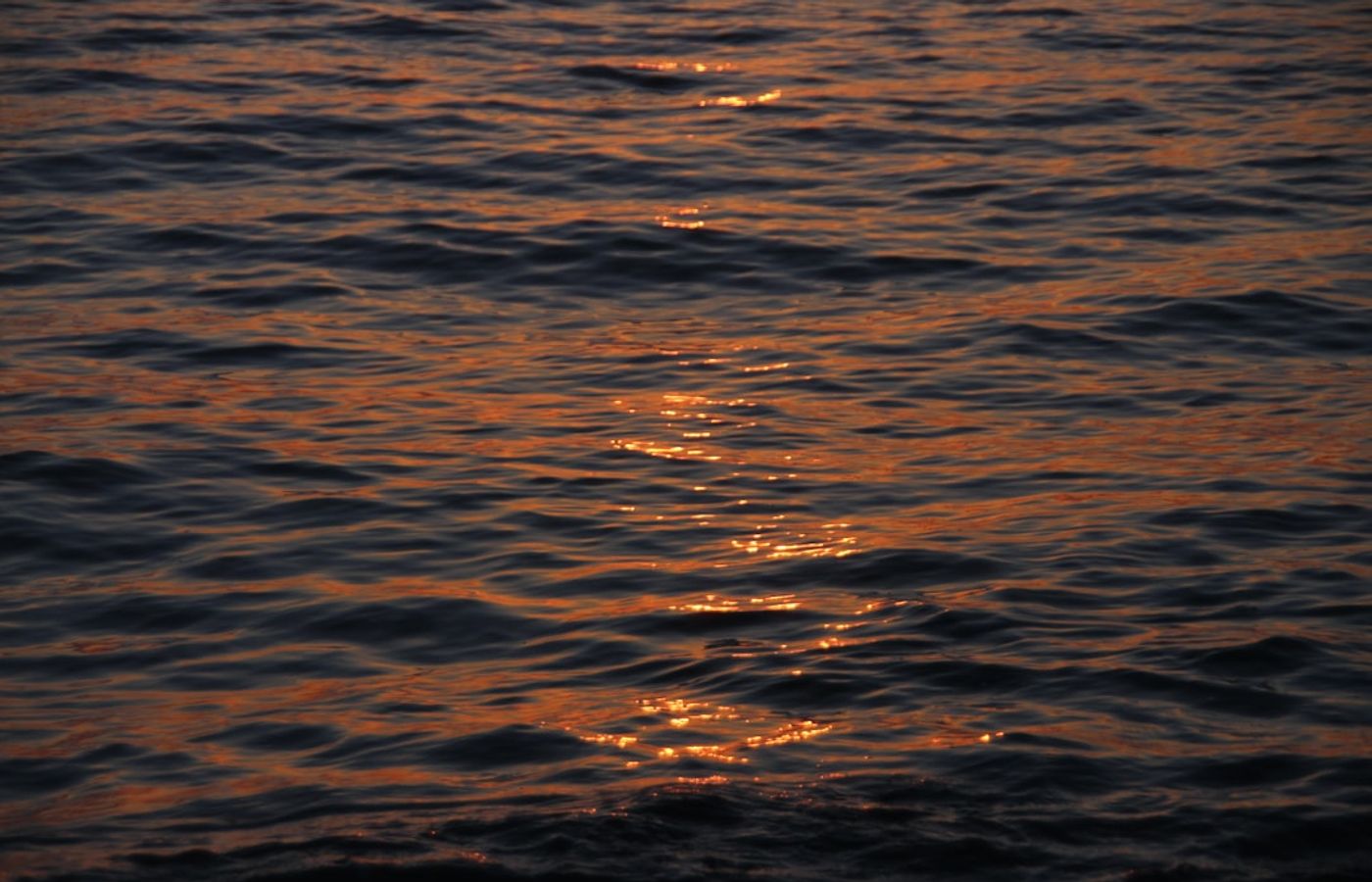

Right beside the Sea Organ, the Sun Salutation (Pozdrav Suncu) is its visual companion, a 22-metre circle of glass plates set into the pavement. Also designed by Nikola Basic, it collects solar energy by day and puts on a hypnotic, colourful light show after dark.
As dusk falls, the panels come alive with shifting patterns of coloured light, choreographed in rhythm with the sound of the Sea Organ next to it. By day the ring simply reflects the sky, but by night it becomes a playful gathering point for families and evening strollers.
Pro Tip: It is free and comes into its own after dark, so return once night has fully fallen. Pair it with the Sea Organ for the combined light-and-sound experience Zadar is famous for.

3Zadar Old Town - The Lived-In Peninsula
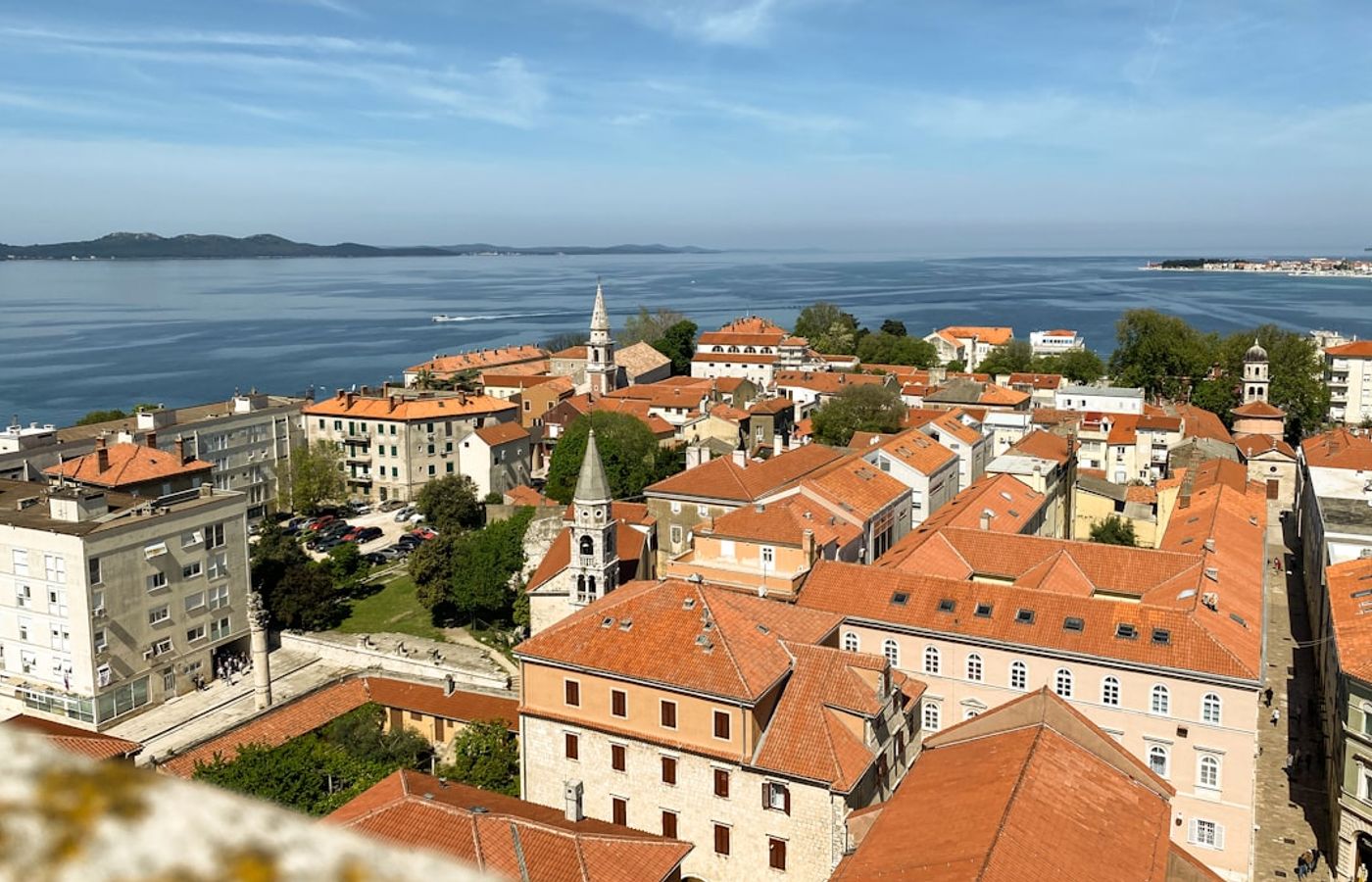

Zadar's old town occupies a long, narrow peninsula, a dense and atmospheric quarter of marble-paved streets polished smooth by centuries of feet. Unlike some Dalmatian old towns, it is a real, lived-in place, home to shops, cafes, and residents alongside its monuments.
Wandering its grid of streets, laid out on the original Roman plan, you pass Roman columns reused in medieval walls, Venetian squares, churches, and lively market streets. The wide pedestrian thoroughfare of Kalelarga runs the length of the peninsula, the traditional spine of city life.
Pro Tip: The old town is free to wander and easily walked end to end in 20 minutes. Explore the side streets off Kalelarga to find quieter squares, local konoba taverns, and the morning market.
4Roman Forum - The Ancient Heart of the City
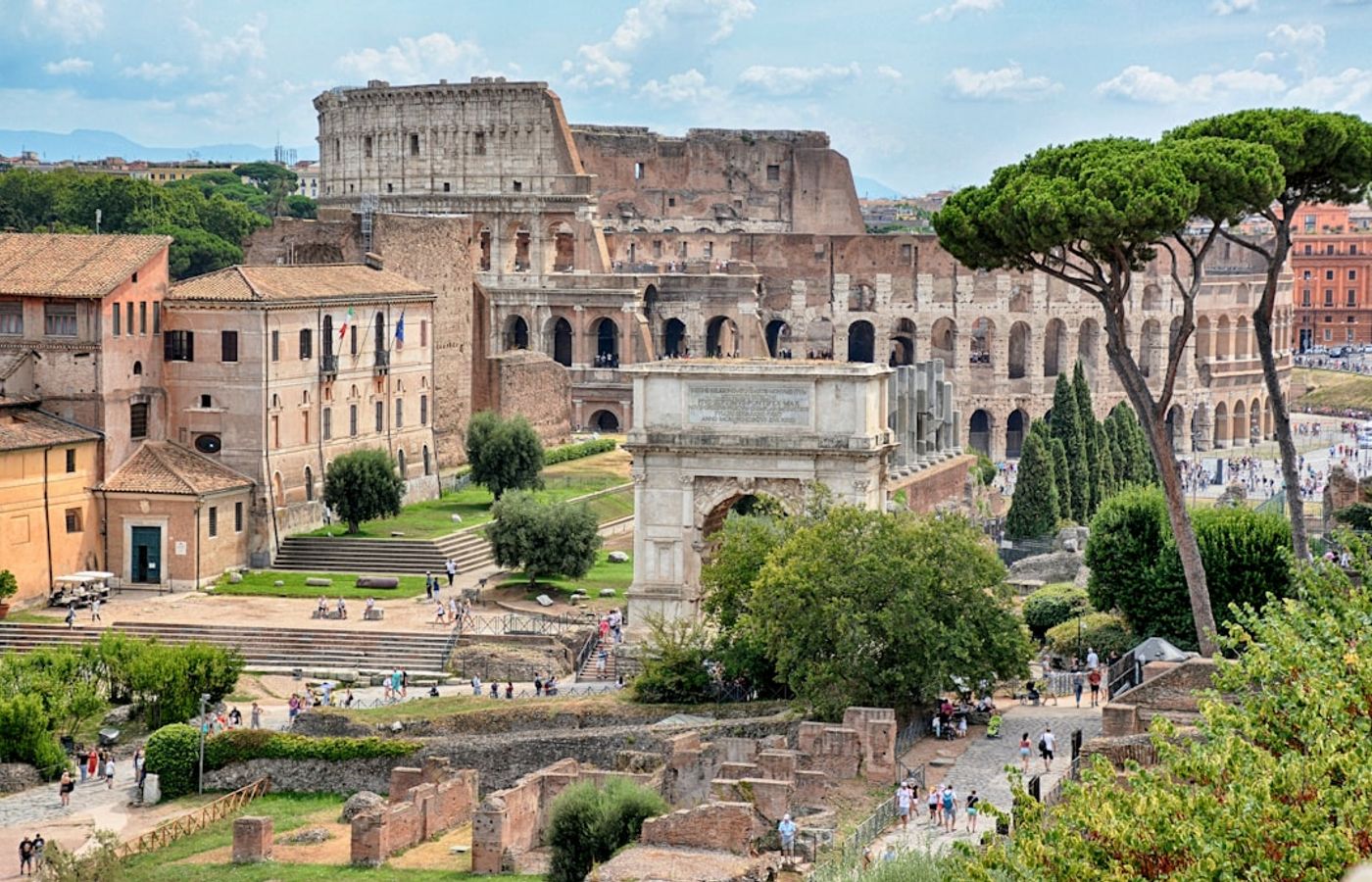
The Roman Forum is the ancient heart of Zadar, the largest Roman forum on the eastern side of the Adriatic, laid out between the 1st century BC and the 3rd century AD. Once the political and social centre of the Roman colony of Iader, it now lies open as a public square strewn with ancient stone.
Scattered across the site are column bases, carved fragments, and a tall standing column that in the Middle Ages was used as a pillar of shame for public punishment. The great Church of St Donatus rises directly on the edge of the Forum, built partly from its recycled Roman stone.
Pro Tip: The Forum is an open square and free to explore at any time. Come in the evening when it is floodlit and quieter, with the illuminated St Donatus as a backdrop.
5Church of St Donatus - Zadar's Round Byzantine Symbol
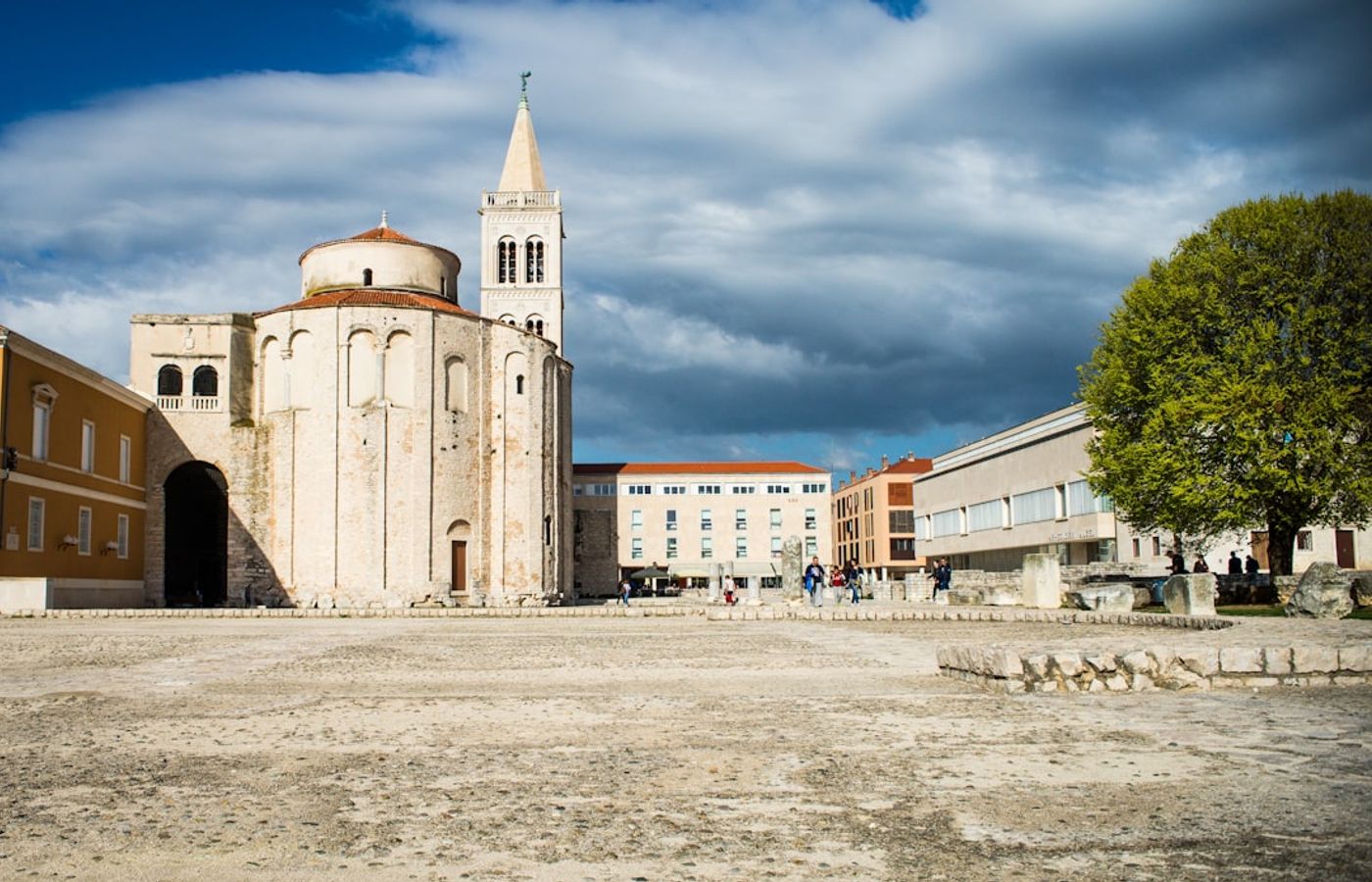
The Church of St Donatus is the symbol of Zadar, a striking cylindrical Byzantine church from the 9th century that dominates the Roman Forum. Its unusual round, tower-like form, plain and massive, makes it one of the most distinctive medieval buildings in Croatia.
The bare stone interior is no longer used for worship but, thanks to its remarkable acoustics, hosts classical music concerts, especially the summer Musical Evenings in St Donatus. You can see Roman altars and column fragments built into its foundations, taken directly from the Forum it stands on.
Pro Tip: A small entry fee applies to go inside. If you visit in summer, try to catch an evening concert, when the acoustics of the round interior are put to memorable use.
6St Anastasia's Cathedral - The Bell Tower Climb
The Cathedral of St Anastasia (Sveta Stosija) is the largest church in Dalmatia, a Romanesque basilica built mainly in the 12th and 13th centuries on the edge of the Roman Forum. Its handsome arcaded facade and rose windows reflect the influence of Tuscan Romanesque style.
The main draw for many is the free-standing bell tower beside it, whose upper stages were completed only in the 19th century. Climbing its steps rewards you with the best panorama in Zadar, a sweeping view over the old town's rooftops, the Forum, the sea, and the islands beyond.
Pro Tip: The cathedral is free to enter; climbing the bell tower costs a few euros and is well worth it. Go up late afternoon for the best light over the peninsula and sea.
7Five Wells Square - Renaissance Wells and Ramparts
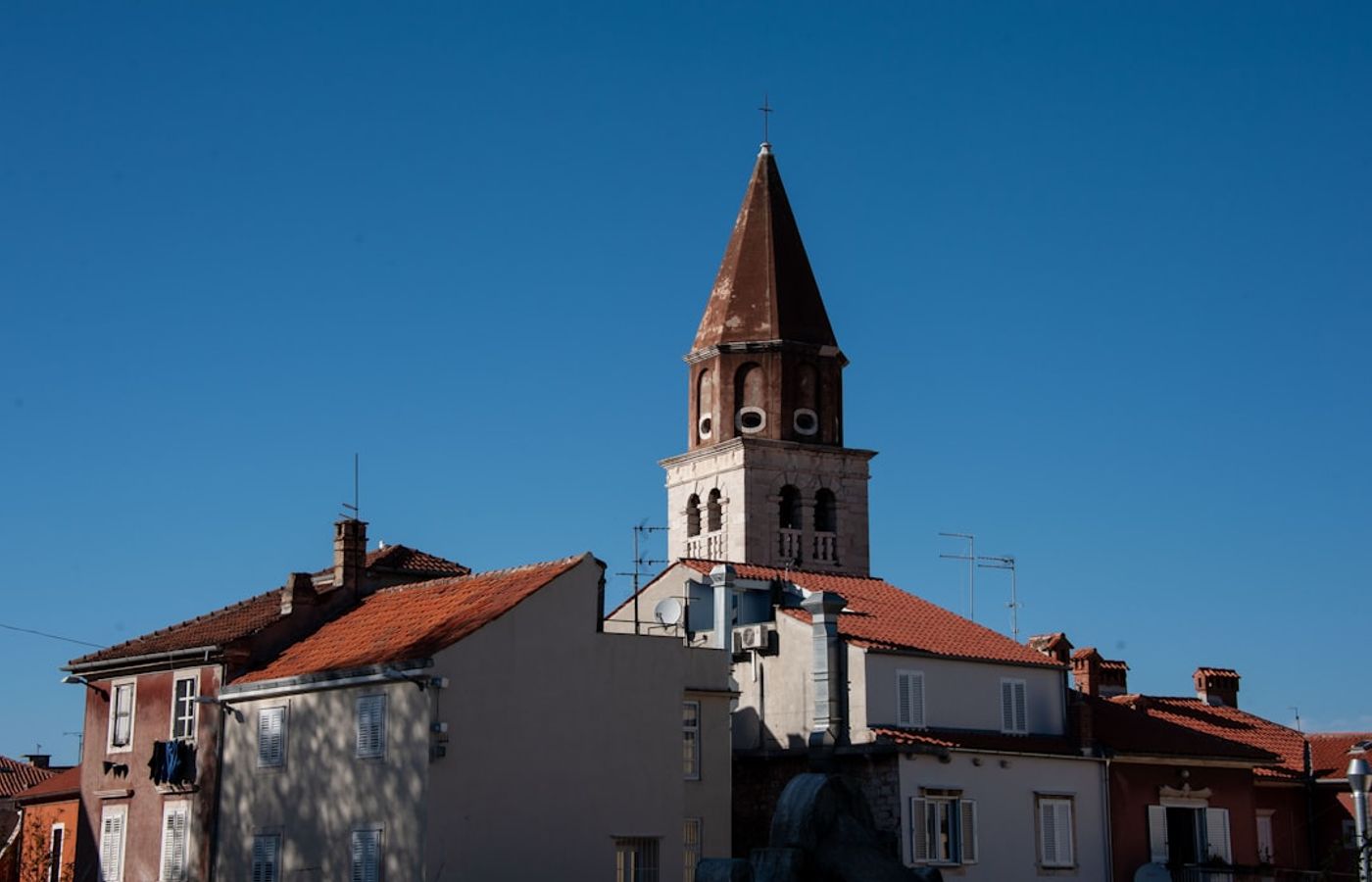
Five Wells Square (Trg pet bunara) takes its name from the row of five stone well-heads that line it, built in the 16th century atop a large cistern to supply the city with water during Ottoman sieges. The wells stand in a neat line, a distinctive and much-photographed sight.
Above the square rise the surviving Venetian fortifications, including the Captain's Tower, and steps lead up to the leafy Queen Jelena Madijevka Park, one of the oldest municipal parks in the region. It is a pleasant, shaded spot to pause between the Land Gate and the old-town core.
Pro Tip: The square is free and open, and sits right by the Land Gate. Climb to the park above for a raised view over the wells and the old fortifications.
8Land Gate - The Venetian Triumphal Entrance
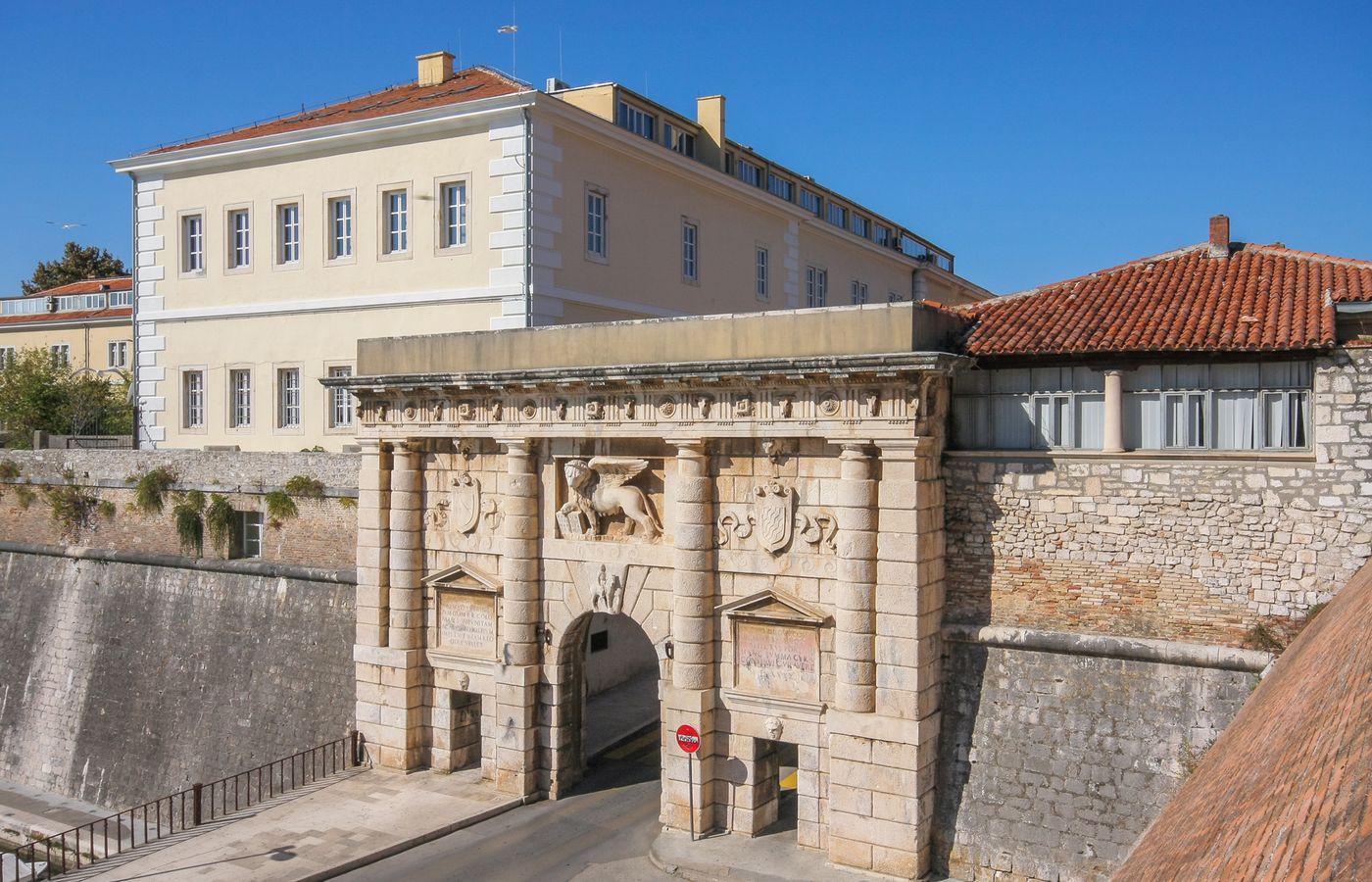
The Land Gate (Kopnena vrata) is the grand main entrance to the old town, a triumphal Renaissance archway built by the Venetians in 1543. Designed by the architect Michele Sanmicheli, it is considered one of the finest monumental gates on the Adriatic coast.
The gate is crowned by the winged lion of St Mark, symbol of Venice, above a relief of the city's patron St Chrysogonus on horseback. It opens onto the picturesque little Fosa harbour, once part of the city moat and now filled with small boats, making a photogenic approach to the old town.
Pro Tip: It is free and best viewed from the Fosa harbour side, where you can take in the full facade above the boats. Use it as your entry point to walk up through Five Wells Square into the old town.
9Kornati Islands - The Mediterranean's Densest Archipelago
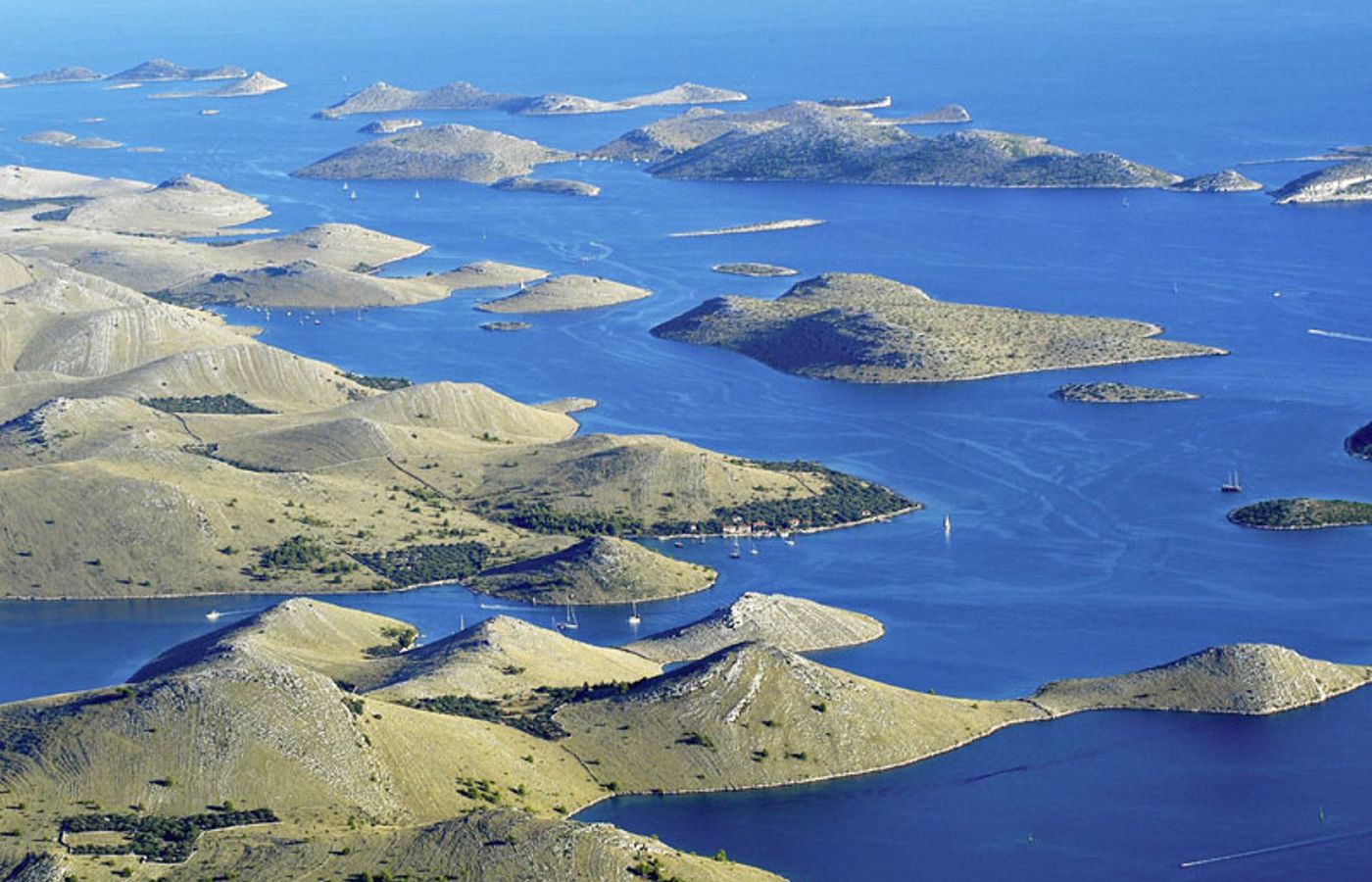
South of Zadar, the Kornati Islands form the densest archipelago in the Mediterranean, a labyrinth of around 150 mostly uninhabited islands, islets, and reefs, much of it protected as a national park. Their stark, treeless limestone slopes rise from astonishingly clear blue water.
The best way to experience them is on a full-day boat tour from Zadar, which typically weaves among the islands, stops for swimming and snorkelling in secluded coves, and includes a lunch of fresh fish. The dramatic cliffs, or crowns, on the seaward side are the archipelago's signature sight.
Pro Tip: Book a full-day boat tour from the harbour, ideally the day before in summer. Bring swimwear, sun protection, and water, as the islands are barren with little natural shade.
10Plitvice Lakes - Waterfalls and Turquoise Lakes
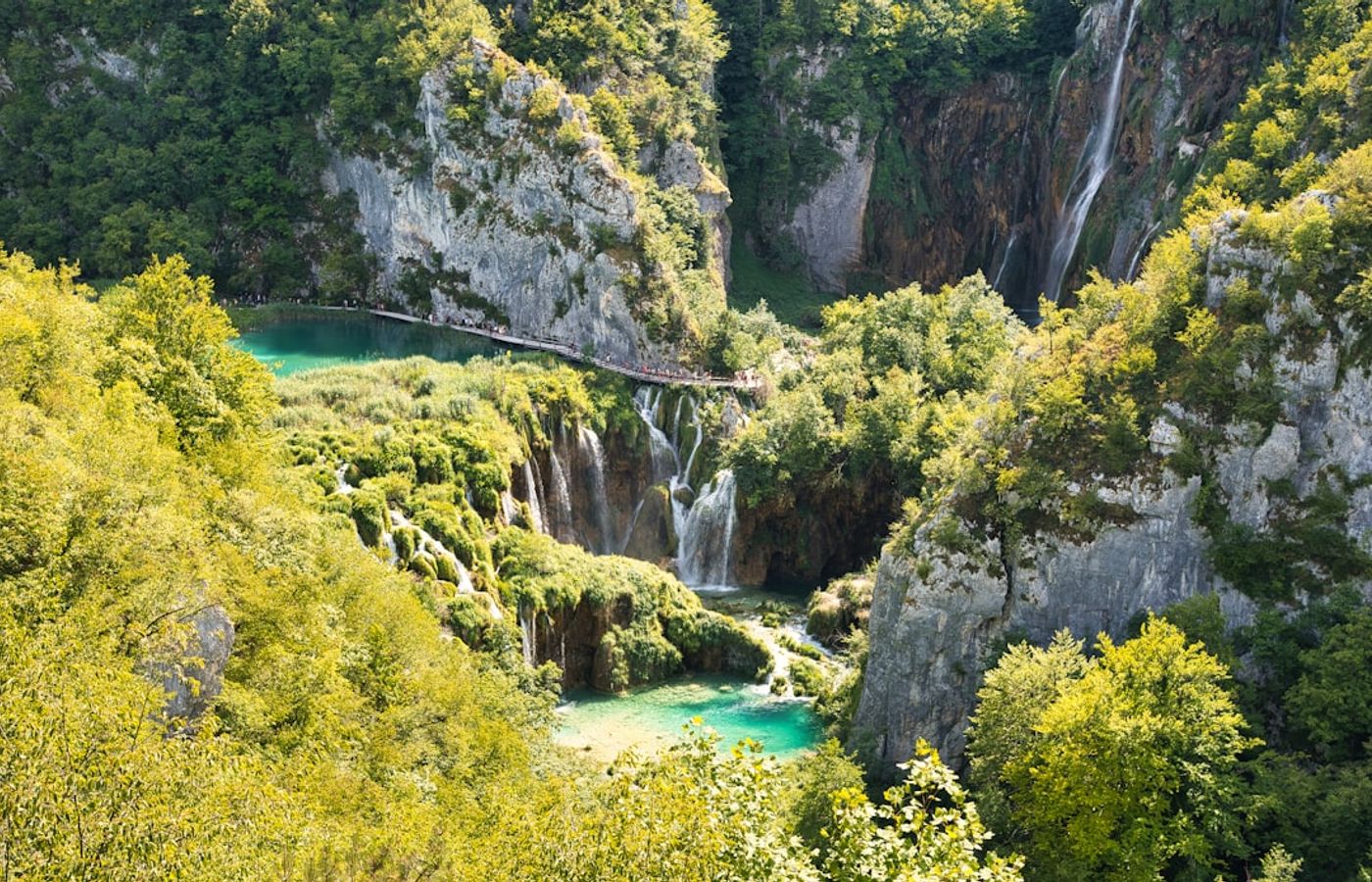
Croatia's most famous natural wonder, Plitvice Lakes National Park, lies within day-trip reach of Zadar and is a UNESCO World Heritage Site. Sixteen terraced turquoise lakes are linked by a spectacular cascade of waterfalls, set amid dense forest.
A network of wooden boardwalks and footpaths lets you walk right across and beside the water, past the great Veliki Slap waterfall and countless smaller cascades, with an electric boat and shuttle linking the upper and lower lakes. The colours of the mineral-rich water shift from emerald to azure through the day.
Pro Tip: It is about two hours from Zadar by car or bus, so start early. Book park entry in advance for summer visits, wear good walking shoes, and allow four to six hours on the trails.
Get hotel deals for Zadar
Price drops, new stays and local tips for Zadar, straight to your inbox.
No spam, unsubscribe anytime.

CEO and co-founder
Tomas is the co-founder and director of trip1, an European company specializing in reservation services. He launched the company in 2025 with a focus on building scalable, efficient operations.
10 Top Places to Visit in Zadar, Croatia - FAQ
The Sea Organ and the Sun Salutation at the tip of the peninsula, best at sunset and after dark. In the old town, see the Roman Forum, the round 9th-century Church of St Donatus and St Anastasia's Cathedral, whose bell tower gives the best view in town. Enter through the Venetian Land Gate and stop at Five Wells Square on the way in.
Its sunset and the two seafront installations built to enjoy it. The Sea Organ turns waves into music through pipes under marble steps, and the Sun Salutation, a 22-metre circle of glass plates, lights up after dark in rhythm with it. Alfred Hitchcock is said to have praised the sunset. Zadar is also known for 3,000 years of history in a lived-in old town.
Enter through the Land Gate from the Fosa harbour, pass Five Wells Square, then walk Kalelarga to the Roman Forum, St Donatus and St Anastasia's Cathedral. Climb the cathedral bell tower in late afternoon, then head to the tip of the peninsula for sunset at the Sea Organ and stay for the Sun Salutation's light show. The old town is walkable end to end in 20 minutes.
Two to three days. The old town sights fit into one full day on foot, from the Land Gate to the Sea Organ at sunset. The Kornati Islands and Plitvice Lakes are each full-day trips of their own, so add a day for every one you want to do. In summer, book the boat tour or park entry a day or more ahead.
Yes, on a full-day boat tour from the harbour. The Kornati form a labyrinth of around 150 mostly uninhabited islands, islets and reefs south of Zadar, much of it a national park. Tours usually stop for swimming and snorkelling in quiet coves and include a fish lunch. In summer, book the day before and bring sun protection and water, as there is little shade.
Yes, for a small entry fee. The round 9th-century Byzantine church on the edge of the Roman Forum is no longer used for worship, so the bare stone interior is open to visitors, with Roman altars and column pieces built into its foundations. In summer its acoustics host the Musical Evenings in St Donatus concerts. The Forum outside is free and floodlit at night.