Guides · Bologna
10 Best Things to Do in Bologna

CEO and co-founder
Things to do in Bologna reward the visitor who slows down. Italy's food capital - La Grassa, 'the fat one' - is also La Dotta ('the learned one') for its university, the oldest in Europe, and La Rossa ('the red one') for the terracotta porticos that line almost every street. This guide covers the 10 best Bologna activities, from the Gothic cathedral square at its centre to a 3.8 km portico that climbs a hill to a basilica and the food market that launched tagliatelle al ragu on the world.
Each entry includes exact addresses, transport directions, and a Pro Tip specific to that attraction. Bologna's historic centre is compact - Piazza Maggiore, the Torre degli Asinelli (Two Towers), the Archiginnasio, and the Quadrilatero food market are all within 10 minutes' walk of each other. The city is served by the Bologna Centrale railway station (Piazza Medaglie d'Oro 2, 15 min walk from the centre or 5 min by bus 38 or 30), which connects to Florence (35 min), Milan (1 hour), and Rome (2.5 hours by high-speed Frecciarossa).
Suggested routing: start at Piazza Maggiore in the morning before tour groups arrive, then work through the Archiginnasio and Quadrilatero by midday. After lunch, climb the Torre degli Asinelli, then spend the afternoon in the university district (Via Zamboni) and finish with an aperitivo at Mercato di Mezzo. The Portico di San Luca is best saved for a separate half-day.
1Piazza Maggiore - Bologna's Historic Central Square
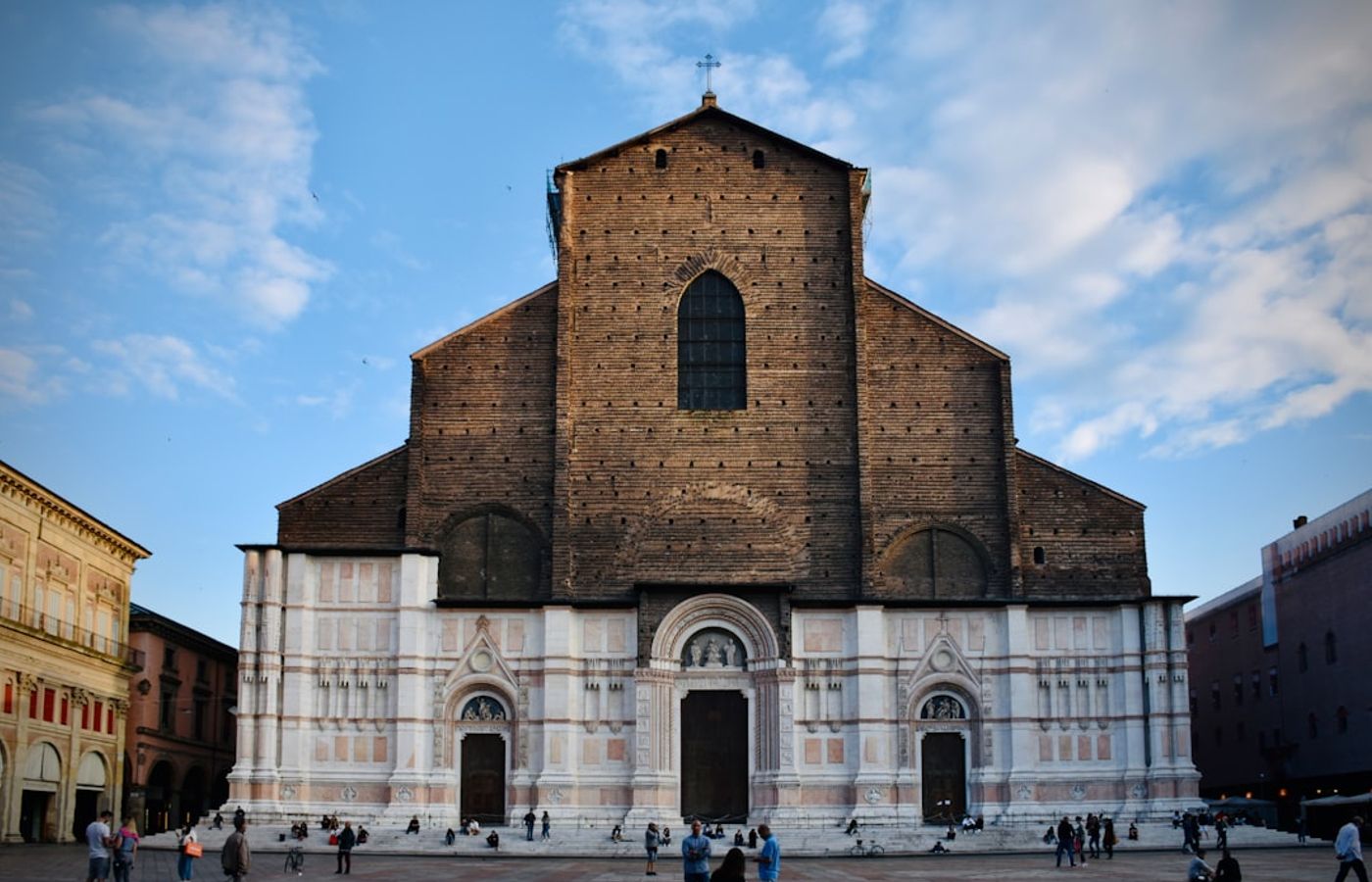

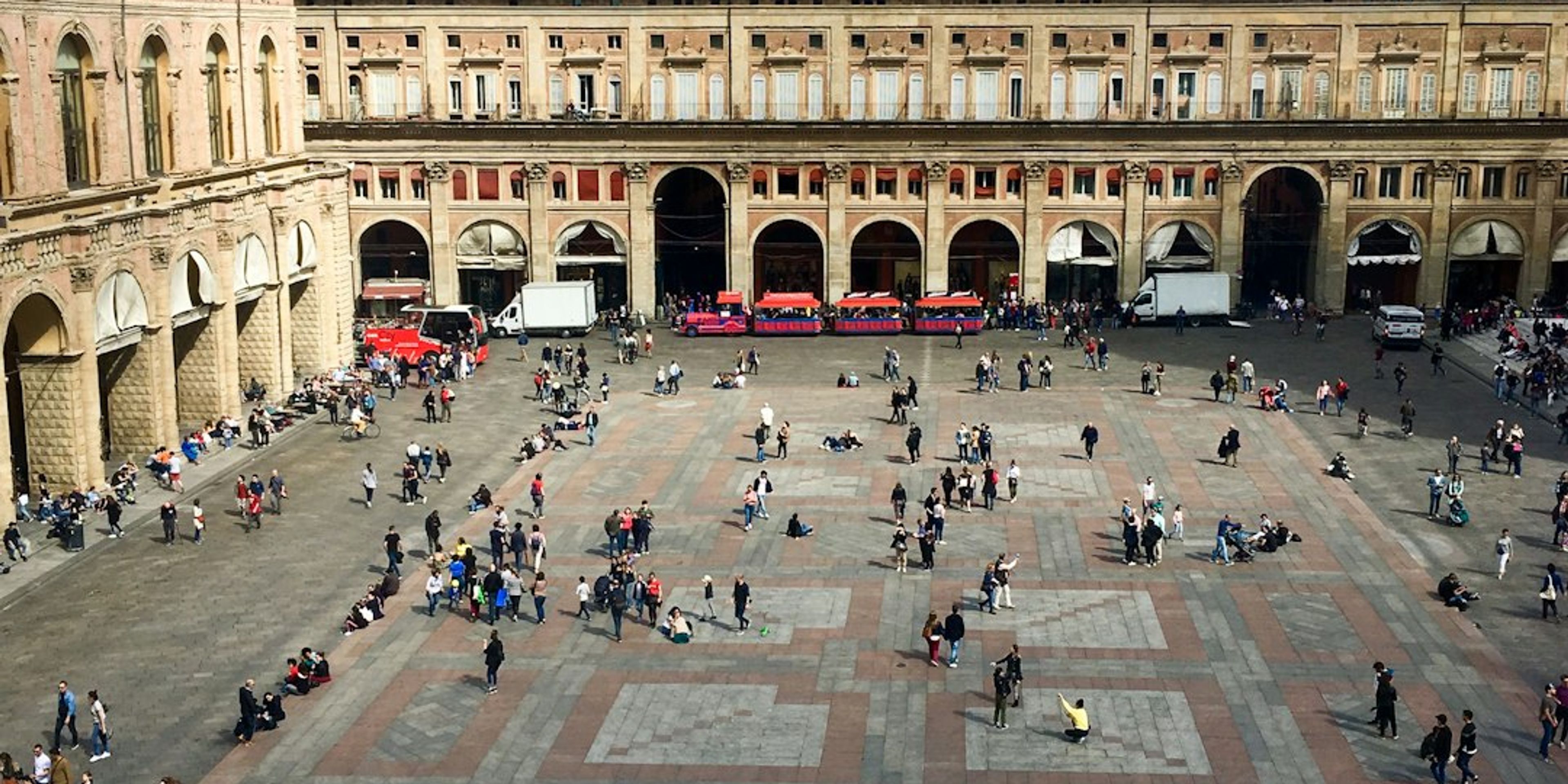
Piazza Maggiore is the civic and physical heart of Bologna, a rectangular medieval square surrounded by five centuries of institutional architecture: the Palazzo Comunale (city hall, with a huge painted Madonna by Giovanni da Modena above the main door), the Palazzo del Podesta, the Palazzo dei Banchi, and the west flank of the Basilica di San Petronio. The square has been the gathering place for the city's political life since the 13th century - and still is. Markets, concerts, outdoor cinema in summer, and the city's Christmas celebrations all happen here.
In the centre of the square stands the Neptune Fountain (Fontana del Nettuno), a 1566 bronze by Giambologna that Bolognesi affectionately call 'il Gigante' (the Giant). Entry to the square is free and open all hours; the surrounding palaces have varying opening times and most are free to enter.
Pro Tip: The Palazzo Comunale is free to enter and its upper floor rooms (Sala Rossa, Sala del Consiglio) have excellent frescoes and a view down onto the square below - almost nobody goes up. The entrance is through the archway on the left side of the building and the rooms are open during working hours, Monday to Friday.
2Torre degli Asinelli - The Iconic Leaning Tower of Bologna
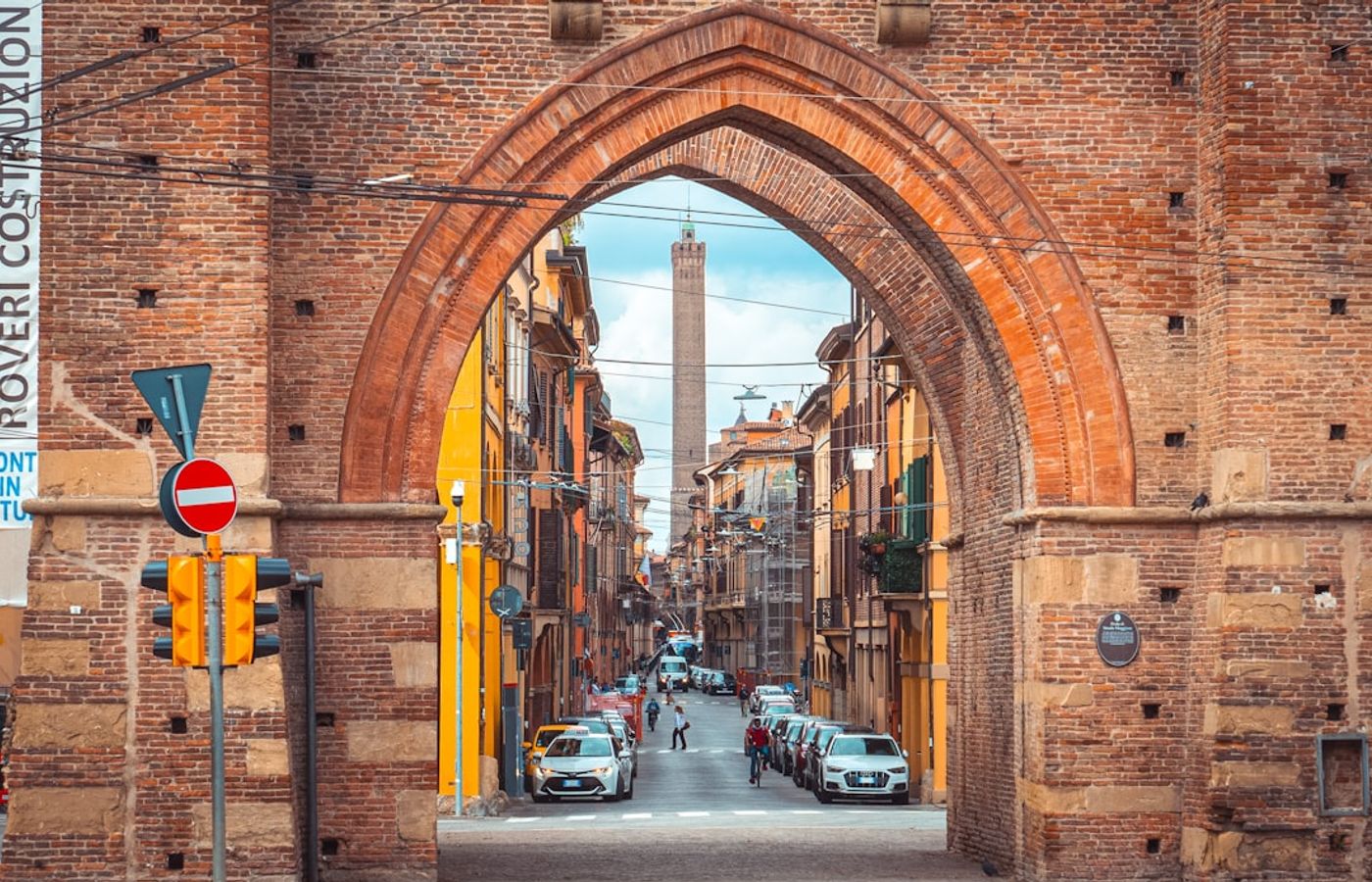

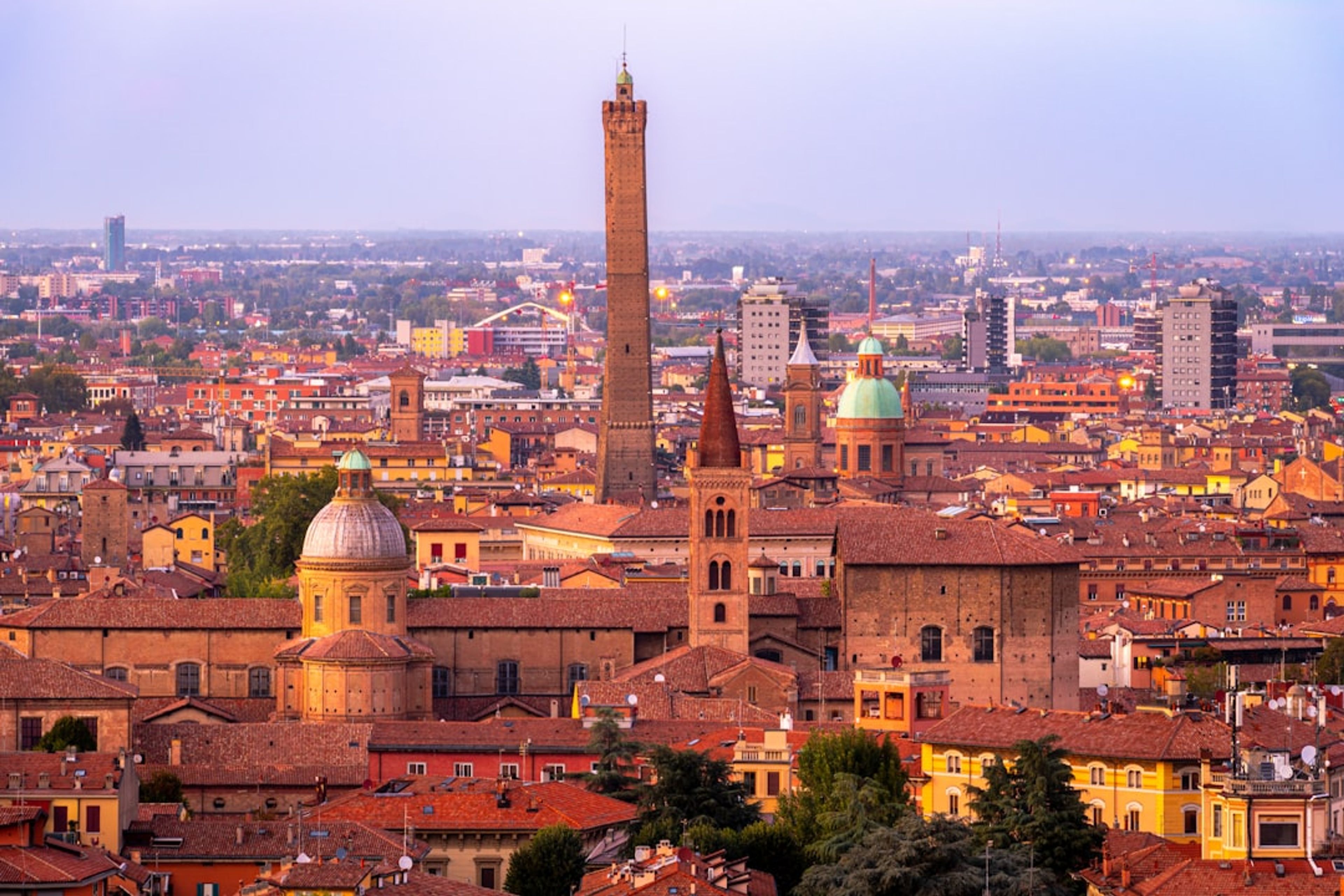
The Due Torri (Two Towers) are the most recognisable landmarks of Bologna and among the best-surviving examples of the medieval tower houses that once numbered over 100 across the city. The taller, Torre degli Asinelli (97.6 metres), was built between 1109 and 1119 and can be climbed via 498 steps - a tight, dark spiral staircase that emerges at a platform with 360-degree views over the red rooftops of Bologna, the Apennines to the south, and the Po Valley to the north. The shorter Torre Garisenda (48 metres) leans 3.2 degrees and is closed to visitors for structural stabilisation work.
Timed entry tickets for the Torre degli Asinelli cost 5 EUR and must be booked online at torredegliasinellib.it - walk-up availability is limited particularly at weekends. Opening hours are 9 AM to 6 PM daily in summer.
Pro Tip: Book the first entry slot (9 AM) or the last (5:30 PM). At 9 AM you'll have the tower nearly to yourself. At 5:30 PM the light on the Apennines turns warm and the shadows lengthen over the city below - the better photographic option of the two. The climb takes about 15-20 minutes; allow 20 minutes at the top.

3Portico di San Luca - The World's Longest Portico and Its Hill Basilica
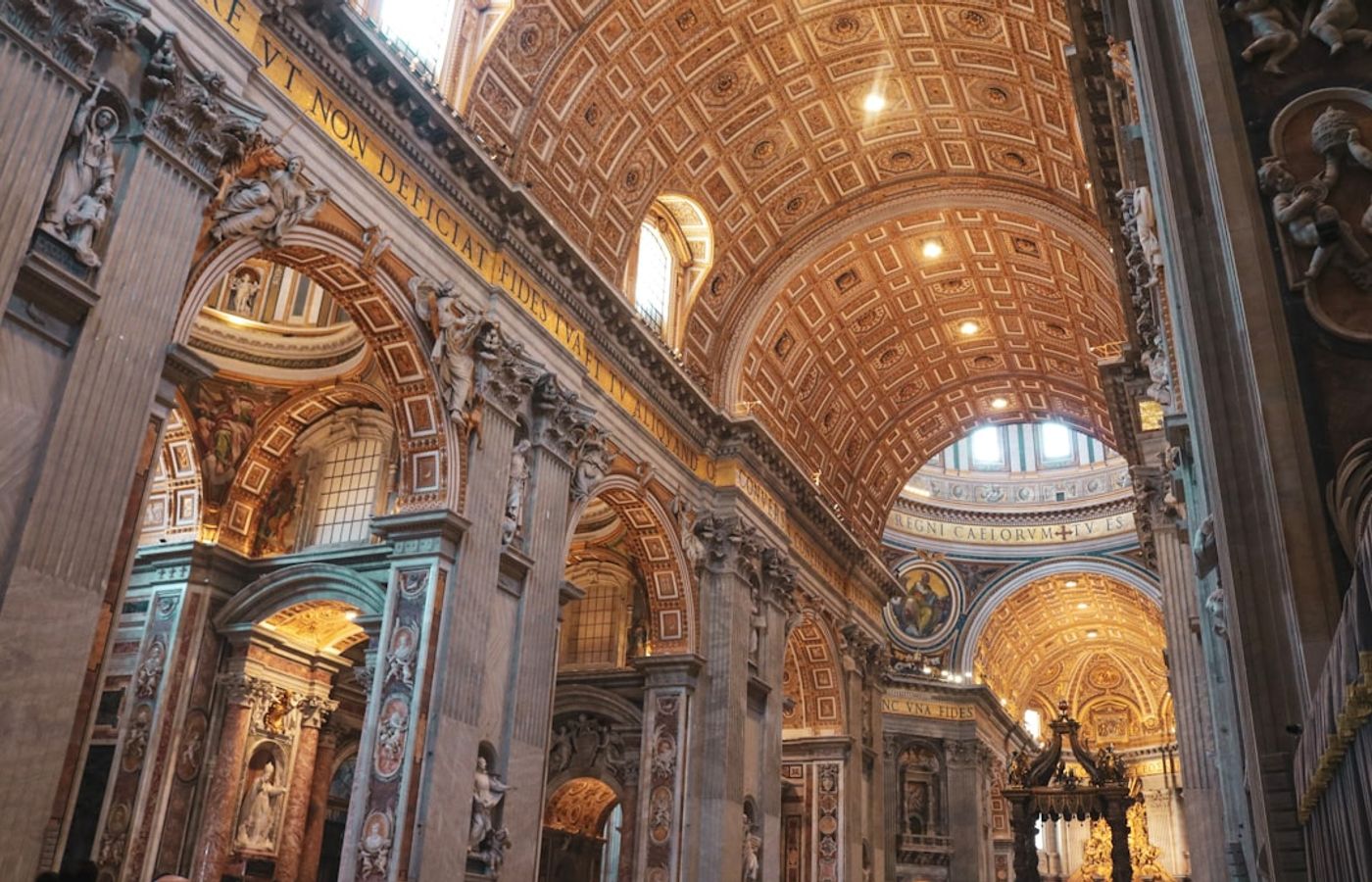
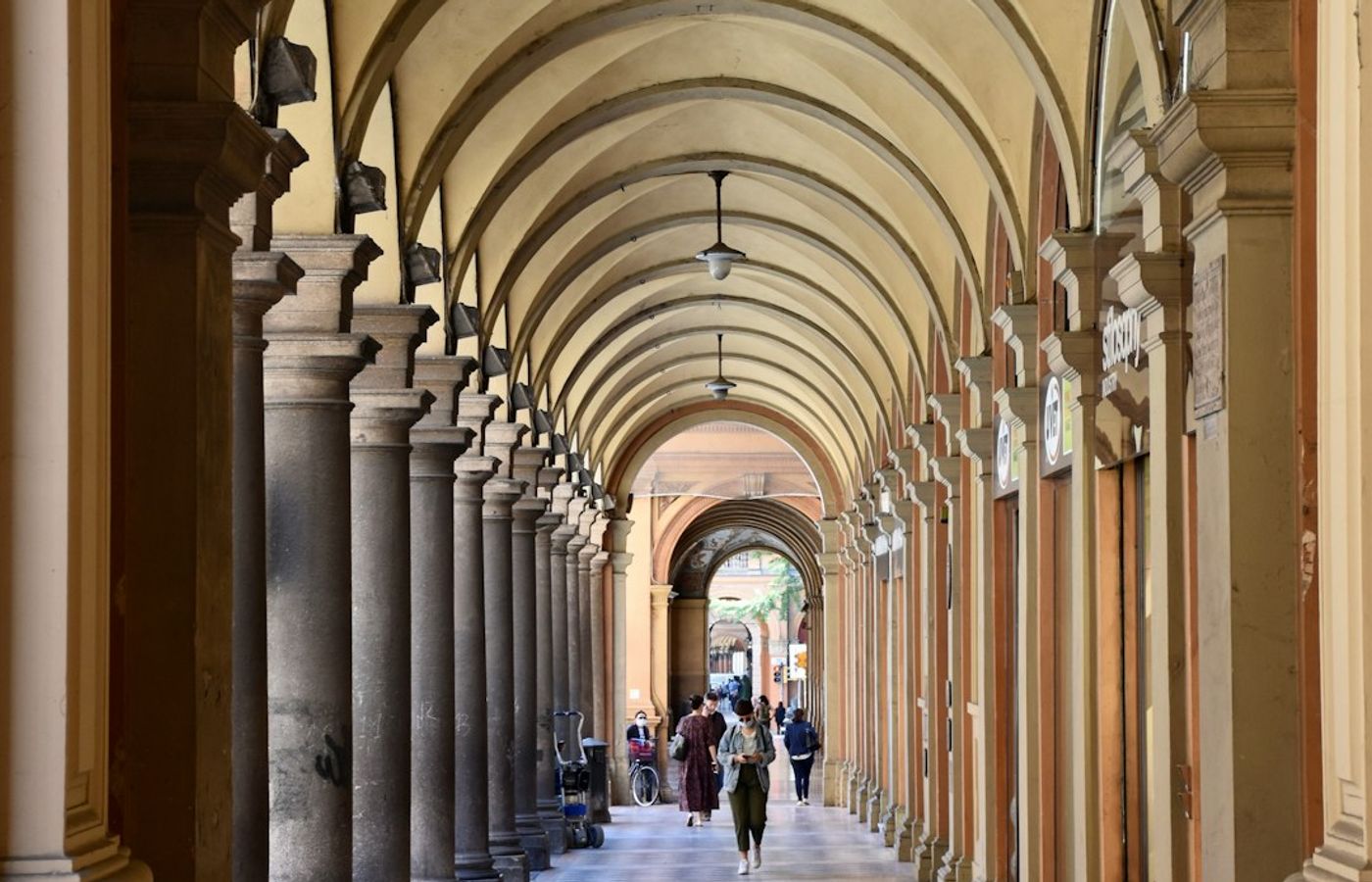
The Portico di San Luca (Portico of San Luca) is the longest portico in the world - 3.796 km of continuous covered arcade, 666 arches, climbing from the Arco del Meloncello gate on Via Saragozza to the Santuario della Madonna di San Luca on the crest of the Colle della Guardia (289 m above sea level). It was built between 1674 and 1739 to shelter a procession route and is a UNESCO World Heritage Site as part of the Bologna Porticoes designation. The walk up takes about 45-60 minutes and is genuinely beautiful - particularly the upper sections where the arches curve steeply up the hillside.
The basilica at the top is free to enter and holds a Byzantine icon of the Madonna that is processed down the hill to Bologna Cathedral every year on Ascension Thursday. The views from the terrace below the basilica over the entire Bologna plain and the Apennines behind are outstanding.
Pro Tip: Take the Portico di San Luca Express (a small tourism shuttle bus, Via Portico di San Luca, from about 5 EUR) up to the basilica and walk down - the descent is far easier on the legs and you have the view downhill through the arches the whole way. The walk down takes about 30-35 minutes and the arched perspective looking down the hill is the better photographic direction.
4Archiginnasio and Anatomical Theatre - Medieval University of Bologna
The Palazzo dell'Archiginnasio (Piazza Galvani 1) was the seat of the University of Bologna from 1563 to 1803 and contains one of the most extraordinary rooms in Italy: the Anatomical Theatre (Teatro Anatomico), a 17th-century wooden lecture hall where human dissection was publicly performed. The room is entirely lined with carved cedar wood - anatomical figures, heraldic shields, portraits of famous anatomists - with a professorial chair canopied by a carved skin-flayed cadaver. It was partially destroyed by Allied bombing in 1944 and meticulously reconstructed using original plans.
Entry to the Anatomical Theatre is 3 EUR; the building's cortile (courtyard) and the wall of student coat-of-arms inscriptions are free. Book online (archiginnasio.bo.it) as daily capacity is strictly limited. The building is open Monday to Saturday from 9 AM to 5 PM.
Pro Tip: Spend 20 minutes in the Archiginnasio courtyard before your Anatomical Theatre slot - the two-storey portico covered in student family crests (stemmi degli studenti) going back centuries is genuinely fascinating as a record of who studied here. The coats of arms line every wall and pillar of the courtyard.
5Basilica di San Petronio - Bologna's Unfinished Gothic Cathedral
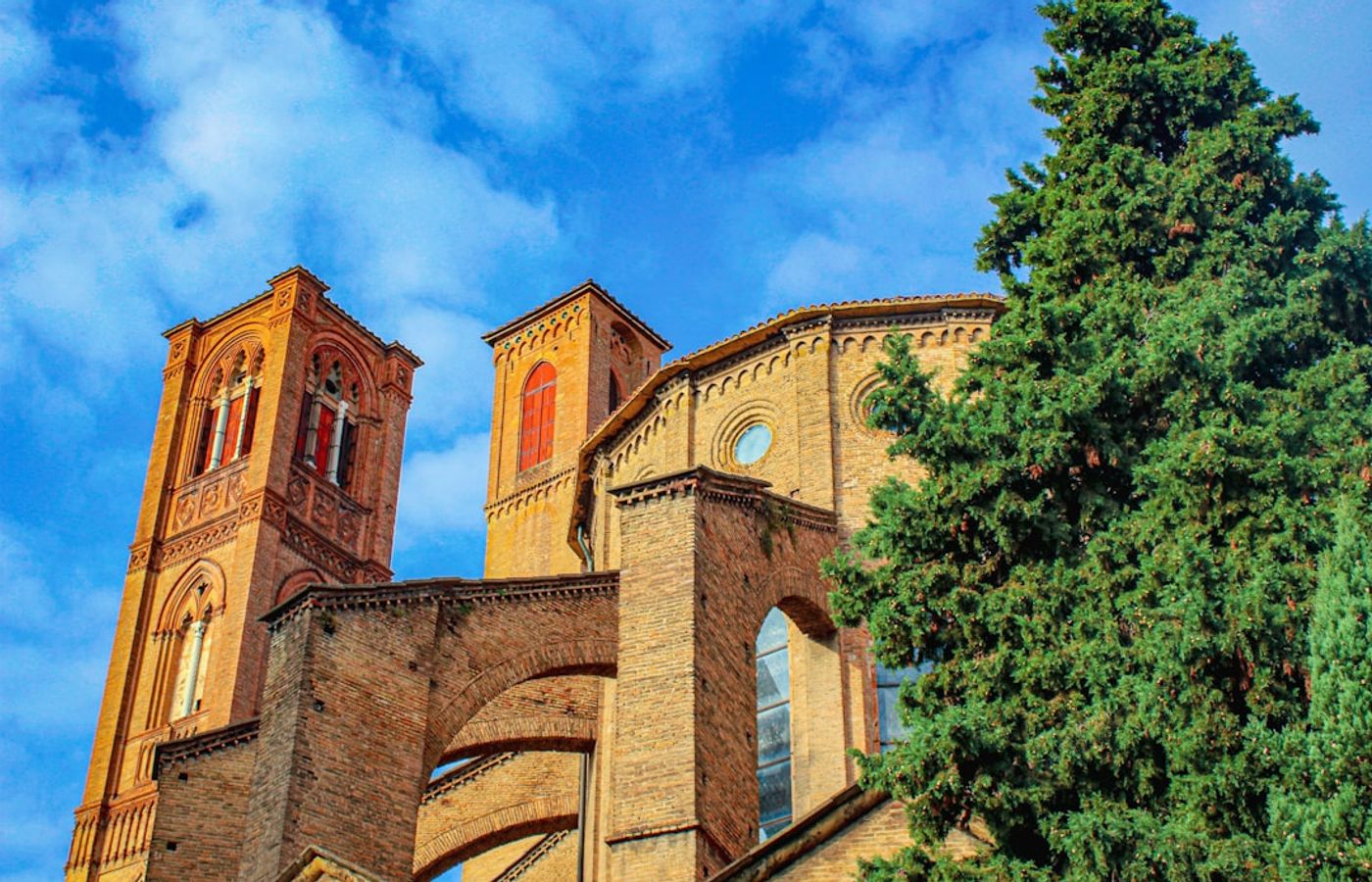
The Basilica di San Petronio (Piazza Maggiore 3) is the largest Gothic church in Italy by volume that was never completed - its facade is half marble and half bare brick, the marble cladding never applied above the middle tier because funds ran out in the 17th century. The interior is 132 metres long and 66 metres wide, with 22 side chapels containing some of the finest medieval and Renaissance art in Emilia-Romagna. In the left nave, an extraordinary meridiana line (a 17th-century solar observatory designed by Giovanni Domenico Cassini) crosses the floor - at solar noon, a beam of light through a hole in the facade traces the date.
Entry to the basilica is free. The small museum attached to it (side entrance) covers the building's construction history and holds terracotta models of the never-completed sections - entry 3 EUR.
Pro Tip: Visit at solar noon (approximately 1:10 PM local time in summer) to see the meridiana in action - the pin-hole beam of light tracks across the 67-metre marble line on the floor, precise enough to determine the date to within a day. Stand near the line from 12:50 PM and watch it cross.
6Quadrilatero - Bologna's Ancient Food Market District
The Quadrilatero is a medieval market district in the streets immediately east of Piazza Maggiore - four blocks of specialist food stalls and shops that have occupied the same streets since the Middle Ages. Via Pescherie Vecchie has the fish stalls, Via Caprarie the poultry and game, Via degli Orefici the cheese and charcuterie. The shops here sell mortadella di Bologna (the original, protected-designation version), tortellini, tagliatelle, Parmigiano Reggiano wheels, and Prosciutto di Parma at quality levels not available in supermarkets.
The market stalls operate Monday to Saturday from 7 AM to 1 PM. The surrounding streets have several osterie (traditional wine bars) serving standing lunches with wine from about 8-12 EUR. This is where Bolognesi actually buy food, not a tourist reconstruction - quality standards are very high.
Pro Tip: The tortellini from the specialist pasta shops in the Quadrilatero (particularly La Dispensa di Eataly, Via degli Orefici 17) are made fresh daily and are categorically different from anything sold in supermarkets. Buying 200g of fresh tortellini and a small container of ragu (about 5-8 EUR total) makes the best quick lunch in Bologna.
7Mercato di Mezzo - Bologna's Best Food Hall for Aperitivo
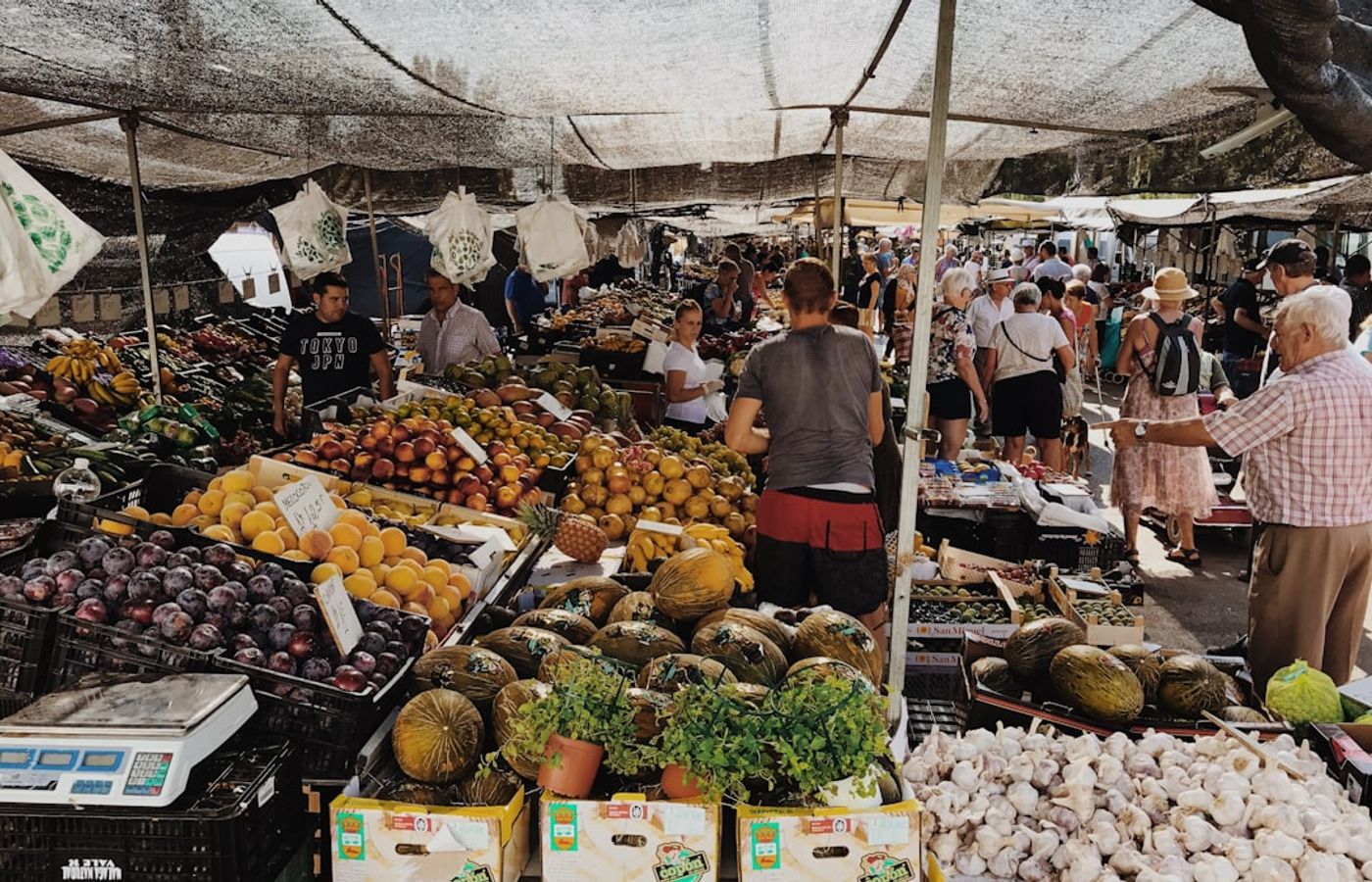
Mercato di Mezzo is a covered food hall occupying a medieval building on Via Clavature, one block south of Piazza Maggiore. It opened in its current form in 2014 as a multi-vendor market with stalls covering Bolognese specialities: fresh pasta, mortadella, tigelle (small flatbreads), craft beer, natural wine, and local charcuterie. Unlike tourist-focused food halls in other Italian cities, Mercato di Mezzo draws a genuine local crowd, particularly for the aperitivo hour between 5:30 PM and 8 PM.
The building dates to the 15th century and the ground floor stalls sell to take away as well as in-house. The Enoteca Italiana (wine shop) at the back of the market has one of the best selections of Emilia-Romagna wines by the glass - Lambrusco Grasparossa, Pignoletto, Sangiovese di Romagna.
Pro Tip: Visit at 6 PM on a weekday - the aperitivo hour in Mercato di Mezzo is genuinely atmospheric (standing room, busy, cheap wine by the glass) and gives you access to the food culture that most tourists miss by eating sit-down dinners. A glass of Pignoletto and a plate of mortadella and crescentine costs about 8-10 EUR.
8University of Bologna Quarter - Via Zamboni and the World's Oldest University
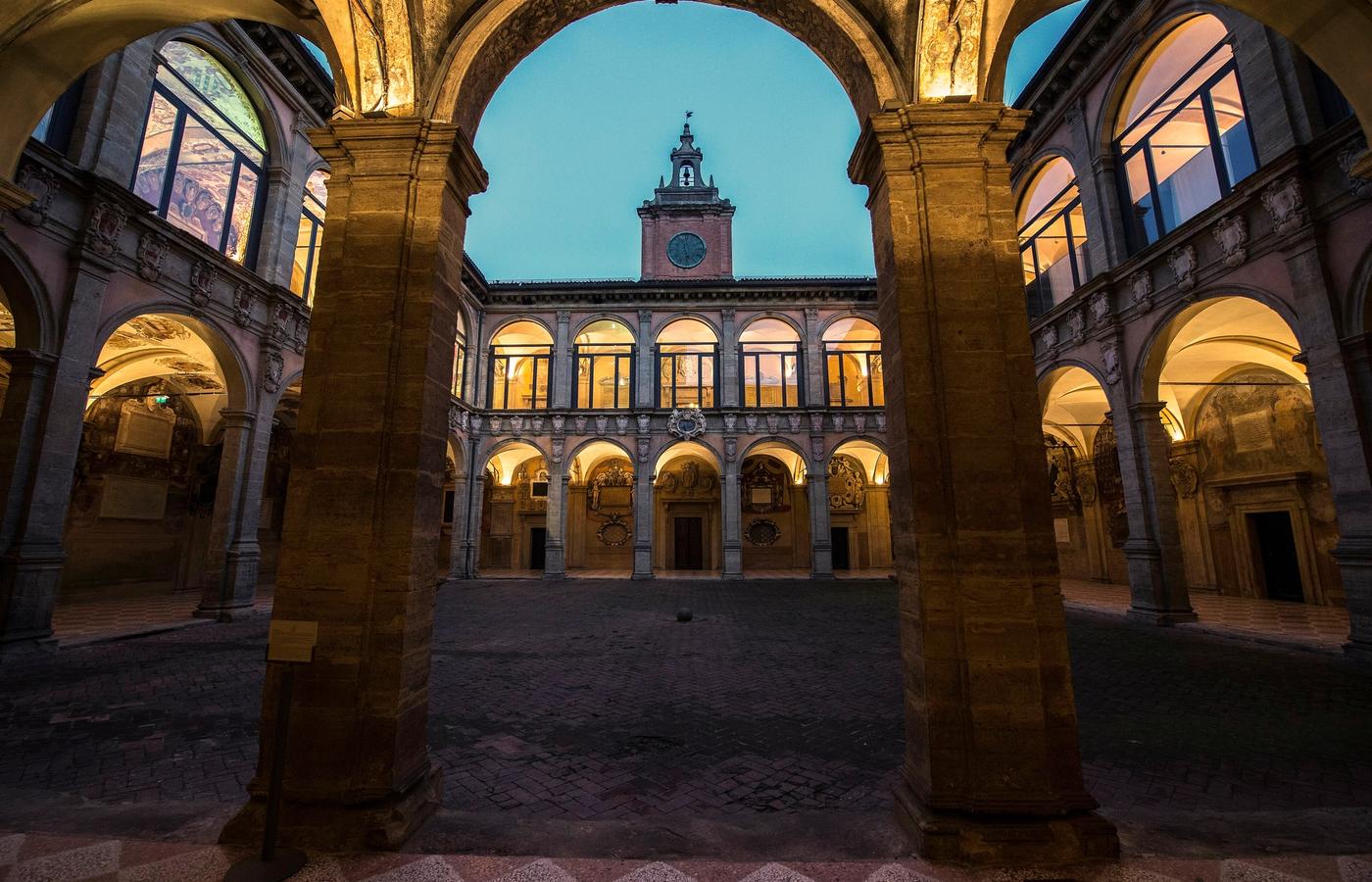
Via Zamboni and the university quarter (Universita di Bologna, Via Zamboni 33) is the most active academic street in Italy - lined with faculty buildings, student bars, bookshops, and osterie that have served generations of students since the university was founded in 1088. This is the oldest university in continuous operation in the western world and the neighbourhood around it retains the energy of a city organized around intellectual life. The covered porticos along Via Zamboni are particularly atmospheric in the evening.
The Museo di Palazzo Poggi (Via Zamboni 33, free entry) inside the university is a remarkable cabinet of curiosities from the university's scientific collections - anatomical wax models, natural history specimens, astronomical instruments, and historical maps. It's significantly less visited than the Archiginnasio and equally interesting.
Pro Tip: The osterie on Via delle Moline and Via del Pratello (the student bar streets one block from Via Zamboni) serve the cheapest and most authentic Bolognese food in the centre - pasta al ragu for about 8-9 EUR, wine from 2 EUR per glass. These streets are where students have eaten for centuries and the food standards remain high.
9Basilica di Santo Stefano - Bologna's Seven-Church Pilgrimage Complex
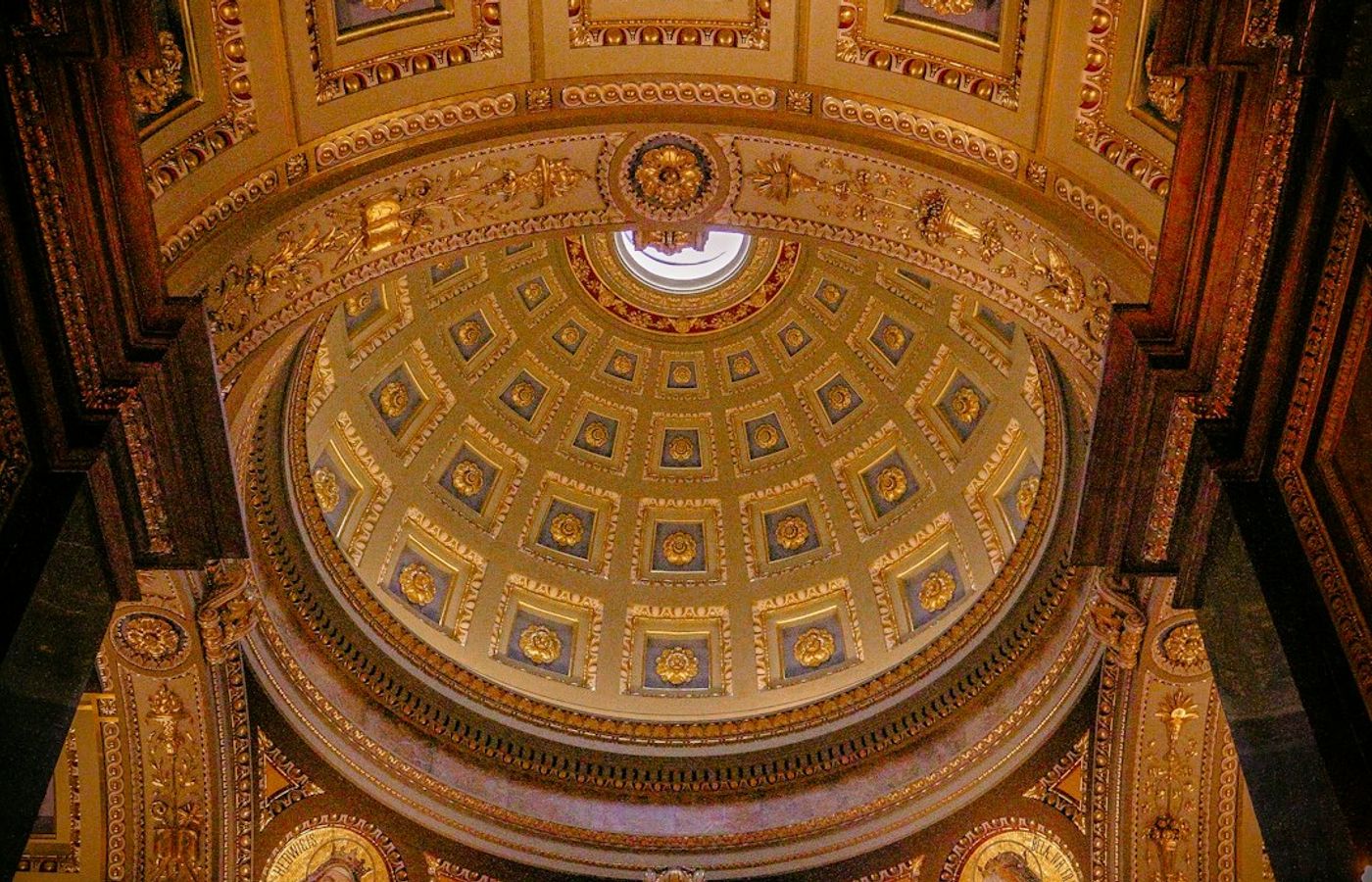
The Basilica di Santo Stefano (Via Santo Stefano 24) is the most unusual church complex in Bologna and one of the strangest in Italy - a cluster of seven interconnected buildings spanning 1,500 years of construction, from a Lombardic Martyrium of the 5th century to a Romanesque cloister of the 12th century. The complex was designed to evoke the holy sites of Jerusalem: the round church of the Sante Trinita replicates the Church of the Holy Sepulchre; the adjacent Cortile di Pilato has an 8th-century basin said to be Pontius Pilate's washbowl.
Entry is free. The complex is open daily from 8 AM to 6 PM. Via Santo Stefano itself is one of the most beautiful streets in Bologna, lined with medieval towers and Gothic porticos and ending at the complex's simple Romanesque facade.
Pro Tip: Enter through the far-left door into the Rotonda di San Sepolcro and allow your eyes to adjust - the oldest section of the church is built around a pre-Christian Roman sanctuary and the layers of history are visible in the walls. The 12th-century Romanesque cloister at the back (accessed from inside the complex) is the quietest and most beautiful part, and almost always empty.
10Museo Civico Medievale - Bologna's Best Medieval Collection
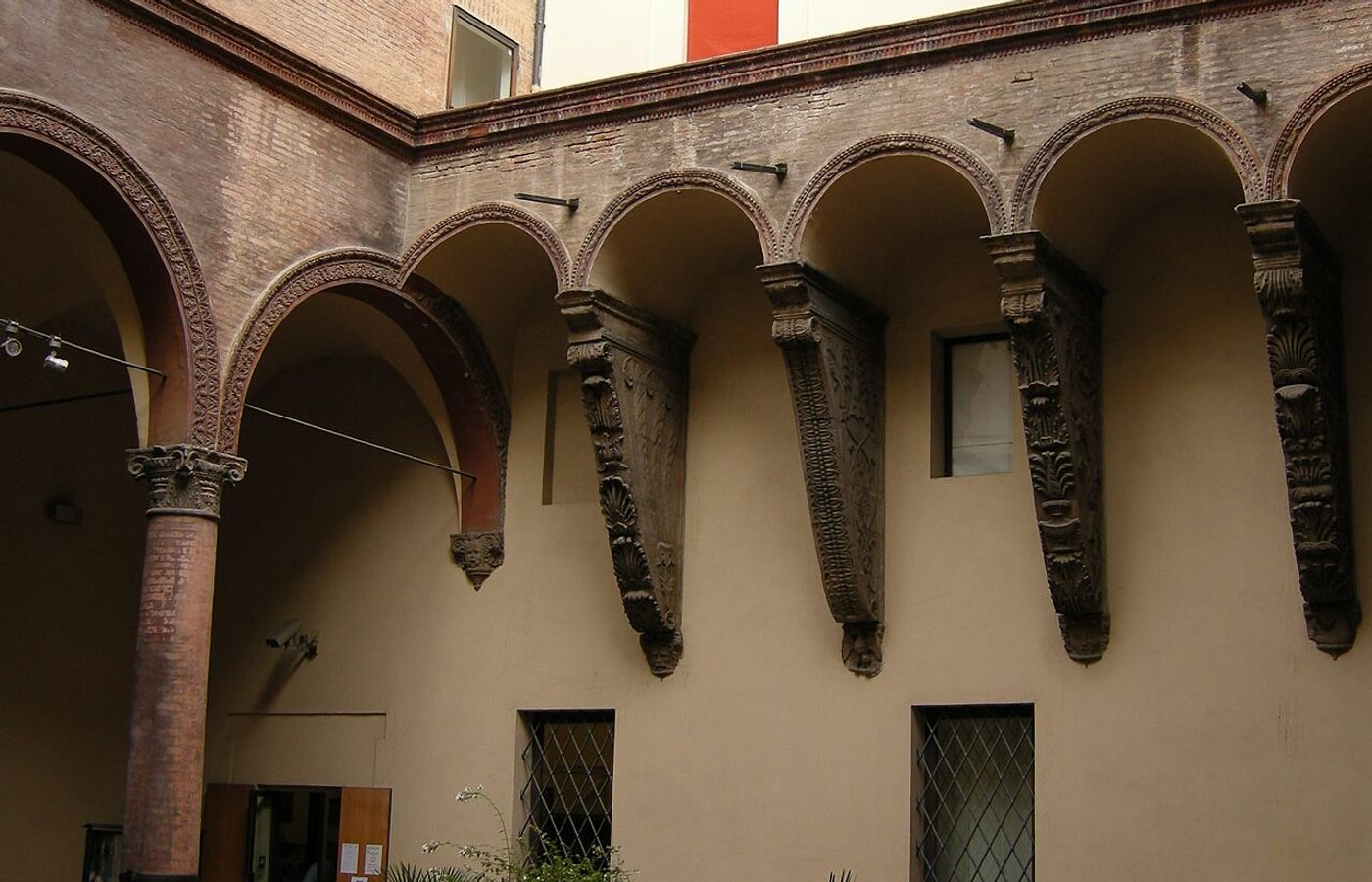
The Museo Civico Medievale (Via Manzoni 4, 40121) holds the most important medieval collection in Bologna and one of the finest in northern Italy, housed in the Gothic Palazzo Ghisilardi-Fava. The collection covers the 13th to 16th centuries with particular strength in bronze and marble funerary monuments, ecclesiastical metalwork, and the carved tomb slabs of the Glossatori - the legal scholars of the early university who are commemorated in elaborate Gothic marble sarcophagi that originally stood outside the Archiginnasio.
Entry is 6 EUR and frequently covered by the Bologna Welcome Card. The museum is open Tuesday to Sunday, 10 AM to 6:30 PM. It's consistently less crowded than the Archiginnasio but gives better historical context for the medieval city.
Pro Tip: The first floor of the museum has a bronze effigy of Pope Gregory XIII - a Bolognese native who reformed the calendar in 1582 (the Gregorian calendar is named for him). The room containing the Glossatori tomb monuments on the ground floor is one of the most atmospheric in Bologna, with 13th-century carved portraits of scholars above their stone sarcophagi.
Get hotel deals for Bologna
Price drops, new stays and local tips for Bologna, straight to your inbox.
No spam, unsubscribe anytime.

CEO and co-founder
Tomas is the co-founder and director of trip1, an European company specializing in reservation services. He launched the company in 2025 with a focus on building scalable, efficient operations.
10 Best Things to Do in Bologna - FAQ
Piazza Maggiore with the Neptune Fountain and the Basilica di San Petronio, the Anatomical Theatre in the Archiginnasio, the Quadrilatero food market and the seven-church complex of Santo Stefano. Walk the Portico di San Luca, 3.8 km and 666 arches up to a hilltop basilica. The Torre degli Asinelli is closed to climbers, so climb the Torre dell'Orologio for the view.
Yes. It is Italy's food capital, home to the oldest university in continuous operation in the western world, founded in 1088, and its porticoes are a UNESCO World Heritage Site. The centre is compact and many sights are free, including San Petronio and Santo Stefano. Fast trains reach Florence in 35 minutes and Milan in an hour, so it also makes an easy base.
Start at Piazza Maggiore before the tour groups arrive, then see the Anatomical Theatre at the Archiginnasio and the Quadrilatero by midday, with fresh tortellini for lunch. Spend the afternoon at Santo Stefano and the university quarter on Via Zamboni, and finish with an aperitivo at Mercato di Mezzo from 17:30. Save the Portico di San Luca for a second half-day.
Tagliatelle al ragu and fresh tortellini from the pasta shops of the Quadrilatero. Try mortadella di Bologna, the original protected version, with tigelle or crescentine flatbreads, ideally at an aperitivo in Mercato di Mezzo with a glass of Pignoletto or Lambrusco. In the student osterie on Via delle Moline, pasta al ragu costs about 8 to 9 euros.
Yes. Piazza Maggiore, the Two Towers, the Archiginnasio and the Quadrilatero are all within 10 minutes' walk of each other, and porticoes line almost every street, so you stay dry in rain and shaded in summer. Bologna Centrale station is a 15-minute walk from the centre, or 5 minutes by bus 30 or 38.
Good value by Italian standards. Many main sights are free, including Piazza Maggiore, the Basilica di San Petronio and Santo Stefano, and the Anatomical Theatre costs 3 euros. A standing lunch with wine in the Quadrilatero runs about 8 to 12 euros, a glass of Pignoletto with mortadella at Mercato di Mezzo about 8 to 10, and wine in student bars starts at 2 euros.