


Guides · Rome
7 Best Gelato Spots in Rome
By Tomas Achmedovas · CEO and co-founder

CEO and co-founder
Finding the best gelato in Rome is less about luck and more about reading the signs of authentic gelato: dull natural colours instead of neon mounds, stainless-steel tubs with lids rather than plastic bins piled high, and flavours that taste of the actual ingredient rather than sugar and air. This guide ranks 7 gelaterias that pass every test, from a Pantheon institution open since 1900 to a Trastevere workshop where the fruit sorbets change with the season.
Each entry gives you the exact street address, the nearest Metro or bus stop, walking distance from the historic centre, and a Pro Tip drawn from how Romans actually order. The spots are grouped loosely by neighbourhood so you can plan an efficient route: four sit within a short walk of the Pantheon and Piazza Navona, one is steps from the Trevi Fountain, one anchors Campo de' Fiori, and one rewards the stroll across the river into Trastevere.
Expect to pay roughly EUR 3 for a small cone or cup and EUR 5 to 6 for a large, with most shops letting you combine two or three flavours per serving. Prices, opening hours, and seasonal flavours below reflect 2026.
Check dates for Rome
See what is available on your dates.
1Giolitti - The Pantheon Institution Serving Since 1900
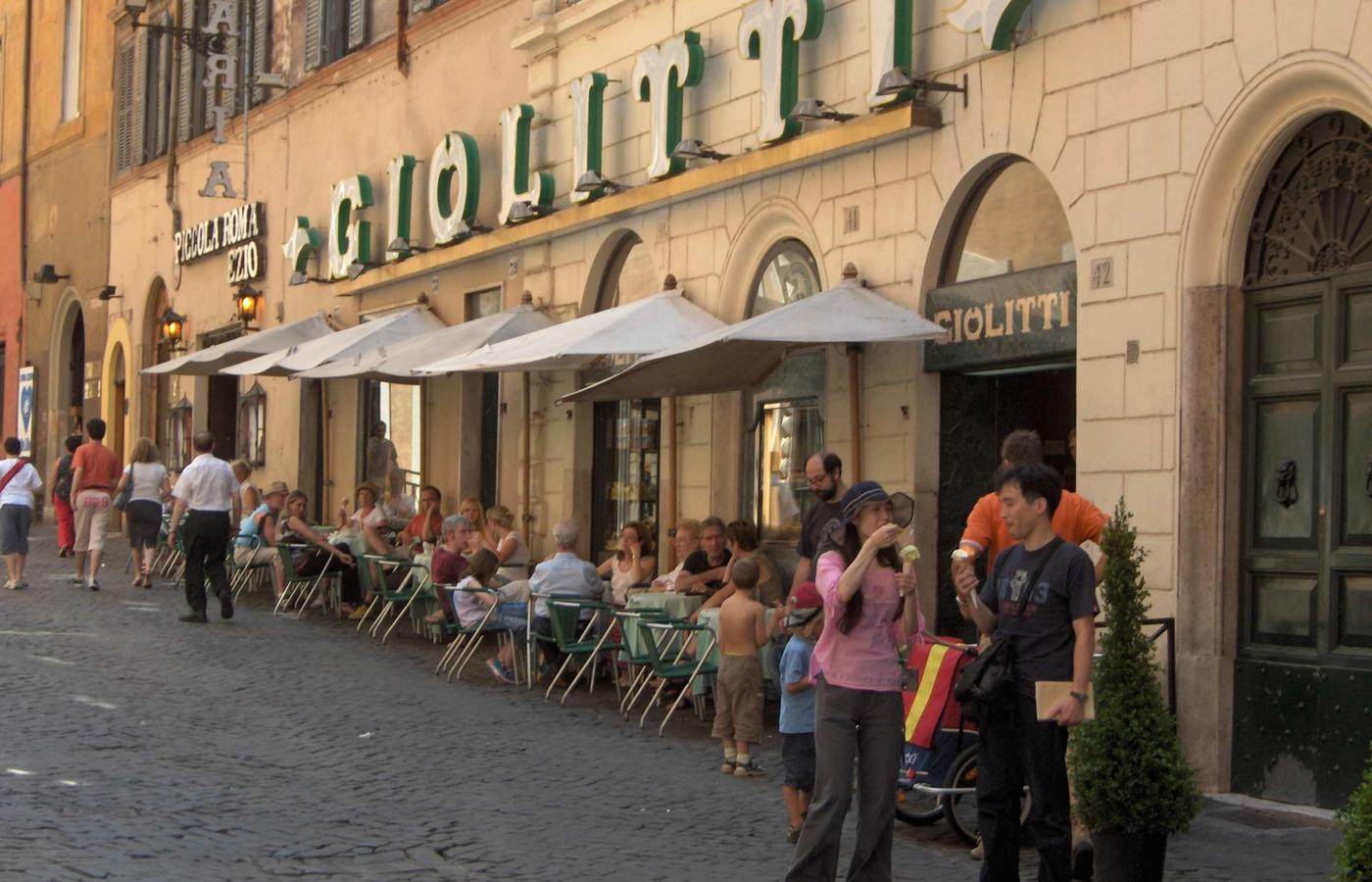

Giolitti is the oldest name on this list of the best gelato in Rome, scooping since 1900 from a marble-and-brass counter a three-minute walk north of the Pantheon. The bright green signage on Via degli Uffici del Vicario is hard to miss, and so are the crowds - this is a working Roman institution as much as a gelateria.
The ordering system trips up first-timers. You pay at the cashier first, collect a receipt, then carry it to the gelato counter at the back and call out your flavours. Hesitation costs you, so decide in advance. The creamy pistachio paired with the boozy zabaione is the move regulars swear by, and the tiramisu and Indian fig are also strong. Dozens of flavours sit alongside cakes and pastries by the door.
2Gelateria del Teatro - Creative Flavours Beside Piazza Navona


A four-minute walk from Piazza Navona on Via dei Coronari, Gelateria del Teatro is where to go when you want flavour combinations you will not find at a standard counter. A small herb garden sits above the shop, and that kitchen-garden sensibility runs through the menu: white chocolate and basil, ricotta with fig and almond, dark chocolate spiked with Nero d'Avola wine.
Everything is made on site in the glass-walled laboratory you can watch from the street, using seasonal fruit and natural ingredients. The fruit sorbets and granita are especially good in the Roman summer heat. Because the flavours rotate, two visits a week apart rarely show the identical line-up. A second, smaller entrance around the corner on Via di San Simone helps when the main door is jammed.
3Il Gelato di San Crispino - Honey Gelato in Sealed Cups Near the Trevi Fountain

A two-minute walk from the Trevi Fountain on Via della Panetteria, Il Gelato di San Crispino built its reputation on a purist streak. The signature flavour is gelato al miele, made with wild Sardinian honey, and the kitchen refuses to serve anything in a cone - cones, the owners argue, mask the taste, so every order comes in a cup.
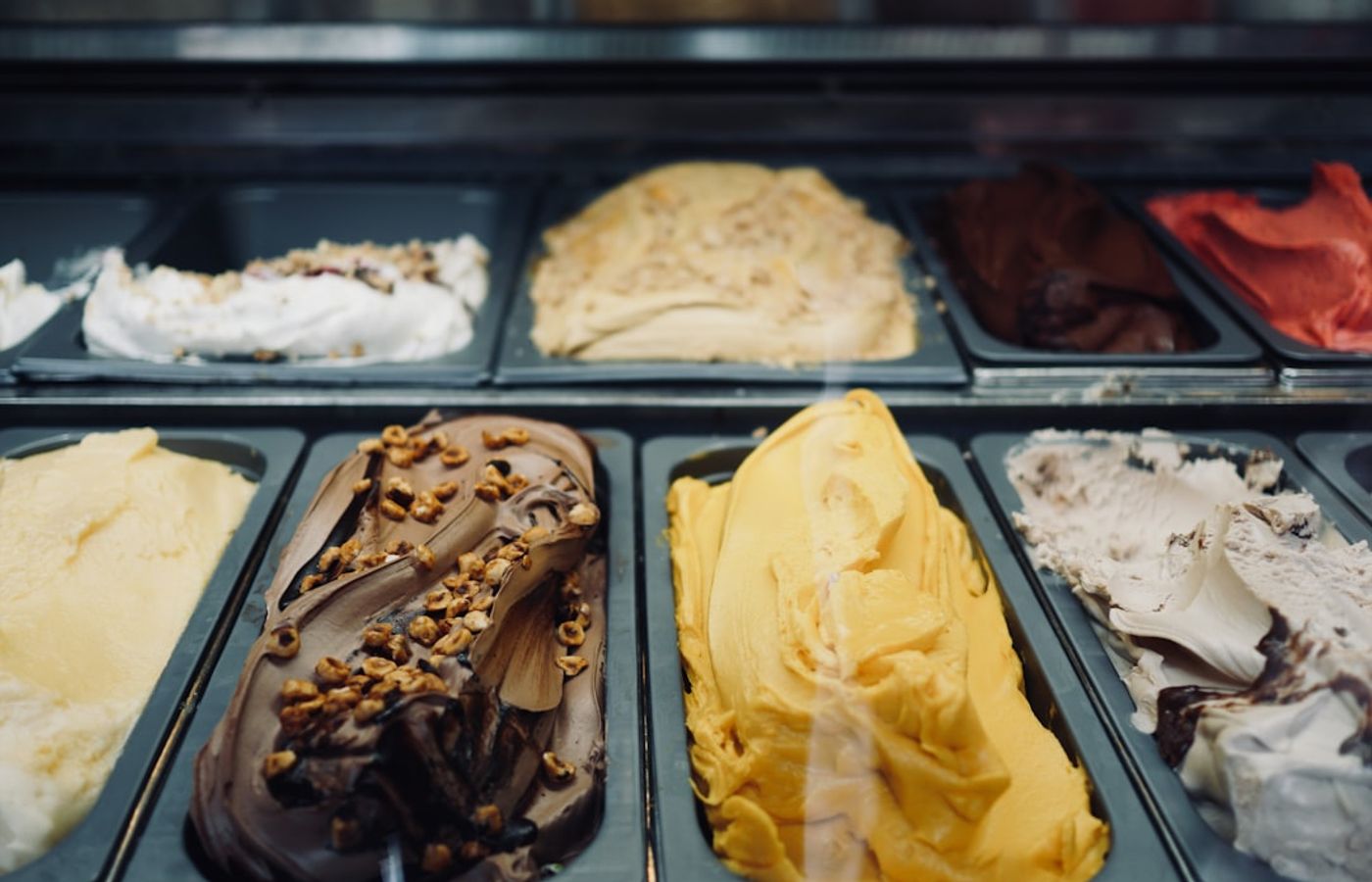
The flavours rest in covered metal pozzetti rather than open tubs, kept away from the light and air that dull quality gelato. Beyond the honey, look for the seasonal fruit sorbets and the cinnamon-and-ginger cream. There is no neon and no upselling here, just a short and serious list. It is one of the few genuinely excellent gelaterias this close to a major monument, which makes it a rare honest option in a heavily touristed zone.
Check dates for Rome
See what is available on your dates.
4Frigidarium - The Chocolate-Dipped Cone by Piazza Navona

On Via del Governo Vecchio, a short walk from Piazza Navona, Frigidarium draws one of the most reliable lines in the city centre. Its calling card is the dip: ask for it and your scoop is plunged into melted dark or white chocolate that hardens into a crisp shell within seconds, at no extra cost.
The house flavour, also called Frigidarium, is a cream studded with biscuit pieces, and the pistachio and stracciatella hold their own. This is not the most experimental gelato in Rome, but the quality stays consistent and the location is hard to beat for an after-dinner passeggiata through the centro storico. Expect to queue at almost any hour in 2026, particularly on warm evenings when the surrounding lanes fill up.
5Fatamorgana - All-Natural, Gluten-Free Invention at Campo de' Fiori
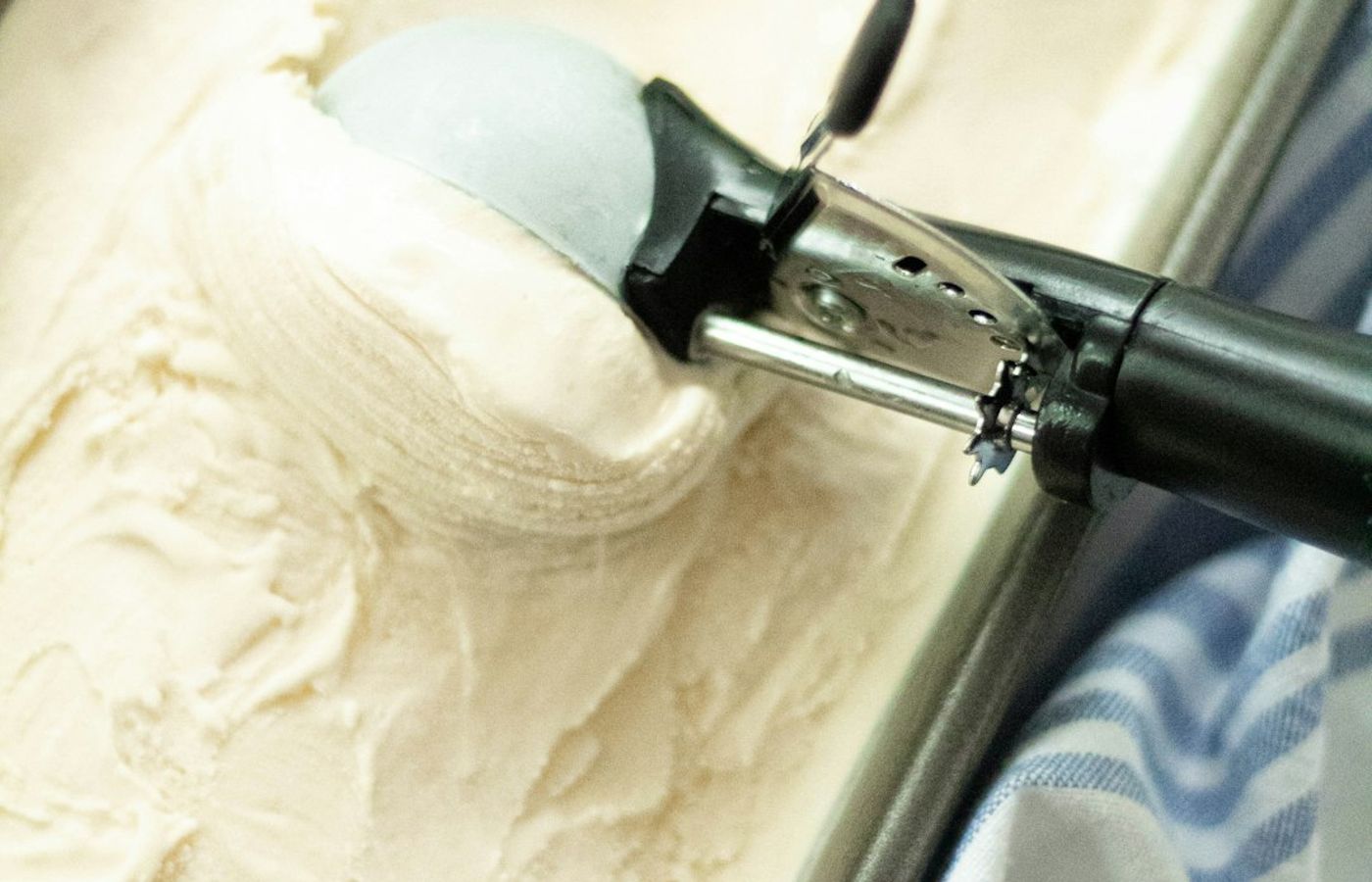
Fatamorgana runs several shops across Rome, and the Campo de' Fiori branch on Via dei Chiavari is the handiest for first-time visitors. The draw is invention within strict rules: every flavour is all-natural and gluten-free, and the rotating menu reaches into territory most gelaterias avoid, such as peaches and wine or banana cream with sesame.
For something more grounded, the Bronte pistachio and the milk-mint-chocolate are the standouts, the mint sharper and fresher than you expect. Because the kitchen leans experimental, it is worth asking for a taste before committing - not every combination lands for every palate, and the staff expect the question. The shop is small with little seating, so plan to eat on the move through Campo de' Fiori.
6Otaleg - Trastevere's Seasonal, Dairy-Free Sorbet Specialist
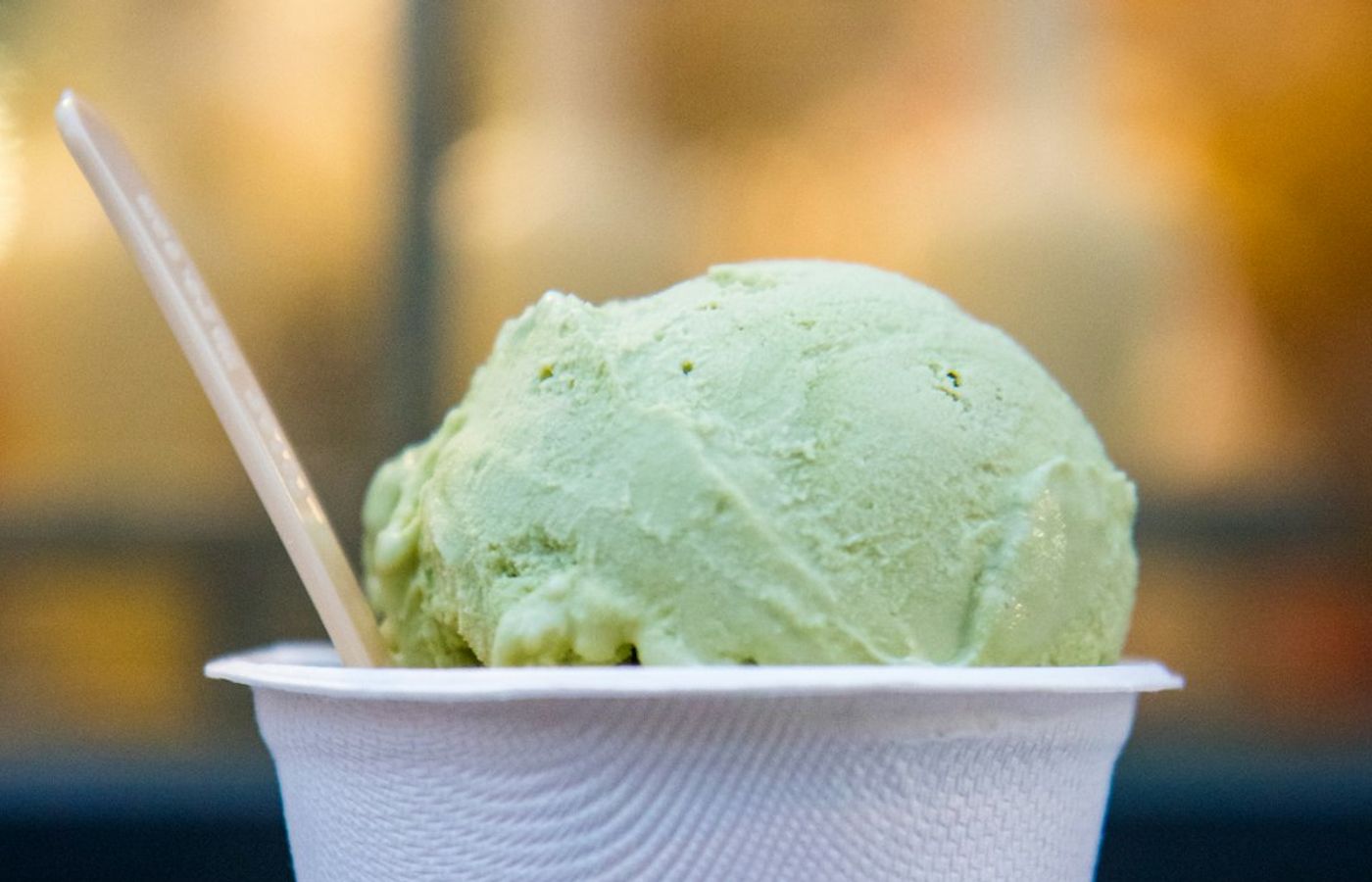
Otaleg - gelato spelled backwards - sits on Via di San Cosimato in Trastevere, between two of the neighbourhood's main piazzas. It was founded by an alumnus of one of Rome's pioneering gourmet gelato-makers, and the ingredient quality shows: order pistachio and you get real nuts and visible flecks rather than a smooth green paste.
The fruit flavours change with the season and are all dairy-free, which makes this one of the better stops for anyone avoiding milk. The stracciatella is silky and the dark chocolate is genuinely rich. Be honest with yourself about flavour strength, though - some visitors find the all-natural approach more subtle than punchy. Crossing the river into Trastevere takes a little effort from the centre, but the cup in hand pairs well with a wander through the area's lanes.
7Gelateria La Romana - A Polished Chain Worth the Exception
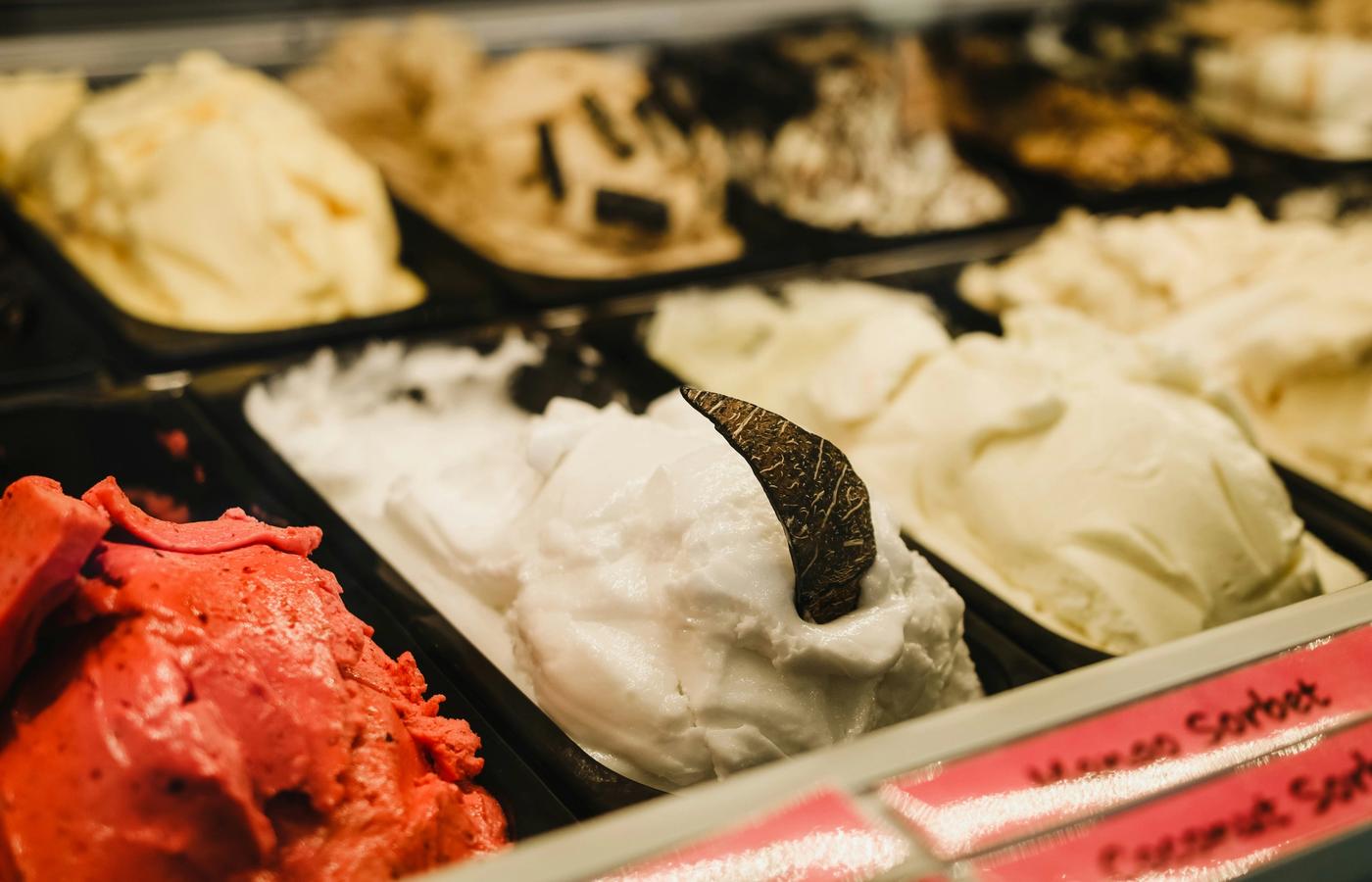
Most gelato purists steer away from chains, but Gelateria La Romana, running since 1947 and now found across Rome and well beyond, earns an exception. The texture sits on the creamier side, and the flavours stay consistent from one branch to the next, which is reassuring when you are far from the centre.
A signature touch is the dark chocolate piped into the bottom of the cone before the gelato goes in, so the final bite is as good as the first. The crema and the classic cream flavours are dependable, and the cakes and pastries in the case are worth a glance. Lines build because the shops are popular with locals and tourists alike. This is the kind of place to use when you are near one rather than to cross the city for.
Take this guide with you
Get every place in this guide, with addresses and map links, in your inbox — easy to open on your phone during the trip.
One email to the address on your account. No newsletter.

CEO and co-founder
Tomas is the co-founder and director of trip1, an European company specializing in reservation services. He launched the company in 2025 with a focus on building scalable, efficient operations.
7 Best Gelato Spots in Rome - FAQ
Gelateria Fassi, also called Palazzo del Freddo, founded in 1880 and now in the Esquilino district, is Rome's oldest. Giolitti, near the Pantheon, has been scooping since 1900 and is the city's most famous historic gelateria.
Giolitti near the Pantheon, open since 1900, Il Gelato di San Crispino by the Trevi Fountain, known for its honey gelato served only in cups, and Frigidarium near Piazza Navona, which dips your scoop in chocolate for free. Gelateria del Teatro, Fatamorgana, Otaleg in Trastevere and Gelateria La Romana are the other names Romans recommend.
No. It's busy with tourists, but it is a working Roman institution that has made gelato since 1900. The system confuses first-timers: pay at the cashier first, then take your receipt to the counter and name both flavours at once. Regulars order the pistachio with zabaione.
Look for the signs rather than the location: muted, natural colours, gelato kept in covered metal tubs instead of piled-up mounds, and a short menu. Il Gelato di San Crispino near the Trevi Fountain keeps its flavours in lidded pozzetti, Otaleg in Trastevere uses real nuts in its pistachio, and Fatamorgana is entirely natural and gluten-free.
About 3 euros for a small cone or cup and 5 to 6 euros for a large in 2026, and most shops let you combine two or three flavours in one serving. At Frigidarium the chocolate dip is free, and Gelateria La Romana will line your cone with melted chocolate if you ask.