

Guides · Capri
10 Best Things to Do in Capri

CEO and co-founder
Capri sits four nautical miles off the Sorrentine Peninsula, a limestone island roughly 10 square kilometres in size that has drawn visitors since the Roman emperors Augustus and Tiberius made it their private retreat. Most of the best things to do in Capri cluster around two towns - Capri town at 142 metres above the Marina Grande harbour, and the quieter Anacapri, perched higher on the western half of the island. In 2026, ferries from Naples (Molo Beverello) and Sorrento (Marina Piccola di Sorrento) arrive roughly every 30 to 60 minutes in high season, with crossings running from about 20 minutes on hydrofoils to 80 minutes on car ferries. Prices for one-way tickets sit at around 22 to 28 EUR.
This guide focuses on the ten sights that actually justify the queues, the funicular fare and the crowds that pack the Piazzetta between June and September. You will find the Blue Grotto and Faraglioni here, but also the ruins of Villa Jovis on the eastern cliff, Axel Munthe's Villa San Michele in Anacapri, and the beach at Marina Piccola where Homer placed the Sirens. Distances are short but elevations are steep, so budget for the chairlift and the funicular rather than fighting the switchbacks on foot.
Capri is compact enough to see the headline sights in two days if you plan the boat tour and the Blue Grotto around the sea conditions, which decide everything on this island.
1Blue Grotto (Grotta Azzurra)
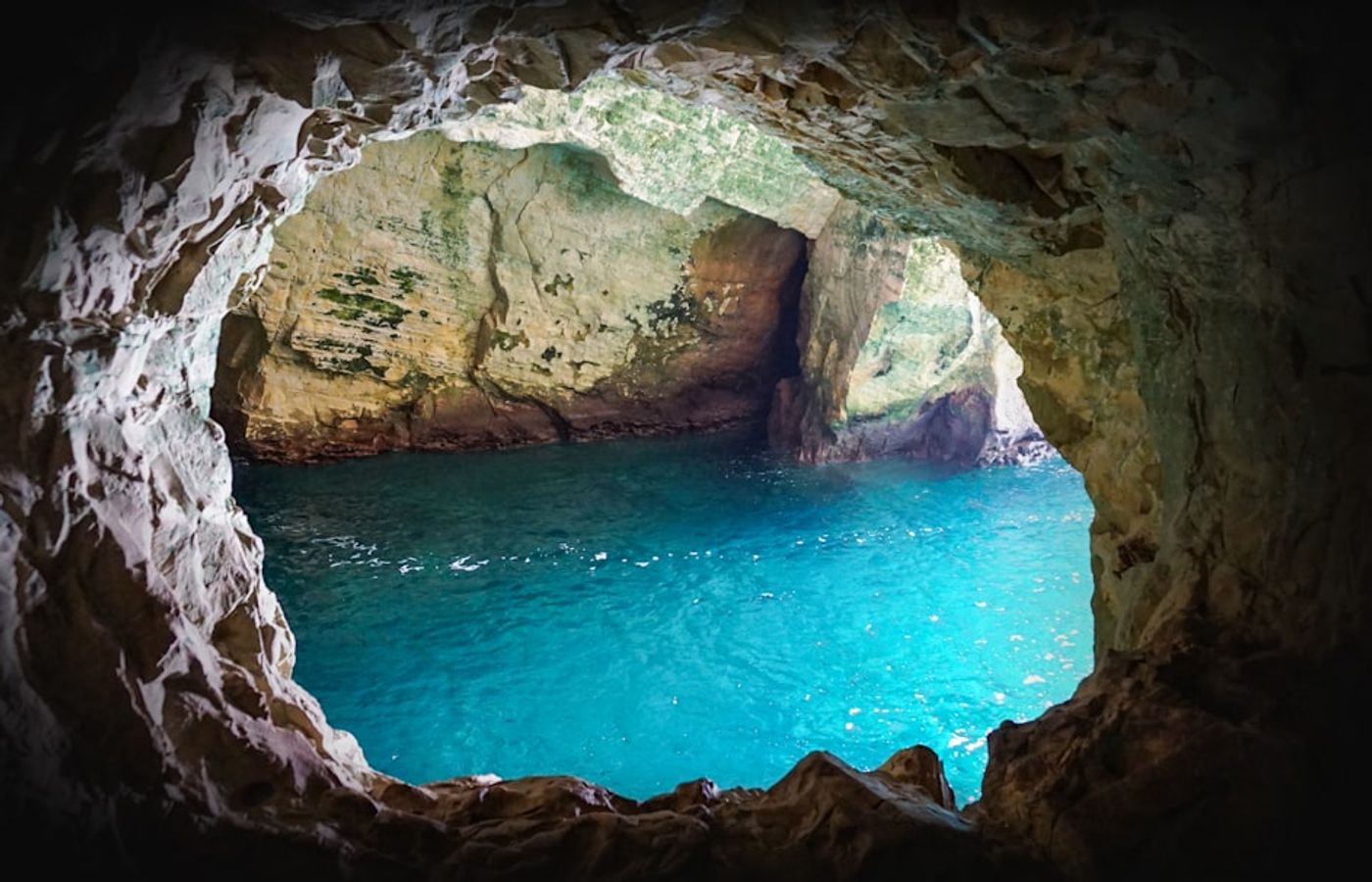

The Blue Grotto is the sea cave that made Capri famous in the 19th century, after August Kopisch and Ernst Fries popularised it in 1826. The cavern is about 60 metres long and 25 metres wide, with an entrance barely a metre high at sea level. Sunlight enters through a submerged opening beneath the arch, refracts through the water, and lights the interior in the electric blue that gives the cave its name.
Access is by small rowing boat only. You either arrive from Marina Grande by motorboat shuttle (around 18 EUR return in 2026) or take the Anacapri bus to the cliff-top entrance and descend the steps to the ticket platform. Entry to the grotto itself costs 18 EUR, paid in cash at the floating booth, plus a customary tip for the rower. The cave is closed whenever the swell is above about 40 centimetres, which happens often between November and March.
Pro Tip: Go between 11:00 and 13:00 when the sun is high and the blue is at its most intense, and bring the exact cash amount - card readers do not work on the rowing boats.
2Faraglioni rock stacks
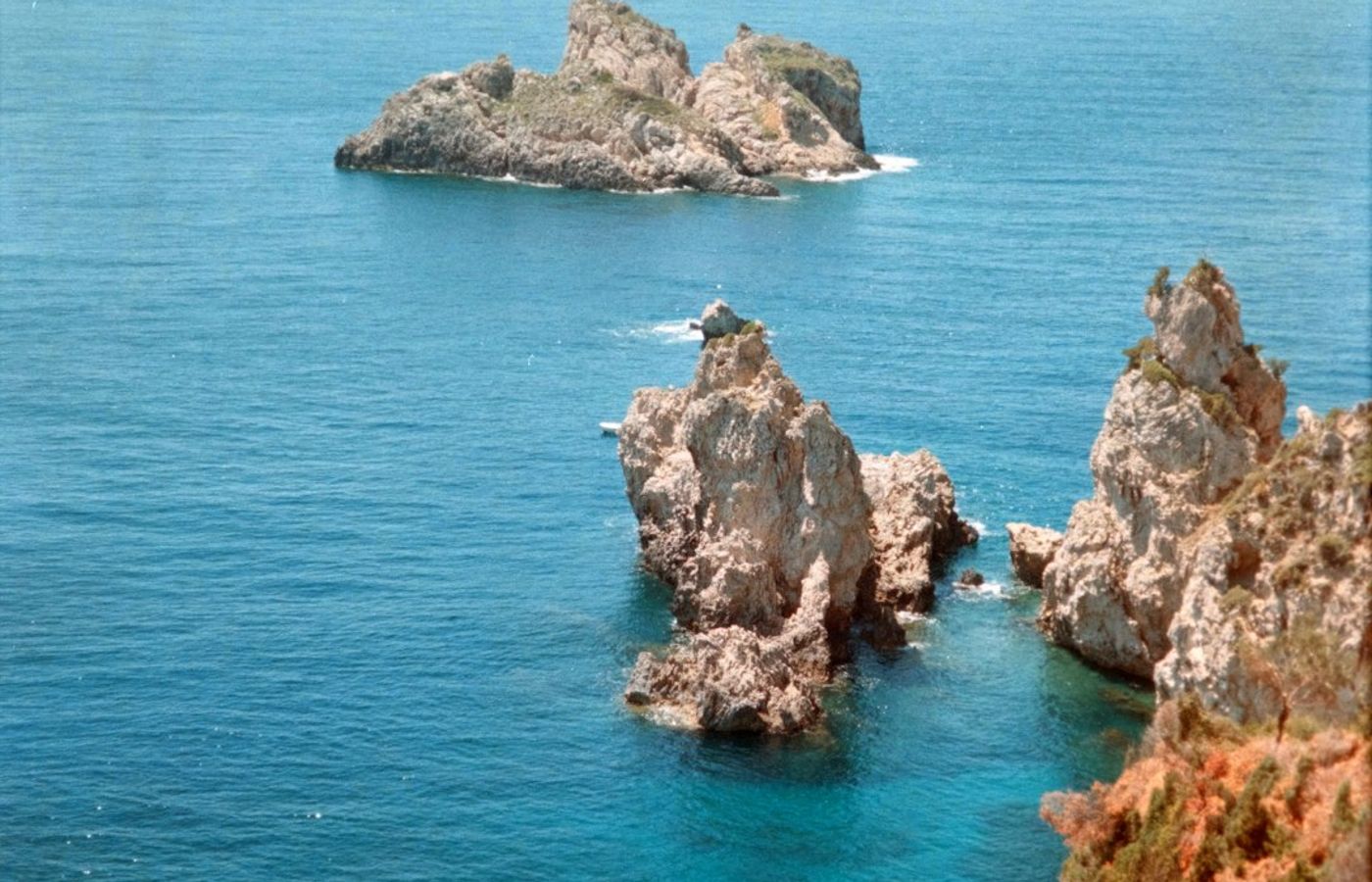

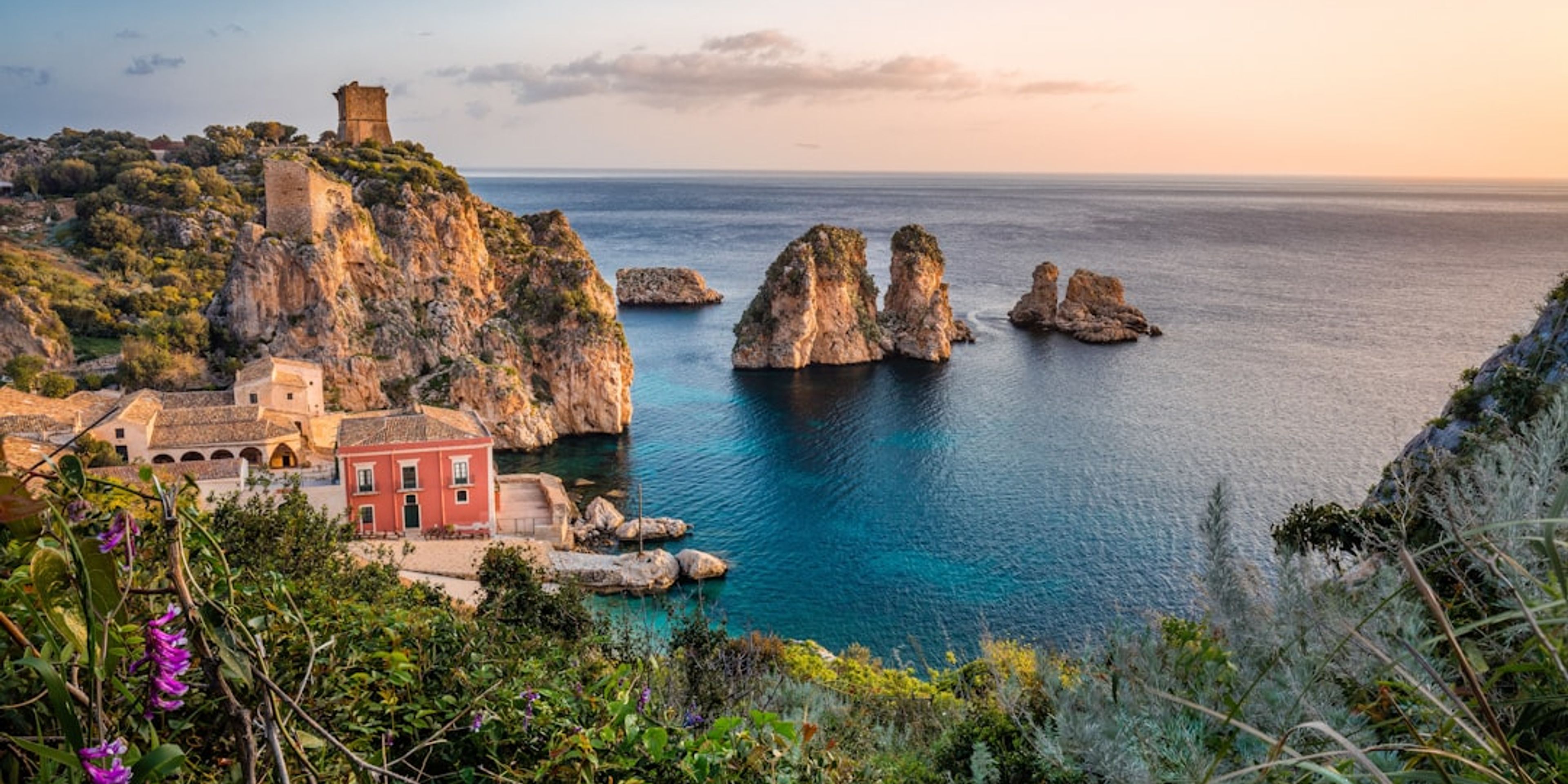
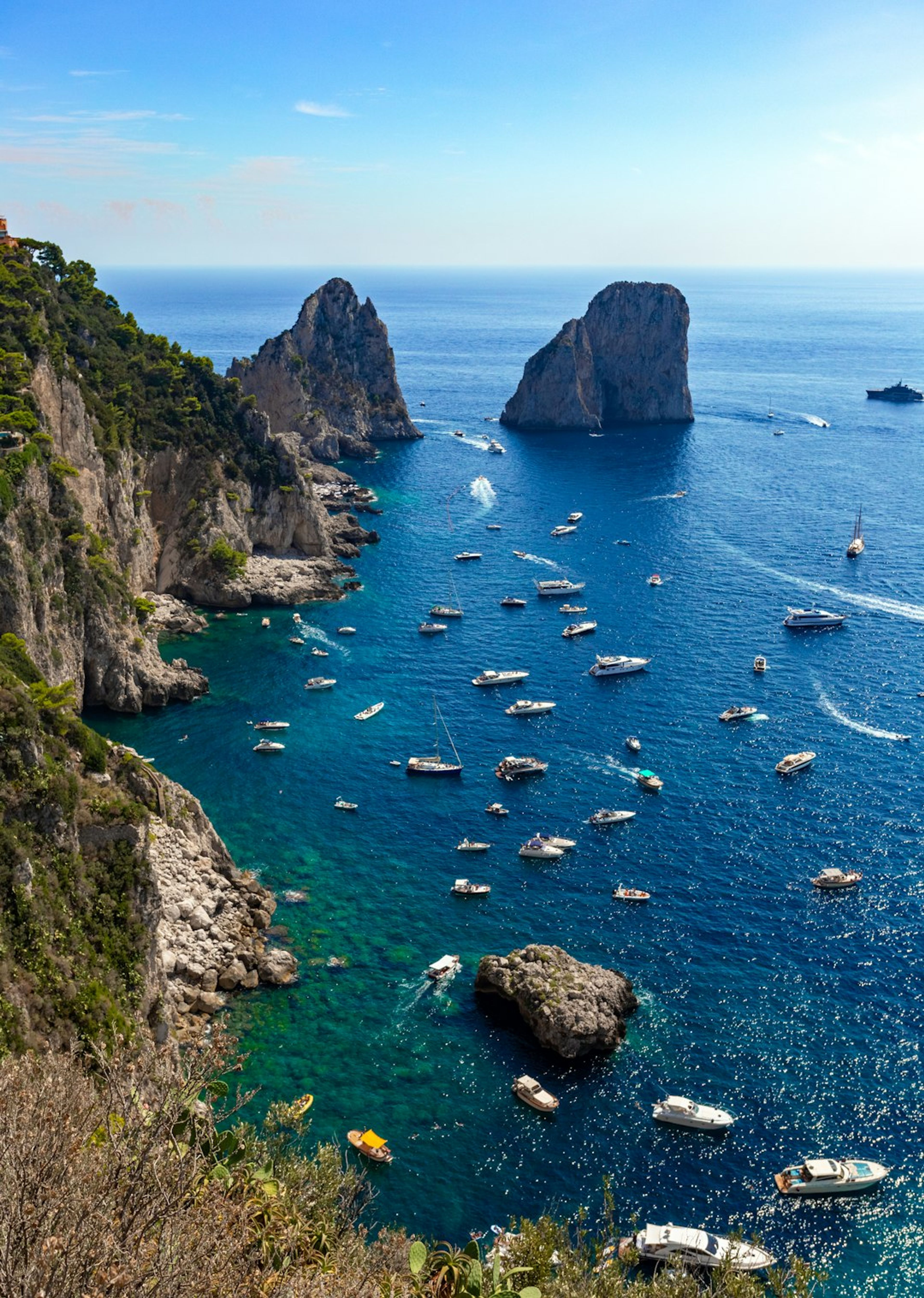
The three limestone sea stacks off the southern coast are the postcard image of Capri. They have individual names: Stella (attached to the shore, 109 metres), Faraglione di Mezzo (81 metres, pierced by a natural arch you can pass through by boat) and Faraglione di Fuori or Scopolo (104 metres, home to the pale blue lizard Podarcis siculus coeruleus, found nowhere else on Earth).
The classic land view is from Punta Tragara at the end of Via Tragara. The path is paved and mostly level from the Piazzetta, though it climbs gently on the return. From the belvedere at the end you can continue down 800 steps to the water at Da Luigi ai Faraglioni, or turn back and take the coastal path towards the Arco Naturale. By sea, most boat operators run the Mezzo passage as part of the island tour for around 20 EUR per person.
Pro Tip: Come at sunset - the stacks glow orange against the water and the crowds thin out after 18:00 when most day-trippers head back to the ferry.

3Mount Solaro (589 m) via Anacapri chairlift
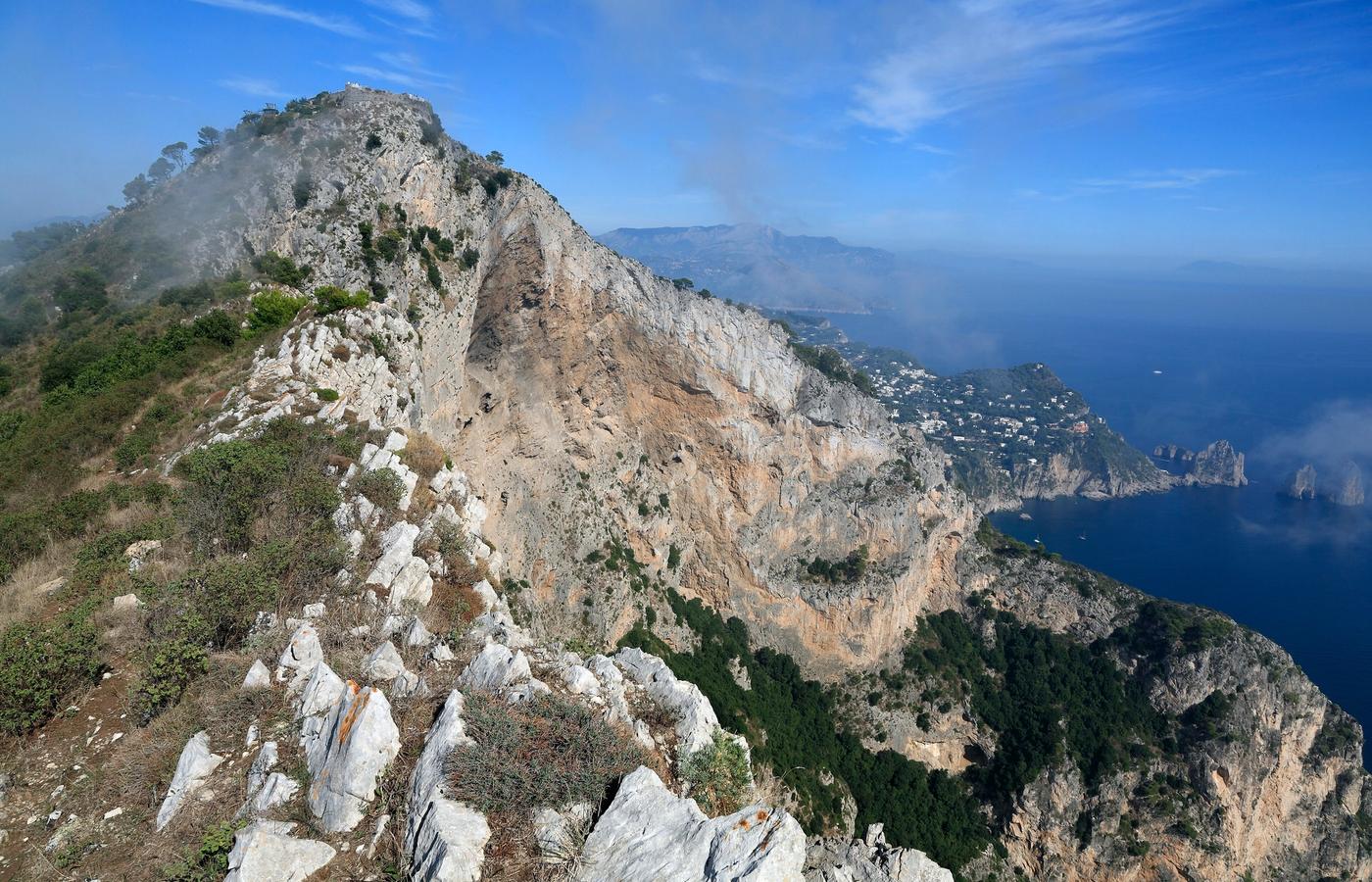

Mount Solaro (589 m) is the highest point on the island and the best panoramic viewpoint. The single-seat chairlift (seggiovia) from Piazza Vittoria was opened in 1952 and takes 12 minutes to reach the summit, climbing silently over gardens, vineyards and macchia scrub. Tickets in 2026 are 14 EUR return or 11 EUR one-way, useful if you want to walk down via the Cetrella hermitage.
At the top you get a full 360-degree view: the Bay of Naples with Vesuvius to the north, the Sorrentine Peninsula and Amalfi Coast to the east, the Faraglioni directly below to the south, and on clear winter days the mountains of Calabria to the far south. There is a small bar for espresso and the ruins of a Bourbon-era fort. The chairlift runs roughly 09:30 to 16:00 in winter and 09:30 to 17:00 from May to October.
Pro Tip: Wear closed shoes rather than sandals - the chair is exposed and open, and the gravel path at the summit is loose.
4Gardens of Augustus (Giardini di Augusto) and Via Krupp
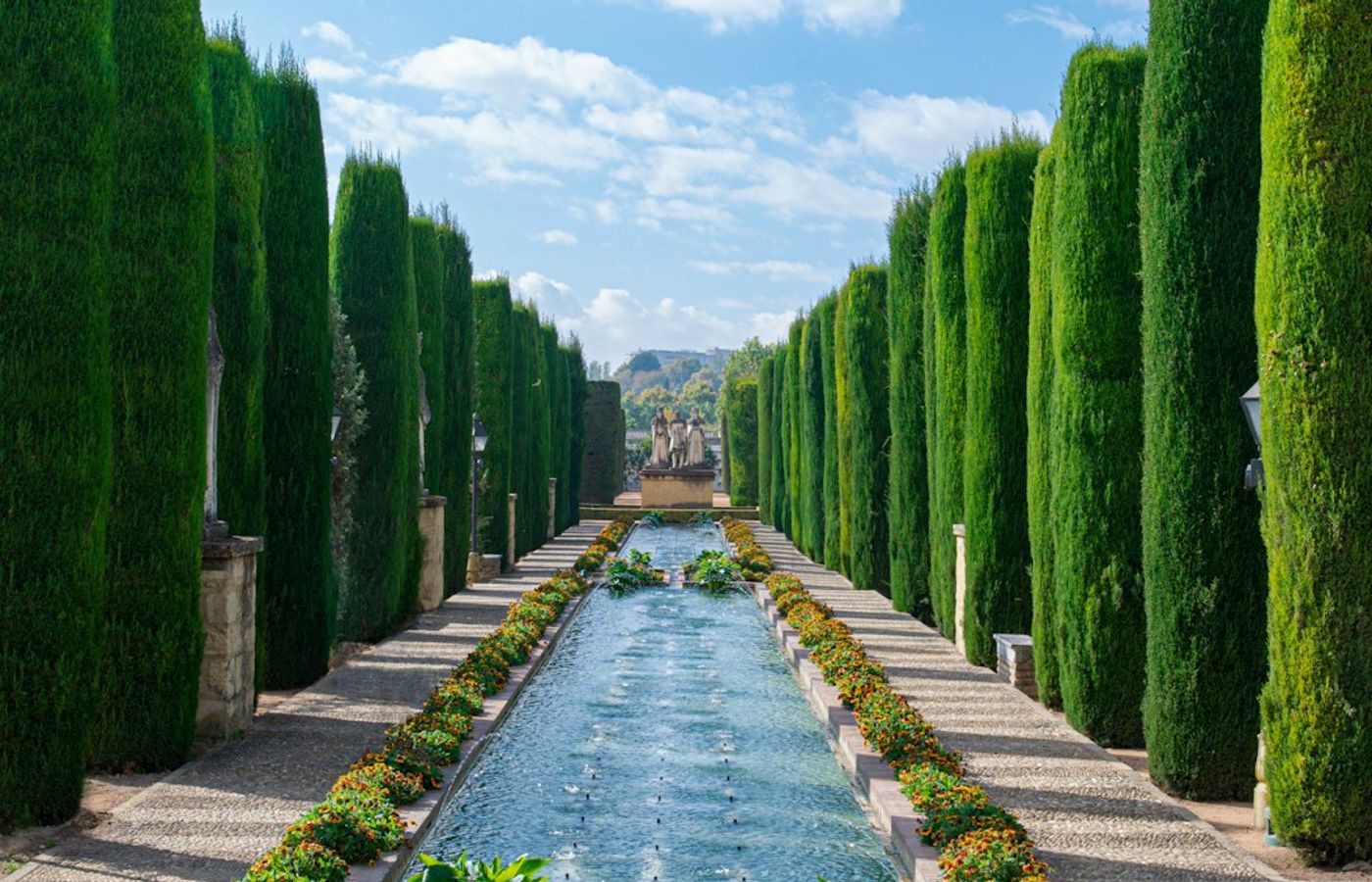
The Gardens of Augustus are terraced botanical gardens built in the early 20th century by the German industrialist Friedrich Alfred Krupp, later renamed after the Roman emperor. Entry is 1.50 EUR. The gardens are laid out over several levels above the cliff, with beds of dahlia, geranium and bougainvillea, and a bronze monument to Lenin by Giacomo Manzu (Lenin spent time on Capri as a guest of Maxim Gorky in 1908 and 1910).
The real draw is the view over Marina Piccola and the Faraglioni, and directly below, Via Krupp - a switchback footpath carved into the cliff in 1902 that zigzags down to the beach in a series of tight hairpins. The path is one of the most photographed engineering works in Italy. It has been closed intermittently for rockfall repairs; as of early 2026 access is restricted to the upper viewing terraces, so check locally before descending.
Pro Tip: Combine the gardens with the Certosa di San Giacomo monastery immediately next door - the 14th-century cloisters are free and often empty.
5Piazzetta (Piazza Umberto I)
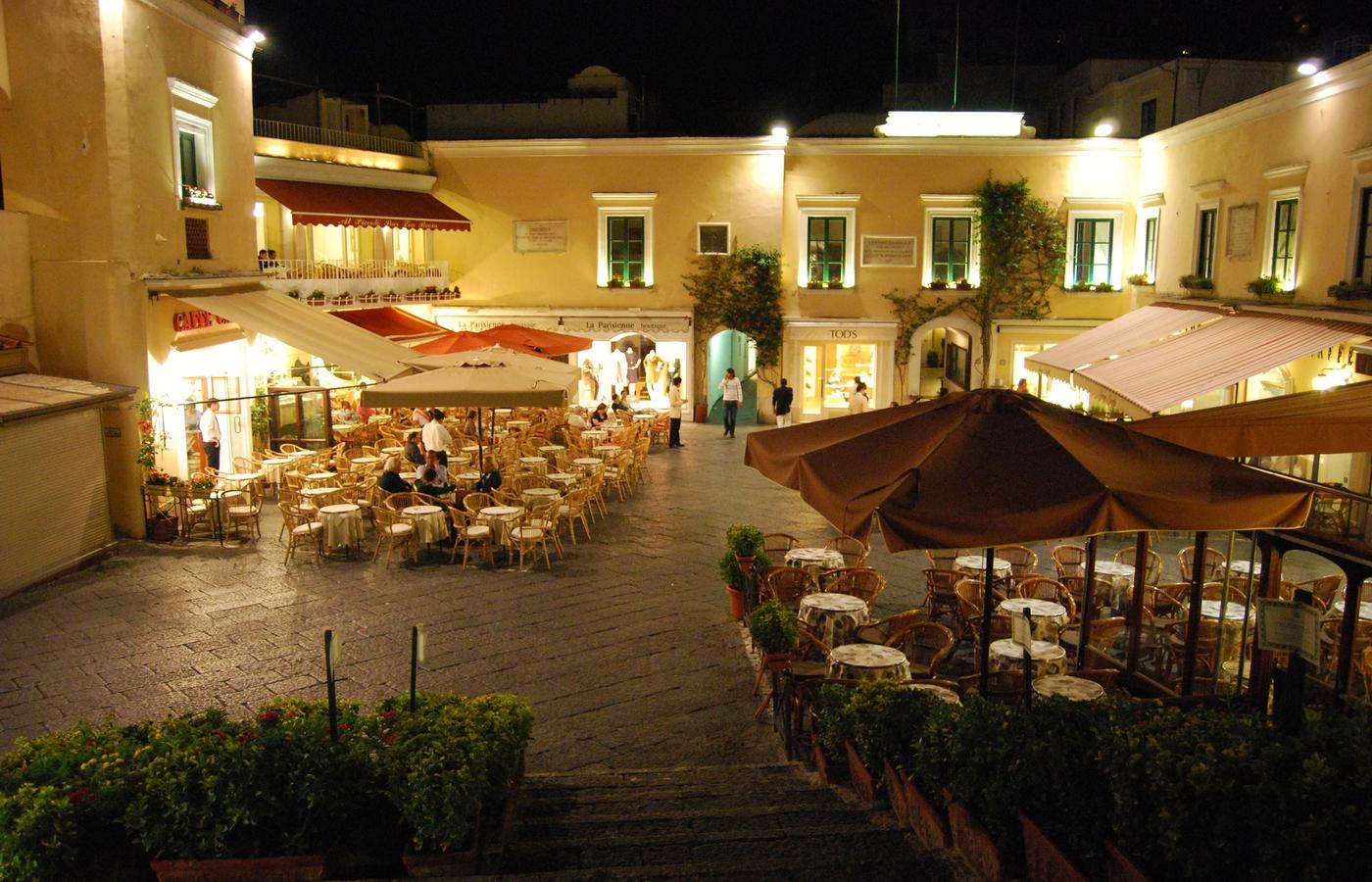
Officially Piazza Umberto I but universally called the Piazzetta, this small square is the social heart of Capri town. It measures roughly 30 by 20 metres and is bordered by four bars whose tables occupy most of the flagstones between about 10:00 and 01:00. The 17th-century clock tower on the south side was originally the bell tower of a cathedral that was demolished in 1595, and the low arch on the west side opens onto Via Le Botteghe and the shopping streets.
A coffee at the tables will cost about 6 to 8 EUR (roughly triple the counter price), which is the fee for a front-row seat on what Norman Douglas called "the smallest and best drawing room in Europe". From here Via Vittorio Emanuele leads south to the luxury shops and Gardens of Augustus, while Via Longano climbs east towards Villa Jovis.
Pro Tip: Order at the counter (al banco) if you just want a quick espresso - the price drops to about 2 EUR and no one minds you standing and looking out at the square.
6Villa Jovis
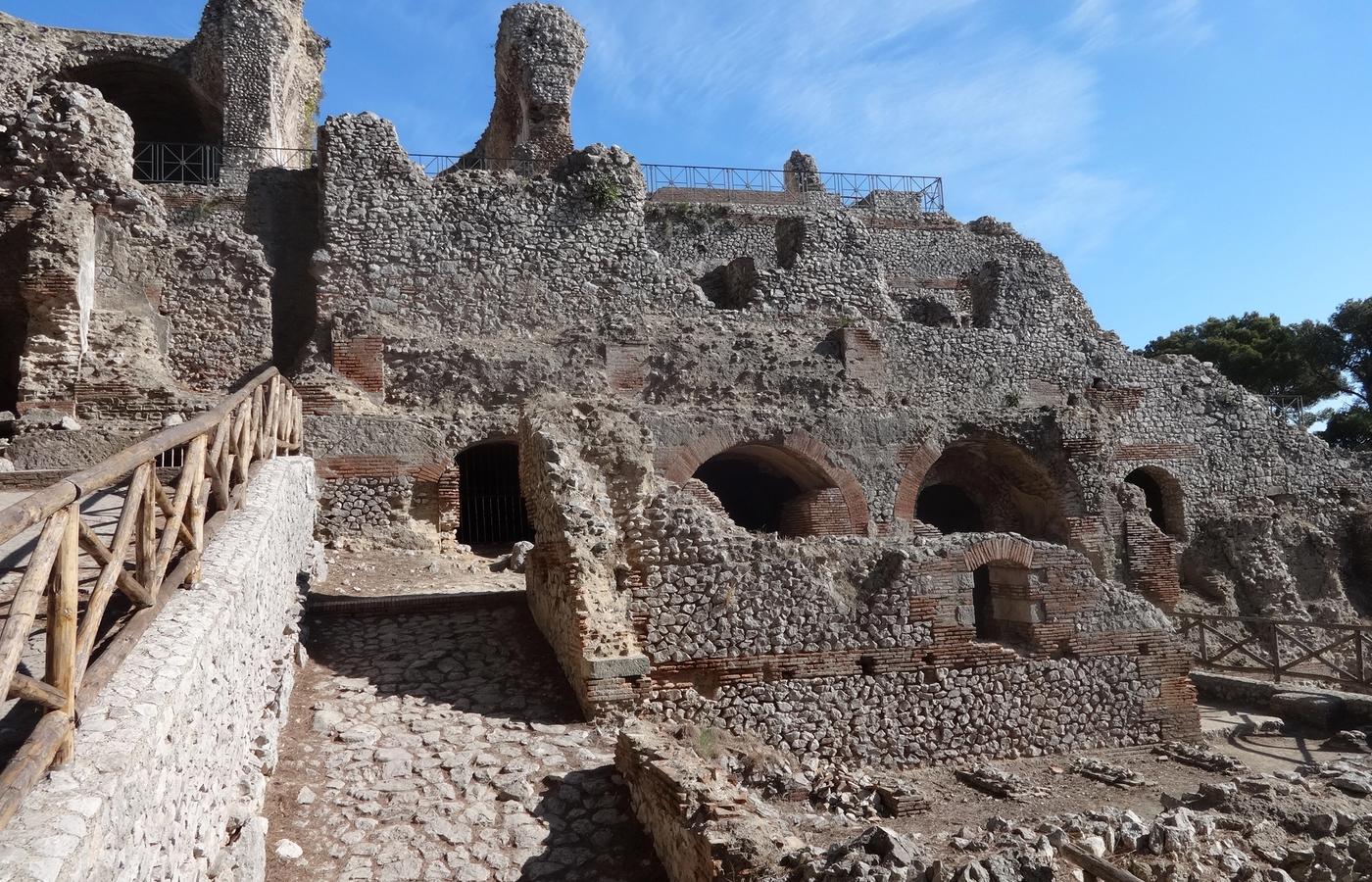
Villa Jovis was the principal residence of the emperor Tiberius, who ruled the Roman Empire from Capri between AD 27 and his death in AD 37. The complex covered around 7,000 square metres on the eastern tip of the island at 334 metres above the sea, and archaeologists have identified imperial quarters, cisterns for the villa's water supply, a bath complex, an observatory tower and a hall used for audiences.
The Salto di Tiberio - the cliff off which, according to Suetonius, Tiberius had prisoners thrown - drops sheer to the water on the northeast side. Entry to the site is 8 EUR in 2026, and it opens Tuesday to Sunday from 10:00 to 16:00 in winter and until 19:00 in high summer. The walk up from the Piazzetta is entirely uphill on paved lanes, gaining about 190 metres of elevation.
Pro Tip: Bring at least a litre of water - there is a small chapel (Santa Maria del Soccorso) at the top but no reliable cafe, and the return descent still takes 30 minutes.
7Anacapri village and Piazza Vittoria
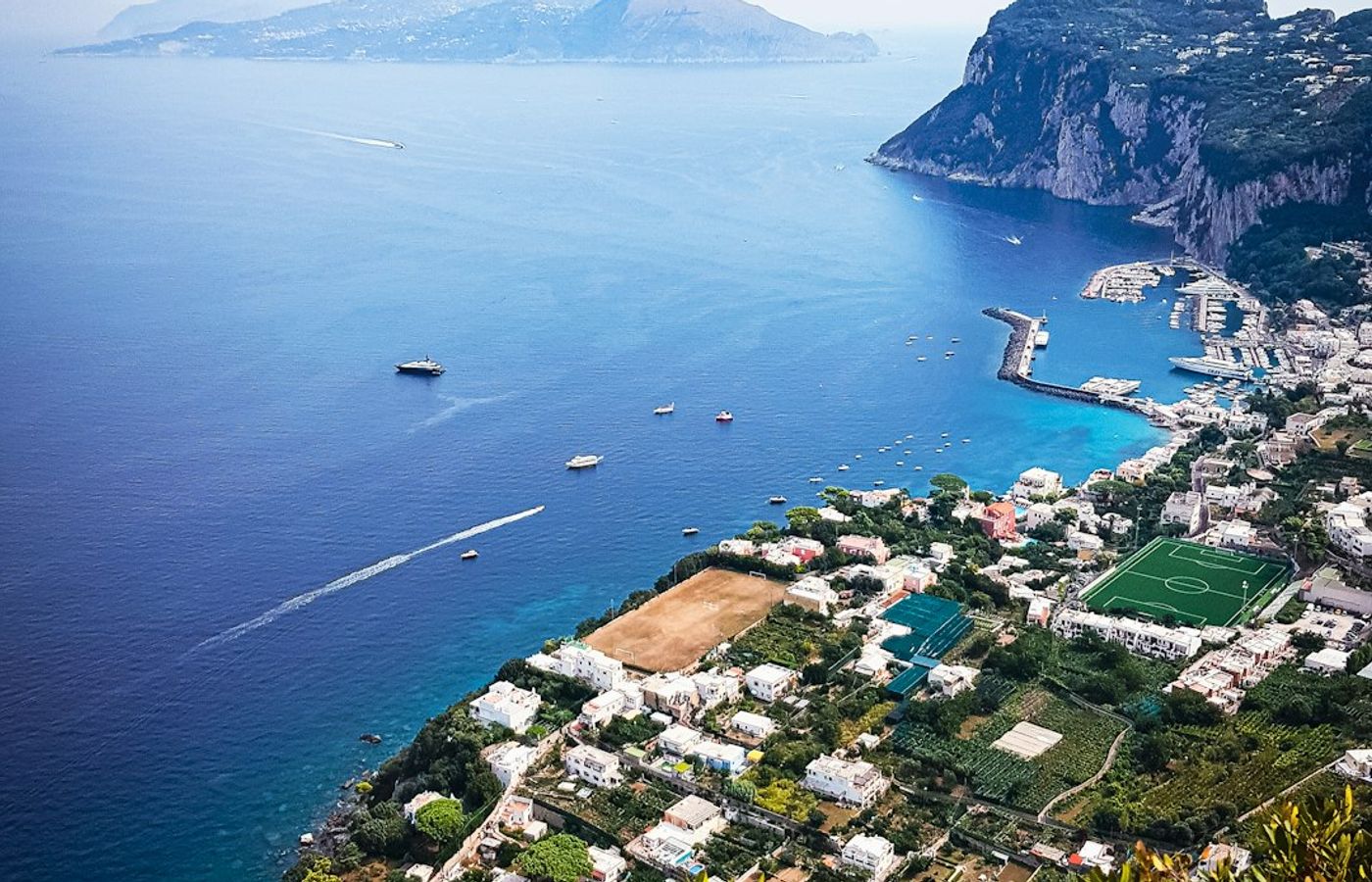
Anacapri sits at around 275 metres on the western half of the island and was the poorer, quieter half of the pair until the road connecting it to Capri town was completed in 1877. Before that, the only access was the 800-step Scala Fenicia (Phoenician Staircase) cut into the cliff, which you can still climb today from Marina Grande to Villa San Michele.
Piazza Vittoria is the arrival point for buses and the base station of the Solaro chairlift. From here Via Giuseppe Orlandi leads through the old village past Casa Rossa (a 19th-century folly built by an American Confederate colonel) and the small church of San Michele Arcangelo, which has a majolica tile floor from 1761 depicting the expulsion from Eden - entry 2 EUR. The atmosphere is calmer than Capri town and prices at the cafes are about 20 percent lower.
Pro Tip: Buy a day pass for the local bus (12 EUR in 2026) if you plan to shuttle between Anacapri, the Blue Grotto and the Faro lighthouse - individual tickets add up quickly.
8Villa San Michele
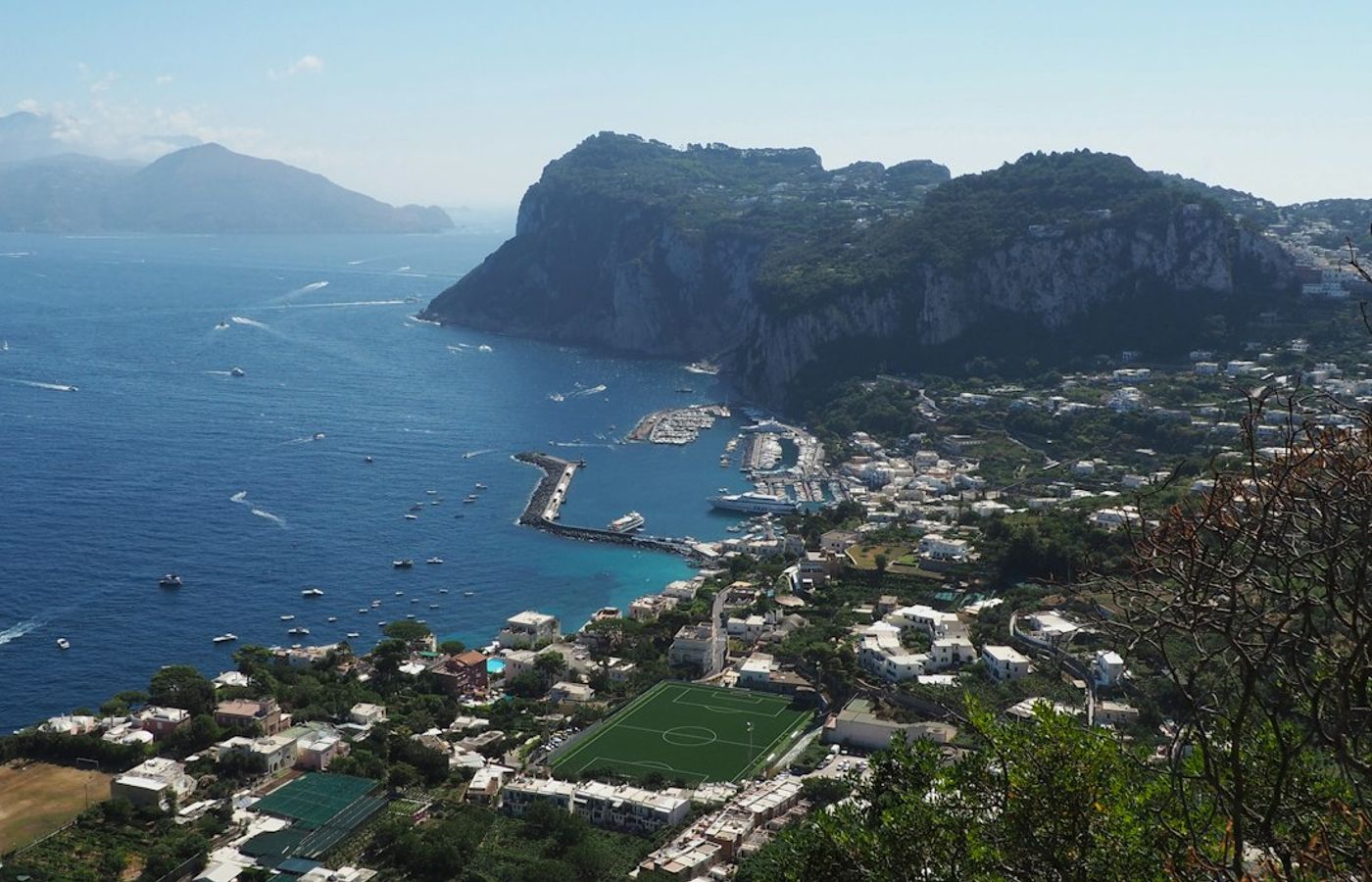
Villa San Michele was the home of the Swedish physician and author Axel Munthe, who built it between 1896 and 1910 on the site of a Roman chapel dedicated to Saint Michael. Munthe's memoir The Story of San Michele, published in 1929, was translated into more than 30 languages and made the villa a literary pilgrimage. Munthe donated the property to the Swedish state in 1949, and it now functions as a house museum and study centre.
The villa is furnished with Munthe's collection of Roman antiquities - sarcophagus fragments, marble busts, an Egyptian sphinx on the pergola overlooking Marina Grande - and the terraces are planted as Mediterranean gardens. Entry in 2026 is 12 EUR. Opening hours are 09:00 to 17:00 from November to March and 09:00 to 18:00 or 19:00 in high season. The panorama from the sphinx pergola is one of the finest on the island.
Pro Tip: Read at least the opening chapters of Munthe's book before you visit - the rooms make far more sense when you know the stories attached to each object.
9Boat tour around the island
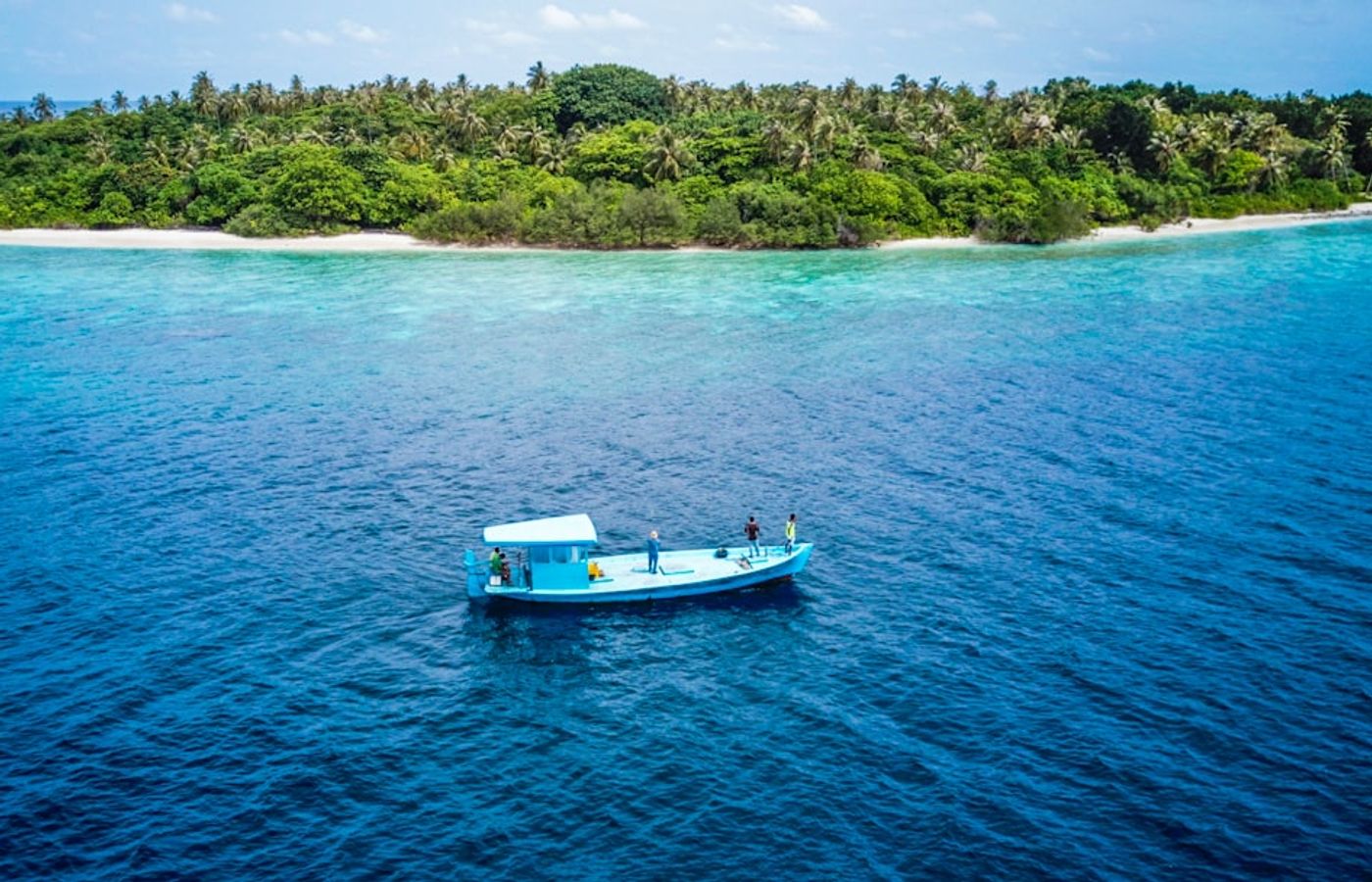
A circumnavigation of the island by boat is the only way to see the coastline properly, since much of it is inaccessible by land. Standard group tours from Marina Grande last 90 minutes to 2 hours and cost 25 to 30 EUR per person in 2026. Private hires (a gozzo with a skipper for four to six people) start at around 300 EUR for a half-day.
The route typically covers the Bagni di Tiberio (the emperor's private baths, now a swimmable cove), the Grotta Bianca and Grotta Verde on the eastern shore, a pass through the natural arch in the Faraglione di Mezzo (only Capri boats have the right to do this - swimmers can also touch the arch), the Punta Carena lighthouse on the southwestern tip, and a stop for swimming near the Grotta Azzurra if conditions allow. Bring a swimsuit, water shoes for the pebbly coves, and cash for the Blue Grotto entry.
Pro Tip: Book a morning departure (before 10:00) - afternoon winds pick up on the western side of the island and can shorten the tour or cancel the Blue Grotto stop.
10Marina Piccola beach and Scoglio delle Sirene
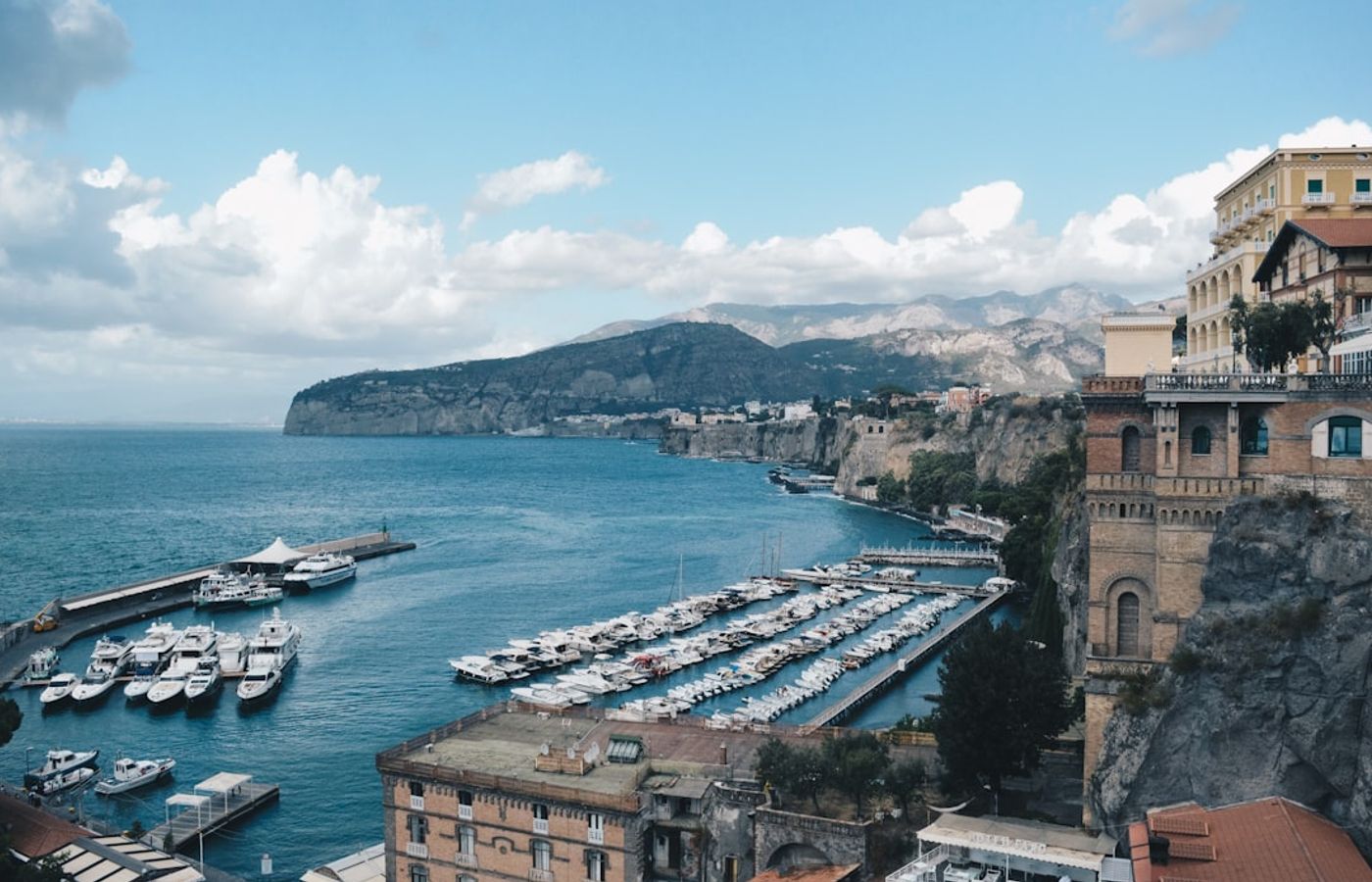
Marina Piccola is the small bay on the south side of the island, split into two coves - Marina di Pennaulo to the west and Marina di Mulo to the east - by a rocky outcrop called Scoglio delle Sirene, the Rock of the Sirens. Local tradition, backed by 19th-century commentators on Homer, identifies this as the spot where Odysseus lashed himself to the mast to hear the sirens sing in Book XII of the Odyssey.
The beach itself is a mix of free public sections and paid lidos (Bagni di Tiberio, La Canzone del Mare) where a sun lounger and umbrella run about 30 to 40 EUR per day. The water is deep close to shore and the Faraglioni frame the horizon to the east. Buses run every 20 minutes from Piazza Vittoria and Capri town. In 2026 the bus fare is 2.40 EUR one-way.
Pro Tip: Walk down Via Krupp from the Gardens of Augustus if it has reopened, or take the paved Via Mulo footpath - either route beats the bus queue in July and August.

CEO and co-founder
Tomas is the co-founder and director of trip1, an European company specializing in reservation services. He launched the company in 2025 with a focus on building scalable, efficient operations.
Climate averages · 1991–2020
When is the best time to visit Capri?
The best time to visit Capri is between May and October, the most comfortable stretch of the year on these averages.
Best time · May–OctoberRainfall
- Jan8°
- Feb8°
- Mar11°
- Apr13°
- May18°
- Jun22°
- Jul24°
- Aug25°
- Sep22°
- Oct18°
- Nov13°
- Dec9°
More of Italy
10 Best Things to Do in Capri, Italy - FAQ
No, not comfortably. Capri is small but the terrain is steep and the two headline experiences - the Blue Grotto and a full island boat tour - each take at least two hours including waiting and transfer time. A realistic plan needs two full days: one for Capri town (Piazzetta, Gardens of Augustus, Villa Jovis, Faraglioni viewpoint, Marina Piccola) and one for Anacapri (Mount Solaro, Villa San Michele, Blue Grotto, boat tour).
Start early with the Blue Grotto by boat from Marina Grande, before the queue builds after 11:00. From there continue with the full island boat tour, which drops you back at Marina Grande around lunch. Take the funicular up to Capri town for the Piazzetta, then walk to the Gardens of Augustus and the Faraglioni viewpoint at Punta Tragara. On day two, take the bus to Anacapri for Piazza Vittoria, Villa San Michele, and the Mount Solaro chairlift, saving Villa Jovis and Marina Piccola for late afternoon.
None require advance booking in the strict sense, but Villa San Michele and the Mount Solaro chairlift benefit from arriving early on summer mornings. The Blue Grotto sells tickets only at the floating booth by the cave and cannot be reserved online. Group boat tours can be booked the day before at the Marina Grande kiosks or online for a small premium. Villa Jovis is state-run and open Tuesday to Sunday, closed Mondays.
Budget roughly 130 to 160 EUR per person for admissions and transport in 2026, plus food. This covers the Blue Grotto boat and entry (about 36 EUR), the island boat tour (25 to 30 EUR), the Solaro chairlift return (14 EUR), the funicular return (4.80 EUR), Villa San Michele (12 EUR), Villa Jovis (8 EUR), Gardens of Augustus (1.50 EUR), a day bus pass (12 EUR), and a small allowance for beach access at Marina Piccola. The Piazzetta, Anacapri village and Faraglioni viewpoint are free.
Yes, in the right conditions. The visit itself is short - about five minutes inside the cave - and the queue can be an hour in July and August, but the blue light is genuinely unlike anything else on the Italian coast. Skip it if the sea is rough (the cave closes below 40 cm swell), if the sky is heavily overcast, or if you plan to arrive after 15:00 when the sun angle weakens the effect.
Yes, and most visitors do. Hydrofoils from Naples Molo Beverello take about 50 minutes and cost roughly 25 EUR one-way in 2026; from Sorrento the crossing is 20 to 25 minutes at similar prices. Aim for a 08:30 departure and the last return around 18:30 to have a full day. Realistically you will see either the Blue Grotto and Anacapri, or the Piazzetta and Faraglioni - not both. Staying overnight is the only way to see the island after the day-trip ferries leave.
The Arco Naturale, a limestone arch on the eastern coast reached by a 25-minute walk from the Piazzetta, is worth adding if you have a third day. The Punta Carena lighthouse on the southwestern tip has an excellent swimming platform and sunset view, and the Certosa di San Giacomo monastery next to the Gardens of Augustus is free and quiet. The Casa Malaparte on Punta Massullo is private and can only be viewed from the sea during the boat tour, but it is one of the most important works of 20th-century Italian architecture.

Related travel guides
5 Best Hikes in the Dolomites Near Cortina d'Ampezzo
The 5 best hikes in the Dolomites near Cortina d'Ampezzo for 2026, with distance, ascent, difficulty, trailhead parking, bus lines and toll road rules.
5 Best Things to Do in Venice During the Venice Carnival
The best things to do in Venice during the Venice Carnival, away from Piazza San Marco: five picks with exact addresses, hours, prices and 2027 dates.