Guides · San Sebastián
12 Top Places to Visit in San Sebastián

CEO and co-founder
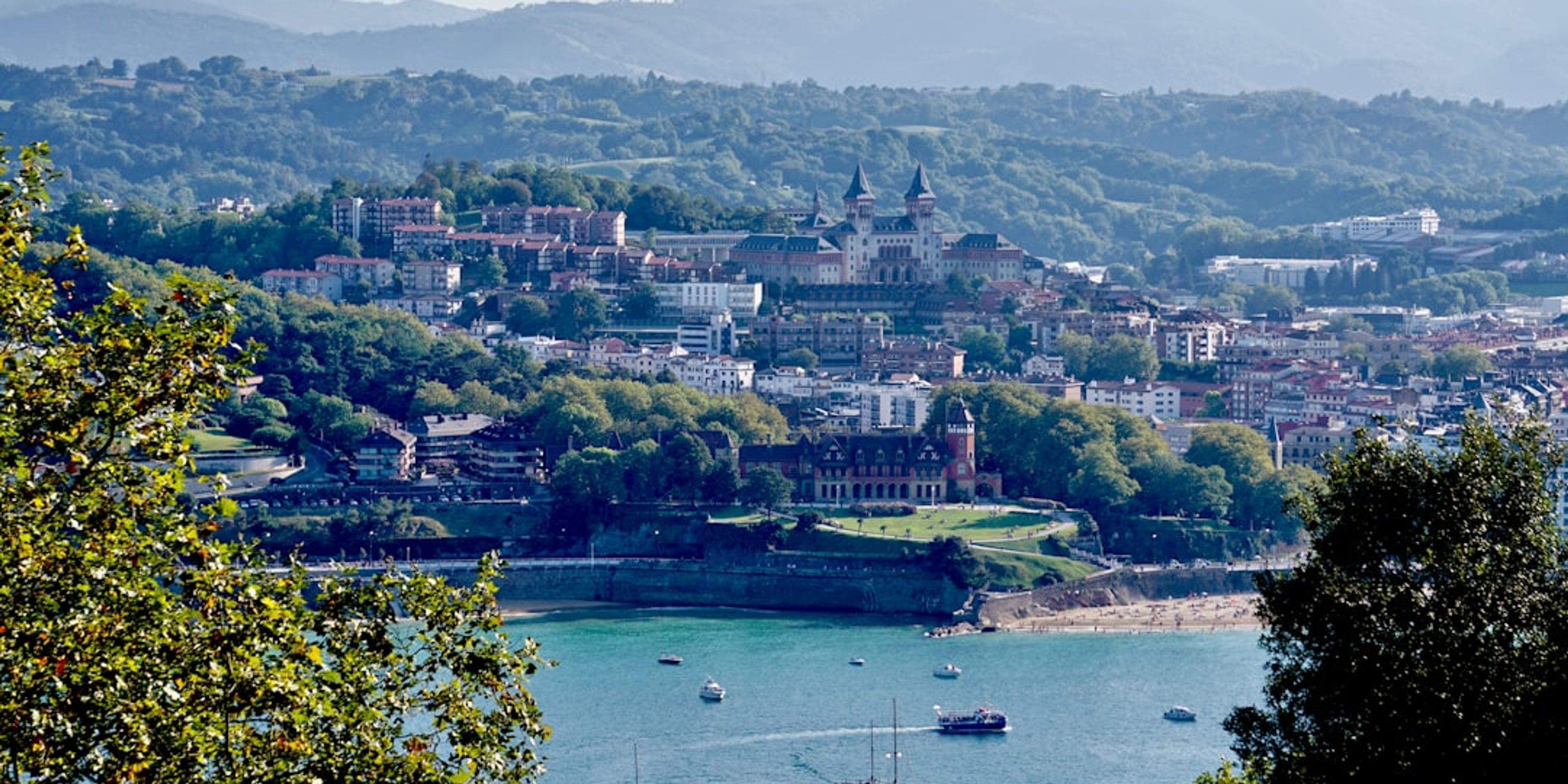
This guide rounds up the 12 top places to visit in San Sebastián, the sights that earn their spot on a Basque Country itinerary whether you have a weekend or a full week. Each entry lists the exact address, the nearest Dbus stop or funicular, and a practical Pro Tip, so you can plan efficient routes around La Concha Bay rather than doubling back.
The list is ordered to group attractions that sit near each other. The Parte Vieja (Old Town), Monte Urgull, and the harbour form one tight cluster; the La Concha promenade runs west past Miramar Palace to the Peine del Viento sculptures and the Monte Igueldo funicular; and the Gros district with Zurriola Beach sits just across the Urumea river. Most stops are walkable from one another.
Expect a mix of golden beaches, hilltop viewpoints, Belle Époque architecture, and one of Europe's densest concentrations of great food. Distances are short, so you can pack several stops into a single day and still leave room to linger over a glass of Txakoli.
1La Concha Beach - The Iconic Bay at the Heart of the City
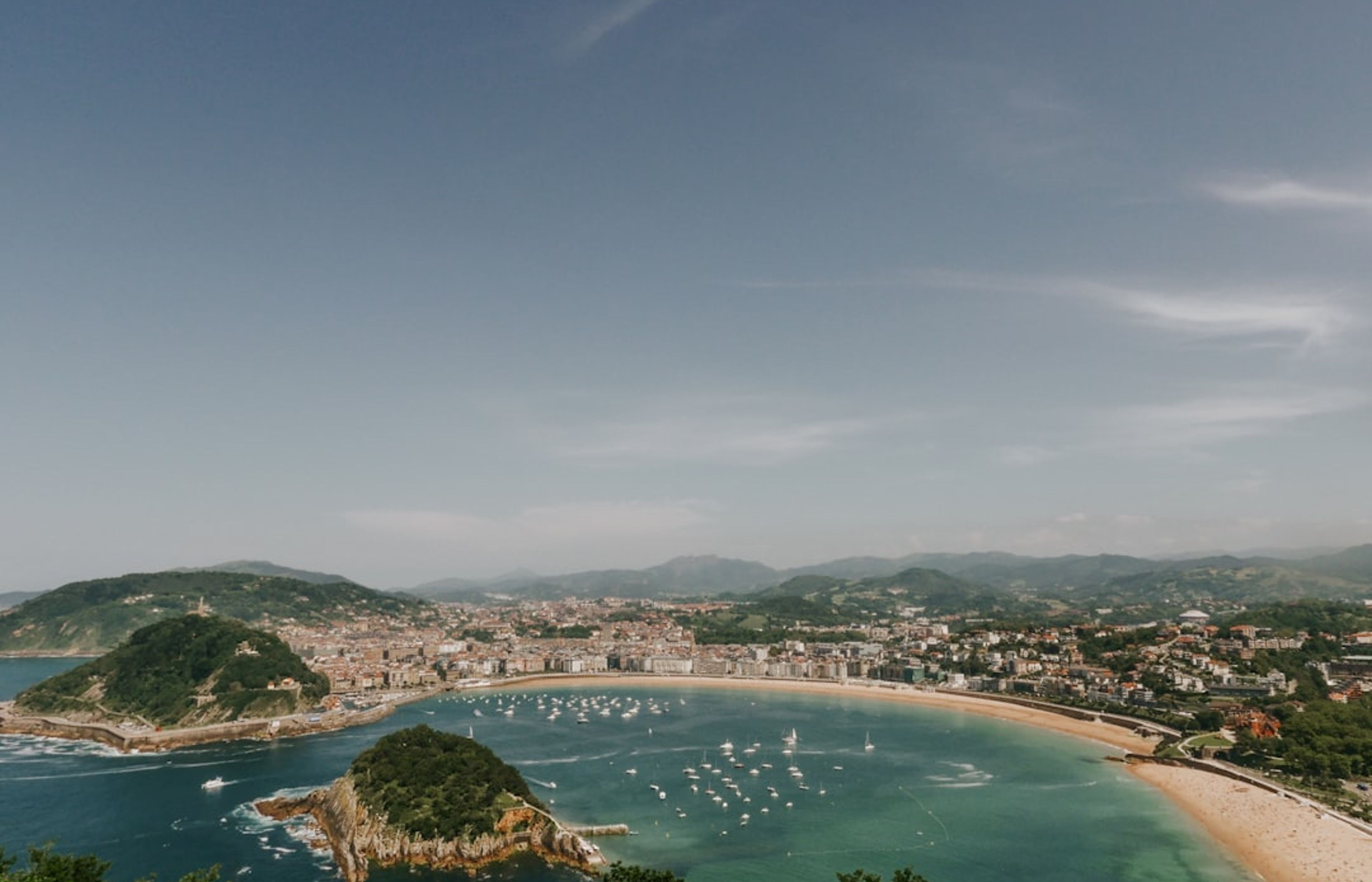
Shaped like an open shell, La Concha Beach is the image most people carry of San Sebastián - a crescent of pale sand curving between two headlands, backed by an ornate white promenade with its famous wrought-iron railing. It ranks among the most celebrated city beaches in Europe and is the natural starting point for any visit.
The water is calm and shallow, sheltered by the Isla de Santa Clara in the middle of the bay, which makes it good for swimming and families. The Paseo de la Concha above is free to walk day or night and links most of the city's western sights in one graceful sweep.
Pro Tip: Come at high tide for the best swimming - at low tide the beach is vast but the walk to the water is long. Sunset from the railing is the classic photo.
2Parte Vieja - The Old Town and Pintxos Heartland
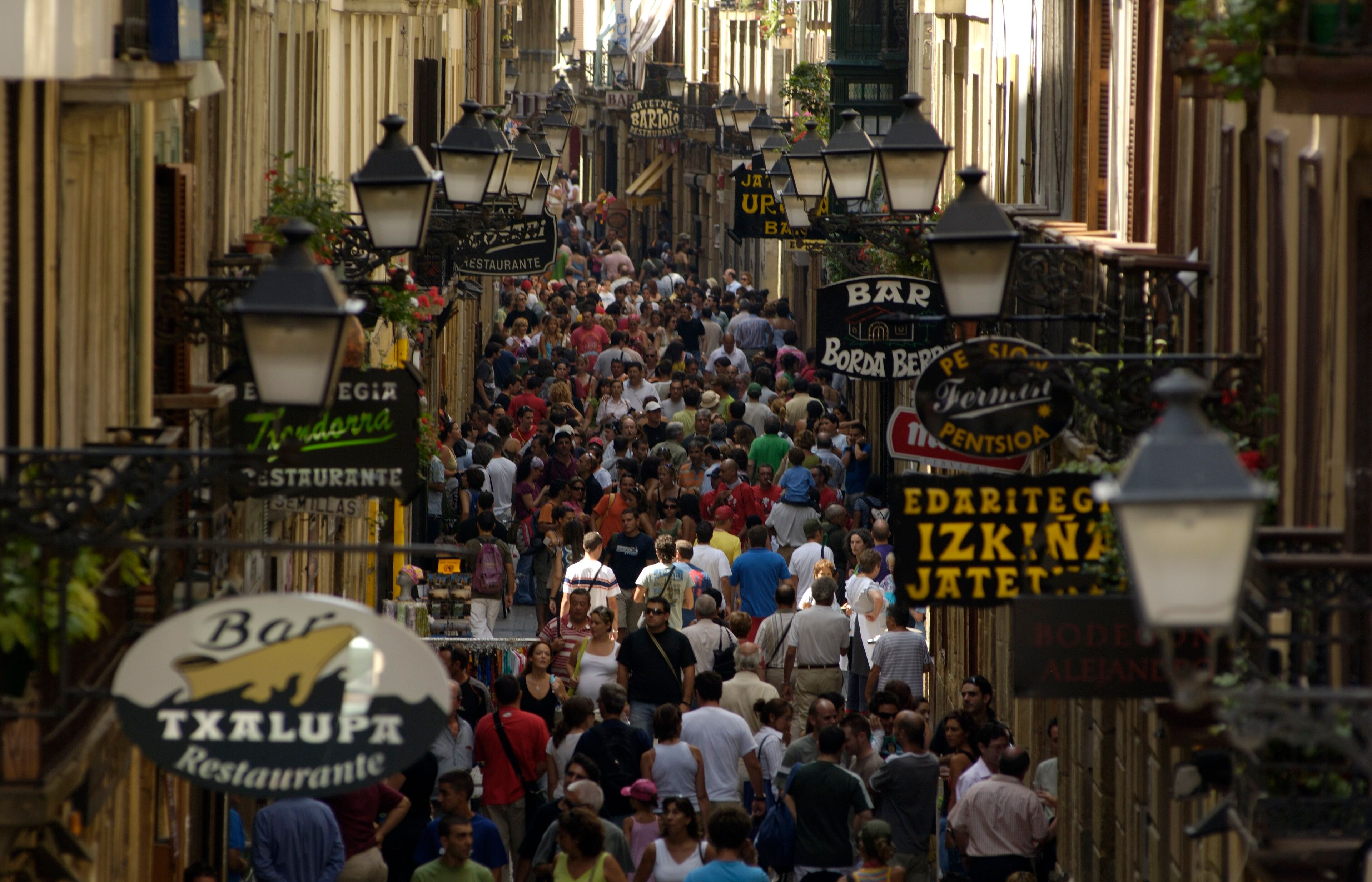
The Parte Vieja is the compact grid of streets behind the harbour where San Sebastián's food culture reaches its peak. Its bars serve pintxos - small, elaborate plates lined up along the counter - and the local ritual is to hop from one bar to the next with a glass of Txakoli or Basque cider in hand.
Beyond the food, the Old Town holds the arcaded Plaza de la Constitución, once used as a bullring - the numbered balconies were rented as viewing boxes. Calle 31 de Agosto is the only street that survived the 1813 fire, and it remains the atmospheric core of the quarter.
Pro Tip: Order just one or two pintxos per bar - the point is variety, not filling up in one spot. Gilda, Txepetxa, and La Cuchara de San Telmo are reliable local favourites.

3Monte Igueldo - The Best Panorama Over the Bay
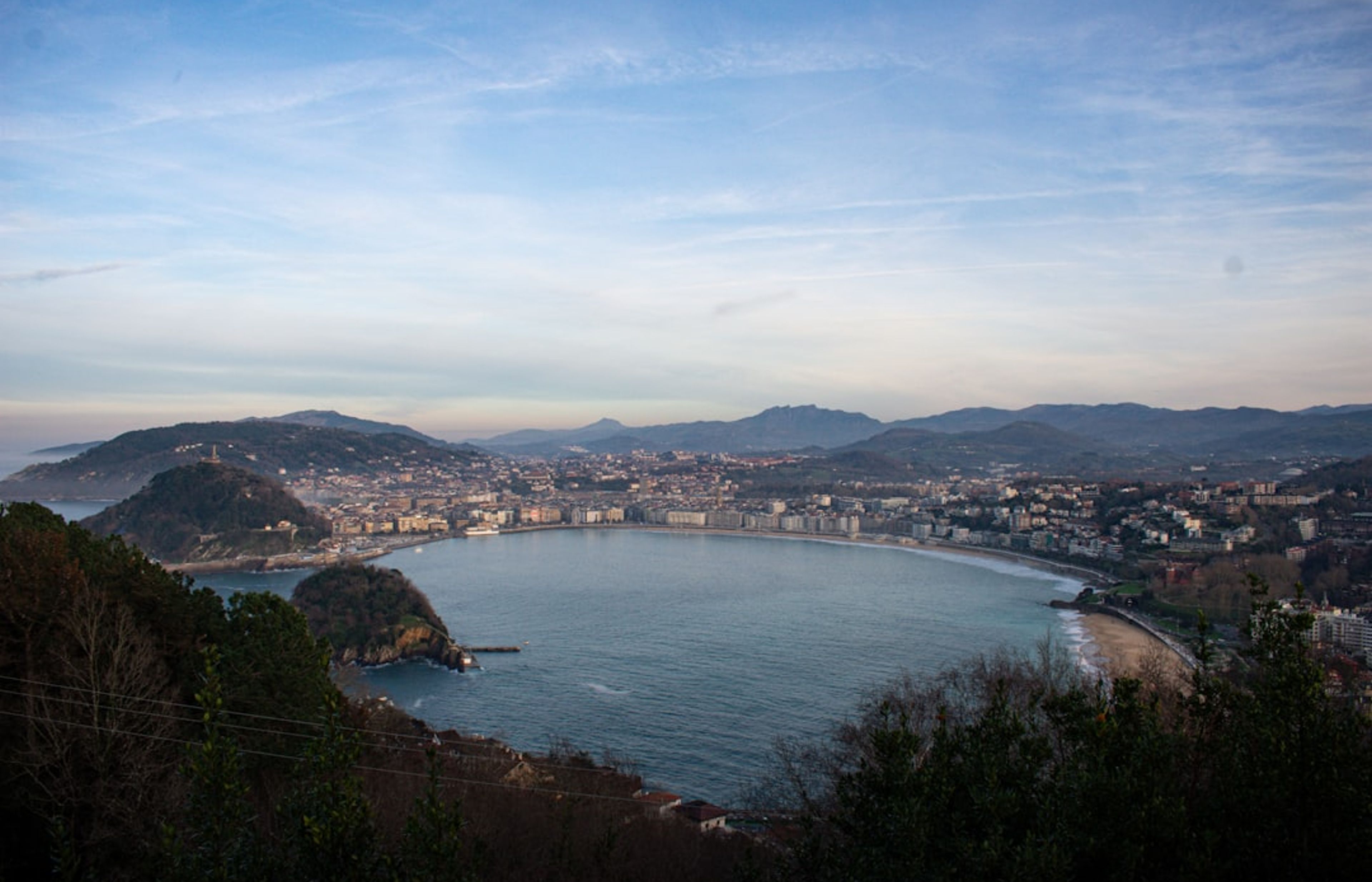
Monte Igueldo rises at the western end of La Concha Bay and delivers the postcard view of San Sebastián - the whole shell-shaped bay, the island, and the city framed by green hills. A wooden funicular from 1912, the oldest in the Basque Country, still creaks its way up the slope.
At the top sits a small, gloriously old-fashioned amusement park with a rollercoaster that runs along the cliff edge, plus a viewing terrace. It is more about the vista than the rides, and the sunset light over the Bay of Biscay is the real draw.
Pro Tip: The funicular runs roughly every 15 minutes and costs about 4.50 EUR return. Walk up if you prefer, but the ride is part of the charm - sit on the right for the bay view.
4Monte Urgull - Hilltop Fortress Above the Harbour
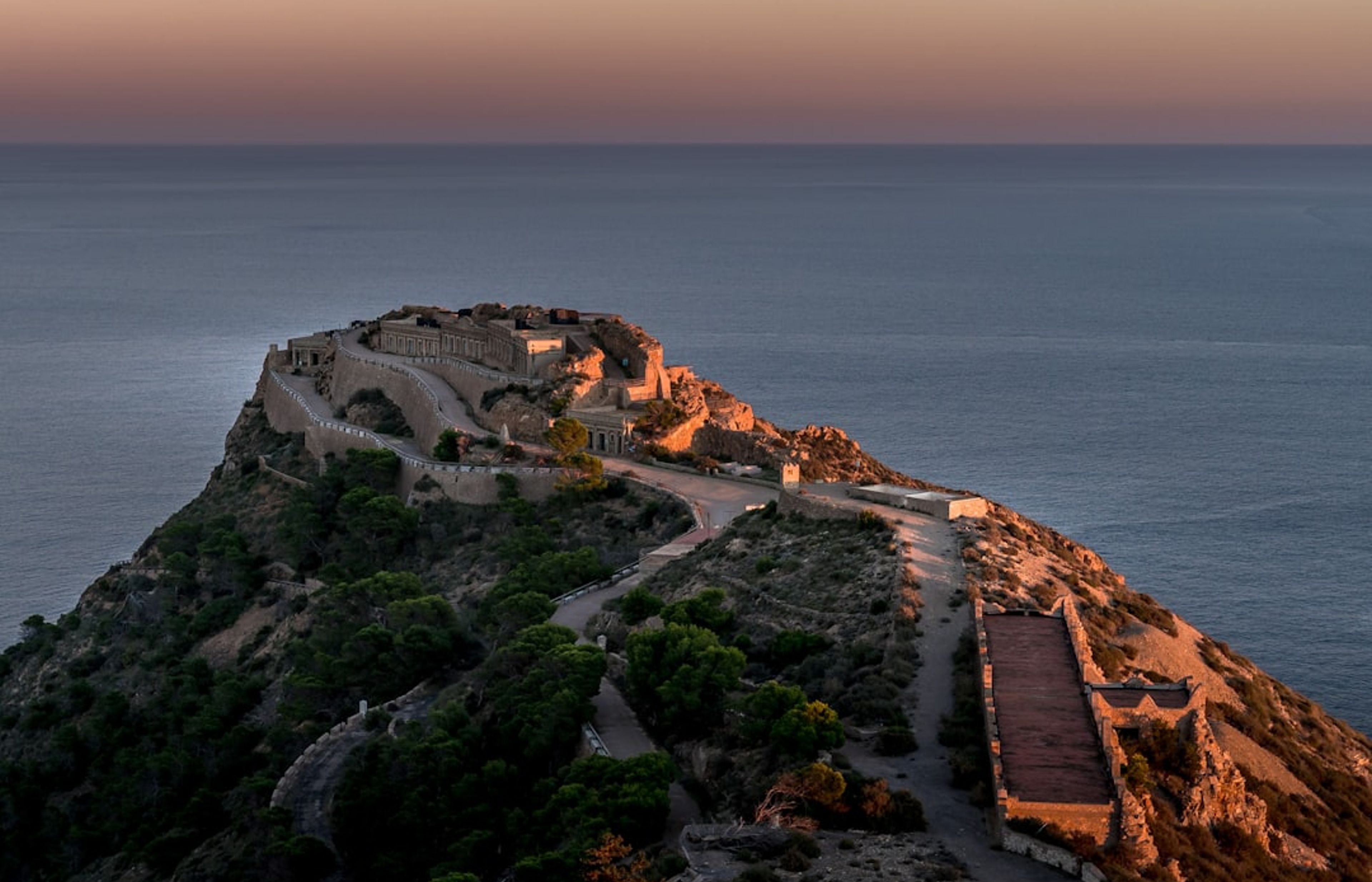
Monte Urgull is the wooded hill that shelters the Old Town, crowned by the Castillo de la Mota and a 12-metre statue of Christ, the Sagrado Corazón, that watches over the city. Shaded footpaths wind up through old defensive walls to the summit in about 20 minutes.
The castle houses a free museum on the city's history, and the ramparts give sweeping views over the harbour, La Concha, and the rooftops below. It is the best free viewpoint in central San Sebastián and a quiet counterpoint to the busy streets underneath.
Pro Tip: Start from the harbour side by the Aquarium and come down through the Old Town so you finish right among the pintxos bars. Wear proper shoes - the paths are cobbled and steep.
5Zurriola Beach - The Surf Beach in Gros
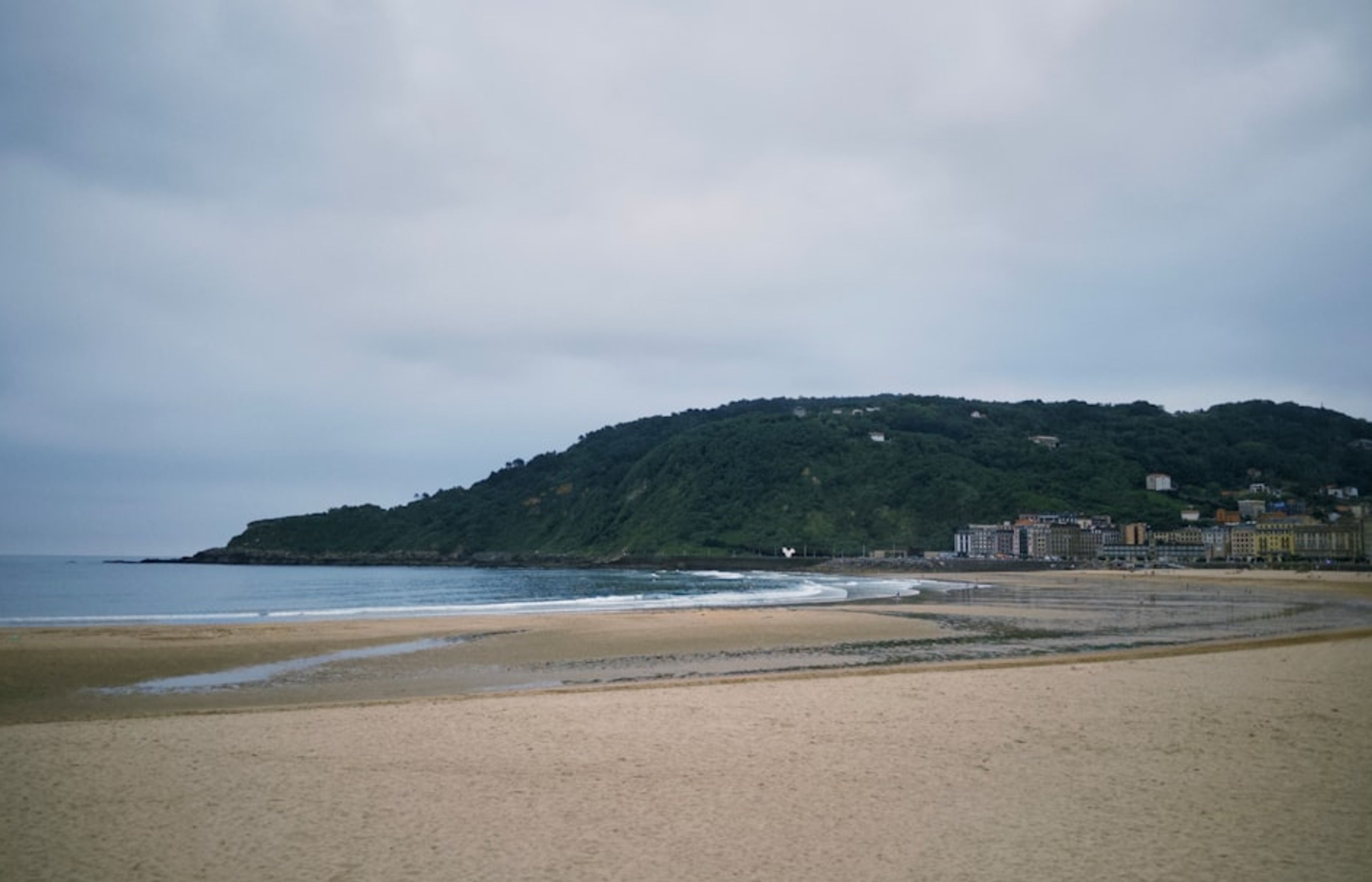
Across the Urumea river in the Gros district, Zurriola Beach is the city's surf beach - more exposed to the Atlantic than sheltered La Concha, with the bigger waves that draw surfers year-round. It has a younger, more relaxed feel and a wide stretch of sand backed by a modern promenade.
Several surf schools line the beach and rent boards and wetsuits by the hour, making it an easy place to take a first lesson. The Gros neighbourhood behind it has become a hub for creative pintxos bars, so it pairs a morning in the water with lunch a block inland.
Pro Tip: Swimmers should watch for stronger currents than at La Concha and stick between the flags. Autumn brings the cleanest swells if you are here to surf.
6Peine del Viento - Chillida's Comb of the Wind
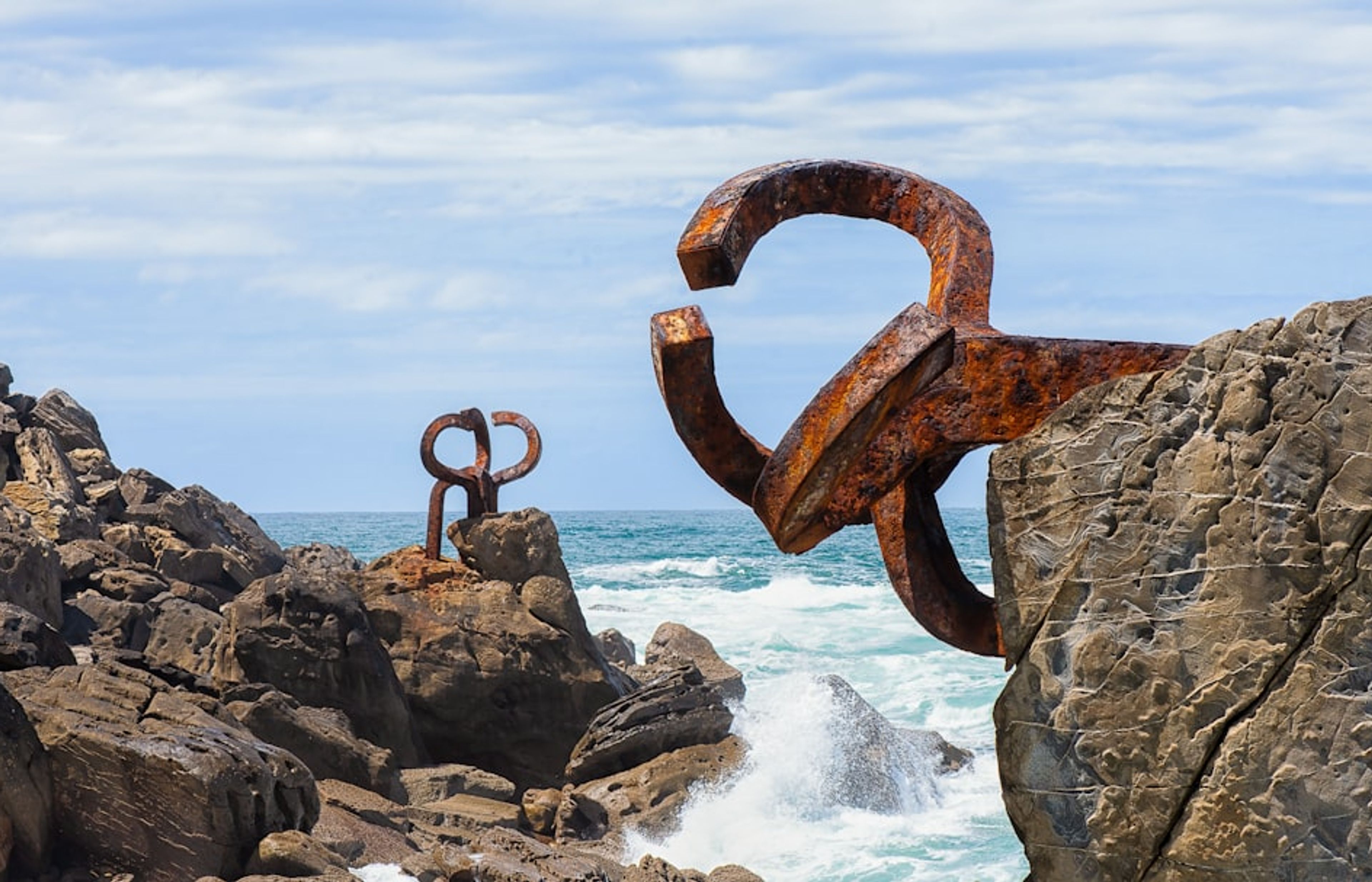
At the western tip of the bay, where Ondarreta Beach meets the rocks, three rusted-steel claws by Basque sculptor Eduardo Chillida reach out of the cliffs toward the sea. Installed in 1977, the Peine del Viento (Comb of the Wind) is the city's most beloved piece of public art.
The paved terrace around it hides blowholes that spout sea air and spray when the swell is up, part of the architect Luis Peña Ganchegui's design. On a stormy day the waves crash dramatically over the rocks; on a calm one it is a peaceful spot to watch the sun drop into the Atlantic.
Pro Tip: Visit around high tide with some swell running to see the blowholes in action, but stand back - the spray reaches the terrace. It is a 30-minute walk along the bay from the centre.
7Miramar Palace - Royal Gardens Over the Bay
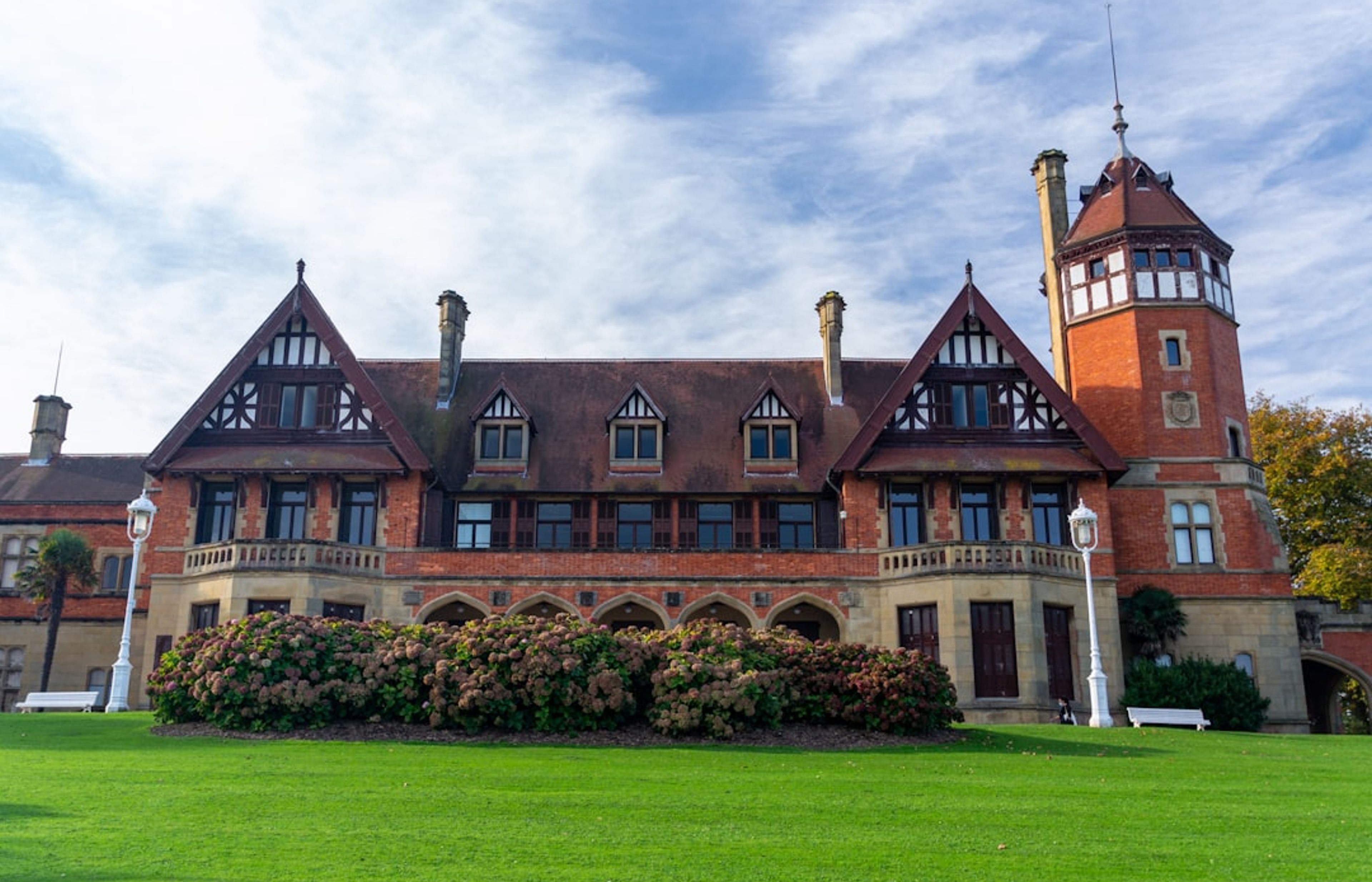
Miramar Palace sits on a low headland that divides La Concha from Ondarreta, built in 1893 as the summer residence of Spain's Queen María Cristina. Its English-cottage style architecture is what made San Sebastián the fashionable seaside resort of the Spanish royal court.
The palace interior is not generally open, but the surrounding gardens are free and public, with manicured lawns rolling down toward the sea and one of the finest framed views of the bay and the island. It is a favourite spot for a picnic or a pause on the walk west.
Pro Tip: The gardens open daily until early evening and cost nothing. The lawn on the seaward side is the best vantage point for photographing the whole sweep of La Concha.
8San Telmo Museoa - Basque Society and Culture
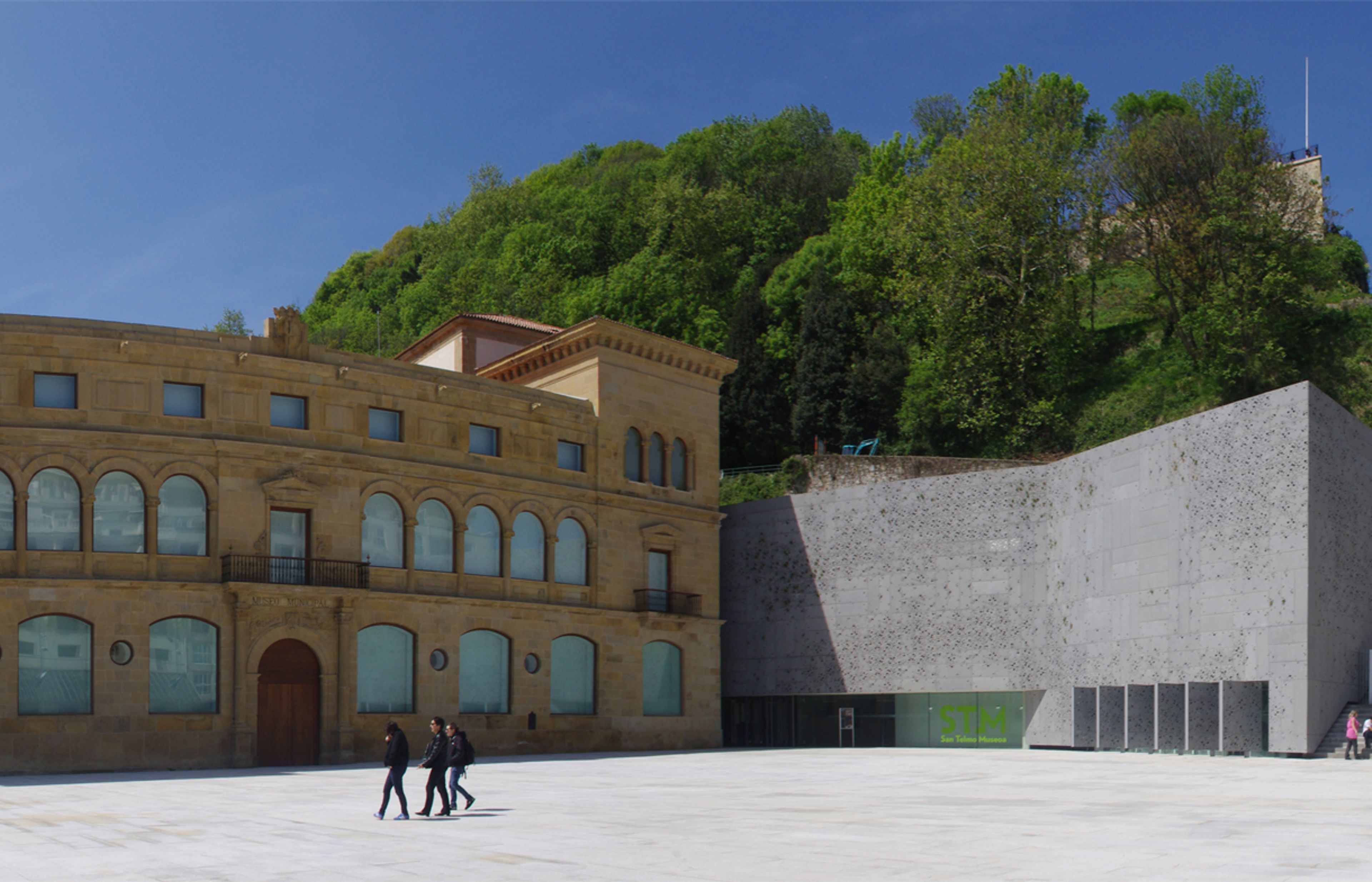
San Telmo Museoa is the oldest museum in the Basque Country, set in a 16th-century Dominican convent at the edge of the Old Town, extended with a striking perforated-metal modern wing. Its collection traces Basque society from prehistory to the present, blending history, ethnography, and art.
The highlight is the former convent church, lined with monumental canvases by Catalan painter José María Sert depicting Basque history and legend. The cloister and temporary exhibitions round out a visit that makes sense of the culture behind the pintxos and the language on the street signs.
Pro Tip: General admission is around 6 EUR and free on Tuesdays. Allow at least an hour, and don't skip the Sert paintings in the old church - they are the standout.
9Kursaal - The Cubes on the Waterfront
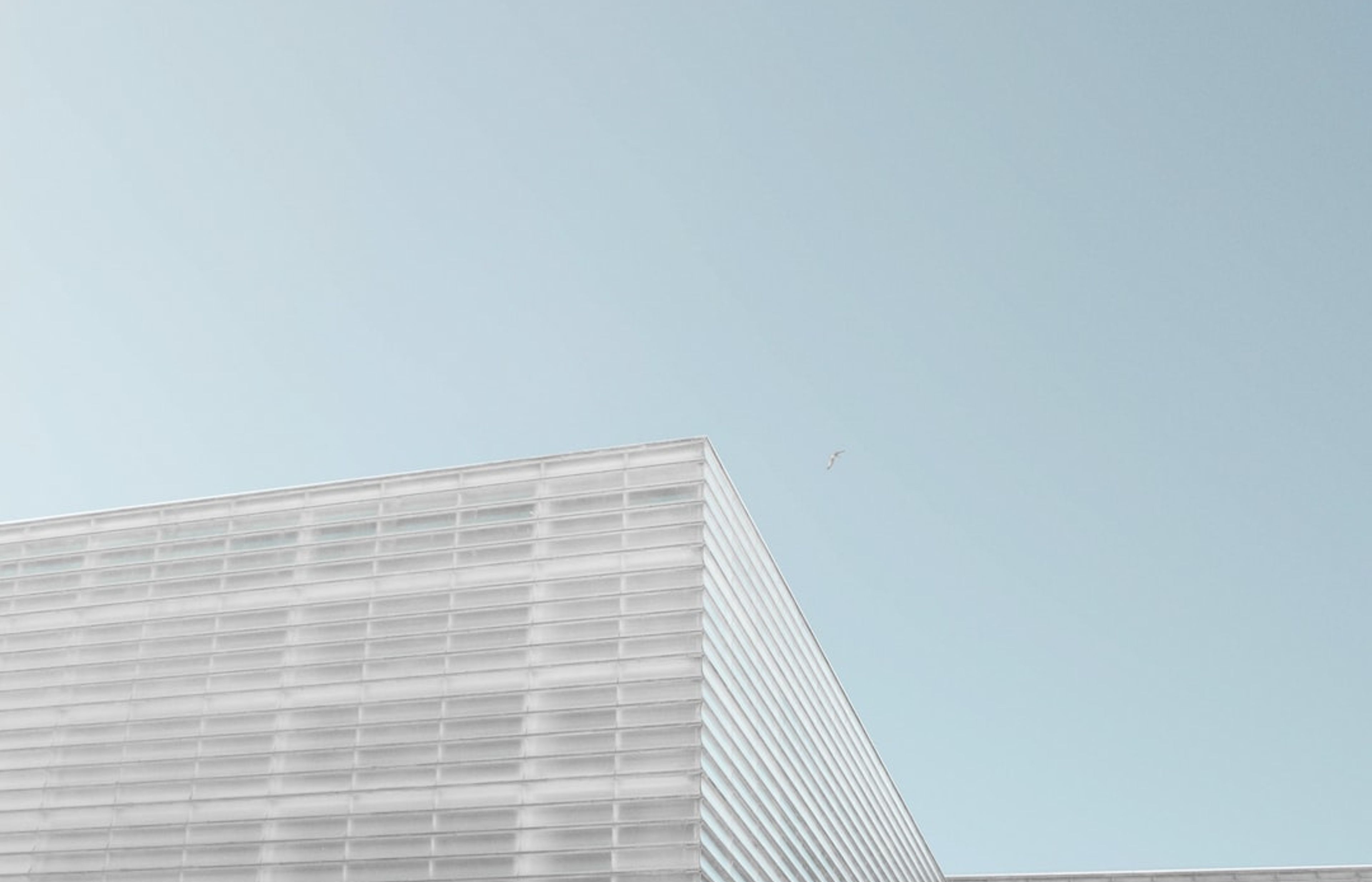
The Kursaal Congress Centre and Auditorium is the boldest piece of modern architecture in San Sebastián - two translucent glass cubes by Rafael Moneo that glow at night, set right where the Urumea river meets Zurriola Beach. Completed in 1999, the design was meant to look like two beached rocks.
It is the main venue for the September San Sebastián International Film Festival and the Jazzaldia jazz festival, and hosts concerts and conferences year-round. Even without an event, the waterfront plaza around it is a fine place to watch surfers on Zurriola and the lights come on across the river.
Pro Tip: Guided architecture tours run on selected days if you want to see inside. Otherwise, come at dusk when the cubes are lit - it is the best time to photograph them from the Zurriola bridge.
10Basílica de Santa María del Coro - The Old Town's Baroque Church
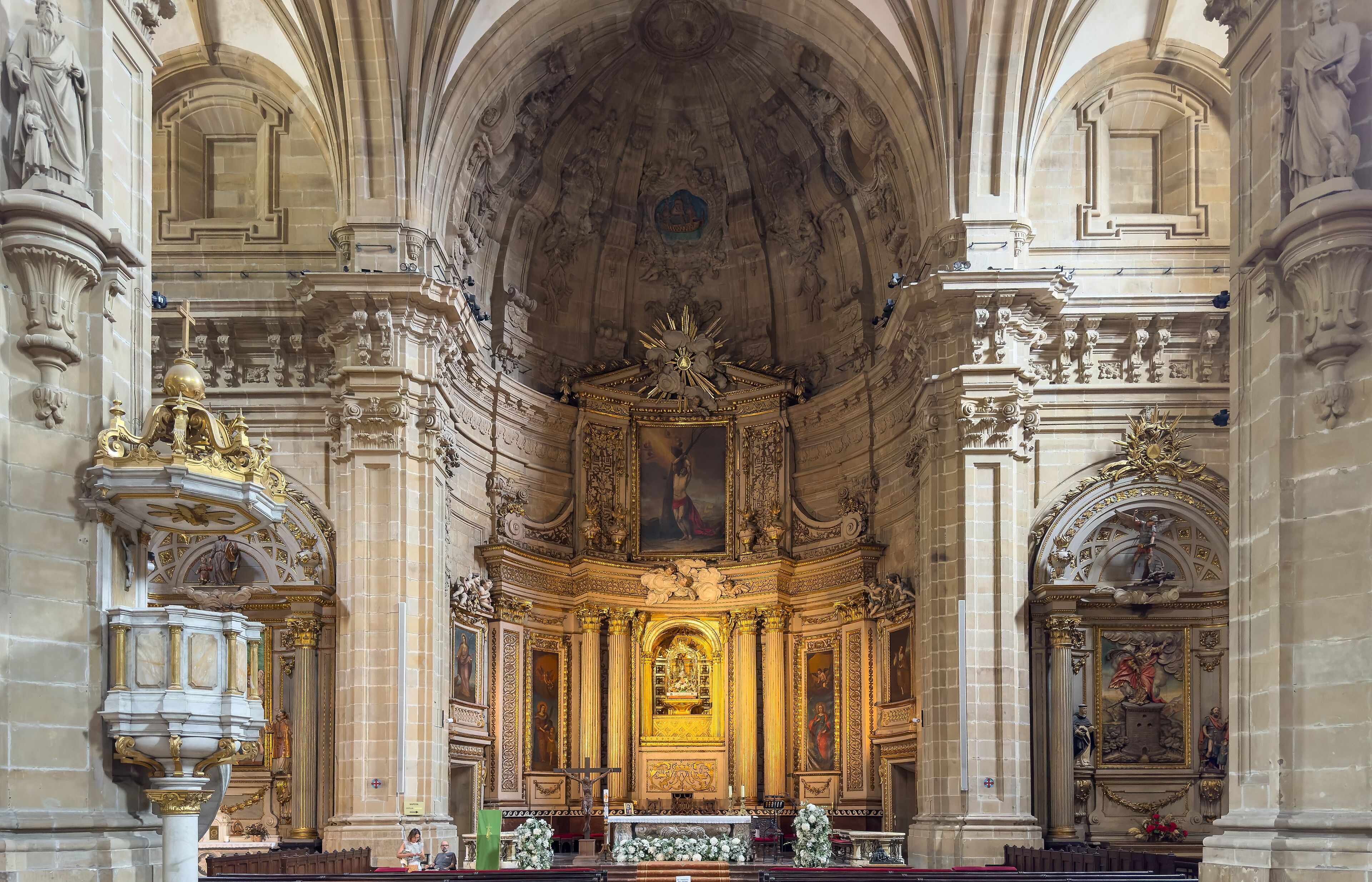
Tucked into the Old Town beneath Monte Urgull, the Basílica de Santa María del Coro is San Sebastián's most ornate church, finished in 1774. Its churrigueresque Baroque portal, carved around a figure of the city's patron Saint Sebastian, is one of the finest doorways in the Basque Country.
Inside, the dim, columned nave holds a dramatic altarpiece and an oddly moving modern sculpture of Christ by the door. The church sits at the end of Calle Mayor, perfectly aligned with the cathedral across the modern town, a sightline worth noticing.
Pro Tip: Entry is a couple of euros. Stand at the door and look straight down Calle Mayor - the Buen Pastor Cathedral lines up perfectly at the far end for a great photo.
11Aquarium of San Sebastián - Marine Life and Maritime History
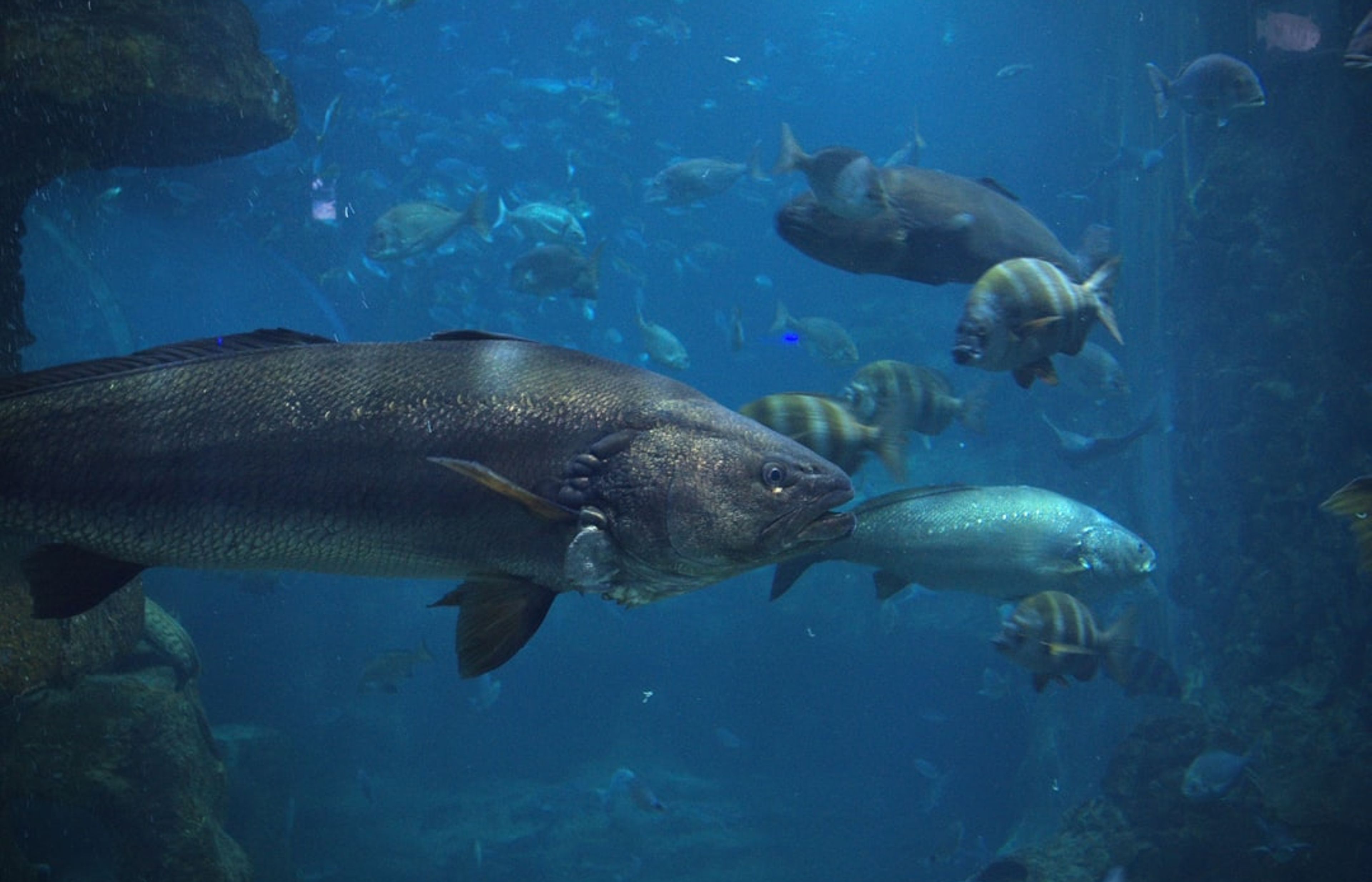
At the far end of the old harbour, the Aquarium of San Sebastián combines a maritime museum with a modern aquarium. Its centrepiece is a 360-degree glass tunnel through a large tank where sharks and rays glide overhead, a hit with families and a good rainy-day option.
The upper floors cover the Basque Country's deep relationship with the sea, from whaling and Atlantic fishing to shipbuilding, with a real whale skeleton on display. Its position on the harbour makes it an easy stop before or after climbing Monte Urgull.
Pro Tip: Admission is around 14 EUR for adults and less for children. Time your visit near feeding hours, posted at the entrance, when the tank is at its liveliest.
12Isla de Santa Clara - The Island in the Bay
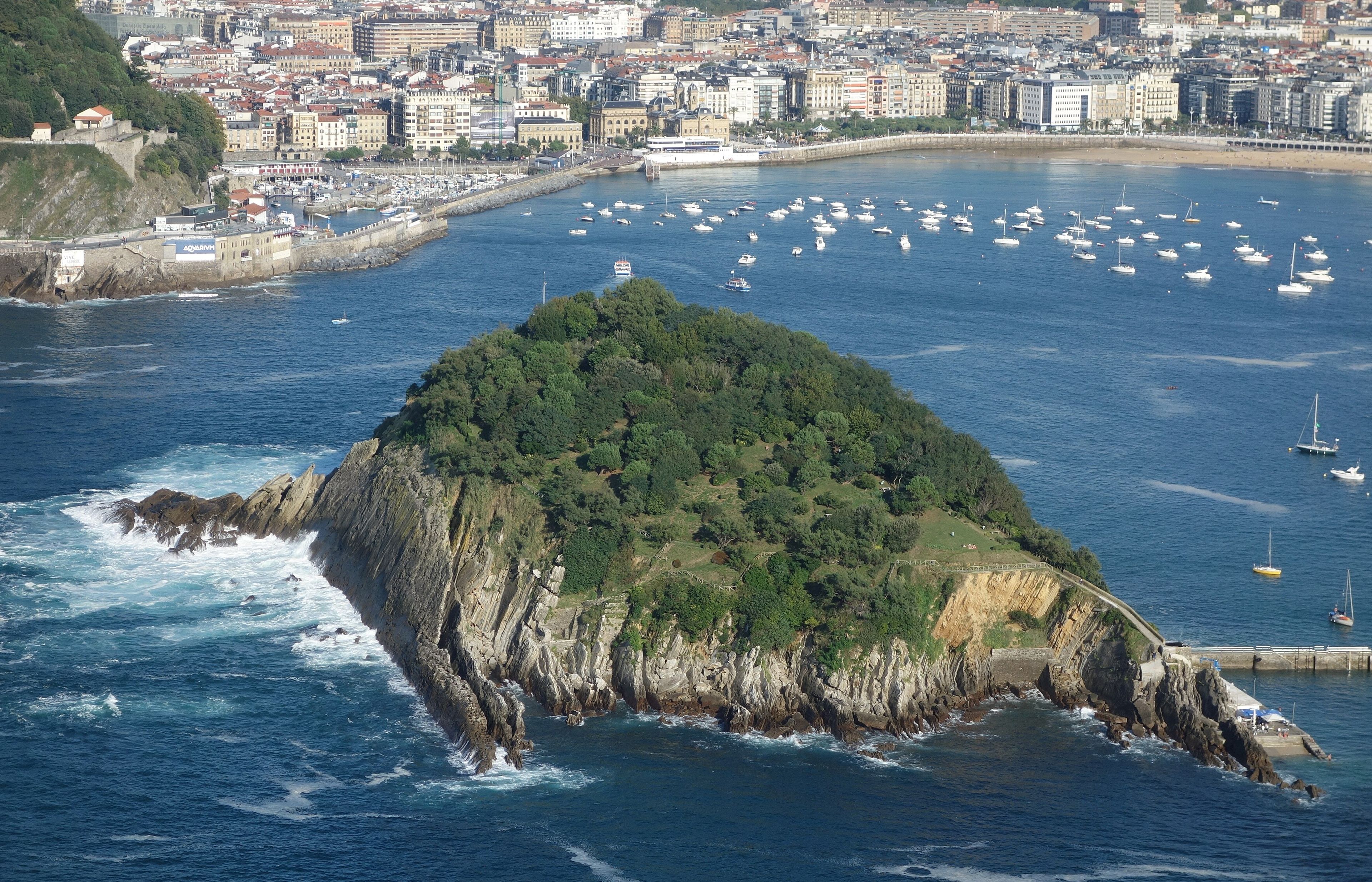
The small green island in the centre of La Concha is Santa Clara, the natural breakwater that keeps the bay so calm. In summer a short ferry from the harbour runs across every half hour, turning the island into an offbeat escape a few hundred metres from the city.
There is a tiny beach that appears at low tide, a café, a lighthouse, and walking paths up through the trees to viewpoints looking back at the city. Strong swimmers even reach it from shore in calm conditions, using the floating platforms placed in the bay each summer.
Pro Tip: The ferry only runs from roughly June to September and costs about 4 EUR return. Pack water and a picnic, as the single café keeps limited hours.

CEO and co-founder
Tomas is the co-founder and director of trip1, an European company specializing in reservation services. He launched the company in 2025 with a focus on building scalable, efficient operations.
12 Top Places to Visit in San Sebastián - FAQ
Not comfortably. San Sebastián is compact, but doing all 12 justice takes two days. A realistic plan covers the Old Town, La Concha, and Monte Urgull on day one, then Monte Igueldo, the Peine del Viento, and the Gros side on day two, leaving time for pintxos in between.
Start in the Parte Vieja (Old Town) and climb Monte Urgull, then walk the La Concha promenade west to Miramar Palace and the Peine del Viento, finishing at Monte Igueldo for sunset. Save the Gros district and Zurriola Beach, across the river, for a separate half day.
Very few. The Monte Igueldo funicular, the San Telmo Museoa, and the Aquarium of San Sebastián sell tickets on the day, though buying the funicular online avoids summer queues. La Concha Beach, Monte Urgull, the Old Town, and the Peine del Viento are all free and need no booking.
Budget around 35-45 EUR per person for paid entries. The Monte Igueldo funicular is about 4.50 EUR return, San Telmo Museoa 6 EUR, and the Aquarium roughly 14 EUR. Most highlights - the beaches, Old Town, Monte Urgull, and the Chillida sculptures - cost nothing, so the city rewards budget travellers.
Late spring and early autumn (May-June and September) are ideal, with warm days, swimmable seas, and fewer crowds than peak summer. July and August are busy and coincide with the Jazzaldia festival, while the September film festival brings a lively buzz. The Atlantic climate means rain is possible year-round.
Yes. Most sit within walking distance around La Concha Bay, and the Dbus network fills the gaps - line 16 reaches the Monte Igueldo funicular and line 5 serves Ondarreta. A Mugi transit card cuts fares. Only Isla de Santa Clara needs a short seasonal ferry from the harbour.
Consider a day trip to the fishing town of Getaria and the Txakoli vineyards, or to Bilbao and its Guggenheim Museum, an hour west. Food lovers can book one of the Michelin-starred restaurants in the hills, such as Arzak or Akelarre, which sit just outside the city centre.
San Sebastián booking help
Common questions about booking hotels in San Sebastián and paying in crypto on trip1.