
Get up to €50 off your staySubscribe and get up to €50 off your next stay
Browse and explore the best travel guides in Ireland.
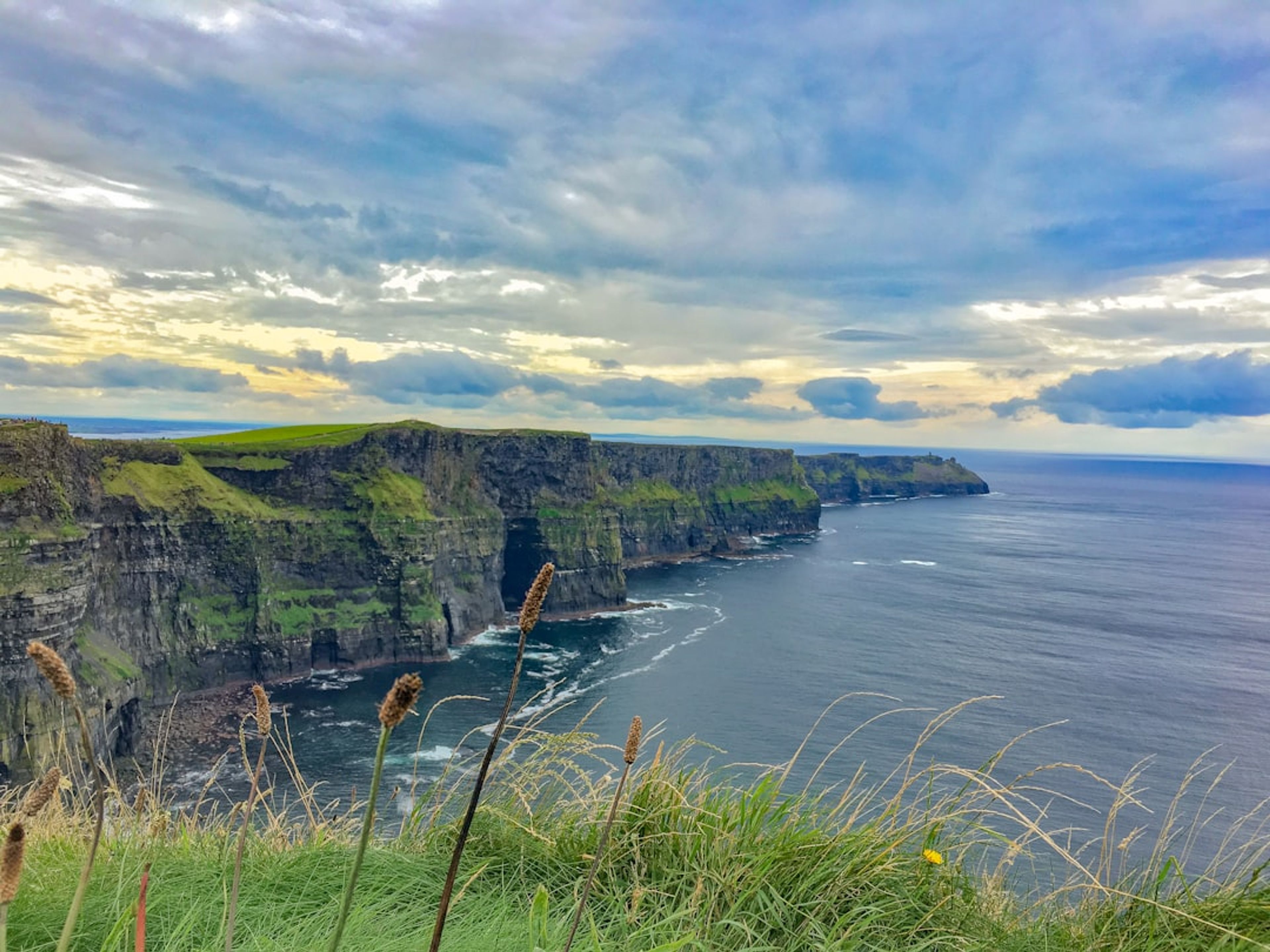
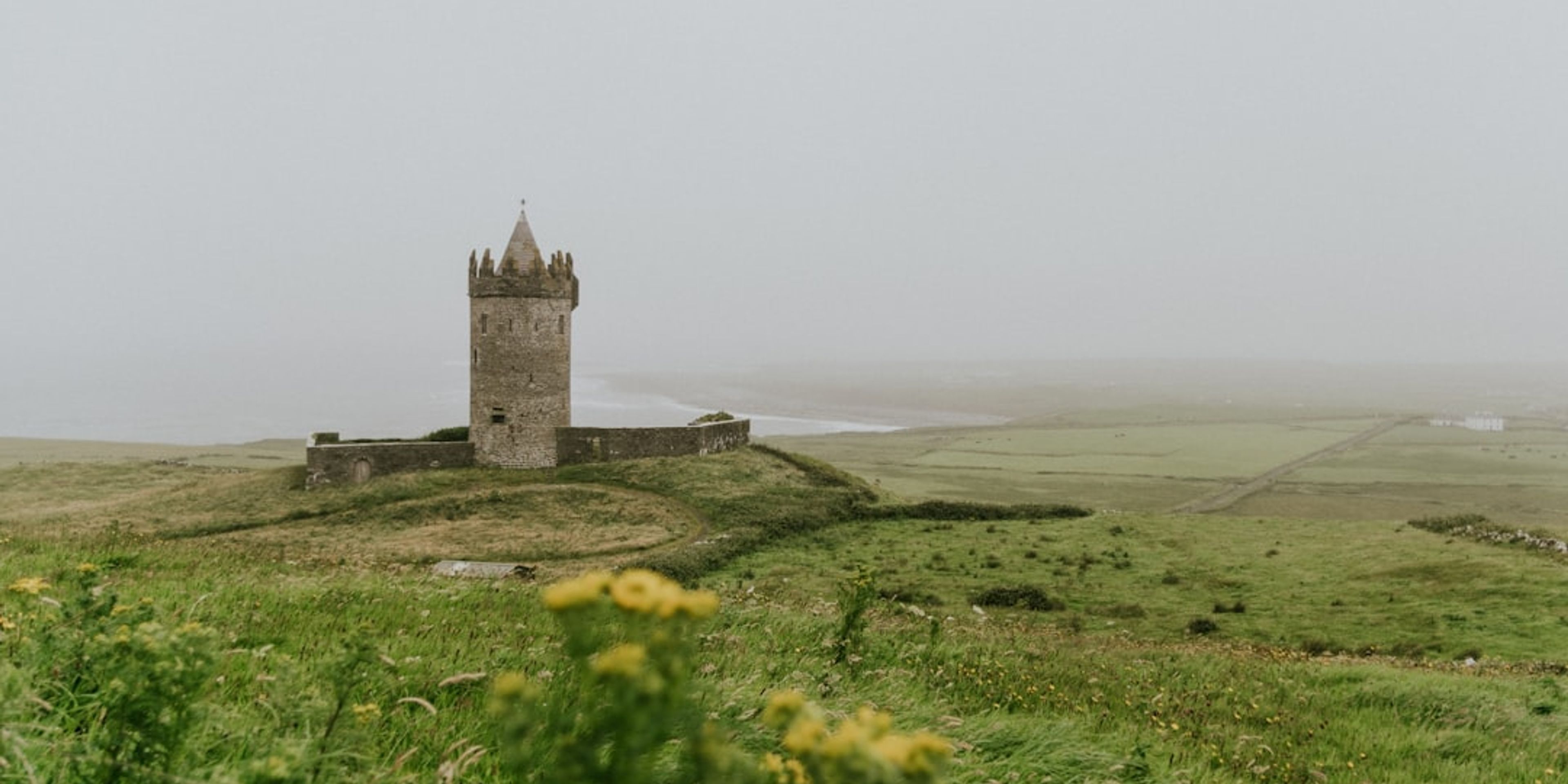
Ireland is a green, Atlantic-facing island in northwestern Europe known for its dramatic coastlines, rolling pastures, and centuries-old castles. Visitors come for the literary heritage of Dublin, the wild beauty of the Cliffs of Moher and the Ring of Kerry, the music-filled pubs of Galway, and the warmth of Irish hospitality. Compact and easy to traverse, Ireland blends ancient ruins, lively cities, and unspoiled countryside within a few hours' drive.
Capital
Dublin
Population
~5.1 million
Area
70,273 km²
Time Zone
GMT (UTC+0), IST (UTC+1) in summer
Currency
Euro (EUR)
Languages
English, Irish (Gaeilge)
Main Airports
DUB (Dublin), ORK (Cork), SNN (Shannon)
Visa
Visa-free for EU/EEA/UK; short-stay visa or ETA required for many other nationalities
Best For
Castles, pubs, scenic coastline, literary heritage
Typical Cost Level
Mid-range to Higher
Get the latest deals, new destinations, and travel tips delivered straight to your inbox.
No spam, unsubscribe anytime.
Entry rules, stay length and passport validity by nationality.
Citizens of the EU, EEA, UK, US, Canada, Australia, New Zealand and many other countries do not need a visa for short stays in Ireland of up to 90 days.
Other nationalities should apply for a short-stay 'C' visit visa through the Irish Immigration Service before travelling. Note that Ireland is not part of the Schengen Area, so a Schengen visa does not cover entry to Ireland.
Late spring through early autumn (May to September) is the best time to visit Ireland, with the warmest weather, longest daylight hours, and most festivals.
June to August offers the most reliable conditions for exploring the countryside, but also draws the largest crowds. May and September are a sweet spot for quieter sightseeing with mild temperatures. Winters are mild but wet, with shorter days.
Ireland is one of the safest countries in Europe for tourists, with low rates of violent crime and a famously friendly local culture.
Standard precautions apply in cities like Dublin: watch for pickpockets in busy areas, take licensed taxis at night, and avoid leaving valuables visible in cars. Rural roads can be narrow and winding, so drive carefully.
Ireland uses the Euro (EUR, €) as its official currency.
Cards are widely accepted across hotels, restaurants, shops, and public transport. ATMs are easy to find in towns and cities. Note that Northern Ireland, which is part of the UK, uses pound sterling (GBP) instead.
On trip1, you can book hotels across Ireland and pay with over 120 cryptocurrencies including Bitcoin, Ethereum, and USDC.
trip1 covers 3 million+ hotels in 190+ countries, making it easy to find and book accommodation with crypto in Dublin, Galway, Cork, Killarney, and beyond.
The easiest way to explore Ireland beyond the main cities is by rental car, which gives you access to scenic routes like the Wild Atlantic Way and the Ring of Kerry.
If you prefer not to drive, Irish Rail and Bus Éireann connect major cities and towns, and guided coach tours cover popular sights. Within cities, Dublin's bus, tram (Luas), and DART rail networks are reliable. Remember that traffic drives on the left.