
Get up to €50 off your staySubscribe and get up to €50 off your next stay
Browse and explore the best travel guides in Dublin.
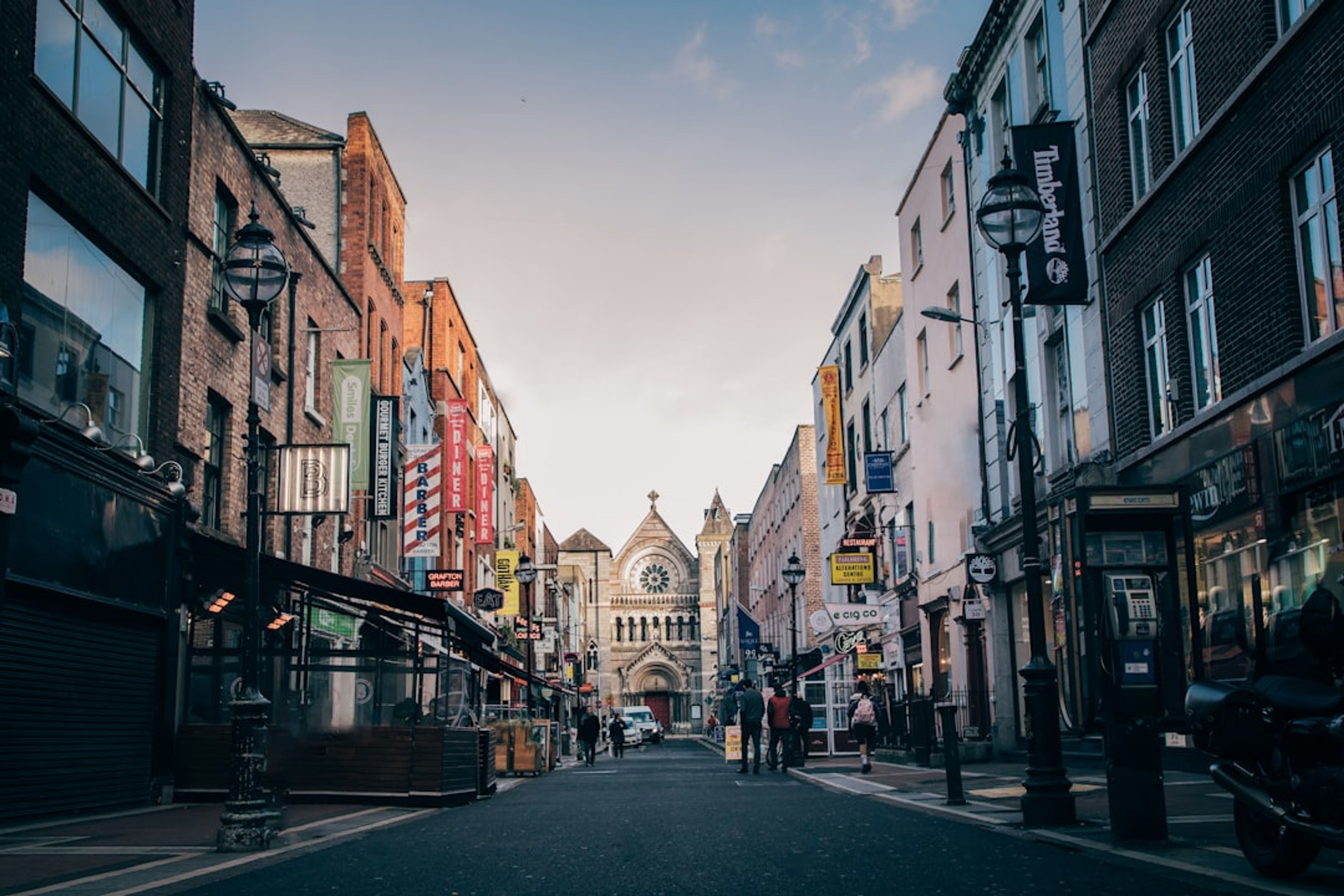
Dublin, the capital of Ireland, is a compact, walkable city set along the River Liffey on the country's east coast. Centuries of history sit easily alongside a young, creative energy, with Georgian squares, medieval cathedrals, and 18th-century libraries just steps from buzzing pubs, design studios, and street art.
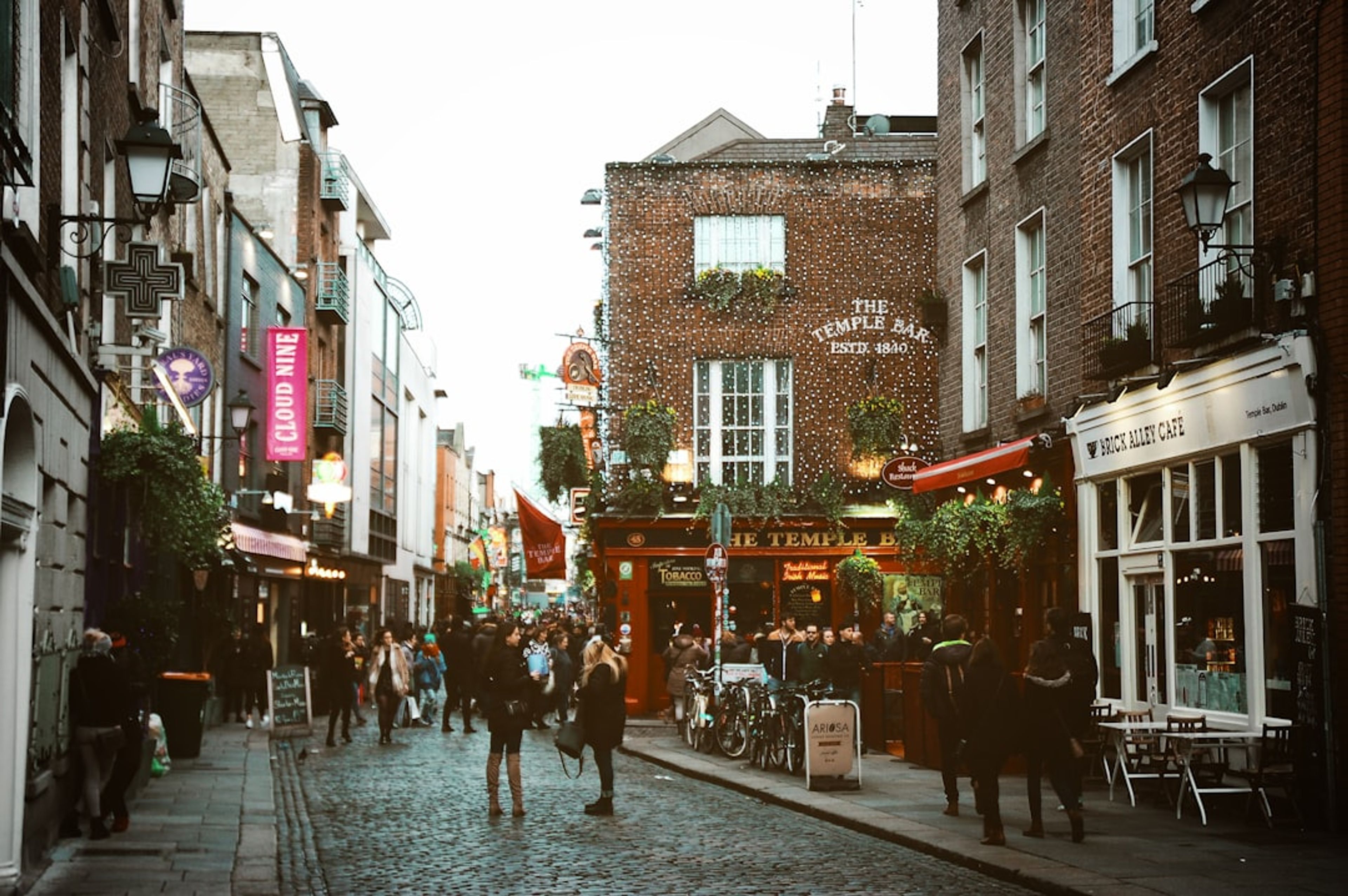
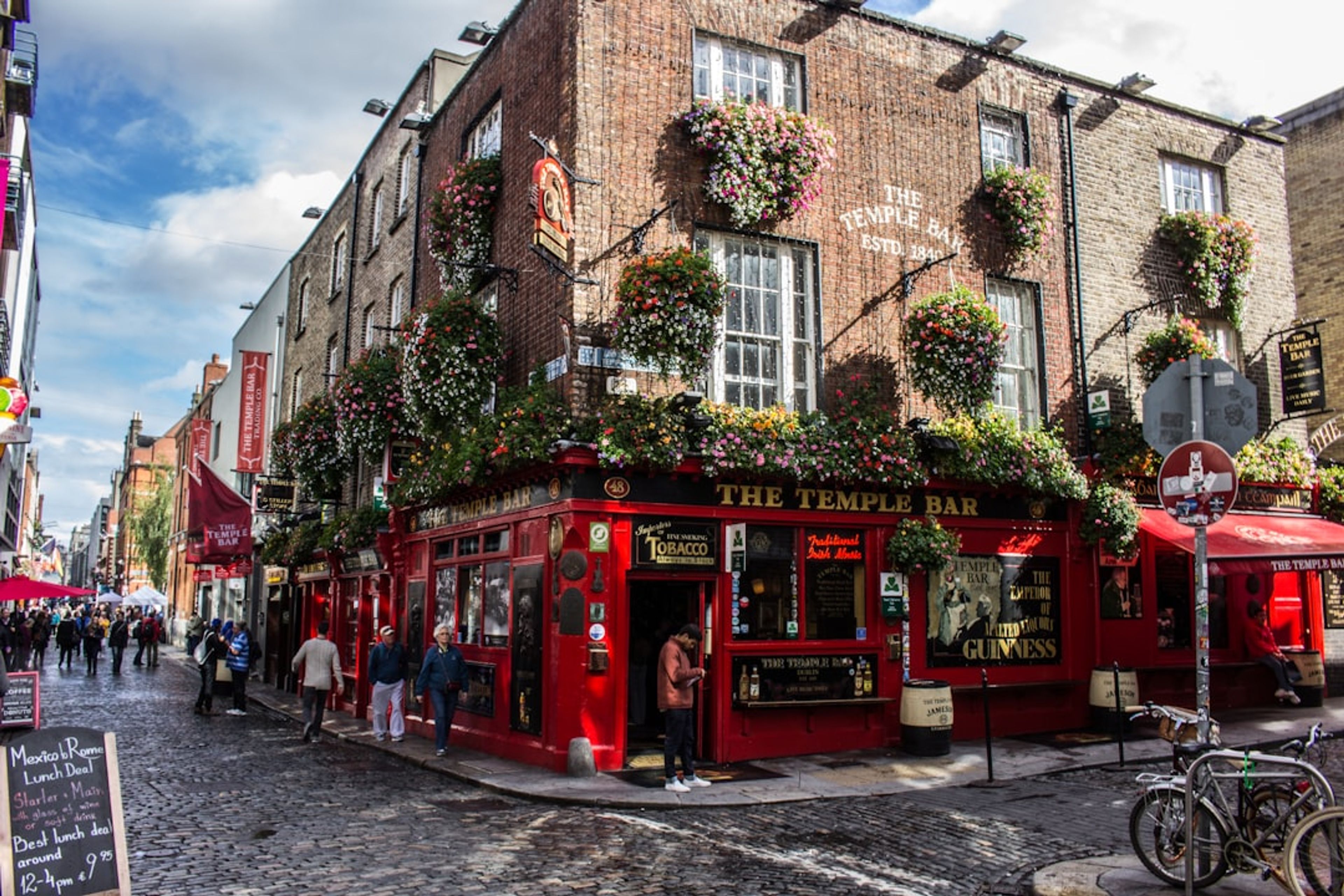
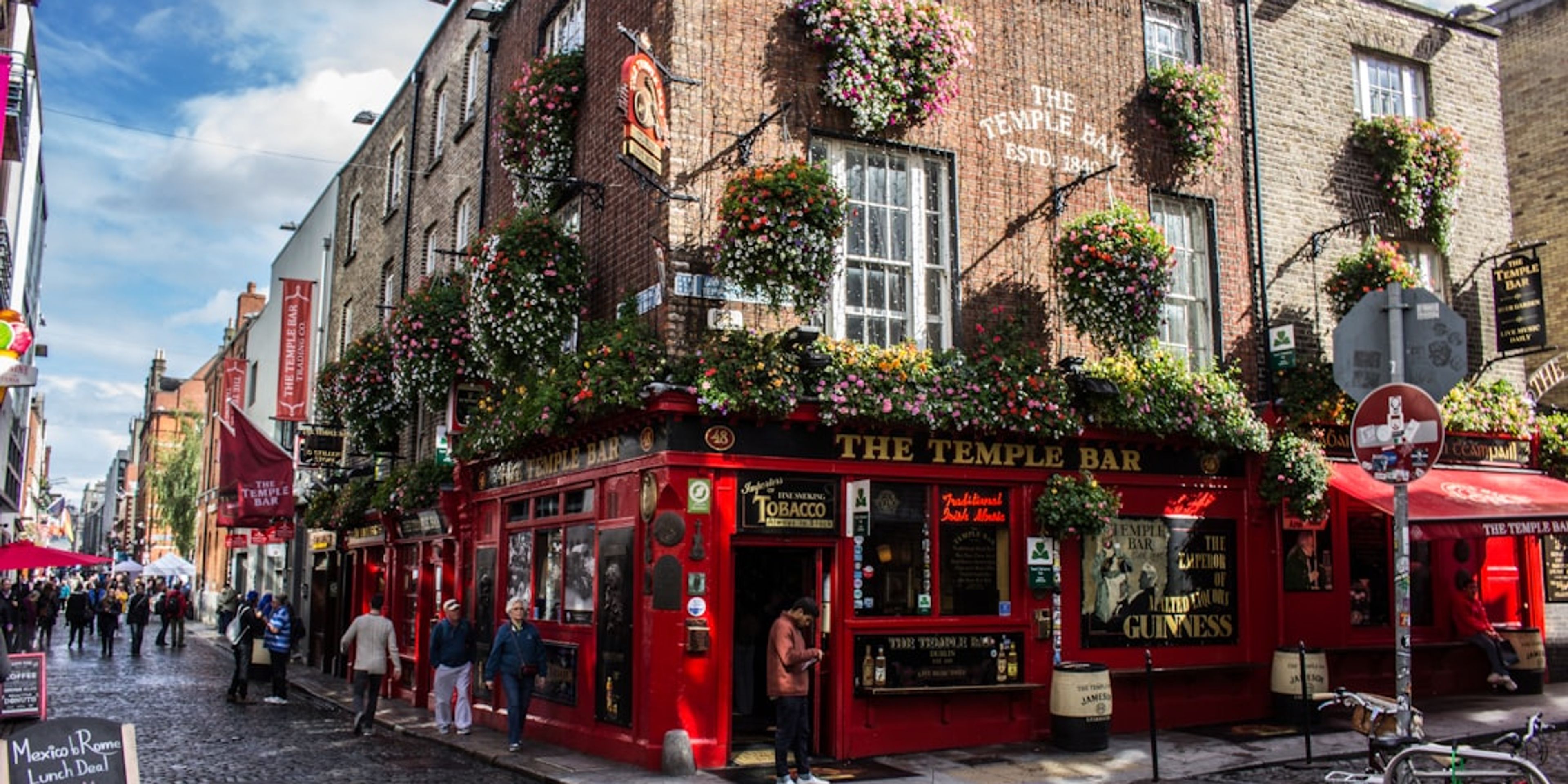
The city is a global capital of literature — home to Joyce, Yeats, Beckett, and Wilde — and its trad music sessions, lively neighbourhoods like Temple Bar, and storied institutions like Trinity College and the Guinness Storehouse make it one of Europe's most welcoming weekend escapes.
With a small footprint, friendly locals, and easy connections to the wider island, Dublin works equally well as a stand-alone city break or as the launchpad for a longer Irish road trip.
Country
Ireland
Region
Leinster (east coast)
Population
~595,000 city; ~1.4 million metro
Elevation
~20 m above sea level
Time Zone
GMT (UTC+0), IST (UTC+1) in summer
Currency
Euro (EUR)
Language
English (Irish co-official)
Nearest Airport
Dublin Airport (DUB)
Airport to City Centre
~10 km; 25–40 minutes by Airlink/Aircoach bus or taxi
Typical Cost Level
Higher (one of Europe's pricier capitals)
Transport Pass
Leap Card (Dublin Bus, Luas, DART, commuter rail)
Spring (Mar–May) temps
7–13 °C (45–55 °F)
Summer (Jun–Aug) temps
12–20 °C (54–68 °F)
Autumn (Sep–Nov) temps
8–16 °C (46–60 °F)
Winter (Dec–Feb) temps
3–8 °C (38–46 °F)

Get the latest deals, new destinations, and travel tips delivered straight to your inbox.
No spam, unsubscribe anytime.
The best time to visit Dublin is from May to September, when temperatures are mild, daylight stretches well into the evening, and the city's parks, festivals, and outdoor terraces come alive.
Around St Patrick's Day in mid-March, the city is at its most festive but also at its busiest. June and July are peak summer for sightseeing, while September offers warm-ish days, smaller crowds, and lower hotel rates. Winters are mild but wet, with cosy pubs as the main attraction.
Dublin Airport (DUB) sits about 10 km north of the city centre, and the fastest options are the Airlink Express (Route 747) and Aircoach buses, which take around 25–40 minutes depending on traffic.
Standard Dublin Bus routes are cheaper but slower, while taxis and ride-hailing typically cost €25–35 and take 20–40 minutes. There is no metro or train link directly from the airport, but the Luas tram and DART rail networks connect easily once you reach the city centre.
The best way to get around Dublin is on foot, since most major sights cluster within a 30-minute walk of each other across the River Liffey.
For longer trips, the Luas tram and Dublin Bus network cover the city well, while the DART rail line is great for coastal day trips to Howth or Dun Laoghaire. A Leap Card gives you discounted fares across all public transport. You do not need a car in the city itself.
Two to three full days in Dublin are enough to cover the main highlights at a comfortable pace.
Plan one day for the historic core (Trinity College and the Book of Kells, Dublin Castle, Christ Church, Temple Bar), a second for cultural highlights (the Guinness Storehouse, Kilmainham Gaol, the National Museum), and a third for a coastal day trip to Howth or Bray. Add an extra night if you want a slower pace or live music sessions.
Dublin is generally safe for tourists, with violent crime rare and a strong tradition of friendly locals helping visitors find their way.
The most common issues are pickpocketing in tourist areas like O'Connell Street, Temple Bar, and on busy buses, plus the usual late-night nuisances around bar districts. Stick to well-lit streets at night, keep valuables out of sight, and use licensed taxis or ride-hailing apps after dark.
On trip1, you can book hotels across Dublin and pay with over 120 cryptocurrencies including Bitcoin, Ethereum, and USDC.
trip1 covers 3 million+ hotels in 190+ countries, making it easy to find and book accommodation with crypto from boutique stays in Temple Bar to modern hotels in the Docklands.
Dublin is roughly split by the River Liffey, with most visitor neighbourhoods on the south side.
Temple Bar is the famous (and touristy) nightlife and music quarter. Around Grafton Street and St Stephen's Green you'll find shopping and Georgian elegance, while Merrion Square and Ballsbridge are quieter and more residential. North of the river, O'Connell Street is the main thoroughfare, and the regenerated Docklands area mixes modern hotels with the convention centre and tech offices.
The best day trips from Dublin combine easy public transport access with dramatic scenery or historic sites.
Popular options include the seaside village of Howth and the cliff walks at Bray (both reachable by DART), the prehistoric tombs at Newgrange in the Boyne Valley, the Wicklow Mountains and Glendalough monastic site, and longer guided trips to the Cliffs of Moher or Belfast and the Giant's Causeway.
Entry rules, stay length and passport validity by nationality.