


Las Vegas travel guides
Browse and explore the best travel guides in Las Vegas.
Las Vegas travel facts
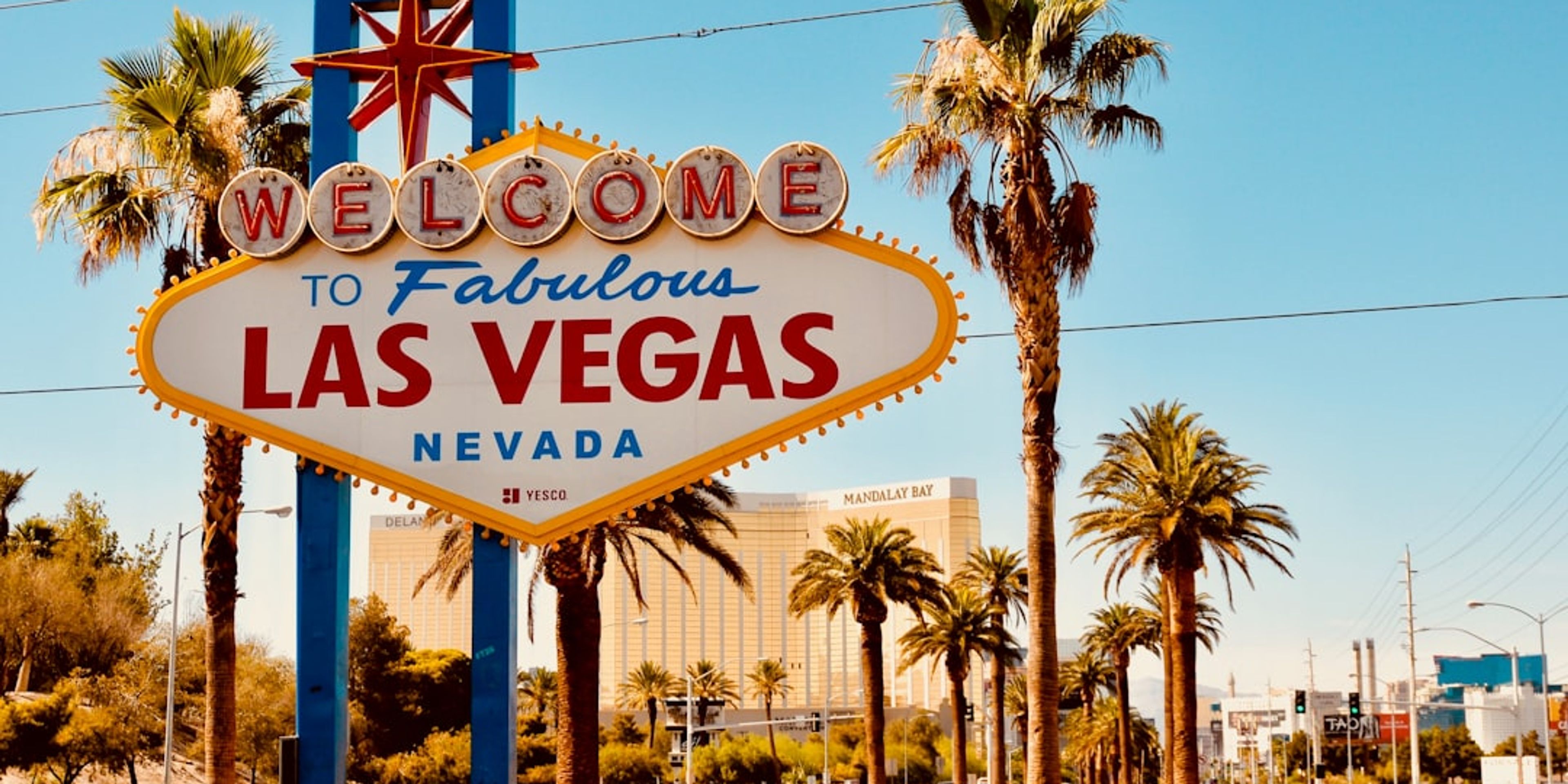
Las Vegas rises out of the Mojave Desert in southern Nevada, a city built on entertainment unlike anywhere else in the United States. Its centrepiece is the Strip, a four-mile stretch of mega-resorts, themed casinos and dancing fountains where replicas of Venice, Paris and ancient Egypt stand side by side. Beyond the neon, the city has reinvented itself as a destination for world-class dining, residency concerts, championship sport and headline shows, all running 24 hours a day under near-constant sunshine.
While the casinos and nightlife draw the crowds, Las Vegas offers more than gambling. The revitalised Downtown around Fremont Street showcases the city's vintage neon heritage and a growing arts and craft-cocktail scene, while celebrity-chef restaurants and lavish buffets make it one of America's top food cities. Spectacular productions, from acrobatic spectacles to magic and live music, fill theatres every night, and the city's hotels are attractions in themselves, complete with pools, spas and shopping.
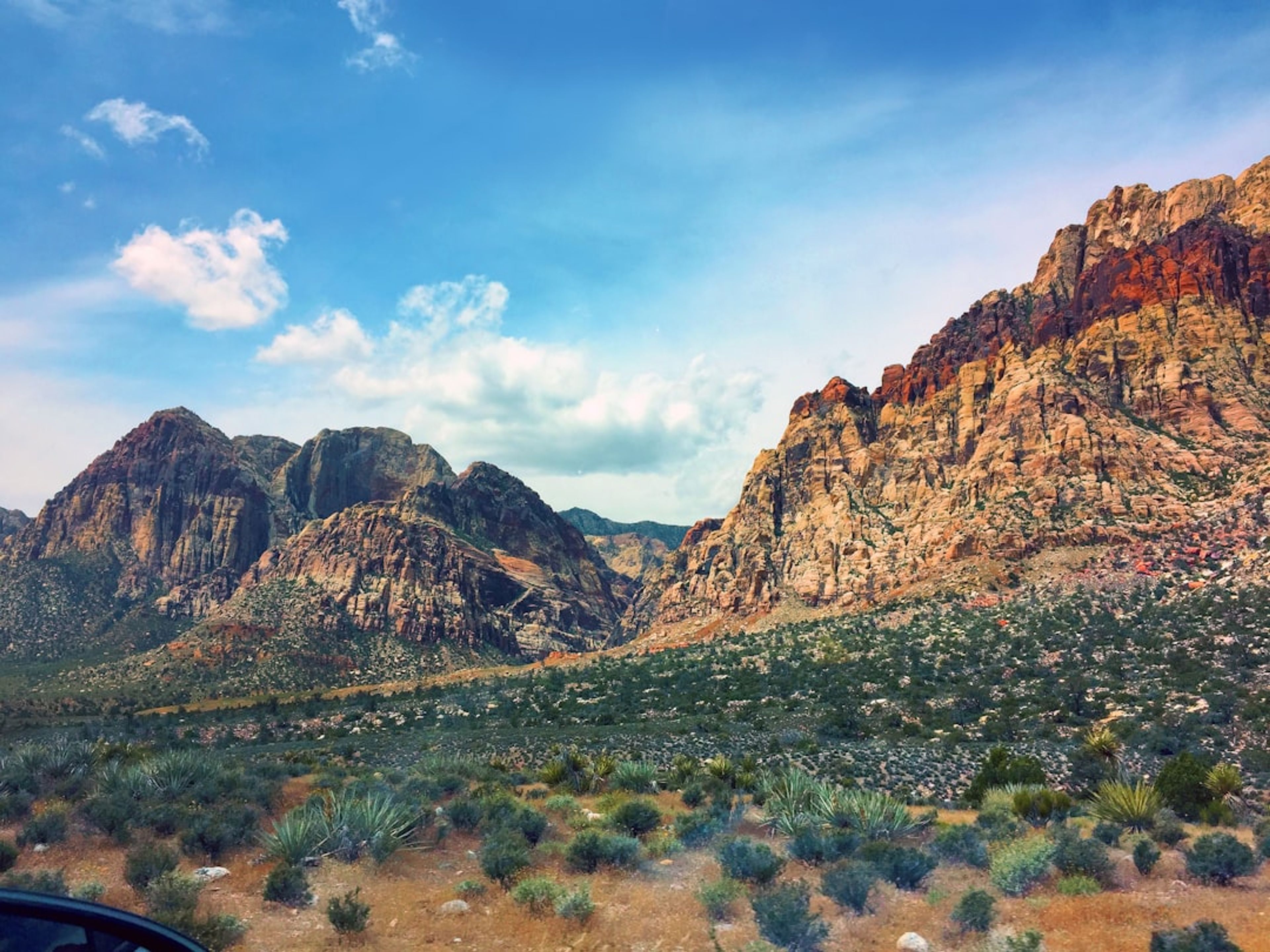
The Strip and Downtown are walkable in sections, linked by a monorail, trams and rideshares, though the desert heat makes summer days challenging. Las Vegas is also a natural base for exploring the dramatic Southwest, with Red Rock Canyon on the doorstep and the Grand Canyon, Hoover Dam and Death Valley all within reach as day trips. Expect hot, dry summers and mild winters, with spring and autumn offering the most comfortable weather for sightseeing.

Country
United States
Region / State
Nevada (Southwest)
Population
~660,000 (metro ~2.3 million)
Elevation
610 m (2,001 ft)
Time Zone
Pacific Time (UTC-8, UTC-7 in summer)
Currency
US Dollar (USD)
Language
English
Nearest Airport
Harry Reid International (LAS)
Airport to City Centre
LAS ~8 km, ~15 min to the Strip by car
Typical Cost Level
Budget to High (highly variable)
Transport Pass
Deuce & SDX bus pass; Las Vegas Monorail
Spring (Mar-May)
12-30°C (54-86°F)
Summer (Jun-Aug)
26-40°C (79-104°F)
Autumn (Sep-Nov)
13-32°C (55-90°F)
Winter (Dec-Feb)
4-16°C (39-61°F)
Las Vegas travel guides



Stay in the loop
Get the latest deals, new destinations, and travel tips delivered straight to your inbox.
No spam, unsubscribe anytime.
Do you need a visa for United States?
Entry rules, stay length and passport validity by nationality.
Climate averages · 1991–2020
When is the best time to visit Las Vegas?
The best time to visit Las Vegas is between April and June, the most comfortable stretch of the year on these averages.
Best time · April–JuneRainfall
- Jan9°
- Feb12°
- Mar12°
- Apr20°
- May25°
- Jun31°
- Jul34°
- Aug32°
- Sep28°
- Oct21°
- Nov14°
- Dec10°
Latest travel guides





Las Vegas Destination FAQ
The best times to visit Las Vegas are spring (March-May) and autumn (September-November), when daytime temperatures are warm and comfortable rather than scorching. Summer is intensely hot, often above 40°C (104°F), which suits poolside days but makes walking the Strip taxing. Winters are mild and a good-value time to visit, though evenings can be cool. Rates and crowds also swing with the events calendar, so a midweek stay outside major conventions and holidays is usually cheaper and quieter.
Harry Reid International Airport (LAS) is only about 8 kilometres from the Strip, so transfers are quick. A taxi or rideshare reaches most Strip hotels in 10-20 minutes, while shared airport shuttles are cheaper but slower as they make multiple stops. Public buses such as the Centennial Express also serve the Strip and Downtown for a low fare. Because the airport is so close, you do not need to plan a complex transfer - a rideshare is the simplest option for most arrivals.
You do not need a car to enjoy Las Vegas if you are sticking to the Strip and Downtown. The Strip is walkable in stretches, with elevated walkways, free hotel trams between certain resorts, the Las Vegas Monorail along the east side, and the Deuce bus running 24 hours between the Strip and Fremont Street. Rideshares are plentiful for longer hops. A rental car only makes sense if you plan day trips to the Grand Canyon, Hoover Dam, Red Rock Canyon or Death Valley.
Three to four days is ideal for most Las Vegas trips. That gives you time to explore the Strip's resorts, see a show or two, enjoy the dining and nightlife, and spend an evening in Downtown around Fremont Street. A long weekend covers the city itself well, while adding a fifth day or more lets you take a day trip to the Grand Canyon, Hoover Dam or Red Rock Canyon without feeling rushed.
Las Vegas is generally safe for tourists, with the Strip and Downtown heavily monitored by security and cameras around the clock. The main risks are petty theft and pickpocketing in crowded casinos and along busy walkways, so keep your valuables secure and be cautious with your winnings. Stay aware late at night, use official taxis or rideshare apps, and drink responsibly given how easy it is to lose track of time indoors. In the summer heat, carry water and use sun protection.
Las Vegas centres on two main areas. The Strip is the famous boulevard of mega-resorts, casinos, shows and restaurants where most visitors stay, split loosely into the upscale central section and the more budget-friendly north and south ends. Downtown, around Fremont Street, is the city's older core, known for vintage neon, lower-cost casinos and a lively pedestrian experience. Beyond these, the Arts District has independent bars and galleries, and Summerlin to the west offers a quieter, residential alternative near Red Rock Canyon.
Las Vegas has become a serious dining destination far beyond its famous all-you-can-eat buffets. The city is packed with celebrity-chef restaurants spanning steakhouses, sushi and fine dining inside the major resorts. For something more local, head to the Arts District and Chinatown on Spring Mountain Road, which offers some of the best Asian food in the country. Late-night eats, classic American diners and elaborate brunches round out a food scene that runs around the clock.
Yes. On trip1, you can book hotels across Las Vegas and pay with over 50 cryptocurrencies including Bitcoin, Ethereum, and USDC. trip1 covers 3 million+ hotels in 190+ countries, making it easy to find and book accommodation with crypto.