
Guides · Lucerne
10 Best Things to Do in Lucerne

CEO and co-founder
This guide covers 10 essential things to do in Lucerne, Switzerland, organised so you can actually walk between most of them without a car. Eight of the ten sit inside or within a 20-minute stroll of the Altstadt on both banks of the River Reuss, which makes Lucerne one of the easiest Swiss cities to sightsee on foot in 2026. The two exceptions - Mount Pilatus (2,128 m) and Mount Rigi (1,798 m) - are half-day mountain excursions reached by boat, train and cable car from the main Bahnhof and the lakefront piers.
I have grouped the list to move logically from the Reuss riverfront (Chapel Bridge, Spreuer Bridge), up through the Old Town and Musegg fortifications, over to the Lion Monument, then out to the KKL and the Swiss Museum of Transport on the northeast shore. The two mountains and the Lake Lucerne cruise close out the list because they each eat 4-6 hours and want good weather.
A sensible plan: two full days in the city itself, plus one clear-sky day reserved for either Pilatus or Rigi (or a full-lake boat cruise if the peaks are socked in). Prices below are 2026 published rates in Swiss francs, and every stop lists its nearest VBL bus stop or S-Bahn platform. Anyone coming from Zurich will find a smaller and markedly slower city, which is the whole appeal, and the hour on the train is short enough that people regularly do this as a day trip and regret not staying. Both summits are only worth the fare in clear air, so check Lucerne weather the evening before and keep the peak day flexible rather than fixed. The hotels in Lucerne along the lakefront put the boat piers and the old town within a few minutes on foot, and Interlaken is the obvious second base if you want more mountain time.
1Chapel Bridge (Kapellbrücke) - The Iconic 14th-Century Wooden Bridge
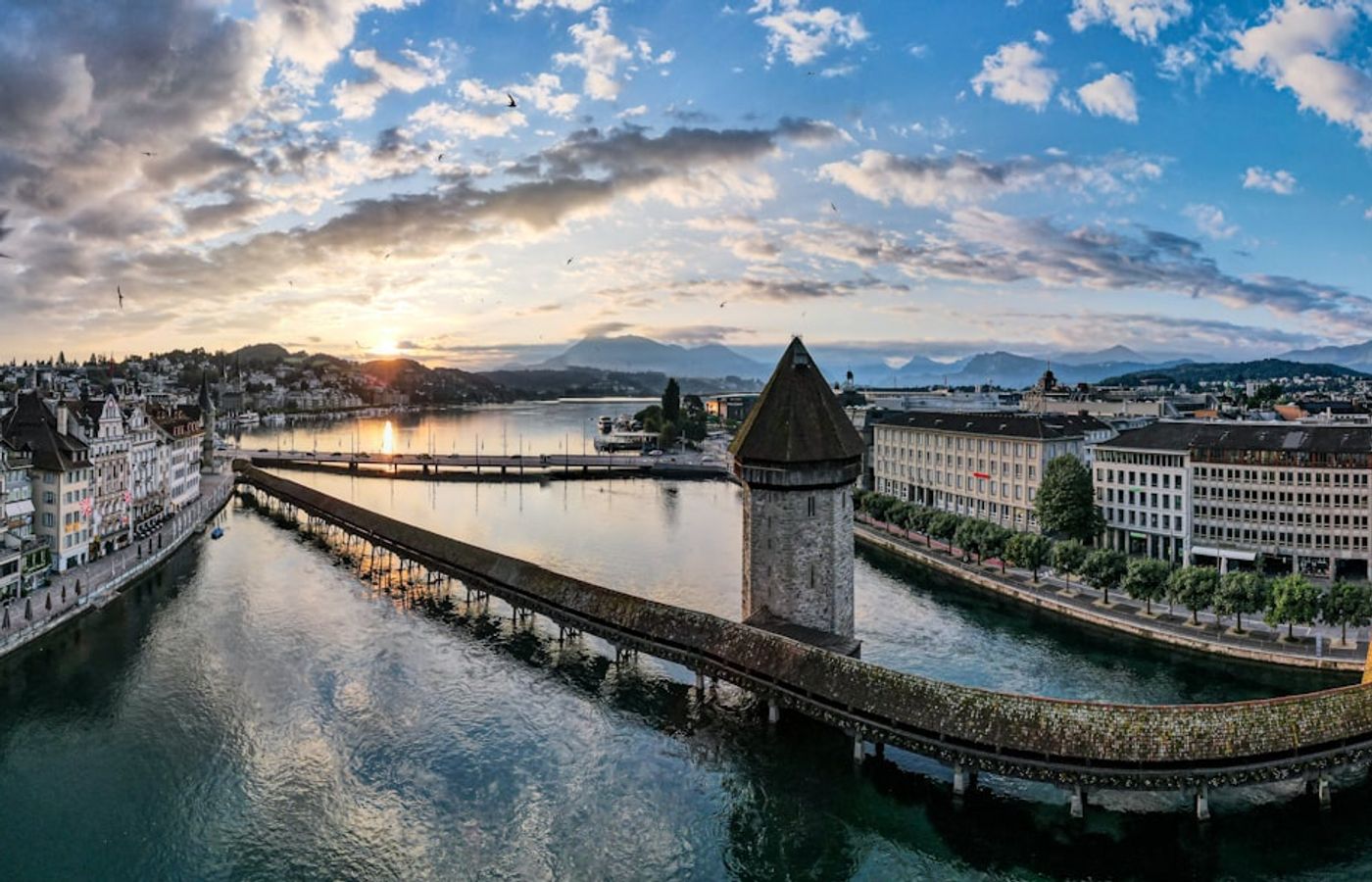

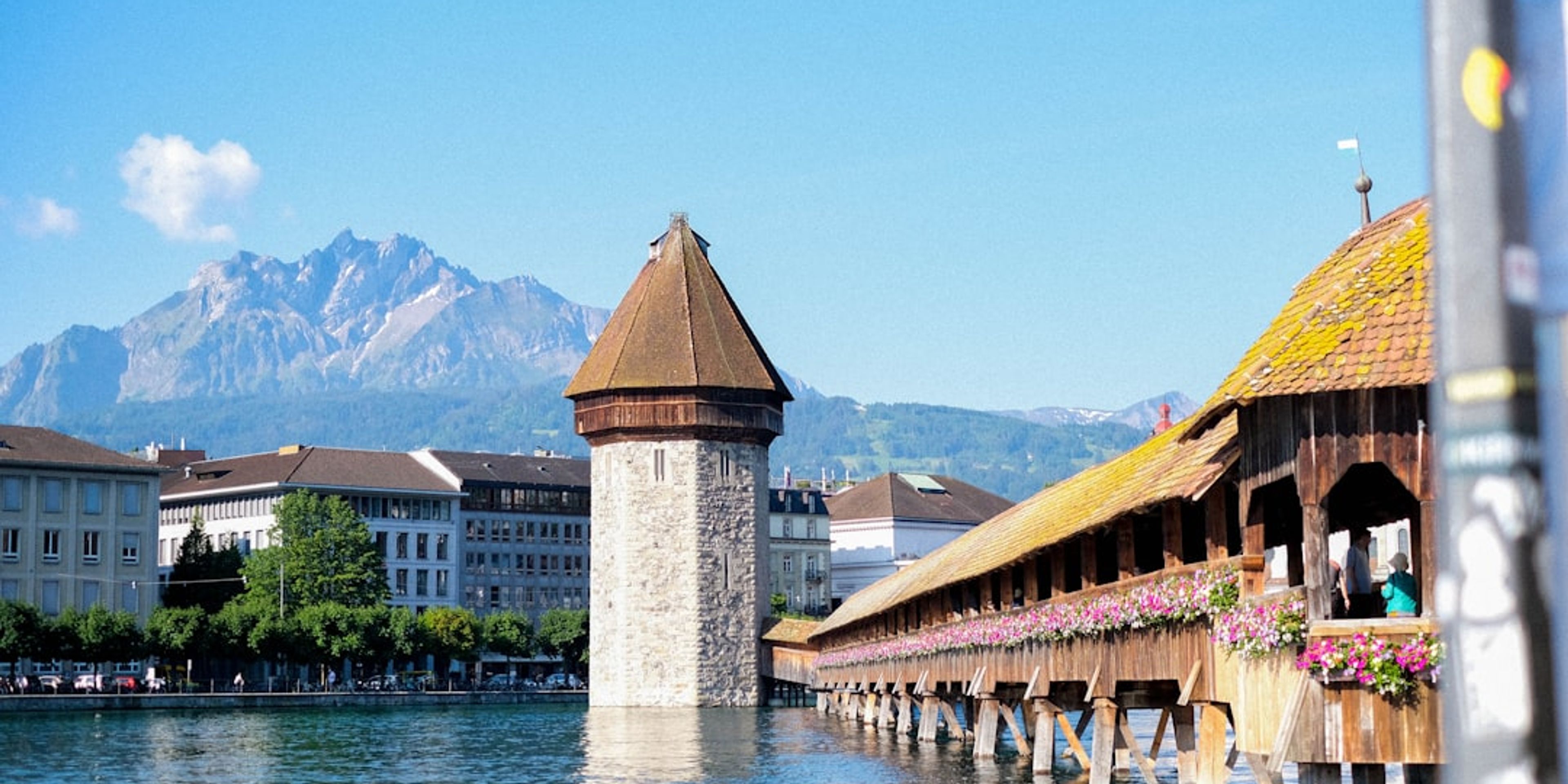
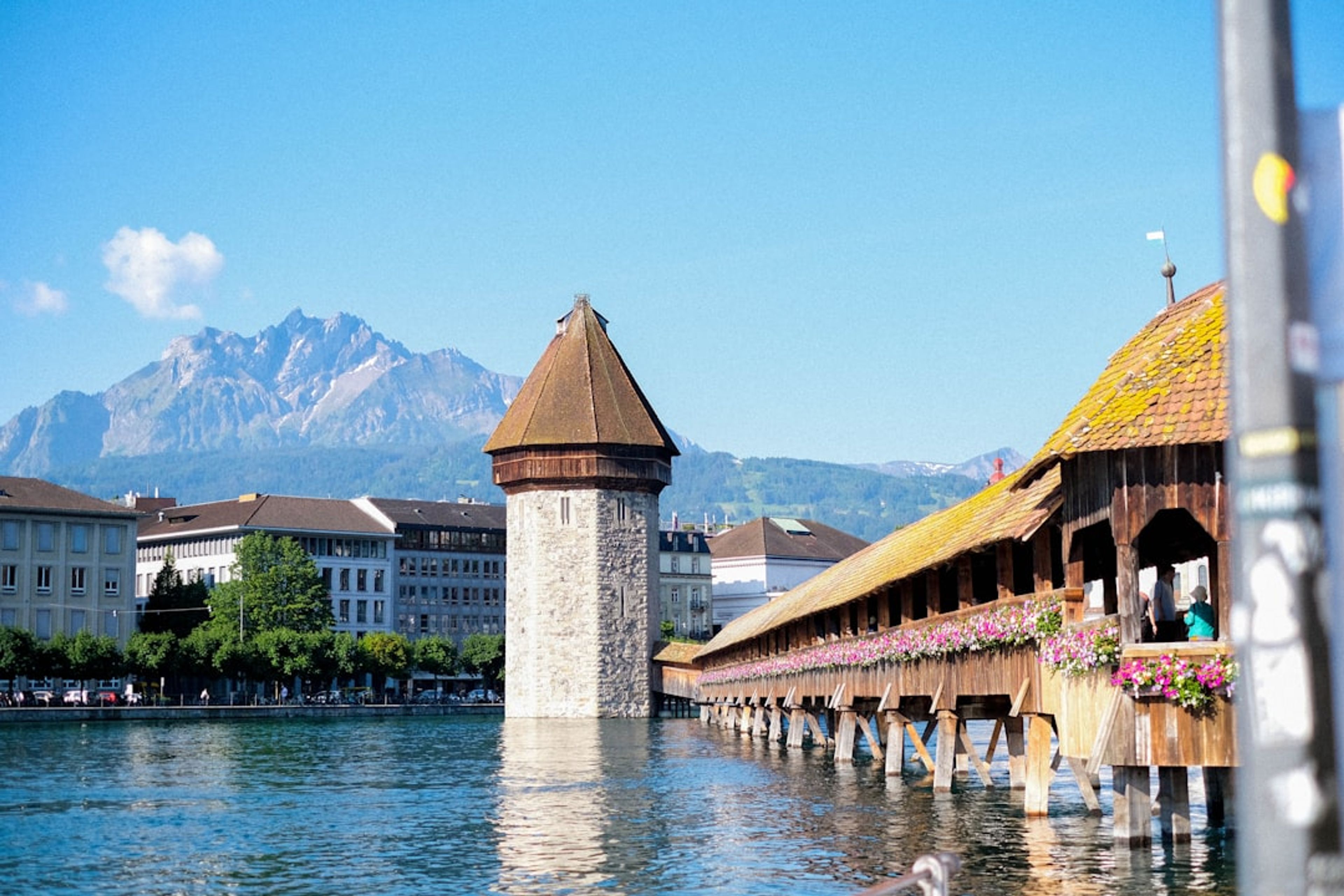
The Chapel Bridge, built from 1333, is the oldest surviving wooden truss bridge in Europe and the single image most people associate with Switzerland. It runs 204 metres diagonally across the River Reuss, linking the medieval Old Town to the newer right bank, and its octagonal Water Tower (Wasserturm) predates the bridge by a few decades. The interior gable paintings, added in the 17th century by Hans Heinrich Wägmann, depict scenes from Swiss and Lucerne history. A serious fire in August 1993 destroyed about two-thirds of the bridge and 78 of the 111 paintings, so the panels you see today are a mix of restored originals and reconstructions. Crossing is free, 24 hours, and takes about four minutes at a slow pace. For background see Wikipedia.
Best photo angles are from the Rathaussteg pedestrian bridge to the east, or from the Seebrücke road bridge to the north, especially at blue hour when the flower boxes on the railings are lit.
Pro Tip: Cross the Chapel Bridge east-to-west at 07:30 to have it almost to yourself, then loop back on the Rathaussteg for the classic Water Tower shot with morning light on the bridge's south side. Bus stop Schwanenplatz (lines 6, 7, 8, 24) puts you 90 seconds from the eastern portal.
2Lion Monument (Löwendenkmal) - Mark Twain's 'Saddest Piece of Stone'
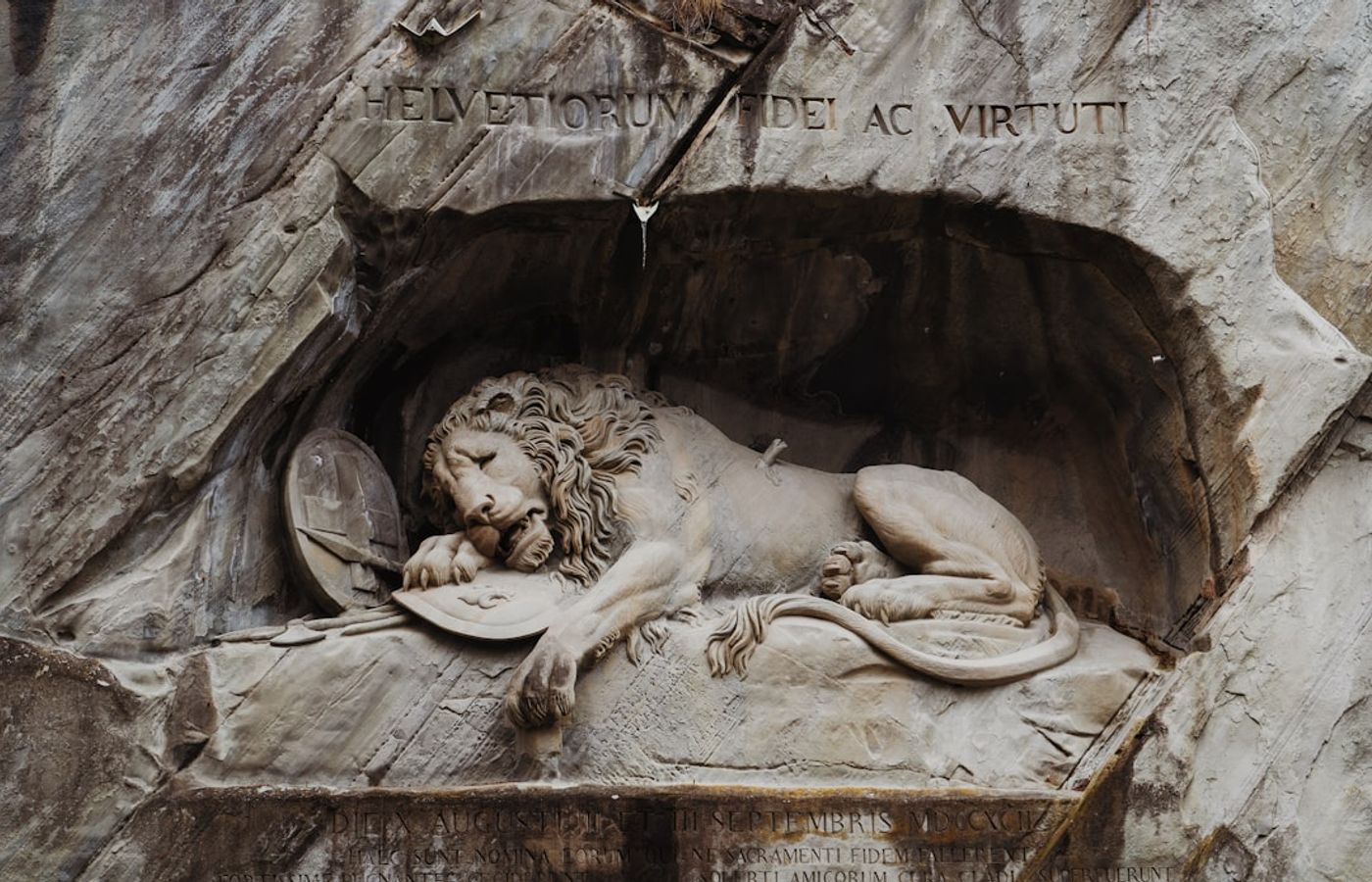

Carved directly into a sandstone cliff between 1820 and 1821, the Lion Monument commemorates the roughly 760 Swiss Guards who died defending King Louis XVI at the Tuileries Palace on 10 August 1792. Bertel Thorvaldsen designed the dying lion, and stonemason Lukas Ahorn executed the carving on site. The figure is 10 metres long and 6 metres high, pierced by a broken spear, with a shield bearing the fleur-de-lys of the French monarchy beneath its paw. Mark Twain famously called it 'the most mournful and moving piece of stone in the world' in A Tramp Abroad (1880), and that quote is still the reason most visitors come.
The small park in front has a reflecting pond that doubles the effect. Entry is free, the site is open 24/7, and 15 minutes is enough unless you also visit the adjacent Glacier Garden (Gletschergarten), which shares the address and charges CHF 22 for adults in 2026.
Pro Tip: Come before 09:00 or after 18:00 to avoid coach-tour crowds - between 10:00 and 16:00 the little plaza is genuinely packed. Combine the visit with the Glacier Garden next door if you have 90 minutes; the same ticket includes a mirror maze that kids love.

3Musegg Wall and Its Towers - Lucerne's Medieval Ramparts
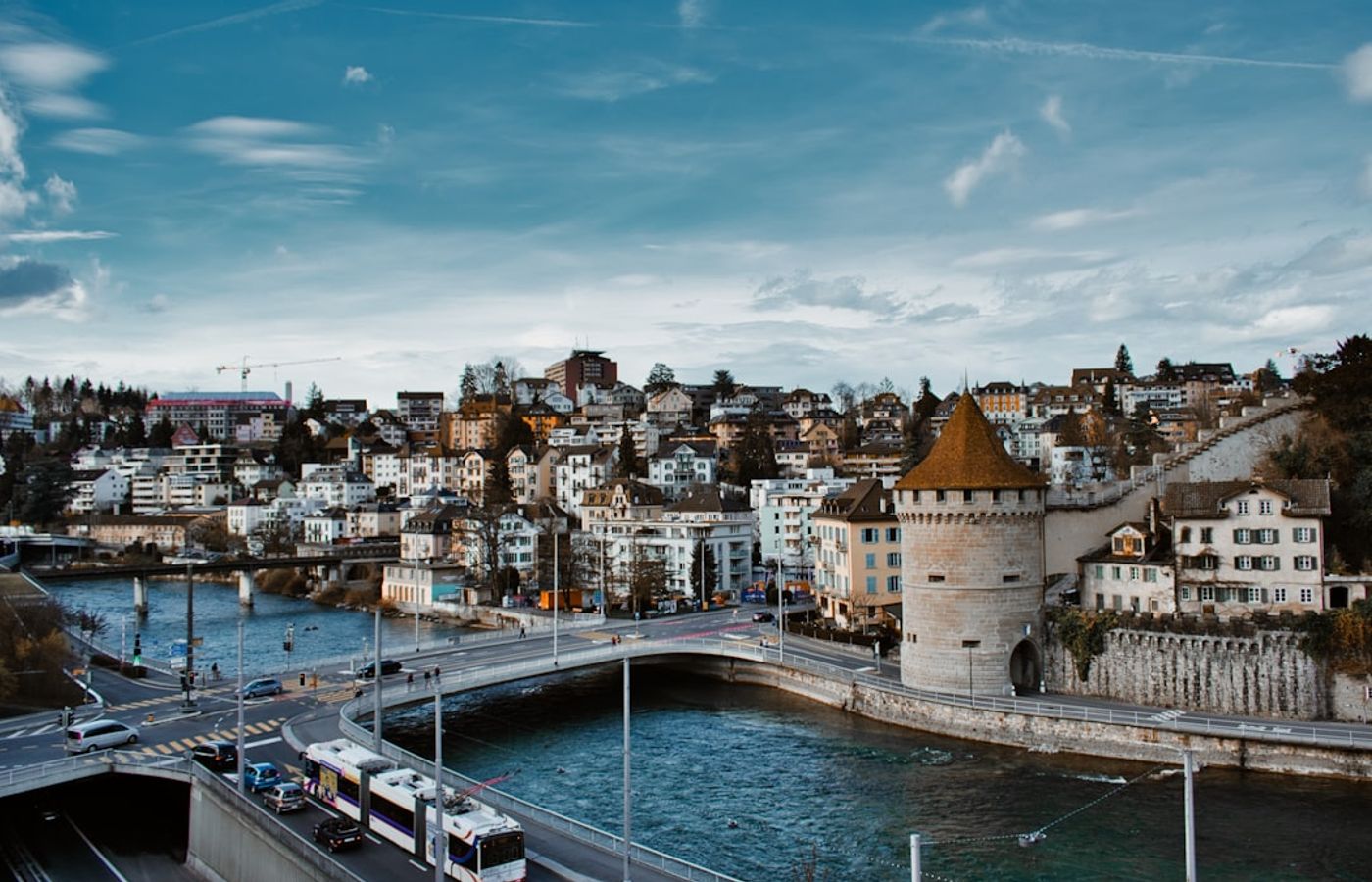
The Musegg Wall (Museggmauer) was completed in 1408 and still stands almost intact along the ridge behind the Old Town, running 870 metres with nine towers along its length. Four of them - Schirmerturm, Zytturm, Wachtturm and Männliturm - are open to the public free of charge, typically from 1 April to 1 November, 08:00-19:00. The Zytturm holds the oldest clock in the city, made in 1535 by Hans Luter, and by long tradition it is allowed to strike each hour one minute before all the other clocks in Lucerne. From the tops of the towers you get the postcard view: red-tiled Altstadt roofs in the foreground, the Reuss and Chapel Bridge below, Lake Lucerne and Pilatus on the horizon.
The walk between towers along the wall itself is not continuous, so you drop back to street level between climbs. Allow 60 to 90 minutes for the full circuit at an easy pace.
Pro Tip: Enter at the Schirmerturm (western end) and walk east - the Zytturm view is the best of the four, so you want it as your reward rather than your first stop. The wall closes for the winter around 1 November each year, so if you visit in December through March you can still see it from the outside but cannot climb.
4Old Town (Altstadt) with Painted Facades and Frescoed Squares
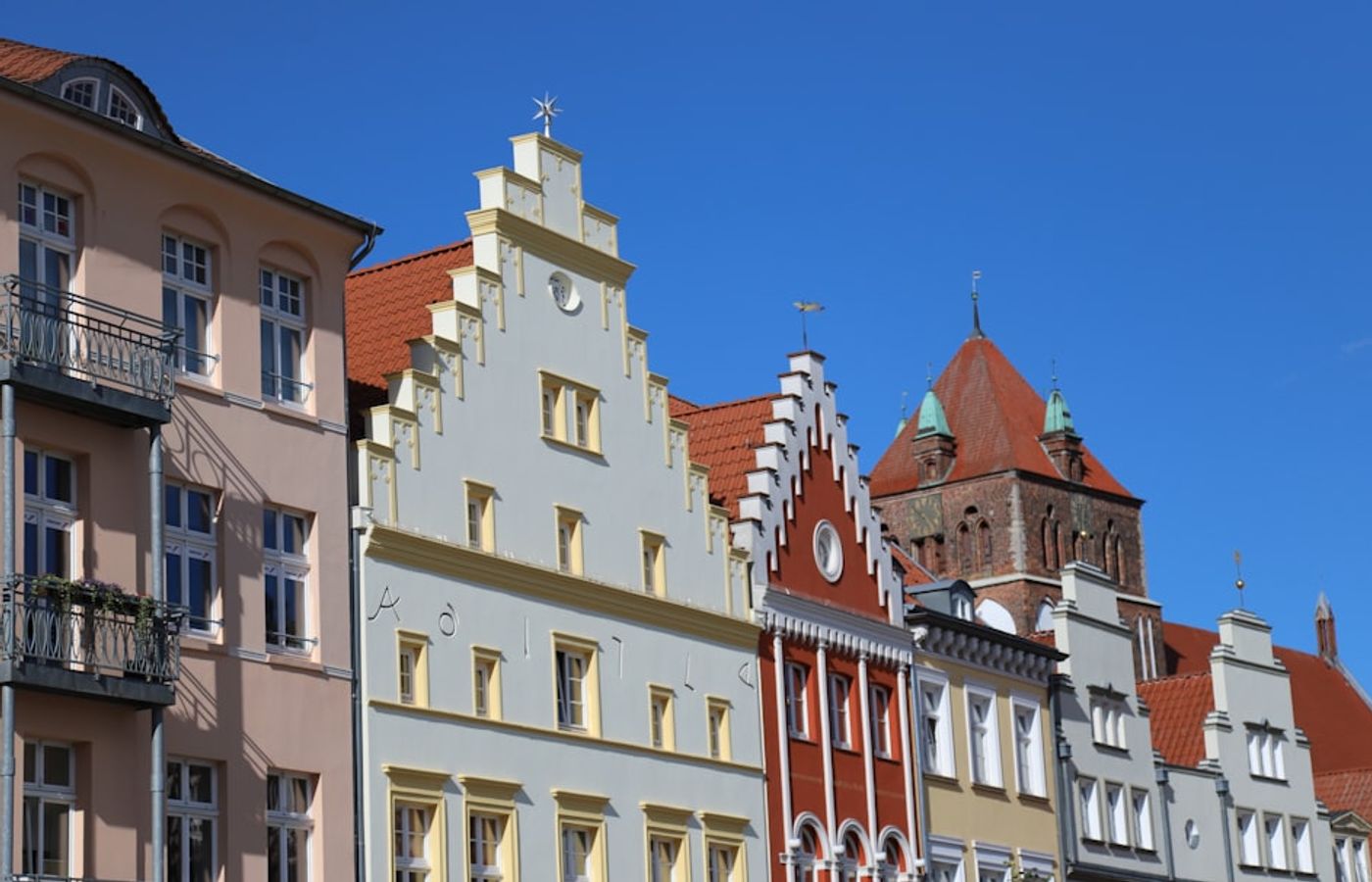
Lucerne's Old Town (Altstadt) occupies the right bank of the Reuss and is small enough to cover in a single unhurried afternoon. The three squares to focus on are Weinmarkt, Hirschenplatz and Kornmarkt, each ringed by 15th- and 16th-century townhouses whose facades are painted with historical, biblical and guild scenes. The Hotel des Balances on Weinmarkt carries some of the best-preserved frescoes. The Old Town Hall (Altes Rathaus) on Kornmarkt was built between 1602 and 1606 in a hybrid Italian Renaissance-Swiss chalet style, and its ground-floor arcades still host a produce market on Tuesday and Saturday mornings, 06:00-13:00.
Most streets are cobblestone and pedestrian-only, so a walking tour on your own works well. The city runs a two-hour English-language guided Old Town walk from the tourist office at the Bahnhof for CHF 25 in 2026, departing Wednesday and Saturday at 09:45.
Pro Tip: Do the Old Town on a Tuesday or Saturday morning to catch the twice-weekly market under the Rathaus arcades - alpine cheese, fresh bread and Luzerner Chügelipastete (a savoury vol-au-vent) are the local buys. Keep your camera on the upper storeys of the facades; the ground floors are mostly shopfronts and dilute the frescoes.
5Lake Lucerne (Vierwaldstättersee) Boat Cruise - A Ride on a Historic Paddle Steamer
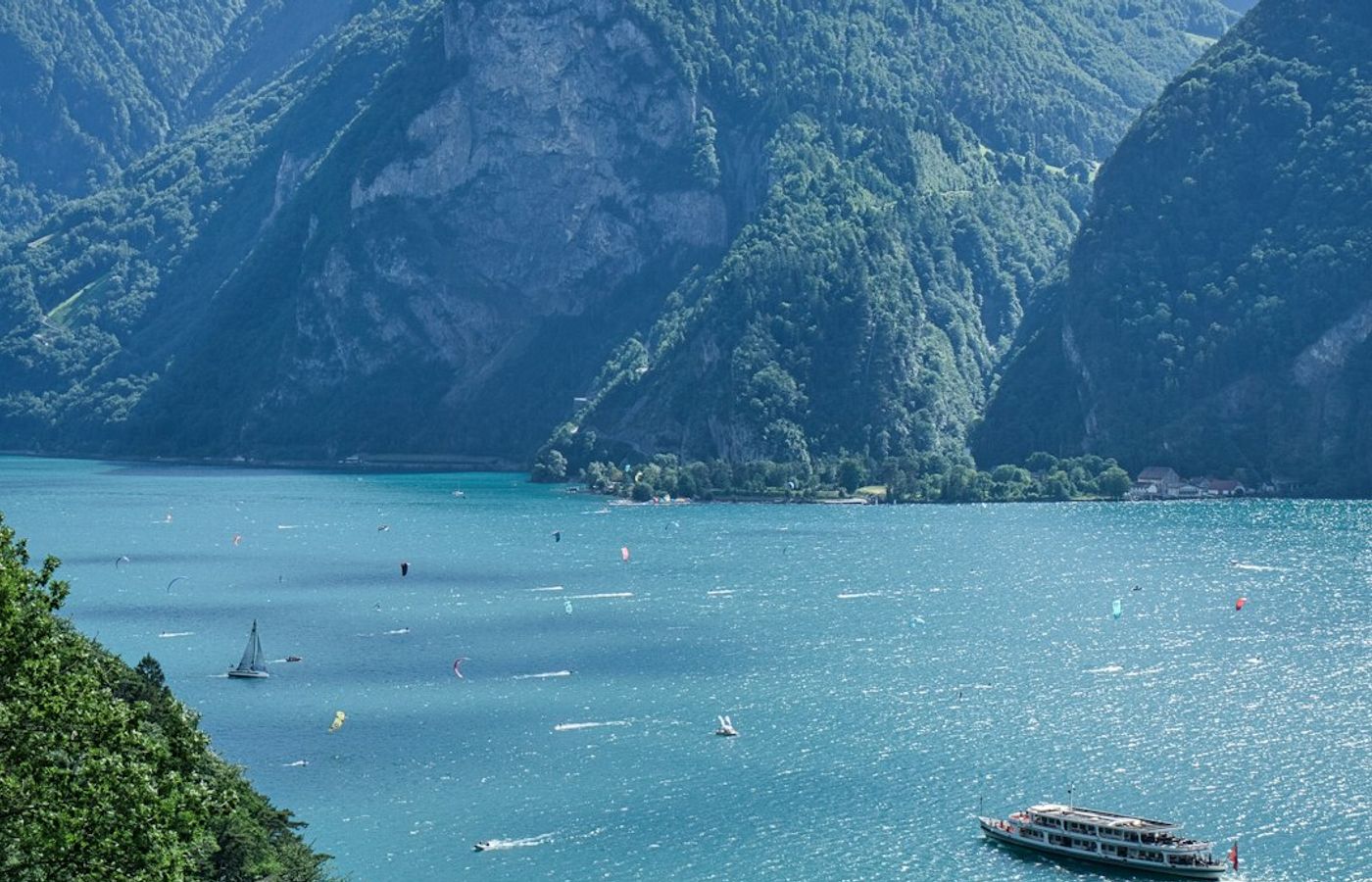
Lake Lucerne (Vierwaldstättersee) is a fjord-shaped alpine lake of 114 square kilometres, and the classic way to see it is aboard one of the five surviving Belle Epoque paddle steamers - Uri (1901), Unterwalden (1902), Schiller (1906), Gallia (1913) and Stadt Luzern (1928). They run alongside modern motor vessels on the SGV timetable. The full round trip to Flüelen and back takes about 5 hours 45 minutes; a shorter 1-hour panoramic loop around the Bay of Lucerne is CHF 22.60 in second class for 2026. All departures leave from the Bahnhofquai piers directly outside the main station. The Swiss Travel Pass covers all SGV services in full, and Eurail/Interrail holders get 50% off.
Weather makes or breaks this one. In fog or heavy rain the mountain backdrop disappears and you might as well be on a canal. Check the SGV live cameras before buying tickets.
Pro Tip: Book the 12:12 departure to Vitznau on a paddle steamer (roughly 60 minutes each way) and lunch on board rather than doing a dedicated cruise - the meals are decent and you save 90 minutes of your day. Sit on the port side (left as you face forward) going out for the best Pilatus views.
6Mount Pilatus (2,128 m) via Cogwheel Railway from Alpnachstad
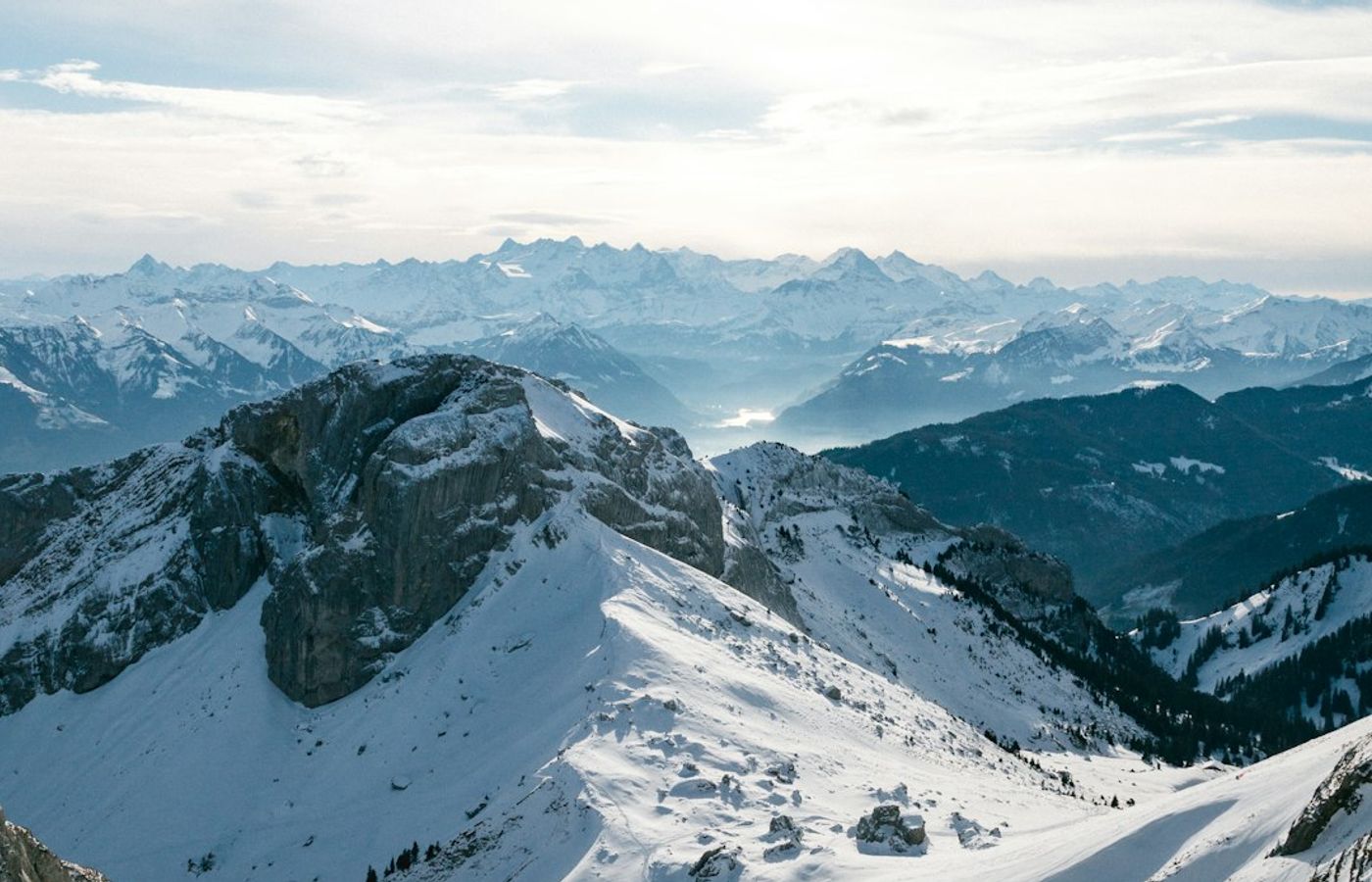
Mount Pilatus (2,128 m) is the massif that dominates every westward view from Lucerne, and the standard way up is the Alpnachstad cogwheel railway - at 48% maximum gradient, the steepest cogwheel railway in the world, in operation since 1889. It runs May through mid-November only (weather permitting). The 'Golden Round Trip' packages the S5 train from Luzern to Alpnachstad, the cogwheel up, the aerial cableway and gondola down to Kriens, and the bus back to town for CHF 111.60 adult second class in 2026; reverse direction is identical price. Allow 4.5 to 5 hours door-to-door. At the summit there are two hotels, several restaurants, a summit trail called the Dragon Path, and the Flower Trail in season.
Out of cogwheel season (mid-November to mid-May) the aerial cableway from Kriens still operates, so the mountain remains accessible year-round.
Pro Tip: Check the summit webcam at pilatus.ch before leaving Lucerne - if cloud is sitting on the top station, defer. Buy tickets online the night before to skip the Alpnachstad queue, and go up on the cogwheel then down via cableway rather than the reverse, because the cogwheel descent feels significantly more vertiginous than the ascent.
7Mount Rigi (1,798 m) - The 'Queen of the Mountains'
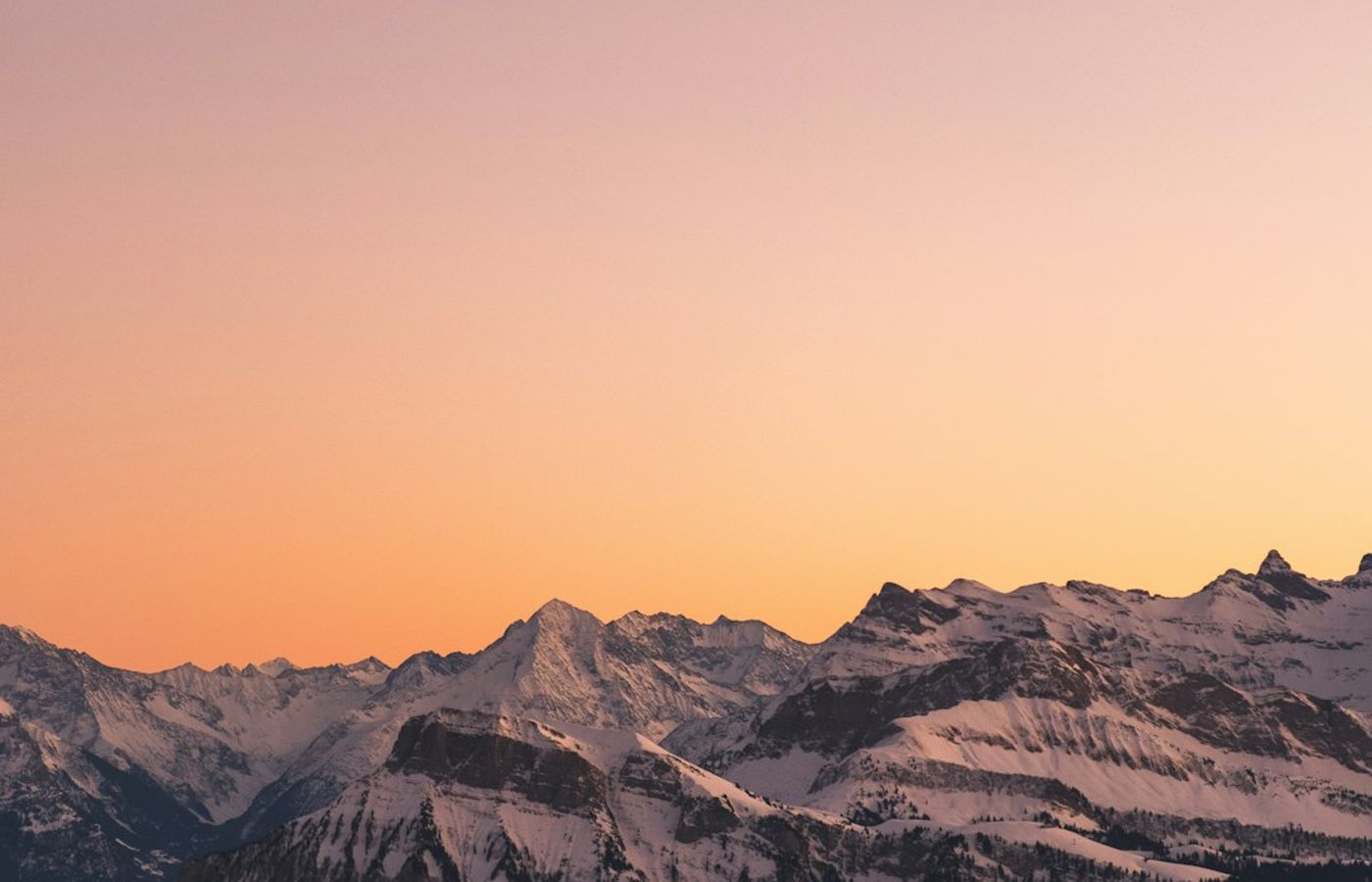
Mount Rigi (1,798 m), known since the 19th century as Regina Montium or 'Queen of the Mountains', sits between Lake Lucerne and Lake Zug and was climbed by Mark Twain, Queen Victoria and Goethe. Europe's first mountain cogwheel railway opened here in 1871, running from Vitznau up to Rigi Kulm, and it still operates year-round in 2026, unlike the seasonal Pilatus line. The classic ascent combines a boat from Lucerne to Vitznau (about 60 minutes), the cogwheel to Rigi Kulm (30 minutes), and a return via the Weggis-Rigi Kaltbad cableway or the Arth-Goldau cogwheel on the north side. The 'Rigi Classic' round trip from Lucerne is CHF 88 adult second class in 2026 and is fully covered by the Swiss Travel Pass.
The summit views span the Alps from Titlis to the Bernese Oberland on a clear day, plus 13 lakes below. There is also a small ski area with 15 km of pistes for December through March visitors.
Pro Tip: Rigi is the better call than Pilatus in shoulder-season (April, late October and November) because the cogwheel runs 12 months a year and the ascent from lake to summit is more scenic. For an active version, ride the cogwheel to Rigi Kaltbad and walk the well-marked Panoramaweg to Rigi Kulm - about 90 minutes, mostly flat, and one of the great views in central Switzerland.
8Swiss Museum of Transport (Verkehrshaus) - Switzerland's Most-Visited Museum
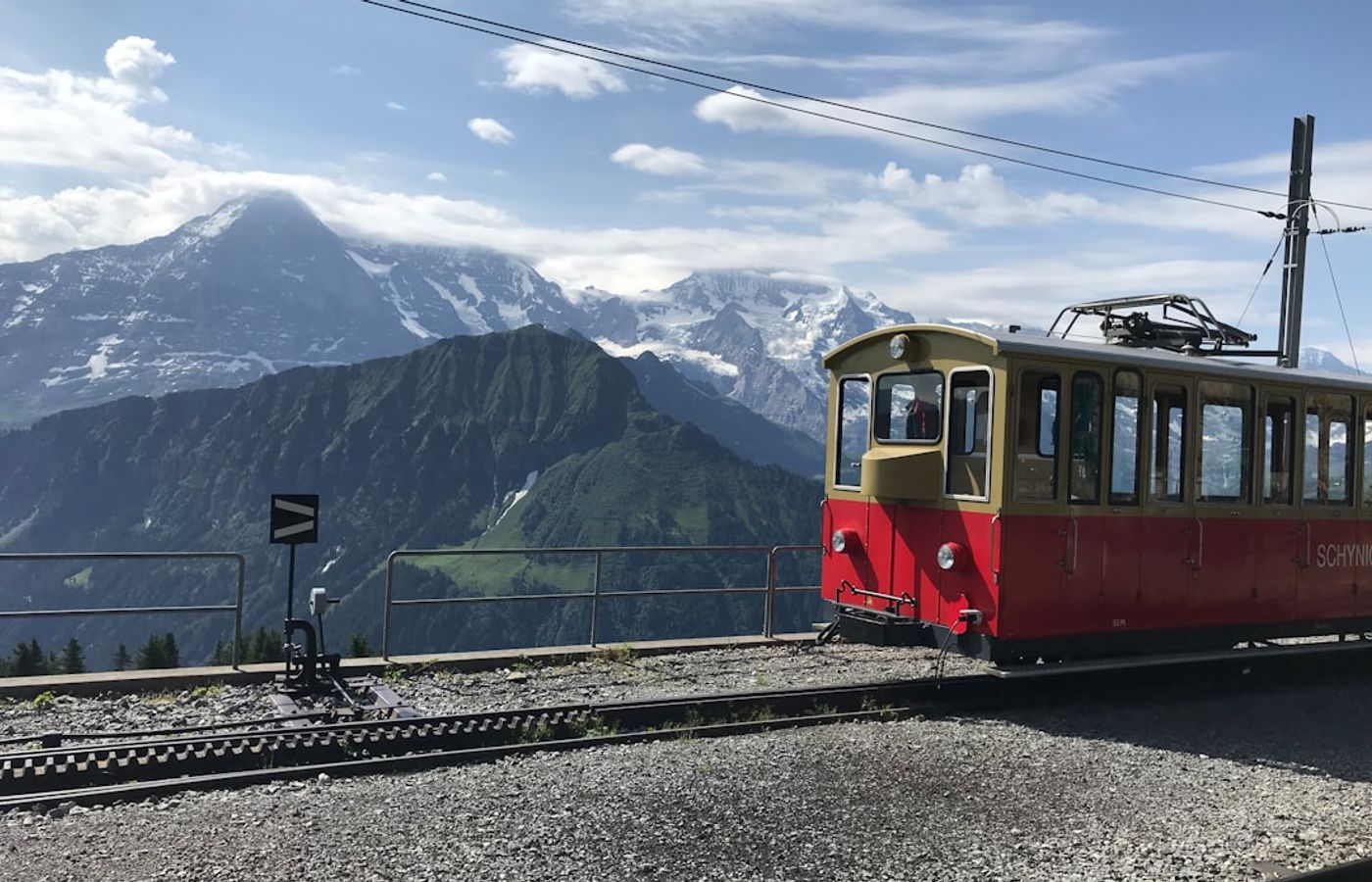
The Swiss Museum of Transport (Verkehrshaus), opened in 1959, is the most-visited museum in Switzerland with around 900,000 admissions a year. The 20,000-square-metre site covers rail (including the original 1858 Rigi locomotive), road, water, air and space travel, plus a planetarium, an IMAX-format Filmtheatre, the Swiss Chocolate Adventure ride, and the Hans Erni art gallery. The rail hall alone holds 60+ locomotives and coaches, and the aviation hall includes a Convair Coronado and a Pilatus Porter you can board. General admission is CHF 35 for adults in 2026, with combi-tickets that add the planetarium or Filmtheatre for CHF 21 more each. Opening hours are 10:00-18:00 (winter closes 17:00).
Budget three hours minimum, or a full day if travelling with kids. The lakeside terrace café is a good lunch stop and looks straight across to the KKL and the city.
Pro Tip: Get here via the SGV boat from Bahnhofquai to the Verkehrshaus-Lido pier (15 minutes, covered by Swiss Travel Pass) rather than the bus - it is more pleasant and drops you at the museum's lake entrance. Buy the combi-ticket with the planetarium only if the weather is bad; on a clear day you want to be outside instead.
9KKL Luzern (Culture and Congress Centre) - Jean Nouvel's Lakeside Icon
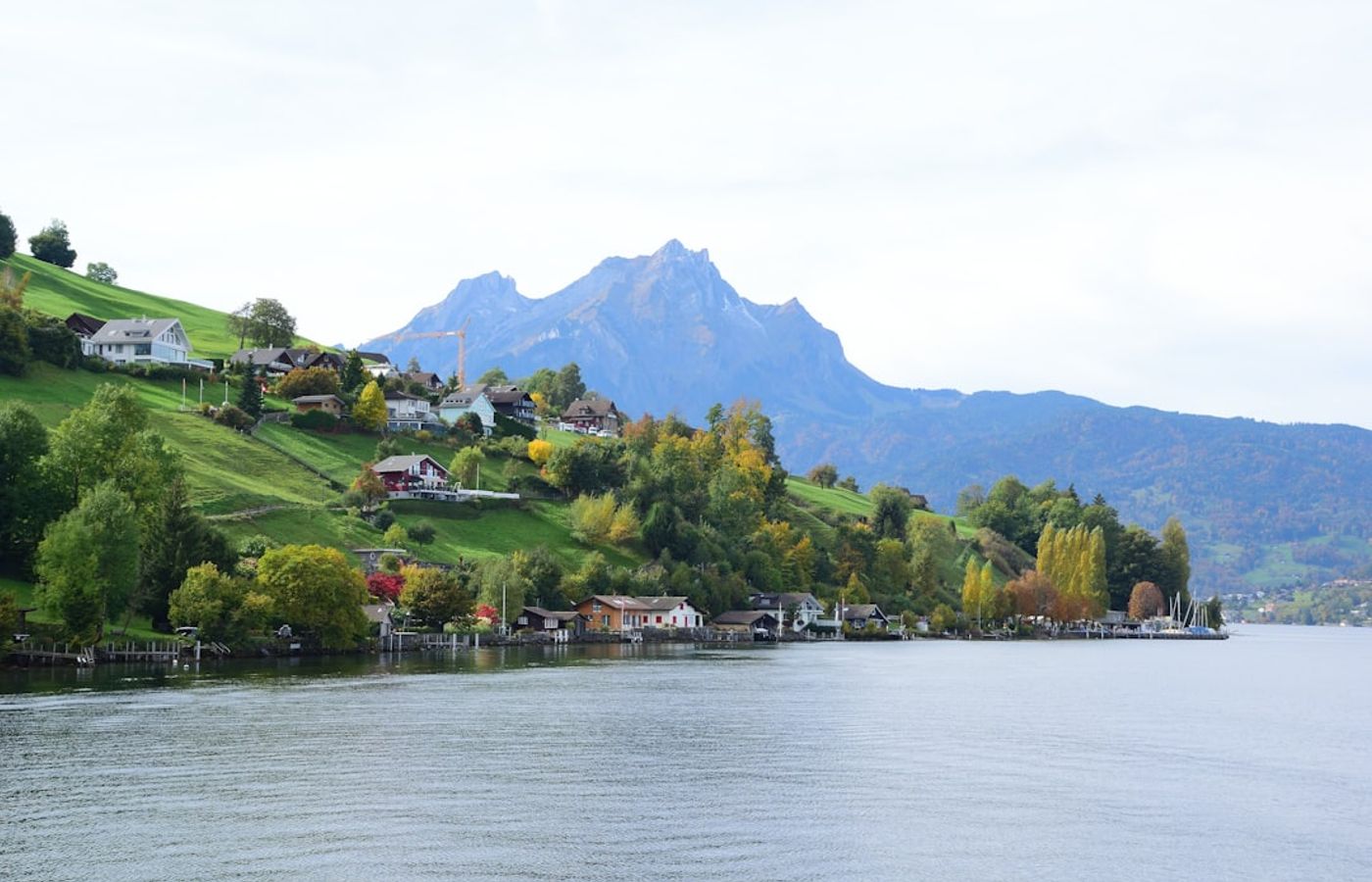
The KKL Luzern (Kultur- und Kongresszentrum Luzern) opened in 2000 to a design by French architect Jean Nouvel, and its dramatic 45-metre cantilevered copper roof pushes right out over the lake edge. The concert hall inside seats 1,840 and is regarded as one of the finest acoustic spaces in Europe; it is home to the Lucerne Symphony Orchestra and hosts the Lucerne Festival each summer (in 2026 the Summer Festival runs 14 August to 13 September). The building also houses the Kunstmuseum Luzern on level 4, showing Swiss and international modern art with adult admission at CHF 15 in 2026, open Tuesday to Sunday 10:00-18:00, Wednesday until 19:00.
Even without a ticket to anything, the exterior alone is worth 20 minutes. The reflecting pools that slice through the plaza mirror the roof underside, and the terrace under the overhang is a fine spot to watch the boats come and go from Bahnhofquai.
Pro Tip: Book a 60-minute architecture tour of the concert hall in English (CHF 20 in 2026, Wednesday and Saturday, book via kkl-luzern.ch) - it is the only way to see the hall interior without a concert ticket. Time your visit for late afternoon so the copper roof catches the low western sun over the lake.
10Spreuer Bridge (Spreuerbrücke) with the Dance of Death Paintings
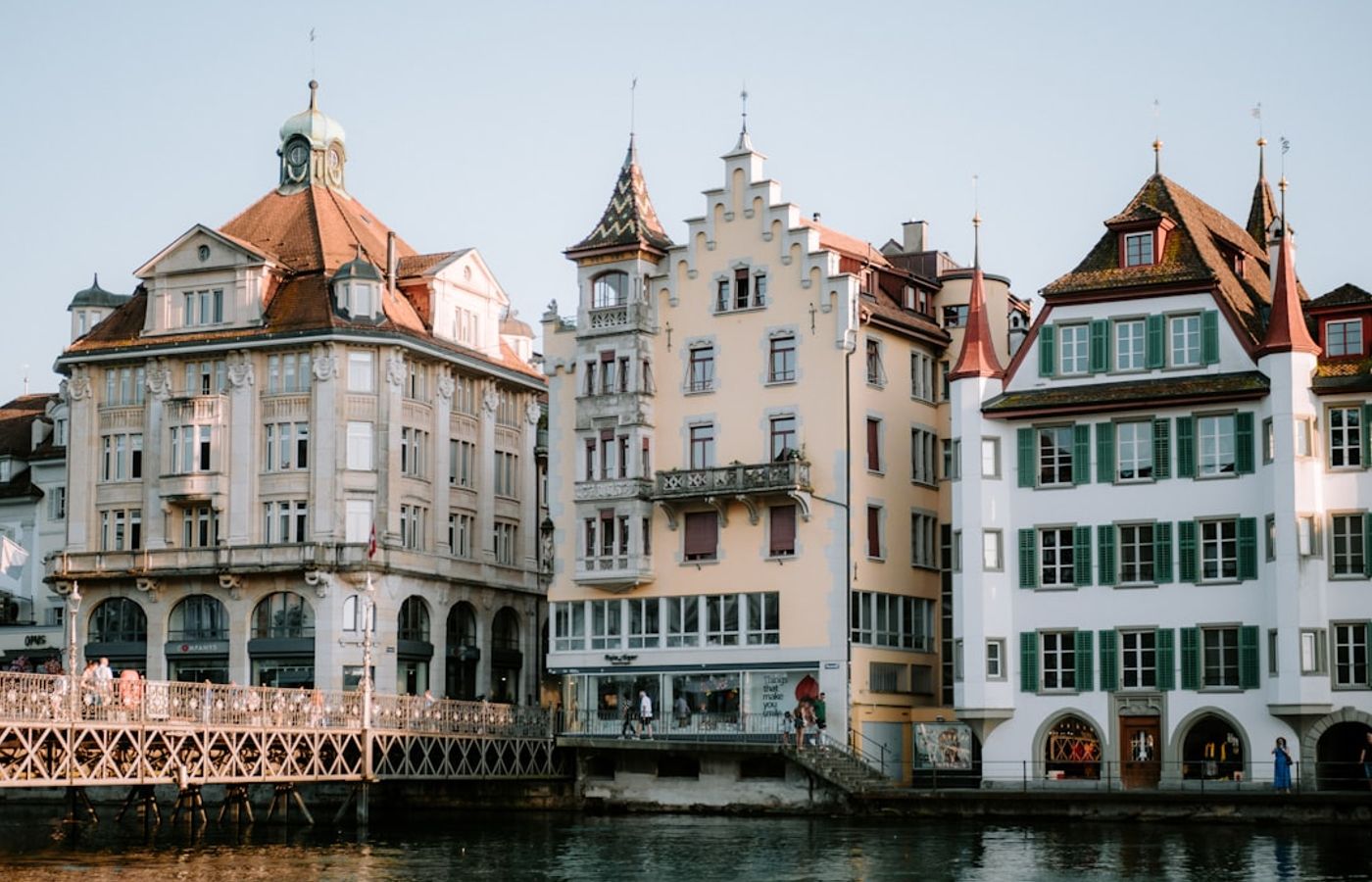
The Spreuer Bridge (Spreuerbrücke) is Lucerne's second surviving covered wooden bridge, completed in its current form in 1408 and named for the chaff (Spreu) that millers were once allowed to dump into the river from it. Where the Chapel Bridge is famous and photogenic, the Spreuer Bridge is quieter and, for many visitors, more memorable. Under its gables hang 67 triangular panels of the Dance of Death (Totentanz) cycle, painted between 1616 and 1637 by Kaspar Meglinger. Each panel shows Death interrupting a figure from a different walk of life - a merchant, a pope, a young mother, a soldier - and together they form one of the most complete surviving examples of the medieval memento mori tradition in Europe. Small chapel bay in the middle of the bridge dates from 1568.
Crossing is free and takes about three minutes. The paintings are best read west-to-east, which follows their original narrative order.
Pro Tip: Combine this with the nearby Historisches Museum Luzern on Pfistergasse 24 (CHF 10 in 2026, closed Mondays) which sits at the southern end of the bridge and gives context on the paintings and the medieval city. Photography inside the bridge is allowed without flash - bring a fast lens because the light is genuinely dim even at midday.

CEO and co-founder
Tomas is the co-founder and director of trip1, an European company specializing in reservation services. He launched the company in 2025 with a focus on building scalable, efficient operations.
Climate averages · 1991–2020
When is the best time to visit Lucerne?
Monthly temperatures, rainfall and sunshine — not a live forecast.
See Lucerne weatherMore of Switzerland
10 Best Things to Do in Lucerne, Switzerland - FAQ
No, and I would not recommend trying. The eight city-centre stops (both bridges, Old Town, Musegg Wall, Lion Monument, KKL, Verkehrshaus and a short lake cruise) fit into one busy 10-hour day if you skip most of the museum interiors. But Mount Pilatus and Mount Rigi each need a dedicated half-day of 4-6 hours. Realistically, plan two full days in the city plus one clear-weather day for one mountain.
Follow the river, then climb, then go to the lake. Day one: Chapel Bridge, Old Town squares, Musegg Wall, Lion Monument, Spreuer Bridge - all walkable in a loop of about 4 km. Day two: KKL Luzern in the morning, Swiss Museum of Transport in the afternoon (10-minute boat between them), plus a short lake cruise. Day three: pick Pilatus or Rigi based on the forecast.
Only three are worth pre-booking. Mount Pilatus and Mount Rigi round-trip tickets sell out for the first morning ascents in July and August 2026, so book online 24-48 hours ahead. KKL concert-hall tours also have limited slots and book out. The bridges, Lion Monument, Musegg Wall and Old Town are all free walk-up sites. The Swiss Museum of Transport rarely sells out except on rainy summer Saturdays.
Rough 2026 total per adult: CHF 111.60 for the Pilatus Golden Round Trip, CHF 88 for the Rigi Classic, CHF 22.60 for a short lake cruise, CHF 35 for the Swiss Museum of Transport, CHF 15 for the Kunstmuseum inside KKL, plus roughly CHF 25 if you take a guided Old Town walk. That comes to around CHF 297 without meals or transport within the city. A Swiss Travel Pass at CHF 244 for three consecutive days covers all boats, trains and most of both mountain routes.
Pick one unless you have four full days in Lucerne. Mount Pilatus is the more dramatic ascent thanks to the world's steepest cogwheel railway and the sheer cliff face at the summit, but the cogwheel closes mid-November to mid-May. Mount Rigi is gentler, runs year-round, and gives you 360-degree views over 13 lakes and the Alps. If you visit between May and October and want the more spectacular ride, choose Pilatus. In winter or shoulder-season, Rigi wins.
All ten are reachable without a car. The eight city-centre sites are within a 20-minute walk of Luzern Bahnhof or served by VBL city bus lines 1, 2, 6, 7, 8, 9, 12, 18, 19, 22 and 24. Mount Pilatus is reached by S5 train to Alpnachstad then cogwheel; Mount Rigi by SGV boat to Vitznau then cogwheel. A Swiss Travel Pass covers all of it including the Verkehrshaus admission.
A few worthwhile stops did not make the top 10. The Bourbaki Panorama on Löwenplatz is a 112-metre circular 1881 painting of the French army's 1871 internment in Switzerland (CHF 15 in 2026). The Richard Wagner Museum in Tribschen, where Wagner lived from 1866 to 1872, is a 25-minute walk south along the lakeshore (CHF 12). And Hammetschwand Lift on the Bürgenstock ridge is Europe's tallest exterior elevator at 152 metres if you want a fourth-day excursion.
Related travel guides
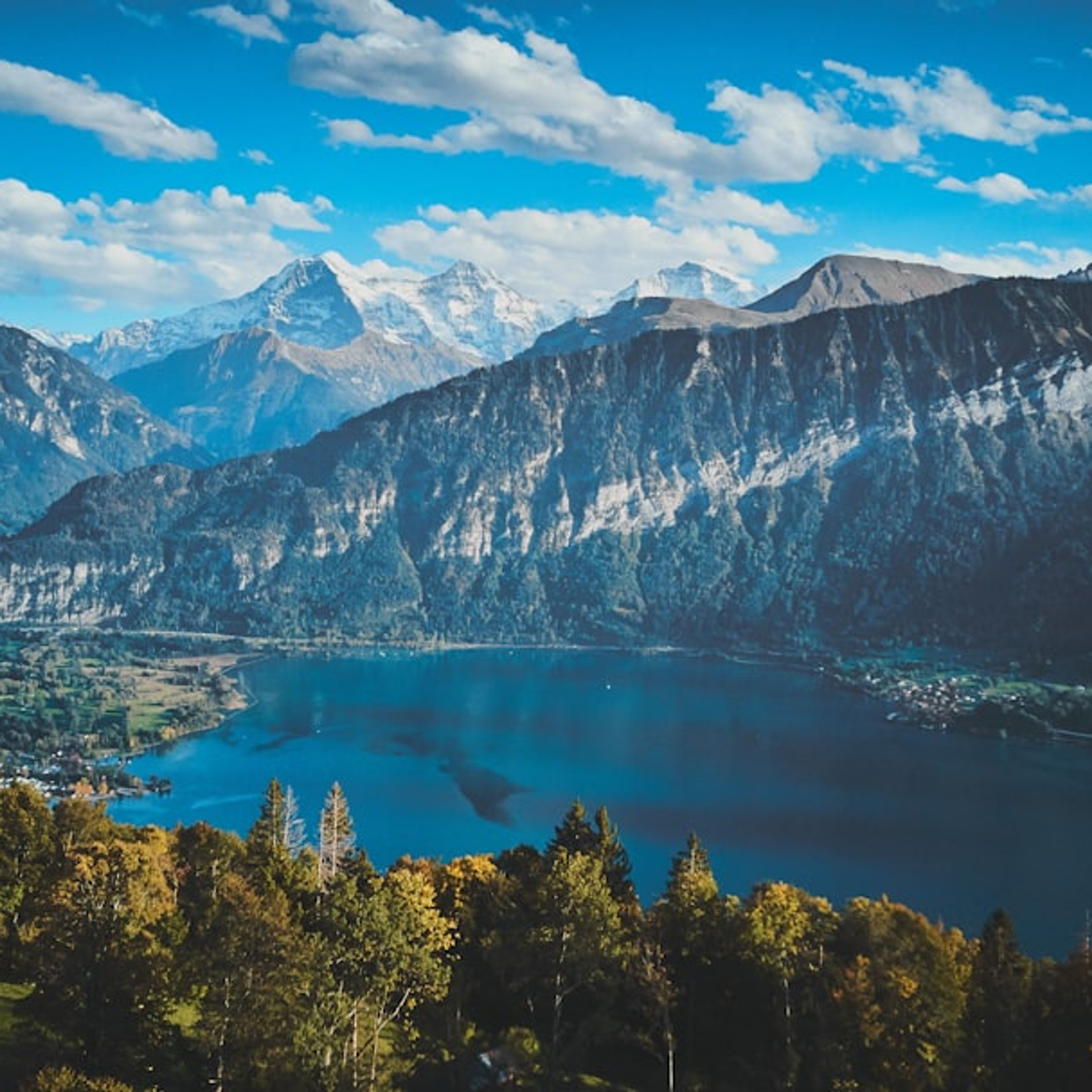
5 Best Hikes in Interlaken
The 5 best hikes in Interlaken, ordered easy to hard, with signposted trail times, distances and ascent - from Harder Kulm to the Faulhornweg.
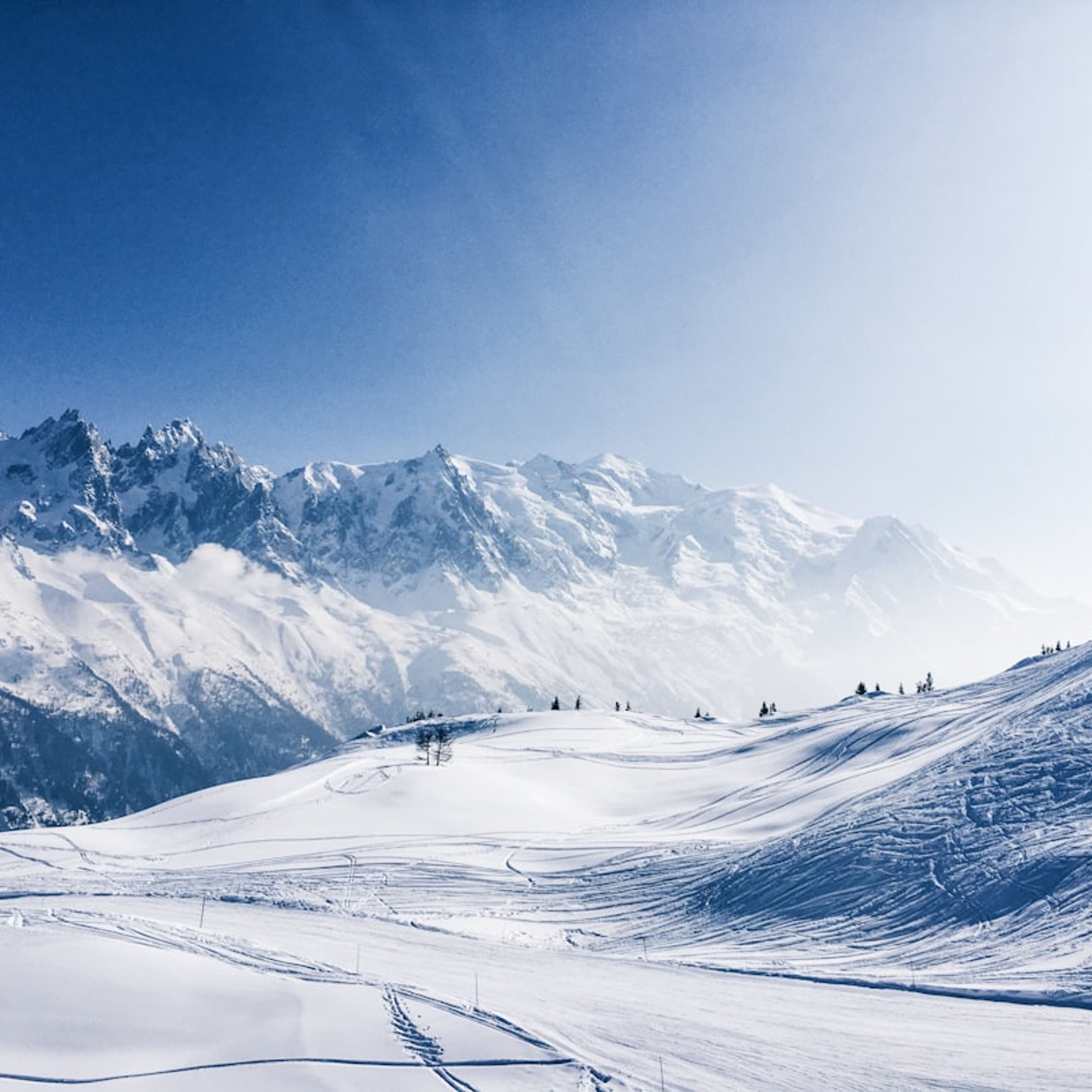
5 Best Ski Resorts in the Jungfrau Region
The 5 best ski resorts in the Jungfrau Region, from the Lauberhorn at Wengen to Meiringen-Hasliberg, with 2026/27 pass prices and season dates.