


Miami travel guides
Browse and explore the best travel guides in Miami.
Miami travel facts
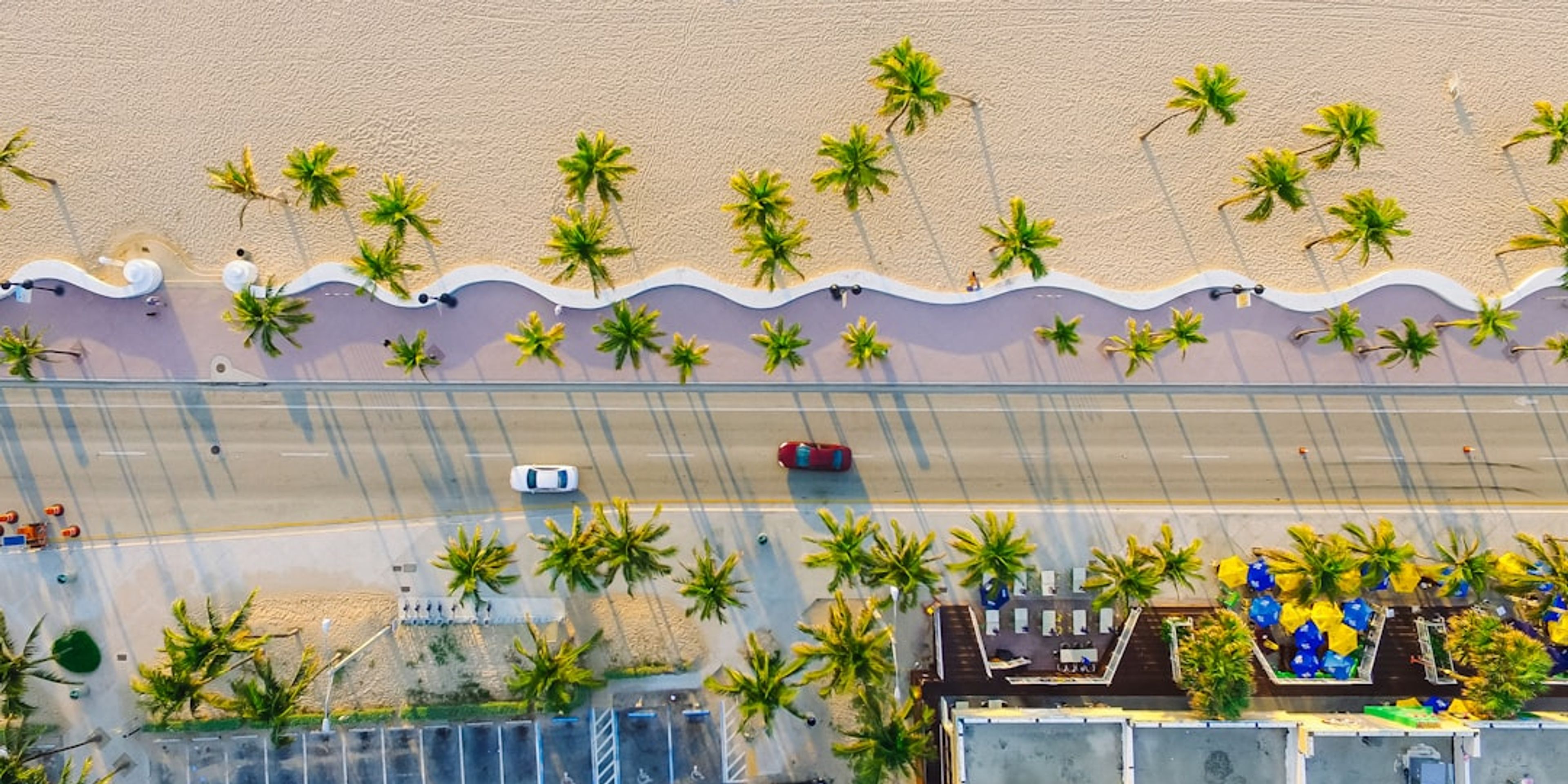
Miami sits on the southeastern tip of Florida, a subtropical city where the United States meets the Caribbean and Latin America. It is best known for the sand and Art Deco glamour of Miami Beach, but the wider metropolitan area is a sprawl of distinct districts - the high-rise skyline of Brickell, the Cuban heart of Little Havana, the street art of Wynwood and the Mediterranean-style village of Coral Gables. Warm weather year-round, palm-lined boulevards and turquoise water give the city a relaxed, sun-soaked rhythm that draws visitors from across the world.
The city's culture is unmistakably Latin, with Spanish heard as often as English and a food scene that runs from Cuban sandwiches and cafecito to ceviche, stone crab and modern fine dining. Wynwood's warehouse walls have become an open-air gallery of murals, South Beach delivers world-famous nightlife, and the calendar is packed with events like Art Basel and Miami Music Week. Beyond the beaches, the city is a gateway to the Everglades, the Florida Keys and day trips out onto Biscayne Bay.
Miami is more spread out than most US cities, and while the Metromover and Metrorail serve the downtown core, many visitors rely on rideshares, the South Beach trolley or a rental car to move between districts. The climate is warm and humid all year, with a hot, rainy summer-to-autumn hurricane season and a dry, pleasant winter that marks the peak tourist period - making the cooler months from November to April the most comfortable time to explore.

Country
United States
Region / State
Florida (Southeast)
Population
~450,000 (metro ~6.2 million)
Elevation
2 m (6 ft)
Time Zone
Eastern Time (UTC-5, UTC-4 in summer)
Currency
US Dollar (USD)
Language
English and Spanish widely spoken
Nearest Airport
Miami International (MIA); Fort Lauderdale (FLL)
Airport to City Centre
MIA ~12 km, ~25 min by Metrorail or car
Typical Cost Level
Mid-range to High
Transport Pass
EASY Card (Metrorail & Metrobus); free Metromover downtown
Spring (Mar-May)
21-31°C (70-88°F)
Summer (Jun-Aug)
25-33°C (77-91°F)
Autumn (Sep-Nov)
23-31°C (73-88°F)
Winter (Dec-Feb)
16-26°C (61-79°F)
Miami travel guides

Stay in the loop
Get the latest deals, new destinations, and travel tips delivered straight to your inbox.
No spam, unsubscribe anytime.
Do you need a visa for United States?
Entry rules, stay length and passport validity by nationality.
Climate averages · 1991–2020
When is the best time to visit Miami?
The best time to visit Miami is between November and April, the most comfortable stretch of the year on these averages.
Best time · November–AprilRainfall
- Jan20°
- Feb22°
- Mar23°
- Apr25°
- May27°
- Jun28°
- Jul29°
- Aug29°
- Sep28°
- Oct27°
- Nov24°
- Dec22°
Latest travel guides







Miami Destination FAQ
The best time to visit Miami is the dry season from November to April, when temperatures are warm but comfortable and humidity and rain are low. This is peak tourist season, so hotels and beaches are busiest and prices highest, especially around the winter holidays and spring break. Summer (June-September) is hot, humid and the heart of hurricane season, bringing afternoon storms but lower rates and fewer crowds. Late autumn shoulder months offer a good balance of pleasant weather and better value.
Miami International Airport (MIA) is about 12 kilometres from downtown and connects via the Metrorail Orange Line, which reaches the city centre in around 25 minutes for a few dollars. The free MIA Mover links the terminals to the Miami Central Station, where Metrorail, Tri-Rail and buses meet. To reach Miami Beach there is no direct train, so most travellers take a rideshare, taxi or the airport bus, a trip of roughly 30-45 minutes. Fort Lauderdale Airport (FLL) is a further option about 45 minutes north.
Miami is spread out, so getting around usually means mixing several options. The free Metromover loops around downtown and Brickell, while the Metrorail and Metrobus cover wider routes with an EASY Card. Within Miami Beach, the cheap local trolley and South Beach's walkable grid work well. Rideshares are the most convenient way to hop between districts like Wynwood, the Design District and the beach. A rental car is useful only if you plan day trips to the Everglades or the Keys, as downtown parking is pricey.
Three to four days is ideal for a first visit to Miami. That gives you time for the beaches and Art Deco architecture of South Beach, the murals of Wynwood, the Cuban culture of Little Havana and a sunset over Biscayne Bay. A long weekend covers the highlights comfortably, while five days or more lets you add a day trip to the Everglades or the Florida Keys and settle into the city's relaxed, sun-driven pace.
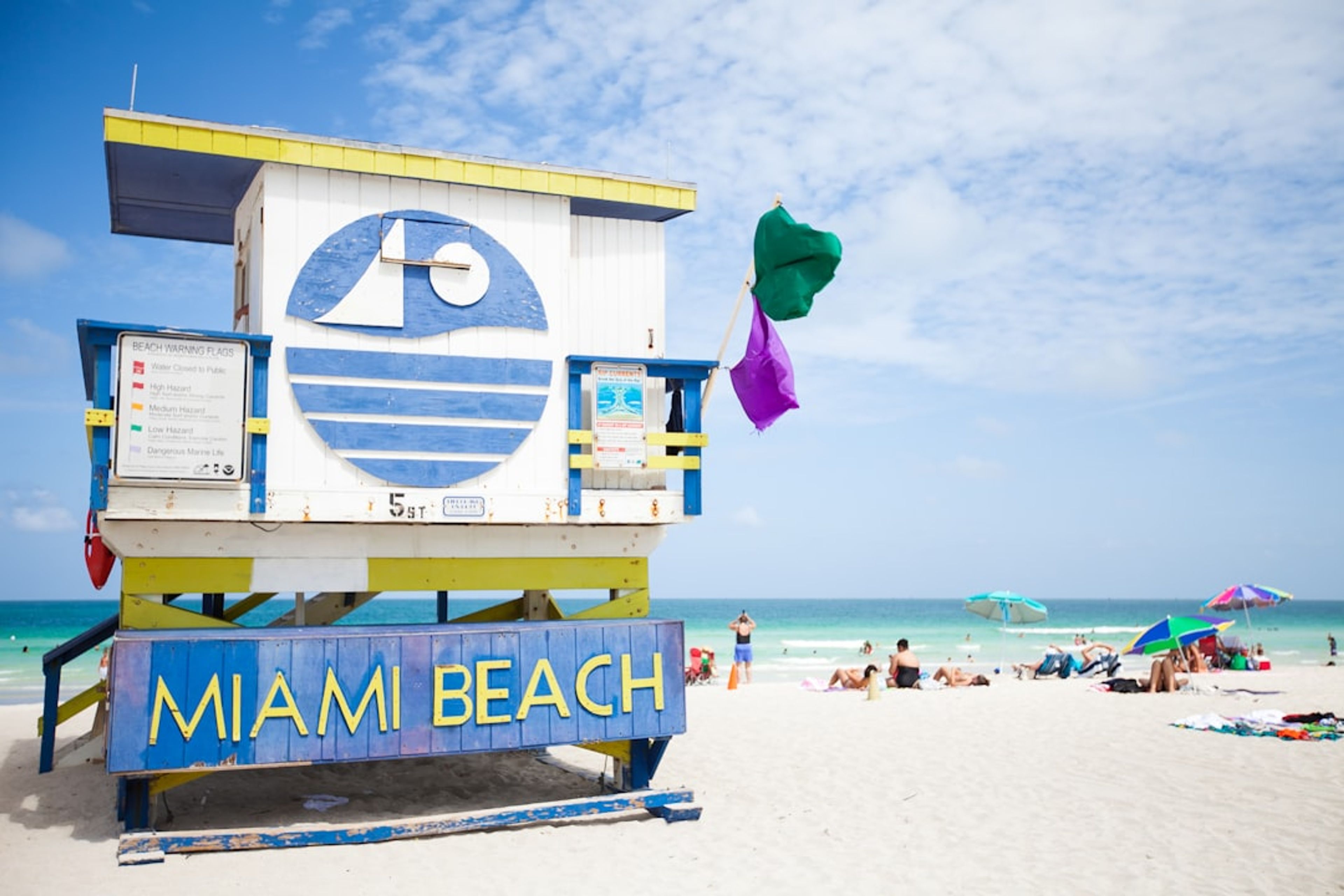
Miami is generally safe for tourists, particularly in popular areas like South Beach, Brickell, Coral Gables and the Design District, which are busy and well-patrolled. As in any large city, take normal precautions: watch your belongings on the beach, avoid leaving valuables in parked cars, and be aware of your surroundings late at night around nightlife districts. Beach safety matters too - swim near lifeguard stands and respect flag warnings, as currents can be strong on the Atlantic coast.
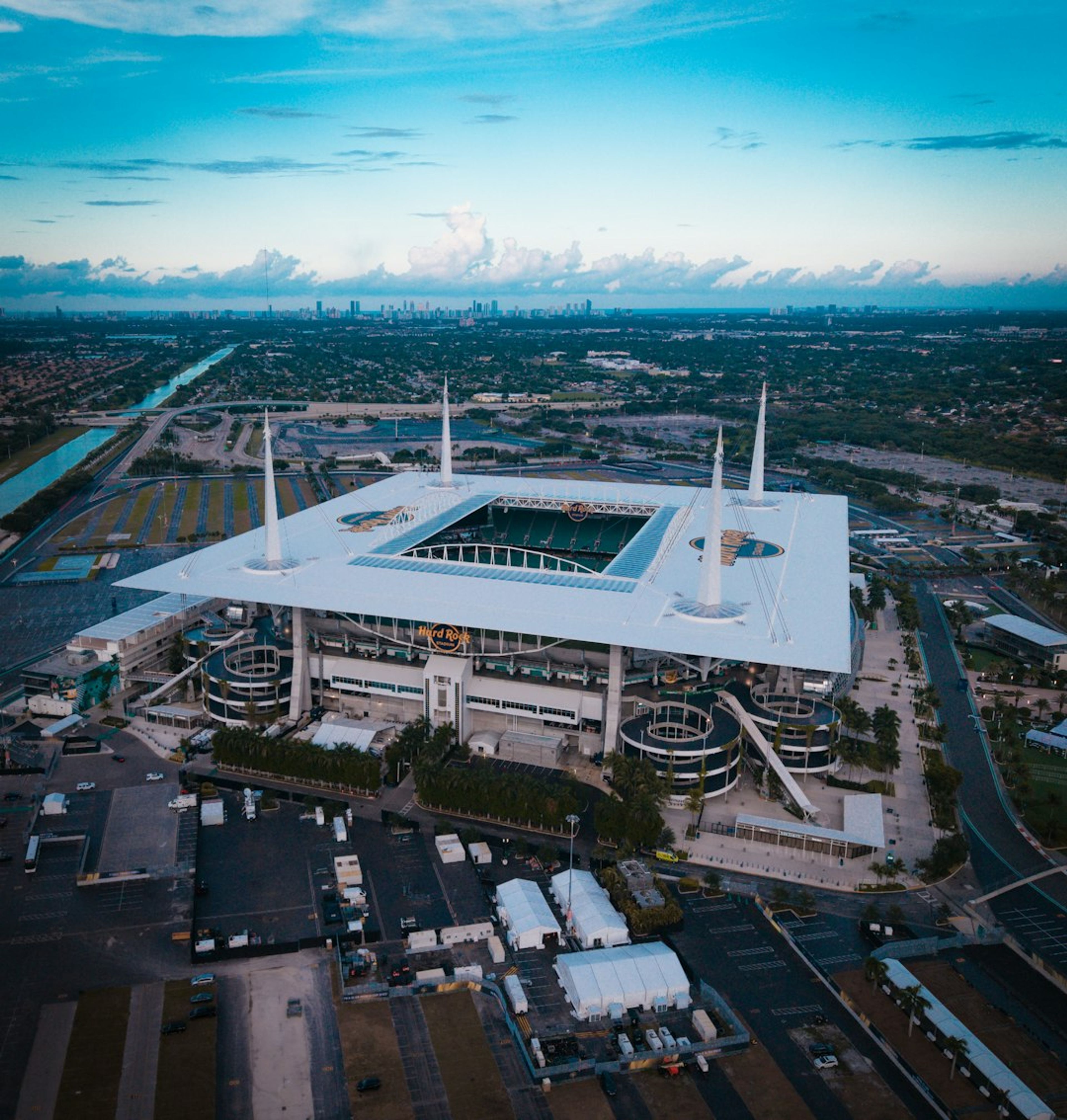
Miami's most visited areas each have a distinct feel. South Beach on Miami Beach is the postcard district of Art Deco hotels, sand and nightlife, while Brickell is the modern downtown of high-rises, rooftop bars and restaurants. Wynwood is the arts district famous for its murals and breweries, the Design District blends luxury shopping with public art, and Little Havana is the centre of Cuban culture along Calle Ocho. Coral Gables and Coconut Grove offer leafier, upscale streets away from the beach crowds.
Miami's food is defined by its Cuban and wider Latin American roots. Start with a Cuban sandwich, croquetas and a shot of strong cafecito in Little Havana, and try fresh ceviche and Peruvian or Colombian dishes found across the city. Florida specialities include stone crab claws in season and a slice of key lime pie, while the beachfront and Design District showcase an ambitious modern dining scene. Food halls and the markets of Wynwood are great for sampling several styles in one stop.
Yes. On trip1, you can book hotels across Miami and pay with over 50 cryptocurrencies including Bitcoin, Ethereum, and USDC. trip1 covers 3 million+ hotels in 190+ countries, making it easy to find and book accommodation with crypto.